Exhaust Pressure Control Valve “A” High

What does it mean?


This generic powertrain/engine diagnostic code typically applies to diesel engines, including but not limited to certain Ford Powerstroke, Dodge Cummins, Mercedes, Nissan, and VW vehicles.

This code may also apply to trucks equipped with diesel engines and dealer-installed exhaust brakes.


A valve is placed in the exhaust stream after the exhaust manifold to generate heat in the form of backpressure in the exhaust. This heat and/or backpressure can be used to assist with cold starts. It can also be used to oppose cylinder pressure from the engine’s cylinders to the exhaust, thereby slowing the engine and the vehicle with it. This is particularly useful during towing operations.

This code is strictly concerned with the incoming signal from the exhaust pressure sensor that does not match the intake manifold pressure or ambient air pressure during normal driving. It could be a mechanical or electrical circuit fault, depending on the vehicle manufacturer.

Troubleshooting steps may vary by manufacturer, type of exhaust backpressure control, and the color of the control solenoid wires.

Symptoms


Symptoms of a P0478 engine code may include:

    Malfunction Indicator Lamp (MIL) illuminated
    Lack of power
    Absence of engine braking
    Longer than normal cold engine warm-up time

Potential Causes

Typically, the causes for this code to set are:

    Stuck exhaust backpressure valve
    Restricted exhaust
    Open in the ground circuit to the exhaust pressure sensor
    Open in the signal circuit between the exhaust pressure sensor and the PCM
    Short to voltage in the exhaust pressure sensor signal circuit
    Faulty exhaust pressure sensor – internal short to voltage
    Clogged exhaust pressure sensor sensing tube
    Possibly turbocharger overboost
    Possibly the PCM has failed (highly unlikely)

Diagnostic and Repair Procedures


A good starting point is always to search for a Technical Service Bulletin (TSB) for your specific vehicle. The vehicle manufacturer may have a PCM flash/reprogram to address this issue, and it’s worth checking before discovering you’ve taken a long/wrong path. PCM = Powertrain Control Module.

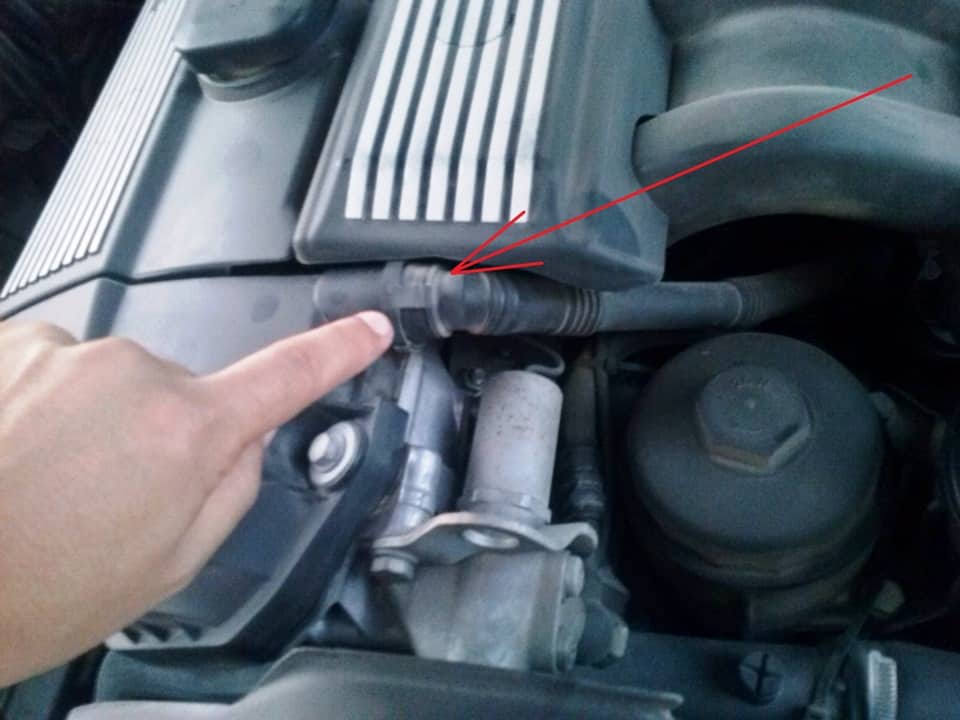
Next, locate the exhaust pressure sensor on your specific vehicle. Once located, visually inspect the connectors and wiring. Look for chafing, rubbing, bare wires, burns, or melted plastic. Disconnect the connectors and carefully inspect the terminals (the metal parts) inside the connectors. See if they appear corroded, burnt, or perhaps greenish compared to the normal metallic color you’re probably used to seeing. You can get electrical contact cleaner at any auto parts store if terminal cleaning is needed. If that’s not possible, find 91% rubbing alcohol and a light plastic-bristled brush to clean them. Then, let them air dry, get some dielectric silicone compound (same as used for light bulb sockets and spark plug wires), and apply a bit where the terminals make contact.

Additionally, if your vehicle is equipped, remove the sensing tube that connects the exhaust backpressure sensor to the exhaust manifold. Try blowing through it. If it’s blocked, that is also a possible cause of this code.

If you have a scan tool, clear the diagnostic codes from memory and see if this code returns. If it doesn’t, the connections were likely your problem.

If the code returns, you’ll need to check the proper operation of the turbocharger overboost. You’ll need a scan tool capable of reading turbocharger boost pressure. You may need to monitor intake manifold pressure, as that will provide the same information. Note the pressure at Key On, but with the engine off. After that, start the engine, drive the vehicle to a safe speed, then momentarily accelerate the engine to full throttle, ensuring the engine speed does not exceed 2500-3000 RPM. You should note a change of at least 18 PSI, perhaps more depending on the vehicle manufacturer and the vehicle’s model year.

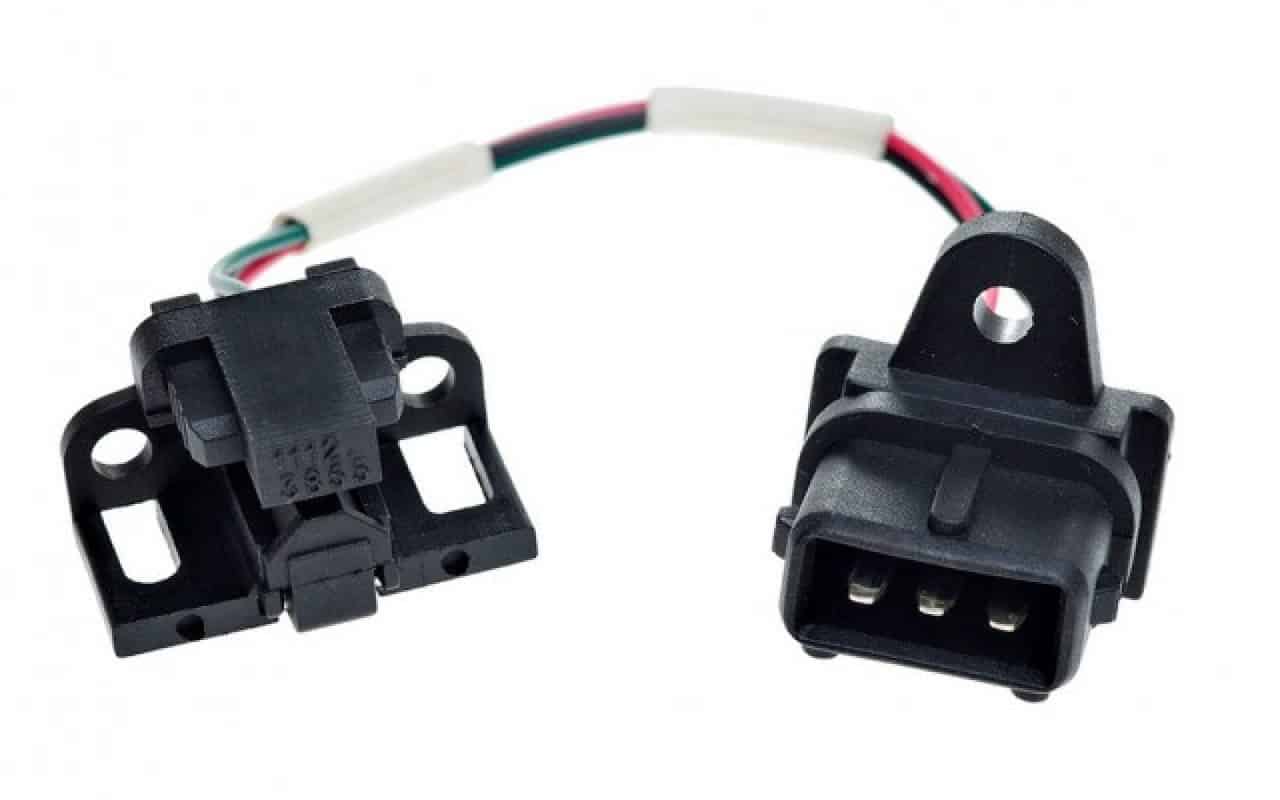
If this test passed, or if you were unable to check the turbocharger overboost, we will need to test the sensor and its associated circuits. Typically, there are 3 wires at the exhaust pressure sensor.

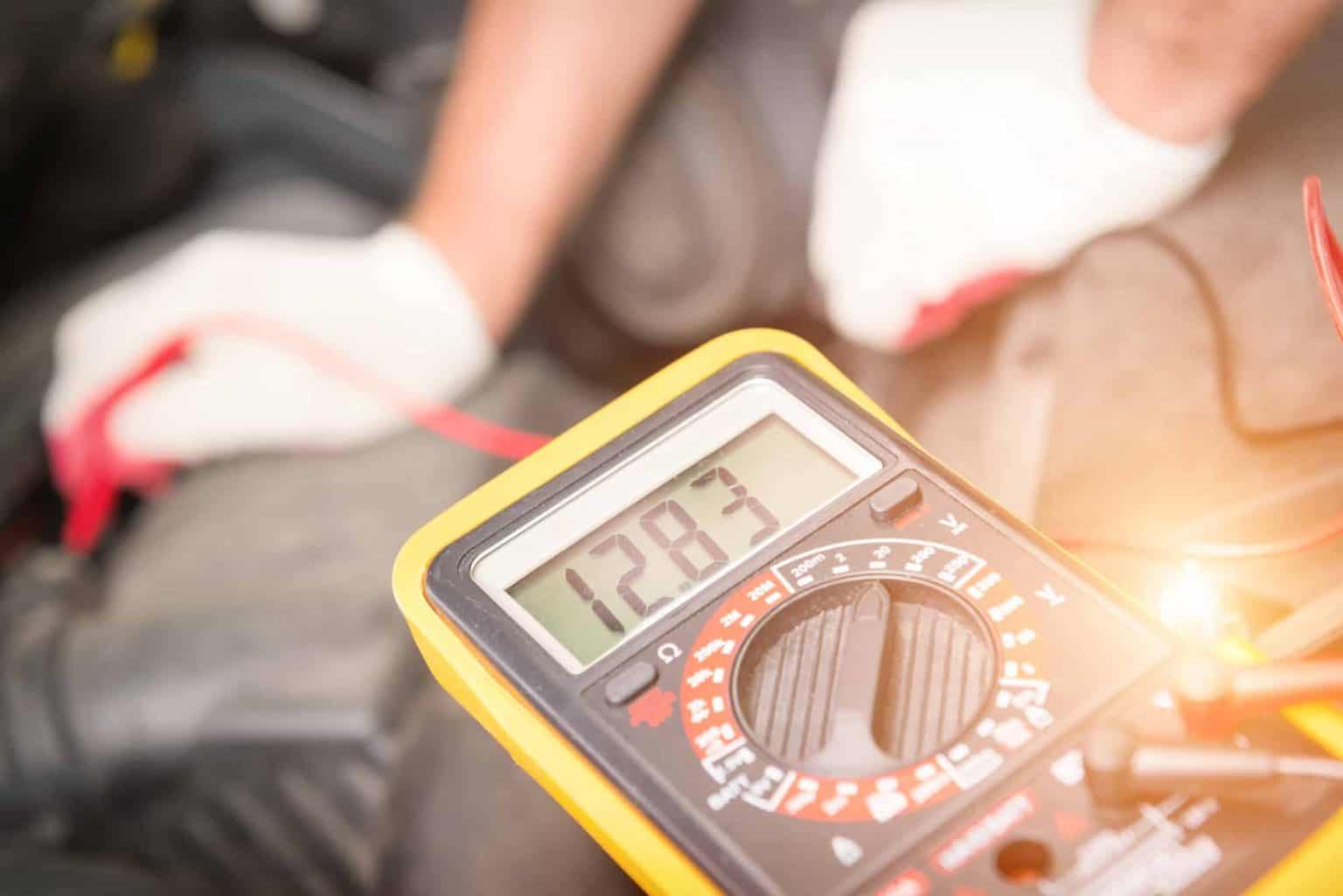
Disconnect the harness going to the exhaust pressure sensor. With a digital voltmeter (DVOM), test the 5V supply circuit going to the sensor to ensure it is powered (red wire to the 5V supply circuit, black wire to a good ground). If there are 12 volts at the sensor when there should be 5 volts, repair the wiring from the PCM to the sensor for a short to 12 volts, or possibly a faulty PCM.

If that’s okay, with a DVOM, check that the exhaust pressure sensor signal circuit is 5V (red wire to the sensor signal circuit, black wire to a good ground). If there is no 5 volts at the sensor, or if you see 12 volts at the sensor, repair the wiring from the PCM to the sensor, or again a faulty PCM.

If that’s OK, check that the exhaust pressure sensor is properly grounded. Connect a test light to the positive 12V battery terminal (red terminal) and touch the other end of the test light to the ground circuit going to the exhaust pressure sensor circuit ground. If the test light does not illuminate, that would indicate a circuit problem. If it lights up, wiggle the wire harness going to the exhaust pressure sensor to see if the test light flickers, indicating an intermittent connection.

If all the previous tests passed and you continue to get a P0478 code, it would most likely indicate a failing exhaust pressure sensor, although a closed exhaust backpressure valve or a faulty PCM cannot be ruled out until the sensor has been replaced.

P0479 Intermittent Exhaust Pressure Control Valve “A

What does it mean?

This generic powertrain/engine diagnostic code generally applies to diesel engines, including but not limited to certain Ford, Dodge, Mercedes, Nissan, and VW vehicles.

This code may also apply to trucks equipped with diesel engines and dealer-installed exhaust brakes.

A valve is placed in the exhaust stream after the exhaust manifold to generate heat in the form of backpressure in the exhaust. This heat and/or backpressure can be used to assist with cold starts. It can also be used to oppose cylinder pressure from the engine’s cylinders to the exhaust, thereby slowing the engine and the vehicle with it. This is particularly useful during towing operations.

This code is strictly concerned with the incoming signal from the exhaust pressure sensor that does not match the intake manifold pressure or ambient air pressure during normal driving. It could be a mechanical or electrical circuit fault, depending on the vehicle manufacturer.

Troubleshooting steps may vary by manufacturer, type of exhaust backpressure control, and the color of the control solenoid wires.

Symptoms


Symptoms of a P0479 engine code may include:

    Malfunction Indicator Light (MIL) on
    Lack of power
    Absence of engine braking
    Longer than normal cold engine warm-up time

Potential Causes

Typically, the causes for this code to set are:

    Blockage in the exhaust manifold tube to the pressure sensor
    Exhaust system/air intake/supercharger air leaks
    Intermittent open in the exhaust pressure sensor ground circuit
    Intermittent open in the signal circuit between the exhaust pressure sensor and the PCM (Powertrain Control Module)
    Intermittent short to voltage in the signal circuit to the exhaust pressure sensor
    Exhaust gas pressure sensor
    Possibly turbocharger overboost
    Possibly the PCM has failed (highly unlikely)

Diagnostic and Repair Procedures


A good starting point is always to search for a Technical Service Bulletin (TSB) for your specific vehicle. The vehicle manufacturer may have a PCM flash/reprogram to cover this issue, and it’s worth checking before discovering you’ve taken a long/wrong path. PCM = Powertrain Control Module.

Next, locate the exhaust pressure sensor on your specific vehicle. Once located, disconnect the tube connecting the sensor to the exhaust manifold. Try blowing through it. If you cannot, try running a small piece of wire through it to dislodge the carbon trapped inside, causing the error code you’re experiencing.

If the tube is clear and free, visually inspect the connectors and wiring. Look for chafing, rubbing, bare wires, burns, or melted plastic. Separate the connectors and carefully inspect the terminals (the metal parts) inside the connectors. See if they look corroded, burnt, or perhaps greenish compared to the normal metal color you’re probably used to seeing. You can get electrical contact cleaner at any auto parts store if terminal cleaning is needed. If that’s not possible, find 91% rubbing alcohol and a light plastic-bristled brush to clean them. Then let them air dry, get some dielectric silicone compound (same as used for light bulb sockets and spark plug wires), and apply it where the terminals make contact.

If you have a scan tool, clear the diagnostic codes from memory and see if this code returns. If not, the connections were likely your problem.

If the code returns, you’ll need to check the proper operation of the turbocharger overboost. You’ll need a scan tool capable of reading the turbocharger boost pressure. You may need to monitor the intake manifold pressure, as this will provide the same information. Note the pressure at Key On, but with the engine off. After that, start the engine, drive the vehicle to a safe speed, then momentarily accelerate the engine to full throttle, ensuring the engine speed does not exceed 2500-3000 RPM. You should note a change of at least 18 PSI, perhaps more depending on the vehicle manufacturer and the vehicle’s model year.

If this test passed, or if you were unable to check the turbocharger overboost, we will need to test the sensor and its associated circuits. Typically, there are 3 wires at the exhaust pressure sensor.

Disconnect the harness going to the exhaust pressure sensor. With a digital voltmeter (DVOM), test the 5V supply circuit going to the sensor to ensure it is powered (red wire to the 5V supply circuit, black wire to a good ground). If there are 12 volts at the sensor when there should be 5 volts, repair the wiring from the PCM to the sensor for a short to 12 volts, or possibly a faulty PCM.

If that’s okay, with a DVOM, check that the exhaust pressure sensor signal circuit is 5V (red wire to the sensor signal circuit, black wire to a good ground). If there is no 5 volts at the sensor, or if you see 12 volts at the sensor, repair the wiring between the PCM and the sensor, or again a possible faulty PCM.

If that’s okay, check that the exhaust pressure sensor is properly grounded. Connect a test light to the positive 12V battery terminal (red terminal) and touch the other end of the test light to the ground circuit going to the exhaust pressure sensor circuit ground. If the test light does not illuminate, that would indicate the circuit problem. If it lights up, wiggle the wire harness going to each terminal to see if the test light flickers, indicating an intermittent connection.

If all tests have passed so far and you continue to get a P0479 code, try wiggling the sensor wire harness while watching the scan tool to see if the code returns. If it does, that most likely indicates an intermittent connection in the harness. Otherwise, it would most likely indicate a faulty exhaust pressure sensor, although a closed exhaust pressure control valve or a faulty PCM cannot be ruled out until the sensor has been replaced.

P047A Exhaust Pressure Sensor B Malfunction

What does it mean?


This generic powertrain/engine diagnostic code applies to all engines using variable nozzle turbochargers (gasoline or diesel), starting around 2005 on Ford trucks with 6.0L diesel engines, all Ford EcoBoost engines, and eventually leading to the Cummins 6.7L in 2007, the 3.0L in the Mercedes lineup in 2007, and more recently the Cummins 3.0L 6-cylinder in Nissan vans starting in 2015. This does not necessarily mean you won’t get this code in a VW or other brand.

This code is strictly concerned with the incoming signal from the exhaust pressure sensor not matching the intake manifold pressure or ambient air pressure during power-up. This could be an electrical circuit fault or it could be mechanical.

The P047B code may also be present along with P047A. The only difference between these two codes is the duration of the issue and the type of electrical/mechanical problem encountered by the sensor/circuit/engine controller. Troubleshooting steps may vary by manufacturer, gas or diesel, type of exhaust pressure sensor, and wire colors. Refer to a vehicle-specific repair guide to determine which sensor is “B” for your particular vehicle.

Associated “B” Exhaust Pressure Sensor Fault Codes:

P047B Exhaust Pressure Sensor “B” Circuit Range/Performance
P047C Exhaust Pressure Sensor “B” Circuit Low
P047D Exhaust Pressure Sensor “B” Circuit High
P047E Exhaust Pressure Sensor “B” Circuit Intermittent

Symptoms


Symptoms of a P047A engine code may include:

Check Engine Light on
Lack of power
Unable to perform manual regeneration – burn soot from the particulate filter. It resembles a catalytic converter but has temperature sensors and pressure sensor probes inserted in it.
If it cannot perform regeneration, it may eventually become a no-start condition.

Potential Causes

Typically, the causes for this code to set are:

Blockage in the exhaust manifold tube to the pressure sensor
Exhaust gas recirculation system / air intake / boost air leaks
Exhaust pressure sensor
A Powertrain Control Module (PCM) may be faulty (very unlikely)

Diagnostic and Repair Procedures


A good starting point is always to search for a Technical Service Bulletin (TSB) for your specific vehicle. The vehicle manufacturer may have a PCM flash/reprogram to address this issue, and it’s worth checking before discovering you’ve taken a long/wrong path.

Next, locate the exhaust pressure sensor on your specific vehicle. Once located, disconnect the tube connecting the sensor to the exhaust manifold. Try blowing through it. If you can’t, try running a small piece of wire through to dislodge the carbon trapped inside, causing the error code you’re experiencing. If the tube is clear and free, visually inspect the connectors and wiring. Look for chafing, rubbing, bare wires, burns, or melted plastic. Separate the connectors and carefully inspect the terminals (the metal parts) inside the connectors. See if they look corroded, burnt, or perhaps greenish compared to the normal metallic color you’re used to seeing. You can get electrical contact cleaner at any auto parts store if terminal cleaning is needed. If not available, find 91% rubbing alcohol and a soft plastic-bristled brush to clean them. Then let them air dry, get some dielectric silicone compound (same as used for bulb sockets and spark plug wires), and apply a bit where the terminals make contact. Then, ensure the tube connecting the turbocharger to the intake manifold is not leaking. Visually inspect all tube connections around the turbocharger and intake manifold. Tighten all hose/band clamps.

If you have a scan tool, clear the diagnostic codes from memory and see if this code returns. If not, the connections were likely your problem.

If the code returns, we’ll need to test the sensor and its associated circuits. Typically, there are 3 wires to the exhaust pressure sensor.

Disconnect the harness going to the exhaust pressure sensor. With a digital voltmeter (DVOM), test the 5V supply circuit to the sensor to ensure it’s powered (red wire to the 5V supply circuit, black wire to a good ground). If there are 12 volts at the sensor when there should be 5 volts, repair the wiring from the PCM to the sensor for a short to 12 volts, or possibly a faulty PCM.

If that’s okay, with a DVOM, check that the exhaust pressure sensor signal circuit is 5V (red wire to the sensor signal circuit, black wire to a good ground). If there’s no 5 volts at the sensor, or if you see 12 volts at the sensor, repair the wiring from the PCM to the sensor, or again a faulty PCM.

If that’s fine, check that you have an Exhaust Pressure Sensor ground. Connect a test light to the positive 12V battery terminal (red terminal) and touch the other end of the test light to the ground circuit going to the exhaust pressure sensor circuit ground. If the test light does not light up, that would indicate a circuit problem. If it lights up, wiggle the wire harness going to each sensor to see if the test light flickers, indicating an intermittent connection.

If all tests have passed so far and you continue to get a P047A code, that would most likely indicate a failing exhaust pressure sensor, although a faulty PCM cannot be ruled out until the sensor has been replaced.

P047B Exhaust Pressure Sensor B Range / Performance

What does it mean?


This generic powertrain/engine diagnostic code applies to all engines using variable nozzle turbochargers (gasoline or diesel), starting around 2005 on Ford trucks with 6.0L diesel engines, all Ford EcoBoost engines, and eventually leading to the Cummins 6.7L in 2007, the 3.0L in the Mercedes lineup in 2007, and more recently the Cummins 3.0L 6-cylinder in Nissan vans starting in 2015. This does not necessarily mean you won’t get this code in a VW or other brand.


This code is strictly concerned with the incoming signal from the exhaust pressure sensor not matching the intake manifold pressure or ambient air pressure during power-up. This could be an electrical circuit fault or it could be mechanical.

The P047A code may also be present at the same time as P047B. The only difference between these two codes is the duration of the issue and the type of electrical/mechanical problem encountered by the sensor/circuit/engine controller. Troubleshooting steps may vary by manufacturer, gas or diesel, type of exhaust pressure sensor, and wire colors. Refer to a vehicle-specific repair guide to determine which sensor is the “B” sensor for your particular vehicle.

A typical exhaust pressure sensor:
Exhaust Pressure Sensor

Associated “B” Exhaust Pressure Sensor Fault Codes:

P047A Exhaust Pressure Sensor “B” Circuit
P047C Exhaust Pressure Sensor “B” Circuit Low Value
P047D Exhaust Pressure Sensor “B” Circuit High
P047E Exhaust Pressure Sensor “B” Circuit Intermittent

Symptoms


Symptoms of a P047B engine code may include:

Check Engine Light on
Lack of power
Unable to perform a manual regeneration – burn soot from the particulate filter. It looks like a catalytic converter but has temperature sensors and pressure sensor probes inserted in it.
If it is unable to perform regeneration, it may eventually result in a no-start condition.

Potential Causes

Typically, the causes for this code to set are:

Blockage in the exhaust manifold tube to the pressure sensor
Exhaust gas recirculation system / air intake / boost air leaks
Exhaust pressure sensor
A Powertrain Control Module (PCM) may be faulty (very unlikely)

Diagnostic and Repair Procedures


A good starting point is always to search for a Technical Service Bulletin (TSB) for your specific vehicle. The vehicle manufacturer may have a PCM flash/reprogram to address this issue, and it’s worth checking before discovering you’ve taken a long/wrong path.

Next, locate the exhaust pressure sensor on your specific vehicle. Once located, disconnect the tube connecting the sensor to the exhaust manifold. Try blowing through it. If you can’t, try passing a small piece of wire through to dislodge the carbon trapped inside, causing the error code you’re experiencing. If you notice some water blown out, this could be the cause of the code.

If the tube is clear and free, visually inspect the connectors and wiring. Look for chafing, rubbing, bare wires, burns, or melted plastic. Separate the connectors and carefully inspect the terminals (the metal parts) inside the connectors. See if they appear corroded, burned, or perhaps greenish compared to the normal metallic color you’re used to seeing. You can get electrical contact cleaner at any auto parts store if terminal cleaning is needed. If that’s not possible, find 91% rubbing alcohol and a light plastic-bristled brush to clean them. Then let them air dry, get some dielectric silicone compound (same as used for bulb sockets and spark plug wires), and apply it where the terminals make contact. Then, ensure the tube connecting the turbocharger to the intake manifold is not leaking. Visually inspect all tube connections around the turbocharger and intake manifold. Tighten all hose/band clamps.

If you have a scan tool, clear the diagnostic codes from memory and see if this code returns. If it doesn’t, the connections were likely your problem.

If the code returns, we’ll need to test the sensor and its associated circuits. Typically, there are 3 wires at the exhaust pressure sensor.

Disconnect the harness going to the exhaust pressure sensor. With a digital voltmeter (DVOM), test the 5V supply circuit going to the sensor to ensure it’s powered (red wire to the 5V supply circuit, black wire to a good ground). If there are 12 volts at the sensor when there should be 5 volts, repair the wiring from the PCM to the sensor for a short to 12 volts, or possibly a faulty PCM.

If that’s okay, with a DVOM, check that the exhaust pressure sensor signal circuit is 5V (red wire to the sensor signal circuit, black wire to a good ground). If there is no 5 volts at the sensor, or if you see 12 volts at the sensor, repair the wiring from the PCM to the sensor, or again, a possible faulty PCM.

If that’s okay, check that the exhaust pressure sensor is properly grounded. Connect a test light to the positive 12V battery terminal (red terminal) and touch the other end of the test light to the ground circuit going to the exhaust pressure sensor circuit ground. If the test light does not light up, this would indicate a circuit problem. If it lights up, wiggle the wiring harness going to each sensor to see if the test light flickers, indicating an intermittent connection.

If all tests have passed so far and you continue to get a P047B code, this would most likely indicate a failing exhaust pressure sensor, although a faulty PCM cannot be ruled out until the sensor has been replaced.

P047C Exhaust Pressure Sensor B, Low Input

What does it mean?


This generic powertrain/engine diagnostic code applies to all engines using variable nozzle turbochargers (gasoline or diesel), starting around 2005 on Ford trucks with 6.0L diesel engines, all Ford EcoBoost engines, and eventually leading to the Cummins 6.7L in 2007, the 3.0L in the Mercedes lineup in 2007, and more recently the Cummins 3.0L 6-cylinder in Nissan vans starting in 2015. This does not necessarily mean you won’t get this code in a VW or other brand.

This code is strictly concerned with the incoming signal from the exhaust pressure sensor not matching the intake manifold pressure or ambient air pressure during power-up. It is strictly an electrical circuit fault.

The P047B code may also be present along with P047C. The main difference between these two codes is that P047C is solely electrical, while P0471 can result from a mechanical or electrical fault. It is generally recommended to start with P047C (electrical) before moving on to P047B (electrical/mechanical). This way, if the issue is electrical, there’s a higher chance of repair by starting with the electrical system.

Troubleshooting steps may vary by manufacturer, gas or diesel, type of exhaust pressure sensor, and wire colors. Refer to a vehicle-specific repair guide to determine which sensor is “B” for your particular vehicle.

Related “B” exhaust pressure sensor fault codes:

P047A “B” Exhaust Pressure Sensor Circuit
P047B “B” Exhaust Pressure Sensor Circuit Range/Performance
P047D “B” Exhaust Pressure Sensor Circuit High
P047E “B” Exhaust Pressure Sensor Circuit Intermittent

Symptoms


Symptoms of a P047C engine code may include:

Check Engine Light on
Lack of power
Unable to perform a manual regeneration – burn soot from the particulate filter. It resembles a catalytic converter but has temperature sensors and pressure sensor probes inserted in it.
If it cannot perform regeneration, it may eventually result in a no-start condition.

Potential Causes

Typically, the causes for this code to set are:

Open in the signal circuit between the exhaust pressure sensor and the PCM
Open in the power circuit between the exhaust pressure sensor and the PCM
Short to ground in the exhaust pressure sensor signal circuit
Faulty exhaust pressure sensor – internal short to ground
A Powertrain Control Module (PCM) may be faulty (very unlikely)

Diagnostic and Repair Procedures


A good starting point is always to check for a Technical Service Bulletin (TSB) for your specific vehicle. The vehicle manufacturer may have a PCM flash/reprogram to address this issue, and it’s worth checking before discovering you’ve taken a long/wrong path.

Next, locate the exhaust pressure sensor on your specific vehicle. Once located, visually inspect the connectors and wiring. Look for chafing, rubbing, bare wires, burns, or melted plastic. Separate the connectors and carefully inspect the terminals (the metal parts) inside the connectors. See if they appear corroded, burnt, or perhaps greenish compared to the normal metallic color you’re used to seeing. You can get electrical contact cleaner at any auto parts store if terminal cleaning is needed. If that’s not available, find 91% rubbing alcohol and a soft plastic-bristled brush to clean them. Then, let them air dry, get some dielectric silicone compound (the same used for bulb sockets and spark plug wires), and apply it where the terminals make contact.

If you have a scan tool, clear the diagnostic codes from memory and see if this code returns. If not, the connections were likely your issue.

If the code returns, we’ll need to test the sensor and its associated circuits. Typically, there are 3 wires to the exhaust pressure sensor.

Disconnect the harness going to the exhaust pressure sensor. With a digital voltmeter (DVOM), test the 5V power circuit going to the sensor to ensure it’s powered (red wire to the 5V power circuit, black wire to a good ground). If there are 12 volts at the sensor when there should be 5 volts, repair the wiring from the PCM to the sensor for a short to 12 volts, or possibly a faulty PCM.

If that’s okay, with a DVOM, check that the exhaust pressure sensor signal circuit is 5V (red wire to the sensor signal circuit, black wire to a good ground). If there’s no 5 volts at the sensor, or if you see 12 volts at the sensor, repair the wiring from the PCM to the sensor, or again a faulty PCM.

If that’s okay, with a DVOM, check that the exhaust pressure sensor signal circuit is 5V (red wire to the sensor signal circuit, black wire to a good ground). If there’s no 5 volts at the sensor, or if you see 12 volts at the sensor, repair the wiring between the PCM and the sensor, or again a possible faulty PCM.

If all tests have passed so far and you continue to get a P047C code, this would most likely indicate a failing exhaust pressure sensor, although a faulty PCM cannot be ruled out until the sensor has been replaced.

Exhaust Pressure Sensor B, High Input

What does it mean?


This generic powertrain/engine diagnostic code applies to all engines using variable nozzle turbochargers (gasoline or diesel), starting around 2005 on Ford trucks with 6.0L diesel engines, all Ford EcoBoost engines, and eventually leading to the Cummins 6.7L in 2007, the 3.0L in the Mercedes lineup in 2007, and more recently the Cummins 3.0L 6-cylinder in Nissan vans starting in 2015. This does not necessarily mean you won’t get this code in a VW or other brand.

This code is strictly concerned with the incoming signal from the exhaust pressure sensor not matching the intake manifold pressure or ambient air pressure during power-up. It is strictly an electrical circuit fault.

The P047B code may also be present at the same time as P047D. The main difference between these two codes is that P047D is solely electrical, while P047B can be the result of a mechanical or electrical fault. It is generally recommended to start with P047D (electrical) before moving on to P047B (electrical/mechanical). This way, if the problem is electrical, there is a higher likelihood of repair by starting with the electrical system.

Troubleshooting steps may vary depending on the manufacturer, gasoline or diesel, the type of exhaust pressure sensor, and wire colors. Refer to a vehicle-specific repair guide to determine which sensor is the “B” sensor for your particular vehicle.

Related “B” Exhaust Pressure Sensor Fault Codes:

P047A Exhaust Pressure Sensor “B” Circuit
P047B Exhaust Pressure Sensor “B” Circuit Range/Performance
P047C Exhaust Pressure Sensor “B” Circuit Low
P047E Exhaust Pressure Sensor “B” Circuit Intermittent

Symptoms


Symptoms of a P047D engine code may include:

Check Engine Light on
Lack of power
Unable to perform a manual regeneration – burn soot from the particulate filter. It resembles a catalytic converter but has temperature sensors and pressure sensor probes inserted in it.
If it is unable to perform regeneration, it may eventually become a no-start condition.

Potential Causes

Typically, the causes for this code to set are:

Open in the ground circuit to the exhaust pressure sensor
Open in the signal circuit between the exhaust pressure sensor and the PCM
Short to voltage in the exhaust pressure sensor signal circuit
Faulty exhaust pressure sensor – internal short to voltage
A Powertrain Control Module (PCM) may have failed (very unlikely)

Diagnostic and Repair Procedures


A good starting point is always to search for a Technical Service Bulletin (TSB) for your specific vehicle. The vehicle manufacturer may have a PCM flash/reprogram to cover this issue, and it is worth checking before discovering you’ve taken a long/wrong path.

Next, locate the exhaust pressure sensor on your specific vehicle. Once located, visually inspect the connectors and wiring. Look for chafing, rubbing, bare wires, burns, or melted plastic. Separate the connectors and carefully inspect the terminals (the metal parts) inside the connectors. See if they appear corroded, burnt, or perhaps greenish compared to the normal metallic color you are probably used to seeing. You can get electrical contact cleaner at any auto parts store if terminal cleaning is needed. If that’s not possible, find 91% rubbing alcohol and a light plastic-bristled brush to clean them. Then, let them air dry, get some dielectric silicone compound (the same used for light bulb sockets and spark plug wires), and apply it where the terminals make contact.

If you have a scan tool, clear the diagnostic codes from memory and see if this code returns. If it does not, the connections were likely your problem.

If the code returns, we will need to test the sensor and its associated circuits. Typically, there are 3 wires at the exhaust pressure sensor.

Disconnect the harness going to the exhaust pressure sensor. With a digital voltmeter (DVOM), test the 5V supply circuit going to the sensor to ensure it is powered (red wire to the 5V supply circuit, black wire to a good ground). If there are 12 volts at the sensor when there should be 5 volts, repair the wiring from the PCM to the sensor for a short to 12 volts, or possibly a faulty PCM.

If that’s okay, with a DVOM, check that the exhaust pressure sensor signal circuit is 5V (red wire to the sensor signal circuit, black wire to a good ground). If there is no 5 volts at the sensor, or if you see 12 volts at the sensor, repair the wiring from the PCM to the sensor, or again a faulty PCM.

If that is okay, check that the exhaust pressure sensor is properly grounded. Connect a test light to the positive 12V battery terminal (red terminal) and touch the other end of the test light to the ground circuit going to the exhaust pressure sensor circuit ground. If the test light does not illuminate, that would indicate a circuit problem. If it lights up, wiggle the wire harness going to the exhaust pressure sensor to see if the test light flickers, indicating an intermittent connection.

If all tests have passed so far and you continue to get a P047D code, it would most likely indicate a failing exhaust pressure sensor, although a faulty PCM cannot be ruled out until the sensor has been replaced.

P047E Intermittent Exhaust Pressure Sensor Circuit

What does it mean?


This generic powertrain/engine diagnostic code applies to all engines using variable nozzle turbochargers (gasoline or diesel), starting around 2005 on Ford trucks with 6.0L diesel engines, all Ford EcoBoost engines, and eventually leading to the Cummins 6.7L in 2007, the 3.0L in the Mercedes lineup in 2007, and more recently the Cummins 3.0L 6-cylinder in Nissan vans starting in 2015. This does not mean you won’t necessarily get this code in a VW or other brand.

This code is strictly concerned with the incoming signal from the exhaust pressure sensor not matching the intake manifold pressure or ambient air pressure at various times during engine operation. This could be an electrical circuit fault or it could be mechanical.

Codes P047B, P047C, or P047D may also be present along with P047E. The only difference between these codes is the duration of the issue and the type of electrical/mechanical problem encountered by the sensor/circuit/engine controller.

Troubleshooting steps may vary by manufacturer, gas or diesel, type of exhaust pressure sensor, and wire colors. Refer to a vehicle-specific repair guide to determine which sensor is the “B” sensor for your particular vehicle.

Related “B” Exhaust Pressure Sensor Fault Codes:

P047A Exhaust Pressure Sensor “B” Circuit
P047B Exhaust Pressure Sensor “B” Circuit Range/Performance
P047C Exhaust Pressure Sensor “B” Circuit Low Value
P047D Exhaust Pressure Sensor “B” Circuit High

Symptoms


Symptoms of a P047E engine code may include:

Check Engine Light on
Lack of power
Unable to perform a manual regeneration – burn soot from the particulate filter. Looks like a catalytic converter but has temperature sensors and pressure sensor probes inserted into it.
If unable to perform regeneration, it may eventually become a no-start condition.

Potential Causes

Typically, the causes for this code to set are:

Blockage in the exhaust manifold tube to the pressure sensor
Exhaust gas recirculation / air intake / boost air system leaks
Intermittent open in the exhaust pressure sensor ground circuit
Intermittent open in the signal circuit between the exhaust pressure sensor and the PCM
Intermittent short to voltage in the signal circuit to the exhaust pressure sensor
Exhaust gas pressure sensor
A Powertrain Control Module (PCM) may have failed (very unlikely)

Diagnostic and Repair Procedures


A good starting point is always to search for a Technical Service Bulletin (TSB) for your specific vehicle. The vehicle manufacturer may have a PCM flash/reprogramming to cover this issue, and it’s worth checking before finding out you’ve taken a long/wrong path.

Next, locate the exhaust pressure sensor on your specific vehicle. Once located, disconnect the tube connecting the sensor to the exhaust manifold. Try blowing through it. If you can’t, try running a small piece of wire through it to dislodge the carbon trapped inside, causing the error code you’re experiencing.

If the tube is clear and free, visually inspect the connectors and wiring. Look for chafing, rubbing, bare wires, burns, or melted plastic. Separate the connectors and carefully inspect the terminals (the metal parts) inside the connectors. See if they look corroded, burnt, or perhaps greenish compared to the normal metallic color you’re probably used to seeing. You can get electrical contact cleaner at any auto parts store if terminal cleaning is needed. If that’s not possible, find 91% rubbing alcohol and a soft plastic-bristled brush to clean them. Then let them air dry, get some dielectric silicone compound (same as used for light bulb sockets and spark plug wires), and apply a bit where the terminals make contact.

Next, ensure the tube connecting the turbocharger to the intake manifold is not leaking. Visually inspect all tube connections around the turbocharger and intake manifold. Tighten all hose/band clamps.

If you have a scan tool, clear the diagnostic codes from memory and see if this code returns. If it doesn’t, the connections were likely your problem.

If the code returns, we’ll need to test the sensor and its associated circuits. Typically, there are 3 wires to the exhaust pressure sensor. Disconnect the harness going to the exhaust pressure sensor. With a digital voltmeter (DVOM), test the 5V supply circuit going to the sensor to ensure it’s powered (red wire to the 5V supply circuit, black wire to a good ground). If there are 12 volts at the sensor when there should be 5 volts, repair the wiring from the PCM to the sensor for a short to 12 volts, or possibly a faulty PCM.

If that’s OK, with a DVOM, check that you have 5V on the exhaust pressure sensor signal circuit (red wire and sensor signal circuit, black wire to a good ground). If there is no 5 volts at the sensor, or if you see 12 volts at the sensor, repair the wiring from the PCM to the sensor, or again a faulty PCM.

If that’s fine, check that the exhaust pressure sensor is properly grounded. Connect a test light to the positive 12V battery terminal (red terminal) and touch the other end of the test light to the ground circuit going to the exhaust pressure sensor circuit ground. If the test light does not illuminate, that would indicate the circuit problem. If it lights up, wiggle the wire harness going to each terminal to see if the test light flickers, indicating an intermittent connection.

If all tests have passed so far and you continue to get a P047E code, try wiggling the sensor wire harness while watching the scan tool to see if the code returns. If it does, that most likely indicates an intermittent connection in the harness. If not, it would most likely indicate a faulty exhaust pressure sensor, although a faulty PCM cannot be ruled out until the sensor has been replaced.

P047F Exhaust Pressure Control Valve A Stuck Open

What does it mean?


This is a generic powertrain diagnostic trouble code (DTC) and generally applies to OBD-II equipped vehicles. This may include, but is not limited to, Dodge, Honda, Chevy, Ford, VW vehicles, etc. Although generic, the exact repair steps may vary depending on the year, make, model, and powertrain configuration.

A stored P047F code means that the Powertrain Control Module (PCM) has detected a malfunction in one of the exhaust pressure control valves (regulator). The “A” valve typically indicates that the issue occurred in the engine bank containing cylinder number 1, but designs vary by manufacturer. In this case, the valve appears to be stuck in the open position.

Exhaust pressure regulators (also called back-pressure) are used in turbocharged gasoline and diesel engines. The operation of the exhaust back-pressure control valve is often similar to that of a throttle body. It uses an electronically controlled plate to restrict exhaust flow as determined by the PCM. There is also an exhaust back-pressure control valve position sensor and/or an exhaust back-pressure sensor.

Increased exhaust back-pressure is used to raise engine and coolant temperature more quickly. This can be particularly useful in very cold climates.

This is a basic generic overview of how the exhaust pressure group valve operates. Check the specifications of the vehicle in question before making assumptions. When the PCM detects a cold air intake temperature below a minimum threshold, it initiates the operation of the exhaust back-pressure valve and maintains it until the intake air temperature normalizes. Activation of the exhaust back-pressure regulator typically only occurs once per ignition cycle. The exhaust back-pressure control valve is designed to park in the wide-open position once it is deactivated by the PCM.

If the PCM detects that the exhaust back-pressure regulator is not in the desired position, or if the exhaust back-pressure sensor indicates it is out of position, a P047F code will be stored and a Malfunction Indicator Lamp (MIL) may illuminate.
How severe is this DTC?


Since exhaust back-pressure can affect climate control and driving functions, a stored P047F code should be addressed with some urgency.
What are some of the symptoms of the code?


Symptoms of a P047F trouble code may include:

Delayed engine warm-up
Engine stalling or stumbling when cold
Reduced engine performance when cold
Other exhaust back-pressure codes

What are some common causes of the code?

Causes

of this P047F code may include:

Faulty exhaust back-pressure control valve position sensor
Bad exhaust pressure sensor
Defective exhaust pressure control valve
Open or shorted wiring in any of the exhaust pressure control valve circuits

What are the troubleshooting steps for P047F?


A reliable source of vehicle information will be needed to diagnose a P047F code. Other necessary tools:

A diagnostic scanner
A digital volt/ohmmeter (DVOM)
An infrared thermometer with a laser pointer

After a careful visual inspection of the wiring and connectors related to the system, locate the vehicle’s diagnostic port. Connect the scanner to the port and retrieve all stored codes and freeze frame data. Note this information, as it may be useful during your diagnosis.

Now, clear the codes and test-drive the vehicle to see if the P047F returns immediately. If there are intake air temperature codes or engine coolant temperature codes, diagnose and repair them before attempting to diagnose the P047F.

Look for Technical Service Bulletins (TSBs) that apply to the vehicle, the codes, and the symptoms in question. If you find one that matches, it will likely help you greatly in your diagnosis.

If no obvious wiring or connector issues are found, start by testing the expected voltage signal at the exhaust pressure control valve (using the DVOM). You may need to use the scanner to simulate a cold start condition and activate the exhaust pressure control system.
If the proper voltage/ground signal is not detected at the exhaust pressure control valve connector, disconnect all associated controllers and use the DVOM to test the resistance and continuity of the individual circuit. Circuits found to be out of specification must be repaired or replaced.
If the correct voltage/ground level is found at the exhaust pressure control valve, follow the manufacturer’s recommendations for testing the exhaust pressure control valve (using the DVOM). If the exhaust pressure control valve pinout test does not match the manufacturer’s specifications, it must be replaced.
If the exhaust pressure control valve and circuits are functioning, test the exhaust pressure control valve position sensor or the exhaust pressure sensor (as applicable) according to the manufacturer’s specifications. Replace faulty components as necessary.

You can use the infrared thermometer to take a reading of the actual exhaust temperature if no scanner data display is available. This could prove useful in determining whether the exhaust pressure control valve is actually operating or not. It can also detect a valve stuck in the open or closed position.

A faulty catalytic converter or muffler will not cause a P047F code to be stored
Exhaust pressure control systems are most commonly used in turbocharged/supercharged applications

P0480 Cooling Fan Relay 1 Control Circuit

Error code P0480 means there is a problem with your vehicle’s engine cooling fan control circuit. In other words, your car’s computer (the PCM) is trying to turn on the cooling fan, but there is an issue preventing it from working correctly.

Here is a simpler explanation:

  • The cooling fan is important for preventing your engine from overheating, especially when the car is idling or moving slowly and air is not flowing well through the radiator.
  • The car’s computer (PCM) monitors the engine temperature. When it gets too hot, it sends a signal to turn on the fan.
  • The P0480 code appears when the computer tries to turn on the fan but does not receive confirmation that the fan is operating.

In summary, code P0480 indicates a problem in the electrical circuit that controls your engine’s cooling fan. This could be due to a faulty relay, a wiring issue, a blown fuse, the fan itself being broken, or even a problem with the temperature sensor or the car’s computer (although this is less common).

It is important to fix this issue quickly, as a cooling fan that is not working can lead to engine overheating, which can cause expensive damage.

P0481 Cooling Fan Relay 2 Control Circuit

What does it mean?


This is a generic powertrain diagnostic trouble code (DTC), meaning it covers all makes/models from 1996 onward. However, specific troubleshooting steps vary by vehicle.

If your vehicle’s check engine light comes on and after retrieving the code you find P0481 displayed, it refers to the engine cooling fan circuit. This is a generic code applying to all OBD-II vehicles.

While driving, sufficient air passes through the radiator to effectively cool the engine. When you stop the car, no air flows through the radiator and the engine temperature begins to rise.

The PCM detects the engine temperature increase via the Coolant Temperature Sensor located near the thermostat. When the temperature reaches approximately 223°F (the exact value depends on make/model/engine), the PCM commands the cooling fan relay to activate the fan by providing ground to the relay.

There’s a problem in this circuit causing the fan not to operate, allowing the engine to overheat when stationary or at low speeds. When the PCM attempts to activate the fan and detects that the command and result don’t match, the code is set.

NOTE: P0481 refers to the primary circuit, while P0480 and P0482 relate to the same issue but concern different fan speed relays.

Symptoms


Symptoms may include:

Check engine light illumination with P0481 code stored
Engine temperature rising when vehicle is stopped and idling

Potential Causes

Causes of this DTC may include:

Faulty cooling fan control relay 2
Open or shorted cooling fan control relay harness
Poor electrical connections in the circuit
Faulty cooling fan 2
Defective coolant temperature sensor
Open or shorted cooling fan harness
Poor electrical connection in cooling fan circuit
Intake Air Temperature (IAT) sensor failure
Air conditioning selector
A/C refrigerant pressure sensor
Vehicle Speed Sensor (VSS)

Diagnostic and Repair Procedures


It’s always wise to consult Technical Service Bulletins for your specific vehicle to see what types of complaints have been submitted regarding this code. Search using your preferred search engine for “technical service bulletins for…” Look for the code and manufacturer-recommended repair type. This is also good practice before purchasing a vehicle.

Many vehicles have two engine fans – one for engine cooling and a second for A/C condenser cooling and additional engine cooling.

The fan not in front of the A/C condenser is the primary cooling fan and should be the initial focus. Additionally, many vehicles have multi-speed fans requiring up to three fan speed relays for low, medium, and high speeds.

Open the hood and perform a visual inspection. Check the fan and ensure there are no obstructions in front of the radiator blocking airflow. Spin the fan with your finger (ensure vehicle and ignition are off). If it doesn’t spin, the fan bearings are seized and the fan is bad.

Check the electrical connection to the fan. Separate the connector and look for corrosion or bent pins. Repair if necessary and use dielectric grease on the terminals.

Open the fuse box and inspect the cooling fan relay fuses. If they’re good, remove the cooling fan relays. The underside of the fuse box cover usually indicates locations, otherwise check the owner’s manual.

The vehicle PCM’s function is to act as ground for operating components, not to provide power. Fan relays are essentially remote light switches. The fan and other devices draw too much amperage to be safely located in the cockpit, so they’re kept under the hood.

A constant battery power supply is present on one terminal of each relay. This powers the fan when the circuit is closed. A switched terminal will only be hot when the key is activated. The ground terminal of this circuit is used when the PCM wants to activate the relay by grounding it.

Look at the circuit diagram on the side of the relay. Identify the simple open and closed circuit. Check for constant battery power at the positive terminal in the relay block. The opposite side goes to the fan. Use a test light to locate the hot terminal.

Jump the battery terminal to the fan harness terminal and the fan should operate. If not, disconnect the fan connection at the fan and using an ohmmeter, check continuity between the fan side of the relay terminal and the fan connector. If there’s continuity, the fan is bad. Otherwise, the harness between the fuse block and fan is faulty.

If the fan operated, check the relays. Look at the side of the relay for the switched power terminal or simply turn the key. Check terminals for additional power supply and identify their locations on the relay.

Jump the battery positive terminal from the first test with this switched terminal and place an additional jumper from the relay ground terminal to ground. The switch should click on. Use an ohmmeter to verify that the constant battery terminal and fan harness terminal have continuity, meaning the circuit is closed.

If the circuit didn’t close or the relay didn’t click, the relay is bad. Check all relays similarly to ensure they all function.

If there was no switched power to the relay, the ignition switch is suspect.

If these prove good, check the CTS with an ohmmeter. Remove the connector. Let the engine cool and set the ohmmeter to the 200,000 ohm scale. Probe the sensor terminals.

The reading will be approximately 2.5. For accurate readings, consult a service manual. Precision isn’t necessary as all sensors may differ – you just want to know if it’s working. Reconnect it and warm up the engine.

Stop the engine and pull the CTS plug again. Check it with the ohmmeter – there should be a significant resistance change, otherwise the sensor is bad.

If the above procedure didn’t find a failure, the likely cause is either a poor connection to the PCM or the PCM itself. Don’t proceed further without consulting your service manual. Disconnecting the PCM can cause programming loss and the vehicle may not start unless towed to the dealer for reprogramming.