P0697 Sensor Reference Voltage C Circuit Open

What Does It Mean?

This diagnostic trouble code (DTC) is a generic powertrain code, meaning it applies to vehicles equipped with OBD-II. Although generic, specific repair steps may vary by make/model.

When I find a stored P0697 code, it means the Powertrain Control Module (PCM) has detected an open circuit for a particular sensor; designated in this case as “C”. When diagnosing an OBD-II code, the term open can be replaced with absent.

The sensor in question is typically associated with the automatic transmission, transfer case, or one of the differentials. This code will almost always be accompanied by a more specific sensor code. The P0697 adds that the circuit is open. Consult a reliable vehicle information source (All Data DIY is a great choice) to determine the location (and function) of the sensor regarding the vehicle in question. If P0697 is stored alone, suspect a PCM programming error has occurred. Obviously, you’ll need to diagnose and repair any other sensor codes before diagnosing and repairing P0697 – but keep the open “C” circuit in mind.

A reference voltage (usually five volts) is applied to the sensor in question via a switched circuit (powered with the key on). There should also be a ground signal. The sensor is likely a variable resistance or electromagnetic type and completes a particular circuit. The sensor’s resistance decreases as pressure, temperature, or speed increases and vice versa. As the sensor’s resistance changes with conditions, it provides the PCM with an input voltage signal. If this input voltage signal is not received by the PCM, the circuit is considered open and a P0697 will be stored.

A Malfunction Indicator Lamp (MIL) may also illuminate, but keep in mind that some vehicles require multiple drive cycles (with a failure) for an MIL to illuminate. For this reason, you should allow the PCM to enter readiness mode before considering a repair successful. Simply clear the code, once repairs are made, and drive the vehicle normally. If the PCM enters readiness mode, the repair was successful. If the code resets, the PCM will not enter readiness mode and you’ll know you still have a problem.

Severity and Symptoms


The severity of a stored P0697 depends on which sensor circuit is experiencing an open condition. Other stored codes must be considered before severity can be determined.

Symptoms of a P0697 code may include:

  • Transmission failure to switch between sport and economy modes
  • Transmission shifting malfunctions
  • Delayed (or no) transmission engagement
  • Transmission failure to switch between four-wheel drive and two-wheel drive modes
  • Transfer case failure to shift from low to high range
  • Lack of front differential engagement
  • Lack of front hub engagement
  • Erratic or inoperative speedometer/odometer

Possible causes of this engine code include:

  • Open circuits and/or connectors
  • Faulty or blown fuses and/or fuse links
  • Faulty system power relay
  • Bad sensor

Diagnostic and Repair Procedures


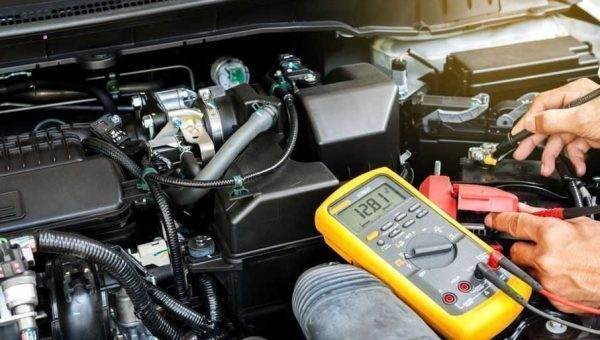
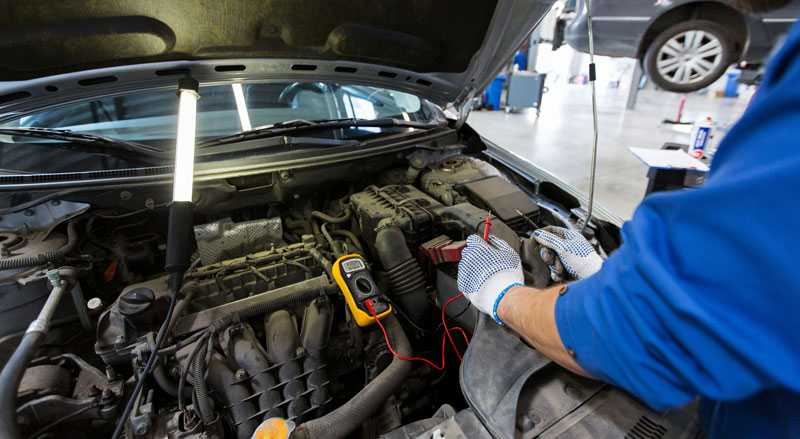
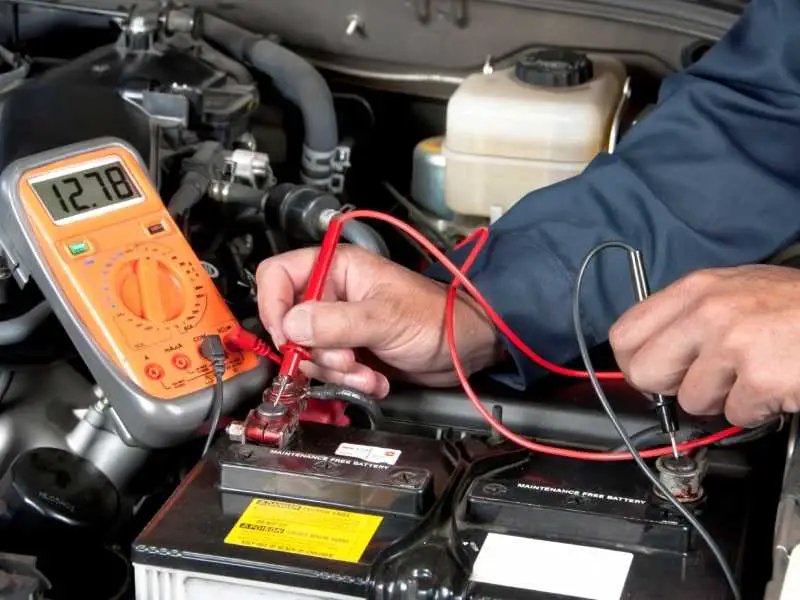
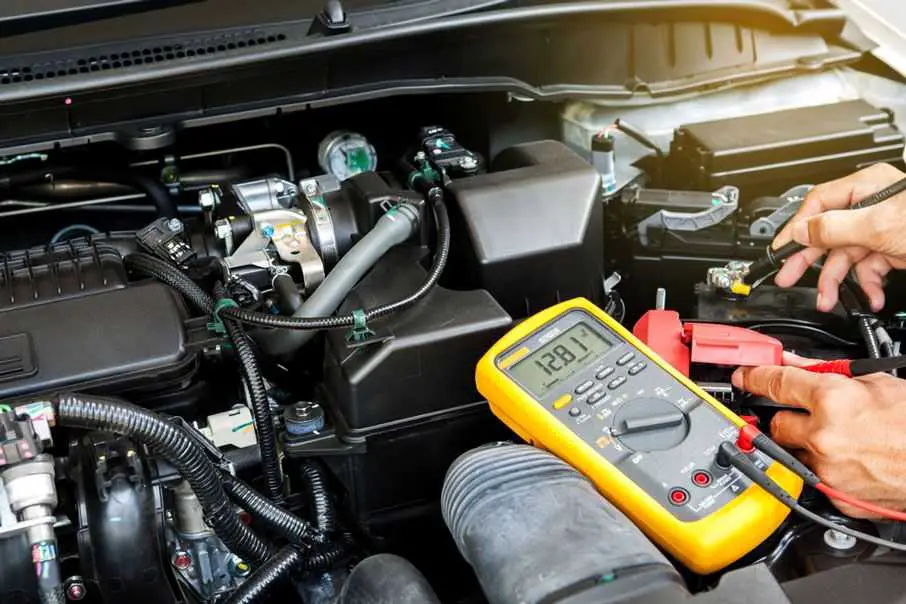
To diagnose a stored P0697 code, I would need access to a diagnostic scanner, a digital volt/ohmmeter (DVOM), and a reliable vehicle information source (like All Data DIY). A portable oscilloscope may also be helpful in some circumstances.

Use your vehicle information source to determine the location and function of the sensor in question, regarding your specific vehicle. Check system fuses and fuse links with the circuit under full load. Fuses that may seem normal when there is very little load on the circuit often fail when the circuit is fully loaded. Blown fuses should be replaced, keeping in mind that a short circuit is likely the cause of the blown fuse.

Perform a visual inspection of wiring harnesses and connectors related to the sensor system. Repair or replace damaged or burnt wiring, connectors, and components as needed.

Next, I would connect the scanner to the vehicle’s diagnostic connector and retrieve all stored trouble codes. I like to note them down, along with any associated freeze frame data, as this information can prove useful if the code proves intermittent. After that, I would proceed and clear the code and test drive the vehicle to see if it immediately reset.

If all system fuses are intact and the code immediately resets, use the DVOM to test the reference voltage and ground signals at the sensor in question. Typically, you should expect to find five volts and a common ground at the sensor connector.

If voltage and ground signals are present at the sensor connector, continue by testing the sensor’s resistance and continuity levels. Use your vehicle information source for test specifications and compare your actual results with them. Sensors that do not meet these specifications should be replaced.

Disconnect all associated controllers from the system circuits before testing resistance with the DVOM. If there is no reference voltage signal at the sensor, disconnect all associated controllers and use the DVOM to check circuit resistance and continuity between the sensor and the PCM. Replace open or shorted circuits as necessary. If an electromagnetic sensor is used, with an alternating signal, use the oscilloscope to monitor live data; paying close attention to glitches and completely open circuits.

Additional Diagnostic Notes:

This type of code is usually provided as support for a more specific code
A stored P0697 code is normally associated with the transmission

P0698 Sensor Reference Voltage C Circuit Low

What does it mean?

This diagnostic trouble code (DTC) is a generic powertrain code, meaning it applies to OBD-II equipped vehicles. Although generic, specific repair steps may vary by make/model.

If your OBD II equipped vehicle has a stored P0698, it means the Powertrain Control Module (PCM) has detected a low reference voltage signal for a specific sensor designated “C”. The sensor in question is typically associated with automatic transmission, transfer case, or one of the differentials.

A more specific sensor code will almost always accompany this code. P0698 adds that the sensor reference circuit voltage is low. To determine the location (and function) of the sensor regarding the vehicle in question, consult a reliable vehicle information source (All Data DIY is an excellent source). Suspect a PCM programming error if P0698 is stored alone. You’ll need to diagnose and repair any other sensor codes before diagnosing and repairing P0698 – but keep the low reference voltage condition in mind.

The sensor in question receives reference voltage (typically five volts) through a switched circuit (powered with ignition on). There will also be a ground signal. The sensor will be either variable resistance or electromagnetic type and will complete the circuit. Sensor resistance should decrease as pressure, temperature, or speed increases and vice versa. When sensor resistance changes (under varying conditions), it provides the PCM with an input voltage signal.

If the input voltage signal received by the PCM is below a programmed threshold, a P0698 will be stored. A Malfunction Indicator Lamp (MIL) may also illuminate. Some vehicles require multiple drive cycles (with failure) for MIL illumination. Allow the PCM to enter readiness mode before considering repair successful. Simply clear the code after repairs and drive the vehicle normally. If the PCM enters readiness mode, the repair succeeded. If the code resets, the PCM won’t enter readiness mode and you know a malfunction still exists.
Severity and Symptoms

The severity of a stored P0698 depends on which sensor circuit is experiencing low voltage condition. Other stored codes must be considered before determining severity.

Symptoms of a P0698 code may include:

  • Transmission failure to switch between sport and economy modes
  • Transmission shifting malfunctions
  • Delayed (or no) transmission engagement
  • Transmission failure to switch between four-wheel drive and two-wheel drive modes
  • Transfer case failure to shift from low to high range
  • Lack of front differential engagement
  • Lack of front hub engagement
  • Erratic or inoperative speedometer/odometer

Possible causes of this engine code include:

  • Faulty sensor
  • Defective or blown fuses and/or fuse links
  • Faulty system power relay
  • Open circuits and/or connectors

Diagnostic and Repair Procedures

A diagnostic scanner, digital volt/ohmmeter (DVOM), and reliable vehicle information source (such as All Data DIY) will be needed to diagnose a stored P0698 code. A portable oscilloscope may also prove useful in your diagnosis.

First, consult your vehicle information source to determine the location and function of the sensor in question regarding your specific vehicle. Perform visual inspection of wiring harnesses and connectors related to the sensor system. Repair or replace damaged or burned wiring, connectors, and components as needed. Second, connect the scanner to the vehicle’s diagnostic port and retrieve all stored trouble codes and freeze frame data. Document the codes, the order they were stored, and any associated freeze frame data, as this information may prove useful if the code proves intermittent. You may now proceed to clear the code; then test drive the vehicle to see if it immediately resets.

If the code immediately resets, use the DVOM to test reference voltage and ground signals at the sensor in question. You would normally expect to find five volts and ground at the sensor connector.

Continue by testing sensor resistance and continuity levels if voltage and ground signals are present at the sensor connector. Obtain test specifications from your vehicle information source and compare your actual results to them. Sensors not conforming to these specifications should be replaced.

Disconnect all associated controllers from system circuits before testing resistance with the DVOM. Failure to do so may result in PCM damage. If reference voltage is low (at sensor level), use the DVOM to check circuit resistance and continuity between sensor and PCM. Replace open or shorted circuits as needed. If the sensor in question is electromagnetic with alternating signal, use the oscilloscope to monitor data. Focus on completely open circuits and issues.

Additional Diagnostic Notes:

This type of code is typically provided as support for a more specific code
A stored P0698 code is normally associated with transmission

P0699 Sensor Reference Voltage C Circuit High

What Does It Mean?


This diagnostic code (DTC) is a generic powertrain code, meaning it applies to vehicles equipped with OBD-II. Although generic, specific repair steps may vary by make/model.

When faced with a stored P0699 fault code, I know from experience that the powertrain control module (PCM) has detected a high reference voltage condition for a specific sensor labeled “C”. I recall that the sensor in question has always been related to the automatic transmission, transfer case, or front differential.

An additional sensor code will likely point me in the specific direction of the malfunction, with P0699 adding that the reference voltage for sensor “C” circuit is too high. To determine the location (and function) of the sensor for the specific vehicle, I would consult a reliable vehicle information source like All Data DIY. If P0699 was stored alone, I would suspect a PCM programming error occurred. I always diagnose and repair any other sensor codes before addressing P0699 – keeping in mind the above-normal reference voltage condition – as it will usually disappear once other (more specific) sensor codes are fixed.

I understand that the sensor in question is normally powered by a reference voltage signal (typically five volts) through a switched circuit (powered with ignition on) and a ground signal. Experience dictates that the sensor will be either variable resistance or electromagnetic type and will complete the circuit in question. Typically, sensor resistance should decrease as pressure, temperature, or speed increases and vice versa. When the sensor’s resistance level changes (under varying conditions) and the circuit voltage responds; the PCM recognizes voltage variations as changes in pressure, temperature, or speed. If the input voltage signal received by the PCM exceeds a programmed limit, P0699 will be stored and a malfunction indicator light (MIL) may illuminate. Some models require multiple drive cycles (with failure) for the MIL to illuminate. Good things happen when I allow the PCM to enter readiness mode before considering a repair successful. I clear the code once repairs are made and drive the vehicle normally (before returning it to the customer). If the PCM enters readiness mode, the repair was successful. If the code resets, the PCM won’t enter readiness mode and I know a malfunction is still present.
Severity and Symptoms

The urgency of a stored P0699 depends on which sensor circuit is experiencing the high reference voltage condition. Accompanying codes must be considered before determining severity level.

Symptoms of a P0699 code may include:


Delayed (or no) transmission engagement
Transmission failure to switch between sport and economy modes
Transmission shifting malfunctions
Transmission failure to switch between four-wheel drive and two-wheel drive modes
Transfer case failure to shift from low to high range
Lack of front differential engagement
Lack of front hub engagement
Erratic or inoperative speedometer/odometer

Causes


Possible causes of this engine code include:

Shorted circuits and/or connectors
Faulty sensor
PCM programming error or defective PCM

Diagnostic and Repair Procedures


Before starting my diagnosis for P0699, I prefer to have a diagnostic scanner, digital volt/ohmmeter (DVOM), and reliable vehicle information source (like All Data DIY). I’ve also found that a portable oscilloscope can be helpful in this diagnosis.

I would begin by consulting my vehicle information source to determine the sensor’s location and function for the specific vehicle. I would continue by performing a visual inspection of wiring harnesses and connectors related to the sensor circuit. I would repair or replace damaged or burned wiring, connectors, and components as needed.

Next, I prefer to connect the scanner to the vehicle’s diagnostic port and retrieve all stored fault codes and freeze frame data. I write down the codes, the order in which they were stored, and any associated freeze frame data, as this information may prove useful if the code proves intermittent. Then I would proceed to clear the codes and test the vehicle to see if it resets.

If the code immediately resets, I would use the DVOM to test reference voltage and ground signals at the sensor in question. I would expect to find five volts and ground at the sensor connector.

I would probably continue by testing the sensor’s resistance and continuity levels if voltage and ground signals are present at the sensor connector. I can obtain specifications from my vehicle information source and compare my actual results with them. Sensors not meeting these specifications will need replacement.

I always disconnect all associated controllers from system circuits before testing resistance with the DVOM because I know this could cause PCM damage. If reference voltage is high (at sensor level), use the DVOM to check circuit resistance and continuity between sensor and PCM. Replace shorted circuits as needed.

If the sensor in question is electromagnetic with alternating signal, use the oscilloscope to monitor live data. Focus on spikes, glitches, and maximized circuits.

Additional Diagnostic Notes:

This type of code is usually provided as support for a more specific code
A stored P0699 code is normally associated with the transmission

P069A – Cylinder #9 Glow Plug Circuit Low

What does it mean?


This generic powertrain diagnostic trouble code (DTC) generally applies to many OBD-II vehicles. This may include, but is not limited to, vehicles from VW, Porsche, Ford, Toyota, GM, Chevrolet, Jeep, Chrysler, Dodge, Ram, etc.

When a P069A code is stored, it means the Powertrain Control Module (PCM) has detected a low voltage condition for the glow plug control circuit for cylinder #9. Consult a reliable vehicle information source to determine the location of cylinder #9 for your specific year/make/model/engine combination.

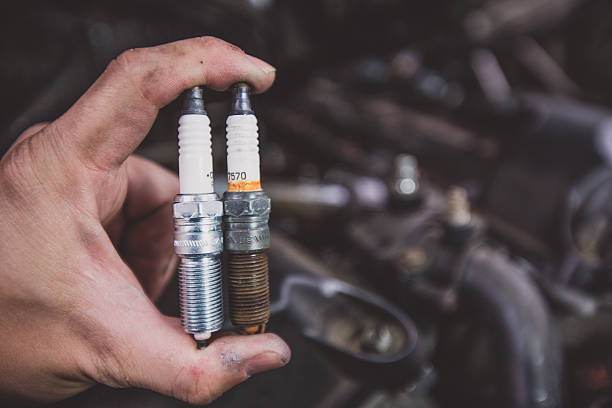
Diesel engines use high compression instead of spark to initiate piston movement. Since no spark is involved, the cylinder temperature must be increased to maximize compression. Glow plugs are used in each cylinder to achieve this temperature increase.

Often confused with spark plugs, a glow plug for each individual cylinder is threaded into the cylinder head. Battery voltage is applied to the glow plug element via a glow plug timer (sometimes called a glow plug controller or glow plug module) and/or the PCM. When voltage is properly applied to the glow plug, it will literally become red-hot and help increase the cylinder temperature. Once the cylinder temperature reaches the desired level, the voltage is limited by the control unit and the glow plug returns to its normal state.

If the PCM detects a voltage level for the glow plug control circuit of cylinder #9 that is lower than expected, a P069A code will be stored and a Malfunction Indicator Lamp (MIL) may be illuminated.

Example photo of a glow plug:


P069A Glow Plug
How severe is this DTC?

Any code related to the glow plug will likely be accompanied by driving issues. A stored P069A code should be addressed urgently.
What are some of the symptoms of the code?


Symptoms of a P069A trouble code may include:

Excessive black smoke from the exhaust
Engine running problems
Delayed engine starting
Reduced fuel efficiency
Engine misfire codes may be stored

What are some common causes of the code?

Causes

of this code may include:

Faulty glow plug(s)
Open or shorted glow plug control circuit
Loose or defective glow plug connector
Faulty glow plug timer

What are the P069A troubleshooting steps?


A diagnostic scanner, a reliable vehicle information source, and a digital volt/ohmmeter (DVOM) will be needed to reach an accurate diagnosis of a P069A code. Use the vehicle information source to research applicable Technical Service Bulletins (TSBs). If you find a TSB that matches the vehicle’s make and model, the symptoms presented, and the stored code, it will help you make a diagnosis.

You may also need to obtain diagnostic flowcharts, wiring diagrams, connector face views, connector pinout diagrams, component locations, and component testing procedures/specifications from the vehicle information source. All of this information will be necessary to properly diagnose the stored P069A code.

After performing a careful visual inspection of all glow plug and glow plug control wiring and connectors, connect the diagnostic scanner to the vehicle’s diagnostic port. Now, retrieve all stored codes and freeze frame data and record them for later (in case you need them). Next, I would test drive the vehicle to see if the P069A code resets. Drive until one of two things happens: either the PCM enters readiness mode, or the code resets. If the code resets, proceed with the diagnosis. If not, you are dealing with an intermittent condition that may need to worsen before an accurate diagnosis can be made.

Here’s a tip the service manual won’t give you. A sure way to test glow plugs is to remove them and apply battery voltage. If the glow plug becomes bright red, it is good. If the glow plug does not heat up and you take the time to test it with your DVOM, you will likely find that it does not meet the manufacturer’s resistance specifications. Be careful not to burn yourself or start a fire when performing this test.

If the glow plugs appear to be working correctly, use the scanner to activate the glow plug timer and test for battery voltage (and ground) at the glow plug connector (use the DVOM). If no voltage is present, test the power supply for the glow plug timer or glow plug controller. Test all associated fuses and relays according to the manufacturer’s recommendations. Typically, I have found it preferable to test the system fuses and fuse links with the circuit loaded. A fuse in an unloaded circuit may appear functional (when it is not) and lead you down the wrong diagnostic path.
If all fuses and relays appear functional, use the DVOM to test the output voltage at the glow plug timer or PCM (wherever they originate from). If voltage is detected at the glow plug timer or PCM, suspect an open or shorted circuit. You can search for the cause of the discrepancy or simply replace the circuit.

It is sometimes thought that a P069A cannot be caused by a faulty glow plug because it is a control circuit code. Don’t be mistaken; a faulty glow plug can cause a variation in the control circuit that results in such a code.
Attempting to diagnose the wrong cylinder is more common than you think. Save yourself a big headache and make sure you are addressing the correct cylinder before starting your diagnosis.

P069B Cylinder No. 9, High Glow Plug Circuit

What does it mean?

This generic powertrain diagnostic trouble code (DTC) typically applies to many OBD-II vehicles. This may include, but is not limited to, vehicles from Jeep, Chrysler, BMW, Toyota, Volkswagen, Dodge, Ram, Ford, Chevrolet, Mazda, etc.

When a P069B code is set, it means the Powertrain Control Module (PCM) has detected a high voltage situation in the glow plug control circuit for cylinder #9. Consult a reliable vehicle service resource to determine the location of said cylinder in the code description for your specific year, make, model, and engine configuration.

Diesel engines use high compression instead of spark to initiate piston movement. Since no spark is involved, the cylinder temperature must be increased to maximize compression. Glow plugs are used in each cylinder to achieve this increase.

Often confused with spark plugs, a glow plug for each individual cylinder is screwed into the cylinder head. Battery voltage is applied to the glow plug element via a glow plug timer (sometimes called a glow plug controller or glow plug module) and/or the PCM. When voltage is properly applied to the glow plug, it will literally become glowing red and help increase the cylinder temperature. Once the cylinder temperature reaches the desired level, the voltage is limited by the control unit and the glow plug returns to its normal state.

If the PCM detects a voltage level for the glow plug control circuit of cylinder #9 that is higher than expected, a P069B code will be stored and a Malfunction Indicator Lamp (MIL) may be illuminated.

Example photo of a glow plug:


P069B Glow Plug
How severe is this DTC?

Any code related to the glow plug will likely be accompanied by driving issues. A stored P069B code should be addressed urgently.
What are some of the symptoms of the code?

Symptoms of a P069B fault code may include:

Excessive black smoke from the exhaust
Engine running problems
Delayed engine starting
Reduced fuel efficiency
Engine misfire codes may be stored

What are some common causes of the code?


Causes

of this code may include:

Faulty glow plug(s)
Open or shorted glow plug control circuit
Loose or faulty glow plug connector
Faulty glow plug timer

What are the troubleshooting steps for P069B?


A diagnostic scanner, a reliable source of vehicle information, and a digital volt/ohmmeter (DVOM) will be needed to reach an accurate diagnosis for a P069B code. Use the vehicle information source to look up applicable Technical Service Bulletins (TSBs). If you find a TSB that matches the vehicle’s make and model, the symptoms presented, and the stored code, it will help you make a diagnosis.

You may also need to obtain diagnostic flowcharts, wiring diagrams, connector face views, connector pinout diagrams, component locations, and component testing procedures/specifications from the vehicle information source. All this information will be necessary to correctly diagnose the stored P069B code.

After performing a careful visual inspection of all glow plug and glow plug control wiring and connectors, connect the diagnostic scanner to the vehicle’s diagnostic port. Now, retrieve all stored codes and freeze frame data and record them for later (in case you need them). Next, I would test drive the vehicle to see if the P069B code resets. Drive until one of two things happens: either the PCM enters readiness mode, or the code resets. If the code resets, proceed with the diagnosis. If not, you are dealing with an intermittent condition that may need to worsen before an accurate diagnosis can be made.

Here’s a tip the service manual won’t give you. A sure way to test glow plugs is to remove them and apply battery voltage. If the glow plug becomes bright red, it’s good. If it doesn’t heat up and glow, and you take the time to test it with your DVOM, you will likely find it does not meet the manufacturer’s resistance specifications. Be careful not to burn yourself or start a fire when performing this test.

If the glow plugs appear to be working correctly, use the scanner to activate the glow plug timer and test for battery voltage (and ground) at the glow plug connector (using the DVOM). If no voltage is present, test the power supply to the glow plug timer or glow plug controller. Test all associated fuses and relays according to the manufacturer’s recommendations. Typically, I have found it preferable to test the system fuses and fuse links with the circuit loaded. A fuse in an unloaded circuit may appear functional (when it’s not) and lead you down the wrong diagnostic path.
If all fuses and relays appear functional, use the DVOM to test the output voltage at the glow plug timer or PCM (wherever they originate from). If voltage is detected at the glow plug timer or PCM, suspect an open or shorted circuit. You can search for the cause of the discrepancy or simply replace the circuit.

It is sometimes thought that a P069B cannot be caused by a faulty glow plug because it is a control circuit code. Don’t be mistaken; a bad glow plug can cause a variation in the control circuit that results in such a code.
Attempting to diagnose the wrong cylinder is more common than you think. Save yourself a big headache and make sure you are addressing the correct cylinder before starting your diagnosis.

P069C – Cylinder 10 Glow Plug Circuit Low

What Does It Mean?


This generic powertrain diagnostic trouble code (DTC) generally applies to many OBD-II vehicles. This may include, but is not limited to, vehicles from VW, Porsche, Ford, Toyota, GM, Chevrolet, Jeep, Chrysler, Dodge, Ram, etc.

When a P069C code is stored, it means the Powertrain Control Module (PCM) has detected a low voltage condition for the #10 cylinder glow plug control circuit. Consult a reliable vehicle information source to determine the location of cylinder #10 for your specific year/make/model/engine combination.

Diesel engines use high compression instead of spark to initiate piston movement. Since no spark is involved, the cylinder temperature must be increased to maximize compression. Glow plugs are used in each cylinder to achieve this temperature increase.

Often confused with spark plugs, a glow plug for each individual cylinder is threaded into the cylinder head. Battery voltage is applied to the glow plug element via a glow plug timer (sometimes called a glow plug controller or glow plug module) and/or the PCM. When voltage is properly applied to the glow plug, it will literally become red-hot and help raise the cylinder temperature. Once the cylinder temperature reaches the desired level, the voltage is limited by the control unit and the glow plug returns to its normal state.

If the PCM detects a voltage level for the #10 cylinder glow plug control circuit that is lower than expected, a P069C code will be stored and a Malfunction Indicator Lamp (MIL) may be illuminated.

Example photo of a glow plug:


P069C Glow Plug
How Serious Is This DTC?

Any code related to the glow plug will likely be accompanied by driving issues. A stored P069C code should be addressed urgently.
What Are Some of the Symptoms of the Code?


Symptoms of a P069C trouble code may include:

Excessive black smoke from the exhaust
Engine running problems
Delayed engine starting
Reduced fuel efficiency
Engine misfire codes may be stored

What Are Some Common Causes of the Code?

Causes

of this code may include:

Faulty glow plug(s)
Open or shorted glow plug control circuit
Loose or faulty glow plug connector
Faulty glow plug timer

What Are the P069C Troubleshooting Steps?


A diagnostic scanner, a reliable vehicle information source, and a digital volt/ohmmeter (DVOM) will be needed to reach an accurate diagnosis for a P069C code. Use the vehicle information source to research applicable Technical Service Bulletins (TSBs). If you find a TSB that matches the vehicle’s make and model, the symptoms presented, and the stored code, it will help you make a diagnosis.

You may also need to obtain diagnostic flowcharts, wiring diagrams, connector end views, connector pinout diagrams, component locations, and component testing procedures/specifications from the vehicle information source. All this information will be necessary to correctly diagnose the stored P069C code.

After performing a careful visual inspection of all glow plug and glow plug control wiring and connectors, connect the diagnostic scanner to the vehicle’s diagnostic port. Now, retrieve all stored codes and freeze frame data and record them for later (in case you need them). Next, I would test drive the vehicle to see if the P069C code resets. Drive until one of two things happens: either the PCM enters readiness mode, or the code resets. If the code resets, proceed with the diagnosis. If not, you are dealing with an intermittent condition that may need to worsen before an accurate diagnosis can be made.

Here is a tip the service manual won’t give you. A sure way to test glow plugs is to remove them and apply battery voltage. If the glow plug becomes bright red, it is good. If the glow plug does not heat up and you take the time to test it with your DVOM, you will likely find it does not meet the manufacturer’s resistance specifications. Be careful not to burn yourself or start a fire during this test.

If the glow plugs appear to be working correctly, use the scanner to activate the glow plug timer and test for battery voltage (and ground) at the glow plug connector (use the DVOM). If no voltage is present, test the power supply to the glow plug timer or glow plug controller. Test all associated fuses and relays according to the manufacturer’s recommendations. Typically, I have found it preferable to test the system fuses and fuse links with the circuit loaded. A fuse in an unloaded circuit may appear functional (when it is not) and lead you down the wrong diagnostic path.

If all fuses and relays appear functional, use the DVOM to test the output voltage at the glow plug timer or PCM (wherever they originate from). If voltage is detected at the glow plug timer or PCM, suspect an open or shorted circuit. You can search for the cause of the discrepancy or simply replace the circuit.

It is sometimes thought that a P069C cannot be caused by a faulty glow plug because it is a control circuit code. Don’t be mistaken; a faulty glow plug can cause a variation in the control circuit that results in such a code.
Attempting to diagnose the wrong cylinder is more common than you think. Save yourself a big headache and make sure you are addressing the correct cylinder before starting your diagnosis.

P069D – Cylinder #10 Glow Plug Circuit High

What Does It Mean?


This generic powertrain diagnostic trouble code (DTC) generally applies to many OBD-II vehicles. This may include, but is not limited to, vehicles from Jeep, Chrysler, BMW, Toyota, Volkswagen, Dodge, Ram, Ford, Chevrolet, Mazda, etc.

When a P069D code is set, it means the Powertrain Control Module (PCM) has detected a high voltage condition in the glow plug control circuit for cylinder #10. Consult a reliable vehicle service resource to determine the location of said cylinder in the code description for your specific year, make, model, and engine configuration.

Diesel engines use high compression instead of spark to initiate piston movement. Since no spark is involved, the cylinder temperature must be increased to maximize compression. Glow plugs are used in each cylinder to achieve this increase.

Often confused with spark plugs, a glow plug for each individual cylinder is screwed into the cylinder head. Battery voltage is applied to the glow plug element via a glow plug timer (sometimes called a glow plug controller or glow plug module) and/or the PCM. When voltage is properly applied to the glow plug, it will literally become red-hot and help raise the cylinder temperature. Once the cylinder temperature reaches the desired level, the voltage is limited by the control unit and the glow plug returns to its normal state.

If the PCM detects a voltage level for the glow plug control circuit of cylinder #10 that is higher than expected, a P069D code will be stored and a Malfunction Indicator Lamp (MIL) may be illuminated.

Example photo of a glow plug:


P069D Glow Plug
How Severe is this DTC?


Any code related to the glow plug will likely be accompanied by driving issues. A stored P069D code should be addressed urgently.
What are some of the symptoms of the code?

Symptoms of a P069D trouble code may include:

  • Excessive black smoke from the exhaust
  • Engine running problems
  • Delayed engine starting
  • Reduced fuel efficiency
  • Engine misfire codes may be stored

What are some common causes of the code?

Causes of this code may include:

  • Faulty glow plug(s)
  • Open or shorted glow plug control circuit
  • Loose or faulty glow plug connector
  • Faulty glow plug timer

What are the P069D troubleshooting steps?


A diagnostic scanner, a reliable source of vehicle information, and a digital volt/ohmmeter (DVOM) will be needed to reach an accurate diagnosis of a P069D code. Use the vehicle information source to look up applicable Technical Service Bulletins (TSBs). If you find a TSB that matches the vehicle’s make and model, the symptoms presented, and the stored code, it will help you make a diagnosis.

You may also need to obtain diagnostic flowcharts, wiring diagrams, connector face views, connector pinout diagrams, component locations, and component testing procedures/specifications from the vehicle information source. All of this information will be necessary to correctly diagnose the stored P069D code.

After performing a careful visual inspection of all glow plug and glow plug control wiring and connectors, connect the diagnostic scanner to the vehicle’s diagnostic port. Now, retrieve all stored codes and freeze frame data and record them for later (in case you need them). Next, I would test drive the vehicle to see if the P069D code resets. Drive until one of two things happens: either the PCM enters readiness mode, or the code resets. If the code resets, proceed with the diagnosis. If not, you are dealing with an intermittent condition that may need to worsen before an accurate diagnosis can be made.

Here is a tip the service manual won’t give you. A sure way to test glow plugs is to remove them and apply battery voltage. If the glow plug becomes bright red, it is good. If the glow plug does not heat up and you want to take the time to test it with your DVOM, you will likely find that it does not meet the manufacturer’s resistance specifications. Be careful not to burn yourself or start a fire when performing this test.

If the glow plugs appear to be working correctly, use the scanner to activate the glow plug timer and test for battery voltage (and ground) at the glow plug connector (use the DVOM). If no voltage is present, test the power supply to the glow plug timer or glow plug controller. Test all associated fuses and relays according to the manufacturer’s recommendations. Typically, I have found it preferable to test system fuses and fuse links with the circuit loaded. A fuse in an unloaded circuit may appear functional (when it is not) and lead you down the wrong diagnostic path.

If all fuses and relays appear functional, use the DVOM to test the output voltage at the glow plug timer or PCM (wherever they originate from). If voltage is detected at the glow plug timer or PCM, suspect that you have an open or shorted circuit. You can search for the cause of the discrepancy or simply replace the circuit.

Fuel Pump Control Module

What Does It Mean?


This is a generic diagnostic trouble code (DTC) and applies to many OBD-II vehicles (1996-newer). This may include, but is not limited to, vehicles from GMC, Chevy, Buick, Cadillac, Ford, etc. Although generic, the exact repair steps may vary depending on the year, make, model, and powertrain configuration.


A stored P069E code means that the Powertrain Control Module (PCM) has detected a malfunction with the fuel pump control module, which has requested the illumination of the Malfunction Indicator Lamp (MIL).

The fuel pump control module is responsible for supplying and regulating the voltage to the fuel pump relay and the fuel pump. Typically, the fuel pump controller is integrated into the PCM, but it can also be a standalone module. The fuel pump supplies pressurized fuel to the fuel injection system. It is most often located inside the fuel tank but can also be found along the fuel supply line. Diesel propulsion systems most commonly use high-pressure pumps mounted on and driven by the engine.

Whenever the ignition is turned on (and the PCM is powered), several controller self-tests are performed. The fuel pump control module is included among these controllers. By performing internal controller self-tests, the PCM can monitor serial data transmitted over the Controller Area Network (CAN) to ensure that the onboard controllers interface correctly.

If the fuel pump control module has requested the MIL to be illuminated, a P069E code will be stored, and a Malfunction Indicator Lamp (MIL) may light up.

Photo of a typical fuel pump control module:


P069E Fuel Pump Control Module
How Severe Is This DTC?

Fuel pump control module codes should always be taken seriously. Conditions that lead to the storage of a P069E code can cause many driving issues and/or a no-start condition.
What are some of the symptoms of the code?

Symptoms of a P069E trouble code may include:

Delayed engine starting
No-start condition
Engine driving issues
Other stored codes

What are some common causes of the code?


Causes

of this code may include:

Faulty fuel pump controller or PCM
Open circuit in the fuel pump control module voltage supply
Faulty or triggered fuel pump voltage cutoff switch
PCM failure or PCM programming error

What are the troubleshooting steps for P069E?


If other fuel pump and/or fuel supply codes are stored, diagnose and repair them before attempting to diagnose the P069E code.

Consult your vehicle’s information source for Technical Service Bulletins (TSBs) that match the stored code, the vehicle (year, make, model, and engine), and the symptoms presented. If you find the relevant TSB, it may provide helpful diagnostic information.

A diagnostic scanner, a digital volt/ohmmeter (DVOM), and a reliable source of vehicle information will be needed to diagnose a P069E code.

Start by connecting the scanner to the vehicle’s diagnostic port and retrieving all stored codes and freeze frame data. You should note this information in case the code turns out to be intermittent. After recording all relevant information, clear the codes and test the vehicle (if possible) until the code resets or the PCM enters readiness mode.

If the PCM enters readiness mode, the code is intermittent and will be more difficult to diagnose. The condition that caused the P069E to be stored may need to worsen before an accurate diagnosis can be made. If the code resets, continue with your diagnosis.

Use your vehicle information source to obtain connector face views, connector pinout diagrams, component locators, wiring diagrams, and diagnostic flowcharts related to the code and the specific vehicle.

Check for battery voltage on the fuel pump control circuit using the appropriate wiring diagram and your DVOM. If not present, check the system’s fuses and relays and replace faulty parts as needed. If the vehicle is equipped with a fuel pump voltage cutoff switch, test it to ensure it has not been activated or is faulty.

If there is no voltage (and/or ground) on the fuel pump control circuit (and all fuses and relays appear to be functioning correctly), inspect the wiring and harnesses related to the controller. You should also check the chassis and engine ground junctions. Use your vehicle information source to locate ground points for the related circuits.

If there is voltage (and ground) on the fuel pump control circuit, inspect the system controllers for signs of water, heat, or collision damage. Any damaged controller (especially by water) should be considered faulty.

If the controller’s power and ground circuits are intact, suspect a faulty controller or a controller programming error. Replacing the controller will require reprogramming.

If the vehicle has been involved in a collision, first check the fuel pump voltage cutoff switch
Test the controller’s integrity by connecting the DVOM’s negative test lead to ground and the positive test lead to battery voltage

P069F Accelerator Actuator Control Lamp Circuit

What Does It Mean?


This is a generic diagnostic trouble code (DTC) and applies to many OBD-II vehicles (1996-newer). This may include, but is not limited to, vehicles from Chevrolet, Chrysler, Dodge, Ford, GMC, Hyundai, Kia, Honda, Toyota, etc. Although generic, the exact repair steps may vary depending on the year, make, model, and powertrain configuration.

A stored P069F code means that the Powertrain Control Module (PCM) has detected a malfunction in the throttle actuator control lamp driver circuit.

The throttle actuator control lamp is an integral part of the instrument panel. Its main function is to alert the driver that the throttle actuator control system has malfunctioned (when illuminated). The throttle actuator control system is responsible for opening and closing the throttle plate to increase/decrease engine RPM as requested.

The PCM typically monitors the continuity of the throttle actuator control lamp driver circuit whenever the ignition is turned on. The throttle actuator control system uses input signals from the vehicle’s Throttle Position Sensor (TPS) to actuate the throttle plate and regulate the appropriate amount of ambient air entering the engine. The PCM provides the electronic servomotors with the required voltage signal to open or close the throttle plate as requested.

Whenever the ignition is turned on and the PCM is powered up, several controller self-tests are performed. In addition to running internal controller self-tests, the Controller Area Network (CAN) transports serial data from each individual module to ensure that the onboard controllers interface correctly.

If a problem is detected in the monitoring of the throttle actuator control lamp driver circuit, a P069F code will be stored and a Malfunction Indicator Lamp (MIL) may be illuminated.

P069F
How Severe Is This DTC?

A stored P069F code (with the throttle control warning light illuminated) will likely be accompanied by a loss of throttle control. This code should be considered severe and diagnosed as soon as possible.
What Are Some of the Symptoms of the Code?


Symptoms of a P069F trouble code may include:

Inoperative throttle actuator control system
Inoperative throttle actuator control lamp
Throttle actuator control lamp illuminated
Other stored throttle system codes

What Are Some of the Common Causes of the Code?

Causes

of this code may include:

Faulty PCM
PCM programming error
Open or shorted throttle actuator control lamp driver circuit
Faulty throttle actuator control lamp bulb


What Are the P069F Troubleshooting Steps?

A diagnostic scanner, a digital volt/ohmmeter (DVOM), and a reliable source of vehicle information will be needed to diagnose a P069F code.

Consult your vehicle information source for Technical Service Bulletins (TSBs) that match the stored code, the vehicle (year, make, model, and engine), and the symptoms presented. If you find the relevant TSB, it may provide helpful diagnostic information.

Start by connecting the scanner to the vehicle’s diagnostic port and retrieving all stored codes and freeze frame data. You’ll want to note this information, just in case the code proves to be intermittent. After recording all relevant information, clear the codes and test-drive the vehicle until the code resets or the PCM enters readiness mode.

If the PCM enters readiness mode, the code is intermittent and will be more difficult to diagnose. The condition that caused the P069F to be stored may need to worsen before an accurate diagnosis can be made. If the code resets, continue with your diagnosis.

Use your vehicle information source to obtain connector face views, connector pinout diagrams, component locators, wiring schematics, and diagnostic flowcharts related to the specific code and vehicle.

Check for battery voltage on the throttle actuator control warning lamp circuit using the appropriate wiring diagram and your DVOM. If not present, check the system fuses and relays and replace faulty parts as needed. If voltage is found at the throttle actuator control warning lamp, suspect a faulty throttle actuator control warning lamp bulb.

If the throttle actuator control lamp bulb is functioning correctly and the P069F continues to reset, use the DVOM to test the controller power fuses and relays. Replace any blown fuses as needed. Fuses should be tested under load.

If all fuses and relays appear to be functioning correctly, a visual inspection of the wiring and harnesses related to the controller is necessary. You should also check the chassis and engine ground connections. Use your vehicle information source to obtain ground locations for the related circuits.

Visually inspect the system controllers for signs of water, heat, or collision damage. Any damaged controller, especially by water, should be considered faulty.

If the controller power and ground circuits are intact, suspect a faulty controller or a controller programming error. Replacing the controller will require reprogramming. In some cases, you can purchase pre-programmed controllers from aftermarket sources. Other vehicles/controllers will require onboard reprogramming that can only be performed by a dealer or other qualified source.

If the throttle actuator control lamp does not illuminate during Key On, Engine Off (KOEO), suspect a faulty throttle actuator control warning lamp bulb.
Test the integrity of the controller ground by connecting the DVOM’s negative test lead to ground and the positive test lead to battery voltage.

P06A0 Variable Air Conditioning Compressor Control Circuit

What does it mean?

This is a generic powertrain diagnostic trouble code (DTC) that applies to many OBD-II vehicles (1996 and newer). This may include, but is not limited to, vehicles from General Motors, Honda, Dodge, Ford, BMW, Mercedes, etc. Although generic, the exact repair steps may vary depending on the year, make, model, and powertrain configuration.

OBD-II trouble codes P06A0, P06A1, and P06A2 are associated with the variable A/C compressor control circuit.

The purpose of the variable A/C compressor control circuit is to engage and disengage the compressor at the appropriate time to maintain the desired temperature inside the vehicle’s cabin. The ECU receives voltage signals from various components to detect potential malfunctions within the system.

The variable A/C compressor control circuit includes several components to accomplish this process. Most newer automobiles are equipped with air conditioning, which is an essential element for this circuit to function properly.

When the engine control unit (ECU) detects incorrect signals in the variable A/C compressor control circuit, code P06A0 is set, and the check engine light is activated.

A typical air conditioning compressor:


How severe is this DTC?

The severity of this code is moderate to severe depending on the specific nature of the problem. While it is a convenient feature for the user, air conditioning malfunctions can progress, leading to significant repair requirements if not corrected in a timely manner.
What are some of the symptoms of the code?


Symptoms of a P06A0 trouble code may include:

  • The air conditioner will not work properly
  • Check engine light on

What are some common causes of the code?

Causes of this P06A0 code may include:

  • Faulty A/C compressor
  • Faulty A/C solenoid (if applicable)
  • Undercharged or overcharged system
  • Clogged orifice tube or dryer
  • Faulty climate control
  • Faulty A/C relay
  • Blown fuse or fusible link (if applicable)
  • Corroded or damaged connector
  • Faulty or damaged wiring
  • Faulty ECU

What are the troubleshooting steps for P06A0?

The first step in the troubleshooting process for any malfunction is to search for technical service bulletins (TSBs) for the specific vehicle by year, model, and powertrain. In some circumstances, this can save a lot of time in the long run by pointing you in the right direction.

The second step is to locate all components of this circuit and perform a thorough visual inspection to check that the associated wiring does not have obvious defects such as scraping, rubbing, exposed wires, or burns. Then, check the connectors for security, corrosion, and damaged pins. This process should include the A/C compressor, associated sensors, relays, and the ECU.

Advanced Steps

Advanced steps become very vehicle-specific and require appropriate advanced equipment to operate accurately. These procedures require a digital multimeter and vehicle-specific technical references. The ideal tool for this troubleshooting process is an A/C diagnostic machine, if available.

This specialized equipment is essential for locating the source of the malfunction by identifying leaks and verifying proper pressures in the system. High and low side gauges will also validate the integrity of the A/C compressor and associated components. Restrictions within the system, such as a clogged orifice tube or dryer, will also be identified. The proper amount of refrigerant in the system also plays a key role in the operation of this circuit. Safety switches, fuses, and fusible links are often incorporated to prevent damage to the A/C compressor.

Voltage Checks

Specific troubleshooting guidelines must be referenced to determine the required voltage ranges for various A/C components. Depending on the configuration, several components are integrated, including the A/C compressor, relays, and solenoids for certain applications. Climate control in newer automobiles can make the troubleshooting process extremely complicated in some cases. Voltage requirements vary depending on the specific year and model of the vehicle.

If this process identifies the absence of a power source or ground, continuity tests may be required to verify the integrity of the wiring, connectors, and other components. Continuity tests should always be performed with the power disconnected from the circuit, and normal readings for wiring and connections should be 0 ohms of resistance. Resistance or lack of continuity is an indication of faulty wiring that is open or shorted and must be repaired or replaced.

What are the common repairs for this code?

  • Replacement of the A/C compressor
  • Replacement of the A/C solenoid (if applicable)
  • Replacement of the orifice tube or dryer
  • Replacement of the blown fuse or fusible link (if applicable)
  • Repairing the A/C system leak
  • Cleaning corrosion from connectors
  • Repairing or replacing faulty wiring
  • Evacuating and recharging the system
  • Replacing the ECU

Misdiagnosis can lead to replacing the A/C compressor or other associated components when wiring, connectors, or incorrect charge are the cause of the problem.

I hope the information in this article has been helpful in guiding you in the right direction to correct the issue with your variable A/C compressor control circuit error code. This article is strictly informational, and the technical data and service bulletins specific to your vehicle should always take priority.