
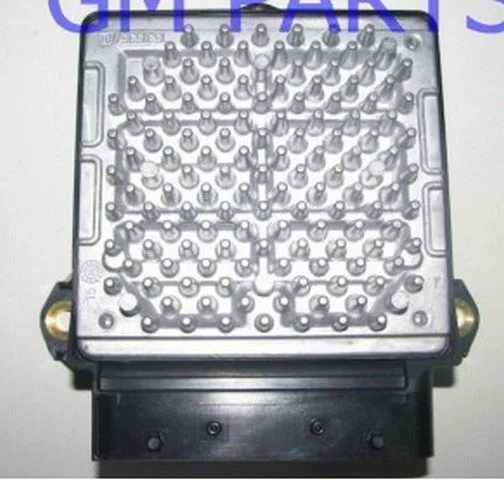
P06AD PCM / ECM / TCM Internal Circuit Low Temperature Sensor B

What Does It Mean?


This is a generic powertrain diagnostic trouble code (DTC) that applies to many OBD-II vehicles (1996-newer). This may include, but is not limited to, vehicles from Mazda, Honda, Dodge, Ford, BMW, VW, etc. Although generic, the exact repair steps may vary depending on the year, make, model, and powertrain configuration.

OBD-II fault codes P06AB, P06AC, P06AD, and P06AE are associated with the “B” circuit of the internal temperature sensor of various modules. This circuit includes the Powertrain Control Module (PCM), Engine Control Module (ECM), and/or Transmission Control Module (TCM). Refer to a vehicle-specific repair guide to determine which “B” circuit applies in your particular case.

The purpose of the PCM/ECM/TCM internal temperature sensor “B” circuit is to monitor the temperature of various sensors housed within the control modules. Malfunctions are identified by the control module’s self-test failure process. On some automobiles, all three modules are integrated into a single consolidated unit, typically referred to as the PCM.

When the PCM, ECM, or TCM detects an electrical signal lower than expected (outside the normal operating range) in the internal temperature sensor “B” circuit, code P06AD will be set, and the check engine light or transmission warning light will be illuminated.

An Example of a TCM (Transmission Control Module):
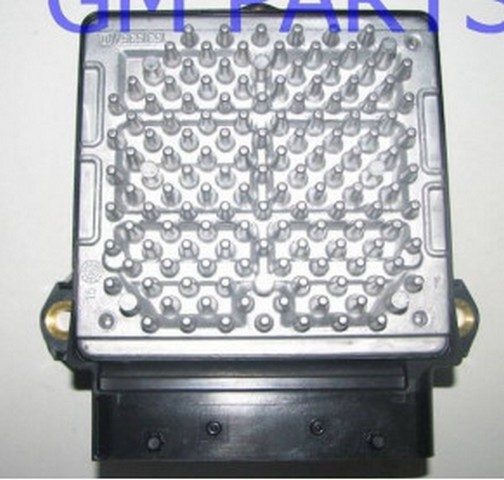


P06AD TCM
How Severe Is This DTC?

The severity of this code can vary significantly, from a simple check engine light or transmission warning light on a vehicle that starts and runs, to an automobile that may stall or not start at all. The code can be serious depending on the specific nature of the problem.
What Are Some of the Symptoms of the Code?


Symptoms of a P06AD fault code may include:

Engine does not start
Engine may stall
Incorrect shifting
Transmission warning light illuminated
Check engine light illuminated

What Are Some of the Common Causes of the Code?

Causes

of this P06AD code may include:

Corroded or damaged connector
Loose or faulty control module ground strap
Faulty or damaged wiring
Faulty PCM, ECM, or TCM

What Are the P06AD Troubleshooting Steps?


The first step in the troubleshooting process for any malfunction is to search for Technical Service Bulletins (TSBs) for the specific vehicle by year, model, and powertrain. In some circumstances, this can save you a lot of time in the long run by pointing you in the right direction.

The second step is to locate all control modules within this circuit and perform a thorough visual inspection of the associated wiring to check for obvious defects such as chafing, rubbing, bare wires, or burn marks. This process should also include ground straps and wires. Next, check the connectors for security, corrosion, and damaged pins. This process should include the PCM, ECM, and TCM depending on the specific vehicle and control module configuration. Vehicle-specific technical data will help you locate components and the control module setup.
Advanced Steps

Advanced steps become very vehicle-specific and require appropriate advanced equipment to perform accurately. These procedures require a digital multimeter and vehicle-specific technical references. The specific technical data will include troubleshooting charts and the proper sequence to follow to help you make an accurate diagnosis.
Voltage Checks

Specific troubleshooting guidelines must be referenced to determine the required voltage ranges for the different control modules. These references will include pin numbers and voltage requirements associated with the PCM/ECM/TCM internal temperature sensor/circuit. Most, but not all, control modules require a reference voltage of approximately 9 volts. Voltage requirements vary depending on the specific vehicle year and model.

If this process identifies a missing power source or ground, continuity tests may be required to check the integrity of the wiring, connectors, and other components. Continuity tests should always be performed with the power disconnected from the circuit, and normal readings for wiring and connections should be 0 ohms of resistance. Resistance or lack of continuity indicates faulty wiring that is open or shorted and must be repaired or replaced. A continuity test between the different control modules and the chassis will confirm the serviceability of the ground straps and wires. The presence of resistance indicates a loose connection or possible corrosion.
What Are the Common Repairs for This Code?

Cleaning corrosion from connectors
Repairing or replacing faulty wiring
Repairing or replacing faulty ground straps
Flashing or replacing the PCM, ECM, or TCM

Misdiagnosis can lead to the PCM, ECM, or TCM being replaced unnecessarily, often in error, when faulty wiring is actually the cause of this code. Furthermore, on vehicles equipped with two or more control modules, the wrong module may be replaced by mistake.

I hope the information contained in this article has helped point you in the right direction to correct the issue with your PCM/ECM/TCM internal temperature sensor/circuit fault code. This article is strictly informational, and the technical data and service bulletins specific to your vehicle should always take priority.
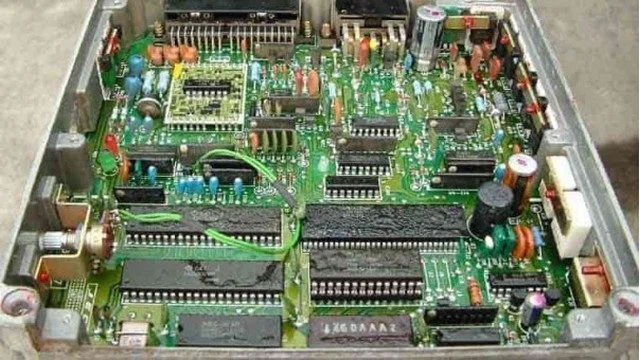
P06AE PCM / ECM / TCM Internal Circuit High Temperature Sensor B

What does it mean?


This is a generic powertrain diagnostic trouble code (DTC) that applies to many OBD-II vehicles (1996-newer). This can include, but is not limited to, vehicles from Mazda, Honda, Dodge, Ford, BMW, VW, etc. Although generic, the exact repair steps may vary depending on the year, make, model, and powertrain configuration.

OBD-II trouble codes P06AB, P06AC, P06AD, and P06AE are associated with the “B” circuit of the internal temperature sensor of various modules. This circuit includes the Powertrain Control Module (PCM), Engine Control Module (ECM), and/or Transmission Control Module (TCM). Refer to a vehicle-specific repair guide to determine which “B” circuit applies in your particular case.

The purpose of the PCM/ECM/TCM internal temperature sensor “B” circuit is to monitor the temperature of various sensors housed within the control modules. Malfunctions are identified by the control module’s self-test failure process. On some automobiles, all three modules are integrated into a single consolidated unit, typically referred to as the PCM.

When the PCM, ECM, or TCM detects an electrical signal higher than expected (outside the normal operating range) in the internal temperature sensor “B” circuit, code P06AE will be set, and the Check Engine light or Transmission Warning light will be illuminated.

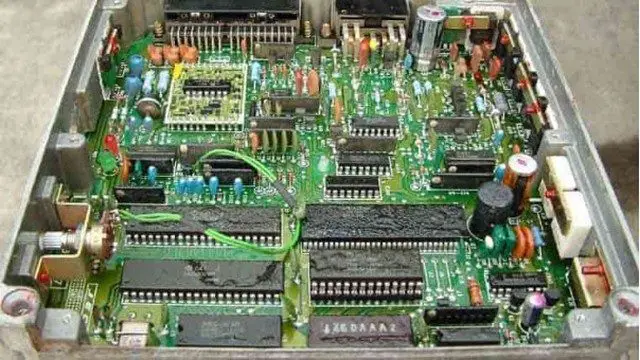
An example of a Transmission Control Module TCM:


P06AE TCM
How severe is this DTC?


The severity of this code can vary significantly, from a simple Check Engine light or Transmission Warning light on a vehicle that starts and runs, to an automobile that may stall or not start at all. The code can be serious depending on the specific nature of the problem.
What are some of the symptoms of the code?

Symptoms of a P06AE trouble code may include:

  • Engine does not start
  • Engine may stall
  • Incorrect shifting
  • Transmission Warning light illuminated
  • Check Engine light illuminated

What are some of the common causes of the code?

Causes of this P06AE code may include:

  • Corroded or damaged connector
  • Loose or faulty control module ground strap
  • Faulty or damaged wiring
  • Faulty PCM, ECM, or TCM

What are the troubleshooting steps for P06AE?


The first step in the troubleshooting process for any malfunction is to search for Technical Service Bulletins (TSBs) for the specific vehicle by year, model, and powertrain. In some circumstances, this can save a lot of time in the long run by pointing you in the right direction.

The second step is to locate all control modules within this circuit and perform a thorough visual inspection of the associated wiring to check for obvious defects such as chafing, rubbing, bare wires, or burn marks. This process should also include ground straps and wires. Next, check the connectors for security, corrosion, and damaged pins. This process should include the PCM, ECM, and TCM depending on the specific vehicle and control module configuration. Vehicle-specific technical data will help you locate components and the control module configuration.
Advanced Steps

Advanced steps become very vehicle-specific and require appropriate advanced equipment to perform accurately. These procedures require a digital multimeter and vehicle-specific technical references. The specific technical data will include troubleshooting charts and the proper sequence to follow to help you make an accurate diagnosis.
Voltage Checks

Specific troubleshooting guidelines must be referenced to determine the required voltage ranges for the different control modules. These references will include pin numbers and voltage requirements associated with the PCM/ECM/TCM internal temperature sensor/circuit. Most, but not all, control modules require a reference voltage of approximately 9 volts. Voltage requirements vary depending on the specific year and model of the vehicle.

If this process identifies a missing power source or ground, continuity tests may be required to check the integrity of the wiring, connectors, and other components. Continuity tests should always be performed with the power disconnected from the circuit, and normal readings for wiring and connections should be 0 ohms of resistance. Resistance or lack of continuity is an indication of faulty wiring that is open or shorted and must be repaired or replaced. A continuity test between the different control modules and the chassis will confirm the serviceability of the ground straps and wires. The presence of resistance indicates a loose connection or possible corrosion.
What are the common repairs for this code?

  • Cleaning corrosion from connectors
  • Repairing or replacing faulty wiring
  • Repairing or replacing faulty ground straps
  • Flashing or replacing the PCM, ECM, or TCM

Misdiagnosis can lead to the PCM, ECM, or TCM being replaced in error, when faulty wiring is the actual cause of this code. Furthermore, on vehicles equipped with two or more control modules, the wrong module may be replaced by mistake.

I hope the information contained in this article has helped point you in the right direction to fix the issue with your PCM/ECM/TCM internal temperature sensor/circuit fault code. This article is strictly for informational purposes, and the technical data and service bulletins specific to your vehicle should always take priority.

P06AF Torque Management System – Forced Engine Shutdown

What Does Code P06AF Mean?

The P06AF code is a generic diagnostic trouble code (DTC) that applies to many OBD-II vehicles (1996 and newer models), including but not limited to Buick, Cadillac, Chevrolet, GMC, VW, Ford, etc.

Although this code is generic, the exact repair steps may vary depending on the year, make, model, and powertrain configuration.


Technical Description

When this code is stored, it means the Powertrain Control Module (PCM) has detected an anomaly in the vehicle’s torque management system. This anomaly is severe enough for the PCM to consider an engine shutdown necessary or justified.

⚠️ Engine torque management codes only apply to vehicles with automatic transmissions.

The torque management system is designed to reduce engine torque during gear shifts in automatic transmissions. This helps preserve the transmission and its components.

The PCM controls this system based on data from several sensors:

  • Throttle Position Sensor (TPS)

  • Transmission Input and Output Speed Sensors

  • Mass Air Flow (MAF) Sensor

When these sensors detect certain conditions, the PCM applies a torque reduction strategy, typically by retarding ignition timing. If the PCM fails to apply this strategy or torque cannot be controlled, code P06AF is stored.


Code Severity

Torque management systems are not essential for the vehicle’s proper operation. Most drivers don’t even notice when this system isn’t working.

However, this code is considered severe only because of its ability to cause a complete engine shutdown if necessary.


Possible Symptoms

A P06AF code can cause:

  • Engine not starting

  • Engine hesitation or stalling

  • Driving issues

  • Irregular gear shifts

  • Harsh gear shifts


Possible Causes

Common causes of code P06AF include:

  • Faulty input or output speed sensor

  • Faulty torque converter

  • Severe mechanical transmission failure

  • Open or shorted wiring or connectors

  • Faulty or improperly programmed PCM


Diagnostic and Troubleshooting Steps

  1. Check for other stored codes
    Prioritize those related to torque management. Resolve them before addressing P06AF.

  2. Search for Technical Service Bulletins (TSBs)
    They can quickly guide you to a known solution.

  3. Use an OBD-II scanner and a digital voltmeter (DVOM)

    • Note all codes and freeze frame data.

    • Clear the codes, then perform a road test.

    If the code does not return, it is likely intermittent. Otherwise, continue diagnostics.

  4. Access wiring diagrams and locate related components

    • Visually inspect wires and connectors.

    • Repair or replace any that are damaged, burnt, or corroded.

  5. Check PCM power supplies and grounds

    • Test fuses and relays under active load.

    • Replace any faulty components.

  6. Suspect a faulty PCM if everything else is good

    • Replacement often requires reprogramming.

    • Some reprogrammed modules are available as replacements, others require dealer reprogramming.

  7. Inspect control modules for signs of moisture, heat, or impact
    Any module showing these signs is potentially faulty.


Important Note

Performance programmers or third-party reprogramming systems can disable certain torque management functions. This may cause code P06AF to appear even if no component is actually faulty.

P06B0 Sensor Supply Open Circuit

Understanding Error Code P06B0: Sensor “A” Supply Voltage Out of Range

Introduction

  • What does the P06B0 code mean? (General definition: the PCM failed to detect the supply voltage for a sensor or group of sensors designated “A”).
  • This is a generic diagnostic trouble code (DTC) applicable to many OBD-II vehicles (1996 and newer), with examples of makes.
  • Although generic, the exact repair steps can vary by year, make, model, and powertrain configuration.
  • The affected sensor or sensors may be related to the EGR system, heated oxygen sensor system, automatic transmission, or transfer case (on 4×4 or all-wheel drive vehicles).
  • The “A” designation is used to identify the specific power circuit affected (A and B may be interchangeable depending on the manufacturer).

Operation of OBD-II Sensor Power Supply

  • Most OBD-II sensors are powered by a voltage signal supplied by the PCM or other onboard control modules.
  • The supply voltage (reference voltage) can vary (millivolts to battery voltage).
  • Common reference voltages are 5 volts and battery voltage.
  • It is crucial to determine which sensor is associated with this code by consulting a reliable vehicle information source.

Triggering and Consequences of Code P06B0

  • Code P06B0 is stored and the Malfunction Indicator Lamp (MIL/SES) illuminates if the PCM (or another control module) does not detect voltage on the “A” power supply circuit.
  • Illuminating the lamp may require several drive cycles with the fault present.
  • Presentation of an illustrative image of a Powertrain Control Module (PCM).

Severity of DTC P06B0

  • This code is classified as severe.
  • The wide range of potentially affected sensors makes it difficult to assess the severity of symptoms without identifying the specific sensor. The consequences could be potentially catastrophic.

Possible Symptoms of Code P06B0

  • List of associated symptoms:
    • Inoperative transfer case
    • Engine no-start condition
    • Reduced fuel economy
    • Engine hesitation, sag, lack of power, or misfire
    • Severe engine driveability problems
    • Erratic transmission shifting
    • Harsh transmission shifting

Common Causes of Code P06B0

  • List of potential causes:
    • Faulty engine, transmission, or transfer case sensor
    • Blown fuse or fusible link
    • Open or shorted wiring and/or connectors or grounds
    • PCM failure or PCM programming error

P06B0 Troubleshooting Steps

  • Critical preliminary step: Diagnose and repair any other sensor-related codes before addressing P06B0.
  • Required tools: diagnostic scanner, digital volt/ohmmeter (DVOM), reliable vehicle technical information.
  • Importance of technical information: Without vehicle-specific information (wiring diagrams, pinouts, etc.), accurate diagnosis is difficult.
  • Researching Technical Service Bulletins (TSBs): Check for TSBs matching the code, vehicle, and symptoms, as they can provide valuable diagnostic information.
  • Using the scanner:
    • Connect the scanner and retrieve all stored codes and freeze frame data.
    • Record this information and clear the codes.
    • Test drive the vehicle to see if the code returns immediately or if the PCM enters readiness mode.
    • If the code is intermittent (PCM in readiness mode), diagnosis may be more difficult.
  • Consulting technical information: Obtain connector face views, wiring diagrams, component locations, and diagnostic flowcharts specific to the code and vehicle.
  • Visual inspection: Carefully inspect associated wiring and connectors for any damage (cut, burn, corrosion). Repair or replace as necessary. Also check ground points.
  • Testing fuses and relays: Use the DVOM to test control module power fuses and relays. Important: Test fuses with the circuit loaded. Replace faulty fuses, relays, or fusible links.
  • Suspected control module failure: If the control module power and grounds are correct and no supply voltage is output for the sensor, suspect a faulty control module or a programming issue. Caution: Control module replacement will require reprogramming (by a dealer or qualified source).
  • Visual inspection of control modules: Look for signs of damage (water, heat, collision) on system control modules. Any damaged control module should be considered potentially faulty.
  • Clarification of terms: “Open” can mean unplugged, disconnected, cut, or broken.
  • Excessive supply voltage: Is likely due to a short to battery voltage.

P06B1 Low Sensor A Circuit

What Does It Mean?


This is a generic diagnostic trouble code (DTC) and applies to many OBD-II vehicles (1996-newer). This may include, but is not limited to, vehicles from Buick, Chevrolet, Chrysler, Fiat, Ford, GMC, and Mercedes-Benz, etc. Although generic, the exact repair steps may vary depending on the year, make, model, and powertrain configuration.

When an OBD-II equipped vehicle has stored a P06B1 code, it means the Powertrain Control Module (PCM) has detected a low voltage condition for a specific sensor or group of sensors. Depending on the manufacturer, the sensor (or sensors) in question could be related to the exhaust gas recirculation system, the heated exhaust oxygen sensor system, the automatic transmission, or the transfer case (four-wheel drive or all-wheel drive vehicles only). The affected circuit has been designated A (A and B may also be interchanged).

Most OBD-II sensors are activated by a voltage signal supplied by the PCM or one of the other onboard controllers. The degree of voltage applied (often called reference voltage) can range from a very low voltage (typically measured in millivolts) to full battery voltage. The most common sensor voltage signal is 5 volts; closely followed by battery voltage. Obviously, you will need to determine exactly which sensor is related to this code. A reliable source of vehicle information will provide these details.

If the PCM (or one of the other onboard controllers) detects a voltage level lower than expected on the designated power supply circuit A, the P06B1 code may be stored and a Service Engine Soon / Malfunction Indicator Light (SES/MIL) illuminated. The SES/MIL illumination may require several ignition cycles with a fault.

A typical Powertrain Control Module PCM, opened:


P06B1 Powertrain Control Module PCM
How Severe Is This DTC?


I would certainly classify this code as severe. Its inclusion of a wide-ranging sensor makes it difficult, if not impossible, to accurately determine how catastrophic the symptoms of the condition that contributed to storing the P06B1 code might prove to be.
What Are Some of the Symptoms of the Code?

Symptoms of a P06B1 trouble code may include:

Inoperative transfer case
Engine no-start condition
Reduced fuel economy
Engine hesitation, sag, miss, or stumble
Severe engine driveability issues
Transmission may shift erratically
Transmission may shift harshly

What Are Some of the Common Causes of the Code?

Causes

of this code may include:

Faulty engine, transmission, or transfer case sensor
Blown fuse or fusible link
Open or shorted wiring and/or connectors or grounds
PCM failure or PCM programming error

What Are the P06B1 Troubleshooting Steps?


Diagnose and repair any other sensor-related codes before attempting diagnosis for the stored P06B1.

To accurately diagnose a P06B1 code, you will need a diagnostic scanner, a digital volt/ohmmeter (DVOM), and a reliable source of vehicle information.

Without a means to reprogram controllers, reaching an accurate diagnostic conclusion for the stored P06B1 will be challenging at best. You can save yourself some headaches by researching Technical Service Bulletins (TSBs) that reproduce the stored code, the vehicle (year, make, model, and engine), and the symptoms presented. This information can be found in your vehicle information source. If you manage to locate the appropriate TSB, it could provide very useful diagnostic information.

Connect the scanner to the vehicle’s diagnostic port and retrieve all stored codes and relevant freeze frame data. After writing down this information (in case the code proves to be intermittent), clear the codes and test drive the vehicle. One of two things will happen; the code will be restored or the PCM will enter readiness mode.

If the PCM enters readiness mode (the code is intermittent), the code may be more difficult to diagnose. The condition that caused the P06B1 to be stored may need to worsen before an accurate diagnostic conclusion can be reached. However, if the code is restored, proceed with your diagnosis.

Obtain connector face views, connector pinout diagrams, component locators, wiring diagrams, and diagnostic flowcharts (related to the code and the specific vehicle) using your vehicle information source.

Visually inspect all associated wiring and connectors. Wiring that has been cut, burned, or damaged should be repaired or replaced. You can also check chassis and engine grounds and perform necessary repairs before continuing. Use your vehicle information source (power and ground locations) to obtain ground junction locations for related circuits.

If no other codes are stored and the P06B1 continues to reset, use the DVOM to test the controller power supply fuses and relays. Replace blown fuses, relays, and fusible links as needed. Fuses should always be tested with the circuit loaded to avoid misdiagnosis.

You may suspect a faulty controller or controller programming error if all controller power (input) and ground circuits are intact and the sensor supply voltage is insufficient at the output from the PCM (or another controller). Keep in mind that replacing the controller will require reprogramming. Reprogrammed controllers may be available through aftermarket sources for some applications; other vehicles/controllers will require onboard reprogramming that can only be performed by a dealer or another qualified source.

Visually inspect system controllers for signs of water, heat, or collision damage and suspect any controller showing signs of damage as faulty.

The term open can be replaced by unplugged or disconnected, cut, or broken
Excessive sensor supply voltage is likely the result of a short to battery voltage

P06B2 Sensor Power Supply Circuit High

What does it mean?


This is a generic diagnostic trouble code (DTC) and applies to many OBD-II vehicles (1996-newer). This may include, but is not limited to, vehicles from Buick, Chevrolet, Chrysler, Fiat, Ford, GMC, and Mercedes-Benz, etc. Although generic, the exact repair steps may vary depending on the year, make, model, and powertrain configuration.

When an OBD-II equipped vehicle has stored a P06B2 code, it means that the Powertrain Control Module (PCM) has detected a voltage level that exceeds the maximum parameters for a particular sensor or group of sensors. Depending on the manufacturer, the sensor (or sensors) in question may be related to the exhaust gas recirculation system, the heated exhaust oxygen sensor system, the automatic transmission, or the transfer case (four-wheel drive or all-wheel drive vehicles only). The affected circuit has been designated A (A and B may also be interchanged).

Most OBD-II sensors are activated by a voltage signal supplied by the PCM or one of the other onboard controllers. The degree of voltage applied (often called reference voltage) can range from a very low voltage (typically measured in millivolts) to full battery voltage. The most common sensor voltage signal is 5 volts; closely followed by battery voltage. Obviously, you will need to determine exactly which sensor is related to this code. A reliable source of vehicle information will provide these details.

If the PCM (or one of the other onboard controllers) detects a voltage level that exceeds the maximum parameters on the designated power supply circuit A, the P06B2 code may be stored and a Service Engine Soon / Malfunction Indicator Light (SES/MIL) illuminated. The SES/MIL illumination may require several ignition cycles with a fault.

A typical Powertrain Control Module PCM, opened:


P06B2 Powertrain Control Module
How severe is this DTC?


I would certainly classify this code as severe. Its inclusion of a wide-ranging sensor makes it difficult, if not impossible, to accurately determine how catastrophic the symptoms of the condition that contributed to storing the P06B2 code might prove to be.
What are some of the symptoms of the code?

Symptoms of a P06B2 fault code may include:

Inoperative transfer case
Engine no-start condition
Reduced fuel economy
Engine hesitation, sagging, missing, or stumbling
Severe engine driveability issues
Transmission may shift erratically
Transmission may shift harshly

What are some common causes of the code?

Causes

of this code may include:

Faulty engine, transmission, or transfer case sensor
Blown fuse or fusible link
Open or shorted wiring and/or connectors or grounds
PCM failure or PCM programming error

What are the P06B2 troubleshooting steps?


Diagnose and repair any other sensor-related codes before attempting diagnosis for the stored P06B2.

To accurately diagnose a P06B2 code, you will need a diagnostic scanner, a digital volt/ohmmeter (DVOM), and a reliable source of vehicle information.

Without the means to reprogram controllers, reaching an accurate diagnostic conclusion for the stored P06B2 will be challenging at best. You can save yourself some headaches by searching for Technical Service Bulletins (TSBs) that match the stored code, the vehicle (year, make, model, and engine), and the symptoms presented. This information can be found in your vehicle information source. If you manage to locate the appropriate TSB, it could provide very useful diagnostic information.

Connect the scanner to the vehicle’s diagnostic port and retrieve all stored codes and relevant freeze frame data. After recording this information (in case the code proves to be intermittent), clear the codes and test drive the vehicle. One of two things will happen; the code will be restored or the PCM will enter readiness mode.

If the PCM enters readiness mode (the code is intermittent), the code may be more difficult to diagnose. The condition that caused the P06B2 to be stored may need to worsen before an accurate diagnostic conclusion can be reached. However, if the code is restored, continue with your diagnosis.

Obtain connector face views, connector pinout diagrams, component locations, wiring diagrams, and diagnostic flowcharts (related to the code and the specific vehicle) using your vehicle information source.

Visually inspect all associated wiring and connectors. Wiring that has been cut, burned, or damaged should be repaired or replaced. You can also check the chassis and engine grounds and perform necessary repairs before continuing. Use your vehicle information source (power and ground locations) to obtain ground junction locations for the related circuits.

If no other codes are stored and the P06B2 continues to reset, use the DVOM to test the controller power fuses and relays. Replace blown fuses, relays, and fusible links as needed. Fuses should always be tested with the circuit loaded to avoid misdiagnosis.

You may suspect a faulty controller or controller programming error if all controller power (input) and ground circuits are intact and the sensor supply voltage is output from the PCM (or another controller). Keep in mind that replacing the controller will require reprogramming. Reprogrammed controllers may be available through aftermarket sources for some applications; other vehicles/controllers will require onboard reprogramming that can only be performed by a dealer or other qualified source.

Visually inspect the system controllers for signs of water, heat, or collision damage and suspect any controller showing signs of damage as faulty.

The term open can be replaced by unplugged or disconnected, cut, or broken
Excessive sensor supply voltage is likely the result of a short to battery voltage

P06B3 Sensor B Power Supply Circuit Open

What Does It Mean?


This is a generic diagnostic trouble code (DTC) and applies to many OBD-II vehicles (1996-newer). This may include, but is not limited to, vehicles from Buick, Chevrolet, Chrysler, Fiat, Ford, GMC, and Mercedes-Benz, etc. Although generic, the exact repair steps may vary depending on the year, make, model, and powertrain configuration.

When an OBD-II equipped vehicle has stored a P06B3 code, it means that the Powertrain Control Module (PCM) has failed to detect the supply voltage for a specific sensor or group of sensors. Depending on the manufacturer, the sensor(s) in question may be related to the exhaust gas recirculation system, heated exhaust oxygen sensor system, automatic transmission, or transfer case (four-wheel drive or all-wheel drive vehicles only). The affected sensor has been designated B (A and B may also be swapped).

Most OBD-II sensors are activated by a voltage signal provided by the PCM or one of the other onboard controllers. The degree of voltage applied (often referred to as reference voltage) can range from a very low voltage (typically measured in millivolts) to full battery voltage. The most common sensor voltage signal is 5 volts; closely followed by battery voltage. Obviously, you will need to determine exactly which sensor is related to this code. A reliable source of vehicle information will provide these details.

If the PCM (or one of the other onboard controllers) fails to detect voltage on the designated supply circuit B, the P06B3 code may be stored and a Service Engine Soon/Malfunction Indicator Lamp (SES/MIL) illuminates. The SES/MIL illumination may require several ignition cycles with a failure.

A typical Powertrain Control Module PCM, opened:


PCM Power Supply Control Module P06B3

How Severe Is This DTC?


I would certainly classify this code as severe. Its inclusion of a wide-ranging sensor makes it difficult, if not impossible, to accurately determine how catastrophic the symptoms of the condition that contributed to storing the P06B3 code might prove to be.
What Are Some of the Symptoms of the Code?

Symptoms of a P06B3 Fault Code May Include:

  • Inoperative transfer case
  • Engine no-start condition
  • Reduced fuel efficiency
  • Engine hesitation, sagging, misfiring, or stumbling
  • Severe engine driveability issues
  • Transmission may shift erratically
  • Transmission may shift harshly

What Are Some Common Causes of the Code?

Causes of This Code May Include:

  • Faulty engine, transmission, or transfer case sensor
  • Blown fuse or fusible link
  • Open or shorted wiring and/or connectors or grounds
  • PCM failure or PCM programming error

What Are the P06B3 Troubleshooting Steps?

Diagnose and repair any other sensor-related codes before attempting diagnosis for the stored P06B3.

To accurately diagnose a P06B3 code, you will need a diagnostic scanner, a digital volt/ohmmeter (DVOM), and a reliable source of vehicle information.

Without the means to reprogram controllers, reaching an accurate diagnostic conclusion for the stored P06B3 will be challenging at best. You can save yourself some headaches by searching for Technical Service Bulletins (TSBs) that match the stored code, the vehicle (year, make, model, and engine), and the symptoms presented. This information can be found in your vehicle information source. If you manage to locate the appropriate TSB, it could provide very useful diagnostic information.

Connect the scanner to the vehicle’s diagnostic port and retrieve all stored codes and relevant freeze frame data. After recording this information (in case the code proves to be intermittent), clear the codes and test drive the vehicle. One of two things will happen; the code will be restored or the PCM will enter readiness mode.

If the PCM enters readiness mode (the code is intermittent), the code may be more difficult to diagnose. The condition that caused the P06B3 to be stored may need to worsen before an accurate diagnostic conclusion can be reached. However, if the code is restored, proceed with your diagnosis.

Obtain connector face views, connector pinout diagrams, component locations, wiring diagrams, and diagnostic flowcharts (related to the code and the specific vehicle) using your vehicle information source.

Visually inspect all associated wiring and connectors. Wiring that has been cut, burned, or damaged should be repaired or replaced. You can also check chassis and engine grounds and perform necessary repairs before continuing. Use your vehicle information source (power and ground locations) to find the ground junction locations for the related circuits.

If no other codes are stored and the P06B3 continues to reset, use the DVOM to test the controller power fuses and relays. Replace blown fuses, relays, and fusible links as needed. Fuses should always be tested with the circuit loaded to avoid diagnostic errors.

You may suspect a faulty controller or controller programming error if all controller power (input) and ground circuits are intact and no sensor supply voltage (output) is being emitted by the PCM (or another controller). Keep in mind that replacing the controller will require reprogramming. Reprogrammed controllers may be available through aftermarket sources for some applications; other vehicles/controllers will require onboard reprogramming that can only be performed by a dealer or another qualified source.

Visually inspect the system controllers for signs of water, heat, or collision damage and suspect any controller showing signs of damage as faulty.

The term open can be replaced by unplugged or disconnected, cut, or broken
Excessive sensor supply voltage is likely the result of a short to battery voltage

P06B4 Low Circuit B Sensor Supply Voltage

What Does It Mean?


This is a generic diagnostic trouble code (DTC) and applies to many OBD-II vehicles (1996-newer). This may include, but is not limited to, vehicles from Buick, Chevrolet, Chrysler, Fiat, Ford, GMC, and Mercedes-Benz, etc. Although generic, the exact repair steps may vary depending on the year, make, model, and powertrain configuration.

When an OBD-II equipped vehicle has stored a P06B4 code, it means the Powertrain Control Module (PCM) has detected a low voltage condition for a specific sensor or group of sensors. Depending on the manufacturer, the sensor (or sensors) in question could be related to the Exhaust Gas Recirculation system, the Heated Exhaust Oxygen Sensor system, the automatic transmission, or the transfer case (four-wheel drive or all-wheel drive vehicles only). The affected sensor has been designated B (A and B may also be interchanged).

Most OBD-II sensors are activated by a voltage signal supplied by the PCM or one of the other onboard controllers. The degree of voltage applied (often called reference voltage) can range from a very low voltage (typically measured in millivolts) to full battery voltage. The most common sensor voltage signal is 5 volts; closely followed by battery voltage. Obviously, you will need to determine exactly which sensor is related to this code. A reliable vehicle information source will provide this information.

If the PCM (or one of the other onboard controllers) detects a degree of voltage lower than expected on the designated sensor supply circuit B, the P06B4 code may be stored and a Service Engine Soon / Malfunction Indicator Lamp (SES/MIL) illuminated. The SES/MIL illumination may require several ignition cycles with a failure.

A typical Powertrain Control Module PCM, opened:


P06B4 PCM Power Control Module
How Severe Is This DTC?


I would certainly classify this code as severe. Its broad inclusion of sensors makes it difficult, if not impossible, to accurately determine how catastrophic the symptoms of the condition that contributed to the storage of the P06B4 code might prove to be.
What Are Some of the Symptoms of the Code?

Symptoms of a P06B4 trouble code may include:

Inoperative transfer case
Engine no-start condition
Reduced fuel economy
Engine hesitation, sag, stumble, or misfire
Severe engine driveability problems
Transmission may shift erratically
Transmission may shift harshly

What Are Some of the Common Causes of the Code?

Causes

of this code may include:

Faulty engine, transmission, or transfer case sensor
Blown fuse or fusible link
Open or shorted wiring and/or connectors or grounds
PCM failure or PCM programming error

What Are the P06B4 Troubleshooting Steps?


Diagnose and repair any other sensor-related codes before attempting diagnosis for the stored P06B4.

To accurately diagnose a P06B4 code, you will need a diagnostic scanner, a digital volt/ohmmeter (DVOM), and a reliable source of vehicle information.

Without a means to reprogram controllers, reaching an accurate diagnostic conclusion for the stored P06B4 will be challenging at best. You can save yourself some headaches by searching for Technical Service Bulletins (TSBs) that reproduce the stored code, the vehicle (year, make, model, and engine), and the symptoms presented. This information can be found in your vehicle information source. If you manage to locate the appropriate TSB, it could provide very helpful diagnostic information.

Connect the scanner to the vehicle’s diagnostic port and retrieve all stored codes and relevant freeze frame data. After writing down this information (in case the code proves to be intermittent), clear the codes and test drive the vehicle. One of two things will happen; the code will be restored or the PCM will enter a readiness mode.

If the PCM enters readiness mode (the code is intermittent), the code may be more difficult to diagnose. The condition that caused the P06B4 to be stored may need to worsen before an accurate diagnostic conclusion can be reached. However, if the code is restored, proceed with your diagnosis.

Obtain connector face views, connector pinout diagrams, component locators, wiring diagrams, and diagnostic flowcharts (related to the code and the specific vehicle) using your vehicle information source.

Visually inspect all associated wiring and connectors. Wiring that has been cut, burned, or damaged should be repaired or replaced. You can also check the chassis and engine grounds and perform necessary repairs before continuing. Use your vehicle information source (power and ground locations) to obtain the ground junction locations for the related circuits.

If no other codes are stored and the P06B4 continues to reset, use the DVOM to test the controller power fuses and relays. Replace blown fuses, relays, and fusible links as needed. Fuses should always be tested with the circuit loaded to avoid misdiagnosis.

You may suspect a faulty controller or controller programming error if all controller power (input) and ground circuits are intact and the sensor supply voltage is insufficient at the output from the PCM (or another controller). Keep in mind that replacing the controller requires reprogramming. Reprogrammed controllers may be available through aftermarket sources for some applications; other vehicles/controllers will require onboard reprogramming that can only be performed by a dealer or other qualified source.

Visually inspect the system controllers for signs of water, heat, or collision damage and suspect any controller showing signs of damage as being faulty.

The term open can be replaced by unplugged or disconnected, cut, or broken
Excessive sensor supply voltage is likely the result of a short to battery voltage

P06B5 High Value of Sensor Supply Circuit B

🚨 Code P06B5: Sensor Circuit Problem – Complete Guide

🔍 Meaning of Code P06B5

Code P06B5 indicates that the PCM (Powertrain Control Module) has detected an excessive voltage on the power circuit of a designated sensor B. This sensor may be related to:

  • The automatic transmission.
  • The transfer case (4×4).
  • The EGR system or oxygen sensors.
  • Other critical systems (depending on the make and model).

⚠️ Severity of Code P06B5

Urgency Level: 🔴 High (Address immediately).

  • Risks:
  • Engine failure or inoperative transmission.
  • Dangerous driving issues (harsh gear shifts).
  • Vehicle immobilization (no-start condition).

🚨 Common Symptoms

  • 🛑 Inoperative transfer case (4×4).
  • 🔌 Engine does not start.
  • 🐌 Loss of power or hesitation during acceleration.
  • Erratic gear shifts (automatic transmission).
  • Increased fuel consumption.

🔧 Possible Causes

  1. Faulty sensor: Transmission sensor, transfer case, EGR, or O2 sensor.
  2. Electrical issues:
  • Damaged wiring (cut, chafed, burned).
  • Oxidized or loose connectors.
  1. Blown fuse or faulty relay.
  2. Faulty PCM: Programming error or hardware failure.

🛠️ Diagnostic and Repair Steps

1. Diagnose with an OBD2 Scanner

  • 📟 Retrieve all stored codes (P06B5 and related codes).
  • 📸 Record freeze frame data for analysis.

2. Visually Inspect the Wiring

  • 🔍 Check fuses (replace if blown).
  • 🔌 Examine connectors and grounds (corrosion, looseness).

3. Consult Technical Service Bulletins (TSB)

  • 📄 Search for TSBs matching code P06B5 for your vehicle (year, model, engine).

4. Test the Sensor Circuit

  • 🧰 Use a multimeter to measure:
  • Supply voltage (compare to factory specifications).
  • Continuity of wires (look for short circuits or open circuits).

5. Check the PCM

  • 💻 Test the PCM’s power and ground.
  • 🔄 If necessary, reprogram or replace the PCM (requires a professional).

💰 Estimated Costs

Service Cost (USD)
Sensor replacement 100 – 300
Wiring repair 150 – 500
PCM reprogramming 200 – 600
Professional diagnosis 80 – 150

FAQ: Frequently Asked Questions

Q: Can I drive with a P06B5 code?
A: No! Risk of complete failure or irreversible damage to the engine/transmission.

Q: Why is the PCM a possible cause?
A: Excessive voltage can result from a programming error or an internal short circuit.

Q: How to avoid this code?
A: Regularly inspect wiring and replace sensors according to maintenance intervals.


📋 Related Codes

  • P06B6: Sensor reference voltage out of range.
  • P06B4: Sensor circuit A out of range.

🚗 Conclusion: Act Quickly!

An unresolved P06B5 code can lead to:

  • Costly failure (transmission, catalytic converter, etc.).
  • Safety issues (unpredictable gear shifts).
  • Vehicle immobilization.

🔧 Pro Tip: If the PCM needs replacement, opt for a factory-reprogrammed part to ensure compatibility.

P06B6 Internal Control Module Knock Sensor Processor 1 Performance

What Does It Mean?


This generic powertrain diagnostic trouble code (DTC) generally applies to many OBD-II vehicles. This may include, but is not limited to, vehicles from Chevrolet, Subaru, Ford, Mazda, BMW, Peugeot, etc.

When a P06B6 code is stored, it means the Powertrain Control Module (PCM) has detected an internal processor performance error with a specific knock sensor circuit (designated 1). Other controllers may also detect an internal PCM performance error (with the knock sensor circuit) and cause a P06B6 to be stored.

The knock sensor is typically screwed directly into the engine block. It is a piezoelectric sensor. The location of the knock sensor varies by manufacturer, but most are found on the sides of the block (between the cylinder liner coolant drain plugs) or in the valley beneath the intake manifold. Knock sensors located on the sides of the engine block are often screwed directly into the engine’s coolant passages. When the engine is hot and the engine cooling system is pressurized, removing these sensors can result in serious burns from hot coolant. Before removing any knock sensor, allow the engine to cool and always dispose of coolant properly.

A piezoelectric sensing crystal is at the heart of the knock sensor. When shaken or vibrated, the piezoelectric crystal produces a small amount of voltage. Since the knock sensor control circuit is normally a single-wire circuit, the voltage generated by vibration is recognized by the PCM as engine noise or vibration. The severity of the vibration encountered by the piezoelectric crystal (inside the knock sensor) determines the level of voltage produced in the circuit.

If the PCM detects a degree of voltage from the knock sensor indicating engine knock or severe spark detonation; it may retard the ignition timing and a knock sensor control code may be recorded.

A very small voltage is always produced by the knock sensor when the engine is running. This is because slight vibration is inevitable, no matter how smoothly the engine runs.

The internal control module monitoring processors are responsible for various controller self-test tasks and the overall responsibility of the internal control module. The knock sensor input and output signals are self-tested and are constantly monitored by the PCM and other associated controllers. The Transmission Control Module (TCM), the Traction Control System Module (TCSM), and other controllers also interact with the knock sensor system.

Whenever the ignition is turned on and the PCM is powered up, self-tests of the knock sensor system are initiated. In addition to performing internal controller self-tests, the Controller Area Network (CAN) also compares the signals from each individual module to ensure each controller is functioning correctly. These tests are performed simultaneously.

If the PCM detects an internal anomaly in the knock sensor processor, a P06B6 code will be recorded and a Malfunction Indicator Lamp (MIL) may be illuminated. Additionally, if the PCM detects a problem between any of the onboard controllers, which would indicate an internal knock sensor system error, a P06B6 code will be recorded and a Malfunction Indicator Lamp (MIL) may be illuminated. Multiple failure cycles may be required for MIL illumination, depending on the perceived severity of the malfunction.
How severe is this DTC?


Internal control module processor codes should be classified as severe. A stored P06B6 code could lead to various driving problems.
What are some of the symptoms of the code?

Symptoms of a P06B6 trouble code may include:

Loud noises from the engine area
Reduced fuel efficiency
A variety of engine driving symptoms
Other stored diagnostic trouble codes

What are some of the common causes of the code?

Causes

of this code may include:

Faulty PCM or PCM programming error
Defective knock sensor
Faulty knock sensor control wiring and/or connectors
A faulty controller power relay or blown fuse
Open or shorted circuit or connectors in the CAN bus
Insufficient control module ground

What are the P06B6 troubleshooting steps?


Even for the most experienced and well-equipped professional technician, diagnosing a P06B6 code can be very challenging. There is also the issue of reprogramming. Without the necessary reprogramming equipment, it will be impossible to replace a faulty controller and perform a successful repair.

If ECM/PCM power codes are present, they will obviously need to be corrected before attempting to diagnose a P06B6.

There are several preliminary tests that can be performed before declaring a controller faulty. A diagnostic scanner, a digital volt/ohmmeter (DVOM), and a reliable source of vehicle information will be required.

Connect the scanner to the vehicle’s diagnostic port and retrieve all stored codes and freeze frame data. You will want to write this information down, just in case the code proves to be intermittent. After recording all relevant information, clear the codes and test drive the vehicle until the code resets or the PCM enters readiness mode. If the PCM enters readiness mode, the code is intermittent and will be more difficult to diagnose. The condition that caused the P06B6 to be stored may even need to worsen before a diagnosis can be made. If the code resets, continue with this short list of preliminary tests.

When trying to diagnose a P06B6, information can be your best tool. Search your vehicle information source for Technical Service Bulletins (TSBs) that match the stored code, the vehicle (year, make, model, and engine), and the symptoms presented. If you find the right TSB, it can provide diagnostic information that will help you significantly.

Use your vehicle information source to obtain connector face views, connector pinout diagrams, component locators, wiring schematics, and diagnostic flowcharts related to the specific code and vehicle.

Use the DVOM to test the controller power fuses and relays. Test and replace blown fuses as needed. Fuses should be tested under load.

If all fuses and relays appear to be functioning as expected, a visual inspection of the wiring and harnesses related to the controller is necessary. You will also want to check the chassis and engine ground junctions. Use your vehicle information source to obtain ground locations for the related circuits. Use the DVOM to test ground integrity.

Visually inspect the system controllers for signs of water, heat, or collision damage. Any damaged controller, especially by water, should be considered faulty.

If the controller power and ground circuits are intact, suspect a faulty controller or a controller programming error. Replacing the controller will require reprogramming. In some cases, you can purchase pre-programmed controllers through aftermarket sources. Other vehicles/controllers will require onboard reprogramming that can only be performed by a dealership or another qualified source.

Unlike most other codes, P06B6 is likely caused by a faulty controller or a controller programming error
Test the system ground integrity by connecting the DVOM’s negative test lead to ground and the positive test lead to battery voltage