
P0683 Glow Plug Control Module PCM Communication Circuit

What Does It Mean?


This diagnostic code (DTC) is a generic powertrain code. It is considered generic because it applies to all makes and models of vehicles (1996 and newer), although specific repair steps may vary slightly by model.

The P0683 code indicates that the glow plug control module to PCM communication circuit has lost communication. An error has occurred that prevents the powertrain control module (PCM) from communicating commands to the glow plug control module. The command is essentially an “on/off” signal.

Codes do not indicate a specific part of the system, just the area of failure. The glow plug circuit is relatively simple and can be diagnosed and repaired with little automotive knowledge, aside from a basic understanding of using a volt/ohmmeter.
What are glow plugs for?

Understanding their function requires a basic understanding of diesel engine operating principles.

Unlike a gasoline engine that needs a spark to ignite the fuel, a diesel engine relies on extremely high compression. When highly compressed, the air creates extreme heat. Diesel compresses the air in its cylinders to the point that the air reaches temperatures high enough for spontaneous fuel ignition.

When a diesel engine block is cold, it is difficult to generate enough heat through compression to ignite the fuel. The reason is that the cold engine block cools the air, causing a slower rise in temperature sufficient for starting.

When the vehicle’s powertrain control module (PCM) detects that the engine is cold via signals from oil and transmission temperature sensors, it activates the glow plugs. The glow plugs heat to red-hot and transfer heat to the combustion chamber to assist in starting the engine. They are on a timer and only operate for a few seconds. Any longer and they would burn out quickly.
How do they work?


When the PCM detects that the engine is cold, it signals a glow plug control module (GPCM). Once grounded, the GPCM grounds a glow plug solenoid (similar to a starter solenoid) on the valve cover.

The solenoid, in turn, sends power to a glow plug bus bar. The bus bar has a separate wire for each glow plug. The power travels to the glow plugs where they heat the cylinder to facilitate starting.

The GPCM acts as a timer and remains active for only a few seconds. This is enough to start the engine, while also protecting the glow plugs from overheating due to prolonged activation.

Symptoms

Symptoms of a P0683 code may include:


The check engine light will be on, and the above codes will be set.
Little or no indication will be present if only one or two glow plugs have failed. If the engine is very cold, it may be slightly harder to start.
The engine may misfire until it has warmed up sufficiently.
If more than two glow plugs are malfunctioning, the engine will be very difficult to start.

Potential Causes

Causes

of this DTC may include:


Open or shorted wiring from the PCM to the GPCM, to the bus bar, or from the bus bar to the glow plug.
Faulty glow plug
Loose or corroded connections
GPCM failure
Loose or corroded connections on the glow plug solenoid
Glow plug solenoid failure
Insufficient battery power to the solenoid
Code P0670 may accompany this code. This code indicates that the wiring harness from the GPCM to the solenoid is a problem.

Diagnostic and Repair Steps


Over the years, I have found this to be a common issue with diesel engines regardless of the manufacturer. Due to the high amperage required to operate glow plugs and their tendency to burn out, I suggest starting with the most common problems.

The GPCM uses low amperage and, although possible, it is the least likely to fail. The solenoid is also rarely replaced. When dealing with high amperage, even the slightest play in a connection creates arcing and burns the connector.

Visually inspect the wiring between the PCM and the GPCM. Continue to the solenoid on the valve cover, and from the solenoid to the bus bar and on to the glow plugs. Look for loose or corroded connectors.
Disconnect the black and green electrical connector from the GPCM. Inspect the connector for bent pins and corrosion.
With the ohmmeter, check that each terminal is not shorted to ground. Repair the short if necessary.
Apply dielectric grease to the pins and reconnect the harness to the GPCM.
Inspect the battery positive connection and the GPCM connection on the glow plug solenoid. Ensure all wires are clean and tight.
Inspect the glow plug bus bar. Check the connection of each wire on the bus bar and ensure they are also clean and tight.
Remove the glow plug wire and check that it is not shorted.
Using the ohmmeter, probe the glow plug terminal with one lead and place the other on a ground. The glow plug is faulty if the resistance is not between 0.5 and 2.0 ohms.
Check the resistance of the glow plug wiring to the bus bar. The resistance should also be between 0.5 and 2.0 ohms. If not, replace the wire.

If the above steps do not resolve the issue, obtain a service manual and refer to the page illustrating the glow plug circuit. Look for the color and pin number for the GPCM power supply and its output to the solenoid. Probe these terminals as indicated using the voltmeter.

If there is no power to the GPCM, the PCM has failed. If there is voltage to the GPCM, check the voltage between the GPCM and the solenoid. If there is no voltage at the solenoid, replace the GPCM.

P0684 GPCM to PCM Communication Circuit Range/Performance

What Does It Mean?


This diagnostic trouble code (DTC) is a generic powertrain code. It is considered generic because it applies to all makes and models of vehicles (1996-newer), although specific repair steps may vary slightly by model.

P0684 indicates that the glow plug control module to PCM communication circuit has a problem in the range/performance aspect of communications. An error has occurred that prevents the powertrain control module (PCM) from communicating commands to the glow plug control module. The command is essentially an “on/off” signal.

Codes do not indicate a specific part of the system, just the area of failure. The glow plug circuit is relatively simple and can be diagnosed and repaired with little automotive knowledge, apart from a basic understanding of using a volt/ohmmeter.
What are glow plugs for?

Understanding their function requires a basic understanding of diesel engine operating principles.

Unlike a gasoline engine that needs a spark to ignite the fuel, a diesel engine relies on extremely high compression. When highly compressed, the air creates extreme heat. Diesel compresses the air in its cylinders to the point that the air reaches temperatures high enough to allow for spontaneous fuel ignition.

When a diesel engine block is cold, it is difficult to create enough heat through compression to ignite the fuel. The reason is that the cold engine block cools the air, causing a slower rise in temperature sufficient for starting.

When the vehicle’s powertrain control module (PCM) detects that the engine is cold via signals from oil and transmission temperature sensors, it turns on the glow plugs. The glow plugs heat to red-hot and transfer heat to the combustion chamber to assist in engine starting. They are on a timer and only operate for a few seconds. Any longer and they would burn out quickly.
How do they work?


When the PCM detects that the engine is cold, it signals a glow plug control module (GPCM). Once grounded, the GPCM grounds a glow plug solenoid (similar to a starter solenoid) on the valve cover.

The solenoid, in turn, sends power to a glow plug bus bar. The bus bar has a separate wire for each glow plug. The power travels to the glow plugs where they heat the cylinder to facilitate starting.

The GPCM is a timer and only stays activated for a few seconds. This is enough to start the engine, but at the same time, it protects the glow plugs from overheating due to prolonged activation.

Symptoms


Symptoms of a P0684 code can include:

The check engine light will be illuminated and the above codes will be set.
Little or no indication will be present if only one or two glow plugs have failed. If the engine is very cold, it may be slightly harder to start.
The engine may misfire until it has warmed up sufficiently.
If more than two glow plugs are malfunctioning, the engine will be very difficult to start.

Potential Causes


Causes

of this DTC can include:

Open or shorted wiring from the PCM to the GPCM, to the bus bar, or from the bus bar to the glow plug.
Faulty glow plug
Loose or corroded connections
GPCM has failed
Loose or corroded connections on the glow plug solenoid
Glow plug solenoid failure
Insufficient battery power to the solenoid
Code P0670 may accompany this code. This code indicates that the wiring harness from the GPCM to the solenoid is a problem.

Diagnostic and Repair Steps


Over the years, I have found this to be a common problem with diesel engines regardless of the manufacturer. Due to the high amperage required to operate the glow plugs and their tendency to burn out, I suggest starting with the most common issues.

The GPCM uses low amperage and, while possible, it is the least likely to fail. The solenoid is also rarely replaced. When dealing with high amperage, even the slightest play in a connection creates and sustains an arc, burning the connector.

Visually inspect the wiring between the PCM and the GPCM. Continue to the solenoid on the valve cover, and from the solenoid to the bus bar and on to the glow plugs. Look for loose or corroded connectors.
Disconnect the black and green electrical connector from the GPCM. Inspect the connector for bent pins and corrosion.
With the ohmmeter, check that each of the terminals is not shorted to ground. Repair the short if necessary.
Apply dielectric grease to the pins and reconnect the harness to the GPCM.
Inspect the positive battery connection and the GPCM connection on the glow plug solenoid. Ensure all wires are clean and tight.
Inspect the glow plug bus bar. Check the connection of each wire on the bus bar and ensure they are also clean and tight.
Remove the wire from the glow plug and check that it is not shorted.
Using the ohmmeter, probe the glow plug terminal with one lead and place the other on a ground. The glow plug is faulty if the resistance is not between 0.5 and 2.0 ohms. Check the resistance of the glow plug wiring to the bus bar. The resistance should also be between 0.5 and 2.0 ohms. If not, replace the wire.

If the above fails to resolve the issue, obtain a service manual and consult the page illustrating the glow plug circuit. Look at the color and pin number for the GPCM power supply and its power supply to the solenoid. Probe these terminals as indicated using the voltmeter.

If there is no power to the GPCM, the PCM has failed. If there is voltage to the GPCM, check the voltage between the GPCM and the solenoid. If there is no voltage at the solenoid, replace the GPCM.

P0685 ECM/PCM Power Relay Control Circuit Open

What does it mean?


This diagnostic code (DTC) is a generic powertrain code, meaning it applies to all vehicles from 1996 onwards (Honda, VW, Ford, Dodge, Chrysler, Acura, Audi, GM, etc.).

Although generic, engines differ between brands and may have slightly different causes for this code.

Based on my personal experience, a no-start condition will most likely accompany a P0685 code. When this code is stored in the Powertrain Control Module (PCM), it means that a low or no voltage condition has been detected in the circuit supplying battery voltage to the PCM.

Many OBD-II equipped vehicles use a relay to supply battery voltage to the PCM, while a few use only a fused circuit. Relays are typically of a five-terminal design. A constant battery voltage supply is provided to the main input terminal, the ground terminal is grounded to an engine or chassis ground, the secondary input terminal is supplied with battery voltage (via a fused circuit) when the ignition switch is placed in the “ON” position. The fourth terminal is the output to the PCM and the fifth terminal is a signal wire for the Controller Area Network (CAN).

When the ignition switch is placed in the “ON” position, a small coil inside the relay is energized. This causes the contacts inside the relay to close; essentially completing a circuit thereby supplying battery voltage to the output terminal and consequently to the PCM.

Symptoms


Since the P0685 code is usually accompanied by a no-start condition, ignoring it will probably not be an option. If this code is present and the engine will start and run, suspect a faulty PCM or a PCM programming error.

Causes

Possible causes for this code being set are as follows:

  • A faulty PCM power relay
  • A blown fuse or a fuse link
  • Corroded or damaged wiring or wiring connectors (especially near the PCM relay)
  • A faulty ignition switch
  • A partially or fully disconnected electrical terminal at the ignition switch
  • Loose or corroded battery cable ends

Diagnostic and Repair Procedures

A good starting point is always to check the Technical Service Bulletins (TSBs) for your particular vehicle. Your problem may be a known issue with a known fix published by the manufacturer and can save you time and money when diagnosing.

As with most other codes of this nature, begin your diagnosis with a visual inspection of the wiring harnesses, connectors, and system components. Pay close attention to unsecured relays that may have slipped out of their respective terminals or may have corroded blades or terminals. This is especially important when the relay or convenience center is located near the battery or coolant reservoir. Check the tightness and excessive corrosion of the battery and battery cable ends. Repair or replace defects as needed.

You will need a scanner (or code reader), a digital volt/ohmmeter (DVOM), and a wiring diagram. Wiring diagrams can be obtained from the manufacturer (service manual or equivalent) or via a secondary source like All Data. Before purchasing a repair manual, ensure that a wiring diagram for the PCM power circuit is included.

Before proceeding with my diagnosis, I like to retrieve all stored fault codes (using the scanner or code reader) and note them for future reference if necessary. I also like to note any relevant freeze frame data. This information can be very useful if the malfunction in question proves to be intermittent.

Starting with the power relay (for the PCM), ensure there is battery voltage at the main input terminal. Consult the wiring diagram, connector view, or pinout chart from the service manual (or equivalent) for the location of each individual terminal. If there is no voltage, suspect a faulty connection at a fuse or a fuse link.

Next, test the secondary input terminal. If no voltage is present, suspect a blown fuse or a faulty ignition switch (the electrical part).

Now, check the ground signal. If there is no ground signal, check the system ground locations, bulkhead connectors of the harness, chassis grounds, and battery cable ends.

If all these circuits are normal, test the output voltage on the circuits supplying voltage to the PCM. If these circuits have no voltage, suspect a faulty relay.

If voltage output signals are present, test the system voltage at the PCM connector. If no voltage is present, begin testing the system wiring. Be sure to disconnect system controllers from the harness before testing resistance with the DVOM. Repair or replace open or shorted circuits as needed.

If there is voltage at the PCM, suspect it is faulty or encountering a programming error.

References to the “ignition switch” in this case refer only to the electrical part
Swapping identical relays (matching numbers) for testing can be very helpful
Always return relays to their original position, replacing the faulty relay with a new relay.
When testing the fuse system, ensure the circuit is at maximum voltage

P0686 ECM/PCM Power Relay Control Circuit Low

What does it mean?


This diagnostic code (DTC) is a generic powertrain code, meaning it applies to all vehicles from 1996 onwards (VW, BMW, Chrysler, Acura, Audi, Isuzu, Jeep, GM, etc.).

Although generic, engines differ between brands and may have slightly different causes for this code.

I found that when a P0686 code is stored, it means that a low or no battery voltage condition has been detected (by the PCM or one of the other controllers) in the circuit that powers the PCM or the circuit through which other controllers monitor the PCM’s supply voltage.

Normally, OBD-II equipped vehicles use a relay to supply battery voltage to the PCM. A few manufacturers continue to use only a fused circuit, but this design is becoming less common. Power relays are typically five-terminal designs with a constant battery voltage supply provided to the main input terminal. The secondary input terminal is powered by battery voltage (via a fused circuit) when the ignition switch is placed in the “ON” position. Terminal number five is a signal wire for the Controller Area Network (CAN). The fourth terminal is the output voltage signal for the PCM. The ground terminal is usually connected to an engine or chassis ground, but some models are grounded via a controller.

In most cases, when the ignition switch is placed in the “ON” position, a small coil inside the relay is energized and a slight click is heard. This click means the contacts inside the relay have closed – completing a circuit, providing battery voltage to the PCM output terminal and the CAN bus signal terminal. At this point, the PCM should power up and the malfunction indicator lamp should soon illuminate, in key on engine off (KOEO) position.

Symptoms


The P0686 code is usually accompanied by a no-start condition. Ignoring it is probably not an option. If this code is present and the engine starts and runs, suspect a PCM programming error or a faulty PCM.

Causes


Causes

Possible reasons for setting this code are as follows:

A faulty ignition switch
Faulty PCM power relay
A blown fuse or fusible link
Loose or corroded battery cable ends
Corroded or damaged wiring or wiring connectors (especially near the PCM relay)
Partially or fully disconnected electrical terminal at the ignition switch

Diagnostic and repair procedures


A good starting point is always to check the technical service bulletins (TSBs) for your specific vehicle. Your problem may be a known issue with a known fix published by the manufacturer and can save you time and money during diagnosis.

I usually start my diagnosis with a visual inspection of the wiring harnesses, connectors, and system components. I would pay close attention to unsecured relays that might have slipped out of their terminal housings or been affected by corrosion on the relay blades or in the relay terminals. Check that the battery and battery cable ends are not loose and do not show excessive corrosion.

A scanner (or code reader), a digital volt/ohmmeter (DVOM), and a wiring diagram will be necessary. Wiring diagrams can be obtained from the manufacturer or from a secondary source like All Data. I like to retrieve all stored fault codes at this point (using the scanner or code reader) and write them down for future reference.

Locate the PCM power relay and hold it in your fingers or listen with a stethoscope. If there is an audible click when the ignition switch is ON, start testing with the PCM output terminal.

Check the battery voltage at the main input terminal of the PCM power relay. Consult the wiring diagram, connector view, or pinout diagram from the service manual (or equivalent) for the location of each individual terminal. If there is no voltage at the main terminal, suspect a faulty fuse or fusible link.

Test the voltage at the secondary input terminal. If no voltage is present, suspect a blown fuse or a faulty ignition switch.

Look for a ground signal at the PCM power relay. If there is no ground signal, check the system ground locations, wiring harness bulkhead connectors, chassis grounds, and battery cable ends.

Test the output voltage on the circuits that power the PCM and the CAN if the other circuits appear normal. Suspect a faulty relay if the output circuits have no voltage.

Check the relay input voltage at the PCM connector if voltage output signals are present at the relay. Test the system circuits if no voltage is present at the PCM connector. Always disconnect associated controllers from the harness before testing resistance with the DVOM. Open or shorted circuits must be repaired or replaced. If there is relay output voltage to the PCM (and to the CAN), suspect a faulty PCM, a faulty controller, or a programming error.

If the malfunction indicator lamp does not illuminate promptly when the ignition switch is placed in KOEO position, suspect a faulty PCM power relay
Swap identical relays (matching numbers) for testing purposes
Test the alternator output to ensure it is sufficient

ECM/PCM Power Relay Control Circuit High

What Does It Mean?


This diagnostic trouble code (DTC) is a generic powertrain code, meaning it applies to all vehicles made from 1996 onward (VW, BMW, Chrysler, Acura, Audi, Isuzu, Jeep, GM, etc.).

Although generic, engines differ between brands and may have slightly different causes for this code.

When a P0687 code is stored, it generally means that a high voltage condition has been detected by the Powertrain Control Module (PCM) or one of the other controllers, in the circuit that powers the PCM or the circuit through which other controllers monitor PCM supply voltage.

Most OBD-II-equipped vehicles use a power relay to supply battery voltage to the PCM. A few manufacturers continue to use only a fused circuit, but this design is becoming less common. Power relays are normally five-terminal in design with a constant supply of battery voltage to the main input terminal. When the ignition switch is placed in the ON position, the secondary input terminal is supplied with battery voltage (via a fused circuit). Terminal number five is a signal wire for the Controller Area Network (CAN). The fourth terminal provides an output voltage signal for the PCM. These are the three main circuits related to the storage conditions of a P0687 code. The ground terminal is normally connected to an engine or chassis ground, but some systems are provided with a ground via a relay controller.

Normally, when the ignition switch is placed in the ON position, a small coil inside the relay is energized and a slight ticking sound is heard. This ticking sound means that the contacts inside the relay are closed. When the contacts close, they complete a circuit that provides battery voltage to the PCM output terminal and the CAN bus signal terminal. With the contacts closed, the PCM should be powered up and the Service Engine Soon (SES) light should be illuminated, in Key On Engine Off (KOEO) position. With the ignition switch in Key On Engine Running (KOER) position, the Service Engine Soon light should be off (if no codes are stored). The PCM must be supplied with battery voltage whenever the ignition is in the ON position.

Symptoms


The P0687 code is usually not accompanied by a no-start condition; however, some applications disable the PCM when this code is stored. Even if the vehicle starts and there appear to be no driving issues, excessive voltage can damage the PCM or other controllers. This code should be addressed with some urgency.

Causes


Possible causes for setting this code include:

  • The alternator may be overcharging
  • Faulty PCM power relay
  • A faulty ignition switch
  • Shorted wiring or wiring connectors

Diagnostic and Repair Procedures


A good starting point is always to check the Technical Service Bulletins (TSBs) for your specific vehicle. Your issue may be a known problem with a known fix issued by the manufacturer and can save you time and money when diagnosing.

A visual inspection of the wiring harnesses, connectors, and system components is where I would begin my diagnosis. Test the alternator to ensure it is not overcharging at the moment. Additionally, I would check the battery terminals and battery cable ends for looseness and excessive corrosion.

To properly diagnose a P0687, you will need a suitable scanner (or code reader), a digital volt/ohmmeter (DVOM), and a wiring diagram. Sources like AllData provide a good assortment of wiring diagrams, connector pinout diagrams, connector face views, component locations, and ground locations. Retrieving all stored fault codes (using the scanner or code reader) is standard at this point. Note them down for future reference.

Use AllData or the vehicle’s service manual (or owner’s manual) to locate the PCM power relay. Tap it lightly, hold it between your fingers, or listen to it with a stethoscope when the ignition switch is in the ON position. If there is an audible click when the ignition switch is ON, begin testing with the PCM output terminal.

With the engine running, check if the battery voltage is excessive at the main input terminal of the PCM power relay. If there is excessive voltage at the main terminal, suspect that the alternator is overcharging. Test the voltage at the secondary input terminal. If there is excessive voltage, suspect a short (to voltage). Pay close attention to the ignition switch (the electrical part).

Check for voltage at the ground terminal of the PCM power relay (KOER). If there is voltage where ground should be (KOER), check for a short to ground.

If the alternator is charging correctly, begin testing the system circuits for a short to voltage. Be sure to disconnect all associated controllers from the harness before testing resistance with the DVOM. Shorts must be repaired or replaced as needed.

If a charging light is on or an alternator overcharging code is present, diagnose and repair that code (or condition) before addressing P0687.
Check for alternator overcharging first.
Only swap identical relays (matching numbers) for testing purposes.
Return relays to their original positions, replacing the faulty relay with a new relay.

ECM/PCM Power Relay Sense Circuit Open

What Does It Mean?

This is a generic diagnostic trouble code (DTC) and applies to many OBD-II vehicles (1996-newer). This may include, but is not limited to, vehicles from Chevrolet, Ford, VW, Jeep, Audi, Chrysler, Dodge, Cadillac, etc. Although generic, the exact repair steps may vary depending on the year, make, model, and powertrain configuration.

When a P0688 code is stored, it means that the Powertrain Control Module (PCM) has detected an anomaly in the relay that supplies it with voltage. In this case, the relay sensor circuit is open. “Open” can be translated as disconnected.

The PCM power relay is used to safely apply battery voltage to the appropriate PCM circuits. It is a contact-type relay that is activated by a signal wire from the ignition switch. This type of relay typically uses a five-wire design. A constant battery voltage is applied to one wire; ground to another. A third circuit carries a signal from the ignition switch, and a fourth provides voltage to the PCM. The fifth wire is the power relay sense circuit. It is used by the PCM to monitor the power relay voltage.

If the PCM detects an open power relay sense circuit, a P0688 code will be stored, and a Malfunction Indicator Lamp (MIL) may be illuminated.

A typical Powertrain Control Module PCM:


Powertrain Control Module P0688
How Severe Is This DTC?

A P0688 should be classified as severe and treated accordingly. It can result in a no-start condition and/or a variety of driving issues.
What Are Some of the Symptoms of the Code?

Symptoms of a P0688 trouble code may include:

  • Delayed or no start
  • Electrical accessories may not work
  • Engine driving problems

What Are Some Common Causes of the Code?


Causes of this code may include:

  1. Faulty PCM power relay
  2. Blown fuse or fuse link
  3. Open or shorted circuit between the power relay and the PCM

What Are the P0688 Troubleshooting Steps?


A diagnostic scanner and a digital volt/ohmmeter (DVOM) will be needed to diagnose a P0688 code.

A reliable source of vehicle information will also be necessary. From it, you will gather diagnostic flowcharts, wiring diagrams, connector face views, connector pinout diagrams, and component locators. You will also find testing procedures and specifications for components and circuits. All of this information will be needed to successfully diagnose a P0688 code.

Connect the scanner to the vehicle’s diagnostic port and retrieve all stored codes and freeze frame data. Note this information as it may prove useful if the code turns out to be intermittent.

After recording all relevant information, clear the codes and test the vehicle (if possible) until the code is reset or the PCM enters readiness mode.

If the PCM enters readiness mode, the code is intermittent and will be even more difficult to diagnose. The condition that caused the P0688 to be stored may need to worsen before an accurate diagnosis can be made. On the other hand, if the code does not reset and no driving symptoms appear, the vehicle may operate normally.

Consult your vehicle information source for Technical Service Bulletins (TSBs) that match the stored code, the vehicle (year, make, model, and engine), and the symptoms presented. If you find the appropriate TSB, it may provide helpful diagnostic information.

If the P0688 code is immediately reset, proceed with a visual inspection of the wiring and connectors related to the system. Harnesses that are broken or disconnected should be repaired or replaced as needed.

If the wiring and connectors appear functional, use your vehicle information source to obtain the appropriate wiring diagrams, connector face views, connector pinout diagrams, and diagnostic flowcharts.

Once you have the relevant information, test all fuses and relays in the system to ensure the PCM power relay is receiving battery voltage.

If no constant (or switched) voltage is present at the power relay connector, trace the appropriate circuit back to the fuse or relay it originates from. Repair or replace any faulty fuses or fuse links as needed.

If input voltage and ground for the power relay supply are present (on all appropriate terminals), use your DVOM to test the relay’s output performance at the appropriate connector pins. If the power relay output circuit voltage is not adequate, suspect a faulty relay.

If the PCM power relay output voltage meets specifications (on all terminals), test the corresponding relay output circuits at the PCM.

If a relay output voltage signal is found at the PCM connector, suspect a faulty PCM or a PCM programming error.

If no relay output voltage signal is found at the PCM connector, you have an open circuit.

Fuses and fuse links should be tested with the circuit loaded to avoid misdiagnosis.

P0689 ECM/PCM Power Relay Sense Circuit Low

What Does It Mean?


This is a generic diagnostic trouble code (DTC) and applies to many OBD-II vehicles (1996-newer). This may include, but is not limited to, vehicles from Chevrolet, Ford, VW, Jeep, Audi, Chrysler, Dodge, Cadillac, etc. Although generic, the exact repair steps may vary depending on the year, make, model, and powertrain configuration.

When a P0689 code is stored, it means that the Powertrain Control Module (PCM) has detected an anomaly in the relay that supplies it with voltage. This code will be stored if the voltage of the power relay sense circuit is lower than expected.

The PCM power relay is used to safely apply battery voltage to the appropriate PCM circuits. It is a contact-type relay that is activated with a signal wire from the ignition switch. This type of relay typically uses a five-wire design. A constant battery voltage is applied to one wire; ground to another. A third circuit carries a signal from the ignition switch and a fourth provides voltage to the PCM. The fifth wire is the power relay sense circuit. It is used by the PCM to monitor the power relay voltage.

If the PCM detects a low voltage condition on the power relay sense circuit, a P0689 code will be stored and a Malfunction Indicator Lamp (MIL) may be illuminated.

A typical Powertrain Control Module PCM, opened:


Powertrain Control Module P0689
How Severe Is This DTC?


A P0689 should be rated as severe and treated accordingly. It can result in a no-start condition and/or a variety of driveability issues.
What Are Some of the Symptoms of the Code?

Symptoms of a P0689 trouble code may include:


Delayed or no start
Electrical accessories may not work
Engine driveability problems

What Are Some of the Common Causes of the Code?

Causes

of this code may include:

Faulty PCM power relay
Blown fuse or fusible link
Open or shorted circuit between the power relay and the PCM

What Are the P0689 Troubleshooting Steps?


A diagnostic scanner and a digital volt/ohmmeter (DVOM) will be needed to diagnose a P0689 code.

A reliable source of vehicle information will also be required. From it, you will gather diagnostic flowcharts, wiring diagrams, connector face views, connector pinout diagrams, and component locators. You will also find testing procedures and specifications for components and circuits. All of this information will be necessary to successfully diagnose a P0689 code.

Connect the scanner to the vehicle’s diagnostic port and retrieve all stored codes and freeze frame data. Note this information as it may prove useful if the code turns out to be intermittent.

After recording all relevant information, clear the codes and test drive the vehicle (if possible) until the code is reset or the PCM enters readiness mode.

If the PCM enters readiness mode, the code is intermittent and will be even more difficult to diagnose. The condition that caused the P0689 to be stored may need to worsen before an accurate diagnosis can be reached. On the other hand, if the code does not reset and no driveability symptoms are present, the vehicle may be operating normally.

Consult your vehicle information source for Technical Service Bulletins (TSBs) that match the stored code, the vehicle (year, make, model, and engine), and the symptoms presented. If you find the appropriate TSB, it may provide helpful diagnostic information.

If the P0689 code is immediately reset, proceed with a visual inspection of the wiring and connectors related to the system. Harnesses that have been broken or disconnected should be repaired or replaced as necessary.

If the wiring and connectors appear functional, use your vehicle information source to obtain the appropriate wiring diagrams, connector face views, connector pinout diagrams, and diagnostic flowcharts.

Once you have the relevant information, test all fuses and relays in the system to ensure that the PCM power relay is supplied with battery voltage.

If no constant (or switched) voltage is present at the power relay connector, trace the appropriate circuit back to the fuse or relay it originates from. Repair or replace any faulty fuses or fusible links as needed.

If the input voltage and ground for the power relay supply are present (on all appropriate terminals), use your DVOM to test the relay’s output performance at the appropriate connector pins. If the voltage of the power relay output circuit is not adequate, suspect that the relay is faulty.

If the PCM power relay output voltage meets specifications (on all terminals), test the corresponding relay output circuits at the PCM.

If a relay output voltage signal is found at the PCM connector, suspect a faulty PCM or a PCM programming error.

If the relay output voltage signal is insufficient at the PCM connector, you have a circuit partially shorted to ground.

Fuses and fusible links should be tested with the circuit loaded to avoid misdiagnosis

P068A ECM/PCM Power Relay De-Energized Too Early

Explanation of Code P068A: “PCM Power Relay De-Energization Performance”


Severity

  • Level : 🔴 High (risk of complete engine failure or no-start).
  • Urgency :
  • Vehicle may stall or not start.
  • Possible PCM damage (high replacement cost).

Symptoms

  • 🚗 Engine does not start or intermittent starting.
  • ⚠️ Check engine light on (MIL) and related codes (e.g., P068B).
  • 🔌 Random electrical issues (erratic accessory behavior).
  • 📉 Loss of power or unstable idle.

Main Causes

  1. Faulty PCM power relay: Oxidized contacts or faulty coil.
  2. Electrical circuit problem:
  • Blown fuse (e.g., 30A fuse in under-hood box).
  • Damaged wiring (cut wires, short circuits, corrosion).
  1. PCM failure: Rare but possible (software error or internal component failure).

Diagnostic Procedure

Step 1: Visual Inspection

  • Check the PCM relay: Locate it in the fuse box (refer to vehicle manual).
  • Inspect fuses: Use a multimeter in continuity mode.
  • Inspect connectors: Corrosion, loose or burnt wires.

Step 2: PCM Relay Test

  • Resistance test: Measure coil resistance (typically 50-120 Ω).
  • Operation test: Apply 12V to the coil and check for relay “click”.

Step 3: Electrical Measurements

  • Power supply voltage: Check for 12V at terminal 30 (constant power).
  • Ignition signal: 12V at terminal 86 when key is in ON position.
  • Output to PCM: Check voltage at terminal 87 after relay activation.

Step 4: PCM Analysis

  • Use an advanced OBD2 scanner (e.g., Autel MaxiCOM) to:
  • Read live data (PCM supply voltage).
  • Check related codes (e.g., P0562 for low system voltage).

Solutions & Costs

Problem Solution Average Cost
Faulty PCM relay Relay replacement €20 – €80
Blown fuse Fuse replacement €5 – €20
Damaged wiring Harness repair or replacement €50 – €300
Faulty PCM Reprogramming or replacement €500 – €1500

Mistakes to Avoid

  • Ignoring fuses: A blown fuse may hide a more serious issue.
  • Testing relay without disconnecting battery: Risk of short circuit.
  • Neglecting connectors: Clean them with contact spray (e.g., Kontakt 60).

Practical Case

  • Problem: Code P068A on a 2015 Jeep Grand Cherokee with intermittent starting.
  • Diagnosis: Oxidized PCM relay (coil resistance at 200 Ω, out of specification).
  • Solution: Relay replacement (€40) + connector cleaning.

Frequently Affected Vehicles

  • Audi: A4, Q5.
  • Dodge/Jeep/Ram: Grand Caravan, Wrangler, 1500.
  • Volkswagen: Passat, Tiguan.

Pro Tips

  1. Use an OEM relay: Aftermarket relays may not meet controlled de-energization timing.
  2. Check TSBs: Some models have software updates to fix this code (e.g., TSB 18-092-16 for Dodge).
  3. Test under load: Measure voltage with relay activated to detect abnormal voltage drops.

If the problem persists after relay replacement, consult an automotive electrician to avoid damaging the PCM! 🔧🔋

P068B ECM/PCM Power Relay De-Energized Too Late

Diagnostic Code P068B – PCM Power Relay Malfunction

What is Code P068B?

Code P068B is a generic diagnostic trouble code (DTC) that applies to OBD-II vehicles produced from 1996 onward. This code primarily concerns brands such as Audi, Chrysler, Dodge, Jeep, Ram, Volkswagen, etc. Although generic, repair steps may vary depending on the model and powertrain configuration.

This code indicates that the engine control module (ECM/PCM) has detected a problem in the shutdown procedure of the power relay that supplies it with voltage. In other words, the PCM power relay does not deactivate as quickly as it should.

The PCM power relay is a critical component that safely applies battery voltage to the PCM circuits. It must deactivate in a controlled manner to prevent voltage spikes and potential damage to the control module.

Severity of Code P068B

Code P068B is considered serious. It can lead to engine starting issues and various malfunctions affecting vehicle performance. Therefore, it is recommended to address it promptly.

Symptoms of Code P068B

Common symptoms associated with this code include:

  • Delayed or failed starting
  • Weak or drained battery issues

Possible Causes of Code P068B

Several causes may be at the root of this code:

  • Faulty PCM power relay
  • Blown fuse or damaged fuse connection
  • Open or short circuit between the power relay and the PCM

Diagnostic and Repair Steps

1. Required Tools

To diagnose a P068B code, you will need:

  • An OBD-II diagnostic scanner
  • A digital voltmeter/ohmmeter (DVOM)
  • A source of technical information for the vehicle

2. Reading and Recording Codes

  • Connect the scanner to the vehicle’s OBD-II port
  • Retrieve the fault codes and freeze frame data
  • Clear the codes and test the vehicle to see if the code reappears

If the code does not return immediately, it may be intermittent, which complicates diagnosis.

3. Visual Inspection

  • Check the wiring and connectors associated with the PCM power relay
  • Look for damaged, disconnected, or corroded wires
  • Repair or replace faulty components

4. Checking Fuses and Relays

  • Test all fuses and relays related to the PCM power system
  • If a fuse is blown, identify and correct the cause before replacing it

5. Testing the PCM Power Relay

  • Check if battery voltage is present at the relay connector
  • Ensure the relay properly switches voltage to the PCM
  • Replace the relay if necessary

6. Checking the Relay Output Circuit

  • If the PCM power relay voltage is correct, test the relay output circuit to the PCM
  • If no output signal is detected, there may be an open circuit or a short circuit

7. Testing the PCM

  • If all previous steps are correct, the PCM itself may be at fault
  • Check for any technical service bulletins (TSBs) regarding PCM software updates
  • Replace or reprogram the PCM if necessary

Conclusion

Code P068B can cause serious problems affecting engine starting and reliability. Accurate diagnosis and prompt repair are essential to prevent more significant failures. By following the steps above, you can effectively identify and resolve this issue.

P068C – Cylinder #7 Glow Plug Circuit Low

What does it mean?


This generic powertrain diagnostic trouble code (DTC) generally applies to many OBD-II vehicles. This may include, but is not limited to, vehicles from VW, Porsche, Ford, Toyota, GM, Chevrolet, Jeep, Chrysler, Dodge, Ram, etc.

When a P068C code is stored, it means the Powertrain Control Module (PCM) has detected a low voltage condition for the glow plug control circuit for cylinder #7. Consult a reliable vehicle information source to determine the location of cylinder #7 for your specific year/make/model/engine combination.

Diesel engines use high compression instead of spark to initiate piston movement. Since no spark is involved, the cylinder temperature must be increased to maximize compression. Glow plugs are used in each cylinder to achieve this increase.

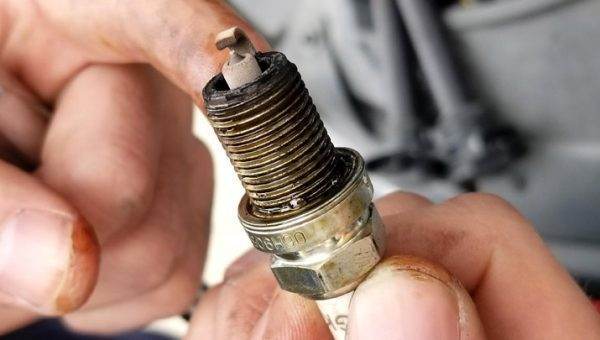
Often confused with spark plugs, a glow plug for each individual cylinder is screwed into the cylinder head. Battery voltage is applied to the glow plug element via a glow plug timer (sometimes called a glow plug controller or glow plug module) and/or the PCM. When voltage is properly applied to the glow plug, it will literally become red-hot and help increase the cylinder temperature. Once the cylinder temperature reaches the desired level, voltage is limited by the control unit and the glow plug returns to its normal state.

If the PCM detects a voltage level for the glow plug control circuit of cylinder #7 that is lower than expected, a P068C code will be stored and a Malfunction Indicator Lamp (MIL) may be illuminated.

Example photo of a glow plug:


How severe is this DTC?


Any code related to the glow plug will likely be accompanied by driving issues. A stored P068C code should be addressed urgently.
What are some of the symptoms of the code?


Symptoms of a P068C trouble code may include:

Excessive black smoke from the exhaust
Engine running issues
Delayed engine starting
Reduced fuel efficiency
Engine misfire codes may be stored

What are some common causes of the code?


Causes

of this code may include:

Faulty glow plug
Open or shorted glow plug control circuit
Loose or defective glow plug connector
Defective glow plug timer

What are the P068C troubleshooting steps?


A diagnostic scanner, a reliable vehicle information source, and a digital volt/ohmmeter (DVOM) will be needed to reach an accurate diagnosis of a P068C code. Use the vehicle information source to research applicable Technical Service Bulletins (TSBs). If you find a TSB that matches the vehicle’s make and model, the symptoms presented, and the stored code, it will help you make a diagnosis.

You may also need to obtain diagnostic flowcharts, wiring diagrams, connector face views, connector pinout diagrams, component locations, and component testing procedures/specifications from the vehicle information source. All of this information will be necessary to properly diagnose the stored P068C code.

After performing a careful visual inspection of all glow plug and glow plug control cables and connectors, connect the diagnostic scanner to the vehicle’s diagnostic port. Now, retrieve all stored codes and freeze frame data and record them for later (in case you need them). Next, I would test drive the vehicle to see if the P068C code resets. Drive until one of two things happens: either the PCM enters readiness mode, or the code resets. If the code resets, proceed with diagnosis. If not, you are dealing with an intermittent condition that may need to worsen before an accurate diagnosis can be made.

Here’s a tip the service manual won’t give you. A sure way to test glow plugs is to remove them and apply battery voltage. If the glow plug becomes bright red, it’s good. If the glow plug doesn’t heat up and you want to take the time to test it with your DVOM, you’ll likely find it doesn’t meet the manufacturer’s resistance specifications. Be careful not to burn yourself or start a fire when performing this test.

If the glow plugs appear to be working properly, use the scanner to activate the glow plug timer and test for battery voltage (and ground) at the glow plug connector (use the DVOM). If no voltage is present, test the power supply to the glow plug timer or glow plug controller. Test all associated fuses and relays according to manufacturer recommendations. Typically, I’ve found it preferable to test system fuses and fuse links with the circuit loaded. A fuse in an unloaded circuit may appear functional (when it’s not) and lead you down the wrong diagnostic path.

If all fuses and relays appear functional, use the DVOM to test the output voltage at the glow plug timer or PCM (whichever is the point of origin). If voltage is detected at the glow plug timer or PCM, suspect you have an open or shorted circuit. You can search for the cause of the discrepancy or simply replace the circuit.

It is sometimes thought that a P068C cannot be caused by a faulty glow plug because it is a control circuit code. Don’t be mistaken; a faulty glow plug can cause a variation in the control circuit that results in such a code
Attempting to diagnose the wrong cylinder is more common than you think. Save yourself a big headache and make sure you’re addressing the correct cylinder before starting your diagnosis