P0100 MAF Circuit Malfunction

What is the P0100 Code?

The P0100 trouble code is a generic OBD-II code related to the Mass Air Flow (MAF) sensor circuit. It indicates that the Powertrain Control Module (PCM) has detected a signal outside the normal operating range of the MAF sensor. This code applies to many brands (Toyota, Nissan, Volkswagen, Ford, Mercedes, etc.), but specific diagnostic procedures may vary.

Role of the MAF Sensor

The Mass Air Flow (MAF) sensor is located in the intake duct, between the air filter and the manifold. It measures the volume and density of air drawn into the engine. The PCM uses this data, along with other parameters, to calculate the amount of fuel needed for optimal combustion, ensuring power, efficiency, and low emissions.

Photo of a mass air flow (MAF) sensor in an intake duct
Example of a MAF sensor location.

Symptoms of the P0100 Code

The appearance of the P0100 code is often accompanied by several symptoms:

  • 📈 Malfunction Indicator Light (MIL) illuminated
  • ⚡ Rough idle or engine shaking
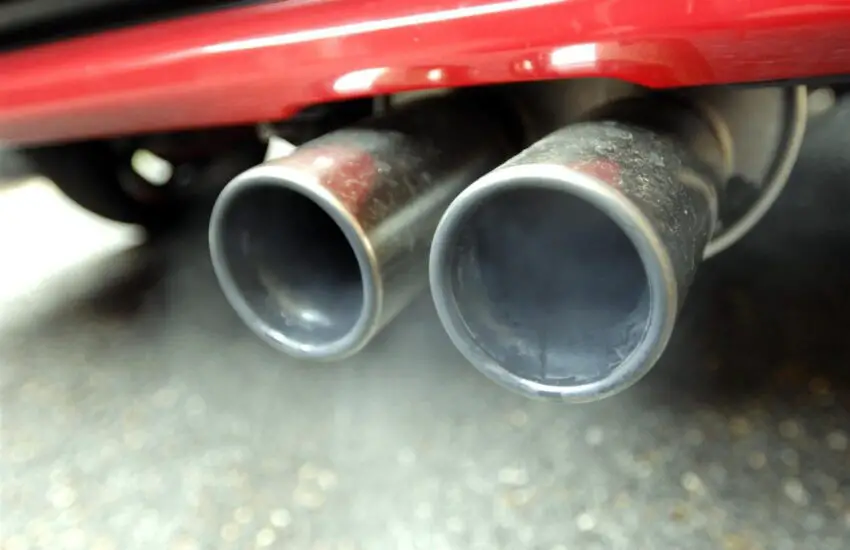
  • 💨 Black smoke from the exhaust (rich mixture)
  • 🔁 Stalling or difficulty starting
  • 📉 Noticeable drop in performance and fuel consumption

Potential Causes of the Malfunction

Several factors can cause a P0100 code:

  • Dirty or contaminated MAF sensor by dust, oil, or dirt.
  • Faulty or inoperative MAF sensor.
  • Electrical issue: damaged wiring, oxidized connector, or poor contact.
  • Air leaks in the intake circuit, downstream of the sensor.
  • A clogged air filter can also disrupt the reading.

How to Diagnose and Repair a P0100 Code?

Here is a step-by-step method to diagnose the fault:

  1. Visual inspection: Check the condition of the connectors, wiring, and look for any air leaks.
  2. Cleaning the MAF sensor: Use a specific MAF sensor electrical cleaner. This is a simple and inexpensive first step.
  3. Checking real-time values: Using an OBD2 diagnostic tool, observe the live data from the MAF sensor at idle and under load to spot any inconsistencies.
  4. Checking the air filter: Replace it if it is dirty.
  5. Consulting TSBs: Look for any technical service bulletins specific to your model for known issues.

Pro tip: If replacing the sensor is necessary, always prefer an original equipment manufacturer (OEM) part over a cheap aftermarket part to ensure accurate measurements and long lifespan.

Related Codes

Other codes related to the MAF circuit may appear: P0101 (Range/Performance), P0102 (Low Signal), P0103 (High Signal), and P0104 (Intermittent Signal).

⚠️ Warning: Automotive diagnostics can be complex. If you are not comfortable with these procedures, it is highly recommended to consult a qualified professional for an accurate diagnosis.

P0101 MAF Circuit Range/Performance

What is the P0101 Code?

The P0101 trouble code is a generic powertrain code applicable to most OBD-II equipped vehicles (Nissan, Chevrolet, Toyota, Ford, VW, Mercedes, BMW, Audi, Honda, etc.). It indicates a problem with the Mass Air Flow (MAF) sensor circuit’s range or performance. Although generic, specific diagnostic procedures may vary by vehicle make and model.

Role of the MAF Sensor

The Mass Air Flow (MAF) sensor is located in the intake duct, downstream of the air filter. Its function is to measure the volume and density of air entering the engine. The Powertrain Control Module (PCM) uses this data, along with other parameters, to calculate the amount of fuel needed for optimal combustion, ensuring power, efficiency, and low emissions.

The P0101 code is triggered when the PCM detects that the electrical signal from the MAF sensor is outside the expected range of values compared to other engine parameters.

Note: Many MAF sensors also incorporate an Intake Air Temperature (IAT) sensor, which is crucial for the PCM’s calculations.

Symptoms of the P0101 Code

  • 📛 Malfunction Indicator Lamp (MIL) illuminated (“Check Engine”)
  • ⚡ Rough idling or stalling engine
  • 🚗 Hesitation and power loss during acceleration
  • ⛽ Poor fuel economy
  • 💨 Black smoke from the exhaust (rich fuel mixture)
  • 🔧 Hard starting

Possible Causes of the Fault

  • 🧹 Dirty or contaminated MAF sensor (dust, oil)
  • 🔌 Faulty or inoperative MAF sensor
  • 🌬️ Air leaks in the intake circuit (downstream of the sensor)
  • 🔋 Wiring or connector issues (short circuit, open circuit, poor connection)
  • 🧲 Clogged or dirty air filter
  • ⚠️ Clogged catalytic converter (especially on some GMC/Chevrolet models)

How to Diagnose and Fix a P0101 Code

  1. Visual Inspection: Check the wiring, connector, and overall condition of the MAF sensor. Look for signs of corrosion, frayed wires, or poor connections.
  2. Check for Air Leaks: Thoroughly inspect the intake circuit for any cracked, hardened, or poorly connected hoses.
  3. Cleaning the MAF Sensor: Use a specific MAF sensor electrical cleaner. Gently spray the wires or hot film and allow it to dry completely before reassembly.
  4. Check the Air Filter: Replace it if it is dirty.
  5. Using a Diagnostic Tool: With a scan tool, monitor the MAF sensor’s real-time values (g/s) and oxygen sensor readings to check for consistency.
  6. Backpressure Test: If suspected, perform an exhaust backpressure test to rule out a clogged catalytic converter.
  7. Consult TSBs: Check your manufacturer’s Technical Service Bulletins (TSBs) for any known issues related to the P0101 code on your model.

💡 Pro Tip: When replacing, prefer an OEM quality MAF sensor. Low-quality aftermarket parts are often the cause of repeat visits to the shop and recurring problems.

Related Codes

  • P0100: MAF Circuit Malfunction
  • P0102: MAF Circuit Low Input
  • P0103: MAF Circuit High Input
  • P0104: MAF Circuit Intermittent

Photo of a Mass Air Flow (MAF) sensor in an intake duct

Need Help?

Diagnosing a P0101 code can be complex. If basic troubleshooting steps haven’t resolved the issue, consult a qualified mechanic for an in-depth diagnosis using professional tools.

P0102 Mass Air Flow MAF Circuit Low

What is the P0102 Code?

The P0102 trouble code is a generic powertrain code indicating a Mass Air Flow (MAF) sensor circuit reporting a value that is too low. It applies to most vehicles equipped with the OBD-II standard (Toyota, Nissan, Ford, Volkswagen, Mercedes, etc.). Although generic, specific diagnostic procedures may vary between manufacturers.

Role of the MAF Sensor (Mass Air Flow Sensor)

The MAF sensor is located in the air intake duct, between the air filter and the intake manifold. Its role is crucial: it measures the volume and density of the air drawn into the engine. The Powertrain Control Module (PCM) uses this data, together with other values (O2 sensor, air temperature), to calculate the amount of fuel needed for optimal combustion, thus ensuring power, reduced consumption, and low emissions.

Note: Many MAF sensors also incorporate an Intake Air Temperature (IAT) sensor.

Symptoms of the P0102 Code

A P0102 code typically illuminates the Malfunction Indicator Lamp (MIL) and may be accompanied by the following symptoms:

  • Malfunction Indicator Lamp (MIL) illuminated
  • Engine idling roughly or stalling
  • Hard starting
  • Hesitation and power loss during acceleration
  • Black smoke from the exhaust (overly rich mixture)
  • Noticeable increase in fuel consumption

Possible Causes of the P0102 Code

Several malfunctions can cause this code:

  • Dirty or contaminated MAF sensor (most common cause)
  • Faulty or inoperative MAF sensor
  • Air leaks downstream of the sensor (intake duct, hoses)
  • Electrical problem (cut wiring, oxidized connector, poor contact, short circuit)
  • Excessively dirty air filter or oiled air filter having contaminated the sensor
  • Problem with the MAP (Manifold Absolute Pressure) sensor circuit

How to Diagnose and Repair a P0102 Code?

Here is a step-by-step diagnostic method to identify and resolve the cause of the P0102 code.

1. Visual Inspection

  • Inspect the MAF sensor’s wiring and connector for any signs of wear, corrosion, or damage.
  • Check the entire air intake system to locate any potential leaks (cracks, loose hoses).

2. Cleaning the MAF Sensor

  • Disconnect the sensor and spray a specialized MAF sensor electrical cleaner onto the wires or hot film. Allow it to dry completely before reassembly.
  • Inspect and replace the air filter if it is dirty. Avoid oiled “washable” type air filters.

3. Advanced Diagnostics

  • Using an OBD2 diagnostic tool, monitor the MAF sensor’s live data (g/s) at idle and at various engine speeds. An abnormally low or static value confirms a problem.
  • Check for the presence of any Technical Service Bulletins (TSB) issued by the manufacturer for your model.

4. Replacement

  • If cleaning and electrical checks have not resolved the problem, the MAF sensor is likely faulty.
  • Tip: Always prefer a quality OEM sensor (original equipment) over a low-end aftermarket model to ensure reliability and longevity.

Conclusion

The P0102 code is often simple to resolve by thoroughly cleaning the MAF sensor. If replacement is necessary, investing in a quality part is essential to restore your engine’s performance and efficiency.

Need help diagnosing your vehicle? Consult a professional mechanic for an accurate diagnosis.

P0103 Mass Air Flow Circuit High Input

What is the P0103 code?

The P0103 trouble code is a generic powertrain code (OBD-II) that indicates a problem with the Mass Air Flow (MAF) sensor circuit. It signals that the Powertrain Control Module (PCM) has detected an abnormally high voltage or frequency signal from the MAF sensor. This code affects many brands (Toyota, Ford, VW, Audi, Mercedes, etc.), but specific diagnostic procedures may vary.

Role of the MAF Sensor

The MAF sensor (Mass Air Flow) is located in the air intake duct, between the air filter and the intake manifold. Its role is to measure the volume and density of the air drawn into the engine. The PCM uses this essential data, together with other values (O2 sensor, air temperature), to calculate the amount of fuel to inject in order to achieve the optimal air-fuel mixture for combustion.

Symptoms of the P0103 Code

  • 📛 Malfunction Indicator Lamp (MIL) illuminated
  • ⚡ Unstable idle or engine shaking
  • ⛽ Excessive fuel consumption
  • 💨 Black smoke from the exhaust (overly rich mixture)
  • 🔁 Stalling or difficulty starting
  • 🚗 Loss of power during acceleration

Possible Causes of the P0103 Code

  • 🧼 Dirty or contaminated MAF sensor (dust, oil)
  • ⚡ Faulty or damaged MAF sensor
  • 🔌 Wiring problem (short circuit, loose connection, corrosion)
  • 🌬️ Air leak in the intake system (downstream of the sensor)
  • 🔧 Severely clogged air filter
  • 📉 Problem related to the MAP sensor or a vacuum leak

How to Diagnose and Repair the P0103 Code?

  1. Visual Inspection: Check the MAF sensor connector and wiring for any signs of damage, corrosion, or poor contact.
  2. Leak Check: Carefully inspect the air intake circuit to identify any possible air leaks.
  3. Sensor Cleaning: Use a specialized MAF sensor electronic cleaner. This is a simple and inexpensive first repair step.
  4. Air Filter Replacement: Install a new, quality OEM air filter if it is dirty.
  5. Using a Diagnostic Tool: With a scan tool, read the MAF sensor’s live data (g/s) to confirm that the values are inconsistent.
  6. Checking TSBs: Verify the existence of Technical Service Bulletins (TSBs) for your specific vehicle model.
  7. Sensor Replacement: If all other causes are ruled out, replace the MAF sensor. We strongly recommend using an Original Equipment Manufacturer (OEM) part to ensure optimal performance and avoid recurring problems.

Photo of a Mass Air Flow (MAF) sensor

Conclusion and Call to Action

A P0103 code should not be ignored, as a malfunctioning MAF sensor can lead to excessive fuel consumption, loss of power, and even damage the catalytic converter. Cleaning is often a good starting point. If the problem persists, seek a professional for an accurate diagnosis.

💡 Tip: Unsure about the diagnosis? Don’t hesitate to contact a partner garage to get a personalized quote for replacing your MAF sensor.

P0104 Intermittent Mass Air Flow Circuit

🔧 Code P0104: Intermittent Mass Air Flow (MAF) Sensor Fault – Complete Guide


⚠️ Severity and Risks

  • Moderate to high level:
    • Can lead to misfires, excessive fuel consumption, or high pollutant emissions.
    • Risk of catalyst damage if the air-fuel mixture remains too rich long-term.

📋 Common Symptoms of Code P0104

  • Check Engine Light (MIL) on or flashing.
  • Unstable idle or engine shaking.
  • Black smoke from exhaust (overly rich mixture).
  • Stalling or hard starting.
  • Loss of power during acceleration.
  • Sometimes no obvious symptoms (intermittent fault).

🔍 Possible Causes of MAF Fault

  1. Dirty or contaminated MAF sensor (oil, dust, deposits).
  2. Air leak in the intake system (cracked hoses, faulty seals).
  3. Electrical issue:
    • Damaged wiring (short circuit, oxidation).
    • Faulty or loose MAF connector.
  4. Faulty MAF sensor (internal component failure).
  5. Clogged air filter or dirty mesh.
  6. MAP sensor failure or engine vacuum problem.

🛠️ Diagnosing Code P0104

1. Basic Inspections

  • Clean the MAF sensor:
    • Use a specific MAF cleaner spray (avoid abrasive products).
    • Let it dry completely before reinstalling.
  • Check for air leaks:
    • Inspect intake hoses, connections, and seals.
    • Use smoke or a leak detection spray.
  • Check and replace the air filter if necessary.

2. Electrical Tests and Diagnostics

  • Inspect wiring and connectors:
    • Look for frayed wires, burns, or oxidation.
    • Check supply voltage (typically 5V or 12V).
  • Use a diagnostic tool:
    • Compare real-time MAF values with manufacturer data.
    • Check for related codes (e.g., P0172 for rich mixture).

3. Advanced Steps

  • Test the MAP sensor and check the vacuum circuit.
  • Check the MAF sensor ground circuit.
  • Consult TSBs (Technical Service Bulletins) for recurring issues on your model.

🔧 Solutions and Repairs

  • Replace the MAF sensor if faulty (prefer OEM parts).
  • Repair all air leaks with new clamps or replaced hoses.
  • Clean or replace the air filter.
  • Update the PCM software if a TSB recommends it.

❌ Mistakes to Avoid

  • Neglecting air leaks: A small leak can trigger the code.
  • Using inappropriate cleaner that damages the MAF’s sensitive film.
  • Replacing the sensor without checking wiring and connectors.

📌 Important Technical Notes

  • Interaction with other sensors: The PCM cross-references data from MAF, MAP, and O2 sensors. A P0104 code may mask other issues.
  • Hybrid sensor: Some MAFs include an air temperature sensor (check related codes like P0113).

💡 Tip: This article is informative. For accurate and personalized diagnosis, consult a professional mechanic, especially with persistent symptoms.


🚗 Affected Brands
Ford, Mercedes, Peugeot, Toyota, Honda, Citroën, Nissan, Volkswagen, Jeep, Chevrolet, Dodge, and many others.

🔎 Got a P0104 code? Share your model and year in the comments for specific advice!

P0105 – MAP Circuit Malfunction

What is the P0105 Code?

The P0105 trouble code is a generic OBD-II code that indicates a malfunction in the Manifold Absolute Pressure (MAP) sensor circuit. This sensor is a crucial component of the fuel management system. It measures pressure variations in the intake manifold and sends a voltage signal to the Powertrain Control Module (PCM). This data allows the PCM to precisely adjust the air-fuel mixture and ignition timing based on engine load.

To verify the consistency of the MAP sensor signal, the PCM continuously compares it with other data, including that from the Throttle Position Sensor (TPS). If the PCM detects an inconsistency (for example, the TPS indicates acceleration but the MAP signal does not change), it logs the P0105 trouble code and illuminates the Malfunction Indicator Lamp (MIL).

Symptoms of the P0105 Fault

The appearance of the P0105 code is often accompanied by noticeable symptoms:

  • Poor engine performance and unstable idle
  • Overly rich air-fuel mixture (increased fuel consumption, black smoke)
  • Hesitation and misfires, especially under load
  • Backfiring in the exhaust
  • Illumination of the check engine light (MIL)
  • In some cases, no symptoms other than the illuminated check engine light
Typical location of a MAP sensor on an intake manifold

Possible Causes of the P0105 Code

Several components can be the source of this fault:

  • Faulty MAP sensor
  • MAP sensor vacuum hose disconnected, punctured, or clogged
  • Wiring problem (short circuit, open circuit, poor connections)
  • Corroded or damaged MAP sensor or TPS connector
  • Problem with the Throttle Position Sensor (TPS)
  • Loss of ground or 5V reference voltage
  • Powertrain Control Module (PCM) failure – rare

Diagnosis and Solutions to Fix the P0105 Code

1. Visual Inspection

Start with a thorough inspection: check the condition of the MAP sensor vacuum hose (disconnected, cracked, blocked). Examine the MAP sensor connector and wiring for signs of corrosion, damage, or loose wires.

2. Reading Live Data with an OBD2 Scanner

Connect an OBD2 scanner to observe the MAP sensor’s live data:

  • Ignition on, engine off: The voltage should be approximately 4 V to 4.6 V (atmospheric pressure).
  • Engine at idle: The voltage should drop to around 0.8 V – 1.5 V (high vacuum).
  • Acceleration: The voltage should gradually increase to reach 4.5 V to 5 V at wide-open throttle (WOT).

Compare these values with the manufacturer’s specifications. Use the freeze frame data recorded by the PCM to analyze the exact conditions when the fault occurred.

3. Testing the MAP Sensor

Disconnect the MAP sensor hose and manually apply a vacuum (using a vacuum bulb or pump) to its port. Using a multimeter, measure the signal voltage. It should increase linearly and steadily with the application of vacuum. A lack of change indicates a faulty sensor.

4. Checking the Electrical Wiring

Using a multimeter, check the integrity of the circuits between the MAP sensor and the PCM:

  • 5V Power Supply (Ref Volt): Must be present on the dedicated terminal.
  • Ground: Verify continuity with a good ground.
  • Signal Circuit: Check for the absence of a short circuit to +5V or ground, and the absence of a break (open circuit).

5. Replacement and Conclusion

If the wiring and power supply are correct but the signal is faulty, replace the MAP sensor. After any repair, clear the trouble codes with your scanner and perform a road test to ensure the fault does not reappear.

Need help diagnosing your vehicle? Check out our guide for or find all our to become an expert in repairs!

P0106 – MAP / Barometric Pressure Circuit Range / Performance Problem

What is the P0106 trouble code?

The P0106 trouble code is a generic OBD-II code related to the powertrain. It indicates a performance or circuit range problem with the Manifold Absolute Pressure (MAP) sensor or the Barometric Pressure (BARO) sensor. Although generic, specific diagnostic procedures may vary depending on the vehicle’s make and model.

Function of the MAP/BARO Sensor

The Powertrain Control Module (PCM) uses the MAP sensor to monitor engine load by measuring the air pressure in the intake manifold. The PCM sends a 5-volt reference voltage to the sensor. The return voltage varies depending on the pressure: it is typically low (1-1.5 V) at idle and high (around 4.5 V) at wide-open throttle (WOT).

Note: Some vehicles use a BARO sensor integrated into the Mass Air Flow (MAF) sensor and do not have a separate MAP sensor. Others have both, with the MAP sensor serving as a redundancy in case of MAF failure.

The PCM expects a change in manifold pressure to be preceded by a change in engine load (throttle angle, RPM, EGR valve). If the PCM detects an abnormal and rapid change in the MAP value without a change in engine load, it logs the P0106 code.

MAP Sensor - Location and Connector

Symptoms of the P0106 Code

A vehicle displaying the P0106 code may exhibit one or more of the following symptoms:

  • Poor idle quality or engine stalling
  • Black smoke from the exhaust (overly rich mixture)
  • Hesitation and power loss during acceleration
  • Poor fuel economy
  • The Malfunction Indicator Lamp (MIL) is illuminated

Possible Causes of the P0106 Fault

Several factors can cause this trouble code:

  • Faulty MAP Sensor: The sensor itself is malfunctioning.
  • Wiring Issues: Short circuit or open circuit in the power (5V), ground, or signal wires.
  • Damaged Connector: Water intrusion, dirt, or corrosion on the electrical connector.
  • Air Intake Problem: A leak or cracked air duct between the Mass Air Flow (MAF) sensor and the manifold.
  • Poor Ground: Corrosion causing an intermittent ground.
  • Faulty PCM (rare): The Powertrain Control Module itself is the cause (diagnose as a last resort).

How to Diagnose and Fix a P0106?

Here is a step-by-step diagnostic procedure to identify and correct the cause of the P0106 code.

1. Visual Inspection

Start with a thorough visual inspection. Check the condition of the MAP sensor, its electrical connector, and the vacuum hoses. Look for obvious signs of damage, corrosion, debris, or air leaks.

2. Testing with a Diagnostic Tool

Connect a diagnostic tool (OBD-II scanner) and observe the live data from the MAP sensor.

  • Engine off, ignition on: The MAP reading should be equal to or very close to the barometric pressure (BARO). The voltage should be around 4.5 V.
  • Engine at idle: The MAP value should drop significantly (voltage around 1-1.5 V), indicating the sensor is responding to the manifold vacuum.

3. Vacuum Test

If the value does not change at idle:

  1. Engine off, ignition on.
  2. Disconnect the vacuum hose from the MAP sensor.
  3. Using a manual vacuum pump, apply about 20 inches of Hg (inches of mercury) of vacuum to the sensor port.
  4. On the diagnostic tool, the MAP value (or voltage) should drop. If it does not, inspect the sensor orifice or hose for a possible obstruction. If everything is clear, the sensor is likely faulty.

4. Electrical Test

If the sensor does not respond to vacuum, perform electrical tests:

  1. Engine off, ignition on, MAP sensor disconnected.
  2. Using a digital multimeter, check for the presence of the 5-volt reference voltage on the correct pin of the sensor connector.
  3. Check the ground continuity on its pin.
  4. If the 5V or ground is missing at the connector, check the wire continuity back to the PCM to identify an open circuit or short circuit.
  5. If the power and ground are correct, replace the MAP sensor.

Related Codes

Other trouble codes related to the MAP sensor circuit may appear, including: P0105, P0107, P0108, and P0109.

Conclusion and Call to Action

The P0106 code is often resolved by replacing a faulty MAP sensor or repairing a simple wiring issue. However, a methodical diagnosis is essential to avoid replacing parts unnecessarily.

Not comfortable with these procedures? Electrical diagnosis can be complex. Entrust your vehicle to a professional mechanic equipped with the proper tools for an accurate diagnosis and reliable repair.

P0107 – Low Input from Manifold Absolute Pressure / Barometric Pressure Circuit

Code P0107: Explanation, Symptoms, and Solutions

The trouble code P0107 is a generic OBD-II code that indicates a circuit problem with a too low input signal from the MAP sensor (Manifold Absolute Pressure). This sensor plays a crucial role in measuring the air pressure in the intake manifold. The Powertrain Control Module (PCM) uses this data to accurately calculate the air-fuel mixture ratio and regulate ignition. An abnormally low signal triggers the check engine light and stores the P0107 code.


MAP Sensor Operation and Causes of Code P0107

To understand the origin of the fault, it is essential to know the operating principle of the sensor:

  • The PCM sends a 5-volt reference voltage to the MAP sensor.
  • A variable resistor inside the sensor changes this voltage based on the pressure (vacuum) present in the intake manifold.
  • The signal voltage returned to the PCM thus typically varies between 1 volt (low pressure, high vacuum) and 4.5 volts (atmospheric pressure).
  • The P0107 code specifically triggers when the PCM detects a signal voltage constantly below 0.25 volts, indicating a circuit problem or a faulty sensor.

Symptoms of Code P0107

A failing MAP sensor or a defective circuit manifests through several symptoms that can affect driving:

  • Hard starting or unusually long cranking time.
  • Unstable idle, irregular, or intermittent stalling, especially at idle.
  • Hesitation, power loss, and cut-outs during acceleration.
  • Emission of black smoke from the exhaust (overly rich mixture).
  • Noticeable increased fuel consumption.
  • Illumination of the check engine light (MIL) on the dashboard.

Possible Causes of P0107 Fault

The origins of this code are mainly electrical or mechanical:

  • Faulty MAP sensor (most common cause).
  • Electrical circuit problems:
    • Short to ground in the MAP signal wire.
    • Open circuit or poor connection in the signal wire, the 5V reference, or the ground.
    • Oxidized, loose, or damaged MAP sensor connector.
  • Short circuit on the 5-volt reference circuit caused by another sensor (on some Chrysler models, for example).
  • Significant vacuum leaks at the intake manifold or the sensor connection.
  • Failing PCM (extremely rare, always check as a last resort).

Diagnosis and Solutions: How to Fix Code P0107

Follow this logical diagnostic procedure to identify and correct the fault.

Step 1: Visual Inspection and Data Reading

  1. Visually inspect the MAP sensor connector and wiring for obvious signs of damage, corrosion, or disconnection.
  2. Using an OBD2 diagnostic tool, observe the live data MAP signal voltage value (engine running at idle). A value stuck below 0.5V confirms the problem.

Step 2: Checking Power Supplies and Grounds

  1. Engine off, unplug the MAP sensor connector.
  2. Using a multimeter, measure the voltage between the 5V reference pin and the ground pin at the harness. You should measure 5 volts.
    • If absent: check the circuit back to the PCM. A short circuit on the 5V line (caused by another sensor) is possible.
    • If present: proceed to the next step.
  3. Check the continuity of the sensor ground.

Step 3: Testing the Sensor and Signal Circuit

  1. Plug the connector back in and turn the ignition on (without starting). Measure the voltage on the signal wire.
    • If the voltage is still very low (<0.5V), unplug the sensor again. If the voltage rises to ~5V, the MAP sensor is faulty and must be replaced.
    • If the voltage remains low even with the sensor unplugged, there is a short to ground in the signal wire that needs repair.
  2. Vacuum Test (optional but conclusive): Using a vacuum pump, apply vacuum to the MAP sensor. The signal voltage should decrease progressively. If it does not vary, the sensor is defective.

Step 4: Final Checks

  • Thoroughly inspect the intake manifold and hoses for possible vacuum leaks that could skew the measurements.
  • Gently shake the sensor harness and connector while the engine is idling to detect an intermittent problem.

Pro Tip: After any repair, clear the trouble codes with your diagnostic scanner and perform a road test to ensure the P0107 code does not return.


Codes Related to P0107

  • P0105: MAP Sensor Circuit Problem.
  • P0106: MAP Circuit Range/Performance.
  • P0108: MAP Signal Too High.

FAQ: Frequently Asked Questions about Code P0107

Can I drive with a P0107 code?
It is strongly discouraged to drive for a long time. Engine performance is degraded, and increased fuel consumption can damage the catalytic converter.

Can a MAP sensor be cleaned?
No, it is a sealed electronic and pneumatic component. Cleaning is generally not effective, and replacement is the recommended solution.

Don’t feel comfortable performing this diagnosis yourself? This code often requires the use of a multimeter. If you are not equipped or familiar with auto diagnostics, consult a professional mechanic for an accurate diagnosis and guaranteed repair.

P0108 – High Input of MAP Pressure Circuit

What is the P0108 Code?

The P0108 trouble code is a generic powertrain code (OBD-II) that indicates a high input in the Manifold Absolute Pressure (MAP) sensor circuit. Although generic, specific diagnostic procedures may vary by vehicle make and model.

Role of the MAP Sensor

The MAP sensor measures the air pressure (vacuum) in the intake manifold. It sends an electrical signal to the Powertrain Control Module (PCM), which uses it, along with other data, to regulate the air-fuel mixture and ignition timing.

It is typically a three-wire sensor:

  • A ground.
  • A 5-volt reference supply from the PCM.
  • A signal wire that returns a variable voltage to the PCM.

The higher the vacuum in the manifold (at idle), the lower the signal voltage (approximately 1 to 1.5 V). At wide-open throttle (WOT), the pressure approaches atmospheric pressure, and the voltage rises to about 4.5 to 5 V.

The P0108 code is triggered when the PCM detects an abnormally high MAP sensor signal voltage, above the expected range.

Typical location of a MAP sensor on an intake manifold
Typical location of a MAP sensor

Symptoms of the P0108 Code

  • Check Engine Light (MIL) illuminated.
  • Engine malfunction: stalling, rough idle.
  • Loss of power and difficulty accelerating.
  • Increased fuel consumption.
  • Black smoke from the exhaust (overly rich mixture).
  • In severe cases, the engine may not start.

Possible Causes of the P0108 Code

  • Faulty MAP sensor (most common cause).
  • Electrical circuit issue: short circuit in the signal wire or 5V supply, open ground circuit.
  • Vacuum leaks: in the engine or the intake hose connecting the manifold to the MAP sensor.
  • Faulty PCM (less common).
  • Worn engine generating low vacuum.

How to Diagnose and Fix a P0108?

⚠️ Warning: This guide is for informational purposes. For accurate diagnosis, use a scan tool and a multimeter. Consult your vehicle’s technical data.

  1. Basic Check (KOEO – Key On, Engine Off): Compare the MAP sensor reading on the scan tool with the barometric pressure (BARO). They should be the same (atmospheric pressure). A difference greater than 0.5 V may indicate a faulty MAP sensor.
  2. Idle Test: Start the engine and observe the MAP reading. It should be around 1 to 1.5 V (varies with altitude).
    • If the reading is normal: The problem is intermittent. Check the condition of hoses and connectors for leaks or poor connections.
    • If the reading is abnormally high (> 4.5 V): Check the actual engine vacuum with a vacuum gauge.
      • If the vacuum is low (< 16 inches Hg): Look for a vacuum leak or an engine issue (cylinder head, timing).
      • If the vacuum is normal (>= 16 inches Hg): The problem is likely with the sensor or its circuit.
  3. Sensor and Circuit Test:
    • With the key on (KOEO), disconnect the MAP sensor connector. The reading on the scan tool should drop to 0 V.
    • If the voltage remains present, there is likely a short circuit in the wiring harness or a faulty PCM. To isolate the fault, disconnect the PCM connector and check for continuity and absence of voltage on the signal wire.
    • If the voltage disappears when the sensor is disconnected, replace the MAP sensor.

Tip: Always visually inspect the MAP sensor connector and wiring for signs of corrosion, damage, or loose wires before replacing any parts.

Related Codes

Other codes related to the MAP sensor circuit may appear: P0105 (MAP circuit), P0106 (range/performance), P0107 (low input), P0109 (intermittent circuit).

Need Help?

Electrical diagnosis can be complex. If you are not comfortable with these procedures, consult a professional mechanic for accurate diagnosis and reliable repair.

P0109 MAP / Intermittent Pressure Circuit

What is the P0109 Code?

The P0109 trouble code is a generic powertrain (OBD-II) code that indicates an intermittent problem in the Manifold Absolute Pressure (MAP) sensor circuit or the Barometric Pressure Sensor (BPS) circuit. The Powertrain Control Module (PCM) has detected an abnormal or irregular reading from one of these sensors.

Role of the MAP Sensor and Symptoms

The MAP sensor measures the pressure inside the intake manifold. This data, combined with other inputs (such as air temperature), allows the PCM to calculate the amount of fuel to inject and the ignition timing for optimal combustion. An intermittent fault disrupts these calculations.

Symptoms of the P0109 Code

  • Engine hesitation or stumbling during acceleration
  • Noticeable decrease in engine performance and power
  • Increased fuel consumption
  • Black smoke from the exhaust (overly rich mixture)
  • Unstable idle or engine stalling

This code should be addressed urgently to avoid damaging the catalytic converter and to restore performance.

Possible Causes of the Fault

  • Faulty MAP or BPS sensor
  • Defective wiring (short circuit, open circuit, chafed wires)
  • Corroded, oxidized, or improperly connected electrical connector
  • Engine vacuum problem (leak, engine misfire)
  • PCM failure or programming error (less common)

Diagnosis and Repair Procedures

Preliminary Tip: Consult your manufacturer’s Technical Service Bulletins (TSBs). It might be a known issue with a documented solution.

Required Tools

  • OBD2 scanner
  • Digital Multimeter (DVOM)
  • Vacuum gauge
  • Technical documentation (repair manual or online subscription like AllData)

Diagnostic Steps

  1. Visual Inspection: Carefully inspect the MAP/BPS sensor wiring and connectors. Look for signs of corrosion, damage, or looseness.
  2. Reading Codes: Using the scanner, read all trouble codes and freeze frame data. Record them before clearing.
  3. Engine Vacuum Test: Verify that the engine produces sufficient and stable vacuum. A weak or irregular vacuum (due to a misfire, leak, etc.) will skew the MAP sensor readings.
  4. Electrical Test: Follow the manual’s procedures to test the MAP sensor (5V reference voltage, ground, signal) and its wiring with a multimeter.
  5. Replacement: If the sensor or its wiring is outside the manufacturer’s specifications, proceed with replacement.

Remember: An intermittent code like P0109 can be difficult to reproduce. An extended road test may be necessary to confirm the repair.

Conclusion and Call to Action

The P0109 code indicates a critical intermittent failure in the pressure measurement system. Accurate diagnosis is essential to avoid unnecessary repairs.

Don’t feel comfortable doing it yourself? Entrust the diagnosis and repair of your vehicle to a certified professional. Their expertise and equipment will ensure a lasting solution to the problem.

Other codes related to the MAP sensor: P0105, P0106, P0107, P0108.