Malfunction of Mass Air Flow B Circuit P010A

What is the P010A Code?

The P010A error code is a generic powertrain (OBD-II) code that indicates a malfunction in the Mass Air Flow (MAF) sensor circuit B. It applies to many vehicle brands (Toyota, Nissan, Ford, Audi, Mercedes, etc.), but diagnostic procedures may vary from model to model.

Role of the MAF Sensor

The Mass Air Flow (MAF) sensor is located in the air intake duct, downstream of the air filter. It measures the volume and density of air entering the engine. The Powertrain Control Module (PCM) uses this data, along with other parameters, to adjust the air-fuel mixture and ensure optimal performance.

The P010A code means that the PCM has detected an inconsistency between the signal from the MAF sensor’s circuit B and the expected value range. Refer to your vehicle’s repair manual to precisely identify the circuit B in question.

Photo of a MAF sensor:

Mass Air Flow (MAF) Sensor

Symptoms of the P010A Code

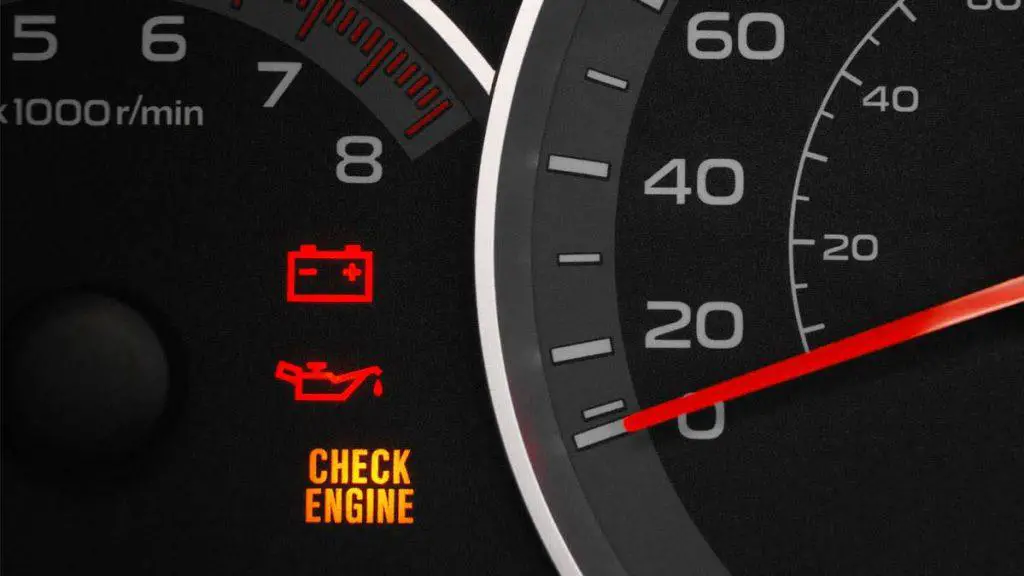
  • Malfunction Indicator Lamp (MIL) illuminated (check engine light)
  • Engine running rough or stalling
  • Hard starting
  • Black smoke from the exhaust
  • Hesitation or power loss
  • Excessive fuel consumption

Possible Causes of the Fault

  • Dirty or contaminated MAF sensor (dust, oil)
  • Faulty or damaged MAF sensor
  • Air leak in the intake system
  • Wiring problem (short circuit, broken wire, corroded connector)
  • Clogged air filter
  • MAP sensor fault or loss of vacuum

Note: Other fault codes (P010B, P010C, etc.) or codes related to oxygen sensors may be present along with P010A.

Diagnosis and Repair of the P010A Code

Here are the recommended steps to diagnose and resolve a P010A code:

  1. Visual Inspection: Check the MAF sensor wiring and connectors. Look for frayed wires, loose connectors, or signs of corrosion.
  2. Air Leak Check: Inspect the air intake circuit for possible leaks downstream of the MAF sensor.
  3. MAF Sensor Cleaning: Use a specific MAF sensor cleaner. Avoid direct contact with the sensitive elements.
  4. Air Filter Replacement: Install a new air filter if necessary.
  5. Using a Diagnostic Tool: With a diagnostic scanner, monitor the MAF sensor data in real-time and compare it to the expected values.
  6. Checking Technical Service Bulletins: Consult the TSBs (Technical Service Bulletins) for your vehicle to identify any known issues.
  7. MAF Sensor Replacement: If the sensor is faulty, prefer an OEM (Original Equipment Manufacturer) sensor to ensure optimal compatibility and longevity.

💡 Tip: A P010A code can sometimes be triggered by excessively high resistance in the MAP sensor’s ground circuit. Consider checking this lead during diagnosis.

Conclusion

The P010A code indicates a problem with the MAF sensor’s circuit B. Although often resolved by simple cleaning, it sometimes requires sensor replacement or wiring repair. If you are not comfortable with these operations, do not hesitate to consult a professional mechanic.

🔧 Need help? Consult our complete guide on air intake system maintenance or contact our community of mechanical experts for personalized advice.

P010B Mass or Volume Air Flow “B” Circuit Range/Performance

What is the P010B Code?

The P010B trouble code is a generic powertrain code indicating a problem with the range or performance of the Mass Air Flow (MAF) sensor “B” circuit. It applies to OBD-II equipped vehicles (Nissan, Chevrolet, GMC, VW, Toyota, Mazda, Ford, Audi, Honda, etc.). Although generic, specific repair steps may vary by make and model.

Role of the MAF Sensor

The Mass Air Flow (MAF) sensor is located in the intake duct, downstream of the air filter. Its role is to measure the volume and density of air drawn into the engine. The Powertrain Control Module (PCM) uses this data, along with other parameters, to calculate the amount of fuel needed for optimal combustion, thus ensuring power and efficiency.

The P010B code is triggered when the PCM detects that the frequency signal from the MAF sensor’s “B” circuit is outside the predetermined value range. Consult a vehicle-specific repair manual to identify the relevant “B” circuit.

Note: Some MAF sensors also incorporate an Intake Air Temperature (IAT) sensor, a crucial data point for the PCM’s calculations.

Related MAF Circuit Codes

  • P010A: MAF “A” Circuit Malfunction
  • P010C: MAF “A” Circuit Low Signal
  • P010D: MAF “A” Circuit High Signal
  • P010E: MAF “A” Circuit Intermittent

Symptoms of the P010B Code

  • Malfunction Indicator Lamp (MIL) illuminated
  • Engine running rough or stalling
  • Hard starting
  • Black smoke from the exhaust
  • Hesitation and power loss
  • Increased fuel consumption

Possible Causes of the P010B Code

  • Dirty, contaminated, or faulty MAF sensor
  • Air leak in the intake system
  • Wiring problem (short circuit, open circuit, corroded connector)
  • Clogged air filter
  • Clogged catalytic converter (especially on GMC/Chevrolet)
  • Problem with the Manifold Absolute Pressure (MAP) sensor
  • High resistance in the ground circuit

Diagnosis and Solutions for the P010B Code

  1. Visual Inspection: Check the MAF sensor connector and wiring for any signs of damage, corrosion, or improper routing near noise sources.
  2. Leak Check: Thoroughly inspect the air intake system for any leaks downstream of the MAF sensor.
  3. Air Filter Check: Replace the air filter if it is dirty.
  4. MAF Sensor Cleaning: Use a specific MAF sensor electronic cleaner. This is a simple and inexpensive step that often resolves the issue.
  5. Using a Diagnostic Tool: Using an OBD2 scanner, monitor the MAF sensor and O₂ sensor live data to spot inconsistent values.
  6. Checking Technical Service Bulletins (TSB): Consult your manufacturer’s technical bulletins for any known issues regarding the P010B code on your vehicle model.
  7. Backpressure Test: Perform an exhaust backpressure test to rule out the possibility of a clogged catalytic converter.
  8. Sensor Replacement: If all other causes are ruled out, replace the MAF sensor. We highly recommend using an Original Equipment Manufacturer (OEM) part to ensure optimal and lasting performance.

Conclusion and Call to Action

The P010B code is often related to a simple problem like a dirty sensor or an air leak. By following the diagnostic steps above, you can effectively identify and fix the fault.

Need help diagnosing or replacing your MAF sensor? Consult our detailed technical guides or contact one of our mechanical experts for personalized assistance.

P010C Mass Air Flow MAF B Circuit Low

What is the P010C Trouble Code?

The P010C trouble code is a generic powertrain code (OBD-II) that indicates a low circuit (weak signal) problem in the Mass Air Flow (MAF) sensor B. It means that the Powertrain Control Module (PCM) has detected that the electrical signal from the MAF sensor is abnormally low compared to the expected values.

Role of the MAF Sensor

The Mass Air Flow (MAF) sensor is an essential component of the engine management system. Located in the intake duct, right after the air filter, it measures the volume and density of the air drawn into the engine. The PCM uses this data, together with other sensors, to calculate the amount of fuel needed for optimal combustion, thus ensuring power, efficiency, and low emissions.

Photo of a Mass Air Flow (MAF) sensor located in an intake duct
Mass Air Flow (MAF) Sensor

Symptoms of the P010C Code

When this fault appears, you may observe one or more of the following symptoms:

  • 📋 Malfunction Indicator Lamp (MIL) / Check Engine Light illuminated
  • ⚡ Engine running rough or stalling
  • 💨 Black smoke from the exhaust (overly rich mixture)
  • 🔁 Stalling or difficulty starting
  • 📉 Noticeable decrease in performance and fuel consumption
  • 🚗 Sometimes, no obvious symptoms are noticeable

Possible Causes of the P010C Fault

Several issues can cause this code:

  • 🧹 Dirty or contaminated MAF sensor (dust, oil)
  • ⚡ Faulty or damaged MAF sensor B
  • 🔌 Wiring problem (short circuit, open circuit, bad connector, corrosion)
  • 🌬️ Air leak in the intake system (downstream of the sensor)
  • 🔧 Problem with the MAP sensor ground circuit (high resistance)
  • 🛠️ PCM module fault (less common)

Note: Additional codes (P010A, P010B, P010D, P010E, misfire codes, O2 sensor codes) are often present. A complete analysis is necessary.

Diagnosis and Repair of the P010C Code

To diagnose and resolve a P010C code, follow this step-by-step procedure:

  1. Visual Inspection: Carefully inspect the MAF sensor wiring and connectors for damage, corrosion, or poor connections.
  2. Search for Air Leaks: Inspect the intake system to identify any unmetered air leaks after the MAF sensor.
  3. Cleaning the MAF Sensor: Use a specialized MAF sensor electronic cleaner to gently remove any dirt or oil deposits from the filament or film.
  4. Replacing the Air Filter: Install a new, quality OEM air filter to prevent rapid contamination.
  5. Diagnosis with a Scan Tool: Using a diagnostic tool, monitor the MAF sensor’s live data (g/s) and compare it to the manufacturer’s specified values at idle and under load.
  6. Checking Technical Service Bulletins (TSB): Consult your manufacturer’s technical service bulletins for any known issues regarding the MAF sensor on your vehicle model.
  7. Electrical Test: Using a multimeter, check the sensor circuit’s supply voltage, ground, and signal integrity.
  8. Replacement: If the sensor is faulty, always prefer an OEM replacement sensor to ensure accurate measurements and long service life.

Conclusion

The P010C code is often resolved by carefully cleaning the MAF sensor or fixing a simple air leak. However, a methodical diagnosis is crucial to avoid unnecessary part replacement. If you are not comfortable with these procedures, consult a professional mechanic for an accurate diagnosis.

💡 Need help diagnosing your vehicle? Share your trouble codes and live data from your scan tool in the comments below!

Mass Air Flow (MAF) B Circuit High

What is the P010D fault code?

The P010D fault code is a generic powertrain code (OBD-II) that indicates a problem with the Mass Air Flow (MAF) sensor “B” circuit. It means that the engine control module (PCM) has detected an abnormally high electrical signal from this sensor. This code affects many brands (Toyota, Ford, Audi, Mercedes, etc.), but the specific diagnostic procedures may vary from model to model.

Role of the MAF Sensor

The MAF sensor (Mass Air Flow) is located in the intake duct, between the air filter and the manifold. It measures the volume and density of the air drawn into the engine. The PCM uses this essential data, along with other parameters, to calculate the amount of fuel to inject, thus ensuring an optimal air-fuel mixture for performance, fuel consumption, and emissions.

Symptoms of the P010D Code

  • Malfunction Indicator Lamp (MIL) illuminated (“Check Engine”)
  • Engine running rough or stalling
  • Hard starting
  • Hesitation during acceleration
  • Black smoke from the exhaust (overly rich mixture)
  • Sometimes, no noticeable symptoms are present

Potential Causes of the Fault

  • Dirty or contaminated MAF sensor (oil, dust)
  • Faulty or inoperative MAF sensor
  • Wiring problem: open circuit, short circuit, corroded or loose connector
  • Air leaks in the intake system (downstream of the sensor)
  • Excessively dirty air filter
  • Problem related to the MAP sensor (Manifold Absolute Pressure)

How to Diagnose and Repair a P010D Code?

Here is a step-by-step diagnostic procedure to identify and resolve the cause of the P010D code.

1. Visual Inspection

  • Inspect the MAF sensor’s wiring and connector for any signs of damage, corrosion, or poor contact.
  • Check the entire intake system to locate any potential air leaks (cracked hoses, faulty seals).

2. Cleaning the MAF Sensor

  • If the sensor is dirty, use a specific MAF sensor electrical cleaner. Gently spray it onto the filament or film without touching it. Let it dry completely before reinstalling it.
  • Take the opportunity to inspect and, if necessary, replace the air filter with an original part.

3. Advanced Diagnostics

  • Using an OBD2 diagnostic tool, monitor the MAF sensor’s live data at idle and during light acceleration. Compare the values with those specified by the manufacturer.
  • Check for other associated fault codes (P010A, P010B, P010C, P010E, oxygen sensor codes, etc.).
  • Consult your manufacturer’s Technical Service Bulletins (TSBs) for any known issues related to your vehicle model.

4. Replacement

  • If the fault persists after cleaning and checking the wiring, the MAF sensor is likely faulty.
  • Recommendation: For optimal reliability, prefer purchasing an OEM quality sensor (original equipment) rather than a cheap aftermarket part.

Need help? Accurate electrical diagnosis may require the expertise of a professional. If you are unsure of your diagnosis, consult a qualified mechanic to avoid unnecessary repairs.

P010E Mass Air Flow MAF B Circuit Intermittent

What is the P010E code?

The P010E trouble code is a generic powertrain code related to the Mass Air Flow (MAF) sensor’s Circuit B. It indicates that the Powertrain Control Module (PCM) has detected an intermittent or erratic signal from this sensor. This code affects many brands (Toyota, Ford, Audi, Mercedes, etc.), but diagnostic procedures can vary from model to model.

Role of the MAF Sensor

The Mass Air Flow (MAF) sensor is located in the intake duct, downstream of the air filter. It measures the volume and density of the air drawn into the engine. The PCM uses this data, along with other parameters, to calculate the amount of fuel needed for optimal combustion, thus ensuring power, efficiency, and low emissions.

Symptoms of the P010E Code

Common symptoms associated with this code include:

  • Illumination of the Malfunction Indicator Lamp (MIL)
  • Rough idling or stalling
  • Hard starting
  • Black smoke from the exhaust
  • Reduced performance and fuel economy
  • No visible symptoms (in some intermittent cases)

Potential Causes of the Fault

Several factors can cause the P010E code:

  • A dirty or contaminated MAF sensor from dust or oil
  • A faulty MAF sensor
  • Air leaks in the intake system
  • A wiring problem (frayed wires, corroded connector, short circuit)
  • A clogged air filter

How to Diagnose and Repair the P010E Code?

Follow these steps to diagnose the fault:

  1. Visual Inspection: Check the MAF sensor connector and wiring for any signs of wear, corrosion, or poor contact.
  2. Air Leak Check: Carefully inspect the intake duct and hoses to identify any leaks downstream of the sensor.
  3. Cleaning the MAF Sensor: Use a specific MAF sensor cleaner. This is a simple and inexpensive first repair step.
  4. Replacing the Air Filter: A new, clean air filter (preferably OEM) is essential for accurate measurements.
  5. Using a Diagnostic Tool: With a scan tool, observe the live data from the MAF sensor and the air temperature sensor to spot inconsistencies.
  6. Checking TSBs: Verify the existence of Technical Service Bulletins (TSBs) for your model, which may document known issues.

Repair Tip: If sensor replacement is necessary, always prefer an Original Equipment Manufacturer (OEM) part to ensure optimal compatibility and longevity.

Related Codes

Other codes related to the MAF sensor circuit may appear, such as P010A, P010B, P010C, and P010D.

⚠️ Need help diagnosing your vehicle? Consult a professional mechanic for an accurate diagnosis and reliable repair.

P010F MAF Sensor A / B Correlation

What is the P010F Code?

The P010F trouble code is a generic powertrain code indicating a correlation problem between the signals from the mass air flow (MAF) or volume air flow (VAF) sensors. This code specifically applies to vehicles equipped with multiple MAF/VAF sensors, often found on engines with multiple throttle bodies or air intakes. Affected brands include, among others, Audi, Chevrolet, Citroën, Dodge, GMC, Lexus, Mercedes-Benz, Peugeot, Ram, Toyota, and Volkswagen.

Operation and Symptoms of the P010F Code

The Powertrain Control Module (PCM) continuously compares data from the various sensors. If their values diverge beyond a predefined threshold, the P010F code is stored, and a malfunction indicator lamp (check engine) may illuminate.

Common Symptoms

  • Decreased engine performance and power
  • Noticeable reduction in fuel consumption (over-boosting)
  • Jerking, stalling, or hesitation during acceleration
  • Appearance of trouble codes related to lean (too much air) or rich (too much fuel) mixture
  • In severe cases, the vehicle may not start

Main Causes of the P010F Code

  • Faulty MAF or VAF Sensor: A sensor providing an incorrect reading.
  • Electrical Circuit Problems: Cut wires, corroded connectors, short circuits, or poor grounds.
  • Unmetered Air Leaks: A leak in the intake system draws in air that is not accounted for by the sensor.
  • Damaged Air Ducts: A cracked, detached, or punctured intake hose.
  • Dirty Sensor: A heating element (hot wire) fouled by dirt or debris.

Diagnosis and Repair Procedures

Diagnosis requires an OBD2 scanner, a digital multimeter (DVOM), and the vehicle’s technical data.

Steps to Follow

  1. Visual Inspection: Carefully inspect the wiring, connectors, and air ducts for damage, corrosion, or leaks. Clean any corroded connectors.
  2. Code Reading: Using the scanner, retrieve all fault codes and freeze frame data. Note them down before clearing them.
  3. Road Test: Perform a road test to see if the P010F code reappears.
  4. MAF Sensor Cleaning: If applicable, gently clean the MAF sensor filament with a specific cleaner. This step does not apply to VAF sensors.
  5. Electrical Tests: With a multimeter and a wiring diagram, test the power supply, ground, and signal of each sensor. Compare the values to the manufacturer’s specifications.
  6. Leak Check: Inspect the entire intake system to find and repair any unmetered air leaks.

Important Notes

  • Check and replace the air filter if necessary.
  • Consult your vehicle’s Technical Service Bulletins (TSB) for known issues.
  • Repairing any air leak is a crucial step before condemning a sensor.

Conclusion

The P010F code indicates a discrepancy between the sensors measuring the intake air flow. Its severity is medium to high, potentially affecting drivability and fuel consumption. A methodical diagnosis, starting with a visual inspection and cleaning of connectors, often resolves the issue without replacing expensive parts.

Need help diagnosing this code on your vehicle? Consult a professional mechanic or visit our help forum to share your scanner data and get targeted advice.

P0110 Intake Air Temperature Sensor 1 Circuit Malfunction

What is the P0110 Code?

The P0110 error code is a generic OBD-II code related to the powertrain. It indicates a malfunction in the Intake Air Temperature (IAT) sensor circuit, sensor 1. This code signals that the Powertrain Control Module (PCM) has detected an abnormal voltage from the IAT sensor, outside its normal operating range.

Role and Operation of the IAT Sensor

The Intake Air Temperature (IAT) sensor is a thermistor. Its electrical resistance varies depending on the temperature of the air it measures. It is typically located in the air intake duct or the intake manifold.

The PCM sends a 5-volt reference voltage to the sensor. When the air temperature changes, the sensor’s resistance varies, thus altering the signal voltage returned to the PCM. The PCM interprets this voltage to calculate the air temperature. Cold air causes higher resistance and voltage, while hot air causes lower resistance and voltage.

Symptoms of the P0110 Code

  • Malfunction Indicator Lamp (MIL) illuminated on the dashboard.
  • Incorrect air-fuel mixture ratio.
  • Reduced engine power.
  • Increased fuel consumption.
  • Irregular idle.
  • In some cases, no noticeable symptoms are apparent.

Possible Causes of the P0110 Code

  • Faulty IAT Sensor: The sensor itself is out of service.
  • Electrical Circuit Problem: Short to ground or power, open circuit, damaged wires.
  • Faulty Connector: Corroded, loose terminals, or damaged connector.
  • Improperly Installed Sensor: The sensor is dislodged and no longer in the airflow.
  • PCM Problem: Internal failure of the control module (rare).

Diagnosis and Solutions to Fix P0110

Preliminary Checks

  1. Visual Inspection: Check that the IAT sensor is properly installed in its housing and that no air ducts are loose or punctured.
  2. Connector Check: Inspect the sensor’s electrical connector for any signs of corrosion, damage, or loose wires.

Testing with a Diagnostic Tool

  1. Turn the ignition on (KOEO – Key On Engine Off) with the engine cold.
  2. Using your diagnostic tool, compare the values of the IAT sensor and the Coolant Temperature Sensor (CTS). They should be very similar (within a few degrees).
  3. If the IAT value displays an extreme temperature (e.g., -40°C or +300°C), this confirms a problem.

Electrical Testing of the Sensor

  1. Disconnect the IAT sensor connector.
  2. Using a multimeter in ohmmeter mode, measure the resistance between the two pins of the sensor.
  3. Compare the measured value with the manufacturer’s specifications (available in a repair manual). An infinite resistance (open circuit) or zero resistance (short circuit) indicates a faulty sensor that needs replacement.

Advanced Circuit Diagnosis

If the reading is extremely high (~300°C):

  1. Disconnect the sensor. If the reading changes to an extremely low value (~-50°C), replace the IAT sensor.
  2. If the reading does not change, check for a short to ground on the signal wire using a multimeter. If there is continuity to ground, repair the wire.

If the reading is extremely low (~-50°C):

  1. Disconnect the sensor and check for the presence of the 5V reference and a good ground at the vehicle connector.
  2. If the 5V and ground are present, short the two pins of the vehicle connector. If the reading on the diagnostic tool changes to an extremely high value, replace the sensor.
  3. If the 5V is absent, check the circuit up to the PCM for a break.

Related DTC Codes

P0095, P0096, P0097, P0098, P0099, P0111, P0112, P0113, P0114, P0127

Conclusion and Call to Action

The P0110 code is often resolved by replacing the IAT sensor, a component that is generally inexpensive. However, a thorough check of the electrical circuit is essential to avoid replacing a component unnecessarily.

Don’t have a diagnostic tool or don’t feel comfortable with these procedures? Entrust the diagnosis to a professional mechanic. They can quickly identify and resolve the problem, ensuring your vehicle functions properly.

P0111 Intake Air Temperature Sensor 1 Circuit Malfunction

What is the P0111 Code?

The P0111 trouble code is a generic OBD-II powertrain code that indicates a malfunction in the IAT (Intake Air Temperature) sensor circuit. This sensor is crucial for proper engine operation, as it allows the Powertrain Control Module (PCM) to adjust the air-fuel mixture based on the temperature of the incoming air.

IAT Sensor Operation

The IAT sensor is a thermistor whose electrical resistance changes with the air temperature. It typically consists of two wires: one supplied with a 5-volt reference voltage from the PCM, and the other connected to ground. The PCM monitors the voltage drop across this circuit to determine the temperature.

  • Cold Air: High resistance → High signal voltage.
  • Hot Air: Low resistance → Low signal voltage.

The P0111 code is triggered when the PCM detects an abnormal, too rapid, or extreme variation in this voltage.

Symptoms of the P0111 Code

This code often indicates an intermittent problem. Symptoms may be absent or subtle:

  • Malfunction Indicator Lamp (MIL) illuminated.
  • Possible reduction in engine performance.
  • Increased fuel consumption.
  • Hesitation or rough idle in some cases.

Possible Causes

Several factors can cause the P0111 code:

  • 🔧 Faulty IAT Sensor (most common cause).
  • Electrical Problem: Open circuit or short to ground on the signal wire.
  • 🔌 Poor Connection: Oxidized, loose, or corroded connector at the sensor or PCM.
  • 🧵 Wiring Harness Issue: Damaged or worn wires.

Diagnosis and Solutions

Preliminary Steps

1. Check for Other Codes: First diagnose any other codes related to the IAT system (P0110, P0112, P0113, etc.).

2. Visual Inspection: Examine the IAT sensor connector and wiring for any signs of damage, corrosion, or disconnection.

Testing with a Diagnostic Tool

Using an OBD-II scan tool:

  • Read the IAT sensor live data with the ignition on, engine off (KOEO).
  • Compare the IAT reading with that of the Coolant Temperature Sensor (CTS) on a cold engine. They should be similar. A significant discrepancy may indicate a problem.
  • Use the “Freeze Frame” or “Fault Record” function of your tool to see the IAT value when the code was stored.
    • If the reading was abnormally low (e.g., -30°F), look for an intermittent high resistance (open circuit, faulty sensor).
    • If the reading was abnormally high (e.g., >250°F), look for an intermittent low resistance (short to ground).

IAT Sensor Test

To physically test the sensor:

  1. Disconnect the electrical connector from the IAT sensor.
  2. Using a multimeter in ohmmeter mode, measure the resistance between the sensor terminals.
  3. Subject the sensor to temperature changes (e.g., by placing it in a freezer then gently warming it with a heat gun, avoiding excess heat).
  4. The resistance should change progressively and smoothly. An erratic change or no change indicates a faulty sensor that needs replacement.

Electrical Circuit Test

If the sensor seems functional, check the circuit:

  • Use a voltmeter to check for the presence of the 5V reference voltage and ground at the connector.
  • “Wiggle” the wiring harness with the engine running and observe the signal voltage for sudden variations indicating an intermittent problem.

Conclusion and Call to Action

The P0111 code is often resolved by replacing the IAT sensor, especially on newer vehicles. On older vehicles, a thorough inspection of the wiring harness is recommended.

🔧 Experiencing this issue? If the diagnostic steps seem complex, do not hesitate to consult a professional mechanic for an accurate diagnosis and reliable repair.

Related DTC Codes: P0095, P0096, P0097, P0098, P0099, P0110, P0112, P0113, P0114, P0127

P0112 Low Input of Intake Air Temperature Sensor 1 Circuit

Code P0112: Definition and Explanation

The P0112 error code is a generic OBD-II code related to the powertrain. It indicates that the Powertrain Control Module (PCM) has detected an abnormally low voltage input from the Intake Air Temperature (IAT) sensor. Although generic, specific diagnostic procedures may vary depending on the vehicle’s make and model.

Role of the IAT (Intake Air Temperature) Sensor

The IAT sensor’s function is to measure the temperature of the air entering the engine. This data is crucial for the PCM, which uses it to regulate the air-fuel mixture and ignition timing. Warmer air is less dense, requiring adjustments to maintain optimal performance and low emissions. The sensor operates on the principle of a thermistor: its electrical resistance decreases as the temperature increases. The PCM sends a 5V reference voltage and interprets the returned voltage to determine the temperature.

Symptoms of Code P0112

Symptoms can be subtle or more pronounced:

  • Illumination of the Malfunction Indicator Lamp (MIL) on the dashboard.
  • Noticeable increase in fuel consumption.
  • Rich air-fuel mixture (too much fuel).
  • Hesitation, stalling, or engine knocking (detonation) during acceleration.
  • Failure of the emissions test (high NOx emissions).
  • Possibility of entering limp mode.

Possible Causes of Fault P0112

Several components can be the source of this code:

  • Faulty IAT sensor: Internal failure, short circuit, or open circuit.
  • Wiring issues: Signal wire shorted to ground, open or corroded power or ground wire.
  • Defective connector: Oxidized, loose, or damaged pins on the sensor connector.
  • Abnormally high temperatures: Overheated intake air (e.g., damaged air duct near the engine).
  • PCM failure: Rare, but possible as a last resort.

Diagnosis and Solutions for Resolving P0112

Follow these steps to diagnose and repair the fault:

  1. Visual inspection: Inspect the sensor, its connector, and the wiring harness for damage, corrosion, or debris.
  2. Live data reading: Using an OBD2 scanner, observe the displayed IAT temperature value. At rest, with a cold engine, it should be close to the ambient temperature.
  3. Disconnection test: Unplug the sensor connector. The value read by the scanner should drop drastically (e.g., -40°C). If so, the sensor is most likely faulty and needs to be replaced.
  4. Continuity and short circuit test: If the value remains abnormally high after disconnection, use a multimeter to check for a possible short to ground on the signal wire. Also check the continuity of the power and ground wires.
  5. Replacement: After identifying the source of the problem, replace the faulty component (sensor, cable section) and clear the codes to ensure the fault does not return.

Related DTC Codes

Codes related to the IAT circuit: P0095, P0096, P0097, P0098, P0099, P0110, P0111, P0113, P0114.

Need Help?

Electrical diagnosis can be complex. If you are not equipped or confident, consult a professional mechanic for an accurate diagnosis and reliable repair.

P0113 Intake Air Temperature Sensor 1 Circuit High Input

What is the P0113 Code?

The P0113 trouble code is a generic OBD-II (On-Board Diagnostics) code related to the powertrain. It indicates that the Powertrain Control Module (PCM) has detected an abnormally high input voltage in the Intake Air Temperature (IAT) Sensor Circuit No. 1. Although generic, specific diagnostic procedures may vary by vehicle make and model.

IAT Sensor Operation

The PCM sends a 5-volt reference voltage to the IAT sensor. This sensor is a thermistor: its electrical resistance changes based on the temperature of the intake air.

  • Cold Air: High resistance → High signal voltage.
  • Hot Air: Low resistance → Low signal voltage.

The P0113 code is triggered when the PCM measures a signal voltage higher than 4.5-5 volts, which corresponds to an unrealistic and extremely low temperature reading (e.g., below -30°C).

Symptoms of the P0113 Code

This trouble code is often accompanied by mild symptoms noticeable to the driver:

  • Illumination of the Malfunction Indicator Lamp (MIL) or “Check Engine” light.
  • Slight decrease in performance or fuel efficiency.
  • In some cases, the vehicle may enter a reduced power mode (“limp mode”).

Possible Causes of the P0113 Code

Several malfunctions can cause this code:

  1. Internal IAT sensor failure (most common cause).
  2. Connection issue: Loose, corroded, or damaged IAT sensor connector.
  3. Wiring problem: Short to voltage in the signal circuit or open ground circuit.
  4. Electrical interference: IAT sensor harness routed too close to high-voltage components (spark plugs, alternator).
  5. PCM failure (rare but possible).

Diagnosis and Solutions

Here is a step-by-step diagnostic procedure to identify and resolve the cause of the P0113 code.

1. Verification with a Diagnostic Tool

Connect an OBD-II scan tool and observe the real-time IAT temperature value.

  • If the reading is plausible (e.g., 10°C on a cold day), the problem is likely intermittent. Check the wiring for loose connections.
  • If the reading is abnormally low (e.g., -40°C), proceed to the following tests.

2. Sensor and Wiring Test

Step A: With the ignition off, disconnect the IAT sensor connector. Install a jumper wire between the signal pin and the ground pin of the harness connector. Turn the ignition on (without starting the engine) and observe the IAT reading on the scan tool.

  • If the reading is now very high (e.g., > 120°C), the wiring is correct. Replace the IAT sensor.
  • If the reading remains low, there is a problem with the wiring or the PCM.

Step B: Use a digital multimeter (DVOM) to measure the voltage between the signal wire and ground.

  • You should measure approximately 5 volts. If voltage is absent, check the PCM’s 5V reference circuit for a break.
  • Check the continuity and absence of short circuits for each wire (signal, ground, reference) between the PCM connector and the IAT sensor connector.

3. Cleaning and Replacement

Visually inspect the connector and sensor for corrosion or damage. Clean the terminals if necessary. If previous tests indicate a faulty sensor, replace it with a quality OEM part.

Related DTC Codes

Other codes related to the IAT sensor circuit include: P0110, P0111, P0112, P0114.

Conclusion and Call to Action

The P0113 code is often resolved by replacing the IAT sensor, a relatively accessible and inexpensive component. However, accurate diagnosis with a scan tool and multimeter is essential to avoid unnecessary part replacements.

Not comfortable performing these procedures? Entrust the diagnosis and repair of your vehicle to a certified professional mechanic. They have the expertise and equipment needed to resolve the issue effectively and ensure your engine’s proper operation.