P0519 Idle Air Control System Performance

What does it mean?

This diagnostic trouble code (DTC) is a generic powertrain code, meaning it applies to all vehicles from 1996 onwards (Dodge, Chrysler, Hyundai, Jeep, Mazda, etc.). Although generic, specific repair steps may vary by brand/model.

When your OBD-II-equipped vehicle has a malfunction indicator light (MIL) and a stored code P0519, it means the powertrain control module (PCM) has detected a problem with the performance of the intake air control (IAC) idle system. If there are other more specific IAC codes, these should be diagnosed and repaired first.

The IAC system centers around a linear servo motor that controls a piston regulating the amount of air allowed to bypass the throttle plate and enter the intake manifold. Controlling the amount of air bypassing the throttle plate helps manage engine idle speed. When the throttle is closed (at idle), very little air is allowed into the engine through the throttle body. The engine cannot continue idling with this small amount of air and would likely stall. An auxiliary air (vacuum) source must be provided for the engine to keep idling with the throttle plate closed. Of course, the auxiliary vacuum source would be detrimental to engine performance and fuel efficiency when the throttle plate is open (during acceleration). Hence the need for a fully adjustable vacuum source controlled by the PCM.

The IAC valve piston housing is manufactured with two separate openings that allow air to pass through. The IAC valve is typically bolted to the intake manifold, on or near the throttle body. It is positioned so that when open (the piston retracts from the opening), ambient air can flow through it and enter the manifold, and when closed (the piston fills the opening), ambient air cannot pass through.

An example of an idle air control (IAC) valve:

The IAC is rarely fully open or closed but is constantly moving, controlled by the PCM. The PCM uses input signals from oxygen sensors, the throttle position sensor, and various other sensors to determine how much air should be allowed to bypass the throttle plate. When the voltage and ground signals to the IAC valve are adjusted (by the PCM), the valve responds accordingly. If the engine RPM levels do not match the programmed desired limits, a P0519 code will be stored, and the MIL may illuminate.

Related idle air control system circuit trouble codes include:

P0508 Idle Air Control System Circuit Low
P0509 Idle Air Control System Circuit High
P0511 Idle Air Control Circuit
P0518 Intermittent Idle Air Control Circuit

Severity and Symptoms

A malfunctioning idle air control system can cause the engine to stall or idle at an unexpectedly high RPM. This code should be treated as severe and addressed urgently. Symptoms of a P0519 code may include:

High engine RPM level
Engine stalling, especially at idle
Unusual noises from the throttle body area
Other IAC-related codes

Causes

Possible causes of this code include:

Faulty IAC motor/valve
Engine vacuum leak
Open or shorted IAC control wires or connectors
Carbon buildup in the throttle body or IAC valve
PCM programming error or faulty PCM

Diagnostic and Repair Procedures

A good starting point is always to check the technical service bulletins (TSBs) for your specific vehicle. Your issue might be a known problem with a published fix from the manufacturer, which could save time and money during diagnosis.

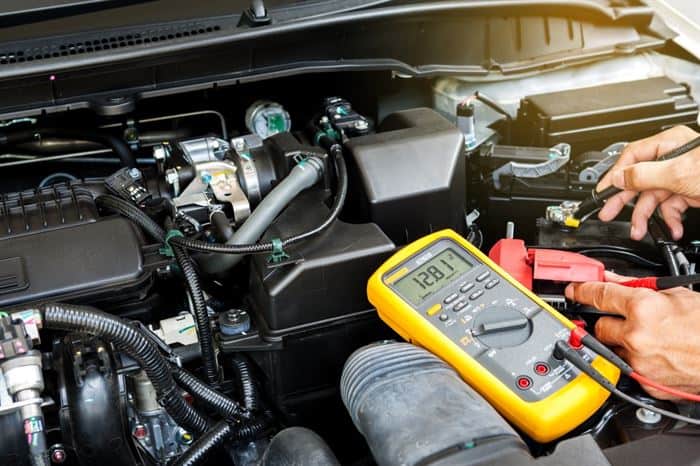
To diagnose a P0519 code, you would need a diagnostic scanner, a digital volt/ohmmeter (DVOM), and a reliable source of vehicle information (All Data DIY will suffice).

Start by inspecting all wiring and electrical connectors in the IAC system and repair any that are damaged, corroded, or burnt. Also, check the engine for any vacuum leaks that could contribute to uncontrollable engine RPM levels. If you find vacuum leaks, repair them and recheck the system.

Next, connect the scanner to the vehicle’s diagnostic connector and retrieve all stored codes and freeze frame data. It’s a good idea to write this down in case the code is intermittent. Now, clear the codes and test-drive the vehicle to see if the code resets. Obviously, if other IAC-related codes are stored, they should be diagnosed and repaired first. Also, check all technical service bulletins and safety recalls for the vehicle and the specific malfunction. After performing all repairs, drive the vehicle normally and allow the PCM to enter readiness mode before declaring the problem fixed.

As a simple method to test the IAC system, when the engine idle speed is very high, carefully unbolt (to preserve the gasket or seal) the IAC valve from the engine and use a shop cloth and your fingers to control the engine idle speed. If you can control a high idle condition after removing the IAC valve, you know the IAC system is not functioning properly. If you cannot control the idle speed, suspect a significant vacuum leak. Major engine vacuum leaks can include PCV valves/hoses, vacuum hoses, brake booster, check valve or hoses, a stuck-open EGR valve, EGR gasket leak, or an intake manifold gasket leak.

Consult your vehicle information source for the recommended method of testing the IAC motor with the DVOM. Replace the IAC motor/valve if it does not meet manufacturer specifications.

Additional Diagnostic Notes:

Disconnect all associated controllers before testing circuit resistance with the DVOM

P051A Crankcase Pressure Sensor Circuit

What Does It Mean?

This is a generic diagnostic trouble code (DTC) for the powertrain and generally applies to OBD-II vehicles. Vehicle brands may include, but are not limited to, Ford, Dodge, Ram, Jeep, Fiat, Nissan, etc.

Among the countless sensors that the ECM (Engine Control Module) must monitor and adjust to keep your engine running, the crankcase pressure sensor is responsible for providing the ECM with crankcase pressure values to maintain a healthy atmosphere inside.

As you can imagine, there is an abundance of fumes inside the engine, especially during operation, so it is very important for the ECM to have an accurate crankcase pressure value. It needs this not only to ensure that the pressure is not too high and potentially damage seals and gaskets, but it also needs this value to recycle these combustible fumes back into the engine via the PCV (Positive Crankcase Ventilation) system.

Unused burnable crankcase vapors are routed into the intake for the engine to burn. This, in turn, collectively improves emissions and your fuel economy. That said, it certainly serves a valuable purpose for the engine and ECM, so be sure to address any issues accordingly here. As mentioned, with this fault, you may be susceptible to gasket failure, o-ring leaks, shaft seal leaks, etc. As the sensor’s name implies, it is most often mounted on the crankcase.

Code P051A for the crankcase pressure sensor circuit and related codes are triggered by the ECM (Engine Control Module) when it monitors one or more electrical values operating outside the desired range in the crankcase pressure sensor circuit.

When your instrument cluster illuminates with the P051A crankcase pressure sensor circuit code, the ECM (Engine Control Module) has detected a general fault in the crankcase pressure sensor circuit.

An example of a crankcase pressure sensor (this one for a Cummins engine):

How Severe Is This DTC?

I would say that, in the grand scheme of things, this fault would be considered moderate to low severity. Basically, upon failure, you are not at risk of immediate, drastic additional damage. I say this to emphasize the fact that it needs to be addressed as soon as possible. Earlier, I mentioned some of the potential issues if neglected, so keep those in mind.

What are some of the symptoms of the code?

Symptoms of a P051A diagnostic code may include:

Reduced fuel economy
Leaking seals
Fuel smell
CEL (Check Engine Light) illuminated
Engine running abnormally
Sludge in the oil
Engine smoking black soot
High/Low internal crankcase pressures

What are some common causes of the code?

Causes

of this P051A engine code may include:

Faulty crankcase pressure sensor
Internal electrical issue in the sensor
ECM problem
Faulty PCV (Positive Crankcase Ventilation) valve
PCV issue (cracked runners/tubes, disconnected lines, chafed lines, etc.)
Clogged PCV system
Sludgy oil (presence of moisture)
Water intrusion
Engine overfilled with oil

What are the diagnostic and troubleshooting steps for P051A?

The first step in the troubleshooting process for any malfunction is to check the Technical Service Bulletins (TSBs) for known issues with the specific vehicle.

For example, we are aware of a known issue with some Ford EcoBoost vehicles and some Dodge/Ram vehicles that have TSBs applicable to this DTC and/or related codes.

Advanced diagnostic steps become very vehicle-specific and may require the appropriate advanced equipment and knowledge to perform accurately. We include the basic steps below but refer to a repair guide specific to your vehicle’s year/make/model/powertrain for specific steps.

Basic Step #1

First thing, for this fault, I would open the oil cap on top of the engine (this varies) to inspect for any obvious signs of sludge buildup. Sludge can be caused by something as simple as a lack of oil changes or by intervals longer than recommended. Speaking personally here, for conventional oil, I don’t go more than 5,000 km. For synthetics, I go about 8,000 km, sometimes 10,000 km. This varies by manufacturer; that said, from experience, I have seen manufacturers set longer intervals than are generally recommended for many different reasons. That being said, I err on the side of caution and encourage you to do the same. A PCV (Positive Crankcase Ventilation) issue can also introduce moisture into the system and cause sludge. In any case, ensure your oil is clean and full.

NOTE: Be careful not to overfill the engine with oil. Do not start the engine if this has occurred; drain the oil to bring the level back to an acceptable range.

Basic Step #2

Test the sensor by following the manufacturer-specific desired values from your service manual. This typically involves using your multimeter and testing different values between the pins. Record and compare the results to your brand and model’s specifications. If anything is out of spec, the crankcase pressure sensor should be replaced.

Basic Step #3

Since crankcase pressure sensors are usually mounted directly on the engine block, the involved harnesses and wires are routed through crevices and around areas of extreme temperatures (i.e., the exhaust manifold). Be aware of this when visually inspecting the sensor and circuits. Given that these wires and harnesses are exposed to the elements, inspect for hardened/cracked wires or moisture in the harness.

NOTE: The connector should be firmly connected and dry of any oil residue.

P051B Crankcase Pressure Sensor Circuit Range / Performance

What does it mean?

This is a generic diagnostic trouble code (DTC) for the powertrain and generally applies to OBD-II vehicles. Vehicle makes may include, but are not limited to, Ford, Dodge, Ram, Jeep, Fiat, Nissan, etc.

Among the countless sensors that the ECM (Engine Control Module) must monitor and adjust to keep your engine running, the crankcase pressure sensor is responsible for providing the ECM with crankcase pressure values to maintain a healthy atmosphere inside.

As you can imagine, there is an abundance of fumes inside the engine, especially during operation, so it is very important for the ECM to have an accurate crankcase pressure reading. It needs this not only to ensure that the pressure is not too high and potentially damage gaskets and seals, but it also requires this value to recycle these combustible fumes back into the engine via the PCV (Positive Crankcase Ventilation) system.

Unused combustible crankcase vapors are routed into the intake for the engine to burn. This, in turn, collectively improves emissions and your fuel economy. That said, it certainly serves a valuable purpose for the engine and ECM, so be sure to address any issues accordingly here. As mentioned, with this fault, you may be susceptible to gasket failure, O-ring leaks, shaft seal leaks, etc. As the sensor’s name implies, it is most often mounted on the crankcase.

Code P051B Crankcase Pressure Sensor Circuit Range/Performance and related codes are triggered by the ECM (Engine Control Module) when it detects one or more electrical values operating outside the desired range in the crankcase pressure sensor circuit.

When your instrument cluster illuminates with the P051B Crankcase Pressure Sensor Circuit Range/Performance code, the ECM (Engine Control Module) has detected an out-of-range condition or a general performance fault in the crankcase pressure sensor circuit.

An example of a crankcase pressure sensor (this one for a Cummins engine):

How severe is this DTC?

I would say that, in the grand scheme of things, this fault would be considered moderate to low severity. Basically, if it fails, you are not at risk of immediate drastic additional damage. I say this to emphasize the fact that it still needs to be addressed as soon as possible. Earlier, I mentioned some of the potential problems if neglected, so keep those in mind.
What are some of the symptoms of the code?

Symptoms of a P051B diagnostic trouble code may include:

Reduced fuel economy
Leaking gaskets
Fuel smell
CEL (Check Engine Light) illuminated
Engine running abnormally
Sludge in the oil
Engine emitting black soot smoke
High/Low internal crankcase pressures

What are some common causes of the code?

Causes

of this P051B engine code may include:

Faulty crankcase pressure sensor
Internal electrical issue within the sensor
ECM problem
Faulty PCV (Positive Crankcase Ventilation) valve
PCV system issue (cracked runners/tubes, disconnected lines, chafed lines, etc.)
Clogged PCV system
Sludgy oil (presence of moisture)
Water intrusion
Engine overfilled with oil

What are the diagnostic and troubleshooting steps for P051B?

The first step in the troubleshooting process for any malfunction is to check the Technical Service Bulletins (TSBs) for known issues with the specific vehicle.

For example, we are aware of a known issue with some Ford EcoBoost vehicles and some Dodge/Ram vehicles that have TSBs applicable to this DTC and/or related codes.

Advanced diagnostic steps become very vehicle-specific and may require the appropriate advanced equipment and knowledge to perform accurately. We include the basic steps below but refer to a repair guide specific to your vehicle’s year/make/model/powertrain for vehicle-specific steps.
Basic Step #1

First thing, for this fault, I would open the oil cap on top of the engine (location varies) to inspect for any obvious signs of sludge buildup. Sludge can be caused by something as simple as a lack of oil changes or using intervals longer than recommended. Speaking personally here, for conventional oil, I don’t go beyond 5,000 km. For synthetics, I go about 8,000 km, sometimes 10,000 km. This varies by manufacturer; that said, from experience, I have seen manufacturers set longer intervals than are generally recommended for many different reasons. That being said, I remain cautious and encourage you to do the same. A PCV (Positive Crankcase Ventilation) system issue can also allow moisture into the system and cause sludge. In any case, ensure your oil is clean and at the proper level.

NOTE: Be careful not to overfill the engine with oil. Do not start the engine if this has occurred; drain the oil to bring the level back to an acceptable range.
Basic Step #2

Test the sensor according to the manufacturer-specific desired values from your service manual. This typically involves using your multimeter and testing different values between the pins. Record and compare the results to the specifications for your make and model. If anything is out of specification, the crankcase pressure sensor should be replaced.
Basic Step #3

Since crankcase pressure sensors are usually mounted directly on the engine block, the involved harnesses and wires are routed through crevices and around areas of extreme temperatures (e.g., the exhaust manifold). Be aware of this when visually inspecting the sensor and its circuits. Given that these wires and harnesses are exposed to the elements, inspect for hardened/cracked wires or moisture in the harness.

NOTE: The connector must be firmly connected and free of any oil residue.

P051C Low Crankcase Pressure Sensor Circuit Value

What Does It Mean?

This is a generic powertrain diagnostic trouble code (DTC) and generally applies to OBD-II vehicles. Vehicle makes may include, but are not limited to, Ford, Dodge, Ram, Jeep, Fiat, Nissan, etc.

Among the countless sensors that the ECM (Engine Control Module) must monitor and adjust to keep your engine running, the crankcase pressure sensor is responsible for providing the ECM with crankcase pressure values to maintain a healthy atmosphere inside.

As you can imagine, there is an abundance of fumes inside the engine, especially during its operation, so it is very important for the ECM to have an accurate crankcase pressure value. It needs this not only to ensure that the pressure is not too high and potentially damage gaskets and seals, but it also needs this value to recycle these combustible fumes back into the engine via the PCV (Positive Crankcase Ventilation) system.

Unused, burnable crankcase vapors are routed into the intake for the engine to burn. This, in turn, collectively improves emissions and your fuel economy. That said, it certainly serves a valuable purpose for the engine and ECM, so be sure to address any issues accordingly here. As mentioned, with this fault, you may be susceptible to gasket failure, o-ring leaks, shaft seal leaks, etc. As the sensor’s name implies, it is most often mounted on the crankcase.

Code P051C Low Crankcase Pressure Sensor Circuit and related codes are triggered by the ECM (Engine Control Module) when it monitors one or more electrical values operating outside the desired range in the crankcase pressure sensor circuit.

When your instrument cluster is illuminated with the P051C Low Engine Crankcase Pressure Sensor Circuit code, the ECM (Engine Control Module) is indicating a low voltage condition in the engine crankcase pressure sensor circuit.

An example of a crankcase pressure sensor (this one for a Cummins engine):

How Severe Is This DTC?

I would say that, in the grand scheme of things, this fault would be considered moderate to low severity. Basically, upon failure, you are not at risk of immediate, drastic additional damage. I say this to emphasize the fact that it must be addressed as soon as possible. Earlier, I mentioned some of the potential problems if neglected, so keep those in mind.
What are some of the symptoms of the code?

Symptoms of a P051C diagnostic trouble code may include:

Reduced fuel economy
Leaking gaskets
Fuel smell
CEL (Check Engine Light) illuminated
Engine running abnormally
Sludge in the oil
Engine smoking black soot
High/Low internal crankcase pressures

What are some of the common causes of the code?

Causes

of this P051C engine code may include:

Faulty crankcase pressure sensor
Internal electrical issue in the sensor
ECM problem
Faulty PCV (Positive Crankcase Ventilation) valve
PCV system issue (cracked runners/tubes, disconnected lines, chafed lines, etc.)
Clogged PCV system
Sludgy oil (presence of moisture)
Water intrusion
Engine overfilled with oil

What are the diagnostic and troubleshooting steps for P051C?

The first step in the troubleshooting process for any malfunction is to check the Technical Service Bulletins (TSBs) for known issues with the specific vehicle.

For example, we are aware of a known issue with some Ford EcoBoost vehicles and some Dodge/Ram vehicles that have TSBs applicable to this DTC and/or related codes.

Advanced diagnostic steps become very vehicle-specific and may require the appropriate advanced equipment and knowledge to perform accurately. We include the basic steps below but refer to a repair guide specific to the year/make/model/powertrain for steps specific to your vehicle.
Basic Step #1

First thing, for this fault, I would open the oil cap on top of the engine (this varies), to inspect for any obvious signs of sludge buildup. Sludge can be caused by something as simple as a lack of oil changes or by intervals longer than recommended. Speaking personally here, for conventional oil, I don’t go more than 5,000 km. For synthetics, I go about 8,000 km, sometimes 10,000 km. This varies by manufacturer; that said, from experience, I have seen manufacturers set longer intervals than are generally recommended for many different reasons. That being said, I err on the side of caution and encourage you to do the same. A PCV (Positive Crankcase Ventilation) issue can also allow moisture into the system and cause sludge. In any case, ensure your oil is clean and full.

NOTE: Be careful not to overfill the engine with oil. Do not start the engine if this has occurred; drain the oil to bring the level back to an acceptable range.
Basic Step #2

Test the sensor by following the manufacturer-specific desired values from your service manual. This typically involves using your multimeter and testing different values between the pins. Record and compare the results to the specifications for your make and model. If anything is out of specification, the crankcase pressure sensor should be replaced.
Basic Step #3

Since crankcase pressure sensors are usually mounted directly on the engine block (AKA Crankcase), the involved harnesses and wires are routed through crevices and around areas of extreme temperatures (i.e., the exhaust manifold). Be aware of this when visually inspecting the sensor and circuits. Given that these wires and harnesses are exposed to the elements, inspect for hardened/cracked wires or moisture in the harness.

NOTE: The connector should be firmly connected and dry of any oil residue.

P051D High Value in Crankcase Pressure Sensor Circuit

What Does It Mean?

This is a generic powertrain diagnostic trouble code (DTC) and generally applies to OBD-II vehicles. Vehicle makes may include, but are not limited to, Ford, Dodge, Ram, Jeep, Fiat, Nissan, etc.

Among the countless sensors that the ECM (Engine Control Module) must monitor and adjust to keep your engine running, the crankcase pressure sensor is responsible for providing the ECM with crankcase pressure values to maintain a healthy atmosphere inside.

As you can imagine, there is an abundance of fumes inside the engine, especially during its operation, so it is very important for the ECM to have an accurate crankcase pressure value. It needs this not only to ensure that the pressure is not too high and potentially damage gaskets and seals, but it also needs this value to recycle these combustible fumes back into the engine via the PCV (Positive Crankcase Ventilation) system.

Unused, burnable crankcase vapors are routed into the intake for the engine to burn. In turn, collectively improving emissions and your fuel economy. That said, it certainly has a valuable purpose for the engine and ECM, so be sure to address any issues accordingly here. As mentioned, with this fault, you may be susceptible to gasket failure, o-ring leaks, shaft seal leaks, etc. As the sensor’s name implies, it is most often mounted on the crankcase.

Code P051D Engine Crankcase Pressure Sensor Circuit High and related codes are triggered by the ECM (Engine Control Module) when it monitors one or more electrical values operating outside the desired range in the engine crankcase pressure sensor circuit.

When your instrument cluster is illuminated with the P051D Crankcase Pressure Sensor Circuit High code, the ECM (Engine Control Module) is detecting a high voltage condition in the crankcase pressure sensor circuit.

An example of a crankcase pressure sensor (this one for a Cummins engine):

How Severe Is This DTC?

I would say that, in the grand scheme of things, this fault would be considered moderate to low severity. Basically, upon failure, you are not at risk of immediate, drastic additional damage. I say this to emphasize the fact that it still needs to be addressed as soon as possible. Earlier, I mentioned some of the potential issues if neglected, so keep those in mind.
What Are Some of the Symptoms of the Code?

Symptoms of a P051D diagnostic trouble code may include:

Reduced fuel economy
Leaking gaskets
Fuel smell
CEL (Check Engine Light) illuminated
Engine running abnormally
Sludge in the oil
Engine smoking black soot
High/Low internal crankcase pressures

What Are Some of the Common Causes of the Code?

Causes

of this P051D engine code may include:

Faulty crankcase pressure sensor
Internal electrical issue in the sensor
ECM problem
Faulty PCV (Positive Crankcase Ventilation) valve
PCV issue (cracked runners/tubes, disconnected lines, chafed lines, etc.)
Clogged PCV system
Sludgy oil (presence of moisture)
Water intrusion
Engine overfilled with oil

What Are the Diagnostic and Troubleshooting Steps for P051D?

The first step in the troubleshooting process for any malfunction is to check the Technical Service Bulletins (TSBs) for known issues with the specific vehicle.

For example, we are aware of a known issue with some Ford EcoBoost vehicles and some Dodge/Ram vehicles that have TSBs applicable to this DTC and/or related codes.

Advanced diagnostic steps become very vehicle-specific and may require the appropriate advanced equipment and knowledge to perform accurately. We include the basic steps below but refer to a repair guide specific to your vehicle’s year/make/model/powertrain for vehicle-specific steps.
Basic Step #1

First thing, for this fault, I would open the oil cap on top of the engine (this varies), to inspect for any obvious signs of sludge buildup. Sludge can be caused by something as simple as a lack of oil changes or by intervals longer than recommended. Speaking personally here, for conventional oil, I don’t go more than 5,000 km. For synthetics, I go about 8,000 km, sometimes 10,000 km. This varies by manufacturer; that said, from experience, I have seen manufacturers set longer intervals than are generally recommended for many different reasons. That being said, I err on the side of caution and encourage you to do so as well. A PCV (Positive Crankcase Ventilation) issue can also introduce moisture into the system and cause sludge. In any case, ensure your oil is clean and full.

NOTE: Be careful not to overfill the engine with oil. Do not start the engine if this has occurred; drain the oil to bring the level back to an acceptable range.
Basic Step #2

Test the sensor by following the manufacturer-specific desired values from your service manual. This typically involves using your multimeter and testing different values between the pins. Record and compare the results to your specific make and model’s specifications. If anything is out of specification, the crankcase pressure sensor should be replaced.
Basic Step #3

Since crankcase pressure sensors are usually mounted directly on the engine block (AKA Crankcase), the involved harnesses and wires are routed into crevices and around areas of extreme temperatures (i.e., the exhaust manifold). Be aware of this when visually inspecting the sensor and circuits. Given that these wires and harnesses are exposed to the elements, inspect for hardened/cracked wires or moisture in the harness.

NOTE: The connector must be connected firmly and dry of any oil residue.

P051E Intermittent/Erratic Engine Crankcase Pressure Sensor Circuit

What does it mean?

This is a generic diagnostic trouble code (DTC) for the powertrain group and generally applies to OBD-II vehicles. Vehicle brands may include, but are not limited to, Ford, Dodge, Ram, Jeep, Fiat, Nissan, etc.

Among the countless sensors that the ECM (Engine Control Module) must monitor and adjust to keep your engine running, the crankcase pressure sensor is responsible for providing the ECM with crankcase pressure values to maintain a healthy atmosphere inside.

As you can imagine, there is an abundance of fumes inside the engine, especially during operation, so it is very important for the ECM to have an accurate crankcase pressure value. It needs this not only to ensure that the pressure is not too high and potentially damage seals and gaskets, but it also requires this value to recycle these combustible fumes back into the engine via the PCV (Positive Crankcase Ventilation) system.

Unused burnable crankcase vapors are routed into the intake for the engine to burn. This, in turn, collectively improves emissions and your fuel economy. That said, it certainly serves a valuable purpose for the engine and ECM, so be sure to address any issues accordingly here. As mentioned, with this fault, you may be susceptible to seal failure, O-ring leaks, shaft seal leaks, etc. As the sensor’s name implies, it is most often mounted on the crankcase.

Code P051E: Engine Crankcase Pressure Sensor Circuit Intermittent/Erratic and related codes are triggered by the ECM (Engine Control Module) when it monitors one or more electrical values operating outside the desired range in the crankcase pressure sensor circuit.

When your instrument cluster is illuminated with the P051E Crankcase Pressure Sensor Circuit Intermittent/Erratic code, the ECM (Engine Control Module) has detected an intermittent or erratic fault in the crankcase pressure sensor circuit.

An example of a crankcase pressure sensor (this one for a Cummins engine):

How severe is this DTC?

I would say that, in the grand scheme of things, this fault would be considered moderate to low. Basically, if it fails, you are not at risk of immediate drastic additional damage. I say this to emphasize the fact that it must be addressed as soon as possible. Earlier, I mentioned some of the potential problems if neglected, so keep those in mind.
What are some of the symptoms of the code?

Symptoms of a P051E diagnostic trouble code may include:

Reduced fuel economy
Leaking seals
Fuel smell
CEL (Check Engine Light) illuminated
Engine running abnormally
Sludge in the oil
Engine smoking with black soot
High/Low internal crankcase pressures

What are some common causes of the code?

Causes

of this P051E engine code may include:

Faulty crankcase pressure sensor
Internal electrical issue in the sensor
ECM problem
Faulty PCV (Positive Crankcase Ventilation) valve
PCV issue (cracked runners/tubes, disconnected lines, chafed lines, etc.)
Clogged PCV system
Sludgy oil (presence of moisture)
Water intrusion
Engine overfilled with oil

What are the diagnostic and troubleshooting steps for P051E?

The first step in the troubleshooting process for any malfunction is to check the Technical Service Bulletins (TSBs) for known issues with the specific vehicle.

For example, we are aware of a known issue with some Ford EcoBoost vehicles and some Dodge/Ram vehicles that have TSBs applicable to this DTC and/or related codes.

Advanced diagnostic steps become very vehicle-specific and may require the appropriate advanced equipment and knowledge to perform accurately. We include the basic steps below but refer to a repair guide specific to the year/make/model/powertrain for steps tailored to your vehicle.
Basic Step #1

First thing, for this fault, I would open the oil cap on top of the engine (this varies) to inspect for any obvious signs of sludge buildup. Sludge can be caused by something as simple as a lack of oil changes or by intervals longer than recommended. Speaking personally here, for conventional oil, I do not exceed 5,000 km. For synthetics, I go about 8,000 km, sometimes 10,000 km. This varies by manufacturer; that said, from experience, I have seen manufacturers set longer intervals than generally recommended for many different reasons. That being said, I remain cautious and encourage you to do the same. A PCV (Positive Crankcase Ventilation) issue can also allow moisture into the system and cause sludge. In any case, ensure your oil is clean and full.

NOTE: Be careful not to overfill the engine with oil. Do not start the engine if this has occurred; drain the oil to bring the level back to an acceptable range.
Basic Step #2

Test the sensor by following the desired values specific to the manufacturer from your service manual. This typically involves using your multimeter and testing different values between the pins. Record and compare the results to the specifications for your make and model. If anything is out of specification, the crankcase pressure sensor should be replaced.
Basic Step #3

Since crankcase pressure sensors are usually mounted directly on the engine block (AKA Crankcase), the involved harnesses and wires are routed through crevices and around areas of extreme temperatures (i.e., the exhaust manifold). Be aware of this when visually inspecting the sensor and circuits. Given that these wires and harnesses are exposed to the elements, inspect for hardened/cracked wires or moisture in the harness.

NOTE: The connector should be firmly connected and free of any oil residue.

P051F Positive Crankcase Ventilation Filter Restriction

What does it mean?

This generic powertrain diagnostic trouble code (DTC) generally applies to many OBD-II vehicles. This may include, but is not limited to, vehicles from Ford, Dodge, Ram, Volvo, etc.

If a P051F code is stored in your OBD-II vehicle, it means the Powertrain Control Module (PCM) has detected a signal from the crankcase pressure sensor indicating that an overpressure condition exists.

The density (pressure) of the air in the engine crankcase is monitored by the PCM using a voltage input signal from the crankcase pressure sensor. The crankcase pressure sensor’s input voltage is received (by the PCM) as actual pressure units. Kilopascal (kPa) units or inches of mercury (Hg) are used to measure crankcase pressure. The crankcase pressure sensor is typically located in or near one of the valve covers.

Because the lower end of the internal combustion engine must be sealed to prevent oil leaks, some pressure is created there. This pressure is caused by drastic temperature changes, vapors created by the engine oil, and the rapid centrifugal movement of the crankshaft, connecting rods, etc.

The Positive Crankcase Ventilation (PCV) system uses a carefully controlled intake vacuum to draw pressure from the crankcase through a specially designed valve (PCV valve) that only allows one direction of flow. In the vast majority of automotive applications, the PCV valve itself is responsible for filtering out oil and unwanted debris and preventing it from entering the intake manifold. In this particular application, a PCV filter has been added as a precaution to protect the engine’s air supply system from excess oil and debris.

If the PCM detects a pressure level from the crankcase pressure sensor that exceeds the maximum parameters, a P051F code will be stored and a Malfunction Indicator Lamp (MIL) may be illuminated.

Photo of a PCV valve, a component of the system:

How severe is this DTC?

Excessive crankcase pressure can lead to engine oil leaks. A P051F code should be classified as severe and addressed accordingly.
What are some of the symptoms of the code?

Symptoms of a P051F engine code may include:

Engine oil leaks
Smoke (vapor) from the area under the hood
Hissing (suction) noise from the engine area
Driving issues caused by a vacuum leak

What are some common causes of the code?

Causes

of this code may include:

Clogged (faulty) PCV filter
Faulty PCV valve
Faulty crankcase pressure sensor
Open or shorted engine crankcase pressure sensor wiring
PCM malfunction or PCM programming error

Example photo of a crankcase pressure sensor:

What are the troubleshooting steps for P051F?

Based on my experience, a manual vacuum gauge, a diagnostic scanner, a digital volt/ohmmeter (DVOM), and a reliable source of vehicle information will be needed when diagnosing a P051F code.

A manual vacuum pressure test should be performed before diagnosing any excessive crankcase pressure / PCV related codes. If the engine fails to produce sufficient vacuum, it must be repaired before proceeding with your diagnosis. To perform a manual vacuum pressure test, disconnect the vacuum hose from the PCV and attach your gauge to it. Your vehicle information resource should provide specifications regarding minimum engine vacuum.

Check all PCV hoses for signs of cracking or breakage and perform necessary repairs. Cracked or collapsed PCV vacuum hoses can contribute to the conditions that caused the P051F to be stored. If there is sufficient vacuum on the inlet side of the PCV filter but not on the outlet side, suspect the filter is clogged.

If the engine is in good operating condition and there is no vacuum leak, continue with a visual inspection of all crankcase pressure sensor wiring and connectors. Perform necessary repairs.

Next, I would connect the scanner to the vehicle’s diagnostic port and retrieve all stored codes and freeze frame data. Writing this information down can help you as your diagnosis progresses. After that, clear the codes and test drive the vehicle to see if the code resets.

Use your vehicle information resource to obtain connector face views, wiring diagrams, connector pinout charts, component testing procedures, and specifications. All of this information will be needed to proceed with your diagnosis.

Test the crankcase pressure sensor using the DVOM

With the key on and engine off (KOEO), set the DVOM to the ohms setting and follow the manufacturer’s procedures/specifications to test the engine crankcase pressure sensor with the connector unplugged
If the sensor in question does not meet the manufacturer’s specifications, it should be considered faulty
If the sensor meets the manufacturer’s specifications, proceed to the next step

Use the DVOM to test the reference voltage (usually 5 volts) and a ground at the crankcase pressure sensor connector

With KOEO and the crankcase pressure sensor unplugged, probe the reference voltage pin of the sensor connector with the DVOM’s positive test lead
Connect the negative test lead to the ground pin of the connector to test the entire circuit
If no reference voltage is detected at the sensor connector, locate the PCM and test the corresponding circuit at the PCM connector. Use the DVOM’s positive test lead
The negative test lead should be connected to a known good ground for this test
If there is no reference voltage at the PCM connector, suspect a PCM failure or programming error
If there is no ground at the sensor connector, use your vehicle information source to locate the ground source and ensure it is securely attached to the engine block or battery
If there is reference voltage and ground at the crankcase pressure sensor connector, proceed to the next step

Test the crankcase pressure sensor signal circuit voltage using the DVOM

With the key on engine running (KOER) and the engine crankcase pressure sensor reconnected, use the DVOM’s positive lead to probe the sensor’s signal voltage just behind the connector
The negative test lead should again be connected to a battery ground
Use the vacuum gauge to obtain the correct crankcase pressure and compare the sensor’s signal voltage to the pressure-voltage chart in your vehicle information resource
If the crankcase pressure sensor’s signal voltage is incorrect, consider the sensor faulty
If the crankcase pressure sensor’s signal voltage (at the sensor connector) reflects the correct voltage level, proceed to the next step

Test the crankcase pressure sensor signal circuit at the PCM connector

With KOER, use the DVOM positive test lead to probe the crankcase pressure sensor signal circuit at the PCM connector
The negative test lead should be connected to a battery ground
If a correct crankcase pressure sensor signal is found at the sensor connector but not at the corresponding circuit of the PCM connector, suspect an open circuit between the two

If the crankcase pressure sensor and all circuits meet specifications, suspect a PCM failure or PCM programming error.

Technical Service Bulletins (TSBs) that parallel the vehicle in question (as well as the symptoms and stored codes) can assist in your diagnosis

P0520 Engine Oil Pressure Sensor/Switch Circuit

What Does It Mean?

The vehicle’s main computer, called the Powertrain Control Module (PCM), controls many of the vehicle’s sensors, controls, and electronic components. One sensor, called the oil pressure sensor or sender, detects the amount of (mechanical) oil pressure in the engine and transmits it as a voltage reading/value to the PCM. In some vehicles, this oil pressure value is then relayed to a gauge in the instrument cluster to show the driver the oil pressure; other times this gauge is not present, but there will be a warning light if there is a problem.

This specific diagnostic trouble code P0520 is triggered when the PCM sees a value from the engine oil pressure sender that is outside its normal range. For this P0520 fault code, the cause is likely electrical. This code is related to P0521, P0522, P0523, and P0524.

Symptoms

Symptoms of a DTC P0520 may include:

    Malfunction Indicator Lamp (MIL) is illuminated (i.e., Check Engine light)
    Oil pressure gauge reading low or high
    Oil pressure warning light illuminated

Causes

Potential causes of a P0520 code include:

    Faulty engine oil pressure sensor
    Excessive resistance in the oil pressure sensor circuit
    Short circuit in the circuit to/from the oil pressure sensor and/or the PCM and/or ground
    Faulty PCM (less likely)

Diagnostic and Repair Steps

A good starting point is always to check the Technical Service Bulletins (TSBs) for your vehicle. Your issue may be a known problem with a known fix released by the manufacturer and can save you time and money when diagnosing.

Specifically, we know that for Dodge-Chrysler-Ram-Jeep models, it is bulletin #18-034-14.

As a vehicle owner/DIYer, the first obvious thing to do is to check the oil level using the dipstick. You want to make sure there is enough oil in the engine and that the oil filter or drain plug is not leaking or something similar. It is possible that your oil pressure is low or zero because you have a leak you are unaware of and the oil is gone. Or, perhaps you just had an oil change and the place forgot to refill the oil, tighten the filter sufficiently; there are various reasons why you might have a P0520 or related codes.

Next, visually inspect the wiring and connectors of the oil pressure sending unit. Look for broken or frayed wires, burnt spots, loose or exposed wiring, etc. Ensure the electrical connections are tight and not oily or contaminated, etc. Refer to the model-specific repair manual for the sender’s location. *Remember, codes never indicate which parts to change, but where to start diagnosis*.

The next step, if nothing seems obvious, is to use a digital voltmeter (DVOM) to probe the terminals of the oil pressure sensor, both at the sensor itself and on the associated wiring and harness. Compare to factory specifications. Specifically check for short circuits to ground, resistance that is not within specifications (depends on your model/engine). Repair as necessary.

In all likelihood, the fix will be one of two things: a wiring issue that needs to be repaired or a sensor that needs to be replaced. Replacing the PCM is more of a last resort and should only be done after proper diagnosis.

P0521 Engine Oil Pressure Sensor Failure

What Does This Mean?

The Powertrain Control Module (PCM), the true brain of your vehicle, oversees a multitude of sensors and electronic systems. Among these is the oil pressure sensor (or transmitter), which measures the oil pressure in the engine and transmits this information as a voltage signal to the PCM. In some cases, this data is displayed on a gauge on the dashboard to inform the driver, while in others, a warning light illuminates if an anomaly is detected.

Engine code P0521 appears when the PCM receives an unexpected reading from the oil pressure sensor. This reading may be outside the normal range or remain fixed when it should be fluctuating. Although the cause could be mechanical or electrical, it is very likely related to an electrical issue. Note that this code is associated with codes P0520, P0522, P0523, and P0524.

NOTE: This code is critical. Oil pressure problems can lead to major engine damage. It is therefore imperative to have your vehicle checked as soon as possible.


Symptoms

The telltale signs of a P0521 malfunction include:

  • An abnormally low or high reading on the oil pressure gauge
  • Illumination of the oil pressure warning light on the dashboard

Possible Causes

Potential causes that can trigger a P0521 code are:

  • Insufficient oil level in the engine
  • Worn or dirty oil (delayed oil change)
  • Oil pressure that is too low
  • A wiring issue or faulty connector in the sensor circuit
  • A faulty oil pressure sensor

Diagnostic and Repair Steps

Given the potential severity of a genuine oil pressure problem, it is essential to act quickly to avoid costly repairs.

1. Checking Oil Level and Quality:
Start by checking the oil level using the dipstick. Ensure there is enough oil in the engine and that there are no leaks (at the oil filter or drain plug). If you have just performed an oil change, confirm that the correct oil was used and that the filter was installed correctly.

2. Inspecting Wiring and Connectors:
Visually inspect the wiring and connectors associated with the oil pressure sensor. Look for damaged, frayed, burnt wires, or loose and corroded connections. Consult your vehicle’s specific documentation to precisely locate the sensor.

3. Measuring Oil Pressure:
A professional technician can use a mechanical oil pressure tester to directly measure the pressure and compare it to the values displayed by the PCM. If you have advanced diagnostic tools and a pressure gauge, you can perform this check yourself.

4. Testing the Sensor and Electrical Circuit:
If no mechanical anomaly is detected, the problem is likely electrical. Use a multimeter (ohmmeter) to check the sensor’s operation according to the manufacturer’s specifications. If the sensor does not respond correctly, replacement is generally necessary. Otherwise, carefully check the wiring and connectors between the sensor and the PCM for any breaks, pinches, or signs of corrosion.

NOTE:
For certain GM vehicles (Chevrolet, Cadillac, GMC, Pontiac, Buick, and Saab, models 2005-2016), specific service bulletins (TSBs), such as PIP4786C and PIP5276D, are available. It is advisable to check if your vehicle is affected before proceeding with further diagnosis.


In summary, code P0521 indicates an anomaly in the oil pressure reading by the PCM. Whether it is a genuine oil pressure problem or an electrical failure (sensor or wiring), it is essential to perform a thorough diagnosis to prevent any major engine damage.

P0522 Engine Oil Pressure Sensor/Switch Low Input

What does it mean?

The vehicle’s main computer, called the Powertrain Control Module (PCM), controls many of the vehicle’s sensors, controls, and electronic components. One sensor called the oil pressure sensor or transmitter detects the amount of (mechanical) oil pressure in the engine and transmits it as a voltage reading/value to the PCM. In some vehicles, this oil pressure value is then relayed to a gauge in the instrument cluster to show the driver the oil pressure; other times this gauge is not present, but there will be a warning light if there is a problem.

This specific engine code P0522 is triggered when the PCM sees a value that is too low in the engine oil pressure sensor/transmitter. If the engine oil pressure actually drops too low, the engine can be permanently damaged, so if you notice low oil pressure, it is essential that you stop and shut off the vehicle as soon as it is safe to do so. For this fault code, the cause is more than likely electrical.

Note: This code is severe; you must act immediately to diagnose and repair it. This code is related to P0520, P0521, P0523, and P0524.

Symptoms

Symptoms of a DTC P0522 may include:

    Oil pressure gauge reading low or zero
    Oil pressure warning light illuminated
    Engine may not start
    Engine may shut off or stall while driving

Causes

Potential causes of a P0522 code include:

    Faulty wiring or connection/connector in the oil pressure transmitter circuit
    Faulty oil pressure transmitter/sensor
    Open or short circuit in the wiring
    Low oil level, incorrect oil, blocked oil passage

Diagnostic and Repair Steps

NOTE: There is a known service bulletin that applies to a number of GM vehicles, including Chevrolet, Cadillac, GMC, Pontiac, Buick, and Saab. The bulletin number is PIP4786.

Check for applicable TSBs (Technical Service Bulletins) for your vehicle, even if it is not one of these, before going too far into diagnostics. There is also a TSB for some 2011 model year Chrysler & Dodge vehicles where the fix is to reprogram the PCM.

First and foremost, if you have other oil-related DTCs, check the oil level and condition. Ensure the oil type and weight are correct and that the oil filter is not clogged.

Visually inspect the wiring and connectors of the oil pressure sending unit. Look for broken or frayed wires, burnt spots, loose or exposed cables, etc. Refer to a model-specific resource for the sender location. Do the same for the wiring and connectors leading to the PCM.

Use a digital volt ohmmeter (DVOM) to check the sensor itself, and if it does not meet the manufacturer’s specifications, you must replace it. This is a 5-volt circuit. Replacing the sensor/sender will be the most likely repair for this code. If it checks out fine, test the wiring and connectors from the sensor to the PCM. Check for any breaks in the wiring or short circuits to ground due to chafing, pinching, etc. Ensure the electrical connectors are tight and free of corrosion.

A technician can also install a mechanical pressure gauge to check the actual oil pressure and compare it to the sensor reading using an advanced scan tool. If your problem is not resolved by repairing/replacing the wiring/sensor, check the actual pressure in the engine.

As you can see, there are a number of possible reasons for this P0522 code. If the sending unit is inexpensive, you can try replacing it first and see if that fixes it, but proper diagnosis is definitely recommended so as not to replace perfectly good parts. Good luck; if you need help, stop by our auto repair forum.