Changing Filters and Fluids in Spring: Complete Guide to Car Maintenance

Changing filters and fluids in spring is a crucial step to prepare your vehicle for the new season. As temperatures rise and nature awakens, your automobile requires special attention after the harshness of winter. Many owners neglect this essential maintenance, yet it directly influences your car’s performance and longevity. Let’s discover why this spring ritual proves so beneficial for your vehicle.

Why Change Filters and Fluids in Spring?

1. Optimized Engine Performance

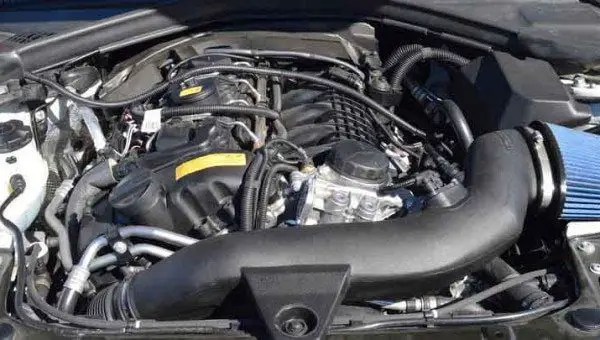
Replacing your spring air filter significantly improves engine performance. During winter months, the filter gradually clogs with dust, particles, and various debris, obstructing airflow to the engine. Installing a new air filter guarantees your engine the pure oxygen needed for optimal operation. Similarly, renewing the oil filter and engine oil ensures perfect lubrication of mechanical components, reducing friction and premature wear.

2. Enhanced Energy Efficiency

A clean air filter notably improves fuel consumption. When the engine breathes unpolluted air, fuel combustion occurs more efficiently, resulting in better range. Simultaneously, changing the fuel filter prevents impurities from entering the injection system, ensuring smooth and economical operation of your automobile.

3. Extended Lifespan

Regular maintenance of filters and fluids helps prolong your engine’s lifespan. Impeccable filters block the intrusion of dirt and contaminants into the engine block, reducing the risk of damage. New fluids – engine oil, transmission fluid, and coolant – maintain ideal lubrication and temperature, preventing overheating and costly repairs.

4. Preserved Interior Air Quality

Renewing the cabin air filter in spring improves the air quality inside your vehicle. A saturated filter allows allergens, pollen, and fine particles to pass through, which are particularly abundant during this season. A new filter captures these elements, providing a healthy environment for passengers, especially for those sensitive to allergies.

When to Perform These Changes?

The spring period constitutes the ideal time for this maintenance, as it follows a season often harsh for your vehicle. Consult your maintenance manual for the intervals recommended by the manufacturer, but anticipate these interventions if you’ve driven in difficult winter conditions or on salted roads.

Which Filters and Fluids to Check?

Engine Air Filter

Check its condition: a clogged filter reduces performance and increases consumption. Annual replacement or every 15,000 to 30,000 km is generally advised.

Fuel Filter

Essential for protecting the injection system, its replacement prevents starting problems and power drops.

Cabin Air Filter

Change it every spring to benefit from purified air inside the cabin, especially during allergy season.

Engine Oil and Oil Filter

A spring oil change eliminates impurities accumulated during winter and prepares the engine for summer demands.

Coolant

Check its level and condition to prevent overheating during the first heatwaves.

Brake Fluid

Check its level and color: dark or low fluid requires intervention.

Conclusion

Changing filters and fluids in spring represents a wise investment to preserve your vehicle. This maintenance routine improves performance, reduces consumption, extends component lifespan, and ensures your driving comfort. Don’t underestimate the impact of this preventive maintenance – your automobile will thank you with its reliability throughout the year.

Timing Belt Failures in Winter: Signs and Prevention

Timing Belt Failures in Winter: Discover the Warning Signs and Essential Preventive Measures to Protect Your Vehicle During the Cold Season. Extreme temperature drops and difficult road conditions increase the risk of breakage, which can lead to costly repairs and unexpected breakdowns. In this article, we detail the symptoms to watch for and the best practices to adopt to avoid any inconvenience.

Symptoms of a Faulty Timing Belt

  1. Abnormal Noises: A high-pitched squealing or rattling from the engine often signals advanced wear of the belt. These unusual sounds require immediate inspection to prevent sudden failure.

  2. Engine Stalling: A damaged belt can cause jerking, loss of power, or irregular idling. These malfunctions risk severely damaging the engine’s internal components.

  3. Visible Wear: Regularly inspect the belt for cracks, fraying, or missing teeth. Any visual abnormality requires urgent replacement to avoid a complete breakdown.

  4. Engine Overheating: A failing belt disrupts the synchronization of parts, leading to an increase in engine temperature. Monitor the temperature gauge closely to anticipate any risk of damage.

Preventive Measures for Winter

  1. Regular Checks: Schedule professional inspections to assess the condition of the belt. A qualified mechanic will identify signs of wear and recommend intervention if necessary.

  2. Follow Manufacturer Recommendations: Refer to the maintenance manual for the specific replacement intervals for your model. Manufacturers indicate precise mileage or durations that should not be overlooked.

  3. Protection Against Cold: Park your vehicle in an insulated garage when possible to reduce exposure to frost. Negative temperatures accelerate rubber degradation.

  4. Use of Quality Parts: Opt for certified belts designed to withstand winter stresses. Original components offer optimal durability and compatibility.

Impact of Winter Conditions

Intense cold stiffens the belt, reducing its flexibility and increasing the risk of cracking. Salted roads also corrode pulleys and accessories, accelerating wear. Adopt smooth driving during cold starts to minimize stress on the transmission.

Conclusion

A timing belt in good condition is crucial for your vehicle’s reliability in winter. By recognizing warning signs and applying these preventive tips, you will limit breakdowns and ensure optimal safety on the road.

Saab P1442 Code: EVAP System Vent Control Circuit Explained

Understanding the Saab P1442 Diagnostic Trouble Code

When your Saab’s check engine light illuminates and you retrieve the P1442 diagnostic trouble code, you’re dealing with a specific issue within your vehicle’s Evaporative Emission Control System (EVAP). This code indicates a malfunction in the vent control circuit, which is crucial for preventing fuel vapors from escaping into the atmosphere. The P1442 code is manufacturer-specific to Saab vehicles, meaning its exact definition and diagnostic procedures are tailored to Saab’s engineering specifications.

What Does P1442 Mean on a Saab?

The P1442 code specifically points to a problem in the EVAP system vent valve control circuit. This system is designed to capture and store fuel vapors from the fuel tank, preventing them from being released into the environment. The vent control valve, typically located near the fuel tank or vapor canister, manages the flow of air and vapors during system operation. When the powertrain control module (PCM) detects an electrical or functional issue with this valve’s control circuit, it stores the P1442 code and illuminates the check engine light.

How the EVAP System Works in Saab Vehicles

Saab’s EVAP system operates through a sophisticated process that involves multiple components working in harmony. The system captures fuel vapors in the charcoal canister, then uses engine vacuum to draw these vapors into the intake manifold for combustion during normal engine operation. The vent valve plays a critical role in this process by allowing fresh air to enter the system when needed and sealing the system during monitoring and purge cycles. Understanding this operational sequence is essential for proper diagnosis of P1442-related issues.

Common Symptoms and Causes of P1442 in Saab

Recognizing the symptoms and understanding the potential causes of P1442 is the first step toward an effective repair. This code typically manifests through specific warning signs and can result from various electrical or mechanical failures within the EVAP system.

Primary Symptoms of P1442 Code

  • Illuminated check engine light on dashboard
  • Possible fuel odor around the vehicle
  • Failed emissions test in regions requiring testing
  • Decreased fuel efficiency in some cases
  • Rough engine idle or occasional stalling
  • Difficulty refueling due to vapor lock

Electrical Causes of P1442

  • Damaged wiring harness to the vent valve solenoid
  • Corroded electrical connectors at the vent valve
  • Blown fuse in the EVAP system circuit
  • Faulty powertrain control module communication
  • Short circuit or open circuit in control wiring
  • Poor ground connection affecting circuit operation

Mechanical and Component Causes

  • Failed or stuck EVAP vent valve solenoid
  • Clogged or restricted vent valve filter
  • Damaged vapor canister or purge lines
  • Physical damage to vent valve from road debris
  • Age-related deterioration of EVAP components
  • Contaminated charcoal canister affecting valve operation

Diagnostic and Repair Procedures for P1442

Proper diagnosis of P1442 requires a systematic approach using appropriate tools and following manufacturer-recommended procedures. Rushing the diagnostic process can lead to unnecessary parts replacement and increased repair costs.

Required Tools for Diagnosis

  • OBD2 scanner capable of reading manufacturer-specific codes
  • Digital multimeter for electrical circuit testing
  • Smoke machine for EVAP system leak detection
  • Vacuum pump and gauge for component testing
  • Vehicle service manual with wiring diagrams
  • Basic hand tools for component removal and installation

Step-by-Step Diagnostic Process

Begin by verifying the code with your OBD2 scanner and checking for any additional codes that might provide context. Inspect the EVAP system visually for obvious damage, disconnected lines, or corroded connectors. Test the vent valve’s electrical circuit using a multimeter to check for proper voltage, resistance, and ground connections. Use a smoke machine to check for leaks in the system that might be affecting valve operation. Finally, test the vent valve’s mechanical function using a vacuum pump to ensure it opens and closes properly.

Repair Procedures and Replacement Guidelines

Once the faulty component is identified, proceed with the appropriate repair. For electrical issues, repair damaged wiring and clean or replace corroded connectors. If the vent valve itself is faulty, replacement is typically required. When replacing the vent valve, ensure you use OEM or high-quality aftermarket parts specifically designed for your Saab model. After repairs, clear the codes and perform a drive cycle to verify the repair was successful and the code doesn’t return.

Preventive Maintenance and Cost Considerations

Understanding preventive measures and cost factors associated with P1442 repairs can help Saab owners maintain their vehicles effectively and budget for potential repairs.

Preventing P1442 Recurrence

  • Regularly inspect EVAP system components during routine maintenance
  • Keep the area around the fuel tank and vapor canister clean
  • Avoid overfilling the fuel tank during refueling
  • Address other EVAP system codes promptly to prevent additional strain
  • Use quality fuel from reputable stations to minimize contamination
  • Follow manufacturer-recommended service intervals for emission systems

Repair Cost Estimates and Factors

The cost to repair P1442 can vary significantly based on the root cause and your Saab model. Diagnostic time typically ranges from $75 to $150. If the vent valve requires replacement, parts can cost between $100 and $300, with labor adding another $100 to $200. More complex issues involving wiring harness repairs or PCM problems can increase costs substantially. DIY repairs can reduce costs but require proper tools and technical knowledge.

When to Seek Professional Assistance

While some experienced DIYers may tackle P1442 repairs, many Saab owners should consider professional assistance when dealing with this code. Complex electrical diagnostics, PCM-related issues, or persistent problems after initial repair attempts warrant professional expertise. Certified Saab technicians have access to specialized diagnostic equipment and manufacturer technical service bulletins that can streamline the repair process and ensure proper resolution.

The P1442 code in Saab vehicles represents a specific challenge in the EVAP system that requires careful diagnosis and precise repair. By understanding the system’s operation, following proper diagnostic procedures, and addressing both symptoms and root causes, you can effectively resolve this emission-related issue and restore your Saab’s optimal performance and environmental compliance.

Understanding the Basics of Automotive Electrical Repair: A Complete Guide

Understanding the basics of automotive electrical repair is essential for every vehicle owner. The electrical systems in modern cars control vital functions, from starting the engine to operating electronic equipment. This article explores the fundamental principles of automotive electrical repair, common issues, and diagnostic methods.

Common Automotive Electrical Problems

  1. Dead Battery: A weak or faulty battery is one of the most widespread electrical issues. It can cause starting difficulties, intermittent power loss, and malfunctioning electrical accessories.

  2. Failing Alternator: The alternator charges the battery and powers the electrical system when the engine is running. A faulty alternator leads to a constantly drained battery and failures of electrical components.

  3. Defective Starter: The starter engages the flywheel to initiate the starting process. A failing starter manifests as difficulties starting the vehicle or characteristic clicking noises.

  4. Blown Fuses: Fuses protect the electrical circuit from power surges. A blown fuse can interrupt the operation of multiple electrical equipment simultaneously.

Diagnosing Automotive Electrical Problems

When facing an automotive electrical issue, a methodical diagnostic approach helps effectively identify and resolve the malfunction. Here are the fundamental steps:

  • Check the Battery: Visually inspect the battery for corrosion or damage. Use a multimeter to check the voltage and ensure it matches the manufacturer’s specifications.

  • Inspect the Alternator: If the battery is in good condition, check the alternator. A faulty alternator often shows signs such as a battery warning light on the dashboard or varying headlight brightness.

  • Test the Starter: A failing starter typically produces a sharp click when starting without the engine turning over. Verification requires specialized tools and safety precautions.

  • Check the Fuses: Consult the owner’s manual to locate the fuse box. Visually inspect each fuse or use a tester to identify blown ones.

Importance of Professional Expertise

Although some basic diagnostics are accessible to individuals, the increasing complexity of automotive electrical systems often requires the intervention of qualified professionals. Specialized technicians have advanced diagnostic equipment and specific training to handle complex electrical failures.

Preventive Maintenance Techniques

Adopting good maintenance practices significantly reduces the risk of electrical failures. Regular maintenance includes cleaning battery terminals, checking electrolyte levels, visual inspection of wiring, and monitoring alternator output voltage. These simple actions extend the lifespan of electrical components and improve vehicle reliability.

Evolution of Automotive Electrical Systems

Automotive electrical systems have evolved significantly, now incorporating electronic control units, multiplexed networks, and sophisticated driving aids. This growing complexity demands specialized technical skills and appropriate diagnostic equipment to ensure effective and lasting repairs.

Egr off solution renault edc16c3

EGR Solution EDC16C3

(more…)

Cutting-Edge Technologies in Renault Vehicles

Renault, one of the most iconic names in the automotive industry, has always been at the forefront of technological innovation. Over the decades, the French company has transformed the way we drive and interact with our vehicles. In this article, we will explore some of the cutting-edge technologies that have enabled Renault to remain at the forefront of the automotive industry.

Renault EASY LINK: The Intuitive Infotainment System

One of Renault’s most notable contributions to the modern driving experience is the Renault EASY LINK infotainment system. This system offers an intuitive interface that integrates navigation, entertainment, and connectivity functions. With its responsive touchscreen, advanced voice controls, and smartphone compatibility, EASY LINK ensures that drivers stay connected and informed safely while behind the wheel.

Renault E-TECH: The Electrification Revolution

As the world moves towards cleaner mobility, Renault has committed to being a leader in the field of electrification. The Renault E-TECH system is a perfect example of this commitment. E-TECH offers a range of electric and plug-in hybrid vehicles that deliver exceptional performance without compromising energy efficiency. Whether it’s the all-electric Renault ZOE or the Renault Captur E-TECH Plug-in Hybrid, these vehicles embody the future of eco-friendly driving.

Renault ADAS: Advanced Safety

Safety is a top priority at Renault, and ADAS (Advanced Driver Assistance Systems) technology plays a crucial role in this aspect. Renault’s ADAS systems include features such as lane-keeping assist, blind-spot monitoring, automatic emergency braking, and much more. These advanced technologies aim to make every journey safer and reduce the risk of accidents.

Renault EASY DRIVE: The Future of Autonomous Driving

Renault is not lagging in the race for autonomous driving. The Renault EASY DRIVE project aims to gradually introduce autonomous driving features into the brand’s vehicles. This includes automated parking technology, semi-autonomous highway driving, and even the vision of fully autonomous driving in the future. Renault strives to make driving more convenient, safer, and more relaxing.

Renault E-TECH Electric: Battery Innovation

Electric vehicles would be nothing without advanced batteries, and Renault has heavily invested in developing its own battery technology. Renault E-TECH Electric batteries are designed to offer exceptional range, fast charging, and long-term durability. This allows drivers to travel long distances with confidence without worrying about range.

Conclusion

Renault continues to push the boundaries of automotive technology to provide drivers with an exceptional driving experience. From intuitive infotainment to autonomous driving and electrification, Renault remains a pioneer in the industry. As the automotive industry rapidly evolves towards a cleaner and more connected future, Renault is ready to play a leading role in this transformation.

With its cutting-edge technologies and commitment to innovation, Renault continues to shape the future of mobility, offering drivers worldwide smarter, safer, and more environmentally friendly driving.

The Hybrid Revolution of Renault: Combining Performance and Sustainability

The automotive industry is constantly evolving, seeking innovative solutions to address growing environmental concerns while continuing to deliver high-level performance. In this quest, Renault has taken a significant step forward by developing its range of hybrid vehicles, combining the best of both worlds: energy efficiency and performance.

Renault’s E-Tech Technology: A Benchmark in Hybridization

Renault has introduced its E-Tech technology, an innovative hybrid system, in several of its flagship models. This technology is the result of many years of research and development, aimed at providing an optimal driving experience while reducing the carbon footprint of vehicles.

Performance Without Compromise

One of the main advantages of Renault’s hybrid vehicles is their impressive performance. Thanks to the combination of an electric motor and a combustion engine, these vehicles offer increased power and rapid acceleration while maintaining minimal fuel consumption. Drivers can thus enjoy the instant power of electricity during acceleration while benefiting from the extended range of the combustion engine on long journeys.

Fuel Savings and Emission Reduction

Renault’s hybrid vehicles are designed to be particularly fuel-efficient. Thanks to intelligent energy management, the electric motor is used to the maximum during city driving, thereby reducing fuel consumption and pollutant emissions. This not only saves money at the pump but also helps reduce the carbon footprint.

A Smooth Transition Towards Electrification

Renault’s hybrid vehicles are also designed to facilitate the transition to full electrification. They are equipped with rechargeable batteries, meaning drivers can charge their vehicles at home or at public charging stations. This flexibility allows drivers to choose between fully electric driving for short trips or hybrid use for longer journeys, thus offering a smooth transition to complete electrification.

The Renault Hybrid Range

The Renault hybrid range spans several models, including the Renault Clio E-Tech, the Renault Captur E-Tech, and the Renault Mégane E-Tech. Each of these vehicles offers a unique driving experience while adhering to the strictest environmental standards.

Conclusion

With its E-Tech technology and growing range of hybrid vehicles, Renault is establishing itself as a major player in the transition towards more sustainable mobility without compromising performance. The combination of power, fuel economy, and emission reduction makes Renault’s hybrid vehicles a smart choice for environmentally conscious drivers who do not want to give up the pleasure of driving. Renault is thus paving the way for a cleaner and more efficient future on the road.

Dacia DF771 Fault Codes: Everything You Need to Know for Diagnosis and Repair

What is a fault code?

A fault code is a message generated by the vehicle’s onboard diagnostic system. It indicates that a problem has been detected in one or more components of the vehicle. Fault codes are typically composed of five characters:

  • The first character is a letter that identifies the system involved.
  • The second character is a number that identifies the type of problem.
  • The last three characters are numbers that identify the specific component causing the problem.

How to read a fault code?

There are several ways to read a fault code on a Dacia DF771:

  • Use an OBD-II fault code reader.
  • Check the engine light (MIL).
  • Count the number of flashes of the injection light.

OBD-II Fault Code Reader

An OBD-II fault code reader is an inexpensive tool that can be purchased at most auto parts stores. It plugs into the vehicle’s OBD-II port, which is usually located under the dashboard. The code reader will display the fault code and a description of the problem.

Engine Light (MIL)

The engine light is an orange or red light located on the dashboard. It illuminates when a fault code is recorded. If the engine light is on, it is important to have the problem diagnosed as soon as possible.

Injection Light

The injection light is an orange light located on the dashboard. It flashes when a fault code is recorded. The number of flashes can be used to identify the fault code.

List of Common Dacia DF771 Fault Codes

Here are some of the most common fault codes for the Dacia DF771:

  • P0087: Fuel Pressure Too High
  • P0101: Mass Air Flow (MAF) Sensor – Air Intake Circuit
  • P0171: Fuel System Too Lean
  • P0299: Turbocharger/Supercharger – Underboost Condition
  • P0420: Catalyst System Efficiency Below Threshold
  • P0500: Vehicle Speed Sensor – Malfunction

How to Repair a Fault Code?

Repairing a fault code depends on the cause of the problem. In some cases, the issue can be resolved by performing a simple system reset. In other cases, it may be necessary to replace a faulty component.

Tips for Repairing Fault Codes

  • Consult a qualified mechanic.
  • Use genuine spare parts.
  • Follow the workshop manual instructions.

Conclusion

Fault codes can be a valuable tool for diagnosing and repairing problems with your Dacia DF771. By understanding what fault codes are and how to read them, you can avoid costly repairs and keep your vehicle in good working condition.

  • Dacia DF771
  • Fault Codes
  • OBD-II
  • Engine Light (MIL)
  • Injection Light
  • Diagnostic
  • Repair
  • Mechanic
  • Spare Parts
  • Workshop Manual

P0700 Transmission Control System Malfunction

What does it mean?

Many vehicles have a control module for the automatic transmission called the Transmission Control Module (TCM). The Engine Control Module (ECM) communicates with the TCM to monitor the automatic transmission for faults. If the TCM detects a fault in the automatic transmission and sets a transmission-related fault code, the ECM is also notified and sets a P0700 in the ECM memory.

This illuminates the Malfunction Indicator Light (MIL) to inform the driver that there is a problem. If this code is present and the MIL is on, it essentially means that there is at least one transmission code set in the TCM memory. P0700 is an informational code only. It does not indicate a direct fault in the engine, only a general fault in the transmission. Further diagnosis is required to identify the transmission fault. This requires a scan tool that will communicate with the transmission module.

Symptoms

Symptoms of a DTC P0700 may include:

  • Illumination of the Malfunction Indicator Light (MIL)
  • The transmission may exhibit handling issues such as slipping, etc.

Causes

More often than not, the cause of this code is that there is some kind of transmission problem. The TCM has detected the issue and set a code. P0700 means that an error code is stored in the TCM. However, this does not rule out the possibility of a faulty PCM or TCM (unlikely).

Possible Solutions

For a P0700, the only real solution is to acquire a scan tool that will communicate with the transmission control module. Retrieving this code from the TCM will be the first step in repairing the transmission fault.

If the TCM-compatible scan tool does not communicate with the transmission control module, it is a good indication that there may be a problem with the TCM itself.

OBD2 Code P1442 Oldsmobile: Diagnosis and Solutions Guide

Understanding OBD2 Code P1442 in Oldsmobile Vehicles

When your Oldsmobile’s check engine light illuminates and diagnostic scanning reveals code P1442, you’re dealing with a specific emission control system malfunction. This diagnostic trouble code indicates a problem within the Evaporative Emission Control (EVAP) system, specifically related to the detection of a small leak during non-purge conditions. The P1442 code is manufacturer-specific to General Motors vehicles, including various Oldsmobile models, and requires specialized knowledge for accurate diagnosis and repair.

What Does P1442 Code Mean?

P1442 is defined as “Evaporative Emission (EVAP) System Leak Detection Pump Switch or Mechanical Fault.” This code triggers when the vehicle’s Powertrain Control Module (PCM) detects an unexpected condition in the EVAP system’s leak detection circuit during monitoring cycles. Unlike generic EVAP codes, P1442 specifically points toward issues with the leak detection pump switch circuit or mechanical components within the leak detection system.

How the EVAP System Works in Oldsmobile Models

The EVAP system in Oldsmobile vehicles is designed to prevent fuel vapors from escaping into the atmosphere. Key components include:

  • Charcoal canister for vapor storage
  • Purge valve/solenoid for controlled vapor release
  • Leak Detection Pump (LDP) for system integrity testing
  • Fuel tank pressure sensor for monitoring
  • Various vacuum lines and connectors

The system operates by storing fuel vapors in the charcoal canister and periodically purging them into the engine intake for combustion. The leak detection system tests for integrity by creating vacuum and monitoring pressure changes.

Common Causes of P1442 Code in Oldsmobile Vehicles

Diagnosing P1442 requires systematic investigation of multiple potential failure points. Understanding these common causes will help streamline your diagnostic process and prevent unnecessary part replacements.

Primary Mechanical and Electrical Causes

  • Faulty Leak Detection Pump (LDP): The most common cause, where the pump fails to create proper vacuum or the internal switch malfunctions
  • Vacuum Switch Malfunction: Electrical failure in the vacuum switch circuit that monitors LDP operation
  • EVAP System Leaks: Small leaks in hoses, connections, or the fuel tank that prevent proper vacuum buildup
  • Wiring Issues: Damaged, corroded, or shorted wires in the LDP circuit or vacuum switch circuit
  • Poor Electrical Connections: Loose or corroded connectors at the LDP or PCM

Secondary System Components to Inspect

  • Clogged or restricted EVAP lines and hoses
  • Faulty purge valve sticking open or closed
  • Damaged charcoal canister
  • Defective fuel cap (though usually triggers different codes)
  • Problems with vacuum reservoir or related components

Diagnostic Procedure for P1442 Code

Proper diagnosis of P1442 requires a systematic approach using appropriate tools and following manufacturer-specific procedures. Always begin with visual inspection before proceeding to electrical testing.

Step-by-Step Diagnostic Process

Follow this structured approach to accurately identify the root cause of P1442:

  • Step 1: Perform comprehensive visual inspection of all EVAP system components, hoses, and electrical connections
  • Step 2: Check for technical service bulletins (TSBs) specific to your Oldsmobile model and year
  • Step 3: Test the leak detection pump operation using a scan tool capable of activating output controls
  • Step 4: Perform electrical testing of the LDP circuit, including voltage, ground, and signal tests
  • Step 5: Conduct smoke testing of the entire EVAP system to identify any vacuum leaks
  • Step 6: Verify proper operation of the vacuum switch and related sensors

Required Tools for Effective Diagnosis

  • Advanced OBD2 scanner with bidirectional controls
  • Digital multimeter for electrical testing
  • Smoke machine for leak detection
  • Vacuum gauge and hand vacuum pump
  • Vehicle-specific wiring diagrams
  • Basic hand tools for component removal

Repair Solutions and Prevention Strategies

Once you’ve identified the specific cause of P1442, implementing the correct repair is crucial for permanent resolution. Understanding the most effective repair strategies will save time and prevent recurrence.

Common Repair Procedures

Based on diagnostic findings, repairs typically involve:

  • Leak Detection Pump Replacement: The most frequent repair, requiring proper installation and calibration
  • Vacuum Switch Replacement: Addressing electrical failures in the monitoring circuit
  • EVAP Line Repair: Replacing cracked, brittle, or damaged vacuum lines and connections
  • Wiring Repair: Fixing damaged wires, connectors, or addressing corrosion issues
  • Component Cleaning: Addressing clogged lines or filters that restrict proper operation

Post-Repair Verification and Testing

After completing repairs, thorough verification is essential:

  • Clear the code and perform multiple drive cycles to ensure it doesn’t return
  • Use your scan tool to monitor EVAP system readiness monitors
  • Verify proper LDP operation through actuator tests
  • Confirm no additional codes are present
  • Check for proper fuel system operation and performance

Technical Specifications and System Operation

Understanding the technical aspects of the EVAP leak detection system provides valuable insight for accurate diagnosis and prevents misdiagnosis of P1442.

Leak Detection System Operation Principles

The leak detection system in Oldsmobile vehicles operates on precise principles:

  • The PCM activates the Leak Detection Pump during specific driving conditions
  • The LDP creates vacuum in the EVAP system and the vacuum switch monitors this action
  • System integrity is verified by maintaining vacuum for specified durations
  • The PCM compares expected vacuum patterns with actual performance
  • Deviations from expected parameters trigger P1442 when outside tolerance

Critical Technical Parameters

  • Leak detection typically tests for leaks as small as 0.020 inches
  • System vacuum specifications vary by model but generally range from 8-12 inches H2O
  • Test duration and conditions are model-specific and temperature-dependent
  • Electrical specifications for LDP and vacuum switch circuits must match factory specifications
  • Response times and switching frequencies are critical for proper operation

Successfully diagnosing and repairing P1442 requires understanding both the electrical and mechanical aspects of the EVAP system. By following systematic diagnostic procedures and using appropriate tools, this code can be permanently resolved, restoring your Oldsmobile’s emission system to proper operation and ensuring compliance with environmental standards.