
ADAS Sensor Calibration Increases Repair Costs

More and more new cars are equipped with advanced driver assistance systems (ADAS). Some of the most common include:

  • Forward collision warning
  • Automatic emergency braking
  • Adaptive cruise control
  • Lane departure warning
  • Lane keeping assist
  • Blind spot monitoring
  • Rear cross traffic alert
  • Parking assist/self-parking
  • Adaptive headlights that steer with the vehicle
  • Automatic high beam headlight activation and dimming
Figure 1. Typical ADAS sensors. LIDAR is not yet used in production vehicles. (Image: Texas Instruments)

To do their job, ADAS rely on inputs from a variety of sensors that allow the systems to “see” what is happening around the automobile. The most common are cameras, radars, and ultrasonic sensors. Steering sensors are also used to help determine the vehicle’s direction of travel. Some systems use information from a single type of sensor, but others combine information from multiple sensors – a process called sensor fusion – to get a more accurate “view” of the situation.

Most ADAS sensors are very precisely targeted and require calibration if their positions are disturbed in any way. Consider that a sensor on the car that is misaligned by a fraction of an inch or even one degree will be aimed at a significantly off-axis area 50 feet or more down the road. Misaligned sensors often result from collisions – even a small fender bender can misalign ADAS sensors. However, calibration may also be necessary as a byproduct of routine maintenance work such as windshield replacement, suspension repair, or wheel alignment.

Failure to calibrate a sensor when needed can result in erroneous information that will cause the ADAS to operate incorrectly or not at all. A faulty sensor input can result in:

  • A warning light or message on the dashboard
  • A diagnostic trouble code (DTC) stored in the vehicle’s computer memory
  • Steering wheel vibration
  • Vehicle steering pull
  • Increased steering effort

Issues like these can cause a driver to lose confidence in a car’s ability to provide safe transportation. ADAS failures can also raise questions about the quality of an auto repair shop’s work.

Sensor Types

The most common types of ADAS sensors are cameras, radars, ultrasonic emitters, and steering angle sensors. Here is more information on each.

Forward-Facing Camera Sensors

Many vehicles are equipped with forward-facing camera sensors. These sensors are commonly used for automatic emergency braking, adaptive cruise control, lane departure warning, lane keeping assist, and automatic high beam headlight activation and dimming.
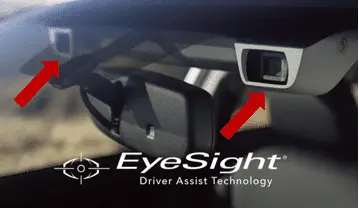
Figure 2. Subaru’s ADAS dual camera system. (Photo: Subaru)

Because cameras are optical devices that must be able to “see” the road, it is generally easy to identify when a car is equipped with this type of sensor. Many camera sensors mount against the inside of the windshield as part of an assembly integrated with the rearview mirror; others attach to the interior of the roof, either directly or as part of a mirror housing. Some automakers, including Subaru and Land Rover, use two cameras spaced apart from each other to improve depth perception.

The high-definition image receivers used in camera sensors are not so different from those found in other digital camera applications. What makes ADAS camera sensors unique are the high-power microprocessors and advanced data processing algorithms that are built into the assembly. These components transform the constantly changing analog image that the camera sees into digital information that ADAS can use to control various safety-critical systems.

Camera sensors “see” the world through the windshield and are designed for specific rates of light transmission through glass that has minimal imperfections and distortion. A problem in any of these areas can interfere with a sensor’s ability to provide accurate information. For this reason, many automakers specify that only an original equipment manufacturer (OEM) windshield should be used if replacement is necessary on a car with a camera sensor. In fact, some car dealerships will refuse to calibrate a camera sensor on a car where an aftermarket windshield is installed.

Other Camera Sensors

Some newer cars are equipped with 360-degree surround view camera systems that use multiple small cameras at the front, rear, and sides of the vehicle to display a bird’s-eye view of the immediate area around the vehicle. These are simpler, lower-resolution cameras than those used for ADAS, although they also require calibration. The cameras are typically located in the bumpers or front grille, under the side mirrors, and in the trunk lid or tailgate. The computer controlling the system “stitches” the multiple images together to provide a seamless overall view displayed on the infotainment screen in the dashboard.

Forward-Facing Radar Sensors

Adaptive cruise control, forward collision warning, and automatic emergency braking are the ADAS most commonly associated with forward-facing radar sensors. The millimeter-wave radar sensors used on vehicles transmit a high-frequency radio signal that reflects off objects and returns to the sensor. The time it takes to receive a return signal is used to calculate the car’s distance to an object.
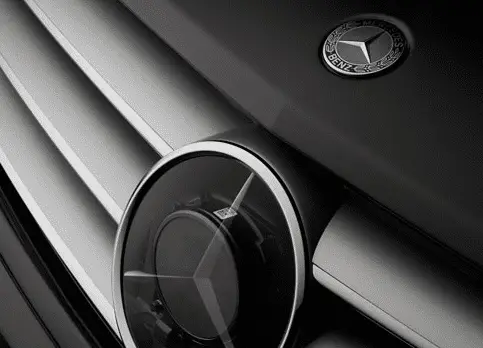
Figure 3. This “see-through” image shows how a radar sensor can be positioned behind a solid plastic cover in the grille. (Photo: Mercedes-Benz)

Radar sensors are typically mounted in or behind the front bumper or grille. In a few cases, the radar sensor is mounted in the front camera housing in front of the rearview mirror. Radio waves can pass through glass and plastic bumper covers or grille materials, and the sensor usually has a cover to protect it from stones and other road debris. While many radar sensors are center-mounted, others are offset to one side of the automobile, which affects the calibration process.

Because they are sometimes hidden, determining if a vehicle is equipped with a radar sensor can be more difficult than identifying the presence of a camera sensor. If an external visual inspection does not indicate the presence of a sensor, opening the hood might reveal one. Another method is to check for adaptive cruise control switches inside the car (usually on the steering wheel) or a warning light for an automatic emergency braking and/or adaptive cruise control system that illuminates on the dashboard as a test when the car is first started.

Other Radar Sensors

Some rear collision warning and blind spot monitoring systems use small radar sensors mounted under the side mirrors, behind the rear bumper cover, or even in the taillights. Sensors mounted on bumpers and taillights can also provide rear cross traffic alerts when backing out of parking spaces.

To avoid potential interference, most automakers do not allow repairs on the areas of bumper covers that are in front of radar sensors. They also recommend using only OEM covers to ensure that the materials used will not interfere with the sensor signals. Excessive thickness of bumper cover paint can also be an issue on some vehicles, and automakers advise against placing bumper stickers anywhere near radar sensors.

Ultrasonic Sensors

Ultrasonic sensors are primarily used for parking assist and self-parking systems. These sensors are installed in the front and/or rear bumper covers where they use reflected high-frequency sound waves (in a manner similar to radar) to detect people, cars, and other objects near the vehicle. Sensors of this type on the sides of cars are used in some self-parking systems and can serve as additional sensors in blind spot monitoring systems.

Figure 4. An ultrasonic sensor on the edge of a wheel well opening. (Image: Wikipedia, Basotxerri, CC BY-SA 4.0)

ADAS ultrasonic sensors do not require calibration. However, they are designed to be in very precise positions in the bumper cover, or anywhere else they are mounted. For this reason, some automakers do not approve the use of aftermarket, remanufactured, or recycled body parts, which may be warped or lack pre-drilled holes in the appropriate locations for sensor mounting. Although most ultrasonic sensors broadcast a symmetrical circular sound pattern, some generate an asymmetrical oval pattern that requires them to be mounted with a specific orientation to function correctly.

Steering Angle Sensors

Steering angle sensors are used in lane departure warning, lane keeping, and adaptive headlight ADAS. The information they provide is also used for other safety and performance-related systems, such as electronic stability control and adaptive suspensions. These sensors are typically integrated into the steering column and measure the degree of rotation of the steering wheel.

Sensor Calibration

ADAS sensor calibration is required whenever a sensor’s aim is disturbed in any way. This can occur during a collision, even a slight fender bender, or be a byproduct of routine maintenance work such as windshield replacement, suspension repairs, or wheel alignment. Calibration is also necessary whenever a sensor or its mounting bracket is removed and replaced, there is a tire size change, a front airbag deploys and deflects off the windshield, or repairs are made to a car roof on which a sensor mount is located. Finally, sensor calibration is necessary when there is an associated DTC in the car’s computer memory or an automaker issues a technical service bulletin with instructions for calibration to be performed as part of another repair.

Replacing and calibrating sensors is often part of collision repairs. Automakers recommend that body shops now perform a full diagnostic scan on each vehicle before repairs begin, and then again once the work is completed. This will help the body shop better understand the extent of any issues before work begins, and then confirm that all issues have been resolved, ADAS sensor calibrations are complete, and the vehicle’s control systems are communicating correctly before the car is returned to the customer.

Figure 5. An aftermarket multifunctional automotive diagnostic scan tool. (Image: Snap-on)

ADAS sensor calibration is a precision process that is often complex and time-consuming. Some sensors can be calibrated in a repair shop, others require a vehicle to be driven, and many sensors require both procedures. The time required can range from 15 minutes to an hour or more, depending on specific calibration requirements. When necessary, this additional labor adds to the cost of repairs.

Shop Preparation

Due to the challenges involved, many auto repair shops and windshield installers currently send cars to the dealership when ADAS sensor calibration is required. Independent service providers who wish to perform sensor calibrations must invest considerably in these necessary tools:

  • Service information that describes the equipment and procedures needed to calibrate ADAS sensors on a given vehicle year, make, and model. This information may be available on the aftermarket, but sometimes must be obtained from the automaker. ADAS sensor calibration requirements can be determined by performing an OEM Calibration Requirements Lookup or by using links to OEM Service Information. Both options incur a cost for the maintenance shop.
  • A car computer scan tool that supports ADAS sensor calibration. Factory scan tools can handle the necessary operations for all vehicles and sensors of a specific automaker. The capabilities of aftermarket scan tools vary widely, but some devices will work with certain vehicles and sensors from a number of different automakers. Special tools designed exclusively for ADAS sensor alignment are also available, but as with aftermarket scan tools, the extent of vehicle coverage varies.
  • A large, flat, paved indoor area with non-glare lighting and a background free of clutter (camera sensors) and metal objects (radar sensors) that can interfere with calibration. Honda, for example, specifies an open area 13 feet wide, 5 feet high, and extending at least 23 feet in front of the car. The Lexus radar calibration process (performed outdoors) requires a large open road at least 32 feet long and 45 feet wide in front of the car.
  • A wheel alignment rack. Many automakers require or recommend that a four-wheel alignment be performed before ADAS sensor calibration. This ensures that the vehicle’s thrust line, an imaginary centerline drawn lengthwise through the car, points straight down the road when the steering wheel is centered. ADAS sensors are then calibrated to align with the thrust line. Wheel alignment equipment is now available with built-in ADAS calibration capabilities, although a static and/or dynamic aiming process (see below) may still be required.

Figure 6. A tool dedicated to ADAS camera sensor calibration. (Image: Pilkington)
Vehicle Preparation

Before calibrating an ADAS sensor, a vehicle must be prepared as specified by the automaker. Some of the common requirements include:

• No unnecessary heavy objects in the car or trunk
• Tires inflated to recommended pressures
• Vehicle front and rear ride height within specifications
• Full fuel tank
• Clean windshield in front of the camera sensor (if applicable)
• Protective cover removed from the radar sensor (if applicable)
• Four-wheel alignment performed (if applicable)
Calibration Methods

There are two forms of ADAS calibration, static and dynamic. General descriptions of these processes are provided below, but the exact procedures vary considerably from one vehicle make and model to another. In all cases, the procedures and instructions specified by the automaker must be followed to the letter.

In-Shop Calibration (Static)

Static sensor calibration begins by establishing the vehicle’s thrust line. Automakers specify a variety of manual measurement methods and special tools to perform this part of the process. In many cases, the tools attach to or are aligned with the front and rear wheel hubs. Laser projectors are often built into the tools to ensure perfect alignment.

Next, one or more special aiming targets are positioned at precise locations relative to the thrust line and the sensor. The targets must be at a specified height, and many are designed to be used with special adjustable mounting stands. When a sensor is offset from the car’s centerline, the targets must also be offset accordingly. While at least one vehicle uses a target that is placed on


Car Diagnostics – How to Fix Car Problems

You know nothing about mechanics, but you want to avoid spending hundreds of euros at a garage? Don’t panic! This practical guide explains how to identify common issues using just your five senses. From visual inspection to suspicious smells, learn how to play car detective and act with confidence.


1. Visual Inspection: Your Eyes Are Your Best Allies

Your car is constantly communicating with you. Here’s what to look for:

  • Dashboard Warning Lights:

    • The Check Engine Light requires an OBD2 scan (use a €20 scanner or visit an auto parts store for a free reading).

    • The Tire Pressure Light indicates air loss: check them with a pressure gauge (less than €10).

    • Fluid under the car? Identify it by its color:

      • Green/Yellow → Coolant.

      • Red → Transmission or power steering fluid.

      • Black → Engine oil.

      • Clear → Water (air conditioning) or brake fluid (test by touch: slippery = dangerous).

  • Tires and Suspension:

    • Underinflated or unevenly worn tires indicate an alignment or suspension problem.


2. Hearing: Noises That Reveal Problems

Turn off the radio and listen carefully:

  • High-pitched squealing when braking → Worn brake pads (replace within 500 km).

  • Metallic clunking → Damaged CV joint or suspension.

  • Hissing under the hood → Loose or worn accessory belt.

  • Humming when turning → Faulty wheel bearing.

  • Dull knocking during acceleration → Cracked exhaust or worn engine mount.

⚠️ Do not ignore: A repeated clicking when starting may indicate a weak battery. Test it with a multimeter (12.6 V = normal; less than 12 V = recharge or replace).


3. Touch: What Vibrations and Steering Tell You

  • Steering wheel vibrating:

    • At high speed → Wheel balancing needed (€20-30 per wheel).

    • When braking → Warped brake discs.

  • Difficult or imprecise steering:

    • Check the power steering fluid level (refer to under-hood markings).

    • Steering pulling to the left/right → Uneven tire pressure or alignment issue.

  • Seat or pedals vibrating → Engine mounts damaged or unbalanced transmission.


4. Smell: Warning Odors

  • Gasoline smell → Leak from the tank, fuel filter, or injectors (fire risk).

  • Sweet smell → Coolant leak (check level in the expansion tank).

  • Burning smell:

    • Rubber → Slipping belt.

    • Plastic → Electrical overheating (wires or fuses).

    • Oil → Leak onto the exhaust.

  • Rotten egg smell → Faulty catalytic converter (hydrogen sulfide emissions).


5. When to Act Immediately? Absolute Emergencies

  • Smoke or flames → Stop the engine, evacuate, call the fire department.

  • Engine temperature light on → Stop immediately to prevent engine damage.

  • Exhaust smell inside the cabin → Carbon monoxide (invisible, deadly). Ventilate and consult a professional.


Essential Tools for Under €50

  1. OBD2 Scanner (from €15) to read error codes.

  2. Multimeter (€20) to test battery and electrical circuits.

  3. Pressure Gauge (€10) to check tire pressure.


Conclusion: Become Self-Reliant, But Stay Cautious!
With these tips, you can solve 50% of common issues (brakes, battery, minor leaks). For complex problems (engine, transmission), consult a professional. Always keep a repair manual specific to your model (e.g., Haynes) on hand, and remember: prevention is better than cure with regular maintenance!


💡 Did You Know?
Most garages offer a free diagnostic to attract customers. Use this offer to confirm your suspicions before repairing it yourself!

Want to avoid unnecessary garage costs? This practical guide explains how to diagnose car problems (brakes, engine, leaks) using your 5 senses. Discover essential tools (OBD2 scanner, multimeter) and emergency signals never to ignore (gasoline smell, smoke).

The difference between active and passive automotive safety systems

Numerous studies have shown the very positive impact of implementing advanced road safety technologies in reducing road accidents and deaths. It goes without saying that safer vehicles lead to safer roads. This is why government bodies and organizations like the EU are making certain safety systems, such as stability control technology, a mandatory requirement for modern car manufacturers.

Nowadays, there are countless prevention systems and technologies, developed by the world’s leading car manufacturers. They can be classified as passive or active car safety devices.

ACTIVE VS PASSIVE SAFETY FEATURES

The key difference between the categories lies in the purpose of the automotive components. An active system is a system designed to prevent an accident or fatal incident from occurring. For example, this can be done by providing assistance with braking, visibility, or steering. These features are typically electronically controlled and operate continuously while the vehicle is in motion. In contrast, passive systems are used to mitigate the risk of serious injury or death in the event of a road accident.

WHAT SAFETY FEATURES ARE AVAILABLE ON AUTOMOBILES?

Examples of active features:

  • Anti-lock Braking System (ABS)
    It is designed to prevent a loss of traction and prevent the wheels from locking by increasing and releasing brake pressure on the individual wheels. It increases the vehicle’s stability and handling during emergency braking. The system consists of a control module, speed sensors, valves, and a pump.
  • Electronic Stability Control (ESC)
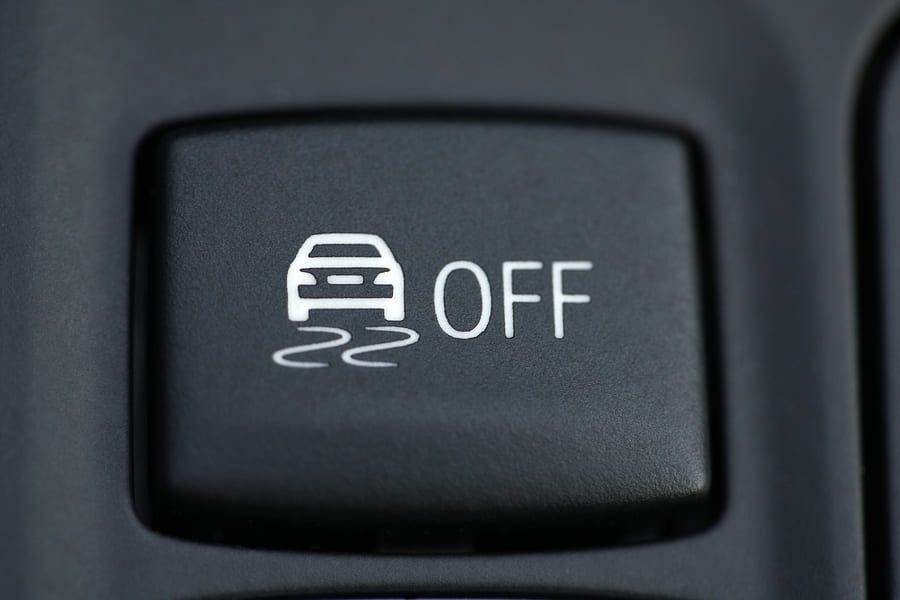
    Also known as Electronic Stability Program (ESP), this technology automatically reacts when it detects a loss of traction or control to counteract skidding and prevent the vehicle from veering off the road. It does this by monitoring data from wheel speed, yaw rate, steering angle, and lateral acceleration sensors. This information is analyzed 25 times per second. The control unit can automatically reduce power or apply individual brakes to maintain stability. Research conducted in the UK has shown that ESC can reduce the likelihood of a collision by 25%.
    Electronic Stability Control (ESC)
  • Blind Spot Detection (BSD)
    BSD sensors actively monitor the blind spots at the rear and sides of the car for vehicles or other objects that could cause a collision. Once a threat has been detected, the driver is alerted by a visual or audible warning. Some systems also include a camera.
  • Tire Pressure Monitoring System (TPMS)
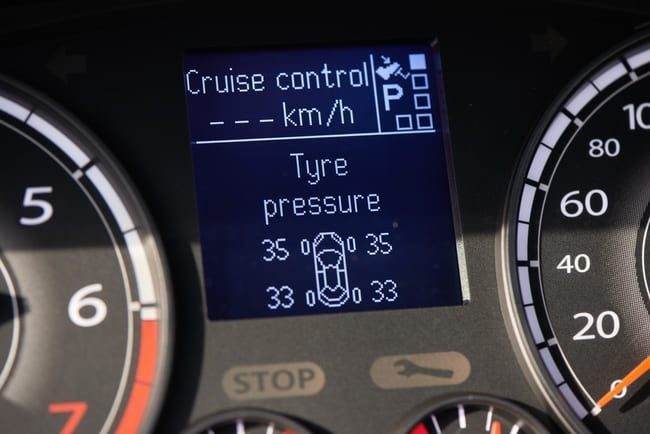
    This system monitors tire pressure on various vehicles, providing real-time information via a gauge, digital display, or pressure warning light. There are two types of TPMS: direct and indirect. A direct TPMS uses pressure gauges to directly determine the actual air pressure levels in the tires. This information is then transmitted to the onboard computer. Indirect systems, on the other hand, use ABS wheel speed sensors and identify a pressure problem when one or more tires rotate faster than the others.
    Tire Pressure Monitoring System (TPMS)
  • Adaptive Cruise Control (ACC)
    ACC is an autonomous technology that monitors other vehicles and obstacles on the road and adjusts the vehicle’s speed accordingly to maintain a safe distance. Vehicles equipped with ACC are fitted with a laser or radar scanning system that examines the road ahead. Drivers can easily activate the technology and set their preferences using the control buttons. Normal cruise control only allows the driver to maintain the car at the same speed without constantly keeping their foot on the pedal, and is not capable of making intelligent adjustments based on the vehicle’s environment.
  • Lane Departure Warning
    This is a camera that detects markings on the roads to indicate which lane the vehicle is in. If the devices determine that the car is drifting out of the lane, a visual or audible warning notification is triggered.

Examples of passive safety features:

  • Airbags
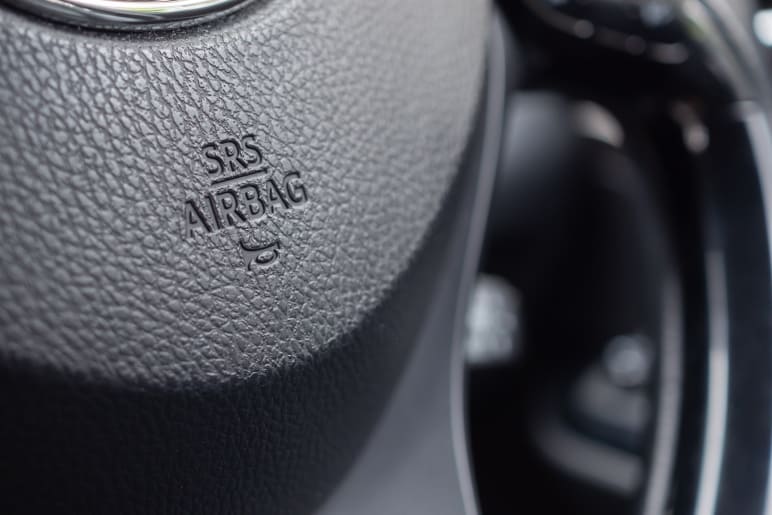
    Commercially introduced in the 1970s, the airbag is an inflatable device that rapidly expands upon impact to protect the front seat occupants of the vehicle. It serves as a protective cushion to prevent them from hitting the dashboard, steering wheel, or other components.
    Airbags
  • Seat Belts
    We all know the car seat belts that lock to prevent our bodies from being ejected from the seats in the event of an accident. The common safety component may also be known as a restraint device, as it limits the movement of the driver and passengers while distributing the force of the collision over a large area.
  • Whiplash Protection (WLP)
    The system consists of seat backs and headrests designed to absorb energy upon impact, thereby reducing whiplash-related injuries.
  • Occupant Detection Systems
    Sensor technology detects when a person occupies a car seat and whether the airbags should be activated or not in the event of an accident.

Top 10 Most Efficient Electric Cars

When electric vehicles are the topic, one specification that is regularly cited is the overall range. Its importance is partly due to early electric vehicles that had a range of less than 100 miles, but it is also referenced to show how far modern electric vehicles can travel – on par with gasoline vehicles in some cases. It’s an important specification – especially for someone whose only car may be an electric vehicle – but there is another important data point to consider, and that is overall efficiency.

Even the most inefficient electric vehicles are more efficient than the most efficient gasoline-electric hybrids when evaluated using the EPA’s mpge rating, which is an effort to represent the efficiency of electric vehicles in terms familiar to buyers, where higher numbers are better. At the time of publication, the least efficient electric vehicle of the 2022 model year is the Audi E-Tron S, which is rated at 62/64/63 mpge city/highway/combined. The most efficient hybrid is the 2022 Hyundai Ioniq Blue, which is rated at 58/60/59 mpg.

But just as there are large differences in efficiency between some gasoline vehicles, there are also significant differences between electric vehicles. And beyond the same benefits that come with a more efficient gasoline vehicle – using less (and spending less money on) energy – the most efficient electric vehicles also replenish miles of range faster when charging than the less efficient ones, all other things being equal.

Taking the E-Tron S again, it uses 53 kilowatt-hours of energy to travel 100 miles, according to the EPA. The most efficient electric vehicle of the 2022 model year, the rear-wheel drive Tesla Model 3, uses 25 kWh, less than half the amount of energy. The E-Tron S has a higher-capacity onboard charger than the RWD Model 3 – 9.6 kilowatts versus 7.6 – but if both vehicles were charged at 7.6 kW, it would take about 7 hours to add 100 miles of range to the E-Tron S and just under 3.5 hours to add the same amount of range to the Model 3. Charging at the E-Tron S’s maximum rate of 9.6 kW, it would still take 5.5 hours to add 100 miles of range.

The E-Tron S is larger than the Model 3, but you will find that the specifications reveal substantial efficiency differences between models in the same class.

This same type of analysis can also be applied to gasoline vehicles, as the EPA provides data in gallons per 100 miles. However, the high speed at which a gasoline tank can be refilled, with the difference between adding 10 gallons or 20 gallons measured in minutes versus hours, makes any time savings from choosing a more efficient gasoline vehicle less significant.

The following list highlights the 10 most efficient electric vehicles of the 2022 model year. When multiple versions of a given model are eligible, we have selected the most efficient version. Energy consumption, combined efficiency, and range are EPA estimated figures. Prices do not include available local, state, or federal incentives.

Most Efficient Electric Vehicles (Energy Consumption per 100 Miles)

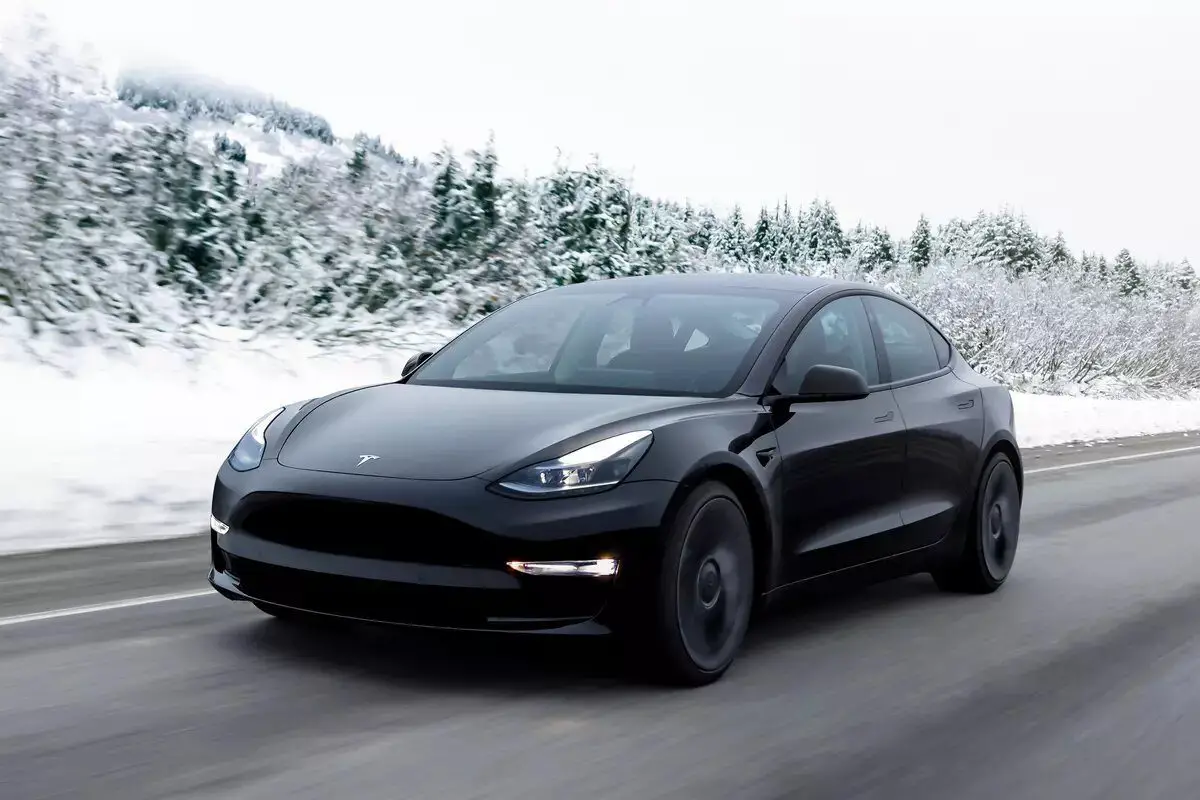
1. 2022 Tesla Model 3 RWD: 25 kWh

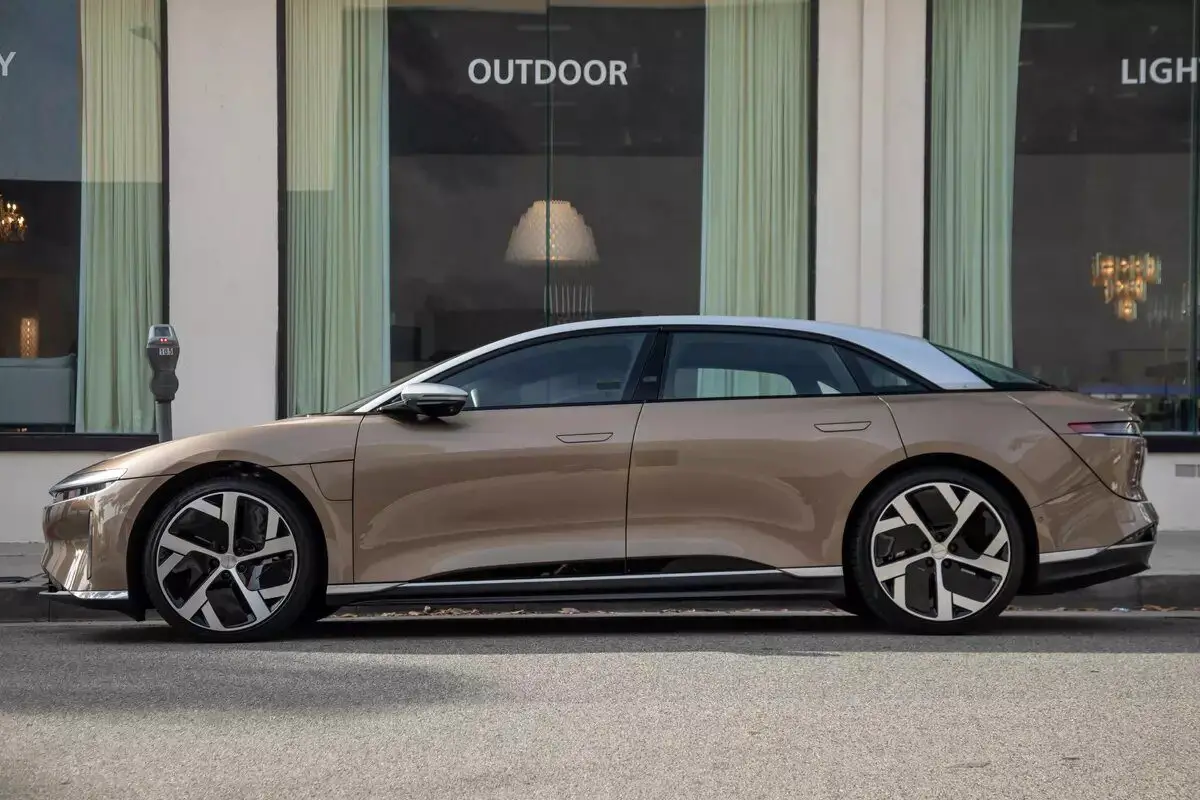
2. 2022 Lucid Air Grand Touring with 19-inch wheels: 26 kWh

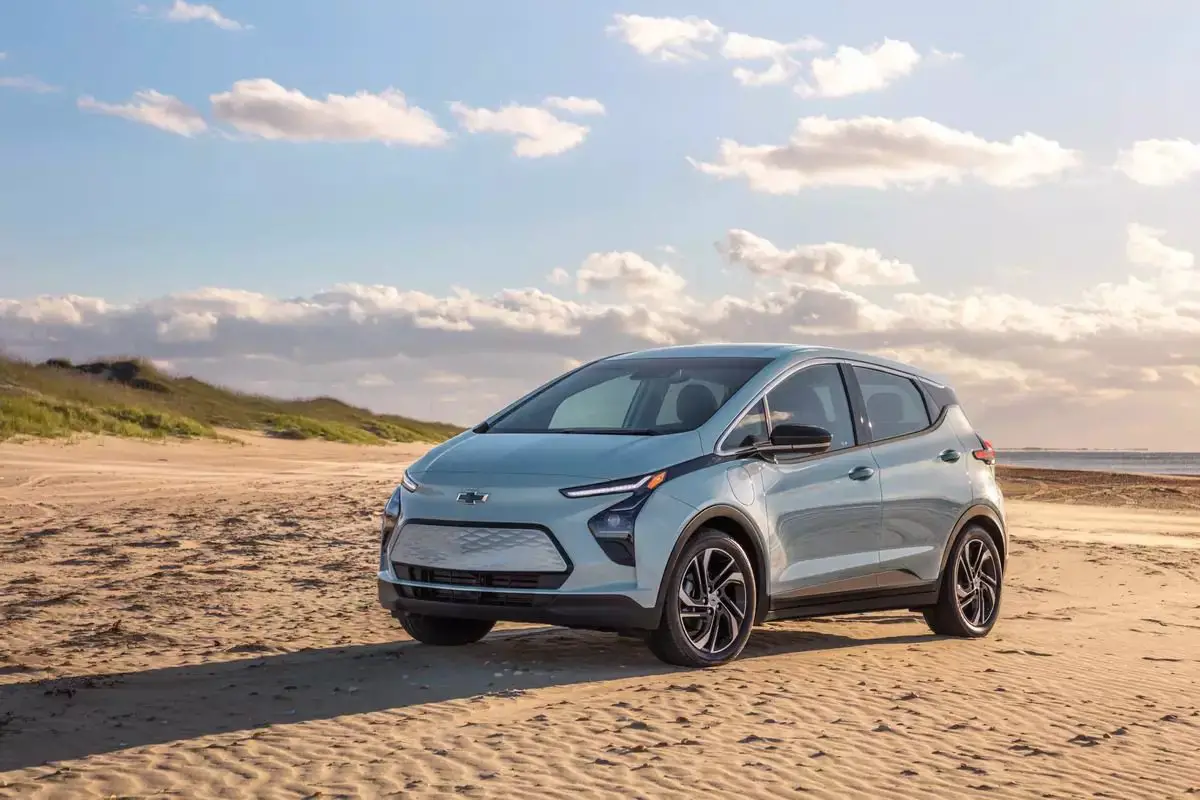
3. 2022 Chevrolet Bolt EV: 28 kWh

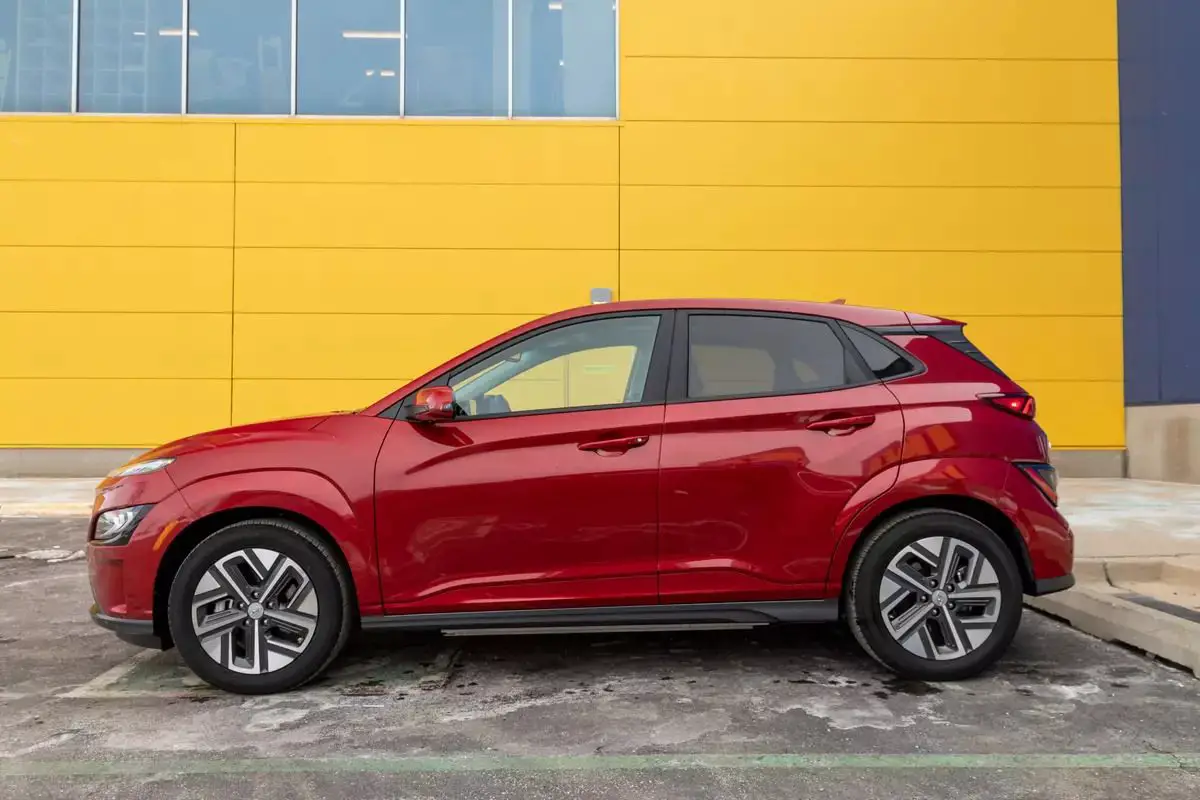
4. 2022 Hyundai Kona Electric: 28 kWh

5. 2022 Tesla Model S: 28 kWh

6. 2022 Tesla Model Y Long Range: 28 kWh

7. 2022 Chevrolet Bolt EUV: 29 kWh

8. 2022 Kia EV6 RWD: 29 kWh

9. 2022 Hyundai Ioniq 5 RWD: 30 kWh

10. 2022 Kia Niro Electric: 30 kWh

2022 Tesla Model 3 RWD

Energy Consumption: 25 kWh/100 miles
Combined Efficiency: 132 mpge
Price: $46,190, including $1,200 destination fee

2022 Tesla Model 3 | Manufacturer Image

The standard-range rear-wheel drive Tesla Model 3 compact sedan is the most efficient electric vehicle of 2022, with a rated energy consumption of 25 kWh per 100 miles. Its 272-mile range is the shortest in the Model 3 lineup, but the all-wheel drive long-range Model 3 is almost as efficient; it uses 26 kWh per 100 miles and gets a significant range increase to 358 miles. It’s also $6,000 more, however.

2022 Lucid Air Grand Touring With 19-Inch Wheels

Energy Consumption: 26 kWh/100 miles
Combined Efficiency: 131 mpge
Price: $139,000, excluding destination

The Lucid Air is a brand-new luxury sedan from a brand-new electric vehicle brand. With an energy consumption of 26 kWh per 100 miles, it is almost as efficient as the most efficient Model 3, but the Air’s 516-mile range is almost double that of the Tesla. Of course, the Air is also three times more expensive.

2022 Chevrolet Bolt EV

Energy Consumption: 28 kWh/100 miles
Combined Efficiency: 120 mpge
Price: $32,495, including $995 destination

2022 Chevrolet Bolt EV | Manufacturer Photo

Chevrolet refreshed its Bolt EV sedan for 2022, but the vehicle’s debut was overshadowed by a series of recalls to address a fire risk with the car’s battery. Production of the Bolt EV is expected to resume soon, and the sedan remains one of the most efficient EVs you can buy; it uses 28 kWh of energy per 100 miles, and its overall range is a decent 259 miles. With a starting price of $32,495 including destination, it is also the most affordable electric vehicle on this list.

2022 Hyundai Kona Electric

Energy Consumption: 28 kWh/100 miles
Combined Efficiency: 120 mpge
Price: $35,245, including $1,245 destination

2022 Hyundai Kona Electric |

The Kona EV is a subcompact SUV, but unlike the gasoline-engine Kona, which is equipped with front-wheel drive or AWD, the Kona EV is only available with FWD. It is rated at 28 kWh per 100 miles and has a range of 258 miles.

2022 Tesla Model S

Energy Consumption: 28 kWh/100 miles
Combined Efficiency: 120 mpge
Price: $96,190, including $1,200 destination

Tesla Model S | Manufacturer Image

The Model S debuted as a 2012 model, and Tesla has steadily improved the luxury sedan’s efficiency since then, reducing the amount of energy needed to travel 100 miles from 38 kWh in 2012 to 28 kWh in 2022. There have been other changes as well, including a redesigned interior for 2021 that features an all-new dashboard layout and a steering yoke instead of a traditional steering wheel. This version of the Model S offers a range of 405 miles.

2022 Tesla Model Y Long Range

Energy Consumption: 28 kWh/100 miles
Combined Efficiency: 122 mpge
Price: $60,190, including $1,200 destination

Where does gasoline come from

Gasoline was discovered nearly 160 years ago as a byproduct of refining crude oil to make kerosene for lighting. Gasoline was not used at the time, so it was burned at the refinery, converted into gaseous fuel for gas lamps, or simply discarded. About 125 years ago, in the early 1890s, automobile inventors began to realize that gasoline had value as a fuel. In 1911, gasoline surpassed kerosene for the first time. And, by 1920, there were about nine million gasoline vehicles in the United States, and gas stations were opening across the country to fuel the growing number of cars and trucks. 1

Figure 1. Gasoline production, refining, and distribution “from well to wheel.” (Image: Dean Armstrong, National Renewable Energy Laboratory)

Today, gasoline is the fuel of choice for light vehicles, which consume about 90% of the product sold in the United States. 2 Gasoline is also used in motorcycles, recreational vehicles, boats, small aircraft, construction equipment, power tools, and portable generators. Americans use an average of more than one gallon of gasoline per person per day, with U.S. consumption of about 392 million gallons per day as of December 31, 2016.3 So

, where does all this gasoline come from and how does it end up in automobile fuel tanks? Read on to learn more about gasoline manufacturing and distribution.

Oil Production

Gasoline is made from crude oil, which contains hydrocarbons – organic compounds composed entirely of hydrogen and carbon atoms. Crude oil has traditionally been obtained from vertical wells drilled into underground and underwater reservoirs. A well is essentially a round hole lined with a metal pipe called casing. The bottom of the casing has holes that allow oil from the reservoir to enter. Many oil wells also produce natural gas, which is primarily used for stationary applications like home heating, but can also serve as fuel with appropriate vehicle modifications.

Modern oil wells always start with vertical wells, but from there, they can branch out in multiple directions and at various depths. These lateral wells access additional oil, increasing production while minimizing surface disruption. Horizontal drilling is a common practice in hydraulic fracturing, a process that uses fluid injection and explosive charges to break up the ground around a well, which releases additional oil and natural gas. Horizontal wells can extend several miles from the central well.

While a few wells have natural internal pressure that pushes oil to the surface, most require some form of submersible or above-ground pump to remove the oil. Several additional processes can be used over the life of a well to extract the maximum amount of oil possible. Common secondary extraction methods include injecting water into the well and injecting gas or steam. When crude oil prices drop, low-production wells may be capped, to be brought back into service when prices rise.

Figure 2. An oil well with an electric pump. (Image: Famartin, Wikimedia Commons)

Contrary to popular belief, the color of crude oil ranges from nearly clear to jet black and can have a viscosity ranging from that of water to nearly solid. The quality of crude oil also varies considerably, although oils from the same general area tend to have similar properties. Oil quality is based on a chemical analysis where the two most important values are molecular density and sulfur content.

Oils that have short hydrocarbon chains and a density of 34 or more on the American Petroleum Institute (API) scale are considered “light,” those between 31 and 33 are “medium,” while those 30 and below are “heavy.” Oils with a sulfur content below 0.5% by weight are “sweet” and those above that level are “sour.” Light, sweet crude oil is the most valuable type because it is more easily and cheaply refined and produces larger amounts of finished products.

There are 46 major oil-exporting countries, but crude oil prices are typically quoted based on one of three major benchmarks: West Texas Intermediate Crude, North Sea Brent Crude, and UAE Dubai Crude. The pricing of these benchmarks serves as a barometer for the entire oil industry. Oil prices are based on the cost of a 42-gallon “barrel” of crude, a unit of measurement that dates back to the dawn of oil drilling.

In the past, the United States imported large quantities of crude oil and other petroleum products. The peak was reached in 2005 when net imports (imports minus exports) reached 12.6 million barrels per day. More recently, ongoing exploration and advanced extraction processes have increased domestic oil production and reduced oil imports. In 2016, net imports were only 4.9 million barrels per day, equivalent to about 25% of total U.S. oil consumption. This is a slight increase from 24% in 2015, which was the lowest level since 1970 4.

Crude Oil Transportation

Once crude oil is extracted from wells, it is stored in large tanks before being transported to refineries. Pipelines, ships, and barges are commonly used methods to move crude oil. However, in recent years, increased production in areas lacking pipeline or waterway access has resulted in more oil being transported by train in tank cars. Very thick and heavy forms of crude oil, such as oil sands, must be diluted with solvents before they can be pumped into pipelines or transported by other means.

Figure 3. A section of the Trans-Alaska Pipeline. (Photo: Luca Galuzzi, Wikimedia Commons)

All methods of transporting crude oil carry potential environmental risks. However, oil train derailments present additional risks as trains regularly pass through towns and villages where oil spills and potential fires could cause significant property damage and loss of life.

To address these concerns, the Department of Transportation issued a comprehensive final rule in May 2015 that contained enhanced standards for tank cars, new operational guidelines for moving large volumes of flammable liquids by rail, and improved emergency response planning and training. The railroad industry supports the accelerated replacement of older tank cars, has increased track inspections to minimize derailment risks, and has adopted special technology to help determine the safest rail routes for transporting oil.5

Oil Refining

Refineries are large-scale industrial facilities that produce commercial products from crude oil and, in some cases, other feedstocks such as biomass. More than half of U.S. oil refining capacity is located on the Gulf Coast, with the remainder scattered across the country – typically near oil production sources or transportation pipelines and waterways.

Oil refineries operate 24 hours a day, seven days a week, but must be shut down periodically for maintenance and repairs. Generally, this occurs in the spring and fall when changes need to be made to refineries to switch from summer to winter gasoline production, and vice versa. The differences between the two will be discussed later.
Refinery shutdowns impact regional gasoline supply, so they are typically planned well in advance and closely monitored. This allows the distribution network to make the necessary adjustments to ensure an uninterrupted fuel supply. Unplanned refinery outages caused by technical issues or extreme weather conditions can lead to short-term localized gasoline shortages and higher fuel prices.

Figure 4. An oil refinery in Anacortes Washington. (Photo: Walter Siegmund, Wikimedia Commons)
The Refining Process

Almost all gasoline sold in the United States is refined here, and the U.S. also exports large quantities of gasoline to other countries – over 230 million barrels in 2016.6 Refining crude oil into finished petroleum products is an extremely complex undertaking. The following description provides a high-level overview of the refining process, focusing on gasoline production.

All refineries use a primary process called fractional distillation to break down crude oil into various components. Distillation involves heating crude oil to boiling (around 600°C) and then injecting the vapor into a distillation tower. As the hot vapor rises in the tower, it cools, and at different heights and temperatures, various “fractions” of the crude oil condense and are collected. Heavier fractions, such as lubricating oil, have higher boiling points and condense near the bottom of the tower. Lighter fractions, such as propane and butane, have lower boiling points and rise to the top. Gasoline, kerosene, diesel, and diesel fuel are collected in the middle section of the tower.

Figure 5. A basic diagram of the crude oil refining process. (Image: American Fuel & Petrochemical Manufacturers)

Very few petroleum products, including gasoline, are ready for use when they come out of the distillation tower. A number of secondary refining processes are required to purify the fractions and convert them into marketable products.

“Cracking” involves processing methods that break down the molecules of heavier fractions into lighter fractions. It is frequently used to make gasoline components from heavier oils. There are many forms of cracking such as fluid catalytic cracking, hydrocracking, and coking/thermal cracking. Each results in unique hydrocarbon chains that are used in gasoline and other products.

“Combining” is essentially the opposite of cracking. It unites lighter fractions into heavier fractions that are also used in gasoline formulation. Two common combining processes are reforming and alkylation. The former increases the amount of components that go into making gasoline, while the latter creates “aromatic” hydrocarbons that play a key role in increasing the octane of the finished fuel.

The final step in gasoline production is blending. Several petroleum products from the various refining processes are carefully combined to create regular and premium grade base gasolines. These fuels must meet explicit and extensive performance requirements that change both with the season and the location where the fuel will be sold. For example, summer gasoline is blended to vaporize less easily, which helps reduce evaporative emissions. Winter gasoline is blended to vaporize more easily, which aids in cold engine starting and drivability.

Several regions of the United States require specially blended “boutique” or “reformulated” gasolines that burn cleaner and are part of a State Implementation Plan (SIP) to reduce emissions. Originally, there were 15 unique formulations, but in an effort to reduce the proliferation of gasoline blends, the EPA now only allows six boutique fuels to be used in new SIPs. 7 Other formulations that are part of existing SIPs continue to be used in various areas.

Figure 6. Continental US Boutique Gasolines (2015) – each color other than white represents a unique reformulated gasoline blend. (Image: ExxonMobil)

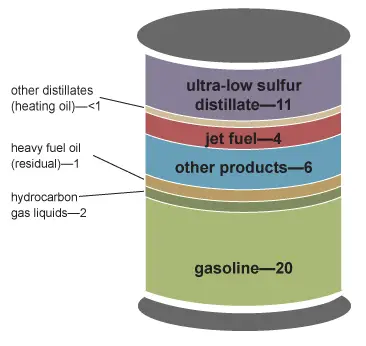
The amounts of finished petroleum products made from a barrel of crude oil vary by refinery, but most plants are designed to maximize gasoline production. As the accompanying illustration shows, nearly half of each barrel is converted into gasoline, with about a quarter becoming diesel fuel (ultra-low sulfur distillate). Due to an effect called “refinery processing gain,” a 42-gallon barrel of crude oil will actually yield about 45 gallons of finished petroleum products.

Figure 7. Average production of petroleum products (in gallons) from one barrel of crude oil in 2016. (Image: US Energy Information Administration)
Gasoline Distribution

The 10 Best Ways to Get Better Gas Mileage

How to Maximize Fuel Economy

The way you drive directly affects your fuel economy. Rapid acceleration from a stop increases gasoline consumption, while planning efficient driving and maintaining a constant speed within the posted limit can help you go further on a full tank. Follow these 10 tips to achieve better fuel consumption. You can simply make fewer stops at the gas station and save money too.

1. Plan Your Trips

Map out a route before leaving to minimize unnecessary U-turns and backtracking. Avoid peak hours. Combine errands and appointments at “one-stop shops” where you can handle multiple tasks (banking, shopping, etc.).

2. Monitor Your Speed

Fuel economy peaks at around 50 mph for most cars, then decreases as speed increases. Reducing highway speed by 5 to 10 mph can increase fuel economy by 7 to 14%.

3. Drive Cautiously

Avoid jackrabbit starts, rapid accelerations, and hard braking, which can reduce fuel economy by 15 to 30% at highway speeds and 10 to 40% in stop-and-go traffic.

4. Avoid Excessive Idling

A car engine consumes a quarter to a half gallon of fuel per hour while idling, but a warm engine only takes about 10 seconds worth of fuel to restart. If you can do so safely, turn off your engine if you expect to be stopped for more than a minute.

5. Use a “Fast Pass” on Toll Roads

Having a prepaid pass on toll roads allows you to use the express lane, saving fuel by minimizing or eliminating slowdowns and stops at toll booths.

6. Avoid Rush Hour

Take advantage of flexible work hours to avoid commuting during peak times.

7. Anticipate Road Conditions

Watch the traffic ahead and “time” red lights to maintain your momentum and avoid unnecessary stops and starts.

8. Use Cruise Control

Driving at a constant speed on the highway saves gas. However, never use cruise control on slippery roads as it could lead to loss of vehicle control.

9. Shift Gears Efficiently

If your car has a manual transmission, shift to a higher gear as soon as possible. When stopping, use the brakes. Do not downshift to slow the car.

10. Drive to Warm Up the Engine

In cold weather, start the engine and then drive the car normally to warm up the engine. Driving brings the engine to operating temperature faster and thus saves gas.

4WD and AWD Tire Issues

Flat tires: not only can they ruin your day, but they can also make a dent in your wallet when the problem can’t be solved with a simple puncture repair. And if you own a four-wheel drive (4WD) or all-wheel drive (AWD) vehicle, you might need to replace not one, but two or even all four tires.

Why would you need to replace other tires that still have good tread when only one tire is bad? The answer is that tire size variations can have a major effect on the durability of modern 4WD and AWD systems.

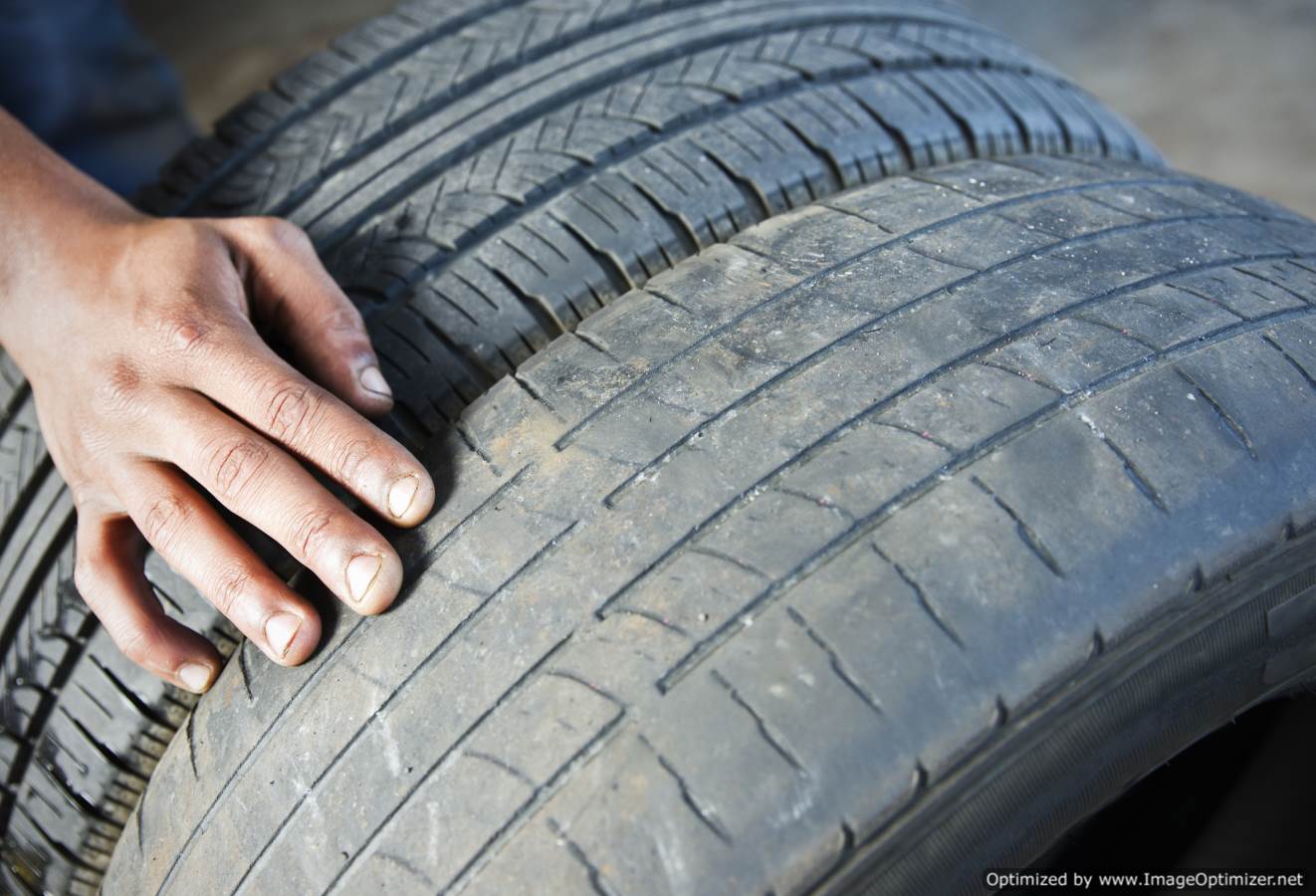
The size of a tire, or more precisely its circumference, is important because a larger tire travels farther with each rotation than a smaller one. Although such variations may seem insignificant to the naked eye, they cause various 4WD and AWD drivetrain components to spin at different speeds, increasing wear and tear.

But that’s not the only issue. On some AWD cars, a circumference variation of more than a quarter inch between the four tires will lead to costly transmission or drivetrain failure in a short time.

There are also potential safety issues. Most modern 4WD and AWD systems are computer-controlled and are installed on vehicles also equipped with anti-lock brakes, traction control, and stability control. These safety systems require accurate information about wheel rotation speed to function properly; if tire size variations cause conflicting wheel speed signals, the systems could malfunction or be disabled.

To reduce your risk of tire-related problems on 4WD and AWD vehicles:

Check your tire pressure at least once a month and keep all four tires inflated according to the vehicle manufacturer’s specifications. This information can be found in the owner’s manual or on the driver’s door jamb.
Rotate your tires at the interval recommended by your car manufacturer, typically every 6,000 to 7,500 miles, and according to the recommended pattern. This will help equalize wear and prevent significant circumference variations.
Equip 4WD and AWD vehicles with matching tires so that all four tires are of the same brand, model, and size, and have the same degree of wear. If you’re installing anything other than a full set of new tires, always consult the owner’s manual, a qualified tire installer, or a dealership to ensure that any size variation won’t create problems on the road.

What is an engine heater

An engine heater is a convenient electrical device used for the sole purpose of warming up your car’s engine and its fluids during cold and winter days. At freezing temperatures, engine oil thickens, causing more resistance, as well as difficulties in starting the engine. In addition to that, the more you have to crank your engine, the more it will consume battery power. This device helps combat this issue by preheating the block or fluids so that you can start the engine more quickly. It also prevents damage caused by cold starts and idling.

The first block heater was invented in 1947 by a man from North Dakota named Andrew Freeman. As you can imagine, the cold climate of North Dakota made it very difficult for him to start his Ford car, and after draining the car’s battery, he set out on a quest for a solution. This led to the invention of the head bolt heater. By inserting an electric heating element through the head bolt, he was able to directly heat the water in the engine block. Nowadays, there are many types of heaters that can be inserted or installed on the engine block using different methods.

TYPES OF ENGINE HEATERS

Types of engine heaters

If you are looking to buy a block heater, you will need to choose one based on your own needs and your vehicle’s requirements. Some are universal and easy to install, while others may require professional installation. Some heat the block itself, while others are designed to heat the coolant or the oil itself.

Dipstick Heaters. Installing these devices is quite simple as they are installed where the vehicle’s regular dipstick normally goes. The heating element warms the engine oil. In addition to being easy to use, this solution is also very affordable. The downside is that the devices normally have a lower heating capacity than most other types.

Engine Heater Blankets. These heating blankets can be placed on top of the engine or attached under the hood. They are good for warming the entire engine block.
Bolted-On External Devices. They attach to the outside of the engine block, indirectly heating the coolant. It is advisable to have it installed by a professional automotive technician as the wiring will need to be carefully routed through the engine compartment.

Freeze Plug/ Core Heaters. The car’s existing freeze plug is replaced by the heater, which heats the coolant inside the block. The plug-in heating method is direct and, therefore, generally more effective than external devices.

Oil Pan Heaters. This device acts as a heating pad for the oil pan. By attaching the pad to the oil pan with magnets or bolts, the oil can be heated from the outside.

In-Line Coolant Heater. There are two types of in-line coolant heaters: circulating and non-circulating. Both types connect to the coolant hose to heat the fluids. Circulating devices use the pump to push the warm coolant around the engine unit, while non-circulating heaters only heat the fluid in one area.

DO I REALLY NEED TO USE ONE?

Warming up your car's engine and its fluids during those cold and winter days

It depends on where you live and where you drive your car. If you live in a sunny paradise, you will probably never have to think about it. However, if you are no stranger to icy winters, it can make all the difference. Block heaters are generally recommended when temperatures reach -15°C or lower. They can also be useful if the vehicle remains stationary for long periods and is therefore not regularly heated. These devices are also particularly useful for diesel engines that require higher temperatures to operate efficiently, as well as for cars that use non-synthetic oils. Using one can improve ignition and combustion efficiency and help reduce fuel costs in the long term.

WHEN AND HOW LONG SHOULD I USE AN ENGINE BLOCK HEATER?

It is not always necessary to keep the heater plugged in overnight, only if the weather is severe enough to solidify your engine’s antifreeze or damage the engine block. Once it has reached the necessary temperature, any additional heat will be lost and electricity will be wasted. It is often best to use a timer and start the heater a few hours before you plan to leave. It usually takes no more than 2 to 4 hours.

Tesla Model Y: specifications, performance, dimensions

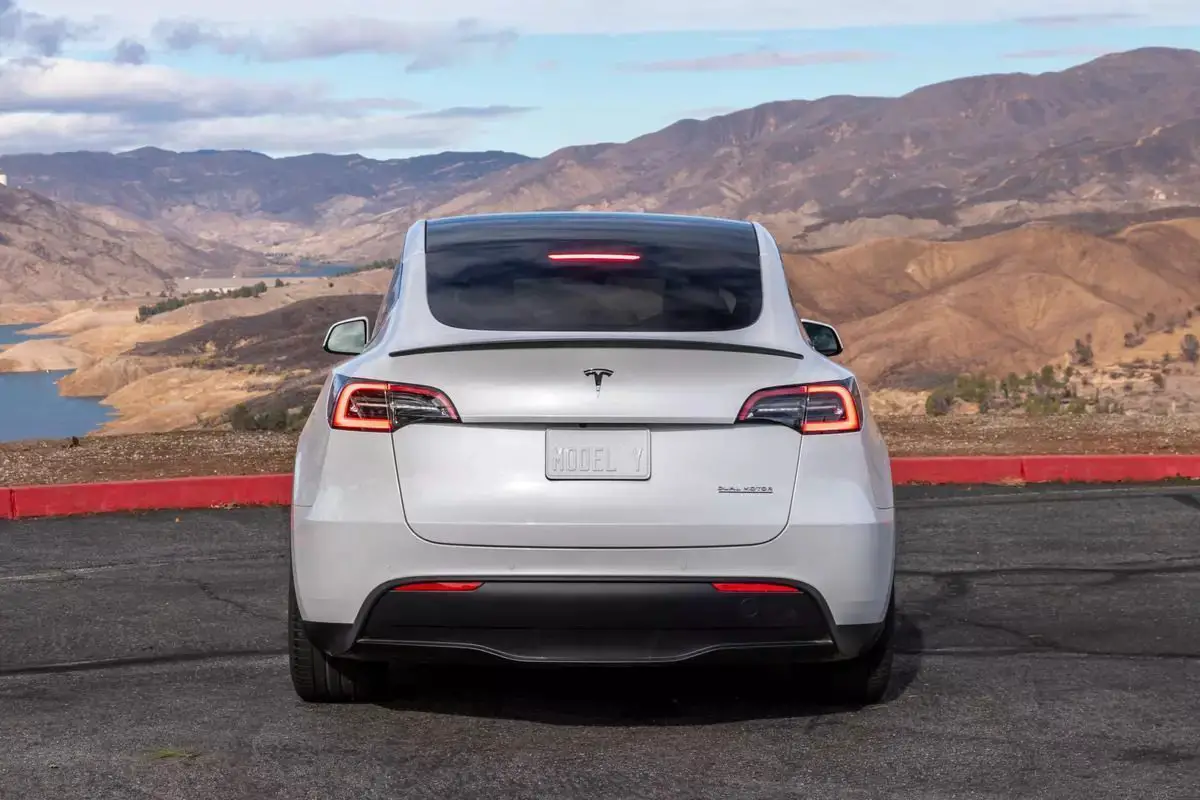
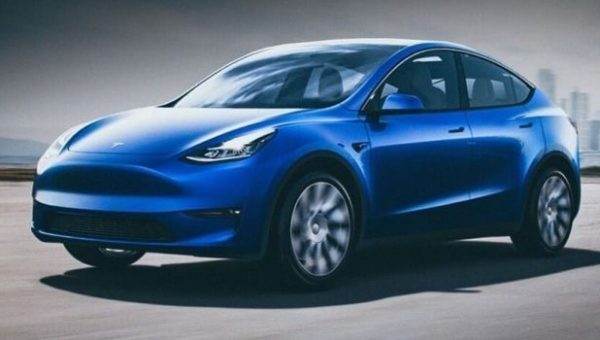
Since its debut in 2019, the Tesla Model Y has become one of the best-selling vehicles worldwide. The company reached the milestone of 500,000 units sold for this model in just two years, and this year, it is expected to sell around 800,000 units. But what makes this electric car so popular?

This all-electric compact crossover is one of Tesla’s most ambitious projects. It is a more affordable alternative to the Model X SUV, sharing the same platform as the company’s cheapest car – the Model 3. Designed with safety in mind, it features a low center of gravity, a rigid body structure, and large crumple zones. The family electric vehicle (EV) received a 5-star safety rating and was awarded the IIHS Top Safety Pick+.

PERFORMANCE VS LONG RANGE

The manufacturer offers two versions for this model: the current standard Long Range version and the Performance version.

RANGE AND CAPACITY:

With the Tesla Model Y Long Range, you can travel up to 330 miles on a single charge. The Model Y Performance has a slightly lower range of 303 miles (EPA).

HORSEPOWER:

However, the Performance version sacrifices range for power and speed, offering 456 hp (comb) compared to the Long Range version’s 384 hp (comb).

DRIVE:

Performance vs long range

Both versions are equipped with dual-motor all-wheel drive, which includes independent electric motors to digitally control torque at the front and rear of the vehicle, thereby improving traction and stability control. They are powered by a 75 kWh battery.

ACCELERATION AND SPEED:

A Long Range car can accelerate from 0 to 60 mph in just 4.8 seconds with a top speed of 135 mph. The Tesla Performance version significantly outperforms this, accelerating from 0 to 60 mph in about 3.5 seconds with an impressive top speed of 155 mph.

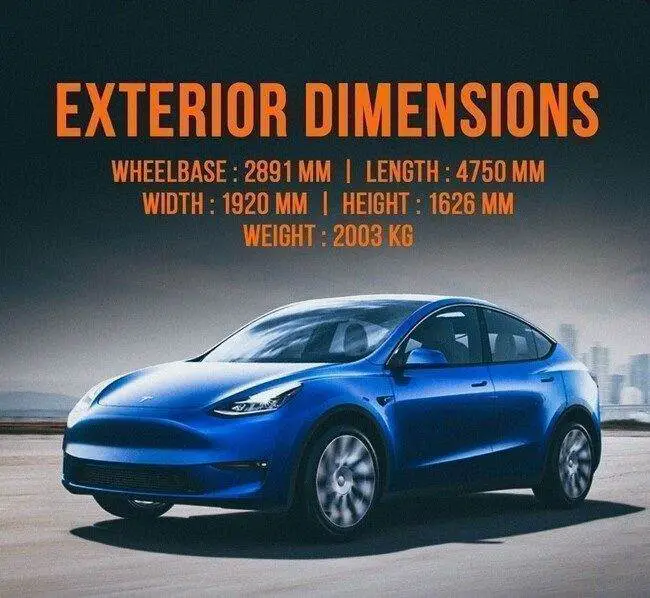
STANDARD TESLA MODEL Y DIMENSIONS

Standard Tesla Model Y dimensions
  • jLength: 187 in
  • Width: 75.6 in
  • Height: 63.9 in
  • Wheelbase: 113.8 in

Engine parts: diesel and gasoline

Perhaps you are looking to buy a new car. The brand and model of the vehicle were the only considerations when making this decision. Things have changed. Now you have to choose not only between style and manufacturer but also whether you want to purchase a diesel, gasoline, or even hybrid vehicle. In this article, we will discuss the difference between diesel and gasoline engines.

HOW DOES A GASOLINE ENGINE WORK?

In a gasoline engine with a carburetor or intake manifold injection, the pistons draw an air-fuel mixture into the cylinder (“external mixture formation”). If it is direct injection, which is common today, only air is drawn in. It first mixes with gasoline in the cylinder (“internal mixture formation”). Regardless of how the mixture is formed in the gasoline engine, the finished mixture is always compressed by the upward movement of the piston and then ignited by a spark plug (“spark ignition”), after which the piston is pushed downward. The efficient mixing of air and gasoline before compression is possible because gasoline evaporates quickly, meaning it mixes rapidly with air. Its low flash point ensures that a spark is sufficient to ignite it.

Igniting the final mixture has the advantage that the combustion spreads evenly in the cylinder, making these engines quiet and low in vibration. The more you press the accelerator, the more the throttle valve opens. More air is drawn in and mixed with more fuel, the optimal mixture ratio always remaining the same: for every part of gasoline, there are about 15 parts of air. Since only the quantity of the mixture varies in gasoline engines but not its composition, this is referred to as “quantitative mixture control.” When there is more fuel-air mixture in the cylinder, the compression is greater, and the resulting combustion is stronger: more pressure is exerted on the piston. The power ultimately transmitted to the drive is correspondingly greater.
HOW DOES A DIESEL ENGINE WORK?

Diesel has different chemical properties than gasoline: it is less volatile and therefore does not mix easily with air. Additionally, the flash point of this fuel is higher. Therefore, it must be ignited differently than gasoline. In a diesel engine, the piston draws in air and then compresses it to a high degree, causing it to heat up significantly. Then, atomized diesel is sprayed into the cylinder at high pressure via the injection nozzle. Due to friction with the hot air, the fuel ignites (“auto-ignition”). With diesel, the mixture of fuel and air therefore only occurs during combustion. Since the fuel and air are not pre-mixed, the combustion is uncontrolled, which makes more noise and causes the engine to vibrate more than in a gasoline engine.

As a result, a diesel has more material and is therefore more expensive. For frequent drivers in particular, however, this usually pays off due to fuel savings and lower prices at the gas station. Another point in favor of a diesel is the high torque, especially in the low RPM range, which is most often used. There is no longer a need to downshift when driving in the low RPM range. However, it is also not advisable to run a diesel engine at low RPMs.

DIFFERENCES IN EXHAUST FUMES

Gasoline engines have different exhaust gas profiles because, first, gasoline and diesel differ chemically and, second, higher temperatures are generated during combustion in this type of engine.

In general, exhaust gases must be separated from CO2 (which is harmful to the climate) and other pollutants such as particulates or nitrogen oxides. CO2 is produced during the combustion of carbon-containing fuels. Both gasoline and diesel engines therefore emit CO2. Since diesels consume less fuel than gasoline cars, they tend to be more climate-friendly on the road. However, diesel engines are often relatively powerful, partly because they are often installed in large cars such as SUVs or station wagons.
As a result, many diesels are not low-carbon in absolute numbers. Additionally, a study from May 2019 suggests that, contrary to popular belief, at least gasoline engines in the compact class and other smaller models actually emit less CO2 than comparable diesels. When it comes to nitrogen oxides, however, it is clear who is ahead: the gasoline engine. One reason for this is the three-way catalytic converter, which can only be installed in gasoline cars. Among other things, it reduces nitrogen oxides to nitrogen.

Older diesel engines produce about three times more nitrogen oxide than comparable gasoline engines. The latest models, on the other hand, are equipped with SCR catalytic converters, which convert nitrogen oxides into nitrogen using urea (also called “AdBlue”). This means they can also meet the strict Euro 6 emission standards. Particulates were a problem early on, especially in direct injection (DI) diesel engines. However, soot particle filters have alleviated the situation now that politicians have set limits for permitted particulate emissions from passenger cars. Since more and more gasoline cars also use direct injection, these limit values now also apply to correspondingly equipped gasoline engines.

WHICH VEHICLE IS MORE SUITABLE FOR SHORT DISTANCES AND WHICH FOR LONG DISTANCES?

The area of use is also important when choosing the right vehicle. This also includes whether the car will be used more for short or long distances. Many diesel vehicles are already worth owning from about 9,000 miles per year. For commuters or frequent drivers, a diesel vehicle is a real alternative to a gasoline vehicle. When purchasing a diesel, you should always pay attention to the model, as not all versions are as economical. Some car models only pay off after 18,000 miles.

Since diesel vehicles are equipped with soot particle filters and these become clogged with ash and soot after only a few hundred kilometers, they are less suitable as purely city cars. If you own a diesel vehicle, you should definitely drive on the highway more often. A gasoline car is therefore more interesting for road traffic, but here too, there are still a few things to consider.

The model plays an important role. A small car consumes much less fuel in the city than a station wagon or SUV. However, constant short trips are not good for any vehicle in the long term. For example, the exhaust of a short-distance vehicle rusts faster than that of a car that occasionally covers long distances. Here, engine condensation settles, which does not evaporate because the temperature is not high enough.

INSURANCE

The amount of car insurance you will have to pay depends, among other things, on the type of vehicle you own. Diesel cars are usually a bit more expensive to insure because they cover more miles per year due to their use on long distances and therefore present an increased risk of accidents. This causes them to be rated better in the insurance sector than gasoline vehicles. Whether diesel or gasoline is better depends solely on the needs and preferences you have as a driver and how you plan to use the vehicle. There is no clear difference in overall costs.