
The 5 Best Street Racing Cars in 2021

Street racing is as exciting as it is dangerous and illegal. The power to control ultra-fast and powerful cars on the road is a great way to establish your credibility among your peers. The ability to subtly flex your muscles to the law is also a tacit advantage associated with street car racing.

Street racing is an activity that dates back to the invention of cars. Although the United States has taken the reins of this exhilarating phenomenon since the early 60s, street racing has gained immense worldwide attention with the success of the Hollywood blockbuster franchise, Fast and Furious.

But unlike movies where heroes and villains show off their skills with luxury cars, you don’t need to be a millionaire to race your heart out on the streets. You can build an awesome racer with commonly found cars.

Instead of buying fast cars directly from the showroom, you can buy a medium-speed car and modify it to be as fast as you want. Tuning cars is an art that sets you apart from an average street car racer.

In this article, we look at the best street racing cars that you can tune into a speed demon.

1. Toyota Supra.

Toyota-Supra

Japanese cars are pretty much the ones that tuners love to play with, and the Toyota Supra is one of them. Although Toyota is not associated with breathtaking speed, the Supra can be tuned to be a street racer for any serious racer. Let’s find out what modifications can be made to this car.

  • Downpipe – With an upgraded downpipe, you get much more power. The Toyota Supra is undoubtedly a powerful car, but if you want to tune it for performance, replacing the original downpipe is a must.
  • Turbochargers – After upgrading the downpipe, it only makes sense if the turbocharger is upgraded. You can choose a larger and more powerful turbocharger to extract more power from this car.
  • Some work on the ECU – A tuned ECU (Engine Control Unit) will pump out much more power. In fact, some experts say that tuning the ECU on this car adds about 50 horsepower.
  • Reduce extra weight – Take a good look inside and remove anything you deem unnecessary. For example, you can have the seats replaced with a much lighter aftermarket brand.
  • Suspension – There are many options to upgrade the suspension of the Toyota Supra. You need to choose the one that best suits your preferences.

2. Honda Civic

Honda Civic

The Honda Civic is not the best performance car, but it is one of the most popular cars ever made by Honda. It is lightweight, reliable, and offers many tuning possibilities. You can perform the following upgrades or modifications on this car.

  • Adding power – When we talk about adding power, many people might think of upgrading the engine or adding an extra turbocharger, but it’s not always about cylinder size or how much fuel it can burn.

A few extra horsepower can be added to your car by making small modifications, such as adding larger diameter exhaust pipes. A performance exhaust system will allow exhaust gases to leave the engine faster. As a result, the engine will work harder to produce more power. When the new exhaust is ready, replace the old restrictive airbox with a cold air intake, or add turbocharging or supercharging.

  • Upgrade the brakes – More power and better performance mean you also need better braking power. Performance brake pads and cross-drilled rotors will provide effective braking and better cooling. You can also install a larger caliper and a bigger rotor for better and more responsive braking.
  • Handling – A performance car must be able to handle corners smoothly. You can achieve this with the Honda Civic by replacing the original shock absorbers. You can add a performance shock absorber with heavier and weaker coil springs.
  • Remove weight – Try to remove excess pounds from the car. Remove the carpets and replace them with lighter ones or an ultra-light spray-on lining. You can also replace the original seats with racing bucket seats. These are just a few examples. You can remove anything you deem unnecessary or that has a lighter replacement.

3. Mitsubishi Lancer Evolution.
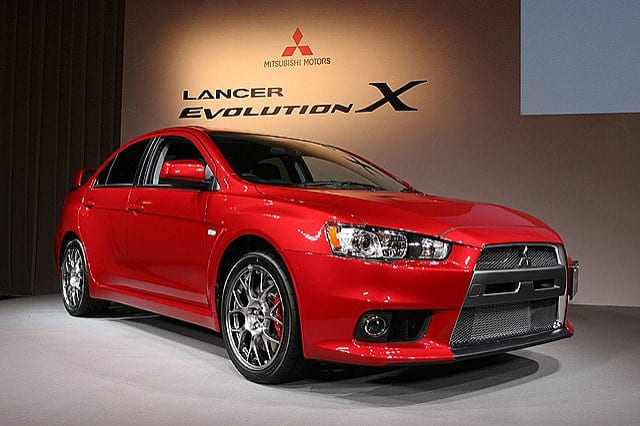
Mitsubishi_Lancer_Evolution_X-front

This car has several variants, the Lancer Evo 6, 6.5, 7, 8, and Evo 9. However, all have the same engines, although there is a slight difference in the turbine housing and camshaft.

This car can have many tunable parts. You can work on the following if you want to tune the iconic Mitsubishi Lancer Evolution. When you’re done working on the upgrades, you should have at least 60 to 70 extra horsepower.

  • Air intake system
  • Exhaust system
  • Remap the engine control unit
  • Fuel pump and fuel injectors
  • Intercooler piping upgrade
  • Wastegate actuator
  • Throttle body
  • Suspension

If you have enough money, there is almost no limit to what you can do with this car, and the good thing is that you can find the parts easily.

4. Ford Mustang.

For-Mustang

The Ford Mustang offers serious power and performance, but you can still tune it to add a few more horsepower. Tuning the Mustang will give you a better and improved throttle response, more power and torque, and believe it or not, your car will even have better fuel economy.

Here is a list of things you can do for your Mustang.

  • Cold air intake upgrade
  • Throttle body
  • Interior improvement (reduce weight by getting rid of items inside the car)
  • Exhaust system upgrade
  • Camshafts
  • Cylinder heads
  • Superchargers or turbochargers
  • Fuel injectors
  • Nitrous oxide
  • Remove the speed limiter

Tuning the Ford Mustang is not difficult. The parts can be found in almost every corner of the United States, and tuners love working on this car.

There are several tuning software options, such as SCT pre-configured tune, Bama performance tune, Unleashed (only for 2015 Ecoboost), and Cobb. Depending on your car model, you can choose the ideal tuning program. If you’re not sure, you can ask a tuner. They will be happy to explain.

However, if your Mustang is new, you should know that your warranty will be voided if you tune it.

5. Subaru Impreza.

Subaru-Impreza

In a world of fast cars, Subaru is one of the cars that demands respect and attention. The Subaru Impreza is an excellent car that has many tunable parts, and it can be tuned for a reasonable amount. This car doesn’t necessarily need to be tuned, but if you want better handling and more power, you can tune it.

Below are the tunable parts of the Subaru Impreza.

  • Exhaust system
  • Turbochargers
  • ECU remaps
  • Suspension
  • Bodywork

The Subaru Impreza has a solidly designed and very reliable engine. It can tolerate tuning with ease.

Frequently Asked Questions about Car Tuning.

What are the main factors to consider in a car for street racing?

Street racing cars operate at a completely different level than those on tracks. Therefore, the requirements are also very different. Here are the main factors to look for in a car for street racing:

  • A small-sized car – A relatively small car will perform better for fitting into smaller spaces and also for weaving through traffic easily.
  • Low-end torque – Instant torque will give you more performance compared to higher RPM on race tracks.
  • Higher seats – The higher seat position will give you better visibility all around. This will boost your confidence in your driving skills and the overall outcome of the race.
  • Lightweight – Lightweight cars will perform better for you in street racing, while heavy cars can slow you down significantly.
  • Strong chassis – A robust chassis is a must in a street racing car. Street racing is a tough activity, so you need a strong chassis capable of withstanding street beating.

Why are tuner cars popular in street racing?

Tuner-Car

Although luxury and supercars are built for speed, the risk of damage is very high in street racing. The cars used for street racing suffer a lot of damage, at least aesthetically.

Besides the risk of damage, car tuning is an art that has a loyal fan base. A car that is modified and bears the mark of originality will earn you admiration and respect on the street rather than flashing a super luxury car.

Is street racing illegal?

Street racing is illegal in almost every country, but so is jaywalking. You don’t see that stopping many people, do you? Nevertheless, street racing is extremely popular almost everywhere.

Currently, San Diego is the only city where street racing is legal to some extent. The city has a program at Qualcomm Stadium, where street racers participate in events in a controlled environment.

What is Eco Mode

When you get into a new vehicle, you are bombarded with features you’ve probably never seen before. This is mainly because car manufacturers are developing new features left and right, to take the lead in the highly competitive automotive market.

One of the new features found in almost all new vehicles is Eco Mode.

But what is Eco Mode and how does it work? More importantly, when should you use it?

Keep reading and we’ll break down all the nuts and bolts of Eco Mode. You’ll know everything you need and more!

What is Eco Mode?

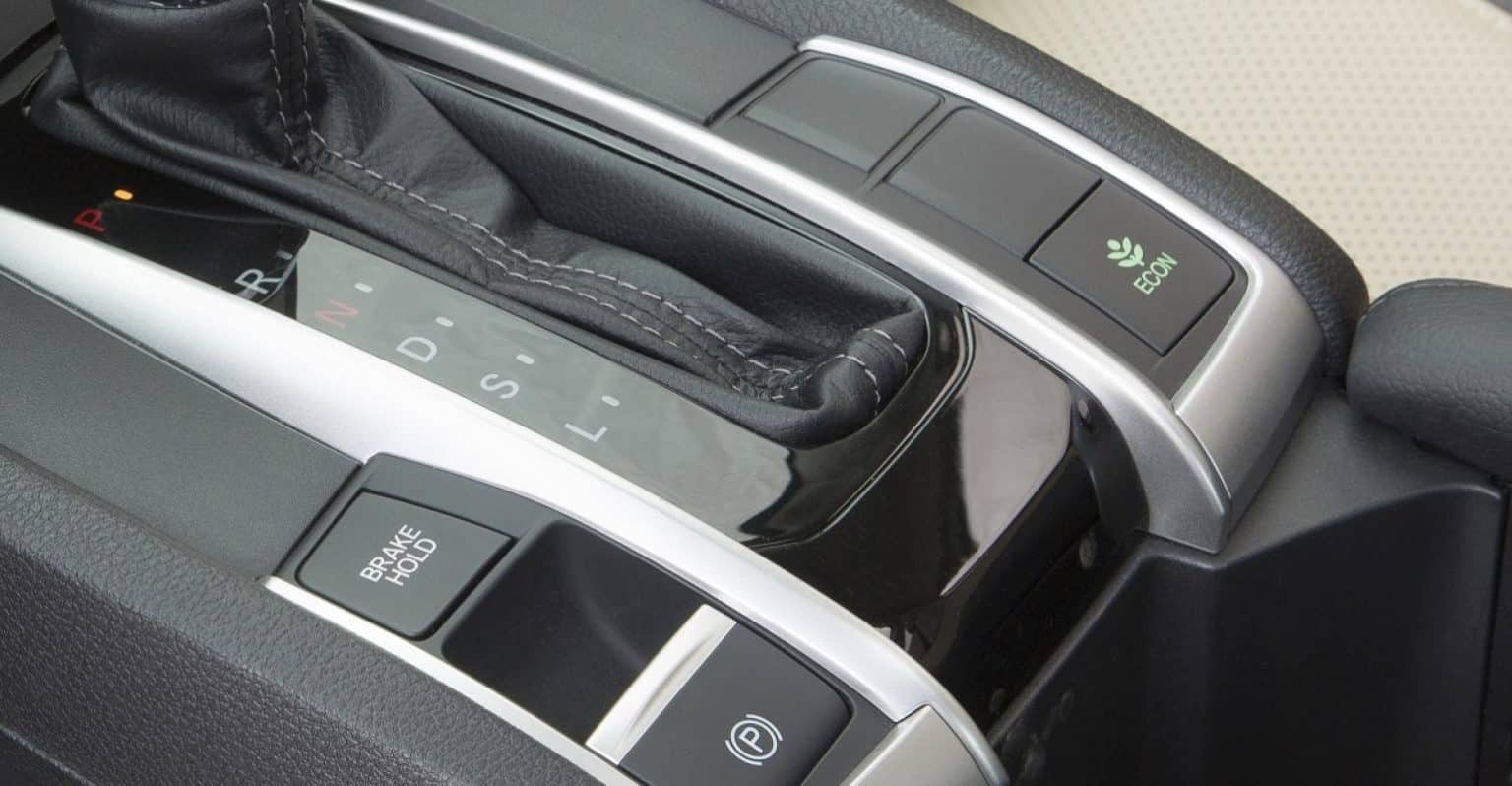
The term actually represents the vehicle’s economy mode. Simply put, Eco Mode is a function that improves your vehicle’s fuel consumption through various measures.

Once you press the Eco Mode button, it changes the car’s basic functions and allows you to travel many miles on just one gallon of gasoline.

While this helps the driver save fuel, the option comes with a trade-off in terms of performance, especially if you tend to be a more aggressive driver.

A Brief History of Eco Mode

The history of Eco Mode is more complicated than you think. This is because each manufacturer has a specific “Eco Mode,” and despite the same name, none of them work the same way.

Each manufacturer has exclusive information protecting its individual systems, but that doesn’t mean we can’t break down the basics and when automakers introduced them.

The 2006 Toyota Prius came with an Eco Mode – but it only worked when the vehicle was traveling under 34 miles per hour and didn’t do much for better fuel economy. However, over the years, the option has improved significantly.

In 2008, the Nissan Leaf hybrid introduced an Eco Mode option that improves fuel consumption by up to 10 percent. Honda introduced its first Eco Mode option in 2009, and Ford and Chevy added it to their lineup in 2012.

Today, you’ll be hard-pressed to find a manufacturer that doesn’t offer an Eco Mode option for at least some of its vehicle ranges. The effectiveness of the modes varies by manufacturer, and there’s no doubt that some brands simply offer the feature as a marketing tactic despite minimal improvements in fuel economy.

On the other hand, other vehicles, like the Honda Accord, Nissan Leaf, and new Toyota Prius, have Eco Modes that significantly improve fuel economy.

How Does Eco Mode Work?

As we mentioned earlier, each manufacturer implements Eco Mode slightly differently, and the exact science behind each brand is often proprietary. But the fundamental principles of how each system works are common knowledge and remain relatively standard across different brands.

The most common operation of Eco Mode is to limit engine performance. If you put the pedal to the metal and pin it to the floor, you’ll get a wide-open throttle, which will result in maximum fuel flow to match the additional airflow.

Eco Mode limits the fuel flow and the result is less power. But it doesn’t just do this with a wide-open throttle; it does it at all times. This means you’ll get a less responsive engine and will often notice a noticeable drop in power during acceleration.

Another option that some manufacturers pair with Eco Mode is a start-stop function. This function actually stops your engine when you’re not driving, which increases energy efficiency since you’re not burning fuel while idling.

Is Eco Mode Worth It?

If you’re looking to reduce fuel costs, the answer is almost always yes. Even if some vehicles don’t have a great Eco Mode installed, it’s usually for older models that introduced the option when the technology was just starting out.

Current vehicles can save between 5 and 10% when in Eco Mode, as the option uses less fuel and reduces maintenance costs.

In other words, if you drive your car 1,000 miles per month and your vehicle gets 30 miles per gallon without Eco Mode, you’ll use 400 gallons of fuel per year. If the average cost per gallon is $2.50, that’s $1,000 per year in fuel.

If you turn on Eco Mode, some vehicles can reduce that number to just over $900 per year – that’s $100 in savings just by clicking a button!

How Popular/Common is Eco Mode?

Although Eco Mode is relatively new, it’s quickly gaining popularity. Before 2008, only a handful of vehicles offered an Eco Mode, namely the Toyota Prius, and most of them did practically nothing. Since then, almost every car manufacturer has added a vehicle with an Eco Mode setup to their lineup.

In fact, even markets with vehicles that aren’t traditionally “green” have added vehicles with Eco Mode options to their lineups. That’s why new vehicles like the Chevy Silverado have Eco Mode configurations that you can use to improve your fuel economy with a click!

Can You Drive with Eco Mode on All the Time?

Most drivers can simply turn on Eco Mode without worrying about it. However, in some circumstances, you’ll want to make sure Eco Mode is turned off. For example, if you’re driving that Chevy Silverado with Eco Mode on while trying to haul something, you’ll find the option is a significant deterrent.

While it won’t damage your engine or transfer case as many claim, you’ll find that you don’t have the torque needed to really get moving on the road. In addition to turning off Eco Mode when carrying heavy loads, you should turn it off whenever you think you’ll need to accelerate quickly.

While this can be hard to predict, common examples include trying to merge onto busy highways and navigating rush hour city traffic. You don’t want to find yourself in a situation where you need to accelerate quickly to avoid an accident and not be able to do so!

Is Eco Mode Bad for Your Car?

Absolutely not! Eco Mode limits engine performance, but it does not harm your engine or cause any damage to your vehicle. In fact, since your engine isn’t working as hard, you might actually prevent your vehicle’s components from wearing out as quickly.

However, any additional longevity will likely be negligible. But while many people claim that running your vehicle in Eco Mode is hard on the transfer case and the rest of the drivetrain, that’s not the case.

Advantages of Eco Mode

Eco Mode has one major advantage: it improves your fuel economy! Even better, if you don’t want it, you can quickly turn it off with the click of a button – and as soon as you want to increase your fuel savings, you just need to click the button to turn it back on!

  • Improved energy efficiency
  • Quickly turned on and off

Disadvantages of Eco Mode

While you get better fuel economy with Eco Mode, you definitely lose power. And if you’re used to accelerating quickly, you’ll notice a difference. Furthermore, if you’re trying to get torque, whether towing something or struggling up a steep incline, Eco Mode won’t be worth it.

Of course, all you have to do is click a button to turn it off! You don’t have to like Eco Mode; if you don’t want to use it, don’t turn it on!

  • Reduced power output
  • Reduced torque to the wheels

When Should You Turn Eco Mode On?

Whenever you want to save fuel, of course! If you use your vehicle as a daily driver for commuting to and from work, chances are you can keep Eco Mode on all the time. If your vehicle has an Eco Mode option, there are only a few circumstances where you should turn it off, and even if you forget, it won’t damage your vehicle at all!

When Should You Turn Eco Mode Off?

You should turn off Eco Mode when towing or carrying heavy loads. If you’re weighing down your vehicle, you’ll want as much torque as possible at the wheels. Eco Mode limits that power and torque by design – making it a terrible choice if that’s what you’re using your vehicle for.

Summary

While Eco Mode may be new to you today, there’s no doubt that manufacturers will equip more and more vehicles in the future with something similar. Indeed, there’s almost no downside to offering a vehicle with an Eco Mode option.

By clicking a button, you can save money, and if you ever need extra power, all you have to do is turn off Eco Mode! Eco Mode vehicles are the way of the future, and you can expect them to be integrated into more and more vehicles.

Reliability of Audi Cars: The Truth About Audi in 2021

Audi Car Reliability: A Closer Look

Car reliability is an essential aspect when choosing a vehicle. In the past, there have been reports indicating that Audi vehicles are not durable. However, this has changed in the recent past.

But, you need to check various aspects to make your Audi reliable.

An Overview of Audi Cars

overview-audi
Audi is one of the German luxury brands. It is excellent for performance, style, and technology. Additionally, it features luxurious interiors and a superb Quattro 4×4 drive system. Almost all its models are solid performers and have high-quality interiors.

In the recent past, there have been various new Audi models. Furthermore, they have expanded into electric cars. These advancements have improved Audi owner satisfaction.

Audi Brand Reliability

Having a more reliable vehicle that meets your needs is essential. This means you will have fewer maintenance issues with the car. Moreover, a reliable car improves your safety score, making it more convenient.

Audi is one of the most reliable brands worldwide. It ranks fourth, with an achievement of 68 out of 100 points, rating system. Additionally, it has maintained a high level for an extended period, making it a trustworthy brand.

Its high-quality technology enhances its reliability. Therefore, this brand offers you both safety and luxury.

Essential Routine Maintenance That Makes the Audi Car More Reliable

audie-routine-maintenance

Well-maintained cars last long on the road. Moreover, they have fewer major issues. When you repair your Audi periodically, it does not cost you a lot of money.

But, the most important task for you is to maintain a routine maintenance schedule. This task, however, is often tricky for most individuals.

You should never ignore this regular maintenance schedule. It is vital, especially for parts that wear out faster.

Common Maintenance Tasks to Make Your Audi Reliable

Oil Changes

change oil audie

No one wants their car to break down or spend a lot of money on repairs. Therefore, you need to change the oil every 5,000 to 10,000 miles. It is crucial for your engine.

Oil helps lubricate internal parts. As a result, it extends the lifespan of engine components. You can perform this regular oil change at home, in a garage, or at a dealership. Thus, you will make your Audi more reliable and convenient.

Brake Checks

Audie Brake Check

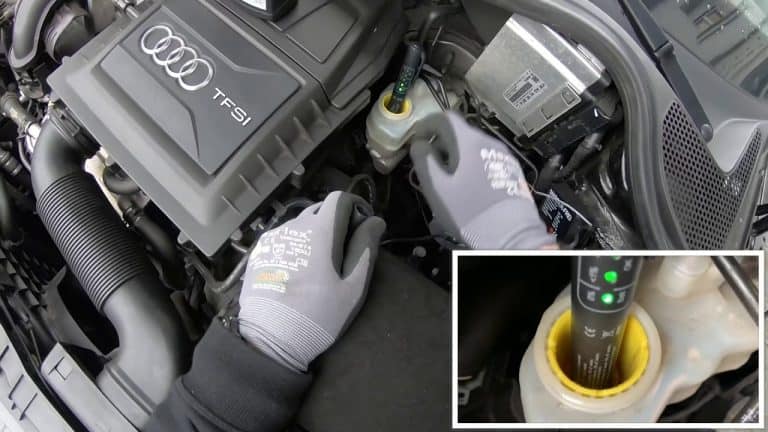
Brakes are one of the most common wear items in a car. Therefore, you need to keep checking them more regularly. Moreover, replacing them when necessary is crucial.

You should check the brakes at least once or twice a year. However, this duration depends on how often you drive. Consequently, frequent checks enhance your safety. Additionally, it makes your Audi more reliable. You are less likely to cause an accident when the brakes are correct.

Tire Rotations

Audi tire

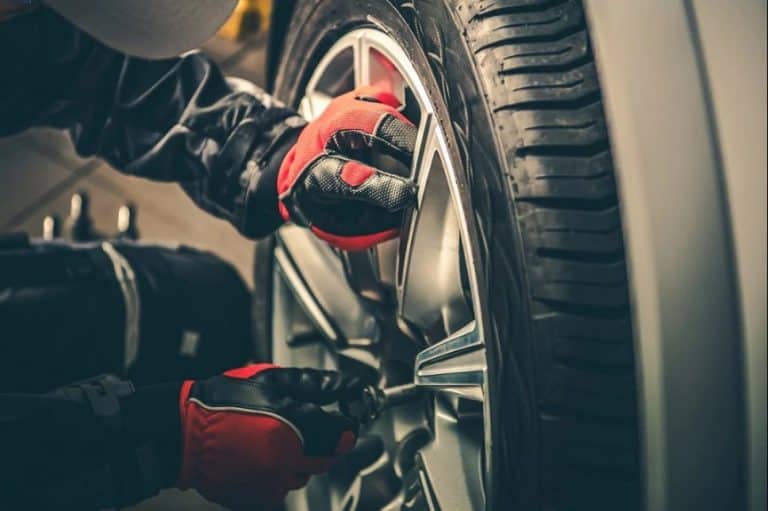
Over time, car tires also wear out. Therefore, they create dangerous driving situations. Hence, to make your Audi reliable, you need to replace them if necessary. Moreover, this action minimizes the risk of accidents.

Battery Check

battery

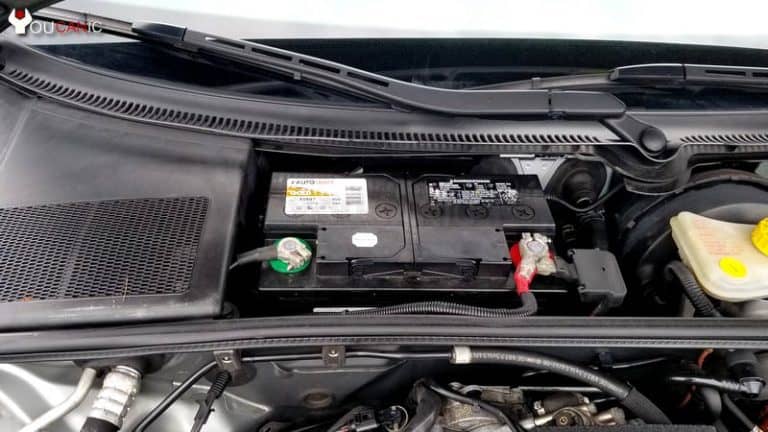
Regular battery checks are essential to avoid a dead battery situation. A dead battery can cause inconvenience as your car may not start. So, to avoid this, you need to keep checking your battery’s charge.

A new battery lasts two or three years. However, you can extend this duration by recharging it. Nevertheless, you will eventually need to replace it.

Maintenance Cost

audi maintenance

Audi cars have high-quality design and construction. But, their necessary maintenance costs to keep them running are high. However, although their spare parts are expensive, they are durable. Therefore, you rarely need to replace them.

Good vehicle maintenance extends the lifespan of a modern Audi vehicle. For example, a well-maintained Audi can serve you for about 150,000 to 200,000 miles.

Thus, Audi cars are reliable when you take good care of them. Moreover, you need to replace Audi parts promptly when they start to wear out.

Audi has fantastic performance compared to its competitors. As a result, it has always been one of the top contenders for longevity among car manufacturers.

In ten years, an average Audi can cost you about $12,400 in maintenance fees. This cost is high compared to other brands such as Honda, Ford, and Toyota. But, Audi spare parts are of high quality, making it a fair trade-off.

All vehicles are different; therefore, some may require more maintenance than the other. But, the assistance depends on the driving history and the vehicle’s age.

However, to maintain good operation, you need to perform consistent checks in your car. Excellent maintenance from the start extends your Audi’s lifespan. Moreover, you encounter fewer problems with the vehicle. Consequently, this makes it more reliable and cheaper to maintain.

Common Unexpected Audi Repair Issues

Similar to most other luxury vehicles, Audi has common maintenance issues. Although some of these are unique to Audi, it should not stop you from having one. Here are some common issues in Audi and their solutions.

Electrical Component Issues

Audi-Electrical-Problems-Repair

Most Audi vehicles experience electrical component failure. For example, erratic lights, taillights, and digital dashboard display failures are common.

But, you can solve this problem by replacing the OE equipment. Moreover, Audi offers warranty coverage, so the repair and replacement cost is not very high. Excluding labor, electrical components can cost about $3 to $1,200.

Spark Plug or Ignition Failure

audie spark plug

This failure is a common mechanical issue in Audi. Additionally, it is one of the main reasons for Audi engine misfires. But, you can solve it by installing good quality OE spark plugs. Furthermore, you need to turn off the engine according to its factory specifications.

Catalytic Converter Replacement

Catalytic Converters audie

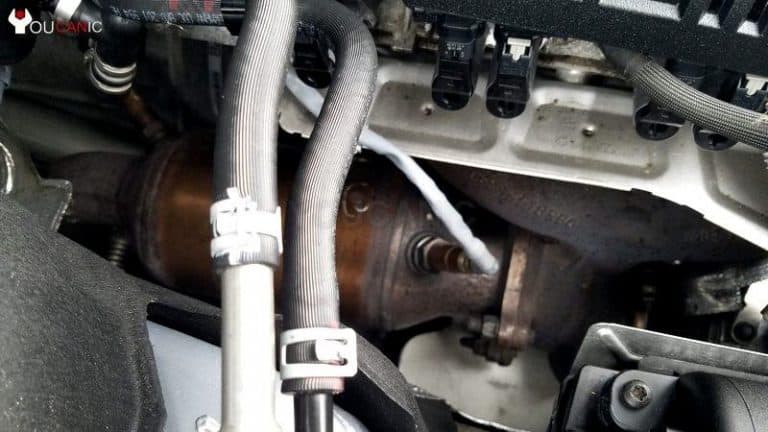
Clogging or carbon buildup can lead to Audi catalytic converter failure. Carbon buildup or clogging solidifies, thus blocking the exhaust flow. But, with this problem, replacing the catalytic converter is not a permanent solution.

Instead, you should find the true cause of the problem. Additionally, you need to maintain your engine regularly and keep it well-tuned. This way, you will avoid the problem and make your Audi reliable.

Exhaust Gas Recirculation (EGR)

Exhaust_Gas_Recirculation

EGR refers to a system that reduces temperatures in your car’s combustion chamber. Water, tears, and carbon buildup are the main issues plaguing your Audi EGR.

Therefore, you need to repair damaged parts and clean the system. You may need to replace the EGR valve if it is damaged.

Oil Leaks

Audie Oil Leaks

Most Audi users complain about oil leaks. However, these leaks come from two places; Camshaft tension and valve cover gasket.

As a solution, you need to replace one or both parts. Therefore, you must first identify the leaking part. You might replace the wrong section, thus not solving the problem.

Oxygen Sensor Replacement

Oxygen Sensor Audie

Is the Honda Fit reliable? 2021 Review

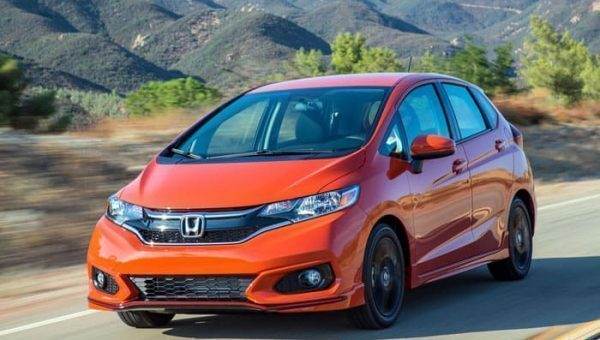
When looking to buy a vehicle, the one with the best package wins. As for Honda Fit Reliability, this means safety, fuel economy, and comfort. But there are other small benefits you might overlook with this model. Despite its size, it has a lot of interior space and excellent handling.

What’s New?

There is little change in the trim level compared to the previous 2019 Honda model. However, the most important is the Honda Sensing suite. This is a safety feature of all new Honda models that offers you innovative safety technology. The purpose of the Honda Sensing suite is to assist you with details you might miss while driving.

The Honda Sensing suite uses sensors to monitor the environment around you and to warn you before any harm comes to you. It’s like having an extra pair of reliable eyes watching over you when you park or change lanes.

The Honda Sensing Suite

  • Adaptive Cruise Control (ACC)

Honda-Adaptive-Cruise-Control

Photo from: https://www.autoguide.com/

It’s better than cruise control. While cruise control works at a single set speed, ACC adapts based on your environment. It can reduce acceleration and then return to the set speed. You can also set a safe distance within which your car will follow the vehicle ahead of you.

  • Automatic High Beam Headlights

Automatic High Beam Headlights

Photo from: https://thenewswheel.com/

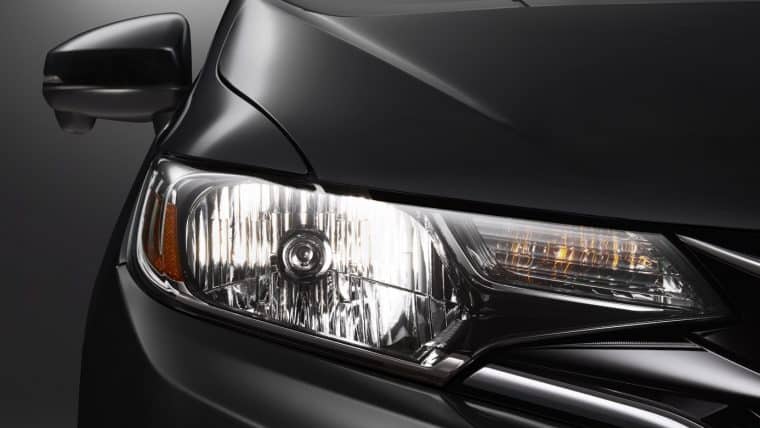
The headlights have sensors to track your environment and switch from low beams to high beams whenever necessary. It’s not just a safety device for you alone, as it also adapts to other road users.

  • Blind Spot System

Blind Spot System

Photo from: https://www.honda-mideast.com/

This is a safety device aimed at reducing accident cases. If an object enters your blind spot, the sensor will trigger audio and visual alerts. It is useful when you are overtaking or want to change lanes and cannot see the car coming from behind.

  • Forward Collision Sensor

Forward Collision Sensor

Photo by: https://www.doverhonda.com/

If you take your eyes off the road, you might approach or hit the car ahead without realizing it. Honda Fit reliability will prevent this by giving you alerts, making you slow down, or braking. If your reaction time is slow to avoid the accident, it will brake automatically, ensuring your safety.

  • Lane Keeping System

Lane Keeping System

Photo from: https://www.hiltonheadhonda.com/

It prevents your car from drifting into another lane when you haven’t used the turn signal. If you stray from your lane, the steering torque will push your vehicle back to the middle of the road.

The Lane Keeping System is the same as the Road Departure Mitigation System, which applies when you drift without signaling. The steering automatically brings your car back onto the road.

  • Traffic Sign Recognition

Traffic Sign Recognition System

Photo from: https://www.dowhonda.com/

It’s a useful safety feature that informs drivers of any road signs or speed limits. It uses a front camera that detects traffic signs and alerts you about them.

  • Collision Mitigation Braking System

Photo from: Winding Road Magazine – https://www.youtube.com/watch?v=jvxFFKv80H8

It is useful for avoiding hitting sudden obstacles on the road. It will brake automatically if you cannot reach the brake pedal in time to stop the car.

Reasons to Buy the Honda Fit Reliability

  • Spacious Interior Cabin

Spacious Interior Cabin

Photo from: https://www.atlantichonda.com/

From the outside, the Honda Fit looks like a compact sedan. This might make you believe it’s not spacious. Once inside, you’ll notice there is so much free space in the front. You’ll also have enough leg and hip room for all passengers. Thanks to its design, you can configure the seats and create space inside the cabin.

  • Perfect Handling

Handling

Photo from: http://www.everymandriver.com/

It has smooth handling, and you can negotiate the tightest turns without stressing the vehicle. It gives you confidence when taking highways because you have stability and speed. You don’t need to worry if you change lanes on the road at a significant pace.

For a vehicle in this category, speed and handling are essential features you will appreciate.

  • High Safety Rating

High Safety Rating

Photo by: https://www.showcasehonda.com/

All vehicles from the Honda brand pride themselves on high safety standards. The Honda Fit is no exception. According to the National Highway Transportation Safety Administration, the Honda Fit has five stars in all tests except one. The test was in 2019, and the only four stars were in the rollover test.

The NHTSA gives the Honda Fit a 14.7% rollover risk probability. It is in this regard that the Honda Fit is among the safest cars.

  • Cargo Space

Cargo Space

Photo by: https://carbuzz.com/

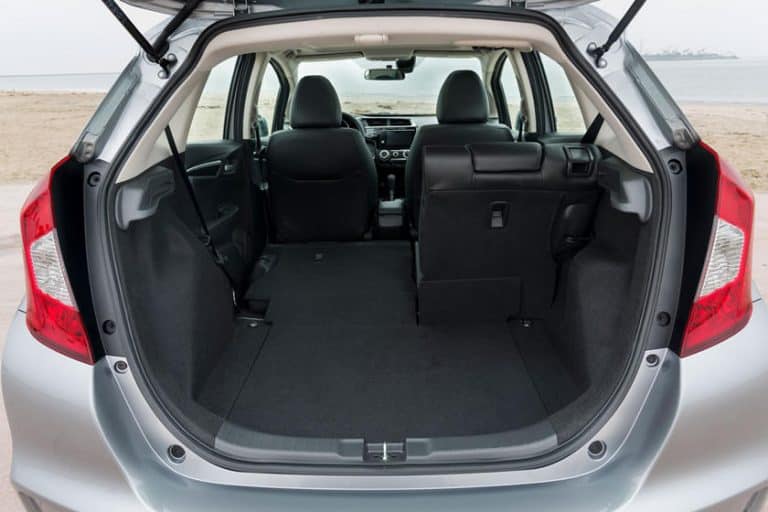
Few hatchbacks offer a lot of cargo space, and most drivers know this. However, the Honda Fit has a smart design that maximizes every inch of space in the cabin. The rear seats can fold flat, creating more space in the back. The 16.6 cubic feet of space can transform into 52.7 cubic feet in an instant.

Vehicles in this category rarely have such interior space when you need it.

  • Safety and Infotainment Features

Infotainment and Safety

Photo from: https://www.coralspringshonda.com/

It comes with an infotainment screen with excellent graphics and displays. The safety features of the Honda Sensing suite are present in all Honda trim levels. The use of sensors and cameras helps keep a vigilant eye on the road while you drive. The best thing is the automatic steering and braking in cases where you are slow to react. The safety level of the Honda Fit is not typical of most vehicles in this category.

It uses high-end technological integration. It has a smartphone app compatible with iOS and Android versions.

  • Fuel Economy

Fuel Economy

Photo by: https://www.greenbiz.com/

The Honda Fit has excellent fuel economy, making it perfect for modern driving. This is why you will save money on fuel while avoiding environmental pollution. Fuel economy has a direct correlation with climate change. As the world progresses towards better energy efficiency, Honda Fits leads the pack of cars in the same category.

Better fuel economy also leads to increased energy sustainability and reduced dependence on oil.

  • Manual Transmission

Manual Transmission

Photo by: https://www.commonwealthhonda.com/

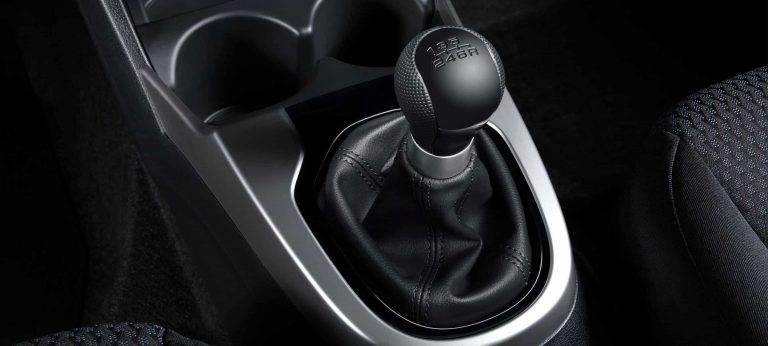
The six-speed transmission is smooth, and you will enjoy great power in this small sedan. The manual transmission, combined with a 1.5-liter engine and a four-cylinder engine, gives you efficiency. It also develops 130 horsepower and 114 lb-ft of torque, which is sufficient for a car in this category.

The manual gear lever is precise

Understanding the Different Types (and Colors) of Coolant

The gasoline or diesel engine in your car or truck produces the power needed to push you down the road. At the same time, that engine produces a considerable amount of wasted energy in the form of heat. And that heat must be drawn out of the mechanisms inside the engine and effectively discharged into the outside air.

How can that happen? Well, unless you are driving an old VW Bug, a Chevy Corvair, or a Porsche, your car will have a water-cooled engine. Your car will also have an engine with internal water passages, a water pump, a heat exchanger called a radiator, and a bunch of flexible hoses connecting these items together.

How does all this work? When the engine is running, the water pump circulates the coolant through the engine and to the radiator. The hoses carry this fluid. As you drive, the water picks up heat from the engine and releases that heat into the air flowing through the radiator. This prevents your engine from overheating.

What is Engine Coolant?

In the above description, “water” is the term used for the coolant. But the coolant will not be just water but a mixture of water and antifreeze. The technical term for this mixture is coolant.

Simply put, coolant is the liquid used to cool your car’s engine. To properly understand today’s automotive coolants, we must first look at the qualities of pure water once used for this purpose.

For engine cooling, water has very positive qualities.

  • It has a very high specific heat capacity. That is, water can hold more heat per unit volume than almost any other fluid.
  • It has a fairly high boiling point.
  • It is available virtually everywhere at a remarkably low cost.

There is no doubt that these three factors made water the coolant of choice in the early 1900s when motor vehicles came on the scene. But there are several problems with using water alone that made it then and even now inferior to the ultimate engine coolant.

  • Water has a freezing point of 32 degrees Fahrenheit, making it unsuitable for engines used in most high-latitude climates worldwide.
  • Worse, when it freezes, it expands. This behavior can crack any water-cooled engine in winter with water alone. And it can also freeze inside a radiator and easily destroy that expensive part.
  • Water promotes corrosion (creates metal oxides or rust) with the materials commonly used in engines and radiators.

Very early in engine development, chemists began modifying water with added chemicals to make it a more suitable coolant. These additives aimed to both overcome the disadvantages of water described above while preserving the benefits that water brings to keeping things cool.

Making Water the Ideal Coolant

coolant chemistry

Early in the history of engine cooling, the biggest problem was coolant freezing. And chemists quickly discovered that methyl alcohol (methanol) could be mixed with water and thus lower its freezing point. Methanol was the first coolant additive called antifreeze.

Unfortunately, this antifreeze also lowered the boiling point of water, introducing a new and major problem. Fresh water boils at 212° F. Engines reach operating temperatures equal to or greater than 212° and can easily boil water. The lowered boiling point using methanol for antifreeze could not be tolerated.

The next step forward was a chemical called glycerol. It lowered the freezing point of water but was only effective down to -36° F. Not low enough for all winter weather conditions. An even better product was needed.

In 1926, chemists found a lasting answer, a petroleum-based derivative called ethylene glycol. When added to water, ethylene glycol not only lowers the freezing point sufficiently but also increases the boiling point. Ethylene glycol became the new antifreeze of choice for combustion engines.

Ethylene glycol has about half the specific heat value of water. So, when added to water, the amount of heat a given volume of this coolant mixture can hold is reduced. Cooling systems must circulate higher flow rates of this coolant to transfer the same amount of heat that water alone would carry.

Furthermore, pure ethylene glycol is sweet-tasting and toxic. A spill of coolant from your car with this particular antifreeze mixture on your driveway could leave a toxic puddle. Your neighbor’s puppy might be attracted to the taste of lapping it up, leading to sad consequences. Always clean up coolant spills to avoid such a disaster.

Propylene glycol, a second, more recent option for antifreeze, also works well for automotive cooling purposes. And in moderate amounts, it is non-toxic. However, when used in coolant mixtures, it is prone to developing bacterial and fungal growth over time. Special additives minimize this risk.

In 2012, U.S. antifreeze manufacturers agreed to add a bitter-tasting chemical to their antifreeze products to mitigate the toxicity problem. This did not prove to be a total success.

For this reason, the use of propylene glycol has expanded. The chemical, glycerol, whose use for automotive antifreeze was abandoned in 1926, has recently been reconsidered as a possible non-toxic replacement for ethylene glycol.

Antifreeze manufacturers use proprietary additives to extend the life of the antifreeze, minimize corrosion, improve water pump performance, and reduce foaming.

The characteristic antifreeze smell you may have noticed from time to time under the hood comes from a common corrosion inhibitor, tolyltriazole. A secondary benefit with this additive is that antifreeze leaks are often easily detectable with a sensitive nose.

Does It Matter What Coolant I Use?

Yes, absolutely. Your car or truck owner’s manual will give you precise advice in this regard. Ignoring this direction could eventually cost you a bundle in repairs a few miles down the road.

Different Types of Coolant

A popular auto parts store sells 17 different types of antifreeze for cars and trucks. Here, we will try to group this dizzying array into the basic types of antifreeze and antifreeze colors you might expect to find on retailer shelves.

Additionally, you will need to choose between full-strength antifreeze or a 50-50 mix of antifreeze and water.

Full-strength antifreeze will require you to mix it with distilled water before installing it in your car’s cooling system. A 50-50 mix will work for most winter climates, protecting against freezing down to -35° F. For extreme cold, a 60-40 mix of antifreeze to water can be used to provide low-temperature freeze protection.

Important
Never mix antifreeze with tap water. Dissolved chemicals and/or chlorine in drinking water can lead to serious cooling system problems. Distilled or reverse osmosis purified water must be used when preparing your coolant mixture.

Furthermore, never fill an empty cooling system with 100% antifreeze, i.e., antifreeze without added water. In this situation, undiluted antifreeze will freeze at about 10° F instead of the -35° F achieved with a 50-50 mix.

Let’s review the colors and types of antifreeze. Coolants are colored to help identify the coolant in an engine. This can help us avoid adding the wrong coolant. Additionally, the loss of its bright color can indicate to us that a coolant is at the end of its life.

#1 – IAT (Inorganic Acid Technology)

IAT coolant color

Typical Color: Bright Green

This is the oldest coolant mixture and was installed by all domestic automakers until about 1994, with some brands such as Ford continuing until 2002.

Asian and European automakers stopped using this mixture in 1990. It contains phosphates and silicates and works quite well with cast iron engine blocks and copper or aluminum radiators.

IAT coolants must be flushed and renewed every 2 years or 36,000 miles. If left in an engine beyond these limits, the inevitable formation of clogging solids could degrade a cooling system’s performance. Heater core blockages were not uncommon with this coolant years ago if it was not regularly replaced.

#2 – OAT (Organic Acid Technology)

Typical Color: Orange, Red, Blue, or Dark Green

This type of coolant contains neither phosphates nor silicates and is found in most domestic cars built after 1994. The extended coolant life of up to 5 years or 150,000 miles is an advantage with these coolants.

#3 – HOAT (Hybrid Organic Acid Technology)

HOAT coolant color

Typical Color: Yellow, Turquoise, Pink, Blue, or Purple

These coolant mixtures fall between IAT and OAT types and are called Hybrid Organic Acid Technology (HOAT) products. HOATs are commonly installed in new Chrysler products as well as European and Asian cars.

#4 – Dex-Cool

Typical Color: Orange

Dex-Cool, an OAT type, was developed in 1995 for GM cars. When owners mistakenly added green coolant to systems containing the Dex-Cool system, blockages frequently occurred.

In other respects, Dex-Cool is an acceptable coolant but should never be mixed with other types of antifreeze.

Carmaker Branded Antifreeze

For your recent domestic or foreign car model, going to the dealer parts counter for antifreeze may be your best bet. By doing so, you won’t have to interpret the antifreeze specifications and/or usage constraints on those gallon can labels at the parts store.

Although you may pay a bit more, you will also have the assurance of using a coolant formula specially blended for your car.

What Type of Coolant Does MY Car Need?

Your car came from the manufacturer with the type of coolant it needs. For its lifetime, that same type of coolant should be used. The type will be specified in your owner’s manual.

Qualified auto parts specialists can also provide you with this information if you need to purchase antifreeze.

Can I Mix Different Coolants?

can you mix coolants?

No. You should never take that risk. Coolant mixtures are decidedly different.

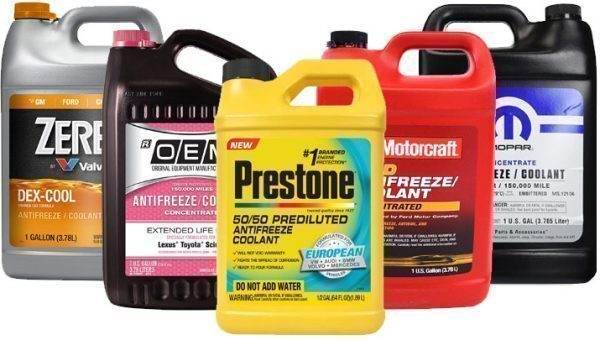
Of course, there are at least three manufacturers making a so-called “universal” 150,000-mile extended-life coolant (yellow in color). But adding it to your car’s cooling system carries a risk. To be safe, all you need to do whenever antifreeze is required is to purchase the type specified for your specific vehicle.

And what if you are out in the deserts and your cooling system is slowly leaking? If that happens, you can always add distilled water to your cooling system. You can even add clean water from a nearby stream if you are desperate. But that is a temporary solution until you get back to civilization.

Why? Because adding that water will degrade the freeze and boil-over protection. So, you should soon have the system leak checked and the coolant mixture either corrected to restore protection or the system flushed and filled.

Can I Add New Coolant to Old Coolant?

Yes, you can. But here is the rule:

  • The new coolant you add must be the same type and color as the existing antifreeze in your car’s cooling system. Failure to follow this rule could cause costly damage to your engine.

Furthermore, when adding coolant, you should always use a pre-mixed 50-50 antifreeze mixture. Most cars will already have a 50-50 mixture installed. Thus, your addition of this fresh coolant mixture will not significantly disrupt the freeze and boil-over temperatures.

What Can Happen if I Use the Wrong Type of Coolant?

Adding the wrong antifreeze to your cooling system can cause the coolant to coagulate and clog the radiator or the entire system.

If severely clogged, the system cannot be easily flushed and may require costly complete disassembly for decontamination.

An Important Caution with Pre-Owned Vehicles

Let’s say you just bought a used car, perhaps five years old or more and/or with over 150,000 miles on the odometer. Your first maintenance job on this car should be a complete cooling system drain and flush with the correct new coolant installed.

You may not know if such service has ever been performed for your “new” car. So, it would be extremely wise of you to take this step.

Why are jeeps so expensive?

Robust. That’s the kind of person you are. The wind in your dusty hair, crawling on sick mountain trails that haven’t been traveled in years. You love being alone, master of your destiny, captain of your soul.

That, of course, is why you chose to buy a Jeep. You were told it’s the only vehicle that will take you to those remote and hard-to-reach places in this world, and that’s exactly what you intend to do.

However, when you start driving miles in your brand new 4×4, you can’t help but notice that there isn’t much luxury in the cabin and the ride is quite rough. The parts are quite expensive, and in fact, you can hear the engine on the radio!

This raises the question…

Why Are Jeeps So Expensive?

#1 – Supply and Demand

Jeep Wranglers are very popular and Jeep knows it. Everyone loves the removable doors and the classic slotted grille on the front of the Wrangler. People love buying Jeeps because of their off-road capability, even if they don’t intend to venture outside the mall.

As a company, Jeep also maintains low production volume to ensure demand remains high. This way, they can charge $40,000 for a mid-range version and people will line up to pay the exorbitant “dealer markup.”

Basically, if you have something that everyone wants, why would you lower its price? A well-equipped Jeep Gladiator can be bought for nearly $70,000! That’s a lot for a utility farm truck!

#2 – History

Jeep history

Part of the reason Jeeps command such a high price these days is due to this automobile’s long and successful history.

Used as a utility troop carrier during World War II, the Jeep was supposed to cross any terrain, carry .50 caliber machine guns, and tow anti-tank weapons to the front line. It was supposed to be light enough that, if it ended up stuck, one or two guys could lift it and get it moving down the trail.

The original “Willys” Jeep, as it was called then, was also supposed to be easy to work on, meaning all parts were readily available and quite simple to use. Interestingly, many Jeeps were shipped to the army as crates of disassembled parts. Frontline mechanics were supposed to assemble the entire vehicle in one day to get it to the front line!

What I also hear and see in Jeep circles is that there is a fairly loyal brotherhood around these vehicles. When you buy a Jeep, you wave to other Jeep owners and say, “Hey! You have a Jeep like mine! Hey buddy, isn’t it cool that we bought the same car?”

When you fill up at the gas station, people might come up to you and ask you everything there is to know about your car. That’s another reason Jeep prices go up every year, because you’re not just buying a car, you’re buying a complete experience.

It’s safe to say that the Jeep Wrangler’s rich and interesting past, along with the brotherhood, have created greater demand for the Jeep brand as a whole.

#3 – Competition

While we’re talking about Jeep Wranglers, I’ll also mention that they are priced so high because they don’t have much competition. For the price, you can’t get a solid front axle, electronic sway bar disconnects, front and rear lockers, and all-terrain tires in a vehicle from the factory.

So, for those who place great importance on off-road performance, there’s really only one option on the market: the Jeep Wrangler.

When you look at the other models in the Jeep lineup, all are equipped with the optional “Trailhawk” trim that offers huge improvements in off-road capabilities, which can compete with any of the other SUVs offered on the current market.

How to Get a Good Deal on a Jeep

As with most other cars, the best deals you’ll find will be on the used market. Normally, you want to look for cars with less than 100,000 miles, a full maintenance history, a clean title, and preferably “Certified Pre-Owned.”

This way, you avoid the huge depreciation in the first two years of ownership and you still get a car with plenty of life left.

Are Jeeps Expensive to Maintain?

Jeep Wrangler maintenance

The average maintenance cost for a Jeep Wrangler is $694, barely $100 more than other SUVs in the segment. Although the average cost is higher, the likelihood of you needing to go to a mechanic is quite low on average.
That being said, repairs on Jeep Wranglers are on average more severe because there are more issues than on a standard front-wheel-drive sedan, for example.

Now, if you plan on taking your Jeep to MOAB for the Easter Jeep Safari (I know I am!) and you want to tackle Pritchett Canyon, you risk breaking a tie rod, your axles, your differential, maybe your transfer case, and your transmission.

Not to mention that if you need someone to tow you from a difficult spot, you’ll spend at least $2000 just to get to the nearest gas station. So, you’ll have to spend a lot more than $694 a year if you want to keep up this hobby.

Plus, if you’re going to have a Jeep, you better be sure it won’t stay stock for very long! You need to get the big 35-inch tires, the gold rims, the King Shocks, and make sure not to forget the swiveling light bars!

Otherwise, why did you even buy a Jeep, right? It’s a situation where you have to pay to play with the big 4X4 bois.

Jeep Insurance Costs

With Progressive insurance, you’ll spend about $950 per year on average to insure a Jeep Wrangler. However, as with all insurance premiums, this can be modified by your age, driving history, and the type of car you drive.

I’ll also add that almost all insurance companies will not cover accidents/damage caused by tackling sketchy trails in the mountains. So, make sure not to try to file a claim for a bent rock slider or a torn sidewall, because you might get a few raised eyebrows from your local insurance agent.
Overall, Jeeps are quite expensive to purchase and may cost you a bit more each year to keep them running properly. However, when you compare its off-road capabilities to any of the other options in this class, there’s no doubt which is the better deal.

Simply put, if you go off-road and love exploring most of the time you get in your vehicle, get yourself a Jeep.

How to remove rust from cars

Although modern cars are much more effectively protected against rust through the use of resistant materials and protective coatings, no car is completely safe from this deadly killer. What starts as a small brown spot can spread quickly and become a much more serious problem. The longer you wait, the more it will eat away at your vehicle’s body and chassis, leading to costly repairs or an irreparable mess. For this reason, rust prevention is an essential element of car maintenance that every car owner must pay attention to.

WHAT CAUSES RUSTING?

Rust occurs when iron or an iron-containing material is exposed to moisture, causing oxidation. This reaction produces iron oxide (rust). The rate at which automotive parts rust often depends on a series of factors, including the vehicle’s age, climate, alloy elements, and heat treatment processes.

If the car is driven and stored in a cold, wet, or humid environment, the risk of rust increases due to exposure to rain, snow, sleet, and ice. Road salts used to melt snow contaminants also accelerate the rusting process when they dissolve in water.

Paint acts as a protective layer on the body; however, over time, it chips and the protective coating breaks down, leaving the body exposed to moisture and contaminants. Older cars are generally more susceptible to rust because they are made from less resistant materials and do not have as much corrosion protection.

WARNING SIGNS

what causes rusting
  • !Bubbles appearing under the paint
  • !Puddles or patches of moisture on the floor inside the passenger compartment or trunk. This indicates that the underbody has a corrosion problem.
  • !Minor damage to the bodywork such as dents, cracks, and scratches. Damaged parts are more exposed to moisture and dirt.

THE 3 TYPES OF RUST

There are three types or stages of rust that vary in terms of severity and aggressiveness. Identifying which stage the corrosion is at should help you find the right solution to remove or repair it.

  • iSurface Rust
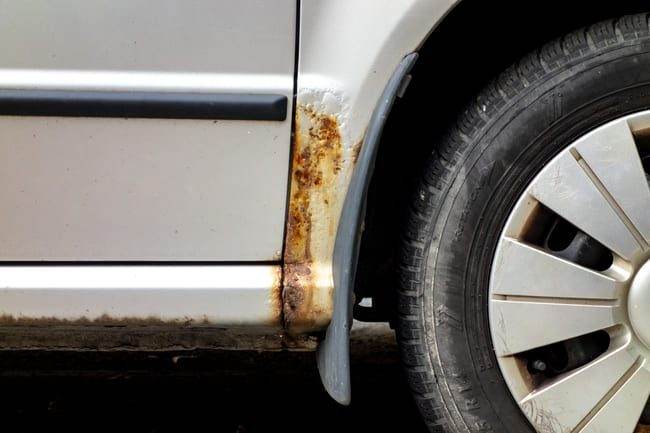
    As the name suggests, this type forms on the surface of the metal and is quite easy to remove. Treating components at this initial stage is the best way to keep it under control. It usually forms when there are chips or scratches on the paint or when the paint is degraded by UV rays. It can also form on the vehicle’s underbody or wheel discs.
    It often looks flaky and forms a reddish-brown, black, or white layer on the surface. In some cases, you can use a simple sandpaper method or a rust remover to restore the car to a clean and healthy appearance.
  • iScale Rust
    If the rust begins to deepen, you may notice bubbling under the paint. As the iron oxide molecules expand, the metal begins to break down and corrode. If left untreated, it will become rough and “scaly.” The hard layers will need to be scraped with a wire brush and sanded with a grinder and sandpaper.

  • iPenetrating Rust
    This is the most advanced stage of rust and poses a structural safety risk as body parts are eaten away, weakening the frames. Holes will appear, and parts such as body panels may be irreparably damaged, requiring costly replacements. At this stage, you cannot repair the components with filler because it has already progressed too far. It is strongly advised not to drive a vehicle in this condition.

HOW TO REMOVE SURFACE RUST FROM A CAR

The Essentials

  • Masking tape + paper
  • Safety equipment, e.g., safety glasses, a respirator
  • Sandpaper (different grit sizes)
  • An angle grinder + flap disc (optional)
  • A wire brush
  • A polishing or rubbing compound
  • Primer
  • Color-matched paint
  • Clear coat (optional)
  • Rags
  • Microfiber cloths

The Procedure

Important: Make sure to do this in a well-ventilated area when the car is parked on a flat surface such as a driveway or garage. Paint fumes can be toxic.

how to remove surface rust from a car
  1. Remove Rust, Paint, and Primer
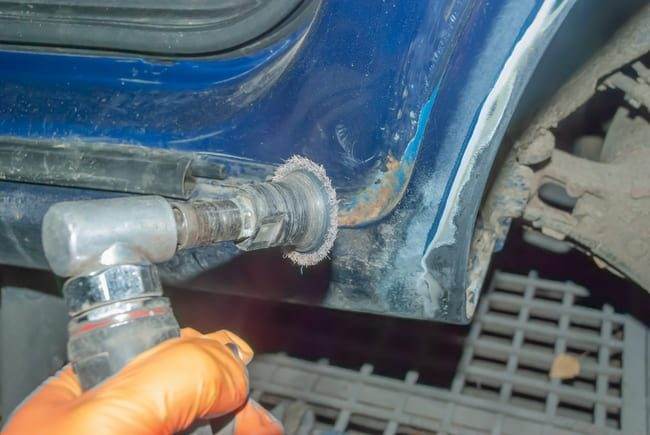
    This can be done by hand starting with coarse 80-grit sandpaper and a wire brush, or by using an angle grinder and a disc. Using a machine will be more effective at removing stubborn layers and saving time. Sand carefully and thoroughly for a smooth finish. To remove rust from hard-to-reach areas or crevices, you can use a wire brush to remove rust and grime. Alternatively, you can choose to use a rust remover that can be applied with a brush or cloth. However, the product instructions must be followed carefully so that no damage is caused to the vehicle or the person repairing it. Clean the area to remove dirt and metal chips, then make sure it is completely dry before moving on to the next step.

  2. Section Off the Area
    Use masking tape and paper to section off the area that needs to be primed and painted so that the rest of the surface is protected.
  3. Apply the Primer
    You will first need to use a self-etching primer or one suitable for direct contact with metal. Spray the primer evenly and in thin layers, then let it dry. After the first coat, use a wet sanding method to ensure the surface is smooth and the edges are unified. It is best to use fine-grit sandpaper (400) for this step. Clean the area and let it dry before applying the second coat. Once this coat is dry, use a wet piece of 600-grit sandpaper to smooth it again before applying another coat of primer. You can choose to cover this with a surfacing primer for added protection.
  4. Spray on the Base Coat
    Usually, car surfaces only need two to three coats of base paint for good, even coverage. Make sure to keep the coats thin to avoid drips. Once dry, you can also use a rubbing or polishing compound to give it a shinier finish. This can also help you blend the new paint with the original paint.
  5. Apply a Clear Coat
    For the final step, you can apply an additional clear coat of paint that can help the paint last longer by providing extra protection against UV rays and harsh weather.
    Removing scale rust involves additional steps because it often leaves tiny holes in the metal. These need to be filled before being repainted.

HOW TO STOP A CAR FROM RUSTING

Best Tips:

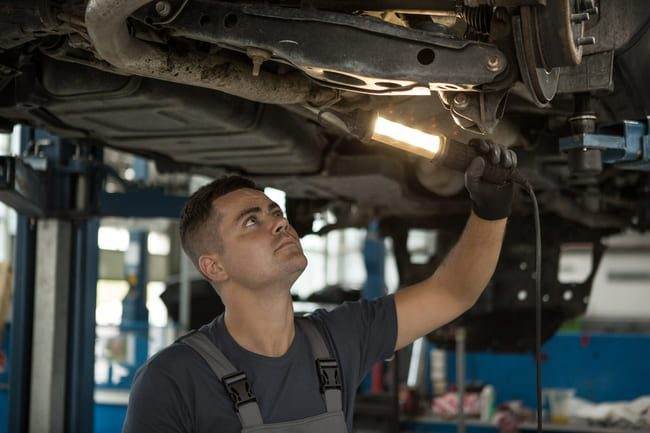
  • iCheck the car’s underbody and keep it clean. Rust under the vehicle often goes unnoticed because it is not immediately visible. They are particularly vulnerable to road contaminants, such as gravel.
  • iUndercoating and rustproofing will help prevent corrosion and the formation of iron oxide. When done well and using professional products, it can last up to ten years.
  • iKeep it clean. Some people think that washing their car regularly will make it more prone to corrosion, but this is a myth. Removing contaminants and impurities is essential to prevent rust, especially during the winter months.
  • iUse a good car cover designed to protect the body during different seasons.

What is 4motion? Description and operating principle

4motion is the patented name for the all-wheel drive systems found on Volkswagen cars. It has been used since 1998. Previously, all-wheel drive versions were called “Syncro.” Increased off-road capability on rough terrain and loose or slippery surfaces is one of the main advantages of this system.

HOW IT WORKS

Full-time 4motion can be found on vehicles equipped with longitudinal engines. It uses a Torsen limited-slip differential. This distributes engine torque based on road conditions, transferring the most to the axle with better traction.

An electronically controlled Haldex multi-plate clutch is part of the on-demand system. Under normal conditions, all torque is distributed only to the front axle. If the front wheels start to slip, the rear wheels are engaged, and for short periods, up to 100% of the torque can be distributed to them.

Part-time 4×4 is less common. It is activated by the driver and provides a rigid connection between the front and rear axles. It is designed only for off-road driving and driving on slippery surfaces.

VOLKSWAGEN MODELS EQUIPPED WITH 4MOTION

Drive Type Cars
Full-time with a Torsen differential Passat B5; Phaeton 3D1, 3D2, 3D3, 3D4, 3D6, 3D7, 3D8, 3D9.
On-demand with a Haldex clutch Golf 1J1, 1K1, 1K5, 5K1; Bora 1J2, 1J6; Passat B6, B7; Tiguan 5N, AD1, BW2.
Part-time 4×4 Amarok 2HA, 2HB, S1B, S6B, S7A, S7B.

COMMENT

Fuel Consumption: How to Calculate, Monitor, and Save Money

There are many things to consider when buying a new car. How is the handling? What about the power and acceleration? How comfortable is it to drive? One of the most common questions is how much will it cost to run? And that’s an incredibly important question. In recent years, there have been perfectly designed, attractive, and comfortable cars that consistently received poor ratings because they are simply too expensive to use.

Most of the time, this comes down to them being “gas guzzlers,” meaning they have extremely high fuel consumption. Given the high and unpredictable price of gasoline and diesel, the energy efficiency of cars has become a key indicator to help you choose the right car for you. That’s why we have MPG and why almost every review of a vehicle will mention what its MPG is. But what is this value, can I calculate it for my existing vehicle, and how useful can it be when buying a new car?

WHAT IS MPG?

What is MPG

MPG stands for miles per gallon and it’s the standard unit for measuring fuel consumption in land vehicles. The figure shows the number of miles a car can travel on one gallon of fuel. For example, if your car has a fuel consumption of 50 mpg and its fuel tank holds one gallon (or 4.55 liters), you can travel 50 miles before the car runs out of fuel.

By law, every car must receive an official MPG value from the manufacturer, and this must also be made available to customers. This acts as a guide so consumers can compare energy efficiency between different models and vehicles. The EU sets the standards for British vehicles, and the tests are administered in the UK by the Vehicle Certification Agency. Because they are all standardized, they provide an accurate comparison between cars. If you’re buying a new car and looking to get something more efficient, it’s always a good idea to ask what my car’s MPG is right now and whether this car will have a better one.

HOW IS MPG CALCULATED?

The official MPG is calculated from a laboratory test on a rolling road. A single model is tested in each product range. A car is tested on two cycles: the urban cycle and the extra-urban cycle. The urban cycle test starts from a cold engine and then mimics city driving at speeds not exceeding 30 mph. This test lasts 2 and a half minutes and includes a series of stops and starts to recreate the type of driving needed in urban areas. The extra-urban test is designed to see how a car would behave outside the city and lasts 4.3 miles with a maximum speed of 70 mph. The temperature is standardized to 20-30 degrees, and there is only the driver in the car. The MPG stated by a manufacturer is then an average of the two MPG figures from these two tests.

HOW DOES THIS DIFFER IN REALITY?

Since MPG is done under hypothetical laboratory conditions, there will always be a difference between a car’s official calculated mileage (calculated under the official EU-regulated test conditions) and what you can actually achieve while driving.

MPG figures can still be used for comparison purposes, but they won’t be very helpful if you’re trying to determine how much a car will actually cost you, because the average miles per gallon in the real world will differ from the manufacturer’s value.

The amount of gasoline you’ll need for 100 miles will always be different on the road because the test removes variables such as hills, uneven road surfaces, and does not account for different driving styles, passenger weight, cargo carried, wind resistance, or any modifications made to a car.

For example, fitting larger wheels means the car will be heavier, generate more aerodynamic drag, and have more rolling resistance than standard wheels, so your car’s fuel economy will be worse.

HOW TO CALCULATE ACCURATE FUEL CONSUMPTION RATES

Even though the test is not entirely reliable, it is possible to calculate fuel costs yourself. It’s relatively simple and can teach you how to reduce fuel consumption and save money.

The simplest way is to fill up your car’s gas tank and note your current mileage. Decide whether you’re going to focus on urban, extra-urban, or general fuel consumption and drive normally under the desired conditions. When you’re ready to calculate your car’s MPG, fill up the tank again and note the number of liters of fuel it took to fill to the limit, as well as the number of miles traveled since the first fill-up.

Since we fill our tanks in liters, we’ll need to convert this figure to gallons. So, divide the mileage by the number of liters used, then to convert to MPG, multiply it by 4.546. You now have the true MPG of your car.

It’s important to note that if you want to compare it to the official statistics, you should try to stick to their test conditions (including the speeds used and the types of roads you’re testing on). All of this can be made easier if you have a built-in or aftermarket onboard computer. Many of them often automatically display the MPG at the end of a trip.

TIPS TO IMPROVE YOUR FUEL ECONOMY

From how you drive to what you keep in your car, here are 10 tips to reduce your fuel costs:

  1. Lighten your car: Get rid of all unnecessary items in the trunk or back seat of your car. For every 45 kg of weight in the vehicle, your car’s fuel economy decreases by about one or two percent.
  2. Keep your tires properly inflated: Underinflated tires can reduce your car’s fuel economy by up to five percent in some cases due to their insufficient traction on the road and increased resistance. Ensuring they are at the recommended pressure can save you money.
    Keep your tires properly inflated
  3. Observe the speed limit: This is not only related to safety, because observing the speed limit also helps you maintain good fuel economy. Driving faster often means your fuel consumption will be worse because the engine has to work harder to produce the power needed for high speeds.
  4. Avoid idling: When your car is running but not moving, your gasoline mileage is absolutely zero, but fuel is still burned to keep the engine running. So, if your car is going to be stationary for more than about a minute, turn off the engine. However, only do this if you can do so safely.
  5. Regular braking and acceleration: While driving, always apply steady and constant pressure to your car’s accelerator pedal. A heavy foot will always lead to reduced gasoline mileage and low fuel consumption.
  6. Make your car more aerodynamic: Removing roof racks and reducing the car’s weight by removing unnecessary items or changing tires or rims can allow the car to move through the air better and reduce drag, meaning it takes less fuel to get you where you need to go.
  7. Use cruise control on highways: Cruise control means your car will go at a constant speed, meaning there is no acceleration. The absence of acceleration reduces the amount of work your engine does and thus consumes less fuel.
    Use cruise control on highways
  8. Keep the windows closed: This can be difficult if it’s very hot outside, but keeping the windows closed makes your vehicle more aerodynamic and improves your car’s energy efficiency. Especially at higher speeds, you should keep the windows closed to reduce drag and improve fuel consumption.
  9. Use air conditioning less: There will always be times when you need to turn on the air conditioning, but you should try to use it in moderation.
  10. Replace dirty air filters: A dirty air filter makes your car’s engine work much harder and has a real negative impact on your fuel economy. Make sure to follow the manufacturer’s recommendations to periodically change the air filter.

Diesel fuel additives solve handling problems

How Fuel Additives Can Help Diesel Engines

Diesel engine vehicles typically operate more efficiently than their gasoline engine counterparts, but the nature of diesel fuel can cause drivability issues. Diesel fuel additives can help, but only as a short-term solution.

Water and Dirt in Diesel Fuel

Diesel problems can start even before the fuel is pumped into your tank. Diesel fuel delivered to gas stations is not necessarily clean and free of contaminants. In a 2016 study, Donaldson Filtration Solutions found that a single delivery of 7,500 gallons of diesel fuel contained one to two gallons of water and a cup of dirt. Once delivered, even more water and contaminants can be added to the fuel due to poorly maintained storage tanks at fuel retailers.

Fortunately, diesel fuel systems have water separators to extract moisture and fuel filters to capture other contaminants, and both protect expensive fuel injection components and help prevent problems. Critical maintenance steps for diesel engines include periodically draining the water separator and replacing the fuel filter.

Be Aware of Diesel Engine Drivability Issues

Even if you maintain proper maintenance and use high-quality diesel fuel, your engine may still encounter drivability issues.

  • Microbial Growth – If too much water accumulates in the fuel tank, it can “fall out” and settle at the bottom of the tank. When this happens, bacteria and fungi in the fuel can multiply, forming a black slime that can clog fuel lines and filters.
  • Freezing – Water retained in the fuel tank or water separator can freeze in winter, blocking fuel flow and preventing the vehicle from starting.
  • Fuel Gelling – Diesel fuel contains paraffins that freeze in cold weather, forming a wax-like substance that blocks fuel flow. This occurs at lower temperatures than freezing.
  • Fuel Stability – Diesel fuel stored for long periods can become unstable and break down, forming gums that clog fuel filters and create deposits in the fuel injector and combustion chamber.

Diesel fuel additives help combat these issues. Automakers, however, caution against using additives as short-term solutions for specific problems, and not on an ongoing basis.

What to Know When Using Diesel Fuel Additives

  • Measure twice and treat once. Additives are designed to work with specific amounts of fuel. For example, 16 ounces of additive can treat 30 gallons of diesel fuel. Over-treating a fuel system with too much additive can damage expensive fuel injectors and the injection pump.
  • Get more for your money. Many additives bundle multiple treatments into one product. For example, a diesel fuel “conditioner” may include water absorption capability, an anti-gel agent, and a fuel stability enhancer in a single bottle.
  • A wide range of high-quality diesel fuel additives are available on the aftermarket. Before purchasing a product, check your owner’s manual for specific precautions regarding the use of additives.
  • Automakers test and recommend their own brand of diesel fuel additives or those from a designated supplier. Remember that using an unapproved additive may void the fuel system or engine warranty if a problem can be linked to the additive.