
Top 10 4-Cylinder Car Engines 2021

Following the introduction of the Euro 6 carbon emissions directive in the UK and Europe, an unexpected race for engine downsizing began among car manufacturers. They started reducing the size of larger engines and including smaller engines in their model ranges. However, this change has been implemented across several other continents, including the United States.

Throughout this downsizing race, four-cylinder engines have become increasingly popular with car manufacturers. From family cars to sports cars, 4-cylinder engines have become the most important element in the engine range.

These four-cylinder engine cars have excellent performance. Usually, you don’t get too much luxury and comfort with these cars. The fuel consumption of these cars is the highest and has been carefully planned.

Here is the list of the ten most popular 4-cylinder cars in the UK and European markets.

1. AUDI S3 2.0-Liter 4-Cylinder Engines
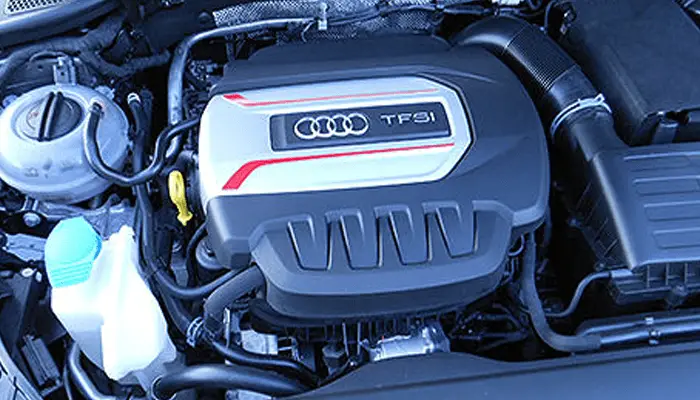
It’s a bitter reality that Audi, as a subsidiary of the German car manufacturer VW, uses VW engines, and they don’t have a specific engine family name like Mazda or Ford. They simply adapt to the engine dimensions and number of cylinders.

For diesel engines, they have TDi engines, and for gasoline engines, they have TFSi engines. The most powerful are the 2.0-liter turbocharged four-cylinder TDi engines with 292 horsepower, which reach 62 miles per hour and a top speed of 155 miles per hour in just 4.6 seconds.

In the Audi S3 models, these engines are economical at 25 miles per gallon, and they are superbly designed sports sedans.

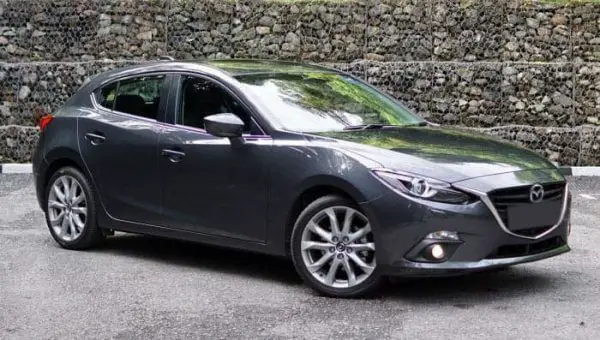
2. MAZDA 3 SkyActiv Engines
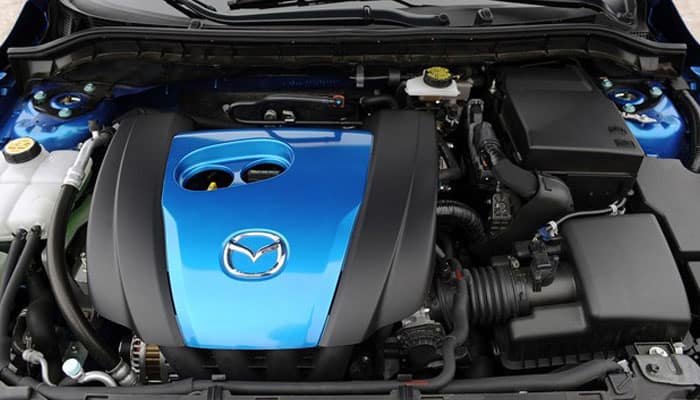
Mazda 3 Skyactiv Engines

Mazda is more active in the family car sector and makes a major contribution to this segment. The most exclusive thing about Mazda vehicles is that they introduced the Mazda Skyactiv engines; these units are the highest-rated four-cylinder engines with exclusive performance and efficiency in the Mazda 3 engines.

The Mazda 3 models are living examples of this engine family. These engines produce 184 horsepower and take nearly seven seconds to reach the 60 mph mark.

These engines are available in a variety of models and power outputs with a fuel consumption range from 30 miles per gallon to 47 miles per gallon.

3. FORD FOCUS ST EcoBoost Engines

In the current UK new car market, the Ford Focus is one of the most attractive versions of small family cars. These hatchback vehicles were part of the top 10 British family hatchback cars and show excellent sales figures.

The Focus hatchback sedans are among those family vehicles that can easily carry five passengers. The Focus ST is one of the models equipped with Ford’s most efficient four-cylinder EcoBoost engines.

Ford engines range from 2.0-liter turbocharged EcoBoost engines to 2.0-liter EcoBoost engines that develop 252 horsepower and a powerful torque of 270 lb-ft, capable of reaching 62 miles per hour in just 6 seconds. In the Ford Focus ST models, this engine has a top speed of 150 miles per hour, which is an excellent top speed.

4. KIA SOUL 2.0-Liter Engine
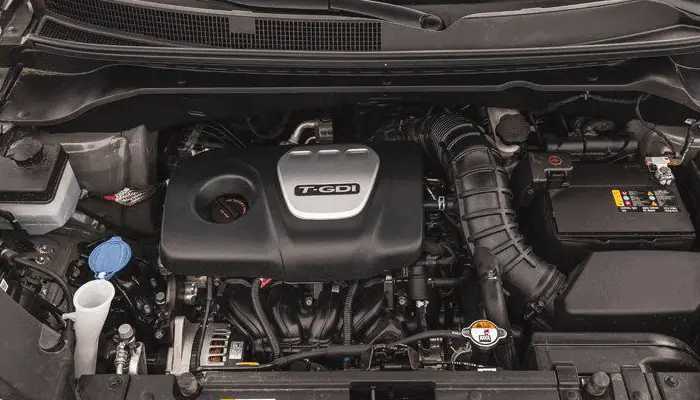
Kia Soul

KIA Soul is a Korean offering; it’s an SUV with all the features and qualities of a sedan to provide extra fuel economy and an excellent blend of performance in family driving.

A range of 4-cylinder engines is available for the KIA Soul. The best-tested version of these 4-cylinder engines is a 2.0-liter version developing 201 horsepower. This engine delivers a mountain of torque almost equal to the power.

With this engine, the Soul has an acceleration time of 6.5 seconds to go from 0 to 62 miles per hour, but the top speed is also not less than that of an Audi in the same class.

Fuel consumption is stated as an average of 30 miles per gallon, which is much better than a number of cars in this category.

5. PORSCHE 718 BOXSTER Engines
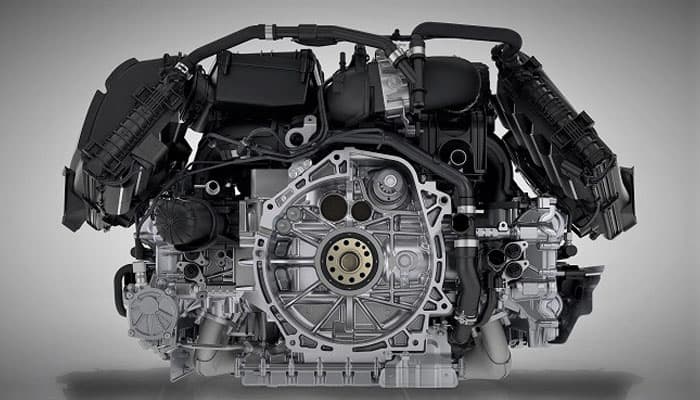
Porsche is a well-known sober sports car and uses four-stroke engines. The Porsche 718 Boxster engines are simply excellent four-cylinder engines. They are based on the 2.0-liter turbo versions and are available in different power outputs.

The Boxster is one of the most spectacular machines and takes just under five seconds to break the 100 km/h barrier. It has an average fuel consumption of 26 miles per gallon in a full sports car.

6. CHEVROLET CAMARO 4-Cylinder Engine
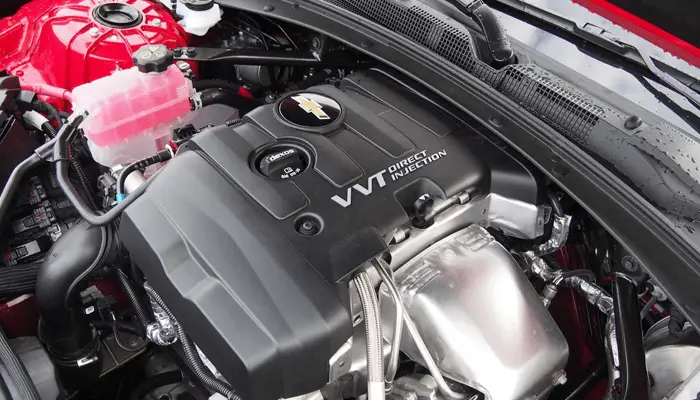
Chevrolet Camaro 4-Cylinder Engine

The Camaro is one of the most inspiring muscle cars and is in direct competition with the Ford Mustang and is one of the oldest living muscle cars in the world. The Camaro is offered with the world’s best smaller engines.

The base version starts with the 2.0-liter inline 4-cylinder engines. These engines are capable of producing a rich torque of nearly 300 lb-ft and a power of 275 horsepower.

The Camaro takes just over 5 seconds to reach 100 km/h. It has excellent fuel economy of 27 miles per gallon.

7. SUBARU BRZ 2.0 Engine

The Japanese car manufacturer Subaru produces the BRZ family vehicles, and these vehicles are equipped with the most powerful boxer engines. These engines are 4-cylinder units and have a displacement of 2.0 liters, placing them at the top of the BRZ models.

Subaru BRZ also has a brother that looks like an identical twin; everything is almost the same and most features are the same, except for the badge. Guess what it is? It’s the Toyota 86.

In terms of performance, it’s far behind the BRZ models. BRZ models are popular in European markets, but the 86 models are very rare. The BRZ’s 4-cylinder engine is a powerful unit that develops 205 horsepower and transfers all the power to the manual transmission.

It’s not an inline engine but a flat boxer engine. On the other hand, there are also automatic transmissions, and if you choose automatic transmissions, 5 horsepower is lost from the system due to mechanical losses from the automatic system.

The BRZ is more efficient and useful with a manual transmission. It takes 6.2 seconds to reach the 62 miles per hour benchmark. It has a combined fuel consumption of 28 miles per gallon, and on the highway, the BRZ remains a muscular and robust sports coupe.

In urban traffic, it lacks a bit of driving pleasure, but overall, it’s simply a great vehicle that can be driven with a 4-cylinder boxer engine.

8. ACURA TLX 4-Cylinder Engines
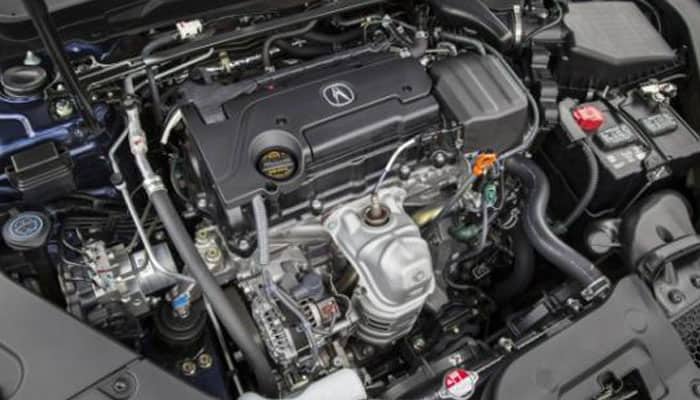
Acura Tlx 4-Cylinder Engines

The Acura TLX is another luxury model under the Honda platform, and in several markets, it is more famous than the Civic models. The TLX offers something for family drivers, and the 4-cylinder TLX starts with a 2.4-liter four-cylinder engine. It takes 6.8 seconds to reach a speed of 100 km/h.

Moreover, this Honda model is relatively less fuel-efficient than previous 4-cylinder models and is also slightly slower, but still manages to achieve a fuel economy of 29 miles per gallon, and on the driving side, with this excellent engine, the TLX has a well-balanced and smooth steering system and an excellent infotainment system.

9. FORD MUSTANG EcoBoost Engines
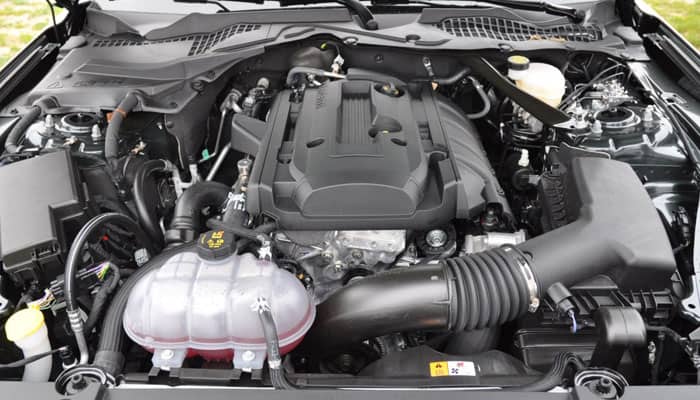
Ford claims that the Mustang with EcoBoost engines will boost the economy and also confirms that EcoBoost is the lightest powertrain in the entire Mustang range.

The 2.3-liter four-cylinder engines are capable of producing 310 horsepower and providing excellent torque of 320 lb-ft. The four-cylinder engines also offer excellent fuel economy, with the car manufacturer confirming an average of 28 miles per gallon.

To reach 62 miles per hour, this engine takes 5.8 seconds. The Mustang’s EcoBoost engines are actually quite decent engines and make the Mustang a decent sports coupe.

10. ALFA ROMEO 4C Cylinder Engines
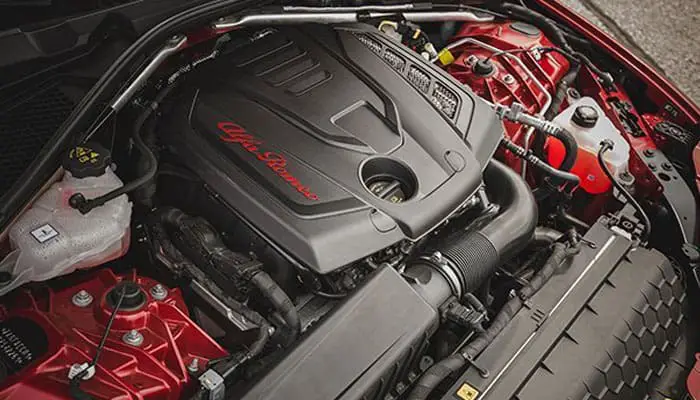
Alfa Romeo 4C Cylinder Engines

Alfa Romeo is one of the most famous Italian brands for producing luxury sports cars, from the family sedan to the sedan, each model is powered by excellent engines. The 4C is one of the examples available in the UK, equipped with 4-cylinder engines.

The vehicle is equipped with a four-cylinder engine with a displacement of 1.75 liters. This is a turbocharged version of the 4-cylinder engines used in
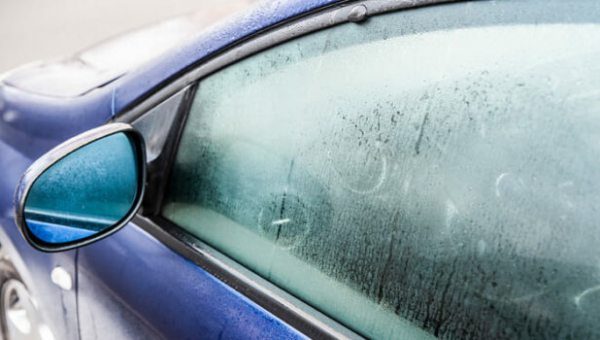

How to get rid of condensation in your car

As winter approaches, it is essential that you properly clear condensation from your car’s windshield.

Compared to scraping ice off your windshield, doors that won’t open, and the need to change tires, car condensation doesn’t seem to be one of the biggest problems that come with the drawn-out autumn and winter nights. However, that doesn’t stop it from being a major nuisance on icy mornings. Excess water in the form of condensation can leave your car cold and damp inside, emit a musty smell, damage fittings, and impair visibility. Follow our guide to learn how to prevent condensation on windows and how to remove moisture before it causes real problems.

WHAT IS CONDENSATION?

What is condensation

When you get into your car in the morning and notice that small droplets of water have formed on the windows and windshield, it’s due to condensation. Condensation is the process by which water vapor turns into liquid due to a change in temperature. It’s the opposite of evaporation, where liquid water becomes vapor.

This happens when the temperature inside your car is different from the outside. The warm air inside the car meets the cold windshield and turns the water vapor into actual water as the air inside the car becomes colder. This causes that irritating fog on the windshield that prevents you from seeing clearly. Since temperatures drop at night, often beyond the “dew point” (the temperature at which vapor becomes liquid), we often get condensation in our cars in the morning, but rarely in the afternoon.

Condensation can also form because the air in the car is too saturated with water vapor, and there can be several reasons for this.

Snow or rain on shoes or simply wet or soaked items left in the car for an extended period can be one of the most common causes of moisture inside the car. This shouldn’t cause any problems and becomes apparent during driving. Rainwater entering the car can also cause moisture, which could come through a sunroof or leaking windows. Water from the interior heating system can also cause condensation if there’s too much of it. A wet car floor is often a sign of a leak, and you should definitely investigate this if it’s the case.

Something often overlooked when considering the causes of condensation in a car is the effect of leaving old coffee cups or open water bottles in your car. Over time, the water from these open containers evaporates, and the resulting moisture is trapped inside your car where it can condense on your glass and dashboard or simply cause oversaturation of the air with water vapor. Get rid of these bottles to eliminate the risk of condensation.

WHAT PROBLEMS CAN CONDENSATION CAUSE?

Condensation on interior windows can cause bigger problems than just delaying the start of your journey by a few minutes. If water gets into the seals and enters the car’s electrical systems, it can cause engine misfires, failure of electric windows, or poor door locking. The latter issue can be particularly dangerous, and all these problems can be costly to repair and certainly keep you in the driveway for more than a few minutes.

Condensation can also cause mold in cars. Once droplets and moisture have formed on your car’s glass (or even on other surfaces such as car seats), mold can start to grow as small black spots on the windows and on car equipment. This can, in turn, damage window seals. So it’s essential that you know how to prevent condensation from forming in cars.

HOW CAN I GET RID OF CONDENSATION AND STOP IT FROM FORMING?

balance the temperature between the air and the windshield

Tip to stop condensation immediately: if you get into the car and notice that condensation has formed overnight, the most important thing is to try to balance the temperature between the air and the windshield. One of the simplest ways to do this is to use your heater and defroster, but start by keeping the temperature cold at first. Set the system to maximum and direct them towards the windshield and windows. Using the AC at the same time will help keep the air dry. If your car has a heated windshield, that can also be used with them. Gradually increase the temperature until the windows are clear.

In addition to what you can do right away, there are several ways to prevent condensation from forming in the future and ensure you have a dry car:

  • Clean your windows
    Since moisture tends to cling to dirt particles, a dirty window is a haven for condensation. Cleaning them inside and out with a car window cleaner and a clean microfiber cloth will be the most effective way to prevent any dirt from causing condensation.
    Clean your windows
  • Use a “wet” vacuum
    This doesn’t mean taking your Dyson into the bath with you. A water vacuum is an essential tool for any car owner, especially if you have a convertible. These vacuums have modes specifically designed to pick up heavier items, like water droplets, by slowing down the suction speed and will mean you can easily get rid of condensation from your car windows.
    If you notice you’re getting more condensation than usual, vacuuming between the seats, armrests, and center console will ensure that any water droplets in your car are removed and there’s no moisture. Wiping the carpet and seats with dry cloth towels can also help absorb trapped moisture in the seats.
  • Use moisture-trapping products
    There are also granules and moisture traps that can help you absorb moisture in hard-to-reach areas and actively retain and absorb all moisture from the air. A good moisture absorber for cars or a dehumidifier bag for cars will ensure you minimize the risk of condensation in the future.
  • Let in the sun
    Open the doors, windows, and sunroof and let in the sun! This is sure to dry the car either by the sun’s rays or by the warm, dry air absorbing the water vapor. If a leak has formed on the floor, remove the mats and let them dry in the sun for a while until the moisture evaporates.
    Dry car
  • Eliminate leaks and sources of moisture
    Drying can be a short-term solution, but getting rid of sources of moisture is key to permanently eliminating condensation. The door membrane, folding roof edges, sunroof, sealing gaskets, weather stripping, heater core, and air conditioning systems are all frequent sources of leaks. A broken pollen filter can also be a problem.

What is an Engine Oil Additive and Is It Worth It?

You stop at the auto parts store for new seat covers and floor mats. You walk down an aisle with shelves and shelves of engine oil additives that promise to provide better fuel economy, a cleaner engine, and more power. Is your vehicle missing out? Is an additional engine oil additive worth it?

Learn more about oil additives before picking one off the shelf and pouring it into the most important component of your vehicle – the engine.

What is an engine oil additive?

It’s helpful to know the main purpose of engine oil itself before understanding the function of an engine oil additive. The function of engine oil is to lubricate your engine and reduce friction between its many moving parts. Oil also plays an essential role in protecting against corrosion, helping to remove contaminants, preventing sludge buildup, and keeping the engine cool.

Your everyday engine oil is already a combination of base oils and additives. “Base oils make up 70 to 90 percent of the total and are created from natural gas or crude oil, while additives make up the remaining 10 to 30 percent and can be diverse,” notes Pennzoil.

There are different additives for different applications. Additives can include detergents, anti-wear additives, friction modifiers, antioxidants, corrosion inhibitors, viscosity index improvers, and more. Millions of dollars and hours are spent creating and testing oil formulations so they are perfect.

Most of the brightly colored bottles you see at the auto parts store are *aftermarket* or *supplemental* engine oil additives. Some claim to extend the oil’s life and others say to reduce engine smoke. However, research is mixed on whether they do what they claim.

What engine oil additives do to the engine

The majority of engine oils contain about 15% additives. Without additives, the oil is essentially incapable of performing its critical functions. Wear, oxidation, and breakdown can cause the oil to degrade over time.

Engine oil can lose its additives as it ages. Without the proper levels of these additives, you risk increased engine wear, which could lead to rust, corrosion, oil sludge, reduced fuel economy, breakdowns, overheating, and costly engine damage.

This is one reason a driver might consider an aftermarket or supplemental engine oil additive between oil changes – they want to revitalize their oil as quickly as possible. The value of an additive, however, would be whether it contains the additives that have been depleted and if it offsets any of the other existing additives remaining in the oil. Many types of oil additives work by attaching their molecules to an internal engine component. Too much of one additive can prevent a second necessary additive from doing its job.

Are engine oil additives good?

The question of using aftermarket engine oil additives has been controversial for years, and the answer is not a simple “yes” or “no.” You might assume that since standard engine oil already contains additives, no additional additives are necessary. But it’s not always that black and white. You’ll want to do your research, consult your vehicle manufacturer, especially if your car is still under warranty, and make the decision for yourself.

“When it comes to supplemental additives, I always say it’s the consumer’s choice,” says the Global OEM Technical Manager for Shell Lubricants. “Petroleum chemists and automotive engineers are really smart people who know what is and isn’t needed,” he says. “The oil already contains additives to do certain things, so the consumer needs to leverage that knowledge and look to oil additives that are carefully formulated into the oil by the oil manufacturer to provide an additional improvement in those areas.”

There are two factors to consider when deciding if aftermarket oil additives are a good idea for your vehicle, including:

  • Warranty: Most importantly – double-check your manufacturer’s warranty. “Adding additional [aftermarket] additives to an engine oil could unbalance the additive system, leading to detrimental side effects and potentially voiding the engine manufacturer’s warranty,” reports the OEM Technical Liaison for Petro-Canada Lubricants.
  • Vehicle Mileage and Age: The more miles on your engine, the more likely your engine is running at less than peak performance, making it more vulnerable to potential damage. Adding certain carefully balanced oil additives into a fully formulated high-mileage engine oil has the potential to reduce stress and wear on your high-mileage engine and help restore performance. Consistently using a quality high-mileage oil can help.

Start with an oil change

When it comes to what’s best for your engine, adding aftermarket engine oil additives can be a bit of a gray area. Ultimately, getting regular oil changes with a high-quality oil that meets your vehicle manufacturer’s recommendations may be more beneficial for your vehicle’s long-term performance and uphold your vehicle’s warranty.

How to become an automotive technician in 2021

Cars are becoming increasingly advanced and the automotive market has a great need for good automotive technicians. Especially as electric and hybrid cars become more popular every day. If you want to become an automotive technician, the right time is NOW if you ask me.

Because now, it is very easy to get a well-paid job and a chance to stand out at the beginning of the electric car era if you have the interest and want to learn. I will write this article in 3 steps about what the requirements are to become a good technician.

Start in your own garage and take a course or go to school

Courses are a good way to learn.

To be an automotive technician, you must be interested in cars. Otherwise, you won’t learn, and most technicians started with their own car at home. If you take a course or go to a school without interest, you won’t learn the small techniques you need. I started myself in my garage with a Nissan S13. I began tuning it with most repairs and upgrades failing. It became very expensive, but I learned a lot. Learn the hard way, as they say. The good thing about starting to learn at home is that you can take the time you need to do a good repair. Carefully inspect all parts and try to understand how they work. Learn which tools you need for which job and which tools are the best to use.

Maybe try starting by helping some friends with easier jobs for a small fee. Even if you’re not fully learned, don’t start doing things for free, or they’ll expect you to do things for free your whole life. Tuning & Racing is a very good way to learn. It can be expensive, but it gives you a lot of knowledge. Maybe your friend does some kind of racing, and you could help with the car at events. It’s both fun and you’ll learn a lot!

When you have a bit more knowledge, start doing jobs faster and faster without reducing quality. Find ways to do it more quickly.

Good jobs to know before going to ask for a job or get certified:
1. Brakes
2. Suspension
3. Welding exhaust systems
4. Maintenance like oil changes, etc.

At this point, when you feel you’re ready to take the next step, you can choose which direction you want to go. Some want to work in a small workshop where education/certification isn’t so important. But I would recommend trying to aim higher!

Get a Certificate

It depends a lot on which country you’re in, but some kind of certificate I recommend you get when looking for a job.
It will be much easier and maybe a requirement if you want to work in a large workshop.
It’s always good to have things to write on your resume.

Try to get a job at a small workshop

If you want, you can try starting to work in a small workshop to first learn the basics as an automotive technician.
It will probably be much easier to get your first technician job there.
The downside is that you probably won’t get any education, but it’s a good way to learn from the start how things work in small workshops too before moving to a larger workshop.

If you have worked in a small workshop for a while and want to go to a larger workshop to gain more knowledge and education, I have to give you a warning: when you start at a large workshop, they probably want you to deliver repairs very quickly and with good quality.

Most big brand workshops have short repair times for each job, and you need to work quickly with good quality. Sometimes it’s not even possible for the most skilled technicians. When you’ve worked there for a while and feel you have a good basic knowledge of cars, you can try to become a specialist in a small area, electricity, etc., which can give you good pay.

Try to get master technician training from your company; it’s not easy but it’s worth it. If you’ve worked more with fault diagnosis and electricity for a while, you might try to go further if possible in the electric car market or start your own business.

Summary

The automotive market has a great need for technicians. If you have the interest, you could become a technician in a short time, but remember to be qualified technicians, you need to work for a few years and make many mistakes. When you have good training and good knowledge of the automotive market, it’s a good chance to start your own business if you want (though there may be tough times for small workshops in the future, as big brands lock their vehicles into their own workshops).

Car maintenance tips to keep your car in perfect condition

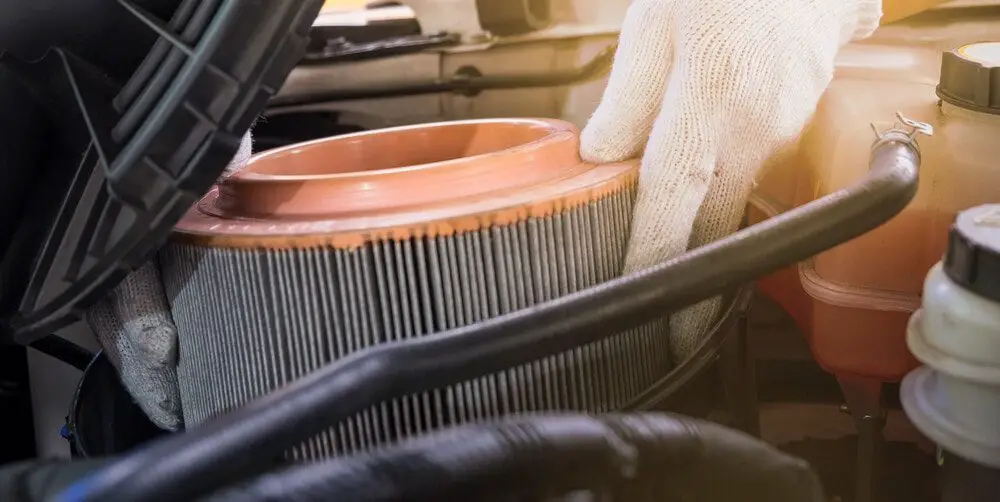
1. Inspect and Maintain your Air Filter

Dirty Air Filter

One of the most basic yet essential components of your car is the air filter. The filter itself may not be a big deal, but its job is crucial to the proper functioning of your car.

During operation, your car constantly draws in air from the atmosphere to mix with fuel for combustion. Atmospheric air is certainly not 100% clean, so it’s the air filter’s job to filter out dirt and debris from the air before it enters the mixture; otherwise, your car won’t perform as well as it should.

Thus, your air filter is constantly working while your engine is running and tends to get dirty over time. Therefore, it’s advisable to frequently inspect the air filter and clean or replace it based on its condition.

2. Inspect and Maintain your Car Battery

Car Battery Check

When it comes to vehicle maintenance tips, this is one of the most critical. Your car’s battery powers all the electrical systems, lights, and most importantly, the starter motor when you turn the key.

If your battery is in poor condition, you’ll likely end up stranded somewhere because your car won’t start.

Better safe than sorry, so it’s recommended to check and replace the car battery after 2 to 3 years. During this period, you should regularly check the battery fluid level if it’s an acid battery.

You should also maintain your car battery’s charge when you’re not using your car for an extended period. A low battery charge will kill your battery very quickly in cold weather.

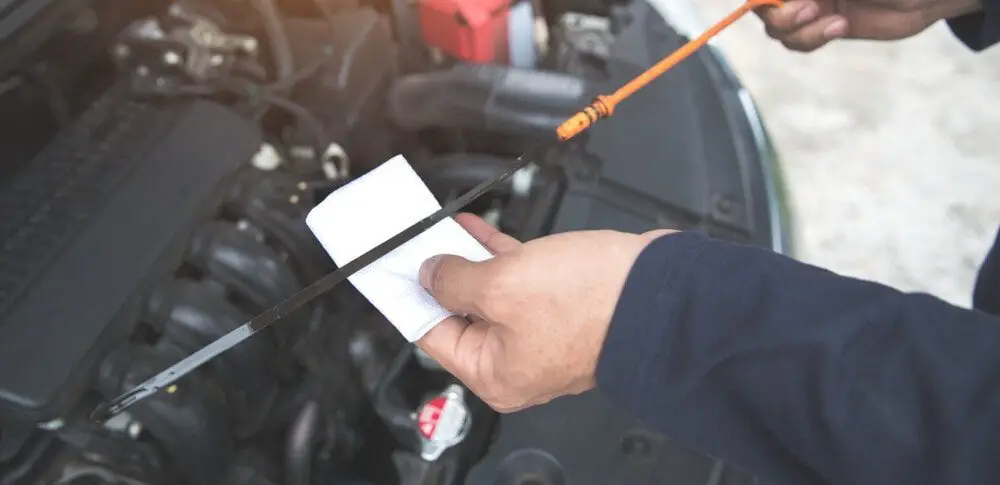
3. Inspect and Change your Engine Oil Timely

Check Engine Oil Level

Your car’s engine relies on oil for lubrication, so the lifespan of the engine’s internal components and transmissions depends on the oil.

Every bit of maintenance advice for your car includes timely oil changes. A car with low oil will eventually break down and require major repairs at a high cost. Sometimes, even the engine itself will need to be replaced.

It’s important to check the condition of the engine oil. If you notice the oil has turned black, it’s time to change the oil. Also change the oil after driving the mileage indicated by the oil manufacturer on the oil tank.

If there’s an oil leak, have it repaired immediately and never drive with a low engine oil level.

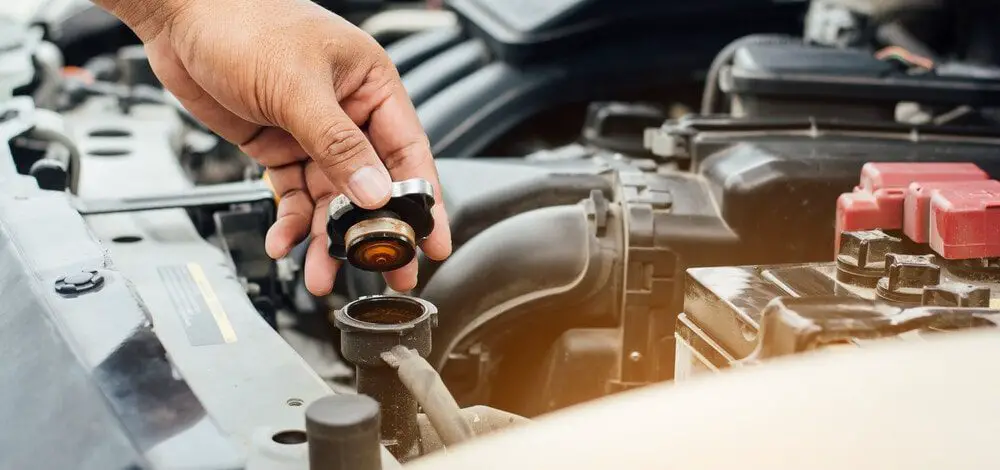
4. Check and Maintain Fluid Levels

Check Coolant Level

We’re talking about your car’s power steering fluid, transmission fluid, brake fluid, and coolant. All these fluids are as important for your engine as engine oil.

Your power steering system won’t work as it should if the pump or pipes are leaking or if there isn’t enough fluid in the reservoir.

Transmission fluid is also as important for the transmission as engine oil is for the engine. With a low transmission fluid level, you’ll have major problems with your transmission that can be very costly to fix.

The coolant’s job is to maintain the engine’s temperature. Therefore, all these fluids should be at full level, and if there’s a leak, they should be repaired as soon as possible.

Consult your repair or maintenance manual to locate all the different fluid reservoirs in your engine compartment, and remember not to open the coolant when the car is hot.

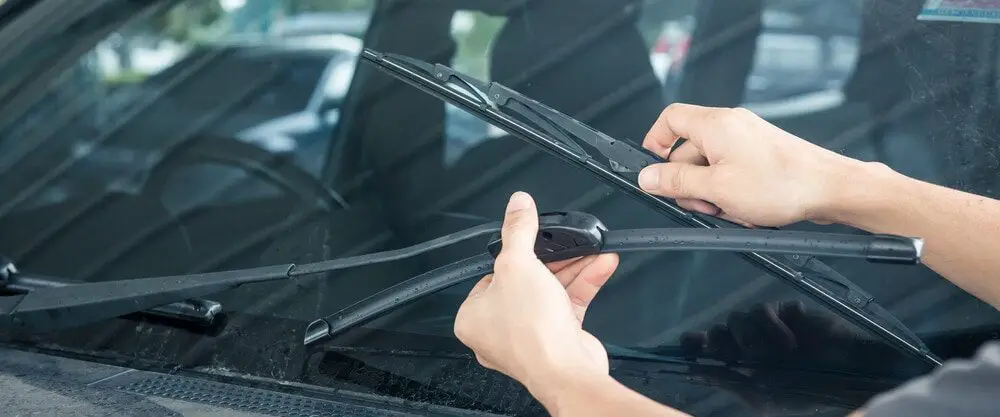
5. Replace Windshield Wipers

Changing Windshield Wipers

Windshield wipers are something you always want to be top-notch. With bad wipers, you’ll struggle to see what’s in front of the car during heavy rain or snow. Bad wipers can actually be very dangerous and cause accidents.

Worn wipers can also scratch your windshield, leading to repair costs much higher than simply replacing the wipers.

Wipers are often quite cheap and very easy to replace, so make sure they’re changed from time to time.

6. Check and Maintain Tire Pressure

Check Car Tire Pressure

Another decisive vehicle maintenance tip: this factor directly affects driving comfort and quality. The correct tire pressure, which is around 35 PSI depending on your car model, ensures proper vehicle control.

The right pressure allows the tires to grip the road evenly and then wear down slowly and uniformly. Too high or too low pressure also puts excessive strain on the suspension legs and suspension.

Nevertheless, it’s best to regularly check the pressure of all four tires to avoid these issues. Inflating and maintaining your tire pressure is often free, and anyone can do it.

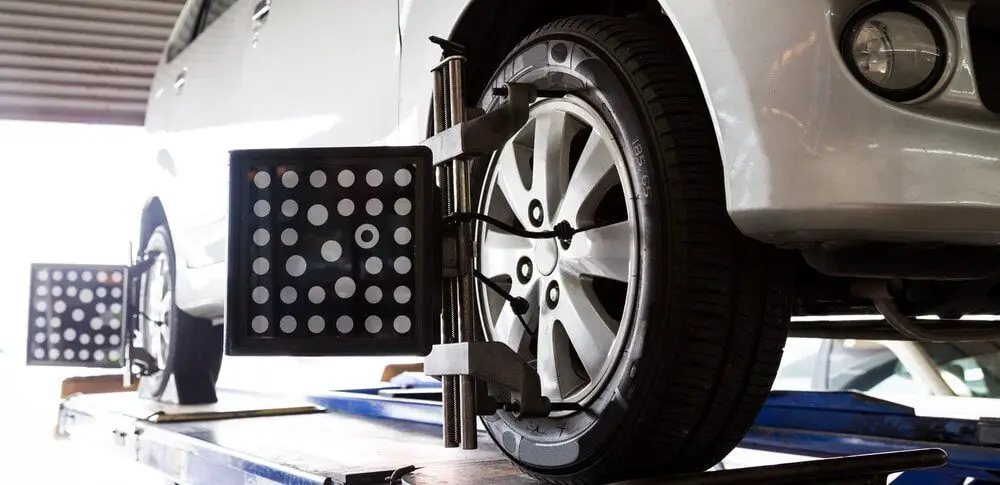
7. Wheel Alignment Every 2 Years

Wheel Alignment

One thing most people don’t think about is wheel alignment. Wheel alignment can deteriorate if you hit a curb or replace suspension parts.

Most people don’t think that wheel alignment will change over time due to worn bushings.

As you may know, tires are expensive for your car. Poor wheel alignment will wear out your tires very quickly, which is why we recommend getting a wheel alignment every 2 years.

To perform a wheel alignment, you need the right equipment.

8. Inspect and Replace Spark Plugs

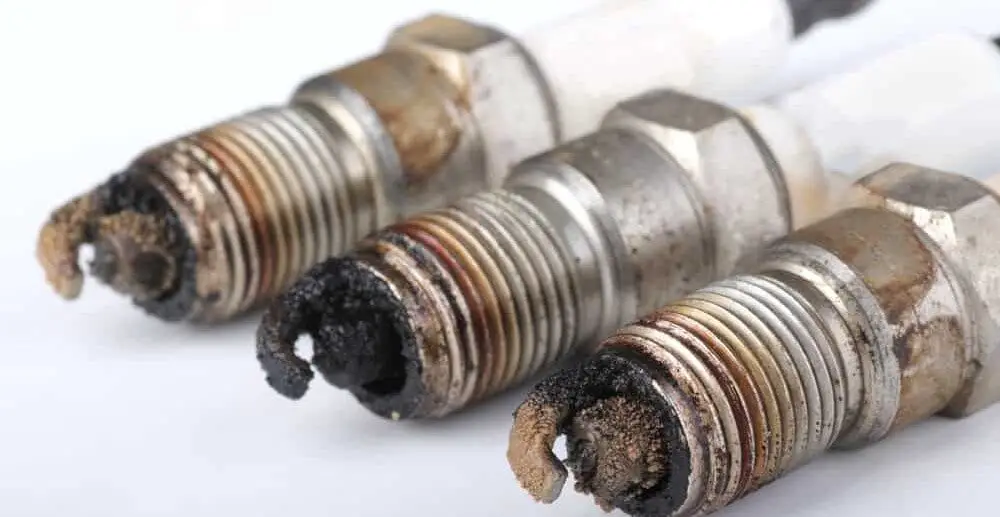
Car Misfire Spark Plugs

Spark plugs are often overlooked in vehicle maintenance tips. Depending on the make and model of your car, your car may have 4 or more spark plugs.

Spark plugs ignite the air-fuel mixture in your engine, which is why they get carbon deposits on the tips over time. Carbon deposits then start to affect ignition timing and spark quality, directly impacting your engine.

After about 50,000 to 80,000 miles, you should have your spark plugs checked. If your mechanic suggests replacing them, replace all of them, not just the ones showing more wear.

Spark plugs are often quite cheap to replace and can prevent your car from misfiring, which can help your car maintain good condition over time.

9. Check Brake Pads and Rotors

Checking Brake Pads

No matter where you look for car maintenance advice, brake system maintenance will always be listed. Your car’s braking is one of the most critical factors for controlling your vehicle.

The only way for you to slow down or stop your vehicle is to keep the car’s braking system in perfect condition; it’s a matter of safety. Never compromise on brakes to save money.

There’s no mileage limit for having your brakes checked. It’s best to have your brakes checked every month, at least every 3 months.

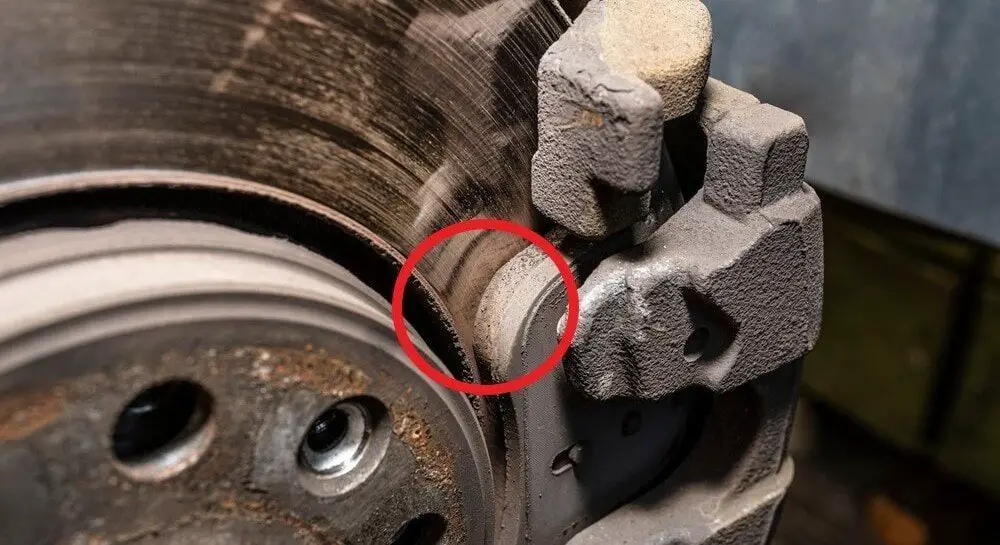
Visual inspection of the brakes is often quite easy. Just use a flashlight and check inside the rim to look at the brake rotors and brake pads. Make sure there’s at least 4 mm or 0.15″ of material left on the brake pads (like the image above), and ensure there isn’t too much rust on your brake rotors.

If your brakes have deteriorated over time, it might be time to replace the brake rotors or brake pads.

10. Lubricate Door Hinges

Lubricate Door Lock

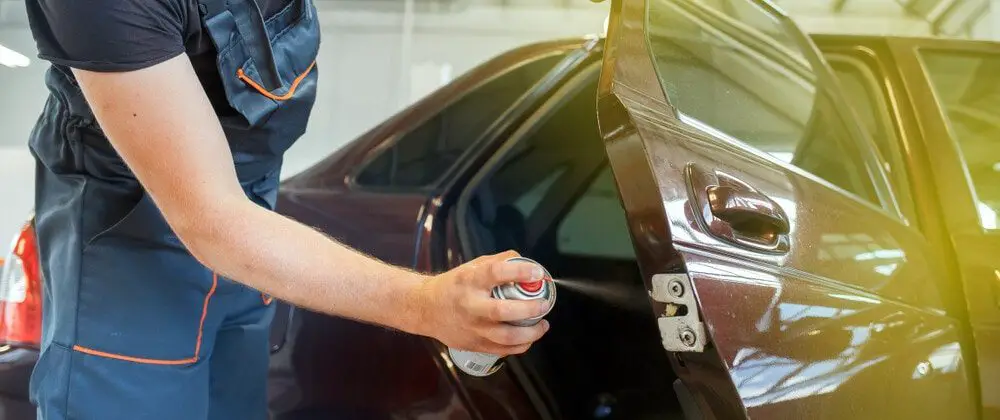
A very easy thing that most people don’t think about is lubricating door hinges every year or more frequently. You might not think it’s something noticeable, but if the car makes noises when opening the door, it gives the impression that the car is in poor condition.

Lubricating door hinges is very easy – take a grease spray and spray it into the hinges and door locks to keep them in good condition.

Things to avoid when trading in your car

Car financing can be tricky, and trading in your old car can sometimes make the process even more complicated. It’s important to make sure you have everything you need before going to a dealership. However, it’s also important to be aware of the following things you should avoid doing when you want to trade in your vehicle for a new one.

1. Overestimating or underestimating your car’s value

Entering trade negotiations for your vehicle can be difficult, and overestimating your vehicle’s value won’t help you get a fair price. But you also don’t want to trade in your car for much less than it’s worth either. Know how much your car can realistically sell for and be prepared to negotiate. You can find fair prices for your vehicle on valuation sites such as Kelley Blue Book.

2. Not cleaning your car

Dealers want to see a clean car that they won’t need to spend more money cleaning. If they have to clean the vehicle themselves, they will almost always try to offer less money. Before trading in, always make sure your car looks and smells as clean as possible. This can significantly increase the value offered by the dealer.

3. Over-fixing your car

It’s beneficial to spend some time sprucing up your car before starting trade negotiations, but make sure to set a budget for small repairs. Perform simple maintenance and cheap cosmetic fixes (like repairing scratches), but remember that you don’t want to spend so much money that you end up losing money on the trade.

4. Forgetting important documents

Trading in a vehicle requires you to have your title and other important documents such as maintenance records with you at the dealership. Maintenance records can help support your claims about the car’s previous damage and the repairs it has undergone. When looking at your car’s title, make sure you know whose name is on the car. If multiple people are listed on the title, everyone will need to be present during the trade. If your spouse signed the title and isn’t there to trade the vehicle with you, you won’t be able to complete the trade.

5. Not having all the accessories

Trading in your vehicle means you’re also trading everything that comes with it. You’ll want to make sure the original owner’s manual and any extra keys are in the vehicle when you arrive at the dealership. Dealers like used cars that still have all the accessories and may even offer you a better deal on your trade.

6. Not knowing the car’s history

The car’s history is important when buying a used car, and it will be doubly important for dealers trying to make a profit from selling your old vehicle. Knowing your vehicle’s history will help you during trade negotiations. If you’re not the first owner of your vehicle, be aware of any issues that might have been caused by previous owners. A dealer doesn’t like finding problems with the vehicle that can’t be explained.

Easy DIYs for Car Improvement

When we think about DIY, we usually think of our home first. That’s certainly fair because we spend a lot of time there, so why not improve it? Well, it turns out we can do a lot for our car too! How much time does the average person spend in their car? Obviously, it depends on the person, but a study by OnePoll found that the answer was over eight hours per week.

Why not do some DIY to make your car a better place to spend time? There’s actually a ton of DIY you can do over the weekend with a bit of elbow grease and a few supplies. We’re going to list 10 that you can easily do today. Not only will it improve your driving, but it could also increase your vehicle’s value! Talk about a win/win.

1. Install Interior Car Lighting

car interior lighting

LED interior lighting has become incredibly popular lately. Fortunately, it’s something very simple to install in your car, truck, or SUV. While it’s possible to install LED lighting with regular strips, that requires things like a soldering gun. Instead, opt for a kit.

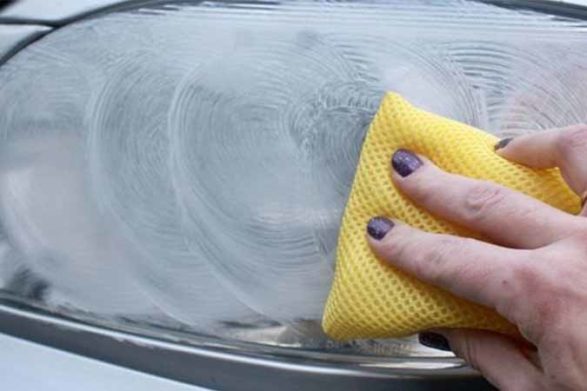
2. Clean Headlights with Toothpaste

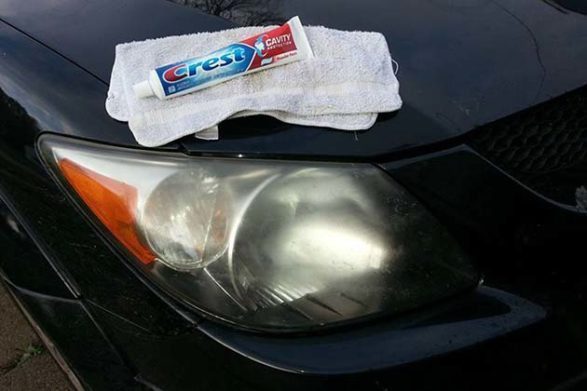
toothpaste on a headlight

Are your headlights a bit cloudy? This can make the light diffuse, making it harder to see at night. The solution is quite simple: toothpaste! You can use toothpaste and an abrasive brush (like a toothbrush) to remove the cloudy dirt.

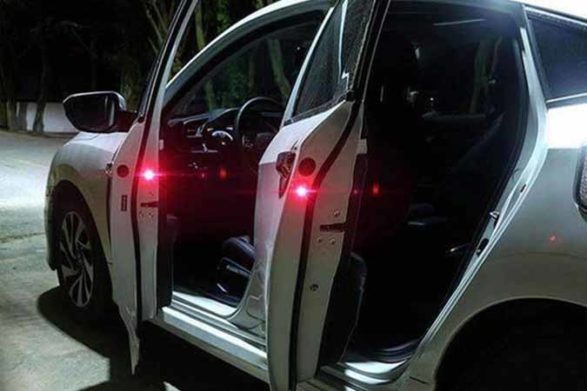
3. Add a Car Door Warning Light

a car door warning light

Worried that someone might hit your door because they didn’t see it open? This DIY is for you. Whether it’s daylight or nighttime, adding a flashing light to your door could save you tons of trouble and money.

4. Reupholster Car Seat Fabric

car seat upholstery

Torn or ugly car seat? You can swap it out yourself! First, you’ll need to buy a reupholstery kit. It depends on the type of fabric you’re replacing. The hardest part is removing the seat, which can be found online for most vehicles.

5. Install an Elastic Cargo Net

a car storage net

Need extra cargo space? Who doesn’t! Whether you have three kids or just need more space for essential items, you can get more cargo space by installing an elastic cargo net. They’re quite cheap and can be installed very easily.

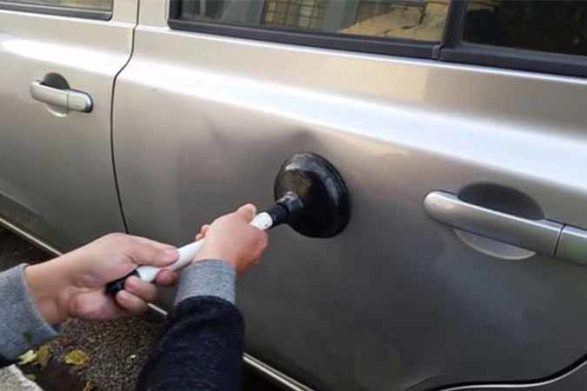
6. Fix Some Dents

a car door dent fixer

Plungers are a godsend! Not only can they remove that clog from your sink, but they can also remove dents from your vehicle. Since professional removal of small dents can cost over $200, it’s definitely worth a try.

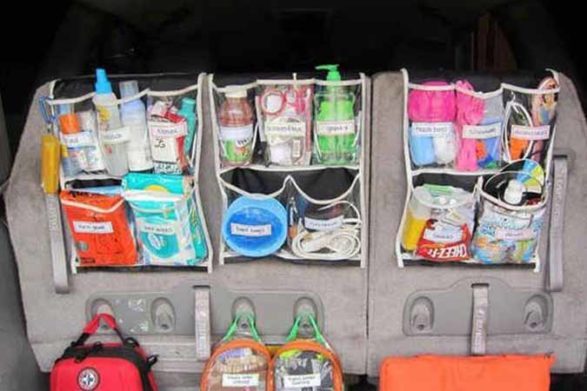
7. Add a Backseat Organizer

a car pocket organizer

Going on a road trip? It’s no fun storing all your snacks on your passenger’s lap. Alternatively, you can put them in the back and reach for them whenever you want a snack, but there’s a better way. Instead, install a backseat organizer.

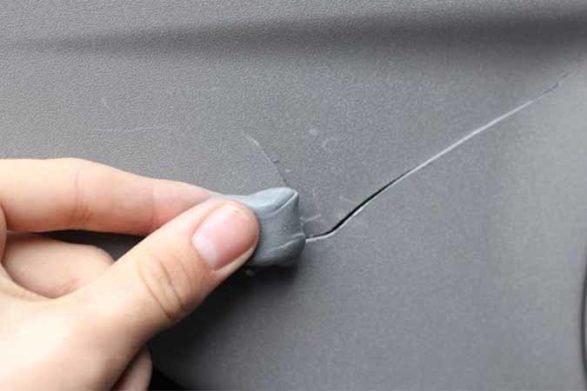
8. Repair Holes in the Dashboard

moldable glue sugru

If you haven’t heard of Sugru, we’re about to change your life. Sugru is a moldable glue that can be used like moldable clay (but better). You can use this stuff to get rid of unsightly holes in your dashboard or other hard plastic areas of your car.

9. Make Air Fresheners

a DIY car air freshener

You don’t have to pay top dollar for air fresheners for your car. There are some really good ways to make air fresheners for your car. The first is to apply essential oils to an existing air freshener that has lost its scent. This is great if you like a particular design.

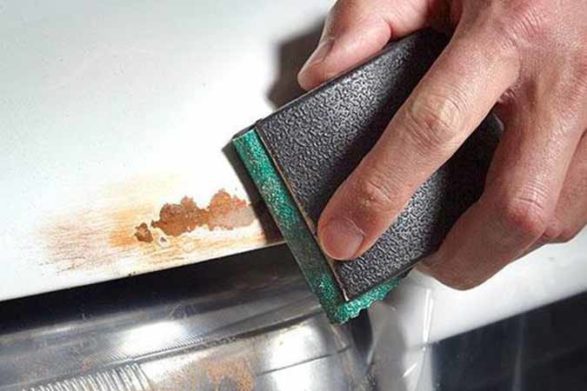
10. Remove Rust

scraping rust off a car

Rust is dangerous for your car and also quite unsightly. Fortunately, you can remove it yourself with a bit of elbow grease. For this DIY, you can keep your car in good condition a bit longer with less than $40 in supplies. Keep in mind that this is only a temporary solution, and the rust will eventually come back.

Car cleaning tips 40

Cleaning a car is never fun and going to the car wash can be expensive. Let’s not even start with the cost of a detailed car. It’s so much easier and better to save time, money, and energy at home by using these car cleaning hacks.

If you’re one of those people who love super shiny, sparkling, and spotless cars, then this list is for you. We’ve gathered 40 car cleaning hacks that are worth trying. These simple solutions are designed to make windows spotless, cars completely dust-free, and eliminate unpleasant odors that might be hiding.

You don’t have to spend a lot of money to clean your car. With all these alternative cleaning solutions we’re offering you, why would you want to? Unless you just don’t want to clean your car, you’re going to love these cleaning tips.

These tips cover everything from upholstery to hard-to-reach areas, removing stickers, repairing hairline cracks, low-clutter solutions, and much more! Cleaning your car has never been easier or more fun! Many of these cleaning hacks use items you can find in your kitchen, so you might not even need to go to the store to find good ways to clean your car.

If you want to discover a multitude of ways to quickly, easily, and inexpensively clean your entire car from the inside, keep reading. Having a car that looks like it just left the dealership lot is just a few swipes away!

1. Toothpaste for Cloudy Headlights

a bottle of toothpaste above a car headlight

Don’t waste money on expensive headlight cleaning kits, do it yourself. Grab some toothpaste, rub it on the headlight, let it sit, and wipe it off. That’s all it takes!

2. Vaseline for Shine

rubbing vaseline on a car dashboard to clean it

Cleaning the inside of your car can start to feel like a losing battle over time. To ensure your car maintains its freshly cleaned shine, you can simply apply a small amount of Vaseline. This little touch can leave a lasting shine for less money.

3. Charcoal Bag for Odors

a charcoal bag in a car to absorb odors

Charcoal is nature’s toxin absorber and is a great tool for removing unpleasant odors. You can buy a small bag that already contains charcoal pieces or make your own.

4. Car Wash Solution

A bowl of homemade DIY car cleaner in front of a tire

You can use items you already have in your home for this easy cleaner! Just mix about a quarter tablespoon of baking soda and a quarter tablespoon of dish soap in a large bucket of water.

5. Regularly Clean Air Vents

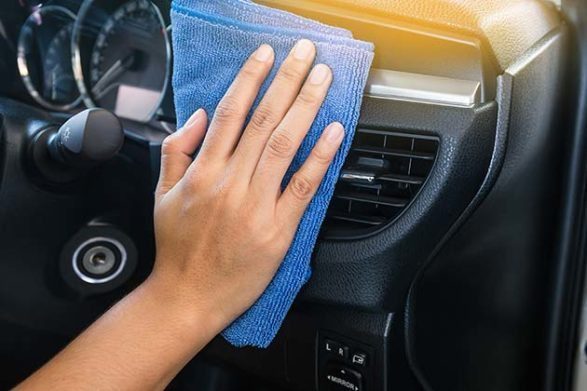
cleaning a car air vent with a cloth

You need to clean your air vents to really get rid of the dust, dirt, and odors hiding in them. Grab an old toothbrush or a can of compressed air to make this job quick and easy.

6. Vinegar and Linseed Oil Mixture

pouring a jar of vinegar and oil mixture on leather to clean it

Linseed oil is an easy way to quickly get spotless and moisturized upholstery. Make a mixture of one part vinegar with two parts linseed oil, shake it, and apply it to the inside of your car with a cloth.

7. Scrub Floor Mats

floor mats covered in soap

It’s important to clean your floor mats to remove the dirt, debris, and stains you might track into your home. Just use dish soap and water with a stiff-bristled brush, and everything should be perfect.

8. Squeegee for Pet Hair

a squeegee used to pick up pet hair

Anyone who has traveled with their pet knows that pet hair can be nearly impossible to get completely out of your car’s interior. Lightly spray the area with water and scrub them with a rubber squeegee. Voila!

9. Sprinkle Some Cornstarch

a container of cornstarch

The worst is accidentally spilling drinks or food in your car, as those smells and stains are almost impossible to remove. Sprinkle cornstarch on grease or oil stains, let it sit for about ten minutes, and wipe with a damp cloth!

10. Roll Your Windows Down

a car covered in soap being washed

Having completely spotless windows is such a good feeling. To achieve that look when cleaning your windows by hand, make sure to roll them halfway down to remove all the built-up dirt that’s at the top.

11. Mayo for Stubborn Stains

a cloth wiping the outside of a car with mayonnaise to remove stains

Those horrible crusty stains on the outside of your car never seem to go away, no matter how many times you go through a car wash. To get rid of them, put a little mayonnaise (not Miracle Whip), let it sit for five or 10 minutes, and rinse with a clean, damp cloth.

12. Club Soda for Stains

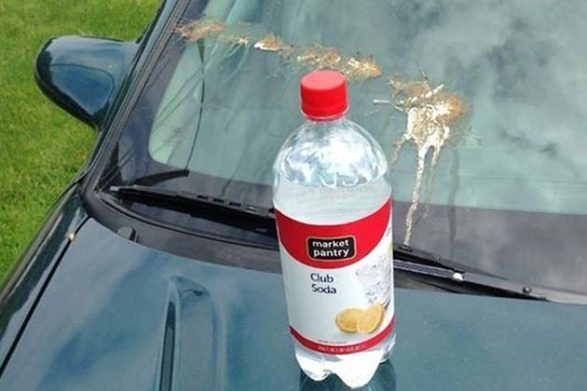
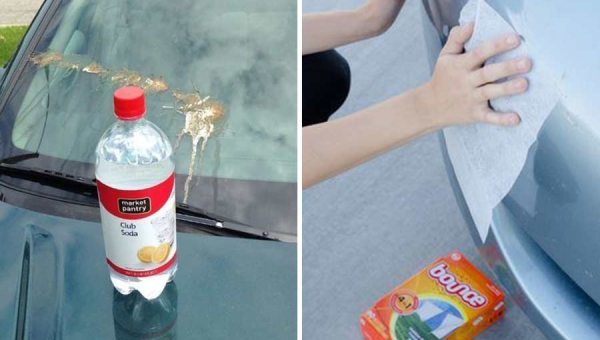
A bottle of club soda sits on the hood of a car with bird poop on the windshield behind the bottle

Even stubborn stains like embedded dirt on a window and coffee splashes on a seat aren’t impossible to get out, even if it seems that way. Just put club soda on the stain, let it sit for a few minutes, then dab with a towel!

13. White Vinegar for Windows

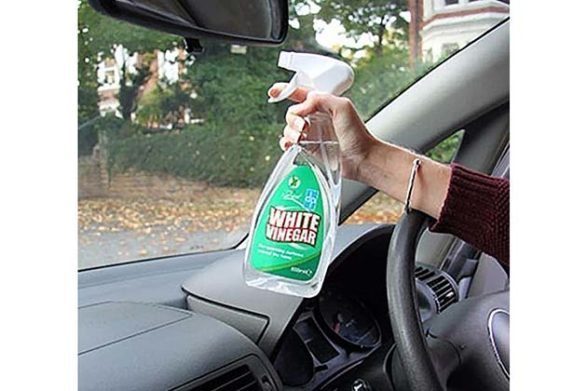
a bottle of white vinegar being sprayed on a car windshield to clean it

Ultra-clear and sparkling windows are every driver’s dream. To do this, mix a few tablespoons of white vinegar with water and wipe with a newspaper for a streak-free shine.

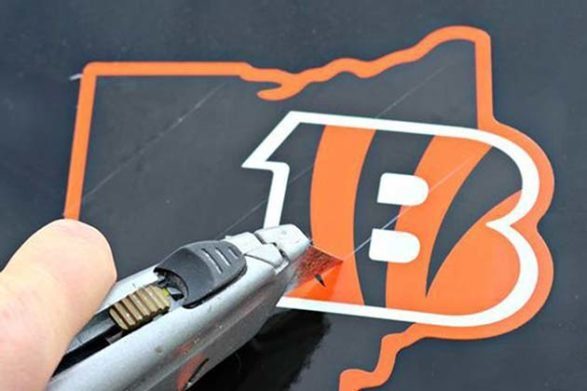
14. Razor Blade for Stickers

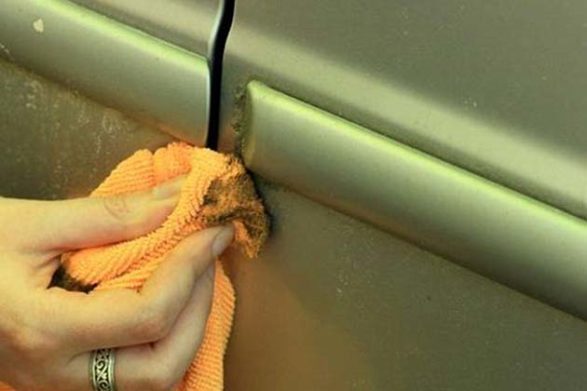
a razor blade removing a sticker from a car

This one must be used with caution. A razor blade can be a handy tool for removing stickers

The car won’t start anti-theft system

Ever since the very first cars hit the road, people have been trying to steal them. So, to stop these sticky-fingered car lovers, inventors worked their way to developing a proper anti-theft system.

The thing with anti-theft systems is: they’re great – until they’re not. Of course, no one wants their car stolen while they’re away, but what’s the point of having a car if you can’t drive it at all?

But how exactly do anti-theft systems work and how do you fix them if they start acting up?

Keep reading about the anti-theft system Car won’t start and we’ll break down everything you need to know to get back on the road in no time!

Anti-Theft Systems – A Brief History

Believe it or not, electronic immobilizer devices have been used in vehicles for over 100 years. According to Jalopnik, the state-of-the-art anti-theft system was invented by two men from Portland, St. George Evans and Edward Birkenbuel, who patented the device in 1919. A relatively identical system used in cars today.
Before the invention of the immobilizer, anti-theft systems consisted of removable steering wheels and wheel locks that kept car thieves away. While electronic immobilizer technology has been around for over a century, this anti-theft system only became standard for vehicles in the late 1990s. Several countries – including Germany and the United Kingdom – required automakers to sell all new cars equipped with anti-theft systems.

But while electronic immobilizer technology has been around for over 100 years, it only became standard in vehicles in the late ’90s. Indeed, in 1998, several countries – including Germany and the United Kingdom – required manufacturers to sell all new vehicles with their installation.

So, instead of producing several vehicle lines for those without the system, most manufacturers chose to install the approximately $50 anti-theft system in all their new vehicles.

What is an Anti-Theft System?

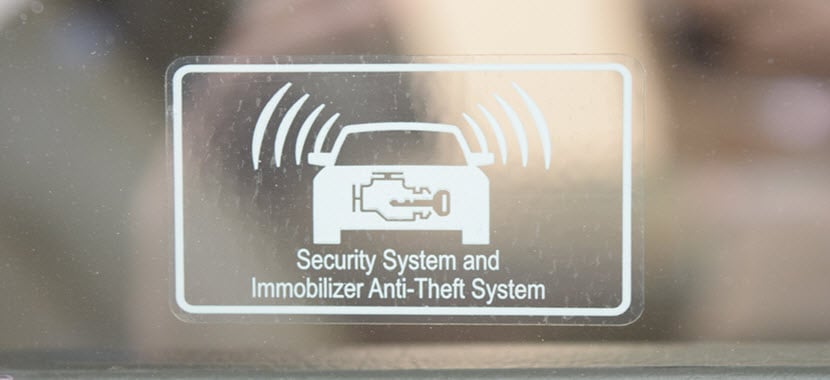
Modern cars are all equipped with an anti-theft system – but the one that will prevent your vehicle from starting is the electronic immobilizer anti-theft system.

Several countries required manufacturers to install immobilizer devices on all new vehicles in 1998 – and since then, they have become standard on pretty much every vehicle.

The Economic Journal reports that they have reduced car thefts by 40 percent since 1995. Nowadays, they are so common that every new car in the United States has one.

How Does an Anti-Theft System Work?

The system itself is relatively simple and easy to use. Your car key is equipped with a transponder. This transponder emits a signal picked up by a receiver in your car when you turn the ignition to start your vehicle. If the signal matches, the car will start.

If the signal does not match, you will not be able to start the vehicle, even if all the tumblers fit. Each vehicle has its own signal – so even if you have a different key from the manufacturer in the car, it won’t work.

Although the system is very effective at preventing car theft, it is not foolproof. Signals can be spoofed – or copied – and then used later to steal your car. For cars equipped with remote start systems, all you need is that signal!

The Car Alarm Vs. The Anti-Theft System

While technically, the car alarm is an “anti-theft” system – it’s not what we’re talking about here.

Car alarms can be loud and useful for scaring off burglars, but they work best at preventing the theft of things inside the car than the car itself. In fact, even if the car alarm goes off, you can still start it, provided you have the proper key and the electronic immobilizer anti-theft system is working correctly.

Meanwhile, the immobilizer anti-theft system won’t make a sound, but it will prevent a potential thief from driving off with your car. On the other hand, the system tends to act up, so it might prevent you from starting the engine.

Troubleshooting a Faulty Anti-Theft System

Just like all components of your vehicle – if it works now, at some point, it may break; the same goes for an anti-theft system. Although anti-theft systems are quite reliable, they sometimes act up, and it’s important to know what to do if something like that happens to you.

How to Identify a Faulty Anti-Theft System

Before diving into the anti-theft system to understand what’s wrong, you need to check what exactly the problem is!

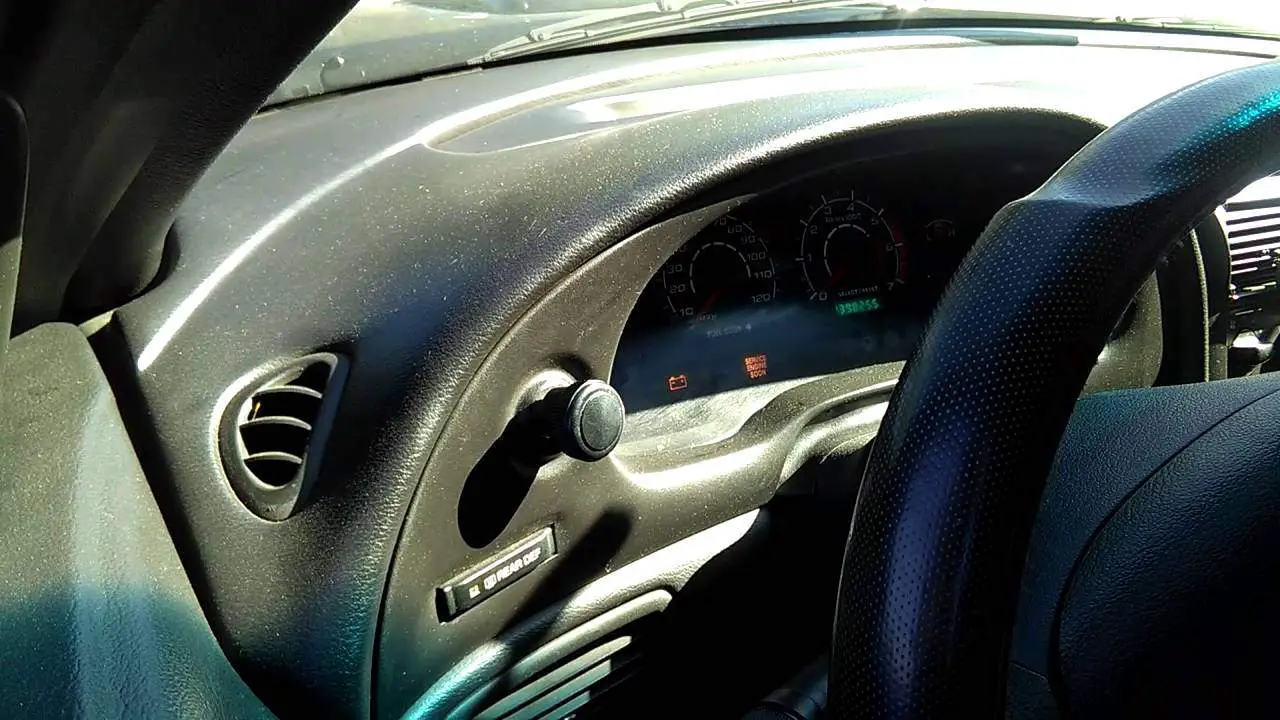
If your anti-theft system is working, you won’t be able to start your car. Additionally, you’ll notice a light with a lock or a key on your dashboard (depending on what you’re driving). This is your security/anti-theft light. Sometimes, your vehicle’s ECU will turn on this light along with your check engine light.

This light may appear even if the key is the problem – because it’s not picking up the transponder code. It will light up when you try to start the car – even if everything in the system is working correctly!

Step-by-Step Guide to Troubleshooting Your Anti-Theft System

Always Start with the Battery

Whenever you troubleshoot an electrical problem, start with the battery. Your vehicle may trigger the security light because the receiver isn’t getting enough power – and that’s probably also why your car won’t start.

Faulty or depleted batteries are one of the most common reasons for a “faulty anti-theft system.” It’s also one of the most manageable problems to solve, but also one of the most overlooked. You can spend days chasing your tail if you don’t start with the simple things!

Reset the System

If you’ve checked the battery and everything seems normal, the next thing to do is reset the system. This may sound difficult, but it’s actually one of the simplest things you can do.

All you have to do is disconnect the positive terminal of the battery and leave it off for about 15 minutes before reconnecting it. This resets all the electronic components of your vehicle, including your anti-theft system.

It may not seem like it does much, but if your vehicle’s anti-theft immobilizer is triggered, it sometimes won’t reset unless you reset the entire system.

Check if the Steering Wheel is Locked

If you’re inside the car and can’t turn the key at all, it might be because the steering wheel is locked. Typically, this happens after the steering wheel, someone or something slightly turned the steering wheel after the key was removed from the ignition.

This problem is more annoying than anything else and is relatively easy to solve, even if it requires a bit of persistence.

All you have to do is jiggle the steering wheel a bit until it loosens. You’ll feel the noticeable difference. Sometimes, you may need to turn the key in the ignition while trying to turn the wheel to get it to loosen.

Take a Closer Look at Your Key

This is the easiest component to see and the easiest to check for obvious defects. Every key has a transponder – and if that transponder is broken or missing, you won’t be able to start your car.

If you find a problem with the key, you’ve probably found your issue. If you have a spare key, this is extremely easy to check.

Just try starting the vehicle with a spare key after resetting the system. If it starts, you’ve found the problem!

You’ll need to replace the key – as most manufacturers won’t repair just the transponder chip.

Read the Code!

If you’ve completed the previous steps and are still struggling with the anti-theft system, it’s time to read the code.

Just like a check engine light, a code reader will tell you why the light is on. It could be that the receiver isn’t getting a signal from the key or that your receiver isn’t powered.

A code reader won’t tell you what you need to replace, but it will point you in the right direction.

Troubleshoot and Replace the Highlighted Component

This is where things get a bit complicated – as there are tons of different codes, you can follow tons of troubleshooting trees.

But when troubleshooting, keep the basics in mind. If you know how the system is supposed to work, you can’t explain why it’s not working based on the code data. If the receiver isn’t getting a signal, it’s one of two problems: the receiver or the transponder.

In either case, you’ll need to get a key matching the new receiver – might as well save some time and replace both components.

However, if a lack of power is your problem, you’ll need to dive into your electrical troubleshooting – or hand it over to a mechanic.

Summary

While electronic immobilizer anti-theft systems can give you a few headaches here and there – it’s worth it – given how many car thefts they prevent each year.

In fact, car theft has become so tricky without a key in recent years that it’s almost exclusively done by professionals. Carjackers are a thing of the past – and professionals need a ton of training.

You might be cursing the system while your car won’t start – but once everything is back to normal, you’ll be glad you have it!

Causes of brake locking while driving

Almost all motorists understand the true value of a properly functioning braking system. However, few are as aware of this as those who have had to deal with brake failure of any kind during their daily travels.

We too often take the proper functioning of brakes for granted. After all, it seems natural for our vehicle to stop smoothly and concisely with little more than a second thought when we press the brake pedal.

However, brake-related issues do occur occasionally. Among these problems, unexpected brake lock-up can be particularly concerning. When a vehicle’s brakes suddenly lock and do not seem to release, a number of more serious issues can arise.

Read on to learn more about the causes of a vehicle’s brakes locking up while driving, as well as what can be done to address these issues.

What Does It Mean When Your Brakes “Lock Up”?

“Brake lock-up” can be most simply defined as any situation where a vehicle’s brakes are applied but do not release as expected. This is a serious situation in any case, but it can be particularly severe when it occurs while driving. In the worst cases, a wreck can result.

Contrary to popular belief, brake lock-up does not always mean that a vehicle’s brakes have remained engaged to the point of causing complete wheel lock-up.

By definition, the term brake lock-up can be used to describe any situation where a vehicle’s brakes do not return to their “resting” position following pedal actuation.

What Can Cause Brakes to Lock Up?

stuck brake caliper

Although brake lock-up is far less common than it was in the days before the use of modern ABS brakes, such problems still occur occasionally. The vast majority of these issues are caused by severely worn or otherwise compromised braking system components.

Here are the most common causes of a vehicle’s brakes locking up while driving.

  • Use of inappropriate brake fluid
  • Overheated braking system components
  • Damaged or excessively worn brake pads, calipers, and rotors
  • Damaged or excessively worn brake drums, shoes, and wheel cylinders
  • Seized/stuck brake caliper or wheel cylinder

What To Do When Your Brakes Lock Up While Driving

Brake lock-up while driving can be a distressing ordeal. However, there are several key steps to follow to prevent a bad situation from worsening. These steps are as follows.

#1 – Do Not Panic

The most important thing to remember during brake lock-up is that it is imperative not to panic.

Although this is certainly easier said than done, you also bear the responsibility of doing everything in your power to protect your passengers, as well as other motorists around you.

Panicking robs you of your ability to think through the additional steps to take.

#2 – Find a Place to Stop

The next point to consider involves locating a safe place to stop. Quickly analyze your surroundings to determine what is at your disposal.

Parking lots, wide driveways, or even an empty shoulder make suitable locations for this purpose.

#3 – Carefully Exit the Roadway

Once you have determined the point at which you intend to stop, exit the roadway as cautiously as possible. Although a bit difficult to do at the moment, take into account all the traffic around you.

If you must merge between lanes, signal if possible. Remember that poor decision-making at this stage can lead to a much more disastrous situation.

#4 – Come to a Stop, Set E-Brake if Necessary

After leaving the roadway, stop your vehicle as carefully as possible. If your vehicle seems to pull to one side or the other, setting your emergency brake may provide some level of stabilization.

However, it is important to remember that setting a vehicle’s emergency brake at high speed can present its own risks.

#5 – Have the Vehicle Towed For Repair

After experiencing brake lock-up, a vehicle should under no circumstances be driven until proper repairs have been made. A vehicle should be towed to its intended point of repair, even if that location is only a short distance away.

How to Fix Locked Up Brakes

Following a brake lock-up incident, it is imperative to determine the root cause of such a failure. This often comes down to performing a thorough visual inspection.

A vehicle’s front and rear brakes should be inspected for signs of irregular wear, as well as damage to components. Any anomalies discovered during this inspection must be repaired before putting the affected vehicle back into service.

In many cases, the faulty brake assembly can be identified by a burning smell, the presence of excess brake dust, or bluing of the corresponding brake rotor or drum of the assembly. If signs of this nature are discovered, all brake components at that wheel end should be replaced.

Additionally, one may also wish to replace the same components at the opposite wheel end of the same given axle. At the very least, brake pads on a single axle should always be replaced in pairs.

In extreme cases, overheating due to brake lock-up can actually compromise the wheel bearing of the affected wheel end. When this occurs, subsequent replacement becomes necessary.

Once all repairs have been made, an initial brake test should be conducted in an isolated location, such as a parking lot or driveway, whenever possible.
If everything seems to be in proper working order, a more thorough road test can be conducted on a nearby road. If, at any time, further issues become apparent, interrupt your road test for further assessment.
If, for any reason, you are unsure about your ability to repair your vehicle’s brakes following a lock-up, seek advice from a professional. There is no shame in asking for a second opinion or opting for professional repair.

After all, your life literally depends on the functionality of your vehicle’s braking system.