
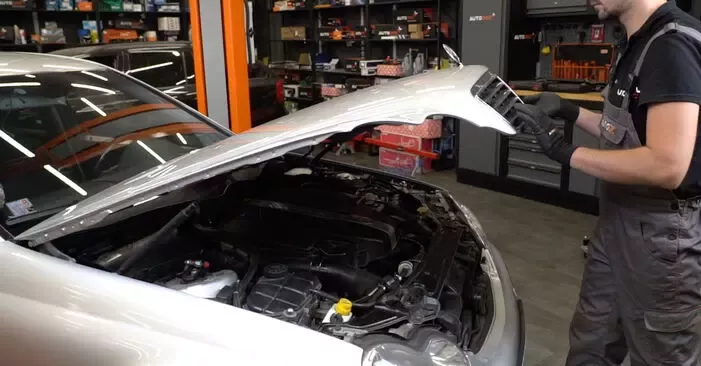
- Replace the brake discs on the Mercedes W203 car in a complete set for each axle. Regardless of the condition of the components. This will ensure even braking.
- The replacement procedure is identical for both brake discs on the same axle.
- When replacing brake discs, always replace the brake pads.
- All work must be carried out with the engine switched off.
-
 Step 1Open the hood and unscrew the brake fluid reservoir cap.
 -
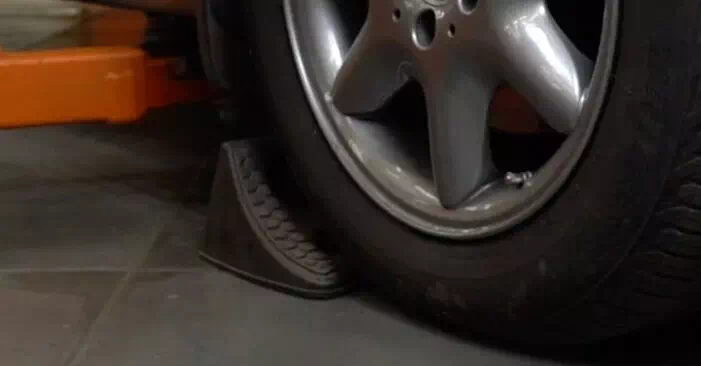 Step 2Secure the wheels with chocks.
 -
 Step 3Loosen the wheel mounting bolts Use the No. 17 wheel impact socket.
 -
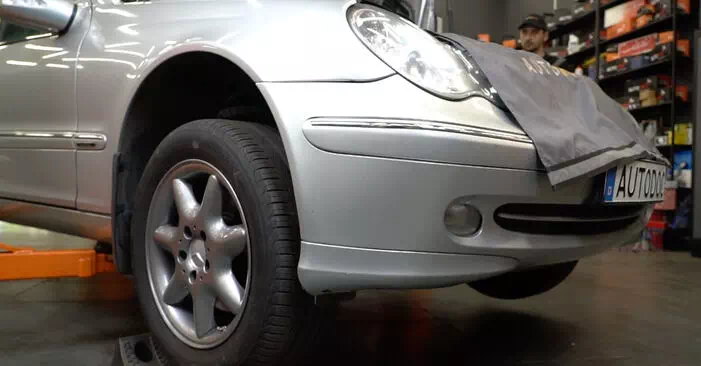 Step 4Lift the front of the car and secure it on stands.
 -
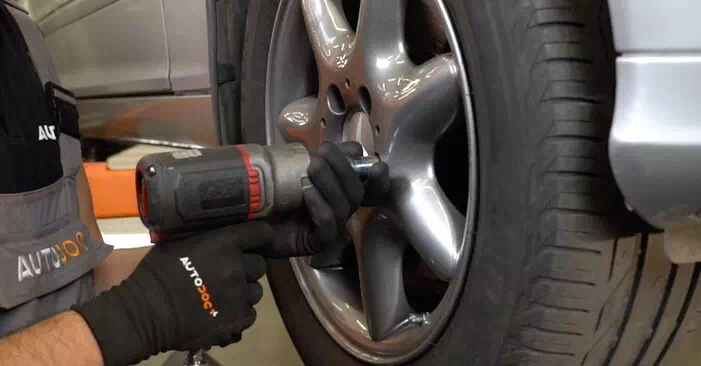 Step 5Unscrew the wheel bolts.Replacement: brake discs – Mercedes W203. Tip:To avoid injury, lift the wheel when unscrewing the bolts.
 -
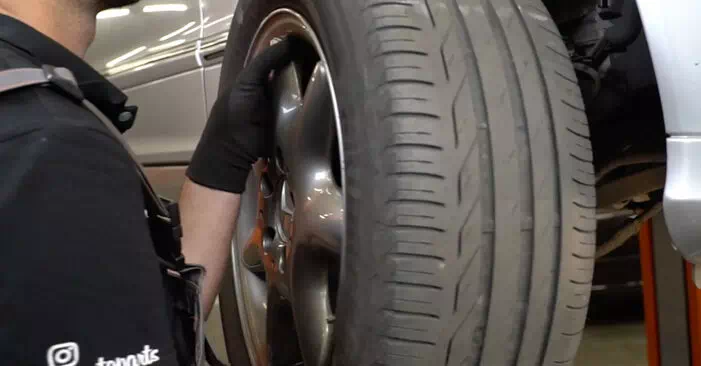 Step 6Remove the wheel.
 -
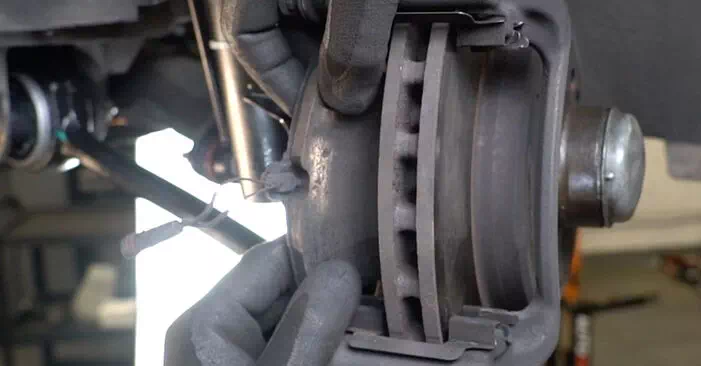
 Step 7Detach the brake pad wear sensor connector using a round-nose pliers.
 -
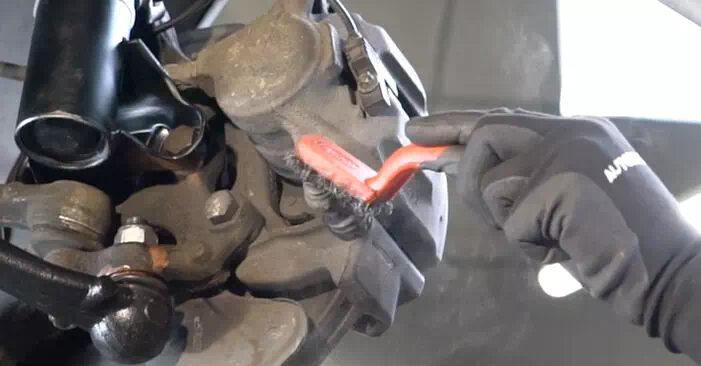 Step 8Clean the brake caliper mountings. Use a wire brush. Use WD-40 spray.
 -
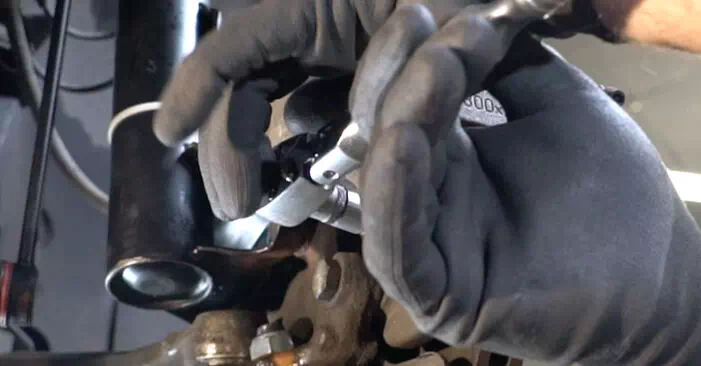 Step 9Unscrew the brake caliper mounting. Use a No. 12 drive socket. Use a ratchet wrench.
 -
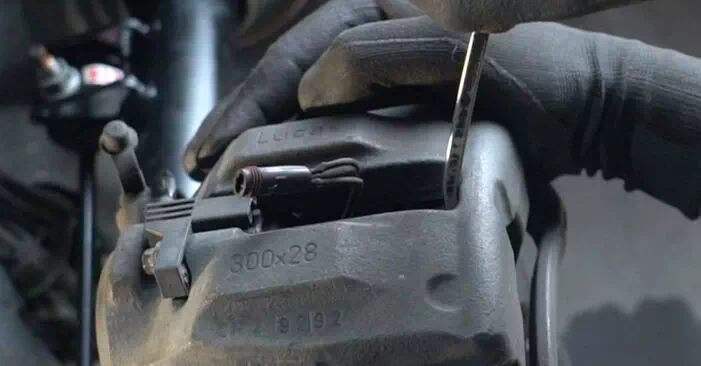 Step 10Spread the brake pads apart using a pry bar.
 -
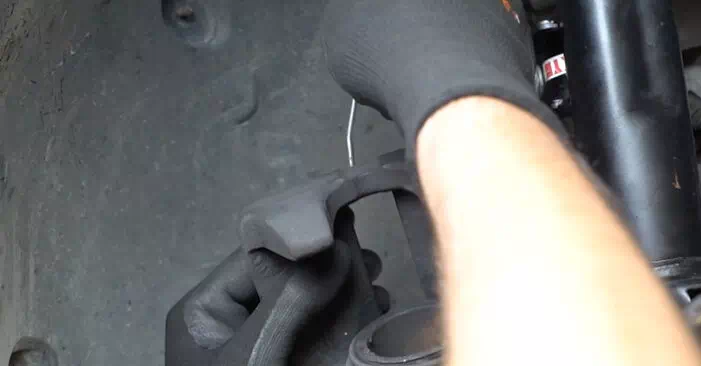 Step 11Remove the brake caliper.<
How to change the rear suspension arm on a MERCEDES-BENZ W203 C-Class
Replacement: Rear Suspension Lower Control Arm – Mercedes W203. Use the following procedure:-
Step 1Secure the wheels with chocks.Step 2Loosen the wheel fastening bolts. Use the No. 17 wheel impact socket.
-
Step 3Lift the rear of the car and secure it on stands.
-
Step 4Unscrew the wheel bolts.AUTODOC recommends:Warning! To avoid injury, hold the wheel while unscrewing the fastening bolts. Mercedes W203
-
Step 5Remove the wheel.
-
Step 6Unscrew the plastic body protection cover fasteners. Use a No. 10 drive socket. Use a ratchet wrench.Step 7Remove the plastic body protection cover.
-
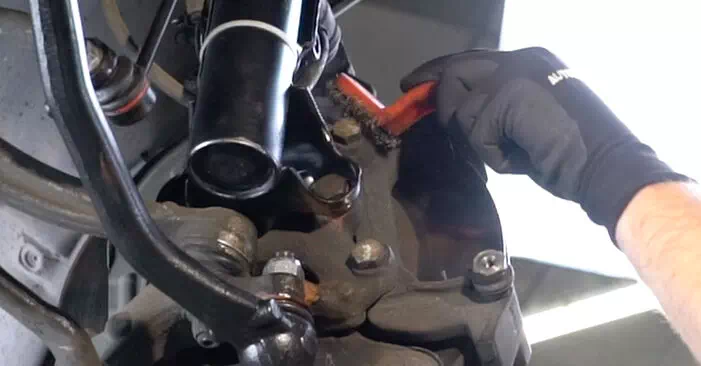
Step 8Clean all the arm joints. Use a wire brush. Use WD-40 spray.
-
Step 9Make a mark on the camber adjustment bolt.
-
Step 10Unscrew the fastener connecting the control arm to the subframe. Use XZN #12. Use a No. 19 drive socket. Use a tap wrench.
-
Step 11Remove the fastening bolt. Use a pry bar. Use a hammer.
-
 Step 12Unscrew the fastener connecting the suspension arm to the rear axle hub. Use a No. 16 combination wrench. Use a No. H5 hex key. Use a ratchet wrench.
 -
 Step 13Detach the ball joint from the rear hub using a ball joint extractor.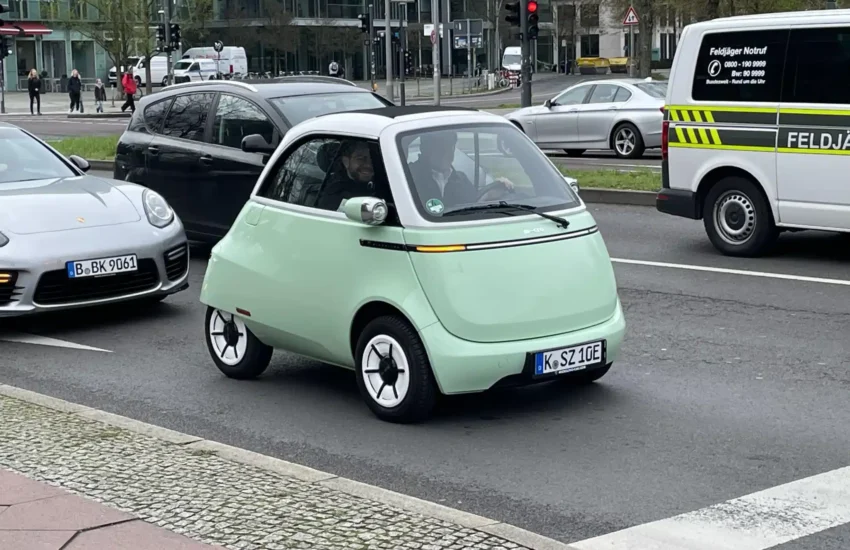
Microlino Considers China Move Amid EU Support Gap
European Support Falls Short
Microlino, the iconic Swiss electric microcar manufacturer, is seriously contemplating relocating its production to China. This drastic consideration stems from a perceived lack of tangible backing from European Union institutions. Despite the company’s long-standing commitment to pioneering sustainable urban mobility solutions, securing meaningful support has proven challenging. The potential move highlights a significant tension between green innovation goals and the practical industrial policies within Europe.
A Vision for Sustainable Cities
The Microlino was conceived as a direct response to urban challenges like traffic congestion and pollution. Its compact, bubble-car design offers an agile and fully electric alternative for city dwellers. The vehicle’s small footprint and zero tailpipe emissions align perfectly with the EU’s publicly stated ambitions for carbon-neutral cities. For years, the company has positioned itself not just as a carmaker, but as a contributor to a broader ecological transition, making the current situation particularly poignant.
The Allure of Chinese Production
Shifting manufacturing to China presents compelling advantages that Europe currently struggles to match. China’s established and cost-effective supply chain for electric vehicle components, particularly batteries, is a major draw. Furthermore, the Chinese market itself represents a vast opportunity for small electric vehicles. This combination of production efficiency and market access creates a powerful incentive for relocation, posing a potential brain and resource drain from the European electric vehicle sector.
Broader Implications for European Industry
Microlino’s dilemma is not an isolated case. It raises critical questions about Europe’s ability to nurture and retain its homegrown green technology champions. If innovative SMEs dedicated to sustainability feel compelled to leave, it could signal a weakening of the continent’s strategic autonomy in the clean tech race. The situation underscores the need for a cohesive industrial strategy that translates environmental rhetoric into concrete, actionable support for manufacturers on the ground.
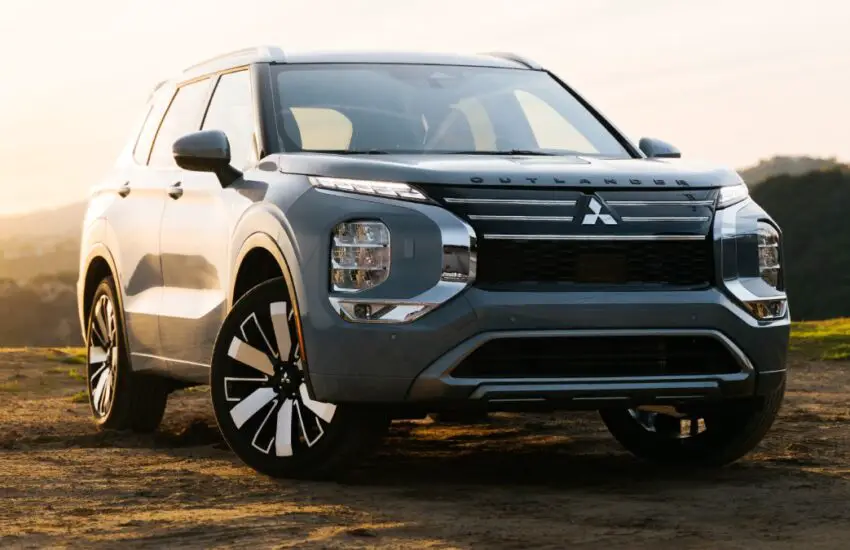
Mitsubishi Shifts Strategy Amid 79% Profit Plunge
Mitsubishi’s Financial Turbulence
Mitsubishi Motors is navigating severe financial headwinds, with operating profits plummeting by 79% in the latest quarter. This dramatic decline translates to a staggering $117.7 million loss, signaling a critical juncture for the Japanese automaker. The sharp downturn reflects broader challenges in the automotive sector, including supply chain disruptions and shifting consumer preferences.
Strategic Pivot to Fleet Sales
In response to this financial crisis, Mitsubishi is aggressively shifting its focus toward fleet sales. This strategic move aims to stabilize revenue streams by securing bulk orders from corporate and government clients. Fleet sales typically offer more predictable volume, though often at lower margins, providing a buffer against volatile retail market fluctuations.
Market Challenges and Adaptation
The automotive industry faces unprecedented transformation with electric vehicle adoption and changing mobility patterns. Mitsubishi’s current struggles highlight the difficulties traditional manufacturers encounter when adapting to these rapid changes. The company’s renewed emphasis on fleet business represents a pragmatic approach to maintaining market presence during this transitional period.
Future Outlook and Industry Position
While the fleet sales strategy may provide short-term stability, Mitsubishi must address fundamental issues to ensure long-term viability. The company’s ability to innovate and compete in evolving markets will determine its recovery trajectory. Industry analysts are closely watching how this pivot affects Mitsubishi’s brand positioning and competitive standing globally.

Honda Pilot Hybrid V6: Power Meets Efficiency
Honda Pilot Hybrid V6: A New Era for Family SUVs
The automotive world is buzzing with anticipation as Honda prepares to introduce its first three-row hybrid SUV. Dealers and families alike are eager for a vehicle that combines spacious utility with advanced hybrid technology. The upcoming Honda Pilot Hybrid, featuring a robust V6 powertrain, promises to deliver just that—blending enhanced performance with superior fuel economy.
Unmatched Power and Efficiency
Unlike many competitors relying on turbocharged four-cylinder engines, the Honda Pilot Hybrid utilizes a V6 hybrid system designed for optimal balance. This setup aims to provide more horsepower and torque, ensuring confident acceleration and towing capability without sacrificing efficiency. Drivers can expect a smoother, more responsive ride, making it ideal for long trips and daily commutes. The hybrid technology also reduces emissions, aligning with modern environmental standards while maintaining the Pilot’s reputation for reliability.
Expected Launch Timeline
The current Honda Pilot model is nearing the end of its lifecycle, prompting the need for a refresh. Honda has officially confirmed that its next-generation large hybrid system will debut in the latter half of the 2020s. This strategic timing allows for thorough testing and integration of cutting-edge features, ensuring the hybrid Pilot meets high expectations for durability and innovation. While exact dates are yet to be announced, this timeline positions Honda to compete strongly in the growing hybrid SUV market.
Why Choose the V6 Hybrid?
Families seeking a versatile SUV will find the Honda Pilot Hybrid V6 an appealing option. Its three-row configuration offers ample seating, while the hybrid drivetrain enhances fuel economy compared to traditional gasoline models. This combination addresses common concerns about high fuel costs and environmental impact, providing a practical solution for eco-conscious consumers. With Honda’s focus on safety and technology, the hybrid Pilot is set to include advanced driver-assistance systems and infotainment upgrades, making every journey secure and enjoyable.
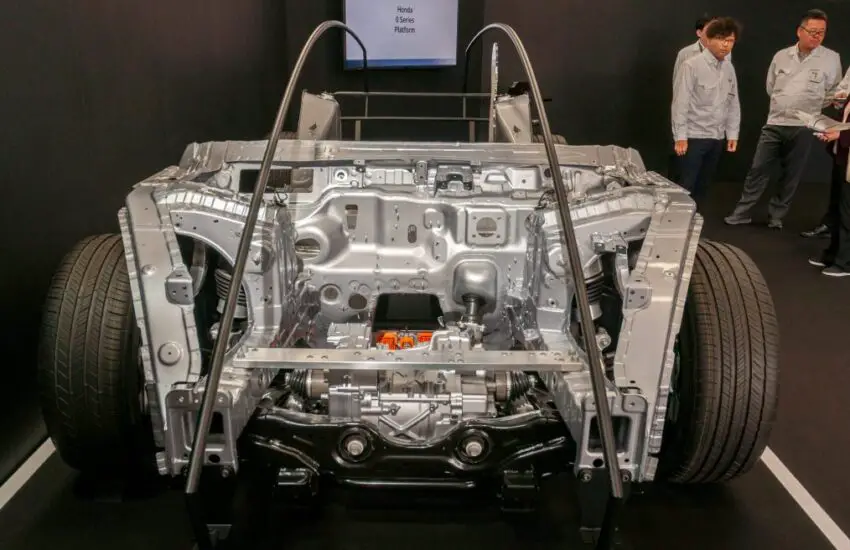
Honda’s Flexible Platform Redefines Vehicle Dynamics
How Honda’s Flexible Platform Works
Honda’s engineers have developed a revolutionary vehicle platform that intentionally allows controlled flex in the front structure during cornering. Unlike traditional automotive design that prioritizes absolute rigidity, this innovative approach enables specific components to deform slightly, creating what engineers call “controlled compliance.” This strategic flexibility actually improves handling characteristics by optimizing tire contact with the road surface throughout turns.
The Engineering Breakthrough Behind the Technology
This represents a fundamental shift in automotive philosophy that challenges decades of conventional wisdom. Where most manufacturers have continuously pursued increased structural rigidity, Honda’s research revealed that strategic flexibility in key areas provides superior results. The platform uses advanced materials and computer-optimized geometries to create predictable deformation patterns that enhance rather than compromise vehicle dynamics.
Real-World Benefits for Drivers
Drivers will experience tangible improvements in everyday driving situations. The technology provides more consistent grip during aggressive cornering, better stability in crosswinds, and improved bump absorption while maintaining steering precision. The system works seamlessly without driver input, automatically adapting to changing road conditions and driving styles.
Future Applications Across Model Lineup
This flexible platform architecture will eventually underpin Honda’s entire vehicle lineup from compact cars to SUVs. The scalable design allows engineers to tailor the flexibility characteristics to each vehicle’s specific purpose while maintaining the core technological advantages. This represents one of the most significant shifts in automotive chassis design in recent decades.
Industry Impact and Competitive Response
The automotive industry is closely watching Honda’s innovation, with many competitors reportedly developing similar approaches. This technology could eventually replace the current industry standard of pursuing maximum rigidity, much like how unibody construction replaced body-on-frame designs for most passenger vehicles.
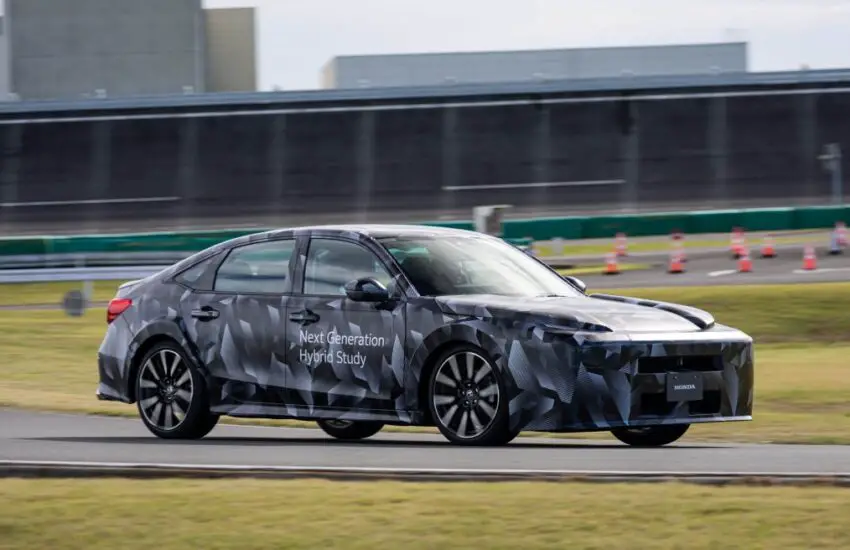
Honda’s Next-Gen Hybrid Prototype Test Drive
Driving Honda’s Future Hybrid Prototype
Honda is advancing its hybrid technology with a new system set to debut in 2027. This innovation is expected to power models like the Civic Hybrid or CR-V Hybrid, and a recent prototype test suggests a refined and enjoyable driving experience.
First Impressions on the Track
At Honda’s research and development center in Tochigi, Japan, I had the opportunity to drive a camouflaged prototype of the upcoming Civic Hybrid for four laps. The vehicle demonstrated impressive fuel efficiency and smooth acceleration, highlighting Honda’s commitment to eco-friendly performance. The hybrid powertrain seamlessly transitions between electric and gasoline modes, providing a quiet and responsive ride.
Performance and Efficiency
The prototype showcased enhanced energy regeneration during braking, contributing to its overall efficiency. Engineers have focused on minimizing energy loss, resulting in a system that maximizes every drop of fuel. Drivers can expect lower emissions without sacrificing power, making it a practical choice for daily commutes and long journeys alike.
What to Expect in Production
While specific details remain under wraps, the prototype indicates that Honda is prioritizing driver engagement and sustainability. The cabin offers a comfortable and intuitive layout, with features designed to enhance the hybrid driving experience. As development continues, Honda aims to set new standards in the hybrid segment with this next-generation technology.
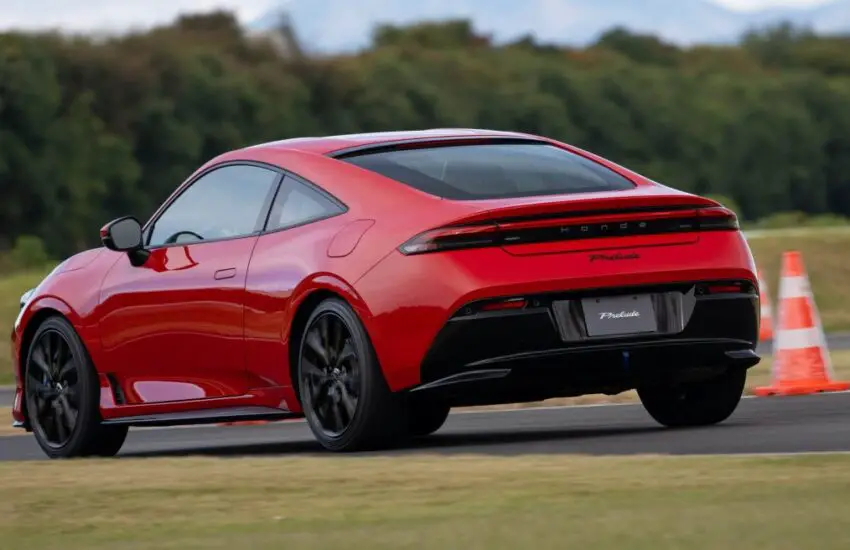
Honda Prelude 2026: A Quiet Sports Car Revolution
Unexpected Serenity in a Sports Coupe
Automotive enthusiasts are in for a remarkable surprise with the upcoming Honda Prelude 2026. This sporty coupe delivers an exceptionally quiet driving experience, surpassing even the noise levels of Honda’s next-generation Civic Hybrid prototype. The unexpected acoustic performance challenges conventional expectations about sports car characteristics.
Advanced Sound Engineering
Honda engineers have implemented groundbreaking noise cancellation technology throughout the Prelude’s structure. Special acoustic glass, enhanced insulation materials, and active noise control systems work in harmony to create an unusually serene cabin environment. The hybrid powertrain’s electric motor operation contributes significantly to the reduced noise profile during urban driving conditions.
Performance Without Compromise
Despite its quiet nature, the Prelude maintains its sporting credentials through responsive handling and precise steering. The hybrid system provides instant torque delivery while maintaining fuel efficiency standards that exceed conventional sports coupes. The balance between performance and refinement represents a new direction for sport-oriented vehicles.
Strategic Market Positioning
The Prelude’s development signals Honda’s innovative approach to the evolving sports car segment. By combining traditional sports car attributes with advanced hybrid technology and exceptional cabin quietness, the manufacturer creates a unique proposition for modern driving enthusiasts. This strategic move potentially redefines what drivers can expect from performance-oriented vehicles in an increasingly electrified automotive landscape.
Driving Experience Comparison
Recent testing at Honda’s Tochigi research facility revealed the Prelude’s acoustic advantage over the forthcoming Civic Hybrid. The sports coupe demonstrated superior noise suppression at highway speeds and during acceleration, creating a more isolated and premium driving atmosphere. This achievement highlights Honda’s engineering priorities for their returning iconic model.
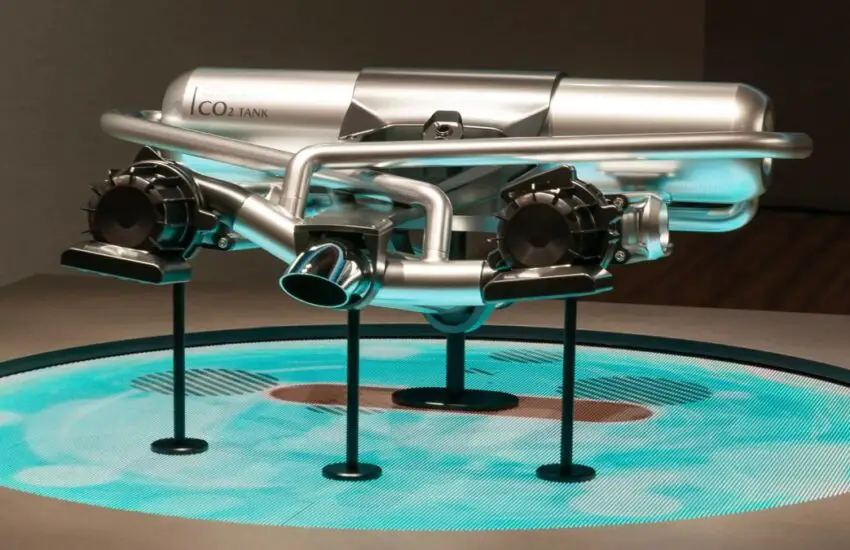
Mazda’s Carbon-Capture Exhaust for Biofuel Cars
Revolutionizing Vehicle Emissions with Biofuel Innovation
Mazda has unveiled a groundbreaking concept that could transform how we view automotive emissions. By integrating algae-based biofuels with a specialized exhaust system, the automaker proposes a solution where gasoline-powered vehicles might achieve carbon-negative status. This approach goes beyond mere emission reduction, actively capturing more carbon dioxide than the vehicle produces during operation.
How the Carbon-Capture System Operates
The innovative exhaust system functions as an absorbing layer that traps CO2 as it exits the engine. Unlike conventional exhausts that simply direct gases away from the vehicle, this design incorporates materials capable of sequestering carbon emissions directly at the source. When combined with biofuels derived from algae—which absorb CO2 during their growth phase—the complete fuel cycle could potentially remove more carbon from the atmosphere than it releases.
The Algae Biofuel Advantage
Algae-based biofuels serve as the perfect partner for this carbon-capture technology. These renewable fuels are produced from microorganisms that consume carbon dioxide during photosynthesis. When burned in an engine equipped with Mazda’s capture system, the carbon released represents part of a continuous cycle rather than new atmospheric pollution. This symbiotic relationship between biofuel production and emission capture creates a compelling case for carbon-negative transportation.
Potential Impact on Sustainable Mobility
If successfully developed, this technology could significantly advance the automotive industry’s sustainability goals. While electric vehicles address tailpipe emissions, Mazda’s concept tackles the broader carbon cycle, offering a potential pathway for internal combustion engines to contribute positively to environmental efforts. The system represents a creative middle-ground solution during the transition to fully renewable transportation, particularly for applications where immediate electrification remains challenging.
This conceptual technology demonstrates how reimagining existing systems can yield unexpected environmental benefits. Though still in development, it highlights the importance of pursuing multiple approaches to sustainable mobility simultaneously.

Ford’s Retail Revolution Blends Luxury and Tech
Ford Reinvents the Car Buying Experience
As the automotive industry undergoes a massive transformation, manufacturers are rethinking every aspect of their business, including the physical dealership. Ford is leading this charge with a groundbreaking new concept that fundamentally changes the customer journey. The traditional showroom is being replaced by a hybrid space that combines the sophisticated comfort of a luxury hotel lobby with the clean, intuitive design language of a premium tech store.
A New Hospitality-First Philosophy
The core of Ford’s new strategy is a radical shift towards hospitality. The company is moving away from the high-pressure sales environment that has long characterized car buying. Instead, the focus is on creating a welcoming, low-pressure atmosphere where customers can explore vehicles at their own pace. The design incorporates comfortable seating areas, concierge-style service points, and open, airy layouts that encourage relaxation and discovery rather than immediate negotiation.
Learning from the Best in Retail
Ford’s inspiration is drawn from outside the auto industry. The aesthetic and user experience of an Apple Store provide a blueprint for a clean, uncluttered environment where the product is the hero. Simultaneously, the warmth and personalized service of a high-end hotel lobby ensure that customers feel valued and attended to from the moment they arrive. This fusion aims to make the dealership a destination in itself, not just a transactional stop.
The Future of Automotive Retail
This architectural and philosophical overhaul is more than a facelift; it’s a direct response to the evolving relationship between consumers and vehicles. As cars become more connected and autonomous, the way people shop for them must also evolve. Ford’s new concept dealerships are designed to educate and build trust, positioning the brand not just as a vehicle manufacturer, but as a partner in future mobility. This pioneering approach sets a new benchmark for what customers can expect from a visit to a car showroom.
-