Mazda Iconic SP Stalled by EV Market Slowdown

Mazda Iconic SP Faces Electric Vehicle Market Headwinds

Amid the buzz of the Japan Mobility Show, automotive enthusiasts received disappointing news. The Mazda Iconic SP concept, featuring a groundbreaking rotary-hybrid powertrain, is facing significant production hurdles. Initially unveiled as a visionary electric sports car at the previous Tokyo Salon, this innovative coupe is now grappling with the challenging economic climate surrounding electric vehicles.

Rotary Engine Revival Meets Market Realities

Mazda’s ambitious plan to resurrect its legendary rotary engine technology in a hybrid-electric sports car has encountered unexpected obstacles. The Iconic SP concept represents Mazda’s unique approach to electrification, combining electric motors with a compact rotary engine serving as a range extender. This engineering masterpiece was poised to demonstrate how traditional sports car characteristics could coexist with modern electrification requirements.

Economic Pressures Reshape Automotive Strategies

The global electric vehicle market is experiencing unprecedented challenges that have forced manufacturers to reconsider their product roadmaps. Rising material costs, supply chain uncertainties, and shifting consumer demand patterns have created a perfect storm for niche vehicles like the Iconic SP. Automotive analysts note that specialized sports cars often face heightened scrutiny during economic downturns as manufacturers prioritize high-volume models.

Future of Performance Electrification

Despite current setbacks, the technology developed for the Iconic SP concept may still influence Mazda’s future production models. The rotary range-extender system represents a potential solution for drivers seeking electric vehicle efficiency without range anxiety. Industry observers suggest that while the specific Iconic SP model might be delayed, its innovative powertrain technology could appear in other forms as market conditions improve.

The automotive world continues to watch how traditional sports car manufacturers like Mazda will navigate the transition to electrification while preserving driving excitement. The Iconic SP’s current predicament highlights the delicate balance between innovation and commercial viability in today’s rapidly evolving automotive landscape.
Mazda Iconic SP Electric Coupe Faces Budget Cuts

Mazda’s Electric Sports Vision in Jeopardy

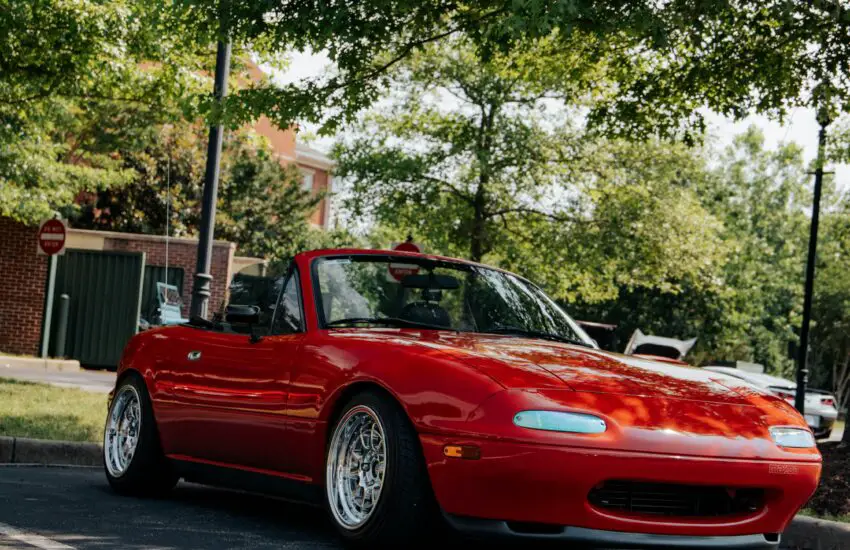
The Mazda Iconic SP concept, unveiled to acclaim at the 2023 Tokyo Motor Show, now faces an uncertain future due to stringent budget constraints. This sleek electric coupe captured imaginations with its fusion of Mazda’s celebrated sports car heritage and forward-thinking electric technology, symbolizing a bold step in the brand’s electrification journey.

Design and Innovation at Risk

Featuring a low-slung silhouette and minimalist aesthetics, the Iconic SP was designed to evoke emotion while prioritizing sustainability. Its lightweight construction and efficient powertrain promised a dynamic driving experience, staying true to Mazda’s “Jinba Ittai” philosophy of horse and rider as one. However, financial pressures threaten to halt development, potentially delaying its entry into the competitive electric vehicle market.

Implications for Mazda’s Electric Future

Budget limitations could force Mazda to reassess its electric strategy, focusing resources on more immediate projects. This setback highlights the challenges automakers face in balancing innovation with fiscal responsibility, especially as they transition to electric mobility. The potential shelving of the Iconic SP may slow Mazda’s progress in establishing a strong foothold in the high-performance EV segment.

Despite these hurdles, the concept’s positive reception underscores consumer interest in stylish, driver-focused electric cars. Industry observers will be watching closely to see how Mazda navigates these financial headwinds and whether elements of the Iconic SP will inspire future production models.

Automakers Voice 2035 Electric Vehicle Concerns

Industry Challenges for 2035 EV Transition

As the 2035 deadline for full electric vehicle adoption approaches, major automotive manufacturers are expressing significant reservations about meeting this ambitious target. While publicly supporting sustainability goals, industry leaders highlight multiple systemic barriers that could delay the transition. The automotive sector faces unprecedented challenges in scaling production, developing infrastructure, and ensuring raw material availability within the tight timeframe.

Production and Supply Chain Hurdles

Manufacturers point to substantial obstacles in battery production capacity and mineral sourcing. Current projections indicate insufficient mining operations for essential components like lithium, cobalt, and nickel. Battery manufacturing facilities require massive investments and years to become operational. Many automakers question whether production can scale adequately to replace entire fleets of combustion engine vehicles within thirteen years.

Infrastructure Readiness Questions

Charging infrastructure represents another critical concern. Industry analyses suggest current installation rates for public charging stations fall significantly below required levels. Grid capacity upgrades necessary to support widespread EV adoption present additional complications. Rural areas and developing regions face particular challenges in deploying adequate charging networks, potentially creating mobility disparities.

Market Adoption Realities

Consumer acceptance remains uncertain despite growing EV interest. Price parity with conventional vehicles has not yet been achieved in most market segments. Technical limitations regarding range and charging times continue to influence purchasing decisions. Automakers emphasize that regulatory mandates must align with practical market realities and consumer readiness.

Regulatory and Investment Landscape

The industry seeks clearer regulatory frameworks and more coordinated policy approaches. Manufacturers have committed substantial capital toward electrification but require stable long-term policies to justify continued investment. Many propose including hybrid technologies and alternative fuels as transitional solutions while pure EV capabilities develop.

6 EVs That Drive Paris-Lyon Nonstop

Electric Cars That Cover Paris-Lyon Without Charging

Making the 465-kilometer journey from Paris to Lyon in an electric vehicle without stopping to recharge is a realistic goal with today’s advanced models. These six EVs combine efficiency, aerodynamics, and high-capacity batteries to achieve this feat, even while maintaining highway speeds.

Key Considerations for Long-Distance EV Travel

Achieving this range requires attention to driving conditions. Factors like speed, weather, and terrain significantly impact battery performance. Driving at a steady 130 km/h on the autoroute demands optimal efficiency, which these selected models deliver through advanced energy management systems and lightweight construction.

Top Electric Models for the Trip

Leading the pack are vehicles with WLTP ranges exceeding 500 kilometers, providing a comfortable buffer for the journey. Models like the Mercedes-Benz CLA Electric showcase sleek designs that reduce drag, while others utilize heat pumps to conserve energy in varying climates. Their battery thermal management systems ensure consistent performance, making them reliable for long hauls without intermediate charging stops.

Understanding Real-World Range Limits

It’s crucial to recognize that advertised ranges can vary in practice. Highway driving at higher speeds consumes more energy than city commuting. Planning for factors like elevation changes and using regenerative braking effectively can help maximize distance. These EVs are equipped with features that assist drivers in monitoring energy usage in real-time, ensuring a stress-free trip from start to finish.

Electric Cars Dominate French Roads

Electric Vehicles Become Mainstream in France

Recent studies confirm a significant shift in the French automotive landscape, with electric vehicles (EVs) rapidly integrating into daily life. An overwhelming majority of EV drivers report high satisfaction levels, highlighting the successful adoption of this clean transportation alternative.

Overwhelming User Satisfaction

Data reveals that 94% of electric car owners are pleased with their vehicles, citing benefits such as reduced noise pollution, lower running costs, and a smoother driving experience. This positive feedback is accelerating the transition from traditional combustion engines to electric powertrains across the country.

Infrastructure and Environmental Impact

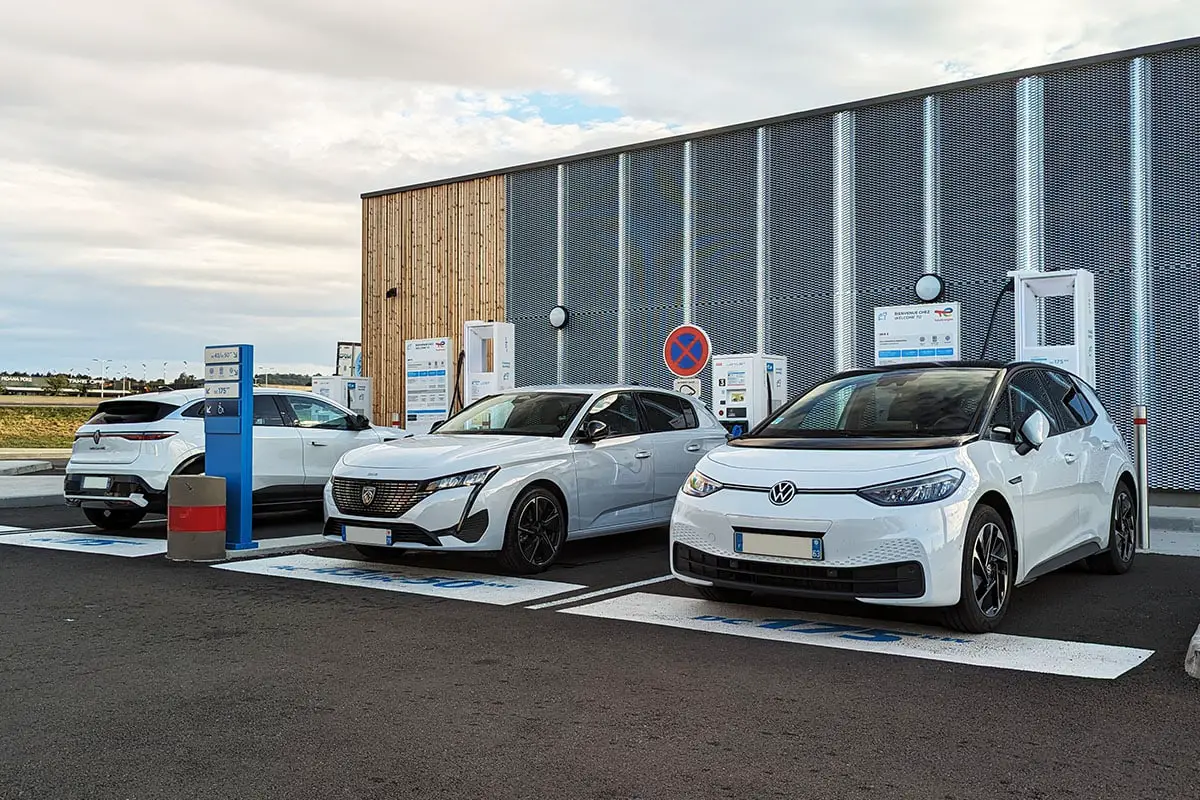
The expansion of charging networks and government incentives has played a crucial role in this evolution. French cities and highways now feature an increasing number of charging stations, making long-distance travel more feasible for EV users. Additionally, the environmental advantages, including zero tailpipe emissions, align with national goals for carbon neutrality.

Future Trends and Market Growth

As technology advances, electric cars are expected to become even more accessible and efficient. With ongoing improvements in battery life and a growing variety of models, the French market is set to continue its upward trajectory, reinforcing the position of EVs as the future of mobility.

Alpine A290: Custom Electric Hot Hatch Experience

Alpine A290 Digital Customization Studio

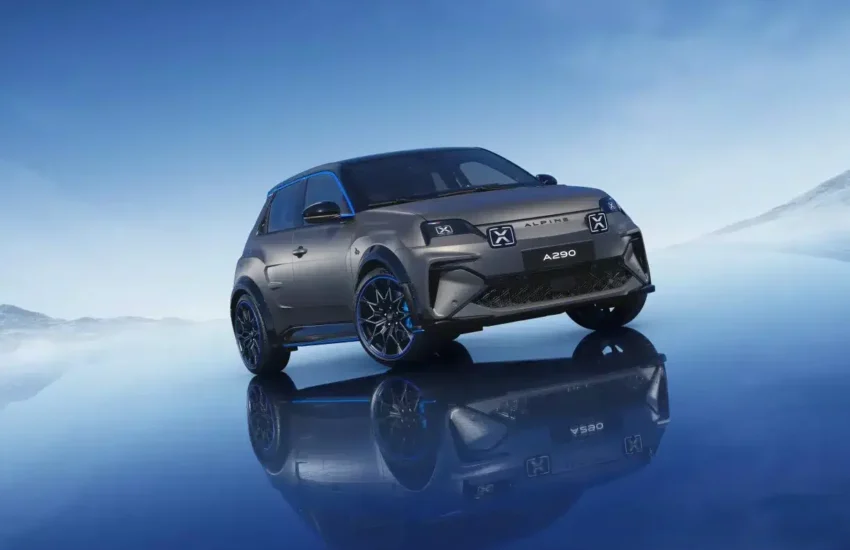
The Alpine A290 redefines personalization in the compact electric sports segment with its innovative digital customization platform. This electric hot hatch offers owners unprecedented control over their vehicle’s appearance, transforming the standard model into a unique expression of individual style through advanced digital configuration tools.

Exterior Personalization Options

Alpine’s customization suite provides extensive exterior modification capabilities. Owners can select from multiple exclusive paint finishes including matte and metallic options, complemented by distinctive wheel designs ranging from sporty alloys to performance-focused forged variants. The lighting system also offers customization with signature LED patterns that enhance both visibility and visual appeal during night driving.

Alpine A290 custom electric vehicle

Interior Tailoring Features

Inside the cabin, the personalization continues with premium material selections and color coordination. Drivers can choose between various upholstery options including performance-focused sport seats with enhanced bolstering or luxury-oriented leather appointments. The dashboard and trim elements can be customized with different finishes, from carbon fiber accents to brushed aluminum details, creating a cohesive interior environment that matches the exterior styling.

Performance-Oriented Customization

Beyond aesthetic modifications, the A290 platform allows for performance personalization through adjustable drive modes and chassis settings. Owners can tailor the vehicle’s responsiveness to match their driving preferences, selecting between comfort-oriented setups for daily commuting and sport configurations for enthusiastic driving. The electric powertrain management can also be customized to optimize either range efficiency or maximum performance output.

This comprehensive approach to vehicle personalization represents a significant advancement in how drivers interact with their electric vehicles, moving beyond simple color choices to encompass every aspect of the driving experience.

Affordable Used Electric Compacts Under €25,000

Top Used Electric Compacts Under €25,000

Comparison of used electric compact cars

The pre-owned electric vehicle market now presents outstanding opportunities to own a high-performing compact car without exceeding a €25,000 budget. These vehicles perfectly balance urban agility with sufficient range for longer journeys, making them an ideal choice for eco-conscious drivers.

Why Choose a Used Electric Compact?

Opting for a pre-owned electric compact delivers exceptional value by avoiding initial depreciation while providing modern EV benefits. These cars typically feature advanced battery technology, rapid charging capabilities, and lower maintenance costs compared to combustion engine vehicles. With most models offering 200-300 km ranges, they comfortably handle daily commutes and weekend trips.

Leading Models in This Segment

Several standout models dominate this price bracket. The Renault ZOE remains popular for its compact dimensions and respectable range, while the Nissan Leaf offers proven reliability and practical space. The BMW i3 brings premium materials and innovative design, though its unique styling may not appeal to all buyers. The Volkswagen e-Golf provides a familiar hatchback experience with electric powertrain benefits.

Key Considerations When Buying

Prospective buyers should prioritize battery health assessments and remaining warranty coverage. Verify charging cable compatibility and inspect the vehicle’s service history for any electrical system updates. Test driving multiple models helps identify which vehicle best suits your driving style and daily needs.

Market Trends and Availability

Increased new EV adoption has created a robust secondary market with growing inventory levels. This competition benefits buyers through more competitive pricing and better vehicle selection. As battery technology continues improving, even older models in this segment provide reliable electric mobility solutions.

Longbow Speedster: The Lightweight Electric Revolution

Redefining Electric Performance Through Minimalism

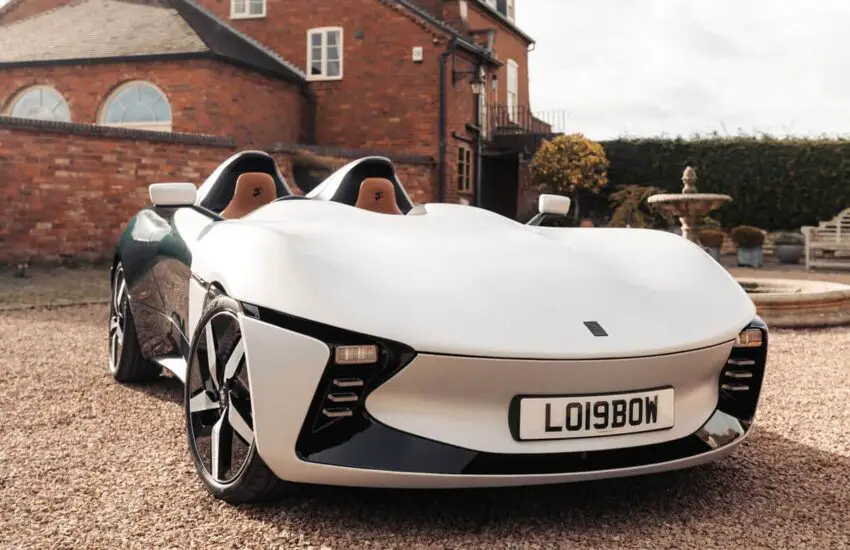
When automotive engineers from Tesla and Lucid join forces, expectations naturally run high for technological extravagance. The Longbow Speedster shatters these assumptions, presenting a radical alternative where less truly becomes more. This British roadster demonstrates that electric vehicles can achieve thrilling performance without excessive weight or complexity.

The Philosophy Behind the Featherweight Design

Founders Daniel Davey and Mark Tapscott have deliberately pursued automotive minimalism, creating a vehicle that prioritizes driving purity over technological overload. By stripping away non-essential components and focusing on lightweight materials, they’ve achieved what many considered impossible: an electric sports car that weighs significantly less than its competitors while delivering exhilarating performance. The Speedster’s construction utilizes advanced composites and strategic engineering to maintain structural integrity while minimizing mass. This approach extends to every component, from the minimalist interior to the optimized powertrain, creating a cohesive vision of efficiency and performance.

Driving Experience Reimagined

Behind the wheel, the Speedster offers an unfiltered connection to the road that’s rare in modern electric vehicles. The reduced weight translates to immediate throttle response, sharper handling, and more engaging dynamics. Unlike heavier EVs that rely on overwhelming power, the Longbow delivers its performance through intelligent design and weight optimization. This focus on lightness extends to the aerodynamic profile, which has been refined to provide stability without adding drag or complexity. The result is a car that feels alive and responsive, offering the kind of visceral driving experience that enthusiasts crave.

A New Direction for Electric Mobility

The Longbow Speedster represents a significant shift in electric vehicle philosophy. By proving that exceptional performance doesn’t require massive batteries or extreme weight, it opens new possibilities for sustainable sports cars. This approach not only enhances driving enjoyment but also improves efficiency and reduces environmental impact throughout the vehicle’s lifecycle. As the automotive industry continues its electric transition, the Speedster serves as an important reminder that sometimes the most advanced solution is also the simplest. Its success could inspire other manufacturers to reconsider their approach to EV design, potentially leading to a new generation of lighter, more efficient electric vehicles.

Toyota’s Production Struggles Amid Record Demand

Unprecedented Demand Challenges Toyota’s Manufacturing Capacity

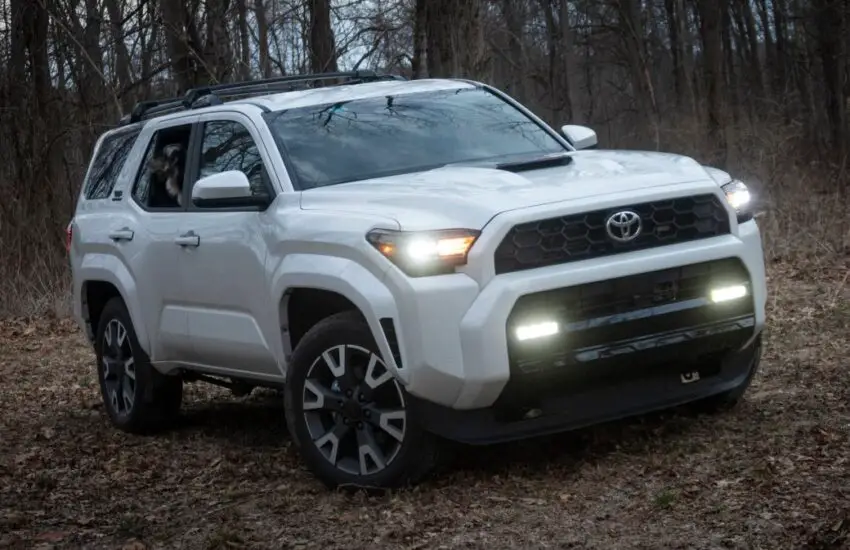
Toyota is navigating an extraordinary business environment where customer demand has significantly outpaced its manufacturing capabilities. The Japanese automaker is experiencing an overwhelming volume of orders that its production facilities are struggling to fulfill, creating unusual strain across its supply chain operations. This situation represents both a remarkable success story and a significant operational challenge for one of the world’s largest automotive manufacturers.

Financial Leadership Insights

During the recent financial results presentation, Toyota’s Chief Financial Officer addressed the company’s current market position. The executive acknowledged that while sales figures show impressive growth, the manufacturing division cannot keep pace with the surging global demand. This gap between production capacity and market demand has created unique challenges for Toyota’s operational planning and resource allocation.

Supply Chain Complications

The automotive industry continues to face complex supply chain issues that affect production timelines. Toyota’s manufacturing plants are working at maximum capacity, yet still cannot satisfy the current market appetite for their vehicles. This production-demand imbalance affects various models across Toyota’s product lineup, from compact cars to larger SUVs and hybrid vehicles.

Market Response and Future Outlook

Industry analysts note that Toyota’s situation reflects broader automotive market trends where consumer demand has rebounded faster than production capabilities. The company continues to implement strategic measures to optimize its manufacturing processes while maintaining quality standards. Toyota’s leadership remains focused on developing sustainable solutions to bridge the gap between production capacity and market requirements without compromising vehicle quality or safety standards.

Honda Prelude 2026: Reviving a Sports Coupe Legend

First Drive: The Hybrid Prelude Experience

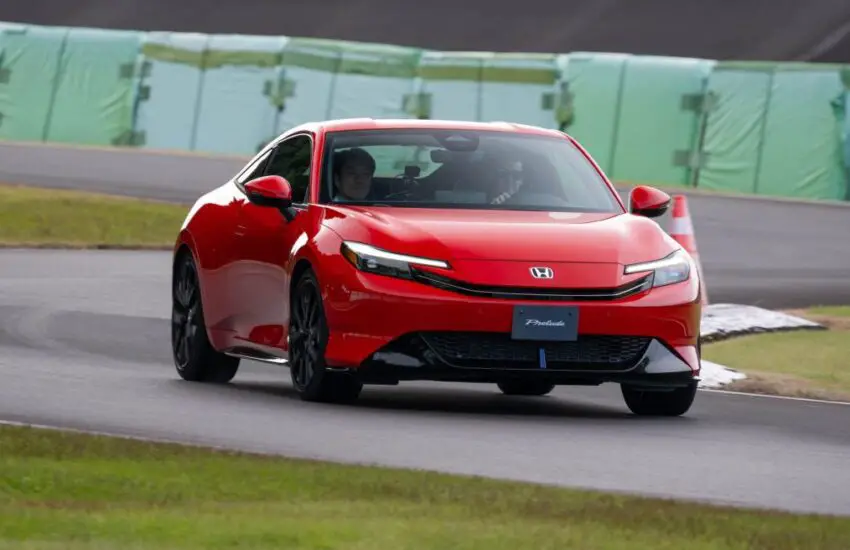
Sliding into the driver’s seat of the Honda Prelude 2026, I was immediately struck by how familiar yet advanced everything felt. The cockpit wraps around you with a driver-focused layout that honors the Prelude heritage while incorporating modern technology seamlessly. As I pressed the start button, the hybrid powertrain came to life with a subtle hum, promising both efficiency and performance.

Performance That Excites

On the test track, the Prelude 2026 demonstrated its balanced character. The hybrid system delivers instant torque from standstill, with the electric motor providing brisk acceleration while the gasoline engine adds power at higher speeds. Through winding sections, the chassis maintained composure, offering precise steering feedback that connected me directly to the road. The regenerative braking system recovered energy smoothly without compromising stopping power.

Design That Turns Heads

Honda has masterfully blended nostalgic design cues with contemporary aesthetics. The low-slung profile and sweeping roofline pay homage to previous generations, while the LED lighting signatures and aerodynamic enhancements give it a distinctly modern presence. Inside, sustainable materials complement the sporty ambiance, creating an environment that’s both luxurious and environmentally conscious.

The Future of Driving Pleasure

What makes the Prelude 2026 truly remarkable is how it makes advanced technology feel intuitive. The hybrid system transitions between power sources imperceptibly, and the driver assistance features work subtly in the background without intruding on the driving experience. This isn’t just another hybrid vehicle – it’s a sports coupe that happens to be hybrid, proving that electrification and driving enjoyment can coexist harmoniously.

After my time with the Prelude 2026, it’s clear Honda has created something special. They’ve managed to preserve the soul of the Prelude nameplate while propelling it into the future, offering a driving experience that’s both thrilling and responsible. The wait until 2026 suddenly feels much longer.