KIA P1458 Code: EVAP System Vent Control Circuit Malfunction

Understanding the P1458 Code in KIA Vehicles

The P1458 diagnostic trouble code is a manufacturer-specific code that primarily affects KIA vehicles. This code indicates a malfunction in the Evaporative Emission Control (EVAP) system’s vent control circuit. The EVAP system is crucial for preventing fuel vapors from escaping into the atmosphere, and the vent control circuit plays a vital role in managing pressure within the fuel system.

What Does P1458 Mean Exactly?

P1458 specifically points to an electrical or mechanical issue within the EVAP system’s vent control circuit. This circuit typically includes the vent valve (often called the canister vent valve), associated wiring, connectors, and the Powertrain Control Module (PCM) that monitors and controls the system. When the PCM detects an abnormal voltage, resistance, or operational pattern in this circuit, it triggers the P1458 code and illuminates the check engine light.

How the EVAP System Vent Control Works

The EVAP system vent control mechanism serves two primary functions: allowing fresh air into the system during purging and sealing the system during leak tests. The vent valve, usually located near the EVAP canister, opens and closes based on signals from the PCM. During normal operation, the PCM performs periodic tests by commanding the valve open or closed while monitoring fuel tank pressure sensors to ensure proper system integrity.

Common Symptoms of P1458 Code in KIA Models

Recognizing the symptoms associated with P1458 can help vehicle owners address the issue promptly. While some symptoms may be subtle, others can significantly impact vehicle performance and emissions compliance.

Check Engine Light Activation

The most immediate and common symptom is the illumination of the check engine light on your dashboard. Since P1458 affects emissions control, the light will remain on until the issue is resolved and the code is cleared. In some cases, the vehicle may fail emissions testing even if no drivability issues are apparent.

Fuel System Performance Issues

While many drivers don’t notice immediate performance changes, a persistent P1458 code can lead to subtle fuel system problems. These may include:

  • Difficulty refueling (clicking off fuel nozzle prematurely)
  • Fuel odor around the vehicle
  • Slightly reduced fuel efficiency
  • Rough idle in some circumstances

EVAP System Monitoring Failure

Modern vehicles perform continuous self-tests on emission systems. A P1458 code prevents the PCM from completing these tests, which means other potential issues might go undetected. This can lead to multiple codes appearing over time if the root cause isn’t addressed.

Diagnosing P1458 Code: Step-by-Step Professional Approach

Proper diagnosis of P1458 requires systematic testing of electrical components and mechanical parts. Always begin with visual inspection before proceeding to electrical tests.

Initial Visual Inspection and Preparation

Start with these preliminary checks before electrical diagnosis:

  • Verify the gas cap is properly tightened (a loose cap can cause similar symptoms)
  • Inspect EVAP system hoses for cracks, disconnections, or damage
  • Check wiring harnesses and connectors for corrosion, damage, or loose connections
  • Locate the canister vent valve (typically near the fuel tank or EVAP canister)
  • Ensure the battery voltage is sufficient for accurate testing (at least 12.4 volts)

Electrical Circuit Testing Procedures

Using a digital multimeter, perform these critical electrical tests:

  • Test power supply to the vent valve (should match battery voltage)
  • Check ground circuit integrity (should show less than 0.1 ohms resistance)
  • Measure valve coil resistance (compare to manufacturer specifications, typically 20-40 ohms)
  • Test PCM control signal using a noid light or oscilloscope
  • Check for short circuits to power or ground in control wires

Mechanical Component Testing

Electrical integrity doesn’t guarantee mechanical function. Test the vent valve mechanically:

  • Apply battery voltage directly to the valve to verify it opens and closes
  • Listen for audible click when energizing the valve
  • Test valve operation using a hand vacuum pump
  • Check for obstructions in vent lines and filter
  • Verify the valve seals completely when closed

Repair Solutions and Replacement Procedures

Once diagnosis confirms the faulty component, proper repair is essential for permanent resolution. The complexity of repairs varies depending on the specific cause.

Canister Vent Valve Replacement

The most common repair for P1458 is replacing the canister vent valve. The procedure typically involves:

  • Disconnecting the negative battery cable for safety
  • Locating and accessing the vent valve (often under the vehicle near the fuel tank)
  • Disconnecting electrical connector and vacuum lines
  • Removing mounting hardware
  • Installing new valve with fresh seals or gaskets
  • Reconnecting all components and testing operation

Wiring Repair Techniques

If testing reveals wiring issues, proper repair is crucial:

  • Repair damaged wires using solder and heat shrink tubing
  • Replace damaged connectors with OEM-quality parts
  • Protect repaired areas from moisture and abrasion
  • Test circuit integrity after repairs
  • Secure wiring away from heat sources and moving components

Prevention and Maintenance Tips

Preventing P1458 recurrence involves regular maintenance and awareness of potential risk factors. These practices can extend EVAP system life and prevent future issues.

Regular EVAP System Maintenance

Implement these maintenance practices to avoid P1458 and related codes:

  • Always tighten the fuel cap until it clicks three times
  • Replace the fuel cap every 50,000 miles or if damaged
  • Keep the area around the EVAP canister clean and free of debris
  • Inspect EVAP components during routine maintenance
  • Address any fuel odor immediately rather than ignoring it

Professional Diagnostic Considerations

While some DIY approaches can resolve P1458, complex cases require professional attention. Consider professional diagnosis when:

  • The code recurs after attempted repairs
  • Multiple codes are present simultaneously
  • You lack proper diagnostic equipment
  • The vehicle has modified electrical systems
  • Warranty coverage may be affected

The P1458 code in KIA vehicles represents a specific electrical fault in the EVAP system’s vent control circuit. While not typically an immediate drivability concern, it requires attention to maintain emissions compliance and prevent potential fuel system issues. Systematic diagnosis beginning with visual inspection followed by electrical testing usually identifies the root cause, whether it’s a faulty vent valve, wiring issue, or PCM concern. Proper repair using quality components and following manufacturer procedures ensures long-term resolution of this emission-related fault code.

Hyundai P1458 Code: EVAP System Leak Diagnosis & Repair Guide

Understanding the Hyundai P1458 OBD2 Trouble Code

The P1458 diagnostic trouble code is a manufacturer-specific code that indicates a problem within the Evaporative Emission Control System (EVAP) of Hyundai vehicles. This system is designed to prevent fuel vapors from escaping into the atmosphere, and when code P1458 appears, it specifically points to a leak detected in the EVAP system’s vacuum system. Understanding this code is crucial for proper diagnosis and repair, as it relates directly to your vehicle’s emissions compliance and fuel efficiency.

What Does the P1458 Code Mean?

P1458 is defined as “Evaporative Emission Control System Leak Detected (Vacuum System)”. This code triggers when the vehicle’s Powertrain Control Module (PCM) detects an unexpected air leak in the EVAP system’s vacuum circuit during its self-test cycle. Unlike generic EVAP leak codes, P1458 is specific to Hyundai and Kia vehicles, indicating a leak in the vacuum-controlled portion of the system rather than the entire EVAP system.

How the Hyundai EVAP System Works

The Evaporative Emission Control System in Hyundai vehicles is a closed system that captures fuel vapors from the fuel tank and stores them in a charcoal canister. When the engine is running under specific conditions, the PCM opens the purge control valve, allowing these stored vapors to be drawn into the engine and burned. The system includes several key components:

  • Charcoal canister for vapor storage
  • Purge control valve (solenoid)
  • Fuel tank pressure sensor
  • Gas cap and sealing system
  • Various hoses and vacuum lines

Common Causes of P1458 Code in Hyundai Vehicles

Diagnosing a P1458 code requires a systematic approach, as multiple components can contribute to the vacuum leak detected by the PCM. The causes range from simple, inexpensive fixes to more complex component failures that require professional diagnosis and repair.

Primary Causes of EVAP Vacuum Leaks

  • Faulty or loose gas cap: The most common cause, accounting for nearly 30% of P1458 occurrences
  • Cracked or damaged EVAP hoses: Vacuum lines can become brittle and crack over time
  • Failed charcoal canister: Can develop cracks or internal failures
  • Malfunctioning purge control valve: Can stick open or fail to seal properly
  • Damaged fuel tank pressure sensor: Provides incorrect data to the PCM
  • Corroded or damaged EVAP system connectors: Electrical issues can mimic vacuum leaks

Hyundai Model-Specific Concerns

Certain Hyundai models have shown patterns with P1458 codes. Hyundai Santa Fe, Elantra, and Sonata models from 2006-2015 are particularly prone to EVAP system issues due to specific design characteristics and component placement that can be affected by road debris and environmental factors.

Step-by-Step Diagnosis Procedure for P1458

Proper diagnosis of a P1458 code requires methodical testing and inspection. Following a structured approach will help identify the root cause efficiently and prevent unnecessary part replacements.

Initial Inspection and Basic Checks

Begin with the simplest possible causes before moving to complex diagnostics. Start by inspecting the gas cap for proper sealing and tightness. Check the EVAP system hoses visually for obvious cracks, disconnections, or damage. Look for signs of rodent damage, which is common in vehicles parked outdoors. Verify that all electrical connectors to EVAP components are secure and free of corrosion.

Advanced Diagnostic Testing Methods

For persistent P1458 codes, more advanced testing is necessary. Use a professional OBD2 scanner to monitor live data from the fuel tank pressure sensor. Perform a smoke test on the EVAP system to visually identify vacuum leaks. Test the purge control valve operation using a diagnostic scanner or multimeter. Check for proper voltage and ground signals to all EVAP system components.

  • Smoke testing: The most effective method for locating EVAP leaks
  • Pressure testing: Verifies system integrity under controlled conditions
  • Component functional tests: Validates proper operation of valves and sensors
  • Voltage and resistance checks: Ensures electrical components receive proper signals

Repair Procedures and Cost Considerations

Once the specific cause of the P1458 code is identified, appropriate repair procedures can be implemented. The complexity and cost of repairs vary significantly depending on the faulty component.

Common Repair Solutions

Most P1458 repairs involve replacing failed components or repairing damaged connections. Gas cap replacement is the simplest and least expensive fix. EVAP hose replacement requires careful routing and secure connections. Charcoal canister replacement may be necessary if internal damage is detected. Purge valve replacement typically addresses sticking or failed valves that cannot maintain vacuum.

Estimated Repair Costs and Time

Repair costs for P1458 vary based on the specific component needing replacement and labor rates in your area. Gas cap replacement typically costs $25-$75. EVAP hose repairs range from $100-$300. Purge valve replacement averages $150-$400. Charcoal canister replacement can cost $300-$600. Diagnostic time typically adds 0.5-1.0 hours to the total repair cost, with most repairs requiring 1-3 hours of labor.

Prevention and Maintenance Tips

Preventing P1458 codes involves regular maintenance and awareness of your Hyundai’s EVAP system. Proper care can extend the life of emission components and prevent future issues.

Regular Maintenance Practices

  • Always tighten the gas cap until it clicks three times
  • Have the EVAP system inspected during routine maintenance
  • Address check engine lights promptly to prevent additional damage
  • Keep the engine compartment clean to prevent debris damage to hoses
  • Follow Hyundai’s recommended maintenance schedule for emission components

Long-Term EVAP System Health

Maintaining your Hyundai’s EVAP system not only prevents P1458 codes but also ensures optimal fuel efficiency and reduced emissions. Regular system checks, using quality replacement parts, and addressing minor issues before they escalate will contribute to long-term system reliability and performance.

Audi P1458 Code: Comprehensive Diagnosis and Repair Guide

Understanding the Audi P1458 Trouble Code

The P1458 diagnostic trouble code is a manufacturer-specific code that primarily affects Audi vehicles. This code indicates a detected leak in the evaporative emission control (EVAP) system, specifically in the system’s ability to maintain proper vacuum pressure. When your Audi’s powertrain control module (PCM) detects an unexpected loss of pressure in the EVAP system, it triggers the P1458 code and illuminates the check engine light.

What Does P1458 Mean for Your Audi?

P1458 specifically points to a large leak detected in the EVAP system during monitoring cycles. The EVAP system is designed to prevent fuel vapors from escaping into the atmosphere by capturing them in a charcoal canister and later purging them into the engine for combustion. When the system cannot maintain the required vacuum pressure, it indicates that unfiltered fuel vapors are potentially escaping, which violates emission standards and can affect engine performance.

How the EVAP System Monitoring Works

Modern Audi vehicles employ sophisticated monitoring systems that regularly test the integrity of the EVAP system. The PCM initiates these tests under specific driving conditions, typically when the fuel tank is between 15% and 85% full and the vehicle is operating within certain speed and temperature parameters. During these tests, the system:

  • Closes the purge and vent valves to seal the system
  • Activates the EVAP pump to create vacuum pressure
  • Monitors pressure decay over a specified period
  • Compares actual pressure readings against expected values

Common Causes of P1458 Code in Audi Vehicles

Diagnosing the P1458 code requires systematic investigation of the entire EVAP system. The causes can range from simple loose gas caps to complex component failures. Understanding these potential causes will help you approach the diagnosis methodically.

Primary Mechanical Failures

The most common mechanical issues triggering P1458 include:

  • Loose, damaged, or missing gas cap – the simplest and most frequent cause
  • Cracked or damaged EVAP system hoses and lines
  • Failed charcoal canister or damaged canister purge valve
  • Faulty vent valve or EVAP system solenoid
  • Damaged fuel tank or filler neck
  • Corroded EVAP system connections and fittings

Electrical and Sensor-Related Issues

Beyond mechanical failures, electrical problems can also trigger P1458:

  • Faulty EVAP pressure sensor providing incorrect readings
  • Wiring harness damage or connector issues
  • Failed EVAP system solenoids or actuators
  • PCM software issues requiring updates
  • Poor electrical connections at system components

Step-by-Step Diagnostic Procedure for P1458

Proper diagnosis of P1458 requires a systematic approach using appropriate tools and following logical testing sequences. Rushing the diagnosis can lead to unnecessary part replacements and increased repair costs.

Initial Inspection and Basic Checks

Begin with these fundamental checks before proceeding to complex diagnostics:

  • Verify the gas cap is properly tightened – remove and reinstall
  • Inspect the gas cap seal for cracks, damage, or deterioration
  • Visually examine all accessible EVAP system lines and hoses
  • Check for recent fuel system service that might have disturbed connections
  • Clear the code and perform a drive cycle to see if it returns

Advanced Diagnostic Testing Methods

If basic checks don’t resolve the issue, proceed with these advanced diagnostic procedures:

  • Perform smoke testing to visually identify leaks in the EVAP system
  • Use a professional scan tool to monitor EVAP system parameters in real-time
  • Test EVAP system components for proper electrical operation
  • Measure resistance and voltage at sensors and solenoids
  • Perform pressure and vacuum tests on individual system components

Repair Procedures and Technical Solutions

Once you’ve identified the specific cause of the P1458 code, proper repair procedures are essential for permanent resolution. The complexity of repairs varies significantly based on the underlying issue.

Common Repair Scenarios and Procedures

Most P1458 repairs fall into these categories:

  • Gas cap replacement – the simplest and most cost-effective repair
  • EVAP hose replacement – requires proper routing and secure connections
  • Charcoal canister replacement – often necessary if contaminated or damaged
  • Purge valve replacement – common failure point in many Audi models
  • Vent valve replacement – requires proper calibration after installation

Professional Repair Considerations

For complex repairs, consider these professional aspects:

  • Always use OEM or high-quality aftermarket parts for reliability
  • Follow torque specifications for all connections, especially the gas cap
  • Perform system integrity tests after repairs to verify resolution
  • Clear all codes and complete drive cycle verification
  • Document the repair process for future reference

Prevention and Maintenance Strategies

Preventing recurrence of P1458 and similar EVAP system codes requires consistent maintenance and awareness of potential failure points. Implementing these strategies can significantly reduce the likelihood of future issues.

Regular Maintenance Practices

Incorporate these practices into your regular vehicle maintenance routine:

  • Always ensure the gas cap clicks securely after refueling
  • Periodically inspect EVAP system components during routine service
  • Address any fuel system issues promptly to prevent secondary damage
  • Follow manufacturer-recommended service intervals for emission systems
  • Use quality fuel from reputable stations to prevent contamination

Long-Term System Health

For optimal long-term EVAP system performance:

  • Avoid overfilling the fuel tank beyond the automatic shutoff
  • Address check engine lights promptly to prevent additional issues
  • Keep the fuel filler area clean to prevent debris entry
  • Consider professional EVAP system inspection during major services
  • Maintain complete service records for comprehensive vehicle history

Successfully diagnosing and repairing P1458 requires understanding Audi’s specific EVAP system design and following methodical diagnostic procedures. While some causes are simple and inexpensive to address, others require professional expertise and specialized equipment. Regular maintenance and prompt attention to emission system warnings will help maintain your Audi’s performance and compliance with environmental standards.

OBD2 Code P1458: Comprehensive Guide to EVAP System Issues

Understanding OBD2 Code P1458: The Technical Breakdown

OBD2 code P1458 represents a specific issue within your vehicle’s Evaporative Emission Control System (EVAP). This diagnostic trouble code indicates that the vehicle’s Powertrain Control Module (PCM) has detected an abnormally high voltage condition in the leak detection pump control circuit. The EVAP system is crucial for preventing fuel vapors from escaping into the atmosphere, making P1458 both an environmental concern and potential performance issue.

What Does P1458 Code Actually Mean?

The P1458 code specifically points to a malfunction in the electrical control circuit of the leak detection pump (LDP). When the PCM detects voltage levels exceeding normal operating parameters in this circuit, it triggers the code and illuminates the check engine light. This high voltage condition typically indicates an electrical problem rather than a mechanical failure of the pump itself.

How the EVAP System and Leak Detection Pump Work

The EVAP system captures fuel vapors from the fuel tank and temporarily stores them in the charcoal canister. The leak detection pump serves as the system’s monitoring device, creating pressure or vacuum to test for leaks. When functioning properly, the LDP helps ensure no harmful fuel vapors escape into the atmosphere while maintaining optimal fuel system performance.

Common Causes of P1458 Code and Diagnostic Approach

Diagnosing P1458 requires systematic troubleshooting to identify the root cause. The high voltage condition in the control circuit can stem from various electrical and component failures that require careful inspection and testing.

Primary Causes of P1458 Trouble Code

  • Faulty leak detection pump with internal electrical failure
  • Damaged or shorted wiring in the LDP control circuit
  • Poor electrical connections or corroded connectors at the LDP
  • Blown fuses affecting the EVAP system circuitry
  • Malfunctioning Powertrain Control Module (PCM)
  • Voltage regulator issues causing system overvoltage
  • Ground connection problems in the control circuit

Step-by-Step Diagnostic Procedure

Professional technicians follow a systematic approach to diagnose P1458 accurately. Begin with visual inspection of wiring and connectors, then proceed to electrical testing using a digital multimeter to verify circuit integrity and component functionality.

Essential Tools for P1458 Diagnosis

  • OBD2 scanner capable of reading manufacturer-specific codes
  • Digital multimeter for voltage and resistance testing
  • Wiring diagrams specific to your vehicle make and model
  • Smoke machine for comprehensive EVAP system leak testing
  • Circuit testing tools for continuity and short circuit detection

Professional Repair Solutions for P1458 Code

Once diagnosis confirms the specific cause of P1458, appropriate repair procedures can restore proper EVAP system operation. The complexity of repairs varies depending on whether the issue involves simple wiring repairs or component replacement.

Electrical Circuit Repairs

When damaged wiring causes P1458, repairs involve identifying the exact location of shorts or opens in the control circuit. Proper repair requires splicing and soldering with heat-shrink tubing or complete wire replacement, followed by thorough testing to verify circuit integrity.

Leak Detection Pump Replacement

If testing confirms a faulty leak detection pump, replacement becomes necessary. The procedure typically involves disconnecting electrical connectors, removing mounting bolts, installing the new pump, and performing system initialization through the scan tool to ensure proper PCM recognition.

PCM Reprogramming or Replacement

In rare cases where the Powertrain Control Module itself is faulty, professional reprogramming or replacement may be required. This advanced procedure requires specialized equipment and often involves dealership-level diagnostic capabilities.

Preventive Maintenance and Long-Term Solutions

Preventing recurrence of P1458 involves regular maintenance and understanding the factors that contribute to EVAP system electrical failures. Proper care can extend component life and maintain emission system efficiency.

Regular EVAP System Maintenance Tips

  • Perform visual inspections of EVAP components during routine maintenance
  • Keep electrical connectors clean and protected from moisture
  • Address check engine lights promptly to prevent secondary damage
  • Follow manufacturer-recommended service intervals for emission systems
  • Ensure proper fuel cap installation and replacement when worn

Understanding Repair Costs and Considerations

Repair costs for P1458 vary significantly based on the root cause and vehicle make. Simple wiring repairs may cost under $200, while leak detection pump replacement typically ranges from $300 to $600, including parts and labor. PCM-related repairs can exceed $1,000 depending on vehicle complexity.

When to Seek Professional Assistance

While basic code reading is accessible to DIY enthusiasts, proper diagnosis and repair of P1458 often requires professional expertise. Certified technicians have the specialized tools and knowledge to accurately diagnose electrical issues and perform repairs that meet emission system standards.

Addressing P1458 promptly not only resolves check engine light concerns but also ensures your vehicle operates efficiently while minimizing environmental impact. Proper diagnosis and repair restore full EVAP system functionality, maintaining both performance and emission compliance.

Volkswagen P1457 Code: EVAP System Leak Detection Pump Explained

Understanding the Volkswagen P1457 OBD-II Trouble Code

The P1457 diagnostic trouble code is a manufacturer-specific code that primarily affects Volkswagen and Audi vehicles. This code indicates a malfunction within the Evaporative Emission Control (EVAP) system, specifically related to the Leak Detection Pump (LDP) circuit. When your Volkswagen’s powertrain control module (PCM) detects an irregularity in the LDP’s operation or pressure readings within the EVAP system, it triggers the P1457 code and illuminates the check engine light.

What is the EVAP System and Why It Matters

The Evaporative Emission Control system is a crucial component in modern vehicles designed to prevent fuel vapors from escaping into the atmosphere. The system captures fuel vapors from the fuel tank and stores them in a charcoal canister, then purges them into the engine intake to be burned during normal combustion. This environmental system helps reduce hydrocarbon emissions and is strictly monitored by your vehicle’s onboard diagnostics.

The Role of the Leak Detection Pump in Volkswagen Vehicles

Volkswagen’s Leak Detection Pump is an electrically operated pump that creates vacuum or pressure within the EVAP system to test for leaks. Unlike traditional systems that use engine vacuum, the LDP generates its own vacuum source. The PCM monitors the LDP’s operation and the resulting pressure/vacuum levels to determine if the EVAP system is maintaining proper integrity. When the system cannot achieve or maintain the expected pressure/vacuum levels, the P1457 code is set.

Common Symptoms of P1457 Code in Volkswagen Models

Recognizing the symptoms associated with the P1457 code can help you address the issue promptly and prevent potential complications. While some vehicles may show multiple symptoms, others might only display the illuminated check engine light without noticeable drivability issues.

Check Engine Light and Fuel Odor

The most immediate and common symptom is the illumination of the check engine light on your dashboard. In some cases, you might notice a faint fuel odor around the vehicle, particularly near the fuel filler area or engine compartment. This odor occurs because fuel vapors that should be contained within the EVAP system are escaping due to the detected leak or malfunction.

Failed Emissions Testing and Reduced Fuel Efficiency

Vehicles with active P1457 codes will typically fail emissions testing since the EVAP system is directly related to emissions control. Additionally, some owners report slightly reduced fuel economy, as the fuel vapor management system isn’t operating optimally. While the impact on fuel efficiency is usually minimal, it can become more noticeable over time if the issue remains unresolved.

Normal Vehicle Operation with Silent Symptoms

In many Volkswagen models, the P1457 code may not cause any noticeable drivability issues. The engine may start, idle, and accelerate normally, making the problem easy to overlook. However, ignoring this code can lead to more significant issues over time and will prevent your vehicle from passing required emissions inspections.

Diagnosing and Fixing P1457 Code in Your Volkswagen

Proper diagnosis of the P1457 code requires a systematic approach to identify the root cause. While this code specifically points to the Leak Detection Pump circuit, multiple components could be responsible for the malfunction.

Initial Diagnostic Steps and Visual Inspection

Begin with a thorough visual inspection of the EVAP system components. Check for:

  • Damaged, cracked, or disconnected vacuum hoses
  • Visible signs of corrosion on electrical connectors
  • Physical damage to the Leak Detection Pump housing
  • Loose or damaged gas cap (though this typically causes different codes)
  • Obstructed or damaged EVAP canister and purge valves

Testing the Leak Detection Pump Electrical Circuit

Using a digital multimeter, test the LDP electrical circuit for proper voltage and ground signals. Check for:

  • Power supply to the LDP (typically 12 volts with ignition on)
  • Proper ground connection
  • Continuity in wiring between the LDP and PCM
  • Resistance values within manufacturer specifications
  • Signs of shorted or open circuits in the wiring harness

Mechanical Testing of the Leak Detection Pump

Perform mechanical tests on the LDP to verify its operational integrity:

  • Listen for pump activation during system self-test
  • Check for proper vacuum/pressure generation using a smoke machine or vacuum gauge
  • Test pump diaphragm integrity and check for internal leaks
  • Verify proper operation of internal switches and valves

Common Causes and Repair Solutions for P1457

Identifying the specific cause of the P1457 code is essential for implementing the correct repair strategy. The issue can range from simple electrical problems to more complex mechanical failures.

Primary Causes of P1457 in Volkswagen Vehicles

The most frequent causes include:

  • Failed Leak Detection Pump (most common)
  • Damaged or corroded electrical connectors to the LDP
  • Faulty wiring in the LDP circuit (open or shorted)
  • Clogged or restricted EVAP system lines
  • Malfunctioning EVAP canister purge valve
  • Faulty powertrain control module (rare)

Repair Procedures and Component Replacement

Based on diagnostic findings, appropriate repairs may include:

  • Replacing the Leak Detection Pump assembly
  • Repairing or replacing damaged wiring and connectors
  • Cleaning or replacing clogged EVAP lines
  • Replacing the EVAP canister if contaminated
  • Addressing any related vacuum leaks in the system

Post-Repair Procedures and Code Clearing

After completing repairs, clear the code and perform a complete drive cycle to allow the PCM to rerun its self-tests. Verify that the check engine light remains off and use an OBD2 scanner to confirm that all monitors have completed successfully. For persistent issues, consider professional diagnosis with specialized EVAP system testing equipment.

Preventive Maintenance and Professional Assistance

While some P1457 repairs are DIY-friendly for experienced enthusiasts, others require professional expertise. Understanding when to seek professional help can save time and prevent additional damage to your Volkswagen’s emission control system.

When to Consult a Professional Technician

Consider professional assistance if you encounter:

  • Unclear diagnostic results after basic testing
  • Need for specialized tools like smoke machines or bidirectional scanners
  • Suspected PCM-related issues
  • Complex electrical problems requiring advanced diagnostics
  • Repeated code recurrence after attempted repairs

Maintenance Tips to Prevent EVAP System Issues

Regular maintenance can help prevent P1457 and related EVAP system codes:

  • Always tighten the gas cap securely until it clicks
  • Address check engine lights promptly to prevent secondary issues
  • Keep the engine compartment clean to prevent electrical connector corrosion
  • Follow manufacturer-recommended service intervals
  • Have emission system inspected during routine maintenance

Audi’s China-Exclusive Electric SUV Debut

Audi’s Strategic Electric Move in China

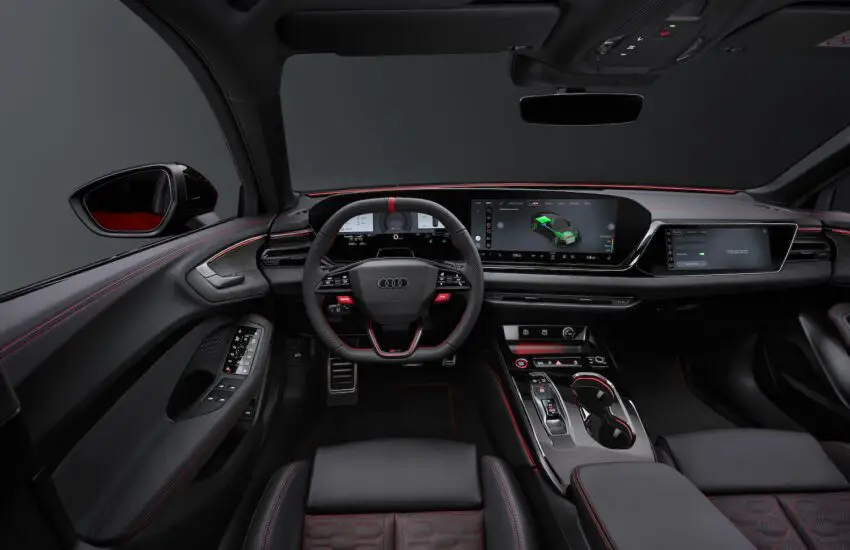
Audi has unveiled an intriguing new electric SUV at the Guangzhou Auto Show, signaling a focused strategy for the Chinese market. This model, developed through a partnership with SAIC Motor, represents a tailored approach to meet local consumer preferences and regulatory demands.

Design and Market Positioning

The SUV features a distinctive design that blends Audi’s signature styling with elements specifically appealing to Chinese buyers. Its spacious interior and advanced connectivity options cater to the tech-savvy urban families targeted by the brand. This vehicle is positioned to compete in the premium electric segment, where domestic and international manufacturers are vying for market share.

Technological Innovations

Equipped with a high-capacity battery, this model promises an impressive range suitable for both city commuting and longer journeys. It incorporates autonomous driving aids and a user-friendly infotainment system with voice recognition capabilities. The focus on seamless integration with popular local digital services enhances its appeal.

Exclusive Availability and Future Implications

Currently reserved for the Chinese market, this SUV underscores the importance of regional adaptations in the global automotive industry. Its launch may influence future Audi electric vehicles elsewhere, as consumer feedback and technological advancements from this project could inform broader development strategies.

MG2: Budget Electric Rival for Renault 5

MG2 Poised to Challenge European EV Market

The electric vehicle landscape in Europe is set for a new contender as MG accelerates development of the MG2, a compact electric car designed to compete directly with established models like the Renault 5 E-Tech. Recent statements from MG’s UK managing director underscore the Chinese automaker’s strategic push to capture market share with an affordable, feature-rich urban vehicle.

Strategic Positioning and Market Ambitions

MG’s approach with the MG2 focuses on delivering compelling value without compromising on technology. Targeting the competitive B-segment, the vehicle is expected to undercut rivals on price while offering competitive range and modern amenities. This positions the MG2 as a practical alternative for cost-conscious consumers seeking electric mobility.

Design and Expected Features

While official images are pending, the MG2 is anticipated to inherit design cues from MG’s existing electric lineup, potentially featuring a sleek, aerodynamic profile suited for city driving. Inside, drivers can likely expect a minimalist dashboard centered around an intuitive touchscreen interface, supporting connectivity and essential driving functions.

Performance and Battery Specifications

Industry analysts project the MG2 will utilize a front-wheel-drive configuration with a battery option providing approximately 250-300 miles of range, aligning with urban and suburban commuting needs. Fast-charging capabilities are also expected to be standard, reducing downtime during longer journeys.

Impact on European Electric Car Segment

The introduction of the MG2 signals intensifying competition in Europe’s affordable EV space. Its arrival could pressure traditional manufacturers to accelerate their own electrification strategies and pricing models, ultimately benefiting consumers through greater choice and innovation in the entry-level electric car market.

Tesla Model Y Fails German Vehicle Inspection Test

Reliability Rankings Shake Up Auto Industry

Recent vehicle inspection data from Germany’s leading automotive association has revealed surprising results in vehicle reliability. The comprehensive study analyzed thousands of technical inspections conducted across the country, providing valuable insights into real-world vehicle performance and maintenance issues that owners encounter after several years of use.

Tesla’s Disappointing Performance

The Tesla Model Y has landed at the bottom of the reliability rankings in the latest German technical inspection report. This electric SUV, which has gained significant popularity in European markets, demonstrated higher-than-average failure rates during mandatory vehicle inspections. The results come as a surprise given Tesla’s reputation for technological innovation and the Model Y’s strong sales performance across the continent.

Common Failure Points Identified

Technical inspectors noted several recurring issues with the Model Y during examinations. Suspension components showed premature wear in multiple vehicles, while electronic systems occasionally displayed error codes that required professional diagnosis. Lighting systems and brake components also contributed to the overall poor performance in the reliability assessment. These findings suggest that while electric vehicles excel in many areas, traditional automotive durability standards remain challenging for some manufacturers.

Industry Implications

The German inspection results provide crucial data for consumers considering electric vehicle purchases. While electric powertrains generally require less maintenance than internal combustion engines, these findings indicate that other vehicle components still demand rigorous quality control. The automotive industry continues to navigate the transition to electrification while maintaining traditional reliability standards that consumers expect from modern vehicles.

Looking Forward

Vehicle reliability studies serve as important benchmarks for manufacturers to identify and address engineering weaknesses. As electric vehicles become more prevalent in global markets, consistent performance in technical inspections will be essential for maintaining consumer confidence and accelerating adoption of sustainable transportation solutions.

BYD Ditches Rotating Screens in EVs

Why BYD is Phasing Out Rotating Screens

BYD, a leading electric vehicle manufacturer, has decided to remove its signature rotating infotainment screens from future models. This feature, once a hallmark of their interior design, provided a unique “wow” factor but is now being retired due to practical considerations and evolving user needs.

Practical Limitations and Functional Constraints

The rotating screen, while visually impressive, presented several functional challenges. It was incompatible with certain applications and features that require a fixed screen orientation, leading to a disjointed user experience. Additionally, the mechanism added complexity and potential points of failure without delivering significant everyday utility for most drivers. The decision reflects a shift towards prioritizing seamless software integration and reliability over flashy, but less practical, hardware gimmicks.

Strategic Shift Towards User-Centric Design

This move signals a broader strategic pivot for BYD towards a more holistic and user-focused design philosophy. The company is reallocating resources from novel hardware features to enhancing core aspects of the driving experience. This includes improving software stability, expanding connectivity features, and refining the overall human-machine interface (HMI) to be more intuitive and efficient for daily use.

Implications for the EV Market

BYD’s choice to abandon a distinctive feature like the rotating screen highlights a maturation in the electric vehicle industry. As the market evolves, competition is increasingly centered on software excellence, battery efficiency, and overall value rather than singular, stand-out hardware components. This trend suggests a future where seamless digital ecosystems and practical innovation take precedence over isolated technological showcases in vehicle interiors.

Rivian R1T Minor Damage Leads to Staggering Repair Bill

Electric Truck Owner Faces Financial Shock

A Rivian R1T owner in the United States recently experienced sticker shock after what appeared to be minor collision damage resulted in an unexpectedly massive repair bill. The incident highlights the complex realities of maintaining modern electric vehicles, particularly those packed with advanced technology.

The High Cost of Advanced Automotive Technology

Modern electric vehicles like the Rivian R1T incorporate sophisticated sensor arrays, complex battery systems, and specialized body materials that can dramatically increase repair costs. Even seemingly minor collisions can trigger requirements for extensive diagnostic procedures and specialized part replacements that quickly escalate expenses. The integrated nature of these systems often means that damage to one component necessitates replacement of entire assemblies rather than individual parts.

Insurance Implications for EV Owners

This case underscores the importance of adequate insurance coverage for electric vehicle owners. Traditional insurance policies might not fully account for the specialized repair requirements and premium parts costs associated with high-tech EVs. Many owners are discovering that their deductible represents only a fraction of the total repair costs when advanced driver assistance systems and structural components require attention.

Broader Industry Implications

As electric vehicles continue gaining market share, repair costs and insurance premiums are becoming significant considerations for potential buyers. Manufacturers face increasing pressure to design vehicles with serviceability in mind, while repair facilities must invest in specialized training and equipment. This incident serves as a cautionary tale about the hidden costs of automotive innovation and the importance of understanding total cost of ownership beyond the initial purchase price.