Damaged McLaren Elva Supercar Heads to Auction Block

A Rare Opportunity for Collectors and Restorers

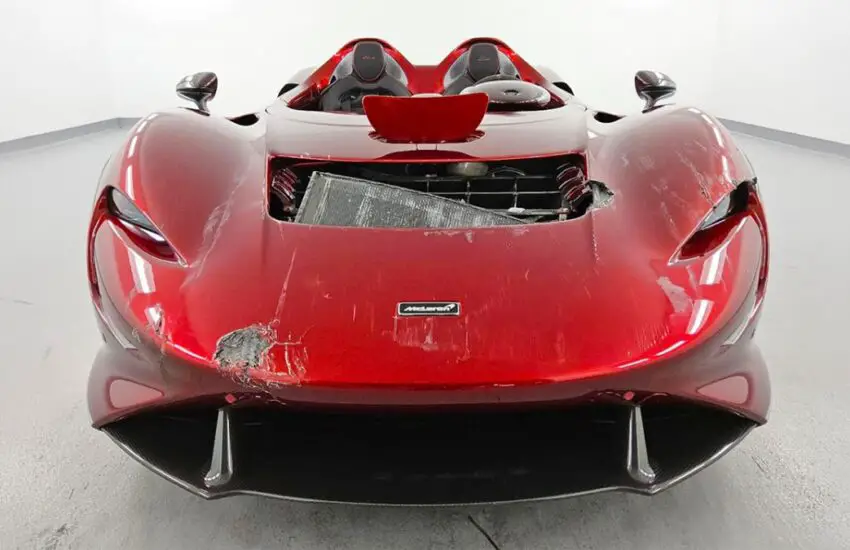
A unique chance to acquire an ultra-rare supercar is currently live on a popular auction platform. A McLaren Elva, one of just 149 examples ever built, is listed for sale with significant front-end damage. With an original valuation hovering around $2 million, this auction represents a potential high-stakes project for a specialized buyer.

The Allure of the McLaren Elva

The McLaren Elva is a modern masterpiece of automotive engineering, designed as an open-top, windscreen-less roadster that embodies pure driving exhilaration. Its name pays homage to the Bruce McLaren-designed M1A race cars of the 1960s. Powered by a twin-turbocharged 4.0-liter V8 engine producing 804 horsepower, the Elva is capable of staggering performance, accelerating from 0 to 62 mph in under three seconds.

Its extreme rarity and groundbreaking design, which includes an innovative Active Air Management System (AAMS) to deflect air over the cockpit, make any Elva a coveted collector’s item. This particular vehicle retains its stunning factory paint and, according to the listing, remains in a running and driving state despite the visible damage.

A High-Value Restoration Project

The auction listing categorizes this Elva as a restoration project. The front clamshell, carbon fiber bodywork, and lighting assemblies have sustained clear impact damage. For a prospective buyer, the cost of acquisition will be just the beginning. Sourcing genuine McLaren parts and securing specialized craftsmanship for carbon fiber repair will require a substantial additional investment and access to expert technicians.

This scenario is not for the faint of heart. It is a project tailored for a dedicated collector with the resources to undertake a concours-level restoration, or perhaps a specialist workshop. The final moments of the auction will ultimately determine the vehicle’s new market value in its damaged state and whether the investment in a full restoration makes financial sense for the winning bidder.

Stellantis Posts Record $26 Billion Loss After EV Strategy Backfires

Stellantis Confirms Massive Financial Setback

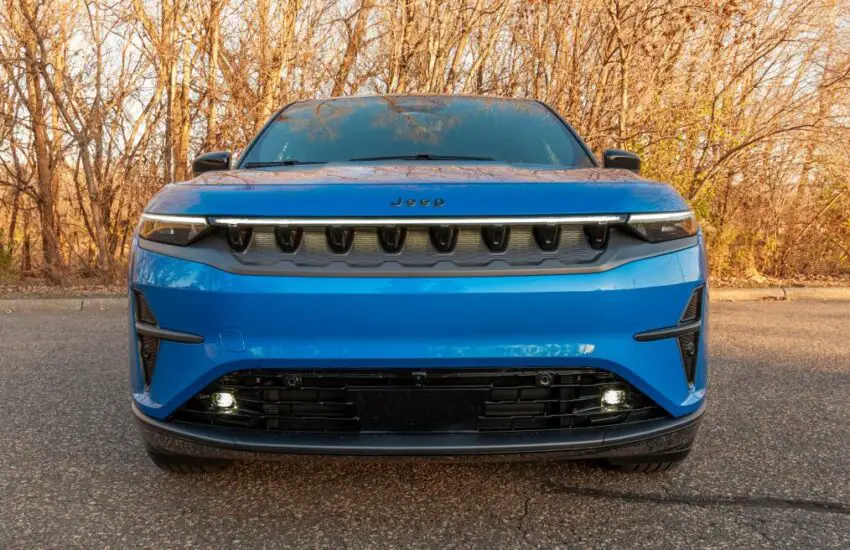
The automotive giant Stellantis has reported its first annual net loss since its formation, a staggering $26 billion deficit. This financial result marks a significant turning point for the parent company of brands like Jeep, Ram, and Peugeot, directly linked to the costly restructuring of its ambitious electric vehicle plans.

The High Cost of an Electric Pivot

Industry analysts point to several key factors behind the unprecedented loss. Aggressive investments in new EV platforms, battery plants, and supply chains have required enormous capital expenditure. Simultaneously, the company faced significant write-downs on legacy investments tied to internal combustion engine technology. A slower-than-anticipated adoption rate for electric vehicles in key markets further exacerbated the situation, leaving Stellantis with high development costs and underwhelming sales volumes for its new electric models.

A Strategic Shift for Profitability

In response to this financial turmoil, Stellantis leadership has announced a major strategic revision. The company is now pivoting to emphasize financial discipline and near-term profitability. This new direction involves a renewed focus on its profitable core portfolio, including popular trucks and SUVs, while moderating the pace and scale of its EV rollout. The strategy aims to leverage hybrid technologies as a transitional bridge, catering to current market demand while continuing to develop electric options for the long term.

Industry-Wide Implications

The scale of Stellantis’s loss sends a powerful signal throughout the global auto industry. It highlights the immense financial risks associated with the transition to electric mobility, even for well-established manufacturers. Competitors are likely to scrutinize their own EV investment timelines and capital allocation. This event may prompt a broader industry trend toward more cautious, phased electrification strategies that balance innovation with financial sustainability.

The coming year will be a critical test for Stellantis as it executes this revised plan. Its ability to return to profitability while navigating evolving regulations and consumer preferences will be closely watched as a case study in automotive transformation.

Subaru Uncharted 2026: An Affordable EV SUV Without AWD?

Subaru Uncharted 2026: First Driving Impressions

Subaru is charting a new course in the electric vehicle landscape with its upcoming 2026 lineup. While the brand’s move to electrify may seem measured, it is strategic, introducing two new models to complement the existing Solterra. Following the Trailseeker, the Subaru Uncharted 2026 emerges as a pivotal, more accessible entry into the brand’s electric future, prompting a key question about its core identity.

A Bold Departure from Tradition

The Subaru Uncharted represents a significant shift. For decades, Subaru’s reputation has been built on symmetrical all-wheel drive and rugged capability. The Uncharted, however, is expected to be a front-wheel-drive platform, prioritizing affordability and efficiency over traditional off-road prowess. This move is a calculated gamble to attract a new segment of urban and suburban buyers looking for a practical, eco-friendly SUV without the premium price tag often associated with AWD EVs.

Design and Practicality Focus

Early indications suggest the Uncharted will feature a sleek, modern crossover design with signature Subaru styling cues, like a prominent grille and protective cladding, but in a more streamlined package. The interior is anticipated to focus on durability, user-friendly technology, and generous cargo space, aligning with the brand’s practical ethos. The driving experience is tuned for comfort and daily commuting, offering a quiet, smooth ride suited for paved roads.

Value Proposition and Market Position

The core appeal of the Subaru Uncharted 2026 lies in its value proposition. By potentially forgoing the complex AWD system, Subaru can offer a competitive range at a lower price point. This positions it as a compelling alternative in the crowded compact electric SUV market. It answers the demand for a dependable, no-fuss electric vehicle from a trusted manufacturer, even if it means leaving the extreme trails for its Solterra and Trailseeker siblings.

Ultimately, the Uncharted is Subaru’s answer to a more mainstream electric audience. It proves the brand can evolve, offering a capable and affordable electric SUV that prioritizes daily utility, while its legacy of adventure lives on in other models.

How Paper Signs Can Fool Self-Driving Car AI

The Paper-Thin Threat to Autonomous Vehicles

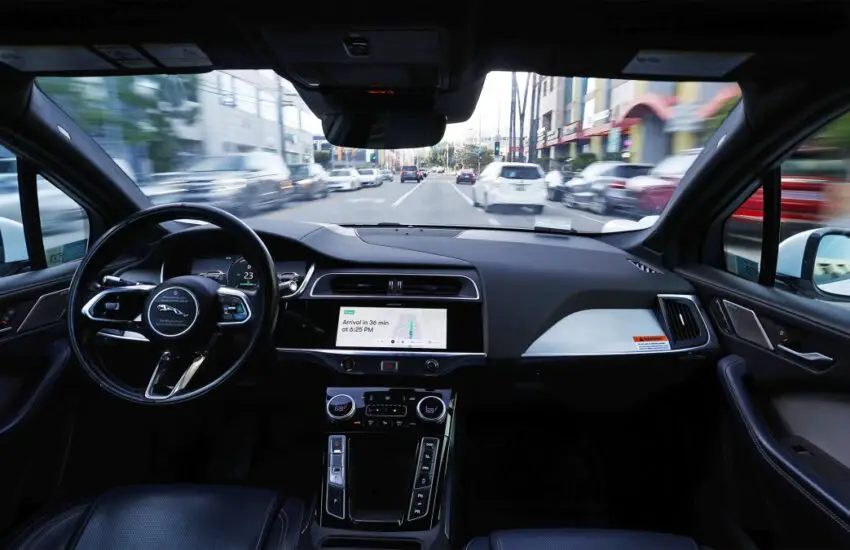
New research reveals a startling vulnerability at the heart of self-driving technology. The sophisticated vision-language models that help autonomous vehicles interpret the world can be deceived by simple, physical objects like a piece of paper. This form of real-world hacking, where a carefully crafted sign can issue hidden commands, exposes a critical challenge for the future of automated transport.

Exploiting the AI’s Perception

The core of the issue lies in how these AI systems are trained. They learn to associate visual patterns with specific text-based instructions from vast datasets. By creating a physical sign with a subtly manipulated pattern—essentially an “adversarial example”—researchers demonstrated that the AI could be tricked into perceiving a command that isn’t there for a human. For instance, a sign held near the road could be misinterpreted by the car’s system as an instruction to ignore a stop sign or change lanes unexpectedly.

Beyond Digital Hacking

This moves the threat from purely digital cyber-attacks into the physical realm. Unlike traditional software vulnerabilities that require complex code injection, this exploit requires only access to a printer and an understanding of the AI’s visual triggers. It highlights a fundamental gap between human and machine perception, where machines see statistical patterns while humans see contextual meaning.

The Road Ahead for Safety

While this vulnerability is a significant finding, it is currently a controlled demonstration. Implementing such an attack reliably on a moving vehicle under diverse real-world conditions presents substantial hurdles. However, it serves as a crucial wake-up call for the industry. Addressing this flaw will require developing more robust AI that understands context like a human, not just patterns. The focus must shift toward creating systems that are resilient to these “optical illusions,” ensuring that the path to full autonomy is built on a foundation of security.

Apple Revs Up Its Ecosystem for Formula 1 Fans

Apple Shifts Gears for Formula 1 Integration

With exclusive broadcasting rights for Formula 1 in the United States starting with the 2026 season, Apple is quietly supercharging its ecosystem to cater to motorsport enthusiasts. This strategic move goes far beyond simply streaming races on Apple TV. The tech giant is embedding F1-centric features into its core applications, creating a more immersive and integrated experience for fans worldwide.

Enhanced Navigation with Apple Maps

Apple Maps is receiving a significant upgrade for F1 aficionados. Users can now access detailed guides for Grand Prix circuits, including points of interest, venue entrances, and recommended local spots. This feature transforms race weekends, helping fans navigate bustling event cities and the circuits themselves with greater ease. The integration aims to streamline the live event experience, from finding the best viewing spots to locating amenities.

Training Like a Driver with Apple Fitness+

Apple Fitness+ is introducing new workout content inspired by the physical demands of Formula 1. uired by drivers. These specialized workouts, led by top trainers, allow fans to connect with the sport on a physical level, offering a unique way to engage with F1 beyond passive viewing.

A Cohesive Digital Pit Stop

This ecosystem optimization represents Apple’s holistic approach to content ownership. By weaving F1 into Maps, Fitness+, and undoubtedly future services, Apple creates a sticky digital environment. Fans are not just watching a race; they are training for it, navigating to it, and living within an Apple-curated F1 world. This deep integration strengthens brand loyalty and provides a compelling template for how Apple might handle future exclusive sports content, making its devices and services central to the fan journey.

Toyota’s Rally Mystery: Is the Celica Nameplate Poised for a Return?

A Stealthy Prototype Sparks Rally Revival Rumors

The world of rallying is buzzing with speculation following the emergence of cryptic footage from Portugal. A heavily camouflaged Toyota coupe has been spotted undergoing rigorous testing on challenging roads, instantly igniting rumors of a legendary nameplate’s return. The vehicle’s aggressive silhouette and purposeful demeanor have led many enthusiasts to ask one compelling question: is Toyota secretly developing a new Celica for competition?

Decoding the Clues from Portugal

The prototype, shrouded in black and white wrap, displays clear design cues aligned with modern rally machinery. Its wide stance, pronounced fender flares, and substantial rear wing suggest a car built for performance. Observers note its testing location—a region famous for its rally stages—adds significant weight to the competition theory. While Toyota has remained officially silent, the automotive community is meticulously analyzing every grainy image and video frame, searching for hints that connect this mystery machine to the celebrated Celica lineage.

The Legacy of a Rally Champion

The Toyota Celica holds a storied place in rally history, particularly with the iconic Celica GT-Four ST185 and ST205 models. These cars delivered legendary performances and secured World Rally Championship titles, forging a deep connection between the nameplate and motorsport success. A modern reinterpretation as a dedicated rally car would not only honor that heritage but also strategically expand Toyota Gazoo Racing’s presence in the sport, potentially creating a new entry-point model below the current GR Yaris Rally1.

What a Modern Rally Celica Could Mean

If the rumors prove true, a new rally-spec Celica would likely be based on Toyota’s TNGA platform, potentially sharing technology with the GR Corolla. It could be engineered to compete in specific rally categories, serving as both a homologation special for competition and an aspirational road car. This move would capitalize on the booming nostalgia for iconic performance models and strengthen Toyota’s “GR” performance brand. For now, the prototype remains an enigma, but its very existence promises an exciting new chapter in Toyota’s motorsport saga.

The Global Divide: Why We Drive on Different Sides

The World’s Enduring Driving Divide

For over a century, the automobile has been a symbol of global connection and technological progress. Yet, humanity remains fundamentally divided on one of the most basic rules of the road: which side to drive on. This split, affecting nearly 2 billion people who drive on the left, is more than a curiosity—it’s a historical legacy with significant modern implications.

Historical Origins of the Split

The roots of this division stretch back centuries before the first car. In medieval Europe, most people were right-handed. Mounting a horse from the left side while wearing a sword on the left hip was easier, and staying on the left side of the road kept one’s weapon hand facing a potential oncoming threat. This practice became tradition. The shift to the right is often attributed to 18th-century France, where large freight wagons pulled by multiple horses became common. The driver sat on the rear left horse to wield a whip with the right hand, leading to a preference for keeping to the right to see oncoming traffic.

The British Influence and Global Standardization

While mainland Europe largely followed France’s lead, Britain codified the left-side rule in law in 1772 and 1835, influencing its vast colonial empire. This is why nations from India to Australia and South Africa drive on the left today. Conversely, countries seeking to break from colonial ties or influenced by neighboring giants like the United States often adopted right-hand traffic. The result is a global patchwork that increases manufacturing costs for automakers and creates challenges for classic car enthusiasts and international drivers.

A Permanent Feature of the Landscape

Despite the inefficiencies, a global switch to a single standard is now virtually impossible. The monumental cost of rebuilding infrastructure, replacing millions of vehicles, and retraining populations is prohibitive. The driving divide, born from the habits of horsemen and wagon drivers, is now a permanent fixture of our modern world, a fascinating reminder of how history shapes our daily lives in profound and concrete ways.

Mercury P1500 OBD2 Code: IAC Valve Circuit Malfunction Explained

Understanding the Mercury P1500 OBD-II Trouble Code

The OBD2 diagnostic trouble code (DTC) P1500 is a manufacturer-specific code primarily associated with Ford Motor Company vehicles, which includes the Mercury brand. This code is formally defined as “Idle Air Control (IAC) Circuit Malfunction.” It indicates that the vehicle’s Powertrain Control Module (PCM) has detected an irregularity in the electrical circuit controlling the Idle Air Control valve. This component is critical for managing engine idle speed, especially during cold starts, accessory operation (like A/C), and to prevent stalling. A P1500 code will illuminate the check engine light and can lead to noticeable drivability issues if not addressed.

Core Function of the Idle Air Control (IAC) Valve

The IAC valve is a small, electronically controlled actuator mounted on or near the throttle body. Its primary job is to bypass a controlled amount of air around the closed throttle plate to regulate idle speed. The PCM commands the IAC valve to extend or retract a pintle, which opens or closes an air passage. By adjusting this air bypass, the PCM can maintain a target idle RPM regardless of engine load or temperature.

How the PCM Detects a P1500 Fault

The PCM monitors the IAC valve circuit for expected voltage levels and current flow. When the commanded position of the IAC valve does not align with the expected engine response (idle speed), or if there is an open, short, or excessive resistance in the circuit, the PCM will set code P1500. It typically requires a failure to be present over two consecutive drive cycles before illuminating the check engine light.

Symptoms and Common Causes of P1500 on Mercury Vehicles

Ignoring a P1500 code can worsen fuel economy and lead to unreliable vehicle operation. Recognizing the symptoms is the first step in diagnosis.

Primary Symptoms of a Faulty IAC Circuit

  • Erratic or High Idle Speed: The engine may idle too high (e.g., 1500-2000 RPM) and not settle down.
  • Low or Stalling Idle: The engine may idle very low, stumble, or stall when coming to a stop, when the A/C cycles on, or when in gear.
  • Intermittent Idle Surges: The RPM may fluctuate up and down without driver input.
  • Hard Starting (especially when cold or hot): Difficulty starting due to incorrect air/fuel mixture at startup.
  • Illuminated Check Engine Light (MIL): With code P1500 stored in the PCM’s memory.

Most Frequent Causes of Code P1500

  • Faulty Idle Air Control Valve: The valve itself is clogged with carbon deposits, stuck, or has an internal motor failure.
  • Electrical Issues: Damaged wiring, corroded connectors, poor grounds, or a blown fuse in the IAC circuit.
  • Vacuum Leaks: Unmetered air entering the intake manifold downstream of the Mass Air Flow (MAF) sensor can confuse the PCM, making it seem like the IAC is malfunctioning.
  • Throttle Body Carbon Buildup: Heavy deposits around the throttle plate and IAC air passages can restrict airflow.
  • Failed Powertrain Control Module (PCM): Rare, but a faulty PCM that cannot properly control the IAC valve can trigger this code.

Step-by-Step Diagnostic and Repair Procedure for P1500

A systematic approach is key to correctly fixing a P1500 code. Never replace the IAC valve without first performing basic checks, as the problem is often simpler.

Step 1: Preliminary Visual and Basic Inspection

Begin with the engine off. Locate the IAC valve on the throttle body. Inspect the electrical connector for corrosion, bent pins, or looseness. Check the associated wiring harness for chafing or damage. Verify all engine vacuum lines for cracks or disconnections. Consult your vehicle’s service manual for the location of the IAC valve fuse and verify its integrity.

Step 2: Testing the IAC Valve and Circuit

You will need a digital multimeter (DMM) for this step.

  • Resistance Test: Disconnect the IAC valve connector. Measure the resistance across the two terminals of the IAC valve solenoid/motor. Refer to the service manual for specifications (typically between 7-13 ohms for many Ford/Mercury units). A reading of infinite (open) or zero (short) indicates a bad valve.
  • Voltage Test: With the connector disconnected and the ignition key in the ON position (engine off), back-probe the harness connector. You should measure approximately 12 volts on one wire (supply voltage). If no voltage is present, there is an open circuit or fuse issue.
  • Actuation Test: With the IAC valve disconnected, you can sometimes apply 12 volts from the battery (briefly) to the terminals to hear/see the pintle move. Do this cautiously and refer to a wiring diagram.

Step 3: Cleaning and Physical Inspection

If electrical tests are inconclusive, carbon buildup is a likely culprit. Remove the IAC valve from the throttle body (usually two bolts). Inspect the valve’s pintle and seat for heavy carbon deposits. Clean both the valve and the throttle body air passages using a dedicated throttle body cleaner and a soft brush. Never immerse the electronic part of the IAC valve in cleaner. Allow all parts to dry completely before reassembly.

Step 4: Clearing the Code and Final Verification

After repairs (cleaning, reconnecting wiring, or replacing the valve), clear the P1500 code using an OBD2 scanner. This will reset the PCM’s adaptive memory. Start the engine and allow it to reach normal operating temperature. The PCM will go through a “relearn” procedure for the IAC valve. Drive the vehicle under various conditions (stop-and-go, with A/C on) to ensure the idle is stable and the check engine light does not return.

Important Technical Notes and Vehicle-Specific Information

Code P1500 is common on many Mercury models from the late 1990s through the 2000s, including the Grand Marquis, Sable, Mountaineer, and Villager, which share platforms with Ford counterparts (Crown Victoria, Taurus, Explorer, Quest).

Prevention and Maintenance Tips

  • Use quality fuel and consider periodic fuel system cleaner treatments to reduce carbon accumulation.
  • During routine air filter changes, visually inspect the throttle body inlet for excessive dirt.
  • Address any other engine performance codes immediately, as they can affect idle control.
  • Ensure battery terminals and engine grounds are clean and tight, as voltage fluctuations can affect electronic controls.

When to Seek Professional Help

If you have performed the basic diagnostics—cleaned the IAC and throttle body, checked fuses and connectors—and the P1500 code persists, the issue may be more complex. This could involve a deeper electrical fault requiring wiring diagrams, a problem with the throttle position sensor (TPS) input, or a failing PCM. At this stage, consulting a professional mechanic with advanced diagnostic tools is the most efficient course of action.

Successfully diagnosing and repairing a P1500 code restores proper idle control, improves drivability, and can have a positive impact on fuel efficiency. By following a logical diagnostic sequence, this common Mercury issue can be resolved reliably.

Decoding Mazda P1500: A Guide to the Generator FR Terminal Circuit Malfunction

Understanding the Mazda P1500 OBD2 Trouble Code

The OBD2 diagnostic trouble code P1500 is a manufacturer-specific code primarily associated with Mazda vehicles. In simple terms, this code indicates a malfunction within the “Generator FR Terminal Circuit.” The “FR” stands for “Field Request” or “Field Regulator.” This circuit is the critical communication link between the vehicle’s Powertrain Control Module (PCM) and the alternator’s internal voltage regulator. When the PCM detects an illogical, out-of-range, or absent signal from this circuit, it stores code P1500 and typically illuminates the battery/charging system warning light on your dashboard. This is not a generic “alternator failure” code but a specific signal circuit fault that requires systematic diagnosis.

What Does the “Generator FR Terminal” Actually Do?

Modern vehicle alternators are not simple dumb generators. The PCM actively manages the alternator’s output to optimize fuel economy and electrical system performance. The FR terminal circuit is the command wire through which the PCM sends a pulse-width modulated (PWM) signal to the voltage regulator inside the alternator. This signal dictates the desired charging voltage. In return, the alternator provides feedback. A break or short in this circuit disrupts this vital dialogue, preventing proper charging system control.

Common Symptoms of a P1500 Code in Your Mazda

Ignoring a P1500 code can lead to a dead battery and a stranded vehicle. The symptoms often relate directly to the charging system’s inability to function correctly. Drivers may experience one or more of the following signs:

  • Illuminated Battery/Charging Warning Light: This is the most immediate and common symptom. The light may be steady or flicker.
  • Dimming or Flickering Headlights and Interior Lights: Especially noticeable at idle or when electrical loads increase (e.g., using A/C, rear defroster).
  • Undercharged or Overcharged Battery: A faulty circuit can cause the alternator to default to a fixed, often incorrect, output voltage.
  • Difficulty Starting the Engine: Caused by a chronically undercharged battery.
  • Other Related Trouble Codes: Codes like P0562 (System Voltage Low) or P0563 (System Voltage High) may appear alongside P1500.
  • Erratic Engine Idle or Performance: The PCM relies on stable voltage for sensor inputs and actuator control.

Potential Causes of the P1500 Circuit Malfunction

Diagnosing P1500 requires a methodical approach, starting with the simplest possibilities. The root cause can be anywhere in the circuit between the PCM and the alternator.

  • Faulty Alternator or Internal Voltage Regulator: A failed regulator is a very common culprit. The entire alternator may need replacement.
  • Damaged, Corroded, or Loose Wiring and Connectors: Inspect the wiring harness near the alternator, battery, and PCM. Look for chafing, burnt wires, or green corrosion.
  • Poor Electrical Ground Connections: A bad ground for the alternator, engine, or PCM can disrupt the FR signal.
  • Blown Fuse or Fusible Link: Check the main alternator fuse and any related fuses in the engine bay fuse box.
  • Defective Powertrain Control Module (PCM): This is rare but possible, especially if all other components and wiring check out. Always rule out everything else first.

Step-by-Step Diagnostic Procedure for Code P1500

Warning: Always disconnect the battery negative terminal before working on the charging system. Use a digital multimeter (DMM) for accurate testing.

Step 1: Preliminary Visual and Basic Checks

Begin with a thorough visual inspection. Check the battery terminals for corrosion and ensure they are tight. Trace the wiring from the alternator back, looking for obvious damage. Inspect the alternator connector for pushed-out pins, moisture, or corrosion. Verify that the alternator drive belt is in good condition and properly tensioned.

Step 2: Testing Battery and Charging System Voltage

With the engine off, battery voltage should be 12.4V to 12.6V. Start the engine. A properly functioning charging system should show 13.8V to 14.8V at the battery terminals. If voltage is below 13V or above 15V, you have a charging system fault. If voltage is normal but the code persists, the issue is likely specific to the FR signal circuit.

Step 3: Checking the FR Terminal Circuit with a Multimeter

Locate the FR terminal wire at the alternator connector (consult a vehicle-specific wiring diagram). With the connector disconnected and the ignition key in the “ON” position (engine off), you should measure a reference voltage (often 5V or 12V, depending on model) from the PCM on this wire. A reading of 0V indicates an open or short to ground in the wiring or a PCM issue. Next, check for continuity between this terminal and the corresponding pin at the PCM connector, and check for a short to ground.

Step 4: Isolating the Fault: Alternator vs. Wiring vs. PCM

If the wiring checks out (has proper voltage and continuity), the fault likely lies within the alternator’s internal regulator. If the wiring is faulty (open, shorted), repair the harness. If no voltage is present from the PCM and the wiring is intact, a deeper PCM or power supply diagnosis is required. Swapping the alternator with a known-good unit is a conclusive test if wiring is confirmed good.

Repair Solutions and Professional Advice

Once the faulty component is identified, the repair path becomes clear. For most DIYers, replacing the alternator or repairing damaged wiring is within reach.

Repairing Wiring and Connectors

For damaged wires, cut out the bad section and solder in a new piece of the same gauge wire. Always use heat-shrink tubing for insulation. Clean corroded connectors with electrical contact cleaner. Ensure all connections are secure.

Replacing the Alternator

When replacing the alternator, opt for a quality new or remanufactured unit from a reputable brand. After installation, clear the P1500 code with your scan tool, start the engine, and verify that the charging system voltage is correct and the warning light is off. Take the vehicle for a test drive to ensure the code does not return.

When to Seek Professional Help

If your diagnostic steps point toward a potential PCM failure, or if you are uncomfortable with electrical troubleshooting, it is best to consult a qualified automotive technician or a Mazda dealership. They have advanced diagnostic tools and access to precise wiring diagrams and technical service bulletins (TSBs) that may apply to your specific Mazda model and year.

Addressing a P1500 code promptly is crucial for reliable vehicle operation. By following this structured diagnostic approach, you can accurately identify the fault, whether it’s a simple wiring fix or an alternator replacement, and restore your Mazda’s charging system to full health.

Lincoln P1500 Code: Diagnosing and Fixing the Generator FR Terminal Circuit

Understanding the Lincoln P1500 OBD2 Trouble Code

The OBD2 diagnostic trouble code P1500 is a manufacturer-specific code primarily associated with Ford Motor Company vehicles, including Lincoln. Its generic definition is “Generator FR Terminal Circuit Malfunction.” This code is directly related to your vehicle’s charging system, specifically the communication between the Powertrain Control Module (PCM) and the alternator’s internal voltage regulator.

Unlike simpler charging issues, P1500 indicates a problem with the monitoring and control circuit, not necessarily a complete failure of the alternator to produce power. The “FR” stands for Field Regulation or Field Monitor. This circuit sends a signal from the alternator to the PCM, informing it of the alternator’s operational status and field duty cycle. When the PCM detects an illogical, intermittent, or absent signal on this circuit, it stores code P1500 and may illuminate the check engine light.

Symptoms and Common Causes of P1500 in Lincoln Vehicles

Recognizing the symptoms is the first step in confirming a P1500 code. Often, the vehicle may seem to operate normally, but underlying issues can lead to more serious problems.

Primary Symptoms of a P1500 Code

  • Illuminated Check Engine Light (MIL): The most common and sometimes only symptom.
  • Battery Warning Light: May or may not illuminate, as the alternator could still be charging.
  • Erratic Electrical Behavior: Flickering headlights or dashboard lights, especially under load.
  • Poor Battery Charging: A weak or undercharged battery leading to slow cranking.
  • Overcharging Condition: In some cases, a faulty signal can cause overvoltage, damaging sensitive electronics.
  • No Obvious Symptoms: The code can be stored as a history or intermittent fault.

Root Causes of the P1500 Fault

The P1500 code points to an issue within a specific circuit. The problem could lie in any component along that path.

  • Faulty Alternator / Internal Voltage Regulator: The most frequent cause. The internal regulator fails to generate or send the correct FR signal.
  • Damaged Wiring or Connectors: Corrosion, breaks, or chafing in the wiring harness between the alternator and the PCM.
  • Poor Electrical Connections: Loose, corroded, or dirty terminals at the alternator plug or PCM connectors.
  • Blown Fuse or Fusible Link: A fuse protecting the alternator’s control circuit may be blown.
  • Defective Powertrain Control Module (PCM): Rare, but a failure within the PCM itself to process the FR signal can set this code.

Step-by-Step Diagnostic Procedure for Code P1500

A systematic approach is crucial to correctly diagnose a P1500 code and avoid unnecessary parts replacement. You will need a digital multimeter and possibly a scan tool capable of viewing live data.

Step 1: Preliminary Checks and Visual Inspection

Begin with the simplest and most common issues. Ensure the battery is fully charged and the terminals are clean and tight.

  • Locate the alternator and identify the electrical connector (typically a 2 or 3-wire plug).
  • Disconnect the connector and inspect for corrosion, bent pins, or moisture. Clean if necessary.
  • Follow the wiring from the alternator back, looking for obvious damage, chafing, or burnt insulation.
  • Check all relevant fuses in the engine bay and interior fuse boxes using your multimeter’s continuity setting.

Step 2: Testing the FR Circuit Signal with a Multimeter

This test checks the integrity of the wiring. Refer to a vehicle-specific wiring diagram to identify the correct FR terminal pin.

  • Set your multimeter to DC Volts.
  • With the connector disconnected from the alternator, probe the FR circuit wire (often a Green/Yellow or Grey/Red wire).
  • Ground the other meter lead. With the ignition key in the ON position (engine off), you should read a reference voltage from the PCM, typically between 5V and 12V.
  • If you read 0 volts, there is an open circuit, blown fuse, or PCM issue. If you read battery voltage (12V+), the circuit may be shorted to power.

Step 3: Live Data Monitoring and Alternator Output Test

Use an advanced OBD2 scanner to monitor live data parameters.

  • Look for a PID (Parameter ID) called “Generator Duty Cycle,” “Alt FR Signal,” or similar.
  • With the engine running, the duty cycle percentage should change with electrical load (turning on headlights, A/C, rear defroster). A static 0%, 100%, or irrational value indicates a fault.
  • Simultaneously, perform a standard charging system test: Measure battery voltage at the terminals with the engine running. It should be between 13.5V and 14.8V. A low or excessively high reading corroborates an alternator/regulator failure.

Repair Solutions and Final Verification

Once the faulty component is identified, proceed with the repair. Always disconnect the negative battery cable before starting any electrical work.

Repairing Wiring and Replacing the Alternator

If the wiring is damaged, repair it using solder and heat-shrink tubing—never use twist connectors in automotive environments.

  • If the alternator is confirmed faulty (bad FR signal and/or incorrect output voltage), replacement is the standard repair.
  • When installing a new or remanufactured alternator, ensure the FR terminal connector is clean and snaps securely into place.
  • Reconnect the battery and start the vehicle. The check engine light should turn off after a few drive cycles, or you can clear the code with your scanner.

Clearing the Code and Performing a Functional Test

Do not consider the job complete until you have verified the repair.

  • Clear the P1500 code from the PCM’s memory using your scan tool.
  • Operate the vehicle under various conditions: idle, at 2000 RPM, with high electrical load.
  • Re-scan for codes. The P1500 should not return.
  • Monitor the live data “Generator Duty Cycle” again to confirm it is now responding dynamically to electrical loads, confirming proper communication between the alternator and PCM.

Addressing a P1500 code promptly is essential for maintaining a reliable charging system and preventing unexpected battery drain or potential electrical damage in your Lincoln. By following this technical diagnostic guide, you can accurately pinpoint the issue, whether it’s a simple connection problem or a failed alternator, and restore your vehicle’s electrical system to optimal health.