Ford P1500 Code: Comprehensive Guide to Generator Lamp Circuit Malfunction

Understanding the Ford P1500 OBD2 Diagnostic Trouble Code

The OBD2 diagnostic trouble code P1500 is a manufacturer-specific code primarily associated with Ford, Lincoln, and Mercury vehicles. In simple terms, this code indicates a malfunction within the “Generator Lamp Circuit.” This does not necessarily mean the alternator itself has failed. Instead, it points to a problem in the electrical circuit that controls the dashboard warning light (often labeled as the battery or ALT light) and communicates with the vehicle’s Powertrain Control Module (PCM). The PCM monitors this circuit to ensure the charging system is operating correctly and that the driver is properly alerted to any issues.

What Does “Generator Lamp Circuit” Mean?

In Ford’s terminology, the “generator” refers to the alternator. The lamp circuit is the wiring and control path that illuminates the warning light on your instrument cluster. When you turn the ignition key to “ON” before starting the engine, this light should illuminate as a bulb check. Once the engine starts and the alternator begins producing sufficient voltage, the PCM or the alternator’s internal regulator should turn this light off. Code P1500 is set when the PCM detects an unexpected voltage state or an open/short circuit in this monitoring loop.

Common Symptoms of a P1500 Code

Drivers may experience one or more of the following symptoms when code P1500 is stored:

  • Battery/Alternator Warning Light Illuminated: The most direct symptom, though sometimes the light may be on dimly or flicker.
  • No Warning Light During Bulb Check: The battery light fails to illuminate when the ignition is turned to ON (engine off).
  • Normal Charging Operation: The battery may still be charging correctly, and no driveability issues are present, highlighting the circuit-specific nature of the fault.
  • Other Charging System Codes: P1500 may appear alongside codes like P0562 (System Voltage Low) or P0563 (System Voltage High) if the circuit fault is affecting regulation.
  • Possible Battery Drain: In some cases, a short in the circuit could lead to a parasitic draw.

Primary Causes of the P1500 Code in Ford Vehicles

Diagnosing P1500 requires a systematic approach, as the fault lies in the signaling circuit rather than the core charging components. The following are the most common root causes, listed from simplest to most complex.

1. Faulty Alternator or Internal Voltage Regulator

While P1500 is a circuit code, it can be triggered by a failing alternator, specifically its internal voltage regulator. The regulator controls the field current and also provides the ground path to extinguish the warning lamp. A failed regulator may not provide the correct signal to the PCM. Always test alternator output (should be 13.5-14.8 volts with engine running) before condemning the circuit.

2. Blown Fuse or Fusible Link

The generator lamp circuit is protected by fuses. A blown fuse in the engine bay fuse box or the interior fuse panel (often fuse #12, #21, or #41 depending on model) will interrupt the circuit. Fusible links near the battery or starter solenoid can also burn out.

3. Damaged Wiring and Connectors

Physical damage to the wiring harness is a frequent culprit. Inspect the wires between the alternator, the PCM, and the instrument cluster. Look for:

  • Chafed or melted insulation (often near hot engine components).
  • Corroded or loose connectors at the alternator, PCM, or cluster.
  • Broken wires, especially at connection points where flexing occurs.

4. Malfunctioning Instrument Cluster or Gauge

The warning light itself is part of the circuit. A failed bulb, a bad solder joint on the cluster’s circuit board, or a complete instrument cluster failure can prevent the circuit from completing its test, triggering P1500. This is more common in older Ford models.

5. Defective Powertrain Control Module (PCM)

Although rare, a faulty PCM that cannot properly monitor or control the generator lamp circuit can set this code. This should be considered only after all other components and wiring have been thoroughly tested and ruled out.

Step-by-Step Diagnostic and Repair Procedure

Follow this technical diagnostic sequence to accurately pinpoint and resolve the P1500 code. You will need a digital multimeter (DMM) and possibly a scan tool capable of reading PCM data.

Step 1: Preliminary Checks and Visual Inspection

Begin with the basics. Check the condition of the battery terminals and clean any corrosion. Perform a thorough visual inspection of all wiring related to the charging system, focusing on the alternator harness. Look for the specific fuse related to the charging indicator circuit in your owner’s manual and verify it is intact.

Step 2: Perform a Functional Bulb Check

Turn the ignition key to the “ON” position without starting the engine. Observe the battery/alternator warning light. It should be illuminated brightly. If it is not on at all, the issue could be the bulb, cluster, wiring to the cluster, or a lack of power/ground in the circuit. If it is on, start the engine. The light should turn off immediately. If it stays on, proceed to electrical testing.

Step 3: Electrical Testing with a Multimeter

This is the core of the diagnosis. Refer to a vehicle-specific wiring diagram. Key tests include:

  • Alternator Output: Measure voltage at the battery terminals with the engine running at 1500 RPM. It should be between 13.5 and 14.8 volts DC.
  • Lamp Control Wire Signal: Locate the typically “L”-terminal wire at the alternator connector (often a smaller gauge wire). With ignition ON, engine OFF, it should have battery voltage (12V). With the engine running, this voltage should drop to near 0V as the alternator provides a ground to extinguish the lamp.
  • Continuity and Short Tests: Check for continuity in the wires between the alternator, PCM, and instrument cluster. Also check for shorts to power or ground.

Step 4: Isolating the Faulty Component

Based on your multimeter readings, you can isolate the fault:

  • If the “L” terminal has constant 12V (engine running): The alternator/internal regulator is likely faulty, not providing the needed ground.
  • If the “L” terminal has constant 0V (ignition ON, engine OFF): There is an open circuit or lack of power from the fuse/instrument cluster side.
  • If voltage readings are erratic: Suspect a poor connection, corroded terminal, or damaged wire.

Step 5: Clearing the Code and Verification

After making the repair (replacing a fuse, repairing a wire, replacing the alternator, etc.), clear the P1500 code using your OBD2 scanner. Perform the key-cycle bulb check again and verify the warning light operates normally. Take the vehicle for a test drive and re-scan to ensure the code does not return, confirming a successful repair.

Conclusion: A Circuit-Centric Fault

Code P1500 serves as a prime example of how modern OBD2 systems monitor not just mechanical failures but also the integrity of their own diagnostic circuits. While it can be intimidating, a methodical approach focusing on the generator lamp’s control circuit—rather than immediately replacing the alternator—will save time and money. Always start with simple visual and electrical tests before proceeding to component replacement. For complex wiring issues or suspected PCM faults, consulting a professional technician with access to detailed service information is recommended.

Electric Cars in France: The Tipping Point Remains Elusive

Why France Hasn’t Fully Embraced the Electric Revolution

France stands at a crossroads in automotive history. While government incentives and environmental goals point firmly towards an electric future, the nation’s drivers have yet to make a definitive, mass switch from combustion engines to battery power. Despite growing sales figures, several persistent barriers are preventing the long-anticipated tipping point from becoming a reality.

The Persistent Hurdles to Mass Adoption

The most significant challenge remains the upfront cost. Even with purchase bonuses, the initial price tag for a new electric vehicle (EV) continues to be a major deterrent for the average consumer. This financial barrier is closely tied to concerns over battery longevity and the high cost of replacement, fostering a “wait-and-see” attitude among potential buyers.

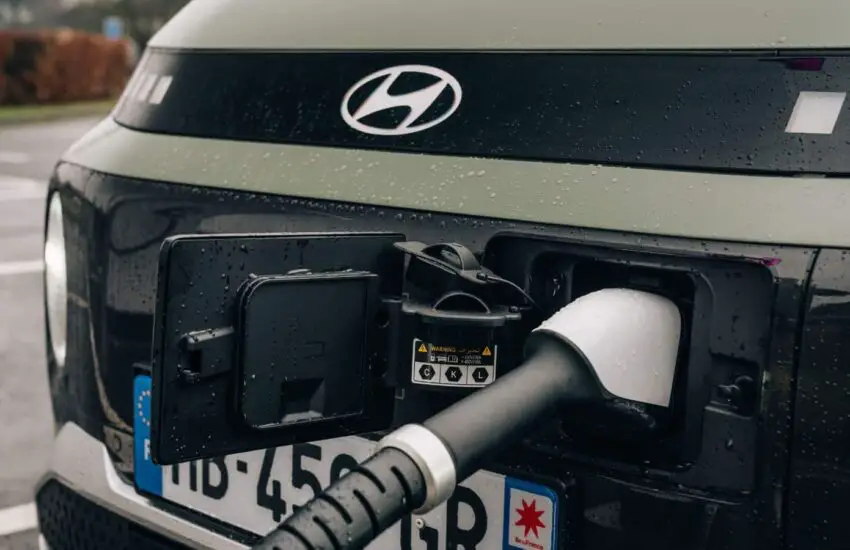
Furthermore, the public charging infrastructure, while expanding, suffers from inconsistencies. Drivers report concerns about the reliability of charging points, uneven geographical coverage, and complex payment systems. The experience of charging away from home is often seen as less convenient and predictable than refueling a traditional car, creating a psychological barrier for longer journeys.

Beyond Infrastructure: Practical and Market Realities

Practical considerations for many French households, particularly those without private parking or in dense urban areas, make home charging difficult or impossible. This reliance on public networks undermines one of the key daily conveniences of EV ownership. Additionally, the vibrant market for affordable used internal combustion engine cars presents a strong alternative, as the second-hand EV market is still developing and offers fewer budget-friendly options.

Finally, while environmental policy pushes for electrification, the energy debate lingers. Questions about the carbon footprint of battery manufacturing and the source of France’s electricity, despite its low-carbon nuclear base, contribute to a nuanced public discourse that tempers unbridled enthusiasm.

For the definitive shift to occur, these structural, economic, and practical obstacles must be addressed in unison. The path forward requires not just more vehicles, but a cohesive ecosystem that makes electric mobility seamlessly accessible, affordable, and reliable for all.

Dodge P1500 Code: A Complete Technical Guide to Charging System Voltage

Understanding the Dodge P1500 OBD2 Diagnostic Trouble Code

The OBD2 trouble code P1500 is a manufacturer-specific code, primarily associated with Chrysler, Dodge, Jeep, and Ram vehicles. Its generic definition is “Charging System Voltage Malfunction.” Unlike simpler codes that point to a single sensor, P1500 indicates that the vehicle’s Powertrain Control Module (PCM) has detected an irregularity in the charging system’s voltage output. The PCM constantly monitors the system voltage via its internal circuits and the battery temperature sensor (if equipped). When the voltage falls outside a predetermined expected range for a specific period, the PCM logs code P1500 and illuminates the check engine light. This code is critical as it pertains to the fundamental electrical health of your vehicle, impacting everything from fuel injection to computer operation.

Core Function of the Charging System

The modern vehicle charging system is a closed-loop circuit designed to generate, regulate, and distribute electrical power. Its primary components are:

  • The Alternator: Generates alternating current (AC) which is rectified to direct current (DC) to charge the battery and power electrical loads.
  • The Voltage Regulator: Controls the alternator’s output, typically maintaining system voltage between 13.5 and 14.8 volts. On most modern Dodges, this is integrated into the PCM.
  • The Battery: Acts as an electrical reservoir, stabilizing system voltage and providing power when the engine is off.
  • The PCM (Powertrain Control Module): The brain that monitors voltage, controls the regulator, and sets codes like P1500.

Common Symptoms and Causes of P1500 in Dodge Vehicles

Ignoring a P1500 code can lead to a dead battery, stranded vehicle, or damage to sensitive electronic modules. Recognizing the symptoms is the first step in diagnosis.

Primary Symptoms of Code P1500

  • Illuminated Check Engine Light (CEL): The most direct indicator.
  • Battery Warning Light: Often accompanies the CEL, especially if voltage is critically low.
  • Dimming or Flickering Headlights/Interior Lights: Lights brighten and dim with engine RPM changes.
  • Electrical Gremlins: Erratic behavior from power windows, radio, or dashboard gauges.
  • Hard Starting or No-Start Condition: As the battery depletes, cranking power diminishes.
  • Engine Stalling or Rough Idle: The PCM and fuel injectors require stable voltage to operate correctly.

Root Causes of the Charging System Malfunction

The P1500 code is a symptom of an underlying issue. The problem can lie anywhere within the charging circuit.

  • Failing Alternator: Worn brushes, a faulty diode trio, or a defective stator can cause low or erratic output.
  • Bad Battery: A weak or internally shorted battery cannot hold a charge, dragging system voltage down.
  • Faulty Voltage Regulator: Since it’s often PCM-integrated, a bad PCM can cause regulation failure, but external regulators (on some older models) can fail independently.
  • Corroded or Loose Connections: High resistance at the battery terminals, alternator output (B+) terminal, or ground points (engine to chassis, battery to body).
  • Damaged Wiring or Harness: Broken, chafed, or burnt wires in the alternator field control circuit or main power feed.
  • Failed Battery Temperature Sensor (BTS): Provides voltage compensation data to the PCM; a faulty signal can trigger P1500.
  • Excessive Electrical Load: Aftermarket accessories (high-power audio, lights) that exceed the alternator’s capacity.
  • Serpentine Belt Issues: A worn, glazed, or loose belt causing alternator slippage.

Step-by-Step Diagnostic Procedure for P1500

A systematic approach is essential to correctly diagnose a P1500 code. Always start with a visual inspection and basic tests before condemning major components.

Phase 1: Preliminary Inspection & Basic Tests

Begin with the simplest and most common failure points.

  • Visual Inspection: Check the serpentine belt for tension, cracks, and glazing. Inspect the battery terminals and alternator connections for corrosion, looseness, or heat damage (melting). Examine wiring near hot exhaust components.
  • Battery Health Check: With the engine off, measure battery voltage. A fully charged battery should read 12.6V. Load test the battery to rule out an internal failure.
  • Scan Tool Data: Use your OBD2 scanner to view live data. Monitor the “System Voltage” or “Battery Voltage” PID (Parameter ID). Note the voltage at idle and at 2000 RPM.

Phase 2: Charging System Voltage Testing

This is the core electrical diagnosis. You will need a digital multimeter (DMM).

  • Static Battery Voltage: Confirm ~12.6V with engine off.
  • Charging Voltage at Idle: Start the engine, turn off all accessories. Measure voltage at the battery terminals. You should see 13.5V to 14.8V. A reading below 13.2V indicates undercharging; above 15V indicates overcharging.
  • Voltage Drop Test: This is crucial for finding bad connections. Set DMM to DC Volts. Test the positive circuit: place one probe on the alternator B+ output post and the other on the positive battery terminal. A reading over 0.5V under load (headlights on high) indicates high resistance. Repeat for the negative/ground circuit between the battery negative and the alternator casing.

Phase 3: Advanced Circuit and Component Testing

If basic voltage tests are inconclusive, deeper circuit checks are needed.

  • Alternator Field Control Circuit: Consult a wiring diagram for your specific Dodge model. Back-probe the alternator field control wire (often labeled “Field” or connected to the PCM). With the engine running, you should see a rapidly switching digital signal (Pulse Width Modulated) from the PCM’s internal regulator.
  • Battery Temperature Sensor: Locate the sensor (often on the battery tray or negative cable). Check its resistance with a DMM; it should change with temperature. Compare values to factory specifications.
  • Alternator Bench Test: Removing the alternator for a test at an auto parts store can confirm its internal health, isolating it from potential vehicle wiring issues.

Repair Solutions and Professional Recommendations

Once the root cause is identified, the repair path becomes clear. Address the simplest fixes first.

Common Repairs for P1500

  • Cleaning Connections: Disconnect the battery and thoroughly clean the terminals and cable ends with a wire brush and baking soda solution. Ensure they are tight and corrosion-free.
  • Replacing the Battery: If the battery fails a load test, replace it with a unit of the correct Cold Cranking Amps (CCA) and reserve capacity. Always reset battery adaptation in the PCM after replacement (may require a professional scan tool).
  • Alternator Replacement: If the alternator fails output or bench tests, replacement is necessary. Ensure you get a quality unit, preferably OEM or a reputable remanufactured brand.
  • Wiring Repair: Repair or replace any damaged wires. Use proper solder and heat shrink tubing, not just electrical tape, for a reliable, long-term fix.
  • PCM Replacement/Reprogramming: This is a last resort. If all other components and wiring check out, the internal voltage regulator in the PCM may be faulty. This requires professional diagnosis, often involving a dealer-level scan tool to perform regulator tests and potential PCM flash or replacement.

Final Verification and Code Clearance

After completing the repair, the final step is verification.

  • Reconnect the battery if it was disconnected.
  • Start the engine and verify charging voltage is stable between 13.5V and 14.8V at various RPMs.
  • Use your OBD2 scanner to clear the P1500 code and any related codes.
  • Perform a drive cycle to allow the PCM to run its self-tests. Ensure the check engine light does not return, confirming a successful repair.

Disclaimer: While this guide provides comprehensive technical information, automotive electrical systems can be complex. If you are not comfortable with the diagnostic procedures, seeking assistance from a certified automotive technician is strongly recommended to avoid misdiagnosis and potential damage.

Tata Punch EV: Redefining Affordable Electric Mobility

The New Benchmark for Budget Electric Cars

The automotive landscape is witnessing a seismic shift, and the epicenter might just be in India. The newly launched Tata Punch EV is not merely another electric vehicle; it is a statement of intent. With a starting price that undercuts Europe’s iconic micro-mobility champion, the Citroën Ami, this compact crossover is poised to redefine global expectations for affordable electrification.

More Than Just a City Car

Unlike ultra-compact urban vehicles, the Tata Punch EV offers the practicality and presence of a true crossover. Its recent design refresh provides a modern, robust aesthetic, while its raised ride height and SUV-inspired styling suggest capability beyond city limits. This positioning is strategic, offering consumers the desirable SUV form factor without the traditional premium, now extended into the electric domain.

Strategic Pricing Disruption

Tata Motors’ aggressive pricing strategy for the Punch EV is a masterstroke in market penetration. By setting a price point below that of a quadricycle like the Ami, Tata directly challenges the perceived cost barrier of electric vehicle ownership. This move pressures competitors worldwide and accelerates the inevitability of EVs as the default choice for cost-conscious buyers, not just the environmentally minded elite.

Implications for the Global Market

The arrival of the Punch EV signals a new phase in the global EV race. It demonstrates that emerging markets are no longer just followers but are becoming innovation and price leaders. This development forces established automakers in Europe, North America, and East Asia to reconsider their cost structures and product planning. The focus is shifting from luxury and performance EVs to accessible, high-volume models that can drive mass adoption.

The Tata Punch EV is more than a car; it is a catalyst. Its competitive pricing and crossover practicality set a new benchmark, proving that electric mobility can be both accessible and desirable. The ripple effects of this launch will be felt across continents as the industry scrambles to meet this new standard.

Lamborghini Shifts Gears, Shelves First All-Electric Supercar

Lamborghini Reverses Course on Electric Vehicle Strategy

In a surprising strategic pivot, Automobili Lamborghini has officially halted development of its first fully electric model. This decision marks a significant departure from the industry-wide rush toward electrification and underscores the unique challenges faced by manufacturers in the ultra-luxury, high-performance segment. The move follows an extensive internal review of market dynamics and, crucially, the deep-seated desires of its exclusive clientele.

Listening to the Roar of Tradition

The core of Lamborghini’s identity has always been tied to the visceral experience of its internal combustion engines—the thunderous roar, the mechanical symphony, and the raw, analog thrill. The brand’s assessment revealed that its customers, who invest in emotion as much as engineering, are not yet ready to part with this defining characteristic. For many, the sensory drama is inseparable from the supercar ownership experience, a factor that pure electric powertrains currently struggle to replicate authentically.

A Strategic Pause, Not a Full Stop

This postponement does not signify an outright rejection of electrification. Instead, Lamborghini is recalibrating its roadmap. The company has reaffirmed its commitment to hybrid technology, as demonstrated by the successful Revuelto and upcoming hybrid versions of the Urus and Huracán successor. This hybrid interim allows the brand to reduce emissions while preserving the acoustic and emotional feedback that defines its cars. The pause on a pure EV provides crucial time for battery technology to evolve, potentially toward solutions that offer higher performance density and lighter weight, essential for a true Lamborghini.

Implications for the Supercar Landscape

Lamborghini’s decision sends a powerful message to the automotive world: a one-size-fits-all approach to electrification may not suit every niche. It highlights a growing segment of high-net-worth buyers who value heritage and sensory engagement over silent acceleration. While competitors like Ferrari and Porsche push forward with their electric plans, Lamborghini’s gamble is that the emotional currency of its traditional powertrains will remain valuable for years to come, allowing it to refine its ultimate electric offering for a future where performance and passion are not mutually exclusive.

P1500 Chrysler Code: Battery Temperature Sensor Circuit Malfunction Explained

Understanding the Chrysler P1500 OBD2 Diagnostic Trouble Code

The OBD2 diagnostic trouble code P1500 is a manufacturer-specific code primarily associated with Chrysler, Dodge, Jeep, and Ram vehicles. In simple terms, this code indicates that the Powertrain Control Module (PCM) has detected a fault in the Battery Temperature Sensor (BTS) circuit. This sensor is not the common coolant temperature sensor; instead, it is a critical component integrated into the vehicle’s charging and electrical management system. The PCM uses the battery temperature data to optimize the alternator’s charging voltage. Colder batteries require a higher charging voltage, while warmer batteries need a lower voltage to prevent overcharging and damage. A malfunction in this circuit can lead to suboptimal charging, potentially shortening battery life and affecting other electronic systems.

Common Symptoms and Causes of Code P1500

Unlike a misfire code, P1500 may not always present obvious, drivability-related symptoms. Often, it illuminates the Check Engine Light (CEL) as its sole warning. However, underlying electrical issues can manifest in other ways.

Primary Symptoms of a P1500 Fault

  • Illuminated Check Engine Light (MIL): The most common and sometimes only symptom.
  • Battery Charging Issues: Under or over-charging, leading to a dead battery or a boiled/bulging battery.
  • Erratic Voltmeter Gauge Behavior: The charging gauge on the dashboard may fluctuate or read abnormally high or low.
  • Dimming or Flickering Headlights: Especially at idle, indicating unstable voltage output.
  • Reduced Electrical Component Performance: Slow power windows, weak blower motor, or dim interior lights.

Root Causes of the P1500 Code

The P1500 code is set when the signal from the Battery Temperature Sensor falls outside the expected voltage range for an extended period. The root causes typically fall into three categories:

  • Faulty Battery Temperature Sensor: The sensor itself, often built into the battery tray or cable, has failed internally.
  • Wiring or Connector Issues: This is a frequent culprit. Problems include:
    • Open or shorted circuits in the sensor wiring harness.
    • Corroded, damaged, or loose electrical connectors at the sensor or PCM.
    • Wires damaged by heat, chafing, or rodents.
  • PCM Power or Ground Circuit Problems: A poor ground connection for the PCM or sensor can corrupt the signal.
  • Failed Powertrain Control Module (PCM): This is rare but possible if all other circuits and components test correctly.

Step-by-Step Diagnostic Procedure for P1500

Proper diagnosis requires a digital multimeter (DMM) and a reliable wiring diagram for your specific Chrysler vehicle. Always begin by verifying the code, checking for technical service bulletins (TSBs), and performing a thorough visual inspection of all related wiring and connectors.

Step 1: Preliminary Checks and Visual Inspection

Start with the basics. Check the battery terminals for corrosion and ensure they are tight. Locate the Battery Temperature Sensor. On most Chrysler vehicles, it is a small, rectangular module with a 2 or 3-wire connector attached to the battery tray, the negative battery cable, or integrated into the battery. Inspect the sensor connector and the wiring back to the PCM for any obvious damage, corrosion, or disconnection.

Step 2: Testing the Sensor and Its Circuit

Disconnect the sensor and, with the ignition key in the ON position (engine off), use your DMM to test the vehicle-side harness connector.

  • Reference Voltage (Vref) Wire: One pin should show approximately 5 volts. This is the PCM’s reference signal.
  • Signal Return Wire: Another pin should show a clean ground (very low resistance to chassis ground).
  • Check for Shorts/Opens: Test for continuity between the sensor connector pins and the corresponding pins at the PCM connector. Also check for a short to power or ground on the signal wire.

If the wiring checks out, test the sensor itself. Its resistance will change with temperature. Consult a service manual for specific resistance values, but typically, you should see a reading between 10k and 100k ohms at room temperature, decreasing as the sensor is warmed (e.g., by your hand).

Step 3: Advanced Signal and PCM Checks

If the sensor and wiring are confirmed good, the issue may lie in the signal interpretation. Using a scan tool that can read PCM data parameters, observe the “Battery Temperature” or “Battery Sensor Temp” PID (Parameter ID). With the sensor disconnected, the scan tool should display an extreme value (e.g., -40°C or 140°C). Reconnecting the sensor should show a plausible ambient temperature. If the signal is implausible with a known-good sensor and circuit, a PCM fault becomes more likely.

Repair Solutions and Professional Recommendations

Once the faulty component is identified, the repair is typically straightforward. The complexity lies in the accurate diagnosis.

Common Repairs for Code P1500

  • Replacing the Battery Temperature Sensor: This is a common and relatively inexpensive fix. The part is usually held by a bolt or integrated into a cable assembly.
  • Repairing Wiring Harness Damage: Solder and heat-shrink any repaired wires. Never use twist-on connectors in automotive engine bay applications.
  • Cleaning Electrical Connectors: Use electrical contact cleaner and a small brush to remove corrosion from connector pins.
  • Securing Ground Connections: Clean and tighten the main PCM and engine ground straps.

Clearing the Code and Final Verification

After repairs are complete, clear the DTCs with your scan tool. The most reliable method to verify the repair is to perform a drive cycle. This allows the PCM’s monitors to run and confirm the circuit is now operating within specifications. Use your scan tool to confirm that the “Battery Temperature” PID reads correctly and that the code does not return after several drive cycles. A persistent P1500 code after addressing the sensor and wiring strongly suggests the need for professional PCM diagnosis or reprogramming.

Conclusion: Importance of Addressing P1500

While a P1500 code may not prevent your Chrysler vehicle from starting or driving immediately, ignoring it is not advisable. A malfunctioning battery temperature sensor circuit deprives the PCM of critical data needed to manage the charging system optimally. This can lead to chronic undercharging, resulting in a prematurely dead battery, or overcharging, which can damage the battery, alternator, and sensitive electronic modules. By understanding the circuit, methodically diagnosing the fault, and performing the correct repair, you can restore your vehicle’s charging system to peak efficiency and ensure long-term electrical system health.

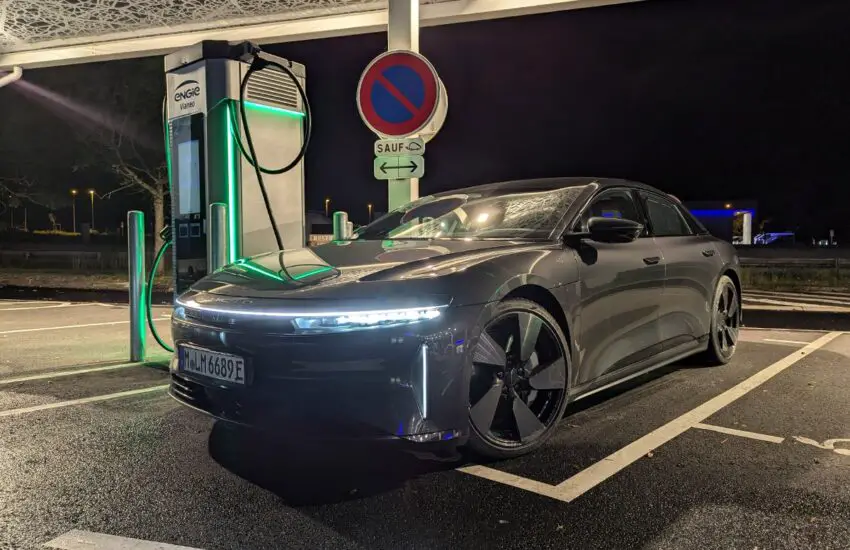
Lucid Motors Cuts Workforce Amid Financial Strain

Lucid Announces Major Restructuring Plan

The electric vehicle sector is facing significant headwinds, and Lucid Motors has become the latest automaker to implement severe cost-cutting measures. The California-based luxury EV manufacturer has confirmed a substantial restructuring plan that will eliminate approximately 12% of its global workforce. This move is a direct response to escalating financial pressures and a challenging market environment for premium electric cars.

Navigating a Difficult Economic Landscape

Lucid’s decision underscores the broader difficulties within the EV industry, where high production costs, intense competition, and shifting consumer demand are testing even well-funded startups. The company has faced persistent operational losses despite the critical acclaim for its flagship Air sedan. This workforce reduction is positioned as a necessary step to align operational costs with realistic production and delivery goals. The restructuring aims to preserve cash reserves and streamline the organization for future challenges.

Impact and Strategic Realignment

The layoffs, affecting hundreds of employees, are part of a larger strategic pivot. Lucid has indicated that the savings generated will be redirected towards key areas such as technological innovation and manufacturing efficiency. The company remains publicly committed to its long-term vision, including the development of its upcoming Gravity SUV. However, analysts view this restructuring as a clear signal that the path to profitability is longer and more arduous than initially projected. The success of this realignment is crucial for maintaining investor confidence and securing the capital needed for future growth.

This development places Lucid among a growing list of EV makers adjusting their ambitions in a cooling market. The industry-wide recalibration suggests a new phase of consolidation, where operational discipline and sustainable growth are becoming as important as technological prowess.

P1500 Chevrolet Code: Understanding the Generator L-Terminal Circuit

What is the P1500 OBD2 Code on a Chevrolet?

The Diagnostic Trouble Code (DTC) P1500 is a manufacturer-specific code primarily associated with General Motors (GM) vehicles, including Chevrolet, GMC, Cadillac, and Buick. In simple terms, P1500 indicates a malfunction in the “Generator L-Terminal Circuit.” This is not a generic powertrain code but a specific communication fault between the vehicle’s Powertrain Control Module (PCM) and the charging system.

The “L-terminal” is a critical signal wire from the PCM to the internal voltage regulator of the alternator (generator). This circuit allows the PCM to monitor the alternator’s operational status and, on many modern vehicles, actively control its output. When the PCM does not receive the expected signal or detects an illogical voltage state on this circuit, it stores the P1500 code and typically illuminates the battery/charging warning light on the dashboard.

Symptoms and Causes of the P1500 Code

Ignoring a P1500 code can lead to a dead battery and a stranded vehicle. Recognizing the symptoms early is key to preventing further damage.

Common Symptoms of P1500

  • Illuminated Battery/Charging Warning Light: The most immediate and common symptom.
  • Dimming or Flickering Headlights: Especially noticeable at idle or when electrical load increases.
  • Weak or Dead Battery: The alternator may not be charging properly, leading to repeated battery drain.
  • Voltmeter Reading Low: A healthy charging system should show 13.5-14.8 volts with the engine running. Readings consistently below 13V indicate a problem.
  • Other Electrical Gremlins: Unstable voltage can cause erratic behavior in sensitive electronic modules.

Primary Causes of the P1500 Code

The root cause of P1500 is always related to the circuit between the PCM and the alternator. Here are the most likely culprits:

  • Faulty Alternator/Internal Voltage Regulator: The internal regulator fails and stops communicating with the PCM.
  • Damaged Wiring or Connectors: The L-terminal wire (often a brown or brown/white wire) can be corroded, broken, or shorted.
  • Poor Electrical Connections: Loose, corroded, or dirty connections at the alternator plug, PCM connectors, or fuse block.
  • Blown Fuse: Some models have a specific fuse for the alternator control circuit (e.g., Ignition 0 or ECM fuse).
  • Defective Powertrain Control Module (PCM): While rare, a faulty PCM itself can fail to send or interpret the signal correctly.

Step-by-Step Diagnostic Procedure for P1500

A systematic approach is essential to correctly diagnose a P1500 code. Avoid the common mistake of replacing the alternator immediately without proper testing.

Step 1: Preliminary Checks and Visual Inspection

Begin with the basics. Visually inspect the alternator wiring harness, especially the small 2- or 4-wire connector. Look for:

  • Corrosion or green deposits on terminals.
  • Burned, melted, or chafed wires.
  • A loose connector that isn’t fully seated.
  • Check the relevant fuses in the under-hood and interior fuse boxes using a test light or multimeter.

Step 2: Electrical Testing of the L-Terminal Circuit

You will need a digital multimeter (DMM) for this step.

  • Check for Power: With the key in the RUN position (engine off), back-probe the L-terminal wire at the alternator connector. You should have battery voltage (approx. 12V). If you have 0V, there is an open circuit (broken wire, blown fuse) between the battery/PCM and the alternator.
  • Check Signal with Engine Running: Start the engine. The voltage on the L-terminal should typically drop to a lower value (often below 5V) as the PCM provides a duty cycle signal. A constant battery voltage or 0V with the engine running indicates a circuit or regulator fault.
  • Check for Shorts to Ground/Power: With the connector disconnected, check for continuity between the L-terminal wire and ground. There should be none (infinite resistance).

Step 3: Testing Alternator Output and Function

Rule out a simple alternator output failure.

  • Set your multimeter to DC Volts.
  • Connect the red lead to the battery’s positive terminal and the black lead to the negative terminal.
  • Start the engine. A healthy charging system should show between 13.5 and 14.8 volts.
  • Turn on high-beam headlights, blower fan on high, and rear defroster to apply an electrical load. The voltage should not drop below 13.0V. If output is low (<12.5V) but the L-terminal circuit tests good, the alternator itself is likely faulty.

Repair Solutions and Professional Advice

Once the faulty component is identified, the repair path becomes clear.

Common Repairs for P1500

  • Repairing Wiring: If the L-terminal wire is damaged, splice in a new section of wire using solder and heat-shrink tubing. Never use “butt connectors” alone for critical engine bay wiring.
  • Cleaning Connectors: Use electrical contact cleaner and a small brush to clean corroded terminals. Apply a dielectric grease to prevent future corrosion.
  • Replacing the Alternator: If the internal regulator is faulty or alternator output is low, replacement or professional rebuild is necessary. Ensure you purchase a quality unit designed for your specific Chevrolet model.
  • Replacing a Fuse: If a fuse is blown, replace it with one of the identical amperage. Investigate why it blew to prevent recurrence.

When to Seek Professional Help

While a P1500 diagnosis is within reach for a seasoned DIYer, consider a professional mechanic if:

  • Your electrical testing is inconclusive.
  • You suspect the PCM may be at fault (requires advanced scan tool programming).
  • The wiring damage is extensive or hard to access.
  • You are not comfortable working on your vehicle’s charging system, as mistakes can lead to expensive electronic module damage.

After completing the repair, clear the P1500 code with your OBD2 scanner and take the vehicle for a test drive. Verify that the code does not return and that the charging system voltage remains stable. Proper diagnosis and repair of the P1500 code will restore reliable operation and protect your Chevrolet’s battery and sensitive electronics.

Porsche Macan GTS Electric: A True Sports SUV?

Testing Porsche’s Electric Performance SUV

Porsche has entered a new era with the launch of the all-electric Macan GTS. Promising to blend zero-emission driving with the brand’s legendary sporting DNA, this model faces a significant challenge: living up to the revered GTS badge. We put it to the test to see if this electric SUV delivers authentic performance or simply wears a familiar nameplate.

Performance and Driving Dynamics

The immediate sensation is one of formidable power. The dual electric motors provide instant torque, launching the Macan GTS forward with a silent, relentless surge that redefines acceleration for the segment. However, the true test of a GTS lies beyond straight-line speed. Porsche’s engineering prowess shines through in the chassis tuning and rear-axle steering. Through winding roads, the SUV feels remarkably agile and planted, with precise steering feedback that builds a genuine connection between driver and road. The air suspension adeptly balances comfort with the firm control expected from a performance model.

Heritage Meets Innovation

Inside, the cabin masterfully merges classic Porsche driver focus with cutting-edge technology. The curved digital dashboard is modern and configurable, yet the essential driving controls remain tactile and intuitive. This synthesis is key; the Macan GTS Electric doesn’t feel like a gadget-laden compromise. It feels like a purposeful driver’s machine that happens to be electric. The question of authenticity is answered not by the sound of an engine, but by the vehicle’s holistic behavior and the emotional response it elicits from behind the wheel.

The Electric Sport SUV Benchmark

Ultimately, the Macan GTS Electric makes a compelling case for itself. It successfully translates the core GTS principles—enhanced performance, sharper dynamics, and focused luxury—into the electric age. It avoids being a mere “fast SUV” and instead delivers a cohesive, engaging driving experience that honors its heritage while embracing the future. It sets a new, high benchmark for what a sporty electric utility vehicle can be.

Cadillac P1500 Code: Diagnosing the Idle Air Control Valve Circuit

Understanding the Cadillac P1500 Diagnostic Trouble Code

The OBD2 trouble code P1500 is a manufacturer-specific code primarily associated with General Motors (GM) vehicles, including various Cadillac models. This code is defined as **”Engine Coolant Temperature (ECT) Circuit High Input” or “Idle Air Control (IAC) System Malfunction”**, with the latter being the more common interpretation for Cadillac applications. It specifically indicates a problem within the Idle Air Control valve circuit, which is managed by the Powertrain Control Module (PCM). When this code is stored, it means the PCM has detected a voltage or signal from the IAC valve circuit that falls outside its expected, pre-programmed range. This circuit is critical for maintaining proper engine idle speed under varying loads and temperatures.

Primary Function of the Idle Air Control (IAC) Valve

The IAC valve is a small, electronically controlled actuator mounted on or near the throttle body. Its core function is to regulate the engine’s idle speed by controlling the amount of air that bypasses the closed throttle plate. The PCM commands the IAC valve to extend or retract a pintle, opening or closing an air passage. This precise control is essential for:

  • Maintaining a stable base idle speed when the engine is warm.
  • Providing a higher fast idle during cold starts.
  • Compensating for engine load from accessories like A/C, power steering, and alternator.
  • Preventing stalling when the throttle is closed suddenly.

Why the P1500 Code is Triggered in Your Cadillac

The PCM monitors the IAC valve’s position and the circuit’s electrical feedback. Code P1500 is set when the signal indicates the actual idle speed deviates significantly from the PCM’s commanded speed for a sustained period, or when an open/short is detected in the control circuit. This is a “Circuit Malfunction” code, pointing directly to the electrical and mechanical integrity of the IAC system.

Common Symptoms of a P1500 Code in Cadillac Models

Drivers will often notice irregular engine behavior before the Check Engine Light illuminates. The symptoms of a P1500 code are directly related to the IAC valve’s failure to properly manage idle airflow.

Primary Driver-Noticable Symptoms

  • Erratic or Unstable Idle: The engine RPM may surge up and down (hunt) while stopped.
  • Stalling: The engine may frequently stall when coming to a stop, when the A/C cycles on, or when shifting into gear (Drive/Reverse).
  • Incorrect Idle Speed: The idle may be consistently too high (e.g., 1500 RPM when warm) or too low, causing vibration.
  • Illuminated Check Engine Light: The MIL will be on with code P1500 stored in memory.

Secondary and Intermittent Issues

  • Hard starting, especially when the engine is warm.
  • Rough idle that shakes the vehicle.
  • Poor fuel economy due to incorrect air/fuel mixture at idle.
  • In some cases, the vehicle may not start at all if the IAC valve is stuck completely closed.

Diagnosing the Root Causes of Cadillac Code P1500

Effective diagnosis requires a systematic approach, moving from simple visual checks to more complex electrical tests. A P1500 code can be caused by a range of issues, from simple dirt to major PCM failure.

Mechanical and Contamination Causes

These are often the most frequent culprits, especially in higher-mileage vehicles.

  • Carbon-Blocked IAC Valve or Passage: Soot and carbon deposits from the PCV system can build up on the IAC pintle and the air bypass passage in the throttle body, causing the valve to stick.
  • Faulty or Sticking IAC Valve: The internal motor or threads can wear out, or the pintle can become mechanically bound.
  • Vacuum Leaks: Unmetered air entering the intake manifold after the throttle body can confuse the PCM, making it appear as if the IAC is malfunctioning. Always rule out vacuum leaks first.

Electrical and Circuit Failures

These require a digital multimeter (DMM) and possibly a wiring diagram for your specific Cadillac model.

  • Bad Electrical Connections: Corrosion, bent pins, or loose terminals at the IAC valve connector or PCM connectors.
  • Damaged Wiring: Wires in the IAC valve control circuit can be chafed, pinched, or burned, causing an open or short to power/ground.
  • Blown Fuse: Check relevant engine control fuses in the under-hood fuse box.
  • Faulty Powertrain Control Module (PCM): While rare, a failed driver circuit inside the PCM itself can prevent proper control of the IAC valve. This is a diagnosis of last resort.

Step-by-Step Diagnostic and Repair Procedure

Warning: Always disconnect the battery before performing electrical tests or removing components. Allow the engine to cool completely.

Step 1: Preliminary Checks and Cleaning

Begin with the simplest and most common fixes. Locate the IAC valve on the throttle body. With the engine off and battery disconnected, remove the IAC valve according to your vehicle’s service manual. Inspect the pintle and the throttle body bore for heavy carbon buildup. Clean both using a throttle body cleaner and a soft brush. Do not immerse the electrical part of the valve. Reinstall, clear the code, and perform an idle relearn procedure (often involves idling with accessories off for 10-15 minutes). Test drive.

Step 2: Testing the IAC Valve and Electrical Circuit

If cleaning doesn’t resolve the issue, proceed to electrical testing. You will need a DMM.

  • Resistance Test: Unplug the IAC valve connector. Measure the resistance between the two terminals on the valve. Consult a service manual for specifications (typically between 40-80 ohms). An open (infinite ohms) or short (0 ohms) reading indicates a bad valve.
  • Voltage Supply Test: With the key in the ON position (engine off), back-probe the IAC connector. One pin should show battery voltage (approx. 12V). This confirms power is reaching the circuit.
  • Circuit Integrity Test: Check for continuity between the IAC connector’s control wire and the corresponding pin at the PCM connector. Also check for a short to ground or power on this wire.

Step 3: Final Verification and Component Replacement

Based on your tests:

  • If the IAC valve fails the resistance test or shows signs of mechanical binding, replace it with a high-quality OEM or OEM-equivalent part.
  • If the wiring or connectors are faulty, repair or replace them as needed.
  • After any repair, clear the P1500 code with your scan tool. Start the engine and allow it to reach operating temperature. The idle should stabilize. Perform a road test, paying close attention to idle behavior during stops and accessory operation. The code should not return.

Addressing a P1500 code promptly is crucial for drivability, safety, and preventing long-term strain on your Cadillac’s engine. By following this structured diagnostic approach, you can effectively identify and resolve the underlying issue, whether it’s a simple cleaning task or a more involved electrical repair.