Puma’s Fast & Furious Collection: Sneakers Fueled by Iconic Cars

Puma’s Fast & Furious Collection Hits the Streets

For die-hard fans of the high-octane film saga, a new wave of officially licensed gear has arrived. Puma has launched a comprehensive merchandise collection that dives deep into the cinematic universe of Fast & Furious. While apparel is part of the lineup, the true stars of this release are the sneakers, meticulously designed to channel the spirit of the iconic cars from the franchise’s most legendary films.

Designs Inspired by Automotive Legends

This collection goes beyond simple logos. Each sneaker model acts as a tribute to a specific vehicle, translating automotive aesthetics into wearable art. Design elements pull directly from car culture, featuring details like tread-inspired outsoles that mimic performance tires, color schemes pulled from famous paint jobs, and materials that reflect a car’s interior, from sleek leather to textured suede. The result is a line of footwear that feels both sporty and collectible, capturing the adrenaline and style of the films.

A Must-Have for Fans and Sneakerheads

This collaboration bridges two passionate worlds: streetwear and automotive enthusiasm. For collectors, these sneakers offer a unique piece of memorabilia that stands out from typical movie merchandise. The designs are subtle enough for everyday wear yet packed with enough thematic detail to satisfy any fan. It represents a clever fusion of function and fandom, allowing wearers to showcase their passion for the franchise in a fresh and fashionable way.

The Legacy of a Cinematic Phenomenon

The enduring popularity of the Fast & Furious franchise makes collaborations like this particularly significant. It demonstrates how the series’ core themes—family, speed, and iconic vehicles—continue to resonate and inspire products beyond the screen. Puma’s collection successfully bottles the lightning-fast energy and distinctive style of the films, offering a new way for the global fan community to engage with a beloved cultural touchstone.

Nissan Leaf S Delayed, Disrupting US Budget EV Plans

Affordable Nissan EV Launch Pushed Back

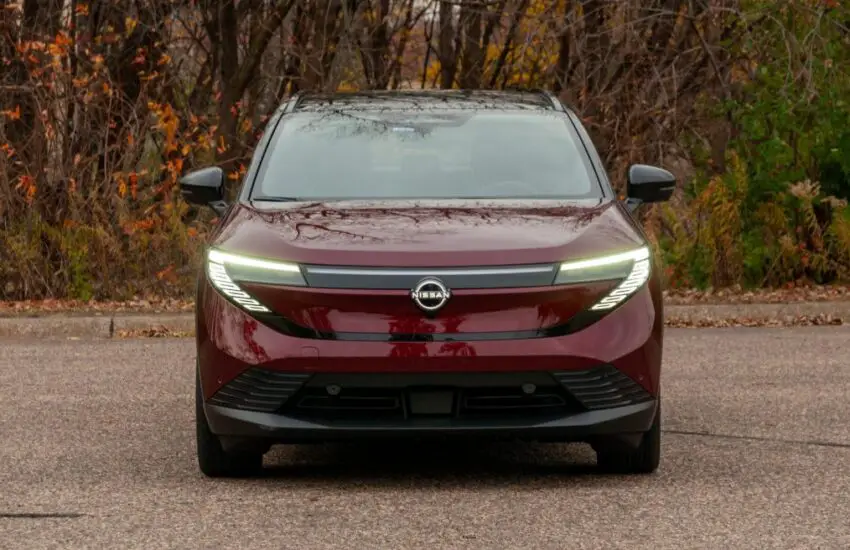
The race to produce America’s most affordable electric vehicle has hit a significant roadblock. Nissan has delayed the launch of a new, low-cost version of its Leaf, specifically the anticipated Leaf S trim. This model was poised to challenge for the title of the most budget-friendly EV in the United States upon its expected 2026 release.

A Setback for Market Accessibility

This delay represents a notable shift in the competitive landscape for entry-level electric transportation. The automotive industry and consumers alike were watching closely, as increasing affordability is key to widespread EV adoption. The postponement leaves a gap in the market for a new, accessible model from a major manufacturer, potentially extending the reign of current budget champions.

Strategic Implications for Nissan

Analysts suggest the delay may be linked to broader strategic recalibrations. Automakers are continuously balancing the development of next-generation technology with the need to offer compelling current products. Nissan may be re-evaluating its approach to the entry-level segment, possibly integrating more advanced features or battery technology to ensure the model remains competitive upon its eventual release. This move highlights the complex challenges of planning in a rapidly evolving market.

Impact on Consumer Choice

For cost-conscious buyers eager to transition to electric driving, this news is disappointing. The delay means one fewer option in the critical sub-$30,000 price bracket in the near term. It places greater emphasis on existing models and incentives, and may lead some consumers to postpone their purchase decisions. The development underscores the volatility in product timelines as the industry navigates supply chains, regulatory changes, and technological advancements.

The automotive community will be watching for Nissan’s updated timeline and specifications for the Leaf S. Its eventual arrival will be a crucial test of the brand’s commitment to democratizing electric vehicle ownership.

Buick P1500 Code: A Comprehensive Guide to Generator “L-Terminal” Circuit Malfunction

Understanding the Buick P1500 Diagnostic Trouble Code

The P1500 diagnostic trouble code (DTC) is a manufacturer-specific OBD2 code primarily associated with General Motors (GM) vehicles, including various Buick models like the LeSabre, Park Avenue, and Century. This code indicates a malfunction within the “Generator L-Terminal” circuit. In simpler terms, the Powertrain Control Module (PCM) has detected an irregularity in the electrical signal or voltage coming from the generator’s (alternator’s) “L” terminal. This terminal is a key communication line between the generator and the PCM, responsible for signaling the generator’s operational status and helping to control its output. A P1500 code often triggers the check engine light and may be accompanied by the battery/charging system warning light.

Common Symptoms of a P1500 Code in Your Buick

While the check engine light is the primary indicator, a P1500 code rarely occurs in isolation. It is a symptom of an underlying issue with the charging system. Drivers may experience one or more of the following signs, which can range from intermittent to constant.

Illuminated Warning Lights

The most immediate symptom is the illumination of the Malfunction Indicator Lamp (MIL), or check engine light. Concurrently, the red battery or charging system warning light on the dashboard may also flicker or stay on, indicating the PCM has lost confidence in the generator’s status signal.

Electrical System Irregularities

As the charging system becomes compromised, you may notice subtle to severe electrical issues. These can include dimming or flickering headlights and interior lights, especially at idle or when electrical loads are high (e.g., using the A/C, rear defroster). Unstable or weak power to accessories like the radio or power windows is also common.

Battery-Related Problems

A faulty circuit can lead to improper battery charging. Symptoms may include a battery that is constantly undercharged, leading to difficulty starting the vehicle, or in some cases, overcharging, which can damage the battery and other electronic components.

Potential Vehicle Performance Issues

In severe or prolonged cases, a failing charging system can cause voltage drops that affect the PCM and other critical modules. This might result in erratic engine behavior, poor idle quality, or even stalling, as the engine management system is deprived of stable voltage.

Root Causes of the P1500 Code

Diagnosing a P1500 requires a systematic approach, as the fault can lie anywhere in the “L-terminal” circuit. The issue is rarely the PCM itself; it is almost always a problem in the wiring or the generator assembly.

Faulty Generator (Alternator) Assembly

This is a leading cause. The internal voltage regulator, which is often integrated into the alternator on modern Buicks, can fail. A malfunction within the regulator or the “L” terminal connection point inside the alternator housing will directly cause this code.

Damaged Wiring and Connectors

The wiring harness connecting the generator’s “L” terminal to the PCM is vulnerable to damage. Common issues include:

  • Chafed or Broken Wires: Wires can rub against engine components, leading to shorts or open circuits.
  • Corroded or Loose Connectors: The electrical connector at the generator or PCM can become corroded (especially near the battery) or simply loose, disrupting the signal.
  • Poor Electrical Grounds: A bad ground connection for the generator or the PCM can create erroneous voltage readings.

Blown Fuse or Fusible Link

The circuit is protected by a fuse or a fusible link. If this protective element has blown due to a surge or short circuit, the signal path to the PCM will be broken, triggering the P1500 code. Always check the relevant fuses in the under-hood fuse block first.

Failed PCM (Less Common)

While rare, an internal fault within the Powertrain Control Module that prevents it from correctly processing the “L-terminal” signal can be the culprit. This should only be considered after all other components and wiring have been thoroughly tested and ruled out.

Step-by-Step Diagnostic and Repair Guide

Safety First: Always disconnect the negative battery terminal before performing electrical work. Ensure the vehicle is in Park with the parking brake engaged.

Step 1: Preliminary Checks and Code Verification

Begin by using an OBD2 scanner to confirm the presence of the P1500 code and clear it. Check for any other related codes (like P0562 for low system voltage). Perform a visual inspection of the generator, its wiring harness, and connectors for obvious damage, corrosion, or looseness. Inspect the relevant fuse (often labeled “GEN” or “ECM” in the fuse diagram).

Step 2: Testing Battery and Charging System Voltage

Use a digital multimeter (DMM) to measure voltage.

  • Battery Voltage (Engine Off): Should be 12.4V – 12.6V.
  • Charging Voltage (Engine Running): Measure at the battery terminals. A healthy system should read between 13.5V and 14.8V at 2000 RPM. A reading outside this range points to a generator/regulator issue.

Step 3: Circuit Integrity Test (L-Terminal Signal)

This is the core test for P1500. With the engine OFF and the ignition in the RUN position (not start), back-probe the “L” terminal wire at the generator connector. Using your DMM, you should read battery voltage (approx. 12V). If you read 0V, there is an open circuit (blown fuse, broken wire) between the ignition switch and the generator. If voltage is present, start the engine. The voltage at the “L” terminal should drop to a low reference signal (often below 2V) as the generator begins to charge. An erratic or unchanging signal indicates a faulty generator or regulator.

Step 4: Wiring Harness and Connector Inspection

If the circuit test failed, perform a continuity test on the wire between the generator connector and the PCM pin. Check for resistance; it should be very low (less than 5 ohms). Also check for a short to ground or power. Repair any damaged wires and clean all electrical contacts.

Step 5: Component Replacement and Final Verification

Based on your findings:

  • Replace Generator/Alternator: If the generator fails the voltage output test or the “L” terminal signal test, replacement is the standard repair.
  • Repair Wiring: Solder and seal any repaired wires. Replace damaged connectors.
  • Replace Fuse: If blown, replace with one of the exact same amperage rating.

After repairs, clear the code with your scanner, reconnect the battery, and start the vehicle. Verify that the warning lights are off and re-test the charging system voltage to confirm the repair is successful. A test drive to ensure no codes return is the final step.


Jeep Cherokee 2026: A New Hybrid Era Begins

Jeep Cherokee 2026: Beyond the Legend

The name “Cherokee” carries immense weight. For many, it instantly conjures the iconic, boxy silhouette of the legendary XJ model. That vehicle set an almost impossibly high standard for capable, no-nonsense SUVs. The big question for 2026 is not about replicating the past, but about how Jeep reinterprets that rugged spirit for a new, electrified age.

Hybrid Power Meets Trail-Rated Capability

The 2026 Cherokee represents a pivotal shift, integrating a sophisticated hybrid powertrain without compromising the brand’s off-road DNA. This system is engineered to provide instant electric torque for tricky low-speed crawling, combined with the sustained power of a gasoline engine for highway travel and tougher trails. The result is a vehicle that promises improved fuel efficiency for daily commutes while retaining the muscular performance needed for adventure. Jeep’s renowned 4×4 systems, like Selec-Terrain, will be standard, ensuring the hybrid Cherokee remains a genuine Trail-Rated contender.

A Modern Interior for the Digital Explorer

Step inside, and the 2026 model leaves the utilitarian past behind. The cabin is designed around a new, user-focused digital dashboard and a large central touchscreen. Premium materials, advanced driver-assistance systems, and seamless smartphone integration are expected to be key features. The focus is on creating a comfortable, connected command center for both urban driving and remote explorations, a significant evolution from the spartan interiors of Cherokees past.

The Future of an Iconic Nameplate

This new Cherokee is not a retro remake. It is a forward-looking statement. Jeep is betting that its core audience—and a new generation of buyers—values eco-conscious technology without sacrificing the freedom and capability the brand promises. The 2026 hybrid Cherokee aims to bridge two worlds: reducing its environmental footprint on the pavement while expanding its reach off it. It seeks to write a new chapter for an iconic name, proving that efficiency and adventure can coexist.

BMW P1500 OBD2 Code: A Comprehensive Guide to the Generator Terminal 15 Fault

Understanding the BMW P1500 OBD2 Fault Code

The OBD2 trouble code P1500, specifically in BMW vehicles, is a manufacturer-specific code that translates to “Generator Terminal 15”. Unlike generic OBD2 codes, P-codes in the P1xxx range are reserved for manufacturer definitions, making this fault unique to BMW’s complex electrical and engine management systems. In essence, this code indicates a discrepancy or fault in the signal circuit that informs the vehicle’s Engine Control Module (DME – Digital Motor Electronics) about the status of the ignition switch’s “Terminal 15” position relative to the alternator’s operation.

Terminal 15 is the classic ignition “ON” power supply. When you turn the key to the run position, Terminal 15 becomes live, powering the DME, fuel pump, ignition coils, and other critical systems. The DME monitors this signal and compares it with data from the alternator’s internal regulator. Code P1500 is set when the DME detects an implausible signal, such as Terminal 15 being active but the alternator not reporting a corresponding “excitation” or wake-up signal, or vice-versa. This is a critical communication fault within the vehicle’s charging and management system.

Common Symptoms and Implications of the P1500 Code

Ignoring a P1500 code can lead to drivability issues and potential vehicle breakdowns. The symptoms can range from subtle warnings to complete electrical failure.

Primary Warning Signs

  • Illuminated Battery/Charging Warning Light: The most common and immediate symptom is the red battery symbol lighting up on your instrument cluster.
  • Check Engine Light (MIL): The P1500 code will trigger the MIL, storing the fault in the DME’s memory.
  • Erratic Electrical Behavior: You may experience flickering lights, dimming headlights at idle, or unstable operation of power windows and accessories.

Performance and Operational Symptoms

  • Poor Engine Performance: The DME may enter a limp mode or run sub-optimally due to the perceived electrical system fault.
  • Difficulty Starting: A weak or failing battery due to improper charging can lead to slow cranking or a no-start condition.
  • Dead Battery: If the alternator is not properly excited via the Terminal 15 signal, it will not charge, ultimately draining the battery.

Root Causes of the P1500 Generator Terminal 15 Fault

Diagnosing P1500 requires a systematic approach, as the fault lies in the communication between components, not necessarily in a single failed part. The causes can be grouped into several key areas.

1. Electrical Supply and Relay Issues

The DME itself requires stable power to function. A fault in its supply circuit can corrupt the Terminal 15 signal interpretation.

  • Faulty DME Main Relay: Also known as the Engine Control Relay, this is a prime suspect. A sticking or failing relay can provide intermittent power to the DME.
  • Blown Fuses: Check all relevant fuses in the glove compartment and engine bay fuse boxes, particularly those for the DME and ignition circuit.
  • Corroded or Damaged Wiring: Inspect the wiring harness, especially near the DME (typically in the ECU box in the engine bay), for chafing, corrosion, or rodent damage.

2. Alternator and Voltage Regulator Faults

The alternator’s internal regulator is a smart device that communicates with the DME.

  • Failed Voltage Regulator: This is a very common failure point on BMWs. The regulator contains the circuitry that generates the “DFM” (Dynamo Field Monitoring) signal sent to the DME.
  • Worn Alternator Brushes: Over time, the carbon brushes in the regulator wear down, losing contact and interrupting the excitation signal.
  • Defective Alternator: While less common than regulator failure, a shorted diode trio or stator winding can cause communication faults.

3. DME Control Unit and Software Problems

In some cases, the issue originates within the brain of the operation.

  • Software Glitch: A corrupted or outdated DME software map can cause false fault codes. A simple code clear and drive cycle may resolve it if no hardware fault exists.
  • Internal DME Failure: Although rare, the DME control unit itself can have an internal fault in its power supply circuitry, preventing correct signal processing.

Step-by-Step Diagnostic and Repair Procedure

Follow this logical sequence to accurately diagnose and resolve the P1500 code. Always disconnect the battery negative terminal before working on electrical components.

Step 1: Preliminary Checks and Code Verification

Begin with basic inspections. Check the battery terminals for tightness and corrosion. Using a professional OBD2 scanner, confirm the P1500 code is present and note any other codes. Clear the codes and perform a test drive to see if P1500 returns immediately or only under specific conditions.

Step 2: Live Data and Voltage Testing

With the engine running, use your scanner to monitor live data:

  • Generator / Alternator Load: Should be between 40-90% depending on electrical load.
  • Battery Voltage: Should be 13.5V – 14.8V with the engine running. A reading of ~12.6V indicates the alternator is not charging.

Perform physical voltage tests with a multimeter at the battery posts and directly at the alternator’s B+ terminal to rule out bad connections.

Step 3: Inspecting the DME Relay and Fuses

Locate the DME main relay (refer to your vehicle’s fuse diagram). Swap it with an identical, known-good relay from another slot (e.g., the horn or fog light relay). If the problem disappears, replace the relay. Visually inspect and test all related fuses with a multimeter for continuity.

Step 4: Alternator Voltage Regulator Replacement

Given its high failure rate, replacing the voltage regulator is often the most effective fix. On most BMWs, the regulator is mounted on the back of the alternator and can be replaced without removing the entire unit. Ensure you purchase a high-quality OEM or OEM-equivalent part.

Step 5: Wiring Harness and DME Inspection

If the issue persists, a thorough wiring inspection is necessary. Check the wires between the DME and the alternator, specifically the DFM signal wire. Look for breaks or shorts. As a last resort, and only after all other causes are eliminated, consider professional diagnosis of the DME control unit itself.

Successfully diagnosing and repairing a BMW P1500 code requires patience and methodical testing. By understanding the “Generator Terminal 15” signal pathway and focusing on the common culprits—the voltage regulator and DME relay—you can restore your BMW’s charging system and electrical integrity to full health.

Lamborghini Scraps Lanzador, Questions EV Emotion

Lamborghini’s Electric Dream Deferred

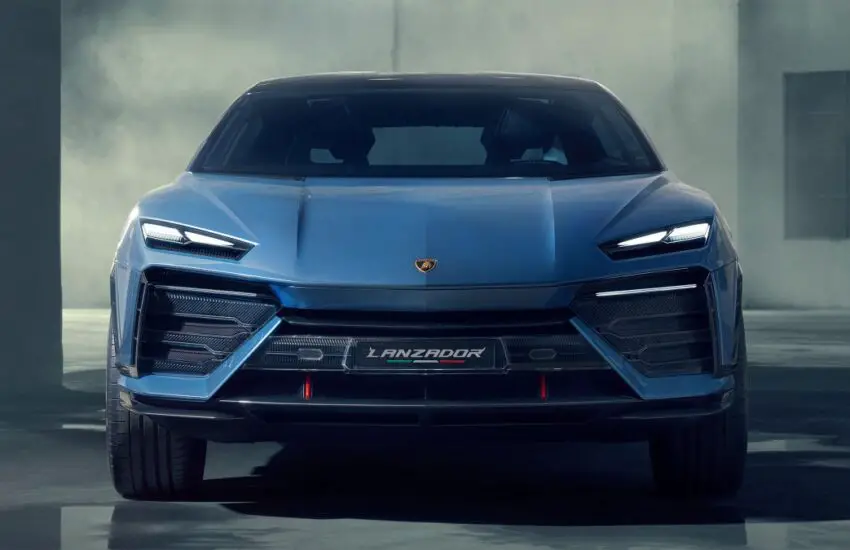
Lamborghini has officially pulled the plug on its first planned all-electric model, the Lanzador. CEO Stephan Winkelmann confirmed the cancellation, signaling a significant strategic shift. The decision underscores a central challenge for supercar makers in the electric era: translating raw, visceral emotion into a battery-electric package. The brand cited shifting market preferences and the difficulty of delivering the specific emotional connection expected from a Lamborghini.

A Concept That Failed to Materialize

The future of the Lanzador, initially revealed as a sleek “high-ground-clearance coupe” concept, had been uncertain for months. While the concept was met with enthusiasm, the transition to a production-ready vehicle that lived up to the brand’s extreme ethos proved problematic. This move highlights the intricate balance automakers must strike between innovation, brand DNA, and consumer expectations in a rapidly evolving landscape.

The Heart of the Supercar Dilemma

At the core of this cancellation is a debate defining the high-performance automotive sector. For marques like Lamborghini, the sensory experience—the roar of the engine, the mechanical feedback through the gearbox, and the drama of the internal combustion ritual—is a fundamental part of the product. The current state of EV technology, while offering immense power and acceleration, often delivers its performance in a more linear and muted manner, which some argue lacks theatricality.

What’s Next for Lamborghini Electrification?

This does not mean Lamborghini is abandoning electrification. The company remains committed to hybrid technology, as seen in the Revuelto and upcoming Huracán successor, and still plans a fully electric model later this decade. The Lanzador’s cancellation suggests this future EV will take a different form, likely after further technological refinement. The industry will watch closely to see how Lamborghini ultimately engineers the soul of a supercar into an electric vehicle, ensuring it delivers the adrenaline-fueled emotion its customers demand.

Timex Legacy Tonneau Chronograph: Retro Style at 50% Off

The Timex Legacy Tonneau Chronograph: A Nod to the 70s

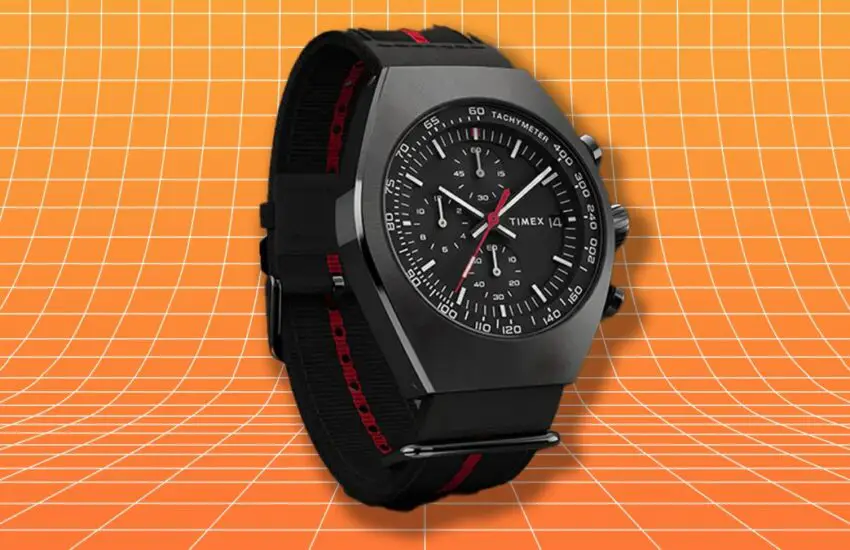
In the world of watches, few styles capture the spirit of an era as distinctly as the tonneau, or barrel-shaped, case. The Timex Legacy Tonneau Chronograph is a direct and delightful homage to the bold designs of the 1970s. This timepiece masterfully blends vintage aesthetics with modern reliability, offering a look that is both conversation-starting and effortlessly wearable.

Design and Craftsmanship

The centerpiece of this watch is its polished 42mm stainless steel tonneau case, a shape that immediately sets it apart from round-cased contemporaries. It houses a clean, legible dial with classic chronograph sub-dials, capturing the functional spirit of a bygone automotive and design age. The watch is completed with a striped fabric strap, often featuring a subtle accent color like red, which adds a sporty yet refined touch. This combination of materials speaks to a time when watches were both tools and statements of personal style.

Why the Legacy Tonneau Stands Out

Beyond its striking appearance, the Legacy Tonneau is powered by Timex’s dependable quartz chronograph movement, ensuring accuracy and ease of use. The inclusion of features like a date window and water resistance adds daily practicality to its retro charm. It represents a segment of watchmaking where design experimentation flourished, and Timex has faithfully recreated that adventurous feeling for today’s enthusiast.

A Compelling Value Proposition

Perhaps the most remarkable aspect of the Timex Legacy Tonneau Chronograph is its accessibility. Positioned as an affordable entry into distinctive watch design, it offers a high-style quotient without a luxury price tag. The opportunity to acquire such a characterful piece at a significant discount makes it an even more compelling proposition for collectors and fashion-forward individuals seeking a unique accessory that tells a story beyond the time.

Decoding OBD2 Code P1500 Audi: A Comprehensive Technical Guide

Understanding the Audi P1500 DTC: The Generator Load Signal

When your Audi’s sophisticated Engine Control Module (ECM) illuminates the check engine light and stores a Diagnostic Trouble Code (DTC) P1500, it’s flagging a specific communication failure within the vehicle’s charging and power management system. Unlike generic OBD2 codes, P1500 is often manufacturer-specific, particularly for Volkswagen Group vehicles including Audi. At its core, this code indicates a malfunction in the “Generator Load Signal” circuit. This signal is a critical data line between the alternator (generator) and the ECM, informing the engine computer of the electrical load the alternator is under. The ECM uses this information to make fine adjustments to engine idle speed and manage overall electrical system stability. A fault in this circuit disrupts this communication, potentially leading to drivability issues and electrical system concerns.

Technical Role of the Generator Load Signal

The generator in modern Audis is far more than a simple battery charger; it’s an intelligent component integrated into the vehicle’s network. The load signal, typically a Pulse Width Modulated (PWM) signal, provides real-time data on the alternator’s output current. The ECM processes this signal to:

  • Stabilize Idle Speed: Compensate for high electrical loads (e.g., A/C, heated seats, headlights) by slightly increasing engine RPM to prevent stalling.
  • Optimize Fuel Economy: Manage alternator load strategically to reduce parasitic drag on the engine when possible.
  • Protect the Battery: Coordinate with the battery monitoring system for optimal charging strategies.

Common Symptoms of an Audi P1500 Fault Code

Drivers may notice one or several symptoms when a P1500 code is active. The severity can range from no noticeable issues to significant performance problems, depending on the root cause and the vehicle’s model.

Primary Warning Indicators

The most immediate signs are dashboard warnings. You will almost certainly see the amber Check Engine Light (MIL). Concurrently, the red battery warning light may also illuminate, indicating a charging system fault. In some Audi models with advanced driver information systems, a message like “Electrical System: Fault!” may appear.

Performance and Operational Symptoms

As the ECM loses critical data for load management, you may experience:

  • Unstable or Low Idle: The engine may idle roughly, dip significantly, or even stall when electrical accessories are turned on.
  • Dimming or Flickering Lights: Headlights and interior lights may fluctuate in brightness with engine RPM or accessory use.
  • Battery-Related Issues: A weak or dying battery, difficulty starting, or the vehicle entering a low-power “limp” mode to conserve energy.
  • Erratic Gauge Behavior: The tachometer or voltage gauge (if equipped) may behave unpredictably.

Step-by-Step Diagnosis for Audi P1500

Accurate diagnosis is key to an efficient repair. A systematic approach, starting with the simplest checks, is essential. You will need a quality OBD2 scanner, a digital multimeter (DMM), and basic hand tools.

Phase 1: Preliminary Checks and Scan Tool Analysis

Begin by checking the battery terminals and ground connections for corrosion and tightness. A weak battery can cause a multitude of false signals. Using your scan tool, clear the P1500 code and perform a test drive. Note if it returns immediately or only under specific conditions (e.g., with high electrical load). Check for any other related codes, such as those for the alternator (e.g., P0562/P0563 for system voltage) or communication faults.

Phase 2: Electrical Circuit Testing

This phase involves testing the wiring and signal between the alternator and ECM. Consult a vehicle-specific wiring diagram for your Audi model to identify the correct pins.

1. Visual Inspection: Carefully inspect the wiring harness near the alternator, ECM, and along the firewall for chafing, burns, or damaged connectors.
2. Signal Wire Test: With the engine running, back-probe the generator load signal wire (often labeled “DFM” or “L” on the alternator plug) using your DMM set to frequency or duty cycle. You should observe a changing PWM signal that varies with electrical load. No signal or a constant signal indicates a fault.
3. Voltage and Continuity Checks: Check for power and ground at the alternator connector. Test the continuity of the load signal wire from the alternator plug to the ECM connector, checking for opens or shorts to ground/power.

Phase 3: Component Testing

If the wiring is confirmed to be intact, the fault likely lies with a component. Test the alternator’s output voltage at the battery terminals. It should be between 13.5 and 14.8 volts with the engine running. A failing voltage regulator (often integrated into the alternator) is a very common culprit for P1500. The internal circuitry that generates the load signal can fail independently of the alternator’s charging function. As a last resort, and only after all other tests, consider the possibility of a faulty Engine Control Module (ECM), though this is rare.

Repair Solutions and Professional Recommendations

Based on the diagnostic findings, the repair path becomes clear. Always disconnect the battery before performing any electrical repairs.

Common Fixes for P1500

  • Repair Wiring/Connectors: Solder and seal any broken wires. Clean corroded terminals or replace damaged connector housings.
  • Replace the Alternator/Voltage Regulator: This is the most common repair. For many Audi models, the voltage regulator is a serviceable part that can be replaced separately from the entire alternator assembly, offering a cost-effective solution.
  • Replace the Battery: If the battery is old or failing, replace it with a correct-specification AGM battery, as required by most modern Audis, and ensure it is properly registered/coded to the vehicle.

Post-Repair Protocol and Coding

After completing the repair, clear all fault codes with your scanner. Perform a thorough test drive, monitoring live data for the generator load signal parameter to ensure it is active and responsive. For Audis with start-stop systems or advanced power management, it is often necessary to use a professional-level diagnostic tool (like VCDS, ODIS, or a capable aftermarket scanner) to perform “Generator Adaptation” or coding. This process calibrates the ECM to the new component, ensuring optimal system function and preventing persistent fault codes.

Addressing a P1500 code promptly is crucial for maintaining your Audi’s renowned performance, electrical reliability, and fuel efficiency. While a skilled DIYer with the right tools can diagnose this issue, the complexity of modern Audi electrical systems often makes consultation with a specialist technician the most reliable path to a permanent solution.

The Two-Minute Pothole Fix: Asphalt Spraying Trucks

The Persistent Problem of Potholes

Potholes are a universal nuisance on roadways worldwide. Their formation, driven by freeze-thaw cycles, heavy traffic, and water infiltration, is a relentless process. For municipal authorities, the traditional repair cycle is fraught with delays. Often, crews are only mobilized after reports of vehicle damage or safety hazards, leading to prolonged road hazards and escalating repair costs for drivers and cities alike.

Revolutionizing Road Repair with Technology

A groundbreaking solution is transforming this scenario: specialized asphalt-spraying trucks. These vehicles are equipped with an integrated system that cleans, fills, and seals a pothole in a matter of minutes. The process is remarkably efficient. First, a high-pressure air blast clears debris and moisture from the cavity. Then, a precise spray application coats the interior with a tack coat to ensure adhesion. Finally, a mixture of aggregate and asphalt emulsion is sprayed into the hole, building up layers until it is slightly overfilled and then compacted.

Benefits Beyond Speed

The advantages of this technology extend far beyond rapid application. By enabling repairs in nearly any weather condition, municipalities gain critical flexibility. The speed of the operation significantly reduces lane closure times, easing traffic congestion and enhancing worker safety by minimizing their exposure to live traffic. Furthermore, the sprayed material forms a watertight seal that is highly resistant to immediate reformation, potentially offering a more durable fix compared to some temporary cold-patch methods.

This innovation represents a significant shift from reactive to proactive road maintenance. While not a substitute for complete road resurfacing, it provides a powerful tool for rapid response, improving road safety and ride quality while optimizing public works budgets. The sight of a pothole being repaired in the time it takes to wait at a traffic light is becoming a new reality for modern infrastructure upkeep.

Ford Bronco’s Secret Testing Ground: The Baja 1000

Beyond the Showroom: Where the Bronco is Forged

While customer feedback is vital, Ford’s revived Bronco has a more extreme proving ground. The grueling deserts and unforgiving terrain of the Baja Peninsula serve as a secret laboratory, where every bump and jump translates directly into engineering improvements for the production model.

From Race Truck to Showroom Spec

The connection is embodied by the purpose-built Bronco R race truck. Competing in events like the legendary Baja 1000, this vehicle endures stresses far beyond any consumer’s weekend adventure. Engineers meticulously analyze data from these punishing races, focusing on component durability, suspension geometry, and chassis resilience. Innovations tested in the dust of Baja frequently find their way into upgraded production models, ensuring that every Bronco benefits from lessons learned at the limit.

Engineering Under Extreme Pressure

This race-to-road development cycle accelerates innovation. Issues that might take years to surface in standard use are exposed in a single brutal race. The relentless punishment reveals weaknesses in everything from suspension bushings and frame welds to cooling system efficiency and electrical connections. Solutions are then engineered, validated in competition, and refined for durability and cost before potentially influencing future model years or special editions like the high-performance Bronco Raptor.

This commitment to real-world, extreme testing ensures the Bronco is not just a nostalgic revival but a continuously evolving platform. The spirit of Baja is baked into its DNA, guaranteeing that each iteration is tougher, more capable, and better equipped to handle whatever owners—and the desert—throw at it.