P0637 High Power Steering Control Circuit

What Does It Mean?

This is a generic powertrain diagnostic trouble code (DTC) that applies to many OBD-II vehicles (1996-newer). This may include, but is not limited to, vehicles from Saturn, Renault, Dodge, Ford, Nissan, Mercedes, etc. Although generic, the exact repair steps may vary depending on the year, make, model, and powertrain configuration.

OBD-II trouble codes P0635, P0636, and P0637 are associated with the power steering control circuit.

When the Powertrain Control Module (PCM) detects an excessively high electrical signal in the power steering control circuit, code P0637 is set and the Check Engine light illuminates.

The purpose of the power steering control circuit is to provide the appropriate voltage to various power steering components. The PCM monitors voltage signals from the power steering controller, sensors, and switches. These components provide the correct fluid pressure in the power steering system. This process is essential to avoid damaging power steering components. The power steering control circuit facilitates the adaptation of the power steering system to various driving conditions and prevents stiff or erratic steering. This circuit alerts the PCM that possible problems exist that require immediate attention.

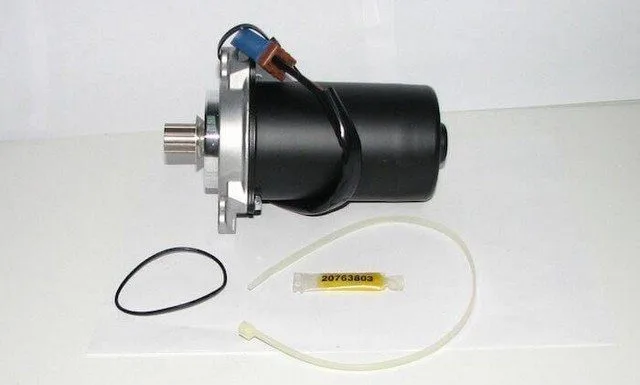
An Electric Power Steering Motor:
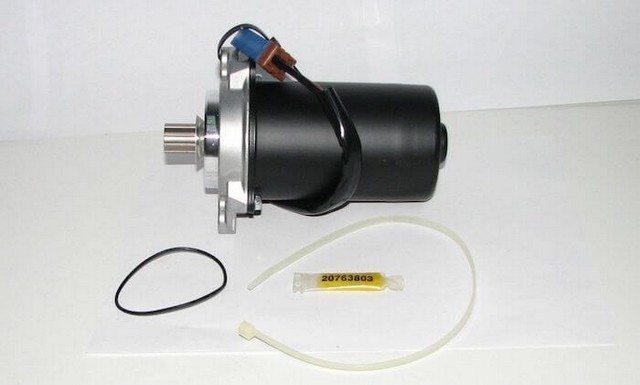

P0637 Electric Power Steering Motor
How Severe Is This DTC?

The severity of this code can vary greatly from a simple illuminated Check Engine light on a vehicle that operates normally to a stiff or irregular steering problem. Steering issues can become a safety concern when they do not receive immediate attention.
What Are Some of the Symptoms of the Code?

Symptoms of a P0637 trouble code may include:

Stiff or irregular steering
Noise when turning
Check Engine light illuminated

What Are Some of the Common Causes of the Code?

Causes

of this P0637 code may include:

Faulty power steering pressure switch
Faulty power steering position switch
Faulty power steering control
A broken Powertrain Control Module ground strap or ground wire
Insufficient fluid level or leak
Blown fuse or fusible link (if applicable)
Corroded or damaged connector
Faulty or damaged wiring
Faulty PCM

What Are the P0637 Troubleshooting Steps?

The first step in the troubleshooting process for any malfunction is to search for Technical Service Bulletins (TSBs) for the specific vehicle by year, model, and powertrain. In some circumstances, this can save a lot of time in the long run by pointing you in the right direction.

The second step is to check the power steering fluid level and look for any possible leaks that could negatively impact the pressure supplied to the power steering controller and associated components. Proper fluid pressure plays a key role in the operation of this circuit. Then locate all components of this circuit and perform a thorough visual inspection to check that the associated wiring does not show obvious defects such as scraping, rubbing, bare wires, or burn marks. Next, check the connectors for security, corrosion, and damaged pins. This process should include the power steering controller, associated sensors, switches, and the PCM. The condition of the Controller Area Network (CAN) is essential to this troubleshooting process as a damaged wiring harness makes it very difficult to identify faulty components.
Advanced Steps

Advanced steps become very vehicle-specific and require appropriate advanced equipment to perform accurately. These procedures require a digital multimeter and the vehicle-specific technical references. Voltage requirements vary depending on the specific year and model of the vehicle.
Voltage Checks

Specific troubleshooting guidelines must be referenced to determine the required voltage ranges in the power steering control circuit. Based on the configuration, several power steering components are incorporated. Power steering controllers, pressure switches, and position sensors require different voltages to operate correctly depending on the specific vehicle involved.

If this process identifies the absence of a power source or ground, continuity tests may be required to verify the integrity of the wiring, connectors, and other components. Continuity tests should always be performed with the power disconnected from the circuit, and normal readings for wiring and connections should be 0 ohms of resistance. Resistance or lack of continuity is an indication of faulty wiring that is open or shorted and must be repaired or replaced.
What Are the Common Repairs for This Code?

Replacing the power steering pressure switch
Replacing the power steering position switch
Replacing the blown fuse or fusible link (if applicable)
Repairing the power steering leak
Cleaning corrosion from connectors
Repairing or replacing faulty wiring
Replacing the power steering controller
Flashing or replacing the PCM

Note: Code P0637 often prevents
P0638 Throttle Actuator Control Range / Performance B1

What does it mean?

Some newer vehicles are equipped with drive-by-wire systems – where the throttle body is controlled by a sensor on the accelerator pedal, the powertrain control module / engine control module (PCM/ECM), and an electric actuator motor in the throttle body.

The PCM/ECM uses the throttle position sensor (TPS) to monitor the actual position of the throttle blade, and when the actual position is out of range compared to the target position, the PCM/ECM sets the DTC P0638. Row 1 refers to the side of the engine with cylinder number one, but most vehicles use a single throttle body for all cylinders. This code is similar to code P0639.

Most throttle bodies of this type are not repairable and must be replaced. The throttle body is spring-actuated to maintain an open position in case of motor failure; in some cases with a complete failure, the throttle will not respond and the vehicle will only be able to drive at a slow speed.

Note: If there are DTC codes associated with the throttle position sensor, be sure to correct them before diagnosing code P0638.

Symptoms

Symptoms of a P0638 trouble code may include:

  1. The engine light is on (malfunction indicator lamp)
  2. The vehicle may feel like it hesitates during acceleration

Potential causes of this DTC may include:

  • Malfunctioning pedal position sensor
  • Malfunctioning throttle position sensor
  • Malfunctioning throttle actuator motor
  • Dirty throttle body
  • Wiring harness, loose or dirty connections
  • PCM/ECM malfunction

Diagnostic/Repair Steps

Pedal Position Sensor – The pedal position sensor is located on the accelerator pedal. There are typically three wires used to determine the pedal position: a 5-volt reference supplied by the PCM/ECM, ground, and the sensor signal. A factory wiring diagram will be needed to determine which wire is used. Ensure the connection is secure and there are no loose wires in the harness. Check for proper grounding using a digital volt ohmmeter (DVOM) set to the ohms scale by connecting one wire to ground at the sensor connector and the other to chassis ground – the resistance should be very low. Check the 5-volt reference voltage from the PCM using the DVOM set to a volts scale with the positive lead at the harness connector and the negative lead on a known good ground with the key in the on or run position.

Check the reference voltage using the DVOM set to a volts scale with the red lead on the reference signal and the negative lead on a known good ground with the key in the on/run position – the signal voltage should increase as the accelerator pedal is pressed further. Typically, the voltage ranges from 0.5 volts with the pedal not pressed to 4.5 volts at wide-open throttle position. It may be necessary to also check the signal voltage at the PCM to determine if there is a voltage difference between the sensor and what the PCM reads. The position sensor signal should also be checked with a graphing multimeter or oscilloscope to determine if the voltage increases smoothly without interruption throughout the entire range of motion. If an advanced scan tool is available, the position sensor is usually displayed as a percentage of the desired throttle; ensure the desired value is similar to the actual pedal position.

Throttle Position Sensor – The throttle position sensor monitors the actual position of the throttle body blade. The throttle position sensor is located on the throttle body. There are typically three wires used to determine the pedal position: a 5-volt reference supplied by the PCM/ECM, ground, and the sensor signal. A factory wiring diagram will be needed to determine which wire is used. Ensure the connection is secure and there are no loose wires in the harness. Check for proper grounding using a digital volt ohmmeter (DVOM) set to the ohms scale by connecting one wire to ground at the sensor connector and the other to chassis ground – the resistance should be very low. Check the 5-volt reference voltage from the PCM using the DVOM set to a volts scale with the positive lead at the harness connector and the negative lead on a known good ground with the key in the on or run position.

Check the reference voltage using the DVOM set to the volts scale with the red lead on the reference signal and the negative lead on a known good ground with the key in the on/run position – the signal voltage should increase as the accelerator pedal is pressed further. Typically, the voltage ranges from 0.5 volts with the pedal not pressed to 4.5 volts at wide-open throttle position. It may be necessary to also check the signal voltage at the PCM to determine if there is a voltage difference between the sensor and what the PCM reads. The throttle position sensor signal should also be checked with a graphing multimeter or oscilloscope to determine if the voltage increases smoothly without interruption throughout the entire range of motion. If an advanced scan tool is available, the position sensor is usually displayed as a percentage of the actual throttle position; ensure the desired position value is similar to the commanded position value.

Throttle Actuator Motor – The PCM/ECM will send a signal to the throttle actuator motor based on the pedal position input and a predetermined output value depending on operating conditions. The pedal position is known as the desired input because the PCM/ECM controls the throttle blade position and may limit its performance under certain conditions. Most actuator motors are controlled by duty cycle. Check the correct resistance of the throttle actuator motor by disconnecting the harness connector using the DVOM set to the ohms scale with the positive and negative leads at each end of the motor terminals. The resistance should conform to factory specifications; if it is too high or too low, the motor may not move to the commanded position.

Check the wiring by testing the power supply using a factory wiring diagram to locate the appropriate wires. The power wire can be checked using the DVOM set to the volts scale with the positive lead on the power wire and the negative lead on a known good ground. The voltage should be close to battery voltage with the key in the on or run position; if there is a significant power loss, the wiring may be suspect and should be traced to determine where the voltage drop occurs. The signal wire is grounded through the PCM and turned on and off by a transistor. The duty cycle can be checked with a graphing multimeter or oscilloscope set to the duty cycle function with the positive lead spliced into the signal wire and the negative lead on a known good ground – a standard voltmeter will only display an average voltage, which may make it more difficult to determine if there are voltage interruptions over time. The duty cycle should match the percentage commanded by the PCM/ECM. It may be necessary to check the commanded duty cycle from the PCM/ECM using an advanced scan tool.

Throttle Body – Remove the throttle body and check for any obstructions or buildup of dirt or grease around the throttle blade that would prevent normal movement. A dirty throttle blade can prevent the throttle blade from responding properly when commanded to a certain position by the PCM/ECM.

PCM/ECM – After checking all other functions of the sensors and motor, the PCM/ECM can be checked for desired input, actual throttle position, and commanded motor position using an advanced scan tool that will display the input and output as percentages. If the values do not match the actual numbers obtained from the sensors and motor, there may be excessive resistance in the wiring. The wiring can be checked by disconnecting the sensor harness and the PCM/ECM harness using the DVOM set to the ohms scale with the positive and negative leads at each end of the harness.

It will be necessary to use a factory wiring diagram to locate the appropriate wires for each of the components. If the wiring has excessive resistance, the numbers displayed by the PCM/ECM may not match the desired input, target output, and actual output, and the trouble code will be set.

P0639 Throttle Actuator Control Range / Performance B2

What does it mean?

Some newer vehicles are equipped with drive-by-wire systems – where the throttle body is controlled by a sensor on the accelerator pedal, the powertrain control module/engine control module (PCM/ECM), and an electric actuator motor in the throttle body.

The PCM/ECM uses the throttle position sensor (TPS) to monitor the actual position of the throttle blade, and when the actual position is out of range compared to the target position, the PCM/ECM sets the DTC P0638. Row 2 refers to the side of the engine opposite cylinder number one. It is not common to use more than one throttle body, but some manufacturers have one throttle body for each engine row. All diagnostic procedures in this article refer specifically to this side of the engine only. This code is similar to code P0638; if both codes are present, suspect a wiring fault, lack of voltage, or a PCM/ECM issue.

Most throttle bodies of this type are not repairable and must be replaced. The throttle body is spring-actuated to maintain an open position in case of motor failure; in some cases with a complete failure, the throttle will not respond, and the vehicle can only be driven at a slow speed.

Note: If DTC codes are associated with the throttle position sensor, be sure to correct them before diagnosing code P0639.

Symptoms

Symptoms of a P0639 trouble code may include:

The engine light is on (malfunction indicator)
The vehicle may feel like it hesitates during acceleration

Causes

Potential causes of this DTC may include:

Malfunction of the pedal position sensor
Malfunction of the throttle position sensor
Malfunction of the throttle actuator motor
Dirty throttle body
Wiring harness, loose or dirty connections
PCM/ECM malfunction

Diagnostic/Repair Steps

Pedal Position Sensor – The pedal position sensor is located on the accelerator pedal. There are typically three wires used to determine the pedal position: a 5-volt reference provided by the PCM/ECM, ground, and the sensor signal. A factory wiring diagram will be needed to determine which wire is used. Ensure the connection is secure and there are no loose wires in the harness. Check for proper grounding using a digital volt ohmmeter (DVOM) set to the ohms scale by connecting one wire to ground at the sensor connector and the other to chassis ground – the resistance should be very low. Check the 5-volt reference voltage from the PCM using the DVOM set to a volts scale with the positive lead at the cable harness connector and the negative lead on a known good ground with the key in the on or run position.

Check the reference voltage using the DVOM set to the volts scale with the red lead on the reference signal and the negative lead on a known good ground with the key in the on/run position – the signal voltage should increase as the accelerator pedal is pressed further. Typically, the voltage ranges from 0.5 volts with the pedal not pressed to 4.5 volts in the wide-open throttle position. It may be necessary to also check the signal voltage at the PCM to determine if there is a voltage difference between the sensor and what the PCM reads. The position sensor signal should also be checked with a graphing multimeter or oscilloscope to determine if the voltage increases smoothly without interruption throughout the range of motion. If an advanced scan tool is available, the position sensor is usually displayed as a percentage of the desired throttle; ensure the desired value is similar to the actual pedal position.

Throttle Position Sensor – The throttle position sensor monitors the actual position of the throttle body blade. The throttle position sensor is located on the throttle body. There are typically three wires used to determine the pedal position: a 5-volt reference provided by the PCM/ECM, ground, and the sensor signal. A factory wiring diagram will be needed to determine which wire is used. Ensure the connection is secure and there are no loose wires in the harness. Check for proper grounding using a digital volt ohmmeter (DVOM) set to the ohms scale by connecting one wire to ground at the sensor connector and the other to chassis ground – the resistance should be very low. Check the 5-volt reference voltage from the PCM using the DVOM set to a volts scale with the positive lead at the cable harness connector and the negative lead on a known good ground with the key in the on or run position.

Check the reference voltage using the DVOM set to the volts scale with the red lead on the reference signal and the negative lead on a known good ground with the key in the on/run position – the signal voltage should increase as the accelerator pedal is pressed further. Typically, the voltage ranges from 0.5 volts with the pedal not pressed to 4.5 volts in the wide-open throttle position. It may be necessary to also check the signal voltage at the PCM to determine if there is a voltage difference between the sensor and what the PCM reads. The throttle position sensor signal should also be checked with a graphing multimeter or oscilloscope to determine if the voltage increases smoothly without interruption throughout the range of motion. If an advanced scan tool is available, the position sensor is usually displayed as a percentage of the actual throttle position; ensure the desired position value is similar to the commanded position value.

Throttle Actuator Motor – The PCM/ECM will send a signal to the throttle actuator motor based on the pedal position input and a predetermined output value depending on operating conditions. The pedal position is known as the desired input because the PCM/ECM controls the throttle blade position and may limit its performance under certain conditions. Most actuator motors are controlled by duty cycle. Check the correct resistance of the throttle actuator motor by disconnecting the harness connector using the DVOM set to the ohms scale with the positive and negative leads at each end of the motor terminals. The resistance should meet factory specifications; if it is too high or too low, the motor may not move to the commanded position.

Check the wiring by testing the power supply using a factory wiring diagram to locate the appropriate wires. The power wire can be checked using the DVOM set to the volts scale with the positive lead on the power wire and the negative lead on a known good ground. The voltage should be close to battery voltage with the key in the on or run position; if there is a significant power loss, the wiring may be suspect and should be traced to determine where the voltage drop occurs. The signal wire is grounded through the PCM and turned on and off by a transistor. The duty cycle can be checked with a graphing multimeter or oscilloscope set to the duty cycle function with the positive lead spliced into the signal wire and the negative lead on a known good ground – a standard voltmeter will only display an average voltage, which may make it more difficult to determine if there are voltage interruptions over time. The duty cycle should match the percentage commanded by the PCM/ECM. It may be necessary to check the commanded duty cycle from the PCM/ECM using an advanced scan tool.

Throttle Body – Remove the throttle body and check for any obstructions or buildup of dirt or grease around the throttle blade that would prevent normal movement. A dirty throttle blade can prevent the throttle blade from responding properly when commanded to a certain position by the PCM/ECM.

PCM/ECM – After checking all other functions of the sensors and motor, the PCM/ECM can be checked for desired input, actual throttle position, and commanded motor position using an advanced scan tool that will display input and output as a percentage. If the values do not match the actual numbers obtained from the sensors and motor, there may be excessive resistance in the wiring. The wiring can be checked by disconnecting the sensor harness and the PCM/ECM harness using the DVOM set to the ohms scale with the positive and negative leads at each end of the harness.

It will be necessary to use a factory wiring diagram to locate the appropriate wires for each of the components. If the wiring has excessive resistance, the numbers displayed by the PCM/ECM may not match the desired input, target output, and actual output, and the trouble code will be set.

P063A Alternator Voltage Circuit

What Does It Mean?

This is a generic diagnostic trouble code (DTC) that applies to many OBD-II vehicles (1996-newer). This may include, but is not limited to, vehicles from Jeep, Chrysler, Dodge, Ram, Cummins, Land Rover, Mazda, etc. Although generic, the exact repair steps may vary depending on the year, make, model, and powertrain configuration.
The OBDII fault code P063A is associated with the generator voltage sensing circuit. When the Powertrain Control Module (PCM) detects incorrect signals in the generator voltage sensing circuit, code P063A is set. Depending on the vehicle and the specific malfunction, the battery warning light, the check engine light, or both will be illuminated. Related fault codes associated with this circuit are P063A, P063B, P063C, and P063D.

The purpose of the generator voltage sensing circuit is to monitor the alternator and battery voltage during vehicle operation. The alternator’s output voltage must be at a level capable of compensating for the electrical load from components including the starter, lighting, and various other accessories. Furthermore, the voltage regulator must adjust the output to provide sufficient voltage to charge the battery.

Code P063A is set by the PCM when it detects a general malfunction in the generator (alternator) sensing circuit.

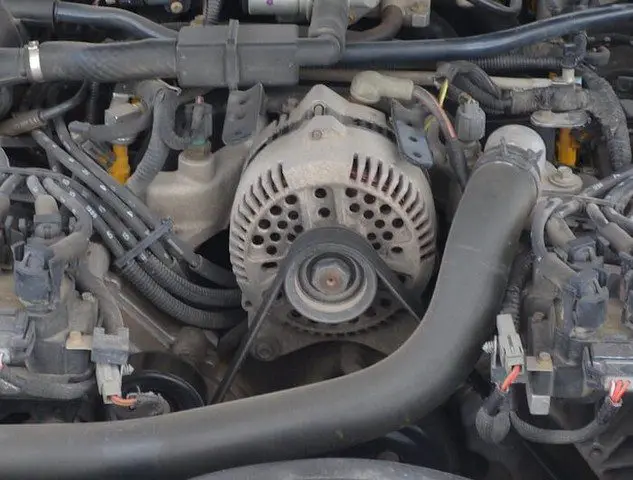
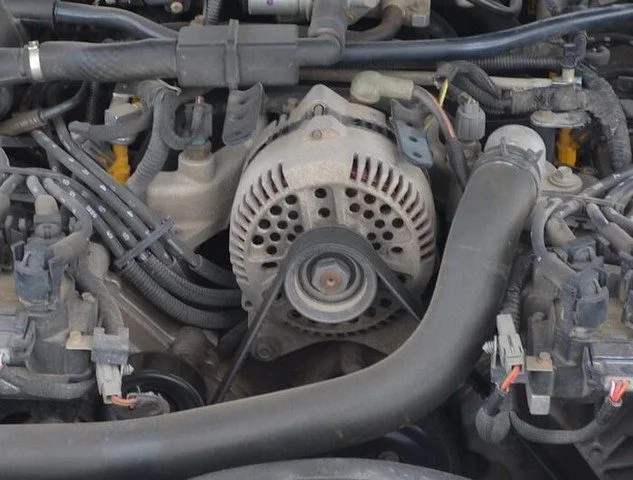
Example of an Alternator (Generator):


P063A Alternator
How Severe Is This DTC?

The severity of this code can vary greatly from a simple check engine light or battery warning light on a vehicle that starts and runs, to an automobile that does not start at all.
What Are Some of the Symptoms of the Code?

Symptoms of a P063A error code may include:

Battery warning light illuminated
Engine does not start
Engine will crank slower than normal
Check engine light illuminated

What Are Some of the Common Causes of the Code?

Causes

of this P063A code may include:

Faulty alternator
Faulty voltage regulator
Loose or damaged serpentine belt
Faulty serpentine belt tensioner
Blown fuse or fusible link (if applicable)
Corroded or damaged connector
Corroded or damaged battery cable
Faulty or damaged wiring
Faulty PCM
Faulty battery

What Are the P063A Troubleshooting Steps?

The first step in the troubleshooting process for any malfunction is to search for Technical Service Bulletins (TSBs) for the specific vehicle by year, model, and powertrain. In some circumstances, this can save you a lot of time in the long run by pointing you in the right direction.

The second step involves a thorough visual inspection to check that the associated wiring does not have obvious defects such as scraping, rubbing, exposed wires, or burn marks. Next, check the connectors and connections for security, corrosion, and damaged pins. This process should include all wiring connectors and connections to the battery, alternator, PCM, and voltage regulator. Some charging system configurations can be more complex, including relays, fusible links, and fuses in some circumstances. The visual inspection should also include the condition of the serpentine belt and belt tensioner. The belt should be tight with some deflection visible, and the tensioner should move freely and apply the appropriate amount of pressure to the serpentine belt. Depending on the vehicle and the charging system configuration, a faulty or damaged voltage regulator will require an alternator replacement in most circumstances.
Advanced Steps

Advanced steps become very vehicle-specific and require appropriate advanced equipment to perform accurately. These procedures require a digital multimeter and the vehicle-specific technical references. The ideal tool to use in this situation is a charging system diagnostic device, if available. Voltage requirements will be highly based on the specific year and model of the vehicle.
Voltage Checks

The battery voltage should be properly around 12 volts, and the alternator output should be higher to compensate for electrical loads and charge the battery as well. A lack of voltage indicates a faulty alternator, voltage regulator, or a wiring problem. If the alternator’s voltage output is within the appropriate range, it indicates that the battery needs to be replaced or that a wiring problem exists.

If this process identifies a lack of power supply or ground, continuity tests may be required to check the integrity of the wiring, alternator, voltage regulator, and other components. Continuity tests should always be performed with the power disconnected from the circuit, and normal readings for wiring and connections should be 0 ohms of resistance, unless otherwise indicated by the technical data. Resistance or lack of continuity is an indication of faulty wiring that is open or shorted and must be repaired or replaced.
What Are the Common Repairs for This Code?

Alternator replacement
Replacement of blown fuse or fusible link (if applicable)
Cleaning corrosion from connectors
Repairing or replacing wiring
Repairing or replacing battery cables or terminals
Replacing serpentine belt tensioner
Replacing serpentine belt
Replacing battery
Flashing or replacing PCM

Common mistakes may include:

Replacing the alternator, battery, or PCM when damaged wiring or another component is the problem

I hope the information contained in this article has helped point you in the right direction to fix the issue with your generator voltage sensing circuit fault code. This article is strictly informational, and the technical data and service bulletins specific to your vehicle should always take priority.

P063B Generator Voltage Sensing Circuit Range / Performance

What does it mean?

This is a generic diagnostic trouble code (DTC) and applies to many OBD-II vehicles (1996-newer). This may include, but is not limited to, vehicles from Jeep, Chrysler, Dodge, Ram, Cummins, Land Rover, Mazda, etc. Although generic, the exact repair steps may vary depending on the year, make, model, and powertrain configuration.

The OBDII trouble code P063B is associated with the generator voltage sensing circuit. When the Powertrain Control Module (PCM) detects incorrect signals in the generator voltage sensing circuit, the P063B code is set. Depending on the vehicle and the specific malfunction, the battery warning light, the check engine light, or both will be illuminated. Related trouble codes associated with this circuit are P063A, P063B, P063C, and P063D.

The purpose of the generator voltage sensing circuit is to monitor the alternator and battery voltage during vehicle operation. The alternator’s output voltage must be at a level capable of compensating for the electrical load from components, including the starter, lighting, and various other accessories. Additionally, the voltage regulator must adjust the output to provide sufficient voltage to charge the battery.

The P063B code is set by the PCM when it detects an out-of-range condition or a performance issue in the generator (alternator) sensing circuit.

Example of an alternator (generator):


P063B Alternator
How severe is this DTC?

The severity of this code can vary greatly, from a simple check engine light or battery warning light on a vehicle that starts and runs, to an automobile that does not start at all.
What are some of the symptoms of the code?

Symptoms of a P063B trouble code may include:

Battery warning light illuminated
Engine does not start
Engine cranks slower than normal
Check engine light illuminated

What are some common causes of the code?

Causes

of this P063B code may include:

Faulty alternator
Faulty voltage regulator
Loose or damaged serpentine belt
Faulty serpentine belt tensioner
Blown fuse or fusible link (if applicable)
Corroded or damaged connector
Corroded or damaged battery cable
Faulty or damaged wiring
Faulty PCM
Faulty battery

What are the troubleshooting steps for P063B?

The first step in the troubleshooting process for any malfunction is to search for Technical Service Bulletins (TSBs) for the specific vehicle by year, model, and powertrain. In some circumstances, this can save a lot of time in the long run by pointing you in the right direction.

The second step involves a thorough visual inspection to check that the associated wiring does not have obvious defects such as chafing, rubbing, exposed wires, or burn marks. Next, check the connectors and connections for security, corrosion, and damaged pins. This process should include all wiring connectors and connections to the battery, alternator, PCM, and voltage regulator. Some charging system configurations may be more complex, including relays, fusible links, and fuses in certain circumstances. The visual inspection should also include the condition of the serpentine belt and belt tensioner. The belt should be tight with some deflection visible, and the tensioner should move freely and apply the appropriate amount of pressure to the serpentine belt. Depending on the vehicle and the charging system configuration, a faulty or damaged voltage regulator will require alternator replacement in most circumstances.
Advanced Steps

Advanced steps become very vehicle-specific and require appropriate advanced equipment to perform accurately. These procedures require a digital multimeter and vehicle-specific technical references. The ideal tool to use in this situation is a charging system diagnostic device, if available. Voltage requirements will be highly dependent on the specific year and model of the vehicle.
Voltage Checks

The battery voltage should be properly at 12 volts, and the alternator output should be higher to compensate for electrical loads and to charge the battery as well. A lack of voltage indicates a faulty alternator, voltage regulator, or a wiring issue. If the alternator’s voltage output is within the appropriate range, this indicates that the battery needs to be replaced or that a wiring problem exists.

If this process identifies a missing power source or ground, continuity tests may be required to check the integrity of the wiring, alternator, voltage regulator, and other components. Continuity tests should always be performed with the power disconnected from the circuit, and normal readings for wiring and connections should be 0 ohms of resistance, unless otherwise specified by the technical data. Resistance or a lack of continuity is an indication of faulty wiring that is open or shorted and must be repaired or replaced.
What are the common repairs for this code?

Alternator replacement
Replacement of a blown fuse or fusible link

Low Voltage of Alternator Voltage Detection Circuit P063C

What does it mean?

This is a generic diagnostic trouble code (DTC) and applies to many OBD-II vehicles (1996-newer). This may include, but is not limited to, vehicles from Jeep, Chrysler, Dodge, Ram, Cummins, Land Rover, Mazda, etc. Although generic, the exact repair steps may vary depending on the year, make, model, and powertrain configuration.

The OBDII fault code P063C is associated with the generator voltage sensing circuit. When the Powertrain Control Module (PCM) detects inappropriate signals in the generator voltage sensing circuit, code P063C will be set. Depending on the vehicle and the specific malfunction, the battery warning light, the check engine light, or both will illuminate. Related fault codes associated with this circuit are P063A, P063B, P063C, and P063D.

The purpose of the generator voltage sensing circuit is to monitor the alternator and battery voltage during vehicle operation. The alternator’s output voltage must be at a level capable of compensating for the electrical load from components including the starter, lighting, and various other accessories. Furthermore, the voltage regulator must adjust the output to provide sufficient voltage to charge the battery.

Code P063C is set by the PCM when it detects a low voltage condition in the generator (alternator) sensing circuit.

How severe is this DTC?

The severity of this code can vary greatly from a simple check engine light or battery warning light on a vehicle that starts and runs, to an automobile that does not start at all.

What are some of the symptoms of the code?

Symptoms of a P063C fault code may include:

  • Battery warning light illuminated
  • Engine does not start
  • Engine will crank slower than normal
  • Check engine light illuminated

What are some of the common causes of the code?

Causes of this P063C code may include:

  • Faulty alternator
  • Faulty voltage regulator
  • Loose or damaged serpentine belt
  • Faulty serpentine belt tensioner
  • Blown fuse or fusible link (if applicable)
  • Corroded or damaged connector
  • Corroded or damaged battery cable
  • Faulty or damaged wiring
  • Faulty PCM
  • Faulty battery

What are the troubleshooting steps for P063C?

The first step in the troubleshooting process for any malfunction is to search for Technical Service Bulletins (TSBs) for the specific vehicle by year, model, and powertrain. In some circumstances, this can save you a lot of time in the long run by pointing you in the right direction.

The second step involves a thorough visual inspection to check that the associated wiring does not have obvious defects such as chafing, rubbing, bare wires, or burn marks. Next, check the connectors and connections for security, corrosion, and damaged pins. This process must include all wiring connectors and connections to the battery, alternator, PCM, and voltage regulator. Some charging system configurations can be more complex, including relays, fusible links, and fuses in some circumstances. The visual inspection should also include the condition of the serpentine belt and belt tensioner. The belt should be tight with some deflection visible, and the tensioner should move freely and apply the appropriate amount of pressure to the serpentine belt. Depending on the vehicle and charging system configuration, a faulty or damaged voltage regulator will require alternator replacement in most circumstances.

Advanced Steps

Advanced steps become very vehicle-specific and require appropriate advanced equipment to perform accurately. These procedures require a digital multimeter and vehicle-specific technical references. The ideal tool to use in this situation is a charging system diagnostic device, if available. Voltage requirements will be highly based on the specific year and model of the vehicle.

Voltage Checks

The battery voltage should be properly at 12 volts, and the alternator output should be higher to compensate for electrical loads and charge the battery as well. A lack of voltage indicates a faulty alternator, voltage regulator, or a wiring problem. If the alternator’s voltage output is within the appropriate range, it indicates that the battery needs to be replaced or that a wiring problem exists.

If this process identifies a lack of power supply or ground, continuity tests may be required to check the integrity of the wiring, alternator, voltage regulator, and other components. Continuity tests should always be performed with the power disconnected from the circuit, and normal readings for wiring and connections should be 0 ohms of resistance, unless otherwise indicated by technical data. Resistance or a lack of continuity is an indication of faulty wiring that is open or shorted and must be repaired or replaced.

What are the common repairs for this code?

  • Alternator replacement
  • Replacement of blown fuse or fusible link (if applicable)
  • Cleaning corrosion from connectors
  • Repairing or replacing wiring
  • Repairing or replacing battery cables or terminals
  • Replacing serpentine belt tensioner
  • Replacing serpentine belt
  • Replacing battery
  • Programming or replacing PCM

Common mistakes can include:

Replacing the alternator, battery, or PCM when damaged wiring or another component is the problem.

I hope the information in this article has helped point you in the right direction to correct the issue with your generator voltage sensing circuit fault code. This article is strictly informational, and the technical data and service bulletins specific to your vehicle should always take priority.

P063D High Alternator Voltage Detection Circuit

What Does It Mean?

This is a generic diagnostic trouble code (DTC) that applies to many OBD-II vehicles (1996-newer). This may include, but is not limited to, vehicles from Jeep, Chrysler, Dodge, Ram, Cummins, Land Rover, Mazda, etc. Although generic, the exact repair steps may vary depending on the year, make, model, and powertrain configuration.

The OBDII fault code P063D is associated with the generator voltage sensing circuit. When the Powertrain Control Module (PCM) detects incorrect signals in the generator voltage sensing circuit, code P063D is set. Depending on the vehicle and the specific malfunction, the battery warning light, the check engine light, or both will be illuminated. Related fault codes associated with this circuit are P063A, P063B, P063C, and P063D.

The purpose of the generator voltage sensing circuit is to monitor the alternator and battery voltage during vehicle operation. The alternator’s output voltage must be at a level capable of compensating for the electrical load from components including the starter, lighting, and various other accessories. Additionally, the voltage regulator must adjust the output to provide sufficient voltage to charge the battery.

Code P063D is set by the PCM when it detects a high electrical condition in the generator (alternator) sensing circuit.

Example of an Alternator (Generator):


P063D Alternator
How Severe Is This DTC?

The severity of this code can vary greatly from a simple check engine light or battery warning light on a vehicle that starts and runs, to an automobile that does not start at all.
What Are Some of the Symptoms of the Code?

Symptoms of a P063D fault code may include:

Battery warning light illuminated
Engine does not start
Engine cranks slower than normal
Check engine light illuminated

What Are Some of the Common Causes of the Code?

Causes

of this P063D code may include:

Faulty alternator
Faulty voltage regulator
Loose or damaged serpentine belt
Faulty serpentine belt tensioner
Blown fuse or fusible link (if applicable)
Corroded or damaged connector
Corroded or damaged battery cable
Faulty or damaged wiring
Faulty PCM
Faulty battery

What Are the P063D Troubleshooting Steps?

The first step in the troubleshooting process for any malfunction is to search for Technical Service Bulletins (TSBs) for the specific vehicle by year, model, and powertrain. In some circumstances, this can save a lot of time in the long run by pointing you in the right direction.

The second step involves a thorough visual inspection to check that the associated wiring does not have obvious defects such as scraping, rubbing, exposed wires, or burn marks. Next, check the connectors and connections for security, corrosion, and damaged pins. This process should include all wiring connectors and connections to the battery, alternator, PCM, and voltage regulator. Some charging system configurations can be more complex, including relays, fusible links, and fuses in some circumstances. The visual inspection should also include the condition of the serpentine belt and the belt tensioner. The belt should be tight with some deflection visible, and the tensioner should move freely and apply the appropriate amount of pressure to the serpentine belt. Depending on the vehicle and the charging system configuration, a faulty or damaged voltage regulator will require alternator replacement in most circumstances.
Advanced Steps

Advanced steps become very vehicle-specific and require appropriate advanced equipment to perform accurately. These procedures require a digital multimeter and vehicle-specific technical references. The ideal tool to use in this situation is a charging system diagnostic device, if available. Voltage requirements will be highly based on the specific year and model of the vehicle.
Voltage Checks

The battery voltage should be properly at 12 volts, and the alternator output should be higher to compensate for electrical loads and charge the battery as well. A lack of voltage indicates a faulty alternator, voltage regulator, or a wiring problem. If the alternator’s voltage output is within the appropriate range, it indicates that the battery needs to be replaced or a wiring problem exists.

If this process identifies a lack of power supply or ground, continuity tests may be required to check the integrity of the wiring, alternator, voltage regulator, and other components. Continuity tests should always be performed with the power disconnected from the circuit, and normal readings for wiring and connections should be 0 ohms of resistance, unless otherwise indicated by technical data. Resistance or lack of continuity is an indication of faulty wiring that is open or shorted and must be repaired or replaced.
What Are the Common Repairs for This Code?

Alternator replacement
Replacement of blown fuse or fusible link (if applicable)
Cleaning corrosion from connectors
Repairing or replacing wiring
Repairing or replacing battery cables or terminals
Serpentine belt tensioner replacement
Serpentine belt replacement
Battery replacement
Flashing or replacing PCM

Common mistakes may include:

Replacing the alternator, battery, or PCM when damaged wiring or another component is the problem

I hope the information contained in this article has helped point you in the right direction to fix the issue with your generator voltage sensing circuit fault code. This article is strictly informational, and the technical data and service bulletins specific to your vehicle should always take priority.

P063E Automatic Configuration Throttle Body Not Present

What does it mean?

This is a generic diagnostic trouble code (DTC) and applies to many OBD-II vehicles (1996-newer). This may include, but is not limited to, vehicles from Nissan, Toyota, Mazda, Hyundai, Kia, etc. Although generic, the specific repair steps may vary depending on the year, make, model, and powertrain configuration.

If your OBD-II equipped vehicle has stored a P063E code, it means that the Powertrain Control Module (PCM) has not detected an automatic configuration throttle input signal.

When the ignition switch is turned to the ON position and the various onboard controllers (including the PCM) are powered up, several self-tests are initiated. The PCM relies on input signals from engine sensors to automatically configure an engine start-up strategy and perform these self-tests. The throttle position is one of the key input signals required by the PCM for automatic configuration.

The Throttle Position Sensor (TPS) must provide the PCM (and other controllers) with a throttle input signal for automatic configuration purposes. The TPS is a variable resistance sensor mounted on the throttle body. The tip of the throttle plate shaft slides inside the TPS. When the throttle plate shaft is moved (via the accelerator cable or drive-by-wire system), it also moves a potentiometer inside the TPS and causes a change in the circuit’s resistance. The result is a change in the TPS signal circuit voltage to the PCM.

If the PCM fails to detect a throttle position input circuit when the ignition switch is placed in the ON position and the PCM is powered up, a P063E code will be stored and a Malfunction Indicator Lamp may be illuminated. The automatic configuration system may also be disabled; leading to serious driveability issues.

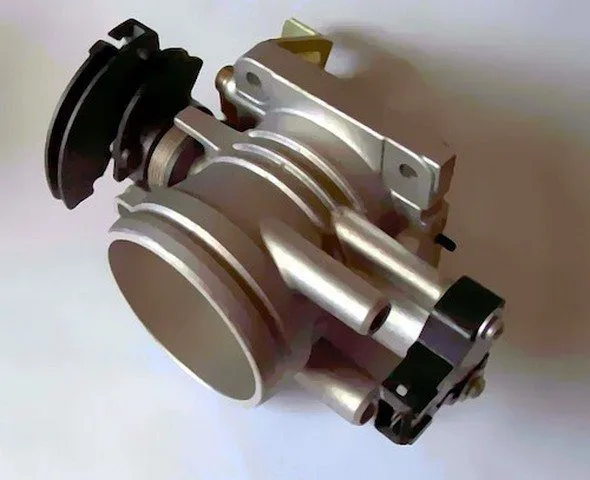
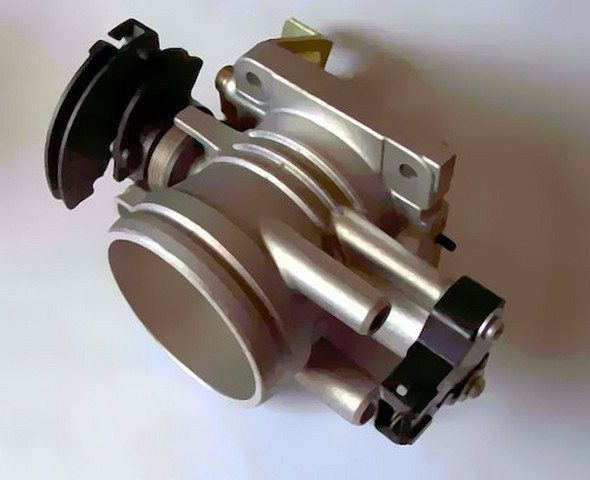
A typical throttle body:


P063E Throttle Body
How severe is this DTC?

Automatic configuration codes should be taken seriously as idle quality and engine starting driveability can be compromised. Classify a stored P063E code as severe and address it as such.
What are some of the symptoms of the code?

Symptoms of a P063E trouble code may include:

Rough engine idle (especially at startup)
Delayed engine starting
Driveability problems
Other TPS-related codes

What are some common causes of the code?

Causes

of this code may include:

Faulty TPS
Open or shorted circuit between the TPS and PCM
Corrosion in the TPS connector
PCM programming error or faulty PCM

What are the P063E troubleshooting steps?

If other TPS-related codes are present, diagnose and repair them before attempting to diagnose P063E.

A diagnostic scanner, a digital volt/ohmmeter (DVOM), and a reliable source of vehicle information will be needed to accurately diagnose a P063E code.

Consult your vehicle information source for applicable Technical Service Bulletins (TSBs). If you find one that matches the vehicle, symptoms, and codes you are dealing with, it may help in reaching a correct diagnosis.

I always start any code diagnosis by connecting the scanner to the vehicle’s diagnostic port and retrieving all stored codes and relevant freeze frame data. I like to note this information (or print it if possible) in case I need it later (once the codes are cleared). Then, I clear the codes and test-drive the vehicle until one of two scenarios occurs:

A. The code does not reset and the PCM enters readiness mode
B. The code resets

If scenario A occurs, you are dealing with an intermittent code and the conditions that caused it may need to worsen before an accurate diagnosis can be made.

If scenario B occurs, proceed to the steps listed below.
Step 1

Perform a visual inspection of all associated wiring and connectors. Check PCM power fuses and relays. Perform necessary repairs. If no issues are found, proceed to the next step.
Step 2

Obtain diagnostic flowcharts, wiring diagrams, connector face views, connector pinout diagrams, and component testing specifications/procedures from your vehicle information source.
Once you have the correct information, use the DVOM to test the TPS voltage, ground, and signal circuits.
Step 3

Start with a simple test of the voltage and ground signals at the TPS connector. If there is no voltage, use the DVOM to trace the circuit back to the appropriate terminal on the PCM connector. If there is no voltage at that pin, suspect a faulty PCM. If there is voltage at the PCM connector pin, repair the open circuit between the PCM and the TPS. If there is no ground, trace the circuit to the central ground location and perform necessary repairs. If ground and voltage are detected at the TPS connector, proceed to the next step.
Step 4

Although TPS data is accessible via the scanner’s data stream, live data from the TPS signal circuit can be collected using the DVOM. Live data is much more accurate than the data observed in the scanner’s data stream display. An oscilloscope can also be used to test the

P063F Engine Coolant Temperature Input Automatic Configuration Not Present

What does it mean?

This is a generic diagnostic trouble code (DTC) and applies to many OBD-II vehicles (1996-newer). This may include, but is not limited to, vehicles from Nissan, Toyota, Mazda, Hyundai, Kia, etc. Although generic, the exact repair steps may vary depending on the year, make, model, and powertrain configuration.

If your OBD-II equipped vehicle has stored a P063F code, it means that the Powertrain Control Module (PCM) has not detected an engine coolant temperature input signal for automatic configuration.

When the ignition is turned to the ON position and the various onboard controllers (including the PCM) are powered up, several self-tests are initiated. The PCM relies on input signals from engine sensors to automatically configure an engine start-up strategy and perform these self-tests. The engine coolant temperature is one of the primary input signals required by the PCM for automatic configuration.

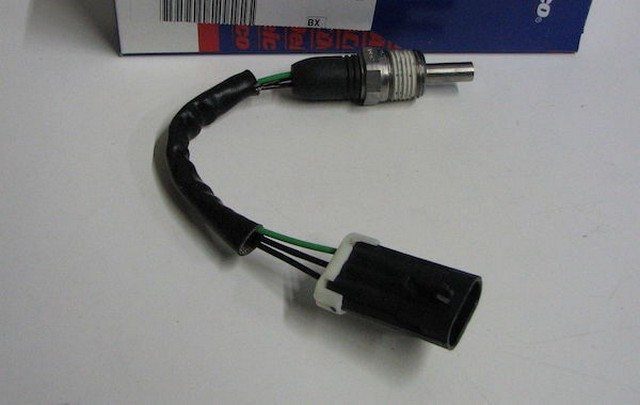
The Engine Coolant Temperature (ECT) sensor must provide the PCM (and other controllers) with an engine coolant temperature input signal for automatic configuration purposes. The ECT is a sensor made of brass, steel, or plastic with a thermistor (suspended in resin) inside its tip. The ECT is typically threaded into an engine coolant passage so that the tip is inserted into the passage. Engine coolant flows over the sensor’s tip and affects the thermistor inside. When the engine coolant warms up, the ECT sensor’s resistance decreases and the circuit voltage increases. When the engine coolant temperature decreases, the ECT sensor’s resistance increases and the circuit voltage decreases.

If the PCM fails to detect an ECT sensor input circuit when the ignition switch is turned to the ON position and the PCM is powered up, a P063F code will be stored, and a Malfunction Indicator Lamp may illuminate. The automatic configuration system may also be disabled, leading to severe driveability issues.

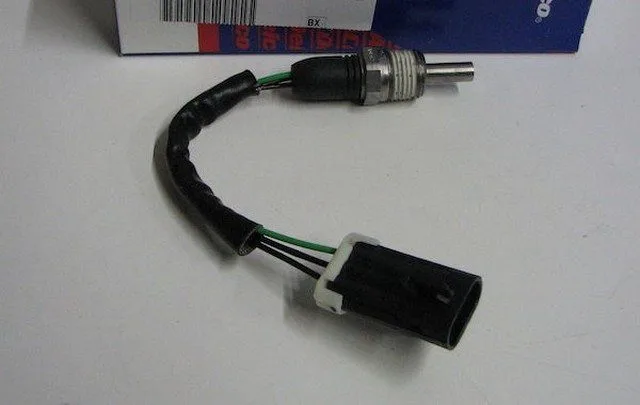
A typical engine coolant temperature sensor:


P063F Coolant Temperature Sensor

How severe is this DTC?

Automatic configuration codes should be taken seriously as engine idle quality and start-up driveability can be compromised. Classify a stored P063F code as severe and address it as such.

What are some of the symptoms of the code?

Symptoms of a P063F trouble code may include:

  • Rough engine idle (especially at start-up)
  • Delayed engine starting
  • Driveability issues
  • Other ECT-related codes

What are some common causes of the code?

Causes

of this code may include:

  • Faulty ECT sensor
  • Open or shorted circuit between the ECT sensor and the PCM
  • Corrosion in the ECT connector
  • PCM programming error or incorrect PCM

What are the P063F troubleshooting steps?

If other ECT-related codes are present, diagnose and repair them before attempting to diagnose P063F. Also, ensure the engine is filled with the proper coolant and is not overheating before testing.

A diagnostic scanner, a digital volt/ohmmeter (DVOM), an infrared thermometer with a laser pointer, and a reliable source of vehicle information will be necessary to accurately diagnose a P063F code.

Consult your vehicle information source for applicable Technical Service Bulletins (TSBs). If you find one that matches the vehicle, symptoms, and codes you are dealing with, it may help in making a correct diagnosis.

I always begin any code diagnosis by connecting the scanner to the vehicle’s diagnostic port and retrieving all stored codes and relevant freeze frame data. I like to note this information (or print it if possible) in case I need it later (once the codes are cleared). Then, I clear the codes and test-drive the vehicle until one of two scenarios occurs:

A. The code does not reset and the PCM enters a ready state
B. The code resets

If scenario A occurs, you are dealing with an intermittent code, and the conditions that caused it may need to worsen before an accurate diagnosis can be made.

If scenario B occurs, proceed to the steps listed below.
Step 1

Perform a visual inspection of all associated wiring and connectors. Check the PCM power fuses and relays. Perform necessary repairs. If no issues are detected, proceed to the next step.
Step 2

Obtain diagnostic flowcharts, wiring diagrams, connector face views, connector pinout diagrams, and component test specifications/procedures from your vehicle information source.
Once you have the correct information, use the DVOM to test the ECT voltage, ground, and signal circuits.
Step 3

Start with a simple test for voltage (typically 5 volts) and ground signals at the ECT connector. If there is no voltage, use the DVOM to trace the circuit back to the appropriate terminal on the PCM connector. If there is no voltage at that pin, suspect a faulty PCM. If there is voltage at the PCM connector pin, repair the open circuit between the PCM and the ECT sensor. If there is no ground, trace the circuit to the central ground location and perform necessary repairs. If ground and voltage are found at the ECT connector, proceed to the next step.
Step 4

Use the infrared thermometer to determine the actual engine coolant temperature. The scanner data stream will reveal what temperature (or voltage level) is being input to the PCM (if any). Compare the voltage-to-temperature information (found in your vehicle information source) to determine if the ECT sensor is functioning normally.

If the ECT sensor and all system circuits are functional, suspect a faulty PCM or a PCM programming error.

Many OBD-II equipped vehicles use multiple ECT sensors. One may be for the dashboard gauge and another for the PCM. Use your vehicle information source to ensure you are testing the correct ECT sensor.

P0640 Intake Air Heater Control Circuit

What does it mean?

This is a generic diagnostic trouble code (DTC) and applies to many OBD-II vehicles (1996-newer). This may include, but is not limited to, vehicles from Buick, Chevrolet, Ford, GMC, Mercedes-Benz, Opel, etc. Although generic, the exact repair steps may vary depending on the year, make, model, and powertrain configuration.

If a P0640 code has been stored in your OBD-II equipped vehicle, it means the Powertrain Control Module (PCM) has detected a malfunction in the intake air heater control circuit.

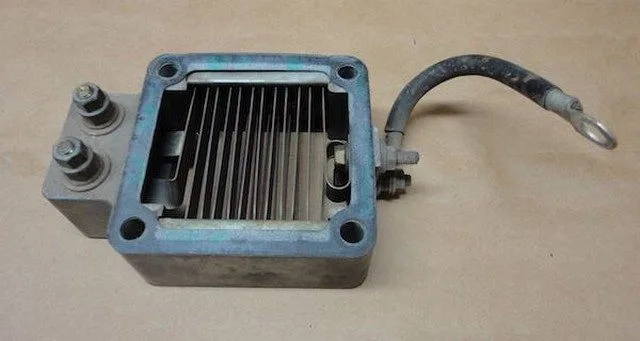
The intake air heater typically consists of a heating element that becomes operational when battery voltage is applied. Increasing the intake air temperature stabilizes fuel atomization and helps evaporate any moisture that may be present. Warmer intake air also promotes greater fuel efficiency.

The intake air heater element is a fixed metal grid that actually glows red when battery voltage is applied. With the intake air heater element being hot, intake air passes through and around it and is heated significantly.

The PCM uses data input from the Intake Air Temperature (IAT) sensors to determine if the intake air heater is operating correctly. The use of the intake air heater is limited. Vehicles that use an intake air heater typically have an IAT sensor before and after the heating element so the PCM can effectively monitor the intake air heater’s operation.

If the PCM detects no difference in the intake air temperature after it has passed through the intake air heater element, a P0640 code will be stored and a Malfunction Indicator Lamp (MIL) may be illuminated. In most cases, MIL illumination will require more than one ignition cycle in case of failure.

A typical intake air heater:


P0640 Intake Air Heater
How severe is this DTC?

Intake air temperature codes should be classified as severe and treated as such. A P0640 code may be accompanied by various driveability symptoms, especially when the engine is cold.
What are some of the symptoms of the code?

Symptoms of a P0640 trouble code may include:

Reduced fuel economy
Rough idle on cold start
Cold driveability issues
Other IAT codes

What are some of the common causes of the code?

Causes

of this code may include:

Faulty or disconnected Intake Air Temperature sensor
Faulty intake air heater relay or fuse
Shorted or open wiring or connectors
Burned out intake air heater element
Faulty PCM or PCM programming error

What are the P0640 troubleshooting steps?

You will need several tools to successfully diagnose a P0640 code.

A diagnostic scanner and a digital volt/ohmmeter (DVOM), as well as an infrared thermometer with a laser pointer, will be required. A reliable source of vehicle information will also be necessary.

You can use the vehicle information source to look for Technical Service Bulletins (TSBs) that match the vehicle, engine, symptoms, and codes displayed in your situation. If you find an applicable TSB, it may help you diagnose the P0640 code more quickly.

Use the vehicle information source to obtain diagnostic flowcharts, wiring diagrams, connector face views, connector pinout diagrams, component test procedures/specifications.

Start by connecting the scanner to the vehicle’s diagnostic port and retrieve all stored codes and relevant freeze frame data. Note this information in case you need it later (once the codes are cleared). Then, clear the codes and test drive the vehicle until one of two scenarios occurs:

A. The code does not reset and the PCM enters readiness mode
B. The code is reset

If scenario A occurs, you are dealing with an intermittent code and the conditions that caused it may need to worsen before an accurate diagnosis can be made.

If scenario B occurs, proceed to the steps listed below.
Step 1

Perform a visual inspection of all associated wiring and connectors. Check the intake air heater power fuses and relays. Perform necessary repairs. If no issues are detected, proceed to the next step.
Step 2

Use the diagnostic flowcharts, wiring diagrams, connector face views, connector pinout diagrams, and component test specifications/procedures from your vehicle information source to test the IAT sensor voltage, ground, and signal circuits.
Step 3

Activate the intake air heater system and locate the intake air heater connector. Check for battery voltage and a ground. If no voltage is detected, check the system fuses and relays following the manufacturer’s test procedures and specifications. If no ground is found, check the appropriate ground junction on the engine block or chassis. If the circuit is complete (battery voltage and ground), proceed to the next step.
Step 4

Begin by testing the sensor voltage (typically 5 volts) and ground at the IAT sensor connector. If there is no voltage, use the DVOM to trace the circuit back to the appropriate terminal on the PCM connector. If there is no voltage at that pin, suspect a faulty PCM. If there is voltage at the PCM connector pin, repair the open circuit between the PCM and the IAT sensor connector. If there is no ground, trace the circuit to the central ground location and perform necessary repairs. If ground and voltage are detected at the IAT sensor connector, proceed to the next step.
Step 5

Use the infrared thermometer to determine the actual intake air temperature (front and rear of the intake air heater element). The scanner data stream will reveal what temperature (or degree of voltage) is being input to the PCM. Compare the voltage to temperature information (found in your vehicle information source) to determine if the IAT sensor(s) are operating normally.

If the IAT and all system circuits are functional, suspect a faulty PCM or a PCM programming error.

If the scanner reveals an irrational IAT (such as -38 degrees when the ambient temperature is much warmer), suspect an open circuit situation has occurred
Disconnected IAT sensors are common after air filter element inspection/maintenance