P0623 Generator Lamp Control Circuit

What does it mean?

This is a generic diagnostic trouble code (DTC) and applies to many OBD-II vehicles (1996-newer). This may include, but is not limited to, vehicles from Ford, Lincoln, Chevrolet, GMC, Dodge, etc. Although generic, the exact repair steps may vary depending on the year, make, model, and powertrain configuration.

A stored P0623 code means that the Powertrain Control Module (PCM) has detected a malfunction in the generator lamp control circuit.

The generator lamp is located in the dashboard. Its main purpose is to warn the driver of potential charging system problems when it is illuminated.

The PCM typically monitors the continuity of the generator lamp control circuit whenever the engine is running. The generator lamp control circuit is an integral part of the generator’s operation and maintaining battery charge levels.

Whenever the ignition is turned on and the PCM is powered, several controller self-tests are performed. In addition to running internal controller self-tests, the Controller Area Network (CAN) is used to compare signals from each individual module to ensure that the various controllers interface correctly.

If a problem is detected in the monitoring of the generator lamp control circuit, a P0623 code will be stored and a Malfunction Indicator Lamp (MIL) may illuminate. Depending on the perceived severity of the malfunction, several failure cycles may be required for the MIL to illuminate.

Internal control module codes should always be taken seriously. A stored P0623 code could lead to various driving issues, including a no-start condition and/or a dead battery.

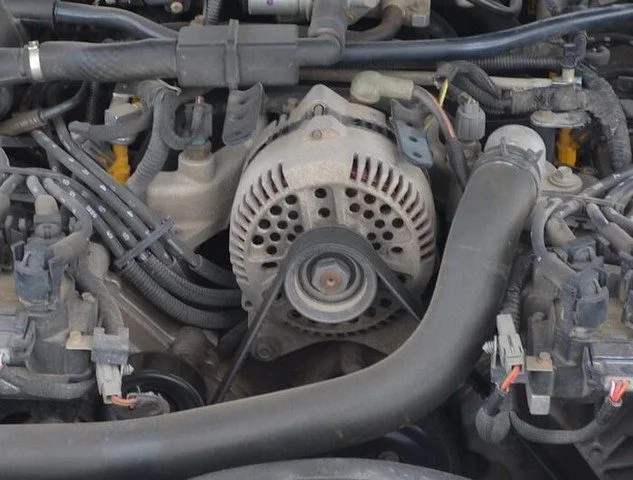
A typical alternator:
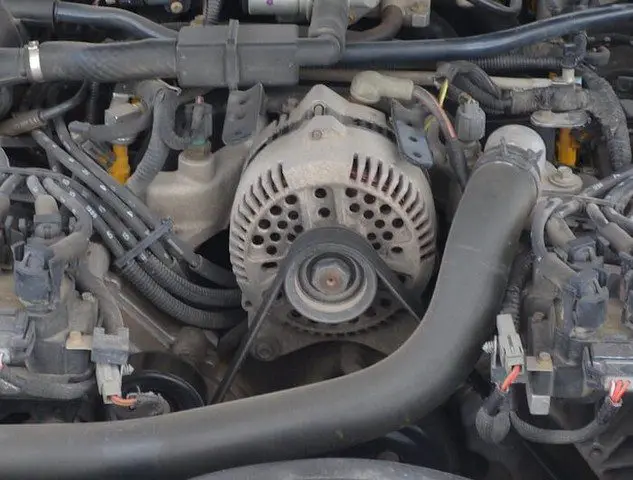

P0623 Alternator
What are some of the symptoms of the code?

Symptoms of a P0623 trouble code may include:

Engine driving problems
Engine idling roughly
Engine stalling inadvertently
Delayed engine starting
Other stored codes

What are some common causes of the code?

Causes

of this code may include:

Faulty PCM
PCM programming error
Open or shorted generator lamp control circuit
Excessive resistance in individual cells
Faulty alternator/generator
Faulty generator lamp bulb

What are the troubleshooting steps for P0623?

A diagnostic scanner, a battery/alternator tester, a digital volt/ohmmeter (DVOM), and a reliable source of vehicle information will be needed to diagnose a P0623 code.

Consult your vehicle’s information source for Technical Service Bulletins (TSBs) that match the stored code, the vehicle (year, make, model, and engine), and the symptoms presented. If you find the appropriate TSB, it may provide useful diagnostic information.

Start by connecting the scanner to the vehicle’s diagnostic port and retrieving all stored codes and freeze frame data. You’ll want to note this information, just in case the code proves to be intermittent. After recording all relevant information, clear the codes and test-drive the vehicle until the code resets or the PCM enters readiness mode. If the PCM enters readiness mode, the code is intermittent and will be more difficult to diagnose. The condition that caused the P0623 to be stored may even need to worsen before a diagnosis can be made. If the code resets, continue with your diagnosis.

Use the battery/alternator tester to test the battery and ensure it is sufficiently charged. If not, charge the battery as recommended and test the alternator/generator. Follow the manufacturer’s recommended specifications for minimum and maximum voltage output requirements for the battery and alternator. If the alternator/generator is not charging, proceed to the next step in your diagnosis.

Use your vehicle information source to obtain connector face views, connector pinout diagrams, component locators, wiring diagrams, and diagnostic flowcharts related to the code and the specific vehicle.

Check for battery voltage on the alternator/generator warning lamp circuit using the appropriate wiring diagram and your DVOM. If not, check the system fuses and relays and replace faulty parts as needed. If voltage is found at the generator warning lamp, suspect a faulty alternator/generator warning bulb.

If the alternator is charging, the alternator/generator warning lamp bulb is functioning correctly, and the P0623 continues to reset, use the DVOM to test the controller power fuses and relays. Replace blown fuses as needed. Fuses should be tested under load.

If all fuses and relays appear to be functioning as expected, a visual inspection of the wiring and harnesses related to the controller is necessary. You will also want to check the chassis and engine ground connections. Use your vehicle information source to obtain ground locations for the related circuits. Use the DVOM to test ground integrity.

Visually inspect the system controllers for signs of water, heat, or collision damage. Any damaged controller, especially by water, should be considered faulty.

If the controller power and ground circuits are intact, suspect a faulty controller or a controller programming error. Replacing the controller will require reprogramming. In some cases, you can purchase pre-programmed controllers from aftermarket sources. Other vehicles/controllers will require on-board reprogramming that can only be performed by a dealer or other qualified source.

If the charge lamp does not illuminate during key-on engine-off (KOEO) conditions, suspect a faulty generator warning lamp bulb
Test the controller ground integrity by connecting the DVOM’s negative test lead to ground and the positive test lead to battery voltage
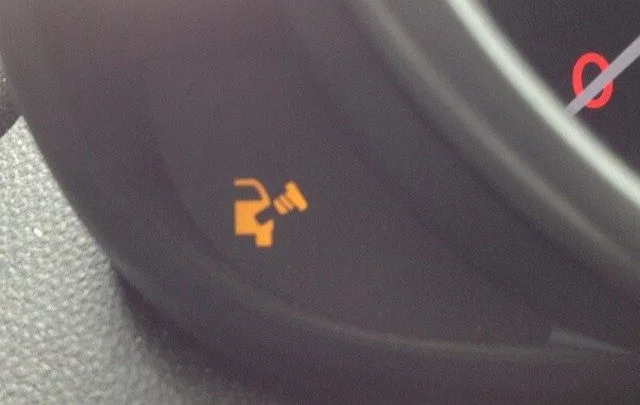
Fuel Cap Lamp Control Circuit

What does it mean?

This is a generic diagnostic trouble code (DTC) and applies to many OBD-II vehicles (1996-newer). This may include, but is not limited to, vehicles from Ford, Kia, Chevrolet, GMC, Hyundai, etc. Although generic, the exact repair steps may vary depending on the year, make, model, and powertrain configuration.

A stored P0624 code means that the Powertrain Control Module (PCM) has detected a malfunction in the fuel cap lamp control circuit.

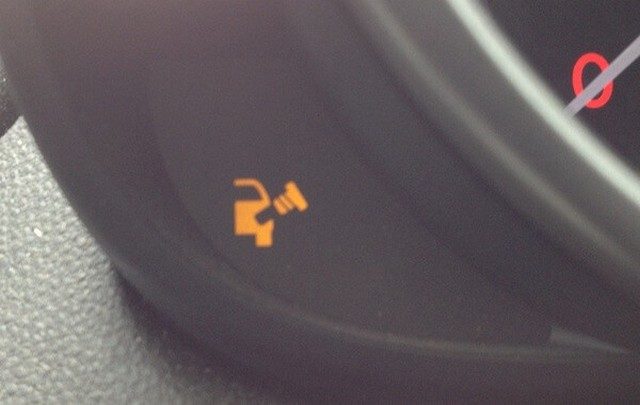
The fuel cap lamp is located on the dashboard. Its main purpose is to warn the driver of a loose or missing fuel cap when it is illuminated.

The operation of the fuel warning lamp is controlled by the PCM. Using input signals from the fuel tank pressure sensor and other sensors, the PCM determines if the fuel cap is properly installed in the fuel filler neck. If the PCM determines that the cap is loose or missing, the fuel cap lamp should be triggered to illuminate.

The PCM typically monitors the continuity of the fuel cap lamp control circuit whenever the engine is running.

Whenever the ignition is turned on and the PCM is powered, several controller self-tests are performed. In addition to running internal controller self-tests, the Controller Area Network (CAN) is used to compare signals from each individual module to ensure that the various controllers interface correctly.

If a problem is detected in the monitoring of the fuel cap lamp control circuit, a P0624 code will be stored and a Malfunction Indicator Lamp (MIL) may illuminate. Depending on the perceived severity of the malfunction, multiple failure cycles may be required for the MIL to light up.

Check the gas cap warning light
P0624 Gas Cap Check Light


How severe is this DTC?

A stored P0624 code should be addressed with some urgency. A loose or missing fuel cap can lead to fuel contamination in addition to allowing harmful fuel vapors to be released into the atmosphere.
What are some of the symptoms of the code?

Symptoms of a P0624 trouble code may include:

  • Reduced fuel efficiency
  • Deactivation of the evaporative emissions system
  • Other stored codes

What are some common causes of the code?

Causes of this code may include:

  • Faulty PCM
  • PCM programming error
  • Open or shorted fuel cap lamp control circuit
  • Faulty, loose, or missing fuel cap
  • Defective fuel cap warning light bulb

What are the troubleshooting steps for P0624?

A diagnostic scanner, a digital volt/ohmmeter (DVOM), and a reliable source of vehicle information will be needed to diagnose a P0624 code.

Consult your vehicle’s information source for Technical Service Bulletins (TSBs) that match the stored code, the vehicle (year, make, model, and engine), and the symptoms presented. If you find the appropriate TSB, it may provide useful diagnostic information.

Start by connecting the scanner to the vehicle’s diagnostic port and retrieving all stored codes and freeze frame data. You’ll want to note this information, just in case the code proves to be intermittent. After recording all relevant information, clear the codes and test-drive the vehicle until the code resets or the PCM enters readiness mode. If the PCM enters readiness mode, the code is intermittent and will be more difficult to diagnose. The condition that caused the P0624 to be stored may even need to worsen before a diagnosis can be made. If the code resets, continue with your diagnosis.

Use your vehicle information source to obtain connector face views, connector pinout diagrams, component locators, wiring schematics, and diagnostic flowcharts related to the code and the specific vehicle.

If all fuses and relays appear to be functioning as expected, a visual inspection of the wiring and harnesses related to the controller is necessary. You should also check the chassis and engine ground connections. Use your vehicle information source to obtain ground locations for the related circuits. Use the DVOM to test the integrity of the ground.

Visually inspect the system controllers for signs of water, heat, or collision damage. Any damaged controller, especially by water, should be considered faulty.

If the controller’s power and ground circuits are intact, suspect a faulty controller or a controller programming error. Replacing the controller will require reprogramming. In some cases, you can purchase pre-programmed controllers through aftermarket sources. Other vehicles/controllers will require on-board reprogramming that can only be performed by a dealer or another qualified source.

If the fuel tank cap warning light does not illuminate during Key On Engine Off (KOEO) operation, suspect a faulty fuel tank cap warning light bulb.
Test the integrity of the controller ground by connecting the DVOM’s negative test lead to ground and the positive test lead to battery voltage.

P0625 Generator Field / F Terminal Circuit Low

What does it mean?

This is a generic diagnostic trouble code (DTC) and applies to many OBD-II vehicles (1996-newer). This may include, but is not limited to, vehicles from Ford, Hyundai, Mercedes Benz, Sprinter, Land Rover, Kia, etc. Although generic, the exact repair steps may vary depending on the year, make, model, and powertrain configuration.

A stored P0625 code means that the Powertrain Control Module (PCM) has detected a voltage signal lower than expected from the generator field coil circuit. The F simply reiterates that the field coil control circuit is faulty.

The field coil is probably most recognizable by its windings, which are visible through the ventilation holes of most alternators. The field coil surrounds the generator armature and remains stationary in the alternator housing. The armature rotates inside the field coil, which is powered by battery voltage. Every time the engine starts, the field coil is energized.

The PCM monitors the continuity and voltage level of the generator field circuit whenever the engine is running. The generator field coil is an integral part of the generator’s operation and maintaining battery charge levels.

If a problem is detected in the monitoring of the generator field circuit, a P0625 code will be stored and a Malfunction Indicator Lamp (MIL) may be illuminated. Depending on the perceived severity of the malfunction, several failure cycles may be required for the MIL to illuminate.

A typical alternator:


P0625 Alternator
How severe is this DTC?

A stored P0625 code could lead to various driving problems, including a no-start condition and/or a dead battery. It should be classified as severe.
What are some of the symptoms of the code?

Symptoms of a P0625 trouble code may include:

  • Charging system lamp illumination
  • Engine performance issues
  • Inadvertent engine stalling
  • Delayed engine starting
  • Other stored codes

What are some common causes of the code?

Causes of this code may include:

  • Open or shorted generator field control circuit
  • Blown fuse or burned fusible link
  • Faulty alternator/generator
  • Faulty PCM
  • PCM programming error

What are the troubleshooting steps for P0625?

A diagnostic scanner, a battery/alternator tester, a digital volt/ohmmeter (DVOM), and a reliable source of vehicle information will be needed to diagnose a P0625 code.

Consult your vehicle information source for Technical Service Bulletins (TSBs) that match the stored code, the vehicle (year, make, model, and engine), and the symptoms presented. If you find the relevant TSB, it may provide useful diagnostic information.

Start by connecting the scanner to the vehicle’s diagnostic port and retrieving all stored codes and freeze frame data. You’ll want to note this information, just in case the code proves to be intermittent. After recording all relevant information, clear the codes and test-drive the vehicle until the code resets or the PCM enters readiness mode. If the PCM enters readiness mode, the code is intermittent and will be more difficult to diagnose. The condition that caused the P0625 to be stored may even need to worsen before a diagnosis can be made. If the code resets, continue with your diagnosis.

Use the battery/alternator tester to check the battery charge and ensure it is sufficiently charged. If not, charge the battery as recommended and test the alternator/generator. Follow the manufacturer’s recommended specifications for minimum and maximum voltage output requirements for the battery and alternator. If the alternator/generator is not charging, proceed to the next step of your diagnosis.

Use your vehicle information source to obtain connector face views, connector pinout diagrams, component locators, wiring diagrams, and diagnostic flowcharts related to the code and the specific vehicle.

Check for battery voltage at the alternator/generator field control circuit using the appropriate wiring diagram and your DVOM. If not present, check the system fuses and relays and replace faulty components as needed. If voltage is found at the generator field coil control terminal, suspect a faulty alternator/generator.

The field coil is an integral part of the alternator and generally cannot be replaced separately.

P0626 Generator F Terminal Field Circuit High

Code P0626: Definition and Implications

The P0626 code is a generic OBD-II code indicating a malfunction in the generator field control circuit. This fault occurs when the Powertrain Control Module (PCM) detects an abnormally high voltage in this circuit.


Code Severity

  • Classified as severe: This code can lead to a complete charging system failure, causing battery drain, a no-start condition, or engine stalling. Prompt attention is required.


Common Symptoms

  • Illumination of the charging system warning light (battery icon) on the dashboard.

  • Starting problems (slow cranking or delayed start).

  • Unexpected stalling or unstable idle.

  • Decreased engine performance.

  • Presence of other error codes related to the electrical system.


Possible Causes

  1. Electrical Issues:

    • Short circuit or open circuit in the field coil wiring.

    • Blown fuse or damaged fuse link.

  2. Mechanical Failures:

    • Faulty alternator (worn or damaged field coil).

    • Poor connection between the alternator and the PCM.

  3. PCM Anomalies:

    • Internal PCM failure.

    • PCM software programming error.


Diagnostic Procedure

Required Tools:

  • OBD-II scanner

  • Digital Multimeter (DVOM)

  • Battery/alternator tester

  • Vehicle technical documentation (wiring diagrams, TSBs)


Key Steps

  1. Preliminary Check:

    • Consult Technical Service Bulletins (TSBs) for known fixes related to code P0626 and the vehicle model.

  2. Code and Data Analysis:

    • Use the scanner to retrieve all stored codes and freeze frame data. Record them before clearing.

    • If the code is intermittent, test drive the vehicle until it reappears.

  3. Battery and Alternator Test:

    • Measure the battery voltage (12.6 V with engine off, ~13.5–14.5 V with engine running).

    • Check the alternator output with a dedicated tester. If the voltage is out of specifications, suspect a faulty alternator.

  4. Electrical Inspection:

    • Check the fuses and relays associated with the field circuit (refer to wiring diagrams).

    • Using the DVOM, check the continuity and voltage on the generator field control circuit.

      • No voltage: Problem with fuse, wiring, or PCM.

      • Correct voltage: Alternator is likely faulty.

  5. Alternator Diagnosis:

    • Remove the alternator and visually inspect the field coil (for burns, damaged insulation).

    • Test the coil resistance with an ohmmeter (normal values: 2–10 Ω, depending on model).

  6. PCM Verification:

    • If no faults are detected elsewhere, suspect a PCM failure or a required software update.


Recommended Solutions

  • Replace the alternator if the field coil is damaged (usually not repairable separately).

  • Repair the wiring or replace faulty fuses/relays.

  • Update or replace the PCM as a last resort, after eliminating other causes.


Precautions and Tips

  • Do not ignore any associated codes: Faults in other systems (e.g., battery sensor) can influence this code.

  • Avoid long trips with this code active: Risk of complete battery failure.

  • Always consult manufacturer data for exact electrical specifications.


In summary: Code P0626 indicates a critical problem in the charging system. A methodical diagnosis, focused on the alternator and its control circuit, is essential to avoid costly breakdowns.

Fuel Pump Control Circuit A / Open

What does this mean?

The P0627 code is a generic OBD-II powertrain diagnostic trouble code (DTC), meaning it can apply to many vehicles (Ford, Dodge, Toyota, etc.) built after 1996. It indicates a problem in the fuel pump control “A” circuit, typically caused by damaged wires or connectors.

  • Affected Modules: The Powertrain Control Module (PCM) or Engine Control Module (ECM) detects this code, but other modules may also be involved (Alternative Fuel Control Module, Fuel Injection Control Module, Turbo Control Module).
  • Code Triggering: The code may appear immediately after the ECM detects the fault, or after several driving cycles, depending on the vehicle model.

Severity of the Problem

This code is considered moderately severe. It is not recommended to drive with this code active, as it can lead to irregular fuel supply and damage the engine.

Common Symptoms

  • Check Engine Light on
  • Difficulty starting the engine
  • Engine misfires or stalling
  • Engine starts, then stops
  • Increased fuel consumption
  • Engine cranks but does not start
  • Engine stops at operating temperature

Possible Causes

  • Faulty fuel pump
  • Cut or damaged ground wire
  • Loose ground strap
  • Open, shorted, or corroded wiring (CAN bus)
  • Faulty CAN bus
  • Poorly secured wiring
  • High resistance in the circuit (melted connectors, corrosion)

Troubleshooting Steps

  1. Check for TSBs: Consult Technical Service Bulletins (TSBs) for your vehicle.
  2. OBD-II Diagnosis: Use an OBD-II scanner to check for error codes and module status.
  3. Visual Inspection: Check connectors and wiring, especially near the fuel tank.
  4. Ground Circuit Check: Use a separate battery ground to test ground circuits.
  5. Control Circuit Test: Use a wiring diagram and a multimeter to check circuit continuity and resistance.
  6. Power Probe Tool: Using a power probe tool is highly recommended.

Related Fuel Pump Control Circuit A Codes

  • P0627: Fuel Pump Control “A” Circuit / Open
  • P0628: Fuel Pump Control “A” Circuit Low
  • P0629: Fuel Pump Control “A” Circuit High
  • P062A: Fuel Pump Control “A” Circuit Range / Performance

Fuel Pump Control Circuit A Low

What is code P0628?
This is a generic OBD-II (powertrain) code applicable to most post-1996 vehicles (Ford, Dodge, Toyota, Chrysler, Jeep, Ram, Chevrolet, Nissan, Mitsubishi, Mercedes, etc.). It indicates a problem in the fuel pump control circuit “A”, specifically a low voltage situation detected.

Main Causes:

  • Damaged wires or connectors in the circuit or the CAN (Controller Area Network) bus.

  • Problem with the fuel pump itself.

  • Cut or damaged ground wire at the control module.

  • Unsecured ground strap in the control module.

  • Open, shorted, or corroded wiring in the CAN bus.

  • Faulty CAN bus.

  • Loose harness causing chafing or broken circuits.

  • High resistance in the circuit (melted/corroded connectors, internal wire corrosion).

Modules Likely to Trigger the Code:

  • Powertrain Control Module (PCM) or Engine Control Module (ECM).

  • Alternative Fuel Control Module.

  • Fuel Injection Control Module.

  • Turbo Control Module.

Common Symptoms:

  • Check Engine Light (CEL) illuminated.

  • Engine does not start.

  • Engine misfires/stalling.

  • Engine starts but stalls immediately.

  • Reduced fuel economy.

  • Engine cranks but does not start.

  • Engine stalls once at operating temperature.

Severity:
Moderately serious problem. Although the vehicle may sometimes run, it is strongly advised against using it. An erratic fuel supply can cause severe engine damage.

Associated Codes:

  • P0627: Fuel Pump Control Circuit “A” – Open

  • P0628: Fuel Pump Control Circuit “A” – Low (this code)

  • P0629: Fuel Pump Control Circuit “A” – High

  • P062A: Fuel Pump Control Circuit “A” Range/Performance

Diagnostic (Troubleshooting) Steps:

  1. Consult Technical Service Bulletins (TSBs): Check TSBs specific to your vehicle’s year, model, and engine for known solutions or specific procedures.

  2. Module Scan & Visual Inspection:

    • Use an OBD-II scanner to read codes from all modules and assess the general electrical state.

    • Visually inspect connectors and wiring related to the fuel pump, CAN bus, and relevant modules (often located near the fuel tank). Look for obvious damage, corrosion, or loose wires.

  3. Check Grounds:

    • Thoroughly examine the ground circuits of the involved modules (fuel pump, etc.).

    • Test using a temporary auxiliary battery ground. If the problem disappears with the auxiliary ground but returns with the original ground, the OEM ground cable is faulty.

    • Inspect ground points for corrosion (e.g., green ring on the battery + terminal). Clean or replace corroded components.

  4. Check Control Circuit “A”:

    • Identify the precise circuit using a wiring diagram from the service manual.

    • Look for breaks (open circuit) by physically tracing the wire or measuring its continuity/resistance with a multimeter.

    • Look for short circuits or abnormally high resistance in the circuit using the multimeter.

    • Use a power probe to inject current and locate internal faults in the circuit.

    • Repair damaged wires by soldering or using sealed butt connectors (with heat shrink tubing).

Important:

  • The code may activate after several drive cycles or immediately.

  • The absence of an immediate check engine light does not mean the problem is resolved; check after a few days of use.

  • This article is strictly informative. Vehicle-specific technical data and manufacturer service manual procedures should always take priority.


Concise Summary (optional):

P0628 = Fuel Pump Control Circuit “A” – Low Voltage.
Problem: Damaged wires/connectors (especially CAN bus), faulty pump, poor grounds.
Risk: Engine may stall or be damaged → Do not drive.
Diagnosis:

  1. Check manufacturer TSBs.

  2. Scan modules + visual inspection of cables/connectors.

  3. Check grounds (corrosion, connection).

  4. Test control circuit “A” (diagram, continuity, resistance).
    ALWAYS consult the vehicle-specific service manual.

Fuel Pump A Control Circuit High

What does it mean?

This is a generic powertrain diagnostic trouble code (DTC) that applies to many OBD-II vehicles (1996-newer). This may include, but is not limited to, vehicles from Ford, Dodge, Toyota, Chrysler, Jeep, Ram, Chevrolet, Nissan, Mitsubishi, Mercedes, etc. Although generic, the exact repair steps may vary depending on the year, make, model, and powertrain configuration.

If the P0629 code appears, it means a problem has been found in the fuel pump control circuit “A”. More specifically, it means that a voltage situation higher than normal has been detected. Typically, it is caused by damaged wires/connectors in the circuit or the CAN (Controller Area Network) bus. The Powertrain Control Module (PCM) or Engine Control Module (ECM) normally identifies this code, but other support modules may also trigger this particular code, such as:

Alternative Fuel Control Module
Fuel Injection Control Module
Turbo Control Module

Depending on the vehicle’s make and model, it may take several drive cycles before this code can be activated, or it may also be an immediate reaction as soon as the ECM recognizes the fault.

The fuel pump is an integral part of the vehicle’s overall operation. After all, without the fuel pump, no fuel would be delivered to the engine. The control circuit is generally responsible for turning the pump on and off based on the operator’s needs. An open in said circuit could also result in the P0629 code being triggered, so be aware of that before proceeding with any type of diagnosis.

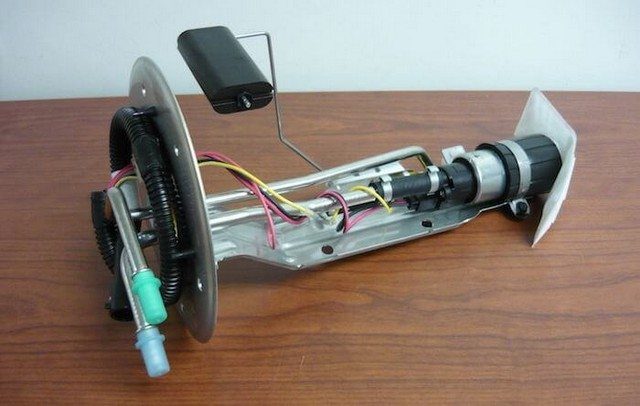
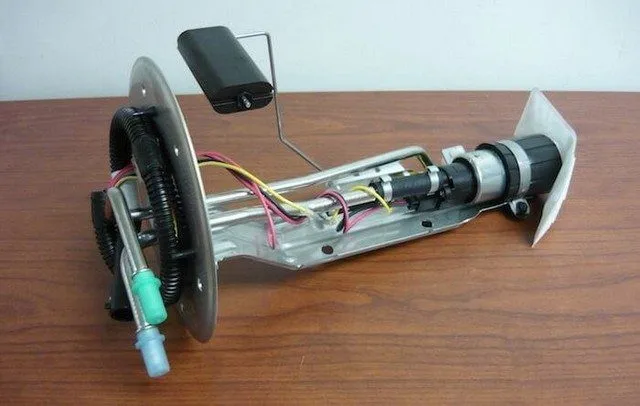
A typical fuel pump:


P0629 Fuel Pump

Fuel Pump Control Circuit A codes include:

P0627 Fuel Pump Control Circuit “A” / Open
P0628 Fuel Pump Control Circuit “A” Low
P0629 Fuel Pump Control Circuit “A” High
P062A Fuel Pump Control Circuit “A” Range/Performance

How severe is this DTC?

This particular fault code is a moderately serious problem for your vehicle. You can still use your vehicle despite the issue. However, it is highly discouraged to do so, as you risk intermittently supplying fuel to the engine, and an erratic or fluctuating fuel mixture could definitely lead to serious engine damage.
What are some of the symptoms of the code?

Symptoms of a P0629 fault code may include:

Check Engine Light is on
Engine does not start
Engine misfires/stalling
Engine starts but dies
Fuel economy is reduced
Engine cranks but does not start
Engine dies when reaching operating temperature

Note: It is always possible that the problem is not resolved, even if the Check Engine Light does not come on immediately. Always ensure your vehicle has undergone a few drive cycles, i.e., drive the car for a week; if the CEL (Check Engine Light) is not on by the end, the problem is most likely resolved.
What are some of the common causes of the code?

Causes

of this code may include:

Problems with the fuel pump itself
Cut or damaged ground wire in the device control module
Unsecured ground strap in the control module
Open, shorted, or corroded wiring in the CAN bus
A faulty CAN bus
Unsecured harness and wires causing chafing or a broken circuit
High resistance in the circuit (e.g., melted/corroded connectors, internal wire corrosion)

What are the P0629 troubleshooting steps?

The first thing I recommend you do is look for Technical Service Bulletins (TSBs) for the specific vehicle by year, model, and powertrain. In some circumstances, this can save you a lot of time in the long run by pointing you in the right direction.
Basic Step 1

You should always immediately scan and test each module using an OBD-II scanner to get a good idea of the general electrical state of your vehicle and its modules. You should also always perform a visual inspection of the connectors and wiring, in case something is obviously damaged, in which case it should be repaired or replaced. Often, these are located under the vehicle near the fuel tank. They are sensitive to road debris and the elements, so pay close attention to their condition.
Basic Step 2

When dealing with a component with its own module (e.g., fuel pump module, etc.), you should examine the ground circuits. You can do this using a separate battery ground. Sometimes you can do this easily using an auxiliary ground cable. If your problem is resolved with the auxiliary ground attached but returns when the OEM ground is used, it means your ground cable is the source of the problem and needs to be repaired or replaced. Grounds should always be carefully inspected for corroded connections, terminals, pins, etc., that could cause circuit resistance. A good sign of excessive corrosion is a green ring around the connector attached to the battery’s positive terminal. If this is present, remove the terminal and clean all contact points, the connector face, and the terminal/stud.
Basic Step 3

Since the cause of the P0629 code could be an open circuit, you need to identify the circuit using an electrical wiring diagram found in your service manual. Once identified, you can individually trace the fuel pump control circuit A wire to see if there are any obvious breaks in the wire. Repair if necessary by soldering the wire (which I recommend) or using butt connectors with heat shrink to insulate it from the elements. Using your multimeter, you can measure the resistance between the circuit connectors to locate the short/open location. A power probe-type tool is highly recommended here in case of a fault somewhere within the entire circuit.

I hope this article has been helpful in guiding you in the right direction to diagnose the problem with your fuel pump control circuit fault code. This article is strictly informational, and the specific technical data and service bulletins for your vehicle should always take priority.

Fuel Pump A Control Circuit Range/Performance

What Does It Mean?

This is a generic powertrain diagnostic trouble code (DTC) that applies to many OBD-II vehicles (1996-newer). This may include, but is not limited to, vehicles from Ford, Dodge, Toyota, Chrysler, Jeep, Ram, Chevrolet, Nissan, Mitsubishi, Mercedes, etc. Although generic, the exact repair steps may vary depending on the year, make, model, and powertrain configuration.

If the P062A code appears, it means a problem has been found in the fuel pump control “A” circuit. More specifically, it means that the voltage detected in the circuit is outside the normal range or is experiencing performance issues. Typically, it is caused by damaged wires/connectors in the circuit or the CAN (Controller Area Network) bus. The Powertrain Control Module (PCM) or Engine Control Module (ECM) normally identifies this code, but other support modules may also trigger this particular code, such as:

Alternative Fuel Control Module
Fuel Injection Control Module
Turbo Control Module

Depending on the vehicle’s make and model, it may take several drive cycles before this code can be activated, or it may also be an immediate reaction as soon as the ECM recognizes the fault.

The fuel pump is an integral part of the vehicle’s overall operation. After all, without the fuel pump, no fuel would be delivered to the engine. The control circuit is generally responsible for turning the pump on and off based on the operator’s needs. An open circuit within said circuit could also lead to the activation of the P062A code, so be aware of this before proceeding with any type of diagnosis.

A typical fuel pump:


P062A Fuel Pump

Fuel Pump Control Circuit A codes include:

P0627 Fuel Pump Control “A” Circuit/Open
P0628 Fuel Pump Control “A” Circuit Low
P0629 Fuel Pump Control “A” Circuit High
P062A Fuel Pump Control “A” Circuit Range/Performance

How severe is this DTC?

This particular fault code is a moderately serious issue for your vehicle. You can still use your vehicle despite the problem. However, it is strongly discouraged to do so, as you risk intermittently supplying fuel to the engine, and an erratic or fluctuating fuel mixture could definitely lead to serious engine damage.
What are some of the symptoms of the code?

Symptoms of a P062A fault code may include:

Check Engine Light is on
Engine does not start
Engine misfires/stalling
Engine starts but dies
Fuel economy is reduced
Engine cranks but does not start
Engine dies when reaching operating temperature

Note: It is always possible that the problem is not resolved, even if the Check Engine Light does not come on immediately. Always ensure your vehicle has undergone a few drive cycles, i.e., drive the car for a week; if the CEL (Check Engine Light) is not on by the end, the problem is most likely resolved.
What are some common causes of the code?

Causes

of this code may include:

Problems with the fuel pump itself
Cut or damaged ground wire in the control module
Unsecured ground strap in the control module
Open, shorted, or corroded wiring in the CAN bus
A faulty CAN bus
Unsecured harness and wires causing chafing or a broken circuit
High resistance in the circuit (e.g., melted/corroded connectors, internal wire corrosion)

What are the troubleshooting steps for P062A?

The first thing I recommend you do is look up Technical Service Bulletins (TSBs) for the specific vehicle by year, model, and powertrain. In some circumstances, this can save you a lot of time in the long run by pointing you in the right direction.
Basic Step 1

You should always scan and immediately test each module using an OBD-II scanner to get a good idea of the general electrical condition of your vehicle and its modules. You should also always perform a visual inspection of the connectors and wiring, in case something is obviously damaged, in which case it should be repaired or replaced. Often, these are located under the vehicle near the fuel tank. They are susceptible to road debris and the elements, so pay close attention to their condition.
Basic Step 2

When dealing with a component that has its own module (e.g., fuel pump module, etc.), you should examine the ground circuits. You can do this using a separate battery ground. Sometimes, you can do this easily using an auxiliary ground cable. If your problem is resolved with the auxiliary ground attached but returns when the OEM ground is used, it means your ground cable is the source of the issue and needs to be repaired or replaced. Grounds should always be carefully inspected for corroded connections, terminals, pins, etc., that could cause circuit resistance. A good sign of excessive corrosion is a green ring around the connector attached to the battery’s positive terminal. If this is present, remove the terminal and clean all contact points, the face of the connector, and the terminal/stud.
Basic Step 3

Since the cause of the P062A code could be an open circuit, you need to identify the circuit using an electrical wiring diagram from your service manual. Once identified, you can individually trace the fuel pump control A wire to see if there are any obvious breaks in the wire. Repair as necessary by soldering the wire (which I recommend) or using butt connectors with heat shrink to insulate it from the elements. Using your multimeter, you can measure the resistance between the circuit connectors to locate the short/open circuit. A power probe-type tool is highly recommended here in case of a fault somewhere within the entire circuit.

I hope this article has been helpful in guiding you in the right direction to diagnose the issue with your fuel pump control circuit fault code. This article is strictly informational, and the specific technical data and service bulletins for your vehicle should always take priority.

P062B Internal Control Module Fuel Injector Control Performance

What Does It Mean?

This is a generic diagnostic trouble code (DTC) for the powertrain and generally applies to OBD-II vehicles. This may include, but is not limited to, vehicles from Ford, GMC, Chevy, Mercedes Benz, Buick, Land Rover, Mazda, Nissan, Citroen, Maserati, etc. Although generic, the exact repair steps may vary depending on the year, make, model, and powertrain configuration.

When a P062B code is stored, it means that the Powertrain Control Module (PCM) has detected an internal performance error with the fuel injection control system. Other controllers may also detect an internal PCM performance error (in the fuel injection control system) and result in the storage of a P062B.

The internal control module monitoring processors are responsible for various controller self-test tasks and the overall responsibility of the internal control module. The input and output signals of the fuel injection control system are subjected to self-test and are continuously monitored by the PCM and other associated controllers. The Transmission Control Module (TCM), Traction Control System Module (TCSM), and other controllers are subject to interaction with the fuel injection control system.

Typically, the fuel injector controller is integrated into the PCM. At least one fuel injector per cylinder is used to deliver a precise amount of fuel to the cylinder at the exact moment it is needed to maximize performance and efficiency.

You might think of each fuel injector as a type of solenoid opened or closed using battery voltage. When the ignition is turned on, a constant battery voltage is supplied to each fuel injector. To complete the circuit and cause each fuel injector to spray a precise amount of fuel at the appropriate time, the PCM provides a momentary ground pulse.

The PCM uses input signals from the Crankshaft Position Sensor (CKP), Camshaft Position Sensor (CMP), oxygen sensors, Mass Air Flow Sensor (MAF), and Throttle Position Sensor (TPS) to monitor the performance of the fuel injector controller.

Whenever the ignition is turned on and the PCM is powered up, self-tests of the fuel injection control system are initiated. In addition to performing internal controller self-tests, the Controller Area Network (CAN) also compares the signals from each individual module to ensure that each controller is functioning correctly. These tests are performed simultaneously.

If the PCM detects anomalies in the internal fuel injector control system, a P062B code will be stored, and a Malfunction Indicator Lamp (MIL) may be illuminated. Furthermore, if the PCM detects a discrepancy between any of the onboard controllers, which would indicate an internal fuel injector controller error, a P062B code will be stored, and a Malfunction Indicator Lamp (MIL) may be illuminated. Multiple failure cycles may be required for the MIL to illuminate, depending on the perceived severity of the malfunction.

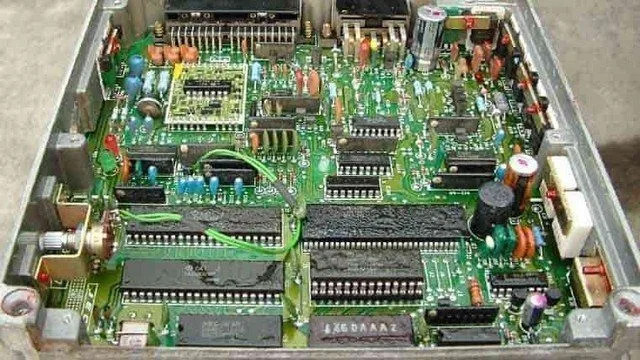
Photo of a PCM with the cover removed:


Powertrain Control Module PCM
How Severe Is This DTC?

Internal control module processor codes should be classified as severe. A stored P062B code could lead to serious driving problems, suddenly and without warning.
What Are Some of the Symptoms of the Code?

Symptoms of a P062B trouble code may include:

  • Engine misfires
  • Excessively lean or rich exhaust
  • Hesitation during acceleration
  • Stored misfire codes

What Are Some of the Common Causes of the Code?

Causes of this P062B trouble code may include:

  1. Open or shorted circuits or connectors in the CAN bus
  2. Insufficient control module ground
  3. Faulty fuel injector(s)
  4. Faulty controller or programming error
  5. Open or shorted circuits between the fuel injector and the PCM

What Are the Troubleshooting Steps for P062B?

Even for the most experienced and well-equipped professional technician, diagnosing a P062B code can be very challenging. There is also the issue of reprogramming. Without the necessary reprogramming equipment, it will be impossible to replace a faulty controller and perform a successful repair.

If ECM/PCM power codes are present, they will obviously need to be addressed before attempting to diagnose a P062B. Additionally, if there are individual fuel injector codes or fuel injector circuit codes, these should be diagnosed and repaired first.

Several preliminary tests can be performed before declaring an individual controller faulty. A diagnostic scanner, a digital volt/ohmmeter (DVOM), and a reliable vehicle information source will be necessary. A fuel injector noid light will also prove useful when testing fuel injector circuits.

Connect the scanner to the vehicle’s diagnostic port and retrieve all stored codes and freeze frame data. You will want to note this information, just in case the code turns out to be intermittent. After recording all relevant information, clear the codes and test-drive the vehicle until the code resets or the PCM enters readiness mode. If the PCM enters readiness mode, the code is intermittent and will be more difficult to diagnose. The condition that caused the P062B to be stored may even need to worsen before a diagnosis can be made. If the code resets, continue with this short list of preliminary tests.

When trying to diagnose a P062B, information can be your best tool. Check your vehicle information source for Technical Service Bulletins (TSBs) that correlate the stored code, the vehicle (year, make, model, and engine), and the symptoms presented. If you find the right TSB, it may provide diagnostic information that will assist you significantly.

Use your vehicle information source to obtain connector face views, connector pinout diagrams, component locators, wiring schematics, and diagnostic flowcharts related to the code and the specific vehicle.

Use the noid light to test individual fuel injector circuits and perform necessary repairs. Use the DVOM to test fuel injectors following the manufacturer’s specifications and procedures. If all fuel injectors and fuel injector circuits appear to be functioning as expected, proceed to test the controller’s power and ground.

Use the DVOM to test the controller’s power fuses and relays. Test and replace blown fuses as needed. Fuses should be tested under load.

If all fuses and relays appear to be functioning as expected, a visual inspection of the wiring and harnesses related to the controller is necessary. You will also want to check the chassis and engine ground junctions. Use your vehicle information source to obtain ground locations for the related circuits. Use the DVOM to test ground integrity.

Visually inspect the system controllers for signs of water, heat, or collision damage. Any damaged controller, especially by water, should be considered faulty.

If the controller’s power and ground circuits are intact, suspect a faulty controller or a controller programming error. Replacing the controller will require reprogramming. In some cases, you can purchase pre-programmed controllers from aftermarket sources. Other vehicles/controllers will require onboard reprogramming that can only be performed by a dealership or another qualified source.

Unlike most other codes, P062B is likely caused by a faulty controller or a controller programming error
Test the system ground integrity by connecting the DVOM’s negative test lead to ground and the positive test lead to battery voltage
Internal Control Module Vehicle Speed Performance

What does it mean?

This is a generic diagnostic trouble code (DTC) for the powertrain and generally applies to OBD-II vehicles. This may include, but is not limited to, vehicles from, etc. Although generic, the exact repair steps may vary depending on the year, make, model, and powertrain configuration.

When a P062C code is stored, it means the Powertrain Control Module (PCM) has detected an internal performance error with the Vehicle Speed Sensor (VSS) signal. Other controllers may also detect an internal PCM performance error (in the VSS signal) and cause a P062C to be stored.

The internal control module monitoring processors are responsible for various controller self-test tasks and the overall responsibility of the internal control module. The input and output signals of the VSS signal are self-tested and are continuously monitored by the PCM and other associated controllers. The Transmission Control Module (TCM), Traction Control System Module (TCSM), and other controllers are subject to interaction with the VSS signal.

The VSS is typically an electromagnetic sensor that interacts with a type of ring, wheel, or toothed reluctor gear that is mechanically attached to an axle, transmission/transfer case output shaft, or driveshaft. When the axle rotates, it spins the reluctor ring. As the reluctor passes near (very close to) the sensor, the notches on the reluctor ring create interruptions in the electromagnetic sensor’s circuit. These interruptions are received by the PCM (and other controllers) as waveform patterns. The faster the waveform patterns are entered into the controller, the higher the estimated vehicle speed. As the waveform input slows, the estimated vehicle speed (as perceived by the controller) decreases. These input signals are compared (between modules) via the Controller Area Network (CAN).

Whenever the ignition is turned on and the PCM is powered up, self-tests of the VSS signal are initiated. In addition to running internal controller self-tests, the Controller Area Network (CAN) also compares the signals from each individual module to ensure each controller is functioning correctly. These tests are performed simultaneously.

If the PCM detects discrepancies in the VSS inputs/outputs, a P062C code will be stored and a Malfunction Indicator Lamp (MIL) may be illuminated. Additionally, if the PCM detects a discrepancy between any of the onboard controllers, which would indicate an internal VSS error, a P062C code will be stored and a Malfunction Indicator Lamp (MIL) may be illuminated. Multiple failure cycles may be required for MIL illumination, depending on the perceived severity of the malfunction.

Photo of a PCM with the cover removed:


Powertrain Control Module PCM
How severe is this DTC?

Internal Control Module Processor codes should be classified as severe. A stored P062C code could result in erratic automatic transmission shift patterns and erratic operation of the speedometer/odometer.
What are some of the symptoms of the code?

Symptoms of a P062C fault code may include:

Erratic speedometer/odometer operation
Erratic transmission shifting patterns
Illumination of the service engine soon light, traction control light, or anti-lock brake light
Unexpected activation of the traction control system anti-lock braking system (if applicable)
Traction control and/or ABS codes may be stored
The ABS system may be rendered inoperative in some cases

What are some of the common causes of the code?

Causes

of this P062C DTC code may include:

Faulty controller or controller programming error
Excessive metal debris buildup on VSS
Damaged or worn teeth on the reluctor ring
A faulty VSS
A faulty controller power relay or blown fuse
Open or shorted circuit or connectors in the CAN harness
Insufficient control module ground
Open or shorted circuits between the VSS and the PCM

What are the troubleshooting steps for P062C?

Even for the most experienced and well-equipped professional technician, diagnosing a P062C code can prove very difficult. There is also the issue of reprogramming. Without the necessary reprogramming equipment, it will be impossible to replace a faulty controller and perform a successful repair.

If any ECM/PCM power codes are present, they will obviously need to be corrected before attempting to diagnose a P062C. Additionally, if there are any VSS codes, these should be diagnosed and repaired first.

Several preliminary tests can be performed before declaring an individual controller faulty. A diagnostic scanner, a digital volt/ohmmeter (DVOM), and a reliable vehicle information source will be needed. An oscilloscope will also prove useful when testing VSS and VSS circuits.

Connect the scanner to the vehicle’s diagnostic port and retrieve all stored codes and freeze frame data. You will want to note this information, just in case the code proves to be intermittent. After recording all relevant information, clear the codes and test drive the vehicle until the code resets or the PCM enters readiness mode. If the PCM enters readiness mode, the code is intermittent and will be more difficult to diagnose. The condition which caused the P062C to be stored may even need to worsen before a diagnosis can be made. If the code resets, continue with this short list of preliminary tests.

When trying to diagnose a P062C, information can be your best tool. Search your vehicle information source for Technical Service Bulletins (TSBs) that parallel the stored code, the vehicle (year, make, model, and engine), and the symptoms presented. If you find the right TSB, it may provide diagnostic information that will assist you significantly.

Use your vehicle information source to obtain connector face views, connector pinout diagrams, component locators, wiring schematics, and diagnostic flowcharts related to the code and the specific vehicle.

You can use the scanner (data stream) or the oscilloscope to test the VSS output, with the transmission engaged. If using the scanner, narrowing the data stream (to display only relevant fields) will increase the accuracy at which the desired data is displayed. Watch for inconsistent or erratic VSS readings.

The oscilloscope provides a more precise data sample. Use the positive test lead to test the VSS signal circuit (negative test lead grounded to the battery). Watch for faults or voltage spikes in the VSS signal circuit waveform pattern.

The DVOM can be used to perform a resistance test on the VSS sensor (and VSS circuits) if necessary. Replace sensors that do not meet manufacturer specifications.

Use the DVOM to test controller power fuses and relays. Test and replace blown fuses as needed. Fuses should be tested with the circuit loaded.

If all fuses and relays appear to be functioning as expected, a visual inspection of the wiring and harnesses related to the controller is warranted. You will also want to check chassis and engine ground junctions. Use your vehicle information source for ground locations for related circuits. Use the DVOM to test ground integrity.

Visually inspect system controllers for signs of water, heat, or collision damage. Any damaged controller, especially by water, should be considered faulty.

If the controller power and ground circuits are intact, suspect a faulty controller or a controller programming error. Replacing the controller will require reprogramming. In some cases, you can purchase pre-programmed controllers through aftermarket sources. Other vehicles/controllers will require onboard reprogramming that can only be performed by a dealer or other qualified source.

Unlike most other codes, P062C is likely caused by a faulty controller or a controller programming error
Test system ground integrity by connecting the DVOM negative test lead to ground and the positive test lead to battery voltage