P0074 Intermittent Ambient Air Temperature Sensor Circuit

Meaning of Code P0074

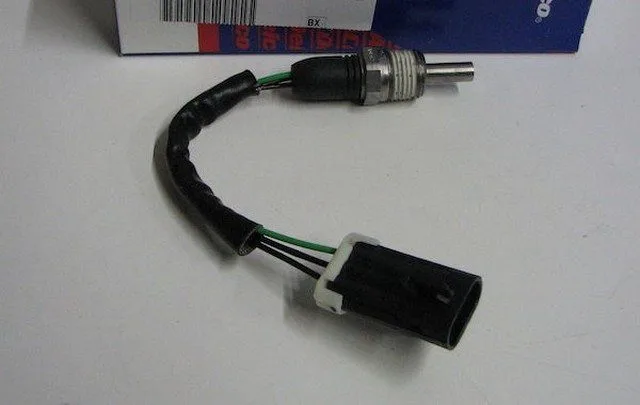
The error code P0074 is a generic OBD-II code that indicates an intermittent electrical inconsistency in the Ambient Air Temperature (AAT) sensor circuit. The Powertrain Control Module (PCM) continuously compares the AAT sensor values with those from other temperature sensors (such as IAT or ECT). When these values show an abnormal and inconsistent discrepancy, the PCM logs the P0074 code and illuminates the malfunction indicator lamp.


Severity and Symptoms of Code P0074

Severity Level: Moderate. Although the vehicle generally remains operational, this fault can disrupt the automatic climate control system and the outside temperature display. Prompt inspection is recommended.

Common Symptoms

  • Check Engine Light illuminated (or warning message)
  • Automatic climate control system malfunction (incorrect interior temperature)
  • Incorrect display of outside temperature on the dashboard
  • Intermittent symptom behavior

Possible Causes of P0074 Fault

  1. Electrical Problems:
    • Intermittent open or short circuit (damaged, chafed, or corroded wires)
    • Loose, oxidized, or corroded connections at the AAT sensor connector or PCM
    • Poor electrical ground
  2. AAT Sensor Failure:
    • Dirty, physically damaged sensor, or one exceeding its electrical tolerances
    • Slow or intermittent response to temperature changes
  3. PCM Failure (rare):
    • Internal problem processing the signal from the AAT sensor
    • Requires thorough diagnosis before replacement

Diagnosing Code P0074

Step 1: Check Technical Service Bulletins (TSB)

Consult the manufacturer’s technical service bulletins to check for known issues, revised diagnostic procedures, or specific software updates related to this code for your vehicle model.

Step 2: Visual and Mechanical Inspection

  1. Locate the AAT sensor, typically behind the grille or integrated into the front bumper.
  2. Carefully inspect the sensor, its connector, and the wiring harness along its entire length. Look for obvious signs of damage: pinched or chafed wires, melted insulation, corrosion (green/white oxidation) on the terminals, or a poorly seated connector.
  3. Clean the connector terminals with electrical contact cleaner spray and apply a small amount of dielectric grease to protect against future oxidation.

Step 3: Electrical Testing of the AAT Sensor

  1. Resistance Measurement (Ohmmeter):
    • With the engine off, disconnect the electrical connector from the sensor.
    • Using a multimeter in Ohmmeter (Ω) mode, measure the resistance between the sensor terminals.
    • Compare the reading with the manufacturer’s reference table for the current ambient temperature. A value of 0 Ω (short circuit) or infinite resistance (open circuit) indicates a faulty sensor.
  2. Live Data Test (Oscilloscope/Scan Tool):
    • Reconnect the sensor and use a diagnostic tool to observe the real-time AAT temperature value.
    • Jiggle the wiring harness and gently tap the sensor to reproduce the intermittent fault. Jumps or drops in the value indicate an intermittent problem.

Step 4: Circuit and Power Supply Check

  1. Power Supply Voltage Test:
    • Ignition on, engine off, disconnect the sensor connector.
    • Using the multimeter in Voltmeter (VDC) mode, measure the voltage between the power supply wire (+5V reference) and ground.
    • No voltage (~0V) indicates a problem in the power circuit (cut wire, poor connection to PCM) or PCM failure.
  2. Ground Test:
    • Check continuity between the ground terminal of the connector (harness side) and a good chassis ground. High resistance indicates a poor ground.

Solutions and Repairs

  • Replace the AAT sensor if electrical tests confirm its failure. Average cost: €20 to €80. Ensure you install an OEM quality or equivalent part.
  • Repair the electrical circuit: Solder and protect with heat-shrink tubing any cut or exposed wires. Replace any damaged cable section. Clean and secure all connections and grounds.
  • Replace or reprogram the PCM: This costly solution should only be considered after eliminating all other possible causes and confirming module failure through advanced diagnostics.

Precautions and Tips After Repair

  • Handle the new sensor carefully to avoid any damage.
  • After any repair, clear the error codes with your diagnostic tool.
  • Perform a road test cycle to verify that the fault does not reappear after several start cycles and under different driving conditions.

Need Help Diagnosing Your P0074 Code?

If the diagnostic steps seem complex or you lack the necessary equipment, consult a professional mechanic. Equipped with advanced diagnostic tools and technical databases, they can identify and resolve the problem quickly and effectively.

Contact a partner garage today for an accurate diagnosis!

P0075 Intake Valve Control Solenoid, Circuit B1

What is the P0075 Code?

The P0075 error code is a generic OBD-II code related to the powertrain. It indicates a malfunction in the B1 circuit of the intake valve control solenoid. Although it applies to most vehicles (from 1996 onwards), specific diagnostic steps may vary from model to model.

Operation and Context

In engines equipped with a Variable Valve Timing (VVT) system, the Engine Control Module (ECM/PCM) controls the camshaft position by regulating engine oil flow through the control solenoid. This solenoid is driven by a PWM (Pulse Width Modulation) signal sent by the ECM. If this signal has an out-of-specification or intermittent voltage, the ECM records the P0075 code and illuminates the Malfunction Indicator Lamp (MIL).

Note: “Bank 1” (B1) refers to the side of the engine where cylinder number 1 is located. The intake solenoid is typically located on the intake manifold side of the cylinder head. This code is often associated with others, such as P0076, P0077, or P0026.

Symptoms of the P0075 Code

  • 📛 Malfunction Indicator Lamp (MIL) illuminated.
  • ⏱️ Poor acceleration and loss of power.
  • ⛽ Reduced fuel economy.
  • 🚗 Rough idle or difficulty starting.

Potential Causes of the P0075 Code

  • 🔌 Faulty connector or damaged/corroded wiring harness.
  • ⚡ Defective VVT control solenoid.
  • 🔋 Short circuit to power (+12V) or ground.
  • 🛢️ Low engine oil level or unsuitable oil quality.
  • 🤖 Engine Control Module (ECM/PCM) failure.

Diagnostic Procedure

1. Checking the Wiring Harness and Connectors

Visually inspect the solenoid connector and wiring. Look for signs of corrosion, loose, or damaged wires. Disconnect the connectors at the solenoid and PCM. Using a digital multimeter (DVOM) set to Ohms (Ω), check the continuity of the wires. The resistance should be less than 1 Ohm. Excessive resistance indicates corrosion or a damaged wire.

2. Testing the Control Solenoid

With the connector disconnected, measure the resistance between the solenoid terminals. Compare the measured value to the manufacturer’s specifications. An open circuit (OL) reading or excessive resistance indicates a faulty solenoid. Also test the solenoid’s insulation by checking for no short circuit between its terminals and ground.

3. Checking for Short Circuits

Short to Power: Disconnect the PCM connector. With the ignition on, check for voltage presence on the solenoid control wire using the DVOM. If voltage is present, there is a short circuit to a live circuit.
Short to Ground: Disconnect the PCM connector. Check for continuity between the solenoid control wire and ground. If continuity exists, there is a short to ground.

4. Testing the Control Signal and PCM

Using an advanced scan tool, monitor the duty cycle commanded by the PCM for the solenoid. Using an oscilloscope or a multimeter capable of measuring duty cycle, probe the control wire at the solenoid. The measured signal should match the PCM command. If the wiring and solenoid are intact but no signal is detected, the PCM is likely faulty.

5. Additional Checks

Check the engine oil level and quality. Dirty oil or a low level can prevent the proper operation of the VVT system and trigger this code.

Conclusion and Call to Action

The P0075 code is often related to a simple electrical issue (connector, wiring) or a faulty solenoid. A step-by-step diagnostic method helps avoid unnecessary part replacement.

⚠️ Warning: This information is provided for reference only. For accurate diagnosis and safe repair, consult the technical information specific to your vehicle or seek assistance from a professional mechanic.

Need help diagnosing this code? Check out our complete fault code guide or contact an expert for personalized advice.

Low value of the intake valve control solenoid circuit B1 P0076

Code P0076: Low Circuit B1 Value for Intake Valve Control Solenoid

Fault code P0076 is a generic OBD-II code related to the powertrain. It indicates that the Engine Control Module (ECM/PCM) has detected an abnormally low voltage in the Variable Valve Timing (VVT) control solenoid circuit for engine bank 1 (cylinder #1 side). This issue affects the timing system and can impact engine performance.

Symptoms of Code P0076

When this fault code is stored, you may observe one or more of the following symptoms:

  • The Malfunction Indicator Lamp (MIL) or “Check Engine” light is illuminated on your dashboard.
  • A noticeable reduction in engine performance, particularly poor acceleration.
  • Decreased fuel economy.
  • Rough idling or engine misfires.
  • The engine may enter a fail-safe (“limp mode”) to protect itself.

Potential Causes of Fault P0076

Several factors can be the source of this error code:

  • Faulty wiring: Damaged, frayed, corroded, or shorted-to-ground wires in the solenoid circuit.
  • Faulty connector: Loose, corroded, or damaged connector at the solenoid or ECM.
  • The intake VVT solenoid itself is faulty and internally shorted.
  • Insufficient engine oil level or pressure, which is essential for the VVT system operation.
  • A faulty Engine Control Module (ECM/PCM) (less common).

Diagnosis and Troubleshooting of Code P0076

Warning: These steps are general. Always consult the technical documentation specific to your vehicle (wiring diagrams, resistance values) before any intervention.

1. Preliminary Checks

  • Check the engine oil level and condition. A low level or degraded oil can hinder the VVT system’s operation.
  • Visually inspect the wiring and connectors associated with the VVT solenoid and ECM. Look for any signs of damage, corrosion, or poor connection.

2. VVT Solenoid Test

  • Disconnect the electrical connector from the solenoid.
  • Using a digital multimeter (DVOM) set to the Ohms (Ω) scale, measure the internal resistance of the solenoid between its two terminals.
  • Compare the measured value with the manufacturer’s specifications. A resistance outside the specified range (often very low for a short circuit) indicates a faulty solenoid.
  • Also test for a short to ground. Place one multimeter lead (in Ohms mode) on a good ground (chassis), and the other on each terminal of the solenoid (component side). A continuity reading (≈ 0 Ω) indicates an internally shorted solenoid.

3. Circuit and Power Supply Test

  • With the solenoid connector disconnected and the ignition on (engine off), use your multimeter in DC Volts mode.
  • Check for the presence of supply voltage (typically 12V) at the correct pin of the connector (refer to the wiring diagram).
  • If the supply voltage is absent, inspect the relevant fuse and the upstream wiring.
  • Check for the absence of a short to ground in the wires. Disconnect the connectors at both the ECM and the solenoid. Test for continuity between each wire of the circuit and ground. Any continuity indicates a short circuit in the wiring.

4. ECM Control Signal Test

This test often requires an advanced diagnostic tool (oscilloscope recommended).

  • Reconnect all connectors.
  • Using a scan tool, activate the VVT solenoid and observe its commanded duty cycle (%).
  • Using an oscilloscope or a multimeter capable of measuring duty cycle, probe the control wire at the solenoid.
  • The measured signal should match the command sent by the ECM. If the ECM is sending a correct signal but the measured voltage at the solenoid remains low, this confirms a problem in the circuit (short circuit). If the ECM sends no signal or an inconsistent signal, the ECM itself may be at fault.

Repair and Prevention

Based on your findings:

  • Replace the VVT solenoid if electrical tests indicate an internal fault.
  • Repair or replace the wiring harness that is damaged or shorted.
  • Clean or replace corroded electrical connectors.
  • In rare cases, replacing or reprogramming the ECM may be necessary (consult a professional).

Prevention Tip: Regular oil changes using oil of the quality and viscosity recommended by the manufacturer are essential to preserve the VVT system and prevent solenoid clogging.

Conclusion

Code P0076 often points to a simple electrical problem (wiring, connector, solenoid). A step-by-step diagnostic method, starting with the simplest checks, allows for effective identification and resolution of the fault. If the diagnosis is beyond your skills, do not hesitate to consult a professional mechanic equipped with the necessary tools and expertise.

Need help diagnosing or repairing this fault? Consult a partner garage or obtain a repair manual specific to your vehicle model for detailed instructions and precise test values.

High Value of Intake Valve Control Solenoid Circuit P0077 B1

What is the P0077 code?

The P0077 code is a generic OBD-II code related to the powertrain. It indicates a problem with the Intake Valve Control Solenoid Circuit (Bank 1) showing an excessively high electrical value. While it applies to most vehicles (1996 and newer), specific diagnostic steps may vary from model to model.

Operation and Causes of the P0077 Code

On engines equipped with a Variable Valve Timing (VVT) system, the engine control module (ECM/PCM) controls the camshaft position by sending an electrical signal (PWM) to a solenoid. The latter regulates the engine oil flow to adjust valve timing. The P0077 code is triggered when the module detects an abnormally high voltage in this circuit, often accompanied by the illumination of the Malfunction Indicator Lamp (MIL).

“Bank 1” refers to the side of the engine where cylinder number 1 is located. The Intake VVT Solenoid is typically located near the intake manifold on the cylinder head.

Symptoms of the P0077 Code

  • Malfunction Indicator Lamp (MIL) illuminated on the dashboard.
  • Poor acceleration and loss of engine power.
  • Noticeable reduction in fuel economy.
  • Rough idle or difficulty starting.
  • The vehicle may enter a fail-safe (“limp”) mode.

Potential Causes of the P0077 Code

  • Faulty, loose, or corroded electrical connector.
  • Wiring problem: open circuit or short to power.
  • Faulty VVT control solenoid.
  • Failed engine control module (ECM/PCM) (rare case).

How to Diagnose the P0077 Code?

1. Visual Inspection of the Circuit

Disconnect the connectors from the solenoid and the control module (ECM). Inspect the condition of the pins, look for corrosion, loose or damaged wires. Consult a wiring diagram to identify the solenoid’s power and ground wires.

2. Testing the VVT Solenoid

Using a multimeter (DVOM) in ohmmeter mode, measure the resistance between the solenoid terminals. Compare the obtained value with the manufacturer’s specifications. Infinite resistance (open circuit) or an abnormally low value (short circuit) indicates a faulty solenoid.

3. Checking for Short Circuits

Disconnect the control module and locate the solenoid wires. With the multimeter in voltmeter mode, connect the black probe to ground and the red probe to the power wire. With the ignition off, no voltage should be present. If voltage is detected, there is a short circuit in the wiring harness.

4. Testing the Control Module (ECM/PCM) Signal

If the wiring and solenoid are intact, use an advanced scan tool to monitor the duty cycle (%) commanded by the module. Using an oscilloscope or a graphing multimeter, verify that the signal sent matches the command. A constantly high signal may indicate a module failure.

Conclusion and Call to Action

The P0077 code is often related to a simple electrical problem (connector, wire, solenoid). A thorough inspection and systematic testing usually allow identifying the source of the problem without having to replace the control module.

Experiencing this issue? Download our comprehensive diagnostic guide now or consult a certified technician for professional assistance and wiring diagrams specific to your vehicle.

P0078 Exhaust Valve Control Solenoid, Circuit B1

What is the P0078 Code? Definition and Context

The P0078 trouble code is a generic OBD-II powertrain code. It indicates a problem with the Bank 1 Exhaust Valve Control Solenoid Circuit (often called the VVT solenoid). This code applies to most vehicles (1996 and newer), although specific repair steps may vary by make and model.

On vehicles equipped with a Variable Valve Timing (VVT) system, the Engine Control Module (ECM/PCM) controls the camshaft position by regulating engine oil pressure via the control solenoid. This solenoid is activated by a Pulse Width Modulated (PWM) signal sent by the ECM. If this signal has an out-of-specification or intermittent voltage, the ECM records the P0078 code and illuminates the Malfunction Indicator Lamp (MIL) on the dashboard.

Note: “Bank 1” (B1) refers to the side of the engine where cylinder number 1 is located. Always consult the manufacturer’s documentation to identify it with certainty. This code is often associated with others, such as P0027, P0079, or P0080.

Symptoms of the P0078 Code

When this fault is present, you may observe one or more of the following symptoms:

  • 🔴 The Check Engine Light is illuminated.
  • Hesitation during acceleration and poor throttle response.
  • Increased fuel consumption.
  • 🔊 In some cases, engine misfires or a general loss of power.

Possible Causes of the P0078 Fault

Several components can be the origin of this code:

  • 🔌 A faulty connector, corroded terminals, or a damaged wiring harness.
  • ⚙️ A defective or clogged VVT control solenoid obstructed by deposits.
  • ⚡ A short circuit to ground or to power in the electrical circuit.
  • 🛢️ Low engine oil level or poor oil quality affecting VVT operation.
  • 💻 A failing ECM/PCM module (less common).

Diagnosis and Verification Procedures

⚠️ Warning: These steps are generic. For an accurate diagnosis, refer to the manufacturer’s technical data.

1. Visual Inspection and Connection Check

Visually inspect the Bank 1 VVT solenoid connector and wiring harness. Look for signs of corrosion, damage, or loose wires. Disconnect and reconnect the connectors to ensure good contact.

2. VVT Solenoid Test

With the connector unplugged, use a multimeter (DVOM) in ohmmeter mode to measure the resistance between the terminals of the solenoid. Compare the reading with the manufacturer’s specifications. Infinite resistance (open circuit) or zero resistance (short circuit) indicates a faulty solenoid.

3. Electrical Circuit Verification

Check for the absence of a short circuit to ground and to power on the wires connecting the solenoid to the ECM. Use a multimeter to test wire continuity and insulation. A wiring diagram is essential for this step.

4. Control Signal Test

Using an oscilloscope or advanced diagnostic tool, probe the PWM signal sent by the ECM to the solenoid. The signal should be clean and match the expected parameters. The absence of a signal may indicate a problem with the ECM.

5. Oil Condition Check

Check the engine oil level and quality. Dirty, poor-quality oil, or a level that is too low can prevent the proper operation of the VVT system and trigger this code.

Conclusion and Call to Action

The P0078 code is often related to a simple electrical problem (connector, wire) or a failing solenoid. Although some checks can be performed by an experienced DIYer, the complexity of modern systems often requires professional intervention.

💡 Tip: Avoid driving for a long time with this code active. A faulty VVT system can degrade performance, increase consumption, and eventually damage other engine components.

If you cannot identify the fault, consult a qualified mechanic equipped with a professional diagnostic tool for an accurate diagnosis and reliable repair.

P0079 Low Value in Exhaust Valve Control Solenoid Circuit B1

Code P0079: Low Circuit Voltage for Bank 1 Exhaust Valve Control Solenoid

Definition and Meaning of Fault Code P0079

The generic code P0079 is an OBD-II code related to the powertrain. It indicates that the Engine Control Module (ECM) or Powertrain Control Module (PCM) has detected an abnormally low voltage in the electrical circuit of the exhaust valve control solenoid on engine Bank 1.

On vehicles equipped with a Variable Valve Timing (VVT) system, the ECM/PCM uses this solenoid, controlled by a PWM (Pulse Width Modulation) signal, to regulate oil pressure and thus adjust the camshaft position. When the measured voltage in this circuit is below the manufacturer’s specifications, code P0079 is stored and the Malfunction Indicator Lamp (MIL) illuminates.

Important Note: “Bank 1” (B1) refers to the side of the engine where cylinder number 1 is located. Always consult your vehicle’s technical documentation to locate it precisely. This code is often associated with other faults such as P0027.

Common Symptoms of Fault P0079

When code P0079 is active, you may observe one or more of the following symptoms:

  • Malfunction Indicator Lamp (MIL) illuminated on the dashboard.
  • Noticeable reduction in vehicle performance and acceleration.
  • Increased fuel consumption.
  • Irregular idle or rough idle.
  • In some cases, the vehicle may enter limp mode to protect the engine.

Potential Causes of Code P0079

Several issues can cause low voltage in the solenoid circuit:

  • A short circuit to ground in the solenoid wiring harness.
  • The VVT control solenoid itself is faulty and internally shorted.
  • A faulty, corroded, or loose electrical connector.
  • A blown fuse or an electrical supply problem.
  • In rare cases, a faulty ECM/PCM module.

Diagnostic Procedure for Code P0079

A methodical approach is essential to identify the root cause. Always consult the specific electrical diagrams for your vehicle before any intervention.

1. Visual Inspection and Connector Check

Start with a thorough visual inspection. Disconnect the connectors at the solenoid and the ECM/PCM. Look for signs of corrosion, pin damage, loose or melted wires.

2. Wiring Harness Check

Using a digital multimeter (DVOM):

  • Disconnect the solenoid connector and the ECM connector.
  • Check the continuity and resistance of the wires between the two connectors. Abnormally high resistance indicates a poor connection.
  • Test each wire in the circuit to check for the absence of a short to ground (place one multimeter lead on a good ground and the other on the wire; the resistance should be infinite).

3. VVT Control Solenoid Test

Test the internal resistance of the solenoid according to the manufacturer’s reference values. Place one multimeter lead on a good ground and the other on each terminal of the solenoid. Very low or zero resistance indicates a shorted and faulty solenoid.

4. Control Signal and ECM Check

If the wiring and solenoid are intact:

  • Reconnect all connectors.
  • Using an advanced scan tool, activate the solenoid and observe its commanded duty cycle.
  • Using an oscilloscope or a multimeter measuring duty cycle, probe the circuit at the solenoid to verify that the signal sent by the ECM matches the command. A missing or inconsistent signal may indicate an ECM/PCM failure.

Repair and Prevention

Once the cause is identified, proceed with the repair: replace the solenoid, repair the wiring harness, or in rare cases, replace the ECM. After repair, clear the fault codes and perform a road test to ensure code P0079 does not reappear.

Pro Tip: Use engine oil with the viscosity and specification recommended by the manufacturer. Dirty or unsuitable oil can disrupt the VVT system operation and cause faults.

Need Help?

Electrical diagnosis can be complex. If you do not have the necessary equipment or expertise, consult a professional mechanic for an accurate diagnosis and reliable repair. Avoid driving with this active fault to prevent potential engine damage.

P007A Charge Air Cooler Temperature Sensor Circuit

What is the P007A Code?

The generic diagnostic trouble code P007A indicates a malfunction in the Charge Air Cooler Temperature (CACT) sensor circuit for Bank 1. This OBD-II code applies to vehicles equipped with a turbocharger (Chevrolet, Ford, Toyota, Audi, VW, etc.). Although generic, specific diagnostic procedures may vary by manufacturer and model.

Turbocharger and Intercooler Operation

A turbocharger uses exhaust gas energy to compress intake air, thereby increasing engine power. The compressed air heats up and must be cooled by the charge air cooler (intercooler) to increase its density before entering the engine. The Charge Air Cooler Temperature (CACT) sensor measures the temperature of this cooled air and sends the data to the Powertrain Control Module (PCM).

Symptoms of the P007A Code

  • Check Engine Light illuminated
  • Poor performance and power loss
  • Reduced fuel economy
  • Limp mode activated (“limp home mode”)
  • DPF regeneration inhibited (diesel vehicles)

Possible Causes of the Fault

  • Faulty CACT sensor
  • Wiring issue (short circuit, open circuit, damaged connector)
  • Charge air cooler clogged or defective
  • Rare PCM failure

Diagnostic and Repair Procedure

1. Visual Inspection

Inspect the sensor, its connector, and wiring for any signs of damage, corrosion, or loose connections. Check the condition of the charge air cooler and air ducts. Repair or replace damaged components, clear the codes, and perform a road test.

2. Sensor (CACT) Testing

Using a diagnostic tool, monitor the CACT temperature. Disconnect the connector: the value should drop. Short the connector terminals: the value should spike. If this occurs, the circuit is good and the sensor is most likely faulty.

To confirm, measure the sensor’s resistance (using an ohmmeter) when cold and hot. The value should gradually decrease as the temperature rises. No variation indicates a faulty sensor.

3. Electrical Circuit Testing

Reference Voltage Test (5V): With the ignition on, check for 5V at the sensor connector’s reference terminal. No voltage? Check continuity between the connector pin and the PCM pin. If there’s an open circuit, repair the wiring. If continuity is good but there’s no 5V, the PCM is potentially faulty.

Ground Test: With the ignition off, check continuity between the sensor’s ground terminal and the PCM’s ground, and between the PCM ground and chassis ground. An OL (open circuit) reading indicates a wiring problem that needs repair.

4. Consulting Technical Bulletins

Before replacing parts, consult your manufacturer’s Technical Service Bulletins (TSBs) for any known issues related to this code on your specific vehicle model.

Conclusion and Call to Action

The P007A code affects the performance and efficiency of your turbocharged engine. Accurate diagnosis is essential to avoid unnecessary part replacement. If electrical testing is beyond your skill level, consult a professional mechanic or an automotive diagnostic specialist for reliable and lasting repairs.

P007B Boost Air Cooler Temperature Sensor Circuit Range

What is the P007B fault code?

The P007B fault code is a generic powertrain (OBD-II) code that indicates a problem with the Charge Air Cooler Temperature (CACT) Sensor Circuit Range on Bank 1. This code applies to many vehicles equipped with a turbocharger (Ford, Chevy, VW, Audi, Toyota, etc.), but specific diagnostic procedures may vary by make and model.

Role of the Sensor and Turbocharger

The turbocharger forces air into the engine to increase its power. It consists of a turbine, driven by exhaust gases, and a compressor, which draws in air. To cool this compressed air (and thus increase its density), a charge air cooler (or intercooler) is used.

The Charge Air Cooler Temperature (CACT) sensor measures the temperature of the air exiting the intercooler. The PCM (Powertrain Control Module) uses this data, often comparing it to other temperatures (intake air, coolant), to optimize engine operation and assess the cooler’s efficiency.

Note: The CACT is sometimes integrated with the Manifold Absolute Pressure (MAP) sensor.

Symptoms of the P007B Code

The severity of this code is moderate. Symptoms may include:

  • Illuminated Check Engine Light
  • Poor performance and loss of power
  • Reduced fuel economy
  • Activation of limp mode
  • Inhibited Diesel Particulate Filter (DPF) regeneration

Possible Causes of the P007B Fault

  • Faulty CACT sensor
  • Wiring issue (short circuit, open circuit, loose connector)
  • Clogged or damaged charge air cooler
  • Rare PCM failure

How to Diagnose and Repair the P007B Code?

⚠️ Caution: This procedure is general. Always consult the specific diagnostic diagrams from your vehicle’s manufacturer for accurate repair.

1. Visual Inspection

Inspect the sensor, its connector, and associated wiring. Look for signs of corrosion, damage, or loose connections. Also check the physical condition of the charge air cooler and its ducts. If damage is visible, repair it, clear the code, and test.

2. Sensor and Circuit Testing

A. Diagnostic Tool Test: Using a scan tool, monitor the CACT data. Disconnect the sensor connector; the displayed value should drop sharply. Then short the connector pins; the value should then show a very high temperature. This confirms that the circuit and PCM are functioning and points to a faulty sensor.

B. Sensor Resistance Test: With the engine off, disconnect the sensor and measure its resistance (Ohms) between its two pins. Start the engine and observe the value: it should gradually decrease as the engine warms up. If the resistance does not drop or is inconsistent, replace the sensor.

3. Electrical Circuit Verification

A. Reference Voltage (5V): With the ignition on, measure the voltage at the sensor connector’s reference terminal. You should find approximately 5 volts coming from the PCM. If absent, check continuity between the connector pin and the PCM pin to detect a break.

B. Ground (Earth): With the engine off, check continuity between the connector’s ground pin and the PCM’s ground pin, then between the PCM ground and chassis ground. A lack of continuity indicates an open circuit to repair.

4. PCM Verification

If all other checks are good but no 5V voltage is delivered by the PCM, the PCM is likely faulty. However, this cause is rare.

Conclusion and Call to Action

The P007B code is often resolved by replacing the faulty CACT sensor or repairing damaged wiring. If the diagnostic steps exceed your skills, consult a professional mechanic for an accurate diagnosis and guaranteed repair.

Low Value of the Boost Air Cooler Temperature Sensor Circuit P007C

Code P007C: Low Circuit Value for Charge Air Cooler Temperature Sensor

Understanding Fault Code P007C

The generic code P007C belongs to the powertrain group and indicates a circuit problem with the Charge Air Cooler Temperature (CACT) sensor, typically a short circuit on bank 1. This code applies to most vehicles equipped with a turbocharger and an OBD-II system (Chevrolet, Ford, Toyota, Audi, VW, etc.). Precise diagnostic procedures may vary by manufacturer and model.

Role of the Sensor and Turbocharger

The turbocharger forces air into the engine to increase its power. It consists of two sections: a turbine, driven by exhaust gases, and a compressor, which draws in intake air. A charge air cooler (intercooler), either air-to-air or air-to-liquid, is often used to cool this compressed air, thereby increasing its density and combustion efficiency.

The Charge Air Cooler Temperature (CACT) sensor measures the air temperature at the intercooler outlet. The PCM (Powertrain Control Module) uses this data, often comparing it with other temperatures (intake air, coolant), to optimize engine operation. It sends a 5V reference voltage to the sensor and measures the return voltage to determine the temperature.

Note: The CACT is sometimes integrated with the Manifold Absolute Pressure (MAP) sensor.

Symptoms and Severity of Fault P007C

The severity of this code is moderate. A vehicle with this fault may exhibit the following symptoms:

  • Malfunction Indicator Lamp (Check Engine) illuminated
  • Reduced engine performance and power loss
  • Decreased fuel economy
  • Activation of limp mode
  • Inhibition of Diesel Particulate Filter (DPF) regeneration on diesel engines

Possible Causes of Code P007C

Several components can be the source of this code:

  • Faulty temperature sensor (CACT)
  • Wiring issue (short circuit, open circuit, loose or corroded connector)
  • Obstructed or damaged charge air cooler
  • Rare PCM failure

Diagnostic and Repair Procedures

1. Visual Inspection: Start by inspecting the sensor, its connector, and associated wiring. Look for signs of damage, corrosion, or loose connections. Also inspect the charge air cooler and its ducts for any restrictions or leaks. Repair or replace damaged components, clear the codes, and perform a road test.

2. Consultation of Technical Service Bulletins (TSBs): Check with the manufacturer for any TSBs related to this specific issue for your vehicle model.

3. Sensor and Circuit Testing: The following steps are general. Always consult specific manufacturer data for the exact procedure.

  • Preliminary Test: Using a diagnostic tool, observe the CACT temperature value. Disconnect the sensor connector. The displayed value should drop sharply. Then, short the two pins of the connector with a jumper wire. The value should now display a very high temperature. If this occurs, the circuit and PCM appear functional, pointing to a faulty sensor.
  • Sensor Test: Disconnect the sensor and measure its resistance (Ohms) using a multimeter. On a cold engine start, the resistance should gradually decrease as the engine (and thus the air) warms up. If the resistance does not change or is inconsistent, the sensor is likely faulty.
  • Reference Circuit (5V) Test: Engine OFF, ignition ON. Using a multimeter (Volts), check for the presence of 5V on the reference voltage pin of the sensor connector. If absent, check the continuity (Ohms, ignition OFF) between this pin and the corresponding pin at the PCM to identify a possible break.
  • Ground Test: Ignition OFF. Check the continuity (Ohms) between the ground pin of the sensor connector and the corresponding ground pin at the PCM. Also verify that the PCM itself has a good ground connection to the chassis.

Conclusion: If the sensor and wiring are in good condition and the 5V signal from the PCM is absent, the PCM itself might be faulty (rare case).

Need Additional Help?

Electrical diagnosis can be complex. If you are not equipped or familiar with these procedures, consult a professional mechanic for an accurate diagnosis and reliable repair. Use a quality OBD2 diagnostic tool to read and clear fault codes.

P007D Charge Air Cooler Temperature Sensor Circuit High

What does error code P007D mean?

P007D is a generic OBD-II system code that indicates an electrical problem in the Charge Air Cooler Temperature (CACT) sensor circuit for bank 1. The Powertrain Control Module (PCM) detected an abnormal signal value, most often indicating an open circuit. This can be caused by a cut wire, poor contact, a loose connector, or a faulty sensor.

Role and Importance of the CACT Sensor

The Charge Air Cooler Temperature (CACT) sensor plays a crucial role in turbocharged engines:

  1. Measuring Temperature: It monitors the temperature of the compressed air exiting the intercooler.
  2. Adjusting Engine Parameters: The PCM uses this data to optimize the air-fuel mixture and ignition timing.
  3. Calculating Air Density: Colder air is denser, allowing for more efficient combustion and increased power.
  4. Monitoring Cooler Efficiency: It ensures the forced induction system is operating correctly.

Symptoms of Code P007D

  • Illuminated Malfunction Indicator Lamp (Check Engine).
  • Noticeable drop in performance and lack of power.
  • Abnormally high fuel consumption.
  • Possible activation of Limp Mode to protect the engine.
  • Issues with Diesel Particulate Filter (DPF) regeneration on diesel engines.

Likely Causes of Error P007D

  1. Faulty CACT Sensor: The most common cause.
  2. Wiring Problem: Cut wires, corroded, damaged, or loose connectors.
  3. Faulty Charge Air Cooler: A clogged or damaged intercooler can indirectly affect readings.
  4. PCM Failure: Extremely rare; only consider after ruling out all other causes.

How to Diagnose and Fix Code P007D?

1. Visual Inspection

  • Locate the CACT sensor, usually found near the charge air cooler or integrated with the pressure sensor.
  • Carefully inspect the wiring and connectors for damage, corrosion, or poor connections.
  • Check the physical condition of the cooler and its hoses for potential leaks.

2. Diagnostic Tool Testing

  • Read the live CACT temperature value using a scan tool.
  • Disconnect the sensor connector. The read value should drop drastically (e.g., -40°C).
  • Short the connector pins with a jumper wire. The value should then spike (e.g., +140°C). If these tests are conclusive, the circuit is healthy and the sensor is most likely faulty.

3. Sensor Testing (Multimeter Required)

  • Disconnect the sensor and measure its resistance (Ω) at room temperature.
  • Gently heat it with a hairdryer (on a cool setting). The resistance should gradually decrease.
  • If the resistance is infinite (OL) or does not change, the sensor is faulty.

4. Electrical Circuit Testing

  • Reference Voltage: Check for a ~5V supply voltage on the corresponding connector pin (engine off, ignition on).
  • Continuity Test: Check for no open circuit (OL) between each sensor connector pin and the corresponding pins at the PCM.
  • Short Circuit Test: Ensure no wire is shorted to ground or +12V.

Severity and Conclusion

Severity: Moderate. Although the vehicle often remains drivable, a loss of performance, increased fuel consumption, and the risk of Limp Mode make repair necessary.

Code P007D indicates an electrical problem in the charge air cooler temperature sensor circuit. The process always starts with a thorough visual inspection of the wiring and connectors, followed by testing the sensor itself, which is the most likely culprit.

⚠️ Tip: This guide is generic. For an accurate diagnosis, always consult the specific technical data for your vehicle model. If you are not comfortable with these procedures, consult a professional mechanic to perform a complete diagnosis.