P004A Turbocharger/Supercharger Boost Control B Circuit Open

🔧 Code P004A: Open Turbocharger/Supercharger Boost Control “B” Circuit

Fault code P004A indicates an open circuit problem in the “B” boost control system of the turbocharger or mechanical supercharger. This fault directly affects boost pressure management and requires intervention to prevent engine damage.


📌 Meaning of Code P004A

Code P004A indicates that the Powertrain Control Module (PCM) has detected an open circuit in the boost pressure regulation system, typically associated with the Variable Geometry Turbocharger (VGT) or mechanical supercharger.

  • Affected System: Variable Geometry Turbocharger (VGT), mechanical supercharger, sensors, solenoids, wiring, PCM.

⚠️ Severity and Risks

The severity of this fault is moderate to severe. An open circuit can lead to:

  • Risk of overboost, which may damage the engine
  • Engine underperformance with noticeable power loss
  • Illumination of the check engine light
  • Engine knocking (detonation) in case of uncontrolled overpressure

🚨 Common Symptoms

  • 🚨 Check Engine Light illuminated
  • 💨 Noticeable power loss during acceleration
  • 🔥 Knocking or engine detonation noises
  • 🌪️ Delayed turbo response or abnormal whistling sounds
  • 📈 Increased fuel consumption

🔍 Possible Causes of Code P004A

  1. Wiring Problems: Open circuit, cut wires, corroded or loose connectors
  2. Faulty Control Solenoid (boost control solenoid valve)
  3. Faulty Sensor: Manifold Absolute Pressure (MAP) sensor or VGT vane position sensor
  4. Damaged Turbo/Supercharger: Stuck VGT vanes, air leaks
  5. Vacuum Leaks in the control system (if applicable)
  6. PCM Failure (rare but possible)

🔧 Step-by-Step Diagnostic Procedure

1. Preliminary Visual Inspection

  • Inspect the “B” circuit wiring between the PCM, solenoid, and turbo
  • Look for exposed wires, burns, corrosion, or loose connectors
  • Clean oxidized connectors with appropriate contact cleaner spray

2. Technical Service Bulletin Consultation

  • Check Technical Service Bulletins (TSB) specific to your vehicle

3. Control Solenoid Testing

  • Measure the solenoid resistance and compare to manufacturer specifications
  • Use a bidirectional scanner to activate the solenoid and observe its response

4. Sensor Testing

  • Check the MAP sensor: measure voltage and resistance
  • Verify the VGT position sensor with a multimeter or oscilloscope

5. Turbocharger Inspection

  • Check the condition of VGT vanes (blockage, debris, wear)
  • Inspect for air leaks at intake and exhaust pipes

🛠️ Common Repairs

  • Wiring Repair: soldering cut wires, replacing connectors
  • Replacement of faulty control solenoid
  • Cleaning VGT vanes or replacing turbocharger
  • Replacing faulty MAP sensor or position sensor
  • Repairing vacuum leaks in the system
  • Software update or PCM reprogramming

❌ Common Mistake to Avoid

⚠️ Do not replace the turbo without checking the wiring and solenoid first!

A simple open circuit or faulty connector could be the cause of the problem without requiring complete turbocharger replacement.


💡 Expert Technical Tip

Use a high-end diagnostic scanner (such as Autel or Snap-On) to access real-time data (PID): boost pressure, VGT vane position, and solenoid duty cycle. This approach enables precise diagnosis and avoids unnecessary replacements.

🔧 Need Additional Help?

Share your vehicle’s make, model, and year in the comments below to get diagnostic advice specific to your case!

⚠️ Warning: If you are not familiar with forced induction systems, it is recommended to consult a professional mechanic to avoid damaging your engine.

P004B Turbo / Supercharger Boost Control B Circuit Performance

What is the P004B Code?

The generic diagnostic trouble code P004B is a powertrain code that means “Turbocharger/Supercharger Boost Control ‘B’ Circuit Range/Performance.” It applies to OBD-II equipped vehicles with a turbocharger or mechanical supercharger (Ford Powerstroke, Chevrolet/GMC Duramax, Ram/Cummins, Toyota, VW, etc.). Although generic, specific diagnostic procedures can vary by make and model.

How the Boost System Works

Turbochargers and superchargers are air pumps that compress the air entering the engine to increase its power. Their proper operation is crucial for performance.

Variable Geometry Turbocharger (VGT)

Many modern vehicles use a Variable Geometry Turbocharger (VGT). This type of turbo has adjustable vanes controlled by the Powertrain Control Module (PCM), typically via a solenoid or electric motor. A dedicated position sensor informs the PCM about the vane position.

Traditional Turbocharger

On traditional systems, boost pressure is controlled by a wastegate or a bypass valve, which opens to release excess pressure. The PCM monitors this system using a Manifold Absolute Pressure (MAP) sensor.

In the P004B code, the letter “B” indicates a performance problem within the control circuit, not a specific symptom or single component. This code is triggered when the PCM detects a performance anomaly in the boost control solenoid circuit.

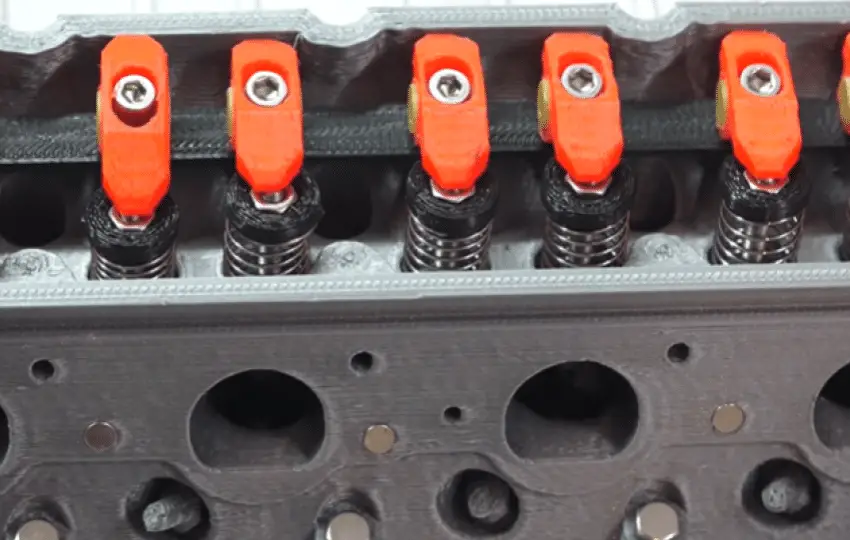
Turbocharger boost control solenoid

Symptoms and Severity of the P004B Code

The severity of this code is moderate to severe. A fault can lead to a loss of power or, conversely, overboost which can cause engine knocking and severe engine damage. It is recommended to address this issue as soon as possible.

Common Symptoms

  • Lack of engine power due to insufficient boost pressure.
  • Engine knocking (detonation) and risk of engine damage due to overboost.
  • Illumination of the Malfunction Indicator Lamp (MIL) on the dashboard.
  • Possibility of limp mode, limiting vehicle performance.

Possible Causes of the P004B Fault

  • Faulty boost pressure (MAP) sensor or turbo position sensor.
  • Faulty or clogged turbocharger or mechanical supercharger.
  • Malfunctioning boost control solenoid.
  • Wiring problem (cut wires, corroded or loose connectors).
  • Vacuum leaks (if the system uses a vacuum actuator).
  • Rare internal PCM failure.

Diagnosis and Repair Procedures

Always start with a thorough visual inspection. Look for air or vacuum leaks, loose electrical connections, damaged wires, or physically damaged components. Consult Technical Service Bulletins (TSBs) issued by the manufacturer for known issues.

General Diagnostic Procedure

⚠️ Warning: This procedure is generic. For accurate diagnosis, always refer to the manufacturer’s specific data (wiring diagrams, resistance values, test procedures).

  1. Diagnostic Tool Test: Using a bidirectional scan tool, activate and deactivate the control solenoid. The engine RPM (around 1200 RPM) and the position/pressure sensor PID value should change. If only the RPM changes, suspect the sensor. If nothing changes, suspect the solenoid, turbo, or its wiring.
  2. Electrical Circuit Test: Check for power and ground at the solenoid connector (the solenoid must be commanded during the test). Follow the wiring diagram if an anomaly is found.
  3. Turbocharger Inspection: Remove the intake duct and inspect the turbine and compressor for any damage, excessive axial play, or presence of oil/debris.
  4. Solenoid Test: Measure the solenoid’s internal resistance with a multimeter and compare it to the manufacturer’s specified values. You can also power it directly (12V) to test its physical operation (click).
  5. Sensor Test: For a 3-wire sensor (power, ground, signal), verify that all three signals are present and stable.

Related Codes

  • P004A: Turbocharger/Supercharger Boost Control “B” Circuit Open
  • P004C: Turbocharger/Supercharger Boost Control “B” Circuit Low
  • P004D: Turbocharger/Supercharger Boost Control “B” Circuit High
  • P004F: Turbocharger/Supercharger Boost Control “B” Circuit Intermittent

Conclusion and Call to Action

The P004B code indicates a performance problem in the boost control circuit. Accurate diagnosis is essential to avoid damaging the turbocharger or engine. If the diagnostic procedures are beyond your expertise, promptly consult a professional mechanic equipped with the appropriate tools and technical data to resolve the issue effectively and safely.

Low Value of Circuit B of the Turbocharger/Supercharger Boost Control P004C

Code P004C: Turbocharger/Supercharger Boost Control “B” Circuit Low

The diagnostic trouble code P004C is a generic powertrain code indicating that the Powertrain Control Module (PCM) has detected an abnormally low electrical signal in the “B” circuit controlling the turbocharger or supercharger. This issue can affect engine performance and requires specific attention.

Understanding the Boost System

Turbochargers and superchargers are air pumps that increase the amount of air entering the engine, thereby boosting its power. A turbocharger is driven by exhaust gases, while a supercharger is mechanically driven by the crankshaft.

Modern vehicles often use a Variable Geometry Turbocharger (VGT). This system features movable vanes whose position is electronically adjusted by a solenoid or motor, controlled by the PCM, to optimize boost pressure across all engine speeds. A position sensor sends data back to the PCM.

On traditional fixed-geometry systems, pressure is regulated by a wastegate or bypass valve, controlled either by vacuum or electrically. The PCM monitors the pressure via a dedicated sensor (MAP sensor).

The letter “B” in code P004C designates a specific subset of the control circuit.

Symptoms of Code P004C

  • 📈 Lack of Engine Power: Noticeable loss of performance due to insufficient boost.
  • ⚠️ Malfunction Indicator Lamp Illuminated: The Check Engine light turns on the dashboard.
  • 🌫️ Excessive Exhaust Smoke (possible in some cases).

Severity: Moderate to Severe. A prolonged fault can damage the turbocharger/supercharger or, in rare cases, the engine itself.

Potential Causes of Fault P004C

  • 🔧 Faulty Control Solenoid: The electrical component that activates the control system.
  • 📏 Failed Sensor: Boost pressure sensor (MAP) or vane position sensor (VGT) is out of service.
  • 🔌 Wiring Problems: Short circuit, loose connection, corrosion, or damaged wire in the “B” circuit.
  • 🌀 Faulty Turbo/Supercharger: Internal mechanical wear or seizure.
  • 🧠 PCM Failure (rare): The Powertrain Control Module itself is at fault.
  • 🌬️ Vacuum Leaks: If the system uses a vacuum-operated actuator.

Diagnosis and Repair Procedures

WARNING: This is a generalized procedure. Always consult the specific diagnostic diagrams from your vehicle’s manufacturer for an accurate resolution.

  1. Visual Inspection: Start by inspecting the turbocharger/supercharger, wiring, and connectors associated with the control circuit. Look for any signs of damage, corrosion, loose connections, or vacuum leaks.
  2. Check for TSBs: Verify the existence of any Technical Service Bulletins (TSBs) issued by the manufacturer for your model, which might document this known issue.
  3. Diagnostic Tool Test: Using a bidirectional scan tool, activate and deactivate the control solenoid. Observe if the engine RPM changes and if the pressure/position value (PID) on the scan tool changes accordingly.
    • If the RPM changes but the sensor value does not → suspect the sensor or its circuit.
    • If nothing changes → suspect the solenoid, wiring, or turbo/supercharger.
  4. Solenoid Electrical Test: Check for power and ground at the solenoid connector (the solenoid must be commanded during the test). Measure the solenoid’s internal resistance and compare it to the manufacturer’s specifications.
  5. Mechanical Inspection: Remove the intake duct and visually inspect the turbine and/or compressor for any physical damage or obstruction.
  6. Sensor Test: Test the pressure/position sensor (typically 3 wires: +5V, ground, signal) using a multimeter and compare the readings to the specifications.

Related Codes

  • P004A: Turbocharger/Supercharger Boost Control “B” Circuit Open
  • P004B: Turbocharger/Supercharger Boost Control “B” Circuit Range/Performance
  • P004D: Turbocharger/Supercharger Boost Control “B” Circuit High
  • P004F: Turbocharger/Supercharger Boost Control “B” Circuit Intermittent

🔧 Need Help?

Diagnosing a P004C code can be complex and often requires specialized equipment. If you are not comfortable with these procedures, consult a qualified mechanic for an accurate diagnosis and safe repair.

P004D Turbo/Supercharger Boost Control B Circuit High

P004D: Turbo/Supercharger Boost Control “B” Circuit High

Fault code P004D is a generic powertrain code indicating an electrical issue (high circuit) in the “B” circuit of the boost control system. It applies to vehicles equipped with a turbocharger or a supercharger and can concern many brands (Toyota, Ford, GMC, Jeep, Mazda, etc.).

Understanding Code P004D

Forced induction systems (turbo or supercharger) increase engine power by forcing air intake. The Powertrain Control Module (PCM) precisely regulates the boost pressure via an actuator, often an electric solenoid or a motor. Code P004D is triggered when the PCM detects that the control signal sent to this actuator in the “B” circuit is abnormally high compared to the expected value.

Symptoms of Code P004D

  • Malfunction Indicator Lamp (MIL) illuminated on the dashboard.
  • Unstable engine idle or stalling.
  • Noticeable loss of power (“underperformance”).
  • Risk of overboost potentially causing engine knock and damage.

Possible Causes of Code P004D

  1. Wiring Problems: Short to ground, damaged wires, corroded or loose connectors.
  2. Faulty Control Solenoid: The actuator regulating the boost has failed.
  3. Faulty Sensor: A boost pressure or position sensor (on Variable Geometry Turbochargers/VGTs) provides incorrect information to the PCM.
  4. Turbocharger/Supercharger Related Issues: The forced induction unit itself is mechanically damaged or seized.
  5. Faulty PCM: (Less common) The Powertrain Control Module itself is the cause.

Diagnosis and Repair Procedures

⚠️ Warning: These procedures are general. Always consult manufacturer-specific information for your vehicle.

  1. Visual Inspection: Carefully inspect the wiring, connectors, and vacuum/intake lines for any obvious damage, corrosion, or leaks.
  2. Using a Diagnostic Tool: Using an OBD2 scanner, read live data (PIDs). Command the control solenoid using the “active test” function and observe if the boost pressure/position reacts.
  3. Electrical Tests:
    • Check the supply voltage and ground at the solenoid connector.
    • Measure the solenoid’s resistance and compare it to the manufacturer’s specifications.
    • Test the signal circuit between the solenoid and the PCM for a short circuit.
  4. Mechanical Inspection: Check that the turbocharger or supercharger spins freely, without excessive axial or radial play or damaged vanes.

Related Codes

  • P004A: Turbo/Supercharger Boost Control “B” Circuit Open
  • P004B: Turbo/Supercharger Boost Control “B” Circuit Range/Performance
  • P004C: Turbo/Supercharger Boost Control “B” Circuit Low
  • P004F: Turbo/Supercharger Boost Control “B” Circuit Intermittent

Need help diagnosing your vehicle? Consult a professional mechanic equipped with the appropriate diagnostic tools for an accurate diagnosis and reliable repair.

P004E Turbo/Supercharger Boost Control A Circuit Intermittent/Erratic

P004E: Intermittent/Erratic Turbocharger/Supercharger Boost Control “A” Control Circuit

The generic diagnostic trouble code P004E indicates an intermittent or erratic problem detected by the Powertrain Control Module (PCM) in the boost control “A” circuit of a turbocharger or supercharger. This fault, applicable to most OBD-II equipped vehicles (Ford, Chevrolet, Toyota, VW, etc.), affects boost pressure management and requires precise diagnosis.

Understanding the Boost System

Turbochargers and superchargers are air pumps that increase engine power by forcing intake air. While superchargers are mechanically driven by the crankshaft, turbos use exhaust gases.

Two main systems exist:

  • Variable Geometry Turbos (VGT): Adjustable vanes, controlled by a solenoid or electric motor (commanded by the PCM), vary exhaust gas flow to adjust boost pressure independently of engine speed.
  • Traditional Turbos/Superchargers: Pressure is regulated by a wastegate or bypass valve, often actuated by engine vacuum or a solenoid.

The PCM continuously monitors this system via sensors (pressure, vane position). Code P004E signals an intermittent irregularity in this control circuit.

Symptoms and Severity of Code P004E

The severity of this code is moderate to severe. An untreated fault can lead to a loss of performance or, conversely, overboost which can cause engine knock and severe engine damage.

Common symptoms include:

  • Lack of power and reduced engine performance
  • Unstable engine idle
  • Illumination of the Malfunction Indicator Lamp (Check Engine Light)
  • Abnormal noises (whistling, whooshing) in case of a leak

Possible Causes of Fault P004E

The intermittent nature of the code often points to an electrical or connection problem. The main causes are:

  • Wiring Problems: Oxidized connectors, loose, damaged wires, or intermittent short circuits.
  • Faulty Control Solenoid: The solenoid that activates the wastegate or VGT vanes is defective.
  • Defective Sensor: The boost pressure sensor (MAP) or vane position sensor (VGT) is sending an erratic signal.
  • Vacuum Leaks: On pneumatically controlled systems, a vacuum leak prevents precise control.
  • Faulty Turbocharger/Supercharger: The boost unit itself is damaged or seized.
  • PCM Failure (rare): The Powertrain Control Module itself is at fault.

How to Diagnose and Repair Code P004E?

⚠️ Warning: This procedure is generic. Always consult manufacturer-specific data for your vehicle for an accurate diagnosis.

  1. Visual Inspection: Carefully inspect the turbo circuit, its wiring, and connectors. Look for any signs of corrosion, damage, burning, or looseness. Check the condition of vacuum hoses for possible leaks.
  2. Consulting TSBs: Search for Technical Service Bulletins (TSBs) issued by the manufacturer for known problems on your model.
  3. Testing the Solenoid with a Diagnostic Tool: Using a bidirectional scan tool, activate and deactivate the control solenoid (with the engine idling at ~1200 RPM). Observe if the engine RPM changes and if the pressure/position sensor value (PID) on the scan tool changes correctly.
    • If the RPM changes but the PID does not → suspect the sensor or its circuit.
    • If nothing changes → suspect the solenoid, its wiring, or the turbo.
  4. Electrical Tests:
    • Test the power supply and ground at the solenoid connector (it must be commanded during the test).
    • Measure the solenoid’s resistance (ohmmeter) and compare it to the manufacturer’s specific values.
    • For the sensor (often 3 wires: +5V, ground, signal), verify the presence of these three signals.
  5. Mechanical Inspection: Remove the intake duct to visually inspect the turbine and compressor. Ensure they spin freely, without excessive axial play or impact from a foreign object.

Related Codes

  • P0045: Turbocharger/Supercharger Boost Control “A” Circuit Open
  • P0046: Turbocharger/Supercharger Boost Control “A” Circuit Range/Performance
  • P0047: Turbocharger/Supercharger Boost Control “A” Circuit Low
  • P0048: Turbocharger/Supercharger Boost Control “A” Circuit High

Need help diagnosing your vehicle? Consult a professional equipped with advanced diagnostic tools for an accurate diagnosis and reliable repair. Do not ignore this code; your engine’s health depends on it!

P004F Turbo/Supercharger Boost Control B Circuit Intermittent/Erratic

P004F Turbo/Supercharger Boost Control: Control Circuit B Intermittent/Erratic

The P004F trouble code is a generic powertrain code (OBD-II) that indicates an intermittent or erratic issue in the “B” control circuit of the turbocharger or supercharger. This problem can affect a wide range of vehicles (Ford Powerstroke, Chevrolet GMC Duramax, Toyota, Dodge, Jeep, Chrysler, VW, etc.), although specific diagnostic procedures may vary.

Understanding the Boost System

Turbochargers and superchargers are air pumps that compress intake air to increase engine power. A turbocharger is driven by exhaust gases, while a supercharger is mechanically driven by the crankshaft.

Many modern vehicles use a Variable Geometry Turbocharger (VGT). This system uses movable vanes controlled by the Powertrain Control Module (PCM), typically via a solenoid or motor, to precisely regulate boost pressure. A position sensor informs the PCM about the status of the vanes.

On traditional fixed-flow systems, pressure is regulated by a wastegate, often controlled by a solenoid, and monitored by a Manifold Absolute Pressure (MAP) sensor.

The letter “B” in the P004F code designates a specific sub-circuit of the system, indicating that the problem is not necessarily with a single component but potentially with its control circuit.

Symptoms and Severity of P004F Code

The severity of this code is moderate to severe. A malfunction can lead to a loss of performance or, conversely, overboost which can cause engine knocking and serious engine damage.

Common symptoms include:

  • Malfunction Indicator Lamp (MIL) illuminated
  • Noticeable lack of engine power (insufficient boost)
  • Conversely, engine knocking and erratic behavior (excessive boost)
  • Unstable engine idle

Possible Causes of the Fault

Several causes can lead to an intermittent signal:

  • Wiring Issues: Loose, corroded, short-circuited wires, or oxidized connectors.
  • Faulty Control Solenoid: The solenoid that activates the wastegate or VGT vanes is malfunctioning.
  • Faulty Sensor: The boost pressure (MAP) sensor or the VGT vane position sensor is providing an incorrect signal.
  • Vacuum Leaks: If the system uses a vacuum actuator, a leak can disrupt its operation.
  • Faulty Turbo/Supercharger: The boost unit itself is damaged or clogged.
  • Failing PCM (less common): The Powertrain Control Module itself is the cause.

Diagnosis and Repair Procedures

⚠️ Warning: The following procedure is generalized. Always consult manufacturer-specific technical data (TSB, wiring diagrams) for your vehicle.

  1. Visual Inspection: Start with a thorough visual inspection. Look for loose connectors, wiring harnesses damaged by heat or rubbing against parts, and any obvious vacuum leaks.
  2. Using a Diagnostic Tool: Using a scanner capable of commanding actuators, activate and deactivate the control solenoid. Observe the pressure/position sensor parameters (PID) and changes in engine RPM. A lack of response indicates a problem with the control circuit or the solenoid.
  3. Electrical Test of the Solenoid: Check for power and ground at the solenoid connector (the PCM should command it via the diagnostic tool). Measure the internal resistance of the solenoid and compare it to the manufacturer’s specifications.
  4. Turbocharger/Supercharger Inspection: Remove the intake duct and visually inspect that the turbine and compressor spin freely, without excessive axial play or visible damage.
  5. Sensor Test: Test the relevant sensor (usually 3 wires: +5V, ground, signal) and its circuit using a multimeter and manufacturer specifications.

Related Codes

Related fault codes for boost control circuit “B”:

  • P004A: Boost Control “B” Circuit Open
  • P004B: Boost Control “B” Circuit Range/Performance
  • P004C: Boost Control “B” Circuit Low
  • P004D: Boost Control “B” Circuit High

🔧 Need help diagnosing this code?

Diagnosing an intermittent code can be complex. If you do not have an advanced scan tool or if the tests have not identified the fault, it is highly recommended to consult a specialized repair shop for professional diagnosis.

P0050 Heater Control Circuit HO2S B2S1

What is the P0050 code?

The P0050 code is a generic powertrain code indicating a problem in the heated oxygen sensor (HO2S) heater control circuit for Bank 2, Sensor 1 (B2S1). It applies to most vehicles equipped with the OBD-II standard (Toyota, Volkswagen, Ford, Dodge, Honda, Chevrolet, Hyundai, Jeep, Nissan, etc.). Diagnostic steps may vary by model.

Role of the HO2S and its heater

To maintain an optimal air/fuel ratio of 14.7:1, the engine control module (ECM) relies on data from oxygen sensors. The integrated heater in the HO2S allows it to activate more quickly at startup, reducing the time to reach “closed loop” and thus lowering pollutant emissions.

Heater circuit operation

The O2 sensor heater is typically powered by 12V when the ignition is on. The ECM activates the heater by completing the ground circuit. A fault detected by the ECM in this circuit for Bank 2 (the side not containing cylinder number 1) triggers the P0050 code, similar to P0030 but for a different bank.

Symptoms of the P0050 code

  • Illumination of the check engine light (MIL)
  • Extended delay in reaching closed loop
  • Possible increase in fuel consumption
  • Less precise air-fuel mixture regulation

Potential causes

  • Faulty or damaged HO2S heater element
  • Open or shorted power or ground circuit
  • Blown fuse supplying the heater
  • ECM failure (less common)

Diagnosis and solutions

1. Visual inspection: Check the B2S1 sensor and its wiring for any signs of physical damage or contact with the exhaust. If the sensor is damaged, replace it.

2. Electrical check:

  • Using a diagnostic tool, check the heater circuit status. A 0A current indicates a break.
  • Check the relevant fuses.
  • Disconnect the sensor connector. With the engine off and ignition on, use a multimeter to check for 12V on the power circuit. No voltage? Look for an open or short circuit and replace any blown fuses.
  • If power is good, check the continuity and resistance of the ground (control) circuit. Infinite resistance indicates a break to repair.

3. Replacement: If power and ground are intact, the HO2S sensor itself is most likely faulty. Replace it and clear the codes to ensure the fault does not return.

Conclusion

The P0050 code often points to a simple problem: an aging oxygen sensor, a blown fuse, or a cut wire. A methodical inspection will prevent unnecessary replacement of expensive parts. If the diagnosis seems complex, consult a professional mechanic for a reliable and lasting repair.

P0051 – Heater Control Circuit Low (Bank 2, Sensor 2)

P0051 – Heater Control Circuit Low (Sensor 2, Bank 2) Oxygen/Air-Fuel Ratio Sensor

The generic fault code P0051 is an OBD-II code related to the heater circuit of the oxygen sensor (or Air/Fuel Ratio A/F sensor) located upstream of the catalytic converter on bank 2. It indicates that the voltage or resistance in the heater circuit is abnormally low.

Meaning of Code P0051

This fault code applies to most OBD-II equipped vehicles (Toyota, Volkswagen, Ford, Honda, Nissan, etc.). It specifically concerns the Heated Oxygen Sensor (HO2S) number 1 on bank 2, the engine side that does not contain cylinder number 1.

This sensor analyzes the oxygen content in the exhaust gases. To function efficiently, especially when cold, it incorporates a heating element. Code P0051 is triggered when the Powertrain Control Module (PCM/ECM) detects a resistance in the heater circuit that is lower than the expected value (often below 0.8 Ohms).

Note: This code is similar to codes P0031, P0032, and P0052.

Symptoms of Fault P0051

  • The Malfunction Indicator Lamp (MIL) or “Check Engine” light illuminates.
  • Generally, no driving symptoms are noticeable.
  • In rare cases, a slight increase in fuel consumption may occur.

Possible Causes of Code P0051

Several elements can be the origin of this fault:

  • A short circuit in the sensor heater circuit.
  • The internal heater of the O2 sensor is faulty.
  • Damaged, frayed, or corroded wiring.
  • An oxidized or loose connector.
  • A blown fuse or a faulty relay (depending on the vehicle).
  • An internal problem with the PCM/ECM (rare).

Diagnosis and Solutions to Repair Code P0051

To diagnose and resolve this problem, follow these steps:

  1. Visual Inspection: Carefully examine the wiring and connectors between the sensor and the PCM for any signs of damage, corrosion, or poor contact.
  2. Electrical Check: Using a digital multimeter:
    • Check for the presence of 12V at the heater circuit connector (sensor disconnected).
    • Check the continuity and absence of abnormal resistance on the circuit ground.
    • Measure the heater resistance directly at the sensor pins (refer to the repair manual for values specific to your vehicle).
  3. Replacement: If the electrical measurements are out of specification, replacing the Bank 2, Sensor 1 oxygen sensor is the most common solution.

Important Recommendations

  • Prefer the use of OEM (Original Equipment Manufacturer) sensors to guarantee perfect compatibility and better long-term reliability. Aftermarket parts can sometimes be the cause of new fault codes.
  • Check with your dealer: on some vehicles, the replacement of this sensor may be covered by the federal emissions warranty.

Need help? Consult an automotive repair professional promptly for an accurate diagnosis and reliable repair of your vehicle.

P0052 – High A/F Sensor Heater Control Circuit (Bank 2 Sensor 1)

Code P0052 – Heater Control Circuit High (Bank 2, Sensor 1) for Oxygen/Air-Fuel Ratio Sensor

The generic diagnostic trouble code P0052 indicates a problem with the heater circuit of the oxygen sensor (or Air-Fuel ratio sensor) located upstream of the catalytic converter on your engine’s Bank 2. This code is common to vehicles equipped with an OBD-II system (Toyota, Volkswagen, Ford, Honda, Nissan, etc.).

Sensor Function and Fault Origin

The oxygen sensor (O2) or A/F sensor measures the oxygen content in the exhaust gases. Its integrated heating element allows it to reach operating temperature quickly to provide accurate data to the engine control module (PCM/ECU), especially at idle or when the engine is cold. Code P0052 is triggered when the control module detects an abnormally high resistance in the sensor’s heater circuit, often exceeding a specific value (for example, 10 Ω on some Toyota models).

Symptoms of Code P0052

The most common symptom is the illumination of the Malfunction Indicator Lamp (MIL) on your dashboard. You may also observe:

  • A slight increase in fuel consumption
  • Higher pollutant emissions
  • Slightly degraded engine performance

Possible Causes

Several factors can be the source of this fault:

  • A short circuit or an open circuit in the heater circuit wiring
  • A faulty O2 sensor (burnt-out heating element)
  • Oxidized, loose, or damaged connectors
  • A blown fuse or a faulty relay associated with the heater circuit
  • An internal problem with the engine control module (PCM/ECM) (rare)

Diagnosis and Solutions

To diagnose and resolve a P0052 code, follow these steps:

  1. Visual Inspection: Examine the wiring and connectors between the sensor and the control module for any signs of wear, corrosion, or damage.
  2. Electrical Testing: Using a digital multimeter, measure:
    • The presence of 12 volts supply at the connector (with the sensor disconnected).
    • The continuity and absence of excessive resistance on the ground circuit.
    • The internal resistance of the sensor’s heating element (refer to the manufacturer’s specifications).
  3. Replacement: If the sensor’s heating element is out of specifications, replacing the faulty oxygen sensor is the most common solution.

Important Recommendations

Prefer using high-quality sensors (OEM or equivalent) to ensure reliability and longevity. Lower quality parts can lead to the fault recurring. On some vehicles, this component may still be covered by the federal emissions warranty (typically valid for 8 years or 80,000 miles) – check with your dealership.

💡 Need Help? If the diagnosis seems complex, consult a professional mechanic for an accurate check using a scan tool.

P0053 Heater Resistance HO2S, Bank 1, Sensor 1

What is the P0053 Code?

The P0053 trouble code is a generic powertrain code (OBD-II) that indicates a problem with the heater circuit resistance of the oxygen sensor (lambda sensor). More specifically, it relates to the upstream sensor (sensor 1) of bank 1, which is the cylinder row containing cylinder number 1. This code means that the powertrain control module (PCM) has detected an abnormal electrical resistance value in the sensor’s internal heater circuit.

Role of the HO2S Sensor and Its Heater

The oxygen sensor (HO2S) measures the proportion of oxygen in the exhaust gases. To function efficiently and provide an accurate signal to the PCM from a cold start, it is equipped with an integrated heating element. This heater allows the sensor to quickly reach its optimal operating temperature (around 600°C). A fault in this circuit prevents the sensor from heating properly, leading to inaccurate measurements and degraded engine performance.

Symptoms of the P0053 Code

Symptoms associated with this code may include:

  • 🚨 Illumination of the malfunction indicator lamp (MIL) on the dashboard
  • ⛽ Increased fuel consumption
  • 💨 High pollutant emissions (possible black smoke at startup)
  • 🚗 Poor engine performance (hesitation, unstable idle)
  • 🔧 Appearance of other trouble codes related to the air-fuel mixture

Possible Causes of the Fault

Several elements can cause a P0053 code:

  • Faulty O2 sensor: The internal heating element is burned out.
  • Wiring problems: Cut, corroded wires, or loose/oxidized connectors.
  • Blown fuse: The fuse protecting the heater circuit has melted.
  • Faulty relay: The relay controlling the heater power supply is defective.
  • Faulty PCM: A failure of the control module itself (less common).

Diagnosis and Solutions

Preliminary advice: Consult your manufacturer’s technical service bulletins (TSB). It may be a known issue with a specific correction procedure.

Diagnostic Steps:

  1. Visual inspection: Thoroughly examine the sensor’s wiring and connectors for obvious signs of damage, burning, or corrosion.
  2. Fuse check: Use a multimeter (DVOM) to check all fuses and fuse links associated with the heater circuit. Test them under load to avoid false positives.
  3. Sensor test: Disconnect the sensor connector and measure the heater element’s resistance with a multimeter. Compare the measured value with the manufacturer’s specifications (usually between 2 and 10 Ω). Infinite resistance (open circuit) or zero resistance (short circuit) confirms a faulty sensor.
  4. Power supply test: With the ignition on, check for the presence of supply voltage (approx. 12V) at the sensor connector. Its absence indicates a problem upstream (fuse, relay, wiring, or PCM).

Repair Solutions:

  • Replace the faulty oxygen sensor (this is the most common cause).
  • Repair or replace damaged wiring and clean the connectors.
  • Replace the blown fuse. If it blows again, look for a short circuit.
  • Replace the faulty relay if necessary.

Important note: After repair, clear the codes with your diagnostic tool and perform a drive cycle to allow the PCM to conduct functional tests (OBD-II readiness mode) and ensure the fault does not return.

Conclusion

The P0053 code, although often resolved by replacing the lambda sensor, requires precise diagnosis to avoid unnecessary repairs. Damaged wiring or a simple fuse could be the cause. If you are not comfortable with these procedures, consult a professional mechanic for a reliable diagnosis.

🚗 Need help diagnosing your vehicle? Share your model and symptom in the comments!