Throttle Position Sensor (TPS): Function, Failures, and Tests

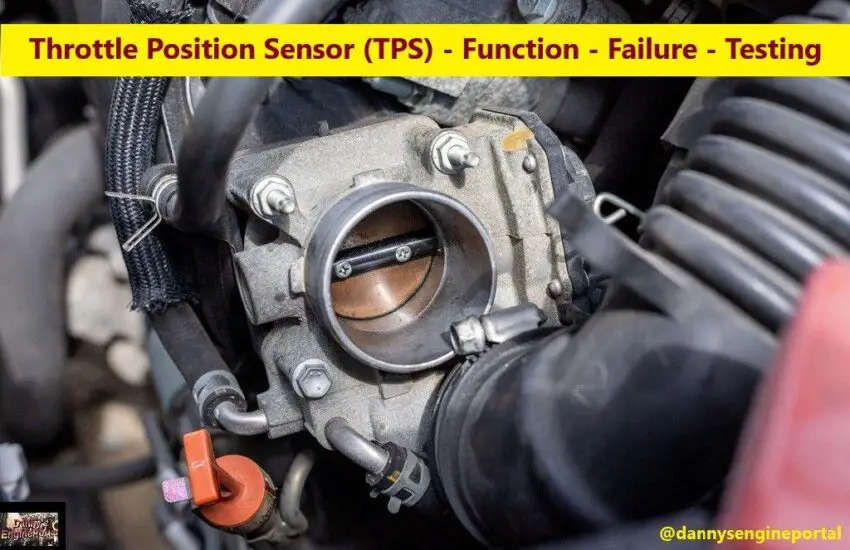
The Throttle Position Sensor (TPS) has the primary function of providing vital information to your vehicle’s engine control unit (ECU). This data, based on the actual position of the throttle valve, is essential for the proper operation of the engine.

What is the function of the TPS sensor?

The TPS sensor continuously monitors the opening angle of the throttle valve. It transmits this information as an electrical signal to the engine control unit. The ECU then uses this data to precisely regulate the air-fuel mixture and ignition timing, thereby ensuring optimal performance, efficient fuel consumption, and controlled emissions.

Common Symptoms and Causes of Failure

A faulty TPS sensor is indicated by several symptoms:

  • Irregular Idle: The engine may stall or have an unstable idle.
  • Hesitation and Power Loss: Hesitation during acceleration is common.
  • Increased Fuel Consumption: The ECU, receiving incorrect information, can no longer optimize the mixture.
  • Limp Mode Activation: The vehicle loses power to protect itself.

Failures are often due to normal wear, corroded connectors, or a faulty electrical circuit.

How to Test a Throttle Position Sensor?

Testing requires a digital multimeter. After locating the sensor on the throttle body, check the reference voltage (usually 5V) and the ground. Connect the multimeter to the signal wire and observe the voltage variation: it should be smooth and linear, without interruption, during the manual opening of the throttle. Any sudden voltage drop or absence of signal indicates a faulty sensor that needs replacement.

Engine Stalling: Expert Troubleshooting and Preventive Maintenance

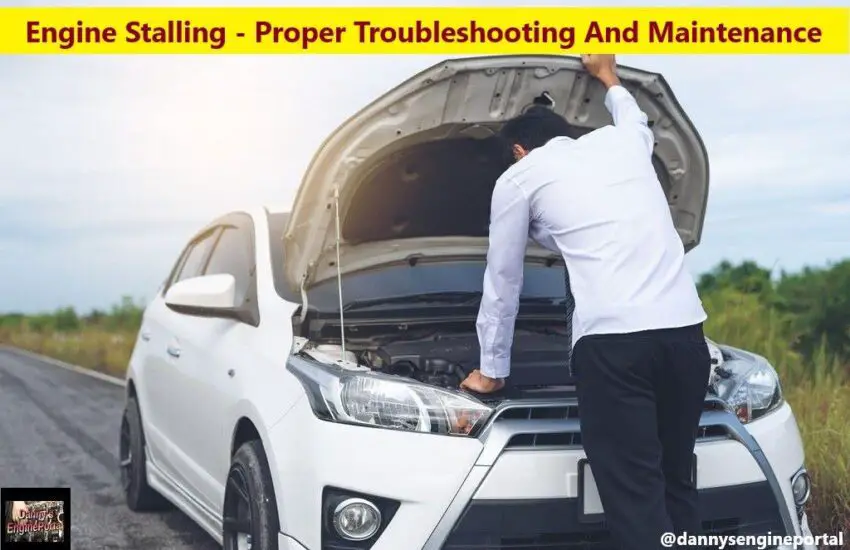
A stalling engine is a frustrating problem, often difficult to diagnose because it is frequently linked to faulty sensors or temperature sensitivities. These stalls occur more readily in cold weather or when starting a cold engine.

Why Does an Engine Stall? Common Causes

Identifying the origin of a stall is the first step toward an effective repair. The causes are multiple but often related to a few key systems.

Sensor and Temperature Probe Problems

Faulty sensors, such as the throttle position sensor (TPS) or the engine temperature sensor, send incorrect information to the engine control unit (ECU). The ECU can then no longer properly regulate the air/fuel mixture, causing the stall.

Ignition System Failures

Worn spark plugs, damaged spark plug wires, or a faulty coil lead to a weak or irregular spark. Without optimal combustion, the engine loses power and may stall, especially at low RPMs.

Fuel Supply Problems

A weak fuel pump, a clogged filter, or dirty injectors can restrict fuel flow. The engine is then “starved” and risks stalling under load or during acceleration.

Troubleshooting Procedure: How to Diagnose a Stall

A methodical approach is essential to solve the problem without replacing parts unnecessarily.

Reading Fault Codes (OBD)

Connect an OBD2 scanner to retrieve the error codes stored in the ECU. Even an absent or generic code can guide the diagnosis toward a specific system (ignition, injection, etc.).

Visual and Basic Maintenance Checks

Inspect simple elements first: oil level, condition of spark plugs, wires, and connectors. A clogged air filter can also disrupt the air/fuel mixture. Regular maintenance prevents many issues.

Preventive Maintenance to Avoid Stalling

Prevention remains the best strategy to ensure stable operation of your engine.

  • Strictly adhere to oil change intervals and use quality oil.
  • Replace spark plugs, filters (air, fuel, cabin), and belts according to the manufacturer’s recommendations.
  • Periodically use injector cleaning additives to keep the injection system clean.
  • Pay attention to early warning signs like irregular idling or jerking.

In conclusion, a stalling engine is not inevitable. A logical diagnostic approach, starting with reading codes and basic checks, often allows for identifying and resolving the problem. Regular and preventive maintenance is your best insurance to prevent it from happening again.

Engine Lubrication Problems: Lack of Oil and Premature Wear

Engine lubrication problems often stem from neglected maintenance. A poor maintenance routine is by far one of the biggest causes of these malfunctions. Not only that, but extending oil change intervals is directly responsible for engine oil levels being too low.

The Consequences of Insufficient Engine Oil

Insufficient oil levels lead to inadequate lubrication of the engine’s internal components. Without this protective film, metal parts come into direct contact, causing excessive friction, overheating, and accelerated wear.

The Main Causes of the Problem

Beyond delayed oil changes, other factors can cause a lack of oil: leaking seals, excessive oil consumption by the engine itself, or oil viscosity unsuitable for operating conditions.

How to Prevent Engine Wear?

Prevention inevitably involves rigorous and regular maintenance. Strictly adhere to the oil change intervals recommended by the manufacturer and frequently check the oil level to ensure your engine’s longevity.

Engine Vacuum Test: Complete Guide on Checks and Method

Performing an engine vacuum test can teach you much more about your engine than you might think. It’s one of the simplest and most cost-effective methods for detecting serious engine problems.

Why perform an engine vacuum test?

The vacuum generated by the engine is a valuable indicator of its overall health. An abnormal reading can reveal issues with valve sealing, head gasket, timing alignment, or even piston ring wear.

How to perform a vacuum test

To perform this check, you’ll need a vacuum gauge. Simply connect the device to a vacuum port on the intake manifold, start the engine, and observe the reading at idle. A stable and normal value typically ranges between 17 and 22 inches of mercury (inHg).

Interpreting test results

A fluctuating needle may indicate burnt valves. A low and stable reading often signals a timing issue or vacuum leak. A gradual drop in value points to a clogged catalytic converter. Analyzing the needle’s behavior is crucial for accurate diagnosis.

Low Engine Oil Pressure: Common Causes and Repair Solutions

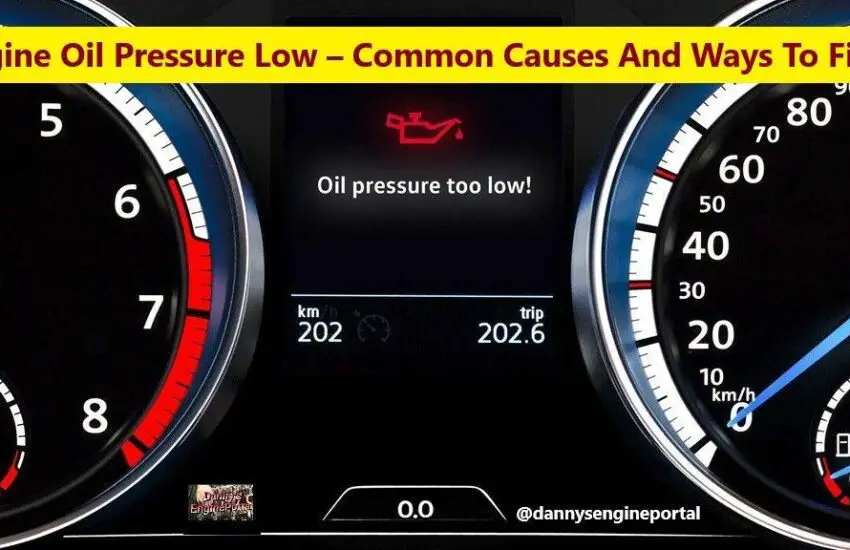
Low engine oil pressure is often the first sign of a serious problem. It typically manifests as a warning light that illuminates or flashes on your dashboard, sometimes accompanied by a drop in performance, abnormal engine noises, or even difficulty starting. It is crucial never to ignore this warning signal, as insufficient lubrication can lead to severe and very costly engine damage.

The Main Causes of Low Oil Pressure

Several malfunctions can be the cause of a drop in oil pressure. Identifying the source of the problem is the first step towards an effective repair.

Insufficient oil level or degraded oil

The most common cause is simply an oil level that is too low, due to a leak or excessive consumption. Aging engine oil, which has lost its lubricating properties and viscosity, can no longer ensure optimal pressure.

Oil filter failure

A clogged or blocked oil filter restricts oil circulation, preventing the proper pressurization of the lubrication circuit. It is imperative to replace it with every oil change.

Oil pump problem

The oil pump is the heart of the lubrication system. If it is worn or defective, it can no longer suck in and pump out the oil correctly, leading to a direct drop in pressure.

Engine oil dilution

In some engines, an injection problem or unburned fuel can flow into the oil pan and dilute the oil. This mixture loses viscosity, which directly affects the pressure.

Bearing and engine wear

Excessive wear of the crankshaft bearings or other internal components creates too much clearance. The oil then escapes without encountering resistance, which prevents it from building up pressure.

How to Diagnose and Solve the Problem

Immediate checks to perform

1. Check the oil level using the dipstick. If it is low, add oil of the correct viscosity without exceeding the maximum level.
2. Visually inspect the engine and the ground underneath for any possible oil leaks.
3. Check the oil quality by rubbing a little oil between your fingers. If it is black, very thin, or contains particles, an oil change is necessary.

Solutions and repairs

Replace the oil and filter: A complete oil change with new product and a quality filter is often the solution.
Have the oil pump diagnosed: A mechanic can test the actual pressure and determine if the pump is the cause.
Mechanical inspection: If serious internal wear (bearings, bushings) is suspected, a more thorough investigation by a professional is necessary.

Acting quickly in the face of low oil pressure is essential to preserve the health and longevity of your engine. When in doubt, the intervention of an expert is always recommended.

Scion P1442 Code: EVAP System Leak Detection Pump Control Circuit

Understanding the Scion P1442 Diagnostic Trouble Code

When your Scion’s check engine light illuminates and you retrieve the OBD2 trouble code P1442, you’re dealing with a specific issue within the vehicle’s Evaporative Emission Control (EVAP) system. This code indicates a malfunction in the Leak Detection Pump (LDP) Control Circuit, a critical component designed to monitor and maintain the integrity of your vehicle’s fuel vapor containment system. The EVAP system prevents gasoline vapors from escaping into the atmosphere, and the leak detection pump is its primary diagnostic tool for identifying leaks.

What Does the P1442 Code Mean for Your Scion?

The P1442 code specifically points to an electrical problem within the control circuit for the Leak Detection Pump. This doesn’t necessarily mean the pump itself has failed; rather, the Powertrain Control Module (PCM) has detected an irregular voltage, resistance, or signal in the electrical pathway that controls the LDP’s operation. The PCM continuously monitors this circuit, and when it receives readings outside predetermined parameters, it stores the P1442 code and activates the check engine light.

How the EVAP System and Leak Detection Pump Work

Your Scion’s EVAP system is a closed network that captures fuel vapors from the gas tank and temporarily stores them in the charcoal canister. During specific driving conditions, the PCM opens the purge valve, allowing these vapors to be drawn into the engine and burned. The Leak Detection Pump plays a crucial role in testing this system for leaks by pressurizing the EVAP system and monitoring pressure decay. A properly functioning LDP ensures no harmful hydrocarbons escape into the environment.

Common Symptoms and Causes of P1442 in Scion Vehicles

Recognizing the symptoms associated with code P1442 can help you address the issue promptly. While sometimes the check engine light may be the only noticeable symptom, several other indicators can point toward this specific EVAP system circuit problem.

Identifying Symptoms of P1442

  • Illuminated check engine light (MIL) on your dashboard
  • Possible failed emissions test during vehicle inspection
  • No noticeable driving performance issues in most cases
  • Potential slight decrease in fuel economy over time
  • In rare instances, a faint gasoline odor near the vehicle
  • Other related EVAP codes may be stored alongside P1442

Primary Causes of P1442 Code in Scion Models

  • Faulty Leak Detection Pump (LDP) unit itself
  • Damaged wiring or connectors in the LDP control circuit
  • Blown fuses affecting the EVAP system components
  • Poor electrical connections or corrosion at the LDP connector
  • Issues with the Powertrain Control Module (PCM)
  • Physical damage to the LDP or its surrounding components
  • Short to ground or open circuit in the control wiring

Diagnostic and Repair Procedures for P1442

Proper diagnosis of the P1442 code requires a systematic approach to identify the root cause before attempting repairs. Following a logical diagnostic sequence can save significant time and prevent unnecessary part replacement.

Step-by-Step Diagnostic Approach

Begin by performing a thorough visual inspection of the Leak Detection Pump, typically located near the fuel tank or charcoal canister. Check for any obvious physical damage, corrosion, or disconnected wiring. Next, use a digital multimeter to test the power and ground circuits to the LDP. Verify that the pump receives proper voltage when activated and that ground connections are secure. Consult your Scion’s wiring diagram to identify the correct pins for testing at the LDP connector.

Testing the Leak Detection Pump Circuit

With the ignition off, disconnect the electrical connector from the LDP. Using a multimeter set to measure resistance (ohms), check the resistance between the LDP terminals. Compare your reading to the manufacturer’s specifications, which typically range between 10-30 ohms for a functioning pump. Significantly higher or lower readings indicate a faulty pump. Next, check for continuity in the wiring between the LDP connector and the PCM, looking for any opens or shorts that could cause the P1442 code.

Repair Solutions and Replacement Procedures

Once you’ve identified the specific cause of the P1442 code, proceed with the appropriate repair. If the Leak Detection Pump itself is faulty, replacement is necessary. The LDP is typically mounted with bolts and connected to vacuum lines and electrical connectors. When replacing the pump, ensure all connections are clean and secure. If the issue is wiring-related, repair or replace the damaged wires using proper soldering and heat shrink techniques. After completing repairs, clear the code and perform a test drive to verify the issue is resolved.

Preventive Maintenance and Professional Considerations

While the P1442 code typically represents an electrical circuit issue rather than a maintenance-related problem, understanding when to seek professional assistance can prevent further complications and ensure proper repair.

When to Consult a Professional Mechanic

  • If you’re uncomfortable working with electrical systems
  • When diagnostic equipment beyond a basic code reader is needed
  • If the code persists after replacing suspected components
  • When multiple related codes are present alongside P1442
  • If you suspect issues with the PCM itself
  • When the vehicle is still under warranty

Preventing Future EVAP System Issues

While circuit issues like P1442 are often unpredictable, proper vehicle care can minimize related problems. Always ensure the gas cap is tightened securely after refueling, as this is part of the sealed EVAP system. During maintenance, be careful around EVAP components to avoid damaging wiring or vacuum lines. Address any check engine lights promptly to prevent additional issues from developing. Regular professional inspections can identify potential problems before they trigger diagnostic trouble codes.

Successfully diagnosing and repairing a P1442 code in your Scion requires methodical testing of the Leak Detection Pump control circuit. By understanding the system’s function and following proper diagnostic procedures, you can resolve this EVAP system electrical issue and restore your vehicle to proper operating condition while maintaining its environmental compliance.

Causes of Engine Misfires: Guide to Effective Diagnosis

Identifying the causes of engine misfires may seem complex and daunting for a novice. However, by paying attention to your vehicle’s behavior while driving, you can significantly refine your diagnosis and understand the origin of the problem.

Common Symptoms of an Engine Misfire

An ignition misfire rarely occurs without warning signs. The most frequent symptoms include jerking or shaking at idle and during acceleration, a noticeable loss of power, abnormally high fuel consumption, and the illumination of the check engine light on your dashboard. In the most severe cases, you might even hear knocking or banging noises coming from the engine compartment.

Main Causes of Engine Misfires

Ignition System Problems

These are often the first suspects. Worn or fouled spark plugs, faulty ignition coils, or damaged spark plug wires can prevent the spark from occurring correctly, causing a misfire.

Air/Fuel Mixture Imbalances

An engine needs a perfectly balanced mixture of air and fuel to operate. A clogged or defective injector, a dirty air filter, or a sensor (such as the MAP sensor or mass airflow sensor) sending incorrect information to the control unit can disrupt this balance and cause a misfire.

Compression Losses

If the air-fuel mixture is not properly compressed in the cylinder, combustion will be inefficient. This can be due to a blown head gasket, a damaged, worn, or carbonized valve, or even worn piston rings.

How to Diagnose a Misfire

The first step is to connect an OBD2 diagnostic tool to read the fault codes recorded by the vehicle’s computer. A code such as P030X (where X corresponds to the number of the faulty cylinder) will indicate which cylinder is affected. Once the cylinder is identified, you can proceed by swapping parts (such as the ignition coil) with a healthy cylinder to see if the problem moves, which will confirm the failure.

Conclusion

Although troubling, an engine misfire is often repairable without professional help, provided you adopt a methodical approach. Start by observing the symptoms, use an OBD2 scanner, and test the most easily accessible components like spark plugs and coils. This approach will guide you to the root cause and prevent you from replacing parts unnecessarily.

Torque Specification: Torque to Yield and Angle + Torque Method

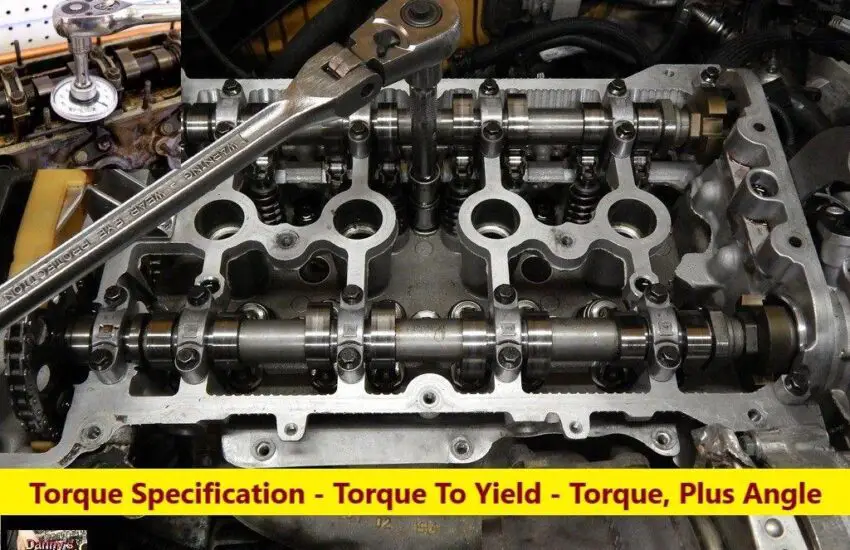
Torque specification is absolutely fundamental. Assembling an engine without adhering to the precise tightening torque is a direct invitation to failure. This is particularly true for modern, lightweight engines, which primarily use aluminum casings. Therefore, having the correct torque specification is crucial to ensure reliability, sealing, and longevity.

Understanding Tightening Torque and Its Importance

Tightening torque, expressed in Newton-meters (Nm) or foot-pounds (ft-lb), is the rotational force applied to a bolt or nut during tightening. It is not simply about “tightening hard”; insufficient tightening can lead to loosening and leakage, while excessive tightening can cause the bolt to stretch or even break, often damaging the threads in the softer material (such as aluminum). Precise torque ensures a uniform and optimal clamp load on the joint, guaranteeing its perfect operation.

The Torque to Yield (TTY) Method

The Torque to Yield method is an advanced tightening technique commonly used for cylinder head bolts on modern engines. Unlike standard reusable bolts, TTY bolts are specifically designed to be stretched beyond their elastic limit during the final tightening. This allows for a much higher and, most importantly, more uniform clamp load across the entire cylinder head gasket, which is essential for containing the high combustion pressures of today’s engines. Warning: TTY bolts are generally single-use components and must be systematically replaced.

The Torque Plus Angle Method

The Torque Plus Angle method is a two-step procedure often associated with TTY tightening. It combines the precision of an initial torque with the consistency of an angular rotation:

  1. Torque Step: A specific initial torque is applied to uniformly tension the bolt and the components.
  2. Angle Step: Each bolt is then tightened by an additional precise rotation angle (for example, 90° or 180°). This rotation stretches the bolt in a controlled manner to achieve the desired final clamp load.

This method compensates for friction variations and ensures a much more precise and reproducible tightening than torque alone.

Conclusion: The Key to Success

Whether for a repair or a rebuild, never improvise tightening. Always consult the manufacturer’s repair manual (workshop manual) for the exact torque specifications, tightening sequence (precise order), and the method to use (simple torque, TTY, angle). Use a calibrated torque wrench and meticulously follow the procedures. This is the only guarantee for a strong, sealed, and durable assembly.

Setting the Ignition: Why the Spark Plug Must Fire at the Right Time

Ignition timing is a fundamental parameter for the proper functioning of your engine. It is crucial that the spark occurs at the perfect moment to ignite the air-fuel mixture. But what happens when ignition fires too early or too late? The consequences can be detrimental to your engine’s performance and longevity.

The Consequences of Incorrect Ignition Timing

Incorrect ignition timing, whether advanced or retarded, disrupts the combustion cycle. If the spark occurs prematurely (excessive advance), combustion happens while the piston is still in the compression phase. This creates counterproductive pressure, generating knocking (or pinging) that can damage the piston, rings, and cylinder liner. Conversely, a spark that is too late (retard) means combustion takes place when the piston is already descending. Energy is wasted, power is reduced, and exhaust temperatures rise dangerously, risking damage to the exhaust valve and catalytic converter.

Symptoms of an Ignition Problem

Several signs should alert you: a noticeable loss of power and responsiveness, abnormally high fuel consumption, jerking during acceleration or at idle, and in severe cases, a metallic knocking sound. These symptoms indicate that the ignition timing is no longer optimal and requires checking.

How to Adjust and Optimize Ignition?

Adjusting ignition advance is a precision operation. On older engines with conventional ignition, it is done mechanically by rotating the distributor. Modern engines, equipped with fully electronic systems (distributorless), are managed by the engine control unit (ECU). The latter continuously adjusts the timing based on information from its many sensors (crankshaft position, camshaft, knock, etc.). For precise adjustment, using a strobe light (for conventional systems) or a diagnostic tool to read the ECU data is essential.

The Importance of Regular Maintenance

To ensure consistently optimal ignition, preventive maintenance is key. Ensure the health of the spark plugs, coils, and high-tension cables. Worn or fouled spark plugs can indeed distort the spark timing. Perfectly set ignition is the secret to a high-performing, economical, and durable engine.

Car battery maintenance: 6 tips to avoid breakdowns in winter

Battery Care Tips to Prevent Cold Weather Failures: Winter temperatures put a strain on car batteries, reducing their efficiency and increasing the risk of failure. Here are essential tips to avoid getting stranded in extreme cold.

1. Keep Your Battery Clean

The buildup of dirt, dust, and corrosion on terminals can compromise electrical conductivity. Regularly inspect the terminals and clean them with a mixture of baking soda and water. This simple maintenance ensures optimal connection and extends your battery’s lifespan.

2. Check Fluid Levels

If your vehicle has a non-sealed battery, periodically check the electrolyte levels. Make sure the fluid is above the minimum line indicated on the case and add distilled water if necessary to prevent the cells from drying out.

3. Test Battery Charge

Have your battery’s charge level checked before winter arrives. Many professionals offer free tests that reveal the actual health of your equipment. A weak battery should be replaced preventively.

4. Inspect Physical Condition

Regularly examine your battery for potential damage: cracks, leaks, or swelling. Extreme temperatures can damage the case and compromise its operation. A damaged battery should be replaced immediately to avoid electrical risks.

5. Protect Against Extreme Cold

Park your vehicle in a garage when possible. Batteries can lose up to 50% of their power in freezing weather. A special insulating battery cover can maintain an acceptable temperature and preserve performance.

6. Avoid Repeated Short Trips

Trips shorter than 20 minutes do not allow the alternator to sufficiently recharge the battery. Combine your errands or use a maintenance charger if you primarily use your vehicle for short trips.