Car Paint Maintenance: Complete Guide to Protect and Enhance Your Car’s Value

Maintaining your car’s paint is much more than just a matter of aesthetics or customization. This protective layer serves as the first line of defense for your bodywork against rust, corrosion, UV rays that cause fading, and daily wear and tear. Rigorous maintenance is a mark of pride, helps your vehicle retain its new appearance longer, and preserves its value and lifespan. It is a crucial factor if you ever consider selling or trading it in.

Why is Paint Maintenance So Crucial?

Your automobile’s paint is not merely decorative. It plays an essential technical role by protecting the underlying materials from corrosive elements like moisture, road salt, and atmospheric pollutants. Without this protection, the bodywork would be vulnerable, and deterioration would be rapid, leading to costly repairs.

The Benefits of Well-Maintained Paint

Preservation of Vehicle Value

A flawless bodywork, free of scratches and dullness, is a major selling point. It indicates a careful owner and can significantly increase your car’s resale value on the used market.

Protection Against Environmental Damage

Proper maintenance, including regular washing and the application of wax or ceramic coating, creates a shield against bird droppings, tree sap, resins, and UV rays, which are the main causes of oxidation and fading.

Owner Pride and Aesthetics

Driving a shiny, well-maintained vehicle is a source of satisfaction. It reflects the care you take of your possession and greatly enhances its daily appearance.

Conclusion

Investing time and appropriate products in your car’s paint maintenance is not superfluous. It is a smart approach that protects your investment, maintains your vehicle’s value, and ensures it continues to shine and protect you for many years to come.

How to Date a Craftsman Toolbox: Complete Expert Guide

Dating a Craftsman toolbox allows you to discover its exact manufacturing date. This information is much more than just a curiosity; it immerses you in the history of the brand and helps you understand the experience of DIYers and mechanics of that era. For decades, Craftsman has been one of the most reputable and reliable tool brands. Identifying the age of your toolbox is like opening a window to the past and appreciating the quality and evolution of a legendary manufacturer.

Methods to Identify the Age of Your Craftsman Tools

Several clues and characteristics can help you determine the manufacturing period of your toolbox. The approach requires careful observation.

1. Locate and Decipher the Identification Label

The first step is to look for a label or metal plate. It is often located inside the drawer, on the back wall, or under the lid. This label may contain a model number, a serial number, or a date code. Carefully note all series of numbers and letters.

2. Analyze the Brand Logo and Branding

The Craftsman logo has evolved over the years. The oldest boxes (1920s-1960s) often feature the “Craftsman” logo in a red circle or the cursive “Craftsman” script. Models from the 70s-80s have a cleaner, more modern logo. Comparing your box’s logo with online historical archives is a very reliable method.

3. Examine the Construction and Materials

The way the box is constructed is a great indicator. Early boxes were made of thick steel, with sturdy hinges and a high-quality painted finish. Over time, production methods changed, influencing the thickness of the metal, the type of handles (metal vs. plastic), and the locking mechanisms.

4. Consult Online Catalogs and Archives

Many enthusiasts and specialized websites have digitized old Craftsman advertising catalogs. If you have a model number, browsing through these archives is often the most direct way to find the exact year your model was marketed.

Why Date Your Craftsman Toolbox?

Beyond simple personal satisfaction, knowing the age of your Craftsman toolbox can have practical value. Vintage models, especially those from the “US-made” era, are highly sought after by collectors and can have a significantly higher value on the second-hand market. It also allows you to better understand the quality of the materials and contextualize its legacy.

Risks of Driving with a Faulty Alternator: Problems and Dangers Explained

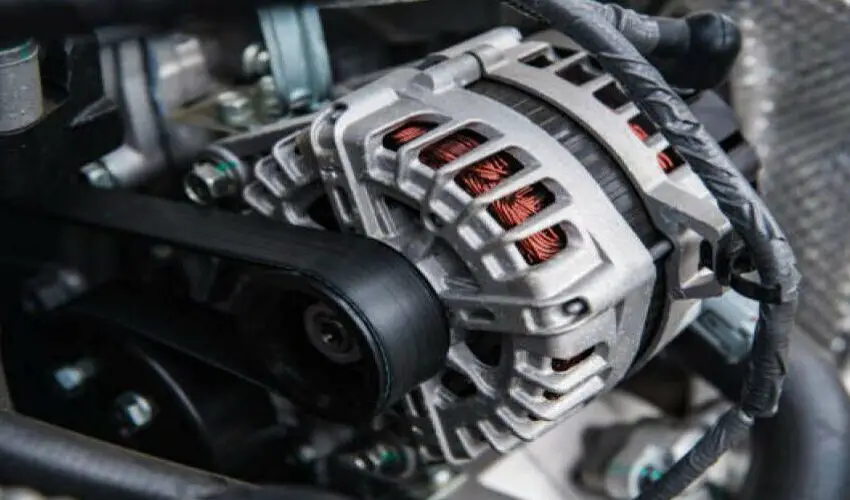
Risks of Driving with a Faulty Alternator: This situation is far more than just an inconvenience; it’s a genuine danger to your safety and your vehicle’s health. Often underestimated in favor of the battery, the alternator plays a crucial role. Without it, the battery, although “powerful,” cannot independently store or redistribute electrical energy. These two components must work in perfect symbiosis to power all of your car’s electronic systems.

Symptoms of a Failing Alternator

Recognizing the warning signs of a failure is crucial to act in time. Several clues are unmistakable and should alert you.

Warning Lights That Illuminate

The battery light on your dashboard is the most obvious alarm signal. If it lights up in the shape of a battery, it often means the alternator is no longer providing sufficient charge.

Dimming Headlights

Do you notice the intensity of your headlights varying? They become dimmer at idle and regain power when you accelerate? This is a classic symptom of a failing alternator.

Various Electrical Problems

Power windows that roll up abnormally slowly, a car radio that cuts out, or windshield wipers that operate slowly are all signs that your car’s electrical system is underpowered.

Abnormal Noises

A squealing or grinding noise coming from the engine can indicate a problem with the alternator’s bearings, often a precursor to its complete failure.

Immediate Dangers on the Road

Ignoring these symptoms and continuing to drive exposes you to serious and immediate risks.

A Sudden and Unexpected Breakdown

The most direct danger is a total breakdown. When the alternator no longer charges the battery at all, the battery discharges quickly. This results in a loss of engine power, followed by a complete stall, leaving you stranded, potentially in a dangerous location.

Loss of Driving Aids

In modern vehicles, electrical discharge leads to the gradual failure of essential assistance systems: power steering, ABS braking, ESP, and airbags. Your vehicle becomes much less safe and much more difficult to control.

Long-Term Consequences for Your Vehicle

Beyond the immediate danger, a faulty alternator causes costly collateral damage.

Battery Damage

An alternator that overcharges or undercharges the battery significantly reduces its lifespan. You will most likely end up having to replace both components.

Engine Control Unit Damage

Voltage fluctuations can damage your car’s engine control units and electronic modules, which are extremely expensive parts to repair or replace.

What to Do About a Failing Alternator?

At the first signs, it is imperative to act. Avoid long trips and non-essential travel. Go to a mechanic as soon as possible for a diagnosis. The repair, although sometimes costly, is always less expensive than the consequences of a total breakdown or the damage caused to other electrical components of your car. Do not take unnecessary risks: your safety is priceless.

Car Air Conditioning and Fuel Consumption: The Real Impact

How much fuel does air conditioning use? This is a question many drivers ask themselves, especially during long summer journeys. The air conditioning (AC) system undeniably improves comfort by expelling hot air and blowing cool air into the cabin. However, its operation comes with an energy cost for your vehicle.

How does air conditioning affect fuel consumption?

The heart of the system, the AC compressor, is driven by the engine via a belt. When you activate the AC, the compressor starts up and places an additional load on the engine. To maintain its performance and run the compressor, the engine must then burn more fuel. This increased consumption, although variable, is very real.

Factors influencing increased consumption

Several elements come into play to determine the exact impact on your fuel tank:

  • The model and size of the vehicle: A large SUV will consume proportionally more than a compact city car.
  • The efficiency of the AC system: Newer technologies tend to be less energy-intensive.
  • The outside temperature: The hotter it is, the harder the compressor has to work to cool the cabin.
  • The air conditioning setting: A very low temperature and a high fan speed require more effort.

What is the real impact on your fuel budget?

On average, it is estimated that using the air conditioning can lead to increased consumption ranging between 5% and 20%. In concrete terms, this can represent approximately 0.5 to 2 extra liters per 100 km. This wide range depends directly on the factors listed above. In the city, where stop-and-go cycles are frequent, the impact is generally more pronounced than on the highway at a steady speed.

Tips to reduce consumption

You can minimize the impact of the AC on your fuel consumption:

  • Park your car in the shade whenever possible.
  • When starting, briefly open the windows to let the hot air out before turning on the AC.
  • Use the recirculation mode once the cabin has cooled down.
  • Avoid setting the temperature to the minimum; a reasonable difference from the outside is sufficient.

In conclusion, although air conditioning does use fuel, its impact remains moderate and is often a price worth paying for increased comfort and safety on hot days.

OBD2 Code P1443: EVAP System Leak Detection Pump Control Circuit

Understanding the OBD-II Trouble Code P1443

When your vehicle’s check engine light illuminates and a diagnostic scan reveals the OBD2 code P1443, you are dealing with a specific fault within the Evaporative Emission Control (EVAP) system. This diagnostic trouble code (DTC) is defined as “Evaporative Emission Control System Leak Detection Pump Control Circuit.” The EVAP system is a critical component of your vehicle’s emissions control network, designed to prevent fuel vapors from the gas tank from escaping into the atmosphere. The Leak Detection Pump (LDP) is the heart of the leak monitoring process in many modern vehicles, particularly those from manufacturers like Nissan, Infiniti, and Chrysler. A P1443 code indicates that the vehicle’s Powertrain Control Module (PCM) has detected an electrical malfunction within the control circuit for this pump.

What is the EVAP System and Why is it Important?

The Evaporative Emission Control (EVAP) system is a sealed network that captures fuel vapors from the fuel tank. Instead of being released into the air, these vapors are stored temporarily in a charcoal-filled canister. When the engine is running under specific conditions, the PCM opens a purge valve, allowing these stored vapors to be drawn into the engine and burned. This process is environmentally responsible and improves overall fuel efficiency. The system must remain completely sealed for this process to work effectively. The Leak Detection Pump’s job is to pressurize the system and monitor for any drops in pressure that would indicate a leak.

The Role of the Leak Detection Pump (LDP)

The Leak Detection Pump is an electrically-operated pump and switch assembly. It is not a traditional fluid pump; rather, it uses engine vacuum to draw in air and then uses an internal solenoid to seal that air in, creating pressure within the EVAP system. The PCM sends a voltage signal to the LDP’s solenoid to control its operation. The PCM then monitors the feedback from the LDP’s internal pressure switch. Code P1443 is set specifically when the PCM detects a problem with the *control circuit*—the electrical pathway between the PCM and the LDP solenoid. This distinguishes it from codes related to mechanical pump failure or leaks in the hoses.

Common Symptoms and Causes of a P1443 Code

A P1443 code represents an electrical fault, which may or may not produce noticeable drivability symptoms. However, because it affects the emissions system, it should not be ignored.

Recognizing the Symptoms of P1443

  • Illuminated Check Engine Light (MIL): This is the most common and often the only symptom.
  • Failed Emissions Test: The vehicle will not pass a state or local emissions inspection.
  • Fuel Odor: In some cases, a failing LDP or related leak may cause a faint smell of gasoline.
  • Other EVAP Codes: P1443 may appear alongside other EVAP codes like P0442 or P0455 if the underlying issue is causing a leak.

Since the LDP’s function is part of a non-continuous self-test, you likely will not notice any difference in engine performance, fuel economy, or starting.

Primary Causes of the P1443 Diagnostic Trouble Code

  • Faulty Leak Detection Pump (LDP): The internal solenoid within the pump can fail electrically.
  • Damaged Wiring or Connectors: The wiring harness connecting the PCM to the LDP can suffer from chafing, corrosion, or broken wires.
  • Poor Electrical Connections: A loose or corroded connector at the LDP or the PCM can interrupt the control signal.
  • Blown Fuse: A fuse that supplies power to the EVAP system components may be blown.
  • Defective Powertrain Control Module (PCM): While rare, a failure within the PCM itself can prevent it from sending the proper control signal.

Step-by-Step Diagnostic and Repair Procedure

Diagnosing a P1443 code requires a methodical approach, a digital multimeter (DMM), and a reliable wiring diagram for your specific vehicle. Always begin with the simplest and most cost-effective checks.

Initial Visual Inspection and Preliminary Checks

Before diving into electrical testing, a thorough visual inspection can often reveal the problem quickly and save valuable time.

  • Locate the LDP: Consult your vehicle’s service manual. The LDP is often located in the engine bay, near the EVAP canister, or behind a rear wheel well liner.
  • Inspect Wiring and Connectors: Carefully examine the entire wiring harness leading to the LDP. Look for any obvious damage, such as burnt, chafed, or broken wires. Check the connector for pushed-out pins, corrosion, or moisture.
  • Check Related Fuses: Locate and inspect all fuses related to the EVAP system and the PCM in the under-hood and interior fuse boxes.

Electrical Circuit Testing with a Multimeter

If the visual inspection is inconclusive, you must verify the integrity of the control circuit. You will need a wiring diagram to identify the correct pins.

  • Test for Power and Ground: With the connector disconnected from the LDP, turn the ignition to “ON.” Check for battery voltage at the power supply wire to the LDP. Also, verify a clean ground connection.
  • Test the Control Circuit from the PCM: This is a critical test. Using the wiring diagram, back-probe the control circuit wire at the LDP connector. With a scan tool that can command the LDP on/off, or by monitoring the circuit during a key cycle, you should see the PCM switching the voltage on and off. If there is no signal, the problem is in the wiring or the PCM.
  • Check for Shorts and Resistance: Use the multimeter’s resistance (ohms) setting to check for short-to-power or short-to-ground on the control circuit wire. Also, check the resistance of the LDP solenoid itself; compare it to the manufacturer’s specification (typically a low resistance, often between 10-30 ohms). An infinite reading indicates an open solenoid, while a zero reading indicates a short.

Component Replacement and Final Verification

Once you have isolated the faulty component, replacement is the next step.

  • Replacing the Leak Detection Pump: If the LDP solenoid tests bad, replace the entire LDP assembly. It is generally not serviceable separately.
  • Repairing Wiring: If the wiring is damaged, repair or replace the affected section using proper solder and heat shrink tubing. Do not use twist-on connectors.
  • Clearing the Code and Test Drive: After the repair, clear the P1443 code with your scan tool. To ensure the repair was successful, the PCM needs to run a complete EVAP monitor self-test. This often requires a specific drive cycle. Once the monitor runs and passes, the code should not return, confirming a successful repair.

Professional Insight and Technical Considerations

While a P1443 is a circuit code, it’s essential to understand the context in which it operates. The EVAP system is a complex network, and a thorough diagnosis is key to a cost-effective repair.

Why a P1443 is a “Hard” Code

Unlike some codes that can be intermittent, P1443 is typically a “hard” fault. This means the PCM has detected a consistent open, short, or out-of-range signal on the control circuit. It is unlikely to clear on its own and will require physical diagnosis and repair.

Vehicle-Specific Nuances

This code is particularly common on Nissan and Infiniti vehicles. On these models, the LDP is often a known failure point. Using a high-quality OEM or OEM-equivalent replacement part is highly recommended for these applications to ensure longevity and proper system operation. Always cross-reference the symptoms and tests with a vehicle-specific service manual or reliable database, as connector pinouts and component locations vary significantly between makes and models.


How Long Can You Drive Without an Oil Change? Warning Signs

Regular maintenance is crucial to ensure the proper functioning and longevity of the various components of a vehicle. It also helps avoid costly and unexpected repairs. Among these maintenance tasks, oil changes are one of the most important. Engine oil plays an essential role: it lubricates and cools the moving parts of the engine, thereby reducing friction and wear.

What is the recommended interval between oil changes?

The standard frequency of 5,000 km or every 6 months is a good rule of thumb. However, modern vehicles, equipped with advanced technologies and high-quality synthetic oils, can often go between 10,000 and 15,000 km, or even more, between oil changes. For an accurate answer, it is essential to consult your vehicle manufacturer’s maintenance manual, which specifies the recommended intervals for your model.

Signs that an oil change is needed

The engine oil warning light comes on

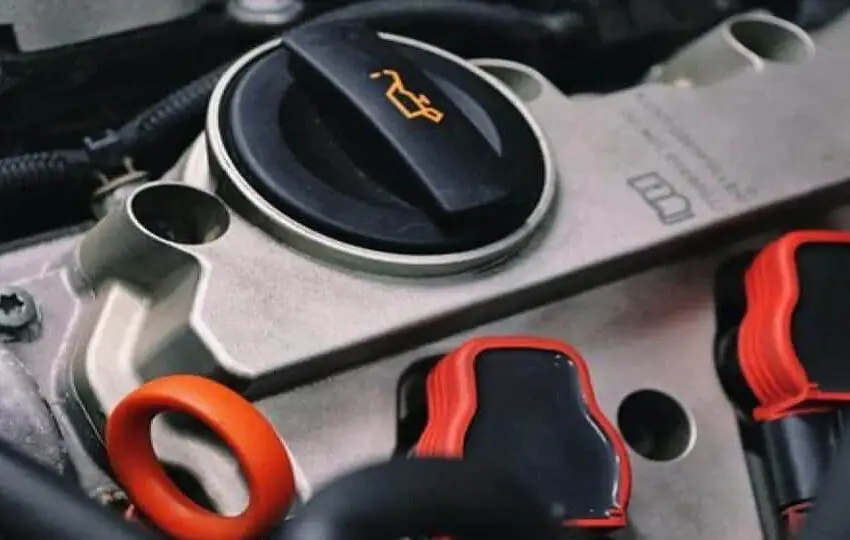
If the oil light on your dashboard illuminates, it is a critical warning signal. This may indicate that the oil level is too low or that there is insufficient oil pressure. It is imperative to check the oil level and quality immediately.

The oil is dark and gritty

New engine oil is typically amber in color and fluid. Over time, it darkens and thickens due to combustion residues and impurities it collects. If, on the dipstick, the oil is very dark and appears to contain particles, it is high time to change it.

Abnormal engine noises

Aging or insufficient oil loses its lubricating properties. You may then hear knocking, tapping, or metallic friction noises coming from the engine, signs of abnormal and dangerous wear on components.

Excessive exhaust smoke

If bluish or thicker-than-usual smoke comes out of the exhaust pipe, it may be a sign that oil is burning in the combustion chamber, often due to a sealing issue.

A drop in performance

An improperly lubricated engine has to work harder. You may notice a loss of power, less responsive acceleration, or an abnormal increase in fuel consumption.

Conclusion

Don’t take risks with your engine’s health. Adhering to recommended oil change intervals and being attentive to warning signs is the best strategy to prevent major breakdowns and ensure your vehicle’s long-term reliability.

Symptoms of a Faulty Speed Sensor: 4 Signs to Know

Symptoms of a faulty speed sensor. Your vehicle’s engine management computer is responsible for monitoring speed. It needs to know the car’s travel speed to make decisions regarding transmission gear shifts and the operation of the cooling fan, among other things. This essential data is typically provided by the vehicle speed sensor (VSS), which is located on the transmission.

1. Malfunctioning Speedometer and Odometer

The most obvious symptom of a bad speed sensor is a speedometer that doesn’t work or gives erratic readings. The odometer, which records the distance traveled, may also stop functioning correctly.

2. Gear Shifting Issues

A transmission that shifts poorly, slips, or jerks can be a sign of a faulty speed sensor. The computer, deprived of accurate information, can no longer properly manage gear changes.

3. Check Engine Light Comes On

A failing speed sensor sends incorrect data to the engine computer. The computer detects an anomaly and illuminates the malfunction indicator (Check Engine) on your dashboard.

4. Loss of Cruise Control

The cruise control relies on information from the speed sensor to maintain a constant speed. If the sensor is faulty, the cruise control system is often disabled for safety and will no longer function.

What to do if symptoms appear?

If you notice one or more of these signs, it is advisable to have your vehicle diagnosed by a professional. They can confirm the fault using a diagnostic tool and proceed with replacing the sensor if necessary.

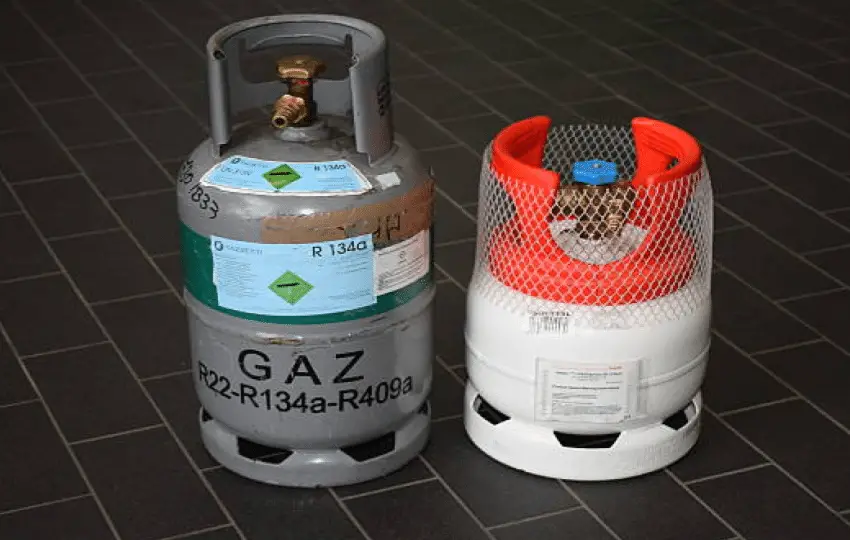
How to Evacuate Freon from a Car Air Conditioner: A Step-by-Step Guide

Evacuating the refrigerant, commonly known as Freon, from your car’s air conditioning circuit is a delicate but sometimes necessary operation before a repair. This guide explains the procedure to follow, while emphasizing the essential precautions and current regulations.

Why Evacuate the Refrigerant from Your Car’s A/C?

Your car’s A/C condenser, located at the front of the vehicle, is exposed to impacts, stones, and dirt. If it is damaged or if the circuit is punctured, draining the refrigerant is mandatory before any intervention. Signs of a problem include: warm air from the vents, visible fluid leaks, and warning lights on the dashboard.

Important Precautions Before Starting

Handling refrigerant is strictly regulated. It is illegal to release it into the atmosphere due to its environmental impact. This operation should ideally be entrusted to a professional equipped with a recovery machine. If you do it yourself, you absolutely must:

Mandatory Safety Equipment

Always wear protective goggles and gloves. Refrigerant gas can cause severe cold burns (frostbite) upon contact with the skin.

The Procedure for Recovering the Refrigerant (Professional Method)

The only compliant and ecological method involves using a recharge and recovery station. Here are the key steps that mechanics follow:

1. Connecting the Machine

Connect the hoses from the recovery station to the high and low-pressure valves of the car’s air conditioning circuit.

2. Fluid Recovery

Start the recovery process on the machine. It will suck the refrigerant from the circuit and store it in a dedicated tank so it can be recycled or treated later.

3. Evacuation

Once the gas is recovered, the machine performs an evacuation of the circuit to remove any traces of moisture and air, preparing the system for the future recharge.

What to Do in an Emergency? (Limited Manual Release)

Purging the circuit yourself is strongly discouraged. In an extreme emergency situation, and only if the circuit is already empty and damaged, a mechanic may use a tool pressed against the service valve to release the small amount of residual pressure. This method is not a recovery and must not be used on a functional circuit.

Conclusion: Entrust the Operation to an Expert

Evacuating Freon from an automobile air conditioner is a technical task that requires specialized equipment. To guarantee your safety, environmental protection, and the proper functioning of your system, it is highly recommended to call upon a certified professional. They have the appropriate equipment to recover and recycle the refrigerant in full compliance with the law.

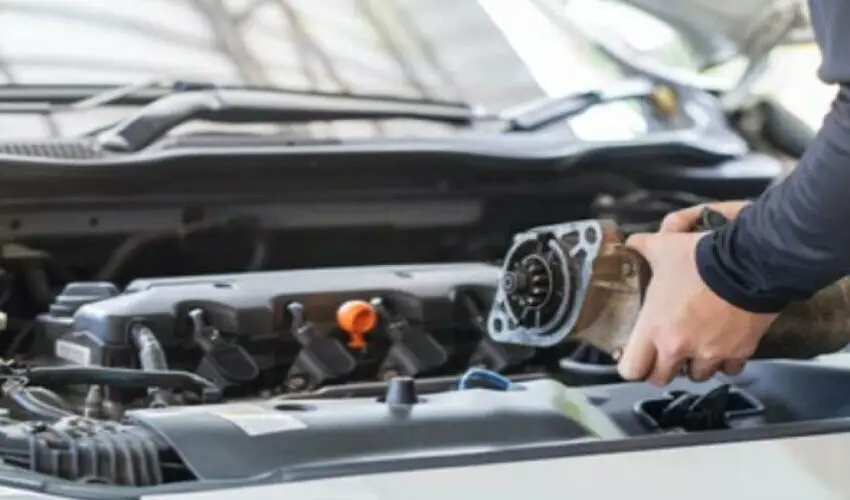
How to Start a Car with a Faulty Starter: 4 Emergency Methods

How to start a car with a faulty starter? This is the urgent question you ask yourself when, upon turning the key, you only hear a simple metallic click instead of the engine’s roar. This noise is often a sign of a worn-out solenoid or starter relay. Before resorting to replacing the starter, here are four solutions to get you out of trouble.

1. Tap (gently) on the starter

This is a classic troubleshooting method. Using a tool like a jack handle or a small hammer, give a few sharp but moderate taps on the starter body. This vibration can sometimes tighten loose internal connections or free stuck brushes, allowing sufficient electrical contact for one last start. Be careful not to hit too hard to avoid damaging other components.

2. Check the battery connections

A starting problem is often mistaken for a battery failure. First and foremost, ensure that the battery terminals are clean, tight, and free of corrosion (a white or greenish substance). Faulty connections prevent current from reaching the starter, causing the same symptoms. Clean the terminals if necessary and tighten them.

How to check the battery voltage?

Use a multimeter set to DC Volts. A voltage below 12.4 V indicates a weak battery that could be the cause of the problem. In this case, use jumper cables to recharge it via another battery.

3. Short-circuit the starter solenoid

This more technical procedure must be performed with extreme caution. It involves short-circuiting the two large terminals of the starter solenoid (usually using a sturdy insulated screwdriver) to send current directly to it. Ensure the car is in neutral and the handbrake is engaged. This method forces the starter to activate and may work if only the control circuit is faulty.

4. Push-start the car (for manual transmissions)

If your vehicle is equipped with a manual transmission, the “push-start” or roll-start method is an excellent solution. Turn on the ignition, shift into second gear, depress the clutch, and have a few people push the car to give it momentum. Then release the clutch abruptly. The force transmitted to the pistons may be enough to trigger combustion and start the engine.

Conclusion: a temporary solution before replacement

These tips are stopgap solutions for emergency situations. A starter showing signs of weakness is a worn component. These methods may allow you to restart once or twice, but the definitive and safest solution remains replacing the starter by a professional to avoid a permanent breakdown.

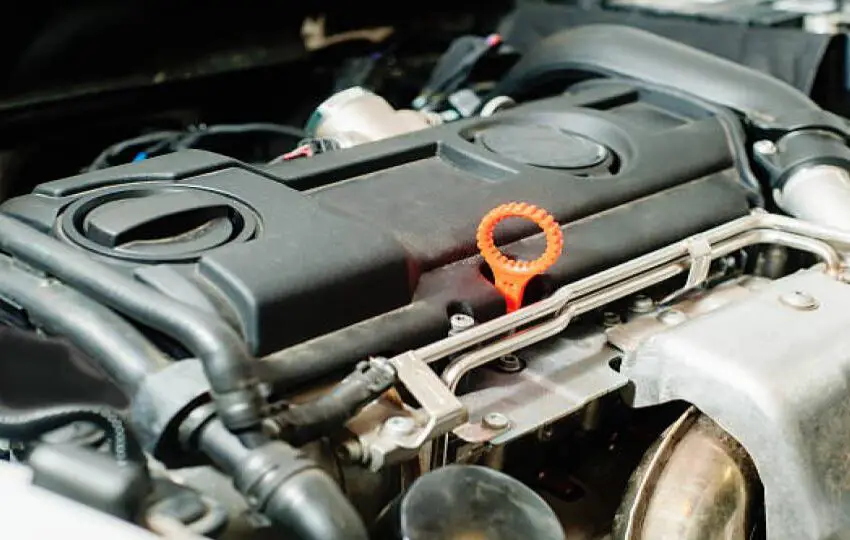
How to Remove a Stuck Oil Dipstick Tube | Complete Guide

The engine’s oil dipstick tube is constantly exposed to extreme temperatures and corrosion. It can therefore break when you remove the dipstick. If you notice obvious signs of damage to the tube during this operation, do not risk breaking it and leaving debris in the engine oil. It is then crucial to know how to proceed with its safe removal.

Why does an oil dipstick tube get stuck?

Several factors explain why an oil dipstick tube can become blocked. The main cause is the buildup of dirt, carbonized residue, and rust at the base of the tube, where it inserts into the engine block. Over the engine’s heating and cooling cycles, these deposits harden and act like a powerful glue. Corrosion, accelerated by constant exposure to heat and the elements, also causes the metal to swell and seize.

The method for freeing a stuck dipstick tube

First and foremost, ensure the engine is cold to avoid any risk of burns. Equip yourself with protective gloves and safety glasses. The first step is to spray a generous amount of penetrating oil (a releasing agent) around the base of the tube, at its insertion point. Let it work for at least 30 minutes, or even several hours for maximum effectiveness. This product will lubricate and partially dissolve the deposits.

Using the right tools

Avoid pulling on it with an adjustable wrench at all costs, as you risk twisting or shearing it off. Instead, use a pipe wrench or a locking plier that can grip the base of the tube firmly without crushing it. Once the tool is in place, apply moderate and constant pressure while combining a left-right rocking motion with an upward pull. Patience is key: if the tube doesn’t budge, reapply the releasing agent and try again.

What to do if the tube is broken?

In the worst-case scenario where the tube breaks, you must absolutely not let pieces of metal fall into the oil pan. If the break is high up, you might be able to grip the remaining part of the tube with extra-strong pliers. If it’s low, you will often need to disassemble other components to access the base and use a tube extractor or a drill to remove it carefully. In any case, if the situation seems too complex, entrust the job to a professional mechanic.