The 6 Common Signs That Your Car’s Air Conditioning Needs Repair in Dubai

In Dubai’s hot climate conditions, driving without air conditioning is simply unimaginable. Therefore, it is crucial to perform regular maintenance on your car’s air conditioning system to ensure its proper functioning. But how can you detect a malfunction? Here are six indicators that should alert you.

1. Weak Airflow

If the air coming from the fans is weak, the cabin air filter may be clogged. A malfunction of the fan motor, essential for propelling air, could also be the cause. These blockages are often caused by dust, pollution, pollen, allergens, or even humidity promoting mold formation.

2. Warm Air

If warm air replaces cold air in the cabin, the refrigerant level (refrigerant gas) is likely too low. Issues with the compressor or condenser, which are responsible for compressing and cooling the gas, could also be the cause.

3. Unusual Noises

If you hear abnormal noises like clicking, squeaking, or knocking when the air conditioning is on, this could indicate a broken belt or a problem with the compressor.

4. Bad Odor

An unpleasant smell in the cabin is often a sign of mold or bacteria in the air conditioning’s evaporator or cabin filter, which can cause respiratory problems.

5. Frequent On/Off Cycling

If the air conditioning constantly turns on and off, this may be due to a refrigerant level that is too low or, conversely, too high. This issue reduces the system’s efficiency and accelerates its wear.

6. Refrigerant Leaks

Leaks of refrigerant fluid, often caused by problems with hoses or lines, directly impact cooling effectiveness and make any journey uncomfortable.

Recognizing these signs allows you to avoid breakdowns and ensure optimal operation of your air conditioning, even during Dubai’s scorching summers.

For all your maintenance and repair needs, Carcility, an expert in car air conditioning service and car repair in Dubai, offers affordable packages. Book your appointment now at and enjoy a pleasant drive.
Major vs Minor Car Service: The Complete Guide to Differences

Regular maintenance is essential to ensure your vehicle’s performance and reliability. Depending on mileage and age, your maintenance manual recommends either a minor service or a major service. Let’s explore what distinguishes them.

What is a minor service?

Typically scheduled every 10,000 to 15,000 kilometers or once a year, the minor service is an essential check to keep your car in good condition.

Services included:

Oil change and oil filter replacement: A crucial operation performed every 10,000 km to ensure engine lubrication and longevity.

Fluid level check: Inspection and top-up of important fluids such as coolant, brake fluid, and power steering fluid.

Brake inspection: Check for wear on brake discs and pads.

Tire check: Inspection of tire pressure, tread depth, and overall tire wear.

General check: Inspection of lights, battery, wipers, power windows, and other electronic systems.

What is a major service?

More comprehensive, the major service is recommended every 30,000 to 45,000 kilometers or every three years. It aims to replace wear parts and perform an in-depth check-up.

Services included:

Oil change and filter replacement: Renewal of engine oil, oil filter, and often air filter and fuel filter to protect the engine from impurities.

Spark plug replacement: Essential for proper ignition function, they are replaced to optimize combustion.

Timing belt check: The timing belt, which synchronizes the crankshaft and camshaft, is inspected and replaced if necessary.

Transmission and differential oil replacement: Important operation to ensure smooth gear changes and protect mechanical components.

In-depth checks: Comprehensive inspection of suspension, exhaust, clutch, and steering.

Key differences between major and minor service

While both services share common points (oil change, fluid level checks, brake and tire inspection), the major service stands out due to its scope. It includes the replacement of key components (spark plugs, filters, belt) and a much more thorough diagnosis of the entire vehicle, justified by the higher mileage.

In summary, these two maintenance services are complementary and essential to preserve your car’s lifespan, safety, and value. Adhering to the manufacturer’s recommended schedule is key to driving with peace of mind.

Carcility, a car maintenance expert in Dubai, offers you its minor and major service packages, often including vehicle pickup and return to your home.

Minor Car Maintenance Checklist 2025 | Carcility Expert Guide

You were already running late this morning. You turned the key to start the ignition, but you had to try several times to get the vehicle started. On your way back from the office, you notice the horn isn’t loud enough anymore. These common issues can easily trouble car owners if the minor car service isn’t performed according to the recommended schedule.

What is a Minor Car Service?

It is a routine maintenance performed on the vehicle, typically every 10,000 to 15,000 km or based on a 6-month time interval. Its purpose is to ensure the car is in perfect working order and to avoid unexpected breakdowns.

Our Complete Checklist for Your Minor Service

Oil Change and Filter Replacement

Engine oil lubricates moving parts and prevents overheating. The oil filter, on the other hand, traps impurities, keeping the oil clean and functional for optimal performance.

Fluid Check and Top-Up

Coolant circulates through the engine to prevent it from overheating. Brake fluid, power steering fluid, and windshield washer fluid are also inspected and topped up if necessary during this service.

Tire Check

The pressure, tread depth, wear, and overall condition of the tires and rims are checked. Uneven wear may require wheel alignment and balancing. Periodic tire rotation is recommended.

Headlight and Light Check

We inspect the proper functioning of headlights, parking lights, turn signals, tail lights, and the horn to ensure your safety on the road.

Battery Check

The battery powers the vehicle’s electrical system. Its voltage is checked, and its terminals are inspected for any corrosion, often caused by acid leakage. Its mounting is also verified.

Air Conditioning Inspection

The cooling efficiency of the air conditioning is tested. We look for any unusual vibrations or noises. A low refrigerant level or a leak in the hoses can affect its performance.

Conclusion: The Importance of the Minor Service

In summary, the minor car service is essential for keeping your vehicle in excellent condition. It allows for the identification and resolution of minor problems before they become major, ensuring your peace of mind and safety while driving.

To discover our checklist for a major service, check out our blog.

Book your minor service now at Carcility, the specialist in car maintenance and repair in Dubai. Take advantage of our Ramadan offers and promotions at www.carcility.com.

Dubai Climate: Impact on Your Car Battery Lifespan and Maintenance Tips

Hot weather conditions put considerable pressure on car batteries. In summer, temperatures in Dubai can easily exceed 45 degrees Celsius. These extreme heats can damage your vehicle’s battery without proper and regular maintenance.

Why is Dubai’s heat harmful to your battery?

Several phenomena explain the negative impact of high temperatures on your car battery’s health.

Fluid evaporation

When the battery’s internal temperature reaches critical levels (around 60°C), its essential fluids can evaporate rapidly. This evaporation irreparably damages internal components.

Overcharging

The battery’s voltage regulator can malfunction under the effect of excessive heat, leading to overcharging. This overcharging accelerates wear and significantly reduces its lifespan.

Accelerated corrosion

Intense heat causes faster corrosion of the lead plates inside the battery, impairing its ability to store and deliver energy.

Maintenance tips to protect your battery in Dubai

Adopting good practices helps preserve your battery despite Dubai’s demanding climate.

Regular inspections

Have your battery regularly checked by a professional. They will verify fluid levels, the condition of terminals against corrosion, and proper tightness on its mount.

Park in the shade

Prefer parking in the shade and use a protective cover for your vehicle. This limits direct exposure to heat and reduces the evaporation rate of battery fluids.

Maintain terminals and circuits

Ensure terminals are clean and free from corrosion, and that wiring is in good condition to guarantee optimal electrical current flow.

Avoid very short trips

Very short trips don’t allow the alternator to fully recharge the battery, which can lead to gradual discharge. Try to take longer drives regularly.

Smart use of accessories

Avoid using the stereo, headlights, or lights when the engine is off, as this unnecessarily drains the battery’s energy reserve.

Timely replacement

A battery typically has a maximum lifespan of five years, depending on maintenance. If it no longer holds a charge or if terminals are too corroded, it’s time to replace it. Although jump-starting is a temporary solution, repeated use is not recommended for engine health.

In summary, a little attention and maintenance allow your car battery to function reliably for up to five years, even in Dubai.

Have doubts about your battery’s condition? Carcility, a specialist in car repair and maintenance in Dubai, offers special Ramadan offers on battery services: discounts on new batteries, breakdown services, and maintenance. Book now at www.carcility.com.

Book Your Car Service Online: 7 Advantages Over Drive-in

Booking your car service online has become the standard for one simple reason: reliability. In the digital age, where convenience is key, managing your vehicle maintenance online offers decisive advantages compared to the traditional drive-in method. Discover why this modern approach is far more reliable.

The 7 Major Advantages of Online Booking

1. A Hassle-Free Service

Schedule your appointment at your convenience, from your couch. No need to go to the service center hoping to get an available slot.

2. An Informed Service Choice

Online platforms detail all packages, service times, and associated costs. You can thus choose the service you need with complete transparency.

3. A Guaranteed Time Slot

No more endless waiting lines. Online booking ensures a reserved time slot, guaranteeing quick handling of your vehicle upon arrival.

4. Ease of Comparison

Compare prices, customer reviews, and ratings of different providers with just a few clicks. Find the best value for money that fits your budget.

5. Simplified Payment

Pay your bill securely online by card or e-wallet, without handling cash. A time-saver and secure.

6. Pickup and Delivery Service

Often enjoy free collection and return of your car directly to your home or workplace. Ultimate convenience.

7. Automatic Reminders

Never miss a service again! Receive alerts for your appointment and be informed in real-time about the progress of repairs on your vehicle.

Drive-in: The Drawbacks of Improvisation

Showing up without an appointment almost always means a much longer wait time, with no certainty of being serviced. It’s a waste of time and an avoidable source of uncertainty.

Conclusion: The Reliability of Digital

In summary, booking your car service online via a website or mobile app means saving time, transparent pricing, and additional services like free pickup. It’s the most reliable and efficient solution for a worry-free experience.

When to Replace Your Car Battery? 6 Signs Not to Ignore

Your car’s battery is the heart of its electrical system. It is essential for starting the engine and operating all electronic components. Ignoring the warning signs of a weak battery can leave you stranded. Here are the 6 warning signs you should never ignore.

1. Slow engine cranking

When you turn the ignition key and the engine struggles to start, with a cranking that seems slow and labored, this is often the first indicator of a battery nearing the end of its life. It no longer has enough power to operate the starter properly.

2. Frequent jump-starts

If you regularly need to use jumper cables to bring your vehicle back to life, it means your battery can no longer hold a charge. Be careful, repeated jump-starts can also cause further damage to it.

3. Dimming headlights

Headlights that illuminate less effectively than before, appear dimmer, or flicker at idle are a classic symptom. The battery can no longer supply the necessary energy to fully power the electrical system.

4. Various electrical issues

Abnormal operation of accessories like the car radio, power windows, or the horn can indicate a battery problem. Modern vehicles, which are heavily equipped, are energy-hungry. Damaged cables can also be the cause.

5. Battery terminal corrosion

A whitish-blue powdery substance on the terminals is a sign of corrosion, often due to leaks. This impairs proper current conduction and reduces performance. Regular cleaning and applying special grease can prevent this issue.

6. Battery age

A battery has a limited lifespan, typically between 3 and 5 years. Beyond that, its performance inevitably declines. If the battery warning light illuminates on your dashboard, replacement is the only solution.

A poorly secured battery can also cause problems, leading to vibrations, leaks, and internal damage. For an accurate diagnosis and professional replacement, entrust your vehicle to experts.

Subaru P1442 Code: Comprehensive Guide to EVAP System Diagnosis

Understanding the Subaru P1442 OBD2 Trouble Code

The P1442 diagnostic trouble code is a manufacturer-specific code that primarily affects Subaru vehicles. This code indicates a problem within the Evaporative Emission Control System (EVAP), specifically related to the vent control function during leak detection monitoring. When this code appears, your vehicle’s computer has detected an irregularity in the system designed to prevent fuel vapors from escaping into the atmosphere.

What Does P1442 Mean in Subaru Vehicles?

P1442 specifically points to a malfunction in the EVAP system vent control valve circuit. The EVAP system is responsible for capturing and storing fuel vapors from the fuel tank, then routing them to the engine to be burned during normal combustion. The vent control valve plays a crucial role in this process by managing airflow into and out of the charcoal canister, which stores fuel vapors.

How the EVAP System Works in Subaru Models

The EVAP system in Subaru vehicles consists of several key components working together to control fuel vapor emissions:

  • Fuel tank where vapors originate
  • Charcoal canister that absorbs and stores fuel vapors
  • Vent control valve that manages airflow
  • Purge valve that controls vapor flow to the engine
  • Various hoses and connectors routing vapors between components
  • Pressure sensors that monitor system integrity

Common Causes of P1442 Code in Subaru Vehicles

Diagnosing a P1442 code requires systematic investigation of the EVAP system components. Several factors can trigger this code, ranging from simple electrical issues to more complex mechanical failures.

Primary Mechanical Causes

The most frequent mechanical issues causing P1442 include:

  • Faulty vent control valve sticking open or closed
  • Cracked or damaged charcoal canister
  • Disconnected, cracked, or deteriorated EVAP system hoses
  • Clogged or restricted vent line preventing proper airflow
  • Damaged fuel tank or filler neck components
  • Faulty gas cap allowing excessive vapor escape

Electrical and Control System Issues

Electrical problems are equally common with P1442 codes:

  • Wiring harness damage or corrosion in vent control circuit
  • Poor electrical connections at the vent control valve
  • Blown fuses affecting EVAP system operation
  • Faulty powertrain control module (PCM) signals
  • Ground connection issues affecting sensor readings

Diagnostic Procedure for Subaru P1442 Code

Proper diagnosis of P1442 requires a systematic approach using appropriate tools and following manufacturer-recommended procedures. Rushing the diagnostic process can lead to unnecessary part replacements and increased repair costs.

Initial Inspection and Preliminary Checks

Begin with these basic inspections before proceeding to advanced diagnostics:

  • Verify the gas cap is properly tightened and in good condition
  • Perform visual inspection of all visible EVAP system components
  • Check for obvious damage to hoses, connectors, and wiring
  • Listen for unusual hissing sounds indicating vacuum leaks
  • Use a smoke machine to identify external leaks in the system

Advanced Diagnostic Testing Methods

For persistent P1442 codes, more advanced testing is necessary:

  • Use a professional OBD2 scanner to monitor live EVAP system data
  • Perform voltage and resistance tests on the vent control valve circuit
  • Test vent control valve operation using manufacturer-specific procedures
  • Conduct pressure and vacuum tests to identify internal leaks
  • Check PCM operation and command signals to the vent control system

Repair Solutions and Prevention Strategies

Once the root cause of P1442 is identified, appropriate repairs can restore proper EVAP system function. Understanding the correct repair procedures ensures long-term resolution of the issue.

Common Repair Procedures

Depending on the diagnostic findings, repairs may include:

  • Replacing faulty vent control valve with OEM-quality parts
  • Repairing or replacing damaged EVAP system hoses
  • Installing new charcoal canister if contaminated or damaged
  • Repairing wiring issues in the control circuit
  • Replacing the gas cap if it fails pressure tests
  • Updating PCM software if manufacturer bulletins exist

Preventive Maintenance Tips

Preventing P1442 recurrence involves regular maintenance:

  • Always tighten the gas cap until it clicks three times
  • Have EVAP system inspected during routine maintenance
  • Avoid overfilling the fuel tank past the first click
  • Address other engine codes promptly to prevent system strain
  • Use quality fuel to minimize vapor system contamination
  • Follow manufacturer-recommended service intervals

Professional vs DIY Repair Considerations

While some P1442 repairs are suitable for experienced DIY enthusiasts, others require professional equipment and expertise. Understanding the complexity of each repair approach helps determine the best course of action.

When to Seek Professional Assistance

Professional diagnosis is recommended when:

  • Multiple EVAP codes are present simultaneously
  • Advanced diagnostic equipment is required
  • Wiring issues are suspected in complex circuits
  • Warranty coverage may apply to the repair
  • Previous DIY repairs have failed to resolve the issue
  • Emission testing deadlines are approaching

The P1442 code in Subaru vehicles represents a specific challenge in the EVAP system that requires thorough diagnosis and proper repair. By understanding the system components, following systematic diagnostic procedures, and implementing correct repairs, this issue can be effectively resolved, restoring your vehicle’s emission control functionality and ensuring compliance with environmental standards.

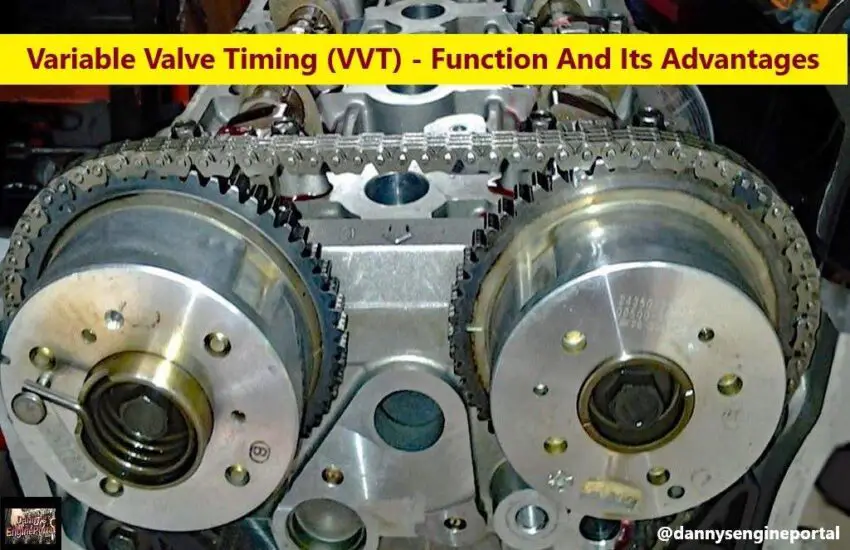
Variable Valve Timing (VVT): Operation, Advantages and Technology

Variable valve timing, or VVT, is an automotive engineering technology that precisely adjusts the timing and lift of engine valve opening. This dynamic adjustment optimizes the intake cycle according to each driving condition, whether at low RPM or full load. The result is a significant improvement in overall engine efficiency.

How does variable valve timing (VVT) work?

Unlike a conventional fixed camshaft timing system, the VVT system uses a hydraulic or electric mechanism to vary the camshaft timing angle. This system is typically controlled by the engine control unit (ECU), which analyzes load, engine speed, and throttle position data in real time. By slightly rotating the camshaft relative to its drive gear, it changes when the valves open and close. This adaptation allows for the perfect compromise between performance, fuel consumption, and emissions.

The main advantages of VVT technology

The adoption of variable valve timing brings tangible benefits for the driver and the environment.

Reduced fuel consumption

By optimizing cylinder filling, the engine makes better use of the energy contained in the fuel. This results in reduced consumption, especially in urban and mixed driving conditions.

Increased performance and torque

VVT allows for better cylinder filling at all engine speeds. The engine thus benefits from more generous torque at low RPM and higher power at high RPM, improving responsiveness and acceleration.

Reduction of polluting emissions

A more complete and efficient combustion generates fewer unburned residues. Variable valve timing therefore plays a key role in meeting anti-pollution standards (Euro 6, etc.) by reducing CO2 and nitrogen oxide (NOx) emissions.

Improved idle and smoothness

The system ensures better idle stability and a smoother, more linear power progression, resulting in a more pleasant and comfortable driving experience.

Conclusion

Variable valve timing (VVT) is much more than just a technical innovation; it has become an essential standard for reconciling dynamic performance and ecological responsibility. By enabling intelligent combustion control, it is one of the key technologies for modern internal combustion engines, both gasoline and diesel.

Secondary Air Injection (AIS) System: Function, Types, and Common Failures

The secondary air injection system (AIS), also called an air pump, is a key component of a vehicle’s anti-pollution system. Its role is crucial for reducing harmful emissions during startup, when the catalytic converter has not yet reached its optimal operating temperature.

What is the function of the secondary air injection system (AIS)?

The AIS’s main mission is to inject fresh air directly into the exhaust gas stream, upstream of the catalytic converter. This injection of oxygen allows for the continued combustion of unburned fuel and residual hydrocarbons exiting the engine. This after-combustion has two major beneficial effects: it significantly reduces polluting emissions and it helps the catalytic converter heat up more quickly, thereby improving its efficiency from the very first moments after startup.

The different types of AIS systems

There are primarily two architectures for these systems. The first type uses a mechanical air pump, driven by the crankshaft via a belt, which pulses air directly into the exhaust. The second, more modern type, is the pulsed aspiration system. This one does not have a mechanical pump; instead, it uses the depression waves created in the exhaust manifold to draw in ambient air through a valve and route it to the catalytic converter.

Common failure symptoms and causes

A failure of the AIS is often indicated by the illumination of the check engine light and the storage of fault codes (such as P0410, P0411…). One might also observe an increase in polluting emissions during technical inspections, abnormal bearing noises (if the pump is seized or loose), or a minor loss of power. The most frequent failures involve the air pump itself failing, the check valve sticking, the solenoid valves malfunctioning, or the hoses and ducts becoming clogged or punctured.

Conclusion

The secondary air injection system is an essential element for complying with anti-pollution standards. Its proper functioning is crucial for minimizing the vehicle’s environmental impact, especially during cold-start phases. Therefore, regular maintenance and prompt repair in case of a fault are paramount.

Engine Repair: Causes and Symptoms of Compression Loss and Oil Consumption

The two main reasons that lead to a complete engine rebuild are loss of compression and excessive engine oil consumption. It is crucial to know how to identify the warning signs of these problems to avoid severe engine failure and costly repairs.

Symptoms of Engine Compression Loss

Compression is essential for the proper functioning of your engine. When it drops, the engine’s power and efficiency decrease significantly. Pay attention to these signs:

1. Starting Difficulties

The engine struggles to start, especially in cold weather. It turns over with difficulty and may stall frequently.

2. Loss of Power and Stalling

You notice a significant lack of power during acceleration, jerking, or even unexpected stalling, indicating that the cylinders are no longer functioning correctly.

3. Abnormal Oil Consumption

A sudden increase in oil consumption is a major warning sign, often related to worn piston rings or valve guides.

Causes of Excessive Oil Consumption

If you need to add oil between changes with no visible leak, the problem is internal. Common causes are:

  • Worn Piston Rings: This is the most common cause. Worn rings allow oil to pass into the combustion chamber, where it is burned.
  • Worn Valve Guides: Defective guides allow oil to flow along the valve stems and enter the cylinder.
  • PCV System Failure: A faulty PCV valve can increase crankcase pressure, forcing oil into the cylinders.

Conclusion: The Importance of Early Diagnosis

Ignoring these symptoms inevitably leads to more severe engine damage and a much higher repair bill. A quick professional diagnosis, including a compression test, helps identify the source of the problem and determine whether a partial repair or a complete engine rebuild is necessary. Acting quickly protects both your engine and your wallet.