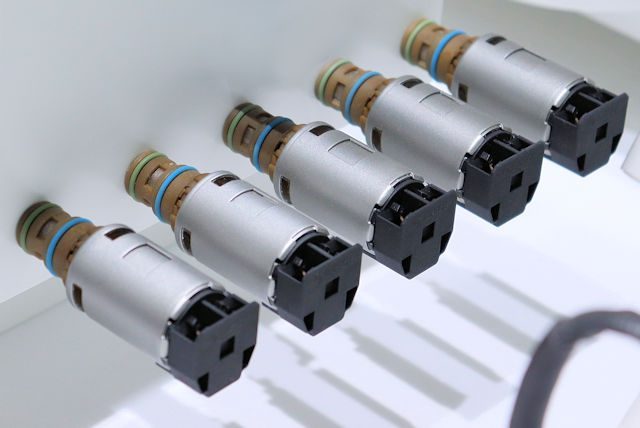
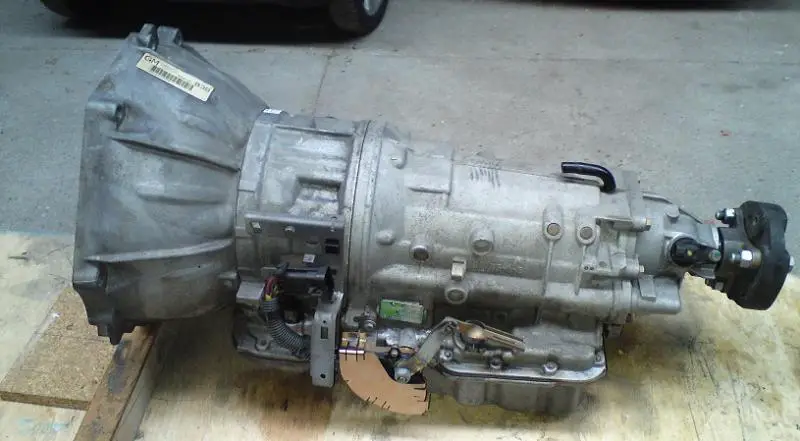
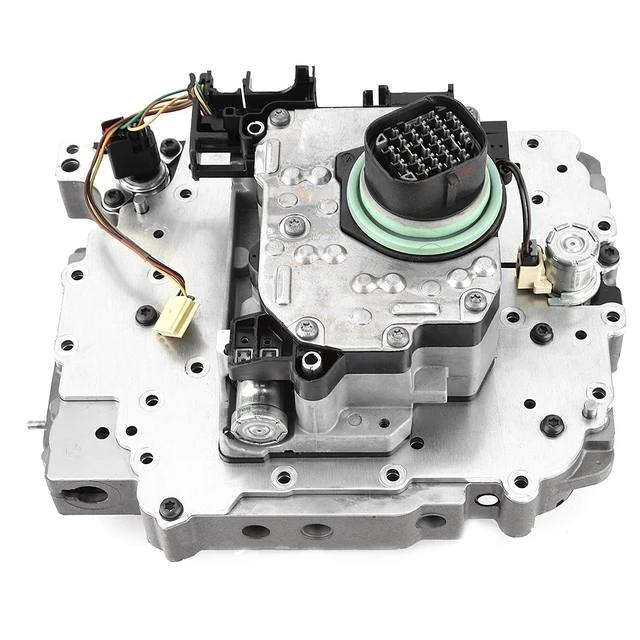
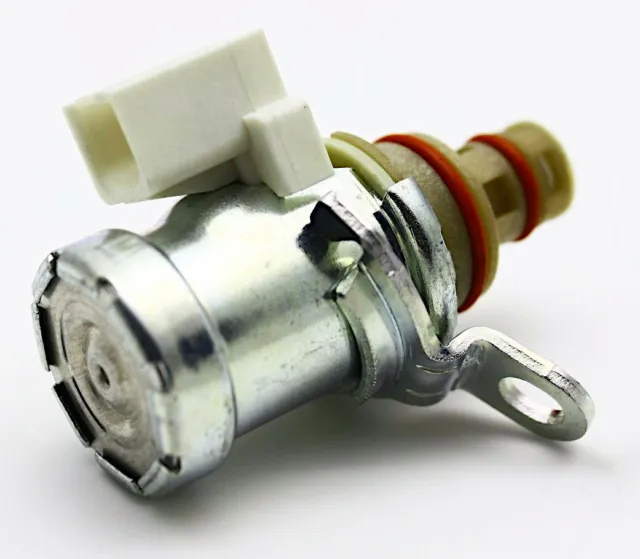
Understanding the Operation of Automatic Transmission Solenoids
Modern automatic transmissions are complex systems that use a variety of components to function properly. Among these components, solenoids play a crucial role in controlling the flow of hydraulic fluid and activating the different gears.
What is an automatic transmission solenoid?
A solenoid is an electromagnetic device that converts an electrical signal into a mechanical force. In an automatic transmission, solenoids are used to:
Control the flow of hydraulic fluid: Solenoids operate the hydraulic valves that direct the fluid to the various passages and pistons in the transmission.
Activate the different gears: By controlling the fluid flow, solenoids allow the different gears to be engaged and disengaged.
Regulate the fluid pressure: Some solenoids are used to regulate the fluid pressure in the transmission’s hydraulic circuit.
Types of automatic transmission solenoids
There are different types of automatic transmission solenoids, each with a specific function:
Shift solenoids: They control gear shifting by activating the different gears.
Torque converter clutch solenoid: It controls the locking of the torque converter, which helps improve the vehicle’s fuel efficiency and performance.
Pressure regulator solenoid: It regulates the fluid pressure in the transmission’s hydraulic circuit.
Transmission brake solenoid: It allows the vehicle to slow down using engine braking.
Symptoms of a faulty automatic transmission solenoid
When an automatic transmission solenoid is faulty, it can cause various symptoms, such as:
Delayed or no gear shifting
Harsh or jerky gear shifting
Jerking or vibrations while driving
Transmission fluid leak
Check engine light illuminated
Diagnosis and repair of an automatic transmission solenoid
If you suspect an issue with an automatic transmission solenoid, it is important to have your vehicle diagnosed by a qualified mechanic. The mechanic can use a diagnostic tool to identify the faulty solenoid and replace it.
Tips to prevent automatic transmission solenoid problems
To prevent automatic transmission solenoid problems, it is important to:
Perform regular transmission fluid changes
Use the correct type of transmission fluid
Avoid aggressive driving
Have your vehicle regularly maintained by a qualified mechanic
Conclusion
Automatic transmission solenoids are essential components that enable the proper functioning of the transmission. If there is a solenoid problem, it is important to have your vehicle diagnosed and repaired by a qualified mechanic.
Comparison of DOT 3 and DOT 4 Brake Fluid
If you’re looking for the right brake fluid for your car, a comparison of DOT 3 and DOT 4 brake fluid will help you make a better decision.
What is the difference between DOT 3 and DOT 4 brake fluid?
Brake fluid is the lifeblood of the braking system. It keeps the braking components lubricated so they respond quickly when you press the brake pedal.
With the help of the fluid, the piston can comfortably compress the rotors to slow down the vehicle. DOT 3 and DOT 4 are the two most commonly used types in automobiles.
DOT 3 is the most common and popular type of brake fluid for trucks and cars. DOT 4 is also gaining momentum due to its compatibility with anti-lock braking systems and traction control.
The first is the standard, low-cost option for average cars where drivers are unlikely to brake aggressively.
But automobiles like race cars and police vehicles that require frequent and vigorous braking use DOT 4 fluid. Let’s discover a few more points of difference between DOT3 and DOT4:
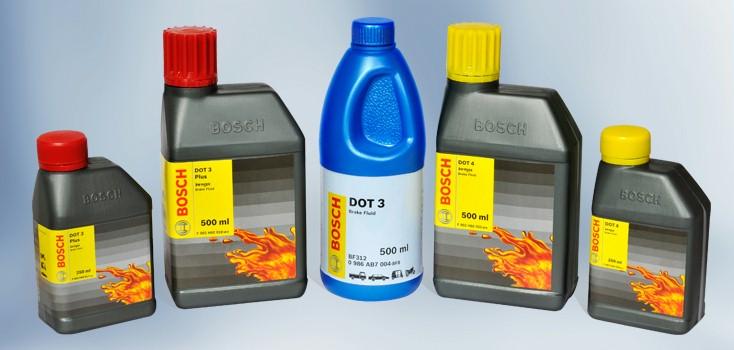
A comparison will help you make a better decision. Source: DailyDriven
1. Boiling Point
The main difference between DOT 3 and DOT 4 is the boiling point – their tenacity to absorb water. DOT 3 is more likely to absorb water because its boiling point is lower.
For this reason, it boils easily during sudden and abrupt braking, which could damage the braking components and lead to poor braking performance.
DOT 4 fluid can easily replace DOT 3, but the latter should not be used as an alternative to the DOT 4 type unless absolutely necessary.
2. Chemical Structure
Another slight difference between DOT 3 and DOT 4 brake fluid lies in their chemical components. DOT 3 contains a mixture of ether and polyalkylene glycol, while a mixture of glycol and borate creates DOT 4 fluid.
The glycol-ether mixture holds up very well in hot and humid conditions, which is perfect for ordinary vehicles where brakes heat up easily.
On the other hand, the chemical ingredients of DOT 4 exhibit a high level of water tolerance and stability at high temperatures.
3. Boiling Capacity
DOT 3 is the winner in this section of the comparison between DOT 3 and DOT 4 brake fluid. It performs well in water and in open air because it has a wet and dry boiling capacity. DOT 4 has an excellent dry boiling capacity but it does not perform well in water.
Which one should you choose? DOT 3 or DOT 4 brake fluid? Well, the first is the best option if you drive a standard vehicle.
However, if it’s a race car or you enjoy aggressive driving, DOT 4 will take better care of the braking components.
DOT 4 will take better care of the brake parts. (Photo: Poutoline)
Are there any precautions to take?
Yes, there are a few points to consider. Both types of fluid eat paint, so do not spill them on the car body. Furthermore, they may react poorly if mixed with other fluids used in a vehicle.
You must store the fluids in tightly sealed containers. Moisture from the air degrades their chemical components. Therefore, it is not safe to use brake fluid from an open bottle.
FAQ on DOT 3 and DOT 4 Brake Fluids
Can I use DOT 4 brake fluid in a system designed for DOT 3?
You can generally use DOT 4 in a system designed for DOT 3. However, it is essential to flush and carefully replace all the old fluid to avoid compatibility issues.
Can I mix DOT 3 and DOT 4 brake fluids?
Mixing brake fluids is generally not recommended. It is best to use a single type consistently to ensure proper performance and avoid potential compatibility issues.
How often should I change my brake fluid?
Brake fluid should be changed according to the maintenance schedule recommended by your vehicle manufacturer, typically every 2 to 3 years. However, if you notice a decrease in braking performance or signs of contamination, it should be changed sooner.
Can I use DOT 5 brake fluid instead of DOT 3 or DOT 4?
DOT 5 brake fluid is silicone-based and is not compatible with DOT 3 or DOT 4, which are glycol-based. Using DOT 5 requires a complete system flush and should only be done if your vehicle is specifically designed for it.
Which brake fluid should I choose for my everyday vehicle?
For normal driving conditions, DOT 3 brake fluid is sufficient. Reserve DOT 4 for high-performance vehicles or those subjected to heavy braking demands.
Can using the wrong brake fluid damage the braking system?
Using inappropriate brake fluid can potentially damage the braking system and compromise safety. Always use the type of brake fluid recommended for your vehicle to ensure proper performance and safety.
Should I take special precautions when handling brake fluid?
Yes, brake fluid is corrosive and can damage paint and other materials. When handling it, wear safety glasses and avoid spilling it on your vehicle’s paint or any other surface. Additionally, store brake fluid in a tightly sealed container.
Are there performance benefits to using higher-grade brake fluids, such as DOT 5.1 or racing brake fluids?
Higher-grade brake fluids, such as DOT 5.1 or racing fluids, offer even higher boiling points and improved resistance to brake fade.
These are typically used in high-performance and racing applications where extreme braking conditions are common. However, for regular daily driving, DOT 3 or DOT 4 brake fluids are generally sufficient.
Watch the video below to see the difference between Dot 3, 4, 5, and 5.1 brake fluids!
In conclusion, the choice between DOT 3 and DOT 4 brake fluid depends on your specific vehicle and driving needs.
DOT 3 is suitable for most everyday driving situations and is widely available and cheaper.
On the other hand, DOT 4 offers higher boiling points, making it more suitable for high-performance or heavy-duty applications, such as racing or towing.
What is the function of a crankshaft position sensor
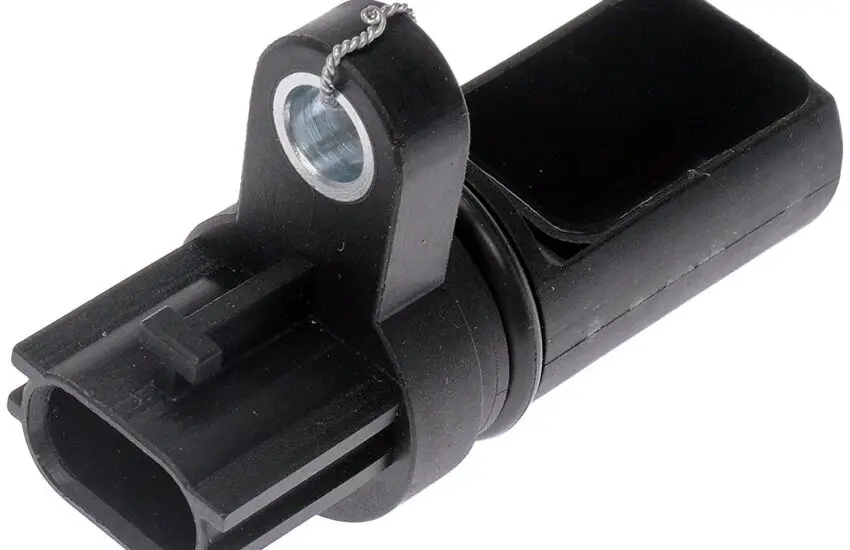
The crankshaft position sensor, in case you didn’t know, is an essential electronic device for the operation of a car. It is located in the car’s engine. It records the rotational speed of the crankshaft.
This sensor then transmits the information to the ECU and decides on fuel injection and optimal ignition regulation.
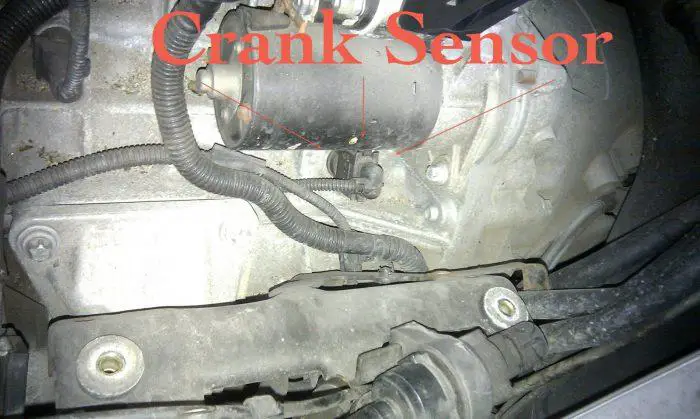
The location of the crankshaft determines the effectiveness of the collected data. This is why the sensor is located either next to the camshaft or the crankshaft itself.
If we try to explain it in simpler words, the crankshaft position sensor monitors the location of the camshaft in the engine.
The information it collects in this way is used to optimize the timing of fuel injection into the engine.
If this sensor malfunctions, the computer will be unable to make precise fuel injection adjustments and engine performance will decrease.
How does the crankshaft position sensor work?
Here are some ways this sensor works. Let’s take a look.
Detection
If you look at the crankshaft, you will find a powerful magnet next to it. You will also notice that there are steel pins or dowels arranged at regular intervals around the crankshaft.
Learn more about the crankshaft position sensor (Photo: BMW Owners Blog)
This magnet constantly radiates a stable magnetic field. When the engine starts and the crankshaft rotates, the steel pins around the shaft rotate through this field. This causes a fluctuation in the field, thus producing an AC (alternating current) signal.
This signal further informs the Engine Management Unit (engine computer) to decipher the rotational speed. In turn, the EMU is able to calculate the position and rhythm of the camshaft to further optimize fuel injection and ignition.
Adjustments
Like modern cars, we need to learn one thing. Engines will give us efficient performance only if the internal parts move at a specific recommended speed.
It is only once the crankshaft position sensor detects the rotation of the crankshaft inside the engine that the onboard system can use the information the sensor sends to it.
This is when the computer will make small, precise adjustments/tunings to the engine to increase its efficiency.
Consider cases where you are moving at full throttle. With constant acceleration in modes like cruise control or sport mode, the computer must make these fine adjustments to the engine to change the speed.
The computer will ensure it continuously checks the crankshaft’s rotational speed, compares it to the ideal range, and adjusts the speed accordingly. This adjustment may involve increasing or decreasing the speed.
What happens if the crankshaft position sensor malfunctions?
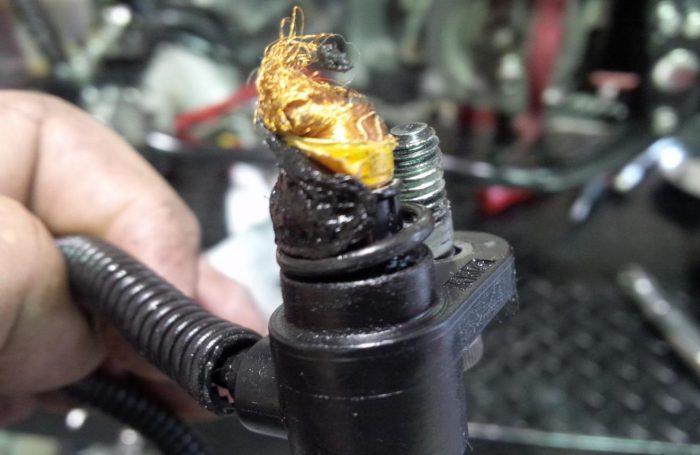
How to maintain the crankshaft position sensor (Photo source: thxsiempre.blogspot.com)
If you need to maintain the proper functioning of your engine, it is imperative that this sensor remains in perfect condition. Any fault in the sensor will result in incorrect data being communicated to the engine computer.
The engine, when operating based on this data, will not perform optimally. It can even go as far as causing the car to stall.
The reason is that the ECM will start based on its own memory to ensure fueling and ignition, which, by the way, cannot be optimal.
Thus, a decrease in engine performance could actually be one of the symptoms of a crankshaft sensor failure.
FAQ on the function of the crankshaft position sensor
Can a faulty CKP sensor damage the engine?
While a faulty CKP sensor can lead to poor engine performance and drivability issues, it does not typically cause direct engine damage.
However, continued operation with a faulty CKP sensor can lead to other issues, so it is crucial to address the problem promptly.
How to diagnose and repair a faulty crankshaft position sensor?
Diagnosing a faulty CKP sensor involves using a scan tool to read Diagnostic Trouble Codes (DTCs) from the ECM.
Additionally, technicians may perform electrical tests and inspect the sensor and its wiring.
If a fault is confirmed, the sensor should be replaced with a new one, then clear all DTCs.
Can I replace the crankshaft position sensor myself?
Replacing a CKP sensor can be a DIY task for those who possess mechanical skills and the necessary tools.
However, it is essential to consult the vehicle’s service manual for specific instructions and ensure proper installation and torque specifications.
How often should a crankshaft position sensor be replaced?
There is no specific maintenance interval for replacing the CKP sensor. It is typically replaced when it fails or shows failure symptoms.
Regular vehicle maintenance and prompt replacement of sensors when issues arise can help ensure optimal engine performance.
Are there different types of crankshaft position sensors?
Yes, there are different types of CKP sensors, including Hall effect sensors and magnetic reluctance sensors. The type used depends on the vehicle’s make and model.
Can a damaged CKP sensor affect vehicle emissions?
Yes, a faulty CKP sensor can impact emissions by causing incomplete combustion and increased pollutant emissions. Addressing CKP sensor issues can help maintain compliance with emission standards.
Can a faulty crankshaft position sensor cause sudden vehicle stalling while driving?
Yes, a faulty CKP sensor can lead to sudden stalling while driving. If the sensor fails to provide accurate data to the ECM, it can disrupt the engine’s ignition timing and fuel injection, causing the engine to shut down unexpectedly.
Is the crankshaft position sensor the same as the camshaft position sensor?
No, the Crankshaft Position Sensor (CKP sensor) and the Camshaft Position Sensor (CMP sensor) are not the same. Although both sensors provide critical data to the ECM for engine control, they monitor different components.
The CKP sensor monitors the position and rotational speed of the crankshaft, while the CMP sensor monitors the position and timing of the camshaft.
In general, the crankshaft position sensor plays a very important role in ensuring engine performance and increasing its efficiency. Follow the maintenance advice recommended by your car manufacturer to keep it in good condition.
Can you use brake fluid for power steering fluid
For some reason, you accidentally add brake fluid to the power steering pump. What happens if you put brake fluid in the power steering? Let’s revisit the topic Can you use brake fluid as power steering fluid to get an answer:
Brake Fluid and Power Steering Fluid: Are They Similar?
Our answer is “No.” These are two types of oil with completely different properties and functions, used for two separate systems in the car: the braking system and the power steering system. Let’s look at the differences between these fluids:
Two types of oil with completely different properties and functions (Photo: autovfix.com)
What is Power Steering Fluid?
Power steering fluid is a special auxiliary solution used to lubricate the hydraulic system (pump, valve) of the power steering. Power steering fluid helps the driver handle the steering wheel more easily, allowing them not to exert too much effort while still driving the vehicle accurately and smoothly. It is a petroleum-based fluid that acts as a pressure transfer fluid for the power steering and is primarily used for dynamic steering.
Power steering fluid must meet requirements such as not being compressible, not changing viscosity much when temperature changes, and not creating residue. During each maintenance session, the power steering oil should be checked and topped up if lacking.
What is Brake Fluid?
The main function of brake fluid is to absorb moisture present in the braking system. Brake fluids from lubricant manufacturers are all glycol or silicone-based and have appropriate viscosity, preventing corrosion of metals and materials in the braking system (rubber, plastic, cast iron, steel…), ensuring lubrication and a high load-bearing surface… Some important effects of your car’s brake fluid:
Improve the safety of the braking system.
Resists corrosion and oxidation and protects the vehicle’s braking system.
Offering good force transmission and good flexibility even at high temperatures and high humidity.
Ensure proper lubrication of the vehicle’s braking system, thereby enhancing the lifespan of the vehicle and the braking system.
Improve driver safety during emergency braking.
Unlike power steering fluid, brake fluid is not a good lubricant; this fluid is used for static brakes. It is a petroleum-based fluid that acts as a pressure transfer fluid for the power steering and is primarily used for dynamic steering.
So now you had the answer to the question: Are power steering fluid and brake fluid the same thing?
Can You Use Brake Fluid for Power Steering Fluid?
Can brake fluid be used as power steering fluid? Certainly not, these fluids are not meant to be mixed or used interchangeably. They are hydraulic fluids but they have different chemical compositions. The oils themselves also have their own parameters and viscosity grades; mixing them is very dangerous or will at least damage or reduce the vehicle’s lifespan. So are there consequences related to this mistake?
Brake fluid is much more abrasive and it is alcohol-based because a petroleum-based fluid would erode the rubber seals and hoses; which would cause a system failure. Using brake fluid in the power steering system can damage the seals and other components of the power steering system. This can lead to leaks, reduced steering performance, and potential safety risks.
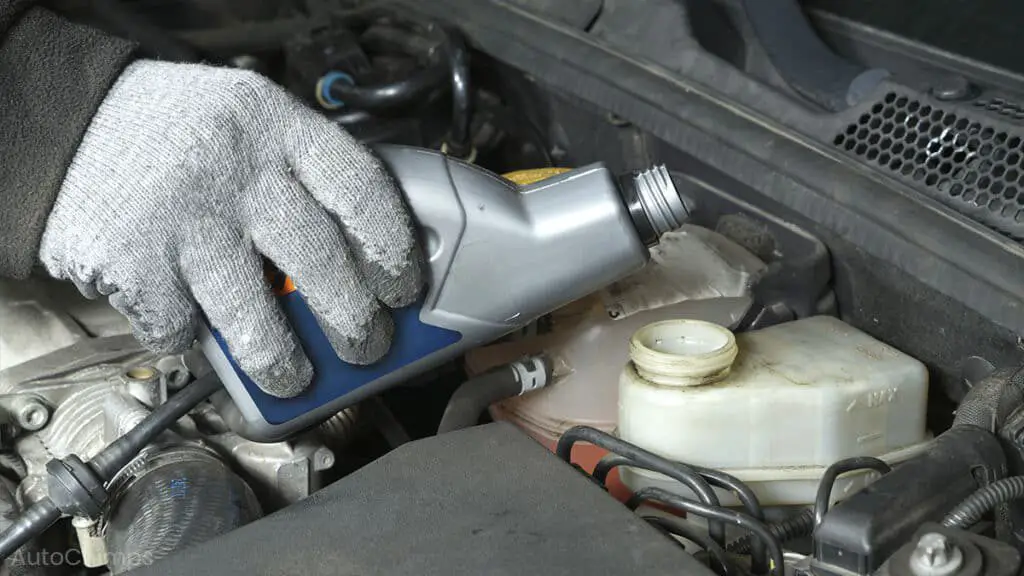
What happens if you put brake fluid in the power steering (Photo: autochimps.com)
Whereas power steering fluid is petroleum-based and a power steering system (of the rack and pinion type) has many metal-on-metal contacts. In addition to being a pressure transfer fluid, it also functions as a lubricant. Brake fluid is not a good lubricant.
Therefore, it is appropriate to use only power steering fluid for the power steering system and brake oil for the braking system, as all automobiles offer the best performance. Although in some undesirable cases, where there are no other alternatives, brake fluid can be used as power steering fluid, it should only be a once-in-a-lifetime occurrence.
You should never use brake fluid as power steering fluid because this system requires a fluid with a high boiling point. However, you can replace power steering oil with brake fluid in some extreme situations, as both are hydraulic fluid.
What to Do If You Add Brake Fluid to the Power Steering System?
If you accidentally use brake fluid instead of power steering fluid, what should you do? It is important to know that using brake fluid in the power steering system is very dangerous. The first thing to remember is not to start your engine because as soon as you start the engine, the brake fluid flows into all the lines. What we recommend is to immediately flush all the fluid from the reservoir as soon as you notice you are using the wrong fluid.
This step would be easy if you still haven’t started your car; however, extracting or removing the fluid will be more difficult if your car’s engine has been started because by that time these fluids are already mixed. You need to open the cap and drain the entire reservoir as it is very likely the brake fluid is still there. Use a syringe or a turkey baster to drain the brake fluid from the container. Furthermore, you can disconnect the power steering return line from the pump on the primary side. Remember to disconnect the power steering pump return port that brings back all the fluid you put into another container. When the pump system is empty, you can reconnect the entire system and fill the reservoir with the correct fluid.
After that, turn your car’s steering wheel lock-to-lock two times or more; this will help remove all the air from the system.
In case you cannot flush the power steering fluid yourself, you should immediately contact a trusted mechanic. With their knowledge and the necessary tools, they can help you safely flush and drain your power steering system, change damaged parts if necessary, and add the appropriate fluid.
Can We Use Transmission Fluid for Power Steering?
This is also a common question we want to clarify on this topic. If you ask the manufacturer, they will tell you NO because these two types of oils have completely different functions and should be used for different purposes. But in reality, you can use transmission fluid to replace power steering fluid if necessary. If your car is made by Honda, you absolutely must not use transmission oil to replace power steering oil. The reason is that Honda power steering oil is thicker than ordinary power steering oil and is produced specifically for Honda vehicles.
You should note that using the wrong power steering fluid can lead to leaks, corrosion, damage to internal components, and even complete system failure. It is always best to be cautious and use the exact type of fluid specified for your car.
We hope all this information will be helpful to you in one way or another. The lesson we want to share in this article is that according to each system present in the car, you must choose a suitable fluid recommended by the manufacturer and it should not be used indiscriminately or mixed as they can lead to extremely serious consequences.
If you are unsure or cannot find the above information, a qualified mechanic or dealership representative can look up the exact fluid recommended for your specific car model and year. If you have any concerns, remember to leave your comments in our comment section below.
How to bypass the anti-theft system without a key and reprogram for new keys
Without keys, let’s bypass the immobilizer with the Hacking relay and reprogram it for new keys. Today’s article explains how to bypass an immobilizer system. This guide details a method for hacking and bypassing the ECU (Engine Control Unit) to program the immobilizer for new keys. This may be necessary if all your original keys have been lost or during an exchange of your ECUs; either scenario would require bypassing the immobilizer with a relay or programming new ones on each ECU, and that’s why I explain exactly how to bypass the immobilizer without a key and I’ve even covered how to bypass the immobilizer with a relay.
Generally, taking your car to a dealership would cost much more; in this tutorial, we are going to hack our ECU to clear its codes and put it into an automatic programming mode that automatically accepts new key configurations.
So, before we begin, let’s look at what bypassing the immobilizer means.
What is Immobilizer Bypass?
You know, a car immobilizer is a security agent for your vehicle. It is a chip in the ECU that prevents the car engine from starting unless you have the correct key program with the car. So, if someone breaks into your car, they cannot just hotwire it and drive away with the immobilizer functioning correctly.
Now, an immobilizer bypass is any method, technique, or procedure used to disable the functionality of the ECU’s immobilizer chips. Generally, this can be done by removing the immobilizer chips or by using an electronic component, a hardware or software element to bypass or disable the immobilizer in a vehicle and allow the car engine to start without using its key. These bypass modules are typically installed when installing remote starters, as these also need to start the car without the presence of physical keys.
But note that immobilizer bypass can also be used maliciously to start cars without authorization, thereby stealing them, and so I hope this article does not enable you to become a thief. Therefore, bypassing an immobilizer system without proper authorization or for illegal reasons can have serious legal consequences.
How to Bypass the Immobilizer and Program New Keys for Your Car?
To demonstrate, I will install a new ECU in my car and render my existing keys unusable.
So, before any attempt to modify your ECU, always disconnect its battery first; The ECU of most cars is usually located behind their glove compartment under the steering wheel; once located, open it and unplug the five electrical connectors at the back that connect to the ECU.
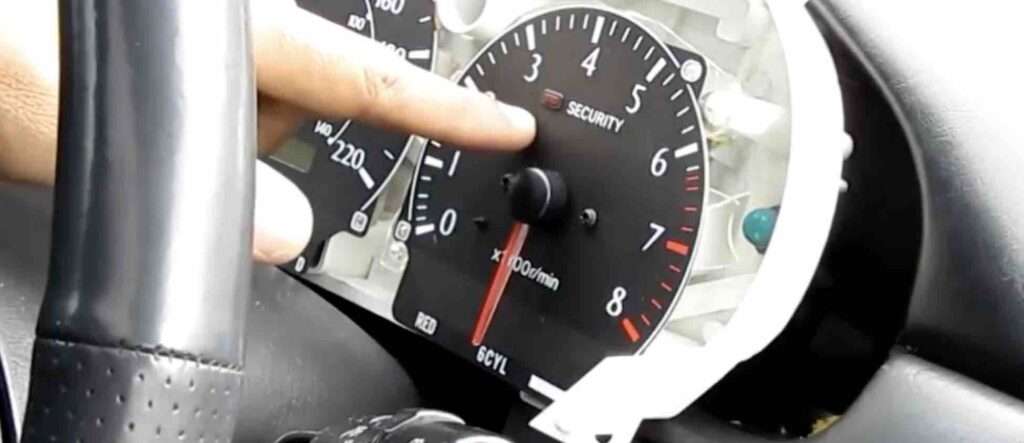
When you insert an unknown or any new key into the ignition, its security light does not go off because it does not match the ECU’s requirements for immobilizer with relay programming, and any attempt to start the car will result in the engine cranking but not starting.
Before going further, let’s briefly review how your car’s immobilizer system works.
How the Immobilizer System Works.
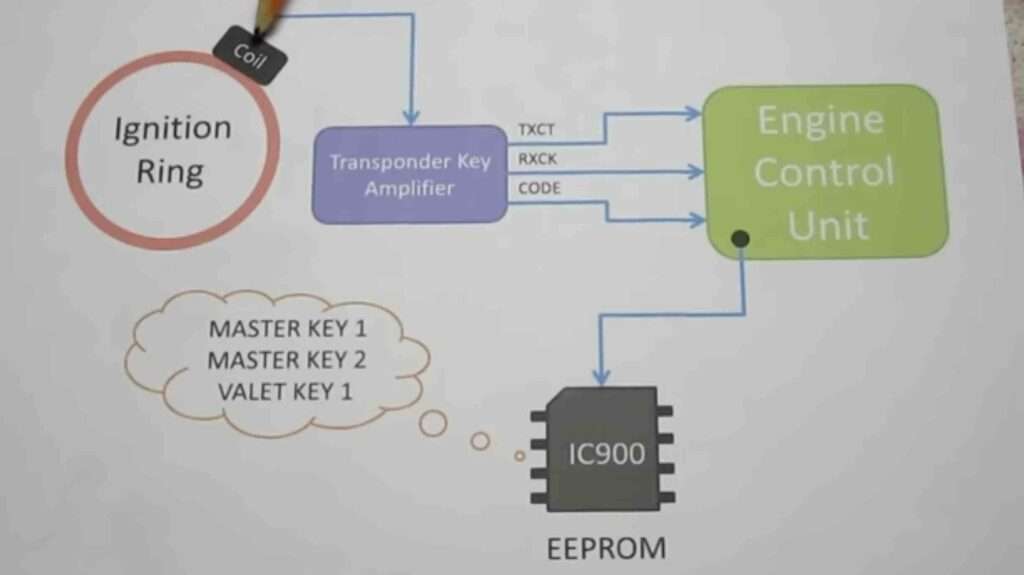
When you place the key in its ignition ring, an integrated coil captures an RFID signal and transmits it to a transponder key amplifier, which decodes it to pass it on to the ECU; The ECU has an EPROM chip that stores the key values; after matching, the car can start.
The setup involves an ignition ring equipped with a coil and a chipped key. Signals from this setup are transmitted to a transponder key amplifier, which in turn sends signals directly to the ECU for processing. Each key contains its own RFID chip containing RFID chips, which interact with each other when an electric current passes through them.
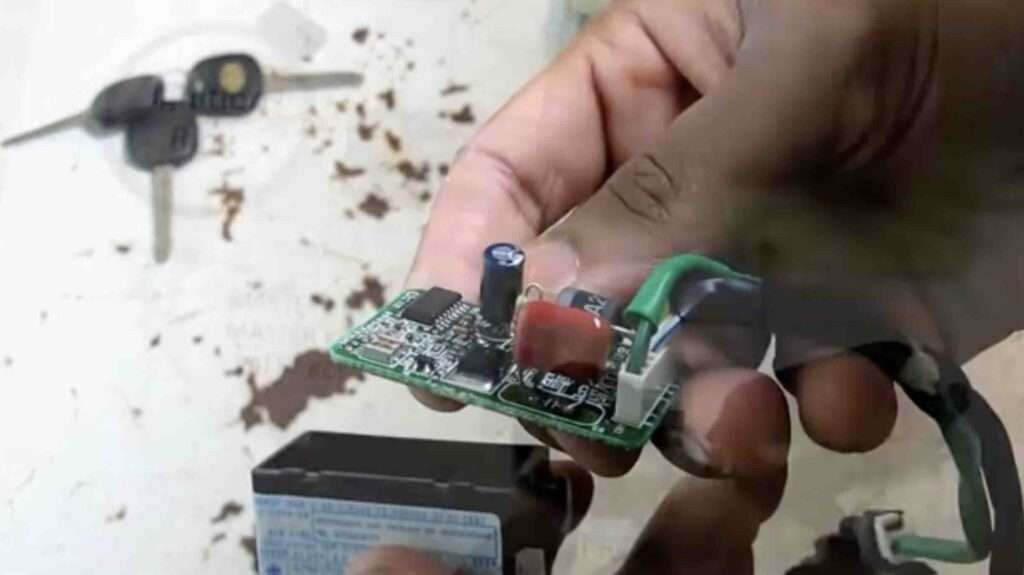
Newer vehicles are equipped with amplifiers that first direct signals to a transponder ECU which stores the keys before passing them to the main ECU for processing. This system was implemented because replacing ECUs can be expensive if keys are lost; therefore, using cheaper transponder ECUs allows for key replacement without breaking the bank. However, for these vehicles, key replacement involves performing a costly procedure. Most steps remain unchanged, with minor variations being that a key insertion must occur between each to properly program the keys.
How to Bypass Immobilizer Without Key, Bypass Immobilizer with Relay Hacking and Programming New Keys.
How to bypass immobilizer without key, bypass immobilizer with relay hacking and programming new keys.
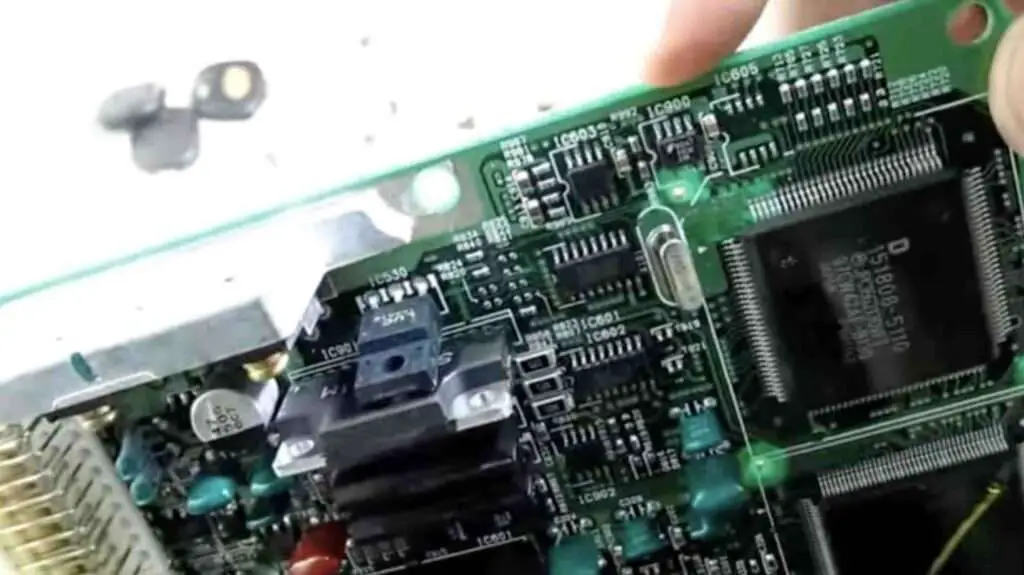
After unscrewing and extracting the ECU from its mount in your car, the next step should be to open the ECU by unscrewing the screws used to hold things in place. Before that, you want to disconnect your battery.
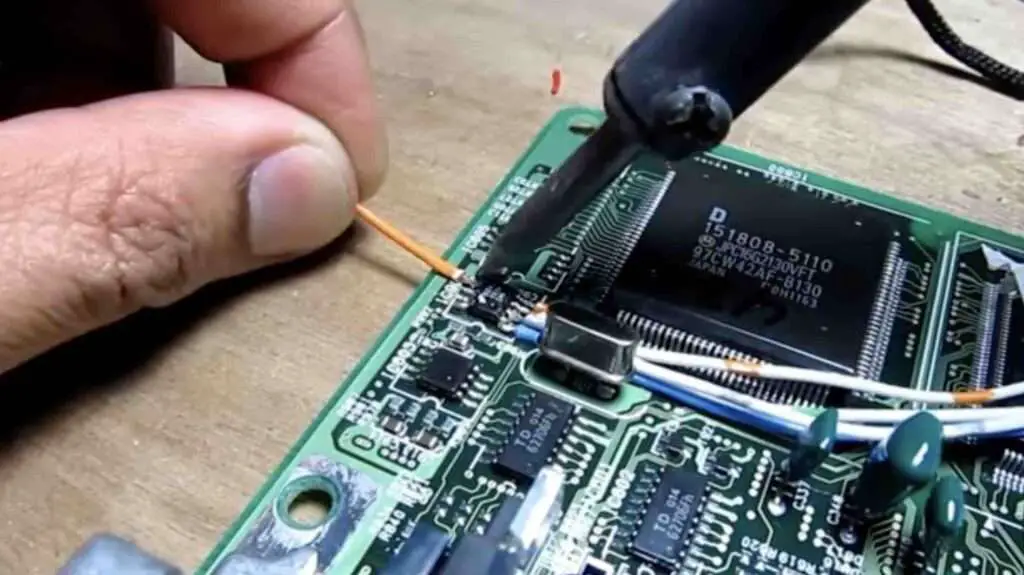
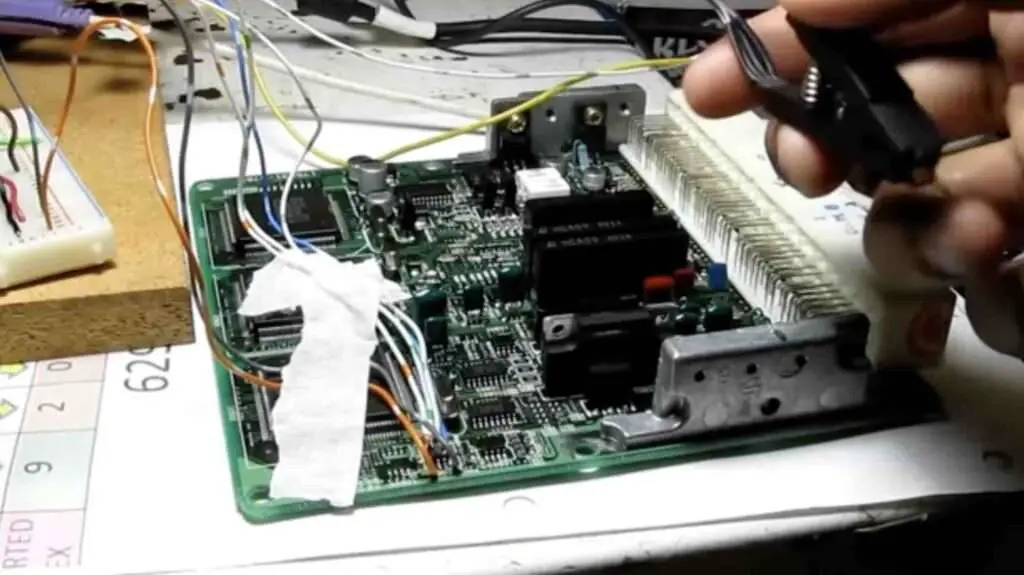
Unscrewing will expose its printed circuit board, which we need to extract from its casing; an eight-pin chip (IC 900) must then be located so we can connect to our computer via this connection cable.
The wires to solder to connect our computers to the chips are a method used to connect directly to the chips. A chip clip could simplify programming; however, establishing direct contact was too difficult, which led me to use soldering wires instead.
After setting up my EPROM chip programming circuit, which involved plugging it directly into my computer’s serial port while being connected by 4.7 K ohm resistors and five-volt Zener diodes to its chip, I programmed it successfully.
Using an EEPROM reader, I retrieved the entire contents of a chip. Each key in its dump is represented by an 8-digit hexadecimal value repeated three times;
To prepare our ECU to accept new keys, it is necessary to erase all existing values from the key settings and assign zeros where applicable before writing this new configuration directly onto its chip and reinstalling it into its casing.
Now we can install our new ECU in the car with the accompanying dashboard to view the security light necessary for programming new keys. Programming involves inserting and removing each new key while monitoring its status; once completed successfully, the automatic programming light should come on to indicate when programming is finished.
Finally! Your immobilizer has been successfully modified to recognize the new keys if they were lost or if the ECU was changed.
And there you have it, folks! We’ve just covered the basics of how to bypass the immobilizer and have gone through the steps explaining exactly how to bypass the immobilizer without a key and have even covered bypassing the immobilizer with a relay.
Now, with the know-how on how to bypass the immobilizer without a key under your belt, you are ready for a smooth journey.
Common Power Steering Issue in Audi Q5 and How to Fix It Yourself
You are experiencing a malfunction with your Audi’s steering system and wondering if you can continue driving your 2016 Audi Q5s model to the 2009 Audi Q5s model? This article covers common power steering issues in the 2016 Audi Q5s, 2014 Audi Q5s, 2013 Audi Q5s, 2012 Audi Q5s, 2011 Audi Q5s to the 2009 Audi Q5s.
Can you continue driving an Audi Q5 with faulty power steering?
Although it is possible to still drive an “Audi Q5s with a faulty power steering system,” you really should not drive your Audi Q5 under such conditions. The reason is simple: your power steering is extremely important for steering and turning your car in the right direction safely. So, if it is not working properly, you might have difficulty steering and could completely lose control in case of an unexpected incident on the road while driving under such conditions. Moreover, imagine the accompanying whining or leaks. And believe me, you don’t want a power steering fluid leak to occur near your engine. Flames are the last thing you need in a car!
If you feel something is wrong while driving or hear unusual noises, pull over and call your mechanic. Driving with shaky power steering could not only be risky for you but could also lead to more expensive repair bills.
Here are some of the risks associated with driving an Audi Q5 with failing power steering:
Difficulty steering your vehicle, which makes it harder to avoid unexpected collisions and other dangerous situations on the road in time.
You could completely lose control of your car if the power steering system fails entirely, which can result in a serious accident or even death.
It could lead to a fire risk if the power steering fluid leaks onto the engine.
Continuing to drive an Audi Q5 with a faulty power steering system could damage other parts of your car and result in more costly repair expenses than you would wish.
Bottom line? If you have any doubt about your Audi Q5’s power steering, it’s always a good idea to go to a professional mechanic. Better safe than sorry!
Identifying an Audi Power Steering Issue or Problem for Audi Q5, A4, and S4
Loss of power steering feel is a commonly encountered issue by most drivers, especially when it comes to Audi Q5, A4, and S4 models. This can also apply to the 2016 Audi Q5s, 2014 Audi Q5s, 2013 Audi Q5s, 2012 Audi Q5s, 2011 Audi Q5s to the 2009 Audi Q5s.
So here it is: when you’re driving straight, problems usually appear when the steering wheel is in its original center position and everything is fine; then when you turn at a particular angle, the resistance increases significantly, then decreases to become difficult again later, resulting in binding sensations.
Common Power Steering Problem in Audi Q5s
An Audi Q5 power steering issue or problem is often the result of an intermediate or lower steering shaft connecting to the rack, with its U-joint at the base being exposed to the elements and eventually becoming compromised, leading to corrosion or wear over time.
But here are also other power steering issues I’ve observed with Audi Q5 models over the year:
Power steering leak: When power steering fluid leaks due to cracks or loose connections in its lines, signs can include difficulty steering your car and an audible whine or squeal when turning the steering wheel.
Faulty power steering pump: If the power steering pump fails, it could lead to stiff steering that is often accompanied by an audible whine or hum.
Blown steering rack: Damage to the steering rack can have more severe consequences, leading to limited steering wheel response or even erratic turning of the car in one or both directions.
Electric power steering failure: Some Audi Q5 models are equipped with electric power steering systems. When there are electrical issues within these systems, a sudden loss of power steering assistance can occur, and a warning message will display on your driver information system if this happens.
Replacement can be a rather costly undertaking due to high labor costs; so it might be wise to do it yourself as the process should not be complex.
Power Steering Problem in Audi Q5s 2017 to Audi Q5s 2009
Power steering problem in Audi Q5s 2017, Audi Q5s 2016, Audi Q5s 2015, Audi Q5s 2014, Audi Q5s 2013, Audi Q5s 2012, Audi Q5s 2011, and for Power Steering Problem in Audi Q5s 2009
The common causes of power steering problems among Audi Q5 2017 to Audi Q5 2009 are as follows:
A leak in the power steering fluid line,
malfunction of the pump, rack, or control module
An electrical issue with the power steering system.
DIY Fixes for the Audi Q5s 2016 Power Steering Problem
1. Fixing a Leak in the Power Steering Fluid Line:
If you can identify where the leak is occurring, using a power steering fluid line repair kit, you might be able to perform the repairs yourself. However, if the issue is more significant or you don’t feel experienced enough to handle it yourself, it would probably be better to have your car repaired.
2. Power Steering Pump Failure:
To replace a faulty power steering pump, you will need to uninstall and reinstall both pumps – a complex task that may involve carefully following the instructions in your car’s repair manual.
3. Power Steering Rack Failure:
In order to replace a power steering rack, it will be necessary to disassemble the front wheels and suspension components from your car’s frame – this process must closely follow the guidelines in your vehicle’s repair manual to be successful.
4. Power Steering Control Module Failure:
In order to replace a power steering control module, you will first need to locate it and then extract it. Although this should be relatively straightforward, make sure to carefully follow all applicable instructions from your vehicle’s repair manual when performing this job.
5. Electrical Issues with the Power Steering System:
If you suspect there may be electrical issues with your car’s power steering system, you may want to reset the power steering control module by disconnecting the battery, and if the problem persists, take your car to a mechanic for proper diagnosis and repair to be the best course of action.
Power Steering Problem in the Audi Q5s 2014
The most common failure or issue with the 2014 Audi Q5s is the power steering pump problem, which can lead to power steering failure and render the steering wheel completely unusable.
To rectify or solve this power steering pump issue, you will need to replace the pump by purchasing another unit.
Audi Q5 Power Steering Recall
Audi issued a recall in 2012 due to frequently reported power steering issues affecting Audi Q5 models from 2009 to 2012. This recall included the replacement of defective power steering hoses that could leak and lead to a loss of steering ability. Therefore, if you own such an Audi model between 2009 and 2012, you should ensure that yours meets these criteria and have its power steering hose replaced if necessary.
Resetting Audi Dynamic Steering System Faults
If the “Audi Dynamic Steering System Fault” message appears on your dashboard, try following these steps to reset the dynamic steering system failure issue:
Start by turning off your car and removing the car key from the ignition.
Then wait about 30 seconds.
Now reinsert the key into the ignition switch, but do not start the car yet; Turn the steering wheel all the way to the left and then turn it to the right.
Now start your car’s engine, and the error message should disappear.
If the warning message persists, entrust your car to an experienced Audi mechanic who can assess and repair its systems.
Audi Steering Malfunction, Please Stop Vehicle on Dashboard
When an “Audi Steering Malfunction, Please Stop Vehicle” message appears on your dashboard, you should immediately park in a safe location and stop your car right away. This message signals a serious malfunction in the power steering system that makes driving dangerous; have your car towed immediately to a certified Audi mechanic so it can be properly diagnosed and repaired before continuing your journey.
How to Troubleshoot Power Steering Problems Yourself
Here are some DIY solutions for fixing power steering problems yourself:
Regularly check your power steering fluid level; if needed, add more fluid. Inspect for leaks; any detected should be repaired immediately or replaced entirely as soon as possible.
Regularly check your power steering belt – any slack or damage should be tightened or replaced as soon as possible. Also, inspect the pump; any noise from it or any leaks suggest that replacement may be necessary.
Check the power steering rack. If the rack is leaking or damaged, it may need to be replaced.
For your own safety and if you feel inexperienced in working on cars yourself, it would probably be better to entrust your Audi to an experienced technician.
For Your Own Safety
Additionally, the specific elements for each of the models are: for example, the power steering problem in the 2016 Audi Q5s mainly involves stiff steering due to cold weather that thickened the steering fluid and also reduced the fluid level, making driving in the early morning a bit difficult.
Power steering issues in the 2014 Audi Q5s often appeared as sudden losses of power steering, a nightmare for the driver. Meanwhile, those driving the 2011 model were sometimes greeted by an annoying whine, due to the 2011 Audi Q5s power steering problem. For those who owned the older 2009 model, complete steering failures were not uncommon, highlighting the power steering problem in the 2009 Audi Q5s.
But it wasn’t just about individual models; the brand had its share of setbacks. A broader Audi Q5 power steering recall was launched, signaling issues in several cars. A few drivers had to handle resetting the Audi dynamic steering system faults to clear electronic issues. And if you ever spot the “Audi Steering Malfunction Please Stop Vehicle” message, take it seriously. It’s not just a warning; it’s a plea for safety. Finally, the general Audi power steering failure reminds all Q5 owners: regular checks are not just good practice; they are essential both for the car’s health and for safety on the road.
BMW Airbag Light Reset With and Without Tools
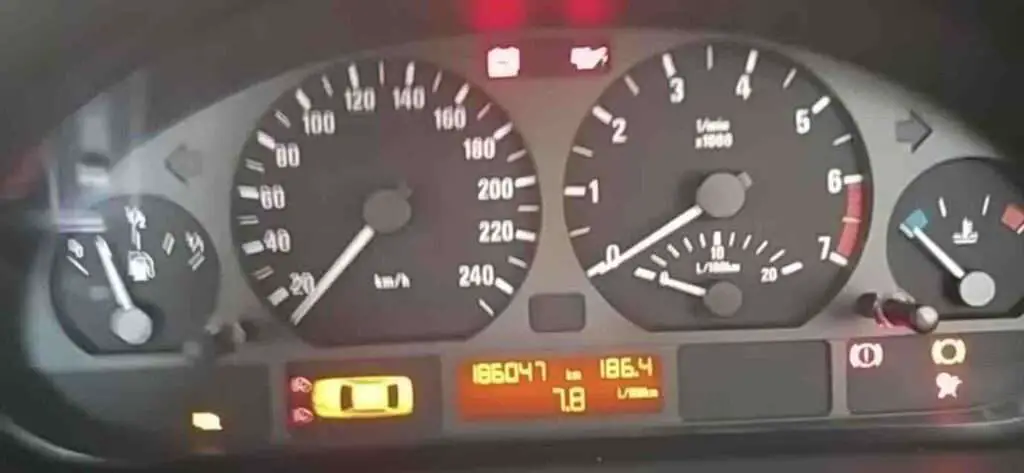
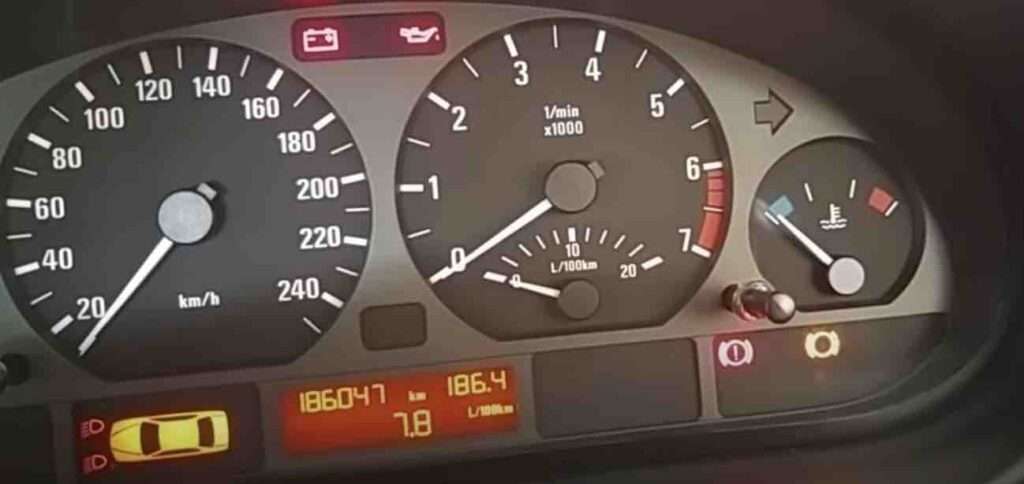
Let’s be realistic, seeing an airbag light illuminate on your BMW dashboard can be unsettling, and realizing there’s an issue with its airbag system that requires resetting the BMW airbag light can make you feel anxious moments. Yet, when this problem or minor error manifests and doesn’t disappear on its own after being resolved, you can do certain things when we think about how to bypass the airbag light.
So, in this article, we’ll go through a simple, hassle-free guide on how to reset a BMW’s airbag light with a scanner and “how to reset the BMW airbag light without a tool.” No expensive equipment, complicated jargon, or unnecessary mechanic visits are needed here as we’ll cover different types of BMW model airbag reset approaches, such as How to reset the airbag light on a BMW with a scanner, resetting the BMW e36 airbag light without a tool, BMW e46 airbag light reset, BMW x3 e83 airbag light reset, and BWM airbag light and seatbelt light on.
So, whichever BMW vehicle graces your garage, this article will address it.
Understanding the BMW Airbag Light and Reset
You’re cruising on the highway, your favorite song is playing on the radio, and everything seems perfect. Then suddenly, your BMW’s airbag light flashes on the dashboard. A moment of panic follows. Is it serious? Do you need to pull over? This light isn’t like the others. It’s a sign that the faithful airbag system, your lifeline in an accident, might have a problem.
“BMW Airbag Light Reset”
This is where the “BMW airbag light reset” steps might be necessary, and it’s not just about turning off an annoying light that spoils your dashboard’s mood, far from it. Resetting the airbag light is your first step in determining if your airbag system simply has a hiccup or if there’s a serious issue that requires your attention.
It might be a small bug, like a loose wire triggering the light, or perhaps a bigger beast, like a faulty airbag. The initial “BMW airbag light reset” should only concern the diagnostic steps that allow you to clear the warning and check if it returns. If the light stays off, you can breathe easy knowing it’s just a minor issue, nothing serious, but if the airbag light comes back on, it’s a sign: your BMW airbag sensor, wires, computer, or even the airbag itself may have been damaged or defective. So, in this situation, you’ll need to troubleshoot by identifying the cause of the problem. And the good news? You don’t need to be a mechanic to handle this. With our guide, you’ll learn to handle all of this by yourself; no sophisticated tools required.
How to Reset the Airbag Light on a BMW with a Scanner
So we first look at a simple yet quick solution using a Bluetooth scanner (see scanner here) before proceeding with this operation without any tools. These steps will be paired with your Android or iPhone and will reset your airbag sensor light in no time.
Step 1: First, ensure your Bluetooth scanner is ready. It’s an essential tool for this job.
Step 2: Connect the Bluetooth scanner to your car’s OBD2 port. This port is usually located under the dashboard, near the driver’s seat. With the scanner connected, go ahead and start your car’s engine.
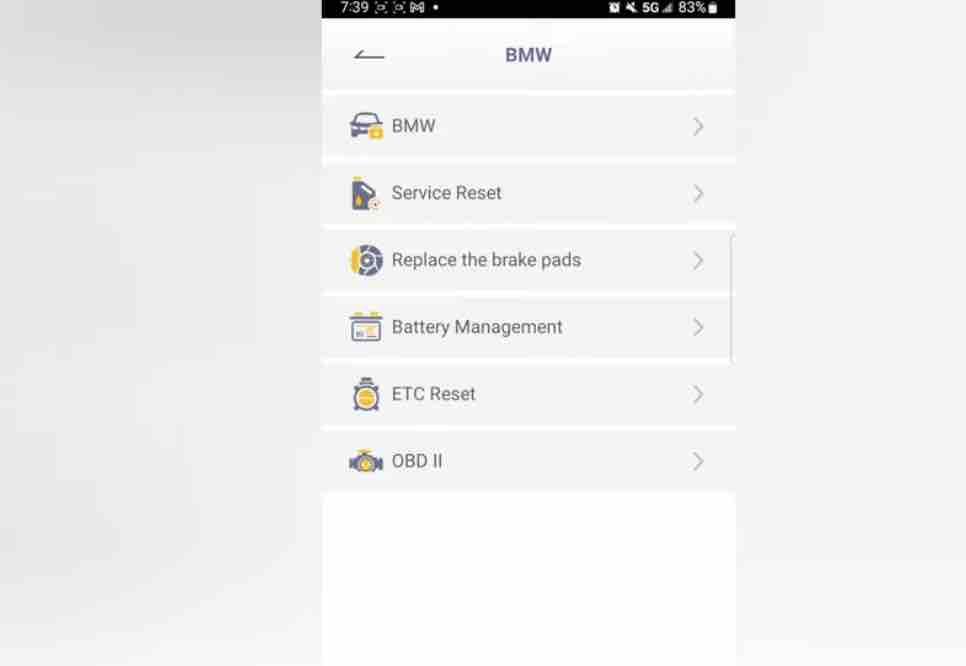
Step 3: Now, turn your attention to the smartphone app connected to the Bluetooth scanner. Open the app and navigate to the “Diagnostics” section. And now, in the diagnostic interface, I want you to select “BMW”. You’d be surprised how straightforward this process is with the scanner.
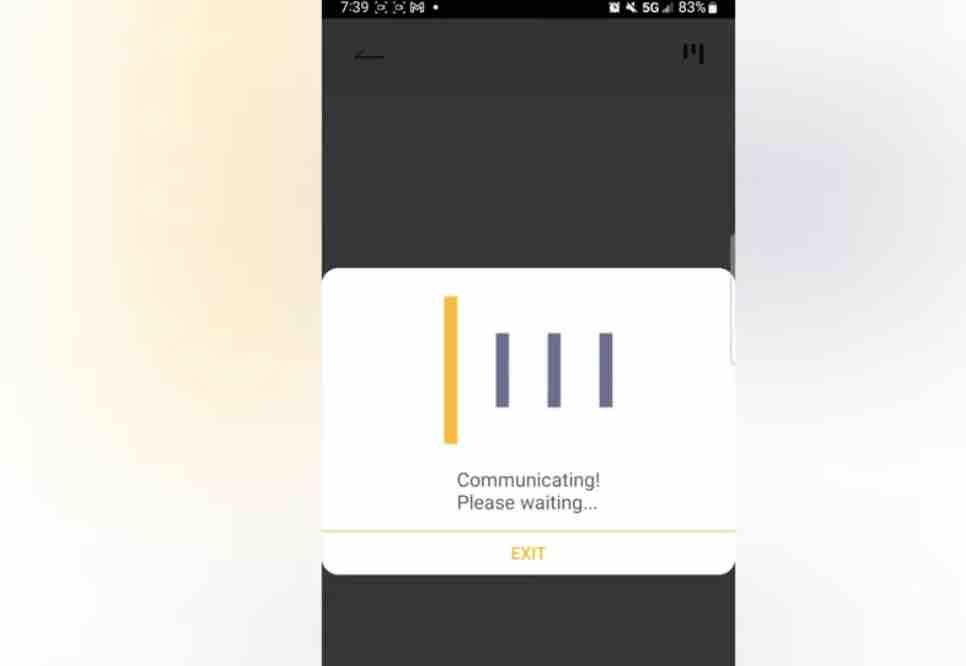
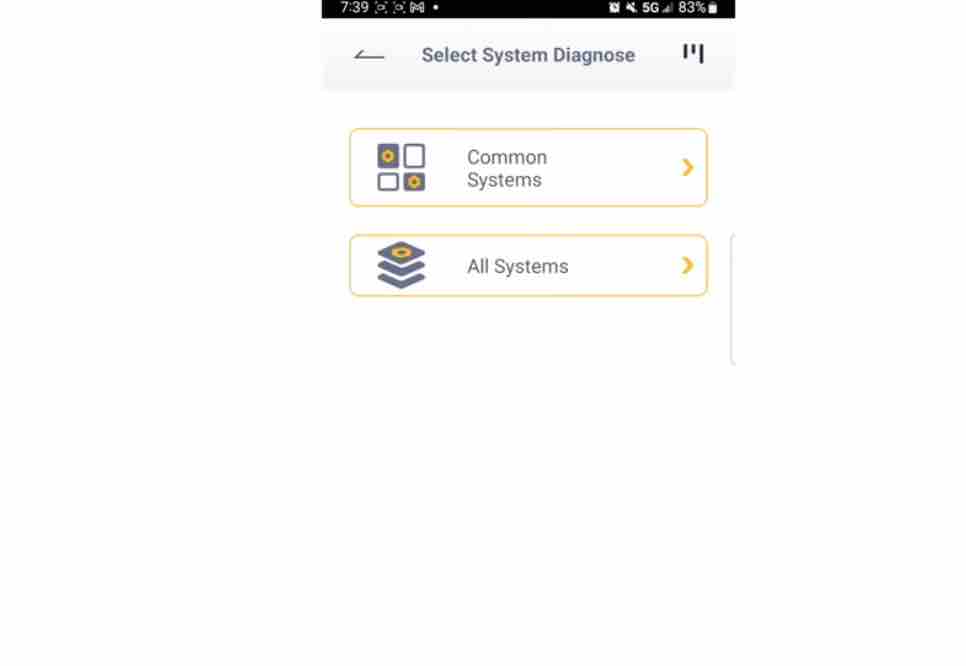
Step 4: You might need to wait a bit while the scanner communicates with your vehicle’s systems. This can vary slightly depending on the Bluetooth device you’re using. Then, select “Diagnose System” located at the bottom, followed by “All Systems”.
Step 5: From there, go to the “Body Module” category located at the bottom left.
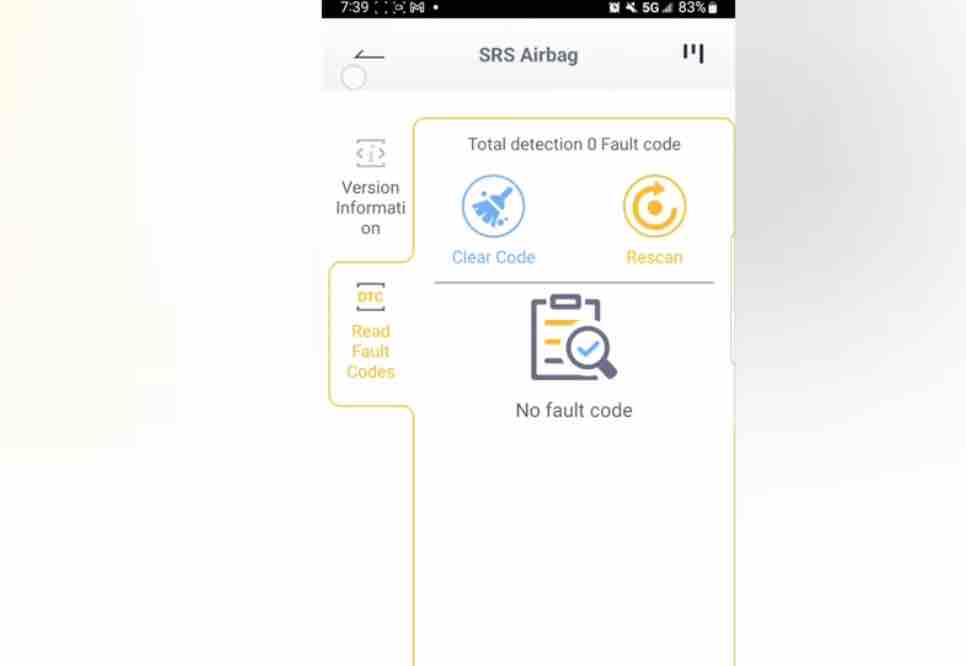
Step 6: Select “SRS Airbag” and move to “Read Fault Codes”. You should see an option for “Clear Code”. Hit it without hesitation.
Step 7: Confirm your selection by clicking “Yes” when asked if you want to clear all fault codes. Rest assured, it’s a definitive step towards eliminating that darn light.
Step 9: Press “OK” to continue. You should notice your airbag light blinking while you do this. Hold steady for about 10 seconds.
Step 10: At this point, turn off your engine. This action will reset your airbag light once and for all.
And there you go! Your airbag light should now disappear, leaving only other unrelated lights, like the brake light, seatbelt light, or perhaps the washer fluid light (if your reservoir is leaking like mine). That’s how you reset the airbag light on a BMW with a scanner. Let’s see how to reset without a scanner or tool or how to bypass the airbag light.
How to Reset BMW Airbag Light Without Tool
Don’t panic when your BMW’s airbag light starts flashing. It might seem intimidating, but you can reset it without any sophisticated tools with our BMW airbag light reset guide. Just follow these simple steps, and everything will be sorted out in no time. Remember, you’re in control.
Step 1: Safety First, Always!
Before we even begin, let’s make sure you’re safe. If you’re in an automatic, put your BMW in Park. If using a manual, put it in neutral. Engage the parking brake and cut the engine. And remove the key from the ignition for safety.
Step 2: Ignition Animations
Now that we’re all safe, take your key and insert it into the ignition now and this time, turn it to the “On” position, but hold it mid-way before the car’s engines start, and do not start the engine. You should look for all the dashboard lights to animate without the engine running, including the one we’re focusing on in this article, I mean, the airbag light.
Step 3: Keep an Eye on the Airbag Light
Basically, here, you want to pay attention to what the BMW airbag light does. Normally, if it’s just a minor issue in the airbag system, the airbag light will stay on for a few seconds, about 7 seconds, and then turn off while the car is in this mode; otherwise, it will remain on.
Step 4: Turn Off Ignition if the Light Goes Off
So if the airbag light turns off in this mode, you need to quickly turn the ignition off completely, and I’d like you to wait a few seconds before moving to the next step.
Step 5: Repeat the Process
Now, to reset the BMW airbag light, we’re going to repeat steps 2 to 4 three times in total. It sounds weird, but this repetition works magic on your airbag’s electronic control unit and will help reset your BWM’s ECU.
Step 6: Turn It On
It’s time to bring your BMW to life. Start the car as you normally would.
Step 7: The Moment of Truth
Alright, you’ve made it this far. Now, take a look at that dashboard. If the airbag light stays off, it’s done! You’ve cracked the code on “How to reset the BMW airbag light without a tool”. So give yourself a pat on the back!
But what if that light comes back on and decides to stay? Well, that’s your BMW telling you it’s not a minor issue. In that case, it’s best to call in a professional. Sure, resetting the airbag light at home is a good thing, but if the problem is serious, it’s better to let a mechanic handle it.
Dive into Specific BMW Models and Their Airbag Lights
Now that we have the basics, let’s get into the specifics. Because let’s face it, every BMW has its own personality. Each model can bring its own twist to the reset process. So let’s take a quick tour of a few fan favorites, shall we?
How to Reset BMW E90 Airbag Light Without Tool”
Alright, E90 owners, this one’s for you. Got an airbag light more stubborn than a mule? No stress. You can follow the same reset steps we talked about. But here’s the catch: keep an eye on the “Seat Belt” light. If it lights up like a Christmas tree along with your airbag light, then we’re looking at a seat belt sensor that might seem a bit off. And that, my friend, requires a mechanic’s touch.
Dealing with BMW E36 Airbag Light Reset Without Tool.
BMW E36 owners, we’re back. You’ve got that déjà vu “BMW E36 Airbag Light Reset Without Tool”? I get you. Sometimes the airbag light can be like that, always on. If you’ve encountered a minor issue and it’s making a comeback, it might be a sign of a bigger problem. Give the reset another shot, but if that light still shines, it’s time to call a mechanic.
“BMW E46 Airbag Light Reset Without Tool
Next up is the BMW E46. To reset this airbag light for this model, you can follow our general steps to see if it works. But here’s a little heads-up, the E46 is known for occasional seat sensor issues, and so, if your BMW E46 airbag and seatbelt lights are both on at the same time, the problem might require more than just a reset; in that case, you need to consult a mechanic.
And if the step above didn’t work, try this BMW e46 airbag light reset without tool
how to turn off bmw e46 airbag light without tool
Step 1: Let’s start from the beginning. You notice that stubborn airbag light on my dashboard staying on? That’s our target for today. Just a warning, don’t worry about the brake wear sensor; we’ll get to that another time.
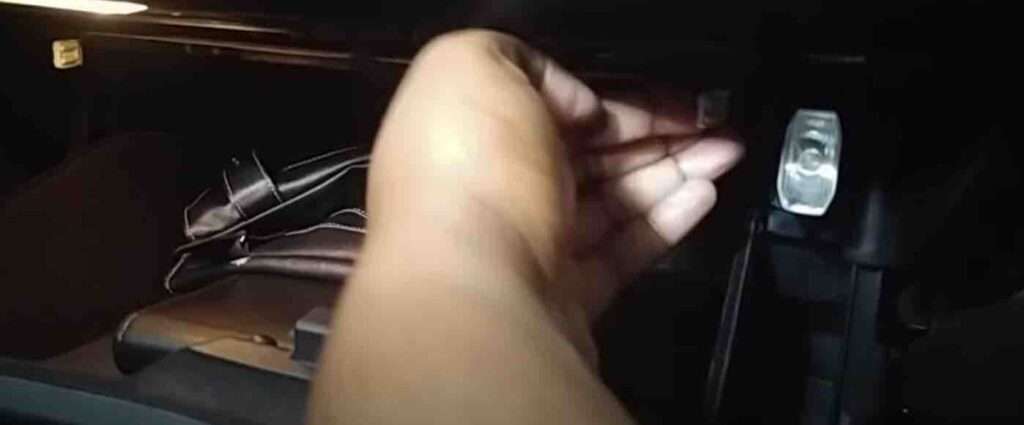
Step 2: This is where the magic begins. Open your glove box, which is on the passenger side of your BWM dashboard, and in the glove box, look above the right side for the fuse box. You need to lower the fuse box to reveal the card inside.
Step 3: After a careful inspection of the card, you’ll notice number 11 which is marked “airbag”. Please do not remove number 11.
Step 4: Instead, you need to locate fuse number 10, which is the one associated with the instrument cluster. If you can’t see it clearly, try lowering the fuse box a bit more, and you’ll find the numbers just at the top.
Step 5: Once you’ve identified fuse number 10, remove it gently. And there you go! The airbag light should now turn off. It works wonders and, from my experience, the airbag itself would still deploy in case of an accident if you used this method despite this slight trick.
“BMW X3 E83 Airbag Light Reset” – Step by Step
And finally, let’s look at the BMW X3 E83 reset step, I’ll just say it’s the same airbag light reset steps above but, a different car. And don’t forget, if this light refuses to go off even after a reset, the root cause isn’t solved. And just a quick note: if your airbag light and the “Brake” light decide to come on at the same time, your braking system might be the culprit. If that happens, get professional help as soon as possible.
These guides on “how to reset BMW airbag light without a tool” are only useful for minor issues and not for serious problems. So, if your BMW’s airbag light keeps triggering the alarm, listen to it and get a mechanical check.
On or BMW Airbag Light On After Battery Change
Wondering why my BMW airbag light comes on after replacing the battery?” Well, if you ever found yourself replacing your BMW’s battery only to encounter an airbag light after changing the battery?
How to grease CV joints without removing them
Is it possible to grease your car’s CV joint without removing the boots? And if it is possible, what are the steps to follow to grease CV joints without removing the boots? In this article, I will address all the following questions:
How to add grease to a CV joint? Can you over-grease a CV joint?
What kills CV joints? Can you use white lithium grease on CV joints? Why do CV joints need special greases? What is lithium complex grease for CV joints? Is white lithium grease better than silicone grease? And finally, where should you not use lithium grease?
Overview of the CV Joint.
The CV joint of your vehicle serves as a crucial interaction center between its transmission and the drive wheels of your vehicle, which is an indispensable link. Each drive wheel has its own pair of CV joints: the outer CV joints provide strong connections between the wheel and the axle, while the inner joints establish reliable communications between the transmission and the axle, ensuring that your speed remains unchanged even in response to unexpected potholes!
An elegant rubber boot is normally used to cover the CV joints, thus helping to provide additional protection to these critical joints.
Note that CV joints involve metal-on-metal contact, and it will be useful to keep things smooth by greasing them regularly, which is essential for maintaining their groove smoothly and reducing friction and wear.
What is a CV joint and its function?
By definition, a CV joint, which is the abbreviated form of constant velocity joint, is what ensures a constant speed for your vehicle. They connect the drive wheels to the transmissions, with two such joints on each axle: an inner joint connecting the transmission to the axle, while another connects the axle and the wheel.
CV joints play an essential role in maintaining constant wheel speeds when you encounter uneven terrain or obstacles such as potholes, by ensuring the linkage between two rotating shafts so that they work together rather than against each other due to poor lubrication.
How to grease a CV joint without removing them
So, steps to grease the CV joints without detaching or removing the bolt.
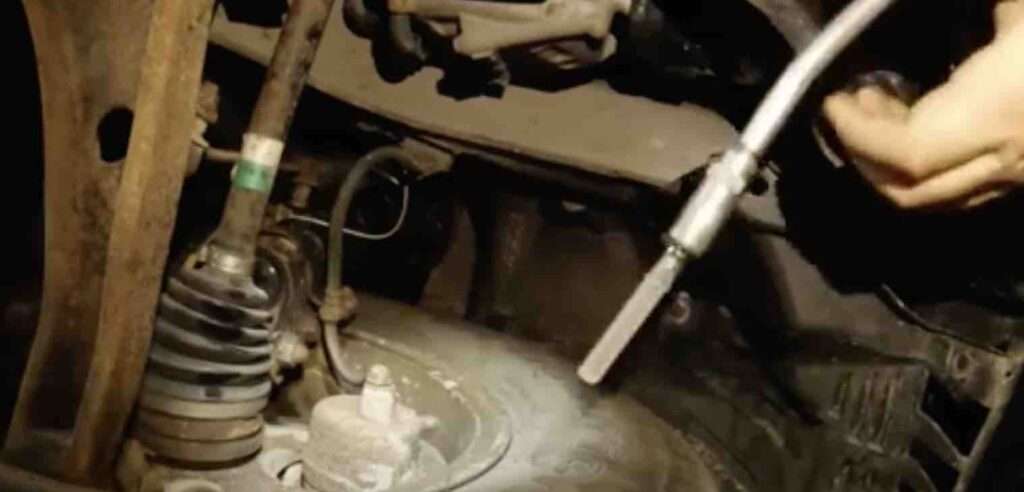
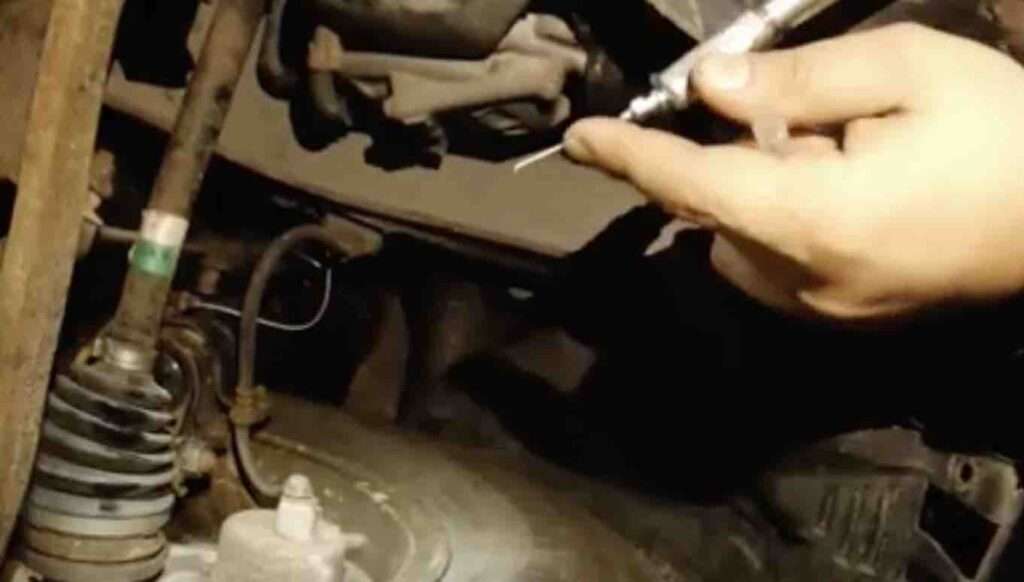
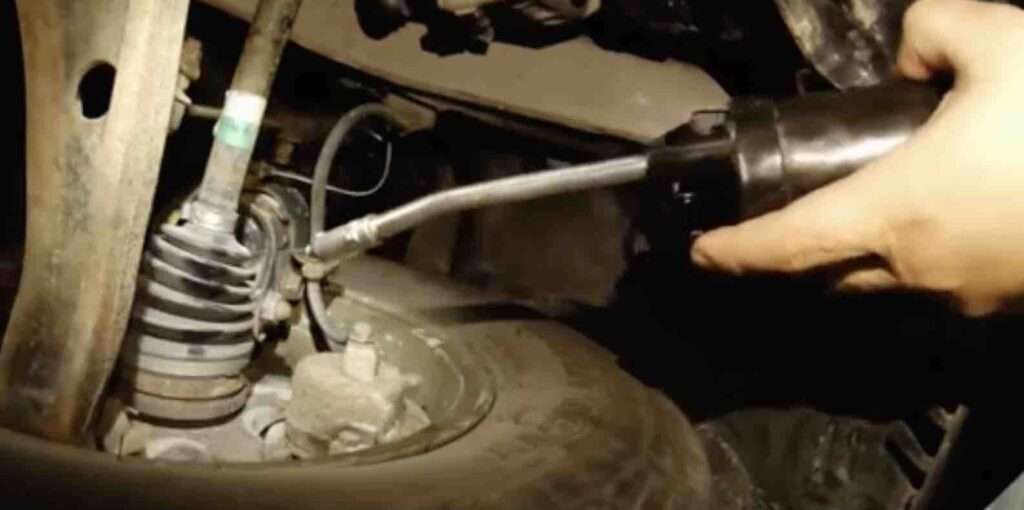
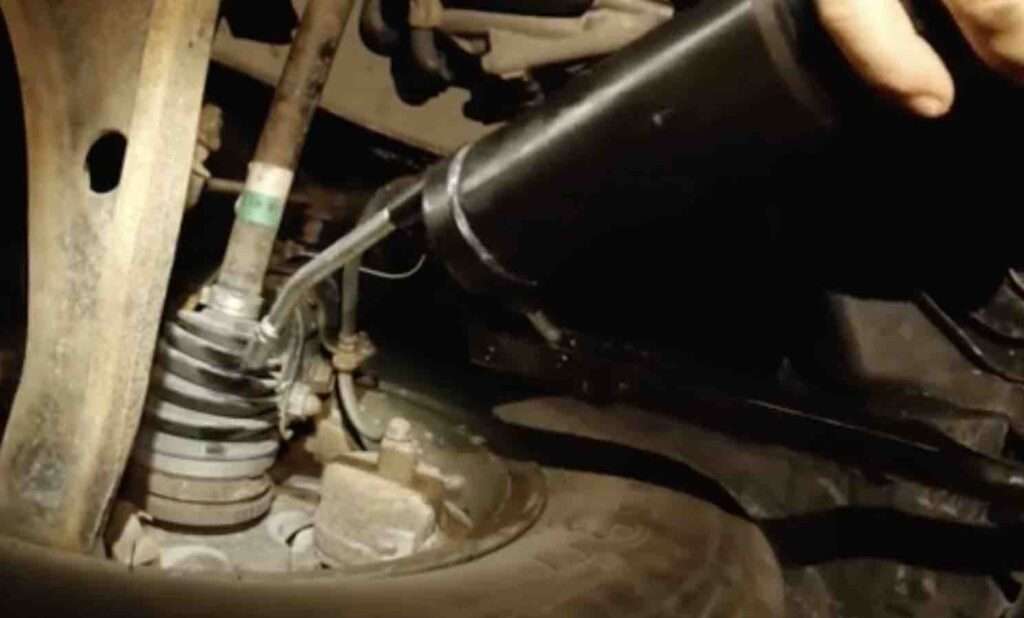
To add grease to a CV joint without disassembling its boot, you generally need to use a grease needle or a needle adapter that pierces and drills a hole in its housing.
First and foremost, you need to buy a grease needle, and you can buy a grease needle at almost any auto parts store at relatively affordable prices, designed to attach directly to standard grease guns. or you can get it here
Steps to grease a CV joint without removing the boot
Your safety must always come first, which means lifting the vehicle sufficiently on two jacks to leave enough space underneath for you to pass without any obstruction.
Now here are the steps to grease a CV joint
Start by unbolting and removing the tire, leaving only its hub intact.
Next, you need to move the steering wheel away from the steering system, which is outward, to reveal your car’s CV joint.
Now, you need to get a grease gun with a pointed or narrow tip. Drill a starting hole in the CV joint using the grease gun before injecting grease into the joint.
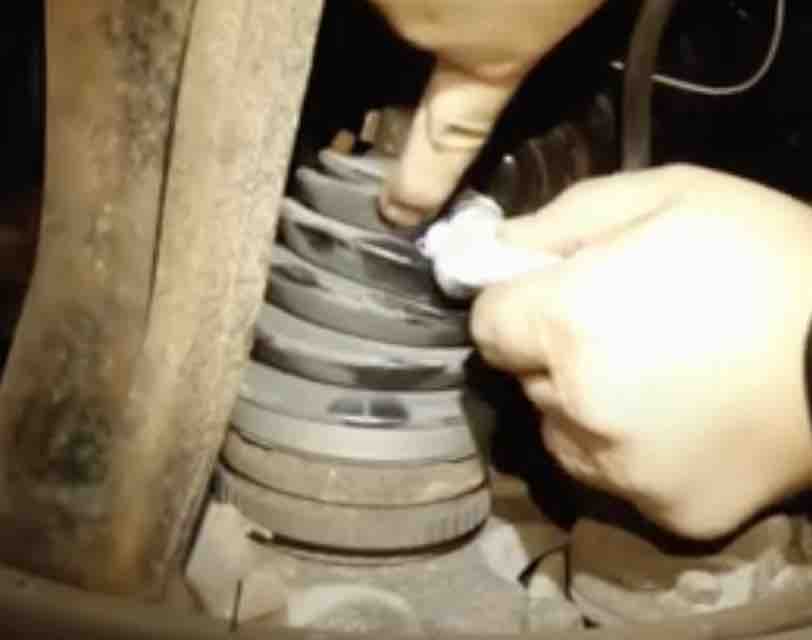
Locate and seal all holes caused by the grease gun with super glue after applying the appropriate amount of grease to the CV joint.
Reassemble all remaining parts of the vehicle’s wheel and clean them thoroughly with soapy water.
Repeat steps 2 to 6 with all remaining drive wheels.
Reattach the tires and lower the jacks.
So, basically, that’s how you grease a CV joint without removing the boot.
And now, what about CV joints depleted of grease? What happens if CV joints lack grease?
What happens if CV joints lack grease?
Without enough grease in their CV joints, the rotating shafts start rubbing against each other while accelerating wear of all kinds and noise levels. You may notice increasing wear on tires and brake pads, leading to the dislodging of moving wheels, making the car unusable and requiring either towing services or immediate on-site repair.
However, before the CV joints reach this critical phase, CV joints usually emit warning signals, such as an audible click every time you turn your steering wheel.
Cover your battery terminals with dielectric grease:
Applying dielectric grease is an ideal way to combat corrosion on battery terminals. Dielectric grease does not conduct electricity and remains pliable over an extended period, and its incredibly high melting point ensures that even small amounts applied will last over time.
Placing dielectric grease on battery terminals: Before covering the battery terminals with dielectric grease, make sure their wires are connected. Dielectric grease acts as a vapor barrier between the dielectric grease and your terminals and corrosion. Petroleum jelly can be an acceptable substitute. But most types of grease also protect against corrosion.
Replacing silicone grease with dielectric grease: Yes, silicone grease is an excellent alternative for battery terminals due to its extremely high melting point. It remains stable under high temperatures or summer heat without running – its temperature range extends from -40°F to 400°F!
Ordinary grease as an alternative to dielectric? Even though conventional grease like petroleum jelly can work very well as an alternative dielectric material, its low melting point requires frequent applications as a preventive measure.
Dielectric grease and silicone grease, what is the difference?
Dielectric and silicone greases vary considerably in several aspects. Formally speaking, their forms differ considerably; dielectric grease is translucent to seal electrical conductors while protecting them from dirt, sand, dust, debris, etc. In contrast, silicone grease, produced by mixing thickeners with silicone oils, offers ideal water resistance for protecting rubber parts from dirt.
Dielectric grease tends to be more expensive than silicone grease due to its wide range of applications. Although both are non-conductive, dielectric remains flexible while silicone eventually hardens.
Silicone grease is significantly thicker than dielectric grease; both varieties have high melting points.
FAQ
Can you over-grease a CV joint?
Yes, over-greasing CV joints can increase pressure, thus causing the CV joint boot to rupture and release grease into the joint from external sources; allowing contaminants and dirt particles to enter and damage it further.
What grease is best for CV joints?
Greases enriched with molybdenum disulfide (moly) tend to be the preferred choice when selecting the best grease for CV joints due to their superior resistance to high temperatures and extreme pressure, making them essential components in CV joint environments.
What kills CV joints?
What causes damage to CV joints? CV joints can be compromised by a lack of lubrication due to torn starting parts, by contamination from dirt and debris, or by a lack of regular maintenance, ultimately leading to wear and possible joint failure.
Can you use white lithium grease on CV joints?
White lithium grease is generally not recommended as an ideal lubricant for CV joints due to its inefficient performance in high-pressure environments; Moly-enriched grease specifically designed to withstand CV joint environments is usually best.
Why do CV joints need special greases?
CV joints require special grease because they operate under high pressure and high temperature. The special grease, such as moly-enriched grease, is designed to withstand these extreme conditions, ensuring proper lubrication and extending the life of the CV joints.
What is lithium complex grease for CV joints?
Lithium complex grease is a high-quality, versatile grease known for its tolerance to high temperatures and excellent water resistance. Although it can be used for various applications, it is generally not the first choice for CV joints.
Is white lithium grease better than silicone grease?
White lithium grease and silicone grease serve different purposes. Lithium grease is excellent for metal-on-metal applications due to its high performance. In contrast, silicone grease is ideal for plastic and rubber components as it does not cause swelling or deformation.
Where should you not use lithium grease?
Avoid using lithium grease on components that come into contact with rubber and certain plastics, as it could cause them to swell or deform. Always refer to the manufacturer’s instructions for specific applications.
To lubricate a CV joint, first lift your vehicle using a jack, remove its tire, turn outward and easily access its joint, make a hole using the pointed tool in the rubber boot, then inject grease through it directly into the joint, then seal the hole with super glue.
Understanding the Functions and Importance of Bidirectional Analysis Tools
What are bi-directional scan tools? And how do they apply vehicle system control code reading and board diagnosis? Modern vehicles are equipped with many electronic systems that allow diagnosing your vehicle’s issues or problems well beyond simply listening to engine noises and inspecting visible damage with an ordinary scanner. However, with bi-directional scan tools, an advanced device that will help learn and communicate directly with the vehicle’s systems in order to quickly diagnose issues. In this article, we will introduce these scanners and explain their functions and importance in automotive diagnostics.
What is a Bi-directional System?
What is a bi-directional system, you might ask? Well, a bi-directional system is about communication in two directions. A bi-directional scanner system is somewhat like a walkie-talkie, meaning you can send data one way, then receive data the other way. The difference with a walkie-talkie is that you cannot do both at the same time. Now let’s see what a bi-directional scanner is.
What are Bi-directional Scan Tools?
Bi-directional scan tools are automotive diagnostic devices capable of both receiving data from an automotive system and sending control commands back to a vehicle’s onboard systems, thus aiding in more accurate problem reading or diagnosis than traditional code readers. Bi-directional scanner tools offer technicians more interaction for testing/diagnostic purposes.
Functions of Bi-directional Scan Tools
Bi-directional scan tools offer multiple functions beyond simply reading and clearing codes, including performing active tests, operating actuators, resetting modules and initializing new ones, adjusting vehicle parameters as needed, as well as reprogramming certain aspects of the vehicle’s software.
For example, automotive repair technicians can use bi-directional scanner tools to turn a car’s fuel pump on or off, adjust the throttle position, or perform real-time diagnostic tests on specific parts. The real-time interaction between the systems used on vehicles and the technicians’ use of these tools allows technicians to easily identify problems, verify repairs, and perform thorough diagnostic procedures.
Here are the main features and the breakdown of the roles and importance of bi-directional scanner tools in the automotive industry.
· Reading and Clearing Codes
In vehicle diagnostics, these bi-directional tools make an invaluable difference because they listen and respond in both directions between the ECUs. Their bi-directional dialogue makes this device truly unique in its kind!
Imagine you are trying to decipher what is wrong with your vehicle when the car’s “check engine” light comes on: any scanner can read the error codes generated by its ECU; and end of story, but with a bi-directional scan tool, however, not only can you read these error codes, but you can also clear them once a solution has been identified – pretty smart indeed?
· Live Data Reading
One of the unique features offered by a bi-directional scan tool is its ability to monitor live data on your vehicle’s systems. Imagine driving and your car behaves erratically from time to time, but your bi-directional scanner tool comes to the rescue by monitoring live data from various sensors in real time – helping to detect those tricky and intermittent problems by observing how it behaves under various circumstances.
· Active Tests
One of the biggest features of these tools is their ability to perform active tests. This means they can ask an ECU to control specific systems or parts for testing purposes, such as turning fuel pumps on and off or checking oxygen sensors! Yes, they really can!
· Module Reset/Programming
Advanced bi-directional devices offer much more than just repair capabilities; they also have the power to reset or initialize systems once repairs are done and to program or code new parts, making replacing sensors or control units simpler than ever.
Vehicle Parameter Adjustments
Bi-directional scan tools also allow you to easily customize certain settings of your car if you know how to use them. Changing when doors automatically lock, increasing or decreasing alarm sensitivity, or adjusting idle settings are among the many features offered by these tools. These are features that a classic scanner will not offer you.
Another Additional Function Offered by Bi-directional Scan Tools is:
Directional scanners or code readers are equipped with special features designed for specific car brands or models, ranging from resetting oil lights to assisting with brake bleeding to registering new batteries.
Simply put, with a bi-directional device, you get an in-depth view of the diagnostic view or health status of your vehicle. This type of tool acts as access to any automotive system, making it indispensable in today’s automotive repair and maintenance toolboxes.
Importance of Bi-directional Scan Tools in Vehicle Diagnostics
Bi-directional scan tools have become essential tools in today’s electronic vehicles, offering technicians a deeper understanding of the vehicle’s condition. Moreover, these scan tools also give technicians direct control to test various vehicle systems directly.
Bi-directional scan tools offer advanced features that not only enhance diagnostics or board diagnostics but also the accuracy of repairs, thereby reducing repeated issues and making it an essential tool for modern auto repair shops, and even DIY car owners can better understand and diagnose their problems well.
Types of Bi-directional Scan Tools
Bi-directional devices come in different shapes and sizes, from handheld units to larger, more robust systems. Your choice will depend on factors such as the scope of use, the types of vehicles regularly serviced, and budget considerations.
Popular types include comprehensive diagnostic systems, Bluetooth or Wi-Fi compatible devices, and manufacturer-specific tools. Each of them has its own advantages and disadvantages.
Different Types of Bi-directional Scan Tools:
· Professional Grade Scan Tools:
Imagine a supercharged tool capable of chatting with all your car’s systems, not just the brain. Professional grade scan tools are the ultimate toolbox for automotive technicians. They can do everything from looking up error codes to programming new parts, pressing the reset button. Plus, they can speak the language of many cars, makes and models, whether from your local fleet or from foreign countries. The Autel Maxisys Elite diagnostic is in this category you might consider. And for more options, check out this article featuring the 11 Best Professional Bi-directional Scanner Tools here.
· DIY Grade Scan Tools:
So, you love tinkering with your car in your garage as a DIYer? The BlueDriver Bluetooth Pro OBDII Scan Tool is for iPhone and Android and is a very popular choice among enthusiasts and DIY car owners. DIY grade scan tools like this are just what you need, as they have the right balance of being economical and having enough features to satisfy your inner mechanical desire. They may not connect to as many systems as professional systems, but they still have enough bi-directional control for a range of functions.
· Brand-Specific Scan Tools:
These types of bi-directional scanner tools are specifically designed to work with one brand or a small group of brands. It’s not my favorite, because what happens when you switch brands or if you own cars from different unsupported brands? However, I must say they often offer deeper and more precise control over the vehicle’s systems, and they give you in-depth and precise control over those specific systems, but remember their conversation lines won’t work on all cars.
· Compact Scan Tools:
If you are looking for a pocket-sized, simple-to-use, and straightforward bi-directional directional tool, then the Ancel BD310 2-in-1 OBD2 Diagnostic Scanner is a compact scanner but a versatile compact scan tool that covers you. They may not have all the features, but they remain simple and nonetheless allow you to have a bi-directional conversation with your car.
· Wireless Scan Tools:
The FIXD Professional OBD2 Bluetooth Scan Tool is made for you if you want a low-end portable tool that connects your car and your phone or tablet so you can perform your scanning on your mobile. The main advantage of these wireless code readers is that they are affordable and user-friendly. So, basically, they use Bluetooth or WiFi for a flexible and portable connection. Some even allow you to control things bi-directionally.
· Heavy-Duty Scan Tools:
If trucks and buses are your thing, then the Launch X431 V+ Diagnostic Tool should be your best bet. These types of heavy-duty tools are designed to take on rugged big trucks and are built for the hard knocks of larger vehicle environments, and they come with unique special features specific to those heavy systems.
And there you have it, all these tools can communicate with your car in two ways, but each has its own vibe, catering to your needs, your technical know-how, your budget, and the type of vehicles you work on. It’s about choosing the right tool for your job.
Conclusion
As vehicles continue to evolve and become more technologically advanced, their diagnostic tools or code readers must also evolve. And that’s where bi-directional scan tools represent a groundbreaking advancement in automotive board diagnostics that allow auto mechanics, technicians, and even DIYers to interact directly with their car’s systems to perform active tests that provide unprecedented insight into general vehicle problems and its overall health status. Understanding the purpose and benefits of the bi-directional scanner tool is imperative for anyone involved in the auto repair industry.
Sudden and unintended acceleration: causes and solutions
Acceleration works like fire – a cruel master and a good servant. Acceleration can be joyful, but when unwanted, it can turn into a nightmare. Sudden unintended acceleration is the deadliest flaw in the history of automation.
This occurs when the car’s electronics cause the throttle to open fully. It is difficult for the driver to return the car to idle if it remains in gear.
Furthermore, it significantly limits the brakes’ ability to regain control of the vehicle, leaving the driver at the mercy of a fast and uncontrollable car.
In today’s world, millions of people are injured or die due to a vehicle problem involving sudden acceleration.
What causes unintended acceleration?
The main reason for sudden unintended acceleration during braking is a malfunction in the electronic system controlling the vehicle’s powertrain.
Cases involving throttle control mechanisms have reached a higher level since the introduction of throttle-by-wire systems in modern vehicles.
There is no doubt that advancements in the automotive field have made cars safer, but modern electronics increase their complexity. However, the risks of malfunction remain high, and sudden accelerations remain a major problem to manage.
When does sudden unintended acceleration occur?
Sudden unintended acceleration can cause a car breakdown (Photo source: Depositphotos)
Nothing is fixed: sudden acceleration can occur at any time. Due to certain design changes in vehicle electronics, most accidents occur when the vehicle is in motion.
Shifting gears, disengaging cruise control, braking, etc., can cause sudden accelerations. These common conditions cause a disruption in the electrical current, leading to a dangerous malfunction.
Solutions for sudden unintended acceleration
Controlling the car during sudden unintended acceleration requires certain knowledge – it may not be possible for a novice. Here are some ways to deal with it:
1. Use the brakes
Although it’s a natural reaction, it is imperative to use the emergency brake to brake as hard as possible. Do not continue to pump the pedal, but keep it stable.
The brakes will need more force than usual, so gather more strength than you think you can. The car will not slow down at a normal rate, but brakes are more powerful than the car’s engine, so eventually, the brakes will win.
2. Shift to neutral
This is the best option in an emergency. If the throttle is wide open, the engine may trigger a high alarm. Do not worry about the engine revving, as most electronic limiters are equipped with automatic protection that controls disturbances from sudden changes.
3. Turn off the engine
Ways to stop sudden unintended acceleration (Photo: web.sonoma.edu)
By now, your car should be under control. But for added safety, turn off the engine. Some modern cars are equipped with push-button starters, which you may need to hold for 2 to 3 seconds to stop the engine.
When doing this, be cautious as the pressure on the brake pedal may increase slightly. To maintain safety, pull the car off the road and call for help.
FAQ on Sudden Unintended Acceleration (SUA)
How can I prevent sudden unintended acceleration?
To reduce the risk of SUA, ensure regular vehicle maintenance, promptly address any warning lights or unusual behavior in your vehicle, and stay informed about recalls or safety notices issued by the manufacturer.
What should I do if my vehicle experiences SUA?
If your vehicle suddenly accelerates uncontrollably, prioritize safety. Shift to neutral, brake firmly, and steer to a safe location.
Turn off the engine only if you can do so safely. Immediately seek a professional inspection and report the incident to the manufacturer and relevant authorities.
Are there recalls related to SUA?
Manufacturers occasionally issue recalls related to sudden unintended acceleration issues. Stay informed about recalls by regularly checking the National Highway Traffic Safety Administration (NHTSA) website or contacting your vehicle’s manufacturer.
Can sudden unintended acceleration be caused by driver error?
Yes, in some cases, these incidents can be attributed to driver error, such as pedal misapplication, where the driver mistakenly presses the accelerator instead of the brake pedal. Proper driver training and attentiveness are essential to avoid such errors.
Are there lawsuits or legal actions related to SUA?
There have been lawsuits and legal actions involving SUA incidents against automobile manufacturers.
These cases often seek compensation for damages related to accidents allegedly caused by SUA. Consult legal professionals for specific information on ongoing cases.
How do manufacturers respond to sudden unintended acceleration issues?
Manufacturers continuously work to improve vehicle safety and address these concerns through enhanced technology, design, and rigorous testing. They may also issue recalls and implement software updates or modifications if necessary.
Is there technology to prevent SUA?
Modern vehicles are equipped with safety features such as brake override systems and electronic throttle control that can help mitigate SUA incidents.
However, no technology can guarantee absolute prevention, so driver awareness and maintenance remain crucial.
Where can I report a suspected sudden unintended acceleration incident?
If you experience or suspect a sudden unintended acceleration incident, report it to the vehicle manufacturer, the National Highway Traffic Safety Administration (NHTSA), and your local authorities. This helps ensure proper investigation and potential resolution of the issue.
Overall, to handle a sudden unintended acceleration situation, do not panic and stay calm. To deal with the dangerous situation, gather professional knowledge and learn some additional tips. After all, safety comes first!