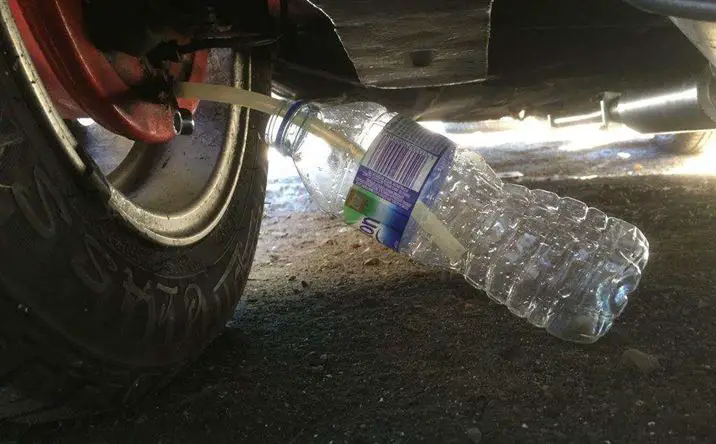
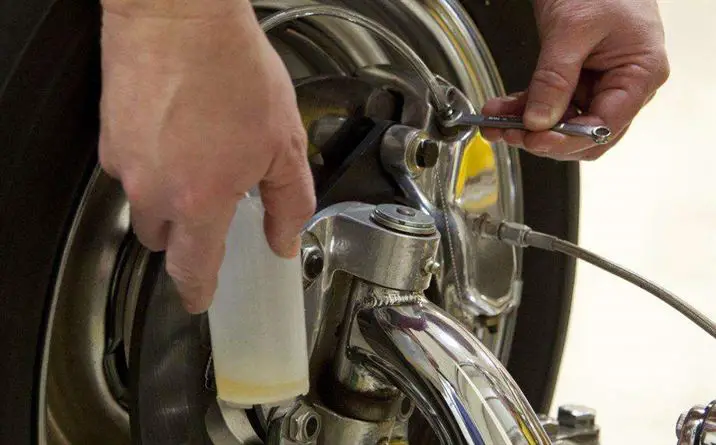
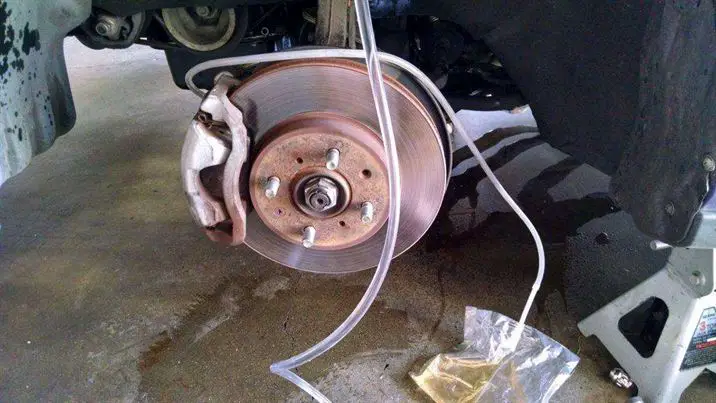
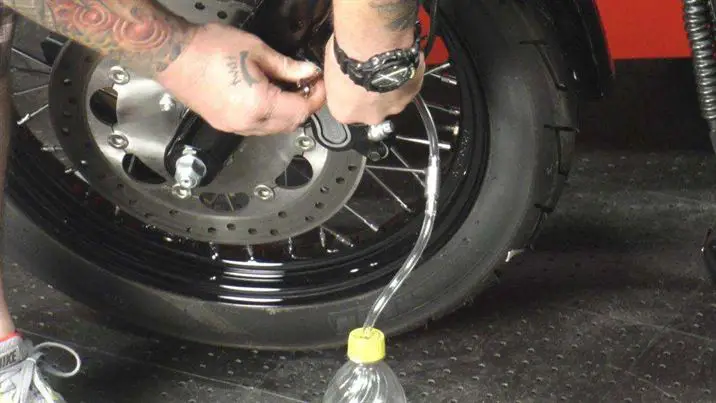
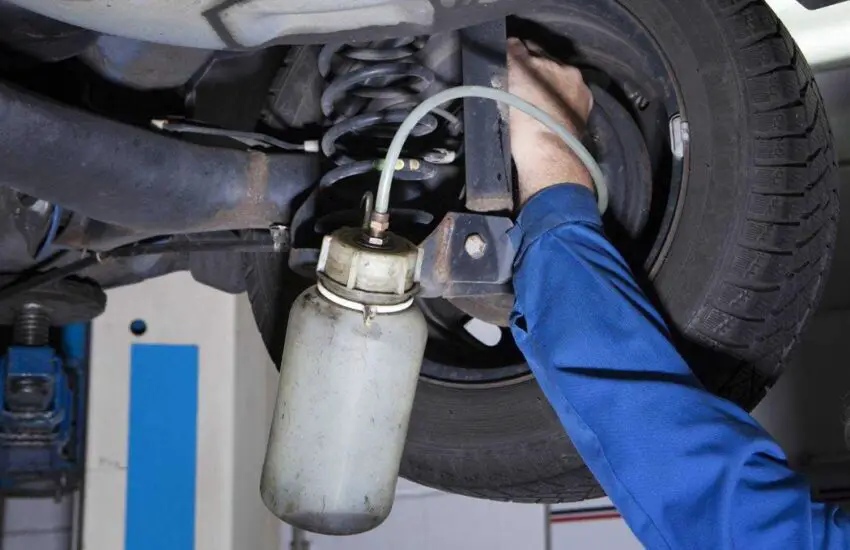
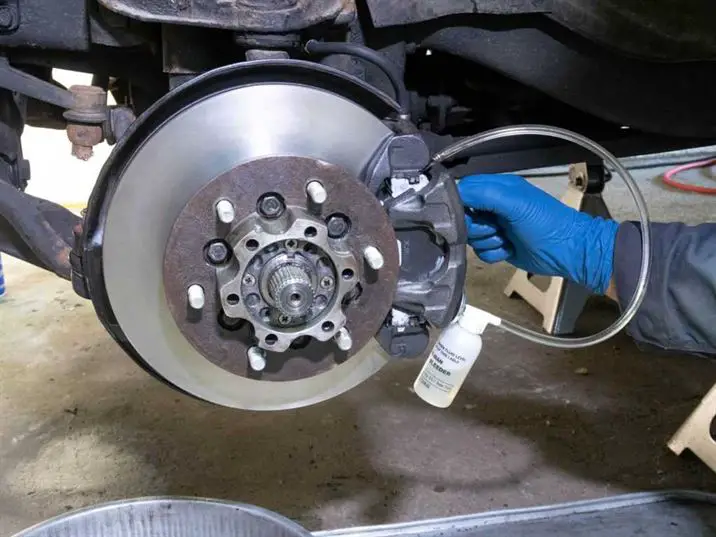
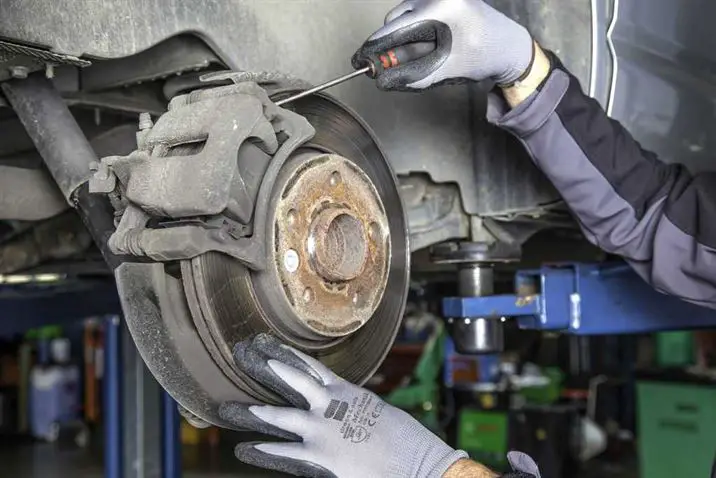
The two types of brakes used on modern cars are disc brakes and drum brakes. All new cars have disc brakes on the front wheels, while the rear wheels may use either disc or drum brakes.

The two types of brakes used on modern cars are disc brakes and drum brakes. All new cars have disc brakes on the front wheels, while the rear wheels may use either disc or drum brakes.


There’s nothing exciting about getting a flat tire. In fact, it can be the immediate end of an otherwise pleasant moment. Can this aerosol be a real emergency flat tire repair tool or would it be better used to signal a trucker through their windshield? Road tire sealants are a constant source of debate among motorists.
Classic car drivers often don’t even have room for a proper spare wheel in their vehicles, so one of these products is the only chance they have on the roadside outside of calling a flatbed tow truck to pick them up. Remember that if an automotive repair product seems too good to be true, it probably is. Now, forget you heard that for a minute. Fix-a-Flat is the real deal, and it’s the original flat tire aid. It really temporarily repairs tires, like a discounted tire repair in a bright yellow can.
Fix-a-Flat really works. It’s safe to store in your car and can survive scorching heat and freezing temperatures. All you need to know now is how to use the thing. As is the case with anything under high pressure in a can, using it incorrectly can lead to disastrous consequences. If your tire valve appears damaged, for example, you shouldn’t even take the yellow can out of the trunk. Knowing how it works and how to use it can be a lifesaver if you find yourself in that situation.
There is evidence that aerosol sealants can damage TPMS (Tire Pressure Management Systems). If your car is equipped with tire pressure warnings, please consult the manufacturer before adding a can to your roadside emergency kit.
Fix-a-Flat is almost entirely self-explanatory. It can repair tires. But like all simple things, it’s the small details that can gum up the works.
Get ready to save the day
Stop in a safe area.
Remove the black cap from the valve stem (the nipple where air enters).
Put the cap in a safe place, you’ll need to put it back on when you’re done. *
Screw the Fix-a-Flat can onto the valve stem, you’ll hear it start filling the tire with air.
When it stops filling, unscrew the can and replace the valve stem cap.
Drive the car immediately. The sealant in the magic can needs to circulate evenly inside the tire to fill the leaking hole and roll smoothly.
Plug the hole yourself or take it to the shop.
Remember that Fix-a-Flat is designed to get you to a safe place only and should never be considered a permanent tire repair. Fix the hole properly as soon as possible. Additionally, if you experience vibrations or wobbling while driving a tire repaired with Fix-a-Flat, don’t worry. The extra liquid inside your tire can throw it completely out of balance. While this isn’t an optimal condition for driving and can be somewhat hard on your suspension over an extended period, it’s okay to drive like that long enough to get it properly repaired. Remember that the keyword here is temporary.
If you get your tire repaired at a shop, make sure to tell them that you used Fix-a-Flat. They need to know that your tire is filled with aerosol gas and not just air.
* Valve stem caps prevent debris from clogging the valve and keep water and ice from building up. Both could cause problems in an emergency.
![]()
Whenever you read something about Fix-a-Flat, you can see a multitude of mechanics, tire technicians, and other unfortunate individuals telling you how dangerous the product is.

A car engine’s idle is a bit like a human heartbeat: you can tell what shape it’s in just by listening.


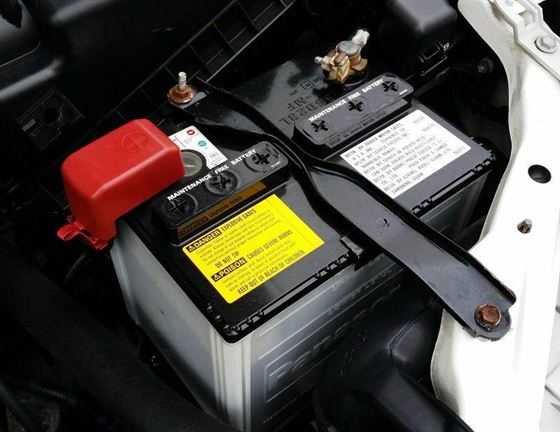
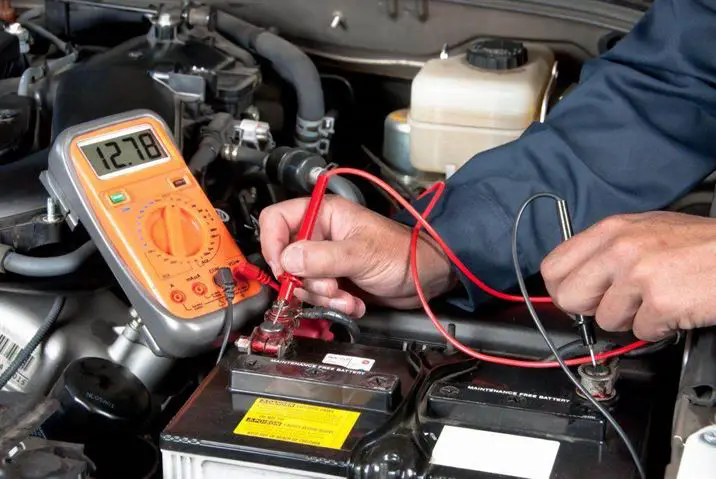
Keep in mind that an undercharged battery is often caused by car accessories left on overnight, or by a rear compartment or dashboard compartment light that remains on.
![]()
When you hear a loud squealing noise under the hood of your car, it is very likely that the problem is a belt slipping against the pulleys. Most cars today have a single continuous serpentine belt that wraps around various pulleys found on different components at the front of the engine.
A fault code P0171 or P0174 means that the oxygen sensor or air-fuel ratio (AFR) sensor (in bank 1 [P0171] or bank 2 [P0174]) has detected a lean fuel mixture: either too much air or not enough fuel in the engine. One of these lean fuel condition codes or both may be set for several reasons:
Additionally, although less common, a problem in the powertrain control module (PCM), the car’s computer, can cause these codes. Either the PCM has failed, or its software needs an update.
When you have P0171 and P0174 codes, you may also notice:
When they receive P0171 and P0174 codes, drivers often assume that the oxygen (O2) sensor is faulty. This can be the case; but the oxygen sensor or AFR sensor (in gasoline direct injection [GDI] and other engines) is not as common a cause of these codes as the other problem sources listed above.
So, before replacing an O2 sensor in your car, check the following sections to avoid wasting time and money.
One more thing. Before starting tests, make sure all air ducts and intake hoses are properly connected. Loose or improperly secured ducts and hoses are a common source of lean codes.
| Hint |
|---|
| 1. What You Need to Know About Lean Fuel Codes |
| 2. MAF Sensor and Throttle Body Problems |
| 3. Vacuum Leaks |
| 4. PCV System Problems |
| 5. Fuel System Problems |
| 6. Oxygen Sensor Problems |
| 7. Preventing Damage from P0171 and P0174 Fault Codes |
Fault code P0171 points to bank 1 (cylinder 1 side) of the engine.
Basically, a P0171 code points to “bank 1,” the engine side with cylinder number one, while P0174 points to the cylinders on the other side of the V6 or V8 engine.
If your engine has four or six inline cylinders (i.e., all on one side of the engine), you will likely get a P0171 code. However, on some newer vehicle models, the computer processes the engine as two separate banks when generating codes, even if it is inline configured. For example, in a four-cylinder engine, bank 1 represents cylinders one and two, while bank 2 represents cylinders three and four.
If you need more information about your specific model, consult your vehicle’s repair manual.
Often, a P0171 and/or P0174 code will be accompanied by a random misfire trouble code P0300. In this case, focus on the P0171 or P074 code, as they are the most likely cause for the engine experiencing a random misfire.
If your computer has recorded P0171 and P0174 codes, focus on components affecting all cylinders, such as a MAF sensor, a clogged fuel filter, or issues with a fuel pressure regulator. Otherwise, focus on the engine side represented by your diagnostic trouble code.
Just be aware that problems with a MAF sensor sometimes trigger only one code even if they affect all cylinders.
A P0171 or P0174 trouble code can occur due to a vacuum leak or a faulty sensor. Vacuum leak defects usually manifest – not always – more easily at lower speeds; such as a rough idle, for example.
Problems at higher engine speeds are more common. Issues at higher speeds are often caused by a faulty sensor or a problem in the fuel system. Sensors that can malfunction include the MAF sensor, engine coolant temperature (ECT) sensor, throttle position sensor (TPS), barometric pressure sensor, or other sensors that control fuel supply.
A capable scan tool can check fuel trim values at idle and higher engine speeds and detect when the lean condition occurs. This can be a great help in locating the source of the problem.
If your computer has other fault codes pointing to one or more sensors, check them first. They may be the cause of the P0171 or P0174 codes.
If you get a code for an oxygen sensor, it may or may not be the cause of the fault; more often, it’s the other sensors causing issues. You may want to check other components first before testing and replacing the O2 sensor.
If you cannot find the cause of the code(s), a particular component specific to your vehicle model may be causing the problem. Consult your vehicle’s repair manual.
If you don’t have your model’s manual, you can buy a relatively inexpensive aftermarket manual from Amazon. Haynes manuals can not only help you locate your vehicle’s components but also come with step-by-step procedures for many maintenance, repair, and troubleshooting projects you can do at home. This way, you can save thousands of dollars a year on many simple maintenance tasks and repairs you can do right at home.
OK. Let’s take a look at the most common problem sources so you can diagnose the cause of the issue in your engine.

A common source of P0171 or P0174 fault code is a dirty or failing MAF sensor. It can produce the following symptoms:
Dirt can enter the MAF sensor housing and clog the film element or hot wire.
Cleaning the MAF Sensor:
You can perform a quick visual inspection of the MAF sensor by unplugging the sensor’s electrical connector and disconnecting the air chamber assembly.
A dirty filament inside the sensor can interfere with the sensor’s ability to measure incoming air. To clean the sensor:
The MAF sensor harness can also be faulty. Check the connector and wires using a digital multimeter (DMM), if needed.
Problems with the fuel system or vacuum leaks can also produce some of the same symptoms. If necessary, test the MAF sensor using a digital multimeter.
Checking the Throttle Body:
After checking your MAF sensor, check for carbon buildup around the throttle body bore and under the valve. This can also cause problems.
To Clean the Throttle Body:
The problem with P0171 and P0174 codes is that often, drivers assume the oxygen sensor is faulty.
Check vacuum hoses, connections, and seals for vacuum leaks.

Problems in the vacuum system also frequently contribute to a lean condition.
Other Key Areas to Check for a Vacuum Leak:
Using a Vacuum Gauge:
If necessary, you can use a vacuum gauge to check for potential leaks. Here is a simple procedure:
Check and replace the PCV valve, if necessary.
A stuck valve or a torn hose in the positive crankcase ventilation (PCV) system can also lead to a lean air-fuel ratio and cause idle and stalling issues.
A leaking engine seal can cause the PCV valve to draw unfiltered air into the intake.
Usually, a quick inspection can reveal the cause of the problem:
Many PCV valves use an internal control needle to control airflow in one direction:
Replace the fuel filter if it is overdue.
Problems with the fuel system are also common causes of a lean air-fuel ratio.
If the engine seems to lack fuel at any speed range, the problem may be caused by:
Fuel injector restriction can be produced by high resistance in the injector’s electrical circuit. When current cannot flow properly through a wire or connector, it prevents an injector’s pintle from opening fully, reducing fuel injection.
Or the engine may idle fine but lack fuel at higher speeds or under load. There may be one or more reasons for this:
The issue may be resolved by simply replacing the fuel filter. Consult your car’s owner’s manual or vehicle repair manual for the recommended maintenance schedule for the filter. If it is overdue, replace it and see if engine performance improves.
On a throttle body injection (TBI) system, you can confirm that fuel is being delivered by removing the air filter housing cover. When starting the engine or with the engine idling, you can visually inspect the fuel injection and fuel pattern at the injector’s outlet.
You should see a partially atomized, inverted V-shaped fuel distribution pattern coming out of the injector. An irregular pattern may indicate a restricted or faulty fuel injector, or insufficient fuel system pressure.
You may want to check fuel pressure using a fuel pressure gauge if you suspect an insufficient amount of fuel is being supplied. Consult your vehicle’s repair manual if necessary.
Checking fuel pressure and comparing it to your vehicle’s make and model specifications will really help in your diagnosis, as you can see in the following video.
Along with fuel system pressure, fuel system volume is another common fault in a lean operating condition.
In this case, the fuel system may or may not have adequate pressure, but it may not deliver the correct volume of fuel according to engine operating conditions, especially at higher speeds or under engine load.
You might suspect insufficient volume if everything else seems in order. Generally, a fuel system will deliver about three pints of fuel over 30 seconds.
You need a graduated container and a fuel pressure gauge with a relief valve to perform a volume test. Nevertheless, you can get a rough idea of how your fuel system is performing by using a fuel pressure gauge to perform this other test at home by following the steps outlined in the following diagram.
Keep in mind that the fuel pump volume may be somewhat low, and you might not notice the effects unless your engine is under heavy load. But the test above can give you a rough idea of the fuel pump’s condition.

Checking Fuel System Pressure on Multiport Fuel Systems:
On multiport fuel injection systems, you cannot check fuel flow as easily as with a TBI system. So you need to test fuel pressure and, if necessary, fuel volume.
You will need a fuel pressure gauge and a pair of slip-joint or hose clamp pliers for the following tests. During tests, wrap a cloth around any fuel line you need to pinch with the pliers.

Depending on the make and model of your vehicle, a failing or defective CKP can produce one or more of the following symptoms: