P0299 Turbocharger/Supercharger

What is the P0299 code?

The OBD-II trouble code P0299 is a generic powertrain code that indicates a turbocharger or supercharger underboost problem. The engine control module (PCM/ECM) detected that the boost pressure is lower than the expected value by at least 4 psi for 5 seconds.

Symptoms of the P0299 code

  • 📛 Check engine light illuminated (MIL)
  • Significant loss of engine power (“limp mode”)
  • 🌫️ Black smoke from the exhaust (on diesel engines)
  • 🔊 Whistling or abnormal noise coming from the turbocharger
  • Increased fuel consumption
  • 🚗 Poor acceleration and sluggish response

Possible causes of the P0299 fault

The causes of a P0299 code are numerous and mainly concern the boost system:

  • Air leaks in the intake circuit (pipes, connections, intercooler)
  • Faulty turbocharger (seized blades, bearing wear, excessive axial play)
  • Faulty MAP sensor (boost pressure sensor)
  • Defective or stuck wastegate valve or dump valve
  • Wastegate control solenoid out of service
  • Clogged or obstructed air filter
  • Seized variable geometry turbo (VGT) actuator (on some turbos)
  • EGR system problem or insufficient engine oil pressure

Diagnosis and solutions for the P0299 code

🔧 Recommended diagnostic steps

  1. Check for other present trouble codes and address them first.
  2. Visually inspect the intake circuit to identify any air leaks (cracked pipes, loose clamps).
  3. Check the condition of the air filter and replace it if necessary.
  4. Using an OBD-II diagnostic tool, check the MAP sensor data in real time.
  5. Test the operation of the wastegate and its control solenoid.
  6. Inspect the turbocharger for any abnormal play or damage.

🛠️ Common repairs

  • Tighten or replace faulty intake pipes.
  • Clean or replace the air filter.
  • Replace the faulty MAP sensor.
  • Unstick, clean, or replace the wastegate or dump valve.
  • Replace the turbocharger if it is damaged.

Affected models and specificities

This code is common on many brands:

  • Ford (EcoBoost, Powerstroke on F-150, Explorer, Escape): Check the wastegate solenoid and VGT actuator.
  • VW / Audi (A4, Golf, Passat, Q5): Often related to the dump valve (N75) or leaks in the circuit.
  • Chevrolet / GMC (Cruze, Sonic, Duramax): Check the turbo resonator (common failure).
  • BMW, Mercedes, Dodge, Ram, Hyundai are also frequently affected.

💡 Tip: Always consult the Technical Service Bulletins (TSBs) specific to your vehicle to identify known manufacturer issues.

Conclusion and call to action

The P0299 code should not be ignored. A loss of boost pressure puts abnormal strain on the engine and can lead to more serious and costly damage. Although some simple checks can be done yourself, accurate diagnosis often requires the expertise of a professional and the use of specific tools.

🧰 Need help diagnosing or repairing your P0299?

Join our automotive support community on our forums! Ask your questions for free and benefit from advice from mechanics and enthusiasts to solve your turbocharger problem.

Share your experience or ask your question now!

P029A Fuel Trim, Cylinder 1 – Maximum Control Limit Reached

What is the P029A Code?

The generic diagnostic trouble code P029A, “Cylinder 1 Fuel Trim – Maximum Limit Reached,” indicates that the engine computer (PCM) has detected an extremely lean air-fuel mixture specifically in cylinder #1. To compensate, the PCM had to increase the fuel flow to its maximum capacity without being able to restore a balanced ratio.

Symptoms of the P029A Code

The signs that often accompany this code are:

  • ➤ Noticeable drop in performance and loss of power
  • ➤ Engine hard to start
  • ➤ Unstable or rough idle
  • ➤ Possible presence of other codes (misfires, lean mixture)
  • ➤ Potentially increased fuel consumption

Possible Causes of the Fault

A P029A code on cylinder 1 is generally caused by:

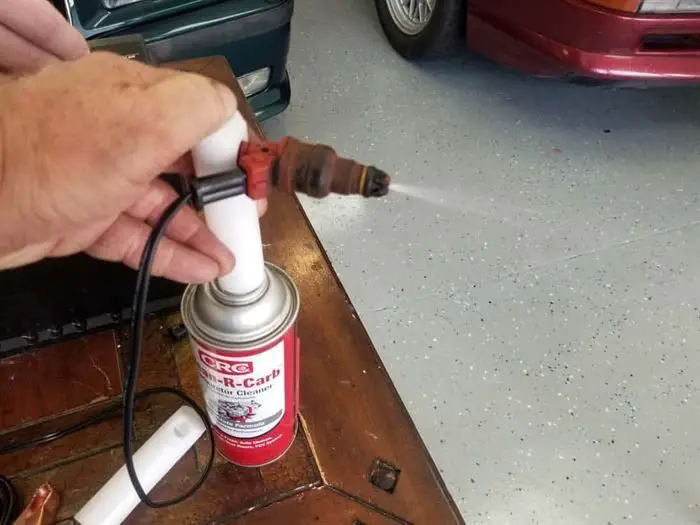
  • Faulty Injector: Cylinder 1 injector clogged, obstructed, or malfunctioning.
  • Vacuum Leaks: An unmetered air leak at the intake manifold, often due to a faulty gasket, detached hose, or failing EGR valve.
  • Insufficient Fuel Pressure: A weak fuel pump or a clogged fuel filter.
  • Faulty Sensors: A MAF (Mass Air Flow) sensor or MAP (Manifold Absolute Pressure) sensor providing an incorrect reading to the PCM.
  • Oxygen Sensor (Lambda Sensor): Incorrect data sent by the downstream oxygen sensor for the affected cylinder.

How to Diagnose and Repair the P029A Code?

WARNING: This code is considered severe. Driving with a mixture that is too lean can cause overheating and seriously damage the engine. It is recommended to proceed with diagnosis quickly.

1. Visual Inspection and Pre-Diagnosis

  • Carefully inspect the engine compartment to identify any obvious air leaks: listen for whistling sounds, check the condition of hoses, the intake connection, and the PCV system.
  • Check the cylinder 1 injector to see if it is wet with fuel or shows signs of an external leak.
  • Using an OBD2 scanner, read all fault codes and observe the live data, especially the Fuel Trim values (short-term and long-term). Confirm that cylinder 1 is indeed the one affected.

2. Fuel Pressure Check

Connect a pressure gauge to the fuel rail and compare the reading with the manufacturer’s specifications.

  • If the pressure is good: Proceed to the next step.
  • If the pressure is low: Test the fuel pump relay and power supply voltage. Check and replace the fuel filter if necessary. If everything is good, the fuel pump is likely faulty.

3. Injector and Circuit Test

Use a multimeter (DVOM) to test the cylinder 1 injector:

  • Electrical Test: Check the injector’s resistance (ohmmeter) and ensure it is receiving a command pulse from the PCM (using a Noid light or an oscilloscope).
  • Acoustic Test: Using a mechanical stethoscope, listen for the characteristic “click” of the injector during operation. Its absence indicates a dead injector or a circuit problem.

4. Air Leak Search and Sensor Testing

If the previous steps yielded no results:

  • Perform a smoke test on the intake system to locate any invisible micro air leaks.
  • Inspect and clean the MAF sensor with an appropriate product.
  • Using the scanner, check the MAP sensor and oxygen sensor data at idle and at steady RPM to detect any inconsistency.

Conclusion and Call to Action

The P029A code often points to a mechanical or electrical problem localized on cylinder 1. Although the diagnosis can be performed by a skilled DIYer with the right tools, the complexity of modern systems often makes professional intervention necessary for an accurate diagnosis and reliable repair.

💡 Tip: Do not ignore this code. If you do not feel comfortable performing the diagnosis yourself, consult a professional mechanic to avoid any risk of engine damage.

How to Repair a Catalytic Converter (Without Replacing It)

The catalytic converter is part of the exhaust system and processes all exhaust gases leaving the engine before they can escape into the atmosphere. A faulty or clogged catalytic converter can eventually lead to engine failure, so it’s important to address the issue quickly. However, having catalytic converter problems does not necessarily mean the converter needs to be replaced. You may be able to repair your catalytic converter without replacing it by using one of the following methods.

(more…)

Operation of the air intake system

Every internal combustion engine, from tiny scooter engines to colossal ship engines, requires two basic things to operate – oxygen and fuel – but simply throwing oxygen and fuel into a container doesn’t make an engine. Tubes and valves guide the oxygen and fuel into the cylinder, where a piston compresses the mixture to ignite. The explosive force pushes the piston down, forcing the crankshaft to turn, giving the user mechanical force to move the vehicle, operate generators, and pump water, to name just a few of an automotive engine’s functions.

(more…)

Engine Vacuum Leak: Symptoms and Solutions


If your vehicle has an engine vacuum leak, the air-fuel ratio in your engine will be higher than 14.7:1, also known as a “lean” mixture. This ratio means there is too much air in your engine, and as a result, the engine will run poorly or not at all. If you think your vehicle has a vacuum leak, read on to learn about the most common symptoms and how to fix them.

(more…)

An Overview of Car Dealership Services


When you bring your vehicle to the dealership for routine maintenance or repair work, you might not be familiar with the process and workflow that each car undergoes during the job. But if it’s a good department, it operates like the well-oiled machine that it ultimately delivers to you.

(more…)

How to choose the right type of fuel for your car

Most gas stations offer three categories of gasoline: regular, mid-grade, and premium. However, many consumers don’t know which gas quality they should put in their car. Will premium gas really help your car run better or keep your fuel system cleaner?

(more…)

The 11 Sources of Engine Knocking and How to Fix Them

The 11 Sources of Engine Rattling and How to Fix Them

1. Broken Belt Tensioner or Chain Tensioner

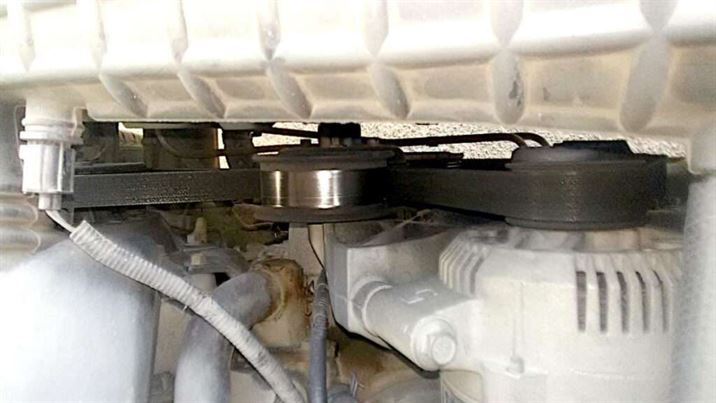
Drive belts, timing belts, and timing chains need a certain degree of tension to function properly. The belt tensioner is usually spring-loaded with some kind of hydraulic or elastomer damper. If the spring breaks or the damper fails, the tensioner can bounce, causing engine rattling. In this case, you should replace the broken tensioner as soon as possible.

2. Cracked Catalytic Converter

The catalytic converter is an exhaust emission control device. Inside, a matrix made of steel or ceramic coated with inert rare earth metals converts harmful emissions so they are less toxic. In the case of ceramic-based catalysts, thermal shock or impact can cause the matrix to crack. If a piece breaks off, you might hear a noise in the exhaust. A cracked catalytic converter should not cause any collateral damage and its replacement is simple, although costly.

3. Collapsed Valve Lifter

The camshaft drives the intake and exhaust valves. Mechanical valve lifters can be adjusted with shims or an adjustment screw. Hydraulic lifters use oil pressure to maintain proper clearance. If the lifter collapses or cannot maintain pressure, the clearance will be too great, causing a rattle. By itself, a collapsed lifter may not cause any damage, although it can cause cylinder misfires. Replacing the lifter and adjusting the valve clearance will eliminate the rattle.

4. Cracked Flexplate

On automatic transmission vehicles, the flexplate connects the engine to the transmission. In the center of the plate, bolts connect to the crankshaft. Near the edge of the plate, bolts connect to the torque converter. Cracks can sometimes appear around the bolts at the crankshaft. Diagnosing and replacing the flexplate requires removing the transmission, which can be costly.

5. Low Oil Pressure

Oil pressure components include variable valve timing (VVT) actuators and hydraulic valve lifters. When oil pressure is insufficient, these parts may not function, causing rattling in the valves or VVT actuators. First, check the oil level and top it up if necessary. If the oil level is low, the leakage or burning issue must be resolved before bearings are damaged or emissions become critical. Otherwise, you might have another problem in the oil pump system.

6. Rusted Heat Shield

Older passenger vehicles may encounter age-related issues, such as debilitating corrosion. In certain places, like on the catalytic converter or the muffler, heat shields provide protection from the heat of the exhaust gases. On and around the exhaust system, heat accelerates corrosion. A rusted heat shield could fall off, producing a noise similar to an engine rattle. In this case, the heat shield must be replaced.

7. Engine Ping

Engine ping or pre-ignition is caused by hot spots in the cylinder that ignite the air-fuel mixture before the spark plug. The two flames collide, increasing pressure. This is usually due to low-octane fuel in a high-compression engine, but it can also be caused by carbon deposits, incorrect spark plugs, or overheating. Most people find the solution by going up one grade at the pump. Deeper issues may require professional attention.

8. Piston Slap

In high-mileage vehicles, wear on the pistons and cylinders can be so significant that the piston no longer fits properly. When the engine is cold, the piston may produce a rattling noise. The noise usually disappears once the engine reaches operating temperature and the piston expands. Piston slap is more of a nuisance than a real problem, and a permanent repair would require an overhaul with oversized pistons, costing up to thousands of dollars.

9. Rod Knock

Between the connecting rod and the crankshaft, a film of high-pressure engine oil, less than half the thickness of a human hair, prevents moving parts from contacting each other. Over time, due to wear, neglect, or abuse, this clearance can increase, leading to rod knock. This can eventually damage the crankshaft, connecting rod, or the entire engine block. Replacing the bearings may solve the problem, but a rebuild can be costly.

10. Worn Drive Belt

Drive belts are a flexible construction of rubber over fiber and metal cords. After many miles, as the belt begins to wear and degrade, it can collapse. If a loose piece of an old drive belt flaps around the engine at high speed, it can sound like an engine rattle. With the engine off, inspect the drive belts for tension, wear, and cracks. Replacement is an easy do-it-yourself job and will prevent you from getting stranded.

11. Missing Insulation

Most modern engines are hidden under plastic covers and sound-deadening insulation. After years of use, wear, neglect, and degradation can result. To an untrained ear, noisy engine parts such as direct fuel injectors may sound unpleasant, but they are fine. Installing the factory sound-deadening materials will solve this issue.

How to start a car that has been in storage

Cars that haven’t started for months, perhaps even without oil, don’t take kindly to a brutal wake-up call. They can be as mean as a grizzly bear prematurely roused from hibernation, and you’ll pay the price for its anger.

(more…)

bougie d'allumage

Signs and Symptoms of Spark Plug Problems

spark plug


During its lifespan, an average spark plug can fire from 27.5 million to 110 million times. Each time, it vaporizes a few molecules from the spark plug electrodes.

(more…)