P0270 Cylinder 4 Injector Circuit Low

What Does It Mean?

This diagnostic trouble code (DTC) is a generic powertrain code, meaning it applies to vehicles equipped with OBD-II. Although generic, specific repair steps may vary by make/model.

The OBD fault code P0270 is a generic powertrain code common to all vehicles. While the code reference is the same, the repair procedure may vary somewhat by manufacturer.


This code implies that the Powertrain Control Module (PCM) has experienced a low voltage situation involving the fuel injector for cylinder #4 in the firing order.

In short, this fuel injector is malfunctioning for one of many reasons. It is important to diagnose and repair this type of issue as soon as possible.

When a fuel injector malfunctions, it causes ripples throughout the system, meaning the engine’s operating parameters change due to mixed signals being sent to the PCM.

If the fuel injector’s spray pattern is reduced, a lean mixture results. The ripple effect begins. The oxygen sensor reports a lean mixture to the PCM. In response, it enriches the fuel mixture for all cylinders. Fuel economy drops.

The cylinder with the faulty injector causes a lean mixture which in turn causes a higher cylinder head temperature leading to detonation. The knock sensor detects the detonation, signals the PCM which responds by retarding the timing. Now the engine runs poorly and lacks power.

This isn’t the end of the cascading effect, but it reflects the general idea.

Cross-section diagram of a typical automotive fuel injector

lang=”fr” tabindex=”-1″>

Symptoms

Symptoms displayed for a P0270 code may include:

The Check Engine Light illuminates and code P0270 is set
The engine will run rougher than normal
A lack of power
A significant drop in fuel economy will result

Causes

Possible causes of this DTC include:

Dirty fuel injector supplying cylinder number four
Faulty fuel injector
Clogged fuel injector
Open or short in the fuel injector harness
Loose or corroded fuel injector connector

Diagnosis / Repair

Generally, this type of problem is either a loose or corroded electrical connector on the injector, a clogged (dirty or blocked) injector, or a bad injector needing replacement.

In over 45 years, I’ve found that loose or corroded connectors were the cause of the electrical fault most of the time. I’ve only found a few cases where the low voltage wiring became shorted or open (when it hadn’t been disturbed).

The majority of electrical problems were related to the alternator, starter solenoid wiring, oxygen sensor wiring due to immediate proximity to the exhaust, and the battery. The majority of electrical work involved correcting items installed by the customer, such as high-power stereo chains and other poorly installed parts or equipment.

Fuel injectors are powered by the fuel pump relay. The PCM activates the relay when the key is turned on. This means that as long as the key is on, the injectors have power.

The PCM activates the injector by providing the ground at the necessary time and for the appropriate duration.

Check the connector on the fuel injector. This is a plastic connector attached to the injector with a metal clip around the connector. Pull on the connector to see if it comes off easily. Remove the wire tie and disconnect the connector from the injector.
Inspect the harness connector for corrosion or pushed-back pins. Ensure the two blades are not bent in the injector itself. Correct any faults and apply dielectric grease and install the electrical connector.
Start the engine and listen to the injector to ensure it is operating. Use a long screwdriver on the injector and the handle to your ear and you can hear it clearly. If it doesn’t make a very audible “clicking” noise, it either has no power or it has failed.
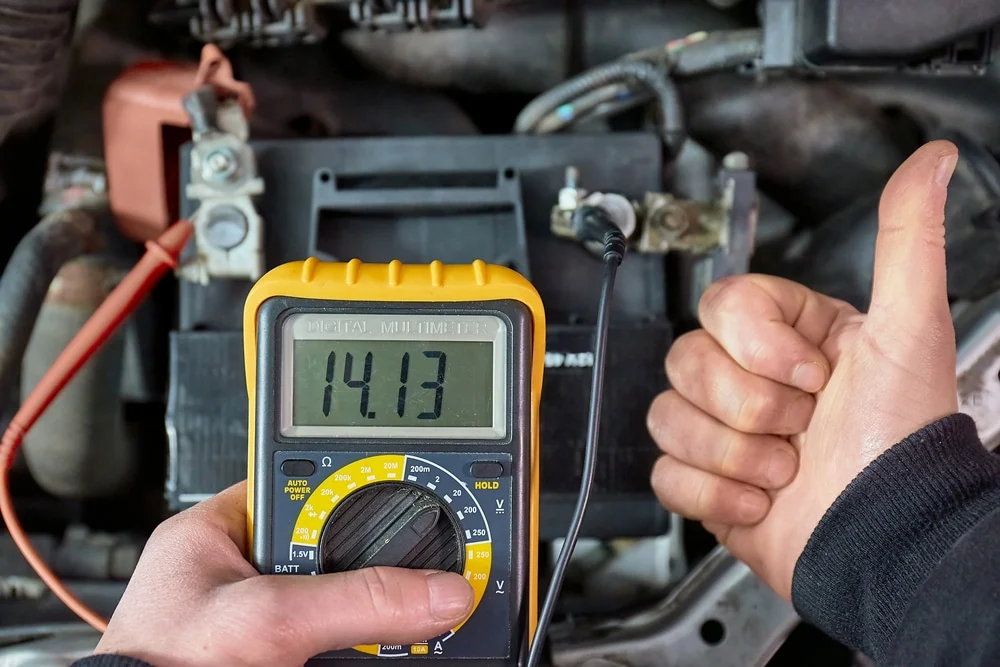
If it wasn’t clicking, remove the connector from the injector and check for power with a voltmeter. No power means the wiring from the fuel pump relay is faulty or has a loose connection. If it is powered, probe both terminals on the harness connector and if the PCM injector driver is working, the voltmeter will show rapid pulses. If pulses are observed, replace the injector.
If the injector was operating, it is either clogged or dirty. Try cleaning it first. The injector flush kit is inexpensive and will benefit the remaining injectors, potentially preventing a recurrence. If flushing doesn’t solve the problem, the injector must be replaced.

Buy an “in-line” fuel injector flush kit online or at an auto parts store. It will consist of a can of high-pressure fuel injector cleaner and a hose with an end for the injector cleaner can’s threads.

Pull the fuse to the fuel pump.
Start the vehicle and let it run until it dies from lack of fuel.
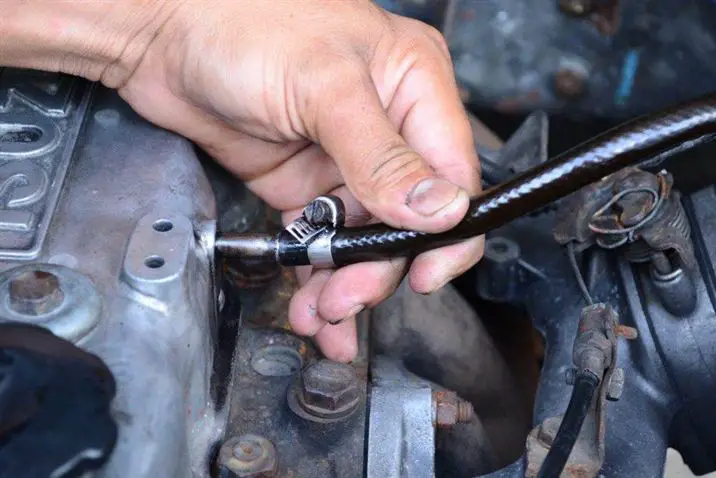
Remove and plug the fuel return line attached to the fuel pressure regulator. This is to prevent the cleaner from going back into the fuel tank.
Remove the Schrader valve in the test port of the fuel rail. Install the fuel line from the flush kit onto this test port. Screw the can of high-pressure fuel injector cleaner onto the flush kit’s fuel line.
Start the engine and let it run until it runs out of fuel. It will run solely on the cleaner can.
When the engine stops, turn off the key, remove the line from the flush kit, and replace the Schrader valve. Install the fuel pump fuse.

Cylinder 4 High Injector Circuit

📌 What is the P0271 code?

The P0271 code is a generic OBD-II diagnostic code that indicates an electrical or mechanical problem with the fuel injector of cylinder number 4. It is often interpreted as:

“Cylinder 4 Injector – High Current Consumption”

This means that the injector is drawing more current than expected, which may indicate a stuck injector, short circuit, or connection issue.


⚠️ Possible Symptoms

  • ✅ Check Engine Light (MIL) on

  • 🚗 Rough idle

  • 🔧 Lack of power or misfires

  • 💨 Increased emissions

  • ⛽ Higher fuel consumption


🛠️ Possible Causes

  1. Faulty fuel injector (short circuit or clogging)

  2. Corroded or poorly connected injector connector

  3. Damaged wiring between the ECU (PCM) and the injector

  4. Incorrect electrical resistance of the injector

  5. Lubrication problem related to E10/E85 fuel (ethanol)


🧪 Recommended Diagnostic Procedure

🔧 Step 1: Checking the Injector Connector

  • Visually inspect the cylinder 4 injector connector.

  • Look for bent pins, corrosion, excessive play, etc.

  • Clean with contact spray and apply dielectric grease before reconnecting.

🔍 Step 2: Injector Activity Test

  • Use a long screwdriver as a stethoscope (or a specialized tool) to listen for the injector click during operation.

  • No sound = stuck injector.

📏 Step 3: Resistance Measurement

  • Disconnect the injector and measure the resistance between its two terminals.

    • Normal value: 0.5 to 2 ohms

    • Less or more = injector potentially short-circuited or open.

🧼 Step 4: Injector Cleaning (if resistance is OK)

  • Use a direct injection cleaning kit (cleaner + adapter).

  • Procedure:

    1. Remove the fuel pump fuse, run the engine until it stops.

    2. Connect the cleaning kit to the injection rail.

    3. Start the engine with the cleaner until it stalls.

    4. Put everything back in place (fuse, Schrader valve, etc.).

    5. Restart and test.


Conclusion / What to do if the code returns?

  • If after cleaning the injector still malfunctions or the code returns, replace it.

  • Replacing a fuel injector remains a reliable solution and is often necessary.

P0272 Cylinder 4 – Fuel Quantity Injected – Imbalance Fault

What Does It Mean?

This diagnostic code (DTC) is a generic powertrain code, meaning it applies to vehicles equipped with OBD-II. Although generic, specific repair steps may vary by brand/model.

The OBD II fault code P0272 is described as Cylinder 4 Contribution/Balance. Essentially, this code indicates that cylinder number four in the firing order is experiencing a fuel-related issue.

It is also a generic code, meaning it is common to all manufacturers. The reference is the same; however, the manufacturer of a specific model may have encountered a defective part or installation error.

Always access Technical Service Bulletins (TSBs) online for your specific year and vehicle. Look for related TSBs and the factory-recommended repair procedure.

The Powertrain Control Module (PCM) monitors the power output of each cylinder by comparing the acceleration or increase in crankshaft speed during the power stroke of each cylinder.

When one or more cylinders provide less power than the rest, the fault code P0272 is set.

While the PCM performs this test to determine if a fuel injector is functioning correctly, an automotive technician can perform a similar test to locate internal engine issues. By pulling one spark plug at a time while the engine is running, they note the RPM drop on each cylinder.

All cylinders should be within 5% of each other. Any cylinder with a lesser RPM drop should be repaired. Both tests are similar in that they both compare crankshaft RPM.

This is an issue that should be resolved as soon as possible to avoid any potential damage.

Cross-section diagram of a typical automotive fuel injector

Symptoms

Symptoms displayed for a P0272 code may include:

  • Check Engine light illuminated with P0272 code set
  • Reduced power and acceleration
  • Rough idle
  • Decreased fuel economy

Causes

Based on my experience, this code refers to less power produced in cylinder number four. An electrical issue would set a code for a high or low voltage situation for that injector.

A lack of fuel for cylinder number four is the most likely cause. The injector may have completely failed or is dribbling a small amount of fuel instead of the normal cone spray. This would be due to dirt or contamination of the inlet filter on the injector.

  1. Possible faulty electrical connector on the fuel injector due to terminal corrosion or pushed-back pins
  2. Dirty or clogged fuel injector
  3. Fuel injector failure

Diagnostic and Repair Procedure

Inspect the electrical connector on the fuel injector. Check the harness side for corrosion or pushed-back pins. Verify the injector for bent pins. Correct any defects and apply dielectric grease to the connector terminals, then reinstall the connector.
Start the engine. Use a long screwdriver with the handle to your ear and the blade on the injector, and listen for the characteristic “clicking” noise indicating it’s operating. No noise means either no power or injector failure.
Using a wire probe on a voltmeter, probe the red power wire at the injector. It should show battery voltage. If no voltage is present, there is an open in the wiring between the injector and the fuel pump relay. If voltage is present and the injector is operating, it is likely clogged and needs cleaning.
Purchase a “direct fuel injector flush kit” from an auto parts store. It consists of a pressurized can of injector cleaner and a hose fitting for the injection rail.
Remove the fuel pump fuse from the main fuse and relay box on the driver’s side fender.
Start the engine and let it run until fuel pressure is depleted and it stalls.
Pinch the fuel return line using needle-nose pliers.
Remove the Schrader valve from the fuel pump test port on the fuel rail. Install the hose onto the test port.
Thread the can of injector cleaner onto the hose and wait a few seconds for the pressurized cleaner to fill the injection rail. Start the engine and let it run on the cleaner until it stalls.
Remove the cleaning hose from the test port and reinstall the Schrader valve. Remove the pliers from the return line and install the fuel pump fuse.
Clear the fault code and reset the PCM using a common code reader.
Start the engine. If the rough idle continues and the code returns, replace the fuel injector.

P0273 Cylinder 5 Injector Circuit Low

What Does It Mean?

This diagnostic trouble code (DTC) is a generic powertrain code, meaning it applies to vehicles equipped with OBD-II. Although generic, specific repair steps may vary by make/model.

The OBD fault code P0273 is a generic powertrain code common to all vehicles. While the code reference is the same, the repair procedure may vary somewhat by manufacturer.

This code implies that the Powertrain Control Module (PCM) has experienced a low voltage situation involving the fuel injector for cylinder number 5 in the firing order.

In short, this fuel injector is malfunctioning for one of many reasons. It is important to diagnose and repair this type of issue as soon as possible.

When a fuel injector malfunctions, it causes ripples throughout the system, meaning the engine’s operating parameters change due to mixed signals being sent to the PCM.

If the fuel injector’s spray pattern is reduced, a lean mixture results. The ripple effect begins. The oxygen sensor reports a lean mixture to the PCM. In response, it enriches the fuel mixture for all cylinders. Fuel economy drops.

The cylinder with the faulty injector causes a lean mixture which in turn causes a higher cylinder head temperature leading to detonation. The knock sensor detects the detonation, signals the PCM which responds by retarding the timing. Now the engine runs poorly and lacks power.

This isn’t the end of the ripple effect, but it reflects the general idea.

Cross-section diagram of a typical automotive fuel injector

Symptoms

Symptoms displayed for a P0273 code may include:

The check engine light will illuminate and the P0273 code will be set
The engine will run rougher than normal
A lack of power
A significant drop in fuel economy will result

Causes

Possible causes of this DTC include:

Dirty fuel injector supplying cylinder number five
Faulty fuel injector
Clogged fuel injector
Open or short in the fuel injector harness
Loose or corroded fuel injector connector

Diagnosis / Repair

Generally, this type of problem is either a loose or corroded electrical connector on the injector, a clogged (dirty or blocked) injector, or a bad injector needing replacement.

In over 45 years, I’ve found that loose or corroded connectors were the cause of the electrical fault most of the time. I’ve only found a few cases where the low voltage wiring became shorted or open (when it hadn’t been disturbed).

The majority of electrical problems were related to the alternator, starter solenoid wiring, oxygen sensor wiring due to its immediate proximity to the exhaust, and the battery. The majority of electrical work involved correcting items installed by the customer, such as high-power stereo chains and other poorly installed parts or equipment.

Fuel injectors are powered by the fuel pump relay. The PCM activates the relay when the key is turned on. This means that as long as the key is on, the injectors have power.

The PCM activates the injector by providing the ground at the necessary time and for the appropriate duration.

Check the connector on the fuel injector. This is a plastic connector attached to the injector with a metal clip around the connector. Pull on the connector to see if it comes off easily. Remove the wire tie and disconnect the connector from the injector.
Inspect the harness connector for corrosion or pushed-back pins. Ensure the two blades are not bent on the injector itself. Correct any faults and apply dielectric grease and install the electrical connector.
Start the engine and listen to the injector to ensure it is operating. Use a long screwdriver on the injector and the handle to your ear and you can hear it clearly. If it doesn’t make a very audible “clicking” noise, it either has no power or it has failed.
If it wasn’t clicking, remove the connector from the injector and check for power with a voltmeter. No power means the wiring from the fuel pump relay is faulty or has a loose connection. If it is powered, probe the two terminals on the harness connector and if the PCM injector driver is working, the voltmeter will show rapid pulses. If pulses are observed, replace the injector.
If the injector was operating, it is either clogged or dirty. Try cleaning it first. The injector flush kit is inexpensive and will benefit the remaining injectors, potentially preventing a recurrence. If flushing doesn’t solve the problem, the injector must be replaced.

Purchase an “on-car” fuel injector flush kit online or at an auto parts store. It will consist of a can of high-pressure fuel injector cleaner and a hose with one end for the fuel injector cleaner can’s threads.

Pull the fuse for the fuel pump.
Start the vehicle and let it run until it dies from lack of fuel.
Remove and cap the fuel return line attached to the fuel pressure regulator. This is to prevent the cleaner from going back into the fuel tank.
Remove the Schrader valve in the test port of the fuel rail. Install the fuel line from the flush kit onto this test port. Screw the can of high-pressure fuel injector cleaner onto the fuel line from the flush kit.
Start the engine and let it run until it runs out of fuel. It will run solely on the can of cleaner.
When the engine stops, turn off the key, remove the line from the flush kit, and replace the Schrader valve. Install the fuel pump fuse.

P0274 Cylinder 5 Injector Circuit High

What does it mean?

This diagnostic code (DTC) is a generic powertrain code, meaning it applies to vehicles equipped with OBD-II. Although generic, specific repair steps may vary by brand/model.

The fault code P0274 is a generic code (common to all manufacturers) indicating above-average current consumption by the fuel injector serving cylinder number five.

The engine cylinder #5 injector is malfunctioning or not working at all due to a circuit issue. It should be noted that while this code is common to all vehicles, the prognosis may vary by manufacturer.

For example, they may have encountered issues with a batch of fuel injectors or another faulty circuit component limited to their specific vehicles.

This type of problem is best addressed as soon as possible to avoid damaging other internal components. A faulty fuel injector will affect the spark plug, cause knocking, also impact the oxygen sensor and catalytic converter, along with several other components.

Go online and access the technical service bulletins (TSB) for your specific vehicle. Look for TSBs related to P0274 and their suggested repair procedure.

Cross-section diagram of a typical automotive fuel injector

Symptoms

Symptoms displayed for a P0274 code may include:

Malfunction indicator light illuminates and P0274 code sets
Engine idles roughly
Fuel economy will suffer
There will be a lack of power indicated by poor acceleration

Causes

Potential causes of this DTC include:

Faulty electrical wiring from PCM to injector
Defective electrical connector on fuel injector
Fuel injector with internal short causing high current draw
Clogged or dirty fuel injector

Diagnostic and Repair Procedure

From my experience over the years, the issue is usually a corroded or loose fuel injector connector, or a faulty fuel injector.

A loose connector causes excessive resistance thus increasing the voltage required for operation. The powertrain control module (PCM) wiring harness is not easily accessible, and left undisturbed, it is rarely faulty.

The fuel injector, on the other hand, is susceptible to a variety of problems. The number one issue is fuel with anhydrous ethanol content. This fuel additive reduces oil-based fuel consumption.

The water vapor produced with E10 anhydrous ethanol has a negative effect on fuel injectors. They depend on fuel for lubrication. Water vapor reduces the friction-reducing properties of gasoline and causes premature injector wear.

Small engine manufacturers do not approve the use of ethanol-based fuels as they significantly reduce a small engine’s lifespan.

Inspect the electrical connector on the fuel injector. Look for bent or pushed-back pins. Apply dielectric grease and push the electrical connector onto the fuel injector. Ensure it is snug and the metal spring retaining clip is in place
Start the engine. Place a long screwdriver handle against your ear and the tip on the fuel injector. A clicking sound indicates a working injector. No sound means the opposite
Disconnect the fuel injector. Using an ohmmeter, check the resistance between the two male terminal blades. A good injector will have 0.5 to 2.0 ohms. More or fewer ohms indicates an injector with an internal short circuit.
If the resistance is correct and the injector can be heard operating, the next step is to try cleaning the injector. If cleaning fails to restore normal injector operating parameters, the only alternative is to replace the injector.
Purchase a direct injection cleaning kit consisting of a can of cleaner and an injection hose. Pull the fuel pump fuse and start the engine. Let it run until it stalls.
Remove the Schrader valve from the fuel pressure test port on the fuel rail. Install the hose onto the test port.
Pinch the fuel return line directly behind the fuel pressure regulator using needle-nose pliers.
Open the cleaner bottle to increase pressure in the fuel rail.
Start the engine and let it run on the fuel injection cleaner bottle until it stalls.
Turn off the key and remove the cleaning hose from the test port. Install the Schrader valve, remove the pliers from the return line, and install the fuel pump fuse.
Use a common code scanner to clear the fault codes. Start the engine. If the code returns, replace the injector.

Cylinder 5 Fuel Quantity – Imbalance Fault

What Does It Mean?

This diagnostic trouble code (DTC) is a generic powertrain code, meaning it applies to vehicles equipped with OBD-II. Although generic, specific repair steps may vary by make/model.

The OBD II fault code P0275 is described as Cylinder 5 Contribution/Balance. Essentially, this code indicates that cylinder number five in the firing order is experiencing a fuel-related issue.


It is also a generic code, meaning it is common to all manufacturers. The reference is the same, however, the manufacturer of a specific model may have encountered a defective part or installation error.

Always access Technical Service Bulletins (TSBs) online for your specific year and make vehicle. Look for related TSBs and the factory-recommended repair procedure.

The Powertrain Control Module (PCM) monitors the power output of each cylinder by comparing the acceleration or increase in crankshaft speed during the power stroke of each cylinder.

When one or more cylinders provide less power than the rest of the cylinders, the P0275 trouble code is set.

While the PCM performs this test to determine if a fuel injector is functioning correctly, an automotive technician can perform a similar test to locate internal engine problems. By pulling one spark plug at a time while the engine is running, they note the RPM drop on each cylinder.

All cylinders should be within 5% of each other. Any cylinder with a lesser RPM drop needs repair. Both tests are similar in that they both compare crankshaft RPM.

This is an issue that should be addressed as soon as possible to avoid any potential damage.

Cross-section diagram of a typical automotive fuel injector


Symptoms

Symptoms displayed for a P0275 code may include:

Check Engine Light illuminated and P0275 code set
Reduced power and acceleration
Rough idle
Decreased fuel economy

Causes

Based on my experience, this code refers to less power produced in cylinder number five. An electrical issue would set a code for a high or low voltage situation for that injector.

A lack of fuel for cylinder number five is the most likely cause. The injector may have completely failed or it is dribbling a small amount of fuel rather than the normal cone spray. This would be due to dirt or contamination of the inlet filter on the injector.

Possible faulty electrical connector on the fuel injector due to terminal corrosion or pushed-back pins
Dirty or clogged fuel injector
Fuel injector failure

Diagnostic and Repair Procedure

Inspect the electrical connector on the fuel injector. Look at the harness side for corrosion or pushed-back pins. Check the injector for bent pins. Correct any defects and add dielectric grease to the connector terminals and reinstall the connector
Start the engine. Use a long screwdriver with the handle to your ear and the blade on the injector, and listen for the characteristic “clicking” noise indicating it is operating. No noise means either it is not powered or the injector has failed
Using a wire probe on a voltmeter, probe the red power wire at the injector. It should indicate battery voltage. If no voltage is present, there is an open in the wiring between the injector and the fuel pump relay. If voltage is present and the injector is operating, it is likely clogged and needs cleaning
Purchase a “direct fuel injector flush kit” from an auto parts store. It consists of a pressurized can of injector cleaner and a hose fitting for the injection rail
Remove the fuel pump fuse from the main fuse and relay box on the driver’s side fender
Start the engine and let it run until fuel pressure is depleted and it stalls
Pinch the fuel return line using a needle-nose vise grip
Remove the Schrader valve from the fuel pump test port on the fuel rail. Install the hose onto the test port.
Thread the can of injector cleaner onto the hose and wait a few seconds for the pressurized cleaner to fill the injection rail. Start the engine and let it run on the cleaner until it stalls.
Remove the cleaning hose from the test port and reinstall the Schrader valve. Remove the vise grips from the return line and install the fuel pump fuse.
Clear the fault code and reset the PCM using a common code reader
Start the engine. If the rough idle continues and the code returns, replace the fuel injector.


P0276 Cylinder 6 Injector Circuit Low

What Does It Mean?

This diagnostic trouble code (DTC) is a generic powertrain code, meaning it applies to vehicles equipped with OBD-II. Although generic, specific repair steps may vary by make/model.

The OBD fault code P0276 is a generic powertrain code common to all vehicles. Although the code reference is the same, the repair procedure may vary somewhat by manufacturer.

This code implies that the Powertrain Control Module (PCM) has experienced a low voltage situation involving the fuel injector for cylinder number 6 in the firing order.

In short, this fuel injector is malfunctioning for one of many reasons. It is important to diagnose and repair this type of problem as soon as possible.

When a fuel injector malfunctions, it causes ripples throughout the system, meaning the engine’s operating parameters change due to mixed signals being sent to the PCM.

If the fuel injector’s spray pattern is reduced, a lean mixture results. The ripple effect begins. The oxygen sensor reports a lean mixture to the PCM. In response, it enriches the fuel mixture for all cylinders. Fuel economy drops.

The cylinder with the faulty injector causes a lean mixture which in turn causes a higher cylinder head temperature leading to detonation. The knock sensor detects the detonation, signals the PCM which responds by retarding the timing. Now the engine runs poorly and lacks power.

This isn’t the end of the ripple effect, but it reflects the general idea.

Cross-section diagram of a typical automotive fuel injector

Symptoms

Symptoms displayed for a P0276 code may include:

Check Engine Light illuminated and P0276 code set
Engine will run rougher than normal
Lack of power
A significant drop in fuel economy will result

Causes

Possible causes of this DTC include:

Dirty fuel injector supplying cylinder number six
Faulty fuel injector
Clogged fuel injector
Open or short in the fuel injector harness
Loose or corroded fuel injector connector

Diagnosis / Repair

Generally, this type of problem is either a loose or corroded electrical connector on the injector, a clogged (dirty or blocked) injector, or a bad injector that needs replacement.

In over 45 years, I have found that loose or corroded connectors were the cause of the electrical fault most of the time. I have only found a few cases where the low voltage wiring became shorted or open (when it hasn’t been disturbed).

The majority of electrical problems were related to the alternator, starter solenoid wiring, oxygen sensor wiring due to immediate proximity to the exhaust, and the battery. The majority of electrical work involved correcting items installed by the customer, such as high-power stereo chains and other poorly installed parts or equipment.

Fuel injectors are powered by the fuel pump relay. The PCM activates the relay when the key is turned on. This means that as long as the key is on, the injectors have power.

The PCM activates the injector by providing the ground at the necessary time and for the appropriate duration.

Check the connector on the fuel injector. This is a plastic connector attached to the injector with a metal clip around the connector. Pull on the connector to see if it comes off easily. Remove the wire tie and disconnect the connector from the injector.
Inspect the harness connector for corrosion or pushed-back pins. Make sure the two blades are not bent in the injector itself. Correct any faults and apply dielectric grease and install the electrical connector.
Start the engine and listen to the injector to ensure it is operating. Use a long screwdriver on the injector and the handle to your ear and you can hear it clearly. If it does not make a very audible “clicking” noise, it either has no power or it has failed.
If it did not click, remove the connector from the injector and check for power with a voltmeter. No power means the wiring from the fuel pump relay is faulty or has a loose connection. If it is powered, probe both terminals on the harness connector and if the PCM injector driver is working, the voltmeter will show rapid pulses. If pulses are observed, replace the injector.
If the injector was operating, it is either clogged or dirty. Try cleaning it first. The injector flush kit is inexpensive and will benefit the remaining injectors, potentially preventing a recurrence. If flushing does not solve the problem, the injector must be replaced.

Purchase an “in-line” fuel injector flush kit online or at an auto parts store. It will consist of a can of high-pressure fuel injector cleaner and a hose with one end for the fuel injector cleaner can threads.

Pull the fuse for the fuel pump.
Start the vehicle and let it run until it dies from lack of fuel.
Remove and plug the fuel return line attached to the fuel pressure regulator. This is to prevent the cleaner from going back into the fuel tank.
Remove the Schrader valve in the test port of the fuel rail. Install the fuel line from the flush kit onto this test port. Screw the can of high-pressure fuel injector cleaner onto the fuel line of the flush kit.
Start the engine and let it run until it runs out of fuel. It will run solely on the can of cleaner.
When the engine stops, turn off the key, remove the line from the flush kit, and replace the Schrader valve. Install the fuel pump fuse.

P0277 Cylinder 6 Injector High Circuit

What Does It Mean?

This diagnostic code (DTC) is a generic powertrain code, meaning it applies to vehicles equipped with OBD-II. Although generic, specific repair steps may vary by make/model.

The fault code P0277 is a generic code (common to all manufacturers) indicating higher-than-average current consumption by the fuel injector serving cylinder number six.

The engine cylinder injector #6 is malfunctioning or not working at all due to a circuit issue. It should be noted that while this code is common to all vehicles, the prognosis may vary by manufacturer.

For example, they may have encountered issues with a batch of fuel injectors or another faulty circuit component limited to their specific vehicles.

This type of problem is best addressed as soon as possible to avoid damaging other internal components. A faulty fuel injector will affect the spark plug, cause knocking, also impact the oxygen sensor and catalytic converter, as well as several other components.

Go online and access the technical service bulletins (TSB) for your specific vehicle. Look for all TSBs related to P0277 and their suggested repair procedures.

Cross-section diagram of a typical automotive fuel injector

Symptoms

Symptoms displayed for a P0277 code may include:

The malfunction indicator light will illuminate and the P0277 code will be set
Engine idles roughly
Fuel economy will suffer
There will be a lack of power indicated by poor acceleration

Causes

Potential causes of this DTC include:

Faulty wiring harness from PCM to injector
Faulty electrical connector on fuel injector
Fuel injector with internal short causing high current draw
Clogged or dirty fuel injector

Diagnostic and Repair Procedure

From my experience over the years, the problem is usually a corroded or loose fuel injector connector, or a faulty fuel injector.

A loose connector causes excessive resistance thus increasing the voltage required for operation. The powertrain control module (PCM) wiring harness is not easily accessible, and left undisturbed, it is rarely faulty.
The fuel injector, on the other hand, is susceptible to a variety of problems. The number one issue is fuel with anhydrous ethanol content. This fuel additive reduces consumption of oil-based fuel.

The water vapor produced with E10 anhydrous ethanol has a negative effect on fuel injectors. They depend on fuel for lubrication. Water vapor reduces the friction-reducing properties of gasoline and causes premature wear of the injector.

Small engine manufacturers do not approve the use of ethanol-based fuels as they significantly reduce the lifespan of a small engine.

Inspect the electrical connector on the fuel injector. Look for bent or pushed-back pins. Apply dielectric grease and push the electrical connector onto the fuel injector. Ensure it is snug and the metal spring retaining clip is in place
Start the engine. Place a long screwdriver handle against your ear and the tip on the fuel injector. A clicking sound indicates a working injector. No sound indicates the opposite
Disconnect the fuel injector. Using an ohmmeter, check the resistance between the two male terminal blades. A good injector will have 0.5 to 2.0 ohms. More or less ohms indicates an injector with an internal short circuit.
If the resistance is correct and the injector can be heard operating, the next step is to try cleaning the injector. If cleaning fails to restore the injector’s normal operating parameters, the only alternative is to replace the injector.
Purchase a direct injection cleaning kit consisting of a can of cleaner and an injection hose. Pull the fuel pump fuse and start the engine. Let it run until it stalls.
Remove the Schrader valve from the fuel pressure test port on the fuel rail. Install the hose onto the test port.
Pinch the fuel return line directly behind the fuel pressure regulator using a needle-nose vise grip.
Open the cleaner bottle to increase pressure in the fuel rail.
Start the engine and let it run on the fuel injection cleaner bottle until it stalls.
Turn off the key and remove the cleaning hose from the test port. Install the Schrader valve, remove the vise grips from the return line, and install the fuel pump fuse.
Use a common code scanner to clear the fault codes. Start the engine. If the code returns, replace the injector.

P0278 Cylinder 6 – Fuel Quantity Injected – Imbalance Fault

What does it mean?

This diagnostic trouble code (DTC) is a generic powertrain code, meaning it applies to vehicles equipped with OBD-II. Although generic, specific repair steps may vary by make/model.

The OBD II trouble code P0278 is described as Cylinder 6 Contribution/Balance. Essentially, this code indicates that cylinder number six in the firing order is experiencing a fuel-related issue.

This is also a generic code, meaning it is common to all manufacturers. The reference is the same, however, the manufacturer of a specific model may have encountered a defective part or installation error.

Always access online technical service bulletins (TSBs) for your specific year and make vehicle. Look for related TSBs and the factory-recommended repair procedure.

The Powertrain Control Module (PCM) monitors the power output of each cylinder by comparing the acceleration or increase in crankshaft speed during the power stroke of each cylinder.

When one or more cylinders provide less power than the rest of the cylinders, the P0278 trouble code is set.

While the PCM performs this test to determine if a fuel injector is functioning correctly, an automotive technician can perform a similar test to locate internal engine problems. By pulling one spark plug at a time while the engine is running, they note the RPM drop on each cylinder.

All cylinders should be within 5% of each other. Any cylinder with a lesser RPM drop should be repaired. Both tests are similar in that they both compare crankshaft RPM.

This is an issue that should be addressed as soon as possible to avoid any potential damage.

Cross-section diagram of a typical automotive fuel injector

Symptoms

Symptoms displayed for a P0278 code may include:

Check Engine Light illuminated and P0278 code set
Reduced power and acceleration
Rough idle
Decreased fuel economy

Causes

Based on my experience, this code refers to less power produced in cylinder number six. An electrical problem would set a code for a high or low voltage situation for that injector.

A lack of fuel for cylinder number six is the most likely cause. The injector may have completely failed or it is dribbling a small amount of fuel rather than the normal conical spray. This would be due to dirt or contamination of the inlet filter on the injector.

Possible faulty electrical connector on the fuel injector due to terminal corrosion or pushed-back pins
Dirty or clogged fuel injector
Fuel injector failure

Diagnostic and Repair Procedure

Inspect the electrical connector on the fuel injector. Look at the harness side for corrosion or pushed-back pins. Check the injector for bent pins. Correct defects and add dielectric grease to the connector terminals and reinstall the connector
Start the engine. Use a long screwdriver with the handle to your ear and the blade on the injector, and listen for the characteristic “clicking” noise indicating it is operating. No noise means either it is not powered or the injector has failed
Using a wire probe on a voltmeter, probe the red power wire at the injector. It should indicate battery voltage. If no voltage is present, there is an open in the wiring between the injector and the fuel pump relay. If voltage is present and the injector is operating, it is likely clogged and needs cleaning
Purchase a “direct fuel injector flush kit” from an auto parts store. It consists of a pressurized can of injector cleaner and a hose fitting for the injection rail
Remove the fuel pump fuse from the main fuse and relay box on the driver’s side fender
Start the engine and let it run until fuel pressure is depleted and it stalls
Pinch the fuel return line using a needle-nose vise grip
Remove the Schrader valve from the fuel pump test port on the fuel rail. Install the hose onto the test port.
Thread the can of injector cleaner onto the hose and wait a few seconds for the pressurized cleaner to fill the injection rail. Start the engine and let it run on the cleaner until it stalls.
Remove the cleaning hose from the test port and reinstall the Schrader valve. Remove the vise grip from the return line and install the fuel pump fuse.
Clear the trouble code and reset the PCM using a common code reader
Start the engine. If the rough idle continues and the code returns, replace the fuel injector.

Cylinder 7 Injector Low Control Circuit

What Does It Mean?

This diagnostic trouble code (DTC) is a generic powertrain code, meaning it applies to vehicles equipped with OBD-II. Although generic, specific repair steps may vary by make/model.

The OBD fault code P0279 is a generic powertrain code common to all vehicles. Although the code reference is the same, the repair procedure may vary somewhat by manufacturer.

This code implies that the Powertrain Control Module (PCM) has experienced a low voltage situation involving the fuel injector for cylinder #7 in the firing order.

In short, this fuel injector is malfunctioning for one of many reasons. It is important to diagnose and repair this type of issue as soon as possible.

When a fuel injector malfunctions, it causes ripples throughout the system, meaning the engine’s operating parameters change due to mixed signals being sent to the PCM.

If the fuel injector’s spray pattern is reduced, a lean mixture results. The ripple effect begins. The oxygen sensor reports a lean mixture to the PCM. In response, it enriches the fuel mixture for all cylinders. Fuel economy drops.

The cylinder with the faulty injector causes a lean mixture which in turn causes a higher cylinder head temperature leading to detonation. The knock sensor detects the detonation, signals the PCM which responds by retarding the timing. Now the engine runs poorly and lacks power.

This isn’t the end of the ripple effect, but it reflects the general idea.

Cross-section diagram of a typical automotive fuel injector

Symptoms

Symptoms displayed for a P0279 code may include:

The Check Engine light will illuminate and the P0279 code will be set
The engine will run rougher than normal
A lack of power
A significant drop in fuel economy will result

Causes

Possible causes of this DTC include:

Dirty fuel injector supplying cylinder number seven
Faulty fuel injector
Clogged fuel injector
Open or short in the fuel injector harness
Loose or corroded fuel injector connector

Diagnosis / Repair

Generally, this type of problem is either a loose or corroded electrical connector on the injector, a clogged (dirty or blocked) injector, or a bad injector needing replacement.

In over 45 years, I have found that loose or corroded connectors were the cause of the electrical fault most of the time. I have only found a few cases where the low voltage wiring became shorted or open (when it hasn’t been disturbed).

The majority of electrical problems were related to the alternator, starter solenoid wiring, oxygen sensor wiring due to the immediate proximity of the exhaust, and the battery. The majority of electrical work involved correcting items installed by the customer, such as high-power stereo chains and other poorly installed parts or equipment.

Fuel injectors are powered by the fuel pump relay. The PCM activates the relay when the key is turned on. This means that as long as the key is on, the injectors have power.

The PCM activates the injector by providing the ground at the necessary time and for the appropriate duration.

Check the connector on the fuel injector. This is a plastic connector attached to the injector with a metal clip around the connector. Pull on the connector to see if it comes off easily. Remove the wire tie and remove the connector from the injector.
Inspect the harness connector for corrosion or pushed-back pins. Ensure the two blades are not bent on the injector itself. Correct any faults and apply dielectric grease and install the electrical connector.
Start the engine and listen to the injector to ensure it is operating. Use a long screwdriver on the injector and the handle to your ear and you can hear it clearly. If it does not make a very audible “clicking” noise, it either has no power or it has failed.
If it was not clicking, remove the connector from the injector and check for power with a voltmeter. No power means the wiring from the fuel pump relay is faulty or has a loose connection. If it has power, probe the two terminals on the harness connector and if the PCM injector driver is working, the voltmeter will show rapid pulses. If pulses are observed, replace the injector.
If the injector was operating, it is either clogged or dirty. Try cleaning it first. The injector flush kit is inexpensive and will benefit the remaining injectors, potentially preventing a recurrence. If flushing does not solve the problem, the injector must be replaced.

Buy an “in-line” fuel injector flush kit online or at an auto parts store. It will consist of a can of high-pressure fuel injector cleaner and a hose with an end for the thread of the fuel injector cleaner can.

Pull the fuse for the fuel pump.
Start the vehicle and let it run until it dies from lack of fuel.
Remove and plug the fuel return line attached to the fuel pressure regulator. This is to prevent the cleaner from going back into the fuel tank.
Remove the Schrader valve in the test port of the fuel rail. Install the fuel line from the flush kit onto this test port. Screw the can of high-pressure fuel injector cleaner onto the fuel line of the flush kit.
Start the engine and let it run until it runs out of fuel. It will run solely on the can of cleaner.
When the engine stops, turn off the key, remove the line from the flush kit, and replace the Schrader valve. Install the fuel pump fuse.