P0581 High Speed Cruise Control Multifunction Input A Circuit

What Does It Mean?


This is a generic powertrain diagnostic trouble code (DTC) and generally applies to OBD-II vehicles. This may include, but is not limited to, vehicles from Mazda, Alfa Romeo, Ford, Land Rover, Jeep, Dodge, Chrysler, Chevy, Nissan, etc. Although generic, the exact repair steps may vary depending on the year, make, model, and powertrain configuration.

Cruise control was developed for our comfort. Its sole purpose is to manually maintain the vehicle speed set by the operator (via steering wheel buttons, the multifunction switch (i.e., turn signals, cruise control, wipers, etc.) mounted on the steering column, etc.)
Meanwhile, the operator no longer needs to control the accelerator pedal, and if the vehicle is equipped with an automatic transmission (A/T), it can also control and adjust shift points based on real-time driving condition requirements.

Generally speaking here, this code would lead me to believe we are talking about the multifunction switch on your steering column. That said, location possibilities vary significantly from one manufacturer to another, so research accordingly. The cruise control button would be a good place to start narrowing down locations. This code refers to a specific input circuit in the cruise control system. To determine which wire/circuit to focus on, refer to the service manual; the letters in the codes can and will be your best reference regarding identifying the wire/circuit you are trying to diagnose/test.

In case of a fault in the cruise control multifunction input circuit “A”, the Engine Control Module (ECM) proactively illuminates the instrument cluster with P0581 and related codes (P0564, P0578, P0579, P0580, and P0581).

Regarding the letter “A”, it could be to distinguish a connector, wire, circuit group, etc. That said, manufacturer specifications are the best resource you can have for this.

The P0581 code is set by the ECM when there is a high electrical value detected in the cruise control multifunction input circuit “A”.

A cruise control stalk:


P0581 Cruise Control Stalk
How Severe Is This DTC?


Low severity for almost all cruise control faults, that said, there are many exceptions. For the most part, however, this fault should not be a source of serious concern. That said, regarding electrical issues, they generally worsen over time. Most of the time, this fault will be moderately affordable to fix.

Obviously, this is very subjective, so be sure to shop around for the best prices and get multiple quotes/diagnostic strategies; who knows, work orders alone might help you determine what you’re dealing with. Always stay on top of general vehicle maintenance.
What are some of the symptoms of the code?

Symptoms of a P0581 trouble code may include:


Abnormal vehicle speeds with cruise control activated
Inoperative cruise control
Cruise control indicator light is on regardless of switch position
Unable to set cruise control to the desired speed

What are some of the common causes of the code?


Causes

of this P0581 code may include:

Faulty multifunction/cruise control switch (i.e., stuck, broken, missing, etc.)
Wiring issue (e.g., rubbing on steering column/dashboard parts, water intrusion, corrosion, etc.)
Connector malfunction (e.g., corroded pins, broken plastic tabs, swollen connector body, etc.)
Liquids/dirt/grime in the cruise control button/switch causing abnormal mechanical operation
ECM problem (e.g., water intrusion into the computer body, internal short circuit, internal overheating, etc.)

What are the troubleshooting steps for P0581?


Basic Step #1

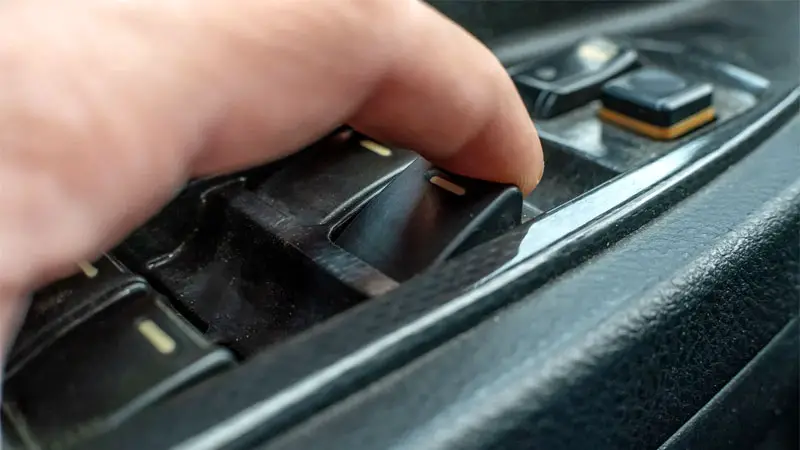
Once your vehicle’s multifunction/cruise control switch is located, visually inspect it for any type of contamination. It is very easy for plastic buttons/switches to become dirty/greasy/sticky, making them faulty and/or operating abnormally. Ensure the mechanical operation of the switch is smooth and fluid. Any issues here should be addressed immediately. If your specific scan tool/OBD reader has the capabilities, feel free to observe the electronic operation of the switch via DATA STREAM (the mode name varies here between readers, but the important thing is to find a mode to observe real-time data).

TIP: Be careful not to spray cleaning solutions directly onto the button. Lightly dampen a clean cloth with water, soap and water, dashboard cleaner, etc., and carefully remove debris from the switch’s crevices. A compressed air gun will help remove debris without making the situation worse.
Basic Step #2

To access the connectors and harnesses involved in the cruise control/multifunction switch input circuit, you may need to remove some dashboard plastics/covers. Be gentle when working with plastic. Comfortable ambient temperatures always contribute to the ease of disassembling/assembling dashboard/interior plastics.

If you can easily access the connector, you might be able to apply specific troubleshooting steps provided by your service manual. Switch tests will most likely involve recording electrical values using your multimeter. This may include using the switch during recording and/or static tests. Refer to the specific make and model service manual for the “diagnostic diagram.”
Basic Step #3

A problem within the ECM is, most of the time, the last resort in diagnosis. Since this might be one of the most expensive electronic repairs you could perform on your vehicle, leave this to the professionals.

P0582 Cruise Control Vacuum Control Circuit / Open

What Does It Mean?

This is a generic powertrain diagnostic trouble code (DTC) and generally applies to OBD-II vehicles. Vehicle makes may include, but are not limited to, Dodge, Chrysler, Jeep, Chevy, Hyundai, Ram, Ford, etc.

There are many possible ways for your vehicle to control your cruise control. One avenue manufacturers tend to use for controlling cruise control is a vacuum-operated and actuated system.

Most of the time, they use vacuum as an effective means to control a cruise control servo or a similar diaphragm-type actuator. The vacuum control circuit is integral to the proper functioning of this system. The ECM (Engine Control Module) monitors/adjusts the vacuum control side accordingly, based on the operator’s cruise control demands. If the ECM loses its monitoring capabilities over the cruise control vacuum control circuit, it is highly likely that your cruise control will stop functioning as it should. Often, these systems will include a vacuum solenoid, which is responsible for controlling the vacuum flow to the control side of the system (i.e., it controls the vehicle speed when cruise is active); that said, in other systems, the vacuum responsibilities are consolidated solely to the cruise control servo. As with many faults, this could be strictly an electrical issue caused by a mechanical problem, vice versa, or both.

While monitoring the sensors, circuits, switches, etc., of your cruise control, not to mention all the other systems in your vehicle, the ECM detected a fault in the cruise control vacuum control circuit. Most likely, one or more of the monitored electrical values are out of range (i.e., beyond the manufacturer’s desired values).

For P0582, it could be a general fault in the circuit or a loss of continuity in the cruise control vacuum electrical circuit.
How Severe Is This DTC?

To be honest, this fault should not be very concerning from a safety perspective. That said, the severity is set to low to medium. Any issue in a vacuum system, which is often supplied/recycled by the engine, should be resolved sooner rather than later, given some of the possible consequences of neglecting to repair a vacuum system.

I would say that if you have specifically determined that the engine is not affected by this fault, typically in vacuum systems not powered by the intake, and you can live without cruise control, you should be able to postpone this fault if your budget is limited or other things have a higher priority.
What Are Some of the Symptoms of the Code?

Symptoms of a P0582 diagnostic trouble code may include:

Inoperative cruise control
CEL (Check Engine Light) illuminated
Certain functions not working as they should (e.g., set, resume, accelerate, etc.)
Irregular vehicle speed, even with cruise control set to a specific speed
Cruise control light constantly illuminated in the instrument cluster
One or more cruise control functions not operating correctly
Hissing sounds from the engine compartment

What Are Some of the Common Causes of the Code?

Causes

of this P0582 cruise control code may include:

Faulty vacuum solenoid
Faulty cruise control servo
Broken/cracked/disconnected/pinched vacuum lines
Mechanical obstruction in the cruise control servo’s operating range
Wiring issue (e.g., short, open, corrosion, resistance, chafing, etc.)
ECM (Engine Control Module) problem
Mechanical obstruction in vacuum passages
Seized cruise control servo cable
Engine vacuum system leak
Connector issue (e.g., broken tabs, corroded pins, melted housings, missing insulation, etc.)

What Are the Diagnostic and Troubleshooting Steps for P0582?

The first step in the troubleshooting process for any malfunction is to search Technical Service Bulletins (TSBs) for known issues with the specific vehicle.

Advanced diagnostic steps become very vehicle-specific and may require the appropriate advanced equipment and knowledge to perform accurately. We include the basic steps below but refer to a repair guide specific to the year/make/model/powertrain for steps specific to your vehicle.
Basic Step #1

First things first, open the hood to inspect things in your cruise control system. You’ll want to trace the vacuum control line to see where it goes and what it controls. If it goes directly to a vacuum solenoid, carefully inspect the vacuum hoses, solenoids, and cruise control servo for physical damage. Anything obvious should be repaired/replaced before proceeding with diagnosis.

NOTE: When inspecting the cruise control servo, also check that the cable is not seized, as this can cause the monitored electrical value to be exceeded.
Basic Step #2

If a cruise control vacuum solenoid is present, it would be wise to check its electrical values to rule out the possibility of an internal fault. Refer to your vehicle’s service manual for precise values and procedures. I have seen them mounted on the firewall, fender wells, intake manifolds, etc., so make sure you are working with the correct solenoid before doing anything. If the recorded values are outside the manufacturer’s desired values, replace the solenoid, clear the engine light, and test the system.
Basic Step #3

If you have used a vacuum gauge at one point or another, it would be a good idea to monitor the vacuum in the system. It is extremely important to acquire vacuum from specific orifices of the intake systems. Generally speaking, they will be located on the intake manifold itself, but refer to your manual for details. This depends heavily on your engine’s specifics, but normally, at operating temperature, with correct ignition timing, the vacuum reading should be around 50 to 55 kPa.

P0583 Low Speed Cruise Control Vacuum Control Circuit

What Does It Mean?

This is a generic powertrain diagnostic trouble code (DTC) and generally applies to OBD-II vehicles. Vehicle makes may include but are not limited to Dodge, Chrysler, Jeep, Chevy, Hyundai, Ram, Ford, etc.

There are many possible ways for your vehicle to control your cruise control. One avenue that manufacturers tend to use for controlling cruise control is a vacuum-operated and actuated system.

Most of the time, they use vacuum as an effective means to control a cruise control servo or a similar diaphragm-type actuator. The vacuum control circuit is an integral part of the proper functioning of this system. The ECM (Engine Control Module) monitors/adjusts the vacuum control side accordingly, based on the operator’s cruise control demands. If the ECM loses its monitoring capabilities to the cruise control vacuum control circuit, it is very likely that your cruise control will stop functioning as it should. Often, these systems will include a vacuum solenoid, which is responsible for controlling the vacuum flow to the control side of the system (i.e., it controls the vehicle speed when cruise is active); that said, in other systems, the vacuum responsibilities are consolidated solely to the cruise control servo. As with many faults, this could be strictly an electrical issue caused by a mechanical problem, vice versa, or both.

While monitoring the sensors, circuits, switches, etc., of your cruise control, not to mention all the other systems in your vehicle, the ECM detected a fault in the cruise control vacuum control circuit. Most likely, one or more of the monitored electrical values are out of range (i.e., beyond the manufacturer’s desired values).

For P0583, it indicates a low voltage situation within the cruise control vacuum electrical circuit.
How Severe Is This DTC?

To be honest, this fault should not be very concerning from a safety standpoint. That said, the severity is set to low to medium. Any issue in a vacuum system, which is often supplied/recycled by the engine, should be resolved sooner rather than later, given some of the possible consequences of neglecting to repair a vacuum system.

I would say that if you have specifically determined that the engine is not affected by this fault, typically in vacuum systems not powered by the intake, and you can live without cruise control, you should be able to postpone this fault if your budget is limited or other things have a higher priority.
What Are Some of the Symptoms of the Code?

Symptoms of a P0583 diagnostic trouble code may include:

Inoperative cruise control
CEL (Check Engine Light) illuminated
Certain functions not working as they should (e.g., set, resume, accelerate, etc.)
Erratic vehicle speed, even with cruise set to a specific speed
Cruise control light constantly illuminated in the instrument cluster
One or more cruise control functions not operating correctly
Hissing sounds from the engine compartment

What Are Some of the Common Causes of the Code?

Causes

of this P0583 cruise control code may include:

Faulty vacuum solenoid
Faulty cruise control servo
Broken/cracked/disconnected/pinched vacuum lines
Mechanical obstruction in the cruise control servo’s operating range
Wiring issue (e.g., short, open, corrosion, resistance, chafing, etc.)
ECM (Engine Control Module) problem
Mechanical obstruction in vacuum passages
Seized cruise control servo cable
Engine vacuum system leak
Connector issue (e.g., broken tabs, corroded pins, melted housings, missing insulation, etc.)

What Are the Diagnostic and Troubleshooting Steps for P0583?

The first step in the troubleshooting process for any malfunction is to search Technical Service Bulletins (TSBs) for known issues with the specific vehicle.

Advanced diagnostic steps become very vehicle-specific and may require the appropriate advanced equipment and knowledge to perform accurately. We include the basic steps below but refer to a repair guide specific to the year/make/model/powertrain for steps specific to your vehicle.
Basic Step #1

First things first, open the hood to check things in your cruise control system. You’ll want to trace the vacuum control line to see where it goes and what it controls. If it goes directly to a vacuum solenoid, carefully inspect the vacuum lines, solenoids, and cruise control servo for physical damage. Anything obvious should be repaired/replaced before proceeding with diagnosis.

NOTE: When inspecting the cruise control servo, also check that the cable is not seized, as this can cause the monitored electrical value to be exceeded.
Basic Step #2

If a cruise control vacuum solenoid is present, it would be wise to check its electrical values to rule out the possibility of an internal fault. Refer to your vehicle’s service manual for precise values and procedures. I have seen them mounted on the firewall, fender wells, intake manifolds, etc., so make sure you are working with the correct solenoid before doing anything. If the recorded values are outside the manufacturer’s desired values, replace the solenoid, clear the engine light, and test the system.
Basic Step #3

If you have used a vacuum gauge at one point or another, it would be a good idea to monitor the vacuum in the system. It is extremely important to acquire vacuum from specific orifices of the intake systems. Generally speaking, they will be located on the intake manifold itself, but refer to your manual for details. This depends heavily on your engine’s specifics, but normally, at operating temperature, with correct ignition timing, the vacuum reading should be around 50 to 55 kPa.

P0584 High Speed Cruise Control Vacuum Control Circuit

What Does It Mean?

This is a generic diagnostic trouble code (DTC) for the powertrain and generally applies to OBD-II vehicles. Vehicle makes may include, but are not limited to, Dodge, Chrysler, Jeep, Chevy, Hyundai, Ram, Ford, etc.

There are many possible ways for your vehicle to control your cruise control. One method manufacturers tend to use for controlling cruise control is a vacuum-controlled and actuated system.

Most of the time, they use vacuum as an effective means to control a cruise control servo or a similar diaphragm-type control. The vacuum control circuit is an integral part of the proper functioning of this system. The ECM (Engine Control Module) monitors/adjusts the control side of the vacuum accordingly, based on the operator’s cruise control demands. If the ECM loses its monitoring capabilities for the cruise control vacuum control circuit, it is very likely that your cruise control will stop functioning as it should. Often, these systems will include a vacuum solenoid, which is responsible for controlling the vacuum flow to the control side of the system (i.e., it controls the vehicle’s speed when cruise control is active); that said, in other systems, the vacuum responsibilities are consolidated solely within the cruise control servo. As with many faults, this could be strictly an electrical issue caused by a mechanical problem, vice versa, or both.

While monitoring the sensors, circuits, switches, etc., of your cruise control, not to mention all the other systems in your vehicle, the ECM has detected a fault in the cruise control vacuum control circuit. Most likely, one or more of the monitored electrical values are out of range (i.e., beyond the manufacturer’s desired values).

For P0584, it indicates a high voltage situation within the cruise control electrical vacuum circuit.
How Severe Is This DTC?

To be honest, this fault should not be very concerning from a safety perspective. That said, the severity is set to low to medium. Any issue in a vacuum system, which is often supplied/recycled by the engine, should be resolved sooner rather than later, given some of the possible consequences of neglecting to repair a vacuum system.

I would say that if you have specifically determined that the engine is not affected by this fault, typically in vacuum systems not powered by the intake, and you can live without cruise control, you should be able to postpone addressing this fault if your budget is limited or other things have a higher priority.
What Are Some of the Symptoms of the Code?

Symptoms of a P0584 diagnostic trouble code may include:

Inoperative cruise control
CEL (Check Engine Light) illuminated
Certain functions not working as they should (e.g., set, resume, accelerate, etc.)
Irregular vehicle speed, even with cruise control set to a specific speed
Cruise control light constantly illuminated in the instrument cluster
One or more cruise control functions not operating correctly
Hissing sounds from the engine compartment

What Are Some of the Common Causes of the Code?

Causes

of this P0584 cruise control code may include:

Faulty vacuum solenoid
Faulty cruise control servo
Broken/cracked/disconnected/pinched vacuum lines
Mechanical obstruction in the cruise control servo’s operating range
Wiring issue (e.g., short, open, corrosion, resistance, chafing, etc.)
ECM (Engine Control Module) problem
Mechanical obstruction in the vacuum passages
Seized cruise control servo cable
Engine vacuum system leak
Connector issue (e.g., broken tabs, corroded pins, melted housings, missing insulation, etc.)

What Are the Diagnostic and Troubleshooting Steps for P0584?

The first step in the troubleshooting process for any malfunction is to check the Technical Service Bulletins (TSBs) for known issues with the specific vehicle.

Advanced diagnostic steps become very vehicle-specific and may require the appropriate advanced equipment and knowledge to perform accurately. We include the basic steps below but refer to a repair guide specific to the year/make/model/powertrain for steps tailored to your vehicle.
Basic Step #1

First things first, open the hood to inspect components in your cruise control system. You’ll want to trace the vacuum control line to see where it goes and what it controls. If it goes directly to a vacuum solenoid, carefully inspect the vacuum lines, solenoids, and cruise control servo for physical damage. Anything obvious should be repaired/replaced before continuing diagnostics.

NOTE: When inspecting the cruise control servo, also check that the cable is not seized, as this can cause the monitored electrical value to be exceeded.
Basic Step #2

If a cruise control vacuum solenoid is present, it would be wise to check its electrical values to rule out the possibility of an internal fault. Refer to your vehicle’s service manual for precise values and procedures. I’ve seen them mounted on the firewall, fender wells, intake manifolds, etc., so make sure you are working with the correct solenoid before doing anything. If the recorded values are outside the manufacturer’s desired range, replace the solenoid, clear the engine light, and test the system.
Basic Step #3

If you have used a vacuum gauge at some point, it would be a good idea to monitor the vacuum in the system. It is extremely important to acquire vacuum from specific orifices in the intake systems. Generally, they will be located on the intake manifold itself, but refer to your manual for details. This depends heavily on your engine’s specifics, but normally, at operating temperature with correct ignition timing, the vacuum reading should be around 50 to 55 kPa.

P0585 Correlation of the Multifunction A/B Input of the Cruise Control

What does it mean?

This generic powertrain diagnostic trouble code (DTC) typically applies to many OBD-II vehicles. This may include, but is not limited to, Dodge, Jeep, Chrysler Ram, Ford, Chevy, Chevrolet vehicles, etc.
When a P0585 code is stored, it means the Powertrain Control Module has detected a discrepancy between correlated voltage inputs from the cruise control multifunction switch.

The A/B input (or A and B) refers to a specific but separate set of input circuits. Consult a reliable vehicle information source to determine exactly which circuits are indicated with this code.

The cruise control (or speed control) is managed by the PCM, using inputs from the multifunction switch. The multifunction switch is so named because it controls functions within multiple systems. For example, it can provide input signals for the cruise control system, turn signals, and the windshield wiper system. Typically, it acts only as a stalk for the turn signals but may also house the actual turn signal switch.

The driver provides manual inputs using the multifunction switch. These input signals are sent to the PCM, which applies the appropriate voltage signal to a cruise control servo motor. These inputs include a command to maintain the vehicle’s current speed, resume a previously maintained vehicle speed, accelerate to increase the vehicle’s speed, or disengage acceleration to slow and reduce the vehicle’s speed. Of course, pressing the brake pedal should disengage the cruise control. Cruise control systems typically only become active when the vehicle speed exceeds 35 mph.

The PCM adjusts the cruise control servo motor voltage to achieve the appropriate throttle position to maintain the desired vehicle speed.

If the PCM detects an input voltage signal that does not conform to programmed specifications, or if the vehicle speed cannot be maintained using cruise control, a P0585 code will be stored and a Malfunction Indicator Lamp (MIL) may be illuminated. Several drive cycles with a failure may be required for the MIL illumination.

Cruise control stalk:


Cruise control stalk
How serious is this DTC?

Since P0585 pertains only to the cruise control system, it should not be classified as serious.
What are some of the symptoms of the code?

Symptoms of a P0585 trouble code may include:

Inoperative cruise control
Erratic speedometer/odometer operation
Flashing or unresponsive cruise control light
Other stored codes

What are some of the common causes of the code?

Causes

of this code may include:

Faulty multifunction switch
Bad cruise control servo motor
Open or shorted circuits in the cruise control
Faulty cruise control module, PCM, or programming error

What are the P0585 troubleshooting steps?

If the vehicle in question is equipped with an electronic throttle control system and related codes are stored, diagnose and repair them before attempting to diagnose P0585.

If throttle position sensor (TPS) codes are stored, they should also be diagnosed and repaired before diagnosing this code.

A diagnostic scanner, a digital volt/ohmmeter (DVOM), and a vehicle information source will be needed to diagnose a P0585 code.

After a visual inspection of the cruise control system wiring and connectors, connect the scanner to the vehicle’s diagnostic port and retrieve all stored codes and freeze frame data. Record this information as it may prove useful as your diagnosis progresses. Clear the codes and test drive the vehicle normally until the PCM enters readiness mode or the P0585 resets. If the former occurs, you have an intermittent condition and it may need to be worsened before a successful diagnosis can be reached. If the code resets, continue your diagnosis.

Using your vehicle information source, obtain component testing procedures and specifications, diagnostic flowcharts, connector face views, wiring schematics, and connector pinout diagrams. These will be necessary to diagnose most codes.

Search for applicable Technical Service Bulletins (TSBs). If you find an entry that reflects the vehicle in question, as well as the stored code(s) and symptoms presented, it will likely help you diagnose P0585.

Check the voltage (typically comparable to battery voltage) and ground circuits at the multifunction switch using the DVOM. If no voltage is detected, use the DVOM’s positive test lead to probe the system fuses while grounding the negative test lead to the chassis.

Fuses should be tested with the circuit loaded to avoid a false result. If there is no ground, you can create a new one for testing purposes, then locate the proper ground junction to ensure it is secure.
If voltage and ground are present, use the DVOM to test the multifunction switch following the manufacturer’s testing recommendations. Disconnect the switch before testing with the DVOM. If the switch does not meet the manufacturer’s specifications, consider it faulty.

If the multifunction switch appears to be functioning correctly, use the DVOM to test the cruise control servo motor. Again, follow the manufacturer’s recommendations and consider the motor faulty if it does not comply.
Before using the DVOM to test the resistance of an individual circuit, disconnect all associated controllers to prevent damage. Some vehicles use a dedicated cruise control module in addition to the PCM. Others use cruise control integrated into the Body Control Module (BCM) or Generic Electronic Module (GEM).

If both the multifunction switch and the servo motor test correctly, disconnect the connector for each and use the DVOM to check continuity and resistance on the individual circuits. Circuits that do not meet the manufacturer’s specifications will need to be repaired or replaced.

Do not swap parts. Never automatically condemn the multifunction switch because of this code. Exhaust the diagnostic process before blindly changing parts.

P0586 Cruise Control Ventilation Control Circuit / Open

What Does It Mean?

This is a generic diagnostic trouble code (DTC) for the powertrain and generally applies to OBD-II vehicles. Vehicle brands may include, but are not limited to, Dodge, Jeep, Honda, Chrysler, Ram, Hyundai, Chevrolet, etc.

Cruise control is a feature that makes driving your vehicle more convenient and provides a much smoother driving experience. Although its main function is to control your vehicle’s speed, it also has other uses.

For example, it allows you to accelerate or slow down your car by one mile per hour (for instance) with a simple button press. It also protects you by disengaging as soon as you press the brake pedal. Additionally, you won’t be able to activate it if your car is traveling at speeds below 40 km/h.

Your vehicle’s cruise control is managed by the ECM (Engine Control Module) and/or potentially a cruise control module. The ECM uses a large amount of data to automatically control your vehicle’s speed. If you are unable to automatically control your vehicle’s speed using cruise control, the ECM will run a test involving the entire cruise control system to determine if there are any internal issues.

Most of the time, the cruise control vent is used in cruise control systems to ensure that the ECM can adjust the vacuum in the system. The vent’s functionality is integral, as it can sometimes directly affect the operation of the cruise control servo. The servo is responsible for mechanically adjusting and controlling your speed when cruise control is activated.

If the test reveals an ongoing problem, the ECM will trigger a cruise control code corresponding to the detected issue.

P0586 is a generic fault code that refers to “Cruise Control Vent Control Circuit/Open.” It appears when the test performed by the ECM detects irregular electrical levels in the cruise control vent circuit.

Cruise Control Switches:


P0586 Cruise Control Switches on the Steering Wheel
How Severe Is This DTC?

The severity of this issue is low because you can still drive your car even if it encounters the P0586 fault code. However, it is very likely that your car’s cruise control will not function actively. It is advisable to address this problem as soon as possible, especially if you frequently rely on your car’s cruise control. This is to prevent the issue from worsening and to avoid causing other related problems.
What Are Some of the Symptoms of the Code?

Symptoms of a P0586 diagnostic code may include:

If the code is stored in the PCM, it is highly likely that the vehicle’s commanded speed will not be set when using your cruise control
The Check/Service Engine Soon light on the dashboard may be illuminated (in some cases, the problem must be identified three times by the ECM before the light comes on)
Blown fuses are likely to be present in some cases
One or more cruise control functions are not working
General cruise control functionality is erratic/intermittent

What Are Some of the Common Causes of the Code?

Causes

of this P0586 cruise control code may include:

Problematic or faulty cruise control switch
Poor electrical connection in the speed control/vent control solenoid
The speed control/vent control harness is open or a short circuit is present
Vacuum leak or obstruction in the cruise control system
Damaged or corroded connectors
Faulty vent control solenoid
Blown fuses (may be the result of an underlying electrical issue in the cruise control vent control circuit)

What Are the Diagnostic and Troubleshooting Steps for P0586?

The first step in the troubleshooting process for any malfunction is to check the Technical Service Bulletins (TSBs) for known issues with the specific vehicle.

Advanced diagnostic steps become very vehicle-specific and may require the appropriate equipment and advanced knowledge to operate accurately. We include the basic steps below but refer to a repair guide specific to the year/make/model/powertrain for steps tailored to your vehicle.
Basic Step #1

To resolve P0586, one of the most common solutions is to replace the cruise control switch, so I will elaborate on that. However, before proceeding with this fix, it is important that you are sure the switch needs replacement. If you are certain the switch is faulty, following the diagnostic steps in your service manual, you can start by locating your car’s battery and disconnecting it. Then, remove the steering column bolt covers using a screwdriver or ratchet if necessary.

You may need to carefully remove the central airbag assembly from the center of the steering wheel by unlocking it from the back of the steering wheel. Next, detach the electrical connector attached to the airbag assembly by pressing the side clips and pulling them from the hard plastic side areas. It may be necessary to remove your steering wheel to access the switch, for which a special puller may be required.

NOTE: Always consult the service manual for the proper steering wheel/AIRBAG removal procedures for your vehicle!

Once the electrical connector has been detached from the cruise control switch, detach the switch by removing the bolts that hold the switch to the steering column bracket. Replace the old cruise control switch with the new one and reinstall everything in reverse order. Reconnect the battery and test your vehicle, ensuring traffic isn’t too heavy when testing your cruise control to keep safety in mind here.
Basic Step #2

Another common issue regarding this code is a mechanical problem present in the cruise control vacuum system. This could mean physical damage to the cruise control vacuum solenoid itself, a vacuum leak in the system, a bent or obstructed line, etc. All these mechanical issues are generally easy to spot during the initial inspection once you have identified all the components involved in the system.

Repair or replace vacuum leaks immediately, as they can cause more problems down the road if left unaddressed. Refer to your service manual for specific diagnostic procedures and component locations.

This article is strictly for informational purposes only, and technical data and service bulletins for your specific vehicle should always take precedence.

P0587 Low Speed Cruise Control Blower Control Circuit

What Does It Mean?

This is a generic diagnostic trouble code (DTC) for the powertrain and generally applies to OBD-II vehicles. Vehicle brands may include, but are not limited to, Dodge, Jeep, Honda, Chrysler, Ram, Hyundai, Chevrolet, etc.
Cruise control is a feature that makes driving your vehicle more convenient and provides a much smoother driving experience. While its main function is to control your vehicle’s speed, it also has other uses.

For example, it allows you to accelerate or slow down your car by one mile per hour (for instance) with a simple button press. It also protects you by disengaging as soon as you press the brake pedal. Additionally, you won’t be able to activate it if your car is traveling at speeds below 40 km/h.

Your vehicle’s cruise control is managed by the ECM (Engine Control Module) and/or potentially a cruise control module. The ECM uses a large amount of data to automatically control your vehicle’s speed. If it fails to automatically control the speed using cruise control, the ECM will run a test involving the entire cruise control system to determine if there are any internal issues.

Most of the time, the cruise control vent is used in cruise control systems to ensure the ECM can adjust the vacuum in the system. The vent’s functionality is integral, as it can sometimes directly affect the cruise control servo’s operation. The servo is responsible for mechanically adjusting and controlling your speed when cruise control is activated.

If the test reveals an ongoing problem, the ECM will trigger a cruise control code corresponding to the detected issue.

P0587 is a generic fault code that refers to “Cruise Control Vent Control Circuit Low.” It appears when the ECM’s test detects an electrical level lower than normal in the cruise control vent circuit.

Cruise Control Switches:


P0587 Cruise Control Steering Wheel Switches
How Severe Is This DTC?

The severity of this issue is low because you can still drive your car even if it encounters the P0587 fault code. However, it is very likely that your car’s cruise control will not function actively. It is advisable to address this problem as soon as possible, especially if you frequently rely on your car’s cruise control. This is to prevent the issue from worsening and to avoid causing other related problems.
What Are Some of the Symptoms of the Code?

Symptoms of a P0587 diagnostic code may include:

If the code is stored in the PCM, it is highly likely that the vehicle’s commanded speed will not adjust when using your cruise control
The Check Engine Soon light on the dashboard may be illuminated (in some cases, the problem must be identified three times by the ECM before the light turns on)
Blown fuses are likely to be present in some instances
One or more cruise control functions do not work
Erratic/intermittent general cruise control functionality

What Are Some of the Common Causes of the Code?

Causes

of this P0587 cruise control code may include:

Problematic or faulty cruise control switch
Poor electrical connection in the speed control/vent control solenoid
The speed control/vent control harness is open or a short circuit is present
Vacuum leak or obstruction in the cruise control system
Damaged or corroded connectors
Faulty vent control solenoid
Blown fuses (may be the result of an underlying electrical issue in the cruise control vent control circuit)

What Are the Diagnostic and Troubleshooting Steps for P0587?

The first step in the troubleshooting process for any malfunction is to check the Technical Service Bulletins (TSBs) for known issues with the specific vehicle.

Advanced diagnostic steps become very vehicle-specific and may require appropriate advanced equipment and knowledge to operate accurately. We include the basic steps below but refer to a repair guide specific to the year/make/model/powertrain for steps tailored to your vehicle.
Basic Step #1

To resolve P0587, one of the most common solutions is to replace the cruise control switch, so I will elaborate on that. However, before proceeding with this fix, it is important that you are sure the switch needs replacement. If you are certain the switch is faulty, following the diagnostic steps in your service manual, you can start by locating your car’s battery and disconnecting it. Then, remove the steering column bolt covers using a screwdriver or ratchet if necessary.

You may need to carefully remove the center airbag assembly from the center of the steering wheel by unlocking it from the back of the steering wheel. Next, detach the electrical connector attached to the airbag assembly by pressing the side clips and pulling them from the hard plastic side areas. Removing your steering wheel to access the switch may be necessary, for which a special puller might be required.

NOTE: Always consult the service manual for the proper steering wheel/AIRBAG removal procedures for your vehicle!

Once the electrical connector has been detached from the cruise control switch, detach the switch by removing the bolts that hold the switch to the steering column bracket. Replace the old cruise control switch with the new one and reinstall everything in reverse order. Reconnect the battery and test your vehicle, ensuring traffic isn’t too heavy when testing your cruise control to keep safety in mind here.
Basic Step #2

Another common issue regarding this code is a mechanical problem in the cruise control vacuum system. This could mean physical damage to the cruise control vacuum solenoid itself, a vacuum leak in the system, a bent or obstructed line, etc. All these mechanical issues are generally easy to spot during initial inspection once you’ve identified all the components involved in the system.

Repair or replace vacuum leaks immediately, as they can cause more problems down the road if left unchecked. Refer to your service manual for specific diagnostic procedures and component locations.

This article is strictly for informational purposes only, and technical data and service bulletins for your specific vehicle should always take precedence.

P0588 High Speed Governor Ventilation Control Circuit

What Does It Mean?

This is a generic diagnostic trouble code (DTC) for the powertrain and generally applies to OBD-II vehicles. Vehicle makes may include, but are not limited to, Dodge, Jeep, Honda, Chrysler, Ram, Hyundai, Chevrolet, etc.
Cruise control is a feature that makes driving your vehicle more convenient and provides a much smoother driving experience. While its main function is to control your vehicle’s speed, it also has other uses.

For example, it allows you to accelerate or slow down your car by one mile per hour (for instance) with a simple button press. It also protects you by disengaging as soon as you press the brake pedal. Additionally, you won’t be able to activate it if your car is traveling at speeds below 40 km/h.

Your vehicle’s cruise control is managed by the ECM (Engine Control Module) and/or potentially a cruise control module. The ECM uses a large amount of data to automatically control your vehicle’s speed. If you are unable to automatically control your vehicle’s speed using cruise control, the ECM will run a test involving the entire cruise control system to determine if there are any internal issues.

Most of the time, the cruise control vent is used in cruise control systems to ensure the ECM can adjust the vacuum in the system. The vent’s functionality is integral, as it can sometimes directly affect the operation of the cruise control servo. The servo is responsible for mechanically adjusting and controlling your speed when cruise control is activated.

If the test reveals an ongoing problem, the ECM will trigger a cruise control code corresponding to the detected issue.

P0588 is a generic fault code that refers to “Cruise Control Vent Control Circuit High.” It appears when the test performed by the ECM detects an electrical level higher than normal in the cruise control vent circuit.

Cruise Control Switches:


P0588 Cruise Control Switches on Steering Wheel
How Severe Is This DTC?

The severity of this issue is low because you can still drive your car even if it encounters the P0588 fault code. However, it is very likely that your car’s cruise control will not function actively. It is advisable to address this problem as soon as possible, especially if you frequently rely on your car’s cruise control. This is to prevent the issue from worsening and to avoid it causing other related problems.
What Are Some of the Symptoms of the Code?

Symptoms of a P0588 diagnostic code may include:

If the code is stored in the PCM, it is highly likely that the vehicle’s commanded speed will not be set when using your cruise control
The Check/Service Engine Soon light on the dashboard may be illuminated (in some cases, the problem must be identified three times by the ECM before the light turns on)
Blown fuses are likely to be present in some cases
One or more cruise control functions are not working
General cruise control functionality is erratic/intermittent

What Are Some of the Common Causes of the Code?

Causes

of this P0588 cruise control code may include:

Problematic or faulty cruise control switch
Poor electrical connection in the speed control/vent control solenoid
The speed control/vent control harness is open or a short circuit is present
Vacuum leak or obstruction in the cruise control system
Damaged or corroded connectors
Faulty vent control solenoid
Blown fuses (may be the result of an underlying electrical issue in the cruise control vent control circuit)

What Are the Diagnostic and Troubleshooting Steps for P0588?

The first step in the troubleshooting process for any malfunction is to check the Technical Service Bulletins (TSBs) for known issues with the specific vehicle.

Advanced diagnostic steps become very vehicle-specific and may require the appropriate equipment and advanced knowledge to operate accurately. We include the basic steps below but refer to a repair guide specific to the year/make/model/powertrain for steps tailored to your vehicle.
Basic Step #1

To resolve P0588, one of the most common solutions is to replace the cruise control switch, so I will elaborate on that. However, before proceeding with this fix, it is important that you are sure the switch needs replacement. If you are certain the switch is faulty, following the diagnostic steps in your service manual, you can start by locating your car’s battery and disconnecting it. Then, remove the steering column bolt covers using a screwdriver or ratchet if necessary.

You may need to carefully remove the central airbag assembly from the center of the steering wheel by unlocking it from the back of the steering wheel. Then, detach the electrical connector attached to the airbag assembly by pressing the side clips and pulling them from the hard plastic side areas. It may be necessary to remove your steering wheel to access the switch, for which a puller might be required.

NOTE: Always consult the service manual for the proper steering wheel/AIRBAG removal procedures for your vehicle!

Once the electrical connector has been detached from the cruise control switch, detach the switch by removing the bolts that hold the switch to the steering column bracket. Replace the old cruise control switch with the new one and reinstall everything in reverse order. Reconnect the battery and test your vehicle, ensuring traffic is not too heavy when testing your cruise control to keep safety in mind here.
Basic Step #2

Another common issue regarding this code is a mechanical problem in the cruise control vacuum system. This could mean physical damage to the cruise control vacuum solenoid itself, a vacuum leak in the system, a bent or obstructed line, etc. All these mechanical issues are generally easy to spot during initial inspection once you have identified all the components involved in the system.

Repair or replace vacuum leaks immediately, as they can cause more problems down the road if left unchecked. Refer to your service manual for specific diagnostic procedures and component locations.

This article is strictly for informational purposes only, and technical data and service bulletins for your specific vehicle should always take precedence.

P0589 Multifunction Input B Circuit of the Cruise Control

What Does It Mean?

This is a generic powertrain diagnostic trouble code (DTC) and generally applies to OBD-II vehicles. This may include, but is not limited to, vehicles from Mazda, Alfa Romeo, Ford, Land Rover, Jeep, Dodge, Chrysler, Chevy, Nissan, etc. Although generic, the exact repair steps may vary by year, make, model, and powertrain configuration.

Cruise control was developed for our comfort. Its sole purpose is to manually maintain the vehicle speed set by the operator (via steering wheel buttons, the multifunction switch (i.e., turn signals, cruise control, wipers, etc.) mounted on the steering column, etc.)

Meanwhile, the operator no longer has to control the accelerator pedal, and if the vehicle is equipped with an automatic transmission (A/T), it can also control and adjust shift points based on real-time driving condition requirements.

Generally speaking here, this code would lead me to believe we are talking about the multifunction switch on your steering column. That said, location possibilities vary significantly from one manufacturer to another, so research accordingly. The cruise control button would be a good place to start narrowing down locations. This code refers to a specific input circuit in the cruise control system. To determine which wire/circuit to focus on, refer to the service manual; the letters in the codes can and will be your best reference regarding identifying the wire/circuit you are trying to diagnose/test.

In case of a fault in the cruise control multifunction input circuit “B”, the Engine Control Module (ECM) proactively illuminates the instrument cluster with P0589 and related codes (P0589, P0590, P0591, P0592, and P0593).

Regarding the letter “B”, it could be to distinguish a connector, wire, circuit group, etc. That said, manufacturer specifications are the best resource you can have for this.

The P0589 code will be triggered by the ECM when a general fault is detected by the ECM in the cruise control multifunction switch “B” input circuit(s).

A cruise control stalk:


P0589 Cruise Control Stalk
How Severe Is This DTC?

Low severity for almost all cruise control faults; that said, there are many exceptions. For the most part, however, this fault should not be a source of serious concern. That said, regarding electrical issues, they generally worsen over time. Most of the time, this fault will be moderately affordable to fix.

Obviously, this is very subjective, so be sure to shop around for the best prices and get multiple quotes/diagnostic strategies; who knows, work orders alone might help you determine what you’re dealing with. Always stay on top of general vehicle maintenance.
What are some of the symptoms of the code?

Symptoms of a P0589 trouble code may include:

Abnormal vehicle speeds with cruise control activated
Inoperative cruise control
Cruise control indicator light is on regardless of switch position
Unable to set cruise control to the desired speed

What are some of the common causes of the code?

Causes

of this P0589 code may include:

Faulty multifunction/cruise control switch (i.e., stuck, broken, missing, etc.)
Wiring issue (e.g., rubbing on steering column/dashboard parts, water intrusion, corrosion, etc.)
Connector malfunction (e.g., corroded pins, broken plastic tabs, swollen connector body, etc.)
Liquids/dirt/grime in the cruise control button/switch causing abnormal mechanical operation
ECM problem (e.g., water intrusion into the computer body, internal short circuit, internal overheating, etc.)

What are the troubleshooting steps for P0589?
Basic Step #1

Once your vehicle’s multifunction/cruise control switch is located, visually inspect it for any type of contamination. It is very easy for plastic buttons/switches to become dirty/greasy/sticky, making them faulty and/or operating abnormally. Ensure the mechanical operation of the switch is smooth and fluid. Any issues here should be addressed immediately. If your particular scan tool/OBD reader has the capabilities, feel free to observe the electronic operation of the switch via DATA STREAM (the mode name varies here between readers, but the important thing is to find a mode to observe real-time data).

TIP: Be careful not to spray cleaning solutions directly onto the button. Lightly dampen a clean cloth with water, soap and water, dashboard cleaner, etc., and carefully remove debris from the switch crevices. A compressed air gun will help remove debris without making the situation worse.
Basic Step #2

To access the connectors and harnesses involved in the cruise control/multifunction switch input circuit, you may need to remove some dashboard plastics/covers. Be gentle when working with plastic. Comfortable ambient temperatures always contribute to the ease of disassembly/assembly of the dashboard/interior plastic.

If you can easily access the connector, you may be able to apply specific troubleshooting steps provided by your service manual. Testing the switches will most likely involve recording electrical values using your multimeter. This may include using the switch during recording and/or static tests. Refer to the specific make and model service manual for the “diagnostic diagram.”
Basic Step #3

A problem within the ECM is, most of the time, the last resort in diagnosis. Since this might be one of the most expensive electronic repairs you could perform on your vehicle, leave this to the professionals.

P058A, P058B, P058C, P058D, P058E, P058F ISO/SAE Reserved

P00C0 – P00FF ISO/SAE Reserved