How to Evacuate Freon from a Car Air Conditioner: A Step-by-Step Guide

Evacuating the refrigerant, commonly known as Freon, from your car’s air conditioning circuit is a delicate but sometimes necessary operation before a repair. This guide explains the procedure to follow, while emphasizing the essential precautions and current regulations.

Why Evacuate the Refrigerant from Your Car’s A/C?

Your car’s A/C condenser, located at the front of the vehicle, is exposed to impacts, stones, and dirt. If it is damaged or if the circuit is punctured, draining the refrigerant is mandatory before any intervention. Signs of a problem include: warm air from the vents, visible fluid leaks, and warning lights on the dashboard.

Important Precautions Before Starting

Handling refrigerant is strictly regulated. It is illegal to release it into the atmosphere due to its environmental impact. This operation should ideally be entrusted to a professional equipped with a recovery machine. If you do it yourself, you absolutely must:

Mandatory Safety Equipment

Always wear protective goggles and gloves. Refrigerant gas can cause severe cold burns (frostbite) upon contact with the skin.

The Procedure for Recovering the Refrigerant (Professional Method)

The only compliant and ecological method involves using a recharge and recovery station. Here are the key steps that mechanics follow:

1. Connecting the Machine

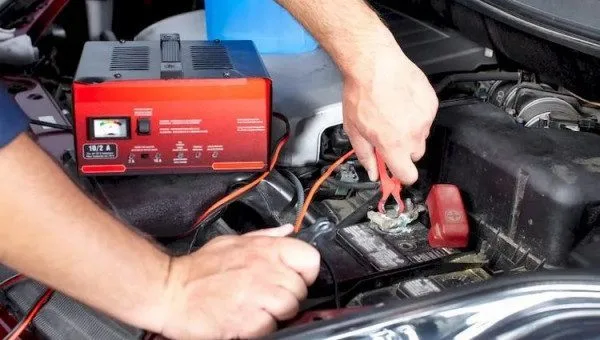
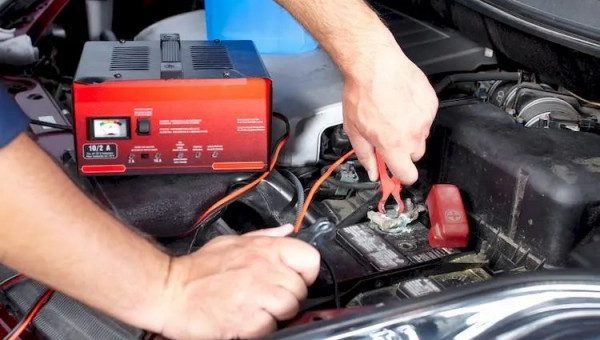
Connect the hoses from the recovery station to the high and low-pressure valves of the car’s air conditioning circuit.

2. Fluid Recovery

Start the recovery process on the machine. It will suck the refrigerant from the circuit and store it in a dedicated tank so it can be recycled or treated later.

3. Evacuation

Once the gas is recovered, the machine performs an evacuation of the circuit to remove any traces of moisture and air, preparing the system for the future recharge.

What to Do in an Emergency? (Limited Manual Release)

Purging the circuit yourself is strongly discouraged. In an extreme emergency situation, and only if the circuit is already empty and damaged, a mechanic may use a tool pressed against the service valve to release the small amount of residual pressure. This method is not a recovery and must not be used on a functional circuit.

Conclusion: Entrust the Operation to an Expert

Evacuating Freon from an automobile air conditioner is a technical task that requires specialized equipment. To guarantee your safety, environmental protection, and the proper functioning of your system, it is highly recommended to call upon a certified professional. They have the appropriate equipment to recover and recycle the refrigerant in full compliance with the law.

How to Start a Car with a Faulty Starter: 4 Emergency Methods

How to start a car with a faulty starter? This is the urgent question you ask yourself when, upon turning the key, you only hear a simple metallic click instead of the engine’s roar. This noise is often a sign of a worn-out solenoid or starter relay. Before resorting to replacing the starter, here are four solutions to get you out of trouble.

1. Tap (gently) on the starter

This is a classic troubleshooting method. Using a tool like a jack handle or a small hammer, give a few sharp but moderate taps on the starter body. This vibration can sometimes tighten loose internal connections or free stuck brushes, allowing sufficient electrical contact for one last start. Be careful not to hit too hard to avoid damaging other components.

2. Check the battery connections

A starting problem is often mistaken for a battery failure. First and foremost, ensure that the battery terminals are clean, tight, and free of corrosion (a white or greenish substance). Faulty connections prevent current from reaching the starter, causing the same symptoms. Clean the terminals if necessary and tighten them.

How to check the battery voltage?

Use a multimeter set to DC Volts. A voltage below 12.4 V indicates a weak battery that could be the cause of the problem. In this case, use jumper cables to recharge it via another battery.

3. Short-circuit the starter solenoid

This more technical procedure must be performed with extreme caution. It involves short-circuiting the two large terminals of the starter solenoid (usually using a sturdy insulated screwdriver) to send current directly to it. Ensure the car is in neutral and the handbrake is engaged. This method forces the starter to activate and may work if only the control circuit is faulty.

4. Push-start the car (for manual transmissions)

If your vehicle is equipped with a manual transmission, the “push-start” or roll-start method is an excellent solution. Turn on the ignition, shift into second gear, depress the clutch, and have a few people push the car to give it momentum. Then release the clutch abruptly. The force transmitted to the pistons may be enough to trigger combustion and start the engine.

Conclusion: a temporary solution before replacement

These tips are stopgap solutions for emergency situations. A starter showing signs of weakness is a worn component. These methods may allow you to restart once or twice, but the definitive and safest solution remains replacing the starter by a professional to avoid a permanent breakdown.

How to Remove a Stuck Oil Dipstick Tube | Complete Guide

The engine’s oil dipstick tube is constantly exposed to extreme temperatures and corrosion. It can therefore break when you remove the dipstick. If you notice obvious signs of damage to the tube during this operation, do not risk breaking it and leaving debris in the engine oil. It is then crucial to know how to proceed with its safe removal.

Why does an oil dipstick tube get stuck?

Several factors explain why an oil dipstick tube can become blocked. The main cause is the buildup of dirt, carbonized residue, and rust at the base of the tube, where it inserts into the engine block. Over the engine’s heating and cooling cycles, these deposits harden and act like a powerful glue. Corrosion, accelerated by constant exposure to heat and the elements, also causes the metal to swell and seize.

The method for freeing a stuck dipstick tube

First and foremost, ensure the engine is cold to avoid any risk of burns. Equip yourself with protective gloves and safety glasses. The first step is to spray a generous amount of penetrating oil (a releasing agent) around the base of the tube, at its insertion point. Let it work for at least 30 minutes, or even several hours for maximum effectiveness. This product will lubricate and partially dissolve the deposits.

Using the right tools

Avoid pulling on it with an adjustable wrench at all costs, as you risk twisting or shearing it off. Instead, use a pipe wrench or a locking plier that can grip the base of the tube firmly without crushing it. Once the tool is in place, apply moderate and constant pressure while combining a left-right rocking motion with an upward pull. Patience is key: if the tube doesn’t budge, reapply the releasing agent and try again.

What to do if the tube is broken?

In the worst-case scenario where the tube breaks, you must absolutely not let pieces of metal fall into the oil pan. If the break is high up, you might be able to grip the remaining part of the tube with extra-strong pliers. If it’s low, you will often need to disassemble other components to access the base and use a tube extractor or a drill to remove it carefully. In any case, if the situation seems too complex, entrust the job to a professional mechanic.

Symptoms of a Bent Push Rod: Diagnosis, Causes, and Replacement

The symptoms of a bent pushrod are often a sign of a serious engine problem. Although a complete break is rare, a deformed rod significantly reduces the total lift provided to the valve. This malfunction can lead to a cascade of internal damage, including damaging the camshaft lobe if it encounters abnormal resistance. Additionally, the bent rod can rub against the lifter or rocker arm, worsening the problem. Therefore, it is crucial to know how to identify the warning signs to intervene quickly.

Main Causes of a Bent Pushrod

Several incidents can be the cause of this deformation. The most common cause is contact between a valve and the piston, often following a timing belt break or incorrect timing. A broken or weakened valve spring can also allow the valve to float and hit the piston. Finally, over-tightening the rocker arms or an excessively high engine RPM can cause enough stress to bend the rod.

How to Diagnose a Bent Pushrod?

Abnormal Noise and Loss of Power

The most immediate symptom is an abnormal metallic clattering sound coming from the engine, synchronized with its RPM. You will also notice a significant loss of power, misfires, and poor acceleration, as the engine is no longer breathing properly.

Visual Inspection

To confirm the diagnosis, a visual inspection is necessary. Remove the rocker arm cover and turn the engine over by hand. Observe the movement of each pushrod. A bent rod will have irregular movement or will not rotate on its own like the others.

Pushrod Replacement Procedure

Replacement requires disassembling the rocker arm cover and removing the defective rod. It is imperative to always replace the pushrods as a complete set and to take advantage of the operation to thoroughly inspect the related lifters, rocker arms, and valves. Do not forget to adjust the rocker arm clearance after replacement according to the manufacturer’s specifications.

Car Lights That Stay On: 4 Main Causes and Solutions

Are your interior lights or dome light refusing to turn off? This issue, although common, can be frustrating and mainly lead to battery drain. Designed to illuminate when doors open and turn off automatically, these lights can sometimes malfunction. Discover the 4 main reasons why your car lights stay on and how to fix the problem.

1. A Faulty Door Switch

One of the most common causes is a faulty door switch. Each door of your vehicle is equipped with a small switch, often called a “door contact switch,” which tells the onboard computer whether the door is open or closed. If this switch is broken, dirty, or misadjusted, it can send an incorrect signal, making the system believe a door is still open and thus keeping the lighting on.

How to Check It?

Open and close each door one by one while observing the indicator light on your dashboard. If the door-open light does not turn off for a specific door, its switch is likely the cause.

2. The Dome Light Switch is in the “ON” Position

Before getting alarmed, check the position of your dome light switch. It usually offers three modes: OFF (turned off), ON (constantly lit), and DOOR (lit only when doors are open). It is very easy to accidentally switch the control to the “ON” position, which keeps the light on continuously, regardless of the door status.

3. A Faulty Timer

Modern vehicles are equipped with an electronic module, a delay timer or timer, programmed to keep the lights on for a short while after the doors are closed (to light your way to your house door, for example) before turning them off automatically. If this module fails, it may no longer send the shut-off command, leaving your lights on indefinitely and draining your battery.

4. A Wiring Problem or a Short Circuit

Finally, faulty or damaged wiring could be the source of the problem. Frayed wires, melted insulation, or a short circuit in the lighting circuit can create an unintended electrical path, powering the lights permanently. This type of fault is more complex to diagnose and often requires the intervention of a professional equipped with a wiring diagram and a multimeter.

What to Do While Waiting for Repair?

To avoid a dead battery, the immediate solution is to manually remove the fuse corresponding to the interior lighting (consult the owner’s manual to locate the correct fuse) or simply unscrew the dome light bulb. This will allow you to continue using your vehicle without risk until the issue is permanently resolved.

Volkswagen P1442 Code: Secondary Air Injection System Explained

Understanding the Volkswagen P1442 OBD2 Trouble Code

The P1442 diagnostic trouble code is a manufacturer-specific code primarily associated with Volkswagen, Audi, and other Volkswagen Group vehicles. This code indicates a malfunction within the secondary air injection system, specifically related to the pump or its control circuit. When this code appears, your vehicle’s powertrain control module (PCM) has detected an irregularity in the secondary air injection system’s operation during the critical cold-start phase.

What is the Secondary Air Injection System?

The secondary air injection system is an emissions control component designed to reduce hydrocarbon and carbon monoxide emissions during cold engine starts. When your engine is cold, combustion is less efficient, leading to higher levels of unburned hydrocarbons. The secondary air injection system addresses this by injecting fresh air into the exhaust stream upstream of the catalytic converter, promoting further combustion of these unburned gases and helping the catalytic converter reach optimal operating temperature more quickly.

How the P1442 Code is Triggered

The PCM monitors the secondary air injection system through various sensors, including pressure sensors, temperature sensors, and electrical current monitors. The P1442 code is specifically triggered when the PCM detects that the secondary air injection pump is not drawing the expected amount of current or when the pump’s performance falls outside predetermined parameters. This typically occurs during the first few minutes after a cold engine start when the system is programmed to activate.

Common Symptoms and Immediate Effects of P1442

Recognizing the symptoms associated with the P1442 code is crucial for timely diagnosis and repair. While some symptoms may be subtle initially, they typically become more pronounced if the underlying issue is not addressed.

Primary Warning Signs

  • Illuminated check engine light on your dashboard
  • Possible reduced engine performance during cold starts
  • Increased hydrocarbon emissions during vehicle inspection
  • Rough idle immediately after starting
  • Unusual noises from the secondary air pump area

Secondary Effects on Vehicle Operation

While the P1442 code itself doesn’t typically cause immediate drivability concerns, the compromised secondary air injection system can lead to several secondary issues. The most significant impact is on your vehicle’s emission control system, which may fail to meet regulatory standards. Additionally, the increased workload on the catalytic converter could potentially shorten its lifespan over time.

Long-Term Consequences of Ignoring P1442

If left unaddressed, a persistent P1442 code can lead to more serious complications. The most immediate concern is potential failure during emissions testing. Beyond regulatory compliance, prolonged operation with a faulty secondary air injection system can lead to carbon buildup in the exhaust system and may trigger additional fault codes related to catalytic converter efficiency.

Comprehensive Diagnostic Procedure for P1442

Proper diagnosis of the P1442 code requires a systematic approach to identify the root cause. This process involves electrical testing, mechanical inspection, and component verification to pinpoint the exact failure point.

Initial Visual Inspection Steps

  • Check all vacuum lines connected to the secondary air system for cracks or disconnections
  • Inspect electrical connectors to the air pump for corrosion or damage
  • Examine the secondary air pump for physical damage or signs of overheating
  • Verify the condition of the combination valve and associated piping
  • Check for any obstructions in the air intake filter for the pump

Electrical System Testing

Begin electrical diagnosis by verifying power and ground to the secondary air injection pump. Using a digital multimeter, check for battery voltage at the pump connector when the system is commanded on during a cold start. If voltage is present but the pump doesn’t operate, the pump motor is likely faulty. If no voltage is present, trace the circuit back through the relay and fuse to identify where the voltage is interrupted.

Component-Specific Testing Methods

  • Test pump motor resistance: Typically should be 0.5-3.0 ohms
  • Check relay operation using a relay tester or multimeter
  • Verify combination valve operation using a vacuum pump
  • Monitor system pressure during activation with a pressure gauge
  • Use a scan tool to command the system on and observe parameters

Professional Repair Solutions and Replacement Procedures

Once the faulty component has been identified through proper diagnosis, repair can commence. The complexity of these repairs varies depending on which component has failed and its accessibility within the engine bay.

Secondary Air Pump Replacement

Replacing the secondary air pump is typically the most common repair for P1442. The procedure generally involves disconnecting the electrical connector and air hoses, removing mounting bolts, and installing the new pump. It’s crucial to use OEM or high-quality aftermarket parts to ensure proper fitment and longevity. After replacement, the system should be tested to verify proper operation before clearing the fault code.

Combination Valve Service and Replacement

The combination valve, which prevents exhaust gases from flowing backward into the air injection system, can also cause P1442 if it becomes stuck or fails. Replacement involves disconnecting the air hoses and exhaust connection, then unbolting the valve from its mounting. Care should be taken not to damage the exhaust manifold during this process, and new gaskets should always be used during reassembly.

Electrical Circuit Repairs

If the issue lies in the wiring rather than the components themselves, repairs to the electrical circuit may be necessary. This can include repairing damaged wiring, replacing corroded connectors, or addressing issues with the pump relay or fuse. Proper wire splicing techniques and weatherproof connectors should be used to ensure a durable repair that will withstand engine compartment conditions.

Preventive Maintenance and System Longevity

While the secondary air injection system doesn’t require routine maintenance in the traditional sense, certain practices can help prevent P1442 and related issues from occurring.

Regular System Checks

  • Periodically inspect electrical connections for corrosion
  • Check vacuum lines during routine service intervals
  • Listen for unusual pump noises during cold starts
  • Address any exhaust leaks promptly as they can affect system operation
  • Have emission system scanned regularly as part of preventative maintenance

Optimizing System Performance

Ensuring your vehicle receives regular maintenance according to manufacturer specifications can indirectly benefit the secondary air injection system. Proper engine operation reduces the strain on emission control components, while timely oil changes prevent sludge buildup that could potentially affect system operation. Using quality fuel can also minimize carbon deposits that might interfere with system components.

The P1442 code, while not typically an emergency, should be addressed promptly to maintain your Volkswagen’s emission compliance and overall system health. With proper diagnosis and repair, this issue can be resolved effectively, restoring your vehicle’s emission system to proper operation.

Car Wheel Alignment: Complete Guide for Perfect Adjustment

Your car’s alignment can be affected by poor roads and potholes. Driving a poorly maintained vehicle can have serious consequences. It is imperative to have your wheel alignment checked every 8,000 to 9,000 km. The first symptom of poor alignment is uneven tire wear. Proper alignment ensures excellent handling, extends tire life, and ensures the vehicle steers correctly. Additionally, it allows for significant fuel savings, as the car requires less energy to move forward.

Why is wheel alignment so important?

Precise alignment is crucial to keeping your vehicle in perfect condition. It directly influences your safety, driving comfort, and your wallet by avoiding premature and costly wear.

Signs that indicate a need for alignment

Premature and uneven tire wear

This is the most obvious sign. A tire that wears out faster on one side than the other indicates a problem with the camber or toe angle. It is recommended to have the alignment checked every 1,600 km (1,000 miles), especially if you frequently drive on rough terrain.

Steering wheel vibrations

If your steering wheel shakes or vibrates abnormally while driving, it often means the tires are not rolling straight and are pulling in opposite directions. Poor alignment can also cause the vehicle to pull to one side, making it difficult and dangerous to drive in a straight line.

Drifting off course

When you briefly release the steering wheel, the car tends to “pull” strongly to the left or right instead of staying straight. This drift is caused by improper adjustment of the camber and caster angles.

What is a full 4-wheel alignment?

A full adjustment involves precisely checking and correcting three main angles on all four wheels: camber, caster, and toe. This service also includes checking tire pressure and overall condition, as well as inspecting the suspension. Proper 4-wheel alignment improves tire durability, safety, and steering precision. A well-aligned vehicle is easier to drive and stop, thus protecting you and other road users.

Annual Car Safety Inspection: Why It’s a Good Idea?

In Canada, driving a vehicle is not as simple as it seems. To drive legally, insurance is mandatory. And to obtain this insurance, you must have a vehicle safety inspection done in Brampton. Many accidents are caused by poorly maintained vehicles. Moreover, the inspection ensures that your car or truck is safe for you and other road users. Although each province has its own guidelines, there are common similarities across Canada. Let’s discover the ultimate benefits of a vehicle inspection that can save you a lot of money!

Detecting Problems

The best way to know if your vehicle has a problem is to perform an annual inspection. Many people think their car runs perfectly and shows no signs of damage. However, some issues are undetectable through simple driving. A thorough inspection helps identify them, such as wheel realignment or changing tires for the upcoming season. This early detection prevents the problem from worsening.

Complete Peace of Mind

Having your car inspected is a proactive step that significantly reduces the risk of accidents. Additionally, it gives you complete peace of mind: you drive without fearing a sudden breakdown.

Saving Money

The bigger a problem is, the more expensive its repair. An annual inspection performed by certified mechanics allows for the detection and correction of minor issues at an early stage, thus saving you money in the long run. For example, you might have forgotten to change lubricants or oil after a certain mileage. Without an annual inspection, you risk an unexpected and costly breakdown.

What is the Checklist for a Vehicle Inspection?

The content of a safety inspection can vary from one workshop to another. A complete checklist to establish an accurate health assessment of your vehicle:

  • Inspection of the fuel tank and oil pan
  • Tire check (adaptation to weather)
  • Brake pedal test
  • Brake check (cracks, wear)
  • Coolant control and engine condition
  • Hydraulic system inspection
  • Thorough brake check
  • Inspection of CV boots (CV joints)
  • Condition of wipers, struts, and shock absorbers
  • Check of heater hoses and radiator
  • Check of all lights (headlights, taillights, brake lights)
  • Inspection of brake pedals and coolant leaks

The 10 Major Tips for Cleaning Your Car in Winter | Complete Guide

Many believe it’s pointless, even counterproductive, to wash their car in winter, arguing that it will get dirty again immediately. However, this idea is a serious mistake. Leaving salt residue and de-icing products on the bodywork is one of the worst things to do, as they accelerate paint corrosion and damage the vehicle’s very structure. Cleaning your car during the cold season is therefore an absolute necessity.

Beyond protection, a clean vehicle improves your image and your safety by offering better visibility.

Essential tips to protect your car in winter

Prefer lukewarm water over hot water

One of the biggest mistakes is using boiling water to remove snow and ice. Thermal shock can cause micro-cracks on the glass and severely damage the paint. Lukewarm water is much safer. Furthermore, water that is too hot removes protective wax layers, leaving the paint vulnerable.

Forget soap, use car shampoo

The main goal of winter washing is to neutralize corrosive salt. Household soaps or detergents are too aggressive; they clean so intensely that they strip away wax and leave the paint unprotected. Always opt for a specific car shampoo, which is much gentler and more respectful of the finish.

Apply a layer of protective wax

For optimal protection, apply a high-quality wax or a polymer sealant to the bodywork before winter arrives. This barrier will prevent salt from bonding directly to the paint and causing rust, also making cleaning easier.

Maintain your tires and rims

Winter puts a lot of strain on tires and running gear. Regular balancing and wheel alignment are crucial for your safety and to prevent premature wear. Also consider installing winter tires in Toronto for maximum grip.

Replace fabric mats with rubber mats

Melted snow, mud, and salt invade the interior. Fabric mats retain this moisture, becoming a breeding ground for bacteria and mold. Rubber mats are much easier to clean, rinse, and dry, preserving the inside of your vehicle.

Use the pressure washer with caution

High-pressure cleaning is effective for a quick deep clean, but it must be used with caution. Too much pressure or a nozzle too close to the surface can tear seals, damage paint, and mark plastics. Always maintain a safe distance.

The 10 Essential Tips to Prepare Your Car for Winter 2025

It is undeniable that vehicles require special attention throughout the year, and this is even more true during the winter season. Harsh weather conditions put more strain on your car and increase the risk of breakdowns. Therefore, it is crucial to adopt the right habits to face winter with peace of mind. Here is a comprehensive guide to essential checks.

1. Check tire pressure

Tires are particularly vulnerable when temperatures drop. Cold naturally reduces air pressure, which can accelerate their wear and impair grip. Regularly check and adjust your tire pressure, including the spare tire, to ensure optimal handling on cold and wet roads.

2. Check the battery condition

Low temperatures significantly impact battery performance. Its capacity decreases while the engine requires more current to start. Regular checks of its voltage and terminals are essential to avoid a breakdown at the most inconvenient time.

3. Opt for winter tires

Standard tires are not designed to provide performance-safety suitability on snow or ice. Winter tires, made with softer rubber and specific tread patterns, offer much better traction and a shorter braking distance once the temperature drops below 7°C.

4. Perform a pre-winter check-up

A complete check-up before the cold season is the best prevention. It ensures the overall good condition of the vehicle and helps anticipate potential issues affecting sensitive parts like the battery, tires, brakes, or cooling system.

5. Replace windshield wiper blades

Perfect visibility is crucial. Worn or cold-hardened wiper blades will clean your windshield poorly, especially when it is covered in mud or frost. Remember to replace them before winter and fill the washer fluid with an antifreeze product.

6. Keep the fuel tank full

Driving with a full tank limits condensation that can form in the tank and potentially freeze. Moreover, in case of unexpected events or traffic jams due to bad weather, you will have enough range to safely run the heater.

7. Check the lights (headlights and brake lights)

Days are shorter, and weather often reduces visibility. Ensure all your lights (headlights, front and rear fog lights, brake lights) are working perfectly. Regularly clean their lenses to guarantee optimal lighting.

8. Repair a cracked windshield

Why is it crucial?

A small chip can quickly turn into a long crack due to temperature variations and vibrations. A weakened windshield offers less resistance in case of impact and impairs vision clarity, already compromised by bad weather.

9. Use antifreeze coolant

This fluid is vital to protect the engine. It prevents the water in the circuit from freezing (which could severely damage the engine block) and ensures efficient heat distribution. Check its level and condition (using a tester) so it can withstand extreme cold.

10. Do not neglect the general inspection

A thorough inspection of all key elements (oil levels, brake fluid, steering, electrical system) ensures a car ready for winter. This will help you avoid costly repairs and ensure your safety and that of your passengers on the road.