Infiniti P1480 Code: Diagnosing and Fixing the Exhaust Gas Recirculation (EGR) System

Understanding the Infiniti P1480 Diagnostic Trouble Code

When your Infiniti’s check engine light illuminates and a scan tool reveals code P1480, your vehicle’s Engine Control Module (ECM) has detected a fault within the Exhaust Gas Recirculation (EGR) system. Specifically, P1480 is defined as “Exhaust Gas Recirculation (EGR) System Malfunction.” This is a generic powertrain code, meaning its definition is consistent across most OBD2-equipped vehicles, including Infiniti models like the G35, G37, Q50, FX35, and M series. The EGR system is a critical emissions control component designed to reduce nitrogen oxide (NOx) emissions by recirculating a small, metered amount of exhaust gas back into the engine’s intake manifold. This process lowers combustion temperatures. A P1480 code indicates the ECM has determined that the actual performance of the EGR system does not match its expected parameters.

How the EGR System Works in Your Infiniti

Modern Infiniti vehicles typically use an electronically controlled EGR valve. The ECM calculates the ideal amount of exhaust gas recirculation based on engine load, speed, and temperature. It then commands the EGR valve to open via a solenoid or stepper motor. Many systems also include an EGR temperature sensor and an EGR cooler. The sensor monitors the temperature of the recirculated gases, providing feedback to the ECM to verify that flow is occurring. The cooler reduces the temperature of the exhaust gases before they re-enter the intake, protecting components and improving efficiency.

Common Symptoms and Causes of P1480 in Infiniti Models

Ignoring a P1480 code can lead to drivability issues and increased emissions. It’s important to address it promptly to restore performance and pass emissions testing.

Primary Symptoms of Code P1480

  • Illuminated Check Engine Light (MIL): The most immediate and common sign.
  • Rough Idle or Stalling: Incorrect EGR flow can disrupt the air-fuel mixture at low engine speeds.
  • Engine Knocking or Pinging (Detonation): Lack of EGR flow leads to higher combustion temperatures, causing pre-ignition.
  • Reduced Fuel Economy: The ECM may enter a rich-fueling “limp” mode to protect the engine.
  • Failed Emissions Inspection: Elevated NOx levels will cause an automatic failure.

Root Causes of the P1480 Malfunction

The code P1480 is a “system malfunction” code, meaning the ECM knows something is wrong but can’t pinpoint the exact component. Diagnosis is required. Common culprits include:

  • Clogged or Sticky EGR Valve: Carbon buildup from exhaust gases is the #1 cause. It can prevent the valve from opening or closing fully.
  • Faulty EGR Temperature Sensor: A sensor providing an out-of-range or implausible signal will trigger this code.
  • Blocked or Leaking EGR Passages/Tubes: Carbon can clog the small passages in the intake manifold or the metal tubes connecting the valve.
  • EGR Cooler Failure: A cracked or leaking cooler can prevent proper gas flow or introduce coolant into the intake (a serious issue).
  • Electrical Issues: Damaged wiring, poor connectors, or corrosion at the EGR valve or sensor harness.
  • Faulty EGR Valve Control Solenoid: The electronic component that actuates the valve may have failed.
  • Vacuum Leaks (on older vacuum-operated systems): Cracks in vacuum hoses leading to the EGR valve.

Step-by-Step Diagnostic Procedure for P1480

A methodical approach is key to efficiently solving a P1480 code. You will need a quality OBD2 scanner and basic hand tools.

Step 1: Preliminary Checks and Visual Inspection

Begin with the simplest possibilities. Visually inspect all wiring harnesses and connectors related to the EGR valve and temperature sensor for damage, corrosion, or disconnection. Check vacuum lines (if applicable) for cracks and ensure they are securely attached. Look for obvious signs of exhaust or coolant leaks around the EGR assembly and cooler.

Step 2: Using Live Data with an OBD2 Scanner

This is a critical step for modern Infinitis. Clear the code and start the engine. Access the live data stream on your scanner and locate the EGR-related parameters, specifically the EGR Temperature Sensor data and possibly EGR Valve Position Command. At idle with a cold engine, the EGR temp reading should be close to ambient/engine bay temperature. As you rev the engine, the temperature reading should increase if the valve is opening and allowing hot exhaust gas through. No change indicates a flow problem (clogged valve or passages).

Step 3: Physical Testing of the EGR Valve and Components

If possible, command the EGR valve open and closed using the scanner’s bi-directional controls. You should hear a distinct click from the valve solenoid. With the valve removed, you can inspect it for heavy carbon deposits. A stuck valve can often be cleaned with a specialized carburetor/EGR cleaner, but severe cases require replacement. Also, check the EGR passages in the intake manifold for blockages using a flashlight and a small pick tool.

Repair Solutions and Estimated Costs for P1480

The repair path depends entirely on the diagnostic findings. Costs can vary widely based on the failed component and labor rates.

Common Repair Procedures

  • Cleaning the EGR Valve and Passages: For mild to moderate carbon buildup, careful cleaning can be a cost-effective fix. This involves removing the valve and using appropriate solvents and tools to clear carbon from the valve pintle and the intake manifold ports.
  • Replacing the EGR Valve: A severely stuck or electrically faulty valve must be replaced. Use OEM or high-quality aftermarket parts.
  • Replacing the EGR Temperature Sensor: A simple unplug-and-replace operation if diagnostics confirm sensor failure.
  • Replacing the EGR Cooler or Tubes: More involved repairs that may require draining coolant and dealing with exhaust connections.
  • Repairing Wiring Harnesses: Splicing and soldering damaged wires or replacing connector pigtails.

Cost Breakdown for P1480 Repairs

Repair costs are highly variable. A DIY cleaning job may only cost the price of a cleaner (~$20). Part replacement costs are more significant:

  • EGR Valve Assembly: $150 – $400+ for the part.
  • EGR Temperature Sensor: $50 – $150.
  • EGR Cooler: $200 – $600+.
  • Professional Labor: 1 to 3 hours, at $100-$200 per hour, depending on the repair complexity. Total repair bills at a shop often range from $300 to over $1000.

After completing the repair, clear the P1480 code with your scanner and perform a test drive. Monitor for the check engine light to return. A successful repair will result in the light staying off and normal engine operation being restored.


Jaguar Type 00: The Divisive Concept Called the Greatest

Jaguar Type 00: Redefining Automotive Greatness

In the world of automotive design, few concepts have sparked as much debate and admiration as the Jaguar Type 00. Unveiled to a polarized audience, this radical vehicle transcended conventional critique to be hailed by prominent industry figures as “the greatest car of all time.” This bold proclamation invites a deeper exploration into what makes this concept so profoundly significant.

A Design That Broke the Mold

The Jaguar Type 00 was not an evolution of existing design language; it was a complete reinvention. Its form was a dramatic departure from tradition, prioritizing a futuristic aesthetic and a philosophical statement over immediate commercial appeal. The design team challenged every norm, creating a silhouette that was as controversial as it was captivating. This willingness to defy expectations and present a pure, uncompromised vision is a core reason the concept left an indelible mark on automotive history.

The Philosophy Behind the Machine

More than just a collection of parts, the Type 00 represented a specific ideology. It embodied a forward-looking approach to mobility, driver engagement, and the relationship between human and machine. The concept asked fundamental questions about the future role of the automobile, proposing answers through its layout, materials, and intended experience. This depth of purpose elevated it from a mere show car to an important cultural artifact within the automotive landscape.

A Legacy of Influence

While the Jaguar Type 00 never reached production, its influence is undeniable. The debates it ignited about design bravery and brand direction resonated for years. Elements of its daring philosophy and aesthetic cues can be seen subtly influencing subsequent vehicles, proving that its greatest achievement may be its power to inspire and challenge the industry’s status quo. Its enduring legacy confirms that true greatness often lies not in universal acceptance, but in the courage to redefine what is possible.

GMC P1480 Code: Comprehensive Guide to the Engine Coolant Fan Relay Control Circuit

Understanding the GMC P1480 Diagnostic Trouble Code

The OBD2 diagnostic trouble code P1480 is a manufacturer-specific code for General Motors vehicles, including GMC trucks and SUVs. Its official definition is “Engine Coolant Fan Relay Control Circuit”. This code indicates that the vehicle’s Engine Control Module (ECM) or Powertrain Control Module (PCM) has detected a malfunction within the electrical control circuit for the primary engine cooling fan relay. Unlike a simple mechanical failure, P1480 points to an electrical issue—such as an open circuit, short to ground, short to power, or a faulty relay control signal—that prevents the ECM from properly commanding the cooling fan to operate. This is a critical system, as a non-functional cooling fan can quickly lead to engine overheating, especially during idle, low-speed driving, or in hot weather.

Primary Function of the Cooling Fan System

The engine cooling fan is an electrically operated component designed to pull air through the vehicle’s radiator. Its primary role is to assist in heat dissipation when the natural airflow from driving is insufficient. The ECM activates the fan based on inputs from the Engine Coolant Temperature (ECT) sensor and, often, the A/C system pressure. The P1480 code specifically faults the control side of this system—the ECM’s ability to send the signal that energizes the fan relay, which in turn provides high-current power to the fan motor itself.

Common Symptoms of a P1480 Code in Your GMC

When code P1480 is stored in your GMC’s computer, you will likely experience one or more of the following symptoms. It is crucial not to ignore these signs, as prolonged driving can cause severe engine damage.

Primary and Secondary Warning Signs

  • Illuminated Check Engine Light (CEL): This is the most immediate indicator. The light may be steady, though in some cases it could flash if severe overheating triggers other codes.
  • Engine Overheating at Idle or Low Speed: The most dangerous symptom. The temperature gauge will climb into the red zone when the vehicle is stopped or moving slowly, but may normalize at highway speeds where airflow is adequate.
  • Cooling Fan Does Not Operate: The fan will not turn on at all, regardless of engine temperature or A/C demand. You can often verify this visually with the engine running and warmed up.
  • Poor A/C Performance at Low Speeds: Since the cooling fan also cools the A/C condenser, the air conditioning may blow warm air when the vehicle is stationary.
  • Possible Secondary Codes: Codes like P1258 (Engine Coolant Overtemperature – Fuel Disabled) or P0217 (Engine Overtemperature Condition) may appear if overheating occurs.

Diagnosing the Root Causes of Code P1480

Diagnosing P1480 requires a systematic approach, moving from simple, accessible checks to more complex electrical testing. Always begin with a visual inspection and basic tests before condemning expensive components like the ECM.

Step 1: Preliminary Visual and Basic Checks

  • Inspect Fuses: Locate and check the cooling fan fuse(s) in the underhood fuse box. A blown fuse is a common and easy fix, but it also indicates an underlying short circuit.
  • Visual Inspection: Examine the wiring harness leading to the cooling fan relay and the fan motor itself. Look for chafed wires, burnt insulation, corroded connectors, or loose connections.
  • Listen for the Relay: With the A/C turned on MAX, listen for a distinct “click” from the fan relay in the underhood fuse/relay center when a helper cycles the A/C. No click may point to a bad relay or control issue.

Step 2: Testing the Cooling Fan Relay and Motor

The relay is the most common point of failure. You can perform a bench test or swap it with an identical relay from another circuit (like the horn relay) to see if the problem follows the relay. To test the fan motor directly, you can apply 12-volt power and ground directly to its terminals (bypassing the relay and control circuit). If the fan spins, the motor is good, and the problem is upstream.

Step 3: Advanced Electrical Circuit Diagnosis

This step requires a digital multimeter (DMM) and a wiring diagram for your specific GMC model year.

  • Check Relay Control Circuit: Probe the control terminal (the one that receives the signal from the ECM) on the relay socket. With the ignition ON and a scan tool commanding the fan ON, you should see the voltage change (typically from 12V to near 0V, or vice-versa, depending on design). No change indicates a problem in the ECM or the wiring to it.
  • Check for Opens and Shorts: Test the continuity of the wires between the ECM connector and the relay socket. Check for a short to ground or power on the control wire.
  • Check Power and Ground: Verify that the relay socket has constant battery power (B+) and a good ground. Also, verify power and ground at the fan motor connector when the relay is commanded on.

Repair Procedures and Solutions for P1480

Once the faulty component is identified, repairs can be made. Always disconnect the battery before performing electrical repairs.

Common Fixes from Most to Least Likely

  • Replace the Cooling Fan Relay: A failed relay is the #1 culprit. Ensure you use an OEM-specification or high-quality replacement.
  • Repair Damaged Wiring: Solder and heat-shrink any broken wires or repair shorts. Never use twist-on connectors in the engine bay.
  • Replace a Blown Fuse: If a fuse is blown, replace it. If it blows again immediately, you have a short circuit that must be found and repaired.
  • Replace the Cooling Fan Motor: If the motor is seized or draws excessive current (causing the fuse to blow), it must be replaced.
  • ECM/PCM Replacement or Reprogramming: This is a rare last resort. Before replacing an expensive ECM, ensure all wiring and external components are flawless. In some cases, a software flash from the dealer may address a control logic issue.

Post-Repair Verification and Clearing the Code

After repairs, reconnect the battery. Start the engine and allow it to reach normal operating temperature. Use your scan tool to clear the P1480 code. Verify that the cooling fan activates when the ECT sensor reaches the specified temperature (usually between 210°F and 230°F) or when the A/C is turned on. The Check Engine Light should remain off, and the engine temperature should stay stable. A successful test drive, including periods of idling, will confirm the repair is complete.

Preventative Measures and Final Thoughts

While some failures are unpredictable, you can minimize the risk of a P1480 code. Regularly inspect the cooling fan operation during routine maintenance. Keep the radiator and condenser fins clean from debris to reduce strain on the fan motor. Address any minor cooling system leaks or overheating issues promptly, as excessive heat can degrade electrical components. The P1480 code is a serious but typically straightforward diagnosis. By understanding the circuit and following a logical diagnostic path, you can restore your GMC’s critical cooling system function and protect your engine from costly heat-related damage.

Toyota Aygo X Hybrid Review: Big Tech for the City

Toyota Aygo X Embraces Hybrid Power

The urban driving landscape is shifting, and the Toyota Aygo X is at the forefront of this change. This popular city car has undergone a significant transformation by adopting a full hybrid powertrain, a first for a vehicle in its category. This move brings proven Toyota hybrid technology to the most compact segment, promising enhanced efficiency and a refined driving experience for daily commutes.

Hybrid Technology in a Compact Package

Borrowing technology from its successful sibling, the Yaris, the Aygo X HEV integrates a lightweight hybrid system. This system typically combines a efficient gasoline engine with an electric motor, allowing for silent electric propulsion at low speeds and seamless assistance during acceleration. For city drivers, this translates to reduced fuel consumption in stop-and-go traffic and lower tailpipe emissions, making it a more sustainable choice for urban environments without compromising practicality.

Driving Dynamics and Urban Agility

The addition of the hybrid system changes the character of the Aygo X. The initial electric drive provides quiet and immediate response from a standstill, ideal for navigating tight city streets. The transition between power sources is engineered to be smooth, maintaining the car’s renowned agile and easy-to-drive nature. The cabin aims to offer a quieter ride compared to conventional rivals, reducing driver fatigue on longer urban journeys.

A New Benchmark for City Cars

The Toyota Aygo X Hybrid represents a bold step in democratizing advanced electrified technology. It challenges the notion that hybrid efficiency is reserved for larger vehicles. By packaging this system into a micro-car, Toyota sets a new benchmark, forcing the entire segment to reconsider what is possible. It offers a compelling blend of tiny exterior dimensions, low running costs, and the sophisticated driving experience associated with hybrid powertrains.

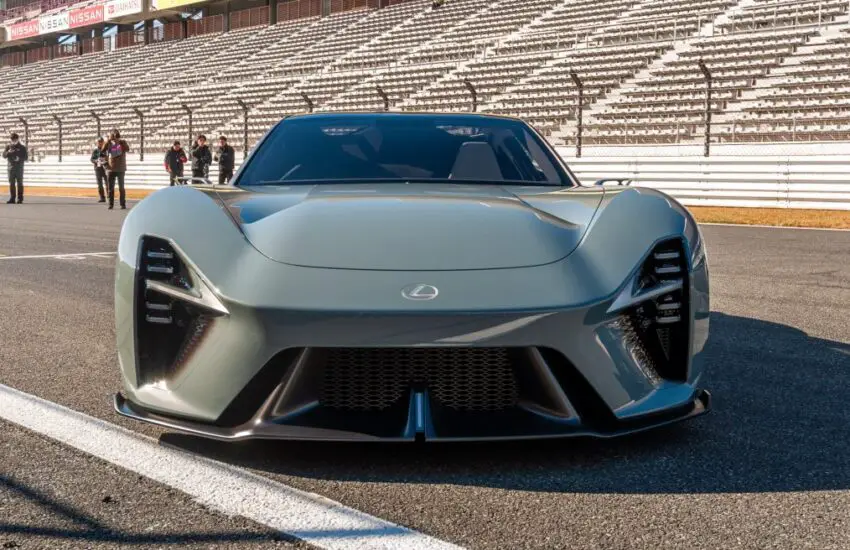
The Electric Lexus LFA’s Mission: Engineering a New Supercar Sound

Beyond Revival: The Electric LFA’s Sonic Ambition

The upcoming electric Lexus LFA is far more than a nostalgic reboot of a legendary supercar. It represents a bold engineering mission to redefine an entire segment, with one core challenge: crafting an authentic and thrilling auditory experience for an electric performance vehicle. This pursuit moves beyond simple acceleration to capture the soul of driving.

A Directive from the Top

The project’s vision originates from the highest levels of Toyota. At Woven City, the company’s futuristic hub near Mount Fuji in Japan, Chief Engineer Takashi Doi leads the development under a clear mandate. The goal is not to replicate the iconic scream of the original LFA’s V10, but to engineer a completely new, equally compelling sound identity that is native to electric propulsion.

The Philosophy of “Omotenashi” Sound

Lexus is applying its deep-rooted philosophy of “Omotenashi,” or heartfelt hospitality, to the acoustic domain. The sound design aims to be an integral part of the driving experience, enhancing connection and feedback without being intrusive or artificial. Engineers are exploring how sound can communicate vehicle behavior, road feel, and performance parameters, creating a harmonious dialogue between driver and machine.

Technical Challenges and Acoustic Engineering

Creating this new sound profile involves sophisticated technology. Teams are working with advanced acoustic engineering, likely utilizing external speakers and sound synthesis controlled by software algorithms. The challenge is to generate a sound that is emotionally resonant, changes dynamically with driving mode and throttle input, and remains authentic to the electric powertrain’s character, avoiding mere imitation of internal combustion.

This endeavor positions the electric LFA as a pioneer. Its success or failure will influence how the entire industry approaches the sensory dimension of high-performance EVs, proving that electrification and emotional driving are not mutually exclusive.

Ford P1480 Code: Expert Guide to EGR Cooler Bypass Valve Issues

Understanding the Ford P1480 Diagnostic Trouble Code

The OBD2 diagnostic trouble code P1480 is a manufacturer-specific code primarily associated with Ford, Lincoln, and Mercury vehicles. In technical terms, it is defined as “EGR Cooler Bypass Valve Control Circuit Malfunction”. This code is a critical indicator of a problem within the Exhaust Gas Recirculation (EGR) system’s cooling management, a subsystem designed to reduce nitrogen oxide (NOx) emissions and manage engine temperatures. When the vehicle’s Powertrain Control Module (PCM) detects an electrical fault—such as an open, short, or performance issue—in the circuit controlling the EGR cooler bypass valve, it will illuminate the check engine light and store code P1480. Addressing this fault promptly is essential to maintain engine efficiency, emissions compliance, and prevent potential collateral damage.

Role of the EGR System and the Cooler Bypass Valve

The EGR system recirculates a measured amount of exhaust gas back into the engine’s intake manifold. This lowers combustion temperatures, which in turn reduces the formation of harmful NOx emissions. The EGR cooler is a heat exchanger that cools these hot exhaust gases before they re-enter the engine. The EGR cooler bypass valve is an electrically or vacuum-operated valve that controls the flow of exhaust gases. Under certain conditions (e.g., during engine warm-up or at high load), the PCM may command the valve to bypass the cooler, sending hot exhaust gas directly to the intake to aid in faster warm-up or performance. A malfunction in this valve or its circuit disrupts this precise thermal management.

Common Symptoms and Causes of P1480

Ignoring a P1480 code can lead to degraded performance and increased emissions. Recognizing the symptoms is the first step in diagnosis.

Primary Symptoms of a P1480 Fault

  • Illuminated Check Engine Light (MIL): The most immediate and common sign.
  • Reduced Engine Performance: Noticeable lack of power, especially under acceleration.
  • Poor Fuel Economy: Incorrect EGR flow can lead to inefficient combustion.
  • Rough Idle or Stalling: Unmetered exhaust gas can destabilize the air/fuel mixture at idle.
  • Failed Emissions Test: The vehicle will likely not pass state or local emissions inspections.

Root Causes of the P1480 Code

The P1480 code points to an electrical circuit problem. The underlying causes typically fall into these categories:

  • Faulty EGR Cooler Bypass Valve: The valve’s internal motor, solenoid, or mechanism has failed.
  • Open or Shorted Wiring: Damaged, corroded, or broken wires in the valve’s control or feedback circuit.
  • Poor Electrical Connections: Corrosion or looseness at the valve connector or PCM terminals.
  • Blown Fuse: A fuse protecting the EGR valve circuit may be blown.
  • Defective Powertrain Control Module (PCM): Rare, but a failure within the PCM itself can cause this code.

This code is notably prevalent in Ford trucks with the 6.0L Powerstroke diesel engine, where the EGR system is under significant thermal stress.

Step-by-Step Diagnostic Procedure for P1480

A methodical approach is key to correctly diagnosing and fixing a P1480 code. Always begin with a visual inspection and proceed with electrical tests.

Step 1: Preliminary Checks and Visual Inspection

Start with the basics. Use an OBD2 scanner to confirm the presence of P1480 and check for any accompanying codes. Perform a thorough visual inspection:

  • Locate the EGR cooler bypass valve (often near the EGR cooler or valve).
  • Inspect all associated wiring harnesses for chafing, burns, or damage.
  • Check the electrical connector for signs of corrosion, bent pins, or improper seating.
  • Verify the condition of any related fuses in the engine bay fuse box.

Step 2: Electrical Circuit Testing

With a digital multimeter (DMM), you can test the valve and its circuit. Disconnect the electrical connector from the valve.

  • Resistance Test (Ohms): Measure the resistance across the valve’s terminals. Consult the vehicle’s service manual for specifications (typically between 10-20 ohms for a solenoid). A reading of infinite resistance (OL) indicates an open coil, while a very low reading indicates a short.
  • Power and Ground Test (Volts): With the key in the “ON” position (engine off), back-probe the connector. Check for battery voltage on the power wire. Verify a good ground on the ground circuit.
  • Signal Test: Using a scan tool that can command actuators, activate the EGR bypass valve while monitoring the control signal with a DMM or a test light to see if the PCM is sending the command.

Step 3: Functional and Vacuum Tests (If Applicable)

For vacuum-operated valves, check the integrity of the vacuum lines for cracks or leaks. Test the vacuum solenoid if equipped. For electrically operated valves, after electrical verification, you may apply direct battery voltage (briefly) to the valve terminals to see if it actuates with an audible click. Warning: Only do this if confirmed safe by the service manual.

Repair Solutions and Professional Recommendations

Once the faulty component is identified, proceed with the repair. The complexity can range from simple to moderate.

Common Repairs for P1480

  • Replacing the EGR Cooler Bypass Valve: This is the most common fix. Use a high-quality OEM or reputable aftermarket part.
  • Repairing Wiring Harness: Splice, solder, and seal any damaged wires. Use conduit to protect the repair.
  • Cleaning Connectors: Use electrical contact cleaner and a brush to remove corrosion.
  • Replacing Blown Fuses: Always identify and fix the cause of the blown fuse before replacement.

Post-Repair Protocol and Considerations

After completing the repair, clear the P1480 code with your scan tool. Take the vehicle for a test drive that includes various engine loads and RPMs to allow the PCM to run its self-tests. The monitor for the EGR system should complete, and the check engine light should remain off. In persistent cases, particularly on high-mileage Ford 6.0L engines, a failing EGR cooler itself can cause related issues. A comprehensive EGR system flush or cooler replacement may be a consideration if problems recur. For most DIYers, the electrical diagnosis and valve replacement are manageable. However, if the diagnosis points to a PCM issue or involves complex intake disassembly, seeking a professional automotive technician is strongly advised.

Preventive Maintenance Tips

To avoid future P1480 codes and EGR system issues:

  • Use high-quality fuel and perform regular engine oil changes.
  • Periodically inspect engine bay wiring for security and wear.
  • In diesel applications, consider more frequent cleaning of the EGR valve and cooler if soot buildup is common.
  • Address any other engine performance issues promptly, as they can place additional strain on the emissions system.

By understanding the technical nature of the Ford P1480 code, following a structured diagnostic approach, and implementing the correct repair, you can effectively restore your vehicle’s performance and emissions integrity.

NASCAR Community Mourns Loss of Greg Biffle in Plane Crash

NASCAR World Stunned by Tragic Loss

The motorsports community is in mourning following the tragic deaths of former NASCAR driver Greg Biffle, his wife Cristina, and their two children, Emma and Ryder. The family perished in a plane crash on Thursday near Statesville Regional Airport in North Carolina. Preliminary reports indicate there were no survivors among those on board the private aircraft, which also included crew members.

A Career of Speed and Success

Greg Biffle was a formidable competitor known for his versatility and determination. Competing full-time in the NASCAR Cup Series from 2003 to 2016, he secured 19 career victories, including prestigious wins at events like the Southern 500 and the Coke Zero 400 at Daytona. A true triple threat, Biffle is one of only a handful of drivers to win championships in both the NASCAR Truck Series (2000) and the Xfinity Series (2002). His signature No. 16 car, often sponsored by 3M, was a mainstay on tracks for over a decade, earning him a reputation as a consistent and tenacious racer.

An Outpouring of Grief and Tributes

News of the accident sent shockwaves through the racing world. Fellow drivers, team owners, and fans have taken to social media and public statements to express their profound sorrow. Colleagues remembered Biffle not only for his skill on the track but also for his character away from it—a dedicated family man and a respected figure in the garage. The collective grief underscores the tight-knit nature of the NASCAR family, now united in loss.

Investigating the Tragedy

The National Transportation Safety Board (NTSB) has launched a full investigation into the cause of the crash. A team of investigators is on site to examine the wreckage, review air traffic control communications, and assess weather conditions at the time of the incident. A preliminary report is expected in the coming weeks, though a final determination on the cause may take considerably longer. The focus remains on understanding the sequence of events that led to this devastating outcome.

Laguna Seca Lawsuit: GT-R Owners Sue Track After Crash

GT-R Owners File Lawsuit Against Laguna Seca Raceway

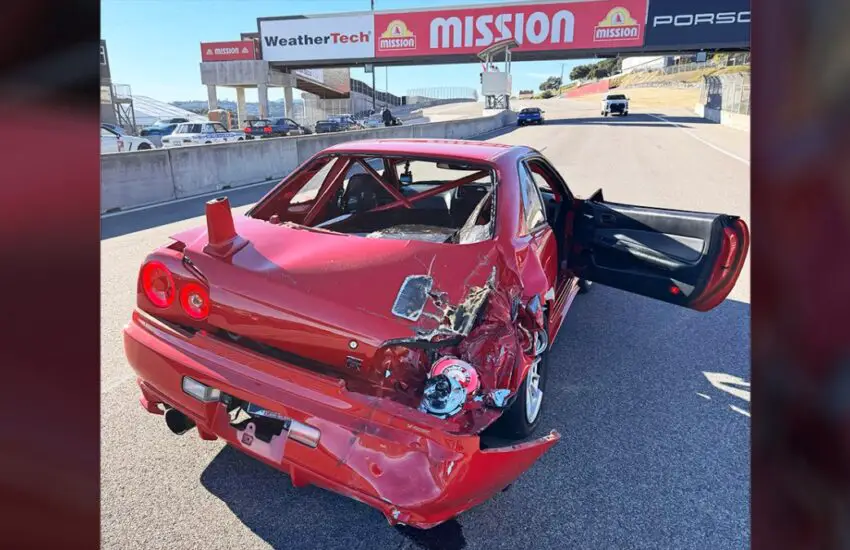
Two owners of highly valuable Nissan Skyline GT-Rs have initiated legal proceedings against WeatherTech Raceway Laguna Seca. The lawsuit stems from a shocking incident where a track vehicle collided with their stationary collector cars. The event occurred during a red flag period at a private track day, raising serious questions about track safety and operational protocols.

The Unfolding of a Collector’s Nightmare

According to the filed complaint, the incident took place on the main straight of the iconic circuit. Both Skyline GT-Rs, legendary models revered in the automotive world, were parked and unoccupied under a red flag condition when a construction vehicle entered the track surface. The vehicle subsequently struck the parked cars, causing significant damage. The plaintiffs argue that the track management failed to ensure a safe environment and properly control vehicle access to a live circuit, leading to the preventable collision.

Legal Claims and Broader Implications

The lawsuit alleges negligence on the part of the raceway. Key points include a failure to secure the track perimeter, inadequate communication with track workers, and a breach of the duty of care owed to participants. The owners are seeking compensation for the substantial repair costs and the significant loss in value associated with damaged collector vehicles. Beyond the financial aspect, the case highlights the inherent risks at track events, even during controlled sessions. It serves as a stark reminder to venues and organizers about the critical importance of stringent safety measures at all times.

A Community Reacts

The automotive community has followed the case closely, with many expressing concern over the circumstances. Incidents involving iconic vehicles like the Skyline GT-R resonate deeply with enthusiasts. This event has sparked discussions about liability, insurance for high-value track cars, and the standard procedures tracks must enforce to protect client assets. The outcome of this lawsuit could potentially influence operational standards at private racing circuits nationwide.

Dodge P1480 Code: Expert Guide to EVAP Leak Detection Pump Issues

Understanding the Dodge P1480 Diagnostic Trouble Code

The OBD2 diagnostic trouble code P1480 is a manufacturer-specific code primarily associated with Dodge, Chrysler, and Jeep vehicles. In simple terms, it indicates a fault within the circuit of the Evaporative Emission (EVAP) Leak Detection Pump (LDP). The EVAP system is a critical component of your vehicle’s emissions control, designed to capture and recycle fuel vapors from the fuel tank, preventing them from escaping into the atmosphere. The Leak Detection Pump is the system’s self-diagnostic heart; it pressurizes the EVAP system to check for leaks. When the Powertrain Control Module (PCM) detects an electrical fault—such as an open, short, or performance issue—in the LDP’s control circuit, it stores code P1480 and illuminates the check engine light.

Common Symptoms and Causes of P1480 in Dodge Vehicles

Ignoring a P1480 code can lead to failed emissions tests and potentially impact fuel efficiency. Recognizing the symptoms is the first step toward a resolution.

Primary Symptoms of a P1480 Fault

  • Illuminated Check Engine Light (MIL): The most immediate and common sign.
  • Failed Emissions Inspection: The vehicle will not pass a state emissions test with an active EVAP code.
  • Possible Fuel Odor: While not always present, a compromised EVAP system can sometimes allow fuel vapors to escape.
  • No Other Drivability Issues: Typically, engine performance, starting, and idling remain normal, as this is an emissions-related fault.

Root Causes of the P1480 Code

Diagnosing P1480 requires a systematic approach, as the fault can lie in several areas. The causes are generally electrical or component-related.

  • Faulty Leak Detection Pump (LDP): The pump motor itself can fail internally.
  • Electrical Circuit Problems:

    • Open or shorted wiring in the LDP control or ground circuit.
    • Corroded, damaged, or loose electrical connectors at the LDP or PCM.
  • Blown Fuse: A fuse protecting the EVAP system circuit (often in the Power Distribution Center under the hood).
  • Faulty EVAP System Solenoid or Valve: Related components like the vent solenoid can cause circuit feedback issues.
  • Defective Powertrain Control Module (PCM): This is rare, but a failed PCM driver for the LDP circuit is a possibility after all other causes are eliminated.

Step-by-Step Diagnostic and Repair Procedure

Proper diagnosis is key to an effective repair. Always begin with a visual inspection and consult a vehicle-specific wiring diagram for your Dodge model (e.g., Ram, Charger, Durango).

Step 1: Preliminary Checks and Visual Inspection

Start with the basics. Ensure the gas cap is properly tightened, as a loose cap can trigger related EVAP codes. Perform a thorough visual inspection of the EVAP system.

  • Locate the Leak Detection Pump (usually near the fuel tank or in the rear wheel well).
  • Check all associated wiring harnesses for chafing, burns, or rodent damage.
  • Inspect the electrical connector at the LDP for corrosion, bent pins, or moisture.
  • Verify the integrity of EVAP hoses for cracks, disconnections, or brittleness.

Step 2: Electrical Circuit Testing

Using a digital multimeter (DMM), you can test the LDP circuit. You will need to check for power, ground, and the integrity of the control signal.

  • Check Fuse: Locate and test the relevant EVAP system fuse in the under-hood fuse box.
  • Test for Power and Ground: With the connector disconnected, check for battery voltage (typically 12V) at the appropriate pin with the ignition ON. Also, verify a clean ground path.
  • Check Circuit Resistance: Test for continuity and resistance in the wiring between the LDP connector and the PCM connector to rule out opens or shorts.

Step 3: Testing the Leak Detection Pump Itself

If the wiring is good, the pump itself is suspect. You can perform a bench test or an in-vehicle functional test.

  • Resistance Test: Measure the resistance across the LDP motor terminals. Compare the reading to the manufacturer’s specification (often between 10-30 ohms). An open (infinite resistance) or short (near 0 ohms) indicates a bad pump.
  • Direct Power Test: Carefully apply 12 volts directly to the pump terminals (disconnected from the vehicle). A functioning pump should run audibly. Warning: Do not run the pump dry for more than a few seconds.

Step 4: Clearing the Code and Verifying the Repair

After replacing the faulty component (most commonly the LDP or repairing a wire), clear the P1480 code with your OBD2 scanner.

  • Drive the vehicle through a complete drive cycle to allow the PCM to re-run the EVAP leak test monitors.
  • Use your scanner to confirm that all emissions monitors have completed and that the code does not return.
  • A successful repair is confirmed when the check engine light remains off and the code stays cleared.

Technical Insights and Vehicle-Specific Notes

The P1480 code is prevalent across many Dodge platforms from the early 2000s through the 2010s. Understanding the system’s operation aids in diagnosis.

How the Leak Detection Pump System Works

The PCM activates the LDP during specific driving conditions. The pump draws in ambient air to pressurize the EVAP system. The PCM then monitors pressure decay or the pump’s electrical current draw to determine if a leak of a specific size (e.g., 0.020″ or 0.040″) is present. A fault in the control circuit prevents this self-test from occurring, triggering P1480.

Common Dodge Models Affected by P1480

This code frequently appears in popular Dodge vehicles, including the Dodge Ram 1500/2500/3500 (2002-2008 especially), Dodge Durango, Dodge Charger, and Dodge Dakota. The diagnostic principles remain consistent, though the physical location of the LDP may vary.

Addressing a P1480 code promptly restores your Dodge’s emissions system integrity, ensures compliance with environmental regulations, and maintains optimal vehicle function. While a skilled DIYer with electrical knowledge can tackle this repair, consulting a professional technician with advanced diagnostic tools is often the most efficient path to a permanent fix.

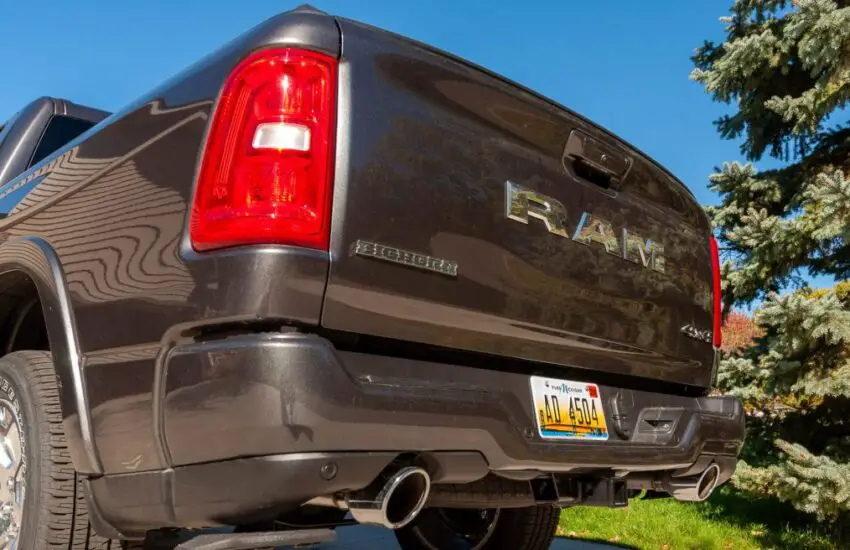
Ram Dakota Revival: The 2027 Mid-Size Pickup Returns

The Ram Dakota Makes a Comeback

The mid-size truck segment is about to get a major shake-up. Ram Trucks has officially confirmed the return of the Dakota nameplate, with a new model slated for the 2027 model year. This announcement ends years of speculation and marks a strategic move by Ram to capture a share of the fiercely competitive market between compact and full-size pickups.

Strategic Positioning and Expected Pricing

According to statements from Ram’s leadership, the revived Dakota is positioned as a true mid-size contender. It aims to bridge the gap, offering more capability and space than compact trucks without stepping into the footprint and price point of a full-size Ram 1500. Industry analysts anticipate a starting price point around $40,000, which would place it squarely in the heart of the segment, competing directly with established models like the Ford Ranger, Chevrolet Colorado, and Toyota Tacoma.

What to Anticipate from the 2027 Model

While specific technical details remain under wraps, the 2027 Ram Dakota is expected to leverage the brand’s latest engineering and technology. Potential powertrain options could include efficient turbocharged four-cylinder engines, possibly paired with hybrid or plug-in hybrid systems to meet modern efficiency demands. The design will likely incorporate Ram’s current design language, featuring a bold grille and a technologically advanced interior with the latest in connectivity and driver-assistance features.

The return of the Dakota signifies more than just a new model; it represents a calculated expansion of the Ram lineup. By entering the high-volume mid-size segment, Ram aims to attract a new generation of truck buyers seeking versatility and daily drivability. The 2027 launch timeline gives the brand ample opportunity to refine a product that must deliver on durability, performance, and innovation to succeed in this crowded field.