Hands-On With Tesla FSD in European Urban Traffic

Navigating a Historic City with Tesla’s Full Self-Driving

Testing Tesla’s Full Self-Driving (FSD) system in the complex urban environment of Strasbourg, France, provides a revealing look at the state of automated driving. The experience highlights a system capable of remarkable feats of navigation while also underscoring the significant challenges that remain on the path to full autonomy.

Urban Maneuvers and Real-World Performance

In the dense, often narrow streets of Strasbourg, the FSD system confidently handled a variety of common scenarios. It successfully navigated multi-lane roundabouts, yielding appropriately to other vehicles. The car managed unprotected left turns across traffic, demonstrating cautious decision-making. On wider boulevards, lane changes were executed smoothly to follow the navigation route. The system’s ability to interpret temporary construction signs and adjust lane positioning accordingly was particularly impressive, showing a level of contextual awareness.

Notable Limitations and Driver Supervision

Despite these advances, the test revealed clear boundaries. In areas with dense pedestrian traffic or complex, unmarked intersections, the system sometimes exhibited hesitation, requiring driver input. The behavior of cyclists and scooters, which weave through traffic differently than cars, occasionally prompted conservative braking maneuvers. These moments serve as a crucial reminder that FSD is a Level 2 driver-assistance system. Continuous driver supervision is not just recommended; it is absolutely essential for safety. The driver must remain fully engaged, ready to take control instantly.

The Verdict on Current Autonomous Capabilities

This real-world evaluation confirms that Tesla’s FSD represents a significant leap in driver-assistance technology, capable of reducing driver workload in many routine urban driving situations. However, it is not a self-driving system. Its performance is a testament to advanced artificial intelligence and machine learning, yet it operates within a defined operational domain. The journey towards full vehicle autonomy is ongoing, and this experience in a European cityscape illustrates both how far the technology has come and the road that still lies ahead.

BYD’s New Engine Tech Targets Highway Range Anxiety

BYD Aims to Revolutionize Electric Vehicle Efficiency

The Chinese automotive giant BYD has achieved a significant milestone in its quest to optimize electric vehicle performance. With the recent validation of four key patents by the China National Intellectual Property Administration (CNIPA), the company is poised to tackle a longstanding challenge for EVs: excessive energy consumption at high speeds. This breakthrough signals a strategic move to enhance the real-world usability of electric cars, particularly for long-distance travel.

Addressing the Highway Efficiency Gap

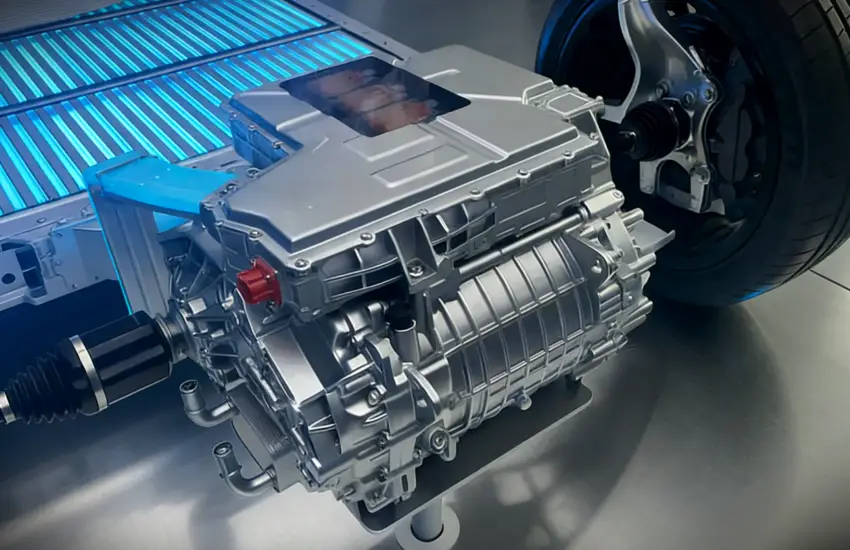
While electric vehicles excel in urban settings with regenerative braking, maintaining high speeds on motorways traditionally drains battery power rapidly. BYD’s newly patented technology focuses on this specific weakness. The core innovation involves an advanced powertrain system designed to operate with remarkable efficiency under constant, high-load conditions typical of highway driving. This development could substantially reduce the frequency of charging stops during intercity journeys.

Inside the Patented Powertrain System

The technical details, as revealed in the patent documents, point to a sophisticated integration of motor and power management systems. The technology appears to optimize the electric motor’s operational range, minimizing energy losses that typically occur when sustaining speeds above 100 km/h. By refining the power delivery and thermal management, BYD’s system aims to deliver more kilometers per kilowatt-hour when it matters most to drivers.

This advancement is more than an incremental improvement; it represents a targeted engineering solution to a well-defined problem. If successfully implemented in production vehicles, this technology could shift consumer perceptions, making electric cars a more compelling choice for drivers who regularly undertake long highway commutes or road trips.

Understanding and Fixing the Subaru P1480 OBD2 Code

What is the Subaru P1480 Diagnostic Trouble Code?

The P1480 code is a manufacturer-specific Diagnostic Trouble Code (DTC) for Subaru vehicles. In the OBD2 system, codes between P1000 and P1999 are reserved for manufacturer-defined faults, meaning their exact meaning can vary between brands. For Subaru, P1480 is most commonly defined as “Cooling Fan Relay 1 Circuit Malfunction” or related to the “Secondary Air Injection System (SAIS) Pump Relay Circuit.” The specific definition depends heavily on the model year and engine. This code indicates an electrical fault within the control circuit for a critical relay, triggering the check engine light and potentially affecting engine cooling or emissions performance.

Primary Definition: Cooling Fan Relay Circuit

On many Subaru models (e.g., EJ25 engines in Outback, Legacy, Forester), P1480 points directly to the main cooling fan relay circuit. The Engine Control Unit (ECU) monitors this circuit for expected voltage values. A break, short, or faulty component will cause a mismatch, setting the code.

Secondary Definition: Secondary Air Injection Pump Relay

On other Subaru models, particularly some with newer emissions systems, P1480 can refer to a fault in the relay circuit controlling the Secondary Air Injection Pump. This system pumps fresh air into the exhaust to reduce cold-start emissions.

Symptoms of a P1480 Code in Your Subaru

Ignoring the P1480 code can lead to more serious problems. The symptoms you experience will correlate with which system is affected.

Symptoms for Cooling Fan Relay Issues

  • Illuminated Check Engine Light (CEL): The primary and immediate indicator.
  • Engine Overheating: The most critical symptom. If the primary cooling fan fails to activate, engine temperature will rise, especially in traffic or idle.
  • Cooling Fan Not Operating: You may notice the radiator fan does not turn on when the A/C is activated or when the engine reaches normal operating temperature.
  • Reduced A/C Performance: The cooling fan often runs with the A/C compressor; a faulty circuit can hinder A/C efficiency.

Symptoms for Secondary Air Pump Relay Issues

  • Illuminated Check Engine Light (CEL): Always present.
  • Possible Rough Idle on Cold Start: The SAIS helps with emissions control at startup; a failure may cause a slightly rough idle for the first minute.
  • Failed Emissions Test: A persistent P1480 will cause your vehicle to fail state or local emissions inspections.
  • Often No Drivability Issues: Unlike cooling fan failure, a SAIS pump fault typically does not cause overheating or major performance problems once the engine is warm.

Common Causes of the P1480 Code

Diagnosing P1480 requires a systematic approach, starting with the most common and easily accessible culprits.

Electrical and Component Failures

  • Faulty Cooling Fan Relay or SAIS Pump Relay: The relay itself is the most frequent cause. Internal contacts can burn out or stick.
  • Damaged Wiring or Connectors: Corrosion, chafing, or rodent damage to the wires in the relay control circuit (from ECU to relay) or power circuit.
  • Blown Fuse: A dedicated fuse protects the relay’s power circuit. Always check the fuse box diagram for the cooling fan or SAIS pump fuse.
  • Faulty Cooling Fan Motor or SAIS Pump: A seized motor or pump can draw excessive current, damaging the relay or blowing the fuse.

System-Specific Causes

  • Defective Engine Coolant Temperature (ECT) Sensor: A bad ECT sensor can send incorrect data to the ECU, preventing it from commanding the fan on.
  • Faulty ECU (Rare): While uncommon, a problem with the ECU’s internal driver for the relay circuit can set this code.

Step-by-Step Diagnostic and Repair Guide

Warning: If overheating is a symptom, do not drive the vehicle. Address the cooling system issue first. Always disconnect the battery before working on electrical components.

Step 1: Preliminary Checks and Code Verification

Use an OBD2 scanner to confirm the P1480 code and check for any additional codes. Clear the code and perform a test drive to see if it returns immediately (indicating a hard fault) or after certain conditions (like turning on the A/C). Visually inspect the relevant relay, fuse, and wiring harness for obvious damage or corrosion. Consult your vehicle’s service manual to locate the specific relay (often in the main under-hood fuse/relay box).

Step 2: Relay and Fuse Testing

Swap the suspect relay with an identical, known-good relay from another circuit (e.g., horn relay). If the problem moves, the relay is bad. Use a multimeter to check for continuity and correct operation. Test the associated fuse for continuity with the multimeter.

Step 3: Circuit and Component Testing

With the relay removed, use a multimeter to check for Battery voltage (12V+) at the relay socket’s power pin with the key ON. Check for good ground at the relay socket’s ground pin. Using a wiring diagram, you can test the control signal from the ECU by back-probing the connector with a digital multimeter or a test light while a helper turns the key or starts the engine (if safe).

For cooling fan issues: After confirming power and ground at the relay socket, you can apply direct power and ground to the fan motor connector to see if it spins, ruling out a bad motor.

Step 4: Repair and Clearance

Once the faulty component is identified (relay, fuse, wiring, fan motor, SAIS pump), proceed with the repair:

  • Replace defective components with OEM or high-quality equivalents.
  • Repair damaged wiring using solder and heat-shrink tubing, never just electrical tape.
  • Ensure all electrical connections are clean, dry, and tight.
  • After repair, clear the P1480 code with your scanner and test drive the vehicle through a full heat cycle to ensure the code does not return.

Conclusion: Is P1480 a Serious Code?

The severity of the P1480 code is context-dependent. If it relates to the primary engine cooling fan, it is a high-priority repair to prevent catastrophic engine overheating and potential head gasket or engine damage. If it relates to the Secondary Air Injection System, it is less critical for immediate drivability but will cause a persistent check engine light and an emissions test failure. In both cases, a systematic diagnostic approach—starting with simple visual and swap tests—will lead you to the root cause and a reliable repair. When in doubt, consulting a professional mechanic with Subaru-specific experience is always recommended.

WeLion’s Solid-State Battery Breaks Energy Density Record

A New Benchmark in Battery Technology

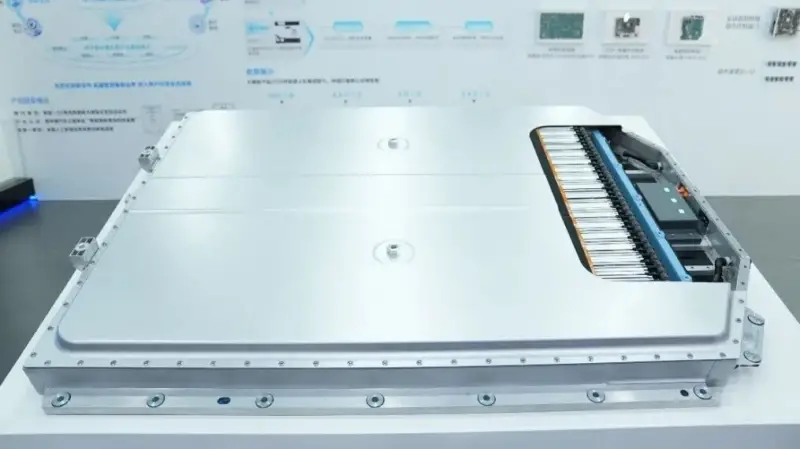
WeLion Solid-State Battery

Chinese battery manufacturer WeLion has announced a groundbreaking achievement, setting a new record for energy density in its solid-state battery cells. This technological leap marks a significant milestone in the global race to develop next-generation energy storage solutions, positioning the company at the forefront of advanced battery research.

What This Record Means for the Future

The core of WeLion’s breakthrough lies in the enhanced energy density of its solid-state cells. A higher energy density directly translates to longer driving ranges for electric vehicles (EVs) without increasing the physical size or weight of the battery pack. This development addresses one of the most persistent concerns among potential EV adopters: range anxiety. Furthermore, solid-state technology promises improved safety profiles compared to conventional lithium-ion batteries that use liquid electrolytes, which are more prone to leaks and thermal runaway.

The Competitive Landscape of Solid-State Batteries

WeLion’s announcement intensifies the already fierce international competition to commercialize solid-state batteries. While Japanese, Korean, and Western companies have been prominent in this field, this achievement highlights the rapid advancements coming from Chinese innovators. Success in this area is not just about automotive applications; it has profound implications for consumer electronics, grid storage, and broader renewable energy integration. The transition from laboratory success to mass production at a competitive cost remains the next critical hurdle for WeLion and its rivals.

Implications for Electric Mobility

The progression of solid-state batteries from concept to viable product is a key catalyst for the future of electric transportation. Batteries with higher energy density and faster charging capabilities could accelerate the adoption of EVs across all vehicle segments, including long-haul trucking and aviation. WeLion’s record-breaking claim demonstrates tangible progress, suggesting that the promised benefits of solid-state technology—safer, longer-lasting, and more powerful batteries—are moving closer to reality.

BMW’s Battery Recycling Hub Powers Sustainable Future

A New Era for Electric Vehicle Sustainability

The automotive industry’s shift to electrification brings a critical challenge: managing end-of-life batteries. Addressing this head-on, BMW has inaugurated its state-of-the-art Cell Recycling Competence Center (CRCC) in Germany. This facility marks a strategic pivot towards a closed-loop economy, ensuring that today’s electric vehicles don’t become tomorrow’s environmental burden.

Engineering the Circular Economy

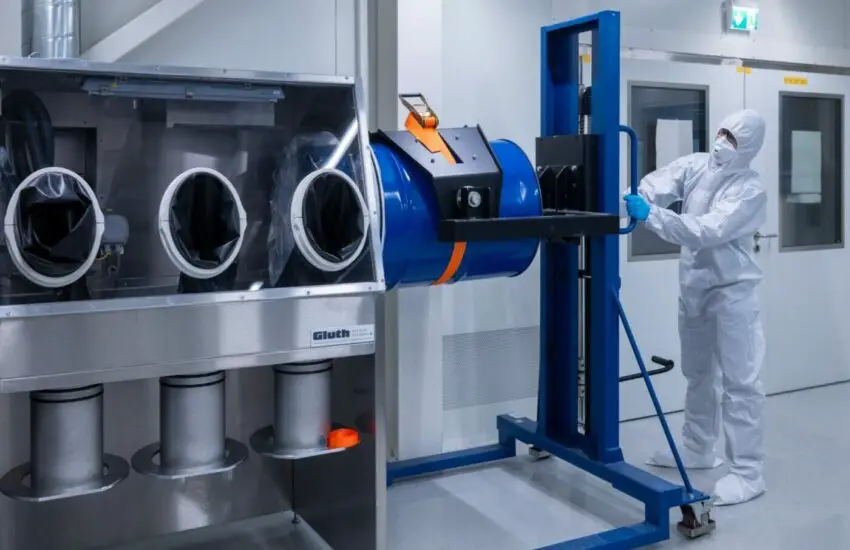
The CRCC is not merely a recycling plant; it is a research and innovation hub designed to develop next-generation recovery processes. By focusing on lithium-ion batteries from development prototypes and test vehicles, BMW engineers are perfecting methods to reclaim valuable raw materials like cobalt, lithium, and nickel. The goal is to achieve a recovery rate of over 90% for these key elements, feeding them directly back into the production of new battery cells.

Beyond Traditional Methods

Moving past conventional shredding, the center employs innovative, low-energy mechanical processes to prepare battery modules. This careful disassembly allows for the efficient separation of core components. The research conducted here is pivotal, aiming to set new industry standards for efficiency and sustainability in battery recycling, ultimately reducing the reliance on newly mined resources and lowering the carbon footprint of each vehicle.

Securing the Electric Future

This investment is a cornerstone of BMW’s long-term strategy for electric mobility. By creating a robust, in-house recycling competency, BMW is future-proofing its supply chain. It mitigates geopolitical and market risks associated with raw material sourcing while making a tangible commitment to reducing the lifecycle environmental impact of its electric vehicles. The CRCC represents a significant step in making the promise of a truly sustainable electric car a reality.

Nissan P1480 Code: A Technical Guide to EGR Cooler Bypass Valve Issues

Understanding the Nissan P1480 Diagnostic Trouble Code

The OBD2 diagnostic trouble code (DTC) P1480 is a manufacturer-specific code primarily associated with Nissan, Infiniti, and some Renault vehicles. In technical terms, P1480 is defined as “EGR Cooler Bypass Valve Control Circuit”. This code indicates an electrical fault within the circuit controlling the Exhaust Gas Recirculation (EGR) cooler bypass valve. Unlike generic codes, P1480 is specific to Nissan’s engine management strategy for controlling emissions and thermal management, making accurate diagnosis crucial for a proper repair.

This valve plays a critical role in the sophisticated EGR system of modern Nissan engines, such as the prevalent VQ and VK series. When the Powertrain Control Module (PCM) detects a voltage, resistance, or signal value outside its expected parameters in this circuit—whether an open, short to ground, or short to power—it will log code P1480 and illuminate the check engine light (MIL). Ignoring this code can lead to increased emissions, potential drivability issues, and in some cases, reduced engine cooling system efficiency.

Primary Symptoms and Causes of P1480 in Nissan Vehicles

While a Nissan with a P1480 code may sometimes drive normally, the illuminated check engine light is the universal symptom. The specific operational symptoms depend on the default “fail-safe” mode programmed into the PCM, which often involves disabling the EGR cooler bypass function.

Common Symptoms of Code P1480

  • Illuminated Check Engine Light (MIL): The primary and most consistent indicator.
  • Potential Engine Performance Issues: In some cases, you may experience slight hesitation, rough idle, or a minor reduction in fuel economy as the engine management adjusts.
  • Failed Emissions Test: The vehicle will not pass a state or local emissions inspection with an active check engine light.
  • Possible Cooling System Impact: On engines where the EGR cooler is integrated with coolant lines, a faulty bypass valve may slightly affect warm-up time or under-hood temperatures, though this is often not noticeable to the driver.

Root Causes of the P1480 Fault

The trigger for P1480 is always an electrical anomaly. The root cause can be broken down into three main categories:

  • Faulty EGR Cooler Bypass Valve: The most common cause. The valve’s internal solenoid can burn out, or the mechanical valve can become stuck open or closed due to carbon buildup.
  • Wiring or Connector Issues: Damaged, corroded, or loose wiring in the valve’s control circuit or harness. This includes chafed wires, poor pin fitment in connectors, or corrosion from road salt/water ingress.
  • Problem with the Powertrain Control Module (PCM): While rare, a failure within the PCM itself, such as a damaged driver circuit for the valve, can set this code. This should only be considered after all other components and wiring are verified.

Step-by-Step Diagnostic Procedure for P1480

A systematic diagnostic approach is essential to avoid unnecessary parts replacement. You will need a quality digital multimeter (DMM) and a reliable OBD2 scanner capable of reading Nissan-specific codes and live data.

Step 1: Preliminary Inspection and Code Verification

Begin with a thorough visual inspection. Locate the EGR cooler bypass valve (consult a service manual for its specific location, often near the EGR valve or cooler). Check for:

  • Obvious physical damage to the valve or its cooler pipes.
  • Security of the electrical connector. Disconnect it and inspect for bent pins, corrosion, or moisture.
  • Trace the wiring harness back from the valve for any signs of chafing, melting, or rodent damage.

Clear the code with your scanner. If it returns immediately upon key-on (before starting the engine), it points to a hard electrical fault like an open circuit.

Step 2: Electrical Testing of the Bypass Valve

Disconnect the electrical connector from the valve. Using your multimeter set to Ohms (Ω), measure the resistance across the two terminals of the valve solenoid. Consult the service manual for the exact specification, but typical resistance values for these solenoids range from 10 to 30 ohms. A reading of infinite resistance (OL) indicates an open coil (failed valve). A reading near 0 ohms indicates a shorted coil.

Step 3: Circuit and Power Supply Testing

This test checks the vehicle’s wiring. With the valve connector still disconnected, turn the ignition to the “ON” position (engine off). Back-probe the connector on the vehicle harness side.

  • Use the DMM to check for battery voltage (approx. 12V) on the power supply wire (often referenced in wiring diagrams).
  • Check the ground circuit for continuity to a known good ground.
  • If power and ground are present at the harness, the wiring is likely good, pointing again to a faulty valve.
  • If power or ground is missing, you must trace the circuit back to the fuse, relay, or PCM to find the break or fault.

Step 4: Functional Test with a Scanner

If the valve tests good electrically, use a bi-directional scanner to command the valve on and off. You should hear a distinct click from the valve. If you can command it and hear it operate, the issue may be intermittent or related to a performance problem not detected by basic electrical tests.

Repair Procedures and Prevention Tips

Once the faulty component is identified, the repair path becomes clear. Always disconnect the negative battery terminal before beginning any electrical repair.

Replacing the EGR Cooler Bypass Valve

Replacement is typically straightforward. After disconnecting the battery and electrical connector, remove the mounting bolts and any coolant or vacuum lines attached to the valve (note: some are purely electrical). Install the new valve using a new gasket if provided. Reconnect all lines and the electrical connector. Clear the codes and perform a test drive to ensure the code does not return.

Repairing Wiring Harness Issues

For damaged wires, use proper solder and heat-shrink tubing to make repairs. Never rely solely on twist connectors or electrical tape in the engine bay. Ensure the repair is sealed from moisture and secured away from heat sources or moving parts.

Preventing Future P1480 Codes

  • Use Quality Fuel: Higher-quality gasoline can reduce carbon deposit formation in the EGR system.
  • Follow Service Intervals: Adhere to Nissan’s recommended maintenance schedule.
  • Address Related EGR Issues Promptly: A clogged EGR valve or cooler can increase strain on the bypass valve system.
  • Protect Wiring: During other under-hood work, be careful not to pinch or damage wiring harnesses.

Successfully diagnosing and repairing a Nissan P1480 code requires a logical approach focused on electrical fundamentals. By following this technical guide, you can accurately identify whether the fault lies in the EGR cooler bypass valve itself, its wiring, or a less common control issue, ensuring an effective and lasting repair.


Humanoid Robots Enter Battery Production, Led by CATL

A New Era of Manufacturing Begins

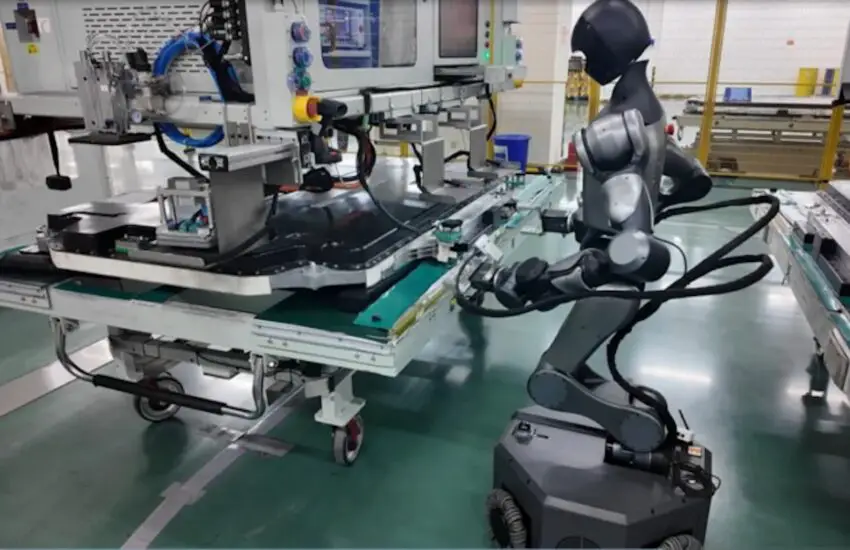
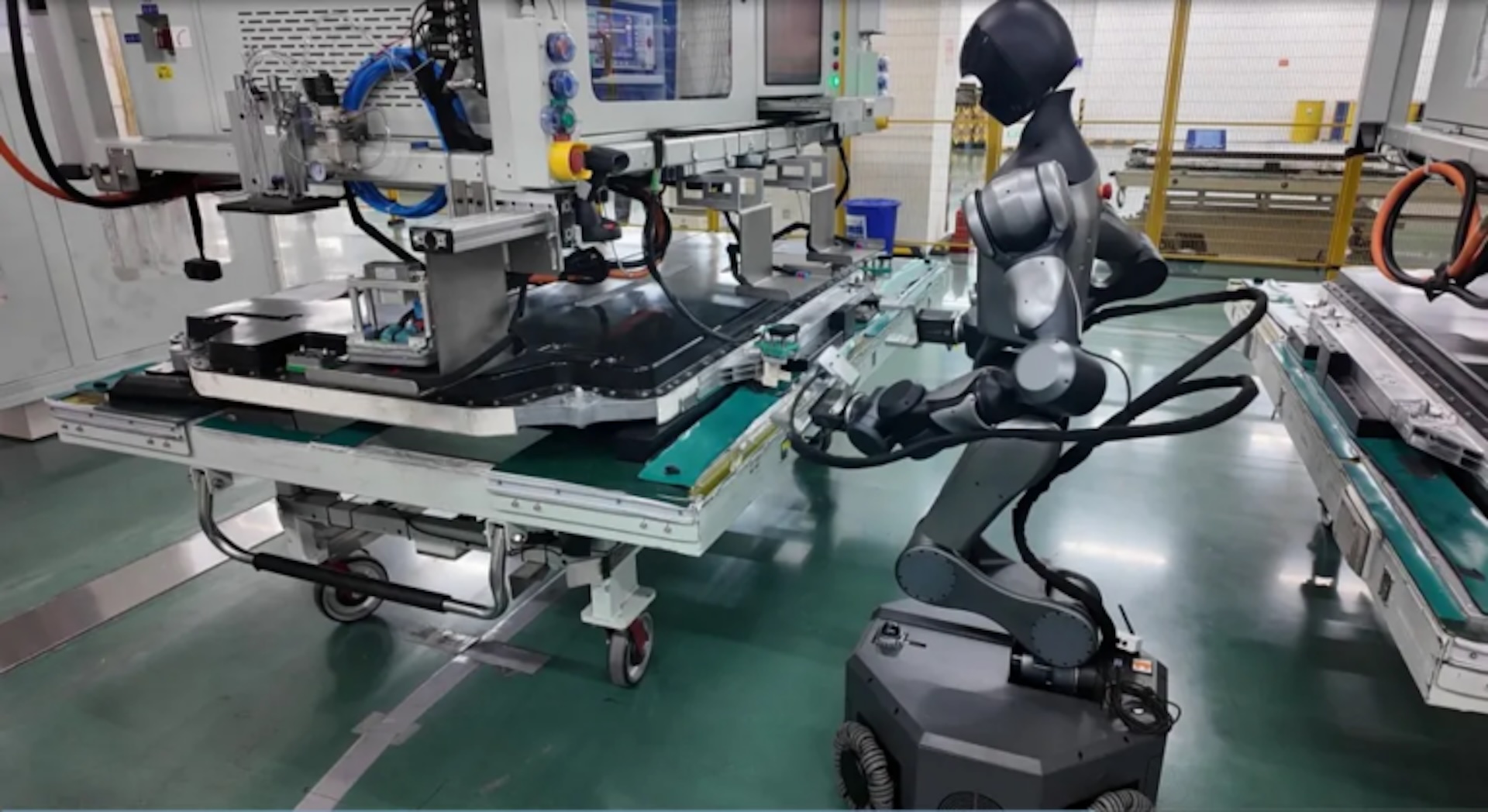
Humanoid robots working on a battery assembly line at CATL

A historic milestone has been reached in automotive and robotics. Chinese battery giant CATL has officially deployed the first fleet of humanoid robots on its battery production lines. This move signals a pivotal shift from concept to reality, positioning CATL at the forefront of next-generation manufacturing while competitors like Tesla are still in the development phase.

From Prototype to Production Line

The integration of humanoid robots into such a precise and complex process as battery assembly was once a futuristic vision. CATL’s robots are now performing tasks that require a blend of dexterity and consistency, such as handling delicate battery cells, performing quality inspections, and managing final assembly stages. Their human-like form factor allows them to operate in environments originally designed for human workers, minimizing the need for costly factory redesigns.

The Strategic Advantage in the EV Race

This technological leap provides CATL with a potential dual advantage. First, it addresses persistent challenges in manufacturing labor. Second, it promises enhanced precision and uptime, which could lead to greater production efficiency and scale. For the electric vehicle industry, which is critically dependent on battery supply, this innovation could accelerate production cycles and reduce costs.

The Competitive Landscape Shifts

While Tesla has prominently showcased its Optimus robot prototype, CATL’s operational deployment marks a significant lead in practical application. This development places pressure on other automakers and battery producers to accelerate their own automation roadmaps. The race is no longer just about battery chemistry and energy density, but also about the advanced manufacturing capabilities required to produce them at scale.

The successful deployment by CATL validates the role of humanoid robots in high-tech manufacturing. It sets a new benchmark, suggesting that the factories of the very near future will be populated by a collaborative workforce of humans and humanoids, fundamentally transforming industrial production.

Mazda P1480 Code: EGR Cooler Bypass Valve Circuit Malfunction Explained

Understanding the Mazda P1480 Diagnostic Trouble Code

The OBD2 trouble code P1480 is a manufacturer-specific code primarily associated with Mazda vehicles. In technical terms, it is defined as “EGR Cooler Bypass Valve Circuit Malfunction”. This code is directly related to the Exhaust Gas Recirculation (EGR) system, a critical component for reducing nitrogen oxide (NOx) emissions and managing engine temperature. Unlike generic codes, P1480 is specific to Mazda’s engine control strategy, indicating a problem within the electrical circuit controlling the EGR cooler’s bypass function. When this code triggers, the vehicle’s Powertrain Control Module (PCM) has detected a voltage or signal from the bypass valve circuit that falls outside its expected operational range.

Role of the EGR System and the Cooler Bypass Valve

The EGR system recirculates a measured amount of exhaust gas back into the engine’s intake manifold. This inert gas lowers combustion temperatures, which directly reduces the formation of harmful NOx emissions. The EGR cooler is a heat exchanger that cools these hot exhaust gases before they re-enter the engine, improving efficiency and preventing knock. The EGR cooler bypass valve is an electronically controlled valve that can redirect exhaust gas flow. Its primary functions are:

  • Engine Warm-up: Bypasses the cooler to help the engine reach optimal operating temperature faster.
  • Cooler Protection: Prevents condensation and potential corrosion inside the cooler during low-load conditions.
  • System Efficiency: Manages EGR gas temperature for optimal combustion under varying engine loads.

A malfunction in this valve’s control circuit (P1480) disrupts this precise thermal management, leading to performance and emissions issues.

Common Symptoms and Causes of Mazda P1480

Ignoring a P1480 code can lead to degraded performance and potential long-term engine damage. Recognizing the symptoms is the first step in diagnosis.

Symptoms of a P1480 Code

Drivers may experience one or more of the following indicators:

  • Illuminated Check Engine Light (CEL): The most immediate and common sign.
  • Reduced Engine Performance: Noticeable lack of power, especially during acceleration.
  • Poor Fuel Economy: Inefficient combustion can lead to increased fuel consumption.
  • Rough Idle or Stalling: Unstable air/fuel mixture due to incorrect EGR gas temperature or flow.
  • Failed Emissions Test: Elevated NOx levels are a likely result of a compromised EGR system.

Primary Causes of P1480

The code P1480 specifically points to a “circuit malfunction,” which narrows the focus to electrical and control components. The typical root causes include:

  • Faulty EGR Cooler Bypass Valve: The valve’s internal motor or mechanism is stuck, seized, or unresponsive.
  • Open or Shorted Wiring: Damaged, corroded, or broken wires in the valve’s control or feedback circuit.
  • Poor Electrical Connections: Loose, corroded, or oxidized connectors at the valve or PCM.
  • Blown Fuse: A fuse protecting the EGR valve circuit may have failed.
  • Defective Powertrain Control Module (PCM): While rare, a faulty PCM can send incorrect signals or misinterpret valve feedback.

Diagnostic and Repair Procedures for P1480

A systematic approach is essential for an accurate and cost-effective repair. Always begin with the simplest and most common causes before proceeding to more complex components.

Step 1: Preliminary Checks and Visual Inspection

Before any electrical testing, perform a thorough visual inspection. This can often reveal obvious issues.

  • Locate the EGR cooler bypass valve (consult a service manual for its specific location, often near the EGR cooler or valve).
  • Inspect all associated wiring harnesses for obvious damage, chafing, or burns.
  • Check the electrical connector for security, corrosion, or bent pins.
  • Verify the condition of the relevant engine bay fuses.

Step 2: Electrical Circuit Testing

Using a digital multimeter (DMM), test the valve’s circuit. You will need to access wiring diagrams for your specific Mazda model.

  • Power and Ground: With the connector disconnected and ignition ON, check for reference voltage (usually 5V or 12V) and a clean ground path at the harness connector.
  • Valve Resistance: Test the resistance across the valve’s terminals. Compare the reading to the manufacturer’s specification (often between 10-30 ohms). An infinite reading indicates an open coil; a zero reading indicates a short.
  • Signal and Feedback Wires: Check for continuity in the signal wires between the valve connector and the PCM connector.

Step 3: Functional Testing of the Bypass Valve

If the wiring is intact, test the valve’s mechanical function.

  • With the engine off, you can sometimes command the valve using a professional-grade OBD2 scanner that supports bidirectional controls. Listen for a distinct click.
  • Physically, you may check if the valve pintle is free to move (when applicable and safe to do so). A stuck valve is a common failure.
  • Inspect the valve for excessive carbon buildup that could impede its movement.

Step 4: Clearing the Code and Verification

After identifying and repairing the fault, the final step is crucial.

  • Clear the P1480 code from the PCM’s memory using your scan tool.
  • Perform a test drive that includes various engine loads and RPMs to allow the PCM to run its self-tests on the EGR system.
  • Monitor for the immediate return of the check engine light. If it does not return, the repair was successful. If it returns, re-evaluate your diagnosis, as there may be an intermittent fault or another related issue.

Professional Insight and Final Recommendations

While a P1480 code is serious, it is often repairable. The complexity lies in the diagnostic process, which requires a methodical approach and basic electrical knowledge.

When to Seek Professional Help

Consider consulting a certified Mazda technician if:

  • You lack the tools (multimeter, advanced scan tool) or confidence for electrical diagnostics.
  • The diagnostic steps point to a potential PCM issue.
  • The problem is intermittent and difficult to replicate.
  • Other related EGR or engine codes are present alongside P1480, indicating a more complex system failure.

Addressing a Mazda P1480 code promptly not only restores your vehicle’s performance and fuel efficiency but also ensures it operates within legal emissions standards. By understanding the system, symptoms, and following a structured diagnostic path, you can effectively resolve this specific EGR cooler bypass valve circuit malfunction.

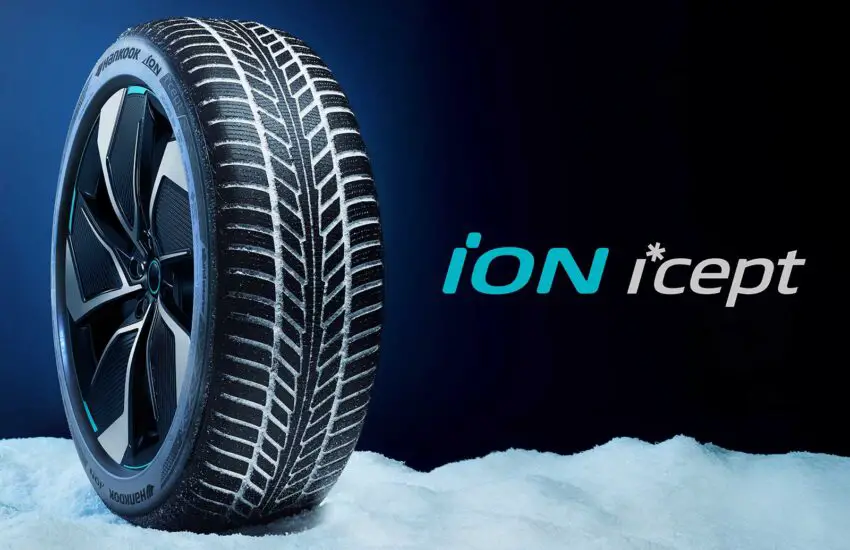
Hankook iON i*cept: The Winter Tire Built for EVs

Conquering Winter’s Unique Challenge for Electric Vehicles

Winter driving presents a distinct set of hurdles for electric vehicles. The combination of reduced battery efficiency in cold temperatures, the instant torque delivery of electric motors, and the increased weight from battery packs demands a tire engineered for these specific conditions. The Hankook iON i*cept winter tire is designed from the ground up to address these challenges, ensuring safety, performance, and efficiency for EV drivers during the coldest months.

Engineered for EV-Specific Performance

The core philosophy behind the iON i*cept is tailored performance. Its specialized rubber compound remains flexible in freezing conditions, providing consistent grip on snow and ice. This is crucial for EVs, as their immediate torque can easily overwhelm a tire with poor cold-weather traction. The tread pattern is optimized to evacuate slush and water efficiently, reducing the risk of hydroplaning and maintaining stability on wet winter roads.

Balancing Grip with Efficiency

Recognizing that range anxiety is a primary concern for EV owners, Hankook has integrated features to mitigate winter’s impact on battery life. The tire’s construction and compound are designed to minimize rolling resistance. By reducing the energy lost as the tire rolls, the iON i*cept helps preserve the vehicle’s driving range, a critical factor when cold weather already strains the battery.

Durability to Support EV Weight

Electric vehicles are typically heavier than their internal combustion counterparts due to their battery packs. The iON i*cept features a reinforced structure and robust sidewall construction to handle this additional load without compromising comfort. This enhanced durability ensures even wear and a longer tire life, providing consistent performance throughout the winter season and beyond.

For EV owners, choosing a winter tire is not just about safety; it’s about optimizing the entire driving experience in harsh conditions. The Hankook iON i*cept represents a focused solution, delivering the necessary grip, efficiency, and resilience that modern electric vehicles require to perform confidently and safely on winter roads.

2025 Automobile Awards Crown Electric Innovation Champion

2025 Automobile Awards: A Celebration of Automotive Excellence

The prestigious Automobile Awards have once again set the benchmark for global automotive achievement. The 2025 ceremony, held at a renowned venue, celebrated the vehicles that excelled in innovation, design, and value. This year’s winners highlight a decisive industry shift towards sophisticated electrification and a renewed focus on driver-centric experiences.

The Crown Jewel: Electric Vehicle of the Year

The top honor, the coveted “Vehicle of the Year” award, was claimed by a groundbreaking electric model that redefines its segment. The jury praised its perfect harmony of exceptional range, cutting-edge performance technology, and a revolutionary approach to interior space and user interface. This victory underscores that the future of motoring is not only electric but also intelligently designed and emotionally engaging.

2025 Electric Vehicle of the Year winner on display at awards ceremony

Complete 2025 Winners Showcase

Beyond the overall winner, the awards recognized excellence across multiple categories. The “Best Design” trophy went to a coupe that masterfully blends aerodynamic efficiency with sculptural beauty. The “Best Premium SUV” award highlighted a model offering unparalleled luxury and silence in its zero-emissions package. Furthermore, the “Best Value” category celebrated an affordable city car making electric mobility accessible to a wider audience, proving that innovation spans all price points.

Industry Trends Defined

The 2025 Automobile Awards palmares is a clear indicator of current automotive trends. The dominance of electric powertrains across categories confirms the technology’s maturity. Simultaneously, a strong emphasis on authentic driving feel and tactile interior quality reveals a counter-trend to fully autonomous concepts. Manufacturers are successfully merging digital connectivity with physical pleasure, creating cars that are both smart and soulful.