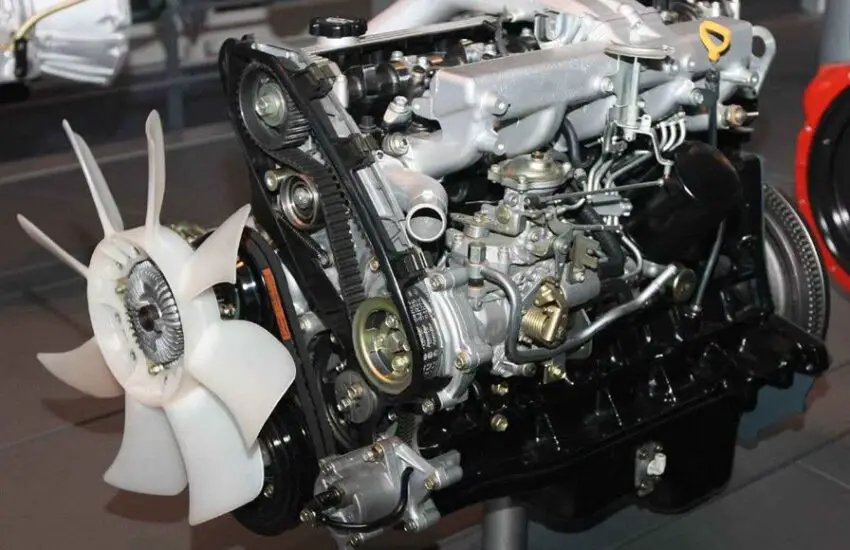
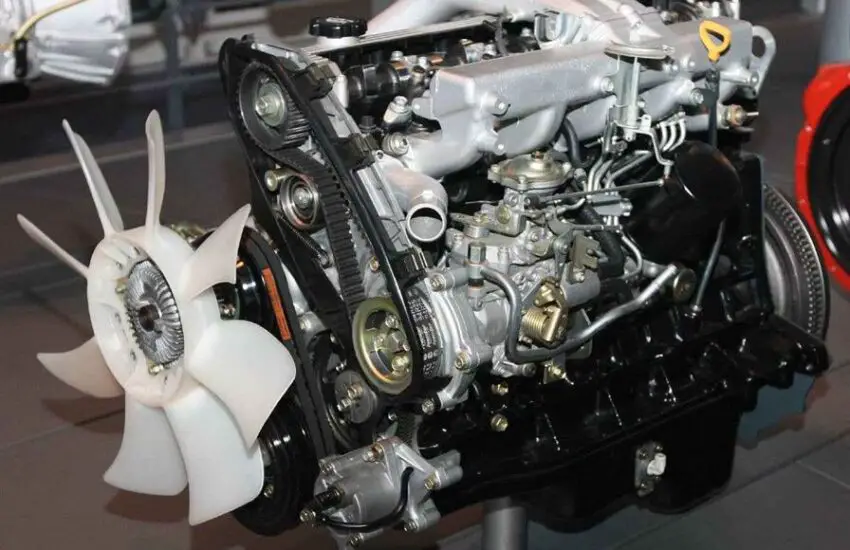
How a Fan Clutch Works in a Car, Hey gearheads! Today, we’re going to discuss a critical but often overlooked part of your vehicle: the fan clutch. Many people don’t know what a fan clutch is or how it works. Well, we’ll look at the inner workings of a fan clutch and see how it helps keep the car engine cool. So buckle up because we’re about to take a ride into the world of automotive engineering.
What is a Fan Clutch For?
Fan clutches are one of those parts you don’t really think about until they stop working. But it’s usually a big problem when they go out. That’s because the fan clutch is responsible for regulating the engine temperature by controlling the amount of power transmitted to the car’s cooling fan. Simply put, the fan clutch prevents the engine from overheating.
Fan clutches operate using a thermostatic formula. It doesn’t engage when the engine temperature is average, allowing the cooling fan to freewheel. This way, the engine warms up quickly, reducing unnecessary load. On the other hand, the clutch engages the fan when the temperature rises, which cools the engine.
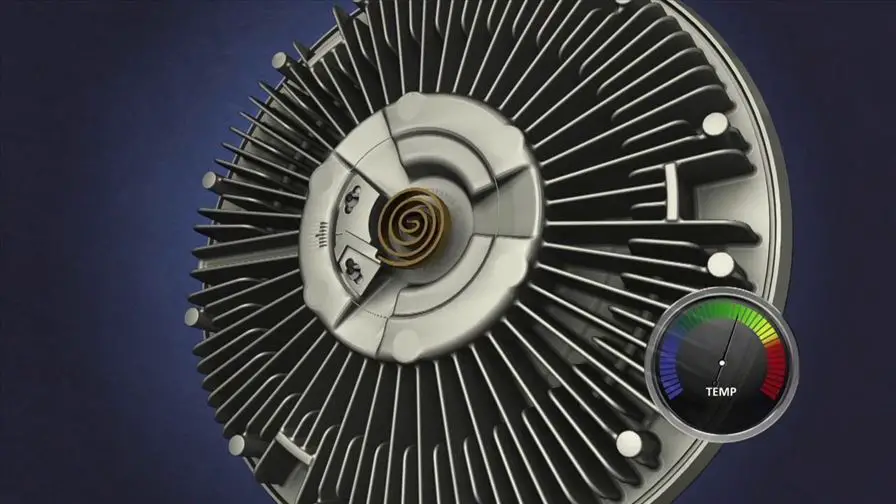
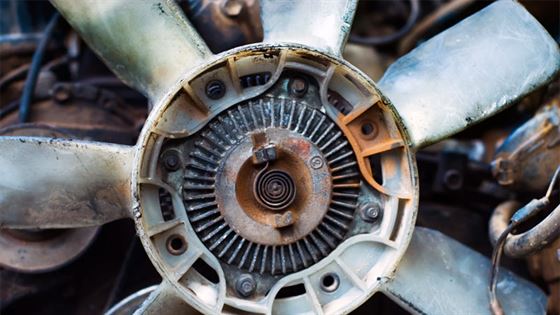
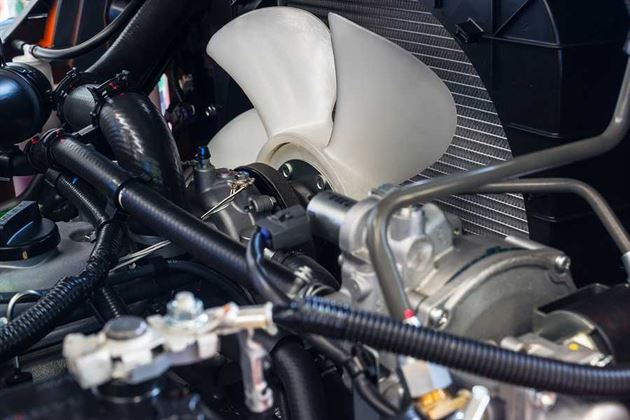
The clutch helps keep the engine cool. (Credit: YouTube/KitMastersInc)
How a Fan Clutch Works
So, how does it work? Well, let’s take a look at the anatomy of a fan clutch.
The main function of a fan clutch is to maintain the on/off operation of the fan in the cooling system. The fan engages when the engine overheats or the car is moving slower than it should. It disengages once the engine temperature has dropped to an average level. It also stops spinning when the car is moving at a speed that pushes air through the radiator.
There are two types of fan clutches: thermal and non-thermal. Thermal ones are the most efficient, while non-thermal ones are more economical.
Thermal Clutch Mechanism
This clutch uses a bimetallic spring to detect temperature changes. Depending on the volume of air passing through the radiator, the spring expands or contracts.
When the car is idling or moving slowly, there isn’t enough airflow to cool the engine. This causes the engine to generate more power and heat, making the spring expand. This opens a valve to a chamber containing liquid silicone. This fluid enters the clutch and engages it at 70 to 90 percent of the water pump speed. The rotation of the fan clutch speeds up the car, forcing a high volume of air through the radiator.
The airflow cools the spring, which contracts and disengages. It slows down the cooling fan, making it spin at 20 percent of the water pump speed. This process is repeated in a cycle to maintain the correct engine temperature.
Non-Thermal Clutch Mechanism
A non-thermal fan clutch engages repeatedly and spins at about 30 to 60 percent of the water pump speed. Its price is lower than a thermal clutch, but it’s less effective at cooling the engine at low speeds. It also cannot provide long-term service.
Conclusion
A fan clutch is an essential part of your car’s cooling system. It prevents the engine from overheating, thus avoiding serious damage to the car. So, if the fan clutch starts to fail, make sure to repair it as soon as possible.
A Guide to Installing Automatic Headlights in Older Cars
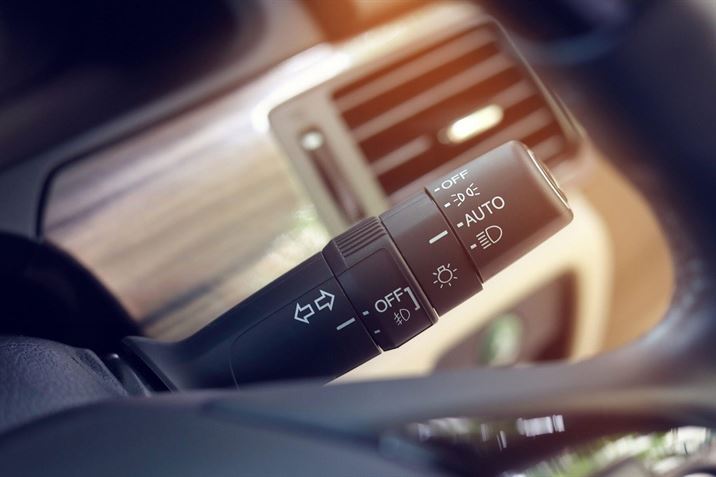
A Guide to Installing Automatic Headlights Did you know that most new cars come equipped with automatic headlights? If your car doesn’t have this feature, it can be difficult to drive at night. Automatic headlights are designed to turn on when it’s dark outside and automatically switch off when the sun rises. Let’s see how to add these lights to an older vehicle, so you can finally get some relief when driving in the dark!
Installing Automatic Headlights in an Old Car
Older cars may not come with automatic headlights, but that doesn’t mean you can’t upgrade them. Installing automatic headlight bulbs in an older car is quick and easy with the right tools. These lights work when a photoelectric sensor is placed around the windshield area. The sensor alerts a control unit about the outside lighting conditions. Based on this signal, the control unit turns the headlights on and off.
There are many aftermarket automatic headlight kits that make it easy to install this setup in an old car. A good kit will cost around $50, and you can install it at home to save on costs. Let’s see how to do it in just a few steps!
Many aftermarket lighting kits are available. (Credit: Dreamstime/TNS)
Setting Up the Photoelectric Sensor
You need to find a suitable location that receives the most sunlight. This could be at the base of the windshield or near the rearview mirror. The sensor works when exposed to sunlight. Once you’ve found the right spot, secure the sensor using double-sided tape or even a bit of adhesive glue if needed. If it comes with a mounting bracket, you can simply use that.
Mounting the Control Unit
You need to find a suitable location, which could be the center console or under the dashboard. The back of the glove compartment is also a good spot to mount this control unit.
For installation, use the mounting hardware provided with the kit. You can also use adhesive or double-sided tape.
Wiring
You’ll need to wire both the sensor and the control unit. Connect them with the power and ground wires and tighten them securely. The connections should be as neat and secure as possible. Then, wire the connection between the control unit and the factory light switch.
If you’re doing this without expert help, remember to refer to the car’s wiring diagram. Otherwise, there could be a mistake when joining the wires.
Test the Lights
The final step is to test the automatic headlights. When the lights are on, place your hand over the photoelectric sensor and make sure it turns off when you block the sunlight. If everything works as it should, then congratulations!
Conclusion
If you’re wondering whether it’s possible to add automatic headlights to your old car, don’t worry. It’s a quick process that can be done in less than an hour if you have all the proper equipment and tools on hand. Enjoy your new lighting system!
The remote key does not unlock the car door
A remote key is very convenient, but it’s frustrating when the remote key does not unlock the car door. A dead key fob means you are locked out of the car, which is the last thing anyone would want when in a hurry.
A smart key fob can stop working for several reasons, and diagnosing them is quite simple. In most cases, it’s a faulty battery, but there can also be a few other issues.
Troubleshooting the Remote Key Not Unlocking the Car Door
Before starting to diagnose the causes, you can use a spare key fob (if you have one) to see if the problem is with the remote or the car door.
If the spare remote can lock and unlock the door, you will know for sure that there is a problem with the main remote.
Here are the things you can do to fix the problem.
Replace the Battery
If the smart key fob shows no physical damage, the simplest solution to fix this issue is to change the battery. Open the battery cover and remove the battery with something like a small screwdriver or a key.
Take note of the numbers on the battery and replace it with a similar battery. If a dead battery is the cause of the problem, the remote key should work after replacement.
Change Broken Internal Contacts
The casing of a key fob is mainly plastic and is exposed to a lot of abuse. The two most vulnerable components are the buttons and the battery terminal contacts.
A visual inspection is enough to tell if the terminals are broken or loose. Soldering them back into place will likely solve the problem.
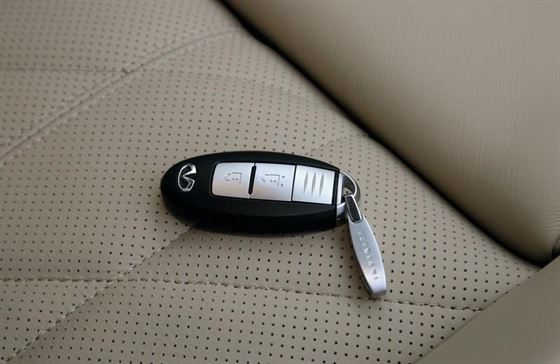
Change the battery contacts if they are broken. (Photo Source: carkeysplus)
Buttons can also be soldered in place if they seem loose. But there is no way to repair them when the buttons are broken or when the rubber buttons are not properly seated in their slots.
Unlock the Door Manually
If the problem occurs due to a dead battery but there is no store to buy a new one, hold the key fob against the door handle and try to pull it.
There might be a little juice left in the battery that can open the door when you keep the key fob close by.
Remote Door Unlocking
If the remote key fails to unlock the car door even after replacing the battery or fixing the battery contacts, try a remote unlocking service.
Most car brands offer a remote door unlocking service for emergencies, such as a broken smart key fob and keys locked inside the car. You will need to set up these services in advance.
For example, American car brands, including Fiat, Chrysler, Jeep, and others, use the Uconnect Access service for their vehicles.
You must be subscribed to Uconnect to benefit from the vehicle’s remote start function. It also offers a few additional services such as calling roadside assistance and 9-1-1, vehicle location, stolen vehicle assistance, etc.
Similarly, BMW, Chevrolet, Lexus, Mazda, Honda, Nissan, Jaguar, and many other car manufacturers offer this remote car door unlocking service.
If your car does not have such an option, which is very unlikely, you can always call a roadside assistance service for help.
Get the Hidden Key
Vehicles have a physical key to lock and unlock the door. If you lock and open your car door with the smart key fob, this key is probably hidden inside the key fob.
There should be an unlock button or a latch on the remote; pressing this button will release the spare key.
But some vehicles may not have a visible keyhole. Don’t worry. They have a concealed keyhole near the door handle. A trim piece is there with a small slot to insert the key.
You may need to remove the trim piece to access the keyhole. Be careful as this could chip the paint or damage the trim.
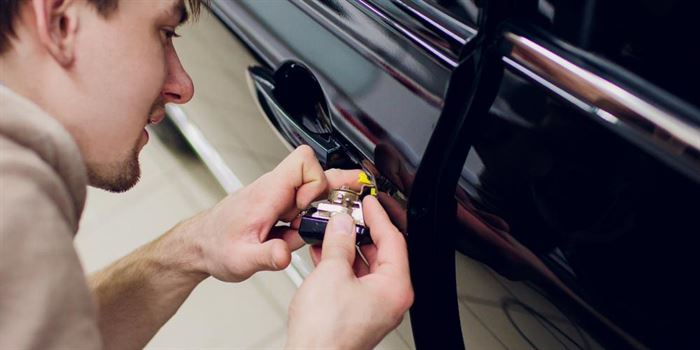
Find the hidden key in the key fob. (Photo Source: mad4wheels)
When the physical key can lock or unlock the door, make sure the lock mechanism is working properly. There could be an electrical issue preventing the remote from connecting to the door’s receiver sensor.
Reprogram the Smart Fob
These are mainly the reasons and troubleshooting options when a remote key does not unlock the car door. Sometimes, the remote still doesn’t work after checking for all possible reasons.
In this case, you may need to reprogram the remote to pair it with the car’s receiver. However, this will require getting into the car and inserting the keys into the ignition.
Without starting the engine, turn the key several times to the “on” and “lock” positions until you hear a chime, which means the reprogramming is successful.
FAQ on the Remote Key Not Unlocking the Car Door Problem
What should I do if replacing the remote key battery doesn’t solve the problem?
If changing the battery doesn’t solve the problem, it could be due to other factors such as damaged key buttons or an issue with the car’s central locking system.
In this case, it is advisable to seek professional help or consult your vehicle’s manual for troubleshooting steps.
Could electronic interference prevent my remote key from working?
Yes, electronic interference from nearby devices or radio signals can disrupt the communication between the remote key and the car’s receiver.
Try unlocking the car from a different location or use the key fob at another time to rule out any interference.
What should I do if I have a spare key that works fine, but my main remote key doesn’t unlock the door?
If your spare key works correctly but your main remote key does not, it is possible that the main key is damaged or malfunctioning. You may need to replace or repair the main remote key.
Can I manually unlock the car door if the remote key doesn’t work?
Yes, most vehicles have a manual keyhole on the driver’s or passenger’s side door that you can use to unlock the car manually. Refer to your car’s manual to locate the keyhole and learn how to use it.
What should I do if none of the remote keys work on my car doors?
If none of your remote keys work on the car doors, it may indicate a problem with the car’s central locking system or a malfunction of the receiver.
Consult your vehicle’s manual for guidance and consider seeking help from a professional mechanic or dealership for thorough diagnosis and repair.
Is there a way to reset or reprogram my remote key to work with the car again?
Some remote keys can be reprogrammed or reset to work with the car again. Refer to your car’s manual or contact a dealership or a locksmith specializing in car key programming for assistance with reprogramming.
Can extreme weather conditions affect remote key performance?
Extreme weather conditions, such as extreme cold or heat, can affect remote key performance.
Batteries may drain faster in extremely cold weather, and electronic components can be sensitive to extreme temperatures. Keeping your remote key in a moderate temperature environment can be helpful.
When should I consider seeking professional help for a remote key problem?
If you have tried basic troubleshooting steps like replacing the battery and still cannot unlock the car door with your remote key.
If you suspect there is a problem with the car’s central locking system, it is best to seek help from a dealership or a qualified locksmith specializing in car key systems.
Conclusion
When troubleshooting a remote key that does not unlock the car door, several potential issues could be at play. It could be a dead key battery, a faulty key fob, or problems with the car’s central locking system.
To resolve this issue, start by checking and replacing the remote’s battery, ensuring it is properly synchronized with the car.
If the problem persists, consult the vehicle’s manual for specific troubleshooting steps or seek the help of a professional locksmith or dealership for more in-depth diagnosis and repair.
Carburetor or fuel injection: which is the best option
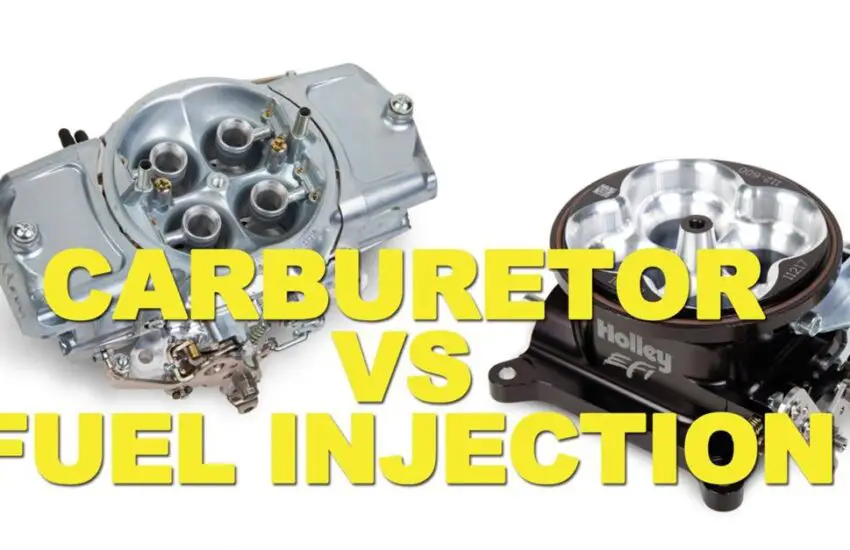
Carburetor vs Fuel Injection Car enthusiasts always have differing opinions in the carburetor vs fuel injection debate. Some believe only a carburetor does justice to engine performance while others are convinced of fuel injection’s usefulness.
So, which is the better option for you? Let’s follow Car From Japan!
Carburetor vs Fuel Injection: What Are They?
The carburetor and fuel injection are the systems that supply fuel and air to the engine cylinders. Gas combustion releases energy into the pistons and combustion chambers.
The earliest carburetors used airflow or fuel vapors for ignition. Later versions used a different principle and supplied the same amount of air and fuel into the intake.
This system cannot monitor the air/fuel ratio for individual cylinders. But carburetors last a long time and are widely used in race cars.
The carburetor system lost popularity in the early 1990s and fuel injection made its appearance.
The fuel injection system is available in mechanical and electronic versions and for both diesel and gasoline engines.
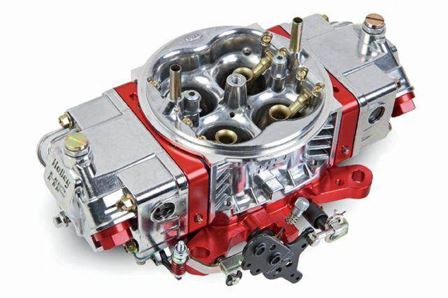
The earliest carburetors used airflow or fuel vapors for ignition. Source: Holley
There are two different types: port fuel injection systems and direct injection systems. The latter is the advanced version that can handle two-stroke or four-stroke engines and supply fuel directly into the cylinders.
Depending on engine load conditions, this system will allow you to perfectly calculate the required amount of fuel and air and then distribute it into the cylinders. It will constantly adjust the amount based on the latest engine report.
Carburetor vs Fuel Injection: The Pros and Cons
The systems have their advantages and disadvantages. You can discover the best option by comparing their features across several parameters.
Power and Performance
A fuel injection system with electronic controls provides more precise results in terms of air and fuel supply to the cylinders. Since it can deliver the required amount, the engine runs at its optimal power and offers the best performance.
Conversely, carburetors cannot calculate the precise amount. They cannot adjust for changes in atmospheric pressure or fuel temperature.
Emissions and Fuel Economy
Again, the injection system wins in this area. It can accurately calculate the required amount of fuel and air and adjust it based on changes in several parameters, resulting in lower fuel consumption, higher energy efficiency, and fewer carbon emissions.
Carburetors cannot deliver the same results because they supply the fuel/air ratio on average, without being subject to engine conditions.
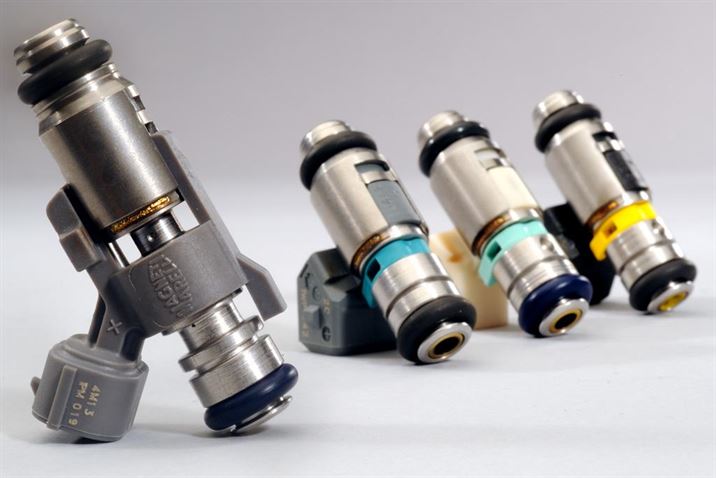
Port fuel injection. Source: DriveSpark
Maintenance Costs
The carburetor system comes out on top in this section. You can even rebuild the entire carburetor system in your garage! All you need are a few simple hand tools, a can of carburetor cleaner, and some spare parts.
On the other hand, fuel injection is a complex system. If the system fails, you will need outside help to tow the car to a repair shop. Furthermore, repairing a fuel injection system requires professional skills.
Carburetor vs Fuel Injection: Which is Best?
It seems that fuel injection is the better option. Although most small engines use the carburetor system for its simplicity, cheap prices, and reduced maintenance costs, fuel injection is the ideal choice for modern vehicles for better performance, reduced emissions, and fuel economy.
FAQ on Carburetor and Fuel Injection
Which system is more fuel-efficient: carburetor or fuel injection?
Fuel injection is generally more fuel-efficient than carburetors. It delivers fuel more precisely, optimizing the air-fuel mixture for improved combustion, which results in better fuel economy.
Which system produces fewer emissions: carburetor or fuel injection?
Fuel injection tends to produce fewer emissions than carburetors. It allows for precise control of the air-fuel mixture, leading to cleaner and more efficient combustion, which reduces harmful emissions.
Are there situations where carburetors are still preferred over fuel injection?
Carburetors are still preferred in certain niche applications, such as restoring vintage or classic cars, small engines like lawnmowers, and some off-road vehicles where simplicity and ease of maintenance are prioritized.
Can you retrofit a carbureted engine with fuel injection?
It is possible to equip a carbureted engine with a fuel injection system. This conversion can improve fuel efficiency, emissions, and overall performance. However, it can be a complex and costly process.
Is fuel injection more reliable than carburetors?
Fuel injection systems are generally considered more reliable than carburetors because they are less prone to issues such as fuel flooding, vapor lock, and cold-start problems. They also offer better adaptability to changing conditions.
Which system is more common in modern vehicles: carburetor or fuel injection?
Modern vehicles almost exclusively use fuel injection systems due to their advantages in fuel efficiency, emission control, and performance. Carburetors have become obsolete in new car production.
Watch this video from Summit Racing to discover the difference between a carburetor and fuel injection!
Can carbureted engines be as environmentally friendly as injected engines?
It is difficult for carbureted engines to match the environmental friendliness of injected engines. Fuel injection’s ability to precisely control fuel delivery and combustion helps reduce emissions, making it more environmentally friendly.
Can you switch between carburetors and fuel injection on the same vehicle?
Converting a vehicle from carburetion to fuel injection or vice versa is possible but involves significant modifications to the engine and its control systems. This is typically done as part of customizations or engine swaps by experienced mechanics.
Which system is more adaptable to performance upgrades and modifications?
Fuel injection systems are generally more adaptable to performance upgrades and modifications, as they offer precise control over fuel delivery and can adapt to changes in engine parameters.
Do carburetors or fuel injection systems require more tuning for optimal performance?
Carburetors generally require more tuning to achieve optimal performance compared to fuel injection systems. Fuel injection systems can automatically adapt to different driving conditions, reducing the need for constant tuning.
Final Words
In the carburetor vs fuel injection debate, fuel injection emerges as the superior choice for modern vehicles. It offers precise fuel delivery, improved efficiency, reduced emissions, and better performance compared to carburetors.
Even though carburetors hold historical significance, advanced fuel injection technology aligns with contemporary demands for cleaner, more fuel-efficient, and environmentally friendly vehicles.
As automotive technology continues to evolve, fuel injection remains at the forefront, making it the preferred option for optimizing both engine performance and environmental impact.
Electric windows not working
Power windows not working. Nothing is more annoying than getting into your car on a scorching hot day, pressing the button, and realizing that your power windows won’t go down. Or worse, it’s raining and you can’t get the windows back up!
Before resorting to further smashing of the unresponsive buttons or manually forcing the window and potentially damaging the gears, read this first. We review the 10 most common reasons why your power windows fail and whether there’s a quick DIY fix or if it’s time to see a mechanic.
Common Causes of Power Window Malfunction
There are several reasons why your car’s windows may stop working. If you don’t hear or see any movement when you press the button, the problem is likely electrical rather than mechanical.
Here are some of the possible issues to check should this happen to you.
1) The Window Lock Button is Engaged
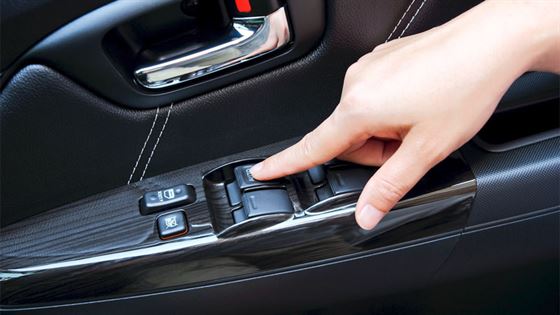
One of the simplest reasons your power windows aren’t working is that the window lock button is activated. This safety feature disables all passenger windows, preventing children from playing with them.
Check if the lock switch is pressed on the driver’s door. This button may have been accidentally placed in the locked position without you realizing it.
How to Fix: Fixing this issue only takes a few seconds: simply press the window lock button on the driver’s door to unlock the setting. Try your power windows again and they should now work properly again. Performing regular checks of the lock buttons can prevent future power window problems.
2) Bad Window Regulator
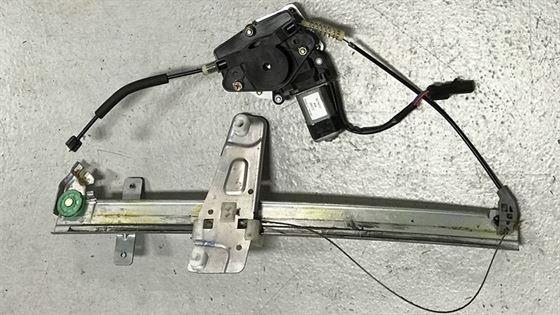
The mechanism that raises and lowers a power window is called a window regulator. Each car door equipped with a power window has a window regulator to move it. It is connected via cables to a power window motor.
If the regulator fails , pressing the up or down button will not move the window. Excessive wear can cause slow cracking and breaking of regulator components, such as plastic gears, over time, or a misaligned regulator.
How to Fix: Replacing worn window regulators. Although regulators can be repaired by a mechanic, the cost of professional repair may be equal to or greater than replacing them.
3) Bad Fuse
If all four windows are stuck and won’t move, the window regulator fuse is likely the cause. In this case, when you press any of the window switches, nothing happens – you won’t hear any motor and the window won’t shudder as if trying to move.
How to Fix: Consult the owner’s manual to see which fuse powers the windows, then replace it.
4) Bad Window Motor
Power windows require a motor to provide electrical power to move the window up and down. At the end of the window motor is a gear that connects to the window regulator mechanism.
When you press the up/down buttons on your door, it activates the motor. This powers the regulator so it can move the window. If the motor is faulty, the regulator will not have the power to move.
You may be warned that the motor is starting to fail if the window occasionally moves slower than normal when going up. This gradual change in performance can precede a complete motor failure.
How to Fix: The solution for a faulty power window motor is either to repair it or install a complete replacement unit. Repair involves disassembling the motor to service the internal components, which requires some expertise. Completely replacing the motor is a simpler solution and a fairly straightforward DIY task.
5) Snow and Ice
If you live in an area where the weather is often snowy and icy, this can impact the operation of power windows. Windows can freeze when ice forms between the glass and the window frame.
Regulators may not have enough strength to force the window open if it is frozen. Even if it’s possible to force it initially, over time, the regulator will wear out faster due to the strain. Repeated cycles of the glass freezing and the need to force it open put more pressure on the power window components.
How to Fix: Avoid forcing frozen power windows open or closed. Instead, use a hairdryer or other heating device to gently melt the ice on the edges.
Check if any clumps of snow or ice remain stuck in the window seals that could still hinder movement. Clean them by hand, using a plastic tool if possible to avoid scratches. Apply lubricant to restore proper operation. Keeping window seals clean and lubricated will help prevent snow and ice buildup.
6) Torn, Loose, or Dirty Window Seal
The window seal protects from wind and rain while helping to properly align the window. If the seal becomes sticky from debris buildup or moves out of its position, it can create extra friction against the window. The regulator motor may struggle to overcome this and move the glass.
It’s important to clean, lubricate, and replace window seals if necessary. If seal issues are ignored, water can leak inside the car . Maintaining the seals will allow power windows to operate optimally and avoid water damage inside the doors.
How to Fix: Carefully inspect the window seals for any cracks, missing pieces, loose areas, or signs of leakage. Immediately replace any visibly deteriorated sections so the damage doesn’t spread. Ensure the seals are properly aligned in their frames.
Clean dirty window and door seals using a mild cleaner and a microfiber cloth to prevent buildup. Periodically lubricate the seals and tracks to prevent sticking issues.
7) Bad Power Window Switch
The power window switch on the door can fail over time. Every time you use the switch to raise or lower the window, it wears out a little more. Frequent use or aggressive pressing of the switch accelerates wear.
Eventually, the switch may stop working properly. This is the best-case scenario for power window problems, as replacing a window switch is fairly inexpensive compared to fixing other potential issues.
Troubleshooting is also simple. Compare the window’s response when using the switch on each door versus the master switch on the driver’s door (making sure the child safety lock is not activated).
If only one switch doesn’t work, either that switch is faulty, or there may be a wiring fault between the switches.
How to Fix: Remove the panel covering the switch and inspect the connections for loose plugs or damage. Clean any dirt, corrosion, or foreign objects present. If the power window switch terminals seem functional, replace the entire switch. Install a new identical OEM factory switch to restore window control functionality from that location.
8) Wiring Problems
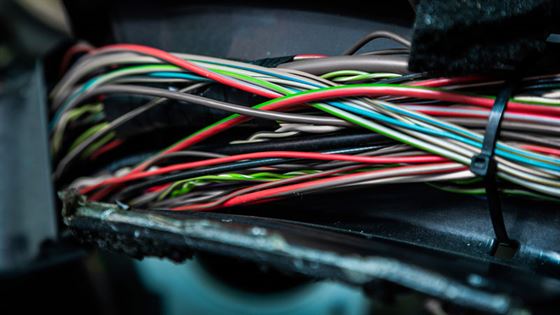
A set of wires connects the window switch to the motor. Although rare, wiring problems in the door can occur.
For example, if power window components were recently repaired, a mechanic may have inadvertently damaged the wires. In this case, make another trip for the mechanic to fix it.
You can also open the door panel and follow the wires from the fuse box to the switch, checking for any loose or corroded wires.
Before touching any wiring, always disconnect the battery first to avoid shock. It’s wise to inspect the condition of the wires and connections along the path to the switch to check for potential wiring faults affecting the power windows.
How to Fix: It’s generally best to leave this task to the pros. But if you’re confident in your abilities:
Use a wiring diagram to methodically check every inch of wiring between the switches, fuses, regulators, and motors. Look for rubbing, bare wires, corrosion, breaks, melted areas indicating short circuits, or other physical damage likely to cause disruption.
Check connectors and terminals for any play or resistance using a multimeter. Any suspect wires will need to be spliced or replaced completely. Reconnect wires properly and replace damaged insulation like electrical tape. Test window operation before sealing everything up.
9) Damaged Door
For the power window to function correctly, the alignment of the window rails must be proper. Damage to the door from a collision or a loose bolt can disrupt the alignment, causing issues such as the window jamming or the door’s inability to close completely .
Maintaining good rail alignment allows the window regulator to smoothly lift and lower the window. But if the rail’s position changes due to door damage or loose mounting hardware, the regulator will struggle to move the window, leading to jamming or an inability to completely seal the door.
How to Fix: Carefully inspect the affected doors and surrounding areas for any visible damage interfering with the smooth movement of the windows. Check the window for smooth up and down operation without any catching on the edges.
For minor alignment issues, adjust the regulator and motor mounts to avoid binding and friction. Lubricate restricted areas. If deformation prevents electrical or mechanical operation, door or frame replacement may be necessary. A body shop can better assess and remedy this type of significant damage for functional windows.
10) Dirty Window Tracks
The power window slides along metal tracks inside the door. These tracks can get dirty over time from road mud and debris, or the lubricant that keeps the window moving smoothly can dry out.
How to Fix: Thoroughly clean all window tracks, seals, and glass with mild soap and a microfiber cloth. Use a flat vacuum nozzle to extract debris packed into the hard-to-reach back parts of the window track.
Compressed air can also help dislodge accumulated sediment. Lubricate the now-clean track surfaces using silicone lubricant, graphite powder, or other designated lubricants to prevent recurrence. Be careful not to get silicone on the car’s painted surfaces. Wipe it off immediately to avoid damage.
The car overheats when the air conditioning is on
The car overheats when the air conditioning is on. Your car should never overheat under normal operating conditions. If you are experiencing intermittent overheating issues, your vehicle may have one of the problems on this list.
Reasons Why Air Conditioning Causes a Car to Overheat
When a car overheats, it usually indicates a mechanical problem with the cooling system. Sometimes, a car can also overheat because the cooling system is overloaded. Here are some reasons why your air conditioning might cause your vehicle to overheat.
1) Low Coolant Level
If you are experiencing car overheating issues, one of the first things you want to check is that your coolant level is full. A low coolant level will introduce air pockets into the cooling system. Air does not cool as effectively as a liquid, so your engine will heat up more.
Wait for the engine to cool down completely before removing the radiator cap. If you need to add coolant, make sure to bleed the air from the cooling system to ensure no air pockets remain.
2) Overloaded Cooling System
If you are climbing a steep hill on a very hot day, your cooling system may not be able to dissipate heat quickly enough. This is especially true if you are towing or carrying a heavy load.
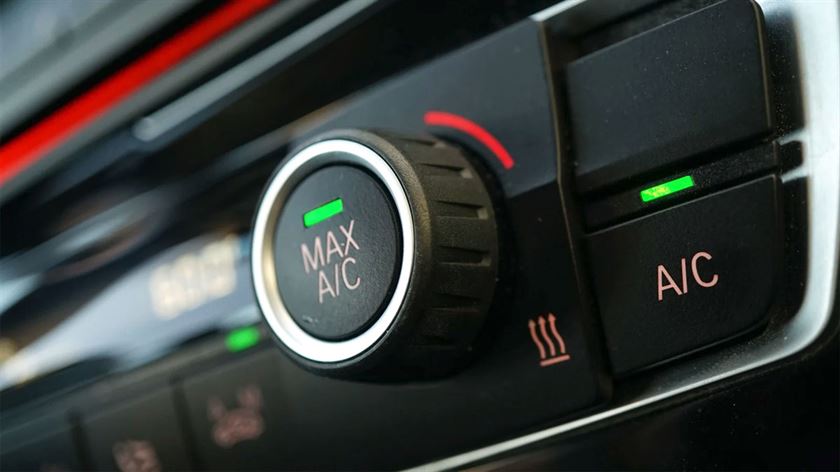
The air conditioning moves heat from one place to another. This heat must be dissipated through the AC system’s condenser. Your car may have just enough cooling capacity to cool the engine by itself, but not when the air conditioner is running.
Sometimes, your radiator or condenser can be upgraded to increase your vehicle’s cooling capacity. This is a common modification on sports cars that are heavily used on tracks and on towing vehicles.
3) Restricted Airflow
If debris is blocking the radiator or a significant number of fins are bent, your radiator and condenser may not be able to get enough airflow to cool the engine. Since the radiator and condenser are usually stacked next to each other, an airflow issue is likely to affect both units.
A few bent fins will have a negligible impact on cooling capacity. However, if your radiator has a large number of bent fins, it could cause problems under heavier loads.
Although it is quite tedious, fins can sometimes be straightened to improve airflow. Be careful if you try to do this yourself; you don’t want to puncture the radiator.
4) Bad Radiator Fan
If your radiator fans fail, there will not be enough airflow through the radiator and condenser when idling or moving slowly. If your car only overheats when stationary, the problem may be due to a bad radiator fan.
Why Do Cars Overheat?
An internal combustion engine is powered by small explosions. Air and fuel are injected into the combustion chamber, and then the combustion chamber is sealed. When the piston rises, the air-fuel mixture is compressed.
At a precise moment in the piston’s stroke, the spark plug ignites to ignite the fuel. This ignition forces the piston back down, turning the crankshaft.
Engines are designed to operate within a specific temperature range. If the engine is too cold, it will not operate efficiently. If the engine is too hot, parts can melt, cylinder heads can warp, the engine block can crack, and head gaskets can leak.
Coolant circulates through an engine to prevent the engine from running too hot. Once the engine starts to get a bit too hot, the thermostat opens to allow coolant to flow from the radiator to the engine block. Once the engine has cooled down to the target temperature, the thermostat closes, and the process repeats.
Loss of power in a car during acceleration cause
Causes of Car Power Loss During Acceleration
Few things are as frustrating as suddenly losing engine power when trying to accelerate. Whether you’re attempting to merge onto the highway or need to make a crucial pass, a sudden loss of acceleration can be completely shocking, not to mention dangerous.
Even though it might seem like your engine is giving up at the worst possible moment, in most cases, your car’s power issues have a mechanical or electrical culprit. Here are the most common causes of a car losing power during acceleration.
Common Reasons Why Your Car Loses Power While Driving
Unfortunately, determining the cause of your vehicle’s power loss isn’t as straightforward as other problems. For this reason, it’s always a good idea to start with the cheapest and/or simplest solutions when it comes to making a correct diagnosis.
1) Bad Spark Plugs
Your vehicle’s internal combustion engine relies on spark plugs to transmit the electrical signal from the ignition coils to the internal combustion chamber. Once this happens, an electrical spark ignites the fuel and air mixture.
Consequently, if you have faulty spark plugs that cannot transmit this electrical signal, then your engine’s performance weakens and you won’t be able to accelerate as quickly. This will eventually reach the point where it won’t accelerate at all.
2) Bad MAF Sensor
Your Mass Air Flow (MAF) sensor directly influences how your car’s Engine Control Unit (ECU) balances the air and fuel mixture. If you have a faulty MAF sensor, you will notice a drop in engine power because it results in an improper mixture. Keep an eye out for rough idling or difficulty starting the car, signs of a malfunctioning MAF sensor.
3) Faulty Ignition Coil
The ignition system is equipped with ignition coils that convert the 12-volt power from your battery into the 20,000 volts needed to start the engine. If you had a faulty ignition coil, the fuel and air mixture inside the engine would not ignite properly. This means you would lose power when you press the accelerator pedal.
4) Clogged Fuel Filter
Imagine your car trying to suck gasoline through a clogged straw: that’s what a clogged fuel filter will do. A dirty or clogged fuel filter will restrict the flow of fuel to the engine, leading to a drop in performance, particularly noticeable during acceleration attempts.
This is due to the simple fact that the engine needs more fuel as speed increases, and a clogged filter can prevent the necessary volume of fuel from reaching the engine.
5) Bad Fuel Injectors
A car engine depends on its fuel injectors inside the fuel system. A fuel injector is responsible for spraying the fuel brought by the fuel pump into each cylinder.
Obviously, if the fuel injector fails or is clogged, it will not be able to spray fuel into the engine properly. This would prevent the engine from producing enough power to accelerate.
Often, running a fuel injector cleaner through your system can clear a clogged injector, but other times, a replacement may be necessary.
6) Bad Fuel Pump
The fuel pump is how the fuel inside the gas tank is brought to the engine to be burned. The fuel pump also regulates the fuel pressure during transfer to meet the engine’s demands.
A faulty fuel pump would result in the transfer of an inconsistent fuel supply. This will lead to poor engine performance and acceleration.
7) Low Compression
The internal combustion process relies on strong cylinder compression for the vehicle to generate enough power to accelerate. If there is a low level of compression due to bad seals or another issue, the engine will generate a low level of power.
8) Clogged Exhaust Pipe
The exhaust system consists of two filters called the catalytic converter and the muffler. The catalytic converter reduces the pollution produced by the exhaust gases. The muffler reduces the noise produced.
If either of these filters or the exhaust pipe were clogged by something, it would deteriorate the engine and lead to a reduction in the power it generates. Before replacing a clogged or dirty catalytic converter, it’s worth using a good catalytic converter cleaner first.
9) Bad Throttle Body
The throttle body controls the amount of air entering the engine, and if it’s not working correctly, it can lead to various problems, including uneven acceleration, rough idling, engine stalling, and lack of power.
A faulty throttle body may not open fully or not respond properly to the accelerator pedal, which will result in poor engine performance and reduced acceleration.
10) Dirty Air Filter
When the internal combustion chamber mixes air and gasoline to produce power, the air first passes through an air filter before entering the chamber. This filter helps prevent any external debris and insects from entering the chamber.
If you had a clogged or dirty air filter, then not enough air would enter the engine for optimal combustion. Thus, you will experience a lack of power when you attempt to accelerate.
11) Turbocharger and Supercharging Problems
Do you have a turbo? Problems with the turbocharger or associated components in a turbocharged engine can lead to a lack of expected power during acceleration.
For example, damage to the turbo’s blades or bearings can prevent the turbo from properly generating increased engine boost pressure during acceleration. Air leaks in the pipes between the turbo and the engine will also decrease usable boost.
Furthermore, any sensors or controls related to the turbocharger and supercharging system could malfunction and not signal the engine to produce adequate power during acceleration.
12) Transmission Problem
Sometimes, what feels like engine power loss is actually caused by a transmission issue.
Worn clutch discs can slip when torque is applied, failing to properly transfer engine power to the wheels. Low transmission fluid levels can deprive internal components of necessary lubrication, causing delayed engagement or slipping.
Faulty solenoids that control gear engagement may not activate at the right time, causing bands to slip instead of locking firmly. Internal leaks can also reduce pressure in the lines, thereby compromising the transmission’s ability to shift gears firmly.
In all cases, the result is increased engine RPM without proportional vehicle acceleration due to inefficient power transfer within the transmission.
13) Engine Knocking
Engine knocking, also known as pre-ignition or “ping,” is the uncontrolled ignition of fuel inside the combustion chamber.
Combustion engines are precisely timed to maximize their power and efficiency. If the fuel burns before it’s supposed to, the piston may not be in the correct position in the cylinder. This could lead to power loss and even catastrophic engine damage.
14) Clogged Catalytic Converter
The catalytic converter is responsible for cleaning the exhaust gases, converting toxic gases such as NOx and carbon monoxide into less toxic molecules.
A restriction in the catalytic converter would prevent exhaust gases from exiting properly. In extreme cases, this can even cause a fire. Therefore, this problem must be resolved as quickly as possible.
The cooling circuit fan is not working: troubleshooting
The cooling circuit fan is not working. To ensure optimal performance and longevity, your engine must not overheat. As part of the engine cooling system alongside the coolant, a radiator fan blows fresh air through the radiator as a heat transfer method to prevent the engine from overheating. The issue of radiator fan malfunction will cause significant damage to the engine and therefore requires immediate attention when it occurs.
Learn how a radiator and radiator fan work, how to diagnose radiator fan malfunction issues, and common causes.
What is the purpose of a radiator fan?
Everything related to the proper functioning of your engine is a priority, after the engine itself. Another component that can lead to engine malfunction and failure is the radiator.
Quite different from the radiator in your home, a radiator in a car is a crucial element of its engine cooling system. The engine powers your car by generating combustion inside the combustion chamber, along with a great deal of friction. This results in a lot of heat inside the engine.
The radiator is the heart of the cooling system. Creator: Shutterstock
If this heat is not diverted elsewhere to cool the engine while it’s running, the engine will become too hot and, like all other parts of your car, this will eventually cause significant damage.
The radiator is one of the multi-part cooling systems of the engine, along with the lubricating oil that reduces friction and the exhaust system through which heat exits the combustion chamber. When the thermostat located in front of the engine detects that the engine is reaching a dangerous temperature, the radiator then comes into action by releasing a mixture of water and coolant to quickly cool the engine.
There is a sensor on the lower passenger side of the radiator. Its job is to take note of the coolant temperature. It sends signals to the radiator fan to turn on when the temperature exceeds 172°F. The fan should also turn on after activating the air conditioner.
Placed between the radiator and the engine, cooling fans blow cooling air through the car’s radiator to cool the heated water and coolant mixture circulating through the radiator.
Radiator fans blow cooling air through the car’s radiator. Source: Adobe Stock
Radiator fan not working: Symptoms
If you need to confirm whether it is working or not, you should start your engine and let your vehicle idle. The safest way to check is to actually listen for the sound of the fan.
Turn the air conditioning to the maximum setting; this should trigger the cooling fan to turn on immediately. In older cars, it usually takes about 15 to 20 minutes for the engine to reach the proper temperature.
All you have to do is lift the engine hood and listen carefully for the fan noise. The best modern cars have very quiet engines, so it might not be easy to hear the noise when you are inside the car.
If the fan starts immediately when the air conditioning is on maximum, but does not operate correctly when the engine heats up later, the radiator fan may not be working properly.
Can I drive my car if the fan is not working?
Yes, your car can still run without a radiator fan, but you should never do so. Your vehicle’s cooling system is crucial for engine performance and longevity. Whenever your engine overheats, you cause significant damage to the precious engine.
As soon as you feel that your radiator fan is no longer working or that your car is not cooling, you should take a few troubleshooting steps to determine what the problem is. If you can’t figure it out, take your car to a mechanic immediately so they can identify the issue.
Radiator fan not working: Common causes
What prevents cooling fans from working? Here are 5 common problems that can affect your car’s radiator fan, making it obsolete or ineffective:
1. A faulty fuse
This is a very common issue that leads to radiator fan failure: the fuse can blow or simply fall out. However, you will need to consult the owner’s manual to find out exactly where you can locate the fuse, but once you do, it’s an easy task. You will need to replace the radiator fan fuse if it is not working or missing.
Remember, if anything electrical in your car isn’t working, your first check point is the fuse. Here’s how to test radiator fan fuses with a multimeter.
Check the fuses one by one. Source: AudiWorld
You need to check the voltage of a few fuses in the fuse box under the dashboard (numbers 3, 15, and 20) and in the fuse box under the hood (numbers 47 and 50). Turn off the engine or turn the ignition key to IG2. Set the multimeter dial to “20” in the DCV section because you will be testing 12V circuits.
The black probe of the multimeter will go to the negative terminal of the battery (for fuses under the hood) or to a metal ground point on the car (for fuses under the dashboard). Each fuse has two contacts where you need to touch the multimeter test probes to get the readings.
Touch the red probe to one of the two contacts and take the reading. The value should be around 12 volts. No need to worry about recording the precise voltage value as it varies due to several factors, including alternator output and battery load. Touch the probe to the other contact and take the reading.
What do the readings mean?
12V on both contacts. This means the fuse is working correctly, and you can simply check the next one.
12V on one contact and 0V on the other. This is a sign of a blown fuse. You need to replace it.
0V on both contacts. This means the fuse has no power, which is only possible if the black probe is not properly connected to the battery’s negative terminal or grounded to a metal part. Detach the probe, then reconnect it to take measurements.
2. Dead wires
If you see the engine heating up but not the radiator fan, the fan wires could be the cause. Simply disconnect both wires, negative and positive. The standard direct current they should provide is 12V (approximately). Take a voltmeter and check for current. If there is none in one or both, you will need to replace them.
You will be able to locate the fan relay under the hood. Check the current from the relay to the fan. That’s where the current should pass. If there is voltage there, a fault in the fan is the reason why the radiator fan is not working. Then it is the fan that you will need to replace.
3. Broken fan clutch
The fan clutch is responsible for attaching the radiator fan to the engine and making it operate. If this clutch fails, the fan will not work. It’s the usual wear over the years that can cause the clutch springs to corrode or even burn out. If you don’t find any other radiator fan problems, the clutch is likely the cause.
4. Insufficient coolant level
An insufficient coolant level in the engine can also lead to fan failure. Just look at the coolant reservoir and check if the level reaches the required maximum mark. If not, simply fill it to the line and you’ll be good to go.
This is actually one of the most practical maintenance tips that helps you keep the engine as well as the cooling/heating system in good condition.
5. Defective temperature sensor
The temperature sensor is the mechanism that decides when the radiator fan should come into action. It does this by reading the temperature of the cooling system. If this sensor is faulty, the fan will not be able to start its operation. You will likely find this sensor in the thermostat housing. You can try disconnecting the wires and reconnecting them to the sensor; there’s a good chance it will work. Otherwise, you will need to have it replaced.
6. Faulty radiator fan motor
If the problem of the radiator fan not working persists, you can check the fan by connecting it to a different power source, i.e., direct battery power.
First, disconnect the wiring connector. Check for any damage and clean the connector. Make sure the wires are securely attached and not damaged. Then, look at the wires and identify which are power wires and which are ground wires to avoid confusion.
Next, connect the battery negative to the ground side of the fan connector, then connect the battery positive to the other wire. You may need to consult your vehicle’s repair manual to see if your vehicle has a 4-terminal connector or three terminals, with two for power and one for ground wires.
After being connected to the battery, your radiator fan should start operating. However, if your radiator fan does not start operating with direct power or operates at a very low speed, you should then ensure that the terminal is not damaged and test the incoming voltage.
If there is indeed incoming power, the problem is a failing fan motor, and you will also need to replace the fan motor.
Radiator fan replacement cost
The cost of replacing a radiator fan ranges between $300 and $700. Source: Ebay
A radiator fan costs between $200 and $400. Additionally, your mechanic will charge between $120 and $200 for labor depending on the make and model of your car. Since the radiator is located right at the front, your mechanic does not need to open other components to remove the radiator fan.
If you also need to replace the fan motor, labor costs are estimated between $170 and $220, while parts cost between $530 and $680.
How long does it take to replace a radiator fan?
Replacing a radiator is a laborious process, and the duration varies depending on the service attendant’s skills. A professional mechanic is unlikely to take more than 2 to 3 hours. It may take an additional 30 minutes to an hour because the process involves additional services like coolant disposal, broken belts, and a few other things, if necessary.
You might need more time depending on the condition of some other parts. If the car is old, it’s possible that the electrical connectors and terminals are damaged and the fasteners are broken. You will need to repair and replace these parts for the radiator to resume operation. Some mechanics might also want to change the antifreeze and replace the radiator hoses.
Motor Overvoltage: How to Troubleshoot and Repair
Engine Surging: How to Troubleshoot and Repair, Every dedicated car owner, even if not a true enthusiast, must understand and pay attention at all times to the well-being of their engine, as many problems can affect this delicate and complicated component.
A common malfunction you will likely encounter is engine surging, and knowing how to resolve this issue in under 45 minutes is a maintenance tip you must master early on.
The internal combustion engine relies on the precise cyclic operations of numerous parts, including the precise air/fuel mixture, spark timing, and exhaust gas management.
The slightest malfunction in a part will cause the engine cycles to deviate from what is optimal, which will hinder engine performance.
This issue is often referred to as engine soaring or rapid acceleration or deceleration cycles. You might encounter either engine surging at idle or car surging while driving.
The good news is that in many cases, engine surges can be repaired inexpensively. Discover the causes and how to troubleshoot and resolve this common engine problem in just under 45 minutes for smooth driving.
Engine Surging: Symptoms
Surging or Misfiring
Engine surging is different from hard starting or a no-start problem. “Surging” does not refer to an engine that knocks, idles roughly, or stalls. It is when an engine starts easily and accelerates smoothly, but after a few minutes at constant speed, it either accelerates or misfires.
Misfiring occurs when one of the cylinders in an engine’s combustion cycle fails. Since an engine has four cylinders, the car would still run if one cylinder failed.
However, power surges in speed and misfiring usually cause rough operation, jerking, or engine strain. If you experience either, the first thing to do is perform an inspection before going to a mechanic.
In some cases, you can resolve the root of the problem in your garage with the available tools. Meanwhile, if the cause requires complicated repairs, it is best to leave this task to a professional.
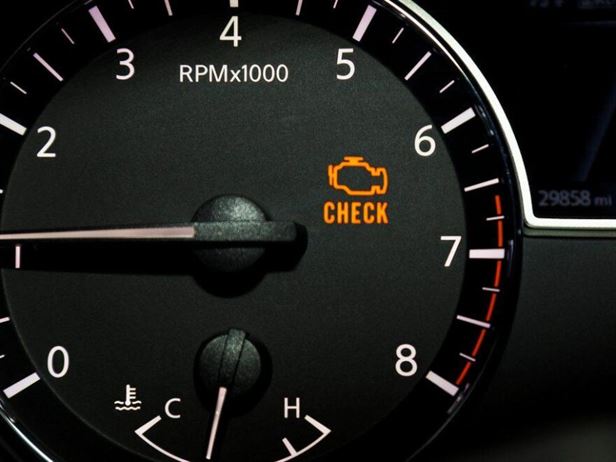
Check Engine Light On
Engine surging will cause the Check Engine light to come on. (Photo: rd)
Whatever the cause, if your car’s engine is misfiring or surging, your OBD-II diagnostic system will display error codes and the Check Engine light will illuminate on your dashboard.
Engine Surging: Causes and Troubleshooting
Below are the most common causes of engine surging. While some are relatively simple and inexpensive to maintain, others require professional inspection and repair.
Electronic Control Module Adjustment
When one of an engine’s carefully controlled parameters deviates from what the electronic control module expects, it automatically adjusts the air intake, fuel injection, and spark plug timing to bring everything back to its normal state.
Each time, this electronic control module will almost invariably overcompensate, causing engine surging issues.
Vacuum Leaks
Radiator fan For trucksfan, radiator, car, engine, cooling
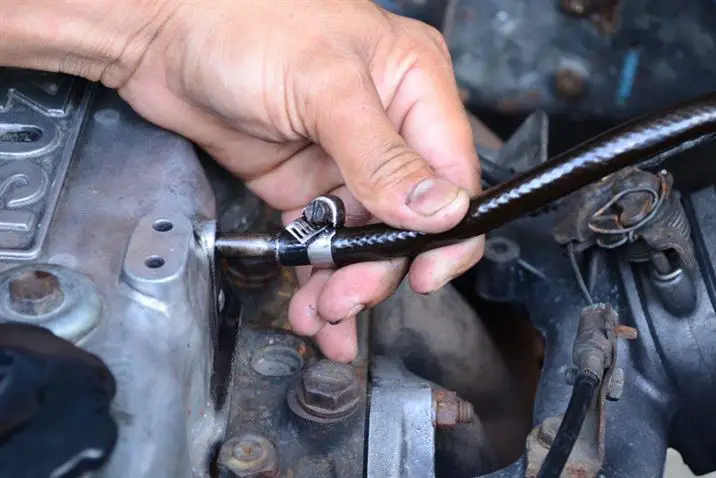
Vacuum leaks most often occur in hoses, which are the most prone to wear due to engine heat under the hood.
Vacuum leaks can cause car surging during acceleration on engines equipped with a Mass Air Flow (MAF) system or a Manifold Air Pressure (MAP) system. Regarding engine surging while cruising, it depends on the type of fuel injection system.
An internal combustion engine needs a mixture of air and fuel to create combustion. MAF systems measure the amount of air flowing through the engine’s throttle body and use this information to determine how much fuel to inject.
Vacuum leaks in a MAF system usually cause rough idling but often do not result in engine surging while cruising.
Meanwhile, a MAP system extrapolates airflow from the intake manifold’s internal air pressure. A vacuum leak in a MAP system can cause engine surging while cruising.
The Solution: check and replace vacuum lines if necessary by following this definitive guide on “What is and How to Find a Vacuum Leak”
Bad Gasoline
The oxidation of gasoline after a certain storage time is a natural process. Gasoline will react with oxygen to produce carbon dioxide, water, and contaminants like nitric oxide and free carbon molecules, thus losing its potency.
In other words, oxidized gasoline also contains air or is contaminated by air. Once the engine is injected with this bad gasoline, its electronic control module will read this as a “lean burn” or excess air conditioning.
A lean burn is not optimal for the engine, as a combustion engine strictly requires a fixed ratio of fuel and air to operate.
In attempting to adjust, the electronic control module injects even more bad gasoline to rebalance the air-fuel ratio. This essentially causes a lack of flame in the engine’s combustion chambers.
Once a lack of flame is detected, it slows down during fuel injection, runs lean again, then overcompensates and must repeat this cycle over and over to keep running. This repeated lean combustion and overcompensation will cause engine surging and stalling.
The Solution: remove the tank and siphon the bad gas using a garden hose. Then fill the tank with dry cleaning fluid.
EGR Valve Stuck Open
The Exhaust Gas Recirculation (EGR) valve is an important part of your car’s emission system. It recirculates exhaust gases from the engine’s combustion chamber to burn them again instead of sending them to the emission system, thus reducing emissions.
The EGR valve opens and closes during engine cycles. If the EGR valve remains open, exhaust gases return to the chamber when they are not supposed to.
The engine cannot burn too much carbon dioxide present in the exhaust gases, meaning there is not enough oxygen for combustion to take place.
The Exhaust Gas Recirculation (EGR) valve is an important part of your car’s emission system. (Photo: next truck online)
The electronic control module will overcompensate by allowing more air to enter through the intake manifold, which will result in the engine running lean. As explained above, lean combustion will cause engine surging cycles.
The Solution: replace the EGR valve.
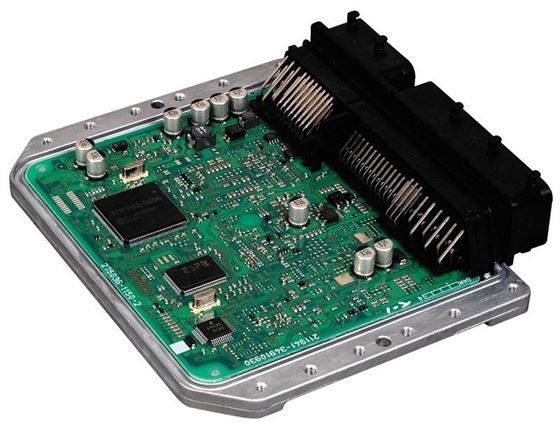
Faulty Electronic Control Module
As explained above, the electronic control module regulates the operation of many components to ensure the engine gets what is optimal to run efficiently and compensates when there is a deviation.
The electronic control module, or the “computer” of a car. (Photo source: YouTube)
When the electronic control module malfunctions for any reason, it will not do its job correctly. For example, it may suddenly inject more fuel into the combustion engine, resulting in engine surging.
The Solution: this is usually not a DIY job. Have a mechanic test the electronic control module and repair or replace components if necessary.
Clogged Fuel Filter
An engine’s fuel injectors contain very fine mesh filters, which can just as easily become clogged. A clogged fuel filter will reduce fuel pressure, prompting the electronic control module to open the fuel injectors wider to maintain the same flow.
Once the fuel filters are forced open this way, the fuel pressure increases rapidly, which injects more fuel into the engine than it needs, causing what you would feel as engine surging.
A clogged fuel filter will reduce fuel pressure. (Photo: autoexpert)
The electronic control module then compensates by closing the injectors, which causes the fuel pressure to drop again. The above cycle would therefore repeat, causing repeated engine surges.
Engine Running Too Hot
An engine can overheat, often due to low coolant levels or air bubbles in the cooling system.
When an engine overheats, the cylinder head gaskets can typically blow, which can cause coolant leakage and air intake.
Similar to what happens when you use poor quality gasoline, as explained above, a greater amount of air entering the engine will cause an engine surging cycle.
The coolant reservoir in the cooling system. (Photo: hot cars)
The Solution: check and fill the coolant or remove air from the cooling system by referring to How to Flush a Car’s Cooling System.
Fuel Pressure Regulators Operating at Low Pressure
If a fuel pump fails or the fuel pressure regulator operates at low pressure, it can result in incorrect fuel volume or fuel pressure in the fuel system.
As explained above in previous sections, if the fuel pressure is reduced or when the engine runs with a lean mixture, these deviations will lead to engine surging cycles.
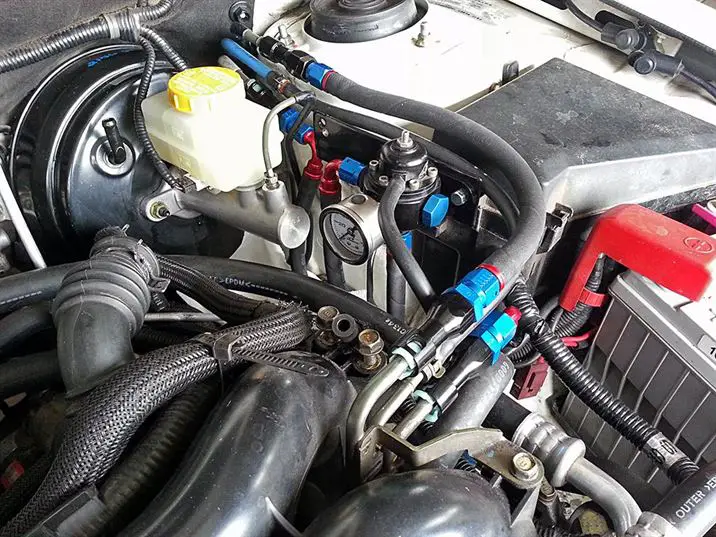
A faulty fuel pressure regulator can lead to low fuel pressure, resulting in engine surging. (Photo: tokopedia)
The Solution: these are usually not easy DIY jobs. Check the fuel pressure with a fuel pressure gauge. If it is low, take it to a mechanic to repair or replace a fuel pressure regulator.
To learn more about how to check and replace faulty fuel pumps, refer to the guides below.
Bad Ignition Timing
Without a spark, the air-fuel mixture could not ignite in the engine chamber, thus causing combustion. Spark plugs will transmit an electrical signal from the ignition coil at a predetermined time to create a spark that will ignite the air-fuel mixture.
The timing of this ignition must be precise. If the ignition timing is incorrect, the air/fuel ratio will not burn efficiently, the combustion process will not be optimal, and engine performance will surely be affected.
For example, if the timing is too advanced, or much earlier than it should be, the air-fuel mixture will ignite too early in the combustion cycle.
This can lead to engine overheating. As explained above, an overheating engine can cause engine surging.
The Solution: have a professional adjust the ignition timing.
Ignition System Causing Weak Spark
A weak ignition spark can be caused by many possible problems in the ignition system, including faulty distributor caps, rotors, wires, spark plugs, and coils.
How to Flush a Car’s Cooling System
How to flush a car’s cooling system, The engine cooling system plays a crucial role in preventing your car from overheating. Additionally, it helps maintain optimal temperature under all conditions. However, the effectiveness of the coolant mixture wears out over time due to scale and rust. A contaminated cooling system can put your car at risk of sudden breakdown. To avoid a cooling system failure, it’s important to know how to flush the cooling system. You simply need the right tools and follow a few steps to do this.
Some precautions for a cooling system flush
All the necessary items for draining a cooling system and adding the new coolant mixture must be ready before proceeding with the cooling system flush.
You will need a pan or disposable container to collect the used coolant as it drains. Ensure the fluid is disposed of safely, out of reach of children or pets. Inquire, especially at your local auto parts store, to find used fluid recycling options.
For the fresh engine coolant mixture, you will need distilled water and the coolant or antifreeze suitable for your car (check your owner’s manual to find out). You can also add an anti-rust sealant and a protector to the mixture.
A chemical flush product can be used in the mixture if you wish to do it more effectively.
Keep a screwdriver or a wrench handy (depending on the drain plug). Always use a pair of gloves to prevent skin irritation from contact with chemicals.
Never remove the coolant reservoir cap from a running or hot engine, as the pressurized area poses a risk of hot fluid spray. Let the system cool down before loosening any plugs or caps.
How to drain the coolant system
Place the disposable container for collection under the car and use a screwdriver/wrench to loosen the coolant drain plug. Then remove it and drain the coolant.
After safely disposing of the used coolant, securely reinstall the drain plug.
How to flush the cooling system
Fill the empty reservoir with water until it’s full. Start the engine and add more as the water is pumped, allowing you to completely fill the system so there’s no air left inside. Then, add the entire bottle of chemical product while the engine is still running, or simply use distilled water only.
Flushing a cooling system. (Photo source: nearby)
Next, follow these steps to learn how to flush the engine coolant:
Put the reservoir cap back on and take the car for a short 10 to 15-minute drive. If the engine seems to be overheating, stop the car immediately.
After the drive, allow time for the engine to cool before draining the cooling system by disconnecting the drain.
As the water drains, also remove the reservoir cap so that no water is trapped by suction in the upper part. Start the engine for a few seconds after the water has drained to expel any remaining water from the cooling system.
Stop the engine and securely reinstall the drain plug.
Fill the cooling system with the appropriate type and volume of coolant, as indicated in your owner’s manual. Pour the coolant into the system. If it starts to spill, start the engine and continue adding more as the fluid is drawn in.
Add the anti-rust solution (if you wish to add one) before pouring your last gallon of coolant mixture.
Finally, securely close the reservoir cap. Take the car for a final drive to circulate the brand-new engine coolant throughout the system. And that’s how to perform a coolant flush.