Mitsubishi Grandis HEV: Hybrid SUV Reborn

Mitsubishi Grandis HEV: A Strategic Revival

Mitsubishi has strategically revived the Grandis nameplate, transforming it into a modern hybrid SUV. This move signifies a pivotal shift for the Japanese automaker, reinforcing its commitment to the competitive SUV market with electrified technology. The new Grandis HEV is designed to blend family-friendly practicality with efficient hybrid performance, targeting drivers seeking a versatile and more sustainable vehicle.

Design and Practicality

The Grandis HEV adopts a robust SUV stance, moving away from its previous MPV silhouette. It features a commanding front grille, sleek LED lighting signatures, and pronounced wheel arches that emphasize its road presence. The interior is configured to maximize passenger comfort and cargo space, offering a flexible cabin suitable for both daily commutes and longer journeys. High-quality materials and an intuitive layout of controls aim to provide a comfortable and connected driving experience.

Hybrid Powertrain and Performance

At the heart of the Grandis HEV is a sophisticated hybrid system combining a gasoline engine with an electric motor. This setup is engineered to deliver a balanced mix of power and efficiency, reducing fuel consumption and tailpipe emissions during city driving and on the highway. The system allows for seamless transitions between electric and hybrid modes, ensuring responsive acceleration while prioritizing energy regeneration during deceleration.

Technology and Safety Features

The Grandis HEV is equipped with a comprehensive suite of technology and advanced driver-assistance systems. A central infotainment display provides connectivity and entertainment, while the safety suite likely includes adaptive cruise control, lane-keeping assist, and automatic emergency braking. These features are designed to enhance both driver confidence and overall occupant protection, making it a well-rounded family vehicle. The introduction of the Grandis HEV marks an important step in Mitsubishi’s electrification strategy, offering a practical and efficient option in the popular SUV segment.

Toyota’s Electric Hilux Pickup Skips US Market

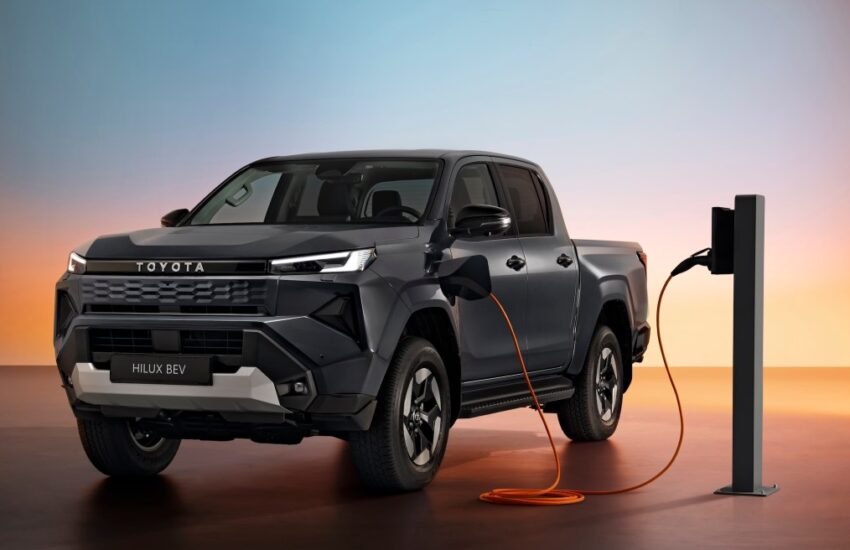
Toyota Unveils First All-Electric Hilux Model

The Japanese automaker Toyota has officially introduced its inaugural fully electric version of the iconic Hilux pickup truck, signaling a strategic move into the zero-emission utility vehicle segment. This development represents a significant milestone for Toyota as it expands its electric vehicle portfolio to include one of its most globally recognized workhorses.

Strategic Market Rollout Excludes North America

Despite generating considerable excitement among automotive enthusiasts and industry observers, Toyota’s electric Hilux will not be available in the United States market. This decision reflects the company’s carefully calculated market strategy that prioritizes regions with established EV infrastructure and regulatory frameworks favoring electric commercial vehicles. The selective rollout demonstrates Toyota’s methodical approach to electric vehicle distribution across global markets.

Technical Specifications and Performance Features

The electric Hilux maintains the rugged durability that has defined the model for decades while incorporating advanced electric powertrain technology. Early specifications indicate substantial towing capacity and payload capabilities comparable to conventional diesel variants. The transition to electric power delivers instant torque characteristics and reduced operational costs, making it particularly attractive for commercial fleet operators and businesses focused on sustainability metrics.

Global Market Positioning and Competitive Landscape

Toyota’s electric Hilux enters a rapidly evolving segment where traditional pickup manufacturers are increasingly facing competition from new EV specialists. The vehicle’s launch positions Toyota to compete effectively in markets where pickup trucks dominate both commercial and personal transportation sectors. The exclusion of North America from initial availability suggests Toyota may be developing market-specific electric pickup solutions tailored to American consumer expectations and regulatory requirements.

Environmental Impact and Industry Significance

The introduction of an electric Hilux represents more than just another EV model launch—it signifies the electrification of vehicles traditionally associated with high emissions and industrial use. This transition could potentially influence broader adoption of electric commercial vehicles across developing markets where the Hilux has established strong brand loyalty and market presence over several generations.

Hyundai Data Breach Exposes 2.7 Million Owners

Hyundai Data Breach Compromises Social Security Numbers

In an era where data breaches are becoming as certain as taxes, Hyundai faces another significant security incident. The company’s IT services subsidiary disclosed a breach that occurred as early as February, potentially exposing the personal information of millions of vehicle owners.

Scope of the Data Exposure

Approximately 2.7 million Hyundai owners have been affected by this security failure. The compromised data includes highly sensitive information such as Social Security numbers, which are critical for identity verification. This breach represents one of the largest automotive data incidents in recent years, raising serious concerns about data protection standards in the industry.

Timeline of the Security Incident

The breach was first detected in late February when unusual activity was noticed in Hyundai’s customer database systems. Forensic investigators have determined that unauthorized access occurred over several weeks, during which cybercriminals extracted customer information without triggering immediate security alerts.

Implications for Affected Customers

Owners whose data has been exposed face significant risks of identity theft and financial fraud. Social Security numbers combined with other personal information create perfect conditions for criminals to open fraudulent accounts, apply for loans, or file false tax returns. The long-term consequences could persist for years despite mitigation efforts.

Industry-Wide Security Concerns

This incident highlights ongoing vulnerabilities in automotive data management systems. As vehicles become more connected and manufacturers collect increasing amounts of customer data, the industry must strengthen its cybersecurity protocols. The Hyundai breach serves as a warning to other automakers about the importance of robust data protection measures.

Preventive Measures and Future Outlook

Automotive companies must implement more advanced security frameworks, including multi-factor authentication, encryption, and continuous monitoring systems. Regular security audits and employee training are essential to prevent similar breaches. As technology evolves, so must the protective measures surrounding customer information.

2026 Honda Passport TrailSport Long-Term Review Update

Long-Term Review: 2026 Honda Passport TrailSport

It has been approximately three weeks since our last update in the long-term test series of the 2026 Honda Passport TrailSport. This installment was originally intended to cover a 2,000-mile family road trip for a birthday celebration, with plans to travel to Missouri for camping. Unfortunately, unforeseen circumstances required a last-minute cancellation, shifting the focus of this review.

Performance and Handling in Varied Conditions

Despite the change in plans, the Honda Passport TrailSport has continued to impress with its robust performance. The all-wheel-drive system provides confident traction on both paved roads and light off-road trails, making it a versatile choice for adventure seekers. The 3.5-liter V6 engine delivers ample power for highway merging and towing, while the suspension balances comfort and control over rough terrain. Drivers will appreciate the responsive steering and well-tuned transmission, which contribute to a smooth and engaging driving experience.

Interior Comfort and Practical Features

Inside, the TrailSport trim offers a spacious cabin with supportive seats and high-quality materials. The intuitive infotainment system includes standard Apple CarPlay and Android Auto, enhancing connectivity without distraction. Cargo space is generous, accommodating gear for outdoor activities, and the rear seats fold flat for added versatility. Thoughtful touches like ample storage compartments and user-friendly controls make daily use convenient and enjoyable.

Reliability and Real-World Impressions

Over the testing period, the Passport TrailSport has demonstrated strong reliability with no mechanical issues. Fuel efficiency remains competitive for its class, averaging around 20 MPG in mixed driving. The rugged exterior styling not only looks the part but also includes practical elements like roof rails and protective cladding. Overall, this SUV proves to be a dependable companion for both everyday commutes and spontaneous adventures, living up to its TrailSport branding.

Wyoming Diesel Tuner Receives Presidential Pardon

Presidential Pardon for Environmental Violations

A Wyoming-based diesel tuner, previously incarcerated for breaching environmental regulations, has been granted a full presidential pardon. Troy Lake, operator of Elite Diesel near Cheyenne, was convicted on over 300 counts related to tampering with vehicle emissions controls, resulting in a prison sentence and substantial fines. The pardon absolves him of all legal penalties associated with these offenses.

Background of the Case

Troy Lake’s conviction stemmed from his involvement in disabling emissions control systems on diesel vehicles, which is prohibited under the Clean Air Act. These actions contributed to increased air pollution by allowing vehicles to emit higher levels of harmful pollutants. Following an investigation by environmental authorities, he was sentenced to serve time in federal prison and pay a significant financial penalty for his role in these activities.

Implications of the Pardon

The presidential pardon has sparked discussions about the enforcement of environmental laws and executive clemency powers. Supporters argue that it corrects perceived overreach in regulatory penalties, while critics express concern that it may undermine efforts to protect air quality and public health. This case highlights the ongoing debate between regulatory compliance and individual business practices in the automotive industry.

Industry and Environmental Perspectives

Diesel tuning remains a contentious issue, with enthusiasts valuing performance enhancements and environmental advocates emphasizing the need for emissions controls. The pardon brings attention to the balance between technological modifications and ecological responsibility, influencing how similar cases might be viewed in the future. It underscores the complex interplay between federal regulations and presidential authority in shaping environmental policy outcomes.

Renault Espace F1 Roars Back in Gran Turismo 7

The Legendary Renault Espace F1 Returns

After years of anticipation, the iconic Renault Espace F1 makes a spectacular comeback in Gran Turismo 7. This high-performance minivan, which first captured hearts in Gran Turismo 2, bridges a decades-long gap in the racing series, delivering nostalgia and excitement to longtime fans and newcomers alike.

An Engineering Marvel Reimagined

The Renault Espace F1 stands as one of the most audacious automotive creations ever conceived. Originally a concept vehicle, it combined the practicality of a family minivan with the heart of a Formula 1 car. Its mid-engine layout and screaming V10 powerplant, borrowed directly from a championship-winning F1 car, produced staggering performance figures that defied its unconventional appearance.

Unmatched Performance Heritage

This vehicle was never intended for mass production but served as a brilliant showcase of engineering prowess. It could accelerate from 0 to 60 mph in less than three seconds, a feat that rivals modern supercars. The chassis was extensively modified with a carbon-fiber monocoque and racing suspension to handle the immense power, while its aerodynamic elements provided necessary downforce.

A New Chapter in Digital Racing

Its inclusion in Gran Turismo 7 allows a new generation of players to experience this unique piece of automotive history. The game’s advanced physics engine faithfully recreates the Espace F1’s brutal acceleration, razor-sharp handling, and distinctive engine note. Players can now push this extraordinary machine to its limits on legendary tracks, fulfilling dreams that were once only possible through archival footage.

Reviving a Cult Classic

For many, the Espace F1 represents the pinnacle of French automotive experimentation. Its return is more than just an added vehicle; it’s a celebration of boundary-pushing design and a reminder of an era when manufacturers dared to be different. Driving it in-game feels like unlocking a secret chapter from motorsport history, offering a blend of absurdity and brilliance that remains unmatched.

Kia Telluride 2027: Bold Design Splits Auto Enthusiasts

Kia Telluride 2027 Reveals Radical Styling

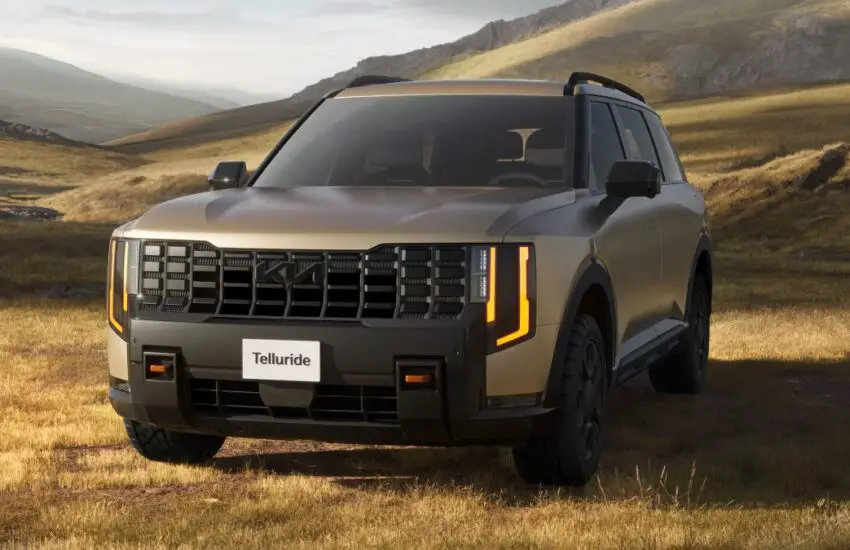
The automotive world is buzzing with the first glimpses of the next-generation Kia Telluride. As Kia continues to push boundaries with its expressive designs, the 2027 Telluride represents a significant leap forward. However, its bold front fascia has ignited a firestorm of debate, leaving enthusiasts torn between admiration and apprehension.

A Departure from Convention

Kia’s design language has evolved dramatically, moving from safe and conservative to daring and futuristic. The 2027 Telluride embodies this shift completely. Its most striking feature is an illuminated front grille that integrates seamlessly with the headlights, creating a single, dominant light signature. The traditional Kia badge is absent, replaced by new, modern lettering, signaling a new era for the brand.

Mixed Reactions from the Community

Initial reactions from the automotive community have been sharply divided. Proponents of the design praise its bravery and forward-thinking aesthetic. They argue that it positions the Telluride as a leader in SUV design, distinct from its more conservative competitors. Critics, however, find the new face overly aggressive and a step too far from the model’s previously acclaimed and balanced proportions. They express concern that the radical look may alienate the family-oriented buyers who have been the Telluride’s core audience.

The Future of SUV Design

This polarizing response highlights a broader trend in the industry. As manufacturers transition to electrification and seek stronger brand identities, designs are becoming more extreme. The 2027 Kia Telluride is not just a new model; it’s a statement. Whether it will be remembered as a design masterpiece or a misstep will ultimately be decided by its reception in the market. One thing is certain: Kia is no longer playing it safe.

Toyota Land Cruiser Hybrid Hits 110K Miles in One Year

Extreme Mileage Test for Toyota’s Hybrid SUV

In an extraordinary real-world durability test, a 2024 Toyota Land Cruiser hybrid has surpassed 110,000 miles within a single year of ownership. This remarkable achievement provides unprecedented insights into the long-term performance of Toyota’s latest hybrid powertrain under demanding conditions.

Proven Reliability Under Pressure

The vehicle’s turbocharged hybrid system has demonstrated exceptional resilience throughout this intensive usage period. Unlike some competing V6 powertrains that have shown reliability concerns under heavy use, Toyota’s hybrid configuration maintained consistent performance across varied driving conditions. The owner reported minimal mechanical issues despite the accelerated mileage accumulation, highlighting the robustness of Toyota’s engineering approach.

Fuel Efficiency and Maintenance Insights

Throughout the 110,000-mile journey, the Land Cruiser hybrid maintained impressive fuel economy figures that closely matched Toyota’s official estimates. The hybrid system’s regenerative braking capability proved particularly beneficial during extensive highway driving, contributing to sustained efficiency. Maintenance requirements remained predictable, with no unexpected component failures reported during the intensive driving period.

Real-World Performance Validation

This extreme mileage case study offers valuable data for potential buyers considering Toyota’s hybrid technology. The vehicle’s ability to withstand such rigorous use without significant degradation speaks volumes about Toyota’s quality control standards. The hybrid battery system maintained optimal performance throughout the testing period, addressing common concerns about long-term hybrid component durability.

This real-world validation of Toyota’s hybrid technology in the Land Cruiser platform sets a new benchmark for reliability testing in the SUV segment. The vehicle’s performance under such extreme conditions provides compelling evidence of Toyota’s engineering excellence and commitment to long-term vehicle durability.

Silverado Manual Swap: 1000HP Transmission Solution

Silverado Street Truck: Mastering Uncontrolled Power

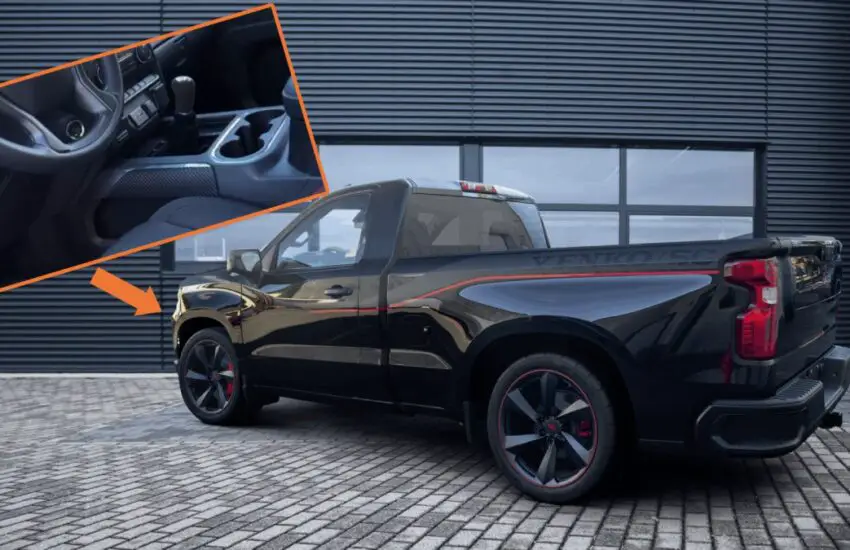
For GM truck enthusiasts, the L87 engine offers immense potential, but the factory 10-speed automatic transmission often presents reliability challenges. A manual transmission swap emerges as a groundbreaking solution to harness this power effectively. By eliminating complex valve body issues inherent in automatic systems, this modification addresses core mechanical weaknesses while enhancing driver engagement.

Why Choose a Manual Transmission?

Manual transmissions provide direct power transfer without the lag or unpredictability of automatic systems. With a 1000-horsepower Silverado, this means instantaneous throttle response and complete control over gear selection. The simplicity of manual components reduces failure points, making it ideal for high-performance applications where durability is paramount.

Performance Benefits of the Swap

Swapping to a manual transmission transforms the driving experience. Drivers gain precise gear control, enabling optimized acceleration and deceleration. The mechanical connection between engine and wheels ensures power delivery is consistent and predictable, crucial for managing extreme horsepower outputs safely on street or track.

Implementation Considerations

Successful conversion requires compatible clutch systems, custom driveshaft modifications, and reinforced mounting points. Proper installation ensures the transmission can handle torque loads while maintaining vehicle balance. This upgrade not only resolves reliability concerns but also elevates the truck’s performance character significantly.

Long-Term Reliability Advantages

Manual transmissions have fewer electronic components and hydraulic circuits than automatics, reducing long-term maintenance needs. With proper care, they withstand high-stress conditions better, providing sustained performance without the frequent servicing associated with high-power automatic setups.

OBD2 Code P1448: Comprehensive Diagnosis and Repair Guide

Understanding OBD2 Code P1448: The Technical Breakdown

OBD2 code P1448 is a manufacturer-specific diagnostic trouble code that primarily affects Nissan and Infiniti vehicles. This code indicates a malfunction in the Evaporative Emission Control (EVAP) system, specifically related to the Vacuum Cut Valve Bypass Valve circuit. The EVAP system is designed to prevent fuel vapors from escaping into the atmosphere by capturing and storing them in a charcoal canister, then purging them into the engine for combustion during normal operation.

What Does P1448 Specifically Mean?

P1448 is defined as “EVAP System – Vacuum Cut Valve Bypass Valve.” This code typically indicates an electrical or mechanical failure in the vacuum cut valve bypass valve circuit. The vacuum cut valve is part of the EVAP system that controls vacuum flow to various components, and when the Powertrain Control Module (PCM) detects an abnormal voltage, resistance, or operational pattern in this circuit, it triggers the P1448 code and illuminates the check engine light.

Vehicle Applications and System Operation

While P1448 most commonly appears in Nissan and Infiniti models, including Altima, Maxima, Sentra, Rogue, Pathfinder, and various Infiniti luxury vehicles, the fundamental principles apply across all modern vehicles with similar EVAP system designs. The vacuum cut valve bypass valve works in conjunction with other EVAP components to maintain proper fuel vapor management and ensure compliance with emission regulations.

Common Symptoms and Immediate Effects of P1448

When P1448 appears, drivers may notice several symptoms that indicate EVAP system malfunction. Recognizing these signs early can prevent more serious issues and potential inspection failures.

Primary Symptoms You’ll Experience

  • Illuminated check engine light on dashboard
  • Possible fuel odor around the vehicle
  • Decreased fuel efficiency
  • Rough idle or occasional engine hesitation
  • Failed emissions test during vehicle inspection
  • Difficulty refueling (clicking off fuel nozzle prematurely)

Secondary System Impacts

While P1448 itself doesn’t typically cause immediate drivability concerns, prolonged neglect can lead to secondary issues. The EVAP system’s inability to properly manage fuel vapors may cause increased hydrocarbon emissions, potential damage to the charcoal canister, and in rare cases, affect engine performance due to incorrect fuel vapor purging.

Diagnostic Procedure for P1448 Code

Proper diagnosis requires systematic testing to identify the root cause. Following a structured approach saves time and prevents unnecessary part replacement.

Initial Diagnostic Steps

  • Use professional OBD2 scanner to confirm P1448 and check for additional codes
  • Clear the code and perform a test drive to see if it returns
  • Visual inspection of EVAP system components and wiring harness
  • Check for technical service bulletins specific to your vehicle model
  • Inspect vacuum lines for cracks, disconnections, or deterioration

Advanced Electrical Testing

For accurate diagnosis, perform these electrical tests using a digital multimeter:

  • Check resistance of vacuum cut valve bypass valve (compare to manufacturer specifications)
  • Test voltage supply to the valve with ignition on and engine off
  • Verify ground circuit integrity
  • Check for short to ground or power in control circuit
  • Monitor valve operation with bidirectional scanner controls

Common Causes and Repair Solutions for P1448

Identifying the specific cause is crucial for effective repair. The P1448 code can result from various issues within the EVAP system.

Most Frequent Causes of P1448

  • Faulty vacuum cut valve bypass valve (most common)
  • Damaged wiring or connectors in valve circuit
  • Blown fuse affecting EVAP system operation
  • Failed PCM or programming issues
  • Vacuum line blockage or restriction
  • Corroded electrical terminals or connectors

Step-by-Step Repair Procedures

Begin with the most accessible and common solutions before proceeding to more complex repairs:

  • Replace vacuum cut valve bypass valve (typically located near charcoal canister)
  • Repair or replace damaged wiring and connectors
  • Replace blown fuses and verify circuit protection
  • Clean electrical contacts and apply dielectric grease
  • Inspect and replace damaged vacuum lines
  • As last resort, consider PCM replacement or reprogramming

Prevention and Maintenance Strategies

Regular maintenance can prevent P1448 and other EVAP-related codes from occurring, ensuring optimal vehicle performance and emission compliance.

Proactive Maintenance Tips

  • Follow manufacturer-recommended maintenance schedules
  • Regularly inspect EVAP system components during oil changes
  • Address other EVAP codes promptly to prevent system strain
  • Ensure fuel cap is properly tightened after refueling
  • Keep electrical connections clean and protected from moisture

Cost Considerations and Professional Help

Repair costs for P1448 vary significantly based on the root cause. Vacuum cut valve replacement typically costs $150-$400 including parts and labor, while electrical repairs may range from $100-$300. PCM-related issues can exceed $500. Always obtain multiple quotes from qualified technicians and consider diagnostic fees when budgeting for repairs.

Successfully addressing P1448 requires understanding the EVAP system’s complexity and following methodical diagnostic procedures. With proper identification and repair, your vehicle will return to optimal operation while maintaining environmental compliance through effective emission control.