How I Diagnosed a P1484 on a Volkswagen Tiguan 2.0 TDI

The Client and His 2020 Volkswagen Tiguan 2.0 TDI Acting Up

It was a cold Friday morning, December 19th, 2025. My regular customer, a local shop owner, pulled in with his 2020 Tiguan TDI. He looked stressed. “The yellow engine light came on last night,” he said. “No loss of power, no weird noises. Just the light, solid.” He needed his car reliable for deliveries. My first thought? Given the mileage—112,000 km—and it being a modern diesel, the EGR system was prime suspect number one.

What I Noticed Before Even Plugging in the Scanner

I let it idle. No rough running, no excessive smoke from the exhaust. The cooling fan wasn’t running excessively. Honestly, it sounded and behaved perfectly normally. I checked the service history we had on file. The last major service was at 90,000 km. No recent work on the EGR or intake system. It was a clean slate, which sometimes makes the hunt harder.

My Diagnostic Method (Step-by-Step)

Step 1: The Scan and the Surprise

I hooked up my trusted VCDS. Sure enough, one code popped up: P1484 – EGR Cooler Bypass Control Circuit/Open. No other codes. I went into the measuring blocks for the EGR system. The requested EGR rate and the actual rate were matching perfectly at idle. The weird part? The “EGR Cooler Bypass Valve: specified value” was showing 95%, but the “actual value” was stuck at 5.2%. Even when I commanded the valve with the output tests, the actual value didn’t budge. The ECU knew something was wrong with that circuit.

Step 2: The Test Many People Forget

Everyone’s first instinct is to check the valve itself. I’ve learned to check the *path to* the valve first. I grabbed my multimeter. With the connector disconnected from the EGR cooler bypass valve, I back-probed it. Key on, engine off. I had 12 volts on one pin. Good. But when I checked for the pulsed signal from the ECU on the control wire while performing an output test… nothing. No duty cycle signal at all. That was the crucial clue. The problem was *upstream* of the valve.

Step 3: The False Trail (Thankfully Avoided)

Here’s the trap. The code says “EGR Cooler Bypass…”, the part is right there, easy to swap. My client was anxious for a quick fix. I’ll admit, for a second I thought, “Maybe it’s just the valve motor seized.” I could have just changed parts at random and sold him a new valve assembly. That would have been a €300+ part plus labor, and it wouldn’t have fixed a thing. I remembered a similar mistake I made on a Passat years ago, replacing a throttle body for a wiring issue. I wasn’t going to do that again.

The Real Problem Finally Discovered

The “Eureka!” moment came when I traced the wiring harness back from the valve. It runs along the side of the engine block. I removed the plastic conduit. There it was. A section of the harness, right near a bracket, had rubbed through. Two wires were exposed, and the thin control wire for the bypass valve was completely severed. Corrosion had started on the others. The chafing was slow, explaining why the light just came on without other symptoms.

The Necessary Parts (and the Money Saved)

  • Wiring Repair Sleeve & Connector Pins: ~€25
  • Labor: 2.5 hours (diagnosis, harness repair, rerouting, clearing codes, test drive)
  • Approximate Total: €220 TTC

Compare that to the ~€500+ for a new valve and labor for nothing. The client saved over €280 because we diagnosed it properly.

What This Repair Taught Me (Again)

It reinforced a lesson I learned the hard way early in my career: Always prove the signal before condemning the actuator. Just because the ECU logs a fault for a component, doesn’t mean the component is dead. The circuit includes wires, connectors, and the ECU itself. I once replaced a perfect oxygen sensor because I didn’t check for voltage at the connector first. Never again.

My Protocol Now for All P1484 Codes (or Similar Electrical Faults)

  1. Use a professional scanner with bidirectional controls to command the component while watching live data.
  2. My workshop trick: Before disassembling anything, check for reference voltage and a clean ground at the component connector. Then, use a noid light or scope to check for the control signal during an actuator test. No signal? The fault is in the wiring or ECU.
  3. To save time and money: Get a solid wiring diagram. Time spent tracing the circuit is almost always less than the time spent replacing the wrong part and then having to diagnose it again.

The Advice I Give All My Clients Now

I told this client, and I tell everyone: “When that engine light comes on, don’t panic, but don’t ignore it. Bringing it in early for a diagnosis often prevents a small, cheap electrical fault from turning into a major component failure down the line.” A simple chafed wire, if left, can short out and damage the ECU—a €2,000 problem from a €20 fix.

Client Feedback and The Moral of The Story

When he came to pick up the car, I showed him the damaged wire. His eyes widened. “So it was just a wire? You saved me a fortune!” He was genuinely relieved. He’s since sent two other small business owners my way. The moral? Good, honest diagnostics build more trust than fast, expensive parts swapping. It keeps their car on the road and keeps them coming back to your bay. That’s a win-win in my book.
Peugeot’s Electric Estate: The 508 Successor Takes Shape

Peugeot Plots an Electric Estate as 508 Successor

The production of the Peugeot 508, an iconic model for the lion brand, has officially ended. This cessation marks the conclusion of an era for Peugeot’s large sedan and estate offerings. However, the automaker is not abandoning the segment entirely. Instead, strategic shifts in consumer preference and stringent emissions regulations are steering the company’s vision toward a zero-emissions future.

A Strategic Shift to Electric Mobility

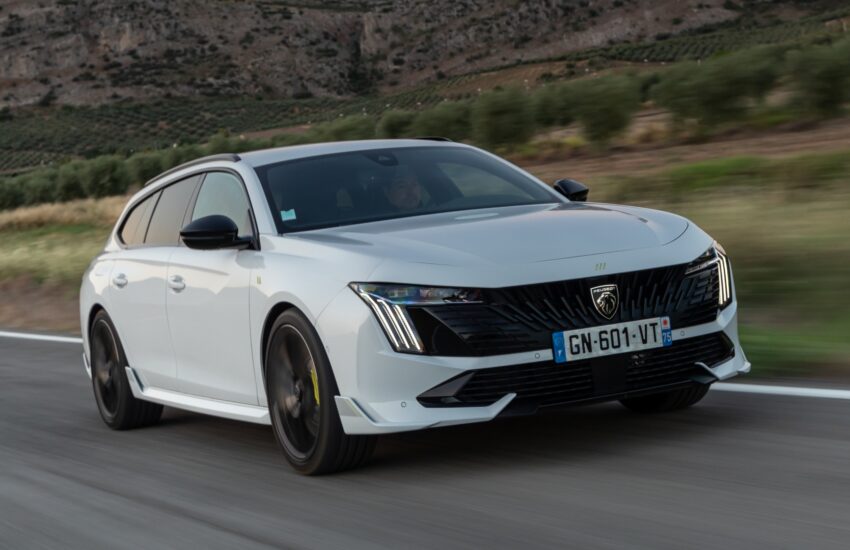
Industry reports indicate that Peugeot is actively developing a successor, but it will not be a conventional sedan. The favored path is the development of a large, fully electric estate car. This move aligns with broader industry trends where traditional body styles are being reimagined under electric architectures. An electric estate allows for innovative packaging, potentially offering spacious interiors and versatile cargo capacity without the need for a traditional combustion engine layout.

Design and Platform Expectations

The new model is expected to leverage the sophisticated STLA Large platform from Stellantis, Peugeot’s parent company. This dedicated EV architecture promises significant benefits, including extended driving range, rapid charging capabilities, and a spacious “skateboard” chassis that liberates interior space. Design language will likely evolve from the latest Peugeot concepts, featuring sharp styling, the brand’s signature claw-effect lighting, and a futuristic cabin centered around the i-Cockpit.

Positioning in a Competitive Market

This future model will enter a growing niche of premium electric estates in Europe. It aims to attract customers who prioritize space, efficiency, and design, offering a distinct alternative to SUV body styles. By focusing on a grand tourer estate, Peugeot can carve out a unique position, blending practicality with the dynamic performance inherent to electric vehicles. The success of this project will be crucial for Peugeot’s electrification strategy and its presence in the premium segment.

BYD Pioneers Peer-to-Peer Home EV Charging Network

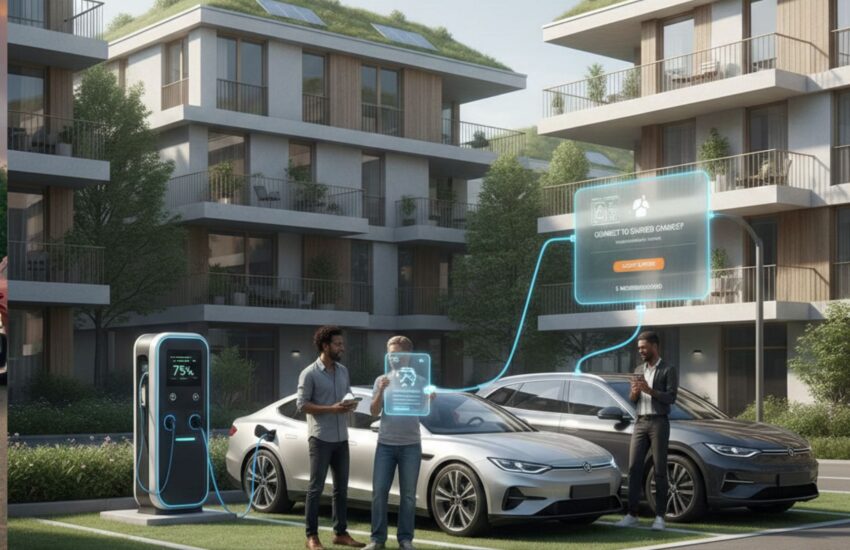
Neighbors Sharing Power: BYD’s New EV Charging Model

The electric vehicle revolution is not just about the cars themselves, but also about building a smarter, more communal infrastructure. Chinese automotive giant BYD is pioneering this shift with a novel service that allows owners of private home charging stations to share access with their neighbors. This peer-to-peer model represents a significant step towards optimizing existing resources and democratizing EV ownership.

Optimizing Infrastructure and Building Community

This initiative directly tackles a common barrier to EV adoption: charging anxiety. Not all residents, especially those in apartments or homes without dedicated parking, can install a personal charger. BYD’s platform creates a decentralized network, turning privately-owned wallboxes into semi-public assets. Neighbors can locate, book, and pay for charging sessions at a nearby shared point through a dedicated mobile application. For hosts, it offers a potential revenue stream to offset their electricity and installation costs, while ensuring their charger sees more use.

A Strategic Move in a Competitive Market

BYD’s foray into shared charging is a strategic expansion beyond manufacturing. By fostering a user-friendly ecosystem, the company enhances the overall value proposition of owning one of its vehicles. It also alleviates some pressure on public fast-charging networks, directing shorter, overnight charging sessions to local, lower-power sources. This model promotes energy efficiency by utilizing off-peak residential power and reduces the need for redundant hardware installations in dense urban areas.

If successfully scaled, this community-based approach could redefine urban EV infrastructure, making it more adaptive, resilient, and socially integrated. It sets a precedent for how automotive companies can leverage software and connectivity to solve practical challenges, turning individual assets into collective solutions for sustainable mobility.

The Unspoken Friction of Electric Car Ownership

Beyond the Charge: Social Tensions on the Road to Electrification

The transition to electric vehicles represents a major technological shift, but it also brings a new set of social dynamics to the roads. As EV adoption grows, certain owner behaviors are creating points of friction with other drivers, highlighting a cultural learning curve alongside the technological one.

The Charging Station Etiquette Debate

One of the most common sources of irritation revolves around public charging points. A significant grievance is the practice of “ICE-ing,” where internal combustion engine vehicles park in designated EV charging spots, blocking access. Conversely, some electric vehicle owners contribute to the problem by using charging bays as premium parking spots long after their battery is full, preventing others from accessing the vital infrastructure. This misuse undermines the shared resource and fuels frustration among the EV community itself.

A New Kind of Driver Superiority?

Another subtle tension stems from perceived attitudes. Some drivers of traditional cars report encountering a sense of moral or technological superiority from a subset of EV owners. This can manifest in driving behavior or social media discourse, framing EV ownership not just as a personal choice but as a marker of environmental virtue. This divide can turn a simple traffic interaction into a charged moment, creating an unnecessary “us versus them” mentality on the road.

The Silent Glide and Pedestrian Awareness

The very technology of EVs also leads to new behavioral adjustments. Their near-silent operation at low speeds, while a benefit for noise pollution, has raised concerns about pedestrian safety, particularly in parking lots and urban areas. Some drivers may become over-reliant on this quietness, potentially leading to less cautious maneuvering. Furthermore, the instant torque of electric motors can encourage rapid acceleration from stoplights, a behavior that can be perceived as showy or aggressive by others, even if the driver is simply enjoying the vehicle’s performance characteristics.

Ultimately, these points of friction are likely growing pains. As electric vehicles move from early adoption to the mainstream, both infrastructure and social norms will need to evolve. Greater awareness and consideration from all road users—whether their vehicle plugs in or fills up—are key to a smoother journey ahead for everyone.

EU’s ICE Ban Delay Hands Advantage to Chinese EV Makers

European Carmakers Face Strategic Setback with Combustion Engine Reprieve

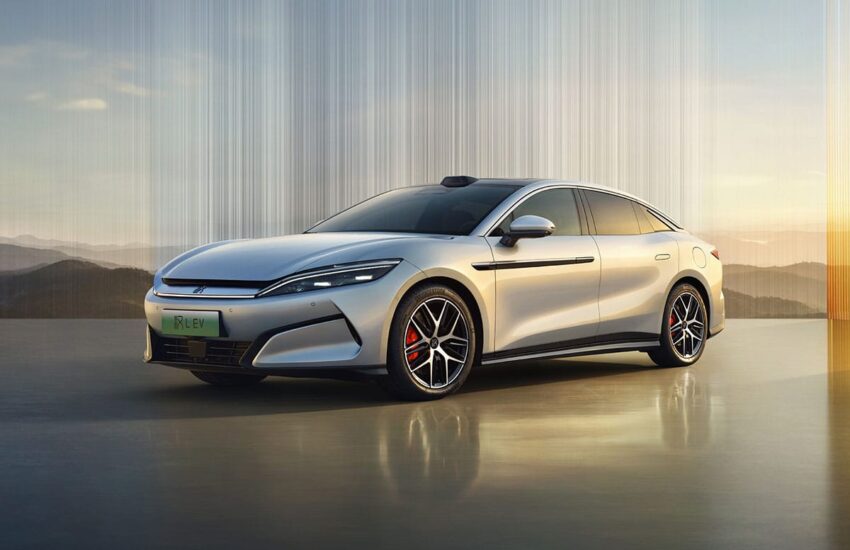
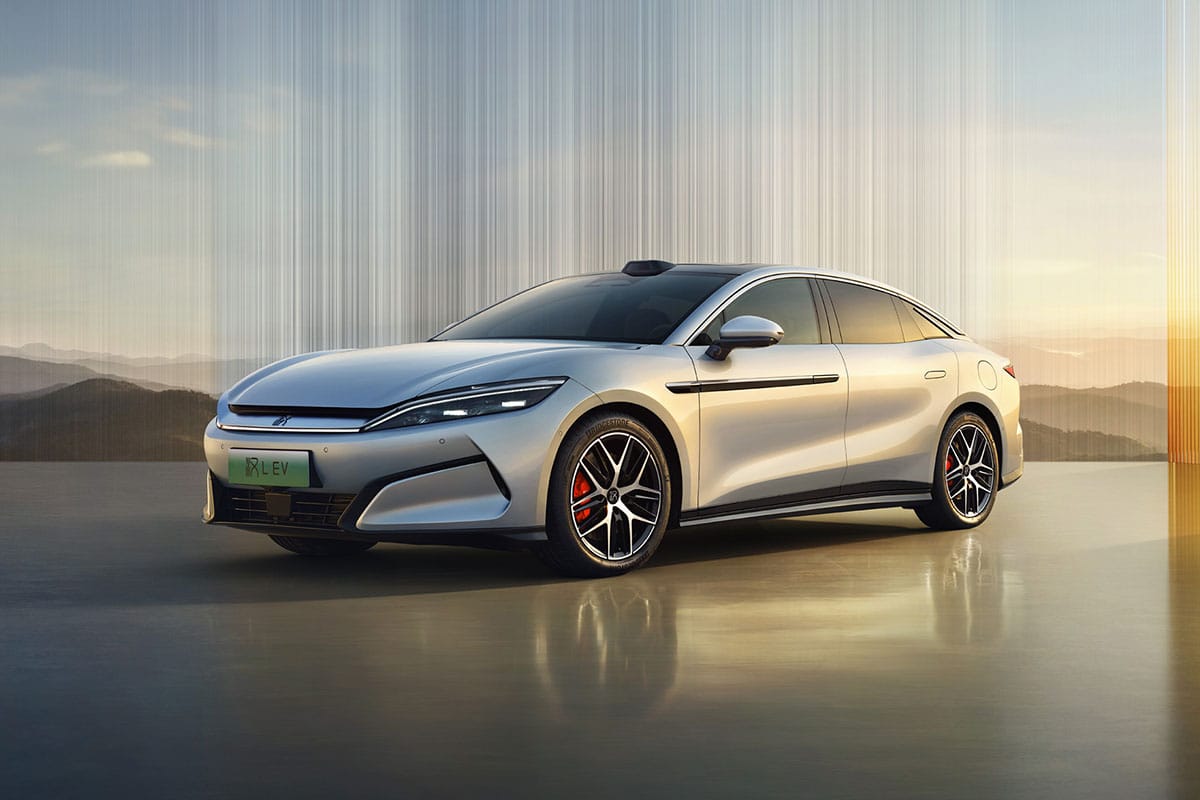
BYD electric vehicle platform showcasing advanced battery integration

In a pivotal shift, the European Commission’s decision to postpone the ban on new internal combustion engine (ICE) vehicle sales has sparked a complex debate. While some European manufacturers may welcome the extra breathing room, industry analysts and global competitors like China’s BYD suggest this delay could ultimately weaken the region’s automotive sector. The reprieve risks slowing the urgent pace of investment and innovation needed to compete in the global electric vehicle market.

A Calculated Move with Unintended Consequences

The interim policy shift aims to address infrastructure and industrial transition concerns. However, it creates a strategic vacuum. Chinese EV giants, led by BYD, have interpreted this not as a relief for Europe but as a critical opportunity. Their aggressive expansion plans for the European market remain unchanged, funded by significant economies of scale and advanced, cost-effective battery technology. The delay may allow them to solidify their market presence with advanced, affordable EVs while some European brands remain partially committed to older technologies.

The Innovation Gap Widens

The core of BYD’s argument centers on competitive momentum. A firm regulatory deadline forces rapid technological development, supply chain localization, and production scaling. By softening this deadline, European carmakers might divert resources or slow their EV roadmaps, precisely when competitors are accelerating. This gap isn’t just about vehicles; it encompasses the entire EV ecosystem, including battery production, software-defined features, and charging solutions, where Asian manufacturers are building formidable leads.

Ultimately, the market will judge the outcome. Consumers presented with increasingly sophisticated and competitively priced Chinese EVs may gravitate towards them, regardless of the regulatory timeline for ICE vehicles. The delay of the combustion engine ban may therefore prove to be a short-term respite that leads to a long-term strategic disadvantage for traditional European manufacturers, who now face a dual challenge: managing a prolonged transition while fending off a well-prepared and ambitious new wave of competition.

MG Motor’s European Surge: 300,000 Sales Milestone Reached

MG Motor Accelerates Past a Major European Milestone

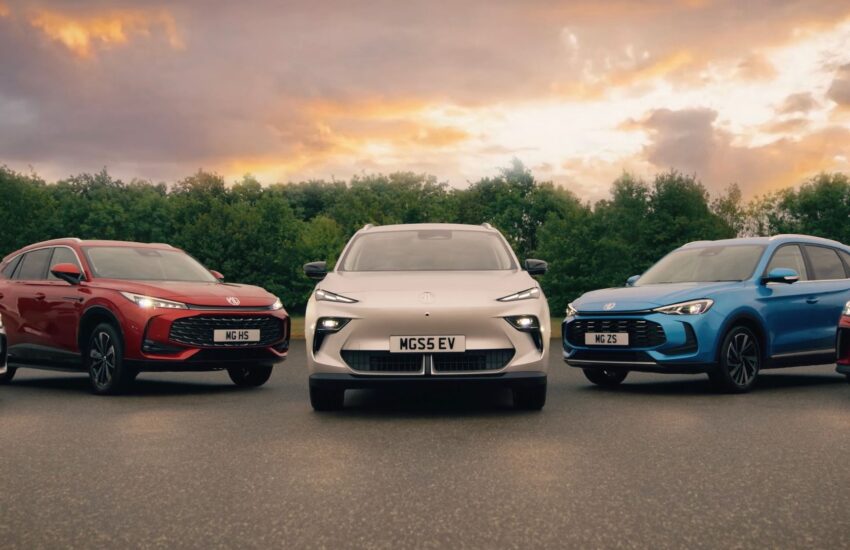
The automotive landscape in Europe witnessed a significant shift in 2025 as MG Motor confidently surpassed 300,000 vehicle sales across the continent. This achievement marks a pivotal moment for the brand, underscoring a rapid and successful expansion into one of the world’s most competitive automotive markets. The British-born marque, now under Chinese ownership, has transitioned from a niche player to a formidable volume contender in a remarkably short timeframe.

Strategic Pillars of Success

Several key factors have fueled MG’s impressive ascent. Foremost is its compelling value proposition, offering modern design, generous technology, and competitive pricing. This has resonated strongly with cost-conscious consumers seeking premium features without the associated price tag. Furthermore, MG has been at the forefront of the electric vehicle transition in Europe, with models like the MG4 EV becoming a top-seller in its segment. This early and committed push into electrification aligned perfectly with evolving market demands and regulatory pressures.

Overcoming Market Challenges

MG’s journey to this milestone was not without hurdles. The brand faced the dual challenge of rebuilding recognition and establishing trust in a market with deep-rooted loyalties to established European and Asian manufacturers. Success hinged on building a robust dealer network to ensure accessibility and reliable after-sales service. By offering extensive warranties and focusing on practical, family-oriented vehicles, MG gradually eroded initial skepticism and built a reputation for dependable, high-value mobility.

Crossing the 300,000-sales threshold is more than a numerical win; it signals MG’s permanent arrival as a major force in Europe. This volume provides the scale necessary for sustained investment, potentially influencing future model development and manufacturing strategies. The brand’s trajectory suggests it is well-positioned to continue reshaping the mainstream automotive market, proving that a focused strategy on electrification and value can disrupt even the most established industries.

Grand Paris Defies National Trend, Keeps Its Low Emission Zone

Grand Paris Maintains Its Low Emission Zone Despite National Repeal

In a bold move asserting regional autonomy, the Greater Paris Metropolis has decided to maintain its Low Emission Zone (ZFE). This decision comes directly after the French parliament voted in late May 2025 to abolish the national framework for such urban clean air schemes. The move creates an unprecedented situation where local environmental regulations persist despite being scrapped at the state level, highlighting a significant political and environmental divergence.

A Local Stand for Air Quality

The Metropolis’s council argues that the ZFE is a critical tool for improving public health and accelerating the green transition within the dense urban area. Officials cite measurable improvements in air quality since the zone’s gradual implementation and emphasize a commitment to protecting residents from pollution. This stance frames the policy not merely as a regulatory measure, but as a necessary public health intervention for one of Europe’s largest metropolitan areas.

Navigating Legal and Practical Complexities

The decision to uphold the local ZFE raises immediate questions about enforcement and legal coherence. The Metropolis will need to ensure its own enforcement mechanisms, potentially including camera networks and fines, remain operational without the backing of the national legal framework. Furthermore, clarity for drivers is paramount; the persistence of the zone in Greater Paris, amidst a national repeal, risks creating confusion for those traveling from other regions.

This standoff underscores a growing trend of major cities pursuing environmental agendas that are more ambitious than those of their national governments. The Greater Paris Metropolis is positioning itself as a defender of long-term climate and health goals, setting a notable precedent for urban governance and environmental policy in France.

How a Crisis Forged Volkswagen’s Electric Dominance

The Unlikely Engine of an Electric Revolution

Beneath the sleek designs of modern electric vehicles like the Volkswagen ID.7 lies an architectural marvel that powers one in four EVs sold in Europe. The Modular Electric Drive Matrix (MEB) platform is a quiet titan, its origins rooted not in triumph, but in one of the automotive industry’s most profound scandals. A decade ago, a single internal letter triggered a silent revolution within Volkswagen, setting it on a forced march toward an electric future.

Born from Necessity

The “Dieselgate” emissions crisis of 2015 served as a brutal catalyst. Facing existential threats, Volkswagen needed a radical, unifying strategy to rebuild its reputation and comply with tightening regulations. The answer was a massive strategic pivot, with the MEB platform as its technical cornerstone. This wasn’t a gradual evolution; it was a corporate survival mechanism transformed into an engineering masterplan.

The Platform for a New Era

The MEB’s genius lies in its dedicated electric design. Unlike adapted combustion-engine platforms, it was conceived from the ground up for battery packs, electric motors, and optimal interior space. This scalable “skateboard” architecture allows for a wide range of vehicle types—from compact hatchbacks to spacious SUVs—to be built efficiently, sharing core components across the Volkswagen Group’s brands, including Audi, Škoda, and Cupra.

A Legacy Redefined

Today, the MEB’s success has effectively rewritten Volkswagen’s legacy for the 21st century. It enabled the rapid rollout of the ID. family and established critical economies of scale. The platform’s widespread adoption demonstrates how a defensive move, born from crisis management, can morph into a dominant market offensive. It stands as a powerful case study in industrial transformation, proving that the most enduring innovations are sometimes forged in the fires of adversity, steering an entire industry toward a new direction.

Polestar Secures $600 Million Lifeline from Parent Geely

Geely Provides Crucial Funding to Polestar

Electric vehicle manufacturer Polestar has secured a vital $600 million financing agreement from its parent company, Geely. The funding, arranged through Geely Sweden Holdings AB, arrives as a significant boost for the brand, providing essential capital for its ongoing operations and strategic initiatives. This move underscores Geely’s continued commitment to supporting its premium EV subsidiary during a period of intense competition and market transition.

Structure of the Financial Agreement

The substantial financial package is structured to be released in two distinct tranches. An initial $300 million will be made available immediately under the terms of the three-year loan facility. The disbursement of the second $300 million tranche, however, is subject to specific conditions and requires formal approval from the lending entity. This conditional structure provides a framework for continued financial discipline while ensuring Polestar has access to necessary resources.

Strategic Implications for Polestar’s Future

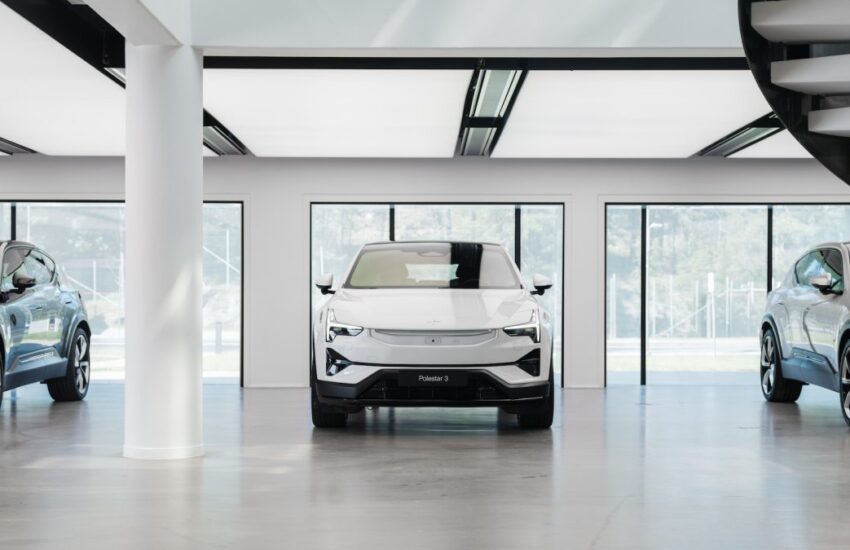
This infusion of capital is more than just a balance sheet transaction; it is a strategic endorsement. The funds are expected to support Polestar’s ambitious product roadmap, which includes launching new models like the Polestar 3 and Polestar 4 SUVs. Furthermore, the financing will aid in bolstering its global sales and distribution network, a critical component for achieving scale and competing effectively with established automotive giants and pure-play EV competitors.

Navigating a Competitive EV Landscape

The automotive industry’s shift to electrification has created a fiercely competitive environment where access to capital is paramount. For Polestar, this funding from Geely provides a more stable foundation from which to execute its strategy, independent of volatile public market conditions. It allows the company to focus on technological innovation, brand building, and customer experience without the immediate pressure of short-term profitability that often plagues newly public companies in the capital-intensive auto sector.

2026 Nissan Pathfinder Review: A Subtle Mid-Cycle Refresh

2026 Nissan Pathfinder: Evolution Over Revolution

Nissan continues its steady march to revitalize its lineup, focusing on refreshing vehicles that are modern on the outside but in need of an interior update. The 2026 Pathfinder, arriving four years into the current generation’s lifecycle, represents the latest step in this strategy. This is a mid-cycle update, and a subtle one at that.

What’s New for 2026?

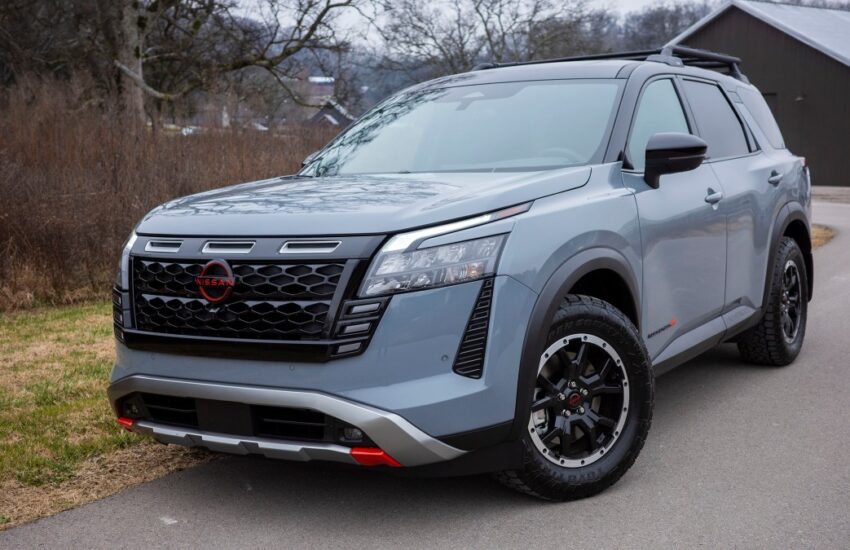
The changes for the 2026 model year are focused on refinement rather than reinvention. Exterior updates are minimal, likely limited to new wheel designs and perhaps revised lighting signatures or front fascia details. The core mechanical package—including the capable 3.5-liter V6 engine and available nine-speed automatic transmission—is expected to carry over unchanged. The primary focus of this update is the cabin, where materials, technology, and user experience receive attention to better compete in the fiercely contested three-row SUV segment.

Driving Experience and Capability

For those who found the current Pathfinder convincing, the 2026 model will feel very familiar. Its balanced on-road manners and genuine off-road capability in higher trims remain key strengths. The SUV continues to offer a comfortable ride for families, ample cargo space, and a straightforward, user-friendly control layout. The updates aim to enhance this solid foundation by addressing areas where rivals have pulled ahead, particularly in terms of interior ambiance and tech integration.

Final Verdict on the Updates

Ultimately, the 2026 Nissan Pathfinder is an exercise in evolution. It takes a competent, well-rounded family hauler and applies thoughtful refinements where they are needed most. This approach means it avoids alienating existing fans while striving to win over new buyers looking for a dependable, capable SUV with a more contemporary feel inside. Its value proposition will hinge on how significantly the interior upgrades elevate the daily driving experience.