Porsche Cayenne Electric: Power Meets Sustainability

Porsche Cayenne Electric Unveiled

Porsche Cayenne electric SUV

Porsche has officially introduced the all-electric Cayenne, marking a significant step in the brand’s electrification journey. This premium SUV combines the iconic design and performance Porsche is known with cutting-edge electric vehicle technology, setting new standards in the luxury electric SUV segment.

Impressive Range and Charging Capabilities

The electric Cayenne boasts an exceptional range of over 600 kilometers on a single charge, addressing one of the primary concerns for potential EV buyers. Even more impressive is its 400 kW charging capability, allowing for incredibly fast power replenishment. This means drivers can add significant range in just minutes rather than hours, making long-distance travel more convenient than ever before.

Performance That Stays True to Porsche DNA

True to its heritage, the electric Cayenne delivers breathtaking performance that enthusiasts expect from the German automaker. The instant torque delivery characteristic of electric motors provides explosive acceleration, while the low center of gravity from the battery placement enhances handling and stability. The vehicle maintains the sporty driving dynamics that have made Cayenne one of the most driver-focused SUVs on the market.

Luxury Meets Innovation

Inside, the electric Cayenne features the latest in automotive technology and premium materials. The cabin offers a serene, quiet environment thanks to the absence of engine noise, while advanced driver assistance systems and connectivity features ensure both safety and convenience. The transition to electric power has allowed Porsche to reimagine the interior space, creating an even more comfortable and technologically advanced environment for both driver and passengers.

This electric SUV represents Porsche’s commitment to sustainable mobility without compromising the performance and luxury that define the brand. The Cayenne electric is positioned to compete strongly in the growing premium electric SUV market, offering a compelling combination of range, performance, and luxury that few competitors can match.

Mercedes-Benz P1453 Code: Comprehensive Diagnostic Guide

Understanding the P1453 Code in Mercedes-Benz Vehicles

The P1453 diagnostic trouble code is a manufacturer-specific code that indicates a problem within the Evaporative Emission Control System (EVAP) of Mercedes-Benz vehicles. This code specifically points to a detected leak in the EVAP system during the leak detection pump test cycle. The EVAP system is designed to prevent fuel vapors from escaping into the atmosphere, and the P1453 code signals that the system has failed to maintain proper pressure or vacuum during diagnostic testing.

What Does P1453 Mean Exactly?

P1453 is defined as “Evaporative Emission Control System Leak Detected (Fuel Tank System)” in Mercedes-Benz vehicles. This code triggers when the vehicle’s onboard computer detects an unexpected pressure change or vacuum loss in the fuel vapor containment system. The leak detection pump performs regular tests while driving, and when it cannot achieve or maintain the expected pressure levels, the P1453 code is stored in the ECU memory and the check engine light illuminates.

How the Mercedes EVAP System Works

Mercedes-Benz EVAP systems are sophisticated emission control systems consisting of several key components working together:

  • Charcoal canister for vapor storage
  • Purge control valve/solenoid
  • Leak detection pump (LDP)
  • Fuel tank pressure sensor
  • Vent valve and associated hoses
  • Fuel filler cap and sealing system

The system captures fuel vapors from the fuel tank and temporarily stores them in the charcoal canister. During specific driving conditions, the ECU opens the purge valve, allowing stored vapors to be drawn into the engine and burned. The leak detection pump periodically tests the system integrity by creating pressure or vacuum and monitoring for changes.

Common Symptoms of P1453 Code in Mercedes Vehicles

Recognizing the symptoms associated with P1453 can help Mercedes owners identify the issue early and prevent more serious problems. While some vehicles may show multiple symptoms, others might display only the check engine light with no noticeable driving issues.

Primary Warning Signs

The most common indicators of P1453 code activation include:

  • Check engine light illumination (steady or flashing)
  • Failed emissions test during inspection
  • Fuel odor around the vehicle, particularly near the fuel tank
  • Decreased fuel efficiency over time
  • Rough idling or occasional engine hesitation
  • Difficulty starting the engine in some cases

Secondary Effects on Vehicle Performance

While the P1453 code primarily affects emissions control, prolonged issues can lead to:

  • Increased hydrocarbon emissions
  • Potential damage to other EVAP components
  • Reduced engine performance in certain conditions
  • Activation of additional trouble codes related to fuel system
  • Possible fuel tank deformation due to pressure issues

Diagnosing P1453 Code in Mercedes-Benz Models

Proper diagnosis of P1453 requires systematic testing and inspection of the EVAP system components. Professional technicians follow specific diagnostic procedures to accurately identify the source of the leak or malfunction.

Initial Diagnostic Steps

Begin with these basic checks before proceeding to more advanced testing:

  • Verify the P1453 code with an OBD2 scanner and check for additional codes
  • Inspect the fuel filler cap for proper sealing and tightness
  • Visually examine all visible EVAP system hoses for cracks, damage, or disconnections
  • Check the charcoal canister for physical damage or contamination
  • Listen for unusual noises from the leak detection pump during operation

Advanced Diagnostic Procedures

For persistent P1453 codes, more comprehensive testing is necessary:

  • Perform smoke test on the EVAP system to identify leak locations
  • Test leak detection pump operation and pressure output
  • Check purge valve functionality and electrical operation
  • Test vent valve operation and sealing capability
  • Monitor fuel tank pressure sensor readings with scan tool
  • Inspect EVAP system wiring and connectors for damage or corrosion

Common Causes and Repair Solutions for P1453

Identifying the root cause of P1453 is essential for effective repair. The issue can range from simple fixes to more complex component replacements.

Most Frequent Causes of P1453

Based on Mercedes-Benz service data, the most common culprits for P1453 include:

  • Faulty or loose fuel filler cap (most common simple fix)
  • Cracked or damaged EVAP system hoses and connections
  • Failed leak detection pump (LDP) or pressure sensor
  • Malfunctioning purge control valve or vent valve
  • Damaged or saturated charcoal canister
  • Electrical issues in EVAP system wiring or connectors
  • Physical damage to fuel tank or EVAP components

Repair Procedures and Cost Estimates

Repair approaches vary depending on the identified cause:

  • Fuel cap replacement: $20-$50 plus labor
  • EVAP hose replacement: $50-$150 depending on location and accessibility
  • Leak detection pump replacement: $200-$400 plus 1-2 hours labor
  • Charcoal canister replacement: $150-$300 plus 1-2 hours labor
  • Purge valve replacement: $80-$150 plus 0.5-1 hour labor
  • Complete system diagnosis: $100-$200 at professional shop

Preventive Maintenance and Professional Considerations

Regular maintenance and proper understanding of the EVAP system can help prevent P1453 codes and ensure your Mercedes-Benz operates at peak efficiency.

Preventive Maintenance Tips

To minimize the risk of P1453 and other EVAP system issues:

  • Always tighten the fuel filler cap until it clicks three times
  • Replace the fuel cap every 4-5 years or as recommended
  • Have EVAP system inspected during routine maintenance
  • Avoid overfilling the fuel tank beyond the automatic shutoff
  • Address check engine lights promptly to prevent additional damage
  • Keep the area around the fuel tank and EVAP components clean

When to Seek Professional Assistance

While some P1453 issues can be addressed by DIY enthusiasts, professional help is recommended when:

  • Multiple EVAP codes are present simultaneously
  • Smoke testing equipment is required for diagnosis
  • Component replacement requires specialized tools or knowledge
  • The code persists after basic repairs
  • Warranty coverage may apply to the repair
  • Emissions testing deadlines are approaching

Understanding and addressing P1453 codes promptly not only ensures your Mercedes-Benz remains environmentally compliant but also maintains optimal performance and fuel efficiency. With proper diagnosis and repair, this common EVAP system issue can be resolved effectively, restoring your vehicle’s emission control system to proper operation.

Volvo Drops LiDAR from Standard Electric Vehicle Features

Volvo Reverses LiDAR Strategy for New EVs

Volvo has made a significant shift in its safety technology approach by removing LiDAR as standard equipment from its upcoming electric models. The Swedish automaker had initially committed to including this advanced sensor system across its premium EX90 and ES90 electric vehicles to enhance autonomous driving capabilities. This reversal stems from substantial supply chain disruptions that have impacted production timelines, forcing the company to reevaluate its feature standardization.

Supply Chain Challenges Force Feature Reevaluation

The global automotive industry continues facing component shortages and manufacturing delays, particularly for sophisticated technologies like LiDAR systems. Volvo’s decision reflects broader challenges in securing consistent supplies of specialized hardware required for next-generation driver assistance systems. While disappointing for safety advocates, this move allows Volvo to maintain production schedules for their crucial electric vehicle launches without compromising vehicle availability.

Impact on Volvo’s Safety Reputation

Volvo has built its brand identity around safety leadership, making this equipment change particularly notable. The company emphasizes that even without standard LiDAR, their vehicles will maintain comprehensive safety suites using radar, cameras and ultrasonic sensors. However, the absence of LiDAR’s precise object detection and distance measurement capabilities represents a temporary step back from their vision for collision-free driving.

Future Availability as Optional Equipment

Industry observers note that LiDAR will likely remain available as optional equipment or might be reintroduced as standard once supply constraints ease. This approach mirrors strategies adopted by other premium automakers balancing technological ambitions with manufacturing realities. For now, Volvo appears focused on delivering their electric vehicles to market while managing component availability challenges.

The automotive sector continues navigating complex supply chain dynamics while advancing toward more autonomous vehicles. Volvo’s experience demonstrates how even well-established manufacturers must adapt their technology rollout plans when facing production limitations.

Lexus P1453 Code: Comprehensive Guide to EVAP System Leak Detection

Understanding the Lexus P1453 Trouble Code

The P1453 diagnostic trouble code is a manufacturer-specific code that primarily affects Lexus and Toyota vehicles. This code indicates a malfunction in the Evaporative Emission Control System (EVAP), specifically related to the leak detection pump circuit. When your Lexus’s onboard computer detects an issue with the vacuum leak detection pump or its associated circuits, it triggers the P1453 code and illuminates the check engine light.

What Does P1453 Mean Exactly?

P1453 specifically points to a “Vacuum Switch Malfunction” in the EVAP system. The leak detection pump is responsible for creating vacuum to test the EVAP system for leaks. When the powertrain control module (PCM) detects that the vacuum switch isn’t functioning properly during this test cycle, it stores the P1453 code. This is a critical component of your vehicle’s emission control system that prevents fuel vapors from escaping into the atmosphere.

Common Lexus Models Affected by P1453

  • Lexus ES300 (particularly 1997-2001 models)
  • Lexus RX300 (1999-2003 model years)
  • Lexus GS300 (various model years)
  • Lexus IS300 (early 2000s models)
  • Lexus LS400 (specific model years)

Symptoms and Immediate Effects of P1453

Recognizing the symptoms associated with the P1453 code is crucial for timely diagnosis and repair. While some vehicles may show minimal symptoms initially, ignoring this code can lead to more significant issues over time.

Primary Symptoms of P1453 Code

  • Illuminated check engine light (MIL)
  • Possible slight decrease in fuel economy
  • Failed emissions test in regions requiring testing
  • Potential fuel odor in some cases
  • No noticeable drivability issues in most cases

Secondary Effects if Left Unrepaired

While the P1453 code typically doesn’t cause immediate drivability concerns, prolonged neglect can lead to additional complications. The EVAP system’s inability to properly monitor for leaks means that actual fuel vapor leaks could go undetected, potentially leading to increased emissions and environmental pollution. In some cases, continued system malfunction might trigger additional trouble codes related to the EVAP system.

Comprehensive Diagnostic Procedure for P1453

Proper diagnosis of the P1453 code requires systematic testing and a thorough understanding of the EVAP system components. Following a structured diagnostic approach ensures accurate identification of the root cause and prevents unnecessary part replacement.

Initial Diagnostic Preparation

  • Connect a professional OBD2 scanner to confirm the P1453 code
  • Check for any additional stored codes that might provide context
  • Review freeze frame data to understand conditions when the code set
  • Perform visual inspection of EVAP system components and wiring
  • Ensure the gas cap is properly tightened before proceeding

Testing the Leak Detection Pump Circuit

The leak detection pump is the heart of the diagnosis for P1453. Begin by locating the pump, typically found in the rear of the vehicle near the fuel tank or in the engine compartment. Using a digital multimeter, test the pump’s electrical connections for proper voltage and ground. Check for continuity in the wiring harness between the pump and the PCM. Resistance values should fall within manufacturer specifications, typically between 10-30 ohms for most Lexus models.

Vacuum System Testing Procedures

Since the P1453 code specifically relates to vacuum switch malfunction, testing the vacuum system is critical. Use a hand vacuum pump to apply vacuum to the leak detection pump’s vacuum switch port. Monitor the switch’s electrical response using a multimeter. The switch should change state (open or close circuit) at specific vacuum levels. Compare these values against factory specifications, which typically range between 5-10 inches of mercury for activation.

Professional Repair Solutions for P1453

Once diagnosis confirms the specific cause of the P1453 code, appropriate repair procedures can be implemented. The complexity of these repairs varies depending on the identified issue, ranging from simple electrical repairs to component replacement.

Common Repair Procedures

  • Replacement of faulty leak detection pump assembly
  • Repair or replacement of damaged wiring harness
  • Cleaning or replacement of clogged vacuum lines
  • Replacement of defective vacuum switch component
  • PCM reprogramming or replacement in rare cases

Leak Detection Pump Replacement Process

Replacing the leak detection pump requires careful attention to detail. Begin by disconnecting the battery to ensure safety. Locate the pump, typically mounted near the fuel tank or charcoal canister. Disconnect electrical connectors and vacuum lines, noting their positions for reassembly. Remove mounting bolts and install the new pump, ensuring all connections are secure. After replacement, clear the codes and perform a complete EVAP system test cycle to verify repair success.

Prevention and Maintenance Strategies

Preventing recurrence of the P1453 code involves regular maintenance and awareness of potential issues. While some components have limited lifespan, proper care can extend their service life and prevent premature failure.

Proactive Maintenance Tips

  • Regularly inspect EVAP system components during routine maintenance
  • Ensure gas cap is properly tightened after each refueling
  • Address any check engine lights promptly to prevent additional damage
  • Keep the area around the leak detection pump clean and free of debris
  • Follow manufacturer-recommended service intervals for emission systems

Long-term System Health Considerations

Maintaining the overall health of your Lexus’s EVAP system requires attention to multiple components. Regular inspection of vacuum lines for cracks or deterioration, monitoring fuel system performance, and addressing any fuel odor concerns immediately can prevent more serious issues. Consider having a professional EVAP system inspection as part of your regular maintenance schedule, particularly for vehicles with higher mileage or those operating in extreme environmental conditions.

Cost Considerations and Professional Assistance

The cost of repairing a P1453 code varies significantly based on the specific cause and your location. Understanding potential costs helps in making informed repair decisions.

Typical Repair Cost Ranges

  • Diagnostic fees: $80-$150
  • Leak detection pump replacement: $200-$500 (parts and labor)
  • Wiring repair: $100-$300
  • Vacuum line replacement: $75-$200
  • PCM replacement: $500-$1000 (rarely needed)

When to Seek Professional Help

While some enthusiasts may attempt basic diagnostics, the complexity of the EVAP system often requires professional expertise. If you lack specialized diagnostic equipment or experience with emission systems, seeking professional assistance is recommended. Certified Lexus technicians have access to manufacturer-specific diagnostic procedures and technical service bulletins that may provide additional insight into resolving P1453 issues efficiently.

The P1453 code, while not an immediate threat to vehicle operation, represents an important emission system concern that requires attention. Proper diagnosis and repair ensure your Lexus maintains optimal performance while meeting environmental standards. Regular maintenance and prompt attention to emission-related trouble codes will help maintain your vehicle’s long-term reliability and value.

Xiaomi YU7 Electric SUV Redefines Chinese Automotive Market

Xiaomi YU7: The Electric SUV Revolutionizing China’s Roads

Xiaomi’s YU7 electric SUV represents a monumental leap in the Chinese automotive industry, positioning itself as the flagship companion to the acclaimed SU7 sedan. This strategic expansion into the electric vehicle sector showcases Xiaomi’s commitment to sustainable mobility, combining cutting-edge technology with consumer-centric design. The YU7’s emergence signals a new era where technology giants directly challenge traditional automakers.

Design Innovation and Aesthetic Appeal

The YU7 boasts a revolutionary exterior design that merges aerodynamic efficiency with bold styling cues. Its streamlined silhouette minimizes drag while maintaining the commanding presence expected from a premium SUV. The seamless integration of lighting elements and flush door handles creates a cohesive visual language that distinguishes it from conventional vehicles. Inside, the cabin features sustainable materials and an intuitive layout that prioritizes both comfort and functionality.

Technological Advancements and Performance

Powered by Xiaomi’s proprietary electric powertrain technology, the YU7 delivers impressive acceleration and range capabilities. The vehicle incorporates advanced driver-assistance systems and seamless connectivity features that sync with Xiaomi’s ecosystem of smart devices. Battery technology innovations enable rapid charging while maintaining thermal stability, addressing common concerns about electric vehicle practicality.

Market Impact and Future Prospects

The YU7’s introduction comes at a pivotal moment in China’s transition to electric transportation. Its competitive pricing strategy and feature-rich package have positioned it as a formidable contender in the rapidly growing EV market. Industry analysts predict the model will accelerate consumer adoption of electric SUVs while pushing competitors to innovate more aggressively in both technology and affordability.

Xiaomi YU7 electric SUV in urban environment

Renault’s Electric City Car Revolution

Urban Mobility Reimagined

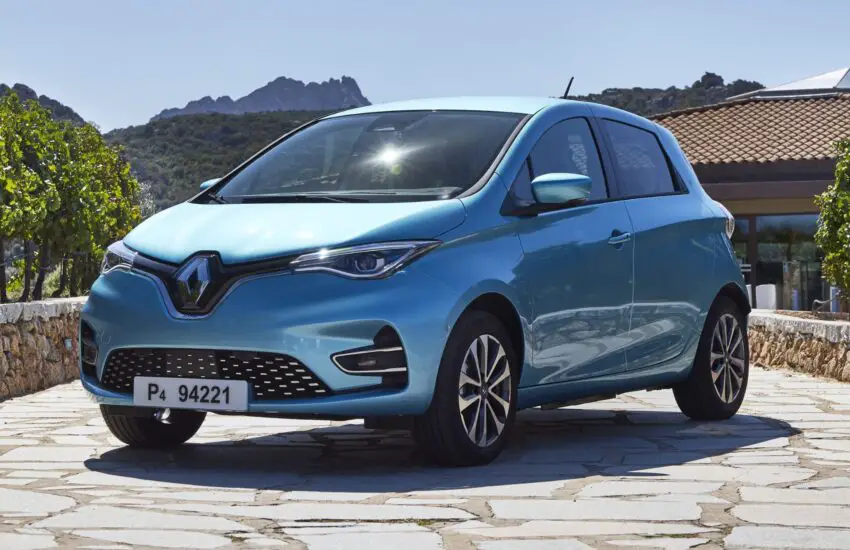
The automotive landscape is witnessing a significant shift with the introduction of Renault’s latest electric city car. This compact vehicle represents a thoughtful approach to urban transportation, combining environmental consciousness with practical design for modern city dwellers.

Affordable Electric Innovation

Positioned as an accessible entry point into electric mobility, this model demonstrates that sustainable driving doesn’t require premium pricing. The strategic pricing structure makes electric vehicle ownership achievable for a broader demographic, potentially accelerating the adoption of clean transportation in urban environments.

Optimized Urban Performance

Engineered specifically for city commuting, the vehicle features a battery range perfectly calibrated for daily urban journeys. The efficient power management system ensures reliable performance for typical city driving patterns, from school runs to grocery trips and daily commutes.

Smart Design Philosophy

The exterior showcases a modern interpretation of urban vehicle aesthetics, with clean lines and compact dimensions that enhance maneuverability in tight city spaces. Inside, the cabin demonstrates intelligent space utilization, providing surprising interior room despite the vehicle’s small footprint.

Charging Convenience

Compatible with standard home charging solutions and public infrastructure, the vehicle supports flexible charging options that align with urban living patterns. The charging system is designed for convenience, fitting seamlessly into the routines of city residents.

This electric city car represents more than just another vehicle option—it embodies a practical vision for sustainable urban mobility that prioritizes accessibility, efficiency, and intelligent design without compromising on functionality.

Land Rover P1453 Code: EVAP System Leak Detection Pump Circuit Explained

Understanding the P1453 Code in Land Rover Vehicles

The P1453 diagnostic trouble code is a manufacturer-specific code that indicates a problem within the Evaporative Emission Control (EVAP) system, specifically related to the Leak Detection Pump (LDP) circuit. This code is particularly common in Land Rover models including Discovery, Range Rover, and LR series vehicles. The EVAP system is crucial for preventing fuel vapors from escaping into the atmosphere, and the leak detection pump plays a vital role in monitoring system integrity.

What Does P1453 Code Mean?

P1453 specifically points to an electrical circuit malfunction in the leak detection pump. This pump is responsible for creating pressure or vacuum within the EVAP system to test for leaks. When the powertrain control module (PCM) detects voltage readings outside the expected parameters in the LDP circuit, it triggers the P1453 code and illuminates the check engine light.

Land Rover EVAP System Overview

The EVAP system in Land Rover vehicles is designed to capture and store fuel vapors from the fuel tank, preventing them from being released into the atmosphere. Key components include:

  • Fuel tank and vapor lines
  • Charcoal canister for vapor storage
  • Purge valve/solenoid
  • Vent valve
  • Leak Detection Pump (LDP)
  • Various sensors and pressure switches

Common Symptoms of P1453 Code in Land Rovers

Recognizing the symptoms associated with P1453 is crucial for timely diagnosis and repair. While some vehicles may show multiple symptoms, others might display only the check engine light without noticeable driveability issues.

Primary Symptoms and Warning Signs

  • Illuminated check engine light (MIL)
  • Failed emissions testing
  • Possible fuel odor around the vehicle
  • Decreased fuel efficiency in some cases
  • Rough idle or occasional stalling
  • Difficulty refueling (slow fuel fill)

Secondary Effects on Vehicle Performance

While the P1453 code primarily affects emissions compliance rather than engine performance, prolonged neglect can lead to additional issues. The vehicle’s computer may enter limp mode in some cases, and continued operation with an active EVAP code can potentially damage other emission components over time.

Diagnosing P1453 Code: Step-by-Step Procedure

Proper diagnosis of P1453 requires systematic testing of electrical circuits and components. Always begin with visual inspection before proceeding to electrical testing.

Initial Visual Inspection and Preparation

Start with a thorough visual examination of the EVAP system components and wiring. Look for obvious damage, disconnected hoses, corroded connectors, or physical damage to the leak detection pump. Ensure the gas cap is properly sealed, as a loose cap can sometimes trigger related codes.

Electrical Circuit Testing Methodology

  • Check LDP power supply circuit for proper voltage
  • Test ground circuit continuity and resistance
  • Inspect wiring harness for damage or corrosion
  • Verify PCM signals to the leak detection pump
  • Test LDP motor resistance and compare to specifications

Advanced Diagnostic Techniques

For persistent P1453 codes, advanced testing may be necessary. This includes monitoring live data from the PCM during LDP activation, performing voltage drop tests across circuits, and using smoke machines to verify there are no additional vacuum leaks complicating the diagnosis.

Repair Solutions for P1453 Code in Land Rovers

Once diagnosis is complete, several repair approaches may be necessary depending on the root cause identified during testing.

Common Repair Procedures

  • Replacing faulty leak detection pump assembly
  • Repairing damaged wiring or connectors
  • Cleaning or replacing corroded ground connections
  • Addressing PCM communication issues
  • Fixing additional EVAP system leaks

Component Replacement Guidelines

When replacing the leak detection pump, always use OEM or high-quality aftermarket parts specifically designed for your Land Rover model. Proper installation includes ensuring all electrical connections are secure and all vacuum lines are properly routed and connected. After replacement, clear codes and perform a complete drive cycle to verify repair success.

Prevention and Maintenance Tips

Preventing recurrence of P1453 involves regular maintenance and awareness of potential issues before they trigger diagnostic codes.

Proactive Maintenance Strategies

  • Regular inspection of EVAP system components during routine service
  • Prompt attention to any check engine lights
  • Proper tightening of fuel cap after refueling
  • Periodic electrical connection cleaning and inspection
  • Addressing minor issues before they become major problems

Long-Term EVAP System Health

Maintaining your Land Rover’s EVAP system not only prevents P1453 codes but also ensures optimal vehicle performance and environmental compliance. Regular professional inspections can identify potential circuit issues before they trigger diagnostic trouble codes, saving time and money on future repairs.

Cost Considerations and Professional vs DIY Repair

The cost to repair P1453 can vary significantly depending on the root cause and whether you choose professional service or DIY approach.

Repair Cost Breakdown

Typical repair costs range from $150 to $800+, with leak detection pump replacement being the most expensive component. Labor costs vary by location and shop rates. Electrical repairs typically cost less than pump replacement if caught early.

When to Seek Professional Assistance

While some electrical repairs may be within reach of experienced DIYers, complex diagnosis and PCM-related issues typically require professional equipment and expertise. If you’re uncomfortable with electrical diagnostics or lack proper tools, seeking professional assistance is recommended to avoid misdiagnosis and unnecessary parts replacement.

Jeep Recon 2026: Electric Off-Road Revolution

Unveiling the 2026 Jeep Recon

The automotive world is witnessing a significant shift with the introduction of the 2026 Jeep Recon. This all-new, fully electric SUV marks a bold step for the iconic brand, combining legendary off-road capability with zero-emission driving. After years of anticipation and teasers, the Recon is officially confirmed, promising to redefine adventure for the modern era.

Power and Performance

At the heart of the Jeep Recon lies an impressive electric powertrain, generating a staggering 650 horsepower. This immense power ensures exhilarating acceleration and robust performance on any terrain. Built on a state-of-the-art monocoque platform, the Recon is designed exclusively for electric propulsion, offering instant torque and a quiet, smooth ride without compromising its rugged character.

Design and Capabilities

The Jeep Recon’s design stays true to the brand’s heritage while embracing a futuristic aesthetic. Its robust stance and functional features hint at its serious off-road intentions. Expect advanced four-wheel-drive systems, impressive ground clearance, and terrain management technology that allows it to conquer challenging landscapes with ease, all while producing no tailpipe emissions.

Technology and Innovation

Inside, the Recon is expected to feature the latest in-vehicle technology, focusing on both connectivity and driver assistance. A spacious, modern cabin will provide comfort for all occupants, blending premium materials with practical, durable surfaces suited for outdoor adventures. The integration of electric vehicle-specific displays and controls will keep drivers informed about battery status and efficiency.

The Future of Electric Off-Roading

The 2026 Jeep Recon represents more than just a new model; it signifies Jeep’s commitment to an electric future. It aims to prove that environmental responsibility and extreme off-road performance can coexist. As details continue to emerge, the Recon is poised to become a benchmark in the growing segment of electric adventure vehicles, offering a unique blend of power, sustainability, and iconic Jeep capability.

BMW P1453 Code: EVAP System Leak Detection Pump Explained

Understanding the BMW P1453 Diagnostic Trouble Code

The P1453 diagnostic trouble code is a manufacturer-specific code that primarily affects BMW vehicles. This code indicates a malfunction within the Evaporative Emission Control System (EVAP), specifically related to the Leak Detection Pump (LDP) circuit. When your BMW’s powertrain control module (PCM) detects an irregularity in the LDP’s operation or signal, it stores the P1453 code and illuminates the check engine light.

What is the EVAP System and Why It Matters

The Evaporative Emission Control System is a critical component in modern vehicles designed to prevent fuel vapors from escaping into the atmosphere. This system captures fuel vapors from the fuel tank and temporarily stores them in the charcoal canister before purging them into the engine for combustion during normal operation. The system helps reduce hydrocarbon emissions and meets stringent environmental regulations.

The Role of the Leak Detection Pump in BMW Vehicles

BMW’s Leak Detection Pump is an electrically-operated pump that serves dual purposes in the EVAP system. First, it creates vacuum to test the system for leaks during specific driving conditions. Second, it monitors pressure changes to determine if the EVAP system is maintaining proper seal integrity. The LDP works in conjunction with the purge valve and vent valve to complete comprehensive system diagnostics.

How the P1453 Code is Triggered

The PCM monitors the LDP’s electrical circuit and operational performance continuously. The P1453 code is set when the control module detects one of several potential issues: an open or short circuit in the LDP wiring, excessive current draw, insufficient pump performance, or failure to achieve target vacuum levels within the specified time frame during system self-test cycles.

Common Symptoms and Diagnosis of P1453 in BMW

Recognizing the symptoms associated with the P1453 code is crucial for timely diagnosis and repair. While some symptoms may be subtle, others can significantly impact your BMW’s performance and emissions compliance.

Visual and Performance Indicators

  • Illuminated check engine light on the dashboard
  • Possible failed emissions test during inspection
  • Noticeable fuel odor around the vehicle
  • Reduced fuel efficiency in some cases
  • No direct impact on engine performance or drivability
  • Possible rough idle in severe cases

Professional Diagnostic Procedures

Technicians use specialized equipment to diagnose P1453 accurately. The process typically begins with verifying the code with an OBD2 scanner, then proceeding to visual inspection of the EVAP system components. Advanced diagnosis includes checking LDP electrical parameters, testing pump operation, and performing smoke tests to identify potential vacuum leaks that might be related to the pump’s failure to detect issues properly.

Using OBD2 Scanners for Advanced Diagnosis

Modern diagnostic tools provide live data parameters that are essential for diagnosing P1453. Technicians monitor LDP command signals, monitor current draw, and observe system pressure readings during active tests. Freeze frame data stored when the code was triggered provides valuable information about operating conditions that contributed to the fault.

Comprehensive Repair Guide for BMW P1453 Code

Addressing the P1453 code requires systematic troubleshooting to identify the root cause. The repair process varies depending on whether the issue is electrical, mechanical, or related to system components.

Electrical System Diagnosis and Repair

  • Inspect LDP electrical connector for corrosion or damage
  • Test power and ground circuits to the leak detection pump
  • Check wiring harness for opens, shorts, or damage
  • Verify PCM signals using digital multimeter or oscilloscope
  • Test LDP resistance and compare to manufacturer specifications
  • Inspect related fuses and relays in the power distribution center

Mechanical Component Testing and Replacement

The mechanical aspect of repair involves testing the Leak Detection Pump’s operational capability. This includes verifying the pump can generate and hold vacuum, checking for physical damage to the pump housing, and ensuring proper mounting and connection to the EVAP system. Replacement procedures require depressurizing the fuel system and following specific torque specifications for connectors.

System Integrity Verification and Final Testing

After addressing the primary issue, comprehensive system testing is essential. This includes clearing the code, performing multiple drive cycles to ensure the monitor runs completely, and verifying that the code doesn’t return. Technicians often use smoke machines to confirm there are no additional leaks in the EVAP system that could cause future issues.

Prevention and Maintenance Strategies

Preventing recurrence of the P1453 code involves regular maintenance and awareness of factors that contribute to EVAP system failures. Proper care can extend the life of your BMW’s emission control components.

Routine Maintenance Recommendations

  • Follow manufacturer-recommended service intervals
  • Inspect EVAP system components during routine maintenance
  • Ensure fuel cap is properly tightened after refueling
  • Address other engine codes promptly to prevent system strain
  • Use quality replacement parts when repairs are necessary

Common Failure Patterns in BMW EVAP Systems

Understanding common failure points helps in prevention. In BMW vehicles, LDP failures often correlate with age and mileage, with most pumps lasting between 80,000-120,000 miles. Environmental factors like road salt exposure can accelerate electrical connector corrosion. Additionally, using non-OEM fuel caps or damaged fuel filler necks can create secondary issues that stress the leak detection system.

When to Seek Professional Assistance

While some enthusiasts may attempt basic diagnosis, the complexity of BMW’s EVAP systems often requires professional expertise. Specialized diagnostic equipment, technical knowledge of BMW-specific systems, and access to manufacturer technical service bulletins are typically necessary for accurate diagnosis and repair of P1453 issues. Incorrect diagnosis can lead to unnecessary component replacement and increased repair costs.

Unlock Your Car’s Hidden Features with OBDeleven

Discover Your Vehicle’s Full Potential

Modern vehicles contain numerous hidden capabilities that remain inaccessible through standard controls. Automotive manufacturers install these features during production but limit user access to maintain brand differentiation or simplify the user interface. With specialized diagnostic tools, drivers can now activate these concealed options and customize their driving experience beyond factory settings.

Understanding OBD2 Technology

Since 1996, all vehicles sold in major markets have included an On-Board Diagnostics 2 (OBD2) port, typically located beneath the dashboard. This standardized interface was originally designed for emissions testing and basic fault code reading when check engine lights activate. The system monitors various vehicle components and stores diagnostic trouble codes that mechanics can retrieve to identify mechanical issues. While all post-1996 vehicles support basic diagnostic functions through this port, certain manufacturers have implemented more advanced capabilities.

Advanced Capabilities in Modern Vehicles

German automotive manufacturers particularly have embedded extensive programmable features accessible through the OBD2 interface, especially in models produced after 2008. These vehicles often contain dozens of customizable settings that can transform everything from lighting patterns to comfort features and performance parameters. Drivers can modify electronic stability control settings, adjust steering responsiveness, program convenience features like automatic window operation, and even activate video-in-motion capabilities for infotainment systems.

Transforming Vehicle Personalization

Specialized diagnostic tools have evolved to leverage these advanced OBD2 capabilities, moving beyond simple code reading to comprehensive vehicle customization. These systems provide user-friendly interfaces that translate complex automotive programming into accessible options. Through secure connections with vehicle ECUs, these tools enable feature activation, performance monitoring, and system adaptations that were previously exclusive to dealership service departments. This technology represents a significant shift in how owners interact with and personalize their vehicles.