Jaecoo 5 Hybrid SUV Debuts in France

Jaecoo 5: A New Chinese Hybrid SUV Arrives

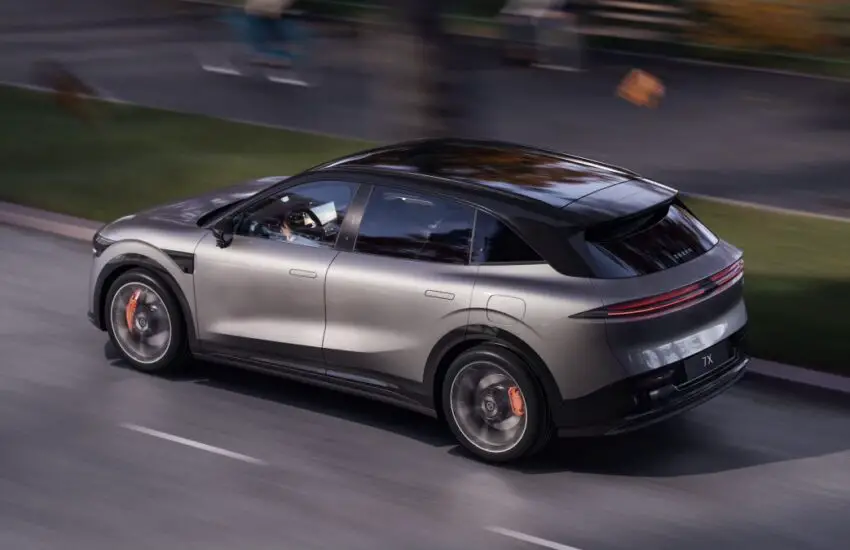
The European automotive landscape welcomes a new contender as the Jaecoo 5 hybrid SUV makes its debut in France. This launch marks the strategic entry of the Omoda Jaecoo brand into a competitive market, signaling the growing ambition of Chinese automakers to offer advanced, energy-efficient vehicles to European consumers.

Design and Styling Cues

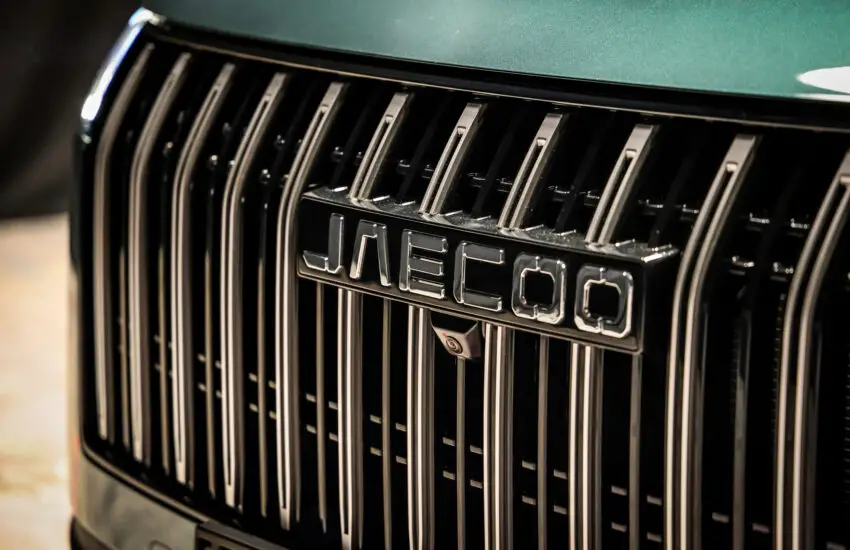
The Jaecoo 5 presents a bold and modern exterior design. It features a prominent grille, sleek LED lighting signatures, and muscular body lines that aim to convey both robustness and sophistication. The interior focuses on creating a tech-forward cabin, with a driver-centric layout that integrates digital displays and premium materials to challenge established rivals in the compact SUV segment.

Hybrid Powertrain and Efficiency

At the heart of the Jaecoo 5’s appeal is its hybrid powertrain. This system combines a petrol engine with an electric motor, aiming to deliver a balanced blend of performance and reduced fuel consumption. The primary goal is to offer a practical solution for urban driving and longer journeys while minimizing emissions, aligning with the growing consumer demand for more sustainable mobility options without committing to a fully electric vehicle.

Technology and Market Position

The vehicle is expected to be well-equipped with contemporary technology, including advanced driver-assistance systems (ADAS), a comprehensive infotainment suite, and connected services. By positioning itself with a strong value proposition—combining hybrid technology, modern features, and an aggressive design—the Jaecoo 5 seeks to attract buyers looking for an alternative to traditional European and Asian brands.

Its introduction in France is a significant test for the brand’s European strategy. Success will depend on factors like final pricing, driving dynamics, real-world efficiency, and the strength of the after-sales network. The Jaecoo 5’s arrival undoubtedly adds more choice and competition to the thriving hybrid SUV market.
Afeela SUV Stumbles at CES 2026, Casting Doubt on Sony-Honda Vision

A Promising Debut Meets Harsh Reality

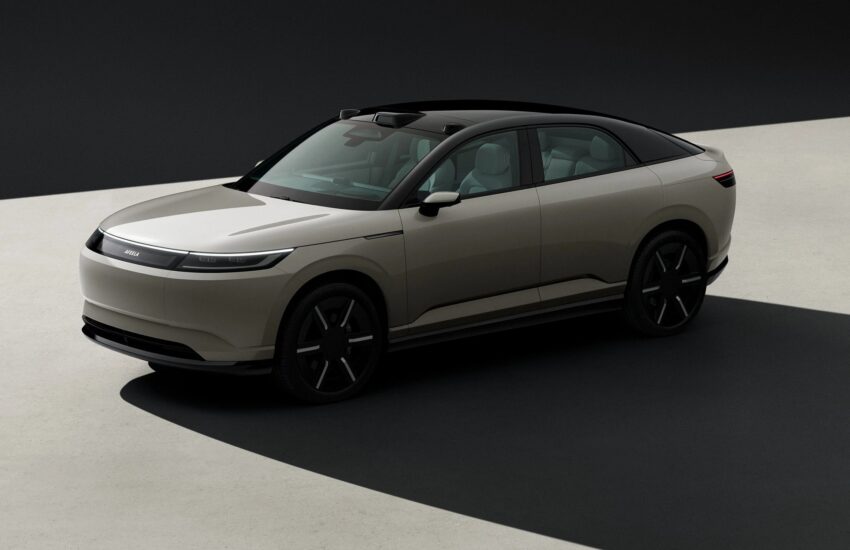
The Consumer Electronics Show in Las Vegas once again served as the stage for Afeela, the joint venture between Sony and Honda, to showcase its electric mobility ambitions. Following the prototype sedan revealed two years prior, the 2026 event featured a new electric SUV concept. Initial curiosity, however, quickly dissipated, replaced by a palpable sense of disappointment among industry observers and enthusiasts. The vehicle, still years from a planned 2028 market launch, failed to generate the excitement many had anticipated from this tech-auto powerhouse alliance.

Gap Between Vision and Execution Widens

The core criticism centered on the vehicle’s apparent lack of tangible progress. While the concept boasted an array of impressive sensors and promised a cabin transformed into an immersive entertainment hub—leverageing Sony’s expertise in gaming and audio—the overall design and proposed functionality felt derivative. Analysts noted that the showcased features, from expansive dashboard screens to advanced driver-assistance systems, are already in development or production by established automakers and pure-play EV rivals. The prototype did little to convincingly answer the critical question: what unique value does the Sony-Honda partnership truly bring to a crowded market?

A Strategic Miscalculation in a Fast-Paced Market

The announcement of a delayed production timeline, now targeting 2028, compounded the negative reception. The EV landscape evolves at a breakneck pace, and a concept that feels unremarkable today risks being obsolete upon its eventual release. The Afeela SUV’s underwhelming reveal suggests potential struggles in translating a compelling tech vision into a competitive automotive product. This misstep at CES 2026 places significant pressure on the partnership to deliver substantial, innovative leaps in the intervening years, or risk the brand being perceived as an irrelevant follower rather than the disruptive leader it aspires to be.

Jeep Halts 4xe Sales Amid Major Recall Investigation

Jeep’s 4xe Plug-In Hybrids Vanish from Online Sales

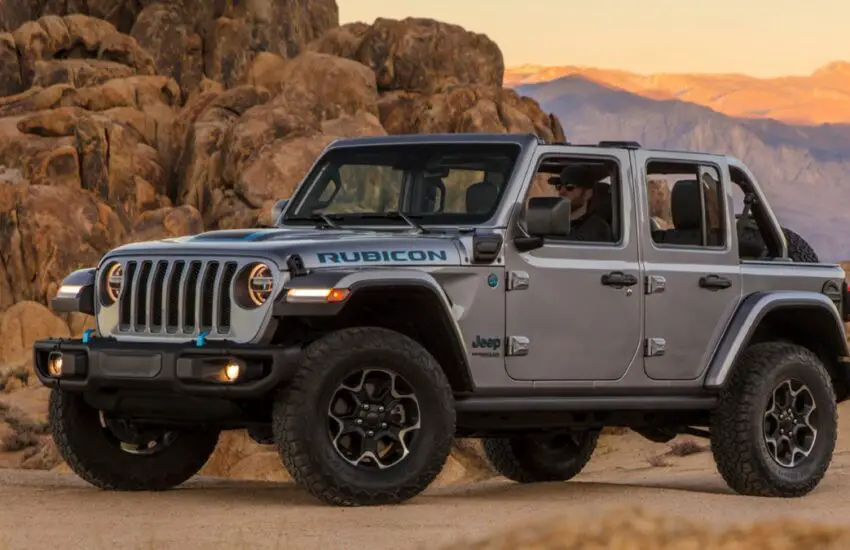
In a significant and quiet move, Jeep has removed its popular Wrangler 4xe and Grand Cherokee 4xe plug-in hybrid models from its online configurators and halted new vehicle sales. This action is a direct response to an ongoing, extensive safety recall concerning a critical manufacturing defect. The issue has escalated from a standard recall to a full stop-sale and an indefinite suspension of production, casting uncertainty over the future availability of these flagship electrified models.

The Core of the Problem: A Serious Engine Risk

The recall at the heart of this situation involves a serious manufacturing flaw. The problem is linked to the vehicles’ 2.0-liter turbocharged engine, where a specific component may not have been produced to specification. This deviation can lead to a catastrophic engine failure while driving, potentially resulting in a complete loss of motive power or, in severe cases, an engine compartment fire. The severity of the risk necessitated immediate action beyond a standard repair campaign, leading to the current sales and production freeze.

From Recall to Full Production Halt

The situation has evolved rapidly. What began as a recall for inspection and repair has now transformed into a much broader operational pause. Jeep’s parent company, Stellantis, has confirmed that production of the affected 4xe models has been stopped indefinitely. This decision underscores the complexity of the manufacturing issue and the company’s priority on resolving it fully before building more vehicles. Current owners of recalled vehicles are being instructed to avoid recharging their hybrids and to park them away from structures until a remedy is available.

Implications for the Electrified SUV Market

This development represents a notable setback for Jeep’s electrification strategy. The Wrangler and Grand Cherokee 4xe models have been central to the brand’s push into the hybrid market, praised for combining off-road capability with improved fuel efficiency. The prolonged sales stoppage leaves a gap in their lineup and may impact consumer confidence in this emerging segment. The industry will be watching closely to see how Jeep manages the technical resolution and communicates with customers awaiting both repairs and new vehicles.

Pop-Up Headlights Reborn on a Tuned Toyota 86

A Japanese Tuner Revives a Classic Feature

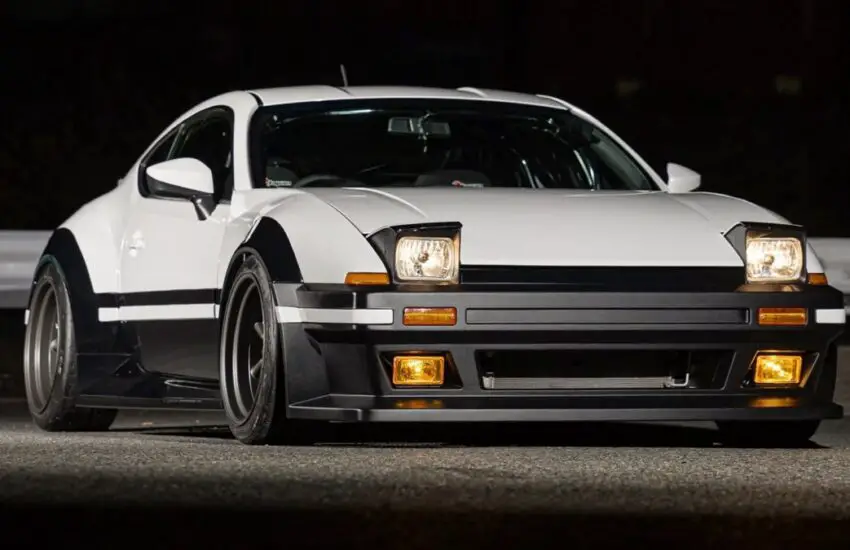
The era of pop-up headlights has been considered extinct in modern automotive design for years. With safety regulations and aerodynamic efficiency taking priority, this beloved retro feature faded from production lines. However, a Japanese tuning shop has defied convention by ingeniously retrofitting a modern Toyota 86 with functional pop-up headlights, blending 80s nostalgia with contemporary sports car aesthetics.

Engineering a Retro Dream

The project, known as the NEO86, is not a simple cosmetic swap. It required significant custom fabrication to integrate the pop-up mechanism into the 86’s existing front-end architecture. The tuner modified the hood, fenders, and underlying structure to house the motorized units seamlessly. When retracted, the car maintains a sleek, low-profile look. With the flip of a switch, the headlights rotate up into position, instantly transforming the car’s character and evoking the spirit of classic Japanese sports cars like the Toyota AE86 Sprinter Trueno.

Why Pop-Up Headlights Disappeared

Their decline was driven by multiple factors. Stricter pedestrian safety standards made the sharp, hard edges of pop-up units less desirable. They also added complexity, weight, and potential points of failure. From an aerodynamic perspective, fixed, streamlined headlights offer better efficiency. For manufacturers, these reasons made retiring the pop-up headlight a logical, if unpopular, decision among enthusiasts.

More Than Just a Gimmick

The NEO86 project demonstrates that the passion for this design element remains strong. It highlights the creativity of the aftermarket tuning community in preserving automotive heritage. This build goes beyond nostalgia; it is a statement about personalization and challenging the norms of modern car design. It proves that with enough skill and vision, iconic features from the past can find a new life on the platforms of today.

Hazard Light Misuse in Bad Weather: A Dangerous Mistake

The Temptation of Hazard Lights in Storms

When heavy rain, snow, or fog drastically reduces visibility on the road, many drivers instinctively reach for the hazard light switch. The flashing amber lights, they believe, make their vehicle more conspicuous to others, thereby increasing safety. This common reaction, however, is a significant misconception that can create more danger than it prevents.

Why Hazard Lights Can Create Confusion

Activating your hazard lights fundamentally changes how other drivers interpret your vehicle’s signals. Legally and by design, hazard lights indicate a stationary obstruction or a severe emergency. When moving with them on, you disable your ability to use turn signals. Other motorists cannot distinguish if you are changing lanes, slowing down, or simply proceeding with hazards flashing. This ambiguity leads to unpredictable traffic flow and increases the risk of collisions, especially during already challenging conditions where reaction times are critical.

Legal Status and Safer Alternatives

In many jurisdictions, including numerous U.S. states, driving with hazard lights activated in adverse weather is explicitly illegal. The law prohibits it because it compromises communication between vehicles. For enhanced safety in low visibility, drivers should instead use their low-beam headlights, which are designed for this purpose. Low-beams make your car visible without the glare of high-beams, which can reflect off precipitation and fog. In extremely poor conditions, the safest action is to exit the roadway completely and stop in a safe location, such as a rest area, with your hazards then correctly engaged.

Ultimately, road safety relies on clear, predictable communication. Preserving the standard function of turn signals and brake lights is far more effective than the well-intentioned but hazardous misuse of emergency flashers while in motion.

Chinese Automakers Target US Production Within Three Years

A New Chapter in the US Auto Industry

The competitive landscape of the American automotive market is poised for a significant shift. Industry analysts and recent statements indicate that major Chinese automakers are actively planning to establish manufacturing operations on US soil within the next two to three years. This strategic move aims to overcome tariff barriers and cater directly to the evolving demands of American consumers.

Overcoming Barriers and Building Local Presence

The primary motivation for this localized production strategy is to navigate the complex trade environment and high import tariffs currently applied to Chinese-built vehicles. By setting up assembly plants in the United States, these manufacturers can significantly reduce costs and improve price competitiveness for the end consumer. Furthermore, a “built in America” approach can enhance brand perception and align with consumer preferences for domestically produced goods.

Focus on Electric Vehicles and New Technology

This anticipated manufacturing push is expected to be heavily focused on electric vehicles (EVs) and plug-in hybrids. Chinese brands have demonstrated considerable strength and innovation in the EV sector, offering advanced battery technology, smart connectivity features, and competitive pricing. Their direct entry into the US manufacturing scene would intensify competition, potentially accelerating innovation and providing consumers with more choices in the growing electric vehicle segment.

Challenges and Market Adaptation

While the plans are ambitious, Chinese automakers will face considerable challenges. Establishing a reliable supply chain, adhering to stringent US safety and environmental regulations, and building a trusted brand reputation from the ground up are significant hurdles. Success will depend not only on cost-effective manufacturing but also on deeply understanding American driving habits, design preferences, and establishing a robust sales and service network.

Reshaping Global Automotive Dynamics

The potential arrival of Chinese-owned production facilities in the United States marks a pivotal moment in global automotive dynamics. It represents a shift from pure import competition to direct local investment and job creation. This development could pressure established automakers to further innovate and may lead to increased collaboration or partnerships across the industry, ultimately reshaping how cars are built and sold for the American market.

Hyundai’s Humanoid Robot Army Advances in Georgia

Hyundai’s Factory of the Future Takes Shape

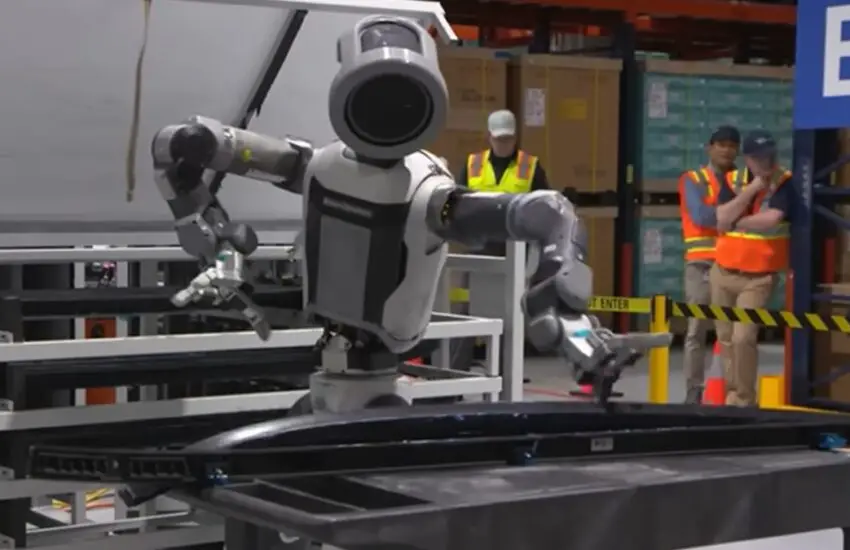
Hyundai Motor Group has moved from ambitious concept to concrete execution, announcing significant deployment plans for its humanoid robots at its new Metaplant in Georgia. This initiative, detailed at CES, provides clear production volumes and timelines, signaling a major step in integrating advanced robotics into large-scale manufacturing. The move aims to create a highly automated and flexible production environment.

From Acquisition to Industrial Integration

The foundation for this robotic workforce was laid with Hyundai’s strategic acquisition of Boston Dynamics, a leader in dynamic and agile robots. This partnership is now bearing fruit, transitioning cutting-edge research into practical industrial applications. The humanoid robots, designed to work in spaces built for humans, are expected to handle tasks deemed dangerous, repetitive, or physically demanding for human workers.

Operational Goals and Impact

The primary objective is to enhance safety, efficiency, and precision on the factory floor. These robots will be deployed for specific functions such as part handling, assembly assistance, and quality inspection. Their human-like form factor allows them to navigate existing workstations and use tools without requiring a complete overhaul of current factory infrastructure. This integration represents a pivotal test for the widespread adoption of humanoid robots in heavy industry.

A New Chapter in Automotive Manufacturing

Hyundai’s Georgia plant is poised to become a global benchmark for smart manufacturing. The large-scale use of humanoid robots could redefine productivity standards and set new expectations for worker-robot collaboration. The success of this deployment will be closely watched by the entire manufacturing sector, potentially accelerating a new industrial revolution centered on versatile, intelligent automation.

Subaru WRX 2025 Sales Hit Record Low

The 2025 Subaru WRX Faces a Steep Sales Decline

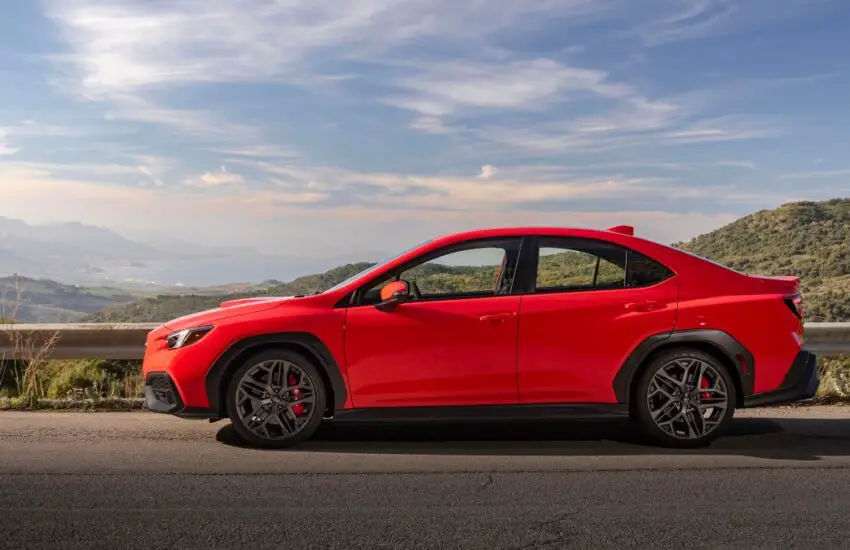
The 2025 model year has delivered sobering news for the iconic Subaru WRX. Sales figures have plummeted to a historic low, marking a significant and concerning downturn for the performance sedan. This decline continues a troubling trend, raising questions about the model’s future in an evolving automotive landscape.

Analyzing the Potential Causes

Several factors are likely contributing to the WRX’s sales struggles. The initial explanation from Subaru pointed to low inventory levels and a strategic reallocation of production capacity. However, industry analysts suggest deeper market forces are at play. The shift in consumer preference towards SUVs and crossovers continues to squeeze the traditional sports sedan segment. Furthermore, increased competition from both electrified performance vehicles and hot hatches has fragmented a once-loyal enthusiast base.

A Model at a Crossroads

The WRX has long been celebrated for its rally-bred heritage, standard all-wheel drive, and engaging driving dynamics. Yet, the 2025 sales data indicates that these attributes may no longer be sufficient in isolation. The current automotive climate demands advancements in fuel efficiency, interior technology, and alternative powertrains—areas where some critics argue the WRX has lagged behind key rivals.

This sales nadir presents a critical juncture for Subaru. The brand must carefully evaluate the WRX’s positioning. Enthusiasts remain passionate about the nameplate, but attracting new buyers may require a substantial evolution. The path forward could involve a more aggressive hybrid integration, a comprehensive tech overhaul, or a bold reimagining of the model’s core identity to better align with future regulations and buyer expectations.

The record-low sales are a clear signal; the era of relying solely on legacy appeal is over. How Subaru responds will determine whether the WRX can reclaim its relevance or become a niche chapter in automotive history.

2026 Chrysler Pacifica Pinnacle: The Ultimate Family Command Center

2026 Chrysler Pacifica Pinnacle: Redefining the Family Vehicle

There was a time when the arrival of a seven-seat people mover for a test drive would elicit a groan. Another boring utility vehicle. Fantastic. The younger version of me craved track time and winding roads, not counting cup holders or testing comfort features. But priorities evolve. Today, the 2026 Chrysler Pacifica Pinnacle doesn’t feel like a compromise; it feels like a revelation, a masterclass in transforming daily logistics into a premium experience.

A Sanctuary on Wheels

Sliding into the Pinnacle’s cabin immediately signals this is no ordinary minivan. The supple, quilted leather seats are heated, cooled, and offer a surprising degree of bolstering. Genuine open-pore wood trim and brushed metal accents replace the plastic often found in family haulers. The panoramic sunroof floods the interior with light, making the spacious cabin feel even more airy and serene, a welcome escape from the chaos of a busy day.

Technology as a True Co-Pilot

The latest iteration of Chrysler’s Uconnect system is the heart of the experience. The expansive touchscreen is intuitive and responsive, managing everything from navigation to the advanced driver-assistance suite. The real magic, however, is in the rear. The dual 10-inch ceiling-mounted entertainment screens are now complemented by enhanced wireless headphones and a suite of connectivity options that keep every passenger content on long journeys. The built-in vacuum and the Stow ‘n Go seating, which now operates with even smoother electric motors, prove that practical genius can coexist with luxury.

The Hybrid Heart of a Modern Cruiser

On the road, the plug-in hybrid powertrain shines. In electric mode, it delivers whisper-quiet, zero-emission running for daily errands. When more power is needed, the combined system provides smooth, confident acceleration. The ride quality is exceptionally composed, soaking up road imperfections while maintaining precise steering. It’s a vehicle that manages to be both a peaceful retreat for parents and an engaging drive for the enthusiast buried beneath family responsibilities.

The 2026 Pacifica Pinnacle successfully argues that ultimate luxury isn’t found in a sports car’s lap time, but in seamlessly, comfortably, and stylishly enhancing every facet of family life.

Toyota’s 2025 Sales: Nearly Half Powered by Electrified Drivetrains

Toyota’s Electrified Surge Defies Market Trends

While some automakers report a cooling in pure battery electric vehicle (BEV) demand, Toyota’s 2025 sales figures reveal a powerful and contrasting narrative. The automotive giant demonstrated that broad electrification, not just a singular focus on BEVs, is winning in the marketplace. Last year, Toyota sold over 1.05 million electrified vehicles in the United States alone, accounting for nearly half of its total sales volume. This category encompasses a diverse range of technologies, primarily led by hybrid electric vehicles (HEVs).

A Multi-Path Strategy Pays Off

Toyota’s approach, often described as a “multi-pathway” strategy, is proving to be remarkably resilient. Instead of betting everything on a single technology, the company has continued to refine and expand its hybrid lineup while gradually introducing more plug-in hybrids (PHEVs), battery electrics, and fuel cell vehicles. The 2025 sales data validates this philosophy, showing strong consumer adoption of hybrids as a practical and accessible step toward reduced emissions.

The success is not accidental. Toyota has leveraged its deep experience in hybrid systems, first pioneered with the Prius, to offer electrification across its most popular nameplates. From the RAV4 Hybrid to the Camry and Tacoma, customers can often choose an electrified version of the vehicle they already know and trust.

Defining the “Electrified” Category

It is crucial to understand what Toyota includes in its “electrified” sales tally. The vast majority of these sales are hybrid models that do not require plugging in. These vehicles use a gasoline engine combined with an electric motor and battery to significantly improve fuel efficiency. A smaller portion consists of plug-in hybrids, which offer limited all-electric range, and pure battery electric models like the bZ4X. This blended result highlights a market where many consumers are choosing electrification as an enhancement to, rather than a complete replacement for, the familiar internal combustion engine.

The 2025 performance positions Toyota strongly for future regulations and shifting consumer preferences, proving that offering multiple routes to lower carbon transportation can be a highly effective strategy for volume manufacturers.