EU-China EV Price Deal: A New Era for Electric Cars

A Landmark Agreement Reshapes the Electric Vehicle Landscape

Following months of intense negotiations, the European Union and China have finalized a groundbreaking agreement on electric vehicle (EV) imports. This deal, reached amidst global trade tensions and a fierce technological race, establishes a new framework for pricing Chinese-manufactured electric cars entering the European market. The accord marks a significant pivot from the threat of tariffs towards structured cooperation, aiming to balance fair competition with the accelerated adoption of clean transportation.

Core Elements of the Pricing Agreement

The central pillar of the agreement is the establishment of a reference price floor for EVs imported from China. This measure is designed to prevent market distortion through alleged state-subsidized dumping, which European automakers argued created an unlevel playing field. In return, the EU has agreed to suspend the provisional countervailing duties it had been preparing to impose. The deal includes a robust monitoring mechanism to ensure compliance and allows for periodic review, acknowledging the rapidly evolving nature of the EV sector.

Implications for Automakers and Consumers

For European car manufacturers, the agreement provides temporary relief from a flood of ultra-competitive imports, allowing more time to scale up their own EV production and battery technology. However, it also formalizes Chinese brands’ access to the lucrative European market, ensuring continued competition. Consumers may see a stabilization of EV prices, with the potential for less volatility. While the cheapest models might see slight price increases, the agreement is expected to foster a more predictable and sustainable market, ultimately benefiting the long-term transition to electric mobility by ensuring diverse supply.

Global Trade and Green Transition Ramifications

This EU-China deal sets a crucial precedent for managing trade in strategic green technologies. It demonstrates a move towards managed competition over outright protectionism in a critical sector. The outcome is likely to influence policy discussions worldwide, particularly in North America. Successfully balancing domestic industrial interests with the global imperative for affordable electric transport will be a key challenge. The agreement’s stability will be tested as both blocs continue to innovate and as the next generation of battery technology emerges.

Understanding and Fixing OBD2 Code P1491 in Your Acura

What is OBD2 Code P1491 in an Acura?

When your Acura’s check engine light illuminates and a scan tool reveals the diagnostic trouble code (DTC) P1491, it indicates a specific issue within the Exhaust Gas Recirculation (EGR) system. The official definition for this code is “EGR Valve Lift Insufficient Detected.” This means the vehicle’s Powertrain Control Module (PCM) has determined that the actual movement (or “lift”) of the EGR valve pintle is less than the commanded or expected value during a system self-test.

Primarily found in Acura models from the late 1990s and early 2000s (such as the CL, TL, MDX, and their Honda counterparts), the EGR system is crucial for reducing nitrogen oxide (NOx) emissions. It recirculates a small, metered amount of inert exhaust gas back into the intake manifold, lowering combustion temperatures. Code P1491 is a direct signal that this critical emission control process is not functioning within its designed parameters.

Common Symptoms and Causes of P1491

Ignoring a P1491 code can lead to drivability issues and increased emissions. Recognizing the symptoms is the first step toward a diagnosis.

Symptoms of a P1491 Fault

  • Illuminated Check Engine Light (MIL): The most immediate and common indicator.
  • Rough Idle or Stalling: Especially when the engine is cold or at operating temperature during deceleration.
  • Engine Pinging or Knocking: Audible detonation due to increased combustion temperatures without EGR flow.
  • Reduced Fuel Economy: The engine computer may enrich the fuel mixture to compensate, lowering MPG.
  • Failed Emissions Test: A direct consequence of a malfunctioning EGR system.

Primary Causes of Code P1491

The “insufficient lift” condition points to a mechanical restriction, a control issue, or an electrical problem. The most frequent culprits are:

  • Clogged or Carbon-Fouled EGR Passages: The #1 cause. Over time, carbon deposits from exhaust gas build up in the intake manifold passages that feed the EGR valve, physically blocking gas flow.
  • Faulty or Sticking EGR Valve: The valve’s pintle itself can become seized or sluggish due to extreme carbon buildup, preventing it from opening fully.
  • Failed EGR Valve Position (Lift) Sensor: Integrated into the valve assembly on these models, this sensor reports pintle position to the PCM. If it fails, it sends an incorrect “low lift” signal.
  • Vacuum Supply Issue (Vacuum-Type Valves): For older vacuum-operated EGR valves, a leak, kink, or blockage in the vacuum hose can prevent sufficient actuation.
  • Faulty EGR Control Solenoid: This electronic component controls vacuum (or sometimes direct electrical current) to the valve. A malfunctioning solenoid won’t apply the proper signal to open the valve.
  • Electrical Wiring Problems: Corroded connectors, damaged wires, or poor connections to the EGR valve or its position sensor can disrupt communication and power.

Step-by-Step Diagnostic and Repair Guide

A systematic approach is key to correctly diagnosing and fixing P1491. Always start with the simplest, most common issues before replacing expensive components.

Step 1: Preliminary Inspection & Visual Check

Begin with the basics. Visually inspect all vacuum hoses connected to the EGR valve and control solenoid for cracks, disconnections, or brittleness. Check the electrical connector at the EGR valve for corrosion, bent pins, or loose fits. Listen for audible vacuum leaks with the engine idling.

Step 2: Commanding the EGR Valve with a Scan Tool

This is a critical diagnostic step. Using a bidirectional scan tool that can actuate components, command the EGR valve to open at various percentages (e.g., 25%, 50%, 75%) with the engine idling. You should observe:

  • A noticeable change in engine idle speed (it should become rougher or nearly stall) as exhaust gas is introduced.
  • The EGR valve position sensor PID (Parameter ID) on the scan tool should closely match the commanded percentage.

If the engine idle does not change, the EGR flow is blocked (clogged passages/valve) or the valve is not moving. If the sensor PID doesn’t match the command, the valve or sensor is likely faulty.

Step 3: Inspecting and Cleaning EGR Passages & Valve

This is often the solution. Remove the EGR valve from the intake manifold.

  • Inspect the Valve: Check if the pintle moves freely by hand (engine off). If stuck, it needs cleaning or replacement.
  • Clean the Passages: Look into the EGR port on the intake manifold. It is likely packed with hard carbon. Use a dedicated EGR/carb cleaner, scrapers, and shop towels to thoroughly remove all carbon deposits from both the valve and the manifold passages. This is a labor-intensive but highly effective repair.

Step 4: Electrical and Component Testing

If cleaning doesn’t resolve the issue, proceed to component testing.

  • Test the EGR Valve: Using a digital multimeter, check the resistance of the valve’s position sensor (refer to a service manual for specifications, often between 1-5 kOhms). Also, for vacuum valves, apply manifold vacuum directly to the valve diaphragm with a hand pump; it should hold vacuum and the pintle should move.
  • Test the EGR Control Solenoid: Check for proper resistance and listen for an audible click when the scan tool commands it on/off. Verify it is receiving proper voltage and ground.
  • Check Wiring Continuity: Perform a voltage drop test on the power and ground circuits for both the valve and solenoid to identify high-resistance connections.

Step 5: Clearing the Code and Verification

After completing the repair (e.g., cleaning, replacing the valve or solenoid), clear the P1491 code with your scan tool. Take the vehicle for a test drive that includes various engine loads to allow the PCM to run its self-test monitors again. The goal is for the check engine light to remain off, confirming a successful repair.

Conclusion: Is P1491 a Serious Code?

While a P1491 code will not typically leave you stranded, it should not be ignored. Driving for extended periods with this fault can lead to:

  • Increased engine wear from higher combustion temperatures and knocking.
  • Damage to the catalytic converter from excessive heat.
  • Failed state emissions inspections.
  • Reduced performance and fuel economy.

For the DIY mechanic, a P1491 diagnosis often culminates in a satisfying and cost-effective repair involving cleaning. For those less inclined, a trusted technician familiar with Honda/Acura EGR systems can efficiently resolve the issue, restoring your vehicle’s performance, efficiency, and emissions compliance.


Dacia Expands Electric Lineup with Two New Affordable City Cars

Dacia’s Electric Offensive: Doubling Down on Affordable EVs

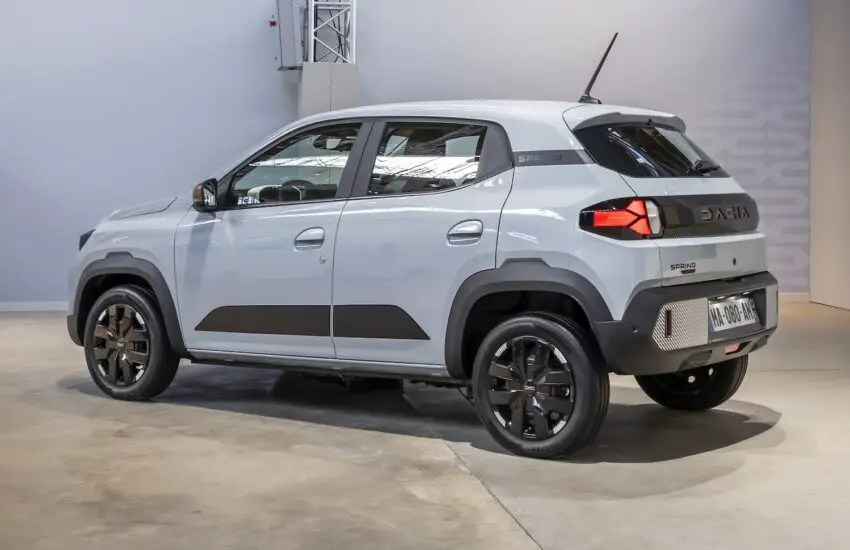
The European market for budget-friendly electric vehicles is poised for a significant shift. Dacia, the brand synonymous with no-frills, value-focused motoring, is preparing to bolster its electric lineup. Following the success of the Spring, the automaker plans to introduce a second affordable electric city car, offering consumers a compelling choice in the entry-level EV segment.

A Strategic Move for Urban Mobility

This expansion is a strategic play to capture a larger share of the growing urban EV market. Many city dwellers seek clean, compact transportation solutions but are often deterred by high prices. Dacia’s philosophy of essential, cost-effective engineering positions it perfectly to address this demand. The arrival of a new model alongside the existing Spring is expected to create a dynamic one-two punch, making electric mobility accessible to a broader audience than ever before.

What to Expect from the New Models

While specific details remain under wraps, the core promise is clear: uncompromising affordability. The new models will likely follow Dacia’s proven formula of focusing on practicality and reliability over superfluous technology. Expect compact dimensions ideal for city navigation, sufficient range for daily commuting, and a simplified ownership experience. This approach not only keeps purchase prices low but also aims to minimize long-term running costs, a critical factor for budget-conscious buyers.

The expansion signals Dacia’s serious commitment to an electric future. By offering a choice within the affordable EV sphere, the brand empowers consumers to select a vehicle that best fits their specific urban needs without stretching their finances. This move is set to intensify competition and accelerate the adoption of electric vehicles in cities across Europe.

Cold Weather EV Charging: Separating Fact from Fiction

The Truth About Electric Car Charging in Winter

Electric car parked at a charging station in a snowy environment

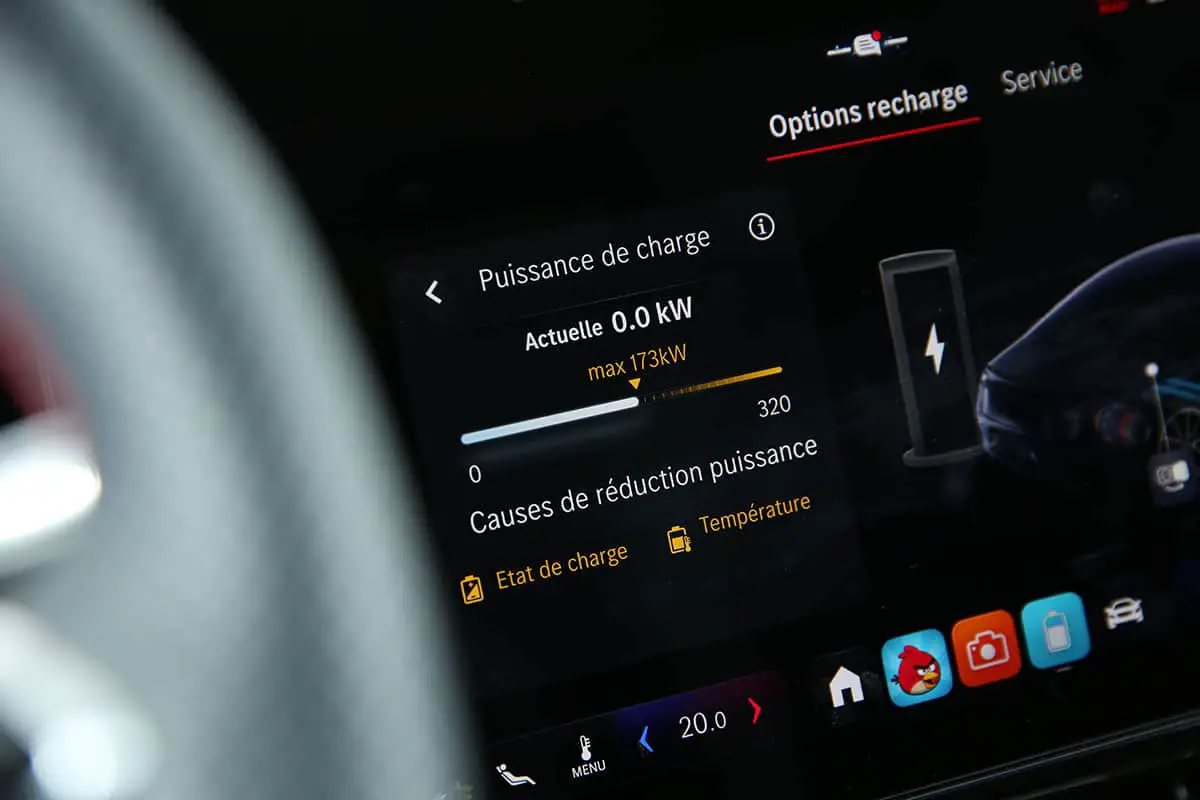
As temperatures drop, a common concern among electric vehicle owners is charging speed. The core reality is that lithium-ion batteries are indeed affected by cold. Chemical reactions within the cells slow down in low temperatures, which can temporarily reduce the rate at which they can accept a charge. However, the impact is not uniform across all vehicles or situations.

Modern Battery Management Systems

Today’s EVs are equipped with sophisticated battery thermal management systems. A key function of these systems is to precondition the battery pack, warming it to an optimal temperature for fast charging. Many drivers can schedule this preconditioning via their vehicle’s app or charging timer, ensuring the battery is ready upon arrival at a fast-charging station. This process significantly mitigates the cold-weather slowdown.

Not All Charging is Impacted Equally

It’s crucial to distinguish between fast charging and routine home charging. The potential for reduced speed is most relevant during DC fast charging sessions, where the goal is maximum power transfer. For overnight Level 1 or Level 2 AC charging at home, the effect is often negligible over the longer charging period. The vehicle’s system will manage the battery temperature during these slower sessions, ultimately reaching a full state.

Practical Tips for Efficient Winter Charging

To ensure optimal charging performance in cold weather, plug in your vehicle whenever it is parked, especially after a drive when the battery is already warm. Utilize scheduled departure and preconditioning features to allow the car to heat the battery while still connected to the grid. Whenever possible, park in a garage to shield the vehicle from the most extreme temperatures. Understanding these principles helps drivers navigate winter with confidence, knowing that with a little planning, efficient charging remains fully achievable.

OBD2 Code P1491: Fan Control Relay Circuit Explained

Understanding the P1491 Diagnostic Trouble Code

When your vehicle’s check engine light illuminates and a scan tool retrieves the generic OBD-II code P1491, it indicates a specific electrical fault within the engine cooling system. Formally defined as “Fan Control Relay Circuit,” this code is set when the Powertrain Control Module (PCM) or Engine Control Module (ECM) detects an abnormal voltage or resistance in the circuit that controls the primary engine cooling fan relay. This relay is the electronic switch that commands the high-current operation of the radiator cooling fan(s). Unlike codes related to the fan motor itself, P1491 specifically points to the control side of the equation—the signal from the computer to the relay coil. Ignoring this code can lead to insufficient engine cooling, especially during idle or low-speed driving, potentially causing severe engine damage from overheating.

What Does the Fan Control Relay Do?

The fan control relay is a critical intermediary component. The PCM, which monitors engine coolant temperature via the ECT sensor, sends a low-current signal to energize the relay’s coil. When energized, the relay closes its internal high-current contacts, completing the circuit that delivers battery power directly to the electric cooling fan motor. Code P1491 triggers when the PCM’s expected voltage at the control circuit does not match the actual reading, signaling an open, short, or faulty component.

Common Symptoms and Causes of P1491

A vehicle with a stored P1491 code will often exhibit clear warning signs related to its cooling system’s inability to function on command. Recognizing these symptoms is the first step in diagnosis.

Primary Symptoms of a P1491 Fault

  • Illuminated Check Engine Light (MIL): The most immediate indicator.
  • Engine Overheating at Idle or in Traffic: The radiator fan fails to activate when needed.
  • Cooling Fan Does Not Turn On: The fan may not run at all, even with the A/C switched on (a common test command).
  • Cooling Fan Runs Continuously: In some cases, a shorted circuit can cause the fan to run non-stop, draining the battery.
  • No Overheating at Highway Speeds: At higher speeds, ram air may provide sufficient cooling, masking the problem until you slow down.

Root Causes of the P1491 Code

The fault can originate from several points in the control circuit. A systematic approach is required to isolate the exact cause.

  • Failed Fan Control Relay: The most common culprit. The relay’s internal coil can burn out or contacts can weld/fail.
  • Blown Fuse: The fuse protecting the fan relay control circuit or the main power feed to the relay may be blown.
  • Damaged Wiring or Connectors: Corrosion, chafing, or rodent damage can cause opens or shorts in the wiring harness between the PCM and the relay.
  • Faulty Powertrain Control Module (PCM): Rare, but possible. A failed driver circuit within the PCM itself may not output the control signal.
  • Poor Electrical Grounds: A corroded or loose ground connection for the relay or the PCM can disrupt the circuit.

Step-by-Step Diagnostic and Repair Guide

Diagnosing P1491 requires a basic multimeter, a wiring diagram for your specific vehicle, and methodical testing. Always begin with the simplest, most accessible components.

Step 1: Preliminary Checks and Visual Inspection

Start with the vehicle off and the key removed. Locate the fan control relay (consult your owner’s manual or service information; it’s often in the under-hood fuse/relay box).

  • Inspect the related fuse(s). Replace if blown.
  • Check the relay for signs of overheating, melting, or corrosion on its terminals and socket.
  • Examine the wiring harness from the relay socket back towards the firewall for any obvious damage.
  • Ensure the cooling fan itself can spin freely (manually, with the engine OFF) and is not obstructed.

Step 2: Testing the Fan Control Relay

The relay can be tested in or out of the vehicle. A common 4 or 5-pin ISO relay has two coil terminals (low current control) and two or three switch terminals (high current load).

  • Bench Test: Use your multimeter on the ohms (Ω) setting. Check for continuity (low resistance, typically 50-120Ω) between the two coil terminals. There should be no continuity between the load terminals (30 & 87) when the coil is not energized. Apply 12V to the coil terminals; you should hear/feel a click and continuity should now exist between the load terminals.
  • Swap Test: If an identical relay is used for another non-critical system (e.g., horn), swap them and see if the problem moves. This is a quick field test.

Step 3: Circuit Voltage and Signal Testing

This step verifies if the PCM is sending the signal and if power/ground are present. Reinsert the relay and back-probe the socket with the multimeter.

  • Identify the constant battery power terminal (usually 30) and ground terminal (usually 86). Check for ~12V at the power terminal and a good ground.
  • With the ignition ON and engine cold, the PCM control terminal (usually 85) should read ~12V (or battery voltage). When the PCM commands the fan ON (via A/C request or reaching temperature), this voltage should drop to near 0V as the PCM grounds the circuit to energize the coil.
  • A lack of voltage at the control terminal with ignition ON suggests an open wire or PCM issue. Voltage that does not drop when commanded suggests a PCM or wiring fault.

Step 4: Wiring Harness and PCM Verification

If previous tests point to the wiring or PCM, further investigation is needed.

  • Perform a continuity test on the wires between the relay socket and the PCM connector (disconnect the battery and PCM connectors first).
  • Check for short to power or ground on the control wire.
  • If all wiring checks out, and the PCM shows no output signal on a known-good circuit, the PCM or its internal driver may be faulty. Professional reprogramming or replacement may be necessary.

Prevention and Professional Considerations

While P1491 is often a straightforward repair, understanding the broader context ensures a lasting fix.

When to Seek Professional Help

Consider a professional mechanic if: you lack diagnostic tools or confidence with electrical systems; the diagnosis points to a faulty PCM requiring programming; or the wiring repair is complex and requires harness replacement or soldering in a cramped engine bay.

Preventing Recurrence of Cooling System Electrical Faults

  • Use high-quality, OEM-specification replacement relays.
  • When repairing wiring, use proper solder and heat-shrink tubing or high-quality crimp connectors to prevent corrosion and voltage drop.
  • Ensure all ground connection points are clean, tight, and free of rust or paint.
  • Address any underlying cooling system issues (like a failing thermostat or water pump) that cause excessive fan cycling and relay stress.

Successfully diagnosing and repairing a P1491 code restores a critical engine management function. By methodically testing the relay, fuse, wiring, and PCM signal, you can resolve the overheating risk and ensure your vehicle’s cooling system operates reliably, protecting your engine from costly damage.

BYD Seal U: The End of a European PHEV Success Story

The Curtain Falls on a European Favorite

The BYD Seal U, a plug-in hybrid SUV that carved out a significant niche in Europe, is approaching the end of its production run. This model emerged as a surprise success for the Chinese automaker, becoming a best-seller in its European lineup and proving the market’s appetite for competitive electrified technology from new players.

From Market Leader to Phased-Out Model

The Seal U’s journey in Europe is notable for its rapid ascent. It offered a compelling combination of electric range, practicality, and value, resonating with consumers seeking an alternative to established European hybrids. However, its discontinuation follows the model’s already ceased sales in its domestic Chinese market, a common lifecycle strategy where newer technologies are deployed first at home.

This phase-out highlights the intense pace of innovation and model renewal within the Chinese electric vehicle sector. What is competitive today can be considered legacy technology remarkably quickly, forcing continuous updates to stay ahead.

Making Way for a Next-Generation Successor

The retirement of the Seal U is not an exit but a transition. BYD has clearly signaled that a successor is ready to take its place. This new model is anticipated to be built on a more advanced platform, likely featuring improved battery efficiency, enhanced connectivity, and a more refined design language.

The strategic move aims to capitalize on the brand awareness and customer base established by the Seal U. The challenge for the successor will be to retain the value proposition that made the original popular while integrating next-generation features that justify the model changeover and meet rising consumer expectations.

Implications for the European EV Market

The Seal U’s story underscores a shifting dynamic in Europe’s auto industry. The successful incursion and subsequent model evolution by BYD signal that Chinese manufacturers are committed to the long-term in Europe, moving beyond one-off models to established, updating lineups. This pressures traditional manufacturers to accelerate their own electrification and pricing strategies.

For consumers, this trend ultimately means more choice and faster technological trickle-down. The end of the Seal U’s run marks not just the close of one chapter, but the eager anticipation of the next in Europe’s rapidly electrifying automotive landscape.

Understanding and Fixing Volkswagen OBD2 Code P1490

What is Volkswagen OBD2 Code P1490?

OBD2 diagnostic trouble code P1490 is a manufacturer-specific code primarily associated with Volkswagen (VW), Audi, and other Volkswagen Group vehicles. Its generic definition is “Secondary Air Injection System, Bank 1.” This code is directly related to the vehicle’s emission control system, specifically the Secondary Air Injection (SAI) system. When the vehicle’s Powertrain Control Module (PCM) detects a malfunction in the SAI system’s operation during its critical cold-start phase, it will illuminate the Check Engine Light and store code P1490. This system is crucial for reducing hydrocarbon and carbon monoxide emissions in the first few minutes after a cold engine start by injecting fresh air into the exhaust manifold to promote more complete combustion of unburned fuel.

Symptoms and Common Causes of P1490

Recognizing the symptoms of a P1490 fault is the first step in diagnosis. The causes are typically mechanical or electrical failures within the SAI system’s components.

Primary Symptoms of Code P1490

  • Illuminated Check Engine Light (MIL): The most immediate and common indicator.
  • Failed Emissions Test: The vehicle will likely fail a state or local emissions inspection due to the compromised emission control system.
  • Possible Rough Idle on Cold Start: While not always present, a malfunctioning SAI system can sometimes cause a slightly rough idle for the first 30-90 seconds.
  • Loud Whirring or Grinding Noise: If the secondary air pump itself is failing, you may hear unusual noises from the engine bay upon startup.
  • No Obvious Driveability Issues: Importantly, the car will usually drive normally; this is primarily an emissions-related fault.

Most Common Causes of P1490

  • Faulty Secondary Air Pump (Combi Valve): The electric pump is the heart of the system. Its motor can burn out, bearings can fail, or the internal valve can stick.
  • Failed Secondary Air Injection Valve or Solenoid: This vacuum-operated valve directs airflow from the pump to the exhaust manifold. It can become clogged with carbon, stick, or its diaphragm can rupture.
  • Vacuum Leaks or Hose Issues: Cracked, disconnected, or collapsed vacuum hoses that control the SAI valve will prevent proper system operation.
  • Electrical Problems: This includes a blown fuse, a faulty relay for the air pump, corroded wiring, or poor electrical connections at the pump or valve.
  • Clogged or Failed Check Valves: These one-way valves prevent hot exhaust gases from flowing back into the air pump. They can melt or become blocked with carbon.
  • Faulty PCM or Software Glitch: Rare, but a malfunction in the control module itself or outdated software can cause a false code.

Step-by-Step Diagnostic Procedure for P1490

A systematic approach is essential to correctly diagnose P1490 and avoid replacing good parts. You will need a basic scan tool and a multimeter.

Step 1: Preliminary Checks and Code Verification

Begin by using your OBD2 scanner to confirm the presence of P1490. Clear the code and perform a cold start (engine completely cool, overnight). If P1490 returns immediately on the next cold start, the fault is active. Visually inspect all vacuum hoses and electrical connectors related to the SAI system for obvious damage, cracks, or disconnections.

Step 2: Testing the Secondary Air Pump

Locate the secondary air pump (often near the firewall or front fender). On a cold start, you should hear it run loudly for about 60-90 seconds. If it’s silent, check for power and ground at the pump’s electrical connector using a multimeter when the key is on. If power is present but the pump doesn’t run, the pump is faulty. If no power is present, proceed to check the fuse and relay.

Step 3: Checking the SAI Valve and Vacuum Supply

Find the secondary air injection valve (usually mounted on or near the cylinder head). With the engine cold, have an assistant start the car. You should feel the valve actuate (click and hold) for the duration of the pump’s operation. If it doesn’t move, check for vacuum at its supply hose. If vacuum is present, the valve is likely stuck or faulty. If no vacuum is present, trace the vacuum line back to its source for leaks or a faulty solenoid.

Step 4: Inspecting Check Valves and Plumbing

Remove the hoses connecting the air pump to the valve and the valve to the exhaust manifold. Inspect the check valves; they should allow air to flow in only one direction (towards the engine). Blow through them to test. Also, ensure the passages in the exhaust manifold are not completely clogged with carbon, though this is less common.

Repair Solutions and Cost Considerations

Once the faulty component is identified, repair is generally straightforward. Costs can vary widely between DIY and professional service.

Common Repairs for P1490

  • Replacing the Secondary Air Pump: This is the most common fix. Ensure you purchase a quality OEM or reputable aftermarket unit. Installation typically involves removing a few bolts and electrical/vacuum connections.
  • Replacing the SAI Valve or Solenoid: A simpler and often less expensive repair. Always replace any associated vacuum hoses as they become brittle with heat and age.
  • Repairing Vacuum Lines: Use proper automotive vacuum hose to replace any cracked or soft lines.
  • Replacing Check Valves: These are inexpensive and critical to protect the new air pump from exhaust heat damage.
  • Addressing Electrical Faults: Repair damaged wiring, replace blown fuses, or swap out a faulty relay.

Estimated Repair Costs

Do-It-Yourself (DIY): The cost is primarily for parts. A new secondary air pump can range from $100 to $300. A valve may cost $50 to $150. With basic tools, a DIYer can often complete this repair in 1-2 hours.

Professional Mechanic/Dealer: Total cost includes parts and labor (1-2 hours of shop time). Expect a total bill between $350 and $700, depending on the vehicle model and the specific part that failed. Dealership costs will be at the higher end of this spectrum.

Is It Safe to Drive with P1490?

Yes, it is generally safe to drive with a P1490 code from a mechanical perspective. Your vehicle’s performance and fuel economy will not be affected. However, you are driving with an incomplete emissions system, which will cause you to fail an emissions test. It is recommended to address the issue promptly to reduce your vehicle’s environmental impact and to prevent a possible failure of other related components.

Marble Masterpieces: Sculpting the Porsche 911

When Automotive Icon Meets Ancient Stone

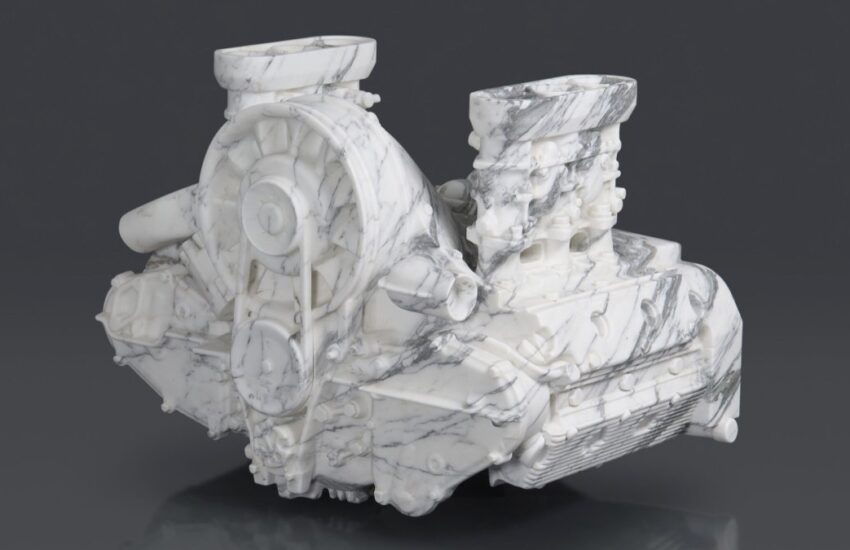
The Porsche 911 is more than a car; it is a symbol of engineering passion and timeless design. To honor its legacy, one artist has chosen an unexpected medium: marble. Transforming this ancient, noble material into precise automotive components is a breathtaking fusion of mechanical admiration and classical artistry, resulting in permanent tributes to an automotive legend.

The Discipline of Stone and Speed

This artistic process is an exercise in extreme patience and precision. The artist meticulously recreates iconic parts of the Porsche 911, such as the distinctive Fuchs-style wheels, sleek door handles, or the iconic rear deck lid. Working with marble requires a deep understanding of the stone’s grain and fragility. Each chip, cut, and polish must be calculated, turning a block of raw stone into a component that appears both heavy and fluid, capturing the dynamic spirit of the 911 in static, eternal form.

A New Perspective on Familiar Forms

By translating automotive parts into marble, the artwork invites a profound shift in perception. The weighty solidity of the stone contrasts with the expected lightness of alloy or steel, encouraging viewers to contemplate the essence of the design stripped of its functional context. The natural veins and hues within the marble become unique “paintwork,” ensuring no two sculptures are ever identical. This process elevates the car part from a mere component to a standalone object of contemplation, celebrating its sculptural beauty.

Preserving Legacy in Stone

Ultimately, this project is about permanence and reverence. Marble, a material used for millennia to commemorate gods and heroes, now enshrines an automotive icon. These sculptures are not models, but artistic interpretations that capture the soul of the Porsche 911. They stand as a testament to the car’s enduring impact on culture and design, ensuring its celebrated lines and forms are appreciated through a bold and timeless artistic lens.

The Electric Motor RPM Race: Beyond 30,000 Revolutions

The Next Frontier in Electric Performance

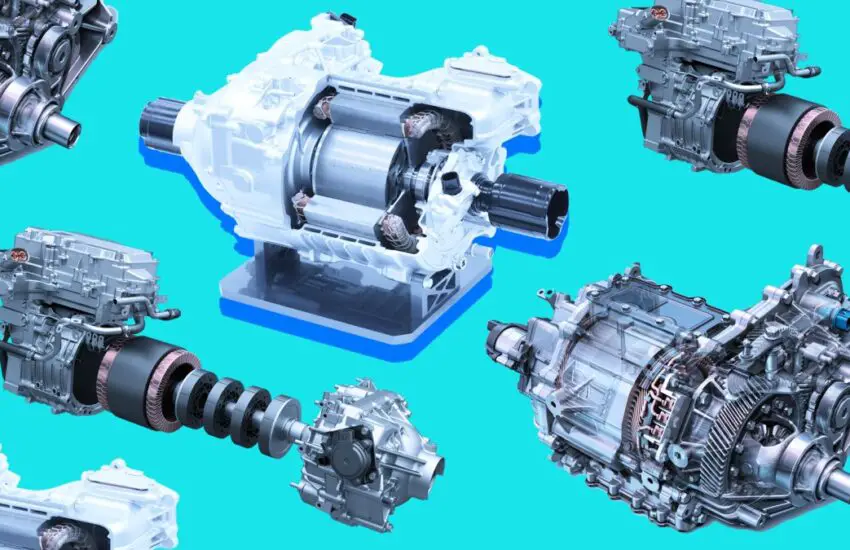
While high-revving internal combustion engines capture headlines, a quieter but more profound revolution is underway in electric motor design. The pursuit of extreme rotational speed is shifting from the mechanical symphony of pistons to the silent whirl of electromagnetics. This race is not about sound, but about unlocking new dimensions of power density, efficiency, and packaging for the next generation of electric vehicles.

Why High RPM Matters for Electric Motors

Increasing the rotational speed of an electric motor is a direct path to achieving greater power output from a smaller, lighter package. A motor that spins faster can generate the same power with less torque, allowing for the use of smaller, lighter components. This translates to improved vehicle efficiency through weight reduction and more flexible design possibilities for engineers. The challenge lies in managing the immense centrifugal forces, advanced thermal loads, and bearing technologies required at such extreme velocities.

Engineering the Impossible

Pushing electric motors beyond 30,000 RPM presents a formidable engineering puzzle. Key hurdles include developing rotor materials strong enough to withstand catastrophic centrifugal forces and advanced cooling systems to manage intense heat generation. Furthermore, the supporting technology, such as ultra-high-speed gearboxes and power inverters capable of switching at phenomenal frequencies, must evolve in tandem. Breakthroughs in areas like carbon fiber composite rotors and direct oil cooling are making these dizzying speeds a tangible reality.

The Future of High-Speed Electrification

The implications extend far beyond supercars. Success in this high-RPM race will cascade down to mainstream EVs, enabling more compact drive units that free up cabin or battery space. It also opens doors for novel applications in aerospace and industrial machinery. As material science and electromagnetic design advance, the 30,000 RPM mark appears not as a ceiling, but as a stepping stone toward even more compact and powerful electric propulsion systems that redefine performance parameters.

Decoding Subaru P1490: EGR Valve Lift Malfunction Explained

Understanding the Subaru P1490 Diagnostic Trouble Code

When your Subaru’s check engine light illuminates and a scan tool reveals code P1490, you’re dealing with a specific issue within the Exhaust Gas Recirculation (EGR) system. Officially defined as “EGR Valve Lift Malfunction,” this code indicates that the Engine Control Module (ECM) has detected a discrepancy between the commanded position of the EGR valve and its actual, measured position. Unlike generic codes, P1490 is often specific to Subaru and some Mitsubishi vehicles, pointing directly to a fault in the valve’s ability to move as instructed. This malfunction can impact engine performance, fuel economy, and emissions compliance, making timely diagnosis crucial.

What is the EGR System and Why Does It Matter?

The EGR system is a critical emissions control component. It works by recirculating a small, metered amount of exhaust gas back into the engine’s intake manifold. This inert gas lowers the combustion temperature, which directly reduces the formation of harmful nitrogen oxides (NOx). The EGR valve is the gatekeeper of this process, precisely controlled by the ECM via vacuum or electrical actuators. A malfunctioning EGR valve, as signaled by P1490, disrupts this delicate balance.

Common Symptoms and Causes of P1490 in Subarus

Ignoring a P1490 code can lead to drivability issues and potential long-term engine damage. Recognizing the symptoms is the first step in addressing the problem.

Primary Symptoms of a P1490 Code

  • Illuminated Check Engine Light (MIL): The most immediate and obvious sign.
  • Rough Idle or Stalling: Incorrect EGR flow can cause the engine to run unevenly at idle or even stall.
  • Poor Engine Performance: You may experience hesitation, lack of power, or sluggish acceleration.
  • Increased Fuel Consumption: The engine management system may run in a rich-fuel mode to compensate, reducing MPG.
  • Failed Emissions Test: With the EGR system inoperative, NOx levels will likely exceed legal limits.

Root Causes of the EGR Valve Lift Malfunction

The P1490 code is triggered by a fault in the control circuit or the valve’s physical operation. Common culprits include:

  • Faulty EGR Valve: The valve itself can become stuck open, stuck closed, or its internal position sensor can fail.
  • Clogged or Carbon-Fouled EGR Passages: Over time, carbon buildup from exhaust gases can restrict the valve’s movement or block the intake manifold passages.
  • Defective EGR Vacuum Control Solenoid: This component regulates vacuum to the valve. A leak, clog, or electrical fault here will prevent proper operation.
  • Damaged or Leaking Vacuum Hoses: Cracks, splits, or disconnections in the vacuum lines leading to the EGR valve.
  • Electrical Issues: Problems like corroded connectors, broken wires, or poor grounds in the EGR valve or solenoid circuit.
  • Faulty Engine Control Module (ECM): Rare, but a malfunctioning ECM could send incorrect signals.

Step-by-Step Diagnostic and Repair Guide for P1490

A systematic approach is key to correctly diagnosing and fixing a P1490 code. Always start with a visual inspection before moving to electrical tests.

Step 1: Preliminary Visual Inspection

Begin with the engine off and cool. Locate the EGR valve (typically on or near the intake manifold) and the vacuum control solenoid.

  • Inspect all associated vacuum hoses for cracks, brittleness, and secure connections.
  • Check the electrical connectors at the EGR valve and solenoid for corrosion, bent pins, or looseness.
  • Look for obvious signs of damage or excessive carbon deposits around the EGR valve base.

Step 2: Testing the EGR Valve and Vacuum System

For vacuum-operated EGR valves (common on older Subarus like the EJ25 engines):

  • Use a hand-held vacuum pump to apply vacuum directly to the EGR valve nipple. The engine idle should become rough or stall if the valve opens. If not, the valve is likely stuck or clogged.
  • Test the vacuum control solenoid by applying power and ground; you should hear a distinct click and feel vacuum being switched.

For electrically-operated (stepper motor) EGR valves:

  • Use a bidirectional scan tool to command the EGR valve open and closed while monitoring the “Desired EGR Position” and “Actual EGR Position” data PIDs. A significant difference confirms the fault.
  • Check the valve’s resistance with a multimeter against factory specifications (often found in service manuals).

Step 3: Cleaning vs. Replacing Components

If carbon buildup is the issue, cleaning may be a viable repair:

  • Cleaning: Remove the EGR valve and the intake manifold EGR passage. Use a dedicated EGR/carburetor cleaner and non-metallic brushes to carefully remove carbon deposits. Ensure the valve moves freely after cleaning.
  • Replacement: If the valve is mechanically seized, the position sensor is faulty, or the solenoid fails electrical tests, replacement is necessary. Always use quality OEM or reputable aftermarket parts.

Preventative Measures and Final Considerations

Addressing a P1490 code promptly not only restores performance but also prevents more severe issues like engine knocking (from excessive NOx and high combustion temps) or damage to other emissions components.

How to Prevent Future EGR Issues

  • Use Top Tier gasoline, which contains detergents that can help reduce carbon deposits throughout the fuel and intake system.
  • Follow the manufacturer’s recommended service intervals. Some Subaru models have specific EGR system maintenance schedules.
  • Drive the vehicle regularly at highway speeds. This allows the engine to reach optimal operating temperature, which can help “burn off” some deposits.

Clearing the Code and Verifying the Repair

After completing the repair, clear the P1490 code with your OBD2 scanner. The best practice is to perform a drive cycle to allow the ECM to run its self-tests on the EGR system. Monitor for the check engine light’s return. If the repair was successful, the code should not reappear, and the vehicle should pass an OBD2 readiness monitor check, confirming the system is fully operational.