Honda P1491 Code: EGR Valve Lift Insufficiency Diagnosis & Repair

Understanding the Honda P1491 Diagnostic Trouble Code

The OBD2 code P1491 is a manufacturer-specific code primarily associated with Honda and Acura vehicles. Its full definition is “EGR Valve Lift Insufficient”. This code is a direct communication from your vehicle’s Powertrain Control Module (PCM) indicating that the Exhaust Gas Recirculation (EGR) system is not operating within its expected parameters. Specifically, the PCM has commanded the EGR valve to open, but the actual measured lift or flow of exhaust gases is lower than the target value stored in the PCM’s memory. This discrepancy triggers the P1491 code and illuminates the check engine light (CEL).

What is the EGR System and Why is it Critical?

The EGR system is a key emissions control component designed to reduce nitrogen oxide (NOx) emissions, which are a major contributor to smog. It works by recirculating a small, metered amount of inert exhaust gas back into the engine’s intake manifold. This lowers the peak combustion temperature, thereby inhibiting the formation of NOx. A malfunctioning EGR system, as signaled by P1491, not only causes the check engine light but can also lead to:

  • Increased NOx emissions, causing a failed emissions test.
  • Engine knocking or pinging (detonation) under load.
  • Rough idle or stalling.
  • Reduced fuel efficiency and overall engine performance.

How the Honda PCM Monitors EGR Valve Lift

Honda’s system is intelligent. The PCM doesn’t just command the valve open; it verifies the action. It does this by monitoring the signal from the EGR Valve Position Sensor (often integrated into the valve). When the PCM sends a signal to the EGR valve to open, it expects to see a corresponding change in the voltage feedback from the position sensor. If the actual position reading is significantly lower than the commanded position for a set period, the P1491 “insufficient lift” code is set. This precise monitoring is what makes diagnosing this code very systematic.

Common Causes of the P1491 Code in Honda Vehicles

An “insufficient lift” condition points to a physical or electrical blockage preventing the EGR valve from opening fully. The root causes typically fall into a few key categories.

Carbon Buildup: The Primary Culprit

This is by far the most common cause of P1491. Over time, carbon deposits from exhaust gases accumulate in the EGR valve passages and on the valve pintle itself. This buildup can physically restrict the valve’s movement, preventing it from achieving the commanded lift. High-mileage vehicles, those used primarily for short trips, or engines that burn a small amount of oil are particularly susceptible.

Faulty EGR Valve or Position Sensor

The EGR valve itself can fail mechanically. The valve’s pintle can become stuck due to corrosion or severe carbon seizure. Internally, the position sensor that provides feedback to the PCM can fail, sending an incorrect signal that makes the PCM think the valve isn’t opening when it actually might be. Electrical issues like damaged wiring, poor connectors, or corrosion can also corrupt the signal.

Vacuum or Control System Issues

On older Honda models with vacuum-operated EGR valves, a fault in the vacuum supply system will cause P1491. This includes:

  • Cracked, brittle, or disconnected vacuum hoses.
  • A faulty EGR Control Solenoid Valve (which modulates vacuum to the EGR valve).
  • Lack of engine vacuum due to other engine problems.

On newer models with electronic EGR valves, a problem with the control circuit from the PCM can prevent the valve from receiving the proper command signal.

Blocked EGR Passages

It’s not just the valve. The small metal tubes and passages that run from the exhaust manifold to the intake manifold can become completely clogged with hard carbon. Even a perfectly functioning EGR valve cannot flow gas if these passages are blocked. This is a common oversight during diagnosis.

Step-by-Step Diagnostic Procedure for P1491

A methodical approach is essential to correctly diagnose P1491 and avoid unnecessary part replacement. You will need a quality OBD2 scanner capable of displaying live data.

Step 1: Preliminary Checks and Visual Inspection

Begin with the basics. Check for any other stored or pending codes. Perform a thorough visual inspection of the EGR valve, its electrical connector for corrosion or damage, and all associated vacuum hoses (if applicable) for cracks, leaks, or disconnections. Listen for vacuum leaks with the engine running.

Step 2: Commanding the EGR Valve with a Scan Tool

This is a critical test. Using your scan tool’s bi-directional controls, command the EGR valve to open (typically at idle). On many Hondas, you can command a specific percentage (e.g., 50%, 75%). Listen carefully: you should hear a distinct click from the valve and notice a change in engine idle quality (it should become rougher or even stall) as exhaust gas is introduced. If the engine idle doesn’t change, the valve is likely not opening or the passages are blocked.

Step 3: Monitoring Live Data Parameters

While commanding the valve, monitor the EGR Valve Position or EGR Lift Sensor live data parameter. As you command higher lift percentages, the sensor feedback should increase correspondingly (e.g., command 50%, see ~50% feedback). A significant mismatch, or a sensor value that doesn’t change, confirms the problem lies with the valve, sensor, or circuit.

Step 4: Physical Inspection and Cleaning

If the valve doesn’t respond to commands, the next step is physical. Remove the EGR valve (consult a service manual for your specific model). Inspect the valve pintle and seat for heavy carbon deposits. Manually try to move the pintle; it should move smoothly. Clean the valve and its mounting passage on the intake manifold using a dedicated EGR/carburetor cleaner and careful scraping with a plastic tool. Never use metal tools on the valve seat.

Repair Solutions and Prevention for P1491

Based on your diagnostic findings, you can proceed with the appropriate repair.

Repair 1: Cleaning the EGR Valve and Passages

For many vehicles, a thorough cleaning is a complete and cost-effective repair. Soak the valve and clean all carbon from the pintle and body. Use a long, flexible brush or dedicated passage cleaning tool to clear the intake manifold and exhaust feed tube passages. After reassembly, clear the code, perform an EGR valve actuation test with your scanner, and take the vehicle for a test drive to allow the PCM to run its self-tests.

Repair 2: Replacing the EGR Valve Assembly

If the valve is mechanically seized, the position sensor is faulty, or cleaning does not resolve the issue, replacement is necessary. Always use a high-quality OEM or reputable aftermarket EGR valve. After installation, it’s good practice to clear adaptive memory (if possible with your tool) and allow the PCM to relearn idle and fuel trims.

Preventing Future P1491 Codes

Prevention focuses on minimizing carbon buildup:

  • Use Top Tier detergent gasoline to keep fuel system clean.
  • Ensure the engine is in good mechanical health (addressing oil consumption issues).
  • Periodically take the vehicle on longer highway drives to help “burn off” deposits.
  • For high-mileage engines, consider using a reputable fuel system cleaner periodically.

While the P1491 code is specific, its diagnosis follows logical automotive principles. By understanding the EGR system’s function and applying a structured diagnostic approach, this common Honda check engine light issue can be reliably identified and repaired, restoring your vehicle’s performance and emissions compliance.

Switzerland’s Strategic Bid for Electric Truck Charging Network

Switzerland Accelerates Its Electric Freight Future

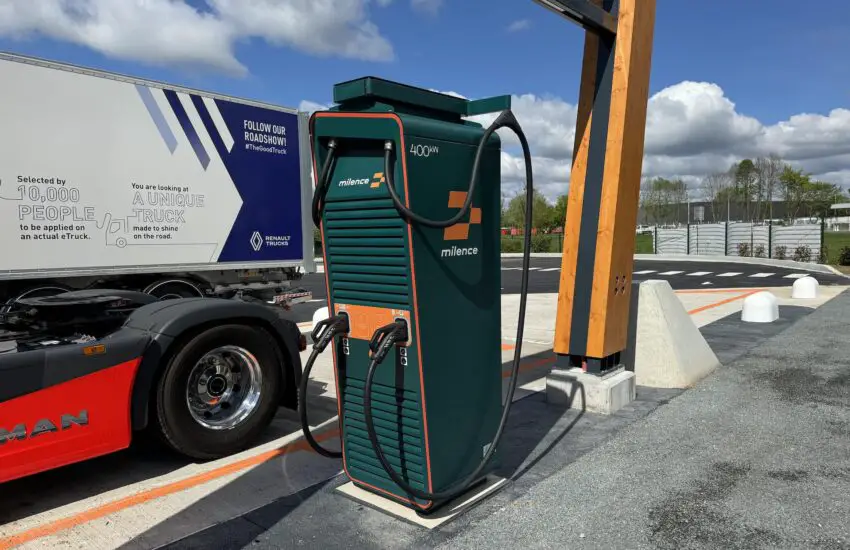
Switzerland has launched a pivotal tender to establish a nationwide network of high-power charging stations specifically for electric trucks. This strategic move positions the alpine nation at the forefront of Europe’s green logistics revolution, aiming to decarbonize one of the most challenging transport sectors.

Powering the Arteries of European Trade

As a critical transit hub at the heart of Europe, Switzerland’s road network is a vital artery for continental freight. The new initiative directly addresses the dual challenge of maintaining efficient cross-border logistics while drastically reducing emissions from heavy goods vehicles. The planned network will focus on key transit corridors and logistics centers, ensuring that electric trucks can operate seamlessly across the country and beyond its borders.

Overcoming the Long-Haul Hurdle

The core challenge for electric freight has been range and charging time for long-distance journeys. Switzerland’s call for tenders specifically targets fast-charging infrastructure capable of rapidly replenishing the large battery packs of heavy trucks. This infrastructure is essential for making electric trucks a viable and reliable alternative to diesel for hauliers, supporting the shift towards sustainable supply chains.

A Catalyst for Broader Adoption

By de-risking the infrastructure investment, the Swiss government aims to stimulate market confidence among transport companies and vehicle manufacturers. A reliable, publicly accessible charging network is a fundamental prerequisite for fleet operators to commit to large-scale electrification. This state-led approach is expected to accelerate the adoption of zero-emission trucks, aligning with both national climate goals and evolving EU regulations.

This project represents more than just an infrastructure upgrade; it is a calculated step towards redefining the future of freight transport in one of Europe’s most important logistics regions.

Electric Vehicle News: Xiaomi’s Future, Insurance Shifts, and Premium Awards

The Evolving Landscape of Electric Mobility

The electric vehicle sector continues to accelerate at a breathtaking pace, marked by new entrants, shifting market dynamics, and industry recognition. This condensed overview highlights key developments, from future product roadmaps to the economic realities shaping consumer adoption and manufacturer strategy.

Xiaomi’s Ambitious Roadmap and Market Entry

Chinese tech giant Xiaomi has firmly entered the automotive arena with its SU7 sedan, making immediate waves with its competitive pricing and strong performance specs. Industry attention is now turning to the brand’s future, with reports indicating a significant update planned for the 2026 model year. This move signals Xiaomi’s long-term commitment to the EV market, aiming to build upon its initial launch with refined technology, potentially enhanced range, and new features to solidify its position in a crowded field.

Navigating Insurance and Economic Challenges

Beyond new models, the industry grapples with practical hurdles affecting ownership. A primary concern for potential buyers remains the cost and availability of insurance for electric vehicles. Higher repair costs and battery-related risks have led to premium increases in some regions, presenting a barrier to entry. Simultaneously, broader economic pressures, including fluctuating raw material costs and competitive pricing wars, are testing automakers’ profitability and forcing strategic adjustments across the sector.

Premium Brands Receive Accolades

Amidst these challenges, established manufacturers continue to excel. Volvo and Mercedes-Benz have recently been honored with prestigious industry awards for their electric models. These accolades, often based on safety, innovation, design, and performance, underscore the strength of legacy automakers in transitioning to electrification. Such recognition helps validate their engineering efforts and bolsters consumer confidence in their high-end electric offerings, proving that traditional luxury and cutting-edge electric powertrains can successfully converge.

The path forward for electric mobility is one of simultaneous innovation and consolidation. While newcomers like Xiaomi expand the landscape with aggressive timelines, the entire ecosystem must adapt to financial and infrastructural realities. The recognition of seasoned players highlights that excellence in electric vehicle design and manufacturing is already being achieved, setting a high bar for all participants in this dynamic market.

Decoding Dodge P1491: Leak Detection Pump Switch or Mechanical Fault

Understanding the P1491 OBD2 Code in Dodge and Chrysler Vehicles

The OBD2 diagnostic trouble code P1491 is a manufacturer-specific code prevalent in Dodge, Chrysler, Jeep, and Ram vehicles. It is formally defined as “Leak Detection Pump Switch or Mechanical Fault.” This code is intrinsically linked to the vehicle’s Evaporative Emission Control (EVAP) system, which is designed to prevent fuel vapors from escaping into the atmosphere. The Leak Detection Pump (LDP) is a critical component that pressurizes the EVAP system to check for leaks. When the Powertrain Control Module (PCM) detects an electrical or functional irregularity with the LDP’s internal switch or its mechanical operation, it triggers the P1491 code and illuminates the Check Engine Light.

Role of the Leak Detection Pump (LDP) in the EVAP System

Unlike many modern vehicles that use a vacuum-based method, many Dodge/Chrysler platforms utilize a positive pressure system. The LDP is an electric pump that forces air into the fuel tank and EVAP lines. It contains an internal diaphragm and a reed switch. During a leak test (usually performed after a cold start under specific conditions), the PCM activates the LDP. The switch should close when the diaphragm reaches a specific position, signaling to the PCM that the pump is operating correctly and pressure is building. A P1491 code indicates this expected signal is missing or implausible.

Common Symptoms and Causes of a P1491 Fault Code

While a P1491 code may not always cause drivability issues, it is a direct command from your vehicle’s PCM that the emissions integrity cannot be verified. Ignoring it can lead to a failed emissions test and potentially mask other related problems.

Primary Symptoms of P1491

  • Illuminated Check Engine Light (MIL): This is the most consistent and often the only noticeable symptom.
  • Failed Emissions Inspection: The vehicle will not pass a state-mandated OBD2 emissions test with an active EVAP code.
  • Possible Fuel Odor: In rare cases where the fault is related to a significant leak or stuck component, a faint gasoline smell may be present.
  • Other EVAP Codes: P1491 may appear alongside codes like P0442 (small leak) or P0455 (large leak) if the LDP failure prevents proper leak testing.

Root Causes of Dodge P1491 Code

Diagnosis should follow a logical path from the simplest electrical checks to more complex mechanical verification.

  • Faulty Leak Detection Pump (LDP): The most common cause. The internal motor can fail, the diaphragm can tear, or the reed switch can malfunction.
  • Damaged Wiring or Connectors: Corrosion, chafing, or broken wires in the LDP circuit (power, ground, or signal to PCM) can interrupt communication.
  • Clogged or Restricted LDP Filter: The LDP has an air filter. If it becomes clogged with dirt or debris, the pump cannot draw in air to create pressure, leading to a mechanical fault.
  • Blocked EVAP System Lines: A pinched, kinked, or clogged hose between the LDP, fuel tank, and charcoal canister can prevent proper pressure build-up.
  • Faulty Powertrain Control Module (PCM): This is rare, but a malfunctioning PCM that cannot properly interpret the LDP switch signal can set this code.

Step-by-Step Diagnostic and Repair Procedures

A systematic approach is key to correctly diagnosing P1491. You will need a quality OBD2 scanner, a digital multimeter (DMM), and possibly a smoke machine for advanced leak testing.

Step 1: Preliminary Inspection and Code Verification

Begin with a visual inspection. Locate the Leak Detection Pump (common locations include near the EVAP canister, behind a rear wheel well, or under the vehicle). Check for:

  • Obvious physical damage to the LDP or its mounting bracket.
  • Cracked, disconnected, or wet hoses connected to the pump.
  • The condition of the LDP’s air filter (if accessible). Clean or replace if dirty.

Clear the code with your scanner and perform a drive cycle to see if it returns immediately. An instant return points to a hard fault.

Step 2: Electrical Circuit Testing

With the vehicle off, disconnect the electrical connector from the LDP. Using your multimeter:

  • Check for Power: With the ignition ON, probe the appropriate wire (refer to a vehicle-specific wiring diagram). You should see battery voltage (~12V).
  • Check for Ground: Test the ground circuit for continuity to a known good ground.
  • Check LDP Resistance: Measure the resistance across the pump’s motor terminals. Compare to specifications (often between 10-30 ohms). An open (infinite) or short (0 ohms) reading indicates a bad pump.

Step 3: Functional Testing and Final Verification

If electrical checks pass, the fault is likely mechanical. Using a bi-directional scanner, you can often command the LDP to run. Listen and feel for the pump’s operation. A functioning pump will vibrate and emit a humming sound. If it doesn’t run with a command and has power/ground, the pump is faulty. If it runs but the code persists, the internal switch is likely bad, or there is a blockage in the EVAP system requiring smoke machine testing to find restrictions or leaks.

Repair Solutions, Cost Estimation, and Professional Advice

Once the faulty component is identified, the repair can be planned. The complexity ranges from a simple filter replacement to component replacement.

Common Repair Procedures for P1491

  • Replacing the Leak Detection Pump: This is the most frequent repair. The pump is typically held by a few bolts and connected by a hose and an electrical connector. Ensure you use a high-quality OEM or reputable aftermarket part.
  • Repairing Wiring Harness: Solder and seal any damaged wires. Never use twist-on connectors in automotive environments due to vibration and corrosion risk.
  • Clearing Blockages: Replace any pinched or clogged hoses. Clean or replace the LDP filter.

Estimated Repair Cost and Professional Help

Costs vary significantly:

  • DIY Repair: A new LDP costs between $80 and $250 for the part. With basic tools, the job can often be completed in under an hour.
  • Professional Repair: At a shop, expect 1.0 to 1.5 hours of labor ($100-$200) plus the part. Total costs typically range from $200 to $450.

Important Note: After any repair, the PCM must complete a full EVAP monitor drive cycle. This requires specific conditions (cold start, specific speed ranges, fuel level between 15-85%). Use your scanner to check the monitor status. The Check Engine Light will turn off automatically after several successful drive cycles, or you can clear the code once you’re confident the repair is successful.

CATL Batteries Lead in Longevity, New Data Reveals

Electric Vehicle Battery Degradation: A Critical Comparison

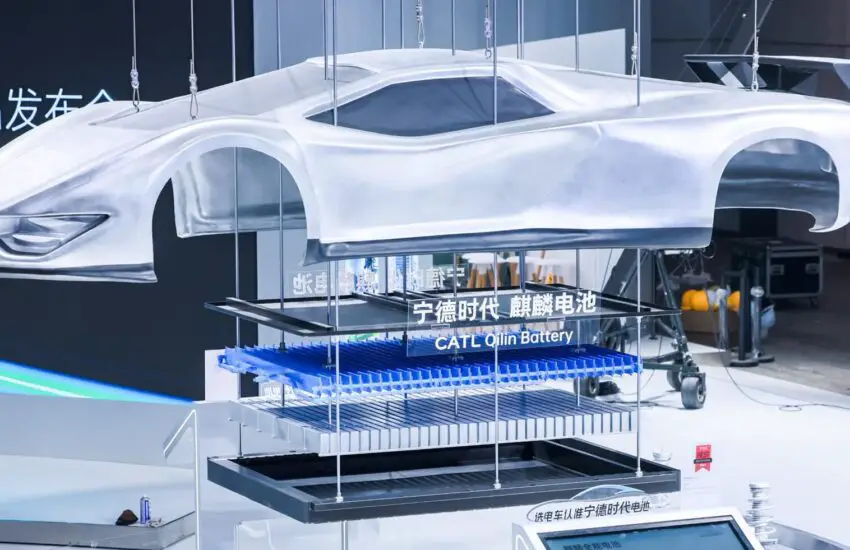
Battery longevity remains a paramount concern for electric vehicle owners and manufacturers alike. The rate at which a battery loses its capacity directly impacts an EV’s range, resale value, and overall sustainability. Recent independent analysis of real-world data has provided a clear frontrunner, highlighting the superior durability of batteries produced by the Chinese giant, Contemporary Amperex Technology Co. Limited (CATL).

Benchmarking Real-World Battery Performance

The study, which aggregated performance data from thousands of electric vehicles over time, focused on measuring capacity retention. This metric indicates the percentage of original battery capacity that remains after years of use and charging cycles. The findings were significant, showing that CATL’s battery packs, particularly those using their advanced Lithium Iron Phosphate (LFP) chemistry, exhibited notably slower degradation rates compared to many competitors.

The Technology Behind the Durability

CATL’s advantage is attributed to several technological and manufacturing factors. Their focus on cell-to-pack (CTP) design increases energy density and reduces the number of components, potentially enhancing structural integrity and thermal management. Furthermore, their mastery of LFP chemistry, known for its inherent safety and long cycle life, is a key differentiator. While LFP batteries traditionally had lower energy density, CATL’s innovations have mitigated this gap, making them a preferred choice for durability.

Implications for the EV Market and Consumers

This performance lead has substantial implications. For consumers, it translates to EVs that maintain their advertised range for longer, protecting their investment. For automakers, partnering with CATL offers a compelling selling point centered on product reliability. As the industry shifts focus from initial range to total cost of ownership and sustainability, battery lifespan is becoming a critical competitive battlefield. CATL’s demonstrated prowess in durability strengthens its position as the world’s leading battery supplier and sets a new benchmark for the entire sector to follow.

Kia Revives True GT Performance for EV3, EV4, and EV5 Models

Kia Reintroduces Authentic GT Performance to Its Electric Lineup

Kia is making a decisive shift in its electric vehicle strategy by confirming the return of full-fat GT performance variants for its upcoming EV3, EV4, and EV5 models. This move signals a clear departure from the recent era where the GT badge was relegated to a cosmetic package, known as GT-Line, which offered enhanced styling without the corresponding powertrain upgrades. The announcement heralds a new chapter for driving enthusiasts who have been awaiting genuine electric performance from the brand.

Beyond Aesthetics: Engineering Takes Center Stage

The new GT versions will be engineered from the ground up to deliver a significant boost in power, torque, and dynamic handling. While specific output figures for each model remain under wraps, expectations are high for dual-motor, all-wheel-drive configurations that will drastically reduce acceleration times compared to their standard counterparts. Kia’s focus extends beyond straight-line speed, with dedicated chassis tuning, upgraded braking systems, and enhanced cooling expected to be core components of the GT formula.

Leveraging the E-GMP Platform’s Potential

This performance revival is made possible by the inherent flexibility of Kia’s dedicated Electric-Global Modular Platform (E-GMP). The architecture is designed to accommodate varying battery sizes and powerful dual-motor setups, providing the perfect foundation for high-performance derivatives. Kia engineers are now tasked with extracting the sporting potential from these compact and midsize EV crossovers, promising a blend of everyday usability and thrilling dynamics.

The return of true GT models represents a strategic expansion of Kia’s electric portfolio, aiming to capture a segment of the market that values emotion and engagement alongside zero-emission mobility. It reaffirms the brand’s commitment to offering a diverse range of electric vehicles, from efficient family haulers to drivers’ cars, strengthening its position in the increasingly competitive global EV landscape.

OBD2 Code P1491 Chrysler: Leak Detection Pump Switch Circuit Explained

Understanding OBD2 Code P1491 in Chrysler Vehicles

When the check engine light illuminates in your Chrysler, Dodge, or Jeep vehicle and a scan tool reveals the diagnostic trouble code (DTC) P1491, you are dealing with a specific fault within the Evaporative Emission Control (EVAP) system. Officially defined as “Leak Detection Pump Switch or Mechanical Fault”, this code is a manufacturer-specific code common to Chrysler Corporation vehicles. The EVAP system is designed to prevent fuel vapors from escaping into the atmosphere by capturing them in a charcoal canister and later purging them into the engine to be burned. The Leak Detection Pump (LDP) is a critical self-test component that pressurizes the system to check for leaks. Code P1491 indicates that the Powertrain Control Module (PCM) has detected an illogical or faulty signal from the internal switch within the LDP during its self-test cycle.

What is the Leak Detection Pump (LDP)?

The Leak Detection Pump is not a traditional fuel pump. It is an electrically-operated pump, typically located in the engine bay or near the fuel tank, that uses engine vacuum and a solenoid to draw in ambient air and pressurize the EVAP system. Inside the LDP housing is a diaphragm and a magnetic reed switch. As the pump operates, the diaphragm moves, and the switch opens and closes, sending a specific frequency signal back to the PCM. This signal allows the PCM to monitor the pump’s operation and determine if the EVAP system can hold pressure, indicating no leaks, or if pressure drops, indicating a leak.

How the PCM Triggers Code P1491

The PCM monitors the state of the LDP switch during the leak test. A test sequence is usually initiated under specific driving conditions (e.g., fuel level between 15% and 85%, coolant temperature within range). The PCM commands the LDP solenoid to cycle. It expects to see the LDP switch signal change state (open/close) at a predictable rate as the pump pressurizes the system. Code P1491 is set when:

  • The PCM sees no change in the switch state (stuck open or closed).
  • The switch cycles at an incorrect frequency.
  • The switch state is illogical compared to the commanded state of the LDP solenoid (e.g., switch indicates “pumped up” when the solenoid is commanded off).

This fault prevents the vehicle from completing its EVAP monitor, a requirement for passing emissions testing.

Symptoms, Causes, and Diagnosis of P1491

Unlike some engine codes that cause drivability issues, P1491 is primarily an emissions-related fault. However, ignoring it can lead to a failed emissions test and potentially mask other EVAP problems.

Common Symptoms of Code P1491

  • Illuminated Check Engine Light (MIL): This is the primary and often only symptom.
  • Failed Emissions Inspection: The EVAP monitor will show “Not Ready” or “Incomplete.”
  • Possible Fuel Odor: While not directly caused by P1491, a compromised EVAP system from related issues may lead to a gasoline smell.
  • No Drivability Issues: The engine typically runs normally, with no loss of power or fuel economy.

Root Causes of the P1491 Fault Code

The trigger for P1491 is an erroneous signal from the LDP switch circuit. The underlying causes can be electrical, mechanical, or related to vacuum.

  • Failed Leak Detection Pump: The most common cause. The internal mechanical diaphragm can tear, the magnetic reed switch can fail, or the solenoid can become inoperative.
  • Electrical Issues: Damaged, corroded, or shorted wiring in the LDP circuit (power, ground, or signal wire to PCM). Poor electrical connections at the LDP harness connector.
  • Vacuum Supply Problem: The LDP requires engine vacuum to operate. A cracked, disconnected, or plugged vacuum hose leading to the LDP will prevent it from functioning.
  • Faulty PCM: Rare, but a failure within the PCM’s driver circuit for the LDP solenoid or its ability to read the switch signal cannot be entirely ruled out after all other checks.
  • EVAP System Blockage: A severe blockage elsewhere in the EVAP system (e.g., pinched hose, stuck purge valve) could theoretically affect pump operation and switch cycling.

Step-by-Step Diagnostic Procedure

A logical diagnostic approach is essential to avoid unnecessary parts replacement. You will need a quality OBD2 scan tool and a digital multimeter (DMM).

Step 1: Visual Inspection

Locate the Leak Detection Pump (consult a service manual for its location on your specific model). Inspect the electrical connector for corrosion, bent pins, or disconnection. Check all associated vacuum hoses for cracks, dryness, rot, and proper connections. Listen for an audible click from the LDP when the ignition is turned to ON (engine off); some models will cycle the pump briefly.

Step 2: Check Electrical Supply and Ground

Using a DMM, check for battery voltage (approx. 12V) at the LDP power supply wire with the ignition ON. Verify a clean ground connection. Refer to a wiring diagram for pinouts.

Step 3: Test LDP Solenoid and Switch

With the connector disconnected, measure the resistance of the LDP solenoid coil (typically between 20-50 ohms). An open (infinite ohms) or short (0-1 ohms) reading indicates a bad pump. Testing the internal switch requires a specific procedure, often involving applying vacuum to the pump port and checking for continuity change across the switch terminals, which may be integrated into the connector.

Step 4: Scan Tool Actuation and Data Monitoring

A bi-directional scan tool is invaluable. Use it to command the LDP solenoid ON and OFF while listening for a click. Monitor the LDP switch status parameter (often called “LDP SW” or similar) in the PCM data stream. When commanded ON, the switch state should change. If it doesn’t, and electrical supply is confirmed, the LDP is likely faulty.

Step 5: Check for Vacuum

Disconnect the vacuum supply hose from the LDP (with the engine running) and verify strong engine vacuum is present using a vacuum gauge.

Repair Solutions and Prevention

Once the root cause is identified, the repair is typically straightforward.

Repairing or Replacing the Leak Detection Pump

If diagnostics point to a faulty LDP, replacement is the standard repair. The unit is usually serviced as a complete assembly. Important: After replacement, you must clear the DTC with a scan tool. The PCM will then need to complete a full drive cycle to run the EVAP monitor and verify the repair. This drive cycle involves specific speed, temperature, and fuel level conditions.

Addressing Wiring and Vacuum Issues

Repair any damaged wiring using solder and heat shrink tubing—avoid butt connectors for critical sensor circuits. Replace any cracked or brittle vacuum hoses with OEM-grade hose material to ensure a proper seal. Always double-check routing to avoid kinks.

How to Prevent Future EVAP System Issues

  • Always Tighten the Gas Cap Properly: A loose fuel cap is the #1 cause of minor EVAP leaks and can stress the system.
  • Address Check Engine Lights Promptly: Ignoring minor codes can lead to system compromises.
  • Use a Smoke Machine for Leak Testing: For persistent or complex EVAP leaks, a professional smoke test is the most effective diagnostic tool to find cracked hoses or faulty valves the LDP test cannot pinpoint.

Professional vs. DIY Approach

A competent DIYer with a scan tool and multimeter can successfully diagnose P1491 by following the steps above. The visual and basic electrical checks are accessible. However, if the diagnosis points to a complex wiring fault or if the drive cycle cannot be completed after repair, seeking a professional technician with advanced diagnostic tools may be necessary. They can perform a smoke test and have the software to force monitor readiness tests.

In summary, Chrysler code P1491 is a focused fault within the self-diagnostic portion of the EVAP system. While it doesn’t affect how the engine runs, it is a critical code for emissions compliance. A methodical diagnosis targeting the Leak Detection Pump’s electrical, vacuum, and mechanical operation will lead to an efficient and lasting repair, ensuring your vehicle passes its next emissions check.

Leapmotor B05: Range and Specs for the Budget EV

Leapmotor B05: What Range Can Drivers Expect?

The electric vehicle landscape is set to welcome a new contender focused on affordability. The Leapmotor B05, a compact electric sedan, has had its initial technical specifications unveiled, generating significant interest for its promise of value and capability. This model is poised to enter the competitive urban EV segment imminently.

Leapmotor B05 electric compact car front view

Key Specifications and Performance

Central to the B05’s appeal is its driving range. Early data indicates the vehicle will be offered with a lithium iron phosphate (LFP) battery, a technology known for its durability and cost-effectiveness. Reports suggest a targeted range of approximately 400 kilometers (roughly 250 miles) on the WLTP cycle, which would position it strongly against rivals in the budget-conscious market. This range is designed to comfortably cover daily commutes and longer weekend trips without frequent charging stops.

Beyond range, the B05 is expected to feature a modern electric powertrain delivering adequate power for city driving and highway merging. Details on charging speed, while not fully finalized, are anticipated to support DC fast charging, significantly reducing downtime during longer journeys.

Design and Market Position

The B05’s design, as previewed, follows a sleek and contemporary aesthetic common to modern EVs, with clean lines and a likely spacious interior relative to its compact footprint. Its primary mission is to deliver core electric mobility—substantial range, modern features, and reliable performance—at an accessible price point. By leveraging efficient battery technology and a streamlined offering, Leapmotor aims to lower the entry barrier to electric vehicle ownership.

As global demand for affordable electric transport grows, the arrival of models like the B05 is crucial. It represents a shift where compelling range and modern design are no longer exclusive to premium segments. The B05’s upcoming market introduction will be a key test of this value proposition, potentially enticing a new wave of drivers to make the switch to electric.

Understanding and Fixing Audi OBD2 Code P1491: Secondary Air Injection System

What is Audi OBD2 Code P1491?

When your Audi’s check engine light illuminates and a scan reveals the generic OBD2 code P1491, you are dealing with a specific fault within the vehicle’s emission control system. Officially defined as “Secondary Air Injection System Insufficient Flow,” this code is particularly common across the Volkswagen Audi Group (VAG) family, including models like the Audi A4, A6, TT, and their Volkswagen and Škoda counterparts. The system’s primary function is to reduce harmful exhaust emissions during the critical cold-start phase of engine operation. A P1491 code indicates that the Engine Control Module (ECM) has detected that the actual airflow provided by the system is less than the expected programmed value, triggering a fault.

Core Function of the Secondary Air Injection System (SAIS)

The Secondary Air Injection System is an emissions-critical component designed for one key purpose: to introduce fresh, ambient air directly into the exhaust manifold or cylinder head exhaust ports immediately after a cold engine start. This isn’t for engine power; it’s a pollution control strategy. Here’s how it works:

  • Cold Start Phase: When the engine is cold, fuel combustion is less complete, leading to higher levels of unburned hydrocarbons (HC) and carbon monoxide (CO) in the exhaust.
  • Air Injection: The ECM activates an electric air pump (Secondary Air Pump) which pushes air through a combination valve (Secondary Air Injection Valve) into the hot exhaust stream.
  • Afterburner Effect: The injected oxygen (O2) mixes with the hot, unburned hydrocarbons, causing a secondary combustion (“afterburn”) inside the exhaust manifold.
  • Faster Catalyst Light-Off: This exothermic reaction generates significant heat, rapidly warming up the catalytic converter to its optimal operating temperature (typically 400-600°C). A “hot” catalyst is far more efficient at converting harmful gases into water vapor (H2O), carbon dioxide (CO2), and nitrogen (N2).

The entire cycle typically lasts for only 90 to 120 seconds after startup. The ECM monitors the system’s effectiveness using pre-catalytic and post-catalytic oxygen sensors, comparing the expected oxygen content change to the actual readings.

Common Causes of Audi P1491 Fault Code

Diagnosing a P1491 requires a systematic approach, as the fault can originate from mechanical, electrical, or pneumatic failures within the SAIS circuit. The following are the most prevalent culprits, listed from most to least common.

1. Mechanical and Pneumatic Failures

  • Faulty Secondary Air Pump (SAP): The electric pump itself can fail due to worn brushes, a seized motor, or internal damage. A clogged pump intake filter (if equipped) can also severely restrict airflow.
  • Failed or Stuck Secondary Air Injection (Combination) Valve: This critical valve, often located near the exhaust manifold, can become stuck closed due to carbon buildup or internal corrosion. It may also fail to open due to a ruptured internal diaphragm.
  • Leaking or Collapsed Vacuum Hoses: The combination valve is usually actuated by engine vacuum via a network of rubber hoses. These hoses can crack, split, or collapse internally, preventing the valve from opening fully or at all.
  • Blocked or Cracked Air Lines: The rigid or corrugated plastic/rubber tubes that carry air from the pump to the valve can become clogged with debris or develop cracks, leading to air leaks and insufficient flow.

2. Electrical and Control System Faults

  • Blown Fuse or Faulty Relay: The secondary air pump circuit is protected by a fuse and controlled by a relay. A blown fuse or a stuck/open relay will prevent the pump from receiving power.
  • Wiring Harness Issues: Damaged, corroded, or broken wires to the pump, valve solenoid, or associated sensors can interrupt power or control signals.
  • Faulty Vacuum Solenoid (N112 or similar): The ECM uses a vacuum solenoid valve to control vacuum supply to the combination valve. A failed solenoid will not allow the valve to open.
  • ECM Software Glitch (Less Common): In rare instances, a software error in the engine control module may cause incorrect monitoring or activation of the SAIS.

Step-by-Step Diagnostic Procedure for Code P1491

A proper diagnosis avoids unnecessary parts replacement. Follow this technical procedure, ideally with a professional OBD2 scanner or VCDS (VAG-COM) for live data.

Step 1: Preliminary Inspection and Live Data Check

Begin with a visual inspection of all SAIS components, hoses, and wiring for obvious damage. Then, using your scanner, navigate to live data. Look for parameters like “Secondary Air System: Specified ON/OFF” and “Secondary Air System: Actual ON/OFF.” With a cold engine (below ~40°C/104°F), start the car. The “Specified” value should immediately switch to “ON.” Listen carefully near the front passenger wheel well or engine bay for the distinct sound of the secondary air pump running for 1-2 minutes.

Step 2: Testing the Secondary Air Pump

If you don’t hear the pump run, check its power and ground. Using a multimeter, verify 12V+ at the pump connector when the system is commanded on. If power is present but the pump doesn’t run, the pump is faulty. If no power is present, trace the circuit back through the relay and fuse. You can also apply direct 12V and ground to the pump terminals (briefly) to test its mechanical function.

Step 3: Testing the Combination Valve and Vacuum Circuit

If the pump runs but the code persists, the issue is likely downstream. Disconnect the air supply hose from the combination valve. With the system activated, you should feel strong airflow from the hose. If airflow is weak, check for blockages in the air lines. If airflow is good, test the combination valve. Apply engine vacuum (or use a hand vacuum pump) to the valve’s vacuum port. It should hold vacuum and you should be able to blow air through the valve from the air inlet to the exhaust outlet. If it doesn’t hold vacuum or is stuck, it needs replacement.

Step 4: Checking the Vacuum Solenoid and Hoses

Test the vacuum solenoid (N112) for electrical resistance (should typically be between 20-50 ohms) and audible click when energized. Check all vacuum hoses from the intake manifold, through the solenoid, to the combination valve for leaks, cracks, or proper connection. A smoke test of the intake system can be very effective at finding small vacuum leaks affecting this system.

Repair Solutions and Important Considerations

Once the faulty component is identified, repair is generally straightforward. However, Audi-specific nuances must be considered.

Replacement Parts and Procedures

  • Pump or Valve Replacement: Use OEM or high-quality aftermarket parts. When replacing the combination valve, it’s often recommended to replace the gasket between the valve and the cylinder head/exhaust manifold.
  • Vacuum Hose Replacement: Replace any suspect vacuum hoses with OEM-spec tubing to ensure proper fit and durability.
  • Clearing the Code: After repair, clear the fault code with your scanner. The ECM will need to complete a few drive cycles, including cold starts, to run a self-test and confirm the fix. The “pending” status of P1491 should disappear.

Can You Drive with a P1491 Code?

Yes, you can typically drive the vehicle with a P1491. The engine’s performance and drivability are not affected. However, the major consequence is increased environmental pollution. Your vehicle will emit significantly higher levels of HC and CO during cold starts. Furthermore, you will likely fail any mandatory emissions (smog) inspection, and the persistent check engine light will mask other potential fault codes.

Cost Implications of Ignoring P1491

While not an immediate threat to drivability, ignoring a P1491 can have indirect costs. The unburned fuel and excess carbon passing through the exhaust can, over a very long period, contribute to premature fouling of the upstream oxygen sensors and even the catalytic converter—components that are far more expensive to replace than a secondary air pump or valve. Addressing P1491 promptly is both an environmentally responsible and economically sensible decision for any Audi owner.

BMW EV Sales Growth Slows in 2025 as Market Shifts

BMW’s Electric Vehicle Momentum Cools in 2025

The German automotive giant BMW has released its full-year figures for 2025, revealing a pivotal moment in its electrification journey. While the company delivered a record 442,072 all-electric vehicles, the staggering growth rates of previous years have notably tempered. This shift indicates a new phase of maturation for the electric vehicle sector, where expansion is becoming more measured and competitive.

A New Phase of Measured Expansion

The significant volume of BEV sales underscores BMW’s successful transition, with models like the i4, iX, and i7 finding solid market acceptance. However, the declining growth percentage points to broader industry headwinds. Factors such as the gradual reduction of government incentives in key markets, ongoing consumer concerns over charging infrastructure, and increased competition from both traditional rivals and new entrants are creating a more challenging landscape. BMW’s experience mirrors a wider industry trend where the initial surge of early adopters is giving way to the more pragmatic mainstream buyer.

Strategic Resilience and Future Outlook

Despite the slowdown, BMW’s strategy appears resilient. The company has consistently emphasized a “power of choice” approach, offering efficient combustion engines, plug-in hybrids, and battery-electric vehicles on flexible architectures. This diversification may cushion the impact of fluctuating EV demand. Furthermore, BMW is banking on its next generation of Neue Klasse vehicles, set to launch in the coming years, to reinvigorate growth with advanced battery technology and software-defined features designed to appeal to the next wave of customers.

The 2025 results highlight that the road to electrification is not a simple, constant upward trajectory. For BMW and the industry, success will increasingly depend on navigating complex market realities, evolving regulations, and technological innovation to attract a broader customer base beyond the early enthusiasts.