Leasys and EIB Drive Fleet Electrification with Major Funding

A Strategic Alliance for Sustainable Mobility

The transition to electric mobility requires substantial investment beyond vehicle manufacturing. A critical, yet often less visible, part of this ecosystem involves the financing and leasing sectors that enable large-scale adoption. In a significant move, Leasys, a major European mobility operator, and the European Investment Bank have joined forces to deploy massive funding aimed at accelerating the electrification of corporate vehicle fleets across Europe.

Unlocking Capital for Corporate Transition

This strategic financing initiative is designed to remove a primary barrier for businesses: upfront cost. The collaboration provides accessible financial solutions for companies of various sizes to transition their fleets to electric vehicles. By offering favorable leasing conditions and dedicated funding, the partnership makes electric vehicles a more viable and economically attractive option for corporate clients, directly supporting the renewal of vehicle parks with zero-emission models.

Catalyzing Market Transformation

The impact of this funding extends far beyond individual transactions. By targeting fleets—which represent a high volume of vehicles with predictable renewal cycles—Leasys and the EIB are creating a powerful catalyst for the entire electric vehicle market. This large-scale deployment will stimulate demand, encourage infrastructure development, and help normalize electric mobility in the commercial sector. It represents a systemic approach to reducing carbon emissions from road transport.

A Blueprint for European Green Goals

This partnership aligns directly with broader European Union objectives for climate neutrality. Facilitating the shift of corporate fleets is essential for meeting ambitious CO2 reduction targets. The initiative demonstrates how public financial institutions and private mobility operators can collaborate effectively to bridge the investment gap in green technologies, setting a potential blueprint for similar actions across the continent.

OBD2 Code P1497 Audi: A Comprehensive Technical Guide

Understanding OBD2 Code P1497 on Audi Vehicles

The OBD2 diagnostic trouble code (DTC) P1497 is a manufacturer-specific code common to Audi, Volkswagen, and other VW Group vehicles. Its generic definition is “Secondary Air Injection System, Bank 2 – Insufficient Flow.” This code is directly related to the vehicle’s emissions control system, specifically the Secondary Air Injection (SAI) system. When this code is stored, it indicates that the Engine Control Module (ECM) has detected an insufficient volume of fresh air being pumped into the exhaust manifold on Bank 2 of the engine during a cold start. The system’s primary purpose is to reduce cold-start hydrocarbon and carbon monoxide emissions by injecting fresh air into the hot exhaust stream, promoting further combustion of unburned fuel. A P1497 fault can lead to increased emissions, potential performance issues, and will always illuminate the Check Engine Light (CEL).

Primary Causes of the P1497 Fault Code

Diagnosing a P1497 code requires a systematic approach, as the fault can originate from several components within the Secondary Air Injection circuit. The issue is typically mechanical or vacuum-related rather than a simple sensor failure.

1. Faulty Secondary Air Injection Pump

The electric air pump is the heart of the system. Located in the engine bay (often behind the front bumper or near the wheel well), it can fail due to:

  • Motor Burnout: The pump’s electric motor can seize or burn out from age and wear.
  • Internal Corrosion: Moisture ingress can cause internal components to rust, especially if the one-way check valve fails.
  • Blocked Intake Filter: A clogged filter starves the pump, causing it to overwork and fail.

2. Failed or Stuck Secondary Air Injection (SAI) Valve

This valve, also known as a combi valve, controls the flow of air from the pump to the exhaust manifold. It is operated by engine vacuum. Common failures include:

  • Vacuum Diaphragm Rupture: The internal diaphragm can tear, preventing the valve from opening.
  • Carbon Buildup: Exhaust soot can jam the valve in a closed or partially closed position.
  • Mechanical Seizure: The valve stem can become stuck due to heat and corrosion.

3. Vacuum System Leaks or Faults

The SAI valve is actuated by engine vacuum supplied through a solenoid valve (N112 or similar). Problems here include:

  • Cracked, brittle, or disconnected vacuum hoses.
  • A failed vacuum solenoid that does not open to supply vacuum to the SAI valve.
  • Insufficient engine vacuum due to other engine issues.

4. Blocked Air Hoses or Faulty Check Valve

The hoses routing air from the pump to the valve and manifold can melt, crack, or become disconnected. A one-way check valve prevents hot exhaust gases from flowing back into the pump; if it fails, it can allow contamination and block airflow.

5. Electrical Issues

While less common, electrical problems can trigger P1497. These include:

  • Blown fuse or faulty relay for the secondary air pump.
  • Corroded connectors or damaged wiring to the pump or solenoid.
  • In rare cases, a faulty Engine Control Module (ECM).

Step-by-Step Diagnostic Procedure for P1497

A proper diagnosis prevents unnecessary parts replacement. Follow this technical procedure using a scan tool capable of activating output tests and a vacuum gauge.

Step 1: Preliminary Checks and Scan Tool Analysis

Begin by checking for other stored codes. Clear the code and perform a test drive with a cold engine (coolant below 40°C / 104°F) to see if it returns. Use the scan tool’s bi-directional controls to activate the secondary air pump. You should hear it run loudly for about 90 seconds.

Step 2: Testing the Secondary Air Pump

If the pump does not activate with the scan tool:

  • Check the pump’s fuse and relay. Swap the relay with a known good one (e.g., horn relay).
  • Use a multimeter to check for battery voltage (12V+) at the pump connector when activated. If voltage is present but the pump doesn’t run, the pump is faulty.
  • If no voltage is present, trace the wiring back to the relay and ECM for opens or shorts.

Step 3: Inspecting the Vacuum Circuit and SAI Valve

If the pump runs, the problem is likely downstream. With the engine idling, disconnect the vacuum hose from the SAI valve and check for strong, steady vacuum. If vacuum is good:

  • Apply vacuum directly to the SAI valve nipple using a hand-held vacuum pump. You should hear the valve click open, and air should be able to pass through the valve to the exhaust side.
  • If the valve does not hold vacuum or does not open, it is defective.
  • Inspect all vacuum hoses for leaks, cracks, and proper connections.

Step 4: Checking for Physical Blockages

Visually inspect the air hose from the pump to the valve and from the valve to the exhaust manifold. Look for melting, cracks, or disconnections. Remove and inspect the one-way check valve; it should only allow airflow in one direction (toward the exhaust).

Repair Solutions and Technical Considerations

Once the faulty component is identified, proceed with the appropriate repair. Always use cold engine specifications for torque values.

Replacing the Secondary Air Pump

When replacing the pump, it is highly recommended to also replace the one-way check valve and inspect the connecting hose. This prevents new pump failure from backflow contamination. Ensure the pump’s intake is not obstructed.

Replacing the SAI Valve or Solenoid

The SAI valve is often located on or near the cylinder head. Clean the mounting surface thoroughly before installation. When replacing the vacuum solenoid (N112), ensure the new part has the correct electrical connector and port configuration.

Clearing the Code and Performing a Readiness Test

After repairs, clear all fault codes. To verify the fix, the vehicle must complete a full drive cycle, including a cold start. Monitor the readiness monitors with your scan tool; the “Secondary Air System” monitor should complete successfully without the P1497 code returning.

Conclusion: Importance of Addressing P1497

While a car with a P1497 code may seem to run normally, ignoring it has consequences. It will cause the vehicle to fail emissions testing. In the long term, it can lead to premature failure of the catalytic converter due to unburned fuel overload, a far more expensive repair. By understanding the technical function of the Secondary Air Injection system and following a logical diagnostic path, you can effectively resolve OBD2 code P1497 on your Audi, restoring its emissions performance and ensuring long-term engine health.

France’s Top EV Charging Networks for 2026 Revealed

The 2026 Ranking of France’s Premier EV Charging Networks

The annual ranking of electric vehicle charging networks in France, compiled from extensive user data, provides a crucial snapshot of the nation’s infrastructure progress. This evaluation, derived from thousands of driver experiences, highlights the operators delivering the most reliable and user-friendly service as the electric transition accelerates.

What Defines a Top-Tier Charging Network?

The assessment focuses on several critical factors beyond mere plug availability. Network reliability and consistent uptime are paramount, as drivers depend on functional chargers. The speed and simplicity of the charging process, including ease of payment and session initiation, heavily influence user satisfaction. Furthermore, the physical maintenance of stations, clarity of pricing, and the accuracy of real-time status information in navigation apps are all essential components that separate leading networks from the rest.

Key Players and Emerging Trends

Historically, the rankings have seen a mix of major energy companies and specialized mobility operators at the forefront. The 2026 data indicates a continued emphasis on expanding high-power charging corridors along major highways, crucial for long-distance travel. Simultaneously, significant investment is being directed into dense urban and suburban coverage to support drivers without home charging options. This dual approach aims to create a seamless charging experience for all types of EV users.

The Driver’s Voice Shapes the Future

This user-centric ranking does more than just list providers; it drives healthy competition and improvement across the industry. Public feedback on operational performance directly influences corporate investment and maintenance strategies. As the EV market grows, the expectation for a convenient, transparent, and robust charging network becomes standard. These annual insights are vital for encouraging continuous enhancement of France’s EV infrastructure, ensuring it meets the evolving needs of millions of drivers.

Renault Reintegrates Ampere in Major Strategic Shift

Renault Abandons Standalone EV Unit in Organizational Overhaul

In a significant strategic reversal, Renault Group has announced the dissolution of Ampere, its dedicated electric vehicle (EV) and software subsidiary. This move, led by the automaker’s new executive leadership, signals a sharp pivot from its previous plan to spin off the unit through a public listing. The decision aims to streamline operations and reintegrate electrification expertise directly into the core of the historic French group.

Simplifying for a Competitive Future

The creation of Ampere was initially championed by former CEO Luca de Meo as a means to accelerate innovation and attract external investment for Renault’s electric future. However, the new management has concluded that a more integrated structure is necessary to enhance efficiency and competitiveness. By folding Ampere’s projects and talent back into the main company, Renault seeks to eliminate complexity and foster closer collaboration between its electric and legacy engineering divisions.

Implications for the European EV Market

This restructuring occurs amid a challenging landscape for electric vehicles in Europe, characterized by slowing demand growth and intense price competition, particularly from Chinese manufacturers. Renault’s shift suggests a strategic consolidation of resources to better navigate these market headwinds. The company now plans to pursue its electrification goals, including the development of affordable EVs, within a unified corporate framework rather than through a separate entity.

The dissolution of Ampere marks the end of a distinct chapter in Renault’s transformation. It underscores the dynamic and often unpredictable nature of the automotive industry’s transition to electrification, where strategies must adapt rapidly to evolving market realities and financial pressures.

OBD2 Code P1497: Comprehensive Guide to EGR Valve Position Sensor Circuit High Voltage

Understanding OBD2 Code P1497: The Technical Breakdown

When your vehicle’s check engine light illuminates and a scan tool reveals the diagnostic trouble code (DTC) P1497, it indicates a specific electrical fault within the Exhaust Gas Recirculation (EGR) system. Formally defined as “EGR Valve Position Sensor Circuit High Voltage,” this code is a manufacturer-specific code commonly found in Honda, Acura, Isuzu, and some Chrysler vehicles. The Engine Control Module (ECM) or Powertrain Control Module (PCM) monitors the signal voltage from the EGR valve position sensor. Code P1497 is set when the ECM detects that this voltage signal is consistently higher than the expected maximum threshold, typically around 4.8 volts or more, for a predetermined period.

The Role of the EGR Valve and Its Position Sensor

The EGR system is a critical emissions control component designed to reduce nitrogen oxide (NOx) emissions. It works by recirculating a small, metered amount of exhaust gas back into the engine’s intake manifold. This lowers combustion temperatures. The EGR valve, often electronically controlled, opens and closes to regulate this flow. The EGR valve position sensor is a potentiometer (variable resistor) attached to the valve shaft. It sends a real-time voltage signal back to the ECM, informing it of the valve’s exact pintle position—whether it’s fully closed, partially open, or fully open.

What “Circuit High Voltage” Actually Means

A “high voltage” condition in this context points to an electrical anomaly in the sensor’s signal circuit. The ECM expects to see a voltage that varies smoothly between a low reference (e.g., 0.5V for closed) and a higher reference (e.g., 4.5V for open). A persistent high signal suggests the ECM is reading near or at full battery voltage (12V) on the signal wire. This is interpreted as an implausible valve position—as if the valve is commanded much further open than physically possible—or a break in the circuit.

Symptoms, Causes, and Potential Risks of Ignoring P1497

Ignoring a P1497 code can lead to drivability issues, failed emissions tests, and potential long-term engine damage. Accurate diagnosis is key, as the symptoms often overlap with other faults.

Common Symptoms of Code P1497

  • Illuminated Check Engine Light (MIL): The primary and most common indicator.
  • Poor Engine Performance: Hesitation, lack of power, or stumbling during acceleration.
  • Rough Idle or Stalling: Unstable engine speed at idle, which may lead to stalling.
  • Increased Nitrogen Oxide (NOx) Emissions: This will cause a vehicle to fail a smog or emissions inspection.
  • Possible Fuel Economy Reduction: Inefficient combustion due to incorrect EGR flow.

Root Causes of the P1497 Fault Code

The high voltage signal can stem from several issues, ranging from simple wiring problems to component failure.

  • Faulty EGR Valve Position Sensor: The internal potentiometer has failed, sending an incorrect high signal.
  • Open or Shorted Wiring: A break in the signal wire between the sensor and ECM, or a short to power (12V).
  • Poor Electrical Connections: Corrosion, dirt, or damage at the sensor connector or ECM connector.
  • Failed EGR Valve: A mechanically stuck or seized valve, though this often sets additional codes.
  • Faulty Powertrain Control Module (PCM/ECM): A rare but possible cause where the internal processor fails to read the signal correctly.

Step-by-Step Professional Diagnostic Procedure for P1497

A systematic approach is essential to correctly diagnose P1497. Avoid the temptation to simply replace the EGR valve assembly without proper testing, as the issue is often in the wiring.

Step 1: Preliminary Checks and Visual Inspection

Begin with the basics. Check for any technical service bulletins (TSBs) related to P1497 for your specific vehicle make and model. Then, perform a thorough visual inspection:

  • Inspect the EGR valve and sensor wiring harness for obvious damage, chafing, or burns.
  • Check the electrical connector at the EGR valve for security, bent pins, or corrosion.
  • Look for vacuum leaks or cracked hoses around the EGR valve assembly, as these can cause secondary issues.

Step 2: Electrical Testing with a Digital Multimeter (DMM)

This is the core of the diagnosis. You will need a wiring diagram for your vehicle to identify the correct pins.

  • Reference Voltage (Vref): With the key ON, engine OFF, back-probe the sensor’s Vref wire (typically 5V from the ECM). It should read a steady 5 volts (±0.5V).
  • Signal Voltage: Back-probe the signal wire. Note the voltage with the key ON, engine OFF. It should be within a specified range (often 0.5-1.5V for closed). An abnormally high reading (e.g., 8-12V) confirms the high circuit fault.
  • Ground Circuit: Check the ground wire for continuity to a good chassis ground. Resistance should be very low (less than 5 ohms).
  • Check for Short to Power: Disconnect the ECM and sensor connectors. Use the ohmmeter setting to check for continuity between the signal wire and any 12V source in the harness. There should be infinite resistance (no continuity).

Step 3: Sensor and Functional Testing

If the wiring checks out, the sensor itself is likely faulty.

  • Resistance Test: Disconnect the sensor. Using the ohmmeter, measure resistance between the signal and ground terminals on the sensor itself. Slowly move the EGR valve pintle (if possible). The resistance should change smoothly without any open spots or erratic jumps.
  • Live Data Monitoring: Use your scan tool to view the EGR valve position PID (Parameter ID). With the engine running at operating temperature, the value should change when you rev the engine. A stuck, implausibly high, or non-responsive reading points to a bad sensor or valve.

Step 4: Verifying the Repair

After repairing the fault (splicing a wire, cleaning a connector, replacing the sensor/valve), clear the DTCs. Perform a test drive that includes various engine loads and RPMs to ensure the code does not return. Monitor the live data to confirm the EGR position signal is now operating within the normal, dynamic range.

Conclusion and Final Recommendations

Code P1497, while specific, is a highly diagnosable fault. It underscores the importance of the EGR system in modern engine management and emissions control. A methodical diagnostic approach focusing on the sensor’s voltage signal and circuit integrity will almost always reveal the root cause, preventing unnecessary parts replacement.

Pro Tips for a Successful Repair

  • Always use a quality digital multimeter for accurate readings.
  • Consult vehicle-specific repair information for wiring diagrams and pinouts.
  • When replacing the EGR valve, consider using an OEM or high-quality aftermarket part to ensure proper calibration and longevity.
  • After clearing codes, a complete drive cycle may be necessary to ready the vehicle’s emissions monitors for an inspection.

2025 Kia Sportage Hybrid: Pricing, Offers & Family SUV Review

The 2025 Kia Sportage Hybrid: A Refreshed Family Contender

The compact SUV segment is fiercely competitive, and the updated 2025 Kia Sportage Hybrid enters the fray with a compelling blend of style, efficiency, and value. This family-focused model receives subtle yet significant styling enhancements for the new model year, sharpening its appearance to stand out in a crowded market. Its primary appeal lies in a well-engineered hybrid powertrain that delivers a practical balance of responsive performance and improved fuel economy, making it a sensible choice for daily commutes and longer family journeys.

Pricing and Current Market Offers

A key talking point for the 2025 Sportage Hybrid is its aggressive pricing strategy. Kia has positioned this model with a notable promotional offer, effectively lowering the entry point into hybrid SUV ownership. This strategic move enhances the vehicle’s value proposition, providing families with advanced hybrid technology without a prohibitive premium over conventional gasoline versions. Prospective buyers are advised to research local and national incentive programs, which can further improve the overall cost-effectiveness of this purchase.

What Reviews Are Saying

Early evaluations of the 2025 Sportage Hybrid frequently highlight its spacious and well-appointed interior, which offers ample room for passengers and cargo. The infotainment system is noted for its user-friendly interface and connectivity features. On the road, the hybrid system is praised for its seamless transition between electric and gasoline power, providing adequate acceleration for most driving scenarios. Common points of consideration in reviews include the ride comfort, which favors everyday usability, and the comprehensive suite of standard driver-assistance features that bolster its family-friendly credentials.

A Smart Choice in the Hybrid SUV Segment

For families prioritizing efficiency, space, and modern technology, the 2025 Kia Sportage Hybrid presents a formidable option. Its refreshed design, combined with accessible pricing through current promotions, makes it a noteworthy alternative to other hybrids in its class. The vehicle successfully delivers on the core promises of a compact family SUV while integrating the benefits of electrification for reduced running costs and a lighter environmental footprint.

Solid-State Battery Breakthrough: Real Innovation or Empty Hype?

The Dawn of a Production-Ready Solid-State Battery

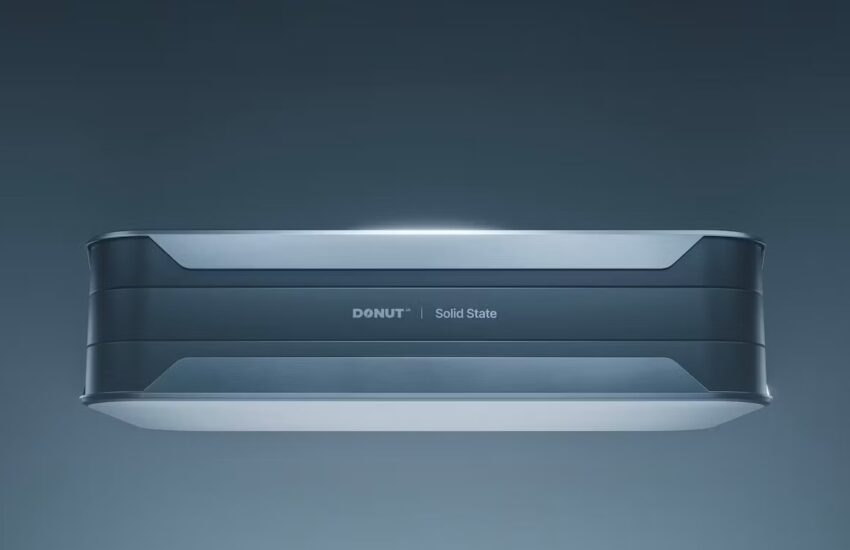
A seismic announcement rocked CES 2026, as Donut Lab took the stage to unveil what it boldly termed the “first mass-production-ready solid-state battery.” This declaration sent immediate shockwaves through the electric vehicle industry, positioning the company as a potential trailblazer. The underlying promise was nothing short of an energy revolution, aiming to solve the perennial challenges of range anxiety, charging speed, and safety that have long plagued lithium-ion technology.

Examining the Core Claims

Donut Lab’s prototype reportedly boasts a significant energy density increase, potentially enabling EVs to travel much farther on a single charge. More critically, the company claims its design is manufacturable at scale using adapted existing facilities, a hurdle that has doomed many previous solid-state ventures. The proposed battery also promises ultra-fast charging capabilities and eliminates the flammable liquid electrolyte, addressing major safety concerns.

A Legacy of Unfulfilled Promises

However, the tech industry is littered with battery breakthroughs that failed to transition from lab marvel to commercial product. Skeptics point to a long history of similar announcements that ultimately stumbled on cost, longevity, or the sheer complexity of mass production. The gap between a stable laboratory cell and millions of durable, affordable automotive-grade batteries remains enormous.

Innovation or Strategic Marketing?

The pivotal question is whether this represents genuine technological maturation or sophisticated marketing. Is Donut Lab’s battery truly a finished product, or simply the most advanced prototype yet, still years from consumer vehicles? The announcement has undoubtedly accelerated competitive pressure, forcing established battery giants and automakers to publicly reaffirm or adjust their own solid-state roadmaps.

The ultimate verdict will not come from stage presentations but from independent verification and the harsh realities of the factory floor. If the claims hold, the landscape of electric mobility could be reshaped. If not, this episode may become another cautionary tale in the arduous quest for the next generation of battery power.

Decoding Subaru P1496: A Comprehensive Guide to the EGR Valve Lift Malfunction

Understanding the Subaru P1496 Diagnostic Trouble Code

The OBD2 trouble code P1496 is a manufacturer-specific code primarily associated with Subaru vehicles. In simple terms, it indicates a malfunction within the Exhaust Gas Recirculation (EGR) system, specifically related to the valve’s lift or position. The Powertrain Control Module (PCM) monitors the actual position of the EGR valve via a lift sensor and compares it to the commanded position. When the actual position deviates significantly from the expected value for a set period, the PCM illuminates the check engine light and stores code P1496.

This code is critical because a faulty EGR system can lead to increased nitrogen oxide (NOx) emissions, engine knocking (detonation), reduced fuel efficiency, and poor drivability, especially at idle or under light load. Addressing a P1496 promptly is essential for maintaining engine performance, fuel economy, and passing emissions tests.

Primary Causes of the P1496 Code in Subaru Engines

Pinpointing the root cause is the first step in an effective repair. The P1496 code typically stems from issues within the EGR valve assembly, its control circuit, or related vacuum lines.

1. Faulty EGR Valve Assembly

The most common culprit. Over time, the valve’s pintle can become stuck open, closed, or partially seized due to heavy carbon buildup from exhaust gases. A seized valve cannot move to the position commanded by the PCM. Additionally, the internal lift sensor, which provides feedback to the PCM, can fail electrically.

2. Clogged or Restricted EGR Passages

Carbon deposits don’t just affect the valve; they can also accumulate in the EGR tube and the intake manifold passages. A severe restriction prevents sufficient exhaust gas flow, meaning the valve may move, but the expected change in engine parameters (like manifold pressure) isn’t detected.

3. Electrical and Vacuum System Issues

Problems in the wiring harness can disrupt communication between the valve and the PCM. Common electrical faults include:

  • Open or Shorted Circuits: Damaged wires, corroded connectors, or broken pins.
  • Poor Ground Connection: A bad ground for the EGR valve or PCM can cause erratic sensor readings.
  • Faulty Vacuum Lines: On older Subaru models with vacuum-operated EGR valves, cracked, disconnected, or collapsed vacuum hoses will prevent proper valve actuation.

4. Failed EGR Valve Position Sensor

While often integrated into the valve, the position sensor itself can provide incorrect voltage signals to the PCM, even if the valve mechanism is physically functional. The PCM interprets this bad data as a lift malfunction.

5. Rare PCM Software or Module Failure

Though uncommon, a software glitch or a failing PCM itself could incorrectly process the EGR valve signals. This is typically a diagnosis of last resort after all other components and circuits have been verified.

Step-by-Step Diagnostic Procedure for P1496

A systematic approach saves time and money. Always start with a visual inspection before moving to electrical tests.

Step 1: Preliminary Inspection & Code Confirmation

  • Use an OBD2 scanner to confirm P1496 is present and active. Clear the code and perform a test drive to see if it returns immediately or under specific conditions (e.g., at operating temperature, under light acceleration).
  • Perform a thorough visual inspection. Check all vacuum lines (if applicable) for cracks, leaks, and proper connections. Inspect the EGR valve electrical connector for corrosion, bent pins, or looseness.
  • Trace the wiring harness from the EGR valve back to the PCM for any obvious damage, chafing, or burns.

Step 2: Testing the EGR Valve Operation

With the engine OFF and cool, you can manually check the valve. Carefully remove the EGR valve (consult a service manual for your specific Subaru model). Inspect the valve pintle and seat for heavy carbon deposits. The pintle should move freely when gently pressed with a tool. If it’s stuck, cleaning may be a solution. Using a hand-held vacuum pump (on vacuum-operated valves) or applying 12V directly to the solenoid terminals (on electric valves) should cause the pintle to move visibly.

Step 3: Electrical Circuit Diagnostics

This requires a digital multimeter (DMM). Refer to a wiring diagram for your Subaru’s exact pinouts.

  • Check Power and Ground: With the connector disconnected and ignition ON, check for reference voltage (usually 5V) at the sensor signal wire and battery voltage (12V) at the power supply wire. Check the ground circuit for continuity to chassis ground.
  • Check Sensor Signal: With the connector back on and engine running, back-probe the signal wire. The voltage should change smoothly as you command the EGR valve open and closed using a capable scan tool. An erratic or static signal indicates a bad sensor or valve.
  • Check for Shorts/Opens: Perform resistance checks on the wiring between the EGR connector and the PCM connector to rule out harness issues.

Repair Solutions and Cost Considerations

Based on your diagnosis, the repair path will become clear.

1. Cleaning the EGR Valve and Passages

If the valve is only carbon-clogged but mechanically sound, cleaning is a cost-effective repair. Use a dedicated EGR or carburetor cleaner, a soft brush, and careful scraping. Ensure all carbon is removed from the pintle, seat, and the EGR port on the intake manifold. This can often resolve the issue, especially in higher-mileage vehicles.

2. Replacing the EGR Valve Assembly

If the valve is seized, the motor is burnt out, or the internal sensor is faulty, replacement is necessary. Use OEM or high-quality aftermarket parts. The replacement process is generally straightforward: disconnect the electrical connector and vacuum lines, unbolt the valve (usually two or three bolts), and install the new unit with a new gasket. Cost: The part alone can range from $150 to $400+. Labor adds 0.5 to 1.5 hours.

3. Repairing Wiring or Vacuum Lines

Repair any damaged wires using solder and heat shrink tubing—never just electrical tape. Replace any cracked or brittle vacuum hoses with OEM-spec material. Ensure all connections are secure.

Final Verification

After the repair, clear all codes with your scanner. Start the engine and allow it to reach normal operating temperature. Use the scanner’s live data function to monitor the EGR valve position command and feedback; they should now match closely. Perform a test drive that includes various engine loads to ensure the code does not return and that drivability issues are resolved.

Tesla Berlin Cuts 1700 Jobs Amid Falling European Demand

Stealth Workforce Reduction at Tesla’s German Plant

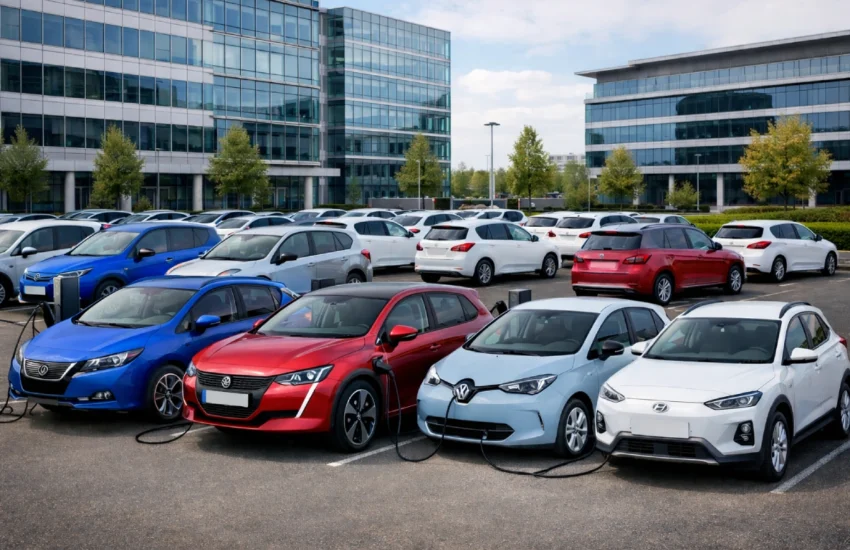
Tesla’s Berlin Gigafactory, once hailed as a cornerstone of the company’s European expansion, reportedly underwent a significant and quiet downsizing in 2025. Multiple industry reports indicate that approximately 1,700 positions were eliminated at the facility. This substantial workforce reduction was notably executed without any formal public announcement from Tesla’s corporate leadership, marking a stark shift from the plant’s celebrated opening.

Market Pressures Force Strategic Retreat

The primary driver behind this strategic retreat appears to be a sustained downturn in Tesla’s sales across the European market. Facing intensified competition from both established automakers and new electric vehicle entrants, Tesla’s market share has encountered notable pressure. The Berlin factory, designed to serve European demand for models like the Model Y, found itself scaling back operations in direct response to this declining sales trajectory, highlighting the volatile nature of the EV sector’s growth.

Implications for the European EV Landscape

This discreet layoff has broader implications beyond Tesla’s internal restructuring. The Grünheide plant was a significant local employer and a symbol of Germany’s transition to electromobility. A reduction of this scale raises questions about near-term production capacity and may impact local supply chains. Furthermore, it signals a period of consolidation for the industry, where even major players are recalibrating their investments in response to market realities rather than unbridled optimism.

The move underscores a challenging phase for electric vehicle manufacturers worldwide, where balancing aggressive growth targets with fluctuating consumer demand and competitive pressures requires difficult operational decisions. Tesla’s approach in Berlin suggests a preference for rapid, quiet adjustment over publicized, gradual restructuring.

Understanding and Fixing Mitsubishi OBD2 Code P1496: EGR Valve Lift Sensor

What is Mitsubishi OBD2 Code P1496?

When your Mitsubishi’s check engine light illuminates and a scan tool reveals diagnostic trouble code (DTC) P1496, it indicates a specific fault within the Exhaust Gas Recirculation (EGR) system. Formally defined as “EGR Valve Lift Sensor Circuit Malfunction,” this code is manufacturer-specific to Mitsubishi vehicles. The EGR system is a critical emissions control component designed to reduce nitrogen oxide (NOx) emissions by recirculating a portion of the engine’s exhaust gas back into the intake manifold. The lift sensor, often a potentiometer integrated into the EGR valve, monitors the precise position or “lift” of the valve pintle. The Powertrain Control Module (PCM) uses this signal to verify that the EGR valve is operating as commanded. Code P1496 is set when the PCM detects an illogical, out-of-range, or inconsistent voltage signal from this sensor circuit.

Symptoms and Causes of Code P1496

Ignoring a P1496 code can lead to drivability issues and increased emissions. Recognizing the symptoms is the first step toward a diagnosis.

Common Symptoms of P1496

  • Illuminated Check Engine Light (MIL): The primary and most constant indicator.
  • Poor Engine Performance: Hesitation, lack of power, or stumbling during acceleration.
  • Rough Idle or Stalling: Unstable engine idle speed, especially when cold or when the A/C is engaged.
  • Failed Emissions Test: Elevated NOx levels will cause the vehicle to fail a smog check.
  • Reduced Fuel Economy: Inefficient combustion due to incorrect EGR flow.

Primary Causes of P1496

  • Faulty EGR Valve Lift Sensor/Potentiometer: The internal sensor wears out or fails, providing incorrect data.
  • Defective EGR Valve Assembly: The valve itself may be stuck open, closed, or clogged with carbon deposits, affecting sensor readings.
  • Wiring or Connector Issues: Damaged, corroded, or loose wires in the sensor circuit (power, ground, or signal wire).
  • Poor Electrical Connections: Corrosion at the EGR valve connector or PCM connectors.
  • Clogged or Restricted EGR Passages: Heavy carbon buildup in the intake manifold or EGR tubes can prevent valve movement, tricking the sensor.
  • Faulty Powertrain Control Module (PCM): Rare, but a malfunctioning PCM can incorrectly process the sensor signal.

Step-by-Step Diagnostic Procedure for P1496

A systematic approach is essential to correctly diagnose P1496. Avoid the costly mistake of replacing the EGR valve without proper testing. You will need a quality OBD2 scanner, a digital multimeter (DMM), and basic hand tools.

Step 1: Preliminary Inspection and Code Verification

Begin with a visual inspection. Check the EGR valve and all associated vacuum lines (if applicable) for cracks or disconnections. Examine the wiring harness and electrical connector to the EGR valve for obvious damage, corrosion, or loose pins. Use your scan tool to confirm the presence of P1496. Clear the code and perform a test drive to see if it returns immediately, indicating a hard fault, or only under specific conditions, indicating an intermittent issue.

Step 2: Accessing Live Data and Functional Test

With the engine at normal operating temperature and idling, use your scanner to view live data. Look for the EGR valve position parameter (often listed as “EGR Lift,” “EGR Position,” or “EGR %”). The reading should typically be low (e.g., 0-10%) at idle. Command the EGR valve open using the scanner’s bidirectional controls (if supported). Observe if the live data value changes smoothly in response to the command. A lack of change or erratic movement points to a valve or sensor problem.

Step 3: Electrical Circuit Testing with a Multimeter

Disconnect the electrical connector from the EGR valve. Consult a vehicle-specific wiring diagram to identify the pins for sensor power (usually 5V reference), ground, and signal. With the ignition key ON (engine OFF), probe the appropriate pins on the harness side.

  • Reference Voltage: Check for a stable 5-volt supply from the PCM.
  • Ground Circuit: Check for continuity to a good chassis ground (should be less than 0.5 ohms).

If power and ground are correct, the issue likely lies with the sensor/valve assembly itself.

Step 4: Testing the EGR Valve Lift Sensor

Reconnect the multimeter to the signal and ground pins on the EGR valve component side (not the harness). Manually move the EGR valve pintle (if possible) or apply vacuum to the diaphragm. The resistance or voltage reading from the sensor should change smoothly and progressively without any open circuits or sudden jumps. An erratic or unchanging reading confirms a failed lift sensor.

Step 5: Checking for Mechanical Restrictions

Before condemning the valve, ensure it can move freely. Remove the EGR valve (following proper procedures to avoid damaging the gasket). Inspect the valve pintle and the mating passage in the intake manifold for heavy carbon deposits. Clean all components thoroughly with an approved EGR/carburetor cleaner and a soft brush.

Repair Solutions and Prevention

Once the root cause is identified, the repair path becomes clear.

Common Repairs for P1496

  • Cleaning the EGR Valve and Passages: For carbon-clogged systems, a thorough cleaning can often restore proper function and clear the code.
  • Repairing Wiring Harness: Solder and seal any broken wires and ensure all connections are clean and tight.
  • Replacing the EGR Valve Assembly: If the internal lift sensor is faulty or the valve is seized, replacement is necessary. Use OEM or high-quality aftermarket parts.
  • ECU/PCM Replacement or Reprogramming: This is a last resort, performed only after all other components and circuits have been verified as functional.

How to Prevent P1496 from Recurring

  • Use Top Tier fuel to minimize carbon deposit formation.
  • Follow the manufacturer’s recommended service intervals, including regular air filter changes.
  • Address any engine performance issues (misfires, rich/lean conditions) promptly, as they can accelerate carbon buildup in the EGR system.
  • Periodically inspect the EGR system during routine maintenance, especially in high-mileage vehicles.

Diagnosing and repairing Mitsubishi code P1496 requires a methodical approach, focusing on the electrical circuit and mechanical function of the EGR valve lift sensor. By following the detailed diagnostic steps outlined above, you can accurately pinpoint the fault—whether it’s a simple wiring issue, a clogged valve, or a failed sensor—and restore your Mitsubishi’s engine performance and emissions compliance. Always clear the code after repairs and perform a test drive to ensure the fix is complete and the check engine light remains off.