Megawatt Charging: The Electric Truck Revolution Begins

The Dawn of Ultra-Fast Electric Truck Charging

The commercial trucking industry is on the cusp of a major transformation, driven by the urgent need to decarbonize freight transport. For years, the adoption of electric heavy-duty vehicles has been hampered by a critical hurdle: prohibitively long charging times. These extended downtimes are fundamentally at odds with the logistics sector’s relentless focus on operational uptime and asset utilization. A new charging standard is emerging as the key to unlocking the true potential of electric long-haul trucking.

What is the Megawatt Charging System (MCS)?

The Megawatt Charging System (MCS) is a groundbreaking protocol designed specifically for large commercial electric vehicles. Unlike current public chargers, MCS is engineered to deliver power at a scale previously unimaginable for trucks—exceeding one megawatt (over 1,000 kW). This represents a monumental leap from today’s fastest truck chargers. The system utilizes a new connector design and enhanced communication protocols to manage these immense power flows safely and efficiently, ensuring both vehicle and grid stability during the charging process.

Mercedes-Benz and the MCS Milestone

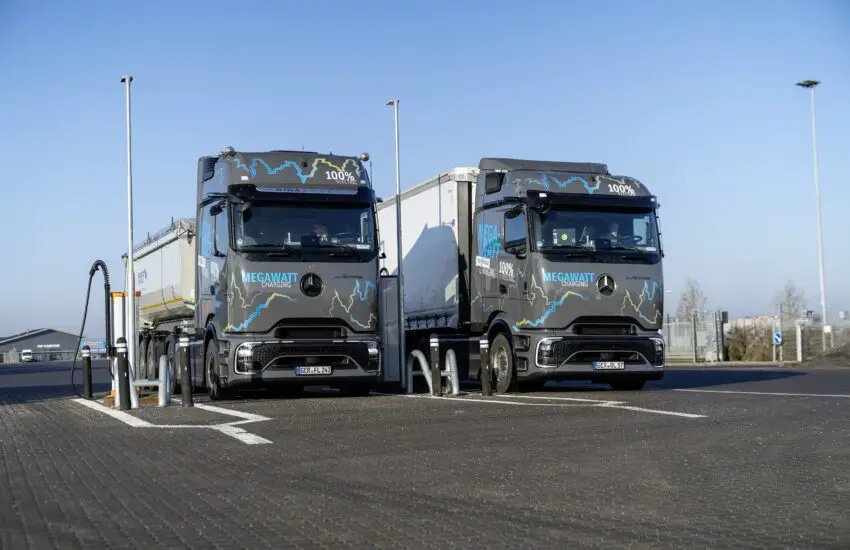
Mercedes-Benz Trucks is at the forefront of bringing this technology from concept to reality. The manufacturer is actively conducting rigorous testing of MCS technology with its battery-electric eActros trucks. The goal is clear: to enable charging speeds that rival those of passenger cars, even for trucks equipped with massive battery packs necessary for long-range travel. Achieving this would mean a typical electric truck could recharge sufficient energy for hundreds of miles in roughly the same time a driver takes a mandatory rest break, seamlessly integrating zero-emission transport into existing logistics schedules.

Implications for the Future of Logistics

The successful implementation of a universal MCS standard promises to reshape the logistics landscape. It directly addresses the total cost of ownership calculations by maximizing vehicle road time. Furthermore, it enables more flexible route planning without the constraint of lengthy charging stops. This technological advancement is a crucial enabler for meeting stringent global emissions targets in the transport sector, paving the way for a new era of sustainable, efficient, and economically viable freight movement.

Skoda Elroq Heat Pump: A Real-World Winter Range Test

Putting the Skoda Elroq’s Heat Pump to the Test

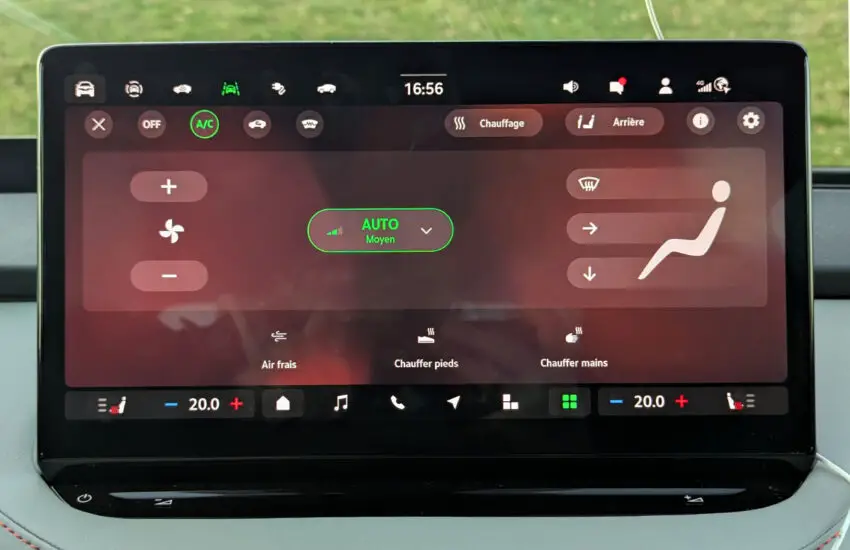
Electric vehicle efficiency faces its ultimate challenge during the winter months. As temperatures drop, cabin heating can significantly drain the battery, reducing practical range. The Skoda Elroq comes equipped with a heat pump system, a technology often heralded as a key solution for preserving range in cold weather. But how does it perform in real-world freezing conditions? We conducted a rigorous test to find out.

The Science Behind the Heat Pump

Unlike traditional resistive heaters that create heat directly from battery energy, a heat pump works more like a refrigerator in reverse. It transfers existing thermal energy from the outside air into the cabin. This process is far more energy-efficient, using less electrical power to generate the same amount of warmth. For EV drivers, this efficiency translates directly into more kilometers available from a single charge when the heater is on.

Skoda Elroq electric SUV covered in frost during a cold winter day

Performance in Freezing Conditions

Our test took place during a pronounced cold snap, with ambient temperatures hovering well below freezing. The primary goal was to measure the impact on the Elroq’s stated range when relying on the heat pump for cabin comfort. The results were telling. While all EVs experience some range loss in the cold, the Elroq’s system demonstrated notable effectiveness. The heat pump managed to maintain a comfortable interior temperature without the drastic power draw associated with conventional heaters.

The system’s ability to scavenge warmth from the frigid outside air and its integration with the vehicle’s powertrain for waste heat recovery proved crucial. Drivers can expect a more predictable and less severe reduction in range, making winter journey planning more reliable.

A Vital Feature for Cold Climates

The inclusion of a heat pump in the Skoda Elroq is not merely a luxury add-on; it is a fundamental feature for energy-conscious driving in colder regions. Our winter assessment confirms that the technology delivers on its promise, effectively mitigating one of the most significant drawbacks of electric vehicle ownership. It ensures that cabin comfort does not come at an excessive cost to the vehicle’s driving range, providing peace of mind during the winter season.

Mazda P1496 Code: EGR Valve Position Sensor Circuit High Voltage Explained

Understanding the Mazda P1496 Diagnostic Trouble Code

The OBD2 trouble code P1496 is a manufacturer-specific code primarily associated with Mazda vehicles (and some Fords). When your Mazda’s Powertrain Control Module (PCM) illuminates the check engine light and stores this code, it indicates a fault within the Exhaust Gas Recirculation (EGR) system. Specifically, P1496 is defined as “EGR Valve Position Sensor Circuit High Voltage.” This means the PCM has detected that the signal voltage from the EGR valve position sensor is higher than the expected normal operating range, typically above 4.5 volts for an extended period. This sensor is critical for precise EGR valve operation, which is essential for reducing nitrogen oxide (NOx) emissions and preventing engine knock.

Common Symptoms of a P1496 Code in Your Mazda

While sometimes the P1496 code may not cause immediately noticeable drivability issues, it often presents with distinct symptoms. Recognizing these signs can help you address the problem before it leads to increased emissions, reduced fuel economy, or potential engine damage.

Check Engine Light and Possible Limp Mode

The most immediate and universal symptom is the illumination of the check engine light (MIL). In many modern Mazdas, the PCM may also initiate a limp-home mode to protect the engine. This mode severely limits engine power and RPMs to prevent damage, making the vehicle feel sluggish and unresponsive.

Engine Performance Issues

Faulty EGR valve control can lead to several performance problems:

  • Rough Idle or Stalling: Incorrect EGR flow can disrupt the air-fuel mixture at idle.
  • Engine Knocking or Pinging: A stuck-closed EGR valve (a common fail-safe with this code) raises combustion temperatures, causing detonation.
  • Poor Acceleration and Hesitation: The engine may feel lazy or stumble during throttle input.

Increased Emissions and Fuel Consumption

With the EGR system inoperative, NOx emissions will rise significantly, likely causing your vehicle to fail an emissions test. You may also observe a noticeable drop in fuel economy as the engine management system compensates for the faulty sensor input.

Diagnosing the Root Causes of P1496

Successfully repairing a P1496 code requires a systematic diagnostic approach. The “high voltage” condition points to an issue in the sensor’s signal circuit or the sensor itself. Here are the most probable causes, listed from simplest to most complex.

Electrical Circuit Problems

The sensor’s wiring harness is a frequent culprit. Issues include:

  • Open Circuit in the Signal Wire: A broken or disconnected wire between the sensor and PCM creates infinite resistance, leading to a high voltage reading.
  • Short to Power: The sensor’s signal wire may be shorted against another 12V circuit in the harness.
  • Poor Ground Connection: A corroded or loose ground for the EGR valve or sensor can distort the voltage signal.
  • Damaged Connectors: Corrosion, bent pins, or loose fits at the sensor or PCM connectors.

Faulty EGR Valve Position Sensor

The sensor itself, which is often an integral part of the EGR valve assembly, can fail internally. The potentiometer inside can wear out or develop an open circuit, sending a constant high-voltage signal to the PCM that does not correlate with the valve’s actual position.

Defective EGR Valve Assembly

The valve may be mechanically stuck or seized, preventing the position sensor from moving through its full range. Carbon buildup is a common cause of valve sticking. While the valve may be stuck, the primary code P1496 points to the sensor circuit’s electrical feedback being out of range.

Issues with the Powertrain Control Module (PCM)

Although rare, a malfunction within the PCM itself could cause it to misinterpret the sensor signal. This should only be considered after all other components and circuits have been thoroughly tested and ruled out.

Step-by-Step Diagnostic and Repair Guide

Follow this logical procedure to accurately diagnose and fix the P1496 code. You will need a quality digital multimeter (DMM) and an OBD2 scanner capable of reading live data.

Step 1: Preliminary Checks and Live Data Verification

Begin by clearing the code with your scanner and performing a test drive to see if it returns. If it does, access the live data stream. Look for the “EGR Valve Position” or “EGR Duty Cycle” PID (Parameter ID). With the key on, engine off, the position percentage should be at 0%. Command the EGR valve open using your scanner’s bidirectional controls (if supported). Observe the live data; if the sensor reading doesn’t change or is stuck at a high value (e.g., 95-100%), it confirms a circuit or sensor fault.

Step 2: Visual and Electrical Inspection

  • Locate the EGR valve (typically on the intake manifold).
  • Visually inspect the wiring harness and connectors for obvious damage, chafing, or corrosion.
  • Disconnect the electrical connector at the EGR valve. Check the connector’s pins for corrosion or deformation.
  • Consult a Mazda-specific wiring diagram to identify the signal, reference voltage (usually 5V), and ground wires.

Step 3: Circuit Testing with a Multimeter

  • Check Power and Ground: With the connector disconnected and ignition ON, probe the appropriate pins. You should find ~5V on the reference wire and a good ground (less than 0.1 ohms to chassis ground).
  • Check Signal Circuit for Short/Open: Measure resistance between the signal pin at the EGR connector and the corresponding pin at the PCM connector. It should be low (a few ohms). Check for continuity between the signal wire and chassis ground or 12V power; there should be none (infinite resistance).

Step 4: Testing the EGR Valve Position Sensor

If the wiring checks out, the fault lies with the valve/sensor assembly. Measure the resistance across the sensor’s potentiometer (between the reference and signal pins) while manually moving the valve stem (if possible). The resistance should change smoothly without any open circuits. An erratic or infinite reading confirms a failed sensor.

Step 5: Repair and Final Verification

Based on your findings:

  • Repair any damaged wires or connectors.
  • Replace the EGR valve assembly (the sensor is rarely sold separately). Ensure the mounting surface and the new EGR passageways are clean of carbon deposits.
  • After repair, clear all codes, start the engine, and verify that the check engine light remains off. Re-check live data to confirm the EGR valve position responds correctly to engine commands during a test drive.

Conclusion

The Mazda P1496 code is a direct indicator of an electrical fault in the EGR valve position sensor circuit. While it can lead to performance and emissions problems, it is highly diagnosable with basic tools and a methodical approach. By focusing on the wiring harness, connectors, and finally the EGR valve assembly itself, you can effectively resolve this issue, restore your Mazda’s performance, and ensure it meets emissions standards. Always prioritize checking the simpler, more common electrical faults before proceeding to component replacement.

Chinese SUV Dominates Europe’s 2025 Plug-In Hybrid Market

A New Leader Emerges in Europe’s Green Transition

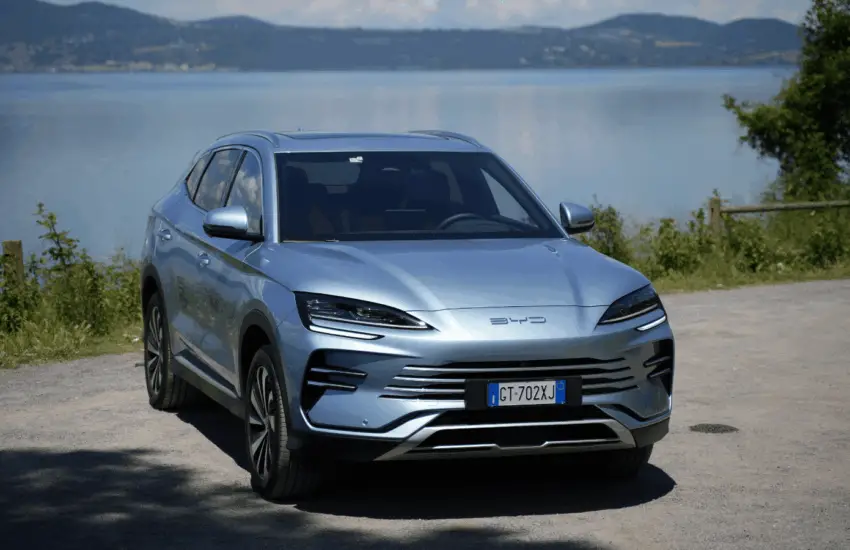
The European automotive landscape witnessed a significant shift in 2025. As the continent accelerated its transition to electrified mobility, sales data revealed a clear winner in the competitive plug-in hybrid SUV segment. Surpassing established European, American, and Asian rivals, a Chinese-manufactured SUV claimed the top spot, becoming the best-selling model of its kind. This milestone marks a pivotal moment in the industry, signaling the profound and growing influence of Chinese automakers on European soil.

Strategic Success Beyond Price

This commercial triumph cannot be attributed to low pricing alone. Analysts point to a potent combination of strategic factors. The winning model typically offers an compelling electric-only range that comfortably covers most daily commutes, advanced connectivity features expected by modern consumers, and a design language that resonates with European tastes. By delivering high perceived value and addressing key consumer desires—reducing fuel costs without range anxiety—Chinese brands have successfully altered their image from budget alternatives to serious technological contenders.

Reshaping Competitive Dynamics

The arrival of a Chinese leader in such a critical segment is forcing a major recalibration among traditional automakers. European manufacturers, in particular, are responding by accelerating their own electrification roadmaps and focusing on software-defined vehicle experiences. The competition is now intensifying around battery efficiency, smart cockpit technology, and overall user experience, rather than just brand heritage. This dynamic is ultimately driving faster innovation and providing European consumers with more choice and better technology.

The Road Ahead for European Mobility

The dominance of a Chinese plug-in hybrid SUV in 2025 is more than a sales statistic; it is a symbol of a globalized, technology-driven auto industry. It underscores that leadership in the new era of mobility is earned through innovation, speed to market, and understanding evolving customer needs. As Europe continues toward its 2035 zero-emission targets, the presence of strong Chinese competitors ensures the market remains dynamic, pushing all players to elevate their offerings for the benefit of the end consumer.

The 2026 Hyundai Palisade’s Cabin: A Masterclass in Design

Redefining the Family SUV Interior

The 2026 Hyundai Palisade represents a significant leap forward in the three-row SUV segment. While its exterior styling and capable performance are noteworthy, the true revelation lies within. The cabin is not merely an improvement; it is a thoughtful execution that prioritizes both luxury and intuitive functionality, setting a new benchmark for family-oriented vehicles.

A Driver-Centric Sanctuary

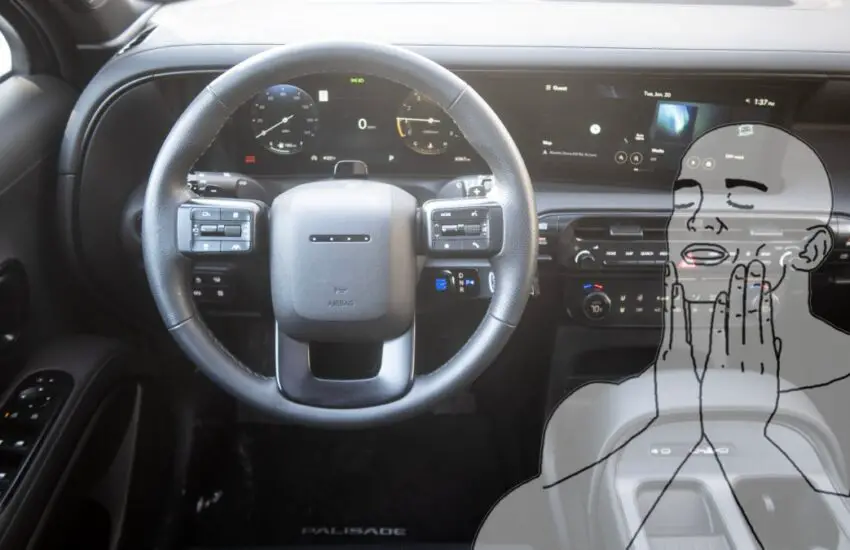
Stepping inside, the driver is greeted by a cockpit designed for clarity and control. Hyundai has masterfully integrated dual 12.3-inch panoramic displays, creating a seamless digital canvas. Unlike some setups where screens feel like afterthoughts, here they are elegantly housed within a sweeping, curved dashboard that minimizes glare and creates a cohesive aesthetic. The physical climate control knobs and essential buttons remain, providing satisfying tactile feedback without forcing drivers to navigate distracting touch-screen menus for simple adjustments.

Premium Materials and Spacious Comfort

The commitment to quality is evident in every touchpoint. Soft-touch materials, authentic metal accents, and available premium upholstery elevate the ambiance far beyond the utilitarian expectations of the class. For families, the Palisade’s genius shines in its spaciousness and clever storage. The second-row seats offer exceptional legroom and easy access to the third row, which is genuinely habitable for adults. Thoughtful details abound, from abundant USB ports to conversation mirrors and advanced air filtration systems, ensuring comfort for all occupants on long journeys.

The Verdict on Cabin Innovation

In a market crowded with technology for technology’s sake, the 2026 Palisade’s interior stands out for its human-centered design. It successfully blends high-tech features with practical, user-friendly elements. This focus on creating a serene, connected, and supremely comfortable environment is what makes its cabin not just excellent, but nearly perfect for its intended role as a modern family command center.

Understanding and Fixing OBD2 Code P1496 on KIA Vehicles

What is OBD2 Code P1496 on a KIA?

When your KIA’s check engine light illuminates and a diagnostic scan reveals the trouble code P1496, you are dealing with a specific fault within the Exhaust Gas Recirculation (EGR) system. Formally defined as “EGR Valve Position Sensor Circuit High Voltage,” this code indicates that the vehicle’s Engine Control Unit (ECU) has detected an electrical signal from the EGR valve position sensor that is consistently above the expected normal operating range. This sensor is integral to the precise, ECU-controlled operation of the modern EGR valve, ensuring the correct amount of exhaust gases are recirculated to reduce nitrogen oxide (NOx) emissions and manage combustion temperatures.

Primary Causes of the P1496 Fault Code in KIA Models

Diagnosing a P1496 code requires a systematic approach, as the root cause can be electrical, mechanical, or a combination of both. The issue is commonly found in popular KIA models like the Sorento, Sportage, Optima, and Sedona from the mid-2000s to early 2010s, where carbon buildup is prevalent.

1. Faulty EGR Valve Position Sensor

The most direct cause. The internal potentiometer or Hall-effect sensor within the valve assembly can fail, sending a permanently high (or open-circuit) signal to the ECU. This is often an internal electrical failure of the valve unit itself.

2. Carbon Buildup and a Stuck EGR Valve

This is a very common culprit, especially in higher-mileage vehicles. Soot and carbon deposits from the exhaust can jam the EGR valve pintle in a partially open position. The valve’s actuator then struggles to move it, and the position sensor reports an incorrect, out-of-range voltage to the ECU, triggering P1496.

3. Wiring and Connector Issues

The wiring harness connecting the EGR valve to the ECU can suffer from:

  • Chafed or shorted wires: A wire touching ground or another circuit can create a high voltage signal.
  • Open circuit: A broken wire creates an infinite resistance, read by the ECU as a high voltage.
  • Corroded or loose connectors: Poor electrical contact at the EGR valve or ECU connector can distort the signal.

4. Failed EGR Valve Solenoid or Actuator

In some KIA EGR valve designs, a separate vacuum solenoid or an internal electric actuator motor can fail. If the actuator cannot move the valve pintle, the position sensor will not detect the expected movement, potentially setting a P1496.

5. Rare: Faulty Engine Control Unit (ECU)

While uncommon, an internal fault in the ECU’s driver circuit or analog-to-digital converter for the EGR sensor input could cause a misinterpretation of the signal. This should only be considered after all other components and wiring have been thoroughly tested.

Symptoms of a P1496 Code on Your KIA

You may experience one or more of the following driving symptoms alongside the illuminated check engine light:

  • Rough Idle or Stalling: An incorrectly positioned EGR valve can disrupt the air-fuel mixture at low engine speeds.
  • Poor Fuel Economy: Inefficient combustion due to improper EGR flow can lead to increased fuel consumption.
  • Lack of Power or Hesitation: Especially noticeable during acceleration.
  • Increased Emissions: You may fail an emissions test due to elevated NOx levels.
  • Engine Pinging (Knock): In some cases, with the EGR valve stuck closed, combustion temperatures rise, potentially causing detonation.

Step-by-Step Diagnostic and Repair Guide

Warning: Always allow the engine and exhaust components to cool completely before beginning work. Disconnect the negative battery terminal for safety when performing electrical tests.

Step 1: Visual Inspection

Locate the EGR valve (typically mounted on the intake manifold). Inspect the electrical connector for corrosion, bent pins, or damage. Check the wiring harness for obvious chafing, burns, or cuts. Look for any signs of exhaust gas leaks around the valve gasket.

Step 2: Scan Tool Data Monitoring

Using a professional-grade OBD2 scanner, monitor the live data parameter for “EGR Valve Position” or “EGR Commanded vs. Actual.” With the engine at operating temperature and idling, the commanded percentage and actual position should be low (often 0-10%). Command the EGR valve to open (many scanners have an active test function for this). Observe if the actual position percentage changes. A stuck valve or failed sensor will show no movement or an erratic/fixed high value.

Step 3: Electrical Testing (Multimeter Required)

Disconnect the electrical connector from the EGR valve. With the key in the ON position (engine off), probe the harness-side connector.

  • Identify the reference voltage wire (usually 5V from the ECU) and the signal return wire. Check for ~5V reference and a good ground.
  • Reconnect and back-probe the signal wire. The voltage should change smoothly as the valve is commanded open and closed during an active test.
  • A constant high voltage (e.g., 4.8V) regardless of command confirms a circuit or sensor fault.

Step 4: Mechanical Inspection and Cleaning

If electrical tests are inconclusive, remove the EGR valve (following service manual procedures). Inspect the valve pintle and passage for heavy carbon deposits. A valve that is physically stuck or moves sluggishly is likely the problem. Cleaning with a specialized EGR/carburetor cleaner can sometimes free a stuck valve, but severe carboning often necessitates replacement.

Step 5: Component Replacement and Clearance

Based on your findings:

  • Clean or Replace the EGR Valve: If carboned, clean thoroughly. If the sensor or actuator is faulty, replace the entire EGR valve assembly with a high-quality OEM or reputable aftermarket part.
  • Repair Wiring: Solder and heat-shrink any damaged wires. Replace connectors if corroded.

After repair, clear the P1496 code with your scanner, perform a test drive, and re-scan to ensure the code does not return.

Prevention and Long-Term Maintenance

Preventing a recurrence of P1496 involves addressing the common cause: carbon. Using Top Tier detergent gasoline, ensuring your engine is in good tune (spark plugs, air filter), and occasionally using a reputable fuel system cleaner can help minimize deposit formation. For vehicles with known EGR issues, more frequent inspection of the valve during routine service can catch problems early before they trigger a fault code and affect drivability.

Toyota’s New Mid-Engine Sports Car Confirmed with Turbo Power

Toyota Gazoo Racing Announces a New Mid-Engine Sports Car

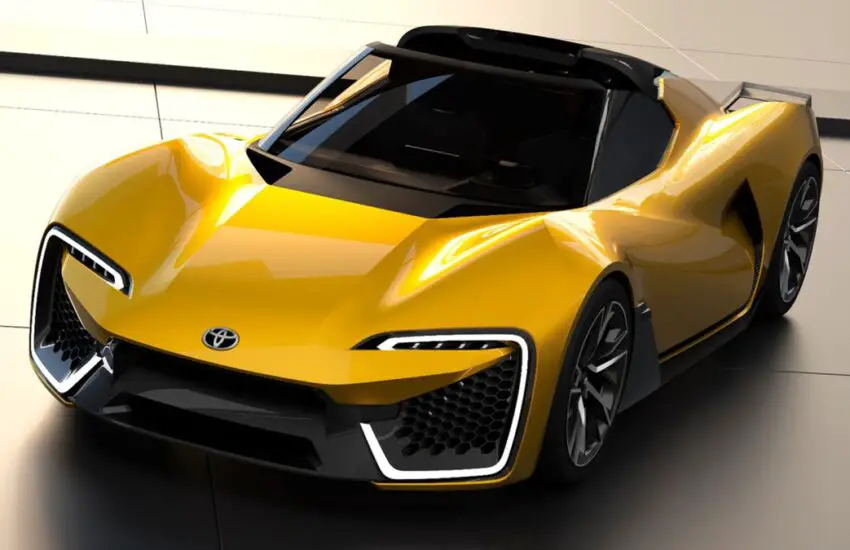
In an exciting development for automotive enthusiasts, Toyota Gazoo Racing President Tomoya Takahashi has officially confirmed the brand is developing a brand-new mid-engine sports car. This project marks a significant commitment to pure driving excitement, leveraging the racing division’s expertise to create a focused driver’s car.

Powertrain and Performance Specifications

The heart of this new model will be a turbocharged 2.0-liter four-cylinder engine. This powerplant choice suggests Toyota is targeting a balance between potent performance and manageable weight, a classic recipe for agile, mid-engine dynamics. The engine is expected to be a highly tuned version, potentially derived from motorsport knowledge, promising strong power delivery and responsiveness. The car is already in the active testing phase on circuits, where engineers are refining its chassis, aerodynamics, and powertrain calibration.

Development Timeline and Future Outlook

While the confirmation is thrilling, patience will be required. The project is currently in its early phases, and a market launch is estimated to be four to five years away. This extended timeline indicates Toyota’s intention for thorough development, ensuring the final product meets high standards for performance, reliability, and driving engagement. This new model is poised to become a spiritual successor to iconic mid-engine Toyotas, carving out a distinct space in the modern sports car landscape focused on analog driving pleasure.

The automotive world will be watching closely as this mid-engine Toyota evolves from prototype to production, promising a fresh and exciting option for driving purists.

Jeep P1496 Code: Diagnosing and Fixing Leak Detection Pump Issues

Understanding the Jeep P1496 Diagnostic Trouble Code

The OBD2 trouble code P1496 is a manufacturer-specific code primarily associated with Jeep, Chrysler, and Dodge vehicles. It is defined as “Leak Detection Pump Switch or Mechanical Fault”. This code is directly related to the vehicle’s Evaporative Emission Control (EVAP) system, a critical component for managing fuel vapors and reducing harmful emissions. When the Powertrain Control Module (PCM) detects an irregularity in the electrical circuit or mechanical operation of the Leak Detection Pump (LDP), it stores code P1496 and illuminates the Check Engine Light. Addressing this issue is essential not only for passing emissions tests but also for maintaining optimal engine performance and fuel efficiency.

What is the Leak Detection Pump (LDP)?

The Leak Detection Pump is the heart of the EVAP system’s self-diagnostic capability in many Jeep models. Unlike traditional systems that use a vacuum, the LDP is an electrically operated pump that creates pressure or vacuum within the sealed fuel vapor system. The PCM then monitors the pump’s operation and the system’s ability to hold this pressure. A switch inside the LDP signals the PCM about the pump’s status. Code P1496 is triggered when the PCM sees a voltage signal from this switch that is outside the expected range for too long, indicating either an electrical fault in the switch circuit or a mechanical failure of the pump itself.

Common Jeep Models Affected by P1496

This code is prevalent in a wide range of Jeep vehicles from the late 1990s through the 2000s, particularly those with 4.0L and 4.7L engines. Models you’ll frequently encounter P1496 on include:

  • Jeep Grand Cherokee (WJ, WK generations)
  • Jeep Cherokee (XJ)
  • Jeep Liberty (KJ, KK)
  • Jeep Wrangler (TJ, JK)
  • Dodge Durango and Chrysler Aspen with similar systems

Symptoms and Causes of a P1496 Code

While a P1496 code may not always cause dramatic drivability issues, ignoring it can lead to failed emissions inspections and potentially mask other EVAP leaks. Recognizing the symptoms and understanding the root causes is the first step toward an effective repair.

Primary Symptoms of a Faulty Leak Detection Pump

  • Illuminated Check Engine Light (MIL): This is the most common and often the only noticeable symptom.
  • Failed Emissions Test: The vehicle will not pass a state emissions inspection with an active EVAP-related fault code.
  • Possible Fuel Odor: In some cases, a compromised EVAP system may allow fuel vapors to escape.
  • Other EVAP Codes: P1496 may appear alongside codes like P0442 (small leak) or P0455 (large leak) if the LDP failure prevents proper system testing.

Root Causes of the P1496 Fault

The causes for P1496 can be broken down into electrical and mechanical failures. A systematic diagnosis is required to pinpoint the exact issue.

  • Failed Leak Detection Pump (LDP): The most common cause. The internal motor, diaphragm, or switch has worn out or failed.
  • Wiring or Connector Issues: Corroded, broken, or shorted wires in the LDP circuit, especially the 5-volt reference, signal, or ground wires.
  • Faulty PCM: Although rare, a malfunctioning engine computer can send incorrect signals or misinterpret data from the LDP.
  • Vacuum Line Blockages or Leaks: Cracked, disconnected, or pinched hoses connected to the LDP can prevent it from operating correctly.
  • Clogged EVAP System Components: A severely clogged EVAP canister or purge valve can create excessive backpressure, straining the LDP.

Step-by-Step Diagnostic and Repair Guide for P1496

Diagnosing a P1496 code requires a methodical approach, starting with the simplest checks before moving to component replacement. You will need a quality OBD2 scanner, a digital multimeter (DMM), and basic hand tools.

Step 1: Preliminary Visual Inspection

Begin with a thorough visual check. Locate the Leak Detection Pump (typically found in the engine bay, near the EVAP canister, or behind a rear wheel well). Inspect all associated vacuum lines for cracks, disconnections, or brittleness. Examine the electrical connector on the LDP for signs of corrosion, bent pins, or moisture. Ensure the pump itself is not physically damaged.

Step 2: Electrical Circuit Testing with a Multimeter

This is a critical step to isolate an electrical fault. With the connector disconnected and the ignition key in the ON position (engine off), use your DMM to check for:

  • 5-Volt Reference: One pin should have a steady 5-volt supply from the PCM.
  • Ground Circuit: Another pin should show continuity to a good chassis ground.
  • Signal Circuit: Check for continuity on the signal wire back to the PCM connector.

If any of these tests fail, you must repair the wiring harness before proceeding.

Step 3: Testing the Leak Detection Pump Itself

If the wiring is good, the pump itself is likely faulty. You can perform a basic bench test. Apply 12 volts directly to the pump motor terminals (consult a wiring diagram for your model). A functioning pump will audibly run. You can also test the internal switch for resistance changes as the pump operates. No operation or an open-circuit reading on the switch confirms LDP failure.

Step 4: Replacement and System Verification

Replacing the LDP is generally straightforward. Disconnect the battery, unplug the electrical connector, remove the vacuum lines (noting their positions), and unbolt the pump. Install the new unit, reconnect everything, and clear the codes with your scanner. The final and crucial step is to perform a “EVAP Monitor Drive Cycle”. This is a specific pattern of driving (cold start, highway speeds, city driving) that allows the PCM to run its self-test. Use your scanner to confirm the EVAP monitor completes and the P1496 code does not return.

Preventative Maintenance and Final Thoughts

While the Leak Detection Pump is not a routine maintenance item, you can minimize the risk of EVAP system issues. Avoid over-tightening fuel caps and replace a worn or damaged gas cap immediately. During off-road adventures in your Jeep, be mindful of the LDP’s location to avoid physical damage from debris. When a P1496 code appears, prompt diagnosis is key. While the pump itself is a common failure point, taking the time to verify the wiring can save you from an unnecessary replacement. Successfully repairing this code ensures your Jeep runs cleanly, efficiently, and remains compliant with emission standards.

Cost Considerations for Repair

The cost to fix a P1496 code varies. A new OEM or quality aftermarket Leak Detection Pump typically ranges from $80 to $200. If you perform the repair yourself, this is your total parts cost. At a repair shop, expect 1-2 hours of labor, bringing the total repair bill to between $200 and $400, depending on local labor rates and the specific Jeep model.

2026 Subaru Outback Wilderness: Rugged Redesign Tested

2026 Subaru Outback Wilderness: The Adventure SUV Evolved

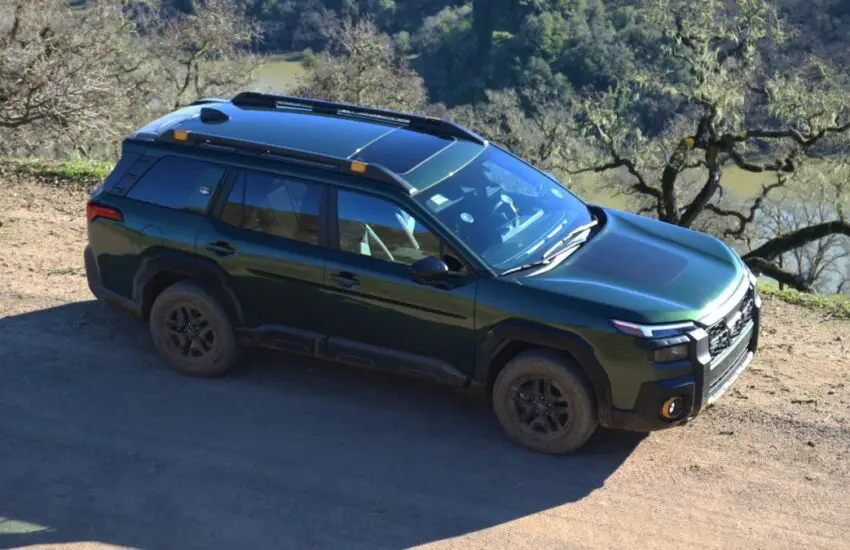
The latest generation of the Subaru Outback has arrived, bringing a comprehensively redesigned Wilderness variant with it. This rugged trim, which has become a cornerstone of Subaru’s adventure lineup, inherits all the fundamental upgrades of the standard model while boldly reinforcing its off-road identity.

A Sharper, More Capable Wilderness Identity

While the standard 2026 Outback impressed with its refinements last fall, the Wilderness model was still under wraps. Now revealed, it takes the adventure-ready formula to new heights. The visual updates are immediate, featuring a more aggressive front fascia with revised cladding, distinctive copper accents, and robust skid plates. The suspension has been specifically tuned, offering increased ground clearance to tackle even more challenging terrain without sacrificing on-road composure.

Enhanced Performance for the Trail

At its heart, the Wilderness continues to rely on Subaru’s proven 2.4-liter turbocharged Boxer engine, paired seamlessly with the Symmetrical All-Wheel Drive system. Key enhancements for 2026 include optimized final drive ratios for better low-end torque and crawling capability. The legendary X-MODE with dual-function settings has been recalibrated, offering improved performance on deep snow, mud, and steep, rocky descents. All-terrain tires mounted on dark-finish wheels complete the package, providing the grip needed for remote explorations.

Practicality Meets Modern Tech

Inside, the Wilderness trim balances durability with technology. Water-repellent StarTex upholstery is standard, ready for muddy gear and wet conditions. The latest version of Subaru’s STARLINK multimedia system dominates the dashboard, featuring a larger, more responsive touchscreen with wireless connectivity. Practical touches like integrated tie-down points and rear seatbacks that fold completely flat underscore its purpose as a vehicle built for genuine, gear-hauling adventures.

Subaru Wilderness: A New Path to Millennial Loyalty

Why Subaru Created the Wilderness Line

Subaru, a brand synonymous with all-wheel-drive and outdoor capability, seemed to have a secure niche. With a fiercely loyal customer base, the need for a more rugged sub-brand like the Outback Wilderness wasn’t immediately obvious. The strategic move, however, wasn’t about improving the vehicles for existing owners. It was a deliberate pivot to capture a new generation: the millennials.

Speaking the Language of Modern Adventure

The Wilderness trim is more than just increased ground clearance and all-terrain tires. It represents a curated identity. This generation values experiences over possessions and seeks products that align with an active, environmentally-conscious lifestyle. Subaru Wilderness models are marketed not just as cars, but as enablers of remote exploration and sustainable adventure. The tactical styling, durable interior materials, and emphasis on off-grid capability directly resonate with the social media-fueled image of the modern outdoorsperson.

Beyond Utility: Building an Emotional Connection

Traditional SUV marketing often focuses on power and luxury. Subaru’s Wilderness strategy taps into a different emotion: the promise of freedom and authenticity. By presenting these vehicles as tools for accessing untouched nature, Subaru is selling a narrative. It’s a strategy that builds an emotional community around the brand, moving beyond specifications to foster a sense of belonging among buyers who see their vehicle as an extension of their personal identity.

A Successful Shift in Target Audience

The launch of the Wilderness line demonstrates a keen understanding of market evolution. It refreshes Subaru’s heritage of ruggedness in a contemporary package that appeals directly to younger buyers’ aesthetics and values. This approach doesn’t alienate the core base but expands the brand’s reach, ensuring its legacy continues with the next generation of drivers seeking adventure-ready vehicles.