Rally Driver’s Gravity-Defying Save Mirrors Video Game Physics

When Virtual Physics Become Reality: The GR Yaris WRC Miracle

The line between a simulated driving game and the raw, unpredictable reality of world-class rallying is often vast. However, during a recent World Rally Championship (WRC) event, that line was spectacularly blurred. In a sequence that seemed to defy the very laws of physics, a top-tier driver executed a car control maneuver so improbable it drew immediate comparisons to the over-the-top action of popular racing games.

A Save For the History Books

The incident occurred during a high-speed section, where precision and commitment are measured in milliseconds. The car, a potent Toyota GR Yaris WRC, was pushed to its absolute limit. As it approached a critical corner, the rear of the vehicle suddenly broke traction, initiating a violent spin that should have ended in the scenery. What followed was a masterclass in instinct and car control. The driver, reacting with superhuman speed, applied a complex series of counter-steering and throttle inputs, not just halting the spin but somehow redirecting the car’s momentum back onto its intended path without losing significant speed.

The Skill Behind the Spectacle

This was not luck. Such recoveries are the product of thousands of hours of seat time, an intimate understanding of vehicle dynamics at the limit, and the fearless mentality required in the WRC. Professional rally drivers operate on a different plane of perception, feeling the car’s weight transfer through the steering wheel and seat, and correcting slides before they are fully visible to the spectator. This particular save highlighted the extreme capabilities of modern rally cars and the athletes who drive them, showcasing a symbiotic relationship between human reflex and mechanical engineering.

While the digital worlds of racing simulators allow players to rewind their mistakes, WRC drivers get no such luxury. This incredible moment serves as a powerful reminder that real-world motorsport can sometimes produce drama and physics that even the most advanced video games struggle to replicate, turning a near-certain crash into a highlight-reel testament to supreme skill.

OBD2 Code P1499 Subaru: A Comprehensive Guide to the EGR Valve Lift Sensor

Understanding OBD2 Code P1499 in Subaru Vehicles

When your Subaru’s check engine light illuminates and a scan tool reveals the diagnostic trouble code (DTC) P1499, you are dealing with a specific issue within the Exhaust Gas Recirculation (EGR) system. Officially defined as “EGR Valve Lift Sensor Fault,” this code is common in many Subaru models from the late 1990s through the 2000s, including the Legacy, Outback, Impreza, and Forester equipped with 2.5L engines. The EGR system is critical for reducing nitrogen oxide (NOx) emissions by recirculating a small amount of exhaust gas back into the engine’s intake manifold. The lift sensor’s role is to provide real-time feedback to the Engine Control Unit (ECU) on the precise position of the EGR valve pintle. A P1499 code indicates the ECU has detected an electrical signal from this sensor that is illogical or out of its expected operating range.

Symptoms and Common Causes of a P1499 Fault

Ignoring a P1499 code can lead to drivability issues and increased emissions. Recognizing the symptoms is the first step toward an effective repair.

Primary Symptoms of a P1499 Code

  • Illuminated Check Engine Light (MIL): The most immediate and common sign.
  • Rough Idle or Stalling: Incorrect EGR flow can disrupt the air-fuel mixture at low engine speeds.
  • Poor Engine Performance: Hesitation, lack of power, or stumbling during acceleration.
  • Increased Emissions: Likely to fail an emissions test due to elevated NOx levels.
  • Engine Pinging (Detonation): Under certain conditions, improper EGR flow can cause pre-ignition.

Root Causes of the P1499 Fault Code

The P1499 code is typically triggered by issues within the EGR valve assembly or its control circuit. The problem is rarely with the ECU itself.

  • Faulty EGR Valve Lift Sensor: The integrated sensor itself has failed internally. This is often the most direct cause.
  • Sticking or Carbon-Clogged EGR Valve: Heavy carbon deposits can prevent the valve pintle from moving smoothly, causing the lift sensor to read an incorrect position.
  • Electrical Circuit Problems: This includes damaged, corroded, or shorted wiring to the sensor, or a poor electrical connection at the valve’s harness connector.
  • Failed EGR Valve Solenoid: The vacuum control solenoid that operates the EGR valve diaphragm may be stuck or inoperative.
  • Vacuum Supply Issues: Cracked, disconnected, or clogged vacuum hoses leading to the EGR valve solenoid.

Step-by-Step Diagnostic and Repair Procedure

A systematic approach is key to correctly diagnosing and fixing a P1499 code. Always begin with a visual inspection before moving to electrical tests.

Step 1: Preliminary Visual Inspection

With the engine off, locate the EGR valve on the intake manifold. Inspect all associated vacuum hoses for cracks, brittleness, and secure connections. Check the electrical connector on the EGR valve for corrosion, bent pins, or signs of damage. Look for obvious carbon buildup around the valve base, which can indicate a leak.

Step 2: Testing the EGR Valve and Lift Sensor

Using a diagnostic scan tool with live data capability, monitor the “EGR Lift Sensor” or “EGR Position” parameter (usually measured in volts or percentage). With the engine idling, the reading should be stable at a low value. Have an assistant gently rev the engine; you should observe a smooth change in the sensor reading. A flatlined, erratic, or out-of-range signal confirms a sensor or valve issue. You can also perform a manual test: apply vacuum directly to the EGR valve’s vacuum port using a hand-held vacuum pump. With the engine idling, applying vacuum should cause a noticeable drop in RPMs or even stall the engine as exhaust gas is introduced. If RPMs don’t drop, the valve is stuck or the passages are clogged.

Step 3: Electrical Circuit Verification

Disconnect the electrical connector from the EGR valve. Using a digital multimeter (DMM), check for reference voltage (typically 5 volts) and ground at the harness connector with the ignition key in the “ON” position. Consult a vehicle-specific wiring diagram for precise pin identification. Also, check the signal wire for continuity and shorts to ground or power.

Step 4: Repair and Replacement Solutions

Based on your findings, proceed with the appropriate repair:

  • Cleaning a Clogged EGR Valve: If the valve is carbon-locked, it can sometimes be cleaned. Remove the valve and use a specialized EGR/carburetor cleaner and a soft brush to clean the pintle and seat. Avoid forcing the mechanism.
  • Replacing the EGR Valve Assembly: If the lift sensor is faulty or the valve is mechanically seized, replacement is necessary. On most Subarus, the sensor is integral to the valve and cannot be purchased separately. Use a high-quality OEM or OEM-equivalent part.
  • Repairing Wiring/Connectors: Repair any damaged wires or clean corroded terminals. Ensure all connections are secure.
  • Replacing Vacuum Components: Replace any cracked or leaking vacuum hoses and test the control solenoid if applicable.

Step 5: Clearing the Code and Verification

After completing the repair, clear the P1499 code with your scan tool. The check engine light should turn off. The most important step is to perform a drive cycle to allow the ECU to run its self-tests on the EGR system. Re-scan the vehicle to confirm the code does not return and that the EGR lift sensor live data is now operating within the normal, dynamic range.

Technical Insights and Preventive Maintenance

The P1499 code is a hallmark of feedback-based EGR systems. Unlike simpler on/off valves, the lift sensor allows for precise, modulated control of exhaust gas recirculation, optimizing the balance between emissions control and engine performance.

Why This Code is Prevalent in Older Subarus

Subaru’s horizontally opposed (boxer) engine design and the location of the EGR system make it susceptible to carbon buildup over time, especially if the vehicle is used primarily for short trips. Incomplete combustion cycles lead to more carbon deposits, which eventually impede the movement of the EGR valve pintle, straining the lift sensor mechanism.

Preventive Measures to Avoid P1499

  • Use Top Tier detergent gasoline to help minimize carbon deposits.
  • Periodically take your vehicle on longer highway drives to allow the engine to reach optimal operating temperature and help “burn off” some deposits.
  • During major service intervals, consider a professional intake and EGR system cleaning service for high-mileage vehicles.
  • Address any engine performance issues (misfires, rich/lean conditions) promptly, as they accelerate carbon formation.

Successfully diagnosing and repairing a Subaru P1499 code restores proper engine operation, ensures your vehicle passes emissions testing, and can improve fuel efficiency. By following a logical diagnostic path—from visual checks to live data analysis—you can pinpoint the exact cause, whether it’s a simple vacuum leak, a carbon-clogged valve, or a failed sensor, and execute a lasting repair.

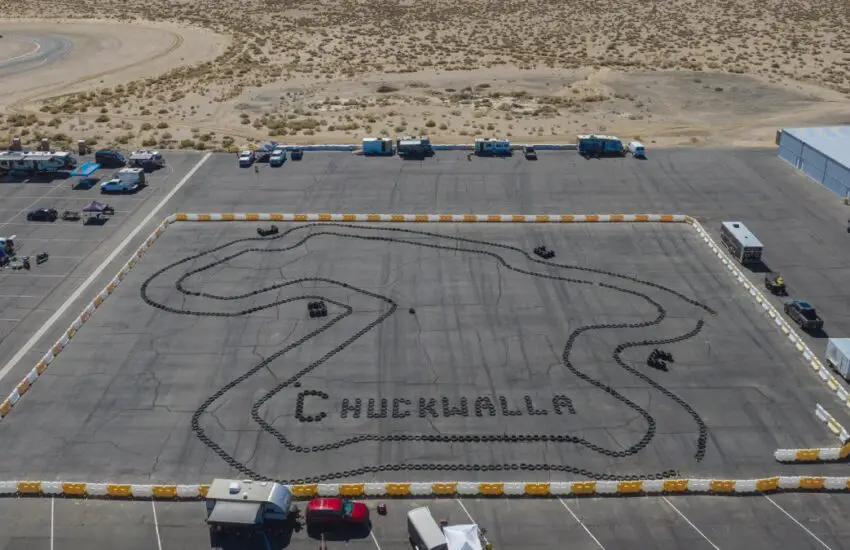
Chuckwalla Valley Raceway Hits the Market

A Premier California Track Seeks New Ownership

The landscape of Southern California motorsport venues is shifting. Following the sale of the iconic Willow Springs Raceway, another major player has officially been listed for sale: Chuckwalla Valley Raceway. This development marks a significant moment for the West Coast racing community, placing a beloved and technically demanding circuit in the spotlight for potential new stewardship.

A Desert Oasis for Driving Enthusiasts

Nestled in the serene desert landscape near Desert Center, Chuckwalla Valley Raceway has carved out a formidable reputation since its opening. The 2.68-mile, 17-turn road course is renowned for its challenging layout, flowing design, and exceptional track surface. Its remote location fosters a dedicated, immersive environment for drivers, teams, and schools, free from urban distractions. The facility is a favored destination for high-performance driver education (HPDE), private testing, corporate events, and competitive club racing series.

Strategic Asset with Proven Appeal

The sale presents a unique opportunity to acquire a turn-key, revenue-generating motorsports facility. The track’s business model is diversified, attracting a wide range of users from amateur enthusiasts to professional racing teams. Its infrastructure, including paddock space, garage facilities, and control tower, supports a consistent calendar of events. The venue’s reputation for professional management and a focus on safety has solidified its standing as a top-tier destination in a competitive regional market.

What the Sale Signals for the Industry

The listing of Chuckwalla Valley Raceway underscores the dynamic nature of motorsport facility ownership. It highlights the value of well-maintained, specialized racing venues as both community hubs and business enterprises. The future owner will inherit not just a piece of asphalt, but a central pillar of the California automotive culture, with the potential to expand its programming and legacy. The transaction will be closely watched by participants and industry observers alike, eager to see how this next chapter unfolds for a true driver’s circuit.

Volvo’s Electric Wagon Revival: A New Chapter for Estates

Volvo’s Estate Legacy: An Electric Future Beckons

For decades, Volvo’s reputation was built on two core pillars: pioneering safety and practical, beloved estate cars. While the brand has recently shifted its global focus towards SUVs and crossovers, the iconic wagon has never been far from its heart. Despite a gradual withdrawal from key markets like North America, recent signals from the Swedish automaker suggest a thrilling revival is on the horizon, this time powered entirely by electricity.

Strategic Hints Point to an Electric Return

During a recent corporate event in Stockholm, Volvo’s leadership offered a beacon of hope for estate enthusiasts. While not announcing a specific model, executives strongly hinted that the classic wagon body style is a perfect candidate for the brand’s all-electric future. This aligns with Volvo’s ambitious plan to become a fully electric car company by 2030. The inherent design of an estate—with its long roof and spacious cargo area—is ideally suited for housing large, flat battery packs, potentially offering superior range and practicality compared to some SUV counterparts.

Blending Heritage with Cutting-Edge Technology

A modern electric Volvo estate would represent the ultimate fusion of the brand’s heritage and its new direction. Imagine the timeless, functional design of a classic Volvo wagon, but infused with the silent, instant torque of an electric powertrain, the latest autonomous driving aids, and a sustainable, minimalist interior. This vehicle would cater to a growing segment of drivers who desire ample space and utility without compromising on sustainability or performance. It would directly answer the call for family-friendly EVs that are not exclusively SUVs.

The Road Ahead for Volvo Estates

The potential return of the Volvo wagon as an EV is more than just nostalgia; it’s a smart business move. It would allow Volvo to reclaim a unique segment of the market it once dominated, differentiating itself in a crowded electric vehicle landscape. For loyal customers and new admirers alike, it promises a vehicle that carries forward a legacy of safety and practicality into a new, emission-free era. The wait may be on, but the future for the Volvo estate looks brighter—and quieter—than ever.

Mazda P1499 Code: Diagnosing and Fixing the EGR Valve Control Solenoid Circuit

Understanding the Mazda P1499 Diagnostic Trouble Code

The illumination of the check engine light in your Mazda, accompanied by the retrieval of diagnostic trouble code P1499, signals a specific issue within the vehicle’s emissions control system. This code is manufacturer-specific to Mazda (and some Ford models sharing platforms) and is formally defined as “EGR Valve Control Solenoid Circuit”. Unlike generic powertrain codes, P1499 points directly to an electrical or functional problem in the circuit controlling the Exhaust Gas Recirculation (EGR) valve’s vacuum supply. The EGR system is critical for reducing nitrogen oxide (NOx) emissions by recirculating a metered amount of exhaust gas back into the engine’s intake manifold, which also helps lower combustion temperatures.

What Does the EGR Valve Control Solenoid Do?

This solenoid, often called the EGR vacuum solenoid or EGR vent solenoid, is an electrically operated switch controlled by the Powertrain Control Module (PCM). It regulates vacuum from the engine to the diaphragm of the EGR valve. By opening and closing, it allows or blocks vacuum, thereby precisely controlling how much the EGR valve opens and how much exhaust gas is recirculated. A fault in its circuit—whether electrical (open, short) or mechanical (clogged, stuck)—triggers code P1499.

Common Symptoms of a P1499 Code in Mazda Vehicles

While sometimes the check engine light may be the only symptom, a persistent P1499 code often leads to noticeable drivability issues as the EGR system’s function is compromised. Recognizing these signs is the first step in diagnosis.

Primary Symptoms and Driver Notices

  • Illuminated Check Engine Light (MIL): The most immediate and common indicator.
  • Rough Idle or Stalling: Improper EGR flow can cause the engine to idle roughly, surge, or even stall, especially when cold or at stoplights.
  • Poor Engine Performance: You may experience hesitation, lack of power, or sluggish acceleration during throttle input.
  • Increased Emissions and Failed Inspection: With the EGR system inoperative, NOx emissions will rise, potentially causing a vehicle to fail an emissions test.
  • Engine Pinging or Knocking: Under load, the absence of exhaust gas recirculation can lead to higher combustion temperatures, causing detonation (spark knock).

Root Causes and Diagnostic Procedure for P1499

Diagnosing P1499 requires a systematic approach, moving from simple visual checks to more complex electrical tests. The goal is to isolate the faulty component within the circuit.

Potential Causes of Mazda P1499

  • Faulty EGR Control Solenoid Valve: The solenoid itself may be electrically dead, mechanically stuck open, or stuck closed.
  • Damaged Wiring or Connectors: Look for frayed wires, corrosion, loose pins, or damaged insulation in the harness connecting the solenoid to the PCM.
  • Clogged or Leaking Vacuum Hoses: The small vacuum lines to and from the solenoid can become brittle, cracked, or clogged with carbon deposits.
  • Failed Powertrain Control Module (PCM): While rare, a malfunction within the PCM itself that prevents proper control of the solenoid can set this code.
  • Problem with the EGR Valve Itself: Although P1499 specifies the control circuit, a completely seized EGR valve can sometimes reflect as a circuit issue due to abnormal current draw.

Step-by-Step Diagnostic Guide

Always begin with the vehicle off and the key removed. Safety first.

Step 1: Preliminary Visual Inspection

Locate the EGR control solenoid (typically near the EGR valve on the intake manifold). Inspect all associated vacuum hoses for cracks, disconnections, or blockages. Check the electrical connector for security and signs of corrosion.

Step 2: Testing the EGR Control Solenoid

Using a multimeter, you can perform two key tests:

  • Resistance Test: Disconnect the solenoid’s electrical connector. Measure resistance across the solenoid’s two terminals. Consult a service manual for specifications (typically between 20-50 ohms). An infinite reading indicates an open coil; a zero reading indicates a short.
  • Functional Test: With the solenoid disconnected, you can apply 12 volts from the battery (using fused jumper wires) to the terminals. You should hear a distinct “click” as it activates. Also, use a hand vacuum pump to check if the solenoid ports open and close properly when energized and de-energized.

Step 3: Checking Circuit Power and Ground

Reconnect the connector to the solenoid and use a multimeter or a test light (back-probing carefully). With the ignition key in the “ON” position, one wire at the connector should show battery voltage (power from the main relay). The other wire is the control ground from the PCM. This requires an advanced scan tool that can command the solenoid on/off to test the PCM’s switching ability.

Repair Solutions and Prevention

Once the faulty component is identified, the repair is typically straightforward. Post-repair, clearing the code and verifying the system’s operation is crucial.

Common Repair Procedures

  • Replacing the EGR Control Solenoid: This is the most common fix. Ensure you use a high-quality OEM or OEM-equivalent part. The process usually involves unplugging the electrical connector, removing the vacuum hoses (note their positions), unbolting the old unit, and reversing the steps for installation.
  • Repairing Wiring Harness: For damaged wires, solder and heat-shrink tubing provide a permanent repair. Avoid using simple butt connectors in the engine bay.
  • Replacing Vacuum Hoses: Use EGR/vacuum-rated hose of the correct diameter. Route it away from hot or moving components.

Clearing the Code and Verifying the Fix

After repairs, clear the P1499 code using an OBD2 scanner. The best practice is to perform a drive cycle to allow the PCM to run its self-tests on the EGR system. Monitor for the immediate return of the code. A successful repair will result in the check engine light staying off, normal idle restored, and improved engine performance.

Preventive Maintenance Tips

To avoid recurrence of EGR-related codes like P1499:

  • Use Top Tier fuel to minimize carbon deposits.
  • Follow the manufacturer’s recommended service intervals.
  • During routine under-hood inspections, quickly check the condition of vacuum lines and electrical connections in the EGR system.
  • Address any other engine performance issues (like rough idle) promptly, as they can exacerbate carbon buildup.

While code P1499 is not typically an emergency that will strand you, it does affect drivability, fuel economy, and your vehicle’s environmental compliance. A methodical diagnosis will lead to an efficient and lasting repair.

KIA P1499 Code: EGR Valve Lift Sensor Circuit Malfunction Explained

Understanding the KIA P1499 Diagnostic Trouble Code

When your KIA’s check engine light illuminates and a scan tool reveals the generic OBD-II code P1499, it points to a specific issue within the Exhaust Gas Recirculation (EGR) system. Formally defined as “EGR Valve Lift Sensor Circuit Malfunction,” this code is common across many KIA models, including the Sorento, Sportage, Optima, and Soul. The EGR system is a critical emissions control component designed to reduce nitrogen oxide (NOx) emissions by recirculating a small amount of exhaust gas back into the engine’s intake manifold. The lift sensor is the system’s “eyes,” providing the Powertrain Control Module (PCM) with real-time feedback on the EGR valve’s position. A P1499 code indicates the PCM has detected an illogical, erratic, or out-of-range signal from this sensor circuit, preventing proper EGR system management.

Common Symptoms and Effects of P1499 on Your KIA

Ignoring a P1499 code can lead to degraded performance and increased emissions. Recognizing the symptoms is the first step in addressing the problem.

Primary Symptoms of P1499

  • Illuminated Check Engine Light (MIL): The most immediate and obvious sign.
  • Reduced Engine Performance: Hesitation, lack of power, or a noticeable “flat spot” during acceleration.
  • Rough Idle or Stalling: The engine may idle roughly, surge, or even stall, especially when cold.
  • Increased Fuel Consumption: Incorrect EGR flow can disrupt the air-fuel mixture, lowering fuel efficiency.
  • Failed Emissions Test: The vehicle will not pass a state or local emissions inspection.

Potential Long-Term Consequences

If left unresolved, a faulty EGR system can lead to carbon buildup on the intake valves and manifold, further harming performance. In severe cases, especially if the valve is stuck open, it can cause significant drivability issues and potentially damage other engine components over time.

Technical Diagnosis: Step-by-Step Guide for P1499

Diagnosing P1499 requires a methodical approach. Always begin with the simplest and most cost-effective checks before moving to component replacement. You will need a quality OBD2 scanner, a digital multimeter (DMM), and basic hand tools.

Step 1: Preliminary Checks and Visual Inspection

  • Check for Related Codes: Use your scanner to see if any other codes (like P0401 – Insufficient EGR Flow) are present, which can help pinpoint the issue.
  • Visual Inspection: Examine the EGR valve, lift sensor (often integrated), and all associated wiring and connectors. Look for obvious damage, corrosion, loose connections, or carbon-clogged vacuum lines.
  • Listen for Vacuum Leaks: A hissing sound near the EGR valve or its vacuum control solenoid can indicate a leak affecting operation.

Step 2: Electrical Circuit Testing

This step verifies the integrity of the sensor’s wiring and power supply. Consult your KIA’s specific service manual for wiring diagrams and pinouts.

  • Check Power and Ground: With the ignition ON (engine OFF), use the DMM to verify that the sensor is receiving proper reference voltage (usually 5V) from the PCM and has a clean ground.
  • Check Signal Wire: Monitor the signal voltage from the lift sensor to the PCM. It should change smoothly when the EGR valve is commanded to move (using a capable scanner’s bidirectional controls). An open or short circuit will trigger P1499.

Step 3: Testing the EGR Valve and Lift Sensor

If the wiring is good, the fault lies with the valve/sensor assembly or the PCM (rare).

  • Resistance Check: Unplug the valve and measure the resistance across the lift sensor terminals. Compare the reading to factory specifications (often between 1-5 kΩ). An infinite (open) or zero (short) reading confirms a failed sensor.
  • Mechanical Operation: Manually check if the EGR valve pintle moves freely. Apply vacuum directly to a vacuum-operated valve or lightly tap an electronic valve to see if it’s stuck. Excessive carbon can seize the valve.
  • Functional Test with Scanner: Use your scanner’s active test function to command the EGR valve open and closed. Observe the live data parameter for “EGR Valve Position” or “EGR Duty Cycle.” It should respond accordingly. A non-responsive valve or a position sensor reading that doesn’t change indicates a faulty assembly.

Repair Procedures and Solutions for P1499

Based on your diagnostic findings, one of the following repairs will be necessary.

Solution 1: Cleaning the EGR Valve and Passages

If the valve is carbon-locked but the sensor tests okay, cleaning may be sufficient. Remove the EGR valve and intake manifold EGR passages. Use a dedicated EGR/carbon cleaner and carefully scrape away carbon deposits. Ensure the valve pintle moves smoothly before reinstalling. This is often a temporary fix on high-mileage vehicles.

Solution 2: Replacing the EGR Valve Assembly

This is the most common fix for P1499. The lift sensor is typically non-serviceable and is replaced as part of the entire EGR valve assembly. When purchasing a replacement, opt for a high-quality OEM or reputable aftermarket part. After installation, clear the codes with your scanner and perform a test drive to ensure the code does not return.

Solution 3: Repairing Wiring Harness Issues

If your electrical tests found damaged wires, repair them using solder and heat-shrink tubing—never use twist connectors in automotive environments. Ensure all connections are secure and protected from heat and vibration.

Post-Repair Verification

Always complete the repair by clearing the trouble codes and performing an OBD2 drive cycle to allow the PCM to run its self-tests. Monitor the live data to confirm the EGR valve position sensor is now providing a stable and logical signal under various engine loads.

Preventative Maintenance and Final Thoughts

While the EGR system is subject to wear, certain practices can extend its life. Using top-tier fuel and completing regular highway drives can help burn off carbon deposits. Addressing drivability issues promptly prevents excessive carbon buildup. The P1499 code, while serious for emissions and performance, is typically straightforward to diagnose with the right tools and a logical process. By understanding the role of the EGR valve lift sensor and following a structured diagnostic approach, you can effectively restore your KIA’s performance and efficiency.

Jeep P1499 Code: EGR Valve Lift Sensor Circuit High Voltage Explained

Understanding the Jeep P1499 Diagnostic Trouble Code

The OBD-II diagnostic trouble code (DTC) P1499 is a manufacturer-specific code primarily associated with Jeep, Chrysler, and Dodge vehicles. Its official definition is “EGR Valve Lift Sensor Circuit High Voltage.” This code indicates that the Powertrain Control Module (PCM) has detected a voltage signal from the Exhaust Gas Recirculation (EGR) valve lift sensor that is consistently higher than the expected normal operating range. Unlike generic codes, P1499 is specific to the engine management strategies of these vehicles, making targeted diagnosis crucial for an effective repair.

What is the EGR Valve Lift Sensor?

The EGR valve lift sensor is a critical feedback component within the EGR system. It is typically a potentiometer (variable resistor) built into the EGR valve assembly. As the EGR valve pintle opens and closes to meter exhaust gas flow, the sensor’s resistance changes. The PCM supplies a 5-volt reference signal to the sensor and monitors the return signal voltage. This voltage corresponds directly to the valve’s physical position, allowing the PCM to verify that the valve is responding correctly to its commands. A “high voltage” reading suggests the sensor is reporting the valve is more open than it actually is, or there is a fault in the sensor or its circuit.

Core Function of the EGR System in Jeep Engines

The EGR system is an emissions control device designed to reduce the formation of nitrogen oxides (NOx) during combustion. It does this by recirculating a small, metered amount of inert exhaust gas back into the intake manifold. This dilutes the air-fuel mixture and lowers peak combustion temperatures, which inhibits NOx formation. A malfunctioning EGR system, as signaled by P1499, can lead to increased emissions, engine knocking (detonation), reduced fuel efficiency, and potential drivability issues.

Symptoms and Common Causes of P1499 in Jeep Vehicles

When code P1499 is stored, the PCM will illuminate the Check Engine Light (CEL). Depending on the severity of the fault, the vehicle may enter a “limp mode” or fail an emissions test. Recognizing the symptoms is the first step in diagnosis.

Primary Symptoms of a P1499 Fault

  • Illuminated Check Engine Light (MIL): The most common and immediate symptom.
  • Engine Knocking or Pinging: Especially under acceleration or load, due to elevated combustion temperatures.
  • Rough Idle or Stalling: Irregular EGR flow can destabilize the idle air control.
  • Reduced Fuel Economy: Inefficient combustion caused by incorrect EGR metering.
  • Failed Emissions Inspection: High NOx readings are a direct result of EGR system failure.

Most Frequent Causes of Code P1499

  • Faulty EGR Valve Assembly: The internal lift sensor potentiometer wears out or fails, sending an incorrect high signal.
  • Open or Shorted Wiring: Damaged, corroded, or broken wires in the sensor’s 5V reference, signal return, or ground circuits can cause a high voltage reading.
  • Poor Electrical Connections: Corrosion or looseness at the EGR valve connector or PCM connectors.
  • Clogged or Inoperative EGR Valve: Carbon buildup can physically jam the valve, while the sensor may still report movement.
  • Defective Powertrain Control Module (PCM): While rare, a failure within the PCM’s internal circuitry for processing the sensor signal can trigger this code.

Step-by-Step Diagnostic Procedure for P1499

A systematic approach is essential to correctly diagnose P1499. Jumping straight to replacing the EGR valve can be an expensive mistake if the issue is a simple wiring fault. You will need a quality digital multimeter (DMM) and a reliable scan tool capable of reading live data.

Step 1: Preliminary Inspection and Live Data Review

Begin with a thorough visual inspection. Check the EGR valve electrical connector for corrosion, bent pins, or damage. Inspect the wiring harness for chafing, burns, or rodent damage. Next, using your scan tool, access the live data stream. Look for the EGR valve position or lift sensor PID (Parameter ID). With the engine off (key on), the reading should typically be at 0% or a very low voltage. Gently operate the throttle and observe if the value changes. A stuck high reading (e.g., 4.8V constantly) confirms the high voltage fault.

Step 2: Electrical Circuit Testing with a Multimeter

Disconnect the electrical connector from the EGR valve. With the key in the “ON” position (engine off), probe the connector terminals (refer to a vehicle-specific wiring diagram).

  • Test for 5V Reference: Identify the reference wire (often with a gray stripe). You should measure approximately 5 volts between this wire and ground.
  • Test for Ground: Identify the sensor ground wire. Measure resistance between this terminal and a known good engine ground; it should be very low (less than 5 ohms).
  • Test the Sensor Itself: Set your multimeter to resistance (ohms). Measure across the sensor’s signal and ground terminals on the EGR valve itself. The resistance should change smoothly as you manually move the EGR valve pintle. An open circuit (infinite resistance) or erratic readings indicate a bad sensor.

Step 3: Differentiating Between Valve and PCM Issues

If the wiring and reference voltage check out, the fault likely lies with the EGR valve assembly. However, to rule out a PCM issue, you can perform a “back-probe” test. Reconnect the connector and carefully back-probe the signal wire with the DMM. Command the EGR valve open and closed using a capable bi-directional scan tool. If the PCM is sending commands but the voltage on the signal wire remains stuck high, the EGR valve/sensor is defective. If the PCM cannot command the valve, further PCM circuit diagnosis is required.

Repair Solutions and Prevention Tips

Once the root cause is identified, the repair path becomes clear. Always clear the codes after repair and perform a test drive to ensure the code does not return.

Common Repair Procedures

  • EGR Valve Replacement: The most common fix. Replace the entire EGR valve assembly, as the lift sensor is integral. Use OEM or high-quality aftermarket parts.
  • Wiring Harness Repair: For damaged wires, solder and seal the connections properly. Use heat-shrink tubing, not electrical tape, for a durable repair.
  • Connector Service: Clean corroded terminals with electrical contact cleaner and a small brush. Ensure the connector locks securely.
  • EGR Passage Cleaning: While replacing the valve, inspect and clean the EGR tube and intake manifold passages of carbon deposits.

How to Prevent Future EGR and P1499 Issues

  • Adhere to the manufacturer’s recommended maintenance schedule.
  • Use Top Tier detergent gasoline to help minimize carbon buildup.
  • Ensure the engine operates at proper temperature; a faulty thermostat can exacerbate carbon formation.
  • Address any engine performance issues (misfires, rich/lean conditions) promptly, as they can lead to accelerated EGR system fouling.

Diagnosing and repairing a Jeep P1499 code requires a methodical approach focused on the EGR valve lift sensor circuit. By understanding the system’s function, methodically testing the electrical components, and performing the correct repair, you can resolve this issue, restore engine performance, and ensure your Jeep passes emissions standards.

OBD2 Code P1499 Dodge: EGR System Leak Detection Explained

Understanding the P1499 Diagnostic Trouble Code in Dodge Vehicles

The OBD2 diagnostic trouble code P1499 is a manufacturer-specific code primarily associated with Chrysler, Dodge, Jeep, and Plymouth vehicles. In simple terms, P1499 stands for “EGR System Leak Detection”. Unlike generic codes, this one is specifically engineered by Stellantis (formerly Chrysler) to monitor the integrity of the Exhaust Gas Recirculation (EGR) system’s vacuum control circuit. The Powertrain Control Module (PCM) runs a self-test, often during a specific drive cycle, to check for vacuum leaks that could compromise EGR operation. When the PCM detects a discrepancy between expected and actual vacuum levels in the EGR control circuit, it illuminates the check engine light and stores the P1499 code.

Core Function of the EGR System

To understand P1499, you must first grasp the EGR system’s role. The Exhaust Gas Recirculation system is a critical emissions control device. It recirculates a small, metered amount of inert exhaust gas back into the engine’s intake manifold. This process lowers peak combustion temperatures, which directly reduces the formation of harmful nitrogen oxides (NOx). The system is typically controlled by engine vacuum, directed by the PCM through an EGR solenoid or transducer to open and close the EGR valve.

How the PCM Detects a Leak (The P1499 Trigger)

The PCM’s logic for P1499 is sophisticated. It uses inputs from various sensors (like MAP, RPM, TPS) and commands the EGR solenoid to open or close. It then monitors the resulting change in intake manifold vacuum or a dedicated pressure sensor in the EGR circuit. If the actual vacuum response is too slow, too fast, or doesn’t reach the expected level, the PCM interprets this as a leak in the vacuum lines, hoses, or components of the EGR control system. It’s essentially a vacuum integrity check.

Common Symptoms and Vehicles Affected by P1499

A stored P1499 code may or may not present noticeable drivability issues initially, as it often indicates a small leak. However, as the leak worsens, symptoms will become apparent.

Primary Symptoms of a P1499 Fault

  • Illuminated Check Engine Light (MIL): The most common and often the only initial symptom.
  • Failed Emissions Test: The code will cause an immediate failure in most state and local emissions inspections.
  • Rough Idle or Stalling: Unmetered air from a vacuum leak can lean out the air/fuel mixture at idle.
  • Engine Pinging or Detonation: If the EGR valve is stuck closed due to a control leak, NOx emissions and combustion temperatures rise, causing pinging under load.
  • Slight Loss of Power or Throttle Response: Incorrect EGR flow can impact low-end torque.

Dodge Models Most Commonly Associated with P1499

This code frequently appears on popular Dodge models equipped with specific engines. The most common platforms include:

  • Dodge Caravan, Grand Caravan, Chrysler Town & Country (3.3L, 3.8L V6 engines)
  • Dodge Ram 1500 with 3.7L or 4.7L V8 engines
  • Dodge Durango (3.7L, 4.7L)
  • Dodge Stratus, Chrysler Sebring (2.4L, 2.7L)
  • Jeep Grand Cherokee (4.0L I6, 4.7L V8)

Step-by-Step Diagnostic Procedure for P1499

Diagnosing P1499 requires a methodical approach, focusing on the vacuum circuit between the intake manifold, the EGR solenoid/transducer, and the EGR valve. Always start with a visual inspection before replacing parts.

Phase 1: Preliminary Checks and Visual Inspection

  • Scan Tool Confirmation: Read the code and check for any other pending codes (like P0404 – EGR Circuit Range/Performance) that may point to a related fault.
  • Visual Inspection of Vacuum Hoses: With the engine off, meticulously trace every vacuum hose related to the EGR system. Look for cracks, brittleness, burns, or disconnections. Pay special attention to the small-diameter plastic tees and elbows, which are prone to cracking.
  • Check Component Connections: Ensure the electrical connectors on the EGR solenoid, transducer, and valve are clean, tight, and free of corrosion.

Phase 2: Testing the EGR System Components

If visual inspection reveals no obvious leaks, proceed to component testing.

  • Testing the EGR Solenoid/Transducer: Use a hand-held vacuum pump. Apply 12V to the solenoid to activate it (check a wiring diagram for pinout). With it activated, apply vacuum to the input port; it should hold vacuum and pass it to the output port. When deactivated, it should not pass vacuum. Any failure to hold or block vacuum indicates a bad solenoid.
  • Testing the EGR Valve Diaphragm: Connect the vacuum pump directly to the EGR valve’s vacuum nipple. Apply vacuum (typically 10-15 in-Hg). The valve’s stem should move smoothly and hold the vacuum for at least 30 seconds. A falling gauge indicates a ruptured diaphragm.
  • Checking for Vacuum Supply: Ensure there is engine vacuum present at the source hose (from the intake manifold) to the EGR solenoid.

Phase 3: Advanced Checks and PCM Considerations

If all components test good, consider these less common issues:

  • Clogged EGR Passages: Severe carbon buildup in the EGR valve or intake manifold passages can sometimes affect system pressure dynamics, confusing the PCM.
  • Faulty Leak Detection Pump (LDP) or EVAP System Cross-Talk: On some models, the PCM uses the EVAP system’s Leak Detection Pump to pressurize the EGR circuit for the test. A fault in the LDP or its lines can cause P1499.
  • Rare PCM Fault: A failed driver circuit inside the PCM for the EGR solenoid is possible but uncommon. Swap with a known-good solenoid first.

Repair Solutions and Cost Estimation

Repairs for P1499 are generally mechanical and electrical, not internal engine work.

Most Common Repairs for P1499

  • Replacing Vacuum Hoses and Fittings: The most frequent and inexpensive fix. Use OEM-spec vacuum hose to resist heat and fuel vapors.
  • Replacing the EGR Solenoid or Transducer: If it fails to hold or control vacuum properly.
  • Replacing the EGR Valve: Required if the diaphragm is ruptured or the valve is severely carbon-clogged and cannot be cleaned.
  • Cleaning EGR Passages: Removing the EGR valve and intake manifold throttle body to physically decarbonize the passages.
  • Repairing EVAP/LDP System: If diagnostics point to a faulty Leak Detection Pump or a leak in its associated lines.

Estimated Repair Cost and DIY Advice

Costs vary widely between DIY and professional repair:

  • DIY (Do-It-Yourself): A vacuum hose repair may cost under $20. A new EGR solenoid ranges from $40 to $120. An EGR valve can cost $100 to $300 for the part. This repair is very accessible for a home mechanic with basic tools and a vacuum pump.
  • Professional Repair Shop: Labor adds significantly. Expect to pay between $150 and $500+ depending on the root cause and labor time (1-2 hours typically). Dealership costs will be at the higher end.

Final Step: After repairs, clear the code with your OBD2 scanner. The PCM will need to complete its specific drive cycle to run the leak test again. A successful test will keep the check engine light off, confirming the P1499 fix.

Understanding and Fixing OBD2 Code P1499 on Chrysler Vehicles

Decoding the P1499 Chrysler Fault Code

When your Chrysler, Dodge, or Jeep’s check engine light illuminates and an OBD2 scanner retrieves code P1499, you are dealing with a specific fault within the vehicle’s Evaporative Emission Control (EVAP) system. Formally defined as “Leak Detection Pump Switch or Mechanical Fault,” this diagnostic trouble code (DTC) is common in many Chrysler Group vehicles from the late 1990s through the 2000s. The EVAP system is crucial for preventing fuel vapors from escaping into the atmosphere, and the Leak Detection Pump (LDP) is its self-diagnostic heart. A P1499 code indicates the Powertrain Control Module (PCM) has detected an irregularity in the LDP’s operation, either in its internal vacuum switch or its mechanical ability to pump air.

Core Function of the Leak Detection Pump (LDP)

Unlike a simple fuel vapor canister purge valve, the LDP is an active diagnostic component. Its primary jobs are:

  • System Pressurization: The LDP uses engine vacuum and a solenoid to pump air into the sealed EVAP system (fuel tank and lines).
  • Leak Monitoring: It contains a pressure switch that tells the PCM when a target pressure is reached.
  • Fault Detection: By timing how long it takes to pressurize the system or how well it holds pressure, the PCM can infer if there is a large leak, a small leak, or a fault in the LDP itself.

Code P1499 is set when the PCM’s expected electrical signal from the LDP’s internal switch does not match the actual mechanical state of the pump during a test cycle.

Symptoms and Common Causes of P1499

While sometimes the P1499 code may set with no noticeable drivability issues, it often presents with specific symptoms. Ignoring it can lead to a failed emissions test and potentially mask other EVAP leaks.

Primary Symptoms of a P1499 Fault

  • Illuminated Check Engine Light (MIL): The most common and often the only initial symptom.
  • Failed Emissions Inspection: The vehicle will not pass a state-mandated OBD2 emissions test with an active EVAP code.
  • Possible Fuel Odor: If the LDP is stuck open or the EVAP system is compromised, you may smell gasoline vapors, especially near the fuel tank or after refueling.
  • Other EVAP Codes: P1499 may appear alongside codes like P0442 (small leak) or P0455 (large leak) if the faulty LDP is preventing accurate leak detection.

Root Causes of Chrysler P1499 Code

Diagnosis should follow a logical path from simplest to most complex. The main culprits are:

  • Faulty Leak Detection Pump (LDP): The most common cause. The internal diaphragm can tear, the solenoid can fail, or the pressure switch can become inoperative.
  • Blocked, Pinched, or Cracked EVAP Hoses: Vacuum lines to and from the LDP or the main EVAP canister hose can collapse, leak, or become clogged with debris.
  • Electrical Issues: Corroded connectors, damaged wiring, or poor electrical grounds at the LDP connector or PCM can cause erroneous signals.
  • Faulty PCM: Rare, but a possibility if all other components and wiring check out perfectly. This is a diagnosis of last resort.

Step-by-Step Diagnostic and Repair Procedure

A methodical approach is key to correctly fixing P1499. You will need a quality OBD2 scanner capable of viewing live data and, ideally, activating components (bi-directional control). A digital multimeter (DMM) and a hand-held vacuum pump/gauge are also essential tools.

Step 1: Preliminary Inspection and Visual Check

Begin with the basics. Locate the Leak Detection Pump (typically found near the fuel tank or in the rear wheel well). Carefully inspect:

  • All EVAP hoses for cracks, dryness, rot, or disconnections.
  • The LDP electrical connector for corrosion, bent pins, or moisture.
  • The integrity of the vacuum lines connected to the LDP and the check valve.
  • The physical condition of the LDP itself for damage.

Step 2: Functional Testing of the Leak Detection Pump

Use your bi-directional scanner to command the LDP solenoid “ON” and “OFF.” You should hear a distinct click from the pump with each command. If no click is heard, test further:

  • Circuit Test: With the connector disconnected, use the DMM to check for battery voltage (typically 12V) on the power wire with the ignition ON. Check the ground circuit for continuity.
  • Solenoid Test: Measure the resistance of the LDP solenoid across its two pins. Compare to manufacturer specifications (often between 10-30 ohms). An open (infinite) or short (0 ohms) reading indicates a bad LDP.
  • Mechanical/Vacuum Test: Disconnect the vacuum hoses. Using a hand vacuum pump, apply vacuum to the pump’s diaphragm port. It should hold vacuum steadily. A leak indicates a torn diaphragm.

Step 3: Checking the LDP Switch Signal

This tests the internal pressure switch. With the scanner viewing live data, look for the “LDP Switch” or “Leak Pump Sense” parameter. It typically reads OPEN or CLOSED. While manually applying vacuum to the LDP diaphragm port (simulating a pump stroke), the switch state in the scanner should change. If it doesn’t, the internal switch is faulty, confirming the need for LDP replacement.

Step 4: Replacement and Final Verification

Once a faulty LDP is confirmed, replacement is straightforward:

  • Disconnect the negative battery cable.
  • Disconnect the electrical connector and vacuum hoses, noting their positions.
  • Remove the mounting bolts and the old LDP.
  • Install the new unit, reconnect all hoses and the electrical connector.
  • Reconnect the battery.

Clear the P1499 code with your scanner. The monitor will need to complete a full drive cycle. Perform a final scan to confirm the code does not return and that the EVAP monitor runs and completes successfully.

Conclusion: Ensuring a Lasting Repair

Code P1499 on Chrysler vehicles is a direct communication from the PCM that the self-check capability of the EVAP system is compromised. While the Leak Detection Pump itself is the frequent failure point, a thorough diagnosis that includes inspecting related vacuum lines and electrical circuits is critical to avoid comebacks. By following the structured diagnostic steps outlined above, you can accurately identify the root cause—whether a mechanical pump failure, a blocked hose, or an electrical fault—and restore the vehicle’s emission control system to proper working order. Addressing P1499 promptly not only extinguishes the check engine light but also ensures your vehicle operates efficiently and remains environmentally compliant.

OBD2 Code P1499: EVAP Leak Detection Pump Pressure Switch Malfunction

Understanding OBD2 Code P1499: A Technical Deep Dive

When the check engine light illuminates and a scan tool reveals the generic OBD2 trouble code P1499, you’re dealing with a specific fault within the vehicle’s Evaporative Emission Control (EVAP) system. Formally defined as “Leak Detection Pump Pressure Switch Malfunction,” this code is most commonly associated with Chrysler, Dodge, and Jeep vehicles, though the principle applies broadly. The EVAP system’s primary function is to prevent fuel vapors from escaping into the atmosphere by capturing them in a charcoal canister and later purging them into the engine to be burned. The Leak Detection Pump (LDP) is a critical self-test component that monitors the integrity of this sealed system. Code P1499 indicates that the vehicle’s Powertrain Control Module (PCM) has detected an electrical or functional failure in the pressure switch circuit within the LDP assembly, preventing it from accurately performing its leak tests.

Primary Causes and Symptoms of a P1499 Fault

A malfunction triggering code P1499 can stem from electrical, mechanical, or vacuum-related issues. Accurate diagnosis requires a systematic approach to isolate the root cause.

Common Causes of Code P1499

  • Faulty Leak Detection Pump (LDP) Assembly: The most common culprit. The internal pressure switch can fail electrically (open or short circuit) or mechanically.
  • Damaged or Corroded Wiring/Connectors: The electrical harness connecting the LDP to the PCM can suffer from broken wires, corrosion, or poor contact.
  • Vacuum Leaks in EVAP Hoses or Lines: Cracks, disconnections, or dry-rotted hoses connected to the LDP can prevent it from building or holding pressure.
  • Faulty or Clogged Canister Vent Solenoid/Valve: This valve, which controls fresh air flow to the LDP, if stuck open or closed, will disrupt the pump’s operation.
  • Defective Powertrain Control Module (PCM): Rare, but a failed PCM driver circuit for the LDP can set this code.

Recognizable Symptoms of P1499

  • Illuminated Check Engine Light (MIL): The primary and often only symptom noticed by the driver.
  • Failed Emissions Test: The vehicle will not pass state or local emissions inspections with an active EVAP code.
  • Possible Fuel Odor: While not always present, a compromised EVAP system can sometimes allow fuel vapor smells, especially near the fuel tank or canister.
  • No Driveability Issues: Crucially, this code typically does NOT cause rough running, stalling, or power loss, as it is an emissions-related monitor.

Step-by-Step Diagnostic Procedure for Code P1499

Professional diagnosis of P1499 requires a scan tool, a digital multimeter (DMM), and a hand vacuum pump. Always begin with a visual inspection and review of freeze frame data.

Step 1: Preliminary Inspection & Scan Tool Data

Visually inspect all EVAP system components. Check the Leak Detection Pump, its electrical connector, and all associated vacuum hoses for obvious damage, disconnections, or corrosion. Use your scan tool to check for other related EVAP codes (like P0442, small leak). Clear the code and perform an EVAP monitor drive cycle to see if it returns immediately (indicating a hard fault) or only after specific conditions (intermittent).

Step 2: Electrical Testing of the LDP Pressure Switch

Locate the LDP (often near the fuel tank or charcoal canister). With the key OFF, disconnect its electrical connector. Using a DMM set to ohms (Ω), measure the resistance across the two terminals of the pressure switch *inside the LDP*. You may need to probe the component side of the connector. The reading should be either infinite (open circuit) or very high resistance when the switch is in its resting state. Apply vacuum (approx. 5-10 in-Hg) to the LDP’s vacuum port using a hand pump. A functioning switch should close, and the multimeter should show a very low resistance (near 0 Ω). No change indicates a failed pressure switch.

Step 3: Testing the Wiring Harness and PCM Signal

With the LDP connector still disconnected, turn the ignition ON (engine OFF). Back-probe the vehicle harness connector. One pin should show battery voltage (12V reference from PCM). The other pin is the signal return to the PCM. Use the DMM to check for continuity between this signal pin and the corresponding pin at the PCM connector, checking for open circuits or shorts to ground/voltage.

Step 4: Vacuum and Mechanical System Testing

Using a hand vacuum pump, apply vacuum directly to the main vacuum port on the LDP. It should hold vacuum steadily. If it leaks down immediately, the internal diaphragm of the pump is ruptured, requiring replacement. Also, test the operation of the canister vent solenoid by applying power and ground to it; you should hear it click and be able to blow air through it when energized.

Step 5: Performing a Smoke Test

If all electrical tests pass, a smoke test of the entire EVAP system is the definitive method to find vacuum leaks. Introduce smoke under low pressure into the system (typically via the service port). Visible smoke escaping from any hose, connection, or component (like the LDP itself or fuel tank) will pinpoint the leak source.

Repair Solutions and Professional Recommendations

Once the faulty component is identified, repair is typically straightforward. Always use OEM-quality parts for EVAP system repairs to ensure proper fit and long-term reliability.

Replacing the Leak Detection Pump (LDP)

If diagnostics confirm a failed pressure switch or internal diaphragm, the entire LDP assembly must be replaced. The unit is usually held by bolts or clips. Carefully disconnect the electrical connector and vacuum lines, noting their positions. Install the new pump, reconnect everything, clear the codes, and perform a drive cycle to run the EVAP monitor and confirm the repair.

Repairing Wiring and Connectors

For damaged wiring, solder and heat-shrink the repairs—never use twist connectors. For corroded terminals, consider replacing the connector pigtail. Ensure all connections are clean, tight, and protected from the elements.

Addressing Vacuum Leaks and Other Components

Replace any cracked or brittle vacuum hoses with fuel/emissions-rated hose. If the canister vent solenoid is faulty, replace it. After any repair, it is critical to clear the PCM codes and complete an EVAP monitor drive cycle. This often requires driving the vehicle under specific speed, temperature, and fuel level conditions to allow the PCM to run its self-test and confirm the system is sealed.

Code P1499 is a specific diagnostic pointer to the heart of the EVAP system’s self-check mechanism. While it doesn’t affect how the engine runs, ignoring it will cause a failed emissions test and leaves a potential environmental leak unaddressed. A methodical diagnostic approach—starting with visual checks, moving to electrical verification, and culminating with a smoke test—will reliably identify the fault, whether it’s a simple broken hose or a failed Leak Detection Pump.