OBD2 Code P149B: Comprehensive Guide to the Secondary Air Injection System Control Circuit

Understanding OBD2 Code P149B: A Technical Deep Dive

When your vehicle’s check engine light illuminates and a diagnostic scan reveals code P149B, you’re dealing with a specific fault within the Secondary Air Injection System (SAIS). This generic powertrain code, standardized under OBD-II protocols, indicates a malfunction in the control circuit for the secondary air injection system. Unlike codes pointing to mechanical failures of the pump itself, P149B specifically targets the electrical command circuit—the pathway the Engine Control Module (ECM) or Powertrain Control Module (PCM) uses to activate the system. This system is critical for reducing hydrocarbon and carbon monoxide emissions during a cold engine start by injecting fresh air into the exhaust stream to promote more complete combustion.

Primary Causes and Symptoms of the P149B Fault Code

Pinpointing the root cause of P149B requires a systematic approach, as the issue lies in the command side of the circuit. The code is set when the PCM detects an unexpected voltage level or signal in the control circuit for the SAIS, typically when it attempts to activate the system and does not see the correct electrical response.

Common Causes of Code P149B

  • Faulty Secondary Air Injection Relay: The most common culprit. This relay, which provides high-current power to the air pump, can fail internally due to worn contacts, corrosion, or overheating.
  • Damaged Wiring or Connectors: Broken, frayed, shorted, or corroded wires in the control circuit between the PCM, the relay, and the pump/solenoid can interrupt the signal.
  • Failed Air Pump or Control Solenoid: While P149B focuses on the circuit, a completely seized air pump or a shorted/open control solenoid can present as a circuit fault to the PCM.
  • Blown Fuse: A dedicated fuse protecting the SAIS circuit may be blown, cutting power entirely.
  • Faulty Powertrain Control Module (PCM): Although rare, an internal failure within the PCM itself can prevent it from properly controlling the circuit.

Recognizable Symptoms

  • Illuminated Check Engine Light (MIL): The primary indicator.
  • Possible Failed Emissions Test: With the SAIS inoperative, tailpipe emissions of HC and CO may be elevated.
  • No Abnormal Driving Feel: Importantly, you likely will not notice any drivability issues like rough idle or loss of power. The SAIS only operates for a short period after a cold start.
  • Audible Clues: You might hear the secondary air pump not running when it should (immediately after a cold start) or hear it running continuously if a relay is stuck closed.

Step-by-Step Diagnostic and Repair Procedures

Diagnosing P149B requires a digital multimeter (DMM), a reliable scan tool, and access to vehicle-specific wiring diagrams. Always begin with a visual inspection before performing electrical tests.

Step 1: Preliminary Visual Inspection

Locate the secondary air injection components: the electric air pump, the control relay (often in the under-hood fuse/relay box), and associated vacuum solenoids and hoses. Look for:

  • Obvious wiring damage, chafing, or burnt connectors.
  • Corroded terminals on the relay and pump connectors.
  • Damaged, melted, or cracked vacuum hoses.
  • Check and test the SAIS fuse with a multimeter.

Step 2: Testing the Secondary Air Injection Relay

The relay is the prime suspect. Using the wiring diagram, identify the control coil terminals (typically two smaller terminals) and the switched power terminals (two larger terminals).

  • Bench Test: Apply 12 volts from the battery to the control coil terminals. You should hear and feel a distinct click. Use the multimeter in continuity/resistance mode to verify the high-current contacts close (near 0 ohms) when energized and open (infinite resistance) when not.
  • Circuit Test: With the relay installed and the key on (engine off), use the scan tool’s bi-directional controls to command the SAIS “ON.” Probe the control circuit at the relay with the DMM. You should see the PCM applying ground (or voltage, depending on design) to energize the relay coil.

Step 3: Checking Power and Ground at the Air Pump

If the relay tests good, proceed to the air pump motor connector.

  • With the SAIS commanded “ON” via scan tool, check for Battery Voltage (approx. 12V) at the pump’s power supply terminal.
  • Verify a solid ground connection on the pump’s ground circuit. Perform a voltage drop test on the ground wire for confirmation.
  • If power and ground are present but the pump doesn’t run, the pump motor is faulty and must be replaced.

Step 4: Inspecting the PCM Control Circuit

If the relay does not receive a control signal from the PCM during the activation test, the wiring between the PCM and the relay must be inspected.

  • Disconnect the PCM connector(s) and the relay connector.
  • Using the wiring diagram, perform a continuity test on the control wire between the PCM pin and the relay pin. It should have very low resistance (less than 5 ohms).
  • Test the same wire for a short to power or a short to ground.

Step 5: Clearing the Code and Final Verification

After repairing the identified fault (e.g., replacing the relay, repairing a wire, replacing the pump):

  • Clear the P149B code with your scan tool.
  • Perform a complete drive cycle to allow the PCM to run its self-tests on the SAIS. The code should not return.
  • Use the scan tool to monitor the SAIS status parameter; it should show “Active” or “On” for a brief period after a cold start.

Technical Importance and Conclusion

Code P149B is a precise indicator of an electrical fault in a critical emissions control system. While it may not impair daily drivability, ignoring it leads to increased pollution and will cause your vehicle to fail mandatory emissions inspections. The repair complexity ranges from simple (a $30 relay swap) to moderate (wiring repair). A methodical diagnostic approach—starting with the relay and moving through the circuit—is the most efficient path to resolution. For persistent or complex cases, consulting vehicle-specific technical service bulletins (TSBs) or seeking professional automotive electrical diagnosis is recommended to ensure proper emission system function and vehicle compliance.
Rivian’s Digital Trail Guide: A New Era for Off-Roading

Rivian Files Patent for Collaborative Off-Road Navigation System

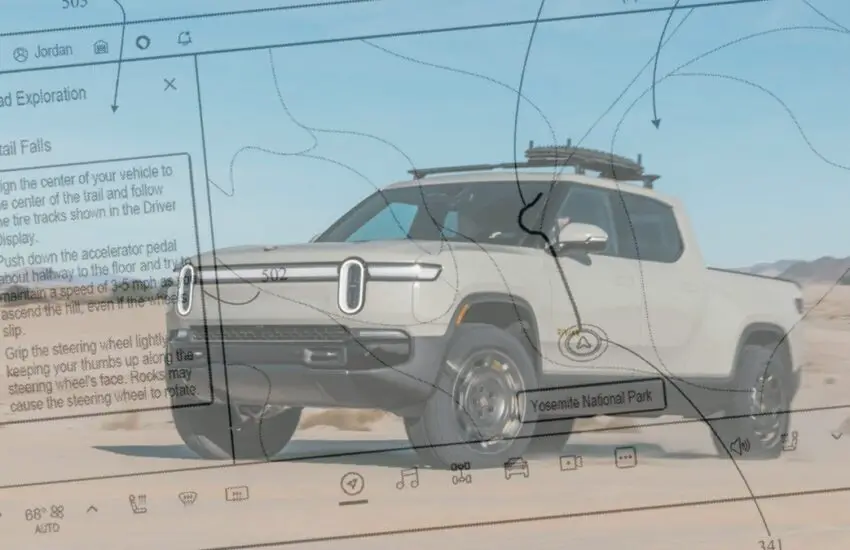
Rivian is pushing the boundaries of electric adventure vehicles beyond hardware. A recent patent filing reveals the company’s development of a sophisticated digital off-road trail guide. This system aims to transform how drivers discover, navigate, and share information about remote trails, leveraging community data to enhance safety and accessibility.

How the Digital Trail Guide Works

The proposed system functions as an integrated, crowd-sourced navigation platform. Using the vehicle’s array of sensors—including cameras, GPS, and suspension sensors—the technology can record detailed trail data during a drive. This information, such as precise path coordinates, obstacle locations, and recommended vehicle settings, can then be uploaded to a cloud-based database. Other Rivian drivers can subsequently download this guide, receiving turn-by-turn navigation tailored for off-road conditions, complete with warnings for difficult sections and tips for optimal vehicle mode selection.

Democratizing the Off-Road Experience

This innovation addresses a common barrier for new adventurers: the intimidation factor of uncharted terrain. By providing verified, vehicle-specific trail data from other users, Rivian’s guide lowers the knowledge threshold. Drivers can embark on adventures with greater confidence, knowing the trail’s difficulty and its suitability for their R1T or R1S. The system promises to highlight points of interest, suggest camping spots, and ensure users stay on approved routes, promoting responsible recreation.

The Future of Connected Adventure

This patent underscores Rivian’s strategy of blending rugged capability with cutting-edge software. The digital trail guide represents more than just navigation; it is the foundation for a connected ecosystem where the vehicle becomes an active tool for exploration. By fostering a community of shared knowledge, Rivian strengthens its brand as a leader in the modern, electrified outdoor lifestyle, setting a new standard for what an adventure vehicle can provide.

Porsche Penske Dominates Daytona with Historic Third Straight Win

Porsche Penske Makes Endurance History at Daytona

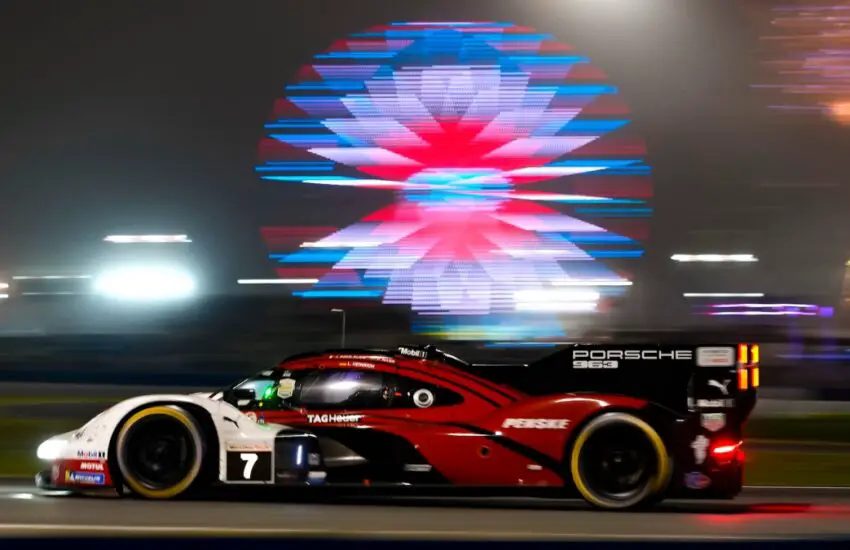
In a dramatic and weather-affected race, the Porsche Penske Motorsport team has etched its name into the history books, securing an unprecedented third consecutive victory at the legendary Rolex 24 At Daytona. The triumph was sealed by Brazilian driver Felipe Nasr, who piloted the No. 7 Porsche 963 across the finish line after a grueling 24-hour battle on the high banks of Daytona International Speedway.

A Race of Patience and Precision

The 62nd running of this iconic IMSA WeatherTech SportsCar Championship opener was far from straightforward. Dense fog descended over the circuit in the early morning hours, forcing race officials to display the red flag and halt the action for over two hours. This lengthy safety period tested the strategy and composure of every team, compressing the final sprint to the finish into an intense daylight battle.

Late-Race Drama Secures the Win

As the green flag flew again, the battle for the overall win reignited with ferocious intensity. The No. 31 Cadillac V-Series.R, driven by Jack Aitken, mounted a relentless charge, pressuring the leading Porsche for the final hours. The two prototypes ran nose-to-tail, with Nasr expertly managing his pace and traffic to defend the lead. The decisive moment came in the final laps, as Nasr held off every attack to take the checkered flag by a narrow margin, securing a landmark victory for the team.

This historic three-peat for Porsche and Team Penske underscores their mastery of endurance racing’s unique challenges. The win required a flawless performance from drivers Felipe Nasr, Dane Cameron, Matt Campbell, and Josef Newgarden, coupled with impeccable strategy and pit work from the entire crew. The result solidifies Porsche Penske Motorsport’s dominance in the GTP era and sets a formidable benchmark for the rest of the IMSA season.

Understanding and Fixing OBD2 Code P149A in MINI Vehicles

What is OBD2 Code P149A in a MINI?

When your MINI’s check engine light illuminates and a diagnostic scan reveals trouble code P149A, it indicates a specific fault within the Exhaust Gas Recirculation (EGR) system. Formally defined as “EGR Cooler Bypass Control Circuit,” this code is prevalent in many MINI models, particularly those equipped with the turbocharged N12, N14, N16, and related engine families. The code is stored when the Engine Control Module (ECM or DME) detects an electrical malfunction—such as an open circuit, short to ground, or short to power—in the control circuit for the EGR cooler bypass valve. This system is crucial for managing engine temperatures and reducing nitrogen oxide (NOx) emissions, making P149A both a performance and an emissions-related concern.

Symptoms and Common Causes of P149A

Ignoring a P149A code can lead to degraded performance and potential long-term engine issues. Recognizing the symptoms is the first step in addressing the problem.

Primary Symptoms of P149A

  • Illuminated Check Engine Light (MIL): The most immediate and common indicator.
  • Reduced Engine Performance: The ECM may implement a “limp-home” mode, limiting power and throttle response.
  • Poor Fuel Economy: Inefficient EGR operation can disrupt the ideal air-fuel ratio.
  • Rough Idle or Stalling: Incorrect EGR flow can cause unstable idle conditions.
  • Failed Emissions Test: The vehicle will likely not pass state or local emissions inspections.

Most Common Causes of P149A

  • Faulty EGR Cooler Bypass Valve: The valve itself is the most frequent culprit. It can fail electrically (solenoid/actuator) or mechanically (become stuck open or closed).
  • Wiring Harness Issues: Damaged, frayed, or corroded wires leading to the valve connector are very common, especially in the high-heat engine bay environment.
  • Poor Electrical Connections: A corroded, loose, or oxidized connector at the EGR bypass valve.
  • Blown Fuse: A dedicated fuse for the EGR valve circuit may be blown.
  • Faulty Engine Control Module (ECM/DME): Rare, but a failure in the control unit itself can set this code.

Step-by-Step Diagnostic Procedure for P149A

A systematic approach is essential to correctly diagnose P149A and avoid unnecessary part replacement. You will need a quality OBD2 scanner, a digital multimeter (DMM), and basic hand tools.

Step 1: Preliminary Checks and Code Verification

Begin by using your OBD2 scanner to confirm the presence of P149A. Clear the code and take the vehicle for a short test drive. If P149A returns immediately, you have a hard fault. Also, check for any related codes (e.g., other EGR or airflow codes) that could point to a larger issue. Perform a visual inspection of the EGR cooler bypass valve, its wiring harness, and connector for obvious damage, carbon buildup, or disconnections.

Step 2: Electrical Testing of the EGR Bypass Valve

Locate the EGR cooler bypass valve (typically attached to or near the EGR cooler/pipe assembly). Disconnect its electrical connector.

  • Resistance Test: Use your multimeter to measure the resistance across the two terminals of the valve solenoid. Consult MINI service information for exact specifications, but a typical reading should be between 10-20 ohms. A reading of infinite resistance (open circuit) or zero ohms (short circuit) confirms a faulty valve.
  • Actuation Test (Power & Ground): With the connector still disconnected from the valve, turn the ignition to “ON” (engine off). Back-probe the harness connector and check for battery voltage (approx. 12V) on one pin. Use the DMM to verify the other pin provides a good ground when the engine control module attempts to activate the valve (this may require an assistant or a scan tool with bidirectional controls).

Step 3: Wiring and Connector Inspection

If the valve tests good, the fault lies in the wiring. Carefully inspect the entire length of the wiring harness between the ECM and the valve connector for:

  • Chafing or melted insulation.
  • Corroded or bent pins in the connector.
  • Continuity breaks (use the DMM’s continuity setting).
  • Short to ground or short to power in the control wire.

Repair any damaged wires using proper solder and heat-shrink tubing—never use twist connectors in an automotive environment.

Repair Solutions and Prevention

Once the root cause is identified, the repair path becomes clear. Always use quality OEM or reputable aftermarket parts for longevity.

Replacing the EGR Cooler Bypass Valve

If testing confirms a faulty valve, replacement is necessary. The procedure generally involves:

  • Disconnecting the negative battery cable for safety.
  • Removing the electrical connector and any mounting bolts/clips.
  • Detaching the coolant hoses (if equipped) – be prepared to catch and properly dispose of coolant.
  • Unbolting the valve from the EGR cooler or pipe.
  • Installing the new valve with a new gasket (if provided), reconnecting hoses and wiring.
  • Refilling coolant if needed, clearing codes, and performing an adaptation reset of the EGR system using a capable scan tool.

Cleaning and Long-Term Maintenance

In some cases, especially on higher-mileage MINIs, the EGR cooler and valve passages can become heavily clogged with carbon. While this more commonly sets codes for “insufficient flow,” it can contribute to related issues. Consider having the entire EGR cooler and intake manifold professionally cleaned during repair. Using top-tier gasoline and ensuring your vehicle’s oil change intervals are adhered to can help minimize carbon buildup over time.

When to Seek Professional Help

If the electrical diagnostics are beyond your comfort level, or if you have performed the valve/wiring repair and the P149A code persists, the issue may be deeper. A professional technician with access to MINI/BMW-specific diagnostic software (ISTA) can perform more advanced tests, including monitoring live data from the EGR system and testing the ECM’s driver circuits directly. This can save significant time and money in complex cases.

Addressing a P149A code promptly not only restores your MINI’s performance and fuel efficiency but also ensures it runs cleanly and complies with emissions regulations. By following this structured diagnostic approach, you can effectively troubleshoot and resolve this common MINI fault.

BMW Commits to V8 and V12 Engines Amid Electric Shift

BMW’s Strategic Bet on High-Performance Combustion

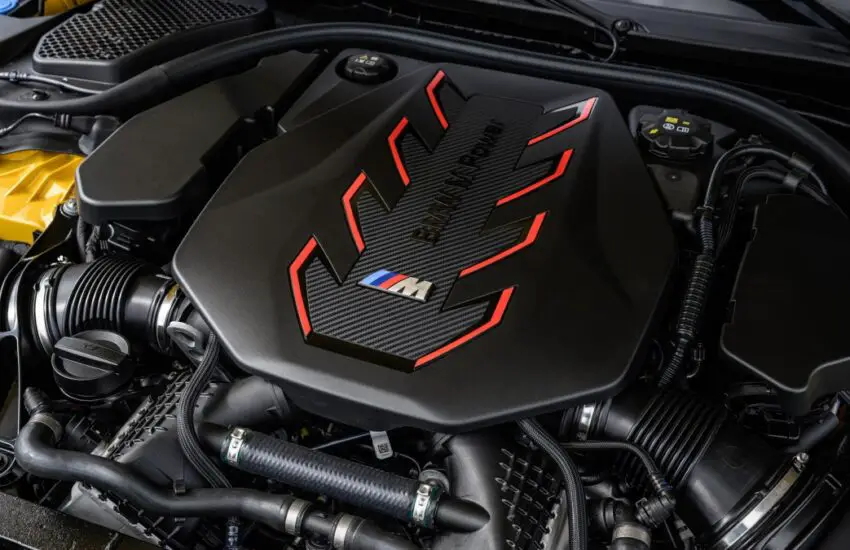
In an industry racing toward an electric future, BMW has made a definitive statement about the enduring value of legendary performance. The German automaker has officially confirmed it will continue developing, producing, and offering vehicles equipped with V8 and V12 engines. This strategic decision underscores a commitment to a segment of enthusiasts and clients for whom the emotional driving experience remains paramount.

Engineering Icons Defy Industry Trends

While virtually all manufacturers are pivoting resources to electric vehicle platforms, BMW’s announcement highlights a different path for its flagship and high-performance models. The V12, a symbol of ultimate smoothness and refinement, and the V8, the heart of the brand’s most dynamic M models, are considered integral to BMW’s identity. This move is not about resisting change but about offering a diversified portfolio that caters to varied global markets and customer desires long into the next decade.

The Synergy of Electrification and Performance

BMW’s strategy is more nuanced than a simple preservation of old technology. The company envisions a future where high-performance combustion engines can coexist with and even be enhanced by electrification. This could take the form of sophisticated hybrid systems, where electric motors provide instant torque to complement the power and character of a V8 or V12. This approach allows BMW to reduce overall emissions in these vehicles while preserving the unique sensory feedback that defines them.

This commitment provides clarity for the automotive world. It signals that for certain premium segments, the transition to electrification will be a journey of integration, not immediate replacement. BMW is betting that the sound, feel, and heritage of these iconic powertrains will continue to hold significant value, ensuring that the thrill of driving a supreme combustion-engine machine remains a part of the automotive landscape.

BMW P149A Code: Exhaust Flap Control Circuit Explained & Fixed

Understanding the BMW P149A Diagnostic Trouble Code

The OBD2 diagnostic trouble code P149A is a manufacturer-specific code for BMW vehicles, indicating a malfunction within the exhaust flap control system. In generic terms, it is defined as “Exhaust Flap Control Circuit.” This system is not merely for sound enhancement; it is a critical component of the vehicle’s engine management and emissions strategy. The exhaust flap, typically located in the rear muffler or within the exhaust piping, is an electrically or vacuum-operated valve that modulates exhaust gas flow. By opening and closing under specific engine load and RPM conditions, it optimizes backpressure, enhances low-end torque, and can influence the exhaust note. When the Engine Control Unit (ECU) detects an irregularity in the control circuit’s voltage, resistance, or feedback signal, it logs code P149A and often illuminates the check engine light.

Primary Function of the Exhaust Flap System

The exhaust flap actuator is a servo motor or solenoid that physically opens and closes a butterfly valve inside the exhaust. Its operation is precisely timed by the ECU based on data from various sensors.

  • At Low RPM/Idle: The flap is usually closed or partially closed. This increases backpressure, which improves cylinder scavenging and low-end torque response.
  • At High RPM/Full Throttle: The flap opens fully. This reduces backpressure, allowing exhaust gases to exit more freely, maximizing high-RPM horsepower and efficiency.
  • Emissions & Sound Management: The system also helps in warming up the catalytic converters faster and can be used to control exhaust sound levels for cabin comfort and noise regulations.

Common Symptoms and Causes of P149A

Ignoring a P149A code can lead to suboptimal engine performance and, in some cases, trigger other related fault codes. Recognizing the symptoms is the first step in diagnosis.

Typical Symptoms of a Faulty Exhaust Flap

  • Illuminated Check Engine Light (CEL): The most common and immediate indicator.
  • Reduced Low-End Torque: A noticeable sluggishness during initial acceleration.
  • Altered Exhaust Sound: The exhaust note may be constantly too loud (if stuck open) or unusually muted (if stuck closed).
  • Drivetrain Malfunction Message: In some BMW models, a “Drivetrain Malfunction” warning may appear on the iDrive screen.
  • No Immediate Driveability Issues: In many cases, the car may drive normally aside from the warning light.

Root Causes of the P149A Fault Code

The code points to an issue in the “control circuit,” which encompasses all electrical and mechanical components between the ECU command and the flap’s physical movement.

  • Failed Exhaust Flap Actuator/Motor: The most frequent culprit. The internal electric motor, gears, or mechanism can wear out, seize, or short circuit.
  • Electrical Issues: This includes damaged wiring harnesses, corroded connectors, blown fuses, or poor electrical grounds related to the actuator circuit.
  • Mechanical Binding of the Flap Valve: Carbon buildup, rust, or physical damage can cause the butterfly valve itself to seize in the open or closed position.
  • Faulty Engine Control Unit (ECU): Although rare, a software glitch or internal ECU driver circuit failure can cause this code.

Step-by-Step Diagnostic and Repair Procedures

A systematic approach is essential to correctly diagnose and resolve a P149A code. Avoid simply replacing parts without verification.

Step 1: Initial Scan and Visual Inspection

Begin with a professional-grade OBD2 scanner capable of reading BMW-specific codes and live data. Confirm P149A is present and check for any accompanying codes. Then, perform a thorough visual inspection under the vehicle.

  • Locate the exhaust flap actuator (usually on the muffler).
  • Inspect the wiring harness for chafing, burns, or rodent damage.
  • Check the electrical connector for corrosion, moisture, or bent pins.
  • Manually attempt to move the flap linkage (if accessible) to check for binding. Caution: The exhaust will be hot if the engine was recently running.

Step 2: Electrical Circuit Testing

Using a digital multimeter (DMM), test the actuator circuit with the connector disconnected.

  • Power and Ground: Check for battery voltage (typically 12V) at the appropriate pin with the ignition on. Verify a clean ground connection.
  • Actuator Resistance: Measure the resistance across the actuator motor terminals. Consult a repair database (like ISTA or a service manual) for the specific Ohm range. An open circuit (infinite resistance) or a short (near zero resistance) indicates a faulty actuator.
  • Signal & Feedback Wires: Some actuators have potentiometer feedback wires. Check these for proper voltage ranges as per technical documentation.

Step 3: Actuator Function Test and Final Repair

Many advanced scan tools have a bi-directional control function, allowing you to command the exhaust flap open and closed. Listen for a whirring or clicking sound from the actuator. If there is no sound, but power and ground are confirmed, the actuator is likely dead. If it makes noise but the flap doesn’t move, the internal linkage or the valve itself is seized.

  • Repair 1: Actuator Replacement: If the actuator is faulty, it is usually replaced as a unit. Ensure the new actuator is correctly calibrated/adapted using your diagnostic tool.
  • Repair 2: Freeing a Seized Valve: If the valve is stuck due to carbon, carefully applying a penetrating lubricant and working it free may be a temporary fix, but replacement of the muffler section is often the permanent solution.
  • Repair 3: Wiring Repair: Solder and seal any damaged wires, and replace corroded connectors.

After repairs, clear the fault codes and perform a test drive to ensure the code does not return. Monitor live data to see the flap position parameter change during driving.

Technical Implications and Long-Term Considerations

While a P149A code may not strand you on the side of the road, it has important technical implications for your BMW’s operation and health.

Impact on Engine Performance and Emissions

A stuck-open flap may slightly reduce low-speed torque but is generally less harmful. A stuck-closed flap is more problematic, as it creates excessive backpressure at high RPM, potentially leading to increased engine temperatures, reduced power output, and over time, increased stress on engine components. The incorrect exhaust flow can also slightly impact the efficiency of the catalytic converters.

To Delete or Not to Delete?

Some owners opt for an “exhaust flap delete,” either by physically wiring the valve open or using a coding/software solution to disable the system and the associated error code. While this can provide a consistent exhaust sound, it is important to understand the trade-offs:

  • Potential Performance Loss: You may lose the engineered low-RPM torque benefit.
  • Emissions Compliance: Modifying emissions-related systems may affect regulatory compliance.
  • Best Practice: For optimal vehicle operation as designed by BMW, diagnosing and repairing the fault is the recommended course of action.

Addressing a P149A code promptly restores your BMW’s engineered performance characteristics, ensures all systems are operating in harmony, and keeps your check engine light off for a clean dashboard and peace of mind.

Honda’s Methodical F1 Engine Strategy for 2026

A Calculated Approach to Power Unit Development

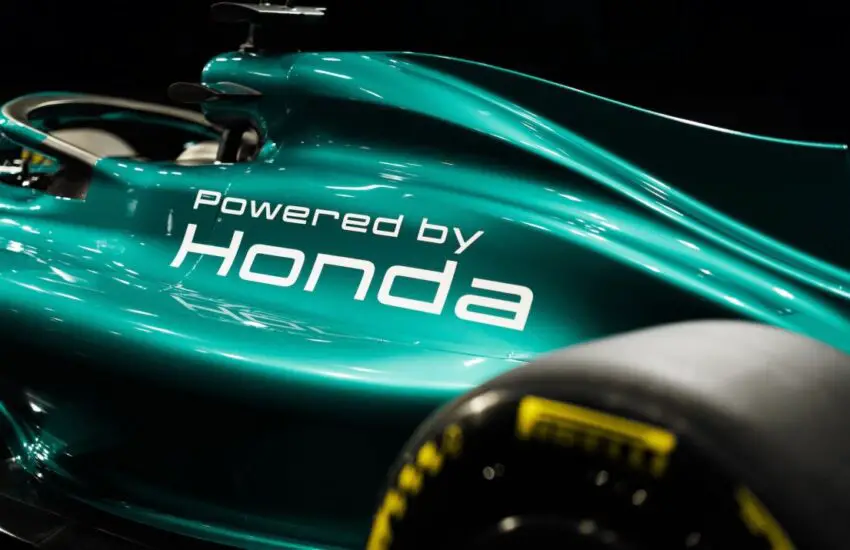
As the 2026 Formula 1 season approaches, a clear philosophical divide is emerging between power unit suppliers. Honda has unveiled its RA626H power unit, signaling a commitment to a deliberate and methodical development path. This strategy stands in contrast to the more impatient stance of its partner team, Aston Martin, which is delaying the full reveal of its new car. Honda’s early technical disclosure highlights a confidence built on structured, long-term engineering.

The Significance of the RA626H Reveal

The presentation of the RA626H is more than a simple launch. It marks a pivotal moment for Honda’s global racing division, HRC, now consolidated as a worldwide entity. The new power unit features Honda’s latest corporate branding, symbolizing a renewed and focused commitment to Formula 1’s next era. By revealing the engine well before pre-season testing begins in Barcelona, Honda demonstrates a transparent and confidence-driven approach, aiming to build operational momentum with its technical teams.

Methodology Over Haste in a New Era

The 2026 season introduces sweeping new technical regulations, particularly for power units, with a greater emphasis on sustainable fuels and electrical energy. In this complex environment, Honda’s strategy prioritizes reliability and integration from the outset. A methodical development cycle allows for extensive simulation, bench testing, and iterative refinement. This reduces the risk of fundamental flaws that can derail a season, believing that a solid, reliable foundation is crucial before pursuing aggressive performance gains.

This patient philosophy will soon face its first real-world test. While Aston Martin’s delayed car launch suggests a race against time to optimize the chassis-engine package, Honda’s early engine freeze allows the team to focus on seamless integration. The success of either approach will ultimately be measured on the track, but Honda is betting that a disciplined, step-by-step process will provide the most sustainable path to victory in the demanding new regulatory landscape.

Nissan Leaf 2026: The Affordable EV That Delivers

The 2026 Nissan Leaf: A New Benchmark for Value

In an era of soaring electric vehicle prices, one automaker is poised to deliver a compelling combination of range and affordability. The 2026 Nissan Leaf represents the arrival of the model’s second generation, positioning itself as a true value proposition in the competitive EV market.

Range Meets Accessibility

The upcoming Nissan Leaf is expected to offer a significant leap in capability. Early indications suggest it will provide nearly 500 kilometers of range on a single charge, a figure that addresses the primary concern for many potential EV buyers. Achieving this for a target price around 30,000 euros makes it a standout offer, proving that practical electric mobility does not have to come with a premium price tag.

Evolution in Design and Promise

While building on the legacy of the world’s first mass-market electric car, the 2026 Leaf is set to introduce a refreshed and modern design language. This new generation moves beyond its role as a pioneer to become a more polished and desirable vehicle. It promises to blend its proven efficiency with enhanced style and updated technology, aiming to win over a broader audience looking for a sensible yet attractive electric car.

The strategy is clear: deliver a no-compromise package where long-range capability, contemporary aesthetics, and an accessible price point converge. By focusing on these core pillars, Nissan aims to make electric driving a realistic option for more people than ever before.

OBD2 Code P149A: Exhaust Gas Recirculation (EGR) Valve Position Sensor Performance

Understanding the P149A Diagnostic Trouble Code

The OBD2 code P149A is a manufacturer-specific diagnostic trouble code (DTC) that indicates a performance or rationality problem with the Exhaust Gas Recirculation (EGR) valve position sensor. This code is not generic; it is primarily associated with Chrysler, Dodge, Jeep, and Ram vehicles (often under the FCA/Stellantis umbrella). When the Powertrain Control Module (PCM) detects that the actual reported position of the EGR valve does not match the commanded position or falls outside a predetermined expected range, it will log code P149A and illuminate the Check Engine Light.

What is the EGR System and Why is it Important?

The Exhaust Gas Recirculation system is a critical emissions control component. It works by recirculating a small, metered amount of inert exhaust gas back into the engine’s intake manifold. This process lowers the combustion chamber temperature, which in turn reduces the formation of harmful nitrogen oxides (NOx). The EGR valve, controlled by the PCM via vacuum or an electric actuator, opens and closes to regulate this flow. The position sensor, typically a potentiometer integrated into the valve assembly, provides real-time feedback to the PCM on the valve’s exact pintle position.

The Role of the EGR Valve Position Sensor

This sensor is the “eyes” of the PCM for the EGR system. It converts the mechanical movement of the valve into a variable voltage signal. The PCM constantly monitors this signal. If the signal is erratic, out of range, or indicates a position that is illogical for the current engine operating conditions (e.g., the valve is reported as 20% open when the PCM commanded it to be fully closed), the PCM interprets this as a performance fault and triggers P149A.

Symptoms and Causes of Code P149A

Ignoring a P149A code can lead to drivability issues and failed emissions tests. Recognizing the symptoms is the first step in diagnosis.

Common Symptoms of a P149A Fault

  • Illuminated Check Engine Light (MIL): The most immediate and common sign.
  • Rough Idle or Stalling: Incorrect EGR flow can disrupt the air-fuel mixture at low engine speeds.
  • Poor Engine Performance: Hesitation, lack of power, or sluggish acceleration.
  • Increased Nitrogen Oxide (NOx) Emissions: This will cause a vehicle to fail a tailpipe emissions test.
  • Engine Knocking or Pinging: In some cases, with the EGR system inoperative, combustion temperatures rise, potentially causing detonation.

Root Causes of the P149A Code

The fault can originate from electrical, mechanical, or control system issues.

  • Faulty EGR Valve Position Sensor: The internal potentiometer can wear out, become contaminated, or fail electrically.
  • Carbon-Clogged EGR Valve: Heavy carbon deposits can physically restrict the valve’s movement, preventing it from reaching the commanded position.
  • Wiring or Connector Issues: Damaged wiring harnesses, corroded pins, or loose connections to the EGR valve/sensor can interrupt or corrupt the signal.
  • Vacuum Supply Problems (Vacuum-Operated Valves): Leaks, cracked hoses, or a faulty vacuum solenoid can prevent proper valve actuation.
  • Faulty EGR Valve Actuator: The electric motor or diaphragm that moves the valve may be weak or seized.
  • Rare: PCM Software Glitch or Failure: In isolated instances, a PCM software issue or internal fault may cause erroneous diagnosis.

Professional Diagnostic and Repair Procedure

A systematic approach is essential to correctly diagnose and fix a P149A code. Always begin with a visual inspection and consult vehicle-specific service information for wiring diagrams and testing specifications.

Step 1: Preliminary Inspection and Data Monitoring

Start by performing a thorough visual inspection of the EGR valve, all associated vacuum hoses (if applicable), and the electrical connector. Look for cracks, carbon leaks, and corrosion. Next, using a professional-grade OBD2 scanner, monitor the EGR valve position sensor data PID (Parameter ID). Command the valve to open and close using the scanner’s bidirectional controls, if available. Observe if the reported position percentage changes smoothly and accurately in response to commands. A sticky or non-responsive valve will be apparent here.

Step 2: Electrical Circuit Testing

If the valve does not move correctly, electrical testing is required. With the connector disconnected and the ignition OFF, check for:

  • Reference Voltage (Vref): Typically 5 volts supplied from the PCM.
  • Ground Circuit: Check for continuity to a good chassis ground.
  • Signal Circuit: With the connector reconnected and the engine running, back-probe the signal wire. The voltage should change smoothly as the EGR is commanded (e.g., 0.5V closed, 4.5V open). An erratic or fixed voltage indicates a faulty sensor or poor connection.

Step 3: Mechanical and Functional Testing

For vacuum-operated valves, apply manifold vacuum directly to the valve diaphragm with the engine idling. The engine should stumble or stall as the EGR flow increases. For electronic valves, physical inspection for carbon buildup is crucial. A valve that is heavily carbon-fouled may need cleaning or replacement.

Step 4: Repair and Clearance

Based on your findings:

  • Clean the EGR Valve: If carbon is the issue, use a dedicated EGR/carburetor cleaner and a soft brush. Ensure the pintle moves freely.
  • Repair Wiring: Solder and seal any broken wires or replace damaged connectors.
  • Replace the EGR Valve Assembly: This is the most common fix for P149A, as the sensor is usually non-serviceable and integrated into the valve.

After repair, clear the code with your scanner and perform a test drive to ensure the code does not return and that all driveability symptoms are resolved.

Prevention and Long-Term Maintenance

Preventing a recurrence of P149A involves addressing the root cause of carbon buildup and maintaining the electrical system.

Tips to Avoid Future EGR Issues

  • Use Top Tier detergent gasoline to help minimize carbon deposits.
  • Follow the manufacturer’s recommended service intervals, including air filter changes to ensure proper airflow.
  • Address any engine performance issues (misfires, rich/lean conditions) promptly, as they can exacerbate carbon formation.
  • Periodically inspect the EGR valve and related hoses during routine maintenance, especially in high-mileage vehicles.

While the P149A code points specifically to a sensor performance issue, it is almost always a symptom of a broader problem with the EGR valve itself. A methodical diagnosis will save time and money compared to simply replacing parts. For complex electrical diagnostics or if a PCM fault is suspected, consulting a professional automotive technician is highly recommended.

Jaguar Stands Firm on All-Electric Future, Denies Hybrid Shift

Jaguar Rejects Hybrid Rumors, Doubles Down on Electric Vision

In a bold move that defies current industry trends, Jaguar has publicly denied rumors of a strategic pivot towards hybrid vehicles. Recent speculation, fueled by a challenging global market for electric vehicles (EVs), suggested the British automaker might soften its ambitious “Reimagine” strategy. However, Jaguar’s leadership has categorically dismissed these reports, reaffirming an uncompromising commitment to becoming an all-electric luxury brand by 2025.

Navigating Against the Current

Jaguar’s steadfast position is notable as several major manufacturers recalibrate their electrification timelines, citing slower-than-expected consumer adoption and infrastructure challenges. This industry-wide hesitation has seen renewed investment in hybrid technologies as a transitional solution. Jaguar’s choice to proceed full-speed towards a purely electric portfolio highlights a high-risk, high-reward strategy aimed at completely reinventing its brand identity. The goal is to transcend its traditional market position and emerge as a direct competitor to ultra-luxury, tech-forward marques.

The Road to Reinvention

The journey to an all-electric lineup is central to Jaguar’s plan for radical reinvention. The first step in this new chapter will be the launch of a new range of electric vehicles, starting with a four-door GT model in 2025. Promising remarkable performance, with power outputs surpassing any previous Jaguar road car, this vehicle is designed to be a statement of intent. This clean-sheet approach allows Jaguar to build modern electric vehicles without the design compromises of adapted platforms, targeting a new generation of affluent, design-conscious buyers.

By silencing the rumors of a hybrid detour, Jaguar has made its direction unequivocally clear. The company is betting its future on creating a distinct, desirable, and exclusively electric luxury experience, aiming to secure a unique and sustainable position in the automotive landscape of tomorrow.