Volkswagen P1498 Code: Secondary Air Injection System Malfunction Explained

Understanding the Volkswagen P1498 OBD2 Diagnostic Code

The OBD2 diagnostic trouble code (DTC) P1498 is a manufacturer-specific code for Volkswagen, Audi, Seat, and Skoda vehicles. Its generic definition is “Secondary Air Injection System, Bank 1 – Malfunction.” This system, often abbreviated as SAI, is a critical emissions control component designed to reduce hydrocarbon (HC) and carbon monoxide (CO) emissions during a cold engine start. When the P1498 code is stored in the Engine Control Module (ECM), it indicates the ECM has detected an irregularity in the operation or monitoring circuit of the secondary air injection system for the first bank of cylinders (Bank 1). Ignoring this code can lead to failed emissions tests, reduced engine performance, and potential long-term damage to the catalytic converter.

Technical Function and Common Causes of P1498

The secondary air injection system’s primary role is to introduce fresh air into the exhaust manifold immediately after a cold start. This extra oxygen helps “afterburn” unburnt fuel, rapidly heating the catalytic converter to its optimal operating temperature. This process significantly reduces cold-start emissions. A P1498 code is triggered when the ECM’s diagnostic logic sees a discrepancy between the expected and actual behavior of this system.

Core Components of the Secondary Air Injection System

  • Secondary Air Injection Pump (Combi Valve / Air Pump): An electric pump that draws in ambient air and forces it into the exhaust stream.
  • Secondary Air Injection Valve (SAI Valve / Switching Valve): A vacuum or electrically-operated valve that controls the flow of air from the pump to the exhaust manifold.
  • Vacuum Solenoid (N112 Valve): On many models, this solenoid controls vacuum supply to the SAI valve.
  • SAI System Relay: Provides high-current power to the electric air pump.
  • Check Valves: Prevent hot exhaust gases from flowing back into the pump and hoses, which could cause damage.
  • Related Hoses and Vacuum Lines: Network of tubing connecting the components.

Most Frequent Causes of a P1498 Code

  • Failed Secondary Air Pump: The most common culprit. The electric motor seizes, bearings fail, or the internal impeller breaks.
  • Faulty or Clogged Secondary Air Injection Valve: The valve can stick open or closed, or become clogged with carbon deposits.
  • Vacuum Leaks or Faulty Solenoid (N112): Cracked, disconnected, or perished vacuum lines, or a failed solenoid, prevent proper valve actuation.
  • Electrical Issues: Blown fuse, faulty SAI relay, corroded wiring, or poor electrical connections to the pump or valve.
  • Failed Check Valves: A stuck or leaking check valve allows exhaust gases to enter and destroy the air pump.
  • Blocked or Cracked Air Hoses: Hoses can become brittle, crack, or get blocked by debris.
  • Rare: Faulty Engine Control Module (ECM): While uncommon, a software glitch or internal ECM fault can incorrectly trigger the code.

Diagnosis and Repair Procedures for P1498

Proper diagnosis is key to an effective and cost-efficient repair. A systematic approach will save time and prevent unnecessary part replacement. Always begin with a visual inspection and use a professional OBD2 scanner capable of reading Volkswagen-specific live data and performing output tests.

Step 1: Initial Inspection and Live Data Monitoring

With the engine cold, clear the code and start the engine. The secondary air system typically runs for 90-120 seconds after a cold start. Listen carefully near the passenger-side firewall or fender for the distinct sound of the air pump motor running. If it’s silent, the pump isn’t activating. Use your scanner to monitor the “Secondary Air System” readiness monitor or specific PID (Parameter ID) for pump activation. Also, check all related fuses and the SAI relay (often in the under-hood fuse/relay box).

Step 2: Testing the Secondary Air Pump and Electrical Circuit

If the pump doesn’t run, perform electrical tests. Disconnect the pump’s electrical connector. Check for battery voltage (typically 12V) at the connector when the system is commanded on (during a cold start or using a scanner’s output test function). If voltage is present but the pump doesn’t run, the pump is faulty. If no voltage is present, trace the circuit back through the relay, fuse, and wiring. You can also bench-test the pump by applying direct 12V power to its terminals; it should run smoothly.

Step 3: Checking the Valves, Solenoids, and Vacuum System

Inspect all vacuum lines for cracks, disconnections, or brittleness. Test the vacuum solenoid (N112) for proper resistance (usually 20-40 ohms) and operation. Use a hand-held vacuum pump to test the secondary air injection valve. It should hold vacuum and the internal valve should actuate. Remove and inspect the valve and check valves for carbon clogging or damage. Blow through them to ensure they only allow airflow in one direction.

Step 4: Verifying System Integrity and Final Steps

Inspect the air inlet hose to the pump for blockages (like leaves or rodent nests). Ensure all connecting hoses between the pump, valve, and exhaust manifold are intact. After repairs, clear the code, perform a cold-start drive cycle, and re-scan to confirm the code does not return and that the related emissions monitor completes successfully.

Impact, Prevention, and Professional Considerations

While a car with a P1498 code may still drive seemingly normally, the consequences of neglect are real. The most significant impact is on emissions and the catalytic converter. A non-functioning SAI system means the catalytic converter heats up much slower, allowing more unburnt fuel to pass through. Over time, this can lead to catalytic converter overheating, melting, or clogging—a very expensive repair.

Can You Drive with a P1498 Code?

Technically, yes, for a short period. The vehicle’s drivability and fuel economy are usually not directly affected. However, you will fail any mandatory emissions inspection (smog check). More importantly, prolonged driving can stress the catalytic converter. It is recommended to address the issue promptly to avoid a more costly repair down the line.

Preventive Maintenance Tips

  • During routine service, visually inspect the SAI pump, valves, and associated hoses for signs of wear or damage.
  • Listen for unusual noises from the pump (grinding, screeching) during the first two minutes after a cold start.
  • Address any other engine performance codes (like misfires) immediately, as they can lead to excess carbon fouling of the SAI valves.
  • In regions with harsh winters, be aware that road salt can accelerate corrosion of the pump and its electrical connections.

When to Seek Professional Help

If you are not comfortable with electrical diagnostics, vacuum system testing, or using an advanced OBD2 scanner, seeking a professional Volkswagen/Audi specialist is wise. They have access to factory service information, specialized tools, and the experience to diagnose the issue accurately. Misdiagnosis can lead to replacing expensive parts like the ECM when the problem was simply a $5 vacuum hose or a $30 relay.


Subaru P1498 Code: EGR Valve Lift Sensor Circuit High Input Explained

Understanding the Subaru P1498 Diagnostic Trouble Code

The OBD2 diagnostic trouble code P1498 is a manufacturer-specific code primarily associated with Subaru vehicles. This code indicates a fault within the Exhaust Gas Recirculation (EGR) system, specifically pointing to a “High Input” signal from the EGR valve lift sensor circuit. In simpler terms, the vehicle’s Engine Control Module (ECM) is receiving a voltage signal from the EGR valve position sensor that is higher than the expected normal operating range. This discrepancy triggers the check engine light and stores the P1498 code in the ECM’s memory. A proper understanding of the EGR system’s function is crucial for diagnosing this fault accurately.

What is the EGR System and Why Does It Matter?

The Exhaust Gas Recirculation (EGR) system is a critical emissions control component. Its primary function is to reduce the formation of nitrogen oxides (NOx) by recirculating a small, metered amount of inert exhaust gas back into the engine’s intake manifold. This lowers peak combustion temperatures. The EGR valve, controlled by the ECM, precisely regulates this flow. The lift sensor (or position sensor) on the valve provides real-time feedback to the ECM, confirming the valve’s actual position against the commanded position.

The Role of the EGR Valve Lift Sensor

The EGR valve lift sensor is typically a potentiometer. As the EGR valve opens and closes, the sensor’s resistance changes, sending a corresponding voltage signal back to the ECM (usually between 0.5V and 4.5V). A “High Input” code like P1498 means the ECM is seeing a voltage at or near the top of this range (e.g., 4.5V or even 5V) when it expects a lower value, often indicating the valve is sensed as being fully open or the circuit has a fault.

Common Symptoms and Causes of P1498 in Subaru Vehicles

Ignoring a P1498 code can lead to drivability issues and increased emissions. Recognizing the symptoms is the first step toward a solution.

Symptoms of a P1498 Fault

  • Illuminated Check Engine Light (MIL): The most immediate and common symptom.
  • Rough Idle or Stalling: Incorrect EGR flow can disrupt the air-fuel mixture at idle.
  • Poor Engine Performance: Hesitation, lack of power, or sluggish acceleration may occur.
  • Increased Fuel Consumption: The engine may run less efficiently.
  • Failed Emissions Test: The vehicle will not pass a state inspection due to the active check engine light and faulty EGR system.

Primary Causes of Code P1498

The root cause of a high voltage signal can be electrical or mechanical. A systematic approach is required to pinpoint the exact issue.

  • Faulty EGR Valve Lift Sensor: The internal potentiometer within the valve assembly has failed, sending an incorrect high signal.
  • Wiring or Connector Issues:

    • An open circuit in the sensor signal wire.
    • A short to power (12V) in the sensor signal circuit.
    • Poor electrical connections, corrosion, or damaged wiring harness.
  • Failed or Stuck EGR Valve: The valve itself may be mechanically stuck in an open position, causing the sensor to read high.
  • Carbon Buildup: Heavy carbon deposits can jam the valve mechanism, preventing it from moving correctly.
  • Faulty Engine Control Module (ECM): This is rare, but a malfunctioning ECM could misinterpret a correct sensor signal.

Step-by-Step Diagnostic and Repair Guide for P1498

Proper diagnosis requires a digital multimeter (DMM) and, ideally, a scan tool capable of reading live data. Always disconnect the battery before working on electrical components.

Step 1: Preliminary Inspection and Live Data Check

Begin with a visual inspection of the EGR valve, its wiring harness, and electrical connector for obvious damage, corrosion, or disconnection. Using a scan tool, access the live data stream and observe the EGR valve position sensor parameter (often listed as “EGR Lift” or “EGR Position %”). Compare the reading at idle (valve should be closed, showing a low percentage or voltage) with the reading when you gently rev the engine. A sensor stuck at a very high percentage (e.g., 95-100%) or voltage (e.g., 4.8V) confirms the high input condition.

Step 2: Electrical Circuit Testing

Disconnect the electrical connector from the EGR valve. With the ignition key in the “ON” position (engine off), carefully back-probe the connector on the vehicle harness side using your DMM.

  • Reference Voltage (Vref): Measure between the Vref wire (consult a service manual for pinout) and ground. You should find approximately 5 volts.
  • Signal Wire: Measure the voltage on the signal wire. With the sensor disconnected, this should be very low (near 0V). If you read 5V or 12V here, you have a short to power in the signal circuit.
  • Ground Circuit: Check for continuity between the ground wire and a known good engine ground. Resistance should be very low (less than 5 ohms).

Step 3: Testing the EGR Valve and Sensor

Reconnect the connector. Back-probe the signal wire at the connector. With the engine idling, the voltage should be low (e.g., 0.5-1.2V, indicating a closed valve). Have an assistant gently rev the engine; the voltage should increase smoothly. If the voltage is stuck high (e.g., 4.5V+) regardless of engine operation, the EGR valve/sensor assembly is likely faulty. You can also perform a resistance check on the sensor pins at the valve (disconnected) while manually moving the valve plunger; the resistance should change smoothly without open spots.

Step 4: Repair and Clear Codes

Based on your findings:

  • Repair Wiring: Solder and seal any damaged wires. Clean corroded connectors.
  • Clean the EGR Valve: If carbon buildup is the issue, the valve can sometimes be cleaned with a specialized carburetor/EGR cleaner. Ensure the valve moves freely after cleaning.
  • Replace the EGR Valve Assembly: This is the most common fix for P1498. The lift sensor is usually integrated and not sold separately. Use a high-quality OEM or reputable aftermarket part.

After repair, clear the DTCs with your scan tool. Take the vehicle for a test drive to ensure the code does not return and that drivability is restored.

Prevention and Long-Term Reliability

While some EGR failures are inevitable, maintenance can prolong the system’s life.

Tips to Prevent EGR System Issues

  • Use Top-Tier Fuel: Higher-quality gasoline can help reduce carbon deposit formation.
  • Follow Service Intervals: Regular oil changes and air filter replacements promote cleaner combustion.
  • Drive on the Highway: Periodic sustained engine operation helps burn off carbon deposits in the EGR and intake systems.
  • Address Related Codes Promptly: Codes affecting engine timing, fuel trim, or airflow can put extra strain on the EGR system.

Conclusion: The Subaru P1498 code is a specific but manageable fault. It directs you precisely to the EGR valve lift sensor circuit. By following a logical diagnostic process—inspecting wiring, checking live data, and performing electrical tests—you can reliably identify whether the issue is a broken wire, a carbon-clogged valve, or a failed sensor/valve assembly. Addressing a P1498 code promptly will restore your Subaru’s performance, fuel efficiency, and emissions compliance.

OBD2 Code P1498 MINI: Comprehensive Diagnostic & Repair Guide

Understanding OBD2 Code P1498 in Your MINI

The illumination of the check engine light in your MINI Cooper, accompanied by diagnostic trouble code (DTC) P1498, signals a specific fault within the vehicle’s Evaporative Emission Control (EVAP) system. Unlike generic codes, P1498 is often manufacturer-specific, particularly common in BMW and MINI vehicles. In essence, this code points directly to a malfunction of the Leak Detection Pump (LDP), also known in some documentation as the Diagnostic Module for Tank Leakage (DMTL) pump. This critical component is responsible for pressurizing the fuel tank and its vapor lines to test for leaks that could allow harmful fuel vapors to escape into the atmosphere. A failed test or a malfunctioning pump triggers code P1498.

What is the Leak Detection Pump (LDP)?

The Leak Detection Pump is an electrically-operated air pump integrated into the EVAP system. Its primary function is not during normal driving, but during specific diagnostic cycles run by the engine control module (ECM or DME) after the vehicle is turned off. The pump pressurizes the sealed fuel tank system. The ECM then monitors pressure decay to determine if there is a leak larger than the allowable limit (typically 0.5mm). A failure in this pump or its control circuit prevents this self-test from completing successfully.

Why is Addressing P1498 Important?

While your MINI may seem to drive normally, ignoring a P1498 code has several implications:

  • Failed Emissions Test: The vehicle will not pass mandatory state or local emissions inspections.
  • Reduced System Efficiency: The EVAP system’s ability to capture fuel vapors may be compromised.
  • Potential for Other Issues: A faulty LDP can sometimes cause hard starting or a rough idle after refueling.
  • Underlying Leaks: The code may be masking an actual physical leak in the fuel system, which is a safety concern.

Common Symptoms and Causes of P1498

Recognizing the symptoms can help correlate the stored code with a tangible vehicle issue. The causes range from simple electrical faults to component failure.

Symptoms of a P1498 Fault

  • Illuminated Check Engine Light (MIL) – The most common and often only symptom.
  • Possible “Evaporative System Leak” or similar message on the instrument cluster (in later models).
  • In some cases, a hissing sound from the rear of the vehicle (near the fuel tank) if the LDP is running continuously.
  • Difficulty starting after refueling, or a strong fuel smell (though these often point to larger leaks).

Primary Causes of Code P1498

The root cause is typically centered on the LDP module itself or its supporting components.

  • Failed Leak Detection Pump (LDP/DMTL Pump): The most frequent culprit. The internal motor, pump mechanism, or internal seals wear out.
  • Faulty or Clogged LDP Filter: The pump has a small intake filter that can become clogged with debris, starving the pump of air and causing it to fail its test.

  • Electrical Issues: Damaged wiring, corroded connectors, or a blown fuse (often Fuse #76, 5A or 7.5A, in the glovebox fuse panel) supplying the LDP.
  • Faulty LDP Solenoid/Valve: The internal solenoid that controls airflow within the pump can stick open or closed.
  • Severe EVAP System Blockage or Large Leak: While less common, a massive leak or a completely blocked vent line can prevent the pump from building pressure, mimicking a pump failure.

Step-by-Step Diagnostic Procedure for P1498

A systematic approach is key to correctly diagnosing P1498 and avoiding unnecessary parts replacement. You will need a professional OBD2 scanner capable of reading MINI-specific codes and activating components.

Step 1: Preliminary Checks & Code Verification

Begin with the basics. Use your scan tool to confirm P1498 is present and active. Clear the code and perform a complete drive cycle to see if it returns immediately or only after the vehicle sits. Check the relevant fuse. Visually inspect the LDP (located near the fuel tank, often behind a panel in the right rear wheel well) for obvious physical damage, disconnected hoses, or corroded electrical connectors.

Step 2: Testing the Leak Detection Pump

With a bi-directional scan tool, you can command the LDP to activate. Listen for a distinct humming or buzzing sound from the pump for 15-30 seconds. No sound indicates an electrical problem (power, ground, wiring) or a dead pump. If it runs, you must check its function. A smoke machine test connected to the EVAP system is the professional method to rule out physical leaks. For DIY, you can sometimes feel for slight vacuum/pressure at the pump’s outlet hose when activated (with the hose disconnected).

Step 3: Inspecting the LDP Filter and Ventilation Path

The LDP filter is a critical, often overlooked item. Locate the filter—it’s usually a small cylindrical or rectangular foam piece on the pump housing or in a separate holder in the intake line. Remove and inspect it for dirt, moisture, or clogging. A clogged filter is a very common and inexpensive fix. Also, ensure the vent line from the pump to the atmosphere is not kinked, pinched, or blocked by debris.

Step 4: Electrical Circuit Diagnosis

If the pump does not activate with the scan tool, proceed with electrical testing. Using a multimeter:

  • Check for battery voltage (approx. 12V) at the pump connector with the ignition on.
  • Check for a good ground connection.
  • If power and ground are present but the pump is silent, the pump is faulty.
  • If power is absent, trace the circuit back to the fuse and control module.

Repair Solutions and Replacement Guide

Once the faulty component is identified, repair can commence. The LDP is generally considered a non-serviceable unit and is replaced as an assembly.

Replacing the LDP Filter

If the filter is clogged, this is the first and cheapest repair attempt. Purchase a genuine MINI or high-quality aftermarket LDP filter. Simply remove the old filter, clean the housing if necessary, and install the new one. Clear the code and perform a drive cycle to see if the fault returns.

Replacing the Leak Detection Pump

For a confirmed faulty pump, replacement is straightforward but location can be tight. The pump is typically mounted near the fuel tank. The general procedure involves:

  • Disconnecting the negative battery cable for safety.
  • Removing the wheel and/or liner for access (often in the right rear wheel well).
  • Disconnecting the electrical connector and the two small hoses (note their positions!).
  • Unbolting or unclipping the pump from its bracket.
  • Installation is the reverse. Always install a NEW filter with a new pump.

Important: After replacement, the code must be cleared. The vehicle’s ECM will then need to complete a new series of drive cycles to run the leak detection test and fully confirm the repair. This may take several days of normal driving.

When to Seek Professional Help

If electrical diagnostics are beyond your comfort level, or if you have replaced the pump and filter but the P1498 code persists, the issue may be more complex. A professional technician with a smoke machine and advanced scanner can pinpoint whether a different EVAP component (like a purge valve, vent valve, or a cracked charcoal canister) is the root cause, or if there is a wiring fault to the engine control module.

Hyundai’s 2025 EV Sales Shine in a Challenging Market

Hyundai’s Electric Momentum Defies Market Headwinds

The global automotive landscape in 2025 remains complex, marked by supply chain adjustments and shifting consumer sentiment. Despite these challenges, Hyundai Motor Company has reported a resilient performance, with a particularly bright spot: significant growth in its global sales of fully electric vehicles. This progress underscores the effectiveness of its long-term electrification strategy and growing consumer confidence in its zero-emission lineup.

A Strategic Focus on Electrification Pays Off

Hyundai’s advance in the EV segment is not accidental. It is the result of a concerted effort to launch competitive, desirable electric models across multiple vehicle categories. From popular crossovers like the IONIQ 5 and IONIQ 6 to newer additions to its range, Hyundai has successfully combined innovative design, competitive range, and advanced technology. This diverse portfolio appeals to a broad spectrum of buyers, allowing the brand to capture market share even as overall industry growth slows. The data suggests that Hyundai is successfully converting market interest into concrete sales, building a strong foundation for its future electric ambitions.

Navigating the Broader Market Landscape

While the EV news is positive, Hyundai’s overall results reflect the mixed conditions of the 2025 market. The company has managed its portfolio adeptly, maintaining stability in key regions despite economic pressures. This balanced performance highlights the brand’s operational strength and its ability to manage a dual-track approach: nurturing its growing electric business while sustaining its conventional model lines. The ability to progress in electrification during a difficult period is a key indicator of strategic resilience and operational agility.

The Road Ahead for Electric Mobility

Hyundai’s 2025 sales results send a clear signal about the irreversible shift toward electric mobility. The growth of its zero-emission sales, against a tough backdrop, proves that compelling products can drive adoption. As infrastructure continues to expand and technology evolves, Hyundai’s early-mover commitment in the EV space positions it as a serious contender for leadership in the next era of automotive transport. The coming years will be crucial in scaling this success and solidifying its electric identity.

Mazda P1498 Code: EGR Valve Position Sensor Circuit High Voltage

Understanding the Mazda P1498 Diagnostic Trouble Code

The OBD2 trouble code P1498 is a manufacturer-specific code primarily associated with Mazda vehicles. It is defined as “EGR Valve Position Sensor Circuit High Voltage.” This code indicates that the Engine Control Module (ECM) or Powertrain Control Module (PCM) has detected a voltage signal from the Exhaust Gas Recirculation (EGR) valve position sensor that is consistently higher than the expected normal operating range. Unlike generic codes, P1498 is specific to Mazda’s engine management system, pinpointing an electrical fault within the EGR valve’s feedback circuit. A properly functioning EGR system is critical for reducing nitrogen oxide (NOx) emissions and preventing engine knock, making the diagnosis and repair of this code important for both performance and environmental compliance.

Role of the EGR Valve and Position Sensor

The EGR valve recirculates a small, metered amount of exhaust gas back into the engine’s intake manifold. This lowers combustion temperatures, which in turn reduces the formation of harmful NOx emissions. The EGR valve position sensor, typically a potentiometer built into the valve assembly, provides real-time feedback to the PCM on the valve’s pintle position. This closed-loop control allows the PCM to precisely modulate EGR flow. A high voltage signal from this sensor suggests to the PCM that the valve is reporting a position that is physically impossible (e.g., “more than fully open”), triggering the P1498 code.

Common Symptoms and Causes of P1498 in Mazda Vehicles

When code P1498 is stored, the vehicle may exhibit noticeable drivability issues or, in some cases, very subtle symptoms. It is crucial to address this code promptly, as a malfunctioning EGR system can lead to increased emissions, reduced fuel efficiency, and potential engine damage over time.

Primary Symptoms of a P1498 Fault

  • Illuminated Check Engine Light (MIL): The most immediate and common indicator.
  • Rough Idle or Stalling: Incorrect EGR flow can destabilize the air-fuel mixture at idle.
  • Engine Knocking or Pinging (Detonation): Lack of proper EGR flow raises combustion temperatures.
  • Reduced Engine Performance and Power: The PCM may enter a limp mode, limiting power to protect the engine.
  • Failed Emissions Test: Elevated NOx levels will cause an automatic test failure.

Root Causes of the P1498 Code

The “high voltage” condition points to specific failures in the sensor’s circuit or the sensor itself. Diagnosis should follow a logical path from simple to complex.

  • Faulty EGR Valve Position Sensor: The internal potentiometer has failed, sending an erroneous high signal.
  • Open or Shorted Wiring: A break in the sensor’s signal wire or a short to power (12V) will cause a high voltage reading.
  • Poor Electrical Connections: Corrosion, dirt, or looseness at the EGR valve connector or PCM connector.
  • Failed EGR Valve Assembly: While less common, a mechanically seized valve with a failed sensor can cause this.
  • Issues with the PCM: A rare internal fault in the control module’s sensor reference voltage circuit.

Step-by-Step Diagnostic Procedure for P1498

A systematic approach is essential for an accurate and cost-effective repair. You will need a quality digital multimeter (DMM) and a reliable scan tool capable of reading live data.

Step 1: Preliminary Inspection and Live Data Check

Begin with a visual inspection of the EGR valve, its wiring harness, and electrical connector for obvious damage, corrosion, or carbon buildup. Next, use your scan tool to monitor the EGR Valve Position sensor’s live data (usually displayed as a percentage or voltage). Command the EGR valve open and closed with the scan tool (if bidirectional controls are supported) while watching the sensor feedback. A sensor stuck at a high value (e.g., 4.8V or 95%) regardless of command confirms a circuit or sensor fault.

Step 2: Electrical Circuit Testing

Disconnect the electrical connector from the EGR valve. With the ignition key in the ON position (engine off), back-probe the connector using your DMM.

  • Reference Voltage (Vref): Measure between the sensor’s Vref wire (consult a wiring diagram) and ground. You should find a steady 5-volt supply from the PCM.
  • Signal Voltage: Measure between the sensor’s signal wire and ground. With the connector disconnected, this should typically be very low (near 0V) or show an “open circuit” voltage.
  • Ground Circuit: Check the continuity of the ground wire from the connector to a known good engine ground. Resistance should be very low (less than 5 ohms).

If Vref is missing or incorrect, check wiring back to the PCM. If Vref is good, proceed to test the sensor itself.

Step 3: Sensor and Valve Testing

Test the EGR valve position sensor’s internal potentiometer using the ohmmeter function on your DMM. Connect the probes to the sensor’s signal and ground terminals (again, refer to a diagram for pinouts). Slowly move the EGR valve pintle by hand or with a vacuum pump (if applicable). The resistance should change smoothly without any gaps or spikes. An infinite resistance (open) or erratic reading indicates a failed sensor. Also, verify the EGR valve moves freely and is not carbon-locked.

Repair Solutions and Prevention Tips

Once the faulty component is identified, the repair path becomes clear. Always clear the DTCs and perform a test drive to verify the fix.

Common Repair Procedures

  • Repairing Wiring Harness: Splice, solder, and seal any broken or shorted wires. Use conduit to protect the repair.
  • Cleaning Connectors: Use electrical contact cleaner and a brush to remove corrosion from terminals.
  • Replacing the EGR Valve Assembly: Most modern Mazdas have the position sensor integrated into the valve. Replacement of the entire unit is often the most reliable fix. Ensure the mounting surface and new gasket are clean.
  • PCM Replacement/Reprogramming: This is a last resort and should only be done after all other circuits are confirmed good, preferably with professional equipment.

Preventing Future EGR System Issues

Regular maintenance can extend the life of the EGR system. Using Top Tier fuel can minimize carbon deposits. Periodically using a quality fuel system cleaner can help keep intake passages cleaner. For high-mileage vehicles in stop-and-go traffic, a professional intake and EGR service cleaning may be a worthwhile preventative measure to avoid carbon-related failures.

Volvo EX60 2026: The 500-Mile Electric SUV Arrives

Redefining Electric Range: The Volvo EX60

Volvo has officially unveiled the first details of its next-generation electric vehicle, the EX60 SUV. Slated for a 2026 release, this model is poised to set a new benchmark in the premium electric SUV segment with a staggering estimated range of 810 kilometers (over 500 miles). This announcement signals Volvo’s intensified commitment to combining luxury, safety, and long-distance electric mobility.

A New Design Language and Platform

The EX60 will be among the first Volvo models built on a completely new, dedicated electric architecture. This next-generation platform is engineered specifically for battery-electric vehicles, promising enhanced interior space, improved dynamics, and superior energy efficiency. Early preview images suggest a sleek, aerodynamic silhouette that evolves Volvo’s Scandinavian design principles with a more streamlined and modern appearance, directly contributing to its remarkable range figures.

Technology and Performance Preview

While full technical specifications remain under wraps, the targeted 810-km range indicates significant advancements in battery cell density and vehicle energy management. The EX60 is expected to feature ultra-fast charging capabilities, cutting-edge driver-assistance systems rooted in Volvo’s safety legacy, and a minimalist, sustainable interior cabin. This SUV aims to eliminate range anxiety for most drivers, making long journeys as effortless as in a conventional vehicle.

The Future of Volvo’s Electric Lineup

The EX60 represents a critical step in Volvo’s ambitious plan to become a fully electric car maker by 2030. Positioned as a key model in the expanding “EX” family, it will bridge the gap between existing offerings like the EX90 and EX30, targeting the heart of the luxury market. By pushing the boundaries of range, Volvo is not just launching a new car but making a definitive statement about the practical future of premium electric travel.

The Surprising Truth About Electric Car Mileage

Beyond Sales Figures: How Electric Cars Are Really Used

A modern electric car being driven on a scenic road

While electric vehicle (EV) sales figures dominate headlines, a more revealing metric often goes unnoticed: how much these cars are actually driven. New data presents a surprising contrast to the common perception of EVs as secondary vehicles.

The Mileage Revelation

Analysis of real-world usage shows that battery electric vehicles are, on average, driven significantly more annually than their gasoline counterparts in similar segments. This finding challenges the assumption that range limitations confine EVs to short, local trips. The convenience of home charging and lower per-mile energy costs appear to encourage more frequent use for daily commutes and regular errands.

Shifting the Narrative from Ownership to Utilization

Focusing solely on the total number of EVs on the road provides an incomplete picture. A smaller percentage of highly utilized vehicles can have a greater cumulative environmental impact than a larger number of rarely used cars. This high utilization rate is a key indicator of successful integration into owners’ lifestyles, suggesting that EVs are effectively replacing conventional car trips rather than just supplementing them.

Implications for Infrastructure and Perception

This data has important implications. It underscores the need for robust, reliable public charging networks to support this high mileage, especially for drivers without access to home charging. Furthermore, it helps counter lingering doubts about the practicality of electric cars for everyday life, demonstrating that current technology already meets the demands of most drivers.

KIA P1498 Code: EGR Valve Lift Sensor Circuit High Voltage Explained

Understanding the KIA P1498 Diagnostic Trouble Code

The OBD2 diagnostic trouble code P1498 is a manufacturer-specific code commonly encountered in KIA (and Hyundai) vehicles. It is defined as **”EGR Valve Lift Sensor Circuit High Voltage.”** This code indicates that the vehicle’s Engine Control Module (ECM) has detected an abnormally high voltage signal from the Exhaust Gas Recirculation (EGR) valve’s lift or position sensor. Essentially, the ECM is reading a signal that suggests the EGR valve is open more than it physically is, or it’s receiving a signal outside the expected operational range, typically above 4.5 volts. A properly functioning EGR system is critical for reducing nitrogen oxide (NOx) emissions and managing combustion temperatures.

Role of the EGR Valve and Lift Sensor

The EGR valve recirculates a small, metered amount of inert exhaust gas back into the engine’s intake manifold. This lowers combustion temperatures, which in turn reduces the formation of harmful NOx emissions. The EGR valve lift sensor, often a potentiometer built into the valve assembly, provides real-time feedback to the ECM on the valve’s exact position (how far it’s open). This closed-loop control allows the ECM to precisely modulate EGR flow for optimal performance and emissions.

How the P1498 Code is Triggered

The ECM supplies a 5-volt reference signal to the lift sensor and monitors the return signal on a separate wire. As the valve moves, the sensor’s resistance changes, altering the return voltage. The ECM expects this signal to stay within a predetermined range (e.g., 0.5V to 4.5V). If the signal remains persistently high (e.g., near 5V or an open-circuit voltage) for a set period, the ECM interprets this as a fault and stores the P1498 code, illuminating the Check Engine Light.

Symptoms and Effects of a P1498 Code

Ignoring a P1498 code can lead to drivability issues and potential long-term engine problems. The symptoms can range from subtle to very noticeable, depending on the vehicle’s operating conditions and the failure’s severity.

Common Driver-Notable Symptoms

  • Illuminated Check Engine Light (MIL): The primary and most common indicator.
  • Rough Idle or Stalling: With faulty EGR feedback, the ECM may disable the EGR system entirely, which can cause a rough idle, especially when the engine is cold.
  • Poor Engine Performance: You may experience hesitation, lack of power, or sluggish acceleration.
  • Increased Fuel Consumption: An inoperative EGR system can lead to less efficient combustion under certain loads.
  • Failed Emissions Test: The vehicle will likely not pass a state emissions inspection due to the active fault code and potentially elevated NOx levels.

Potential Long-Term Consequences

While the vehicle may still be drivable, a persistent P1498 code means the ECM has likely defaulted to a “fail-safe” mode, disabling the EGR system. This leads to higher combustion temperatures, which can increase thermal stress on engine components like the cylinder head, valves, and the catalytic converter. Over time, this can contribute to pre-ignition (knock) under load and potentially damage the expensive catalytic converter.

Diagnosing the P1498 Code: A Step-by-Step Guide

Diagnosis requires a systematic approach, starting with the simplest checks before moving to component replacement. You will need a quality digital multimeter and a scan tool capable of reading live data.

Step 1: Preliminary Checks and Code Verification

Begin by using your OBD2 scanner to confirm the presence of P1498 and check for any other related codes (like P0401 for insufficient EGR flow, which often accompanies a sensor fault). Clear the code and perform a test drive to see if it returns immediately (indicating a hard fault) or only under specific conditions (an intermittent fault). Visually inspect the EGR valve and its electrical connector for obvious damage, corrosion, or loose pins.

Step 2: Electrical Circuit Testing with a Multimeter

This is the core of the diagnosis. With the engine off and the EGR valve connector disconnected:

  • Check Power (Reference Voltage): Probe the connector’s reference voltage wire (consult a vehicle-specific wiring diagram) with the ignition ON. You should measure approximately 5 volts.
  • Check Ground: Probe the ground wire. It should show continuity to chassis ground (0 ohms).
  • Check Signal Circuit: Probe the signal wire back to the ECM for continuity and check for a short to power.

If the 5V reference or ground is missing, diagnose that circuit fault first.

Step 3: Testing the EGR Valve Lift Sensor

Measure the resistance across the sensor terminals (usually between the reference and signal pins) on the EGR valve itself. The resistance should change smoothly and progressively as you manually move the valve plunger (if possible). A reading of infinite resistance (open circuit) or no change confirms a failed internal sensor. You can also back-probe the connector with the engine running and observe the live data PID for “EGR Valve Position” or “EGR Duty Cycle”; a stuck high reading (e.g., 95% or 4.8V) confirms the fault.

Repair Solutions for the P1498 Code

Once the faulty component is identified, the repair path becomes clear. The most common fix is replacing the EGR valve assembly, as the lift sensor is typically integrated and not sold separately.

Replacing the EGR Valve Assembly

This is the most frequent repair. Ensure you purchase a quality OEM or reputable aftermarket EGR valve specific to your KIA’s model, engine, and year. The procedure generally involves:

  • Disconnecting the negative battery terminal.
  • Removing the electrical connector and any vacuum lines (if applicable).
  • Unbolting the valve from the intake manifold or cylinder head (often two bolts).
  • Thoroughly cleaning the mounting surface of old gasket material.
  • Installing the new valve with a new gasket, torquing bolts to specification.
  • Reconnecting all electrical and vacuum lines.

After replacement, clear the DTCs, reconnect the battery, and perform an ECM readiness drive cycle.

Addressing Wiring Harness Issues

If testing revealed a problem with the wiring harness (chafed wire, short to power, broken wire), this must be repaired. Use solder and heat-shrink tubing for a permanent, reliable repair. Avoid using simple crimp connectors or electrical tape in the engine bay, as they are prone to failure from heat and vibration.

Post-Repair Verification and ECM Reset

After the repair, clear all codes. Use your scan tool to monitor the live EGR position data; it should now fluctuate normally with engine load. The Check Engine Light should remain off. A successful repair is confirmed when the code does not return after several drive cycles, and all emissions monitors set to “Ready” status.

Mazda’s EV Strategy Shifts Gears, In-House Models Delayed

Mazda Pumps the Brakes on Electric Vehicle Plans

A significant strategic pivot appears to be underway at Mazda. Recent industry analysis suggests the Japanese automaker is slowing the development of its dedicated, in-house electric vehicle platform. This move signals a potential delay of up to two years for the launch of Mazda’s first fully self-engineered EVs, marking a cautious recalibration of its electrification roadmap.

Partnerships Proceed as Proprietary Development Lags

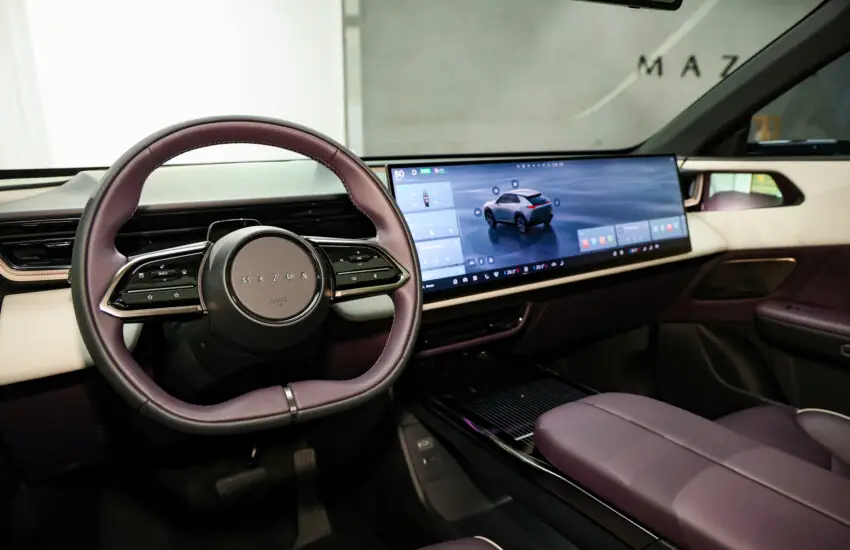
This strategic hesitation comes despite Mazda’s recent expansion of its electric lineup. The company has just introduced two new battery-electric models developed through its partnership with Chinese giant Changan Auto. These collaborative vehicles allow Mazda to maintain a presence in the growing EV market while mitigating the immense research, development, and production costs associated with creating a ground-up electric architecture.

The contrast between advancing partnership projects and slowing in-house development highlights a pragmatic, perhaps risk-averse, approach. It allows Mazda to leverage external expertise and share financial burdens in a rapidly evolving technological landscape where consumer adoption rates and regulatory frameworks remain in flux.

Analyzing the Strategic Reasoning

Several factors likely contribute to this decision. The global EV market is experiencing intensified competition and price pressures, particularly from established leaders and Chinese manufacturers. For a smaller automaker like Mazda, the capital investment required for a proprietary EV platform is enormous. By potentially delaying its solo project, Mazda may be seeking more clarity on market trends, battery technology advancements, and charging infrastructure rollout before committing fully.

This strategy emphasizes a phased transition. The immediate focus remains on expanding its electrified offerings through hybrids and collaborative EVs, buying time for its engineering teams. The delay could allow Mazda to refine its unique “Jinba Ittai” driving feel for the electric era, ensuring future models retain the brand’s signature character.

Ultimately, Mazda’s move reflects the complex balancing act facing many traditional automakers: meeting regulatory demands and market expectations for electrification while managing financial sustainability and technological uncertainty in a highly competitive field.

OBD2 Code P1498 Jeep: Comprehensive Guide to Diagnosis and Repair

Understanding the Jeep P1498 OBD2 Trouble Code

The OBD2 diagnostic trouble code (DTC) P1498 is a manufacturer-specific code primarily associated with Jeep, Chrysler, and Dodge vehicles. This code indicates a fault within the Evaporative Emission Control (EVAP) system, specifically pointing to the Leak Detection Pump (LDP) Switch or Circuit. The EVAP system is a critical emissions component designed to capture and recycle fuel vapors from the fuel tank, preventing them from escaping into the atmosphere. When the Powertrain Control Module (PCM) detects an irregularity in the LDP’s operation or its feedback circuit, it triggers the P1498 code and illuminates the check engine light.

What is the Leak Detection Pump (LDP)?

The Leak Detection Pump is the heart of the EVAP leak monitoring system in many Jeep models. Unlike traditional systems that use a vacuum-operated purge valve, the LDP is an electrically operated pump that creates a vacuum or pressure within the EVAP system. The PCM then monitors the pump’s operation and the state of an internal switch to determine if the system can hold pressure, thereby detecting leaks as small as 0.020 inches (a “small leak”).

Common Jeep Models Affected by P1498

  • Jeep Grand Cherokee (WJ, WK generations)
  • Jeep Liberty (KJ, KK)
  • Jeep Cherokee (XJ with later models)
  • Jeep Wrangler (TJ, JK with certain years)
  • Dodge Durango and Chrysler Aspen (platform cousins)

Symptoms and Causes of the P1498 Code in Your Jeep

While a Jeep with a P1498 code may sometimes run seemingly normally, the fault directly impacts the vehicle’s emissions integrity and can lead to other issues. Ignoring this code can cause a failed emissions test and potentially affect fuel system performance.

Primary Symptoms of Code P1498

  • Illuminated Check Engine Light (MIL): The most immediate and common symptom.
  • Possible Rough Idle or Stalling: If the EVAP purge function is disrupted, it can affect the air/fuel ratio.
  • Fuel Odor: A compromised EVAP system may allow fuel vapors to escape near the vehicle.
  • Failed Emissions Inspection: The vehicle will not pass a state emissions test with an active EVAP fault.
  • Often, there are no drivability issues, making the check engine light the sole indicator.

Root Causes of the P1498 Fault Code

Diagnosing P1498 requires a systematic approach, as the cause can be electrical, mechanical, or related to the vehicle’s computer.

  • Faulty Leak Detection Pump (LDP): The most common cause. The internal motor can fail, or the mechanical switch can stick.
  • Electrical Issues: This includes damaged wiring, corroded connectors, or poor electrical grounds in the LDP circuit. Look for chafed wires near the pump, typically located near the fuel tank or rear axle.
  • Failed or Clogged LDP Filter: The LDP has a small filter that can become clogged with dirt and debris, restricting airflow and causing the pump to fail its self-test.
  • Problem with the PCM: Although less common, a faulty PCM that cannot properly monitor or control the LDP circuit can set this code.
  • Severe EVAP System Blockage or Large Leak: While P1498 points to the LDP circuit, an extreme condition elsewhere in the EVAP system can sometimes cause a secondary failure of the LDP to function correctly.

Step-by-Step Diagnostic and Repair Procedure

A proper diagnosis is essential to avoid unnecessary parts replacement. You will need a quality OBD2 scanner capable of reading live data and, ideally, performing bidirectional controls or EVAP system tests.

Step 1: Preliminary Inspection and Visual Check

Begin with a thorough visual inspection. Locate the Leak Detection Pump (consult your vehicle’s service manual for its exact location). Check for:

  • Obvious physical damage to the pump or its housing.
  • Cracked, disconnected, or pinched vacuum hoses connected to the LDP and EVAP canister.
  • Inspect the electrical connector for corrosion, bent pins, or looseness.
  • Examine the wiring harness from the LDP back towards the firewall for damage.
  • Check the small filter on the LDP (if equipped) for clogging.

Step 2: Electrical Circuit Testing

Using a digital multimeter (DMM), test the LDP circuit with the connector disconnected.

  • Check for Power and Ground: Verify the presence of battery voltage (typically 12V) at the appropriate pin with the ignition in the ON position. Confirm a clean ground path on the ground wire.
  • Check Signal Circuit: Test the resistance/continuity of the signal wire back to the PCM. It should have very low resistance (typically less than 5 ohms).
  • Check LDP Resistance: Measure the resistance across the pump motor terminals. Compare the reading to the manufacturer’s specification (often between 10-30 ohms). An open (infinite) or shorted (near zero) reading indicates a failed pump.

Step 3: Functional Testing with a Scan Tool

This is the most definitive test. Use your scanner to access the PCM and command the Leak Detection Pump ON and OFF. You should hear and feel a distinct click from the pump when activated. If the pump does not respond to commands, and you have confirmed power and ground, the LDP is likely faulty. Advanced scanners can also monitor the LDP switch state during a leak test cycle.

Step 4: Repair and Clear Codes

Once the faulty component is identified:

  • Replace the LDP: If the pump is faulty, replacement is the only option. Ensure you use a high-quality OEM or reputable aftermarket part.
  • Repair Wiring: Solder and seal any repaired wires; never use twist connectors in automotive environments.
  • Clean or Replace the Filter: If clogged, clean it with compressed air or replace it.
  • After repair, clear the DTCs with your scanner and perform a complete drive cycle to allow the PCM to run all its self-tests, including the EVAP monitor. Verify the code does not return.

Prevention and Professional Considerations

While some causes are unavoidable, keeping the undercarriage clean and avoiding impacts to components near the fuel tank can prolong LDP life. Due to the integrated nature of the EVAP system and the need for precise diagnostics, this repair can be challenging for DIY enthusiasts without advanced tools.

When to Seek a Professional Mechanic

Consider professional help if:

  • You lack a professional-grade scan tool with bidirectional controls.
  • Electrical diagnostics are outside your comfort zone.
  • The code persists after replacing the LDP, indicating a more complex wiring or PCM issue.
  • You need the repair certified for emissions warranty purposes.

Addressing the P1498 code promptly not only ensures your Jeep complies with emissions regulations but also maintains the overall efficiency and reliability of your vehicle’s fuel and emissions systems.