Ford Maverick 300T: 300-HP Urban Pickup Arrives 2026

Ford Maverick 300T: Performance Version Confirmed for 2026

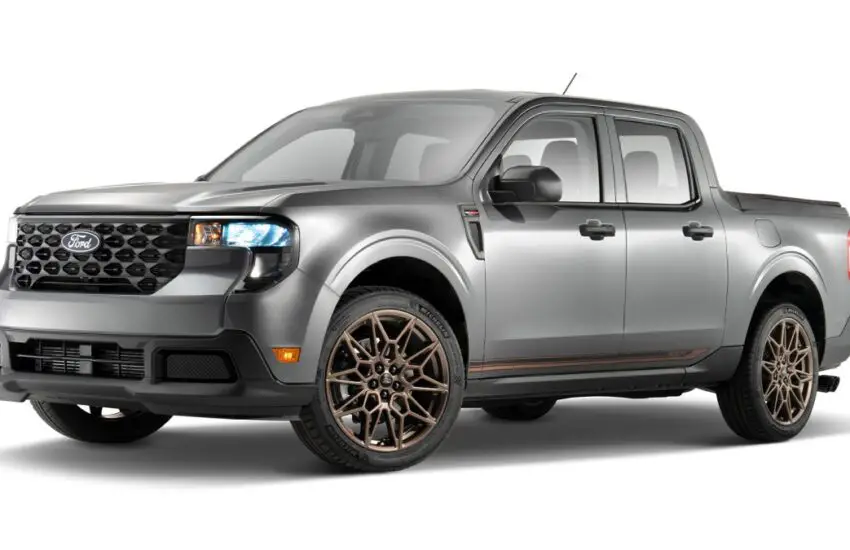
Unlike many concept vehicles showcased at the SEMA show in Las Vegas that rarely progress beyond the prototype stage, the Ford Maverick 300T is set to break the mold. Ford has officially announced plans to launch this high-performance pickup in 2026, offering it as a 300T package or a comparable performance upgrade.

Significant Power Boost

The Maverick 300T will feature a turbocharged engine delivering an impressive 300 horsepower, a substantial increase over the standard model’s output. This enhancement positions the Maverick as a formidable player in the compact truck segment, blending everyday practicality with exhilarating performance.

Urban-Friendly Design with Enhanced Capabilities

Designed for city dwellers who demand both style and substance, the Maverick 300T retains its compact dimensions for easy maneuverability in tight urban spaces. Upgraded suspension and braking systems ensure that the added power is matched by improved handling and safety, making it suitable for both daily commutes and adventurous getaways.

Advanced Technology and Features

Inside, the Maverick 300T boasts a modern cabin equipped with the latest infotainment and driver-assistance technologies. Features like a responsive touchscreen, smartphone integration, and advanced safety suites provide a connected and secure driving experience, aligning with the needs of today’s tech-savvy consumers.

Market Impact and Expectations

The introduction of the Ford Maverick 300T is expected to shake up the urban pickup market, appealing to buyers seeking a versatile vehicle that doesn’t compromise on power. With its 2026 release, Ford aims to set a new benchmark for performance-oriented compact trucks, potentially influencing competitors to follow suit with their own high-output models.

Ford’s $30K Electric Vehicle Enters Testing Phase

Ford Accelerates Affordable EV Development

Ford has officially entered the testing phase for its highly anticipated $30,000 electric vehicle, signaling a major milestone in making EVs accessible to a broader market. The automaker’s commitment to this project demonstrates a strategic shift towards electrification that doesn’t compromise on affordability.

Testing Phase Confirms Project Viability

Recent developments confirm that Ford’s budget-friendly electric vehicle has moved from conceptual design to active testing. This critical phase allows engineers to evaluate performance, battery efficiency, and manufacturing processes that will enable the company to hit its aggressive price target while maintaining quality standards.

Strategic Market Positioning

The $30,000 price point represents a significant breakthrough in the electric vehicle market, potentially bringing EV ownership within reach for millions of new customers. Ford’s approach focuses on optimizing production costs through innovative battery technology and streamlined manufacturing processes rather than compromising on essential features.

Competitive Electric Landscape

This development places Ford in direct competition with other automakers racing to dominate the affordable EV segment. The successful implementation of this project could reshape consumer expectations about electric vehicle pricing and accelerate the transition to sustainable transportation across multiple market segments.

Production Timeline Advances

With testing already underway, industry observers note that Ford appears to be ahead of schedule compared to initial projections. The accelerated timeline suggests the company has overcome significant engineering challenges related to cost-effective battery production and vehicle assembly.

The progression of Ford’s affordable electric vehicle from blueprint to testing phase marks a pivotal moment in the automotive industry’s electrification journey, potentially setting new standards for what consumers can expect from budget-friendly electric transportation.

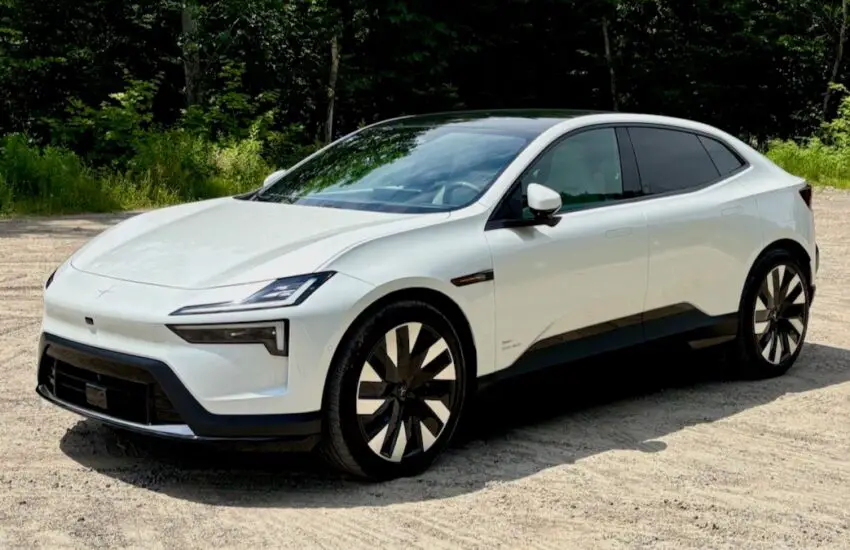
Polestar 4 2026: Design-First Electric SUV Review

Polestar 4 2026: Betting on Design

The Polestar 4 electric SUV faces a significant challenge. The larger, more spacious Model 3 also offers five seats and incorporates many features that make Volvo’s combustion SUVs so enjoyable to drive. The Polestar 4 must achieve similar performance with a tighter budget while avoiding stepping on the toes of the brand’s larger electric vehicle.

Innovative Platform Strategy

To accomplish this, Polestar relies on an entirely new platform developed specifically for electric vehicles. This architecture enables a lower center of gravity and optimized weight distribution, contributing to enhanced handling and stability. The platform also allows for more creative interior packaging, maximizing cabin space without increasing the vehicle’s external dimensions.

Sustainable Material Integration

Polestar continues its commitment to sustainability with carefully selected interior materials. The cabin features recycled plastics, certified wood trim, and vegan upholstery options that don’t compromise on luxury or comfort. These elements work together to create an environment that feels both premium and environmentally conscious.

Performance and Efficiency Balance

The electric powertrain delivers impressive acceleration while maintaining competitive range figures. Dual motor configurations provide all-wheel drive capability, ensuring confident handling in various weather conditions. Regenerative braking systems help maximize energy recovery, extending driving range between charges.

Competitive Positioning

Positioned between entry-level and premium electric SUVs, the Polestar 4 offers distinctive styling and Scandinavian design principles at a more accessible price point. Its minimalist approach to both exterior and interior design sets it apart in a crowded market segment, appealing to buyers seeking both style and substance.

The vehicle’s success will depend on its ability to deliver a compelling combination of design innovation, driving dynamics, and value proposition. Early indications suggest Polestar has created a strong contender that balances aesthetic appeal with practical electric vehicle performance.

Subaru’s Sports Car Slump: BRZ and WRX Sales Plunge

The Unexpected Decline of Driver-Focused Cars

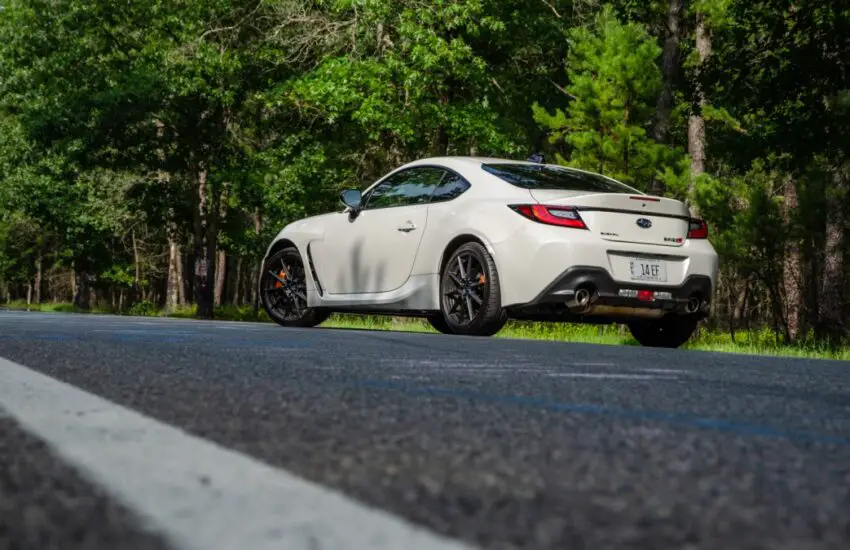
Subaru’s iconic BRZ and WRX models are experiencing a dramatic sales collapse in current markets. While the electric vehicle sector faces its own challenges following tax credit eliminations, this anti-electrification trend doesn’t explain the startling downturn for these two enthusiast vehicles. Neither the BRZ nor WRX offers hybrid or electric powertrains, positioning them as authentic, traditional sports cars designed specifically for driving purists. Yet market data reveals a troubling pattern: enthusiasts appear to be abandoning these once-beloved models.

Analyzing the Market Shift

The sales plunge raises significant questions about the future of traditional sports cars in an evolving automotive landscape. Several factors may contribute to this decline, including changing consumer preferences, economic pressures, and shifting priorities among driving enthusiasts. The automotive industry’s rapid transition toward electrification has created a challenging environment for gasoline-powered performance vehicles, even those without direct electric competitors.

Changing Enthusiast Demographics

Younger generations of car enthusiasts demonstrate different purchasing behaviors than previous generations. Urbanization patterns, environmental concerns, and alternative transportation options have transformed how people engage with performance vehicles. The traditional sports car market must adapt to these demographic shifts to remain relevant.

Economic Considerations

Rising vehicle costs and economic uncertainty have made specialized sports cars less accessible to many potential buyers. As daily transportation becomes more expensive, discretionary purchases like dedicated sports cars often face budget constraints. The specialized nature of these vehicles also presents practical limitations for buyers seeking versatile transportation solutions.

The Future of Driving Passion

This sales decline doesn’t necessarily signal the end of enthusiast vehicles, but rather indicates a market in transition. Manufacturers must reconsider how to deliver engaging driving experiences while addressing contemporary consumer needs. The challenge lies in preserving the visceral connection between driver and machine that defines sports cars while adapting to evolving market realities.

Toyota Revives Scion as Turbo Hybrid UTV Concept

Scion Returns with a High-Performance UTV Concept

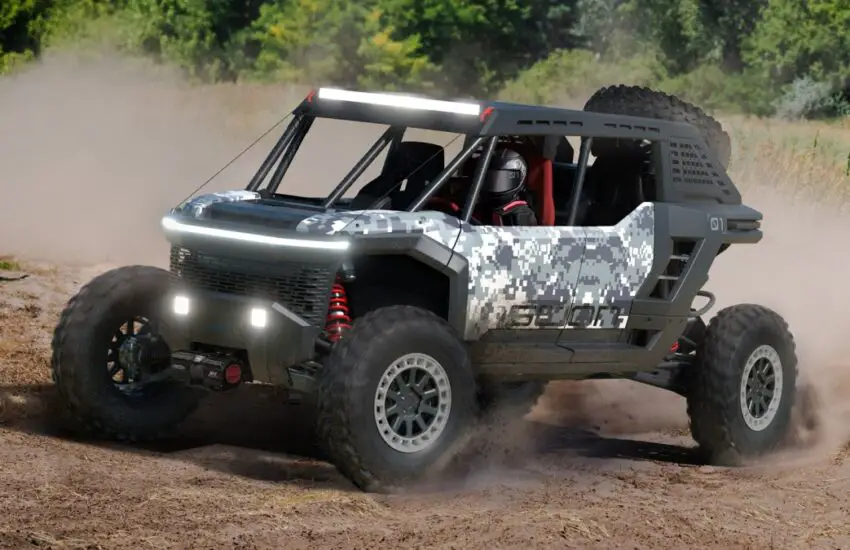
Toyota has stunned the automotive world by announcing the revival of the Scion nameplate, but not as the youth-focused, affordable brand it once was. Instead, the Japanese automaker is repurposing the iconic name for a groundbreaking side-by-side vehicle concept. The Scion 01 Concept represents a bold fusion of electrification and turbocharged power, engineered to outclass current SXS offerings with an unprecedented combination of performance and innovation.

Unleashing Hybrid Power in Off-Road Terrain

At the heart of the Scion 01 Concept lies a sophisticated powertrain that merges a turbocharged four-cylinder engine with electric propulsion. This hybrid setup generates over 300 horsepower, delivering explosive acceleration and robust torque across various driving conditions. The integration of electric motors enhances low-end grunt for challenging off-road scenarios while the turbo engine ensures sustained high-speed performance. This combination addresses the limitations of traditional UTVs, offering instant throttle response and reduced turbo lag.

Design and Technological Innovations

The concept vehicle features an aggressive, futuristic design that clearly distances itself from conventional side-by-sides. Its chassis incorporates lightweight composite materials and advanced suspension geometry to handle the significant power output while maintaining precise control. Inside, the cockpit integrates digital interfaces and connectivity features tailored for both recreational and utility purposes. The design prioritizes occupant protection without compromising the open-air experience that off-road enthusiasts cherish.

Implications for the Off-Road Market

Toyota’s decision to leverage the Scion brand for this concept signals a strategic move to capture the growing high-performance off-road segment. By combining hybrid technology with extreme power levels, the Scion 01 Concept challenges established players in the SXS market. This development could potentially influence future production models, pushing competitors to explore similar hybrid solutions. The concept demonstrates how automotive manufacturers can repurpose legacy brands to introduce cutting-edge technology in new vehicle categories.

TREMEC’s Manual Revolution for C8 Corvette and Mustang GTD

A New Era for Driving Enthusiasts

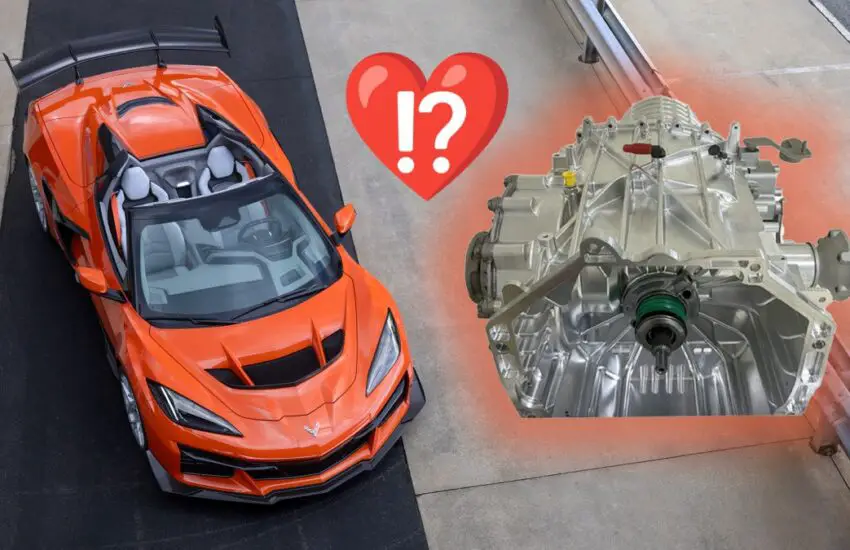
TREMEC, a leading supplier of performance transmissions, has unveiled a groundbreaking six-speed manual gearbox designed specifically for the C8 Corvette and Mustang GTD. This development marks a significant shift in the high-performance automotive landscape, offering driving purists the tactile engagement they’ve been craving in modern supercars.

Engineering Breakthrough

The new manual transmission represents an engineering marvel, utilizing the same case design and mounting points as TREMEC’s TR-9080 8-speed dual-clutch automatic transmission. This strategic design allows for seamless integration into the C8 Corvette’s mid-engine platform without requiring significant structural modifications. The transaxle configuration maintains the vehicle’s perfect weight distribution while delivering the authentic manual driving experience enthusiasts demand.

Performance Meets Tradition

This six-speed manual isn’t just about nostalgia—it’s packed with modern performance technology. The gearbox features advanced synchronizer technology for crisp, precise shifts and can handle the tremendous torque outputs of both the Corvette’s LT2 and Mustang GTD’s powertrains. Each shift delivers immediate power transfer, giving drivers complete control over their driving experience while maintaining the mechanical connection that defines true sports car ownership.

Market Impact and Availability

The introduction of this manual option addresses a significant gap in the high-performance market. Many enthusiasts had expressed disappointment when Chevrolet initially launched the C8 Corvette with only automatic transmission options. Similarly, Ford’s Mustang GTD represents the pinnacle of American performance, and the availability of a proper manual transmission enhances its appeal to traditional sports car buyers who value driver engagement above all else.

This development demonstrates that manual transmissions still have a place in the era of electrification and automation, particularly for vehicles designed with driving pleasure as their primary focus. The engineering achievement represents a win for automotive enthusiasts worldwide who appreciate the art of manual shifting.

Subaru Brat 9500 RPM Gymkhana Monster

The Ultimate Gymkhana Subaru Brat

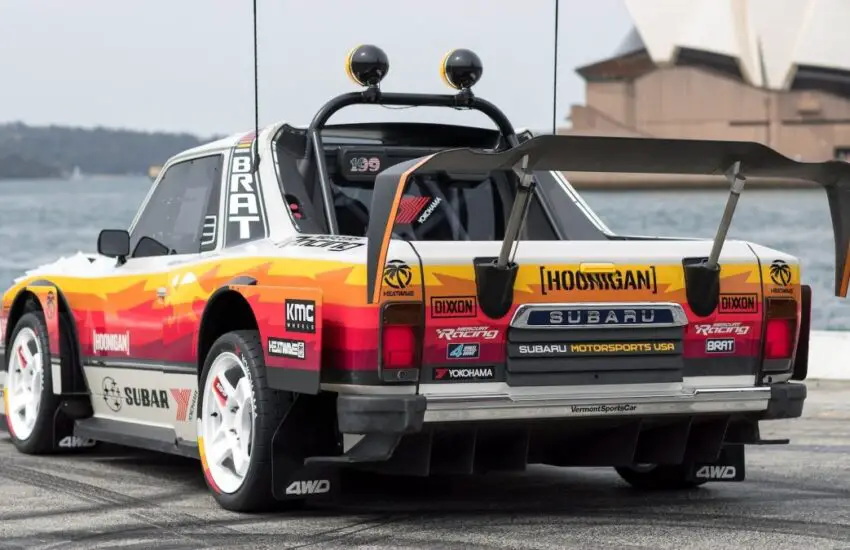
In the world of automotive insanity, few vehicles capture the spirit of controlled chaos like the Gymkhana series’ modified machines. The legendary YouTube series has consistently pushed boundaries with spectacular stunts and engineering marvels designed to defy physics. Continuing this legacy, the team behind these creations has unleashed their latest masterpiece: a 1978 Subaru Brat transformed into a 9500 RPM monster with active aerodynamics.

Engineering Madness: The 9500 RPM Powerplant

At the heart of this brutal build lies an engine capable of screaming to 9500 RPM – far beyond what any stock Subaru engine was designed to handle. This isn’t merely about raw power; it’s about sustained high-rev performance that enables the vehicle to maintain boost pressure through the most aggressive maneuvers. The engine features custom internals, forced induction, and a complete reengineering of the fuel and ignition systems to handle the extreme demands of gymkhana competition.

Active Aerodynamics for Precision Control

What sets this build apart is its sophisticated active aero system. Unlike fixed aerodynamic components, this system automatically adjusts wing angles and spoiler positions in real-time based on vehicle speed, attitude, and driver input. This provides maximum downforce during tight corners and reduces drag on straightaways, giving the driver unprecedented control during drift transitions and high-speed maneuvers.

The Unlikely Platform: 1978 Subaru Brat

Choosing the vintage Subaru Brat as a platform demonstrates the builders’ commitment to unconventional thinking. This Japanese utility vehicle provides the perfect lightweight chassis and rear-wheel-drive configuration that gymkhana demands. The Brat’s compact dimensions and rugged construction make it an ideal canvas for transformation into a tire-shredding machine that can pivot and slide with razor-sharp responsiveness.

This creation represents the pinnacle of what happens when engineering expertise meets unrestrained creativity. Every component serves the singular purpose of creating the ultimate gymkhana weapon – a vehicle that can transition from smoking donuts to precision drifting while maintaining composure at the edge of traction.

Toyota’s Solid-State Battery Revolution for 2027

The Future of Electric Mobility

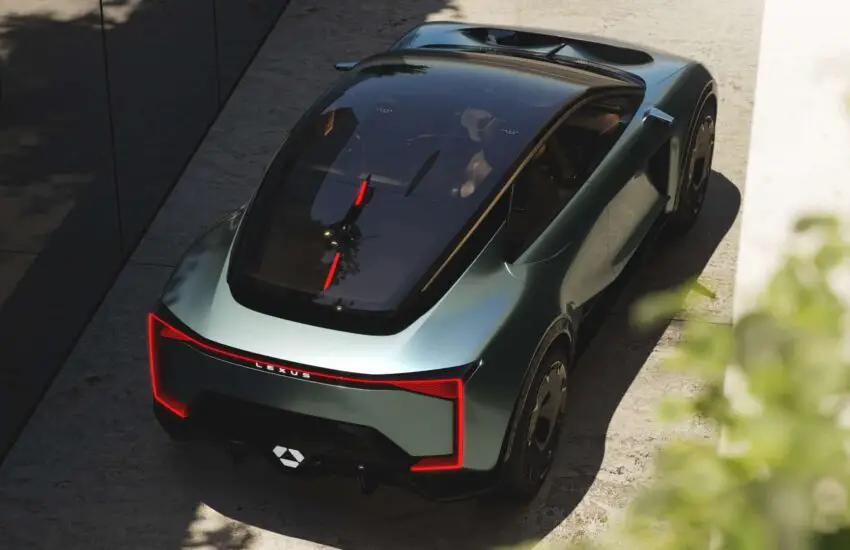
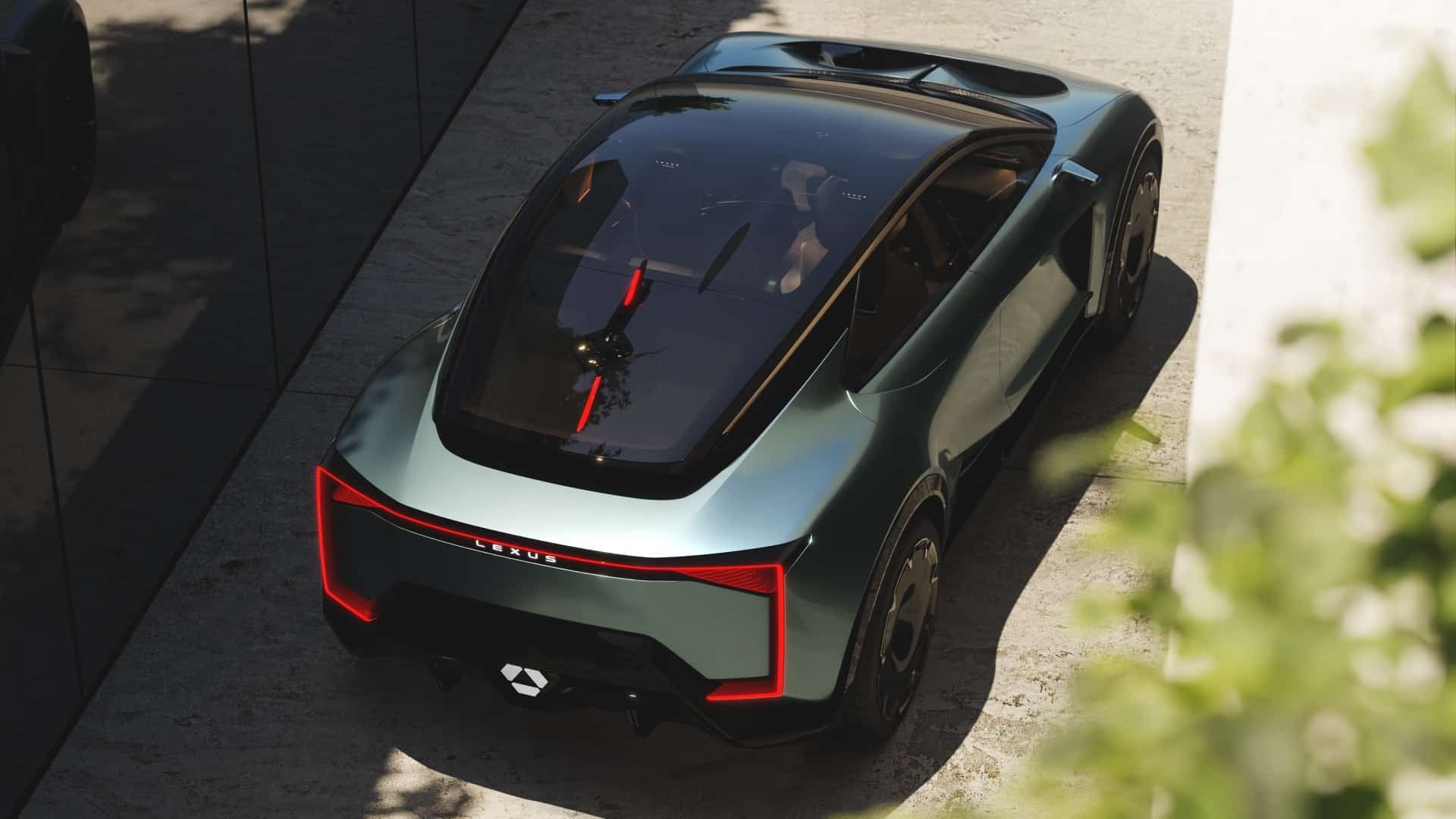
Lexus LS Coupé Concept

While Toyota has often been perceived as lagging in the electric vehicle race, the Japanese automaker has been quietly developing technology that could fundamentally transform the electric vehicle landscape. The company’s breakthrough solid-state battery technology promises to deliver what many EV drivers have been dreaming about: unprecedented range combined with rapid charging capabilities.

Game-Changing Battery Technology

Toyota’s solid-state batteries represent a significant leap forward from current lithium-ion technology. By replacing liquid electrolytes with solid materials, these batteries offer higher energy density, improved safety, and longer lifespan. The elimination of flammable liquid components reduces fire risks while enabling more compact battery designs that can store more energy in the same space.

Transforming the EV Experience

The implications of 1,200 km range extend far beyond simply reducing charging frequency. This breakthrough could eliminate range anxiety entirely, making electric vehicles practical for long-distance travel and towing applications. Combined with projected charging times comparable to refueling a conventional vehicle, solid-state technology addresses two major barriers to EV adoption simultaneously.

Strategic Implementation Timeline

Toyota’s careful approach to bringing this technology to market reflects the company’s reputation for reliability. The 2027 target allows for thorough testing and production scaling, ensuring that when solid-state batteries debut, they will meet Toyota’s rigorous quality standards. This measured rollout contrasts with the rapid but sometimes problematic launches seen elsewhere in the industry.

Broader Industry Impact

The successful implementation of solid-state batteries could reshape the entire automotive sector. As other manufacturers race to develop similar technology, Toyota’s progress accelerates industry-wide innovation. This competition benefits consumers through improved technology options and could potentially lower costs as production scales up across the market.

The transition to solid-state technology represents more than just an incremental improvement—it marks a fundamental shift in electric vehicle capabilities that could finally make EVs the obvious choice for all types of drivers.

Elon Musk’s Influence on Tesla Sales Performance

Analyzing the Impact of Leadership on Automotive Brand Value

A recent comprehensive study has revealed significant correlations between Elon Musk’s public persona and Tesla’s market performance. Researchers analyzed consumer sentiment data spanning several years, comparing periods of high-profile Musk controversies with Tesla’s quarterly sales figures across multiple markets.

Public Perception and Purchase Decisions

The research demonstrates that Musk’s political activism and social media presence directly affect consumer perception of the Tesla brand. During periods of heightened controversy surrounding Musk’s public statements, consideration rates for Tesla vehicles among certain demographic groups decreased by as much as 40%. This suggests that leadership behavior can significantly influence purchasing decisions even for established electric vehicle manufacturers.

Brand Association Challenges

Tesla’s close association with its high-profile CEO creates both advantages and vulnerabilities. While Musk’s reputation as an innovator initially helped establish Tesla’s technological credibility, the study indicates that his divisive political statements have alienated portions of the environmentally-conscious consumer base that traditionally formed Tesla’s core market. This polarization effect presents ongoing challenges for maintaining consistent sales growth across all market segments.

Market Position in the Evolving EV Landscape

As competition in the electric vehicle sector intensifies, the research suggests Tesla faces increasing pressure to differentiate its brand identity from Musk’s personal brand. The study notes that consumers increasingly evaluate electric vehicles based on multiple factors beyond technical specifications, including corporate values and leadership behavior. This evolution in consumer priorities may require strategic adjustments to maintain Tesla’s dominant market position. The findings highlight the complex relationship between executive leadership and commercial performance in the modern automotive industry, particularly for brands closely associated with their founders.

Tesla Model Y Starts at €35,790 with Eco Bonus

Affordable Electric Mobility with Tesla Model Y

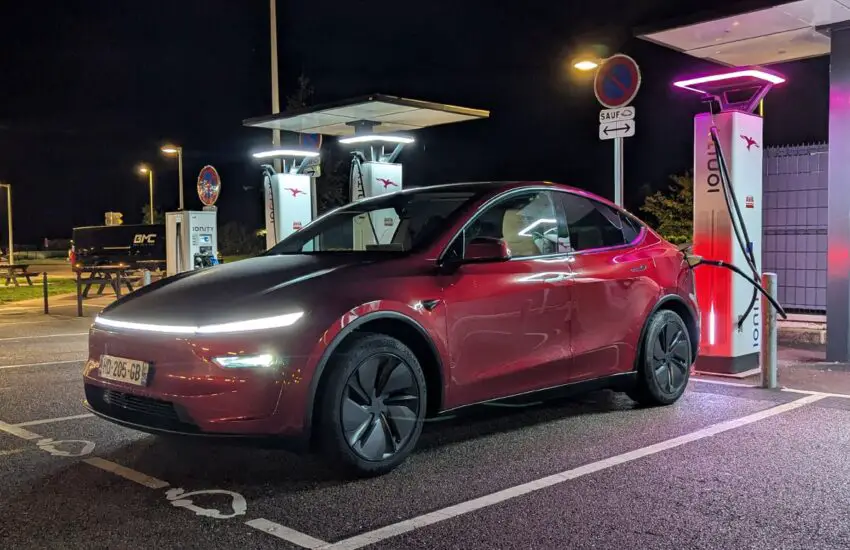
The Tesla Model Y enters the electric vehicle market with an enticing starting price of €35,790, making sustainable driving more accessible than ever. This competitive pricing, combined with available ecological bonuses, positions the Model Y as a top contender for families and eco-conscious drivers seeking premium electric performance without the premium cost.

Unmatched Value in the EV Segment

With its base configuration offering impressive range and Tesla’s signature technology suite, the Model Y delivers exceptional value. Owners benefit from low operating costs, reduced maintenance compared to combustion engines, and access to Tesla’s extensive Supercharger network. The vehicle’s sleek design and spacious interior accommodate modern lifestyles while promoting zero-emission transportation.

Eco-Friendly Incentives and Savings

Government ecological bonuses further enhance the Model Y’s affordability, rewarding buyers who choose clean energy solutions. These incentives, coupled with long-term fuel savings and tax advantages, make the initial investment increasingly justifiable. Tesla’s commitment to expanding electric vehicle adoption shines through this strategic pricing approach.

Advanced Features Standard Across Trims

Even at the entry-level price point, the Model Y comes equipped with Autopilot capabilities, over-the-air software updates, and premium safety features. The minimalist interior houses a responsive touchscreen interface controlling navigation, entertainment, and vehicle settings, ensuring a seamless driving experience that improves over time through regular software enhancements.

As electric vehicles continue gaining market share, the Tesla Model Y stands out by combining luxury, performance, and sustainability at an unprecedented price point. This pricing strategy accelerates the transition to renewable transportation while maintaining the quality and innovation Tesla customers expect.