Xpeng’s Flying Car Takes Flight Amid Musk’s Promises

China’s Flying Vehicle Breakthrough
Xpeng flying vehicle in production

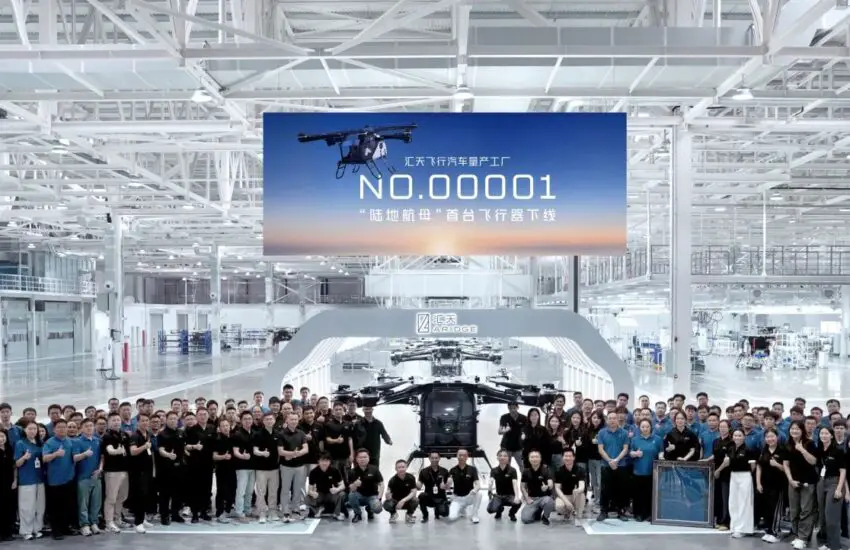
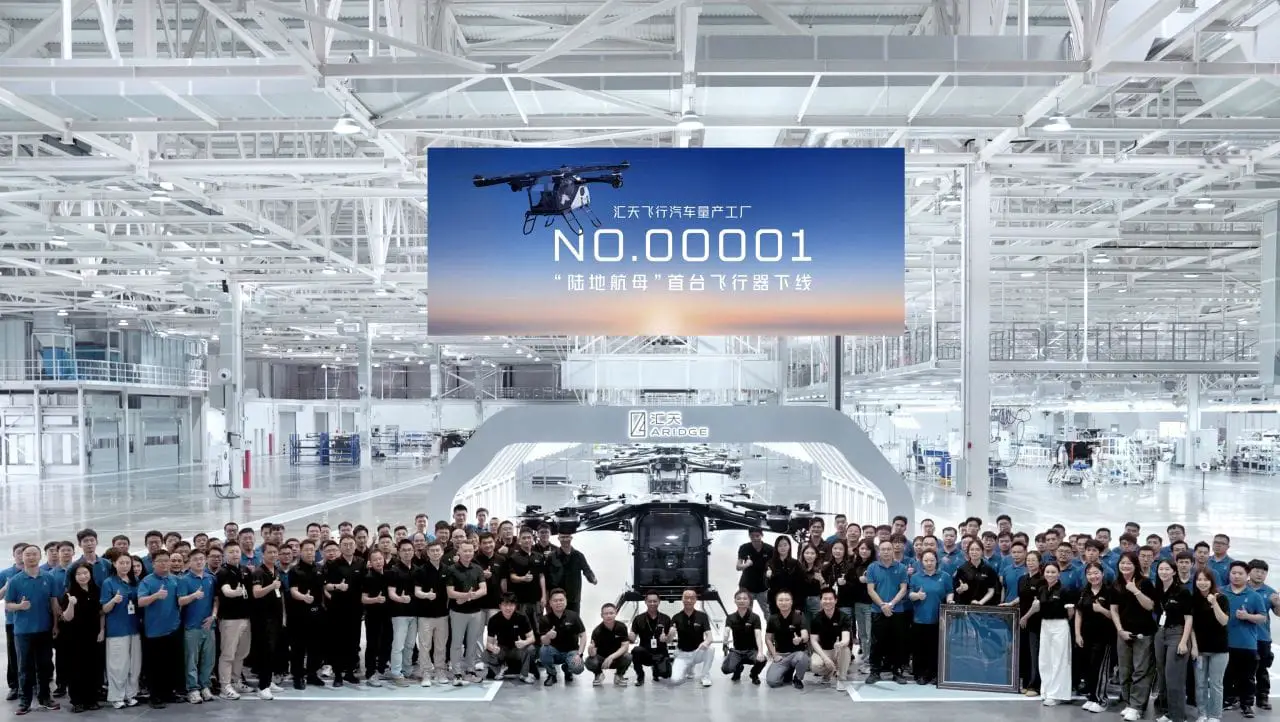
While industry leaders like Elon Musk have been projecting flying car timelines, Chinese manufacturer Xpeng has achieved a significant milestone by announcing the start of production for its own flying vehicle. This timely development highlights the accelerating race in aerial mobility and demonstrates China’s growing capability to transform futuristic concepts into manufacturing reality.

From Prototype to Production Line

Xpeng’s achievement marks one of the first instances where a flying vehicle has transitioned from experimental prototype to actual production. The company has successfully addressed numerous engineering challenges, including battery efficiency for vertical take-off and landing (VTOL), flight stability systems, and noise reduction technologies. This production milestone suggests that flying vehicles may become commercially viable sooner than many industry observers predicted.

Global Competition Intensifies

The simultaneous timing of Xpeng’s production announcement alongside continued promises from Western companies creates a fascinating competitive landscape. Where other manufacturers have presented concepts and projections, Xpeng has demonstrated tangible progress in manufacturing capability. This development positions China as a serious contender in the emerging urban air mobility market, potentially reshaping global transportation dynamics.

Regulatory Hurdles and Infrastructure

Despite the manufacturing breakthrough, significant challenges remain before flying vehicles become commonplace. Aviation authorities worldwide are still developing certification frameworks for personal aerial vehicles, and cities must adapt their infrastructure to accommodate this new form of transportation. Xpeng’s production achievement nevertheless represents a crucial step toward overcoming these barriers by providing regulators with concrete vehicles to evaluate.

The successful transition to production suggests that the era of flying vehicles may be closer than previously imagined, with Xpeng establishing an important benchmark for the entire industry.


Geely’s European Strategy Mirrors BYD’s Success

Geely Adopts BYD’s Blueprint for European Expansion

Geely vehicle lineup

Chinese automotive giant Geely has unveiled a comprehensive strategy to establish a lasting presence in the European car market. Following the development of a diverse brand portfolio with results still undergoing consolidation, the group is now implementing lessons learned from fellow Chinese manufacturer BYD’s successful European penetration.

Strategic Shift Towards Electric Vehicles

Geely’s new approach mirrors BYD’s focus on electric vehicle technology and localized production. The company plans to introduce multiple all-electric models specifically designed for European consumers, addressing range concerns and charging infrastructure requirements. This strategic pivot comes after extensive market research analyzing European preferences for sustainable transportation solutions.

Brand Portfolio Optimization

The automotive group is streamlining its brand strategy for European markets, focusing on premium positioning while maintaining competitive pricing. By leveraging existing manufacturing facilities and establishing new partnerships, Geely aims to reduce import costs and improve delivery timelines. This operational efficiency mirrors BYD’s successful supply chain management in European territories.

Charging Infrastructure Development

Recognizing the importance of comprehensive charging networks, Geely is collaborating with various European energy providers to ensure adequate infrastructure support for its electric vehicles. The company is investing in fast-charging technology compatible with existing European standards, addressing one of the key concerns for potential EV adopters in the region.

Geely’s European strategy represents a calculated effort to replicate BYD’s successful market entry while incorporating unique approaches to brand positioning and customer experience. The company’s multi-brand approach allows for targeted market segmentation while maintaining overall corporate identity and technological consistency across different vehicle categories.

Japan Mobility Show 2025: Top Innovations Revealed

Japan Mobility Show 2025: Top Innovations Revealed

The Japan Mobility Show 2025, formerly the Tokyo Motor Show, is showcasing groundbreaking automotive advancements that redefine transportation. This premier event brings together leading Japanese and international manufacturers to unveil cutting-edge sustainable mobility solutions and advanced technologies.

Electric Vehicle Breakthroughs

Major automakers presented revolutionary electric vehicles featuring next-generation solid-state batteries with unprecedented range capabilities. These EVs incorporate lightweight composite materials and aerodynamic designs that significantly improve energy efficiency. Several concept cars demonstrated fully autonomous driving systems capable of navigating complex urban environments without human intervention.

Advanced Mobility Solutions

The exhibition highlighted innovative personal mobility devices including compact electric transporters and AI-assisted mobility aids for enhanced urban navigation. Manufacturers revealed integrated transportation ecosystems that seamlessly connect personal vehicles with public transit systems. These smart mobility platforms use artificial intelligence to optimize routes and reduce congestion while minimizing environmental impact.

Sustainable Technology Integration

Numerous displays focused on eco-friendly innovations featuring solar-integrated body panels and regenerative braking systems that capture kinetic energy. Hydrogen fuel cell technology saw significant advancements with more compact and efficient power units suitable for various vehicle types. The show also featured biodegradable interior materials and circular manufacturing processes that prioritize sustainability throughout the vehicle lifecycle.

Connectivity and User Experience

Advanced vehicle-to-everything communication systems demonstrated real-time data exchange between vehicles, infrastructure, and pedestrians. Augmented reality dashboards and holographic interfaces provided intuitive driving experiences with enhanced safety features. These integrated technologies create personalized mobility environments that adapt to individual user preferences and driving patterns.

The Japan Mobility Show 2025 continues to set new standards for the future of transportation, highlighting the industry’s commitment to innovation, sustainability, and user-centric design that will shape mobility for years to come.

Hyundai Inster Charging Issues Emerge

Hyundai Inster Faces Early Charging Challenges

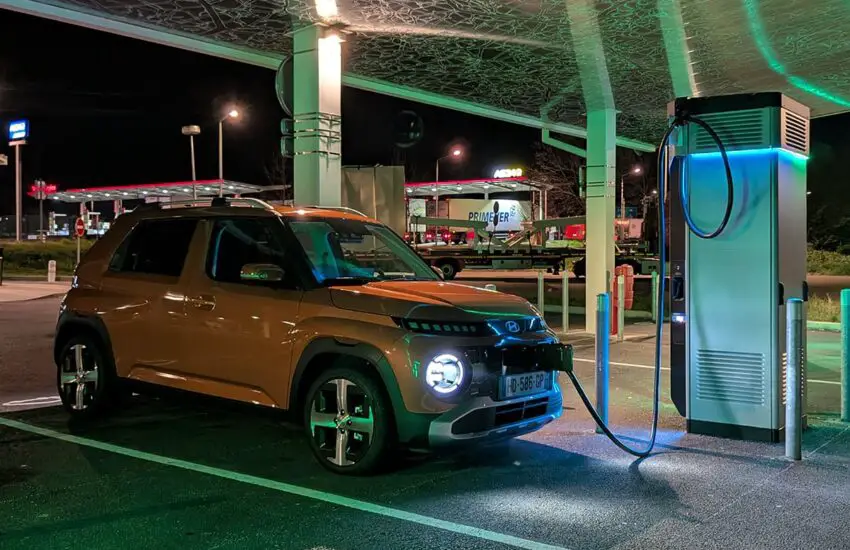
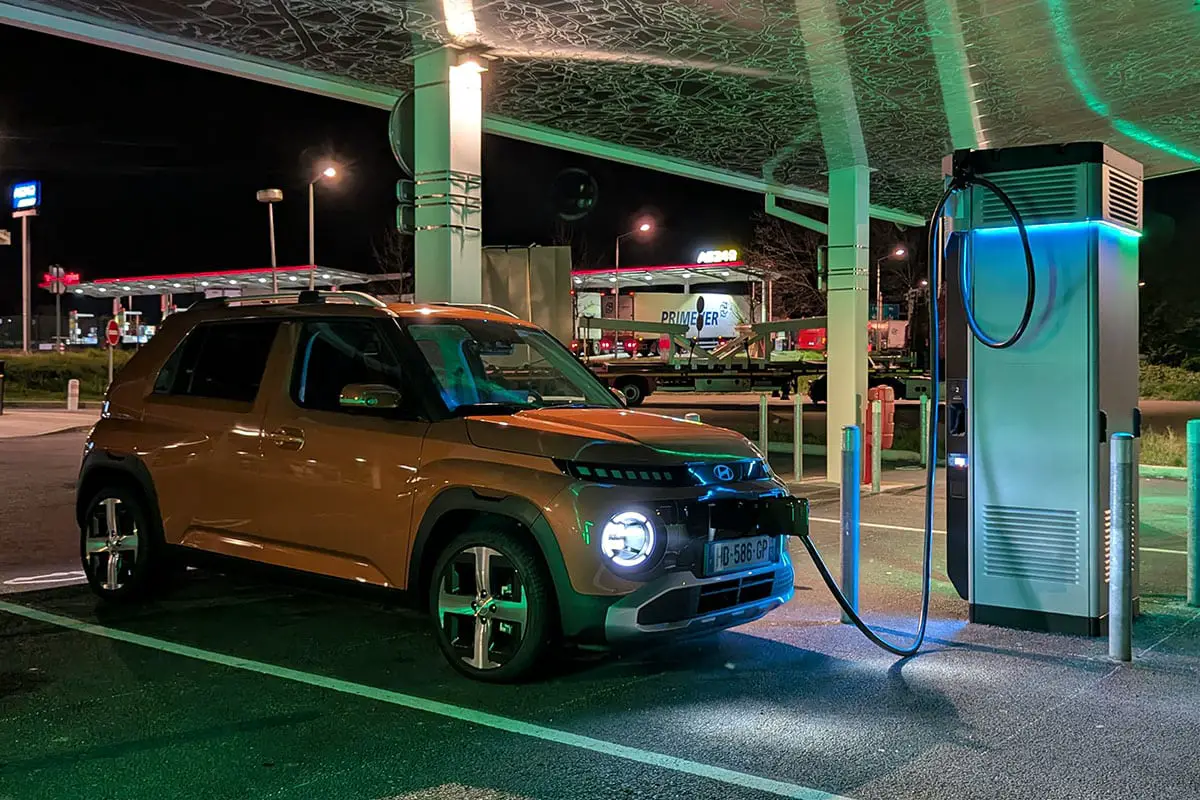
Hyundai Inster electric city car

Hyundai’s highly anticipated electric city car, the Inster, appears to be encountering charging difficulties shortly after its market introduction. This development raises concerns as Hyundai and Kia electric vehicles have historically faced similar power replenishment problems across various global markets.

Recurring Charging System Complications

The charging issues affecting the Hyundai Inster manifest through inconsistent charging sessions and unexpected interruptions during power transfer. Some owners report difficulties initiating charging processes, while others experience premature charging termination without apparent causes. These problems occur across different charging infrastructures, including public stations and home charging setups.

Technical Underpinnings and Potential Causes

Industry analysts suggest the charging complications might stem from communication protocol mismatches between the vehicle’s onboard charging system and various charging stations. The sophisticated battery management system required for the Inster’s compact electric platform may require software refinements to ensure seamless compatibility with diverse charging equipment. Thermal management during rapid charging sessions also presents engineering challenges in the vehicle’s constrained physical dimensions.

Market Implications and Consumer Impact

These emerging charging concerns could potentially affect the Inster’s market reception, particularly in the competitive urban electric vehicle segment. Prospective buyers often prioritize reliable charging performance when selecting electric vehicles for daily urban mobility. The manufacturer’s response to these initial challenges will likely influence consumer confidence in this new electric model.

As electric vehicle technology continues evolving, manufacturers face ongoing challenges in ensuring charging reliability across diverse global markets and charging infrastructures. The resolution of these early technical difficulties will demonstrate the automotive industry’s capacity to address complex electrification challenges in compact vehicle segments.

Peugeot Polygon: Electric 208’s Bold New Look

Peugeot Polygon: A Radical Stylistic Shift

The Peugeot Polygon concept car marks a significant evolution in compact electric vehicle design. Officially unveiled by the French manufacturer, this model potentially previews the aesthetic direction for the next-generation 208 electric. Its sharp angles and decidedly futuristic styling offer a glimpse into the urban electric car of tomorrow, signaling a departure from current design conventions.

Futuristic Design and Aerodynamic Innovation

Characterized by its polygonal forms and clean lines, the Peugeot Polygon introduces a new visual language for the brand. The concept emphasizes aerodynamic efficiency, with sculpted surfaces and integrated elements that reduce drag while enhancing visual appeal. This approach not only improves range but also establishes a distinctive identity in the competitive electric vehicle market.

Influence on the Next 208 Electric

Industry observers suggest the Polygon’s design cues could heavily influence the upcoming 208 electric model. Expect sharper headlights, a more pronounced grille area, and an overall more architectural profile. This transition would align Peugeot with emerging trends in EV aesthetics, blending functionality with avant-garde styling to attract a new generation of drivers.

Technology and User Experience

Beyond its exterior, the Polygon concept hints at advanced technological integrations. A minimalist interior with digital interfaces and sustainable materials reflects a commitment to modern mobility solutions. The focus is on creating an intuitive driving experience that complements the vehicle’s innovative exterior design, potentially setting new standards for the segment.

As automakers explore new directions for electric vehicles, the Peugeot Polygon stands out as a bold statement. Its potential translation into the future 208 electric could redefine what consumers expect from compact EVs, merging cutting-edge design with practical urban mobility.

Fiat’s Electric Models Get Major Price Cuts

Unprecedented Discounts on Fiat 500e and 600e

Fiat has launched an aggressive promotion to clear inventory of its popular electric vehicles, the 500e and 600e. This move makes these models more accessible than ever, with the 500e starting at just €15,900. Such pricing is rare in the electric vehicle market, offering a compelling opportunity for budget-conscious buyers seeking to go electric without the premium typically associated with EVs.

Why Fiat is Slashing Prices

The discounts are part of a strategic effort to reduce stock ahead of new model releases and to boost Fiat’s market share in the competitive electric segment. By making these cars more affordable, Fiat aims to attract a broader audience, including first-time EV buyers and urban commuters looking for efficient, stylish transportation. This approach not only helps clear existing inventory but also raises brand visibility in the electric mobility space.

Features and Benefits of the 500e and 600e

The Fiat 500e is renowned for its compact design, perfect for city driving, with a range suitable for daily commutes and quick charging capabilities. Inside, it boasts modern tech like a user-friendly infotainment system and advanced safety features. The 600e, slightly larger, offers more space and versatility, making it ideal for small families or those needing extra room. Both models deliver zero-emission driving, reducing environmental impact and running costs compared to traditional petrol or diesel cars.

Market Impact and Buyer Opportunities

These promotions could influence the broader EV market by setting new price benchmarks, potentially prompting competitors to adjust their strategies. For consumers, it’s a chance to own a reliable electric vehicle at a fraction of the usual cost, with potential long-term savings on fuel and maintenance. As electric infrastructure expands, owning an EV like the 500e or 600e becomes increasingly practical, supporting a sustainable lifestyle without compromising on style or performance.

Renault 4 E-Tech: Electric Revival Tested

Renault 4 E-Tech: Blending Heritage with Innovation

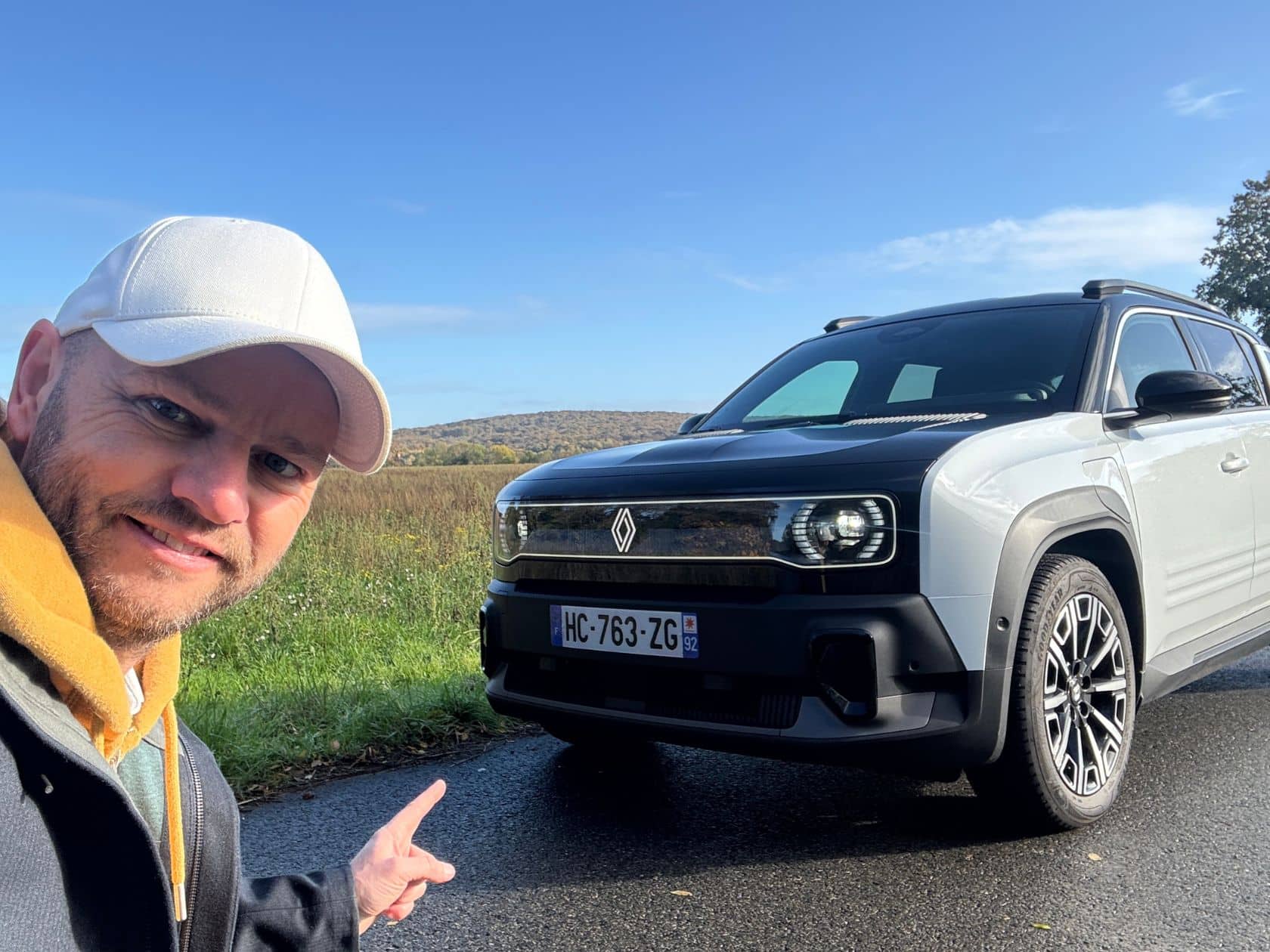
Renault 4 E-Tech 2025 electric car

The iconic Renault 4 returns as a fully electric vehicle, combining nostalgic design cues with modern EV technology. Following the successful revival pattern of its sibling, the Renault 5, this reimagined classic aims to capture hearts while delivering contemporary performance.

Design That Honors Legacy

Maintaining the distinctive silhouette that made the original model beloved, the Renault 4 E-Tech features subtle modernizations. The familiar vertical headlights and practical hatchback form remain, now complemented by aerodynamic enhancements and contemporary lighting technology. Inside, sustainable materials dominate the cabin while digital displays provide necessary modern interfaces without overwhelming the classic aesthetic.

Performance and Driving Experience

Powered by a responsive electric motor derived from Renault’s latest EV platform, the R4 E-Tech delivers smooth acceleration and silent operation. The battery configuration provides sufficient range for urban commuting and weekend getaways, with support for DC fast charging capability. The suspension system has been redesigned to maintain the original’s comfort-oriented character while improving handling stability.

Sustainable Mobility Solution

This electric revival represents more than just nostalgia – it’s a practical urban vehicle for the modern era. The compact dimensions make it ideal for city driving, while the zero-emission powertrain aligns with current environmental priorities. The combination of accessible pricing and low operating costs positions the R4 E-Tech as an attractive option in the growing affordable EV segment.

The Renault 4 E-Tech successfully bridges generations, offering the charm of a classic design with the benefits of electric propulsion. It demonstrates how automotive heritage can evolve to meet contemporary needs without losing its soul.

Tesla’s Compensation Gamble: Future at Stake?

Elon Musk’s Pay Package Divides Tesla Investors

The upcoming Tesla shareholder meeting on November 6, 2025, represents a pivotal moment for the electric vehicle giant. Investors are deeply divided over CEO Elon Musk’s unprecedented compensation plan, creating significant uncertainty about corporate governance and future direction.

Unprecedented Compensation Structure

Musk’s compensation package ties enormous potential rewards to achieving extremely ambitious market capitalization and operational milestones. While supporters argue this aligns the CEO’s interests with long-term shareholder value, critics warn the structure creates excessive risk. The package’s complexity and scale have raised questions about whether it represents proper incentive alignment or corporate excess.

Governance Concerns Emerge

Corporate governance experts have expressed concerns about the compensation plan’s impact on Tesla’s board independence. The arrangement’s sheer size and unusual structure have prompted questions about whether the board can effectively oversee Musk’s decisions. Some analysts suggest the controversy reflects broader tensions between visionary leadership and traditional corporate oversight mechanisms.

Market Implications and Investor Reaction

Institutional investors appear split on the compensation proposal, with major pension funds and asset managers taking opposing positions. The disagreement has created volatility in Tesla’s stock price as markets attempt to price in the potential outcomes. Some shareholders worry that rejecting the package could damage Musk’s motivation, while others fear approval might set problematic precedents for executive compensation industry-wide.

Strategic Direction Hangs in Balance

The compensation debate occurs as Tesla faces increased competition in the electric vehicle market and expanding investments in artificial intelligence and robotics. The shareholder vote’s outcome could influence Musk’s focus and time allocation across his multiple companies. Industry observers note that the decision may determine whether Tesla maintains its innovation edge or faces leadership distractions during a critical growth phase.

Electric Vehicle Sales Dip After Tax Credit Phase-Out

Post-Incentive Slowdown in EV Market

The expiration of federal tax credits for electric vehicles in the United States has triggered a notable decline in sales, aligning with economic forecasts. This policy shift has exposed underlying market dynamics, revealing how heavily consumer adoption relied on financial incentives. The immediate aftermath shows a clear pattern: a surge in purchases during the final months of eligibility, followed by a contraction as prices effectively rose for buyers.

Analyzing the Pre- and Post-Credit Sales Trends

In the quarters leading up to the credit’s expiration, dealerships reported heightened activity, with many consumers accelerating their purchasing decisions to secure savings. This created an artificial demand bubble, temporarily inflating sales figures. Once the incentives were removed, the market corrected itself, leading to a more accurate reflection of organic consumer interest and price sensitivity in the EV sector.

Broader Implications for the Auto Industry

This sales trend poses significant questions for manufacturers and policymakers. Automakers may need to reassess production targets and pricing strategies to sustain growth without government support. It also highlights the importance of developing more affordable EV models and enhancing charging infrastructure to drive genuine, incentive-independent demand.

The transition to electric mobility remains a long-term goal, but this episode underscores that the journey may be bumpier without continuous policy backing. Stakeholders are now watching to see if technological advancements and lower production costs can compensate for the loss of subsidies and reignite sales momentum in the coming year.

Upgrade Classic Cars with Wolfbox Multi-Camera Systems

Modern Safety for Vintage Vehicles

Classic car enthusiasts no longer need to compromise on safety and convenience. With Wolfbox multi-camera systems, older vehicles can be equipped with advanced driving assistance features typically found in modern automobiles. These aftermarket solutions provide comprehensive visibility without requiring expensive vehicle upgrades or modifications.

Complete Surround Vision Solution

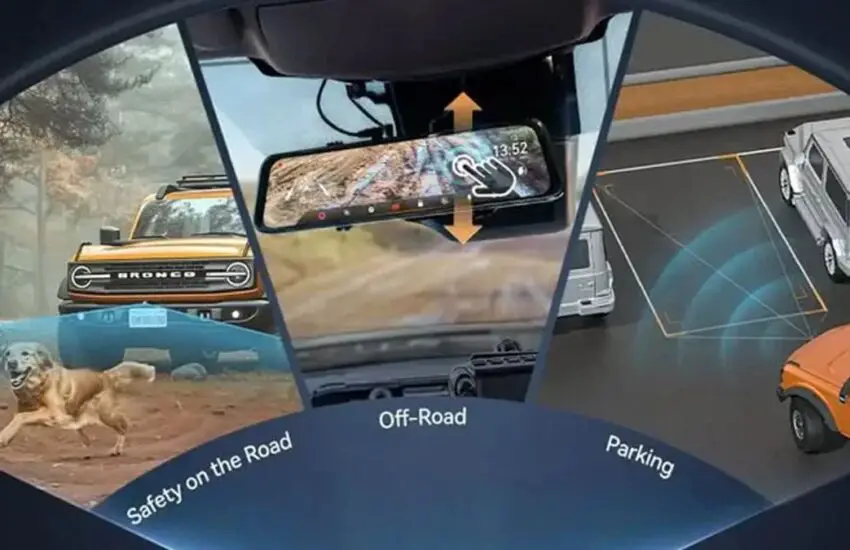
The Wolfbox system integrates multiple camera angles to create a complete surround view of your vehicle. The package includes front, rear, and side cameras that work simultaneously through a single intelligent rearview mirror display. This comprehensive coverage eliminates blind spots and makes parking, lane changing, and low-speed maneuvering significantly safer.

Simple Installation Process

Unlike complex OEM systems that require professional installation, Wolfbox cameras are designed for straightforward DIY setup. The cameras mount discreetly using adhesive brackets or replacement mounts, while the wiring can be routed through existing channels in most vehicle models. The main display replaces your standard rearview mirror while maintaining its original functionality when the camera system is not active.

Enhanced Driving Confidence

Drivers report significantly improved confidence when navigating tight spaces and crowded areas. The high-resolution cameras provide crystal-clear imagery regardless of weather conditions, with night vision capabilities ensuring reliable performance after dark. The system automatically switches between camera views based on driving situations, such as engaging the rear camera when shifting into reverse.

Cost-Effective Modernization

This technology represents a fraction of the cost of trading in a classic vehicle for a modern equivalent. Owners can preserve their beloved classic cars while enjoying contemporary safety features. The system’s modular design allows for gradual implementation, starting with basic rearview capability and adding additional cameras as needed.