Polestar 4 2026 Review: The Electric Coupe SUV Contender

Polestar 4 2026: An Instant Decision?

Prospective buyers are unlikely to deliberate for long over the 2026 Polestar 4. A single glance, and more importantly, one test drive, will likely be all it takes to reach a verdict. As the latest model from the Swedish performance brand, the Polestar 4 strategically positions itself as a mainstream entry into the mid-size electric vehicle segment, designed to challenge both established market leaders and notable newcomers.

Design and Performance Philosophy

The Polestar 4 makes a bold statement with its sleek coupe-SUV silhouette, a design that prioritizes aerodynamic efficiency without sacrificing a commanding road presence. It builds upon the minimalist Scandinavian design language the brand is known for, featuring clean lines, sustainable materials, and a driver-focused cockpit. Underneath its striking exterior lies an advanced electric powertrain engineered for responsive acceleration and engaging dynamics, promising the sporty pedigree expected from the Polestar name.

Technology and Cabin Experience

A key innovation in the Polestar 4 is its reimagined rearward vision. The model forgoes a traditional rear window, instead utilizing a high-definition digital rear-view mirror fed by a roof-mounted camera. This design choice enhances aerodynamic performance and contributes to a uniquely spacious and quiet cabin atmosphere. The interior is centered around a state-of-the-art infotainment system powered by Android Automotive OS, offering seamless connectivity and intuitive controls, all within an environment crafted from premium, eco-conscious materials.

Market Position and Final Verdict

The 2026 Polestar 4 enters a highly competitive arena, aiming to win over buyers with its blend of distinctive design, cutting-edge technology, and compelling electric performance. It presents a compelling alternative for those seeking a vehicle that stands apart from more conventional SUV offerings. By delivering a cohesive package of style, innovation, and driving engagement, the Polestar 4 establishes itself as a serious contender, capable of converting interest into commitment with remarkable speed.

Toyota Prius Recall: Rear Door Safety Defect Identified

Toyota Issues Recall for Prius Rear Door Latches

Toyota has announced a significant safety recall for specific Prius hybrid models. The recall centers on a defect in the rear door latch mechanism that may allow the doors to open unexpectedly while the vehicle is in motion. This malfunction poses a direct safety hazard, increasing the risk of injury to passengers and creating a potential danger for other road users. Vehicle owners are urged to take this notice seriously and follow the recommended steps.

Affected Models and Defect Details

The recall pertains to certain Prius vehicles manufactured within a specific timeframe. The core issue involves a component within the rear door’s locking assembly. Under particular conditions, this part may not engage correctly, failing to secure the door fully. While the door may appear closed, it could subsequently unlatch during driving, especially when going around a corner or over a bump. This is not related to the power door switch but is a mechanical latch problem.

Recommended Steps for Owners

Owners of potentially affected Toyota Prius models will receive direct notification from Toyota by mail. This official communication will contain detailed instructions on the next steps. The remedy involves a inspection and repair at an authorized Toyota dealership. Technicians will examine the rear door latches and, if necessary, replace the faulty components entirely at no cost to the vehicle owner. The repair is designed to permanently rectify the latching issue.

Importance of Prompt Action

Addressing this recall promptly is crucial for maintaining vehicle safety. An unsecured door can lead to passengers, particularly children, falling from the vehicle, or items ejecting onto the roadway. Furthermore, an open door can distract the driver and compromise vehicle stability. Until the repair is completed, drivers should ensure all passengers, especially in the rear seats, are securely restrained and should double-check that rear doors are fully closed and locked before every journey.

Subaru’s New 7-Seat Electric SUV Emerges from Toyota Partnership

Subaru Expands EV Lineup with Three-Row Electric SUV

In a strategic move to bolster its electric vehicle portfolio, Subaru is preparing to unveil a new, three-row, all-electric SUV. This upcoming model signifies a significant step for the brand, known for its rugged all-wheel-drive vehicles, as it transitions into the era of full electrification. The vehicle’s development is a direct result of Subaru’s deepening collaboration with Toyota, a partnership that has already yielded successful models in the past.

A Shared Platform for Electric Ambitions

The new Subaru EV is expected to be based on a Toyota platform, sharing its fundamental architecture with the upcoming Toyota bZ5X or a similar large electric SUV. This approach allows Subaru to accelerate its entry into the competitive multi-seat electric SUV segment while leveraging Toyota’s manufacturing scale and expertise in electrification. The model will likely be built alongside its Toyota counterpart, ensuring efficiency and shared technological advancements.

Positioning in a Growing Market Segment

This seven-seater aims to meet the growing consumer demand for spacious, family-oriented electric vehicles without compromising on capability. While specific performance details remain undisclosed, it is anticipated to feature Subaru’s signature symmetrical all-wheel-drive system, adapted for electric powertrains. The introduction of this model will place Subaru in direct competition with other three-row electric SUVs, offering a distinct alternative rooted in its heritage of durability and all-weather performance.

The official reveal is imminent, marking a pivotal chapter for Subaru as it seeks to balance its core identity with the demands of a zero-emissions future. This vehicle represents more than just a new product; it is a testament to the evolving nature of automotive alliances in the race toward electrification.

Jony Ive Slams Tesla’s Touchscreen Revolution as “Lazy”

The Design Visionary’s Critique of Modern Car Interiors

Sir Jony Ive, the legendary designer behind the iPhone’s iconic form, has turned a critical eye toward the automotive industry. In a striking critique, he has labeled the pervasive use of giant touchscreens in cars, exemplified by Tesla’s minimalist cabins, as an “easy and lazy” solution. This perspective challenges a core trend in modern vehicle design, suggesting that replacing physical controls with glass panels may prioritize cost and simplicity over genuine user experience and safety.

Function Over Form in a Digital Age

Ive’s argument centers on the tactile and intuitive nature of driving. He implies that the removal of buttons and knobs forces drivers to take their eyes off the road to navigate complex digital menus for basic functions like climate control or audio adjustment. This stands in stark contrast to the muscle memory and immediate feedback provided by physical controls. His critique suggests that true innovation in automotive interiors should not merely digitize for the sake of modernity but should thoughtfully integrate technology to enhance, not hinder, the driver’s connection to the vehicle.

The Broader Industry Implications

This criticism arrives as nearly every major automaker, from luxury brands to economy models, races to install larger central displays. The industry trend, heavily influenced by Tesla’s success, equates a screen-dominated cabin with being cutting-edge. Ive’s comments serve as a provocative counterpoint, advocating for a more nuanced approach where digital and physical interfaces coexist intelligently. It raises a fundamental question for designers: is the goal to create a sleek, tech-forward statement or to engineer the safest, most intuitive environment for the person behind the wheel?

A Call for Thoughtful Innovation

Ultimately, Jony Ive is not dismissing technology in cars but is challenging its execution. His “lazy” remark underscores a belief that the easiest design path—replacing everything with a touchscreen—may not be the best. It calls for a renaissance in interior design thinking, where the principles of human-centered design, tactile satisfaction, and minimal distraction are paramount. As the automotive world continues its electric and digital transformation, this critique from one of the world’s most influential designers may inspire a more balanced and considered evolution of the driver’s cockpit.

Ferrari Luce: Why Carbon Fiber is Absent Inside

The Missing Carbon Fiber in the Ferrari Luce

The new, all-electric Ferrari Luce features a cabin that is both high-tech and deeply refined. Yet, it is missing a key ingredient found in nearly every modern supercar or hypercar interior: carbon fiber inserts. This deliberate omission is a bold statement in a segment obsessed with the material.

A Conscious Design Philosophy

This is no oversight. While carbon-fiber-reinforced polymers have long been an excellent solution for combining strength and lightweight properties, the designers of the Luce pursued a different vision. They aimed to craft an interior experience that prioritizes luxury, well-being, and a serene driving environment over the traditional, race-inspired aesthetic that carbon fiber represents.

Prioritizing Luxury and Comfort

The Luce’s cabin shifts focus from sporty minimalism to opulent comfort. In place of woven carbon, you will find meticulously stitched leather, open-pore woods, and polished aluminum. These materials are chosen for their tactile warmth and visual depth, creating a sanctuary that feels more like a luxury lounge than a racing cockpit. The goal is to isolate occupants from the stresses of the outside world, offering a calm and sophisticated space.

Redefining Electric Performance

As Ferrari’s flagship electric vehicle, the Luce is redefining what performance luxury means. The silence of its electric powertrain allows other sensory experiences to come forward. The designers argued that the cold, technical appearance of carbon fiber clashes with the new sensory profile of an EV. Instead, materials that appeal to touch and sight underpin a new kind of high-performance experience—one that is powerful yet tranquil.

The Message Behind the Materials

By omitting carbon fiber, Ferrari makes a clear statement about the Luce’s identity. It is not a traditional supercar adapted for electricity; it is a new archetype built from the ground up. This choice signals a future where extreme performance does not necessitate a stark, technical interior. The Luce proves that ultimate luxury and cutting-edge electric performance can be expressed through timeless craftsmanship and warm, natural materials, setting a new benchmark for the evolving electric hypercar segment.

OBD2 Code P14A5 MINI: A Comprehensive Technical Guide to the Fuel Pressure Sensor Circuit

Understanding OBD2 Code P14A5 in Your MINI

When your MINI’s check engine light illuminates and a scan tool reveals the diagnostic trouble code (DTC) P14A5, you’re dealing with a specific issue within the high-pressure fuel system. This code is manufacturer-specific, meaning it’s primarily used by BMW and MINI. In technical terms, P14A5 is defined as “Fuel Pressure Sensor, Electrical: Signal Implausible.” It indicates that the Engine Control Module (DME) has detected an irregular, illogical, or out-of-range signal from the fuel pressure sensor located on the fuel rail. This sensor is critical for modern direct injection engines, providing real-time data to ensure optimal fuel delivery, performance, and emissions control.

What is the Fuel Pressure Sensor’s Role?

The fuel pressure sensor, often called the high-pressure fuel rail sensor, is a piezoresistive sensor. It monitors the extremely high pressure (often exceeding 2,000 psi / 140 bar) generated by the high-pressure fuel pump (HPFP) and present in the common fuel rail. The DME uses this signal to:

  • Precisely control the fuel injector pulse width for optimal combustion.
  • Regulate the high-pressure fuel pump’s volumetric efficiency control valve.
  • Perform active fuel pressure regulation for smooth engine operation.
  • Monitor the health of the entire high-pressure fuel system.

Common Symptoms and Causes of P14A5

An implausible signal from this sensor can lead to a cascade of engine management issues. Recognizing the symptoms is the first step in diagnosis.

Primary Symptoms of a P14A5 Fault

  • Illuminated Check Engine Light (MIL): The primary indicator, often accompanied by the code stored in the DME.
  • Reduced Engine Performance or “Limp Mode”: The DME may limit engine power to protect components, resulting in sluggish acceleration.
  • Poor Fuel Economy: Incorrect fuel pressure readings can lead to suboptimal air-fuel mixture calculations.
  • Rough Idle or Stalling: Erratic fuel delivery can cause unstable idle or even engine stall, especially at low RPM.
  • Long Cranking or Hard Starting: The engine control unit may struggle to establish correct fuel pressure for startup.

Root Causes of the P14A5 Code

The “Signal Implausible” definition points towards electrical or sensor integrity issues. Common culprits include:

  • Faulty Fuel Pressure Sensor: The sensor itself can fail internally, providing a constant, intermittent, or drifting signal.
  • Damaged Wiring or Connectors: Chafed wires, corrosion, or loose pins in the sensor’s 3-wire circuit (5V reference, signal return, and sensor signal) are frequent offenders.
  • Poor Electrical Ground: A bad ground connection for the sensor or the DME can corrupt the signal.
  • Issues with the High-Pressure Fuel Pump (HPFP): While P14A5 points to the sensor, a failing HPFP can cause actual pressure deviations that the sensor correctly reports, which the DME may flag as implausible. Related codes like P0087 (Low Fuel Rail Pressure) may also appear.
  • Problems with the Fuel Pressure Regulator or Fuel Injectors: Mechanical faults elsewhere in the system can affect pressure stability.
  • Software Glitch or Faulty DME: In rare cases, a corrupted DME software map or a failing control module can misinterpret a valid signal.

Step-by-Step Technical Diagnostic Procedure

A systematic approach is essential to correctly diagnose P14A5 and avoid unnecessary part replacement. You will need a professional-grade OBD2 scanner capable of reading BMW/MINI-specific codes and displaying live data.

Step 1: Code Verification and Live Data Analysis

Clear the code and perform a test drive. If P14A5 returns, it’s a hard fault. Using your scanner, navigate to the live data stream and monitor the “Fuel Rail Pressure” parameter (actual) and the “Fuel Rail Pressure Setpoint” (specified). Key observations:

  • Compare actual pressure to specified pressure at idle, mid-range RPM (2500-3000 RPM), and under light load. They should closely match.
  • Look for a frozen value (e.g., stuck at 0 bar or 5.0 bar), which indicates an open or shorted sensor circuit.
  • Watch for erratic jumps or drops in the signal that don’t correlate with engine load.

Step 2: Electrical Circuit Inspection

With the engine off and the key removed, locate the fuel pressure sensor on the fuel rail (a small unit with an electrical connector). Disconnect the connector and perform these checks with a digital multimeter (DMM):

  • Check for 5V Reference: Probe the appropriate pin (consult a wiring diagram for your specific MINI model, e.g., N14, N18 engine) with the ignition ON, engine OFF. You should see a steady ~5V.
  • Check Ground Circuit: Measure resistance between the ground pin and a known good engine ground. It should be very low (less than 5 ohms).
  • Inspect Wiring: Visually and physically inspect the wiring harness from the sensor back to the DME for any damage, chafing, or burn marks.
  • Check Connector Integrity: Ensure no pins are bent, corroded, or pushed back in the connector.

Step 3: Sensor and System Pressure Testing

If the wiring and power are good, the sensor itself is suspect. You can perform a basic resistance check (specifications vary) or, more reliably, test the system mechanically.

  • Mechanical Fuel Pressure Test: This requires a high-pressure fuel gauge kit. Connect it to the service port on the fuel rail. Start the engine and compare the mechanical gauge reading to the live data reading from your scanner. A significant discrepancy confirms a faulty sensor.
  • If mechanical pressure is also low or erratic, the fault likely lies with the High-Pressure Fuel Pump (HPFP), its control valve, the low-pressure fuel supply (in-tank pump), or a clogged fuel filter.

Repair Solutions and Important Considerations

Once the root cause is identified, proceed with the appropriate repair.

Replacing the Fuel Pressure Sensor

If diagnostics confirm a bad sensor, replacement is straightforward but requires care:

  • Relieve Fuel Pressure: This is critical for safety. Locate the fuel pump fuse or relay, start the engine, and let it stall. Crank for a few more seconds. Alternatively, use the service port with a pressure relief tool.
  • Disconnect the battery negative terminal as an added precaution.
  • Disconnect the electrical connector, then use the correct size crow’s foot or line wrench to unscrew the sensor from the fuel rail. Have a shop towel ready for minor fuel spillage.
  • Install the new sensor with a new sealing washer or O-ring, if provided. Torque to specification (typically a low value, e.g., 15-25 Nm).
  • Reconnect the electrical connector and battery. Clear fault codes and perform an adaptation reset for the fuel system using your scanner if the function is available. Test drive to verify the repair.

Addressing Underlying Fuel System Issues

If the HPFP or low-pressure system is at fault, repairs become more complex and costly. The HPFP is a common failure item on MINI Cooper S and JCW models with the N14 and N18 engines. Always diagnose thoroughly before condemning the HPFP. After any major fuel system repair, coding or programming of the new component with specialized software (e.g., ISTA) may be required for full functionality.

Estimated Repair Cost and Professional Help

The cost to fix P14A5 varies widely. A simple sensor replacement (part: $100-$250) plus labor might cost $250-$500. If the high-pressure fuel pump needs replacement (part: $500-$1000+), total costs can exceed $1,500. Given the technical nature of the diagnosis and the safety risks of working on high-pressure fuel systems, seeking assistance from a technician experienced with BMW/MINI vehicles is highly recommended if you are not confident in your diagnostic skills.

Infiniti P14A5 Code: Understanding the Engine Oil Pressure Control Solenoid Circuit

What is the Infiniti P14A5 Diagnostic Trouble Code?

The OBD2 diagnostic trouble code P14A5 is a manufacturer-specific code primarily associated with Infiniti and Nissan vehicles equipped with the renowned VQ series engines (e.g., VQ37VHR). In plain English, P14A5 signifies a malfunction within the electrical circuit of the Engine Oil Pressure Control Solenoid Valve. This is not a generic powertrain code, making it critical for Infiniti owners and technicians to understand its specific implications for engine performance and longevity.

This solenoid is a key actuator in the vehicle’s Variable Valve Timing (VVT) system. It regulates oil pressure sent to the VVT actuators, which in turn adjust the camshaft timing for optimal power, fuel efficiency, and emissions. A fault in its circuit (P14A5) disrupts this precise control, forcing the Engine Control Module (ECM) to use default timing parameters, often triggering the check engine light and potentially impacting drivability.

Symptoms and Causes of the P14A5 Code

When the P14A5 code sets, the symptoms can range from subtle to noticeable, depending on the severity of the fault. Ignoring this code can lead to reduced engine performance and, in extreme cases, accelerated wear on timing components.

Common Symptoms of P14A5

  • Illuminated Check Engine Light (MIL): The most immediate and common indicator.
  • Reduced Engine Performance: Lack of power, especially in the mid-to-high RPM range, as the VVT system cannot optimize cam timing.
  • Poor Fuel Economy: Inefficient valve timing leads to suboptimal combustion.
  • Rough Idle or Unusual Engine Noise: Inconsistent oil pressure to the VVT actuators can cause the engine to run roughly or produce a rattling/ticking noise, particularly on startup.
  • Possible Engine Hesitation: The vehicle may hesitate or stumble during acceleration.

Primary Causes of P14A5

  • Faulty Oil Pressure Control Solenoid Valve: The solenoid itself can fail internally, becoming electrically open, shorted, or mechanically stuck.
  • Damaged Wiring or Connectors: Corroded, frayed, or broken wires in the solenoid’s control or power circuit are a frequent cause. Loose or damaged electrical connectors at the solenoid or ECM are also common.
  • Low or Contaminated Engine Oil: Incorrect oil viscosity, low oil level, or old, sludgy oil cannot provide the consistent pressure needed for the solenoid to function correctly, leading to circuit performance faults.
  • Failed Engine Control Module (ECM): While rare, a malfunctioning ECM could fail to send the proper signal to the solenoid, setting the P14A5 code.
  • Mechanical VVT System Issues: Although P14A5 points to the circuit, a severely clogged VVT actuator or oil gallery can mimic a solenoid failure by preventing proper oil flow.

Step-by-Step Diagnostic Procedure for P14A5

Proper diagnosis is essential to avoid unnecessary parts replacement. Follow this systematic approach to pinpoint the root cause of the P14A5 code.

Step 1: Preliminary Checks

Begin with the simplest and most critical checks. Verify the engine oil level and condition. Using oil that does not meet the manufacturer’s specification (e.g., wrong viscosity) is a common culprit. Check for any obvious oil leaks. Use a professional OBD2 scanner to confirm the code, check for related codes (like P0011 or P0021), and observe live data parameters for the VVT solenoid command and feedback.

Step 2: Visual Inspection of Wiring and Connector

Locate the Engine Oil Pressure Control Solenoid (typically on the front valve cover, near the variable valve timing actuators). Thoroughly inspect the wiring harness from the solenoid connector back for any signs of damage, chafing, or burns. Check the connector itself for corrosion, bent pins, or signs of oil ingress, which is common in this location.

Step 3: Electrical Testing of the Solenoid

Disconnect the electrical connector from the solenoid. Using a digital multimeter (DMM), measure the solenoid’s resistance across its two terminals. Consult the service manual for the exact specification (typically between 7-12 ohms at room temperature for many Infiniti models). A reading of infinite resistance (open circuit) or zero resistance (short circuit) confirms a faulty solenoid. Also, check for continuity between each solenoid terminal and ground to rule out an internal short to the body.

Step 4: Circuit and Power Supply Testing

With the connector disconnected and the ignition key in the “ON” position, use the DMM to check for battery voltage at the power supply wire to the solenoid (refer to a wiring diagram). Back-probe the connector to the ECM and check for a pulsed signal from the ECM when the engine is running. This verifies the ECM is attempting to command the solenoid.

Step 5: Mechanical and Oil System Check

If the electrical tests pass, the issue may be mechanical. Remove the oil pressure control solenoid and inspect its small filter screen for clogging with debris or sludge. Consider performing a mechanical oil pressure test to rule out a fundamental engine oil pressure problem. Inspect the VVT actuator oil passages if possible.

Repair Solutions and Cost Estimation

Once the faulty component is identified, the repair can be addressed. The complexity ranges from a simple connector repair to a more involved component replacement.

Common Repairs for P14A5

  • Replacing the Oil Pressure Control Solenoid: This is the most common fix. The part itself is relatively inexpensive. The job typically involves removing the electrical connector, unscrewing the old solenoid (often a 10mm bolt), and installing the new one with a new O-ring or gasket. Labor time is usually under one hour.
  • Repairing Wiring or Connectors: Splicing in new wire sections or replacing a damaged connector housing.
  • Engine Oil and Filter Service: If oil contamination is suspected, a complete oil change with a high-quality, manufacturer-recommended oil and a new filter is mandatory.
  • ECM Replacement/Reprogramming: This is a last-resort repair and requires professional programming.

Estimated Repair Cost

Costs vary significantly between DIY and professional service:

  • DIY Cost: The solenoid part alone typically costs between $50 and $150. Add the cost of oil and a filter if needed.
  • Professional Repair Cost: At a dealership or independent shop, expect to pay between $200 and $400 for the repair, including parts and 1-1.5 hours of labor. If extensive wiring repair or other issues are found, the cost can increase.

Important Note: After any repair, clear the DTCs with your scanner, perform an ECM readiness drive cycle, and verify the code does not return. Addressing a P14A5 code promptly restores your Infiniti’s performance, efficiency, and protects its sophisticated VVT system from potential long-term damage.

Truck Stop Powers Up with Heavy-Duty EV Charging Stations

French Restaurant Pioneers Electric Truck Charging Hub

A forward-thinking restaurateur in Brittany is transforming his business parking lot into a critical infrastructure point for the future of freight. By installing high-capacity electric vehicle (EV) charging stations specifically designed for heavy-duty trucks, this initiative marks a significant step in supporting the decarbonization of road logistics.

From Parking Lot to Strategic Logistics Hub

This innovative project repurposes underutilized space at a roadside establishment, creating a dual-purpose area. While serving its primary function for customer vehicles, the parking lot now also functions as a charging oasis for electric trucks. This model addresses a key challenge in long-haul electric transport: the availability of convenient and powerful charging points along major routes. It enables drivers to combine mandatory rest periods with essential vehicle recharging, optimizing time and efficiency.

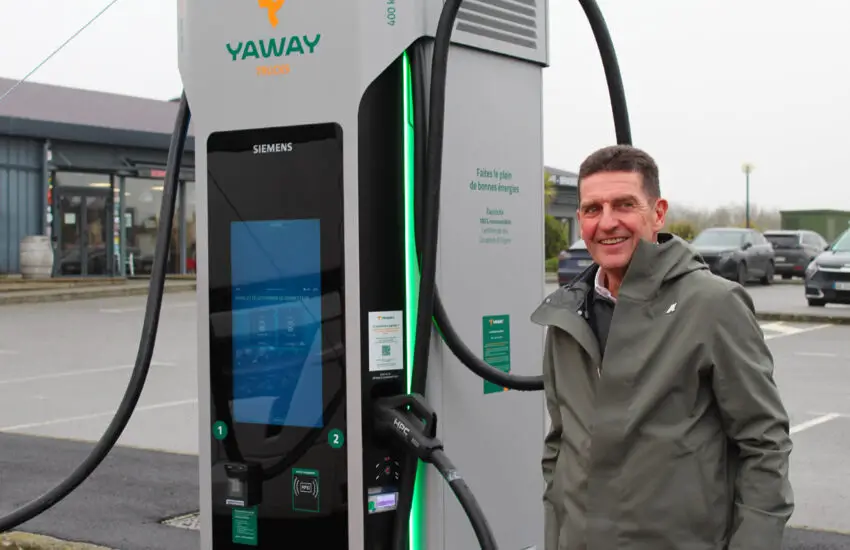
Restaurateur standing beside a large Yaway-brand charging unit for heavy goods vehicles

Accelerating the Shift to Sustainable Freight

The installation of these specialized chargers directly supports the growing fleet of electric heavy goods vehicles (HGVs). As regulations tighten and the logistics industry seeks cleaner alternatives, the demand for reliable high-power charging networks is escalating. This private-sector move helps fill a crucial gap in public infrastructure, demonstrating how businesses can actively participate in the energy transition. The concept provides a replicable blueprint for other businesses located along transport corridors.

A Model for Future Infrastructure Development

This initiative highlights a pragmatic, bottom-up approach to building the necessary ecosystem for electric freight. It showcases the potential for synergies between the hospitality sector and green transportation. By offering this service, the restaurant not only contributes to environmental goals but also positions itself as a modern, sustainability-conscious stop for a new generation of logistics operators. The success of such pilot projects is essential for encouraging further investment and development in nationwide charging networks for commercial vehicles.

The E85 Ethanol Puzzle: Why French Drivers Remain Hesitant

The E85 Ethanol Conundrum in France

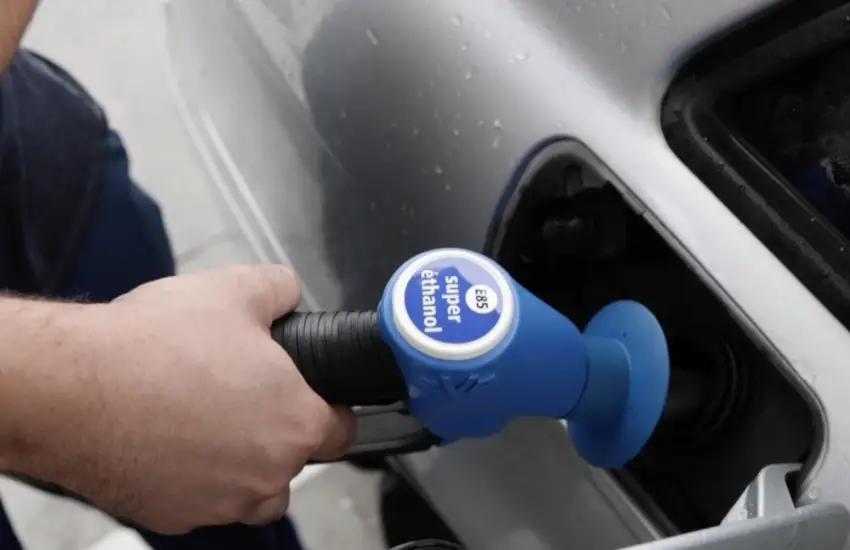
E85 fuel, a blend of up to 85% renewable ethanol, presents a compelling case for French motorists. With a consistently lower price per liter compared to gasoline and diesel, it offers direct savings at the pump. Furthermore, its use supports agricultural sectors and can reduce the carbon footprint of personal transport. Despite these apparent advantages, widespread adoption in France has been surprisingly slow, creating a notable gap between potential and reality.

Key Barriers to Widespread Adoption

The primary obstacle for most drivers is vehicle compatibility. Converting a standard gasoline car to run on E85 requires a specific kit, known as an “ethanol box,” which represents an upfront investment. While many modern flex-fuel vehicles can use E85 without modification, they still constitute a minority of the national fleet. This initial cost and technical consideration deter many from making the switch.

Another significant concern is fuel economy. Ethanol has a lower energy density than pure gasoline, meaning consumption in liters per 100 kilometers is typically higher. Drivers often perform a quick mental calculation, weighing the lower price per liter against a potentially higher consumption rate, which can cloud the perceived overall savings.

Infrastructure and Perception Challenges

Although the network of E85 pumps is expanding, availability is not yet as ubiquitous as traditional fuels. Drivers in rural areas or those planning long journeys may worry about finding a station, creating a “range anxiety” similar to that experienced by some electric vehicle users. This lack of convenience remains a practical barrier.

Finally, a degree of uncertainty persists regarding the long-term effects of E85 on non-flex-fuel engines, even with approved conversion kits. Some motorists are hesitant to become early adopters, preferring to wait for more established technology or broader societal acceptance. Overcoming these intertwined practical and psychological barriers is essential for E85 to move from a niche alternative to a mainstream choice.

BMW P14A5 Code: Understanding the Fuel Pressure Sensor Circuit

Decoding the BMW P14A5 OBD2 Fault Code

The OBD2 diagnostic trouble code P14A5 is a manufacturer-specific code primarily associated with BMW vehicles. In technical terms, it is defined as “Fuel Pressure Sensor 2 Circuit”. This sensor, often referred to as the high-pressure fuel rail sensor, is a critical component of the direct fuel injection system in modern BMW engines like the N20, N55, B48, and B58. Its primary function is to provide real-time feedback to the vehicle’s Engine Control Module (DME – Digital Motor Electronics) on the actual fuel pressure within the fuel rail. The DME uses this data to precisely control the high-pressure fuel pump, ensuring optimal fuel delivery for performance, efficiency, and emissions control. A P14A5 code indicates that the DME has detected an irregularity in the electrical circuit of this sensor, which could stem from the sensor itself, its wiring, or the connector.

Common Symptoms and Technical Causes of P14A5

When the P14A5 code is stored, the vehicle’s computer may enter a fail-safe or limp mode to protect the engine. Recognizing the symptoms is the first step in diagnosis.

Primary Symptoms of a P14A5 Fault

  • Illuminated Check Engine Light (CEL): The most immediate and common indicator.
  • Reduced Engine Power (Limp Mode): The DME limits engine RPM and power output to prevent potential damage from incorrect fuel pressure.
  • Poor Engine Performance: Hesitation, stumbling, or lack of power during acceleration.
  • Rough Idle or Stalling: Unstable idle speed or engine stalling, especially when cold.
  • Increased Fuel Consumption: Inefficient fuel metering can lead to higher fuel usage.
  • Difficulty Starting: Extended cranking times or failure to start, as the DME cannot verify fuel rail pressure.

Root Causes of the P14A5 Code

The fault lies within the sensor’s circuit. Here are the most probable technical causes, listed from most to least common:

  • Failed Fuel Pressure Sensor: The sensor’s internal piezoresistive element or circuitry has malfunctioned.
  • Damaged Wiring or Connectors: Open circuits, short circuits (to power or ground), or corrosion in the wiring harness or electrical connector at the sensor.
  • Poor Electrical Connections: Loose, corroded, or damaged pins in the sensor or DME connectors.
  • Issues with the High-Pressure Fuel Pump (HPFP): While not directly part of the sensor circuit, a failing pump causing erratic pressure can sometimes lead to implausible sensor readings.
  • Faulty Engine Control Module (DME): Rare, but a malfunction within the DME’s internal circuitry for processing the sensor signal is possible.

Step-by-Step Diagnostic and Repair Procedure

A systematic approach is essential to correctly diagnose a P14A5 code. Always begin with a visual inspection and proceed with electrical tests. Warning: The fuel system is under extremely high pressure (up to 200 bar/2900 psi). You MUST depressurize the system safely before disconnecting any fuel lines or the sensor itself.

Step 1: Preliminary Checks and Visual Inspection

Start with the basics. Use a professional-grade OBD2 scanner to confirm the P14A5 code is present and check for any related codes (e.g., codes for the fuel pump). Perform a thorough visual inspection of the fuel pressure sensor (typically located on the fuel rail), its wiring harness, and the electrical connector. Look for obvious damage, chafing, oil contamination (common from valve cover gasket leaks on some BMW engines), or corrosion.

Step 2: Testing the Fuel Pressure Sensor Circuit

With the ignition OFF and the sensor connector disconnected, you can test the circuit. The sensor is a 3-pin device: Supply Voltage (usually 5V from the DME), Signal Return (Sensor Ground), and Signal Wire. Using a digital multimeter (DMM):

  • Check for 5V reference voltage between the supply pin and ground with the ignition ON.
  • Check for continuity and resistance of the ground circuit.
  • Check the signal wire for shorts to power or ground.
  • Inspect wiring integrity for opens or high resistance.

Step 3: Testing the Sensor Itself and Live Data

If the circuit checks out, the sensor is likely faulty. With a capable scanner, observe the live data parameter for “Fuel Rail Pressure”. Compare the sensor’s reading with the specified pressure from the DME. A static, implausible (e.g., 0 bar or maxed-out) reading with the key on/engine off points to a bad sensor. You can also perform a resistance check across the sensor terminals according to manufacturer specifications, though live data is often more conclusive.

Step 4: Replacement and Final Verification

After safely depressurizing the fuel system, replace the faulty fuel pressure sensor. Use a high-quality, OEM or OEM-equivalent part. Ensure the connector is clean and securely fastened. After replacement, clear the fault codes with your scanner. The final and most critical step is a test drive under various load conditions to ensure the code does not return and that all symptoms are resolved. Monitor live fuel pressure data to confirm it is operating within the normal, dynamic range.

Technical Importance and Professional Recommendation

The P14A5 code is not one to ignore. The high-pressure fuel sensor is integral to the precise air-fuel mixture management required by modern direct-injection engines. Ignoring it can lead to poor drivability, potential damage to expensive components like the catalytic converter from running too rich or lean, and in severe cases, engine damage from pre-ignition or misfires.

When to Seek Professional Help

While a competent DIYer with proper tools can diagnose this code, the high-pressure fuel system presents significant risks. If you are not comfortable with electrical diagnostics, depressurizing fuel systems, or interpreting live data, it is strongly advised to consult a certified BMW technician. They have access to factory diagnostic software (ISTA) that can run guided test plans specifically for P14A5, providing a more efficient and accurate diagnosis.