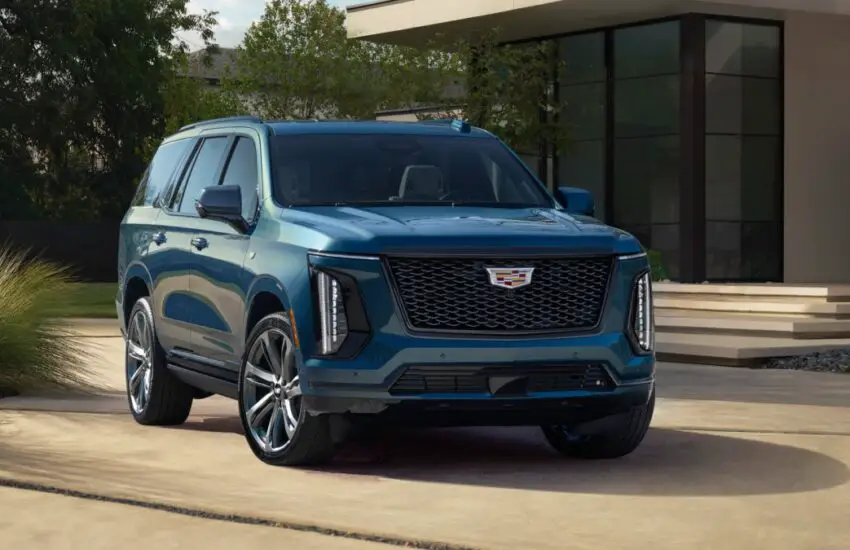
BMW iX3 2027 Review: The Electric SUV Redefined

BMW iX3 2027: A New Benchmark for Electric Driving

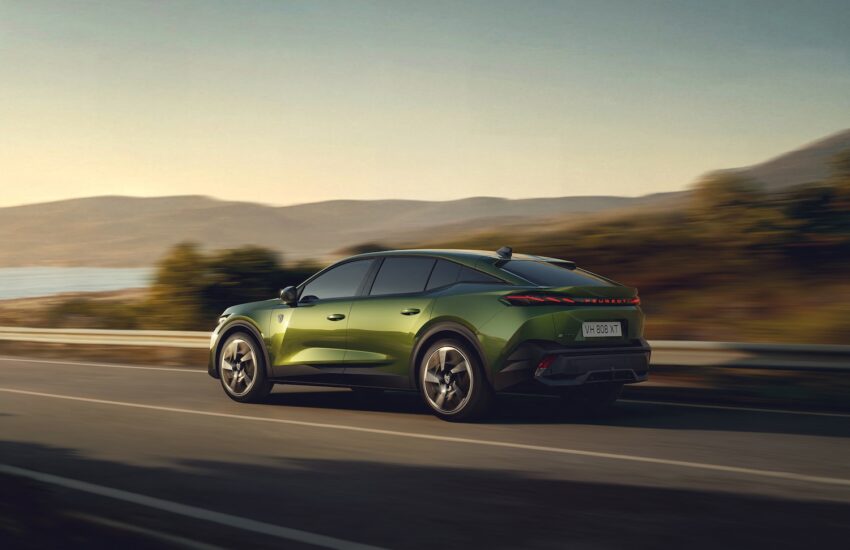
The future of the electric SUV is here, and it wears the BMW badge. The 2027 iX3 is not merely an evolution; it represents a fundamental rethinking of what a battery-powered family vehicle can be. From its striking aerodynamic design to its intuitive next-generation technology, this model is engineered to deliver a driving experience that is both serene and exhilarating.

Uncompromised Performance and Agility

Behind the wheel, the iX3 2027 immediately distinguishes itself with a sense of cohesive balance. The latest eDrive technology provides formidable, instantaneous power that is delivered with remarkable linearity. More impressive is the chassis tuning, which masterfully manages the vehicle’s weight. Through winding routes, the iX3 feels agile and planted, with precise steering feedback that builds confidence. The suspension effortlessly isolates occupants from road imperfections while maintaining communicative composure, striking a rare and commendable balance between luxury and engagement.

A Cabin of Sustainable Innovation

Inside, the iX3 2027 presents a sanctuary of modern luxury. The cabin utilizes an array of high-quality, recycled materials that do not compromise on tactile appeal. The centerpiece is the advanced curved display, which integrates seamlessly with a redesigned iDrive system. Its operation is more intuitive than ever, prioritizing driver focus through intelligent voice commands and haptic feedback. Passenger space is generous, with clever packaging ensuring that the battery pack does not intrude on interior comfort or cargo utility.

The Verdict on Range and Charging

With a significantly enhanced battery capacity, the 2027 iX3 achieves a range that effectively eliminates daily range anxiety. Real-world testing confirms figures that comfortably exceed most weekly commuting needs. Furthermore, its ultra-rapid charging capability means that adding hundreds of kilometers of range can be achieved in the time it takes for a brief rest stop, making longer journeys more practical than in any previous generation.

The BMW iX3 2027 stands as a complete package. It successfully merges the dynamic driving pedigree expected of the brand with the silent, efficient, and progressive nature of leading electric vehicles. It sets a formidable new standard in its segment.

Ram Pickup Recall: Digital Dashboards May Go Dark

Major Safety Recall Issued for Ram Trucks

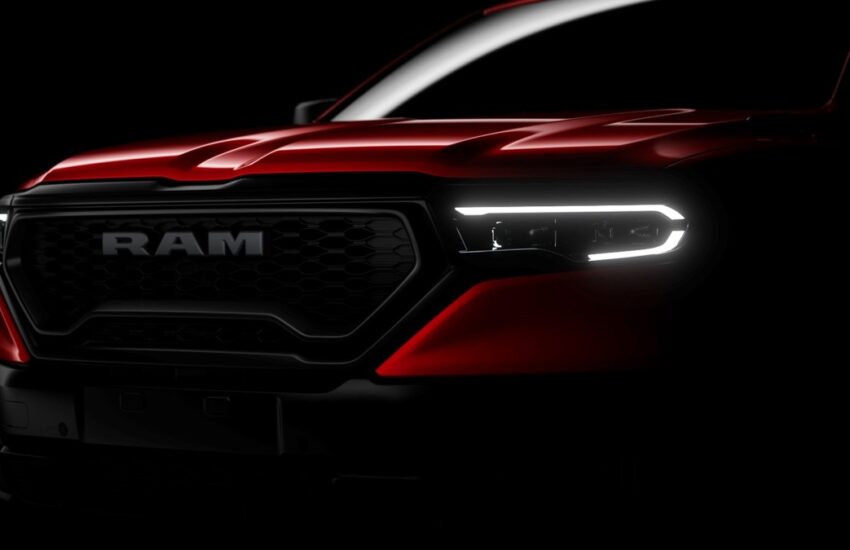
A significant safety recall has been announced for a substantial number of Ram pickup trucks. The action involves over 72,000 vehicles where the digital instrument cluster screens pose a potential hazard. This critical malfunction can occur without warning, directly impacting driver awareness and vehicle safety.

Affected Models and the Core Problem

The recall spans several key models from the Ram lineup. It includes popular models like the Ram 1500, along with the heavier-duty 2500 and 3500 series pickups. Certain 4500 series chassis cab trucks are also part of this safety campaign. The central issue is a software or electronic fault that can cause the digital dashboard display to suddenly fail.

When this happens, the screen may turn completely black, erasing vital driving information. Drivers could instantly lose access to critical data such as vehicle speed, fuel level, engine warnings, and gear selection indicators. This sudden loss of instrumentation creates a serious distraction and increases the risk of a crash.

Official Recall Details and Recommended Actions

The official recall is documented with the National Highway Traffic Safety Administration (NHTSA) under recall number 25V826000. Owners of the affected vehicles will receive direct notification from the manufacturer. The remedy will involve a dealership service visit where certified technicians will perform a software update to correct the underlying problem. This service will be provided at no cost to the vehicle owner.

Vehicle owners are strongly advised to act promptly upon receiving their recall notice. Scheduling the repair as soon as possible is the most effective way to restore full functionality and ensure the safety of the instrument panel. Until the repair is completed, drivers should be aware of the potential for a sudden display failure and exercise additional caution.

Nissan’s Hybrid Strategy: A Calculated Shift in Electrification

Nissan’s Hybrid Strategy: A Calculated Shift in Electrification

While many automakers have flooded the market with hybrid vehicles, Nissan has charted a notably different course. Historically focused on its pioneering all-electric Leaf and advanced e-Power series-hybrid systems, the brand is now making a strategic pivot. This move signals a new chapter in its electrification playbook, aiming to capture a broader segment of eco-conscious drivers.

The Path to Plug-In Hybrids

Nissan’s upcoming expansion begins with the introduction of a plug-in hybrid (PHEV) variant of its popular Rogue SUV. This model represents a significant step, leveraging shared technology and platform synergy with the Mitsubishi Outlander PHEV. This collaborative approach allows Nissan to accelerate its market entry, bringing a proven and capable PHEV system to its flagship crossover efficiently.

Beyond Shared Platforms: The e-Power Legacy

To understand Nissan’s hybrid philosophy, one must look at its existing e-Power technology. Unlike conventional hybrids, e-Power uses a gasoline engine solely as a generator to charge the battery, which then powers an electric motor driving the wheels. This creates a driving experience remarkably similar to a pure electric vehicle, with smooth, instant torque. This focus on an “EV-feel” has shaped the brand’s identity and informed its gradual approach to conventional hybrid powertrains.

A Multi-Pronged Electrification Vision

Nissan’s strategy is not an abandonment of electric vehicles but a broadening of its portfolio. The approach is multi-faceted: continue advancing pure EV technology with models like the Ariya, refine the unique e-Power system for global markets, and now, integrate plug-in hybrids to offer a practical bridge for consumers. This diversified tactic aims to meet varied customer needs, infrastructure realities, and regional regulations worldwide, ensuring there is a Nissan electrified option for different lifestyles and readiness levels.

This calculated expansion into plug-in hybrids, while later than some competitors, allows Nissan to enter the segment with mature technology and a clear understanding of consumer demands. It underscores a strategic vision where different electrified technologies coexist to advance the overarching goal of reduced emissions.

The 10-Speed Crown Vic: A Modern Twist on a Classic Platform

Reviving an Icon with Modern Engineering

The Ford Crown Victoria, alongside its Mercury Grand Marquis and Lincoln Town Car siblings, represents a bygone era of American automotive design. Built on the robust Panther platform, these vehicles were famed for their body-on-frame construction, rear-wheel-drive dynamics, and durable V8 engines. While production ceased over a decade ago, a dedicated community of enthusiasts and specialists ensures these classics not only survive but evolve with cutting-edge technology.

The 10-Speed Transmission Transformation

A compelling vision for the future of these vehicles involves retrofitting them with modern 10-speed automatic transmissions. Originally developed for today’s high-performance and truck applications, the 10-speed gearbox offers significantly improved acceleration, smoother shifting, and better fuel efficiency compared to the older 4-speed automatics found in most Panther-platform cars. This upgrade bridges the gap between classic comfort and contemporary drivetrain efficiency, unlocking performance potential from the venerable 4.6L V8 that was previously untapped.

Why the Panther Platform Endures

The lasting appeal of the Crown Victoria and its variants lies in their simplicity, durability, and vast aftermarket support. Their full-size, spacious interiors and straightforward mechanical design make them ideal candidates for customization. The concept of installing a 10-speed transmission exemplifies how enthusiasts are reimagining these vehicles. This modification is more than a power upgrade; it’s a comprehensive enhancement to the driving experience, making the classic sedan more responsive and adaptable to modern driving conditions.

This engineering approach demonstrates that the legacy of the Panther platform is actively being written. By integrating advanced components like a 10-speed automatic, specialists are future-proofing these beloved sedans, ensuring they remain relevant and enjoyable for years to come. It’s a testament to the timeless design and the innovative spirit of the automotive community.

Cities: Skylines II is the Ultimate Car Simulation Game

Beyond City Building: An Automotive Sandbox

Forget everything you thought you knew about urban simulators. While Cities: Skylines II presents itself as the pinnacle of city management, its true genius lies hidden beneath the zoning grids and tax sliders. This game is, at its core, a deeply sophisticated and emergent car simulation. It’s not about building a city for your citizens; it’s about constructing the ultimate stage for a complex, living automotive ballet.

The Road Network as a Playground

The heart of this experience is the intricate traffic simulation. Every vehicle, from compact cars to massive freight trucks, is an independent agent with a purpose. Your role shifts from a distant mayor to a master traffic engineer. You don’t just plop down roads; you design highways, interchanges, and roundabouts that will become the arteries of your automotive ecosystem. Witnessing a complex multi-lane interchange you built handle rush-hour traffic without a single backup is a triumph no traditional racing game can offer.

Observing the Automotive Lifecycle

The simulation goes beyond mere movement. You oversee the entire automotive lifecycle within your metropolis. You manage the supply chains that deliver goods to factories, the logistics that stock your commercial zones, and the commutes that bring workers to your offices. A traffic jam on an industrial road can cause shortages downtown, creating a cascade of economic effects. This creates a dynamic, living world where cars are the vital cells carrying the lifeblood of your city.

A New Genre of Automotive Game

Cities: Skylines II successfully reinvents what a car-centric game can be. It replaces the adrenaline of a finish line with the profound satisfaction of systemic efficiency. The thrill comes from solving complex logistical puzzles and observing the harmonious flow of thousands of simulated journeys. It’s the ultimate sandbox for anyone fascinated by infrastructure, logistics, and the beautiful, chaotic dance of urban traffic.

Cadillac’s F1 Livery to Debut in 2026 Super Bowl Ad

Cadillac Chooses Super Bowl Spotlight for F1 Reveal

In a groundbreaking marketing move, the Cadillac Formula 1 Team has announced it will unveil the livery for its highly anticipated race car during a prime-time television commercial at Super Bowl 2026. The official reveal is scheduled for February 8, 2026, leveraging the event’s colossal global audience to make an unforgettable first impression. This strategy marks a significant departure from traditional motorsport reveals, which are typically held at dedicated events or during pre-season testing.

Unprecedented Audience for a Motorsport Launch

The Super Bowl consistently draws over 100 million viewers in the United States alone, with a significant international broadcast reach. By choosing this platform, Cadillac aims to transcend the traditional motorsport fanbase and capture the attention of a mainstream audience. The high-stakes, spectacle-driven environment of the Super Bowl aligns perfectly with the glamour and global prestige of Formula 1, creating a powerful synergy for the brand’s debut season.

A Strategic Marketing Power Play

This audacious plan is more than just a paint reveal; it is a statement of intent. Cadillac, through its partnership with the existing Andretti Global bid, is signaling its commitment to competing at the highest level both on the track and in the commercial arena. The multi-million dollar investment in a Super Bowl spot underscores the automotive giant’s view of Formula 1 as a premier platform for technological showcase and brand elevation. The livery itself is expected to blend Cadillac’s design heritage with a futuristic aesthetic, symbolizing its new chapter in cutting-edge motorsport.

Setting a New Precedent in Sports Marketing

Cadillac’s decision could redefine how major sports properties are launched in the future. The move creates immense anticipation, guaranteeing that the car’s first public appearance will be a cultural moment beyond the racing world. It places the team’s identity directly within the context of top-tier American sporting spectacle, aiming to build a broad and passionate fanbase from the very start. All eyes will now be on Super Bowl 2026 to witness this historic fusion of American sports culture and global Formula 1 ambition.

The Hidden Winter Hazard: Snow in Your Wheels

Snow in Your Rims: A Silent Threat to Vehicle Safety

Winter driving demands preparation for ice and reduced visibility, but a lesser-known danger lurks within your wheels themselves. Accumulated snow and ice packed inside alloy rims or steel wheels is more than a minor nuisance; it’s a genuine safety hazard that can compromise your vehicle’s handling and performance. This issue is particularly prevalent after driving through fresh powder or plowed snow, where slush is forcefully thrown into the wheel’s inner cavities.

How Packed Snow Disrupts Your Drive

The core problem is imbalance. Modern wheels are precision-balanced with small weights to ensure smooth rotation at high speeds. When snow compacts unevenly inside the rim, it acts as an unintentional weight, creating a significant imbalance. This imbalance transmits violent vibrations through the steering wheel, especially at highway speeds. These vibrations not only make driving uncomfortable but also strain suspension components, wheel bearings, and steering linkages, potentially leading to premature wear.

Beyond Vibration: Braking and Sensor Issues

The consequences extend further. In severe cases, a thick layer of impacted ice or snow inside the wheel can interfere with the proper function of braking systems by affecting cooling. For vehicles with Anti-lock Braking Systems (ABS) or Tire Pressure Monitoring Systems (TPMS), sensors located near the wheels can be obstructed or give false readings due to the packed snow and ice. This interference can compromise these critical safety systems when you need them most.

Simple Prevention for a Smoother Ride

Preventing this issue is straightforward. After driving in snowy conditions and before parking for an extended period, take a moment to clear the wheels. A quick tap with a snow brush handle or a gloved hand is often enough to dislodge fresh slush before it freezes solid overnight. For ice that has already set, carefully using a plastic scraper can help. Regularly removing this buildup ensures balanced wheels, a smoother ride, and protects your vehicle’s vital systems throughout the winter season.

Nissan P1464 Code: Comprehensive Diagnostic and Repair Guide

Understanding Nissan P1464 Diagnostic Trouble Code

The P1464 code is a manufacturer-specific diagnostic trouble code that primarily affects Nissan vehicles. This code indicates a malfunction in the Evaporative Emission Control (EVAP) system, specifically related to the canister vent control valve circuit. The EVAP system is crucial for preventing fuel vapors from escaping into the atmosphere, making this code both an environmental concern and potential drivability issue.

What Does P1464 Mean in Nissan Vehicles?

P1464 specifically points to a problem in the electrical circuit controlling the EVAP canister vent control valve. This valve, typically located near the fuel tank, regulates the flow of fuel vapors between the charcoal canister and the atmosphere. When the Engine Control Module (ECM) detects an abnormal voltage reading or resistance in this circuit, it stores the P1464 code and illuminates the check engine light.

How the EVAP System Works in Nissan Models

The EVAP system in Nissan vehicles serves to capture and store fuel vapors from the fuel tank, preventing their release into the atmosphere. Key components include:

  • Fuel tank and cap assembly
  • Charcoal canister for vapor storage
  • Vent control valve for atmospheric pressure regulation
  • Purge valve for controlled vapor intake into the engine
  • Various hoses and electrical connectors

Common Symptoms and Immediate Effects of P1464

When P1464 appears in your Nissan, several symptoms may become apparent. While some drivers might not notice immediate drivability issues, the code indicates an underlying problem that requires attention to prevent more serious complications.

Primary Symptoms of P1464 Code

  • Illuminated check engine light on dashboard
  • Possible fuel odor around the vehicle
  • Failed emissions testing in regions requiring compliance
  • Decreased fuel efficiency in some cases
  • Rough idle or occasional stalling (less common)

Potential Consequences of Ignoring P1464

While P1464 might not immediately disable your vehicle, ignoring it can lead to:

  • Increased hydrocarbon emissions contributing to environmental pollution
  • Potential damage to other EVAP system components
  • Fuel system pressure issues affecting engine performance
  • Failed state inspection in emission-controlled areas
  • Reduced fuel economy over time

Diagnostic Procedure for Nissan P1464 Code

Proper diagnosis of P1464 requires systematic troubleshooting to identify the root cause. Following a structured approach saves time and prevents unnecessary part replacements.

Initial Diagnostic Steps

Begin with these preliminary checks before diving deeper into electrical diagnostics:

  • Verify the code with an OBD2 scanner and check for additional codes
  • Inspect the gas cap for proper sealing and tightness
  • Visually examine EVAP system hoses for cracks, disconnections, or damage
  • Check for obvious wiring damage near the canister vent control valve
  • Listen for unusual noises from the vent valve area with engine running

Advanced Electrical Testing Procedures

For accurate diagnosis, perform these electrical tests using a digital multimeter:

  • Test power supply to the vent control valve (typically 12V with ignition on)
  • Check ground circuit continuity and resistance
  • Measure valve coil resistance and compare to manufacturer specifications
  • Inspect wiring harness for shorts, opens, or excessive resistance
  • Test ECM output signals using a scan tool with bidirectional controls

Common Causes and Repair Solutions for P1464

The P1464 code can stem from various issues within the EVAP system. Understanding these causes helps technicians and DIY enthusiasts address the problem effectively.

Most Frequent Causes of P1464 in Nissan Vehicles

  • Faulty EVAP canister vent control valve (most common)
  • Damaged or corroded wiring harness and connectors
  • Blocked or pinched vent lines preventing proper airflow
  • Failed or stuck vent valve solenoid
  • ECM programming issues or internal failure (rare)
  • Poor electrical connections at the valve or ECM

Step-by-Step Repair Guide

Follow this systematic approach to resolve P1464 issues:

  • Begin with the simplest solutions first – inspect and replace gas cap if questionable
  • Locate the vent control valve (typically near fuel tank or in engine compartment)
  • Test valve operation using a scan tool or direct power application
  • Replace faulty vent control valve with OEM or quality aftermarket part
  • Repair or replace damaged wiring and ensure proper connector engagement
  • Clear codes and perform test drive to verify repair success

Preventive Maintenance and Professional Considerations

Regular maintenance can help prevent P1464 and other EVAP-related codes from occurring in your Nissan vehicle.

Maintenance Tips to Avoid EVAP System Issues

  • Always tighten the fuel cap securely after refueling
  • Follow manufacturer-recommended service intervals for emission systems
  • Keep the area around the fuel tank and EVAP components clean
  • Address any fuel system issues promptly to prevent EVAP system strain
  • Have emission system inspected during routine maintenance

When to Seek Professional Assistance

While some P1464 repairs are DIY-friendly, consider professional help when:

  • Electrical diagnostics exceed your comfort level or tool availability
  • The code persists after basic component replacement
  • Multiple emission codes are present simultaneously
  • Warranty coverage applies to the repair
  • Emissions testing deadlines are approaching

Successfully addressing P1464 requires understanding both the electrical and mechanical aspects of Nissan’s EVAP system. With proper diagnosis and quality replacement parts, this code can be permanently resolved, restoring your vehicle’s emission control functionality and ensuring environmental compliance.

OBD2 Code P1464 MINI: Comprehensive Diagnosis & Repair Guide

Understanding OBD2 Code P1464 in MINI Vehicles

OBD2 code P1464 is a manufacturer-specific diagnostic trouble code that primarily affects MINI Cooper and other MINI models. This code indicates a fault within the Digital Motor Electronics (DME) system, specifically related to the engine control module’s internal monitoring circuits. When this code appears, it signifies that the vehicle’s primary computer has detected an irregularity in its own operation or in the systems it directly controls.

What Does P1464 Mean Technically?

P1464 is defined as “DME Relay, Self-Test” or “DME Main Relay Monitoring” in MINI vehicles. The DME relay is responsible for providing primary power to the engine control module and various engine management components. When the DME performs its self-test routine and detects abnormal voltage patterns, current draw, or operational characteristics in this critical circuit, it stores code P1464 and typically illuminates the check engine light.

MINI Vehicle Systems Affected by P1464

This fault code primarily impacts MINI models equipped with the BMW-derived N-series engines, including:

  • MINI Cooper (R56) with N12, N14, N16 engines
  • MINI Cooper S (R56) with N14, N18 engines
  • MINI Clubman (R55) models
  • MINI Convertible (R57) variants
  • Various MINI models from 2007-2014 production years

Common Symptoms and Immediate Effects of P1464

Recognizing the symptoms associated with P1464 is crucial for proper diagnosis and preventing further damage to your MINI’s engine management system. The severity of symptoms can range from intermittent issues to complete engine shutdown, depending on the underlying cause.

Primary Performance Symptoms

  • Check engine light illumination (constant or intermittent)
  • Engine cranks but fails to start condition
  • Intermittent stalling or rough idle
  • Reduced engine power and performance
  • Unusual electrical behavior in other vehicle systems
  • Random engine shutdown while driving

Secondary System Affections

Since the DME controls multiple engine functions, P1464 can cause cascading issues in related systems. You might notice erratic fuel pump operation, inconsistent sensor readings, or communication errors with other control modules. In severe cases, the vehicle may enter a limp mode or refuse to start altogether as a safety precaution.

Comprehensive Diagnostic Procedure for P1464

Proper diagnosis of P1464 requires a systematic approach using appropriate diagnostic tools and following manufacturer-recommended procedures. Rushing this process can lead to misdiagnosis and unnecessary component replacement.

Initial Diagnostic Steps

  • Connect a professional OBD2 scanner to confirm P1464 and check for additional codes
  • Document freeze frame data to understand conditions when the code set
  • Perform a visual inspection of the DME relay, fuses, and associated wiring
  • Check battery voltage and charging system performance
  • Inspect grounds and power connections to the DME control unit

Advanced Electrical Testing

Using a digital multimeter and appropriate wiring diagrams, technicians should:

  • Test DME relay operation and coil resistance
  • Verify voltage supply at the DME connector pins
  • Check for voltage drops in power and ground circuits
  • Test circuit integrity between the relay and DME module
  • Monitor current draw during DME activation sequences

Root Causes and Repair Solutions for P1464

Identifying the exact cause of P1464 is essential for implementing the correct repair strategy. This code can result from various issues ranging from simple electrical problems to complex computer module failures.

Most Common Causes of P1464

  • Faulty DME main relay (most frequent cause)
  • Damaged wiring or connectors in the DME power circuit
  • Blown fuses in the engine management power supply
  • Corroded or loose ground connections
  • Failing engine control module (DME) internal issues
  • Water intrusion damaging electrical components
  • Aftermarket modifications affecting electrical load

Professional Repair Procedures

Depending on the diagnostic findings, repairs may include:

  • Replacing the DME main relay with an OEM-quality part
  • Repairing damaged wiring and cleaning connector contacts
  • Replacing blown fuses and investigating why they failed
  • Cleaning and securing ground connection points
  • In severe cases, replacing and programming the DME module
  • Addressing any water intrusion issues and preventing recurrence

Prevention and Long-Term Maintenance Strategies

Preventing recurrence of P1464 involves regular maintenance and addressing minor electrical issues before they escalate into major problems.

Proactive Maintenance Tips

  • Regularly inspect electrical connections for corrosion or damage
  • Address any water leaks in the engine bay immediately
  • Use only high-quality replacement parts for electrical components
  • Maintain proper battery health and charging system performance
  • Avoid aftermarket electrical modifications that increase system load

When to Seek Professional Assistance

While some basic troubleshooting can be performed by experienced DIYers, P1464 often requires professional diagnosis due to its complexity. Seek professional help if you encounter programming requirements, complex electrical diagnostics, or if initial simple repairs don’t resolve the issue. Certified MINI technicians have access to manufacturer-specific diagnostic software and wiring information that significantly improves repair accuracy.

Successfully addressing OBD2 code P1464 in your MINI requires patience, proper tools, and systematic diagnosis. By understanding the underlying causes and following proper repair procedures, you can restore your vehicle’s performance and prevent future occurrences of this potentially serious fault code.

OBD2 Code P1464 Mercury: Comprehensive Diagnostic Guide

Understanding Mercury P1464 Code: A Technical Overview

The OBD2 code P1464 is a manufacturer-specific diagnostic trouble code that primarily affects Mercury vehicles. This code indicates a malfunction in the air conditioning pressure sensor circuit, specifically related to circuit performance issues. When this code appears, it signifies that the vehicle’s powertrain control module (PCM) has detected an abnormal voltage reading or signal from the A/C pressure sensor that falls outside predetermined parameters.

What is the A/C Pressure Sensor?

The A/C pressure sensor is a critical component in your Mercury’s climate control system. This sensor monitors the pressure of the refrigerant in the A/C system and sends this information to the PCM. The computer uses this data to control the A/C compressor clutch operation, ensuring optimal performance while protecting the system from damage due to excessive pressure. The sensor typically operates within a voltage range of 0.5 to 4.5 volts, with varying voltage corresponding to different pressure readings.

How the P1464 Code is Triggered

The PCM continuously monitors the A/C pressure sensor signal. When the voltage reading remains consistently outside the expected range for a specific duration (usually several seconds), or when the sensor signal doesn’t correlate with other engine parameters, the PCM stores the P1464 code and illuminates the check engine light. This protection mechanism prevents potential damage to the A/C compressor and associated components.

Common Symptoms of P1464 Code in Mercury Vehicles

Recognizing the symptoms associated with P1464 is crucial for timely diagnosis and repair. Mercury owners experiencing this code typically notice several distinct indicators that something is wrong with their A/C system.

Primary Symptoms and Warning Signs

  • Illuminated check engine light on dashboard
  • Air conditioning system not functioning properly
  • A/C compressor not engaging when activated
  • Reduced cooling performance or warm air from vents
  • Possible engine overheating in severe cases
  • Decreased fuel efficiency due to system malfunctions

Secondary System Effects

Beyond the immediate A/C issues, the P1464 code can affect other vehicle systems. The PCM may implement fail-safe measures that impact engine performance, particularly during hot weather when the A/C system is heavily relied upon. Some Mercury models may experience radiator fan operation issues, as many modern vehicles integrate A/C pressure readings into cooling system management strategies.

Diagnosing P1464 Code: Step-by-Step Procedure

Proper diagnosis of P1464 requires systematic troubleshooting to identify the root cause. Following a structured approach saves time and ensures accurate repairs.

Initial Diagnostic Preparation

  • Connect a professional OBD2 scanner to confirm P1464 presence
  • Document freeze frame data for analysis
  • Check for additional stored codes that may indicate related issues
  • Gather necessary tools: digital multimeter, wiring diagrams, A/C manifold gauge set
  • Ensure safety precautions: wear protective eyewear and gloves

Electrical Circuit Testing Procedure

Begin with visual inspection of the A/C pressure sensor and associated wiring. Look for obvious damage, corrosion, or disconnected connectors. Using a digital multimeter, test the sensor’s three-wire circuit:

  • Check reference voltage (typically 5V) at sensor connector
  • Verify ground circuit integrity
  • Measure signal voltage with A/C system at rest and operating
  • Compare readings to manufacturer specifications
  • Test for short circuits or open circuits in wiring harness

Sensor and System Performance Verification

After confirming electrical circuit integrity, test the A/C pressure sensor itself. Connect an A/C manifold gauge set to measure actual system pressure and compare these readings to the sensor’s voltage output. Discrepancies between actual pressure and sensor readings indicate a faulty sensor. Also verify proper A/C system operation, as actual pressure problems can trigger sensor-related codes.

Repair Procedures and Solutions for P1464

Once diagnosis is complete, implementing the correct repair is essential for resolving P1464 permanently. The specific repair approach depends on the identified root cause.

A/C Pressure Sensor Replacement

If testing confirms a faulty A/C pressure sensor, replacement is necessary. The procedure typically involves:

  • Recovering A/C refrigerant using approved equipment
  • Disconnecting electrical connector from old sensor
  • Removing faulty sensor from pressure port
  • Installing new O-rings lubricated with refrigerant oil
  • Installing new sensor and reconnecting electrical connector
  • Evacuating and recharging A/C system to specified levels

Wiring Repair Techniques

For wiring issues, repair damaged sections using proper automotive wiring techniques. Soldering and heat shrink tubing provide durable repairs superior to crimp connectors. Ensure repairs are protected from moisture and vibration. After repairs, clear the code and test drive the vehicle to verify the P1464 doesn’t return.

Prevention and Maintenance Tips

Preventing P1464 recurrence involves regular maintenance and understanding common failure points in Mercury A/C systems.

Proactive Maintenance Strategies

  • Schedule regular A/C system inspections, especially before summer
  • Check electrical connections during routine maintenance
  • Address minor A/C issues promptly before they escalate
  • Use quality replacement parts when repairs are necessary
  • Keep the condenser and radiator clean for optimal system performance

Long-Term System Health

Proper A/C system operation depends on multiple factors. Ensure correct refrigerant charge levels, as both overcharging and undercharging can affect pressure sensor readings. Regular compressor operation maintains proper lubrication throughout the system. Addressing P1464 promptly prevents potential damage to the A/C compressor, which is significantly more expensive to replace than the pressure sensor.

Successfully diagnosing and repairing P1464 requires understanding the relationship between the A/C pressure sensor, electrical circuits, and overall system operation. With proper diagnostic approach and quality repairs, Mercury owners can restore their A/C system functionality and prevent recurring issues.