AWD Tops Autonomous Tech in Car Buyer Study

All-Wheel Drive Emerges as Top Automotive Priority

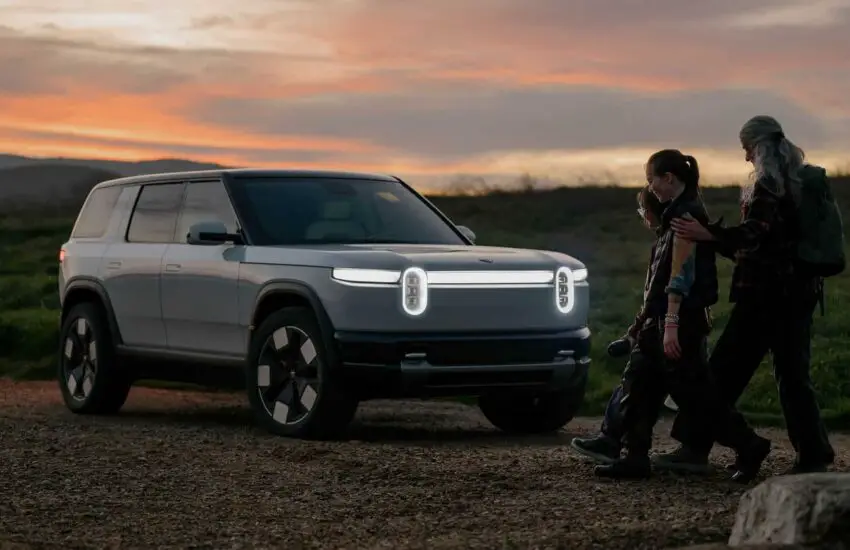
While autonomous driving technologies dominate automotive headlines, recent research reveals car buyers are prioritizing a far more practical feature for their next vehicle. All-wheel drive systems have emerged as the most requested functionality, significantly outpacing interest in self-driving capabilities.

Surprising Consumer Preference Shift

The comprehensive AutoPacific study surveyed thousands of potential car buyers across multiple vehicle segments. Results demonstrated a clear preference for mechanical enhancements over digital technologies. All-wheel drive systems ranked highest in consumer demand across nearly all vehicle categories, including sedans, SUVs, and trucks.

Practicality Overrides High-Tech Appeal

Industry analysts note this preference reflects consumers’ practical daily needs rather than futuristic aspirations. All-wheel drive provides tangible benefits in various driving conditions, from adverse weather performance to improved traction on rough terrain. This immediate utility appears more valuable to buyers than the promised benefits of autonomous systems that remain in developmental stages.

Regional Variations in Feature Demand

The research also uncovered significant geographical variations in feature preferences. Buyers in regions with harsh winter conditions showed particularly strong interest in all-wheel drive systems, while areas with milder climates demonstrated relatively higher interest in advanced driver assistance features. However, the overall preference for AWD remained consistent across demographic groups.

Market Implications for Automakers

These findings present important considerations for automotive manufacturers allocating research and development resources. While autonomous technology continues to advance, consumer demand suggests that refining and improving mechanical systems like all-wheel drive may provide more immediate market advantages. Several manufacturers have already begun adjusting production plans to accommodate increased AWD system installation across their vehicle lineups.
Why Smart Mowers Outperform Traditional Robotic Models

The Evolution of Lawn Care Technology

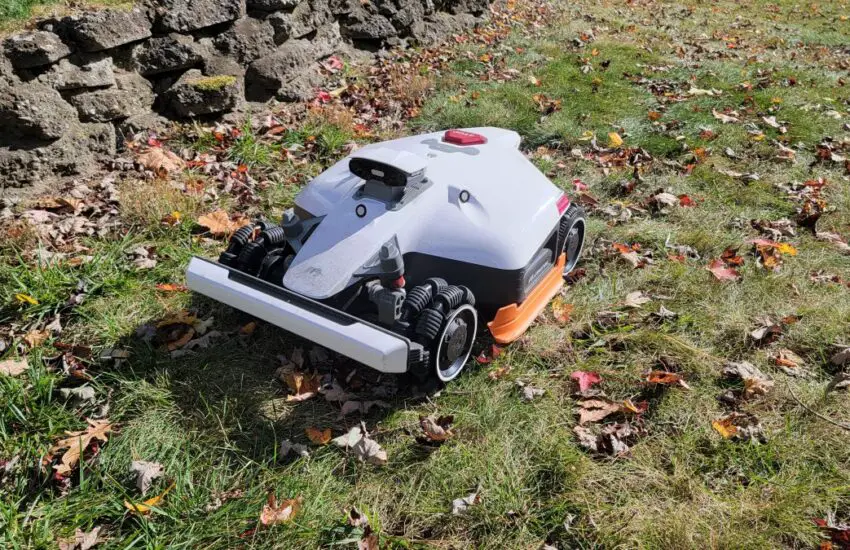
Homeowners seeking automated lawn solutions often face a critical choice between conventional robotic mowers and advanced smart mowers. While both promise hands-free operation, their approaches to lawn maintenance differ significantly. Traditional robotic mowers typically follow pre-programmed patterns with limited adaptability, whereas modern smart mowers utilize sophisticated sensors and AI to make real-time decisions about mowing strategies.

Intelligent Navigation Systems

Standard robotic mowers often rely on perimeter wires and basic programming that results in predictable, repetitive mowing patterns. This approach can lead to uneven grass wear and missed sections. Advanced smart mowers employ GPS mapping, object recognition, and terrain adaptation to create efficient, non-repetitive mowing routes. These systems can detect subtle changes in grass density and adjust cutting patterns accordingly, ensuring comprehensive coverage and healthier turf.

Adaptive Performance Features

Where traditional models operate on fixed schedules regardless of conditions, smart mowers respond to environmental factors. They can sense rainfall and delay mowing until optimal conditions return. Some models monitor grass growth rates and adjust frequency automatically, while others can detect worn areas and implement recovery strategies. This responsive approach prevents damage during wet conditions and promotes more consistent lawn health throughout changing seasons.

Long-Term Lawn Health Benefits

The random pattern mowing of advanced systems prevents soil compaction and grass blade damage that can occur with repetitive paths. By varying movement patterns and incorporating mulching technology, smart mowers distribute nutrients more evenly while maintaining optimal grass height. This results in thicker turf that naturally resists weeds and requires fewer supplemental treatments, creating a more sustainable maintenance solution.

Making the Right Choice for Your Landscape

When considering automated lawn care, the distinction between basic robotic mowers and intelligent systems becomes crucial. The initial investment in smarter technology often translates to long-term savings through reduced maintenance needs and improved lawn vitality. For homeowners seeking truly autonomous lawn care that adapts to their specific landscape requirements, advanced smart mowers provide a significantly superior solution compared to traditional robotic alternatives.

Advenir Powers 150,000 EV Charging Stations Milestone

National Program Accelerates Electric Vehicle Infrastructure

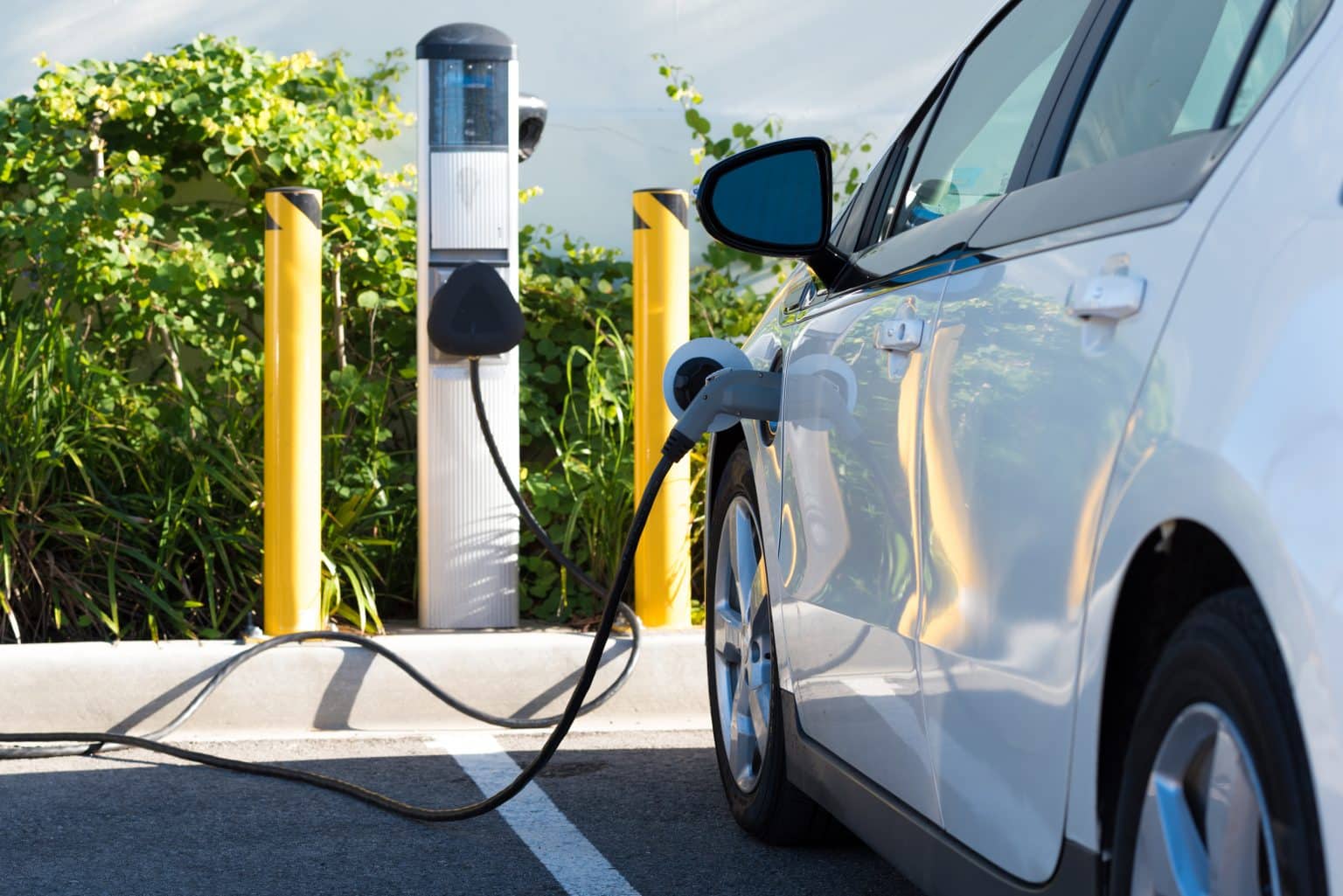
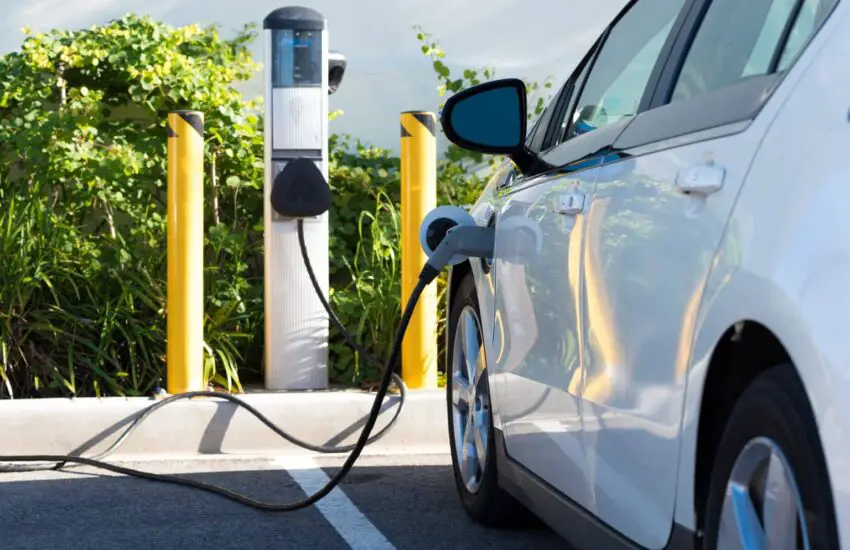
Electric vehicle charging station

The Advenir program has achieved a significant national milestone by financing its 150,000th electric vehicle charging station. This landmark achievement underscores the program’s pivotal role in expanding the backbone of EV infrastructure across the country, making electric mobility more accessible and convenient for a growing number of drivers.

Driving the Transition to Sustainable Transportation

Since its inception in 2016, Advenir has been instrumental in supporting the widespread adoption of electric vehicles. By subsidizing the installation of charging points in various locations—including residential complexes, workplaces, and public areas—the initiative addresses one of the primary concerns of potential EV owners: charging availability. This progress is crucial for reducing range anxiety and encouraging a shift away from fossil fuel-dependent transport.

Impact on Urban and Rural Mobility

The strategic deployment of these 150,000 charging stations ensures that both urban centers and rural communities benefit from enhanced EV support. Urban areas see a denser network of chargers, facilitating daily commutes and commercial electric vehicle use. Meanwhile, rural regions gain improved connectivity, supporting longer journeys and promoting regional economic development through increased tourism and local business engagement with clean technology.

Future Prospects for Electric Mobility

Reaching this milestone not only reflects past successes but also sets the stage for future advancements in electric mobility. As technology evolves, the integration of faster charging solutions and smart grid compatibility will further optimize the user experience. The continued expansion of such infrastructure is essential for meeting climate goals and fostering a sustainable, low-carbon transportation ecosystem.

Saint-Émilion Winemaker’s Eco-Journey with Electric Car

Bordeaux Vintner Blends Organic Wine and Electric Mobility

Winemaker with Fiat 500e in vineyard

In the heart of Saint-Émilion’s prestigious vineyards, a quiet revolution unfolds as traditional winemaking embraces sustainable innovation. Nicole Tapon represents a new generation of vintners who understand that environmental responsibility extends beyond the vineyard into every aspect of their operations.

Organic Transformation in Historic Terroir

The transition to organic viticulture in this renowned appellation demonstrates how established wine regions can evolve without compromising quality. By eliminating synthetic pesticides and fertilizers, the vineyard nurtures healthier soil ecosystems while producing grapes that better express their terroir. This approach requires meticulous attention to vine health and soil balance, resulting in wines with authentic character and reduced environmental impact.

Electric Vehicle Integration in Daily Operations

The Fiat 500e serves as more than just transportation between vineyard plots and the winery. This electric vehicle symbolizes the comprehensive nature of ecological transition in modern winemaking. Charged using renewable energy sources, the car operates with zero local emissions while navigating the narrow roads of the medieval village. The silent operation preserves the peaceful atmosphere of the vineyard landscape.

Holistic Sustainability Approach

This integrated approach demonstrates how traditional industries can reinvent themselves for the 21st century. From solar-powered cellar operations to water conservation systems and electric mobility, each element complements the other. The combination of organic certification and clean transportation creates a compelling narrative about modern luxury winemaking that respects both heritage and environment.

The seamless integration of ancient winemaking traditions with contemporary ecological solutions offers a template for other wine regions considering similar transitions. This balanced approach proves that environmental responsibility and premium quality can coexist harmoniously.

Porsche Cayenne Electric Battery Breakthrough

Porsche Cayenne Electric’s Revolutionary Battery Technology

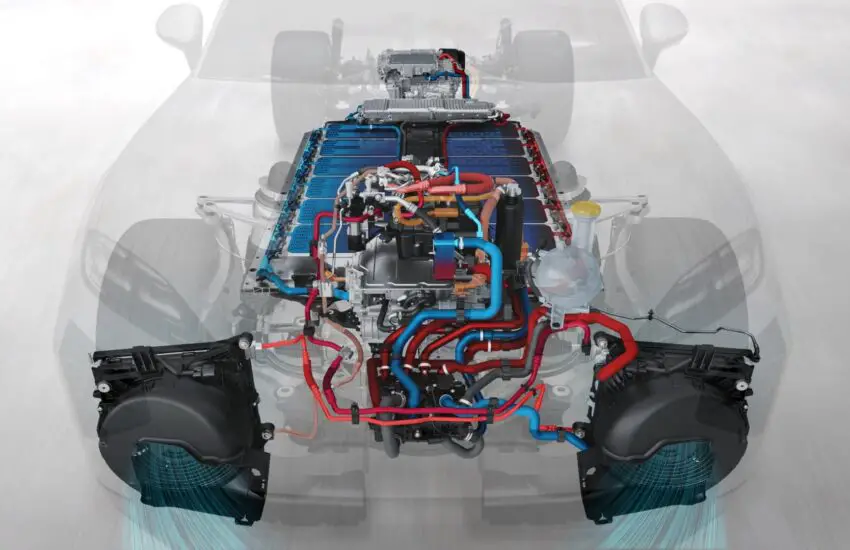
Porsche has unveiled groundbreaking battery technology for its upcoming all-electric Cayenne, marking a significant leap forward in electric vehicle performance. The new system combines cutting-edge engineering with intelligent thermal management to deliver unprecedented driving range and charging capabilities.

Advanced Battery Architecture

The electric Cayenne features an innovative battery design that maximizes energy density while minimizing weight. Porsche engineers have developed a unique cell-to-pack configuration that eliminates traditional module structures, allowing for more efficient use of space and improved thermal characteristics. This architecture enables faster charging times and better overall energy efficiency, setting new standards in the luxury SUV segment.

Performance and Range Optimization

Through sophisticated battery management software, the Cayenne electric maintains optimal performance across various driving conditions. The system intelligently regulates power distribution between motors and manages thermal conditions to ensure consistent performance during spirited driving. Real-world testing has demonstrated exceptional range figures that challenge conventional expectations for electric vehicles of this size and capability.

Sustainable Engineering Approach

Porsche has implemented comprehensive sustainability measures throughout the battery production process. The company utilizes recycled materials in battery construction and has established a closed-loop system for end-of-life battery management. This environmental commitment extends to the manufacturing facilities, which operate on renewable energy sources, reflecting Porsche’s dedication to reducing the carbon footprint of its electric vehicles.

Charging Innovation

The electric Cayenne introduces advanced charging capabilities that significantly reduce downtime. With support for ultra-high voltage charging systems, the vehicle can add substantial range in minimal time. The thermal management system works in concert with charging protocols to maintain ideal battery temperatures during rapid charging sessions, ensuring long-term battery health and consistent performance throughout the vehicle’s lifespan.

Hybrid and Electric Vehicle Shortage Outlook

Understanding the Hybrid and Electric Vehicle Supply Crisis

The automotive industry faces a significant challenge as hybrid and electric vehicle supplies dwindle. Production constraints, primarily driven by semiconductor shortages, have created a bottleneck affecting manufacturers globally. With consumer demand for eco-friendly vehicles at an all-time high, this imbalance threatens to delay the transition to sustainable transportation.

Key Factors Driving the Shortage

Several interconnected issues contribute to the current supply constraints. Semiconductor manufacturing disruptions continue to impact production schedules across all vehicle categories, with hybrid and electric models being particularly affected due to their higher chip requirements. Battery production limitations and supply chain logistics challenges further compound the situation, creating a perfect storm that shows few immediate signs of improvement.

Market Impact and Consumer Considerations

Prospective buyers encounter extended waiting periods and limited inventory selection. Dealerships report unprecedented demand against shrinking supplies, creating a seller’s market for available vehicles. This situation may temporarily slow the adoption rate of electric vehicles as consumers face practical constraints despite growing environmental awareness and government incentives.

Future Outlook and Industry Response

Automakers are implementing strategic changes to address these challenges. Many manufacturers are securing direct partnerships with semiconductor producers and battery suppliers to stabilize their supply chains. Simultaneously, investments in domestic production facilities aim to reduce dependency on international logistics networks. While these measures promise long-term stability, immediate relief remains unlikely in the coming weeks. The industry’s adaptation to these constraints demonstrates its resilience, though consumers should anticipate continued limited availability. The transition to electric mobility continues, albeit at a potentially slower pace than previously projected, as the sector works to overcome these substantial supply chain hurdles.

Renault’s Electric Revolution Hits Sales Milestone

Electrified Vehicles Drive Renault’s Market Success

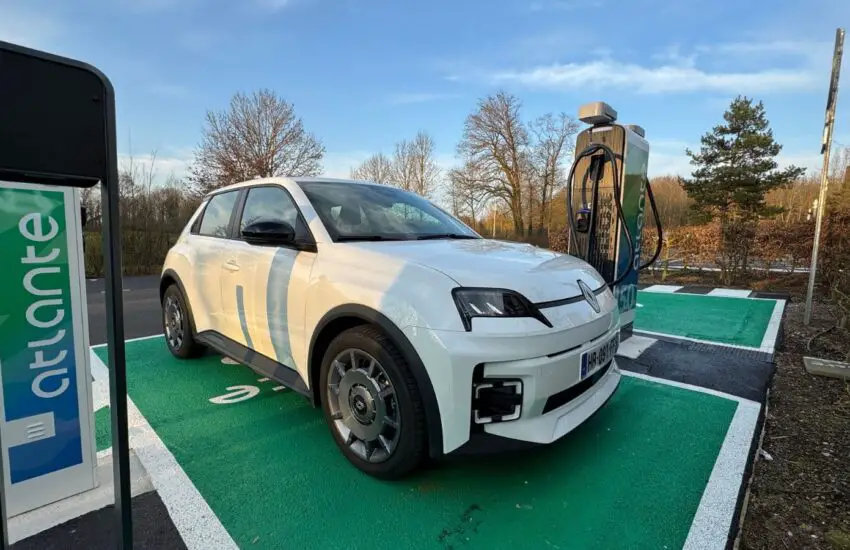
Renault Group is demonstrating remarkable resilience in a challenging global automotive market. While many manufacturers face headwinds, the French automaker reports impressive sales growth largely fueled by accelerating consumer adoption of its hybrid and electric vehicle lineup. This strategic shift toward electrification represents a fundamental transformation in the company’s product portfolio and market positioning.

Surging Demand for Clean Mobility Solutions

The automotive industry’s transition toward sustainable transportation has gained significant momentum, with Renault emerging as a key beneficiary. Consumer preferences have evolved rapidly, driven by environmental awareness, government incentives, and advancing technology. Renault’s comprehensive electrified range now appeals to a broad spectrum of buyers seeking to reduce their carbon footprint without compromising on performance or practicality.

Strategic Portfolio Evolution

Renault’s successful electrification strategy stems from careful planning and substantial investment in developing multiple platforms capable of accommodating various electrified powertrains. The company has effectively leveraged its engineering expertise to create vehicles that meet diverse customer needs across different price segments. This approach has enabled Renault to capture market share in both the hybrid and fully electric vehicle categories simultaneously.

Manufacturing and Supply Chain Adaptation

Supporting this sales achievement required significant adjustments to Renault’s production infrastructure and supply chain relationships. The company has retooled facilities and established new partnerships to secure battery supplies and electric motor components. These operational changes have positioned Renault to scale production efficiently as demand for electrified vehicles continues its upward trajectory across European markets and beyond.

Future Product Development

Building on this success, Renault has accelerated development of next-generation electric vehicles featuring improved range, faster charging capabilities, and enhanced connectivity. The company’s renewed focus on innovation reflects confidence in the long-term growth potential of the electrified vehicle market and commitment to maintaining technological leadership in this rapidly evolving segment.

Tesla Model Y Tops European Car Sales

Europe’s Best-Selling Vehicle

Tesla Model Y on European road

The Tesla Model Y has solidified its position as Europe’s most popular vehicle, achieving unprecedented sales figures across the continent. In September, this all-electric SUV outperformed all competitors, becoming the top-selling car regardless of powertrain type. This remarkable achievement highlights a significant shift in consumer preferences toward sustainable mobility solutions.

Unprecedented Market Performance

European automotive markets have witnessed the Tesla Model Y’s consistent climb to dominance. With its blend of performance, technology, and environmental credentials, the vehicle has captured the attention of diverse consumer segments. Its success marks the first time an electric vehicle has led overall European sales, signaling a transformative moment for the industry.

Factors Driving Popularity

Several elements contribute to the Model Y’s market leadership. Its competitive pricing, extensive Supercharger network, and advanced autonomous driving capabilities make it an attractive option for modern drivers. Additionally, government incentives for electric vehicles and growing environmental awareness have accelerated its adoption across European countries.

Impact on Automotive Industry

The Model Y’s success is reshaping competitive dynamics in the European automotive sector. Traditional manufacturers are accelerating their electric vehicle programs to compete with Tesla’s innovation and market penetration. This trend indicates a broader industry transition toward electrification, with consumer demand increasingly favoring zero-emission vehicles.

As charging infrastructure expands and battery technology improves, electric vehicles like the Model Y are expected to maintain their momentum. The automotive landscape in Europe continues to evolve, with sustainability becoming a central factor in purchasing decisions.

Nissan Tests Retractable Solar Roof on Electric Sakura

Innovative Solar Technology for Urban Mobility

Nissan is pioneering a groundbreaking retractable solar roof system on its popular Sakura electric kei car, marking a significant step forward in sustainable urban transportation. This experimental feature aims to extend the vehicle’s range by harnessing solar energy, addressing one of the key concerns for city drivers: frequent charging needs. As compact EVs gain traction in crowded metropolitan areas, this technology could redefine how owners interact with their vehicles’ energy consumption.

How the Retractable Solar Roof Works

The system consists of lightweight, flexible solar panels that deploy from the roof when the vehicle is parked or driving in optimal sunlight conditions. Unlike fixed solar roofs seen on some vehicles, this retractable design allows drivers to maximize energy capture without compromising aesthetics or aerodynamics. Early tests indicate the system can contribute meaningful power for daily commutes, particularly in sunny regions where it might supplement up to 10-15% of typical urban driving needs.

Potential Impact on Electric Vehicle Market

If successfully implemented, this technology could set a new standard for eco-friendly vehicles in the competitive kei car segment. The Sakura, already Japan’s best-selling electric minicar, would gain an additional edge by reducing dependency on charging infrastructure. This innovation aligns with global trends toward energy-efficient transportation solutions and demonstrates Nissan’s commitment to pushing the boundaries of electric mobility. As automakers worldwide explore solar integration, Nissan’s approach with a retractable system offers unique flexibility that could appeal to environmentally conscious consumers seeking practical daily transportation.

While still in testing phases, the solar roof represents a promising development in making electric vehicles more self-sufficient. Its success could inspire similar applications across Nissan’s lineup and influence other manufacturers to invest in solar-assisted driving technologies. As cities continue to prioritize sustainability, features like this may become increasingly valuable differentiators in the evolving automotive landscape.

Rivian’s Electric Ambitions Face Economic Headwinds

Rivian’s Strategic Partnership with Volkswagen

Rivian, the American electric vehicle manufacturer, has entered a significant collaboration with automotive giant Volkswagen. This partnership focuses on advancing software-defined vehicle platforms, combining Rivian’s innovative technology with Volkswagen’s manufacturing expertise. The alliance aims to accelerate development of next-generation electric vehicles, positioning both companies competitively in the evolving EV market.

Economic Challenges in the EV Sector

Despite technological advancements and growing consumer interest in sustainable transportation, Rivian faces substantial economic pressures. The electric vehicle industry confronts multiple headwinds including supply chain constraints, rising material costs, and intensified competition. These factors have created a challenging environment for newer entrants in the automotive space, even those with promising technology and design.

Workforce Adjustments and Strategic Realignment

Recent reports indicate Rivian is implementing workforce reductions as part of broader cost-cutting measures. These staff adjustments reflect the company’s response to current market conditions and its efforts to achieve long-term financial sustainability. The restructuring comes amid similar challenges faced by other electric vehicle manufacturers navigating the transition from startup to established automaker.

Future Prospects for Electric Mobility

The automotive industry continues its gradual shift toward electrification, with governments worldwide implementing policies to encourage EV adoption. Rivian’s distinctive product lineup, including adventure-oriented electric trucks and SUVs, occupies a unique position in the market. The company’s ability to leverage its Volkswagen partnership while managing operational costs will be crucial for its continued presence in the competitive electric vehicle landscape.