Ram’s First SUV Arrives 2028: Charging into New Territory

Ram Expands Lineup with Debut SUV Slated for 2028

Ram, a brand synonymous with rugged trucks and commercial vans, is set to make a historic leap by introducing its first-ever SUV. This official announcement from Stellantis CEO Antonio Filosa signals a strategic pivot for the automaker, aiming to capture a broader segment of the automotive market.

Strategic Shift for the Truck Specialist

Initially reported by Automotive News, this new SUV will be complemented by a mid-size pickup truck, fulfilling a long-standing promise to diversify Ram’s offerings. By venturing into the highly competitive SUV segment, Ram aims to leverage its reputation for durability and performance to attract families and adventure seekers alike. This move is seen as essential for staying relevant in an evolving market where utility and versatility are paramount.

Reviving a Legacy Nameplate

Industry speculation is rife that this new model could mark the return of the Ramcharger, a nameplate with a rich heritage from the 1970s to the 1990s. A modern reinterpretation would blend nostalgic appeal with cutting-edge technology, potentially featuring hybrid or fully electric powertrains to meet contemporary environmental standards. This revival could position Ram as a formidable competitor against established SUV manufacturers.

Anticipated Features and Market Impact

While specific details remain under wraps, expectations include robust towing capacity, advanced off-road capabilities, and state-of-the-art infotainment systems. The SUV is likely to share its platform with upcoming Ram trucks, ensuring cost-efficiency and engineering synergy. This expansion not only strengthens Ram’s portfolio but also challenges rivals by offering a fresh alternative in the crowded utility vehicle landscape.

A New Chapter for an Iconic Brand

The introduction of a Ram SUV in 2028 represents more than just a new model; it signifies the brand’s adaptation to consumer demands for versatile, family-friendly vehicles without compromising on power. As development progresses, anticipation builds for how Ram will translate its truck DNA into a successful SUV, potentially reshaping its identity for decades to come.

Cadillac Celestiq 2026 Price Soars Past $400,000

Cadillac Celestiq Surpasses $400,000 Mark

The 2026 Cadillac Celestiq, an ultra-luxury electric vehicle, has undergone a significant price adjustment, now exceeding $400,000. This represents a substantial increase from its previously announced starting point of around $340,000. The price revision reflects the vehicle’s positioning as a hand-built, bespoke flagship model intended to rival the most exclusive automobiles globally. Despite the steep cost, the increase is accompanied by an enhancement of the car’s standard features, offering greater value and customization options for the discerning clientele it targets.

Factors Driving the Price Increase

This price surge for the Celestiq is not arbitrary. It is deeply rooted in the current automotive landscape and Cadillac’s strategic ambitions. The brand is navigating a period of intense transformation within the industry, shifting its focus toward an all-electric future. The Celestiq is more than just a car; it is a statement piece designed to redefine the Cadillac brand and showcase its technological and manufacturing capabilities. The costs associated with its low-volume, artisanal production, advanced electric powertrain, and extensive use of premium materials directly contribute to its premium pricing.

Market Positioning and Exclusivity

The Celestiq is engineered for exclusivity. With production numbers expected to be extremely limited, each vehicle is essentially a custom commission. This approach allows for an unparalleled level of personalization, where buyers can work directly with designers to create a truly one-of-a-kind automobile. The price point is a deliberate strategy to place the Celestiq in a rarefied segment of the market, competing with bespoke offerings from legacy luxury marques and solidifying Cadillac’s status as a purveyor of top-tier electric luxury.

Enhanced Standard Equipment

In conjunction with the price hike, Cadillac has enriched the Celestiq’s standard specification. Prospective owners will find that what was once optional is now included, encompassing advanced driver-assistance systems, next-generation infotainment technology, and even more luxurious interior appointments. This move ensures that the elevated price is matched by a corresponding elevation in the vehicle’s inherent value and the ownership experience, justifying the investment for its target audience.

Toyota’s Combustion Engine Commitment in Electric Era

Toyota’s Unconventional Path in Automotive Evolution

While most automakers race toward full electrification, Toyota has charted a distinctive course that preserves internal combustion technology. The Japanese manufacturer’s strategy acknowledges the complex global energy transition, where infrastructure readiness and consumer adoption rates vary dramatically across markets. Rather than abandoning century-old thermal engine expertise, Toyota engineers are refining these powerplants to achieve unprecedented efficiency levels.

Technical Innovations in Traditional Powertrains

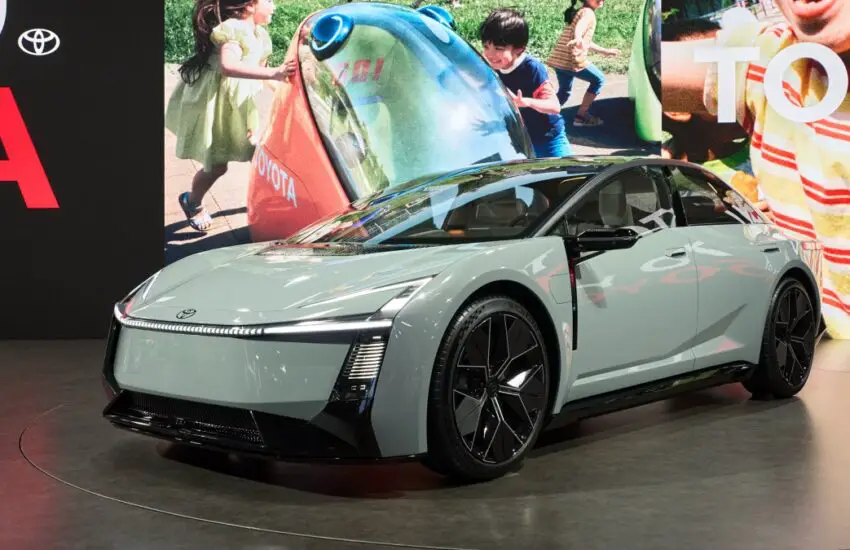
At recent automotive exhibitions, Toyota demonstrated how compact combustion engines can complement modern vehicle design. The futuristic Corolla concept showcases how a small gasoline engine enables both distinctive styling and generous interior volume despite a shortened hood. This engineering approach represents Toyota’s belief that multiple powertrain solutions must coexist during the lengthy transition to sustainable mobility.

Hybrid Technology as Strategic Bridge

Toyota’s extensive experience with hybrid systems positions the company uniquely in the industry. By pairing optimized combustion engines with electric motors, Toyota creates vehicles that reduce emissions without requiring charging infrastructure. This practical solution addresses real-world constraints while delivering significant environmental benefits compared to conventional gasoline vehicles.

The Economic Logic Behind Thermal Engine Continuation

Maintaining combustion engine production makes strategic sense for markets where electricity generation remains carbon-intensive or unreliable. In regions where renewable energy infrastructure develops slowly, highly efficient gasoline and diesel engines represent the most immediately accessible path to emission reduction. Toyota’s commitment ensures these markets aren’t left behind in the mobility evolution.

This multifaceted approach reflects Toyota’s philosophy of providing diverse solutions for diverse global needs. Rather than betting exclusively on any single technology, the company continues investing in thermal engine refinement while simultaneously developing electric and hydrogen alternatives.

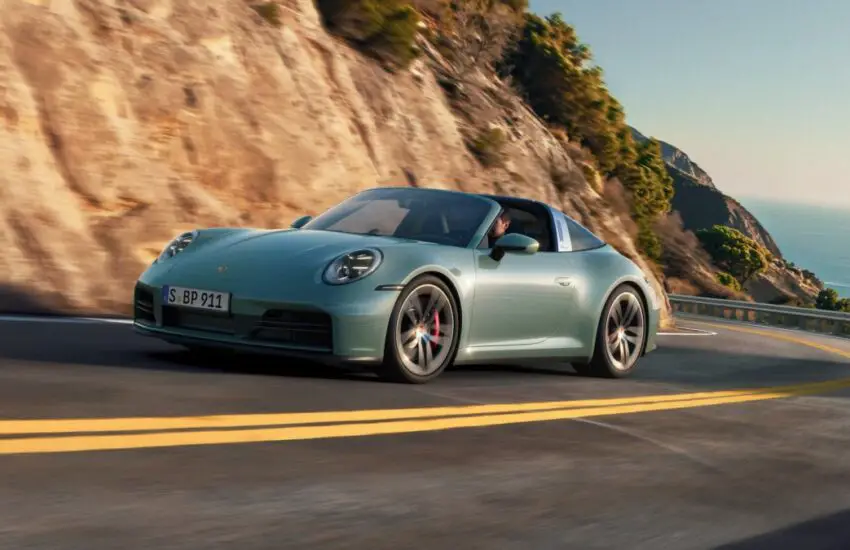
Porsche’s Tunnel Mode: Ultimate Driving Sound Experience

Beyond Gimmicks: Porsche’s Audio Innovation

Modern vehicles increasingly feature superfluous technologies that add little to the driving experience. From remote engine start functions to customizable cabin fragrance systems, many innovations feel disconnected from what drivers truly need. Porsche has challenged this trend with a groundbreaking patent filing for Tunnel Mode, an audio feature designed specifically to enhance one of driving’s most dramatic moments.

How Tunnel Mode Transforms Driving

Porsche’s Tunnel Mode represents a sophisticated approach to automotive audio engineering. When sensors detect the vehicle entering a tunnel, the system automatically adjusts the sound profile to create an immersive auditory experience. Rather than simply increasing volume, the technology optimizes frequency response and acoustic staging to complement the tunnel’s natural acoustics.

The Science Behind the Sound

The system utilizes pre-loaded mapping data combined with real-time GPS positioning to anticipate tunnel approaches. Advanced algorithms analyze the tunnel’s dimensions and composition to calculate optimal audio parameters. This enables the creation of a customized sound environment that enhances engine notes, exhaust tones, and even music playback to leverage the tunnel’s unique acoustic properties.

Elevating the Driving Experience

Unlike many automotive gadgets that prioritize novelty over substance, Tunnel Mode addresses a genuine aspect of driving pleasure. The technology transforms ordinary tunnel passages into memorable sensory events, creating what Porsche engineers describe as “acoustic theater.” This innovation demonstrates how thoughtful engineering can enhance driving enjoyment without compromising vehicle performance or driver focus.

Future of Automotive Audio

Porsche’s patent signals a shift toward context-aware vehicle systems that adapt to driving environments. As automotive technology evolves, features like Tunnel Mode represent a more meaningful direction for innovation – one that prioritizes emotional engagement over mere technical specifications. This approach could influence how other manufacturers develop driver-focused technologies in coming years.

Tesla Autopilot Mishap Disrupts Motorcycle Race

Race Day Chaos as Self-Driving Car Invades Track

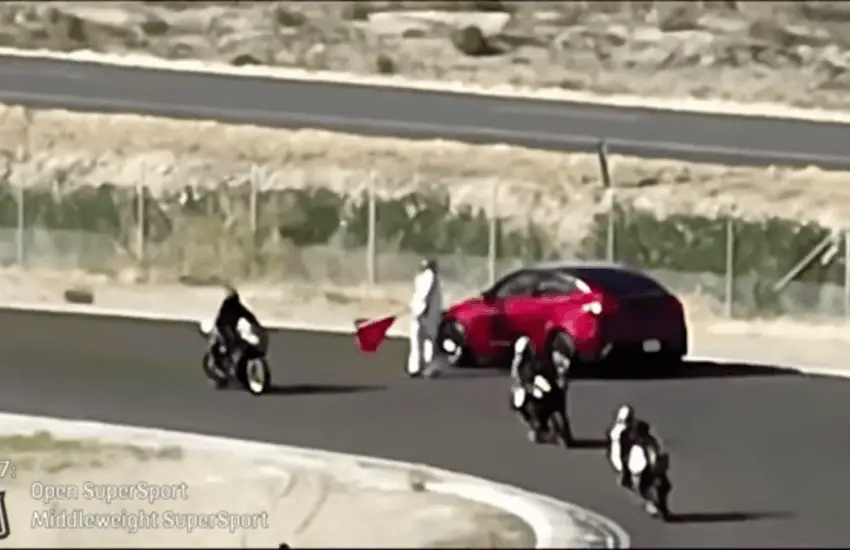
During a heated AFM motorcycle competition at Buttonwillow Raceway, an unexpected participant stole the spotlight when a crimson Tesla Model S activated its autonomous driving features and entered the active circuit. The vehicle approached from the opposite direction of race traffic, creating a potentially catastrophic scenario that left officials scrambling to ensure rider safety.

Autonomous Systems Under Scrutiny

The incident raises serious questions about the limitations of current self-driving technology. While Tesla’s Autopilot system is designed for public roads with clear lane markings, its behavior on a closed racetrack with unconventional signage demonstrates how artificial intelligence can misinterpret unusual environments. The system likely identified the track as a navigable roadway despite the absence of normal traffic patterns.

Track Security Protocols Questioned

How the Tesla gained access to a secured racing facility remains under investigation. Most circuits employ multiple security layers including gates, staff monitoring, and vehicle credentials. This breach suggests either human error in perimeter security or the vehicle following outdated mapping data that didn’t account for temporary event closures.

Racing Community Reaction

Professional riders and race organizers expressed both concern and frustration. “When you’re leaning into a corner at 160 mph, the last thing you expect is a sedan coming the wrong way,” commented one competitor. The incident forced race directors to deploy red flags, halting competition until the rogue vehicle could be safely removed from the circuit.

This unprecedented event serves as a wake-up call for both motorsport venues and autonomous vehicle manufacturers. As self-driving technology becomes more prevalent, new protocols must be developed to prevent similar occurrences at specialized facilities where conventional road rules don’t apply.

Cadillac Escalade V 2025: The Quiet Revolution

The Shift to Acoustic Sophistication

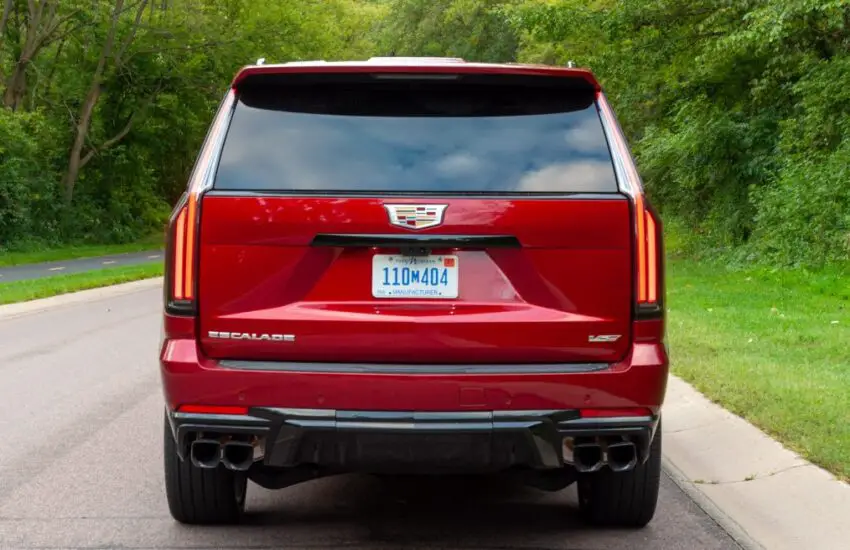
When the Cadillac Escalade V debuted in 2023, it was celebrated for its thunderous presence, establishing itself as one of the most audibly aggressive SUVs on the market. The 2025 model, however, signifies a profound evolution beyond its refreshed front fascia and technological upgrades. This iteration marks a deliberate pivot toward acoustic refinement, redefining what luxury means in a high-performance vehicle.

Engineering a Quieter Cabin

Cadillac engineers have implemented a comprehensive suite of noise-reduction technologies in the 2025 Escalade V. Advanced active noise cancellation systems now work in harmony with enhanced sound-deadening materials throughout the cabin and chassis. The strategic placement of acoustic laminated glass and improved door seals effectively isolates occupants from road and wind noise, creating a sanctuary of silence even at highway speeds.

Performance Without the Decibels

The supercharged 6.2-liter V-8 engine retains its formidable power output but delivers it with newfound civility. Revised exhaust tuning and engine mounts allow the powertrain to operate with reduced vibration and harshness. Drivers can still engage a more vocal exhaust note through selectable drive modes, but the default character is now notably more subdued, aligning with expectations for a top-tier luxury experience.

A New Benchmark for Luxury SUVs

This transition to a quieter demeanor does not diminish the Escalade V’s capabilities; it enhances them. The serene cabin environment allows the latest iteration of the AKG Studio Reference sound system to shine, while passengers enjoy conversations without raising their voices. By prioritizing acoustic comfort, Cadillac has crafted an SUV that excels in both exhilarating performance and tranquil refinement, setting a new standard for the segment.

BYD Racco Challenges Japan’s Kei Car Dominance

BYD Racco: The Electric Kei Car Shaking Up Japan

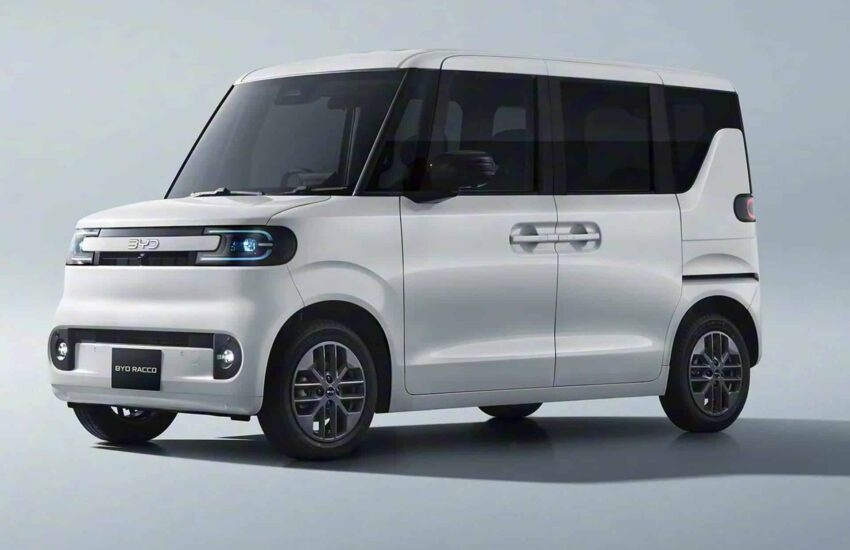
The automotive world is witnessing a bold move as Chinese automaker BYD introduces the Racco, a fully electric Kei car designed to compete directly in Japan’s most cherished vehicle segment. This strategic entry challenges domestic manufacturers on their home turf, signaling a new era in the electric vehicle revolution.

Redefining Kei Car Standards

The BYD Racco brings modern electric technology to a category traditionally dominated by gasoline engines. With its compact dimensions conforming to Japan’s strict Kei car regulations, the Racco offers zero-emission mobility without compromising the practical urban advantages that make Kei cars so popular. The vehicle’s design incorporates contemporary styling elements while maintaining the functional box-shaped silhouette characteristic of the segment.

Technical Innovation and Performance

Powered by BYD’s advanced Blade Battery technology, the Racco delivers reliable range and safety in urban environments. The electric powertrain provides instant torque for responsive city driving, while regenerative braking enhances efficiency. The interior maximizes the limited dimensions through smart packaging, offering surprising cabin space and modern connectivity features uncommon in traditional Kei cars.

Market Implications and Competition

BYD’s entry into the Japanese Kei car market represents more than just another electric vehicle launch—it’s a direct challenge to established players like Daihatsu, Suzuki, and Honda. The Racco’s competitive pricing and electric efficiency could disrupt market dynamics, potentially accelerating the electrification of Japan’s entire Kei car segment. This move demonstrates how Chinese automakers are evolving from domestic champions to global contenders in specialized vehicle categories. The introduction of the BYD Racco comes at a pivotal moment as Japan’s automotive industry grapples with electrification. While Japanese manufacturers have been developing their own electric Kei car solutions, BYD’s aggressive timeline and proven EV technology pose a significant threat to their market dominance. The Racco’s reception will test whether international brands can succeed in Japan’s unique automotive culture.

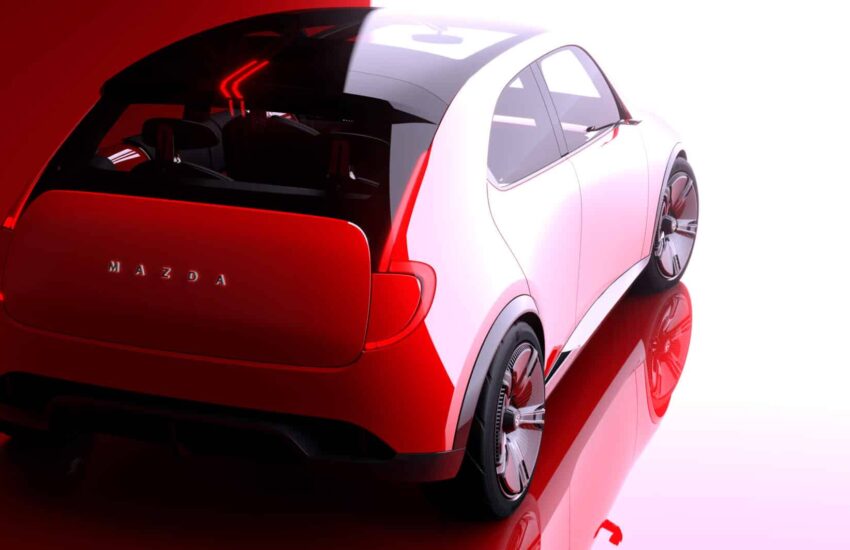
Mazda Charts Alternative Path at Tokyo Motor Show

Mazda’s Distinctive Strategy in the Automotive Industry

At the Japan Mobility Show in Tokyo, Mazda has reinforced its unique approach to the future of mobility by unveiling two new concept vehicles. While many automakers are rapidly transitioning to fully electric models, Mazda is pursuing a differentiated strategy focused on hybrid technologies and alternative powertrains. This positioning highlights the company’s commitment to innovation without following industry trends blindly.

Visionary Concepts Showcasing Hybrid Innovation

The Mazda Vision Concept models displayed at the event demonstrate the brand’s engineering philosophy of balancing performance with environmental responsibility. These vehicles incorporate next-generation hybrid systems that optimize fuel efficiency while maintaining the driving dynamics Mazda is known for. The design language reflects both aerodynamic efficiency and the brand’s signature Kodo design philosophy, creating vehicles that are both visually striking and functionally advanced.

Sustainable Approach to Vehicle Electrification

Mazda’s strategy represents a thoughtful approach to the industry’s electrification challenge. Rather than adopting a purely battery-electric pathway, the company is developing multiple solutions including advanced hybrid systems and exploring alternative fuel options. This multi-solution approach allows Mazda to address diverse market needs and infrastructure realities across different global regions while reducing overall carbon emissions.

Engineering Philosophy Behind the Strategy

The technical foundation of Mazda’s alternative strategy lies in their human-centric development process. Engineers focus on creating vehicles that deliver joy through driving while progressively incorporating cleaner technologies. This methodology ensures that environmental advancements don’t compromise the driving experience that defines the Mazda brand. The company’s research indicates that hybrid technologies currently offer the optimal balance between environmental benefits and practical usability for many consumers.

As automotive manufacturers worldwide navigate the transition to cleaner transportation, Mazda’s Tokyo showcase demonstrates that multiple pathways exist toward sustainable mobility. The company’s commitment to hybrid innovation provides consumers with additional choices in the evolving automotive landscape.

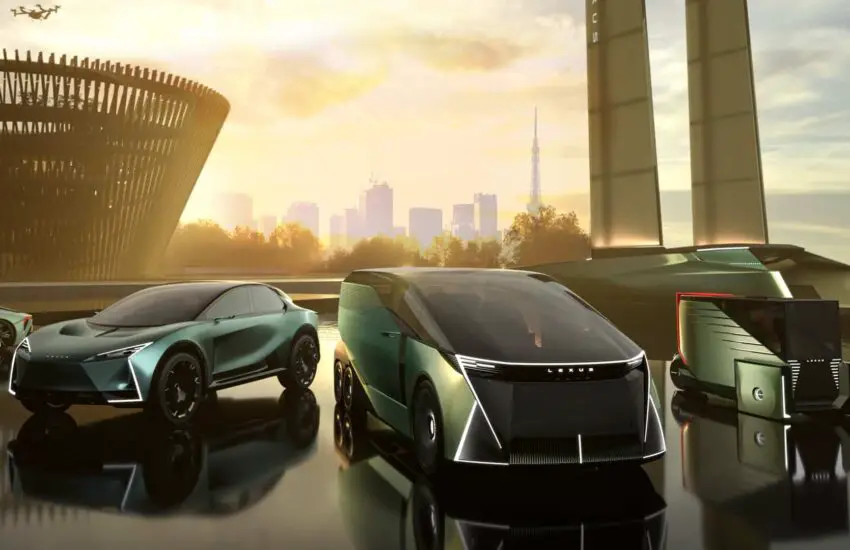
Lexus 2025 Tokyo: Six-Wheel Electric MPV Concept

Lexus Electrifies Tokyo With Visionary Concepts

Lexus stunned attendees at the 2025 Tokyo Motor Show with a trio of groundbreaking electric vehicle concepts, signaling a radical new design direction. The Japanese luxury brand’s display focused on redefining space, comfort, and sustainability, with one model in particular challenging conventional automotive architecture.

The Six-Wheel MPV: A New Category

Center stage belonged to an extraordinary six-wheeled multi-purpose vehicle concept. This innovative design features a unique 6×2 wheel configuration, with four front wheels for enhanced stability and two rear wheels for propulsion. The elongated wheelbase creates an unprecedented interior cabin space, offering lounge-like seating arrangements with fully rotating captain’s chairs and modular seating systems.

Advanced Technology Integration

Beyond its striking appearance, the concept incorporates cutting-edge technologies including steer-by-wire systems and individual wheel torque vectoring. The extended front axle allows for tighter turning circles despite the vehicle’s substantial length, while the additional wheels provide superior weight distribution and braking performance. The glass roof integrates transparent solar panels that supplement the vehicle’s power needs for auxiliary systems.

Sustainable Luxury Focus

Lexus emphasized the use of innovative sustainable materials throughout the concept vehicles. The six-wheel MPV features seats upholstered in fabric made from recycled ocean plastics and interior trim crafted from compressed bamboo fibers. The dashboard incorporates a new type of plant-based leather alternative that offers both luxury appeal and environmental responsibility, setting new standards for eco-conscious premium vehicles.

The Tokyo Motor Show presentation positions Lexus as a forward-thinking brand willing to challenge automotive conventions. These concepts demonstrate how electric platforms can enable entirely new vehicle architectures that prioritize both passenger experience and environmental sustainability, potentially influencing production vehicles for the next decade.

Fleet Managers’ Electric Vehicle Cost Challenge

The Hidden Expenses of Electric Fleet Transition

While electric vehicles promise long-term operational savings, fleet managers are discovering unexpected cost barriers during the transition phase. These financial challenges extend beyond initial purchase prices to include several overlooked aspects of electric vehicle ownership that impact total cost of ownership calculations.

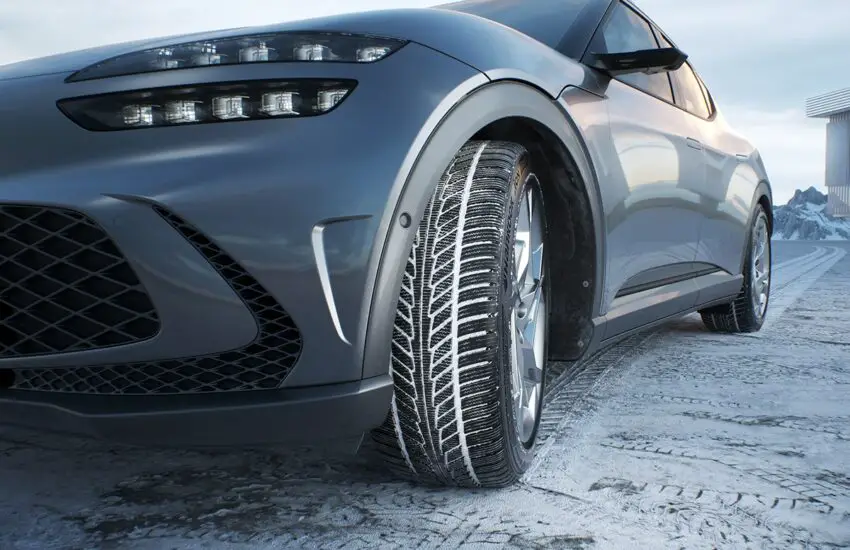
Tire Replacement Costs

Electric vehicles place unique demands on tires due to their instant torque and heavier battery weight. Fleet operators report tire wear rates 20-30% faster than comparable internal combustion vehicles. The specialized EV tires required to handle the weight and torque come at a premium, creating an ongoing expense many fleet planners didn’t anticipate in their initial budgeting.

Charging Infrastructure Investment

The transition to electric requires substantial upfront investment in charging infrastructure that goes beyond simple charger installation. Fleet operators must account for electrical system upgrades, potential transformer replacements, and ongoing maintenance of charging equipment. These infrastructure costs represent a significant capital outlay that extends the payback period for many fleet electrification projects.

Maintenance Cost Surprises

While EVs generally require less routine maintenance than traditional vehicles, the repairs they do need often come with higher price tags. Specialized training for technicians and proprietary diagnostic equipment drive up labor rates, while battery cooling systems and high-voltage components represent expensive repair items when they fall outside warranty coverage.

Residual Value Uncertainty

Fleet managers face additional financial uncertainty regarding electric vehicle residual values. Rapid technological improvements in battery technology and charging speeds create concerns about today’s EVs becoming obsolete more quickly than traditional vehicles. This uncertainty complicates long-term financial planning and leasing arrangements for corporate fleets.

These persistent cost factors require careful consideration in fleet electrification strategies. Successful transition planning must account for both the promised savings and these very real additional expenses to create sustainable electric fleet operations.